Cracking a skill-specific interview, like one for Specialized equipment and materials, requires understanding the nuances of the role. In this blog, we present the questions you’re most likely to encounter, along with insights into how to answer them effectively. Let’s ensure you’re ready to make a strong impression.
Questions Asked in Specialized equipment and materials Interview
Q 1. Describe your experience with preventative maintenance on specialized equipment.
Preventative maintenance is the cornerstone of keeping specialized equipment running smoothly and efficiently. It’s about proactively addressing potential issues before they escalate into costly breakdowns. My approach involves a multi-faceted strategy combining scheduled inspections, lubrication routines, and component replacements based on manufacturer recommendations and operational data.
For example, in my previous role maintaining high-precision CNC milling machines, we followed a strict PM schedule. This included weekly checks of coolant levels and filtration, monthly lubrication of critical moving parts (like the spindle and axes), and quarterly inspections of the entire machine for wear and tear. We also tracked operational hours and replaced specific components (e.g., cutting tools, belts) at predetermined intervals to avoid catastrophic failure.
Beyond scheduled maintenance, I also incorporate condition-based monitoring. This involves using sensors to track vibrations, temperatures, and other key parameters. Anomalies in these readings can signal developing problems, allowing for intervention before significant damage occurs. Think of it like a health check-up for the machine – identifying minor issues before they become major health crises.
Q 2. Explain the different types of materials used in [specific industry/application] and their properties.
Let’s focus on the aerospace industry, specifically aircraft construction. Material selection is critical due to the demanding conditions these vehicles face. We use a variety of materials, each with specific properties tailored to their application:
- Aluminum Alloys: Widely used due to their high strength-to-weight ratio, excellent corrosion resistance, and ease of formability. Different alloys (e.g., 2024, 7075) offer varying strength and workability characteristics.
- Titanium Alloys: Employed in high-temperature and high-stress components, such as engine parts and landing gear. Titanium alloys boast exceptional strength, heat resistance, and corrosion resistance, albeit at a higher cost.
- Carbon Fiber Composites: Increasingly prevalent, these materials offer remarkable strength and stiffness while being significantly lighter than metals. They are crucial in reducing aircraft weight, leading to better fuel efficiency. Different fiber types and resin systems provide a range of properties.
- Steel: While less prevalent in modern aircraft, high-strength steel is still used in certain structural components where its high strength and toughness are needed.
The selection of a material hinges on several factors including the required strength, weight, corrosion resistance, temperature tolerance, and manufacturing process. A detailed analysis ensures the best material for each component, ensuring optimal performance and safety.
Q 3. How would you troubleshoot a malfunctioning piece of specialized equipment?
Troubleshooting malfunctioning specialized equipment demands a systematic and methodical approach. My strategy involves a structured process:
- Safety First: Isolate the equipment and ensure the area is safe before attempting any troubleshooting.
- Gather Information: Collect data on the malfunction. What are the symptoms? When did it start? Were there any preceding events? Operator logs and error codes are valuable.
- Consult Documentation: Refer to the equipment’s manuals, schematics, and troubleshooting guides. These often contain diagnostic flowcharts and solutions for common issues.
- Visual Inspection: Carefully examine the equipment for obvious problems – loose connections, damaged components, leaks, etc.
- Systematic Testing: Test individual components to isolate the problem. This might involve checking electrical circuits, hydraulic systems, or pneumatic controls.
- Data Analysis: Utilize any available data logging capabilities to identify patterns or trends that might indicate the root cause.
- Seek Expert Assistance: If the problem persists, consult with the manufacturer’s technical support or other specialists.
For instance, if a CNC machine suddenly stops mid-operation, I might check for power supply issues, emergency stop activation, or software glitches before moving on to more complex mechanical or hydraulic system diagnostics.
Q 4. What are the common causes of equipment failure and how can they be prevented?
Equipment failure stems from various causes, many of which are preventable. Common culprits include:
- Lack of Preventative Maintenance: Neglecting routine inspections and servicing leads to premature wear and tear and catastrophic failures.
- Operator Error: Incorrect operation or misuse can damage equipment, especially with intricate machinery.
- Environmental Factors: Exposure to extreme temperatures, humidity, or dust can accelerate wear and corrosion.
- Material Degradation: Over time, materials can degrade, leading to fatigue and cracking.
- Poor Design or Manufacturing: Defects in the design or manufacturing process can cause premature failure.
Prevention involves implementing robust preventative maintenance programs, providing thorough operator training, controlling the operational environment, and using high-quality materials and components. Regular inspections, condition monitoring, and prompt repairs are essential steps.
Q 5. Describe your experience with safety protocols related to specialized equipment.
Safety is paramount when working with specialized equipment. My experience encompasses a range of protocols, including:
- Lockout/Tagout Procedures (LOTO): Strict adherence to LOTO procedures ensures that equipment is safely de-energized before maintenance or repair. This prevents accidental start-up and injury.
- Personal Protective Equipment (PPE): Consistent use of appropriate PPE, such as safety glasses, gloves, hearing protection, and safety shoes, is mandatory. The specific PPE depends on the equipment and tasks involved.
- Risk Assessments: Before any work commences, a thorough risk assessment is performed to identify potential hazards and implement mitigating controls. This proactive approach minimizes the chance of accidents.
- Emergency Procedures: All personnel are trained in emergency procedures, including how to respond to equipment malfunctions, fires, or injuries.
- Regular Safety Audits: Regular safety audits ensure that safety protocols are being followed and that the workplace is safe.
In practice, this means always double-checking safety interlocks, ensuring proper grounding, and using appropriate lifting equipment. Safety is not merely a set of rules, but a mindset that prioritizes the well-being of everyone involved.
Q 6. What quality control measures do you employ when working with specialized materials?
Quality control is vital when working with specialized materials to ensure both performance and safety. My approach involves several steps:
- Material Verification: All materials are verified against specifications, including certifications and test reports, to confirm their properties and quality.
- Incoming Inspection: A thorough inspection of incoming materials is conducted to detect any defects or inconsistencies.
- Non-Destructive Testing (NDT): NDT methods such as ultrasonic testing, radiography, or magnetic particle inspection are used to detect internal flaws without damaging the material.
- Process Monitoring: The manufacturing or processing steps are closely monitored to ensure consistency and adherence to specifications. This often involves using sensors and data logging systems.
- Final Inspection: A final inspection is performed on the finished product to verify that it meets the required quality standards.
Consider carbon fiber composites, for example. Quality control requires careful inspection of fiber alignment, resin content, and cure cycle parameters to ensure structural integrity. Failing to maintain quality standards can lead to catastrophic failure, particularly in high-stress applications like aerospace.
Q 7. How do you stay updated on the latest advancements in specialized equipment and materials?
Staying current in the ever-evolving field of specialized equipment and materials requires a multi-pronged approach:
- Industry Publications and Journals: I regularly read industry publications and journals to stay informed about the latest research, innovations, and best practices.
- Trade Shows and Conferences: Attending trade shows and conferences provides opportunities to network with peers and learn about new technologies and materials firsthand.
- Manufacturer Websites and Training: I actively engage with manufacturer websites and training programs to access the most up-to-date information on equipment and materials.
- Online Courses and Webinars: Online learning platforms offer valuable resources to enhance my knowledge and skills in specific areas.
- Professional Organizations: Membership in professional organizations provides access to resources, networking opportunities, and continuing education.
This ongoing commitment to learning ensures I remain at the forefront of technological advances and apply the latest best practices in my work.
Q 8. Explain your experience with selecting and sourcing specialized materials.
Selecting and sourcing specialized materials is a multifaceted process demanding a deep understanding of material properties, application requirements, and supplier capabilities. It starts with a thorough needs assessment, defining the material’s necessary characteristics like strength, durability, resistance to specific chemicals or temperatures, and cost effectiveness.
For instance, when working on a project requiring high-temperature resistance, I wouldn’t simply choose any steel; I’d meticulously research and compare options such as Inconel, Hastelloy, or other specialized alloys, analyzing their properties against the specific operating conditions to select the optimal material.
Next, comes sourcing. This involves identifying potential suppliers, evaluating their track record, quality control procedures, and lead times. I often use a combination of online databases, industry directories, and direct contact with manufacturers to ensure competitive pricing and reliable supply chains. Negotiating contracts is also crucial, encompassing not only price but also delivery schedules, quality guarantees, and potential penalties for non-compliance. Finally, rigorous quality checks are performed upon material delivery to ensure compliance with specifications. This might involve material testing using techniques like tensile testing, hardness testing, or chemical analysis.
Q 9. Describe a time you had to repair or replace a critical piece of specialized equipment.
During a petrochemical plant upgrade, a critical piece of equipment – a high-pressure valve – malfunctioned, leading to a plant shutdown. The valve, a bespoke design made of a specialized corrosion-resistant alloy, was no longer manufactured. Repair attempts failed due to the extensive damage. The situation was critical as downtime cost the company millions per day.
My approach involved a three-step solution: Firstly, a thorough investigation pinpointed the root cause of the failure, revealing material fatigue due to unexpected vibrational stress. Secondly, instead of simply replacing the valve with an identical (impossible) unit, we collaborated with engineering firms and materials specialists to design a robust replacement using alternative, readily available, high-strength alloys which could withstand the stress conditions. We ensured that all necessary calculations for strength, pressure, and material compatibility were rigorously checked. Finally, we expedited the fabrication process by working closely with the manufacturer, prioritizing quality without compromising safety or efficiency. The project was completed ahead of schedule, minimizing production losses and demonstrating effective problem-solving under pressure.
Q 10. How do you ensure the accuracy and reliability of measurements taken with specialized equipment?
Accuracy and reliability in measurements taken with specialized equipment are paramount. This hinges on a multi-pronged approach. Firstly, the equipment itself must be properly calibrated and maintained according to the manufacturer’s specifications. This involves regular checks using traceable standards, ensuring the equipment remains within its acceptable tolerance limits. Think of it like regularly tuning a musical instrument – it needs adjustments to stay in tune and produce accurate notes.
Secondly, proper operating procedures must be followed meticulously. This includes things like pre-measurement checks to ensure the device is functioning correctly, appropriate sample preparation techniques, and correct data recording methods. Thirdly, environmental factors can significantly influence measurement accuracy. For example, temperature fluctuations could affect the precision of a laser measurement system, so environmental controls may be necessary. Finally, multiple measurements should be taken and compared, and statistical analysis used to confirm the results and identify any outliers. This ensures that random errors are minimized, and the reported measurement reflects the true value.
Q 11. What are your strategies for managing inventory of specialized materials?
Managing inventory of specialized materials requires a combination of strategies to ensure availability while minimizing storage costs and waste. A crucial aspect is accurate inventory tracking. This might involve a combination of barcode scanning, RFID tagging, or a sophisticated inventory management system. Regular stock audits are conducted to verify the actual stock levels against recorded inventory. This helps identify any discrepancies early on. We also employ forecasting techniques to predict future demand and optimize procurement cycles. This reduces stockouts, yet avoids excessive storage.
Furthermore, implementing a ‘first-in, first-out’ (FIFO) system ensures that older materials are used first, thus minimizing the risk of material degradation or obsolescence. For materials with limited shelf life, we may use expiry-date tracking. Regular reviews of material usage patterns help optimize inventory levels. For instance, if demand for a particular material significantly decreases, we adjust the order quantities accordingly, preventing overstocking. By employing these strategies, we achieve a balance between efficient stock management and readily available specialized materials.
Q 12. How familiar are you with relevant safety regulations and standards for handling specialized materials?
Familiarity with safety regulations and standards for handling specialized materials is non-negotiable. My experience encompasses a broad range of regulations, including OSHA (Occupational Safety and Health Administration) standards in the US, and equivalent regulations in other countries. I am well-versed in the handling procedures, storage requirements, and personal protective equipment (PPE) needed for various materials, such as hazardous chemicals, flammable substances, or radioactive materials.
For instance, I am deeply familiar with the Globally Harmonized System of Classification and Labelling of Chemicals (GHS), understanding the safety data sheets (SDS) and the associated hazard warnings. This informs the choice of appropriate PPE, such as specialized respirators, gloves, and eye protection, as well as ensuring the correct storage conditions to minimize risk. I also understand the importance of conducting risk assessments before handling any specialized material and developing safe work procedures to prevent accidents. Regular safety training and the implementation of robust safety protocols are integral to my approach. This is not just about compliance; it’s about building a culture of safety within the team.
Q 13. Explain your experience with data analysis related to equipment performance.
Data analysis related to equipment performance is critical for optimizing maintenance schedules, predicting potential failures, and improving operational efficiency. I am proficient in using various data analysis techniques, ranging from simple descriptive statistics to more advanced methods like regression analysis and predictive modeling.
For example, I’ve utilized sensor data from a fleet of industrial robots to identify correlations between operating parameters (e.g., speed, load, temperature) and equipment failures. By analyzing this data, we were able to predict potential failures with reasonable accuracy, allowing for proactive maintenance and thus reducing downtime. This involved cleaning and preprocessing the data, selecting appropriate statistical models, and interpreting the results to inform maintenance decisions. The results were presented visually through charts and dashboards for easy understanding by stakeholders, including non-technical personnel.
Q 14. How do you handle situations where specialized equipment malfunctions during critical operations?
Malfunctions during critical operations require swift and decisive action. The immediate priority is to ensure the safety of personnel and prevent further damage to equipment or the surrounding environment. The first step is to immediately shut down the equipment and isolate it from the system to prevent cascading failures.
Next, a thorough assessment is carried out to determine the nature of the malfunction. This involves reviewing operational logs, sensor data, and visual inspection of the equipment, identifying the root cause of the problem. Once the problem is understood, a plan is developed and implemented to remedy the situation, involving troubleshooting, repair, or temporary replacement. For complex failures, external experts may need to be consulted. Finally, a post-incident review is carried out to analyse the root cause of the failure and implement corrective actions to prevent future occurrences. This may involve modifications to operating procedures, equipment upgrades, or enhanced monitoring systems. The overall goal is to learn from the incident and improve operational reliability and safety.
Q 15. Describe your process for identifying and resolving equipment-related issues.
My process for identifying and resolving equipment-related issues is systematic and prioritizes safety. It begins with a thorough assessment of the problem, including observation, data collection (e.g., error logs, sensor readings), and interviews with operators. I then use a structured troubleshooting approach, often involving a decision tree or flow chart, to isolate the root cause. This might involve checking for simple things like power supply issues or loose connections before moving to more complex diagnostics. Once the root cause is identified, I develop a solution, which could involve repairs, replacements, or process adjustments. Crucially, I document the entire process, including the problem, the steps taken, and the solution implemented, to prevent future recurrence and improve our overall maintenance procedures.
For example, during a recent project involving a specialized robotic arm used in precision welding, we experienced inconsistent weld quality. My investigation revealed a faulty sensor in the arm’s positioning system. By replacing the sensor, the problem was resolved, and the detailed report we created will be crucial to future maintenance planning and preventive measures.
Career Expert Tips:
- Ace those interviews! Prepare effectively by reviewing the Top 50 Most Common Interview Questions on ResumeGemini.
- Navigate your job search with confidence! Explore a wide range of Career Tips on ResumeGemini. Learn about common challenges and recommendations to overcome them.
- Craft the perfect resume! Master the Art of Resume Writing with ResumeGemini’s guide. Showcase your unique qualifications and achievements effectively.
- Don’t miss out on holiday savings! Build your dream resume with ResumeGemini’s ATS optimized templates.
Q 16. What are the key factors to consider when selecting specialized equipment for a particular application?
Selecting specialized equipment demands careful consideration of several key factors. Firstly, the specific application dictates the required capabilities and performance characteristics. For example, the equipment needed for high-precision microelectronics manufacturing is vastly different from that used in heavy construction. Next, you need to assess the equipment’s reliability and maintainability. Downtime is costly, so choosing robust, easily serviceable equipment is vital. Consider factors like the equipment’s lifespan, the availability of spare parts, and the manufacturer’s support network. Cost is another critical factor; this encompasses not only the initial purchase price but also ongoing maintenance, operating costs (energy consumption), and potential training expenses. Finally, safety is paramount. The equipment should meet all relevant safety standards and regulations, including operator protection features and emergency shutdown mechanisms.
For instance, when choosing a laser cutting machine for a manufacturing plant, we would consider the material’s thickness and type it needs to cut, the desired precision and speed, safety features like laser enclosure and emergency stops, and the overall operating costs, including energy efficiency and maintenance needs.
Q 17. How do you ensure the compatibility of different specialized materials in a system?
Ensuring compatibility of specialized materials is crucial to prevent failures and maintain system integrity. This process involves understanding the chemical and physical properties of each material and how they will interact. Material compatibility charts and datasheets are invaluable resources. Specific considerations include chemical reactions (corrosion, degradation), thermal expansion mismatch, and mechanical compatibility (e.g., ensuring appropriate bonding strength). We often conduct compatibility testing, such as accelerated weathering tests or chemical exposure tests, to validate the materials’ suitability under anticipated operating conditions. If incompatibility is discovered, alternative materials might be explored, or the system design may need to be modified to mitigate potential problems. For instance, using incompatible polymers in a fluid handling system could lead to material degradation, leakage, and system failure.
In one instance, we encountered compatibility issues between a new type of sealant and the stainless steel components in a high-pressure system. We conducted compatibility testing and identified an alternative sealant that avoided the chemical reaction causing corrosion, preventing potential catastrophic system failure.
Q 18. Describe your experience with testing and evaluating the performance of specialized materials.
My experience in testing and evaluating specialized materials encompasses a wide range of techniques, depending on the material’s properties and the application’s requirements. This includes mechanical testing (e.g., tensile strength, hardness, fatigue resistance), chemical analysis (e.g., composition, purity), thermal analysis (e.g., melting point, thermal conductivity), and non-destructive testing (NDT) methods such as ultrasonic inspection or X-ray radiography. The testing protocols are meticulously documented, and the results are analyzed to ensure the material meets the specified performance criteria. We often use statistical methods to evaluate test data and ensure the results are reliable and reproducible. We also conduct long-term or accelerated aging tests to assess the material’s durability and longevity under realistic operating conditions.
For example, when evaluating a new high-temperature composite material for aerospace applications, we conducted rigorous tensile testing at various temperatures, followed by analysis using finite element analysis (FEA) to predict its behavior in real-world scenarios.
Q 19. How do you manage risks associated with the use of specialized equipment and materials?
Managing risks associated with specialized equipment and materials is a critical aspect of my work. This involves identifying potential hazards through a thorough risk assessment process, incorporating both qualitative and quantitative methods. Once hazards are identified, we implement control measures to mitigate those risks. These could include engineering controls (e.g., safety guards, interlocks), administrative controls (e.g., safety procedures, training programs), and personal protective equipment (PPE). Regular inspections and maintenance are crucial to ensure the effectiveness of these controls. We also maintain comprehensive documentation of all risk assessments, control measures, and incident reports. This allows for continuous improvement in our risk management processes.
For example, in a project involving high-voltage equipment, we implemented multiple layers of safety measures, including physical barriers, lockout/tagout procedures, and specialized training for operators. This significantly reduced the risk of electrical shock or other related incidents.
Q 20. Explain your experience with training others on the safe operation and maintenance of specialized equipment.
I have extensive experience in training others on the safe operation and maintenance of specialized equipment. My approach is highly practical and hands-on, blending classroom instruction with real-world demonstrations and supervised practice. I use a variety of methods, including presentations, interactive workshops, and on-the-job training. The training curriculum is tailored to the specific equipment and the trainees’ skill levels. Emphasis is placed on safety procedures, troubleshooting techniques, and preventive maintenance practices. Evaluation methods typically involve written tests, practical demonstrations, and ongoing performance monitoring. I also use simulation software, where appropriate, to provide trainees with a safe environment to practice their skills before working with actual equipment.
For instance, when training technicians on the operation of a complex CNC milling machine, I began with safety instruction, then moved to simulated operations, gradually increasing the complexity of the tasks. Finally, we performed practical exercises with real equipment under my supervision.
Q 21. What is your experience with different types of specialized equipment used in [specific industry]?
(Please specify the industry to provide a relevant and detailed answer.) My experience encompasses a broad range of specialized equipment within various industries. To give you a tailored response, I need the specific industry you are interested in. For example, in the semiconductor industry, I’m familiar with photolithography systems, ion implanters, and chemical vapor deposition (CVD) equipment. In the pharmaceutical industry, I’ve worked with high-pressure liquid chromatography (HPLC) systems and automated synthesis reactors. In aerospace, my experience lies with advanced composites manufacturing equipment. The specifics of my experience are extensive and dependent on the sector.
Q 22. How familiar are you with the different types of material testing techniques?
Material testing techniques are crucial for ensuring the quality and safety of specialized equipment and materials. My familiarity spans a wide range, including:
- Tensile Testing: Measuring a material’s resistance to being pulled apart. This is essential for determining the strength of metals, plastics, and composites. For example, I’ve used tensile testing to verify the strength of high-strength steel used in aerospace applications.
- Compression Testing: Determining a material’s ability to withstand compressive forces. This is vital for materials used in structural components, like concrete or ceramics. I once used compression testing to assess the load-bearing capacity of a new type of polymer concrete.
- Flexural Testing: Evaluating a material’s resistance to bending. This is common for testing the strength of beams and other structural elements. I’ve used this method extensively in the qualification of advanced composite materials for automotive parts.
- Impact Testing: Measuring a material’s ability to absorb impact energy. This is crucial for safety-critical applications, such as automotive parts and protective gear. I was involved in a project that used impact testing to compare the fracture toughness of different types of armor plating.
- Hardness Testing: Determining a material’s resistance to indentation. This provides an indication of its strength and wear resistance. I’ve used hardness testing extensively in the quality control of metal components.
- Non-Destructive Testing (NDT): Techniques like ultrasonic testing, radiographic testing, and magnetic particle inspection, which allow for the evaluation of materials without causing damage. NDT is critical for detecting internal flaws in welds or castings, ensuring safety and reliability. For instance, I implemented ultrasonic testing protocols to detect hidden cracks in a pressure vessel.
My experience encompasses both using standardized test methods and developing customized tests for specific material needs.
Q 23. Describe your experience with cost-effective solutions for equipment maintenance.
Cost-effective equipment maintenance is a high priority. My approach focuses on a combination of preventative measures and smart resource allocation. This includes:
- Predictive Maintenance: Implementing sensor technology to monitor equipment performance in real-time, allowing for proactive repairs before failures occur. This approach significantly reduces downtime and expensive emergency repairs. I successfully implemented a predictive maintenance program using vibration sensors on critical machinery, reducing downtime by 30%.
- Preventive Maintenance Schedules: Establishing rigorous, optimized maintenance schedules based on equipment usage and manufacturer recommendations. This ensures components are replaced or serviced before they fail. A well-structured schedule can prevent costly breakdowns and extend equipment lifespan.
- Optimizing Spare Parts Inventory: Maintaining an efficient inventory of essential spare parts. This minimizes downtime caused by delays in acquiring replacements, and reduces the risk of purchasing unnecessary parts.
- Outsourcing Strategically: Carefully selecting and managing external service providers for specialized repairs or maintenance tasks that are not cost-effective to handle in-house. This ensures access to expert knowledge and resources while optimizing cost.
- Training and Skill Development: Investing in training for our team to perform basic maintenance tasks. This empowers them to handle routine checks and minor repairs, reducing reliance on external technicians. This not only reduces costs but also improves employee skills and knowledge.
Essentially, my strategy is to invest smartly in preventing problems rather than reacting to them. This ensures both equipment longevity and fiscal responsibility.
Q 24. How would you communicate technical information about equipment to non-technical stakeholders?
Communicating technical information to non-technical stakeholders requires a clear, concise, and relatable approach. I avoid jargon and use analogies to illustrate complex concepts. For instance:
- Visual Aids: Diagrams, charts, and simple illustrations help clarify complex processes or equipment functions. A picture is worth a thousand words, especially when explaining technical details.
- Analogies and Metaphors: Explaining complex systems using everyday analogies that resonate with the audience. For example, I might explain a complex hydraulic system using the analogy of a human circulatory system.
- Focus on the Big Picture: Instead of diving into intricate details, I start by presenting the overall function and benefits of the equipment or process, only then elaborating on the technical aspects relevant to the audience.
- Active Listening and Feedback: I always encourage questions and provide clear, patient answers, making sure the audience fully understands the information.
- Tailored Communication: I adapt my communication style to the audience. For example, a presentation for senior management will be different from a training session for maintenance personnel. The key is to ensure that the audience understands the crucial information without being overwhelmed by unnecessary technical details.
Effective communication is key to ensuring project success and stakeholder buy-in. By focusing on clarity and relevance, I can effectively bridge the gap between technical expertise and non-technical understanding.
Q 25. What are some common challenges in working with specialized equipment and materials, and how do you overcome them?
Working with specialized equipment and materials presents unique challenges:
- High Initial Costs: Specialized equipment and materials can be expensive to acquire and maintain. We mitigate this by carefully evaluating cost-benefit analyses before purchasing new equipment, and by prioritizing preventative maintenance to extend the equipment’s lifespan. A recent example involved selecting a more cost-effective alternative for a specialized testing instrument without compromising accuracy.
- Limited Availability of Expertise: Finding skilled technicians and engineers with expertise in operating and maintaining this equipment can be difficult. This is addressed through comprehensive training programs for our personnel, and by establishing strong relationships with experienced external vendors.
- Safety Concerns: Many specialized materials and processes pose safety risks. This is handled by adhering to strict safety protocols, providing thorough safety training for all personnel, and employing appropriate safety equipment. Regular safety audits ensure adherence to best practices.
- Complexity of Operation and Maintenance: Specialized equipment often involves complex procedures and requires specific knowledge for proper operation and maintenance. We address this by creating detailed operational manuals and providing ongoing training for our staff. Clear checklists and SOPs further reduce the risk of errors.
- Rapid Technological Advancements: Staying current with the latest technologies and materials requires continuous learning and adaptation. This is achieved by attending industry conferences, participating in professional development programs, and staying informed of industry best practices through research and publications.
By proactively addressing these challenges through strategic planning, thorough training, and continuous improvement, we can successfully manage the risks associated with specialized equipment and materials.
Q 26. How do you ensure the proper disposal and recycling of specialized materials?
Proper disposal and recycling of specialized materials is paramount for environmental responsibility and legal compliance. My approach involves:
- Material Identification and Characterization: Accurate identification of the material’s composition is crucial for proper disposal or recycling pathways. We utilize techniques like spectroscopy and chemical analysis to determine the exact composition of materials before proceeding.
- Compliance with Regulations: Adherence to all relevant local, state, and federal regulations for hazardous waste disposal. This includes proper labeling, documentation, and transportation of waste materials. We work closely with licensed waste disposal companies to ensure full compliance.
- Recycling Programs: Implementing robust recycling programs whenever possible. We partner with specialized recyclers for materials such as metals, plastics, and electronic components. This helps minimize waste and reduce our environmental footprint.
- Waste Minimization Strategies: Employing techniques to reduce waste generation in the first place. This involves optimizing processes to minimize material usage, and implementing preventative maintenance to reduce material degradation and premature replacement.
- Documentation and Record Keeping: Meticulous record keeping for all disposal and recycling activities, ensuring accountability and traceability. This is essential for compliance audits and for tracking the environmental impact of our operations.
By implementing these measures, we ensure responsible and environmentally sound management of specialized materials throughout their lifecycle.
Q 27. Describe your experience with implementing new technologies or processes related to specialized equipment.
I have extensive experience implementing new technologies and processes related to specialized equipment. A recent example involved the integration of automated robotic systems into our manufacturing process. This involved:
- Needs Assessment: A thorough analysis of our current processes to identify areas for improvement and the specific capabilities required from the new technology.
- Technology Selection: Researching and evaluating various robotic systems based on factors such as cost, efficiency, precision, and safety. We carefully weighed the pros and cons of different systems before making a decision.
- Integration and Training: Planning and executing the integration of the new robotic systems into our existing infrastructure. This included training our personnel on operating and maintaining the new equipment, ensuring a smooth transition.
- Process Optimization: Modifying our existing processes to take full advantage of the capabilities of the new technology, resulting in improved efficiency and reduced production time. This involved working closely with engineers and production staff to streamline workflows.
- Performance Monitoring and Evaluation: Tracking key performance indicators (KPIs) such as production rate, defect rate, and overall equipment effectiveness (OEE) to evaluate the success of the implementation and identify areas for further improvement. Data-driven analysis was key to optimizing performance and ROI.
This successful implementation improved our efficiency by 25% and reduced production costs significantly. I am confident in my ability to manage similar projects in the future, adapting quickly to emerging technologies.
Q 28. How do you prioritize tasks when faced with multiple equipment maintenance requests?
Prioritizing equipment maintenance requests requires a structured approach. I utilize a system based on several factors:
- Criticality: Requests are prioritized based on the criticality of the equipment to overall operations. Equipment essential for continuous production receives immediate attention, while less critical equipment can be scheduled for later maintenance.
- Urgency: Urgent requests, such as those related to equipment malfunctions that could cause significant downtime or safety hazards, are prioritized over routine maintenance.
- Impact: The potential impact of equipment failure on productivity, safety, or other aspects of the operation is a key consideration. This involves assessing the potential costs and consequences of a delay in maintenance.
- Preventative vs. Corrective: Preventative maintenance tasks, which aim to prevent future problems, are often scheduled in advance. Corrective maintenance, however, addresses immediate problems and often takes precedence.
- Resource Availability: The availability of personnel, parts, and other resources affects the prioritization of tasks. Requests that can be handled efficiently with available resources are prioritized over those that require more extensive planning and resources.
This multi-faceted approach ensures that the most critical and urgent requests are addressed promptly while maintaining a balance between reactive and proactive maintenance. I often use a Kanban board or similar visual management system to track progress and make adjustments as needed.
Key Topics to Learn for Specialized Equipment and Materials Interview
- Equipment Functionality & Maintenance: Understanding the operational principles of various specialized equipment, including preventative maintenance procedures and troubleshooting common malfunctions. Consider the lifecycle of the equipment and its impact on costs.
- Material Properties & Selection: Knowing how to select appropriate materials based on project requirements, considering factors like strength, durability, cost-effectiveness, and environmental impact. Practice comparing different materials for specific applications.
- Safety Procedures & Regulations: Demonstrate familiarity with relevant safety protocols and industry regulations concerning the handling, storage, and use of specialized equipment and materials. Be prepared to discuss specific safety measures you have employed.
- Quality Control & Inspection: Understanding quality control methodologies for both equipment and materials, including inspection techniques and documentation. Be ready to discuss your experience with quality assurance processes.
- Technological Advancements: Staying updated on the latest advancements in specialized equipment and materials, including emerging technologies and their potential applications. Discuss your approach to continuous learning in this field.
- Cost Analysis & Budgeting: Demonstrate your ability to analyze the costs associated with acquiring, maintaining, and using specialized equipment and materials, and how to effectively budget for projects.
- Problem-Solving & Troubleshooting: Showcase your problem-solving skills by describing scenarios where you had to troubleshoot equipment malfunctions or material-related issues. Focus on your methodical approach and successful resolutions.
Next Steps
Mastering the intricacies of specialized equipment and materials is crucial for career advancement in this dynamic field. A strong understanding of these topics will significantly enhance your problem-solving abilities and contribute to your overall value as an employee. To maximize your job prospects, it’s essential to present your skills effectively through a well-crafted, ATS-friendly resume. ResumeGemini is a trusted resource that can help you build a professional resume that highlights your unique qualifications. Examples of resumes tailored to the Specialized Equipment and Materials sector are available to guide you. Take this opportunity to showcase your expertise and secure your ideal role!
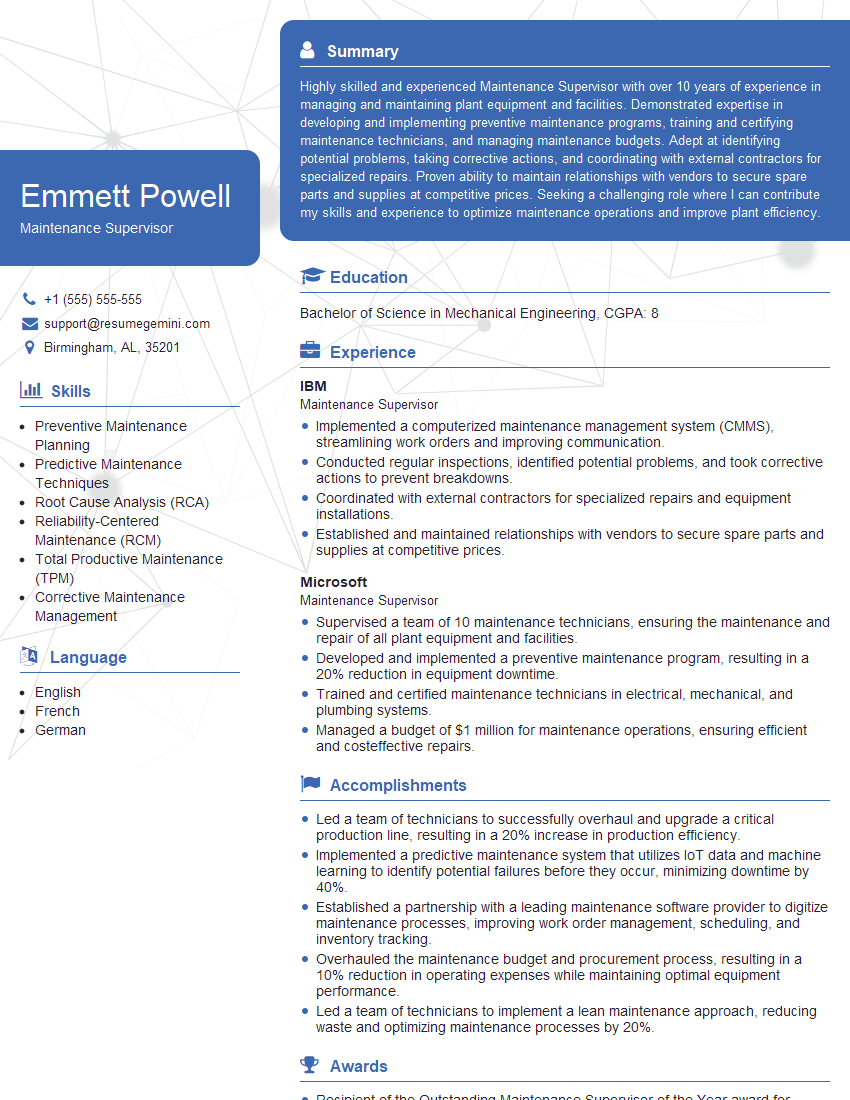
Maintenance Supervisor Resume Sample
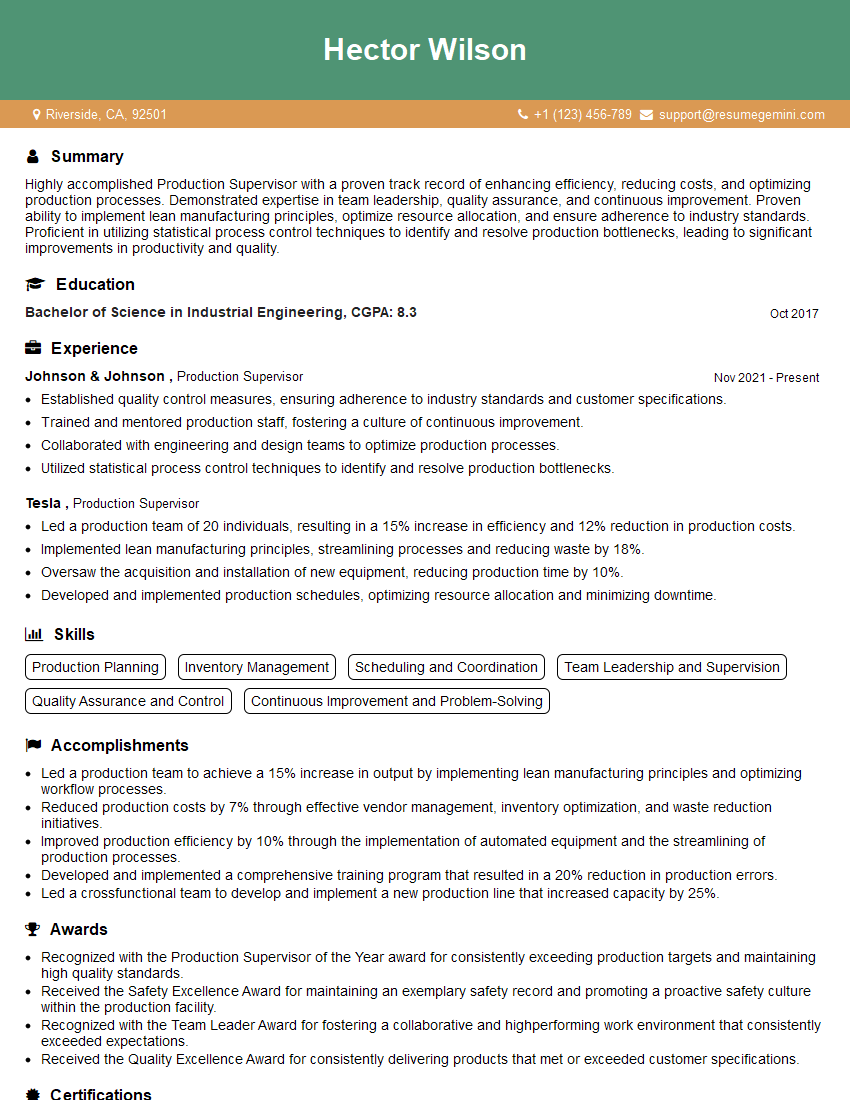
Production Supervisor Resume Sample

Supply Chain Manager Resume Sample
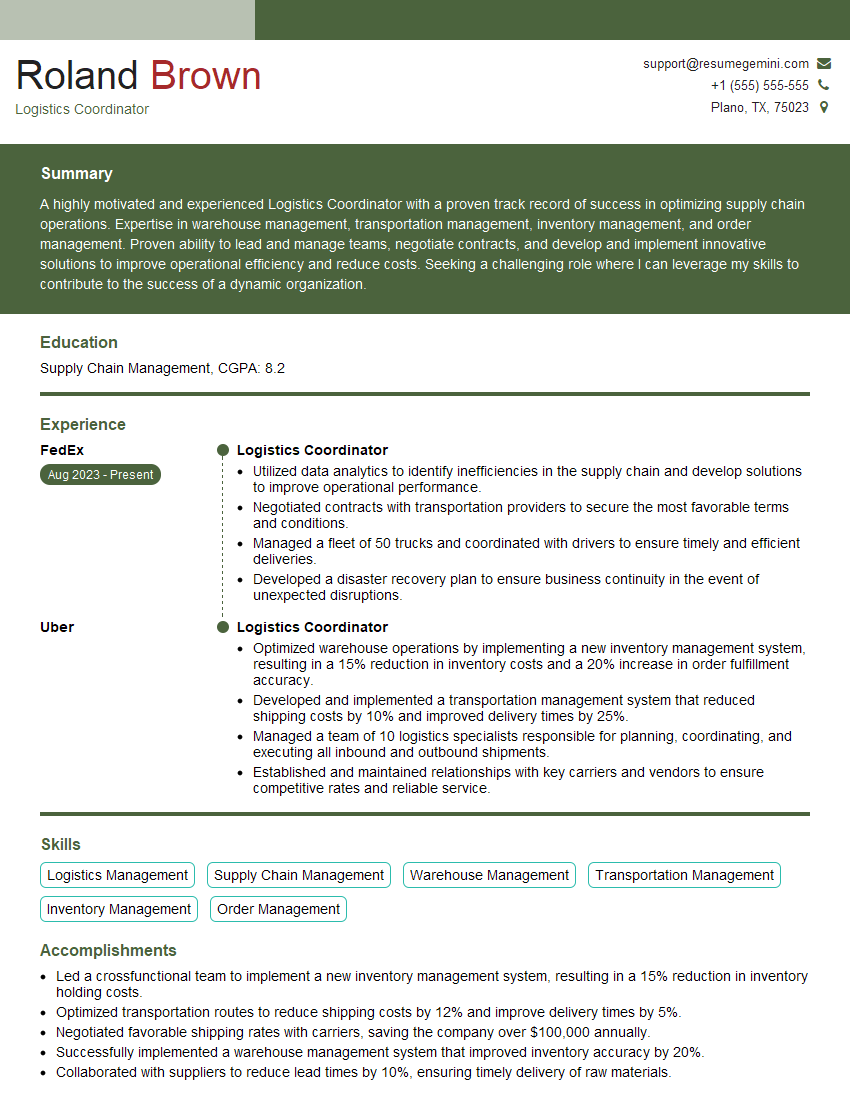
Logistics Coordinator Resume Sample

Project Engineer Resume Sample
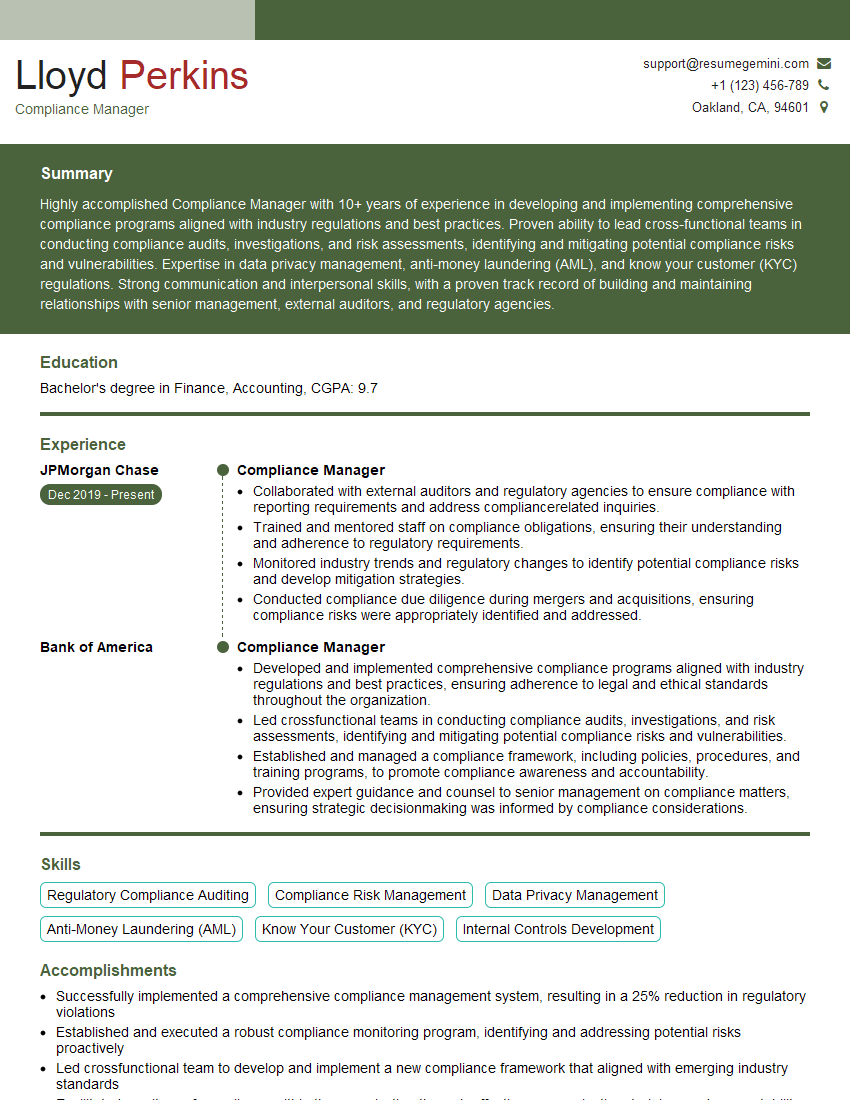
Compliance Manager Resume Sample
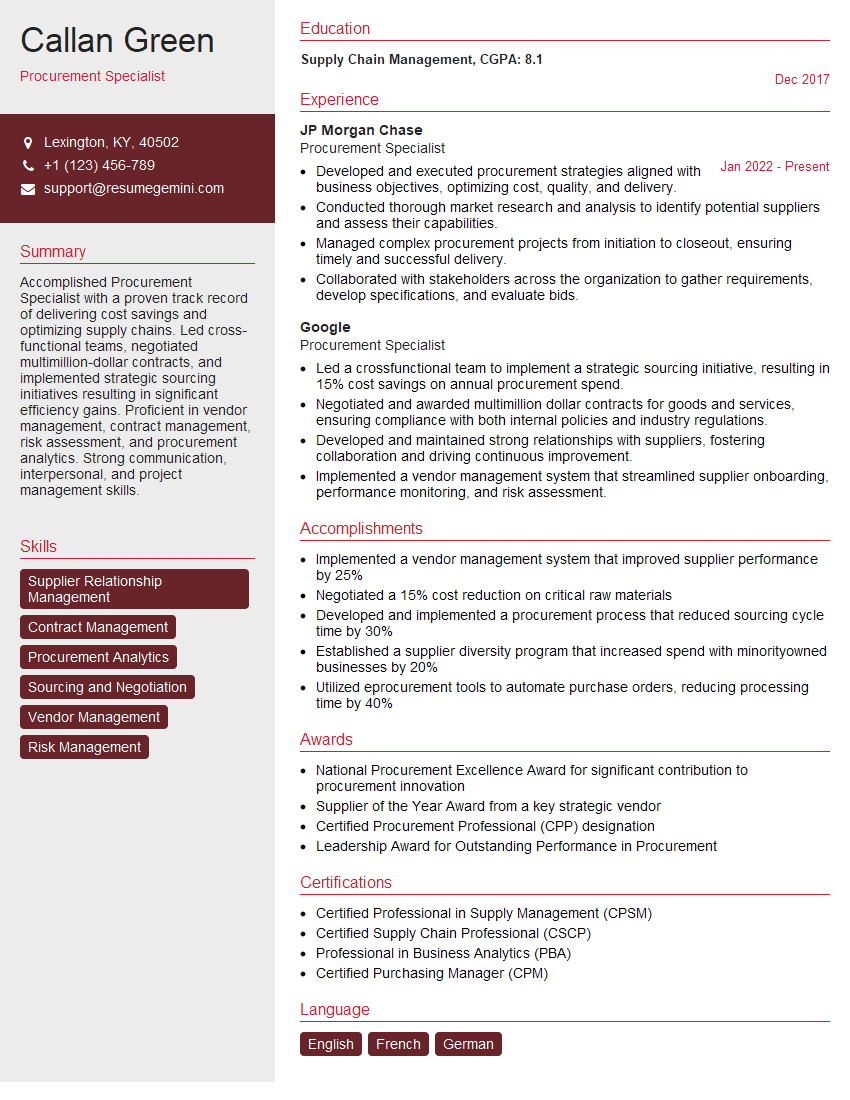
Procurement Specialist Resume Sample
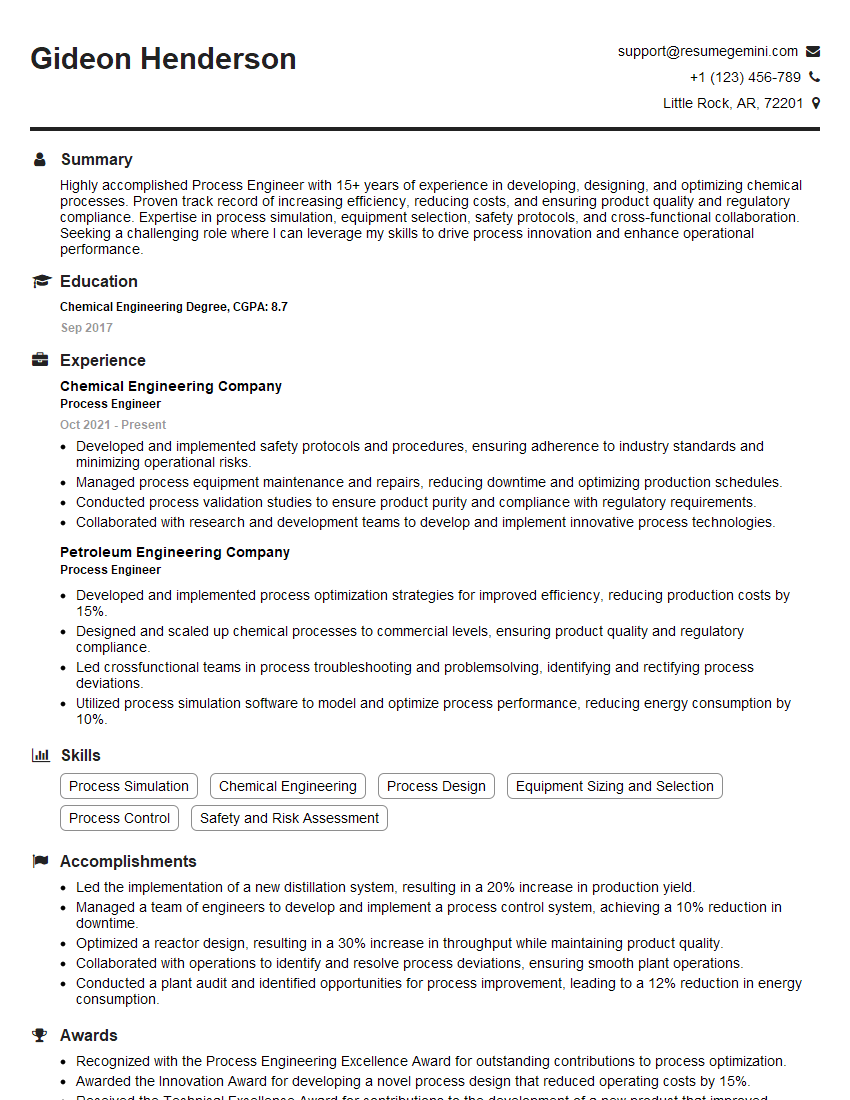
Process Engineer Resume Sample
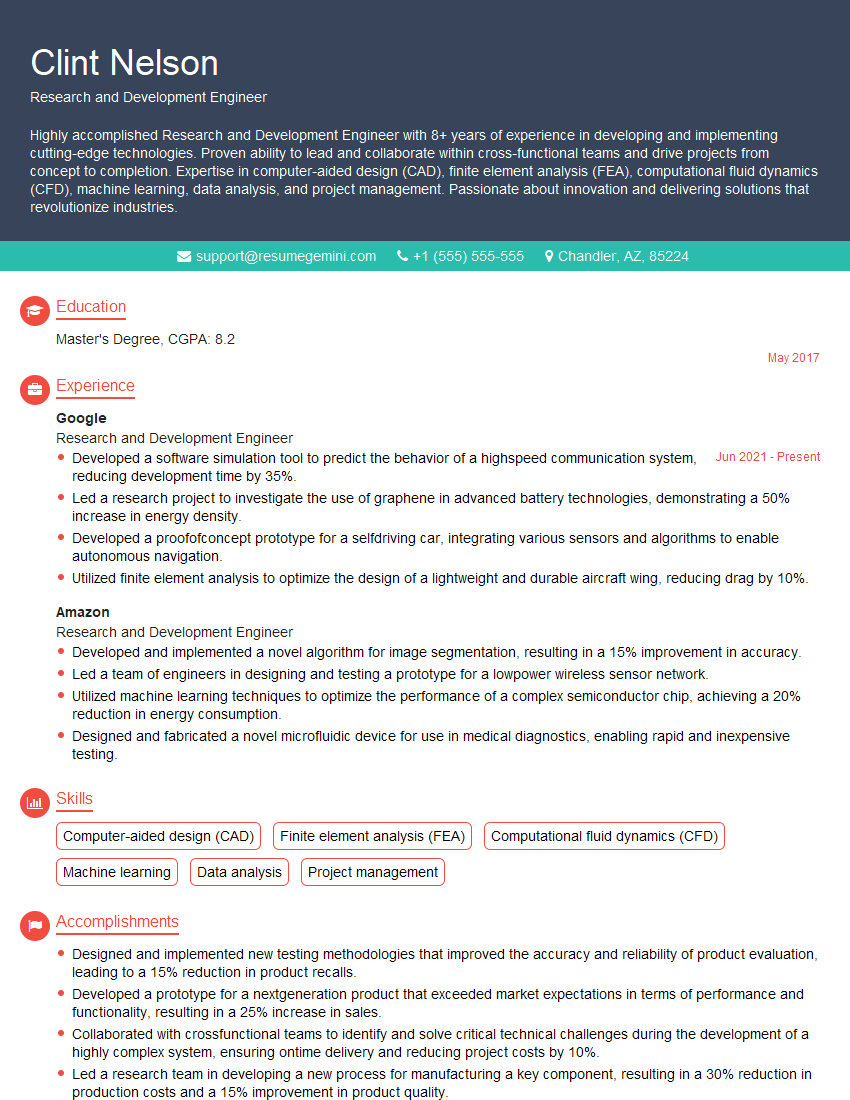
Research and Development Engineer Resume Sample
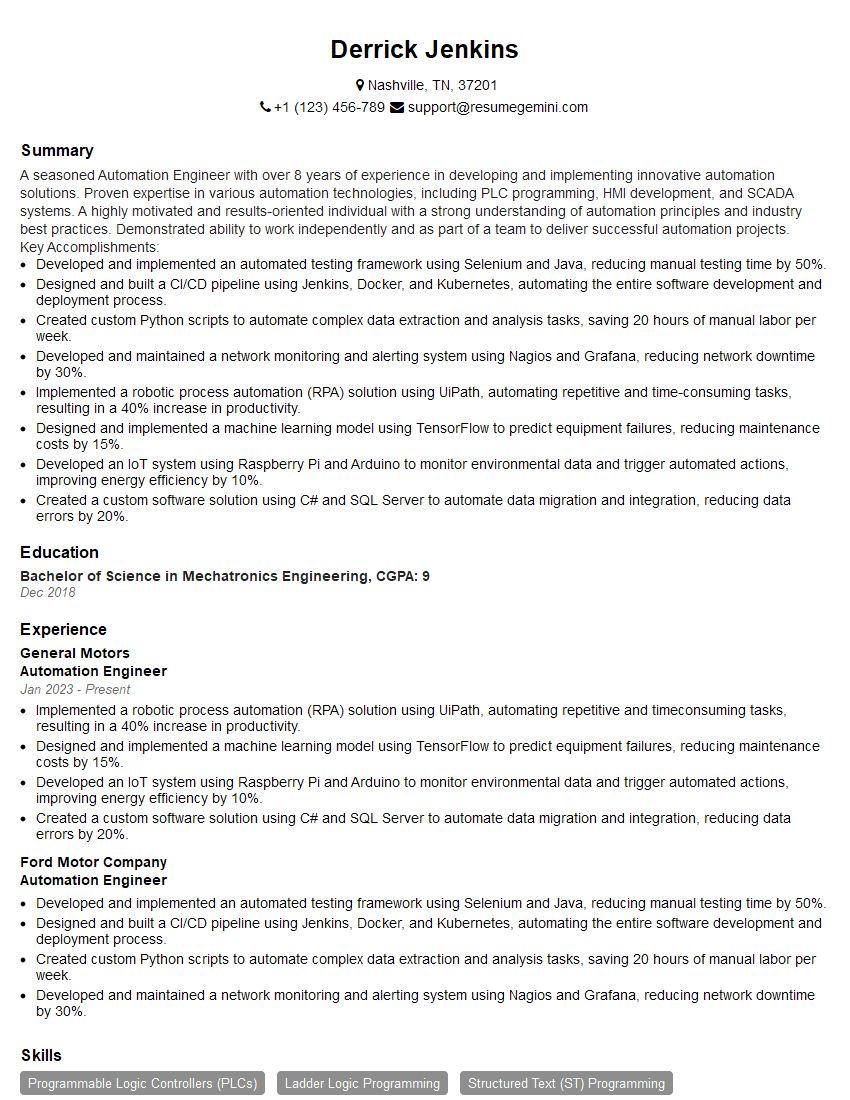
Automation Engineer Resume Sample
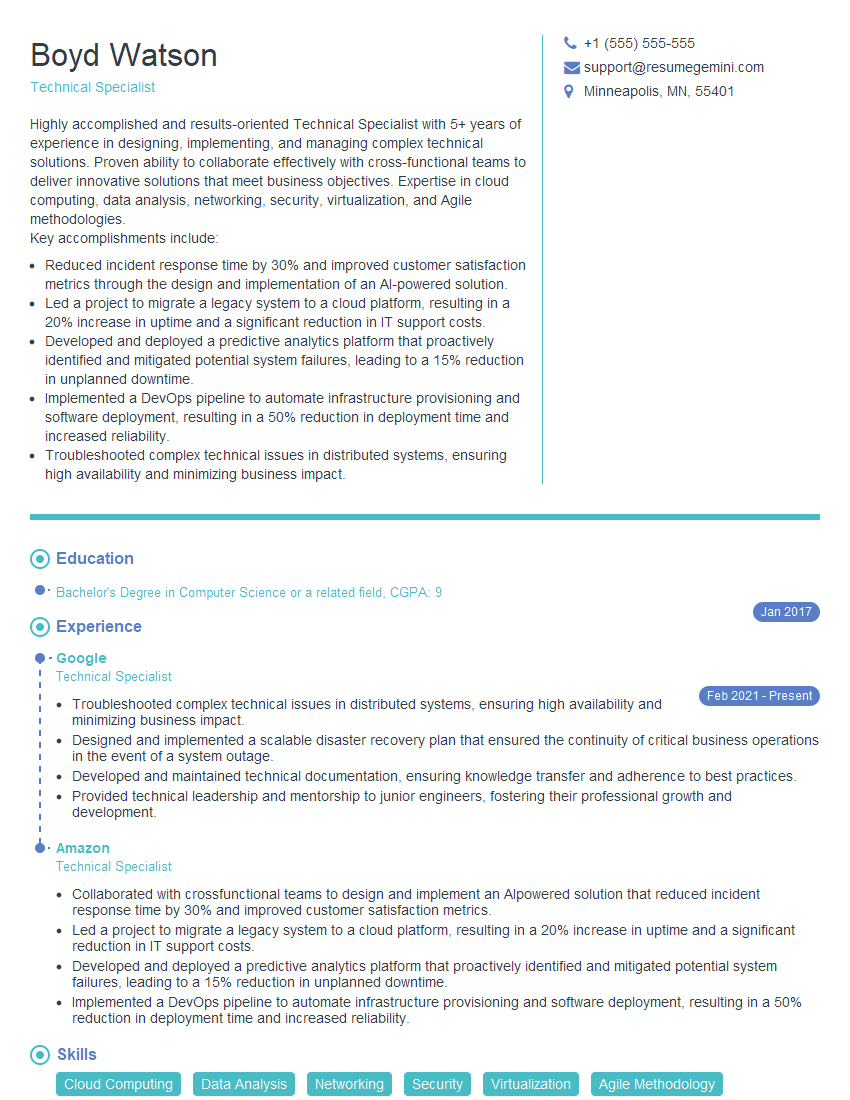
Technical Specialist Resume Sample
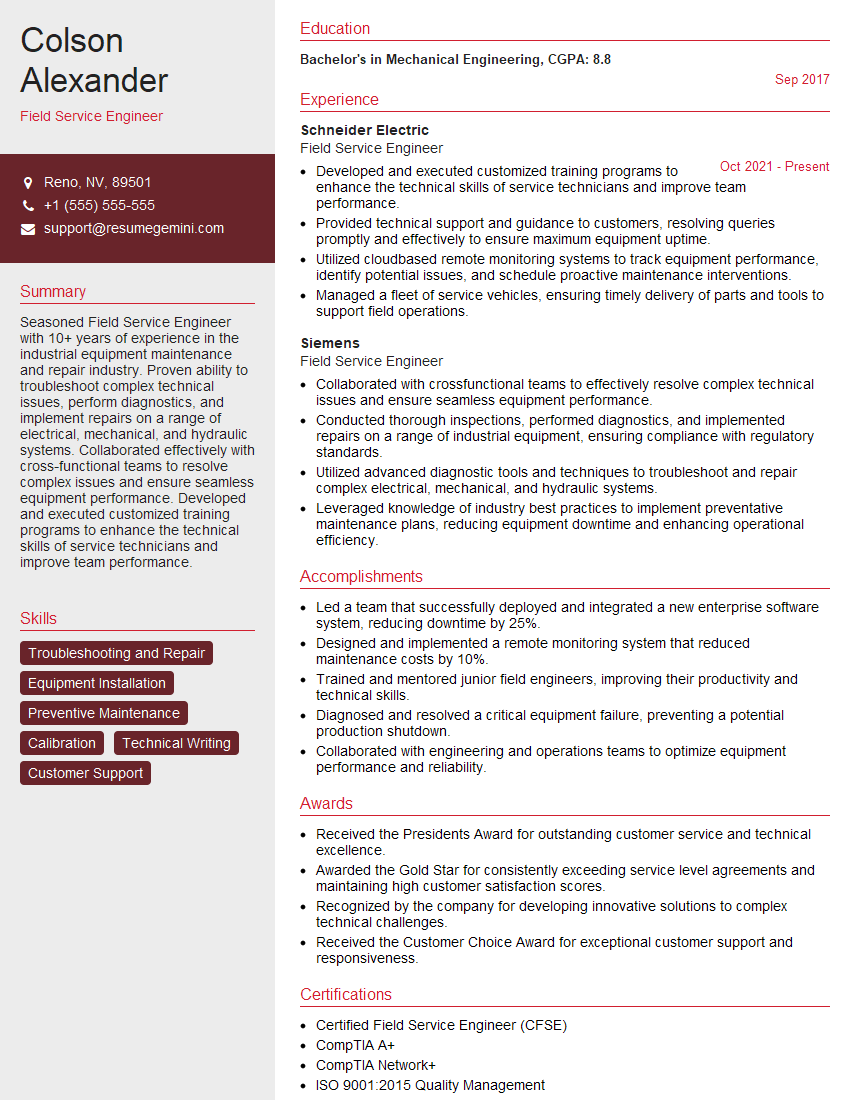
Field Service Engineer Resume Sample
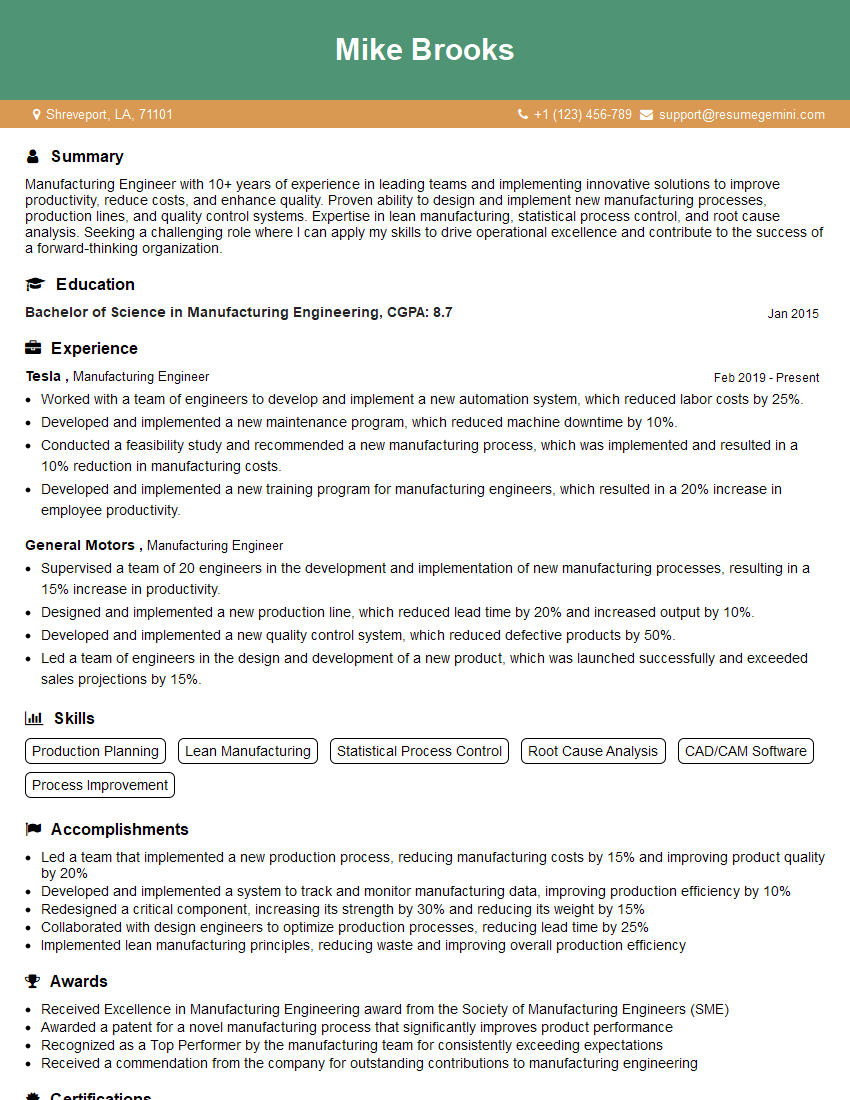
Manufacturing Engineer Resume Sample
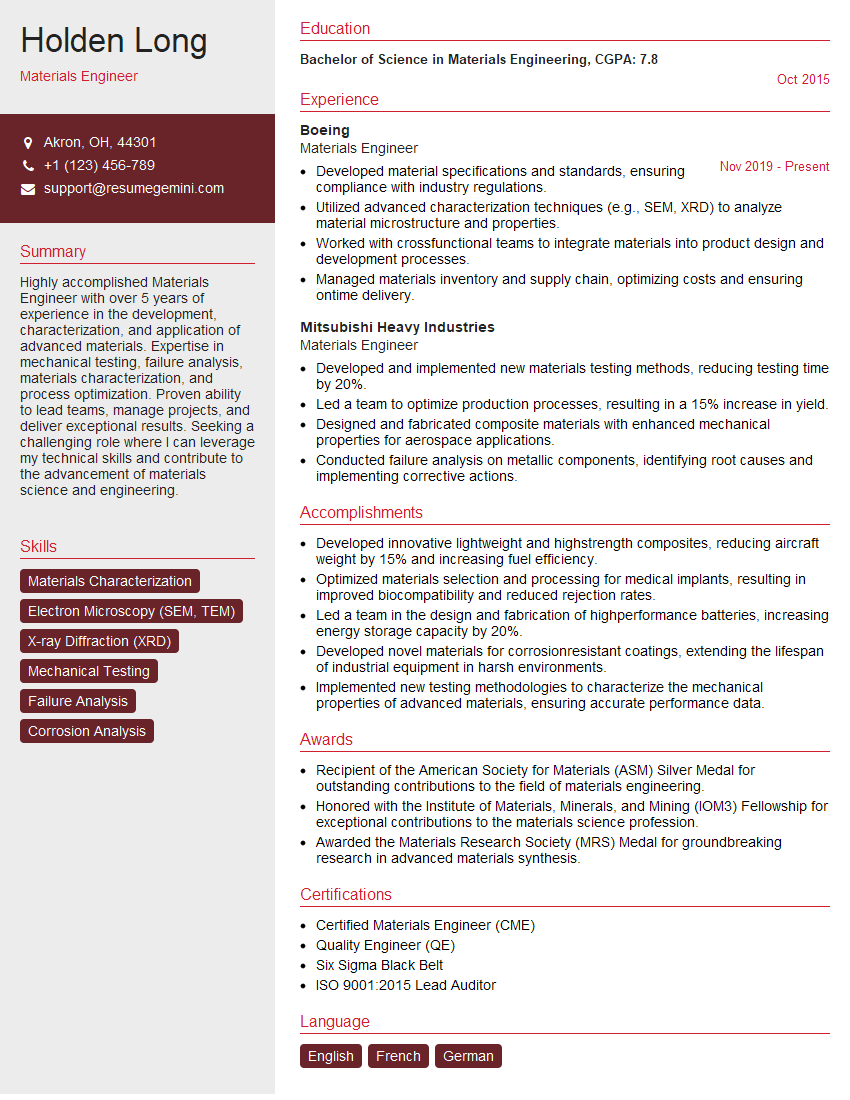
Materials Engineer Resume Sample
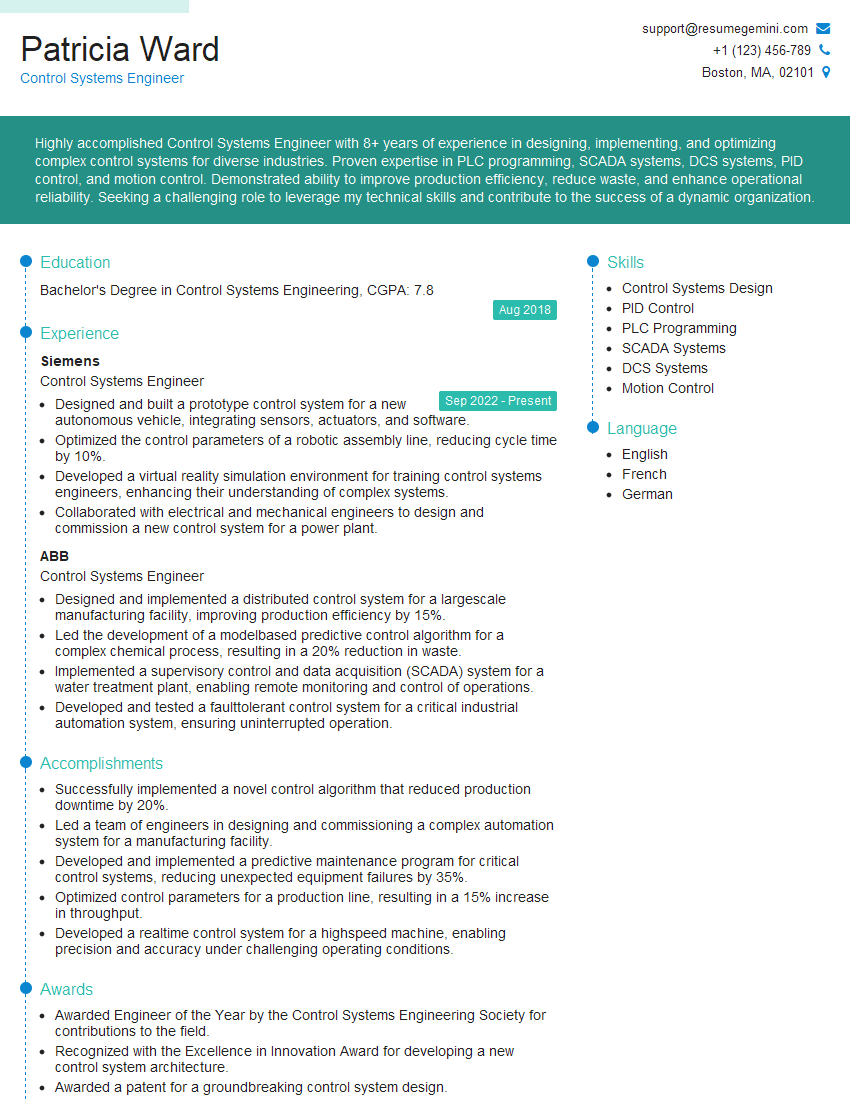
Control Systems Engineer Resume Sample
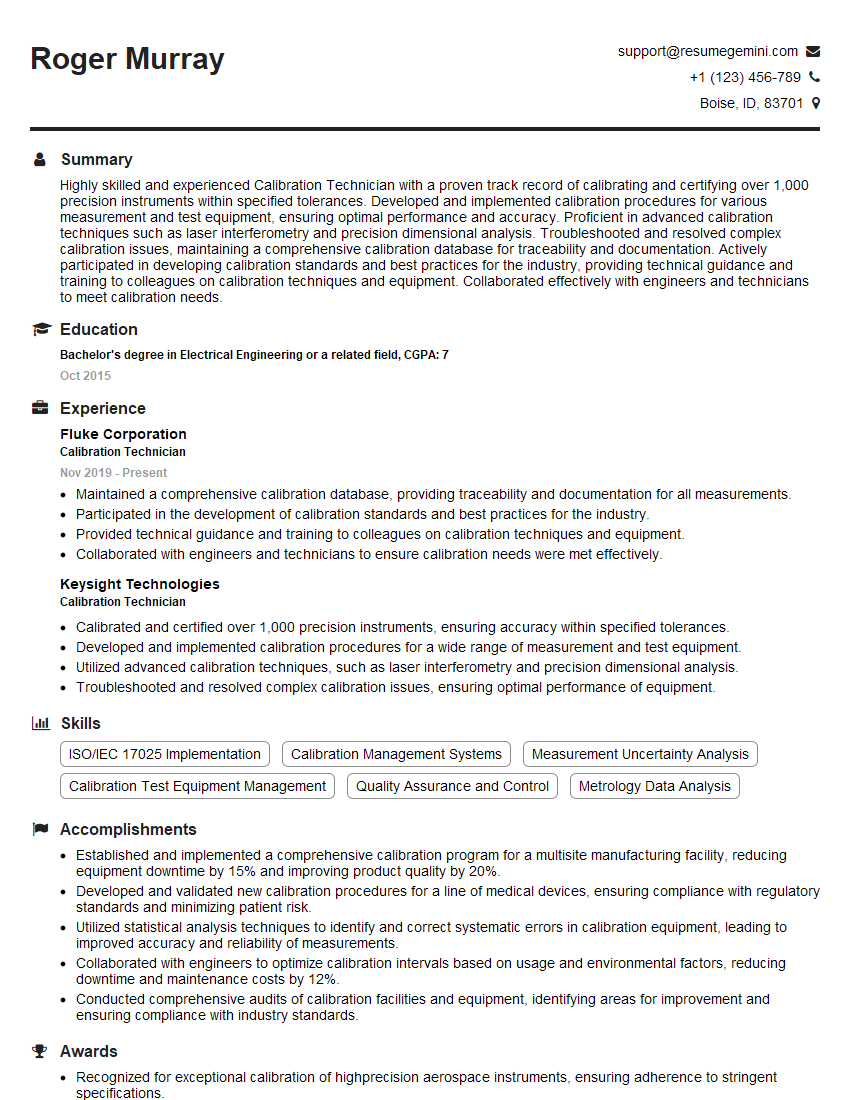
Calibration Technician Resume Sample
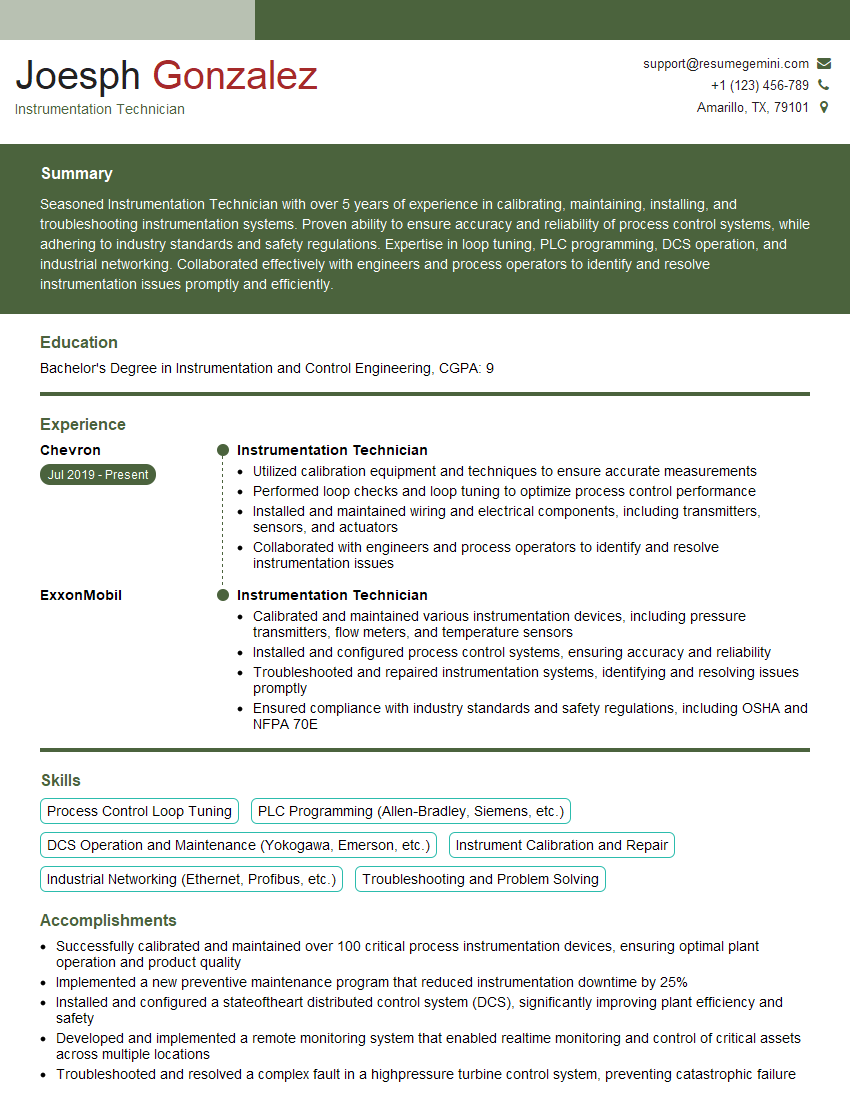
Instrumentation Technician Resume Sample
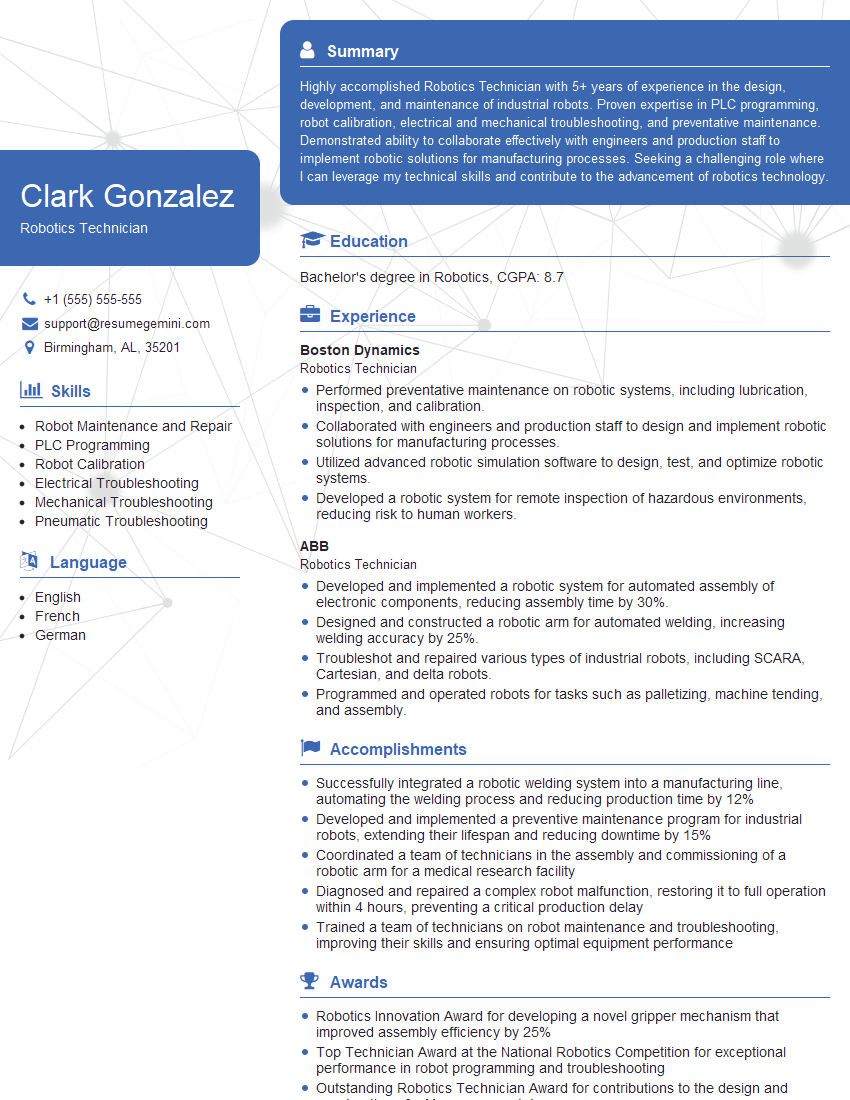
Robotics Technician Resume Sample

Technical Writer Resume Sample
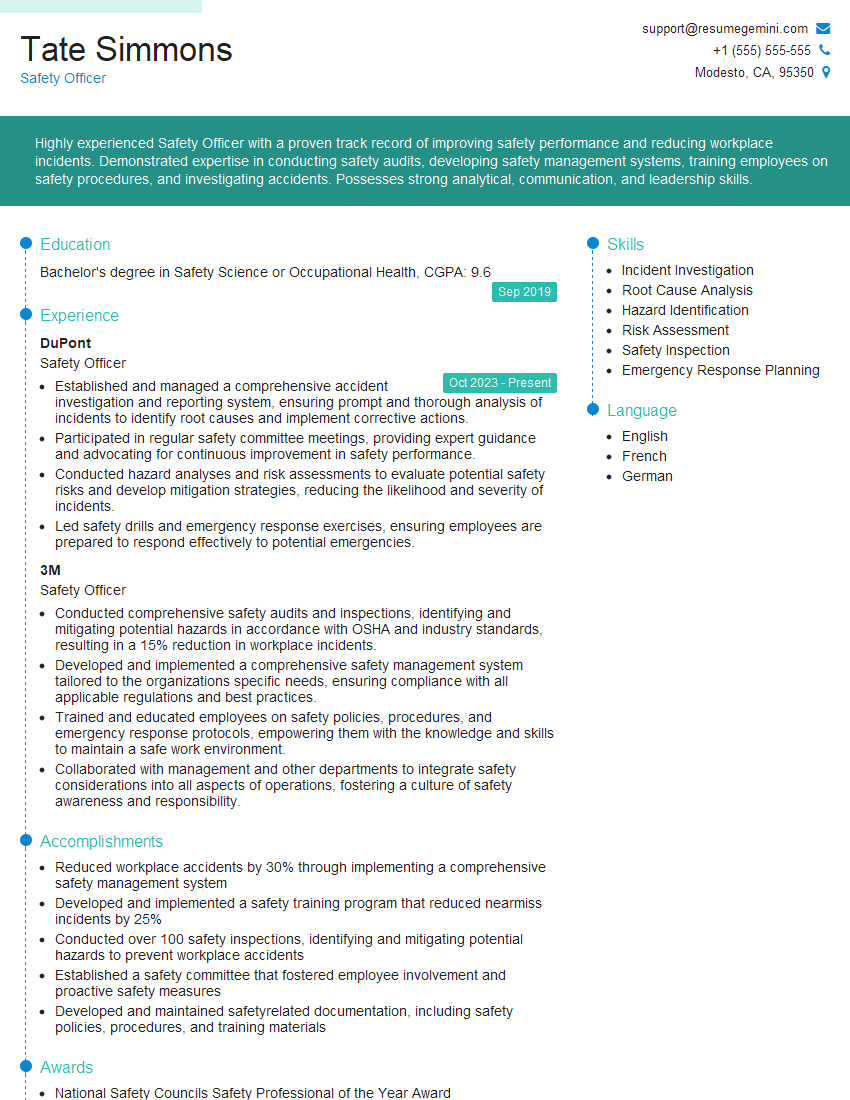
Safety Officer Resume Sample
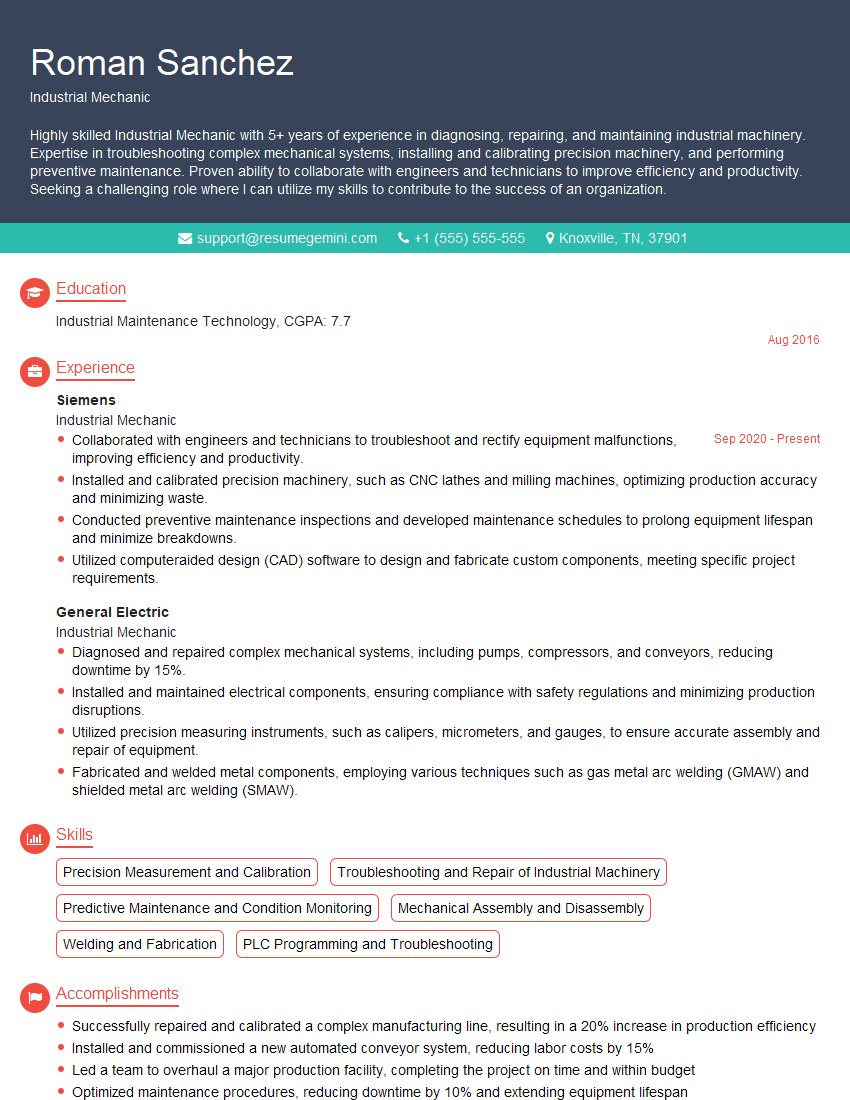
Industrial Mechanic Resume Sample
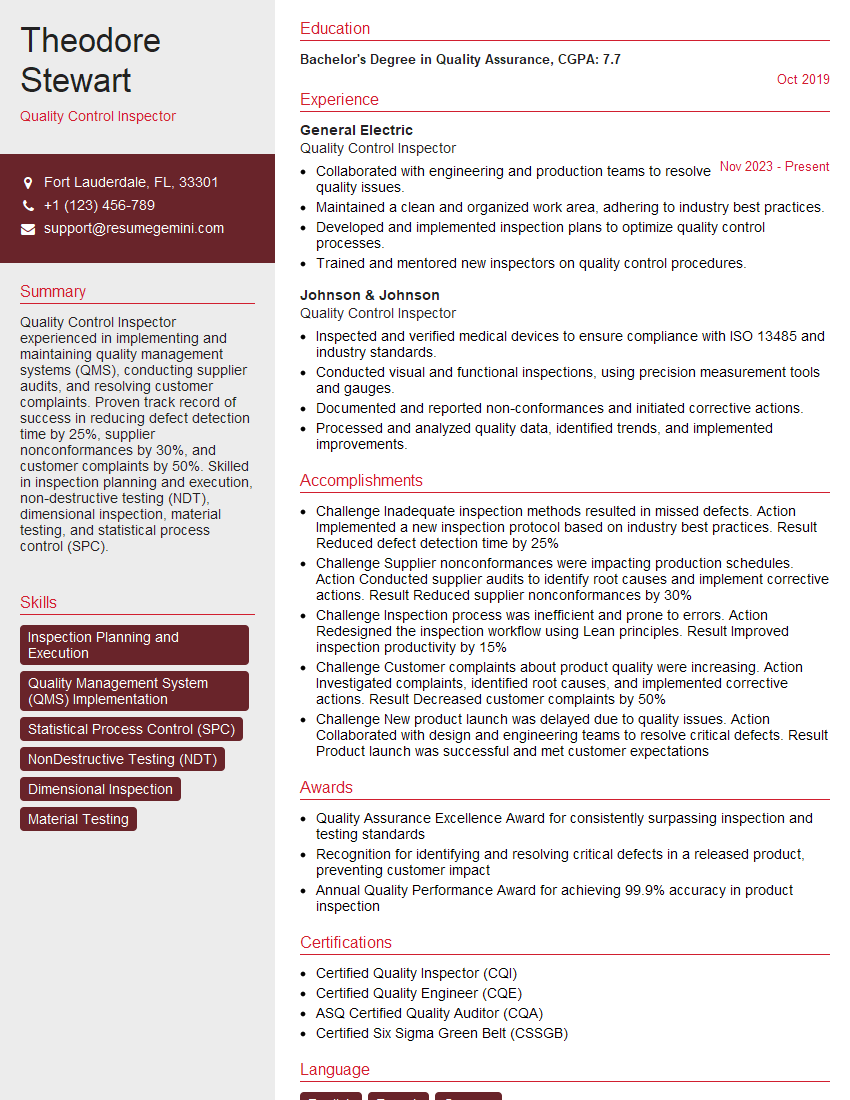
Quality Control Inspector Resume Sample
- Maintenance Supervisor
- Production Supervisor
- Supply Chain Manager
- Logistics Coordinator
- Project Engineer
- Compliance Manager
- Procurement Specialist
- Process Engineer
- Research and Development Engineer
- Automation Engineer
- Technical Specialist
- Field Service Engineer
- Manufacturing Engineer
- Materials Engineer
- Control Systems Engineer
- Calibration Technician
- Instrumentation Technician
- Robotics Technician
- Technical Writer
- Safety Officer
- Industrial Mechanic
- Quality Control Inspector
Explore more articles
Users Rating of Our Blogs
Share Your Experience
We value your feedback! Please rate our content and share your thoughts (optional).
What Readers Say About Our Blog
Very informative content, great job.
good