Interviews are opportunities to demonstrate your expertise, and this guide is here to help you shine. Explore the essential Supplier Communication interview questions that employers frequently ask, paired with strategies for crafting responses that set you apart from the competition.
Questions Asked in Supplier Communication Interview
Q 1. Describe your experience managing complex supplier relationships.
Managing complex supplier relationships requires a multifaceted approach that goes beyond simple transactional exchanges. It involves building trust, fostering open communication, and proactively addressing potential challenges. My experience includes managing relationships with over 20 suppliers across various geographical locations and industries, involving intricate supply chains and complex contractual obligations. This involved coordinating deliveries, resolving quality issues, and negotiating favorable pricing terms, all while maintaining strong rapport.
For instance, in a previous role, I managed the relationship with a key supplier providing specialized components for our flagship product. Their production faced unforeseen challenges due to a natural disaster. I proactively worked with them, understanding their difficulties and collaborating on alternative sourcing strategies to ensure minimal disruption to our production schedule. This involved exploring alternative suppliers, expediting existing orders, and ultimately securing a mutually beneficial solution. This proactive approach preserved the relationship and prevented significant financial losses.
Q 2. How do you handle supplier performance issues?
Handling supplier performance issues requires a systematic approach focused on identifying the root cause, implementing corrective actions, and fostering continuous improvement. I typically follow a three-step process: identify, address, and prevent.
- Identify: This involves clearly defining the performance issue, gathering data to understand the extent of the problem, and analyzing the root cause. Tools like performance dashboards and regular performance reviews are critical here.
- Address: Once the root cause is identified, I work collaboratively with the supplier to develop and implement a corrective action plan. This might involve technical assistance, training, process improvements, or changes in material specifications. Regular check-ins and progress reports are essential.
- Prevent: To prevent future occurrences, I focus on establishing clear performance expectations, implementing robust monitoring systems, and fostering a culture of continuous improvement. This often includes revisiting the contract, strengthening communication protocols, and engaging in collaborative problem-solving sessions.
For example, if a supplier consistently fails to meet delivery deadlines, I would first analyze the reasons for the delays – are there capacity constraints, logistical issues, or internal process inefficiencies? Then, I’d work with them to find a solution, which might involve adjusting the order schedule, providing additional resources, or streamlining their logistics.
Q 3. Explain your process for negotiating contracts with suppliers.
Negotiating contracts with suppliers is a crucial aspect of building strong and mutually beneficial relationships. My approach is collaborative and transparent, focusing on creating win-win outcomes. It’s a process that typically involves several steps:
- Planning & Research: Thoroughly researching market prices, analyzing supplier capabilities, and defining clear requirements are crucial initial steps. This sets the stage for effective negotiations.
- Communication & Collaboration: Open communication is key. Understanding the supplier’s perspective and building rapport are as important as presenting my company’s needs. We collaboratively explore different contract structures and pricing models.
- Negotiation & Agreement: This stage involves carefully reviewing and discussing all terms and conditions. I focus on achieving mutually acceptable outcomes, balancing price, quality, delivery timelines, and risk mitigation strategies.
- Contract Finalization & Review: Once an agreement is reached, the contract is formalized, reviewed by legal counsel, and signed by both parties. Ongoing monitoring and review of the contract are vital.
For example, when negotiating a long-term contract for a critical raw material, I focused not only on securing a competitive price but also on securing supply stability and quality guarantees through detailed specifications and performance metrics within the contract.
Q 4. What metrics do you use to measure supplier performance?
Measuring supplier performance involves a combination of quantitative and qualitative metrics to gain a comprehensive understanding of their capabilities and adherence to contractual obligations. The specific metrics used vary depending on the type of goods or services being procured, but common key performance indicators (KPIs) include:
- On-time delivery rate: Measures the percentage of deliveries received on or before the agreed-upon date.
- Quality defect rate: Tracks the percentage of defective items or services received.
- Lead time: Measures the time taken to fulfill an order from placement to delivery.
- Cost per unit: Tracks the cost of goods or services purchased.
- Customer satisfaction score: Measures the supplier’s ability to meet the customer’s expectations.
- Responsiveness: Measures how quickly the supplier addresses inquiries and resolves issues.
These metrics are regularly tracked and analyzed using dashboards and reporting tools, allowing for timely interventions and continuous improvement efforts.
Q 5. How do you build and maintain strong supplier relationships?
Building and maintaining strong supplier relationships is an ongoing process that relies on building trust, mutual respect, and open communication. It’s not just about transactional exchanges; it’s about fostering a long-term partnership. Key strategies include:
- Regular communication: Maintain consistent and open communication channels through regular meetings, emails, and calls.
- Transparency and collaboration: Share information openly and collaboratively solve problems.
- Fair and equitable practices: Treat suppliers fairly and equitably, valuing their contributions.
- Relationship building: Invest time in building personal relationships with key individuals at supplier organizations.
- Mutual benefit: Focus on creating win-win scenarios that benefit both parties.
For example, I regularly visit key suppliers to understand their operations and challenges firsthand. This helps build trust and allows for more effective problem-solving and collaboration.
Q 6. Describe a situation where you had to resolve a conflict with a supplier.
In one instance, a supplier failed to meet a critical delivery deadline due to unforeseen technical issues at their facility. This directly impacted our production schedule and potentially risked jeopardizing a major customer order. The initial reaction from the supplier was defensive, and the situation escalated into a tense conflict.
My approach involved initiating a calm and professional dialogue. I actively listened to their explanation, acknowledging their difficulties while simultaneously expressing the seriousness of the situation for my company. I then shifted the focus towards collaborative problem-solving, proposing a joint action plan that included expediting existing orders, exploring alternative shipping routes, and compensating for the delay. This collaborative approach helped de-escalate the conflict, and we ultimately reached a mutually satisfactory resolution. This experience highlighted the importance of maintaining a calm, professional demeanor even during difficult situations, emphasizing collaboration and joint problem-solving over blame assignment.
Q 7. How do you communicate effectively with suppliers from different cultures?
Communicating effectively with suppliers from different cultures requires sensitivity, cultural awareness, and an understanding of communication styles. I ensure effective communication by following these steps:
- Cultural sensitivity training: Understanding the cultural nuances of different countries and regions is crucial. I’ve undergone training to develop this understanding.
- Clear and concise communication: Use clear and concise language, avoiding jargon or idioms that might be misunderstood.
- Active listening: Pay close attention to both verbal and non-verbal cues and confirm understanding.
- Patience and understanding: Be patient and understanding, recognizing that communication styles and business practices may differ.
- Use of interpreters or translators: When necessary, use professional interpreters or translators to ensure accurate communication.
- Building rapport: Invest time in building relationships and understanding the cultural context of your interactions.
For example, when working with a supplier in Japan, I prioritized formal communication, respecting hierarchy and emphasizing long-term relationships. Understanding their preference for indirect communication helped prevent misunderstandings and foster a stronger, more productive partnership.
Q 8. What strategies do you use to identify and mitigate supply chain risks?
Identifying and mitigating supply chain risks is crucial for business continuity. My strategy involves a multi-pronged approach combining proactive risk assessment with reactive mitigation planning.
- Proactive Risk Assessment: I leverage a combination of qualitative and quantitative methods. Qualitative methods include supplier surveys, site visits, and reviewing supplier financial statements to understand their stability and resilience. Quantitative methods involve analyzing historical data on supplier performance, lead times, and order fulfillment rates to identify potential bottlenecks or vulnerabilities. For example, I might use a risk matrix to categorize suppliers based on their criticality to our operations and their inherent risk profile. A supplier providing a critical component with a history of late deliveries would be flagged as high-risk, requiring closer monitoring.
- Reactive Mitigation Planning: Once risks are identified, I develop mitigation strategies. This might involve diversifying our supplier base to avoid over-reliance on a single source, establishing buffer stock to mitigate against supply disruptions, or negotiating contractual clauses that outline penalties for non-performance. For instance, if a key supplier is facing financial difficulties, we might explore securing alternative sources or pre-paying for crucial supplies to ensure continuity.
- Continuous Monitoring: Regularly monitoring key risk indicators (KPIs) is paramount. This includes tracking lead times, quality metrics, and supplier financial health. This allows us to detect potential problems early and take corrective actions before they escalate into major disruptions. We typically use dashboards and reporting tools to visualize this data, allowing for quick identification of trends.
Q 9. How do you ensure supplier compliance with company policies and regulations?
Ensuring supplier compliance is achieved through a robust system of checks and balances. It’s not merely about enforcing rules, but fostering a culture of compliance within the supplier network.
- Clear Communication of Policies: We clearly communicate our policies and regulations to suppliers, providing detailed documentation and training materials. This includes everything from ethical sourcing guidelines to environmental standards and data security protocols. We use a combination of online portals, regular newsletters, and in-person meetings to disseminate this information.
- Regular Audits and Inspections: We conduct regular audits and inspections – both internal and external – to verify supplier compliance. This includes examining their production processes, quality control systems, and documentation. Failure to meet our standards can lead to corrective action plans and, in severe cases, contract termination.
- Performance Monitoring: We closely monitor supplier performance against defined Key Performance Indicators (KPIs). These KPIs are aligned with our compliance requirements and are regularly reviewed. This data-driven approach enables us to identify trends and potential compliance issues proactively.
- Incentives and Penalties: We establish a clear system of incentives and penalties to motivate compliance. This might involve preferential treatment for compliant suppliers or financial penalties for non-compliance. Transparency is key here; suppliers must understand the consequences of not meeting our requirements.
Q 10. Describe your experience using different communication channels with suppliers (e.g., email, phone, video conferencing).
Choosing the right communication channel is vital for effective supplier management. The best approach depends on the urgency, complexity, and sensitivity of the information being shared.
- Email: Email is ideal for routine communication, such as order updates, invoice details, and general inquiries. It’s convenient, provides a written record, and is suitable for non-urgent matters. However, I ensure to keep emails concise and clear, avoiding ambiguity.
- Phone: Phone calls are essential for urgent issues or when immediate clarification is needed. They allow for real-time interaction and are effective for resolving issues quickly. I always document the key points discussed following any phone call.
- Video Conferencing: Video conferencing is beneficial for complex discussions or when building relationships with suppliers. It enables face-to-face interaction, fostering trust and understanding. It’s particularly useful for contract negotiations, problem-solving sessions, or collaborative project planning.
I adapt my communication approach based on the supplier’s preferred method and the nature of the information being shared. A crucial aspect is clear and consistent documentation, regardless of the communication channel used.
Q 11. How do you prioritize communication with multiple suppliers?
Prioritizing communication with multiple suppliers requires a systematic approach. I use a combination of factors to determine which suppliers require immediate attention:
- Criticality: Suppliers providing crucial components or services take precedence. Disruptions from these suppliers would have a significant impact on our operations.
- Urgency: Urgent issues, such as delivery delays or quality defects, require immediate attention. I use a ticketing system to track and prioritize urgent requests.
- Contractual Obligations: Suppliers with upcoming deadlines or key performance indicators (KPIs) require consistent communication to ensure compliance and prevent potential penalties.
- Relationship Management: Regular communication with key suppliers is essential for building strong relationships and fostering collaboration. This includes proactive check-ins, even in the absence of immediate issues.
I use project management software and collaborative tools to keep track of communication with each supplier, ensuring that urgent matters are addressed promptly while maintaining consistent engagement with all stakeholders.
Q 12. How do you manage supplier expectations?
Managing supplier expectations is crucial for building strong and productive relationships. It’s about setting clear expectations from the outset and maintaining open and honest communication throughout the process.
- Clear Communication: I ensure that all expectations, including timelines, deliverables, and payment terms, are clearly defined and documented in contracts and agreements. I use simple, unambiguous language, avoiding industry jargon that might cause confusion.
- Regular Feedback: I provide regular feedback to suppliers on their performance, highlighting both successes and areas for improvement. This feedback should be constructive and specific, focusing on observable behaviors and outcomes.
- Proactive Communication: I proactively communicate potential challenges or changes that might impact the supplier. This allows them to adjust their plans accordingly and prevents misunderstandings.
- Collaborative Problem Solving: When issues arise, I work collaboratively with suppliers to find mutually agreeable solutions. This demonstrates a commitment to partnership, rather than an adversarial approach.
By fostering transparency and open dialogue, I build trust and ensure that both parties are aligned on goals and expectations.
Q 13. How do you handle sensitive or confidential information related to suppliers?
Handling sensitive information requires a strict adherence to confidentiality protocols and data security measures.
- Confidentiality Agreements: I ensure that all suppliers sign confidentiality agreements before sharing sensitive information. These agreements clearly outline the obligations of both parties regarding the protection of confidential data.
- Secure Communication Channels: I use secure communication channels, such as encrypted email or secure file-sharing platforms, when transmitting sensitive information. Avoid sharing sensitive data via unsecure channels like general email.
- Access Control: I limit access to sensitive information on a need-to-know basis. Only authorized personnel have access to such data.
- Data Encryption: Sensitive data is encrypted both in transit and at rest to prevent unauthorized access. We regularly review and update our security protocols to mitigate evolving threats.
- Regular Security Audits: Regular security audits are conducted to ensure that our systems and processes are robust and compliant with relevant regulations.
Maintaining confidentiality is not just a matter of policy; it’s a cultural imperative. We emphasize the importance of data security in all our interactions with suppliers.
Q 14. Explain your experience with supplier onboarding and offboarding processes.
Supplier onboarding and offboarding are critical processes that impact efficiency and compliance. A well-defined process minimizes disruptions and fosters positive relationships.
- Onboarding: Our onboarding process involves a structured set of steps, including: initial contract negotiation and signing; a thorough review of the supplier’s capabilities and certifications; establishing clear communication channels and performance metrics; providing access to relevant systems and documentation; and conducting a site visit or virtual assessment. We use a checklist to ensure that all necessary steps are completed.
- Offboarding: Our offboarding process includes: providing sufficient notice to allow for a smooth transition; working collaboratively to ensure the handover of responsibilities; finalizing payments and settling any outstanding issues; retrieving any company property; and documenting the offboarding process. We use a documented procedure to ensure a consistent and thorough offboarding process, minimizing the risk of disruptions and ensuring compliance with all relevant legal and contractual obligations. This prevents future issues and maintains a positive and professional relationship even after termination of the contract.
Q 15. How do you evaluate the effectiveness of your supplier communication strategies?
Evaluating the effectiveness of supplier communication strategies requires a multi-faceted approach. It’s not simply about sending messages; it’s about ensuring those messages are received, understood, and acted upon. I utilize a combination of quantitative and qualitative methods.
Quantitative Metrics: I track metrics like the timeliness of responses from suppliers (measured in average response time and percentage of on-time responses), the accuracy of information received (measured by error rates in order fulfillment or delivery details), and the number of communication breakdowns requiring intervention.
Qualitative Feedback: Regular surveys and feedback sessions with suppliers are crucial. This allows for gathering insights into their satisfaction levels with our communication processes, identifying pain points, and gathering suggestions for improvements. We also analyze the overall tone and clarity of our communications, ensuring they are professional, concise and easily understandable.
Performance Analysis: I correlate communication effectiveness with key supplier performance indicators (KPIs) like on-time delivery, defect rates, and overall cost. A strong positive correlation indicates effective communication.
For example, if we notice a significant increase in late deliveries from a specific supplier, we delve deeper into the communication trail to identify whether delays in our information sharing or lack of clarity in requirements were contributing factors. Addressing these communication gaps directly improves supplier performance.
Career Expert Tips:
- Ace those interviews! Prepare effectively by reviewing the Top 50 Most Common Interview Questions on ResumeGemini.
- Navigate your job search with confidence! Explore a wide range of Career Tips on ResumeGemini. Learn about common challenges and recommendations to overcome them.
- Craft the perfect resume! Master the Art of Resume Writing with ResumeGemini’s guide. Showcase your unique qualifications and achievements effectively.
- Don’t miss out on holiday savings! Build your dream resume with ResumeGemini’s ATS optimized templates.
Q 16. Describe your experience using supplier relationship management (SRM) software.
My experience with Supplier Relationship Management (SRM) software has been overwhelmingly positive. I’ve used several platforms, each with varying levels of sophistication. Essentially, SRM software centralizes communication, documentation, and performance tracking, significantly streamlining the entire supplier interaction process.
Benefits: SRM systems automate many repetitive tasks, such as sending out purchase orders, tracking invoices, and managing contracts. They also provide a single source of truth for all communication with a supplier, reducing confusion and minimizing the risk of miscommunication. Real-time dashboards provide valuable insights into supplier performance and help identify potential risks proactively.
Challenges: Implementing SRM software requires careful planning and change management. Ensuring all relevant stakeholders – both internally and externally – are properly trained and understand the new system is crucial for successful adoption. Data migration from older systems can also be complex and time-consuming.
Examples: I’ve successfully used SRM software to automate the communication of change orders, reducing the time needed for implementation and improving accuracy. The platform’s reporting capabilities have also been invaluable in identifying and addressing supplier performance issues, allowing us to proactively work towards improvement rather than reacting to problems.
Q 17. How do you identify and select key performance indicators (KPIs) for supplier performance?
Selecting the right KPIs for supplier performance depends heavily on the nature of the goods or services being procured. The selection process requires a careful consideration of business objectives and strategic priorities.
On-Time Delivery: This measures the percentage of orders delivered on or before the agreed-upon date. It reflects the supplier’s reliability and ability to meet deadlines.
Quality: This is often measured by defect rates, return rates, or customer satisfaction scores related to the supplier’s products or services. This shows the supplier’s commitment to quality control.
Cost: This can include metrics like total cost of ownership, unit price, and adherence to agreed-upon pricing schedules.
Responsiveness: This assesses the supplier’s speed and efficiency in responding to inquiries, resolving issues, and providing updates.
Compliance: This gauges the supplier’s adherence to legal, regulatory, and ethical standards.
For instance, for a critical component supplier, on-time delivery and quality might be the most important KPIs, while for a less critical supplier, cost and responsiveness might be given more weight.
Q 18. How do you ensure timely and accurate communication of information to suppliers?
Ensuring timely and accurate communication involves a well-defined process and consistent use of appropriate tools. I use a multi-pronged approach:
Centralized Communication System: Utilizing a dedicated platform like an SRM system or a shared communication portal ensures all communications are logged and easily accessible. This also eliminates the possibility of vital information getting lost in email threads.
Regular Scheduled Updates: Establishing regular communication cadence—weekly or monthly meetings or reports—ensures all parties are informed and aligned on progress and potential challenges.
Clear Communication Protocols: Defining protocols for different types of communication (e.g., for urgent matters, routine updates, or issues) ensures clarity and efficiency.
Multiple Communication Channels: Using a mix of channels, such as email, phone, and video conferencing, allows for flexible communication based on the urgency and complexity of the matter.
Documentation and Confirmation: All crucial communications must be documented and confirmations should be sought to avoid ambiguity.
For example, for urgent matters, a phone call might be followed up with a written email confirmation, ensuring everyone is on the same page.
Q 19. How do you handle situations where suppliers fail to meet agreed-upon deadlines or quality standards?
When suppliers fail to meet deadlines or quality standards, a structured approach is essential. It starts with prompt identification of the issue, thorough investigation, and collaborative problem-solving.
Immediate Communication: Contact the supplier immediately to understand the reason for the shortfall. This conversation should be focused on factual information, avoiding accusations.
Root Cause Analysis: A joint investigation helps pinpoint the underlying causes of the problem. This collaborative approach fosters a sense of shared responsibility.
Corrective Actions: Develop a mutually agreed-upon corrective action plan, outlining specific steps to mitigate the problem and prevent recurrence. This plan should include timelines and accountability.
Performance Monitoring: Closely monitor the supplier’s performance following the implementation of corrective actions. This helps verify the effectiveness of the implemented changes.
Performance Improvement Plans (PIPs): In severe or repeated instances, a formal PIP might be necessary, outlining specific targets and deadlines for improvement. Failure to meet the terms of a PIP could lead to contract termination.
For instance, if a supplier consistently misses deadlines, we might implement a system of early warnings and more frequent communication to anticipate and address potential problems before they escalate.
Q 20. What techniques do you use to resolve communication breakdowns with suppliers?
Communication breakdowns with suppliers can be frustrating, but proactive measures can prevent escalation. My techniques involve:
Open and Honest Dialogue: The first step involves open communication to understand the root cause of the breakdown. Actively listening to the supplier’s perspective is crucial.
Clarification and Confirmation: Confirming understanding of information exchanged helps avoid misunderstandings. Using multiple channels for important communication adds redundancy.
Mediation and Facilitation: If disagreements persist, a neutral third party can help facilitate communication and reach a mutually acceptable solution.
Process Improvement: Analyzing the communication breakdown can help identify weaknesses in existing processes. Updating processes to address these weaknesses is a vital preventive step.
Relationship Building: Strong supplier relationships are essential. Regularly engaging with suppliers builds trust and enhances communication effectiveness.
For example, if there is a disagreement over specifications, we may schedule a joint review meeting with all relevant stakeholders to ensure everyone understands and agrees upon the requirements.
Q 21. Describe a time you had to communicate bad news to a supplier.
I once had to inform a key supplier that their product failed a critical quality test, resulting in a significant batch recall. This was challenging because it affected their reputation and our production schedule.
Preparation: Before contacting the supplier, I gathered all relevant data and documentation to support my claims. This ensured a factual and objective presentation.
Empathy and Understanding: I began the conversation by acknowledging the impact of the news on the supplier and expressing our understanding of the situation. This softened the blow and created an environment conducive to collaboration.
Clear and Concise Communication: I clearly and concisely explained the test results, the consequences, and the necessary corrective actions. I avoided blame and focused on collaborative problem-solving.
Joint Problem Solving: I worked with the supplier to identify the root cause of the failure and develop a plan to address it. This involved joint investigation and agreed-upon corrective actions with clearly defined timelines.
Follow Up: I maintained regular communication throughout the corrective process, providing updates and support. This reinforced our commitment to the relationship, despite the setback.
While delivering bad news is never easy, a professional, empathetic, and collaborative approach helped to preserve the relationship and allowed us to resolve the issue effectively.
Q 22. How do you ensure transparency and open communication with your suppliers?
Transparency and open communication with suppliers are fundamental to building strong, reliable relationships. It’s not just about sharing information; it’s about fostering a culture of trust and mutual understanding. We achieve this through several key strategies:
- Regular Communication Channels: We establish clear and consistent communication channels, such as regular meetings (both formal and informal), email updates, and dedicated online portals. This ensures everyone is informed and can easily reach out with questions or concerns.
- Proactive Information Sharing: We proactively share information, even if it’s not directly requested. This includes updates on project timelines, changes in requirements, and any potential challenges. This proactive approach minimizes surprises and allows for collaborative problem-solving.
- Feedback Mechanisms: We implement feedback mechanisms, such as surveys and performance reviews, to solicit input from our suppliers. This feedback is crucial for identifying areas for improvement and strengthening our collaborative efforts. We actively listen to their concerns and consider their perspectives.
- Clear Expectations: From the outset, we clearly define expectations regarding communication frequency, response times, and reporting requirements. This sets a clear standard and helps prevent misunderstandings.
- Open-Door Policy: We foster an ‘open-door’ policy, encouraging suppliers to communicate openly and honestly, even about difficult issues. Addressing challenges proactively is far more effective than ignoring them.
For example, during a recent project involving a new component, we established weekly progress reports with our supplier, along with bi-weekly check-in meetings. This ensured transparency about potential delays and allowed us to address them swiftly.
Q 23. How do you leverage technology to improve supplier communication?
Technology plays a crucial role in enhancing supplier communication. We leverage various tools to streamline processes, improve efficiency, and boost transparency:
- Supplier Portals: We utilize dedicated supplier portals that provide secure access to documents, communication threads, and project updates. This centralized system improves accessibility and reduces email clutter.
- Collaboration Software: Tools like Slack or Microsoft Teams facilitate real-time communication and seamless collaboration on projects. This allows for immediate feedback and quick resolution of issues.
- Automated Reporting Systems: Automated systems for tracking orders, deliveries, and quality metrics ensure timely and accurate information flow. This minimizes manual intervention and reduces errors.
- Video Conferencing: Regular video conferences replace time-consuming travel, allowing for face-to-face interaction across geographical boundaries.
- Supply Chain Management Software (SCMS): An SCMS integrates various aspects of the supply chain, providing a comprehensive view of supplier performance, inventory levels, and potential risks. This data-driven approach supports informed decision-making.
For instance, our transition to a cloud-based SCMS dramatically improved our ability to track supplier performance, identify potential bottlenecks, and communicate effectively with our global network of suppliers.
Q 24. How do you handle disagreements or disputes with suppliers?
Disagreements or disputes with suppliers are unfortunately inevitable. Our approach prioritizes collaborative problem-solving and focuses on maintaining a strong, long-term relationship. Our process typically involves:
- Open Dialogue: We initiate an open dialogue with the supplier to understand the root cause of the disagreement. Active listening is key to finding common ground.
- Documentation Review: We thoroughly review all relevant documentation – contracts, purchase orders, communication logs – to establish a clear understanding of the facts.
- Mediation (if needed): If the disagreement cannot be resolved internally, we might consider engaging a neutral third party mediator to facilitate a constructive conversation.
- Win-Win Solutions: We strive to reach win-win solutions that are mutually acceptable to both parties. This requires flexibility and a willingness to compromise.
- Formal Dispute Resolution (as a last resort): Only if all other efforts fail, do we resort to formal dispute resolution mechanisms, such as arbitration or litigation.
In one instance, a disagreement arose regarding delivery timelines. Through open communication and collaborative problem-solving, we identified a production bottleneck at the supplier’s end. By working together to implement a revised production schedule, we successfully mitigated the delay and avoided any significant disruption.
Q 25. What are the most important communication skills for effective supplier relationship management?
Effective supplier relationship management relies heavily on strong communication skills. These include:
- Active Listening: Truly understanding the supplier’s perspective is crucial. This involves paying close attention, asking clarifying questions, and summarizing to ensure comprehension.
- Clear and Concise Communication: Avoiding ambiguity is essential. Using clear, concise language, both written and verbal, minimizes misunderstandings.
- Empathy and Respect: Treating suppliers with respect and understanding fosters trust and cooperation. Recognizing their challenges and perspectives is important.
- Effective Negotiation Skills: Successfully negotiating contracts and resolving disputes requires strong negotiation skills – the ability to find mutually beneficial agreements.
- Conflict Resolution Skills: The ability to manage and resolve disagreements constructively is vital for maintaining healthy relationships.
- Cultural Sensitivity: When working with international suppliers, cultural sensitivity is paramount. This involves adapting communication styles and being mindful of cultural norms.
For example, during negotiations with a new supplier, active listening allowed us to identify their concerns regarding payment terms. By addressing these concerns through a mutually beneficial agreement, we built trust and established a strong working relationship.
Q 26. How do you foster a collaborative relationship with your suppliers?
Fostering a collaborative relationship with suppliers goes beyond transactional interactions. It’s about building a partnership based on mutual trust, respect, and shared goals. We achieve this through:
- Shared Goals and Objectives: Clearly defining shared goals and objectives ensures we are aligned on key priorities and work towards a common purpose.
- Open and Honest Communication: Maintaining open and honest communication, including sharing both positive and negative feedback, builds trust and promotes transparency.
- Joint Problem Solving: Working together to identify and solve problems fosters a sense of shared responsibility and mutual support.
- Regular Performance Reviews: Conducting regular performance reviews provides opportunities to celebrate successes, address shortcomings, and plan for future improvements.
- Mutual Respect and Value: Recognizing and valuing the supplier’s contributions and expertise reinforces the partnership and strengthens the relationship.
In one instance, we collaborated with a long-term supplier to develop a new, more sustainable manufacturing process. This joint effort not only improved efficiency but also enhanced our environmental performance.
Q 27. Describe your experience working with diverse teams of suppliers.
My experience working with diverse teams of suppliers has been extensive and rewarding. I’ve collaborated with suppliers from various countries, cultures, and organizational structures. Success in this area requires:
- Cultural Sensitivity Training: Understanding cultural nuances and adapting communication styles to effectively interact with suppliers from different backgrounds.
- Language Proficiency: While translation services can be helpful, having some fluency in the languages of key suppliers improves communication and builds rapport.
- Flexible Communication Strategies: Adapting communication approaches to the preferred methods of different suppliers – email, phone, video conferencing – enhances collaboration.
- Clear Communication Protocols: Establishing clear communication protocols – including preferred languages, response times, and reporting formats – ensures effective interaction.
- Relationship Building: Investing time in building relationships with key individuals within supplier organizations fosters understanding and trust.
Working with suppliers in Asia, for example, required me to adapt my communication style to be more indirect and relationship-focused. By demonstrating respect for their cultural norms, I was able to establish strong, productive relationships.
Q 28. How do you stay updated on industry best practices for supplier communication?
Staying updated on industry best practices for supplier communication is crucial. I utilize several methods to maintain my knowledge and expertise:
- Industry Publications and Journals: I regularly read industry publications and journals to stay abreast of the latest trends and best practices in supplier relationship management.
- Professional Conferences and Webinars: Attending professional conferences and webinars provides opportunities to learn from industry experts and network with colleagues.
- Online Resources and Communities: I actively participate in online forums and communities dedicated to supply chain management and supplier relationship management.
- Benchmarking and Case Studies: Studying best practices of leading organizations and analyzing case studies helps identify effective strategies.
- Networking with Peers: Networking with peers in the industry provides valuable insights and perspectives on current challenges and solutions.
Recently, I participated in a webinar on the use of AI in supplier communication, which highlighted new tools and technologies to improve efficiency and transparency. This continuous learning ensures I remain at the forefront of the field.
Key Topics to Learn for Supplier Communication Interview
- Building Strong Supplier Relationships: Understanding the importance of collaboration, trust, and mutual benefit in supplier interactions. Practical application: Developing strategies for proactive communication and conflict resolution.
- Effective Negotiation & Contract Management: Mastering negotiation techniques to achieve favorable terms and conditions. Practical application: Analyzing contracts, identifying potential risks, and advocating for the organization’s interests.
- Supply Chain Risk Management: Identifying and mitigating potential disruptions to the supply chain through proactive communication and contingency planning. Practical application: Developing and implementing risk mitigation strategies, including communication protocols for emergencies.
- Performance Management & Improvement: Establishing clear performance expectations, monitoring supplier performance, and implementing improvement strategies through regular communication and feedback. Practical application: Developing key performance indicators (KPIs) and implementing performance review processes.
- Communication Channels & Strategies: Selecting appropriate communication channels (email, phone, meetings) and tailoring communication styles to different audiences and situations. Practical application: Creating clear, concise, and effective communication plans for various scenarios.
- Data Analysis & Reporting: Utilizing data to track supplier performance, identify trends, and inform decision-making. Practical application: Creating reports and presentations to communicate supplier performance to stakeholders.
- Ethical Considerations & Compliance: Understanding and adhering to ethical guidelines and regulations related to supplier communication and procurement. Practical application: Identifying and addressing potential ethical dilemmas and ensuring compliance with relevant laws and regulations.
Next Steps
Mastering supplier communication is crucial for career advancement in procurement, supply chain management, and related fields. Strong communication skills directly impact efficiency, cost savings, and overall supply chain resilience. To significantly boost your job prospects, focus on crafting an ATS-friendly resume that highlights your relevant skills and experience. ResumeGemini is a trusted resource to help you build a professional and impactful resume that gets noticed. Examples of resumes tailored to Supplier Communication roles are available to guide you. Invest in your resume – it’s your first impression!
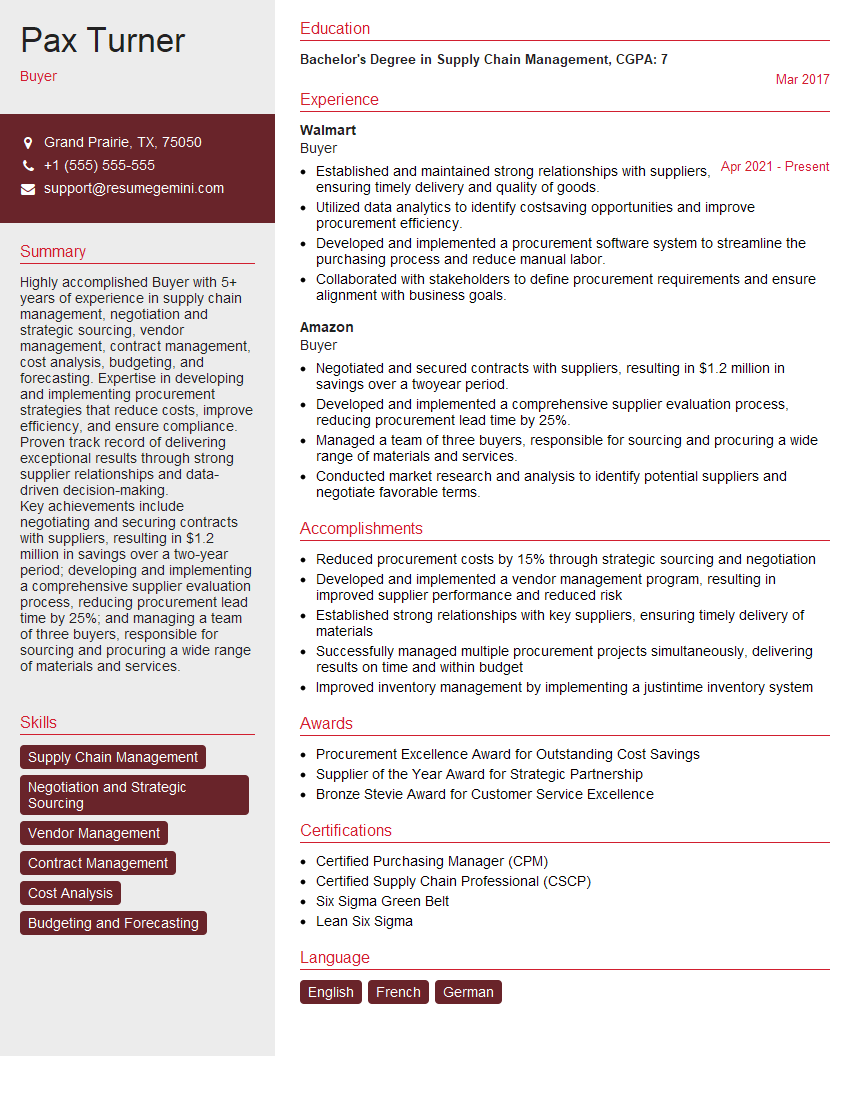
Buyer Resume Sample
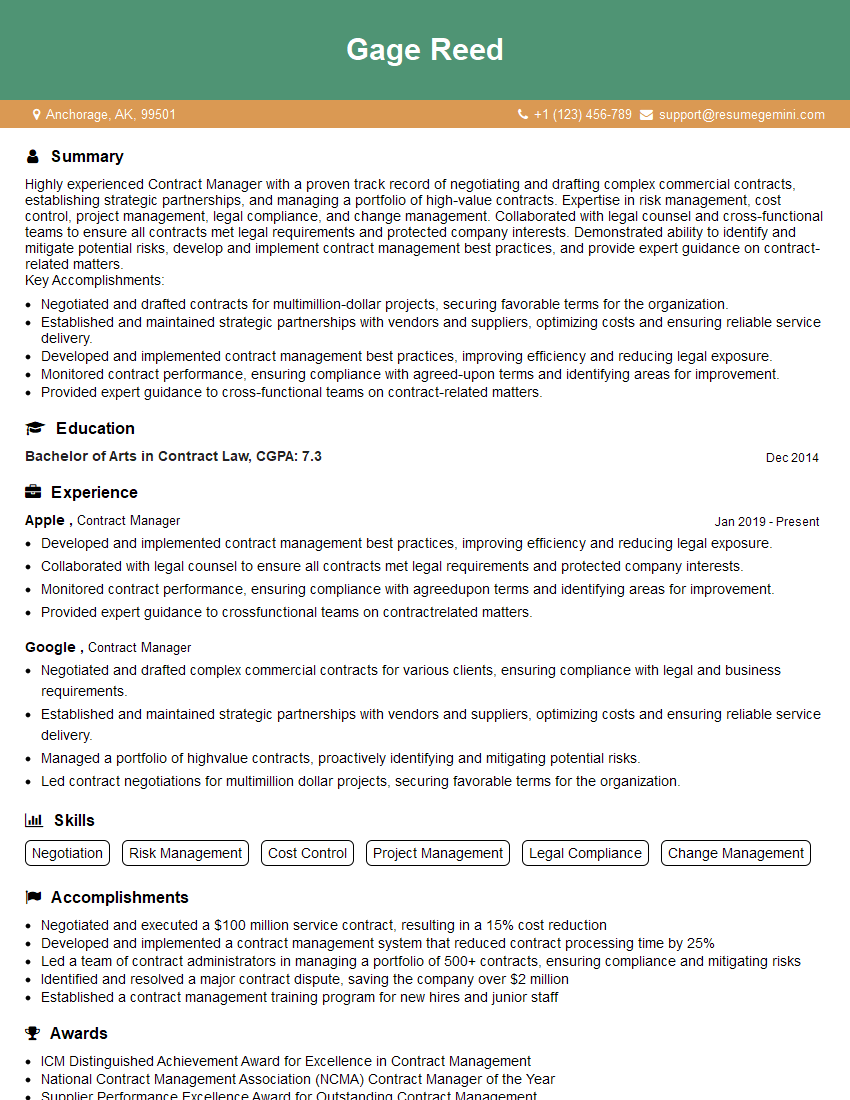
Contract Manager Resume Sample
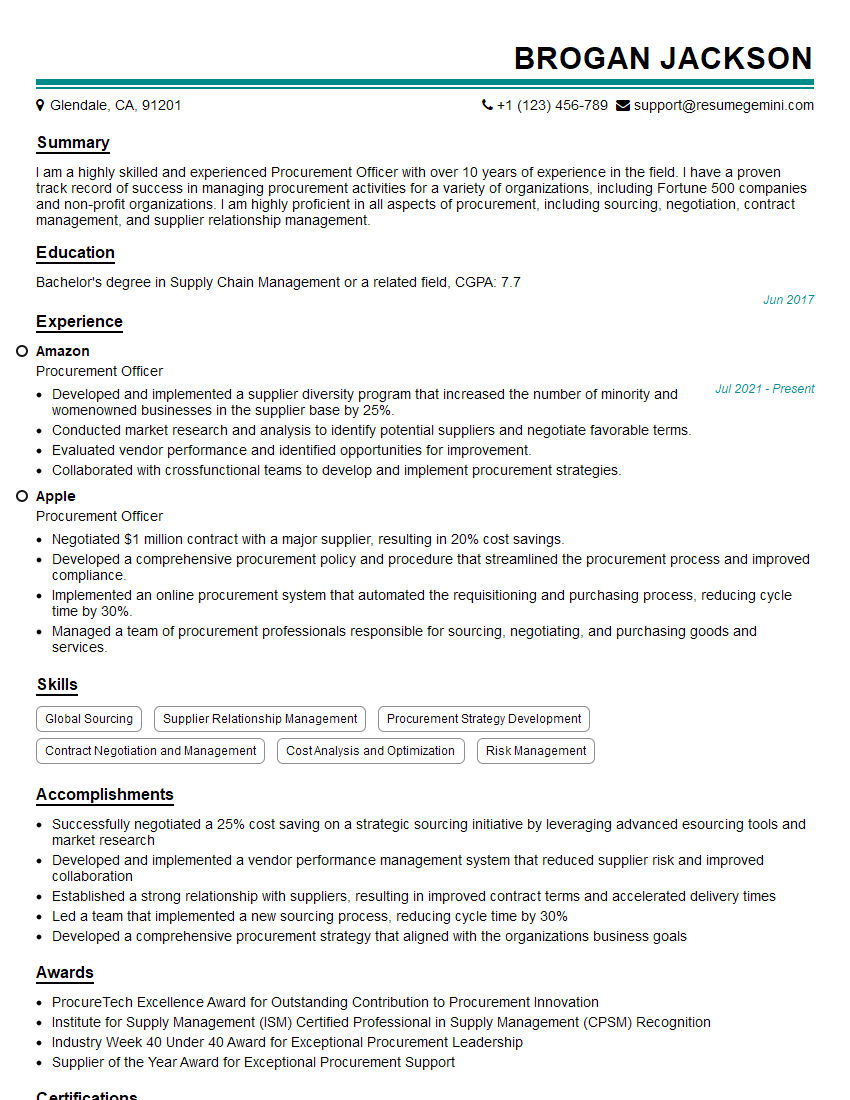
Procurement Officer Resume Sample
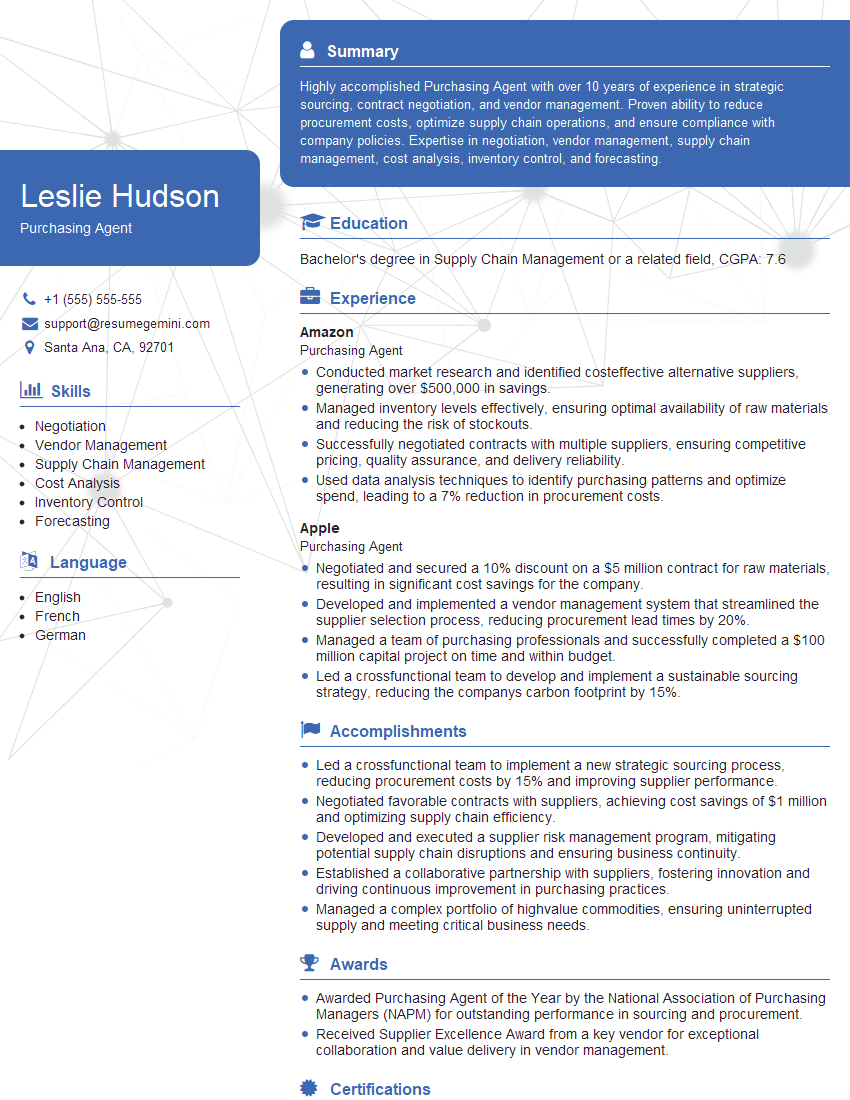
Purchasing Agent Resume Sample
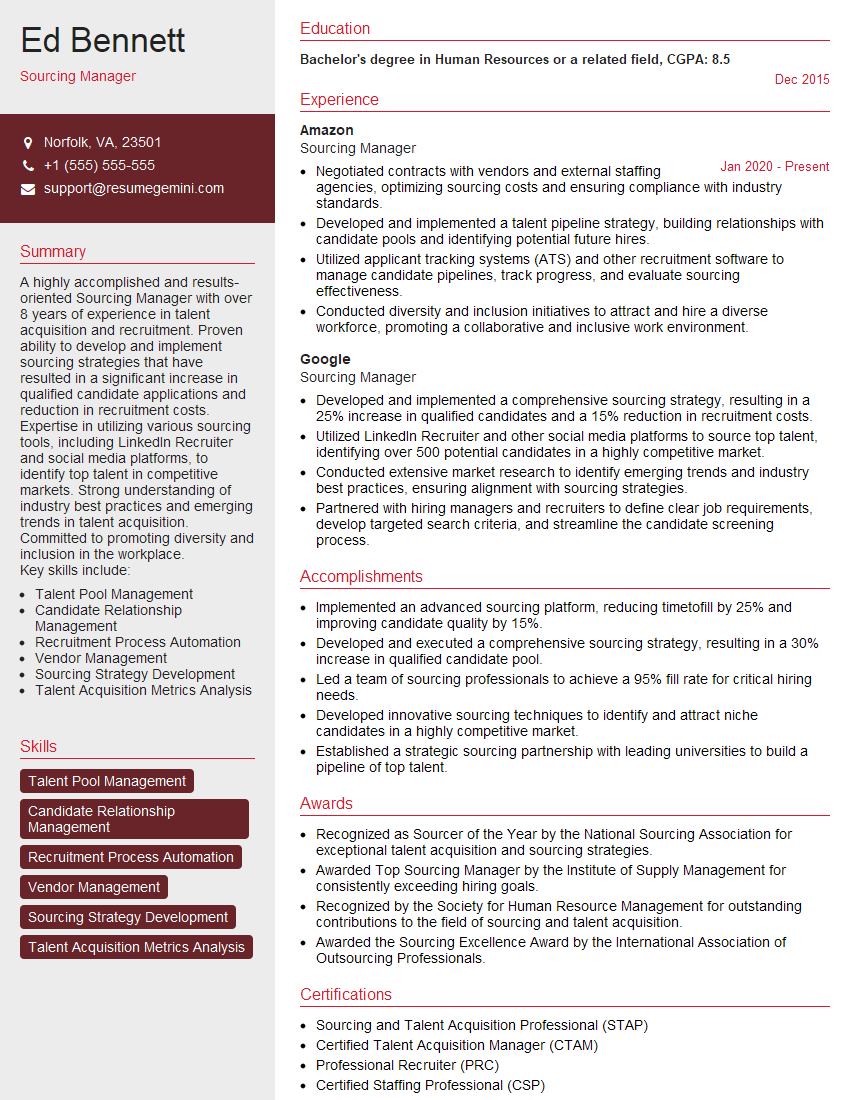
Sourcing Manager Resume Sample
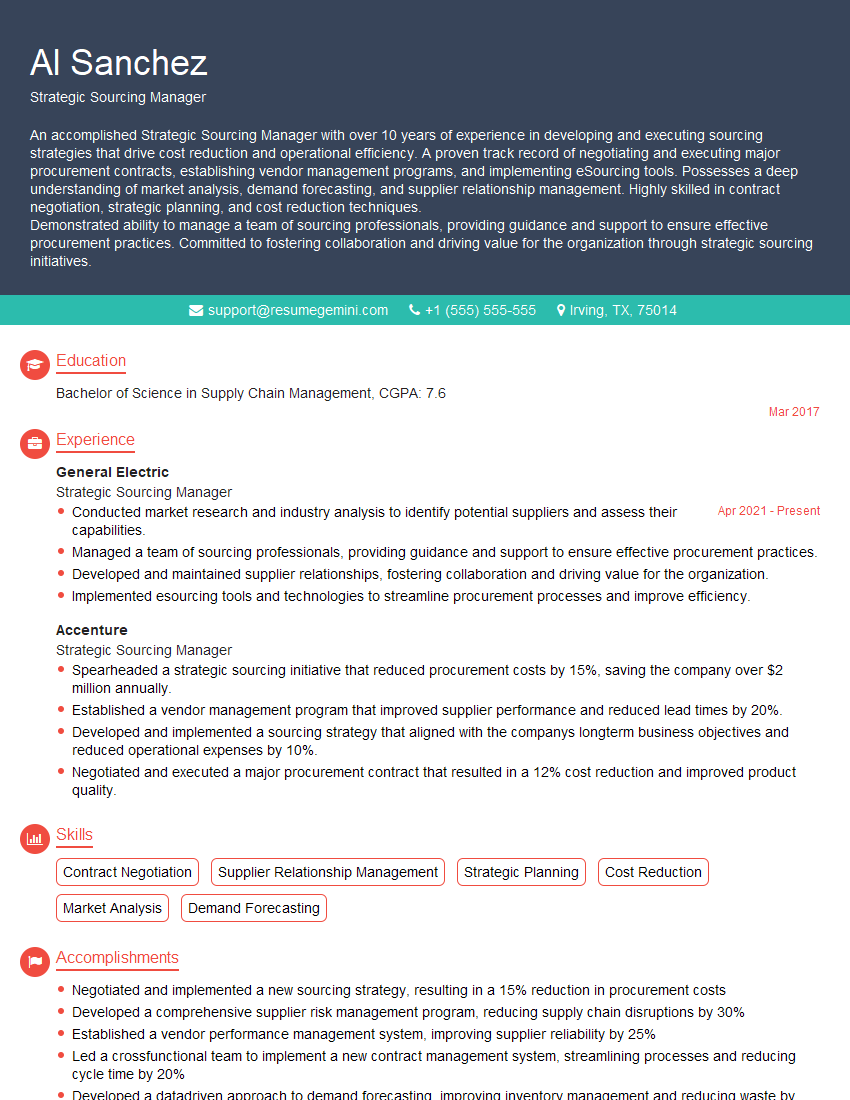
Strategic Sourcing Manager Resume Sample
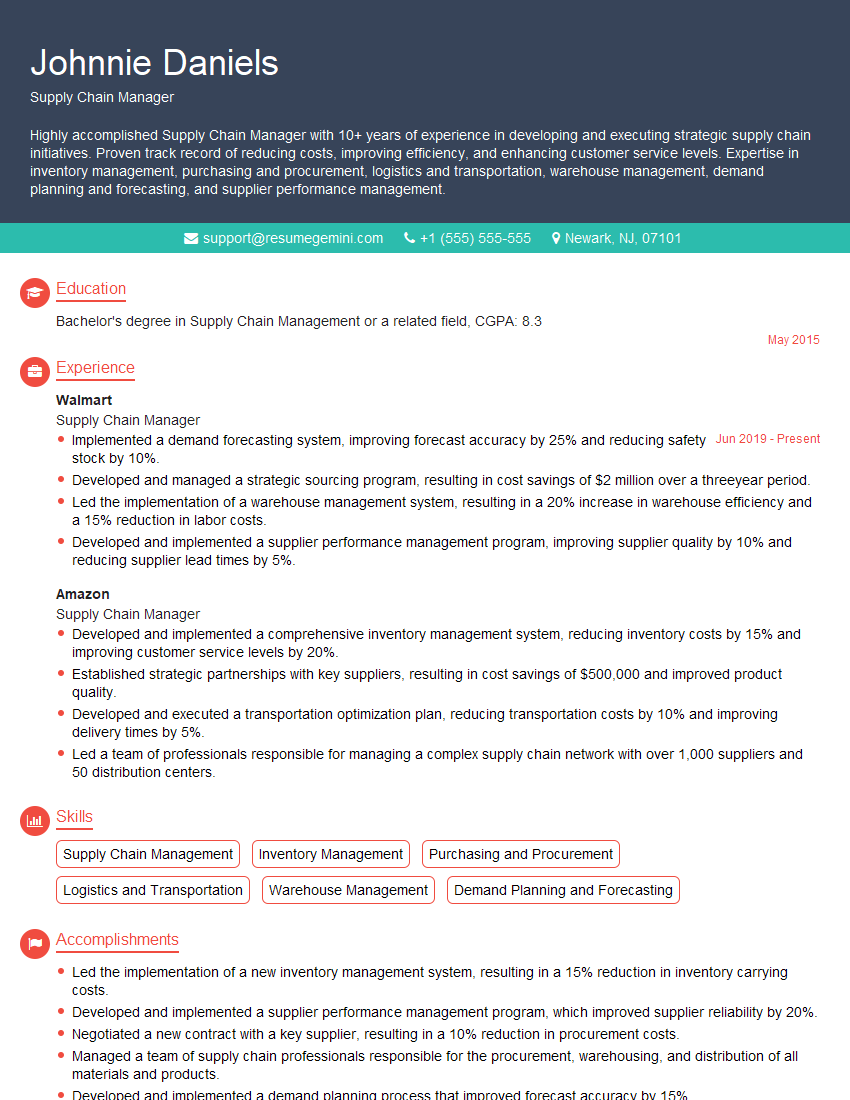
Supply Chain Manager Resume Sample
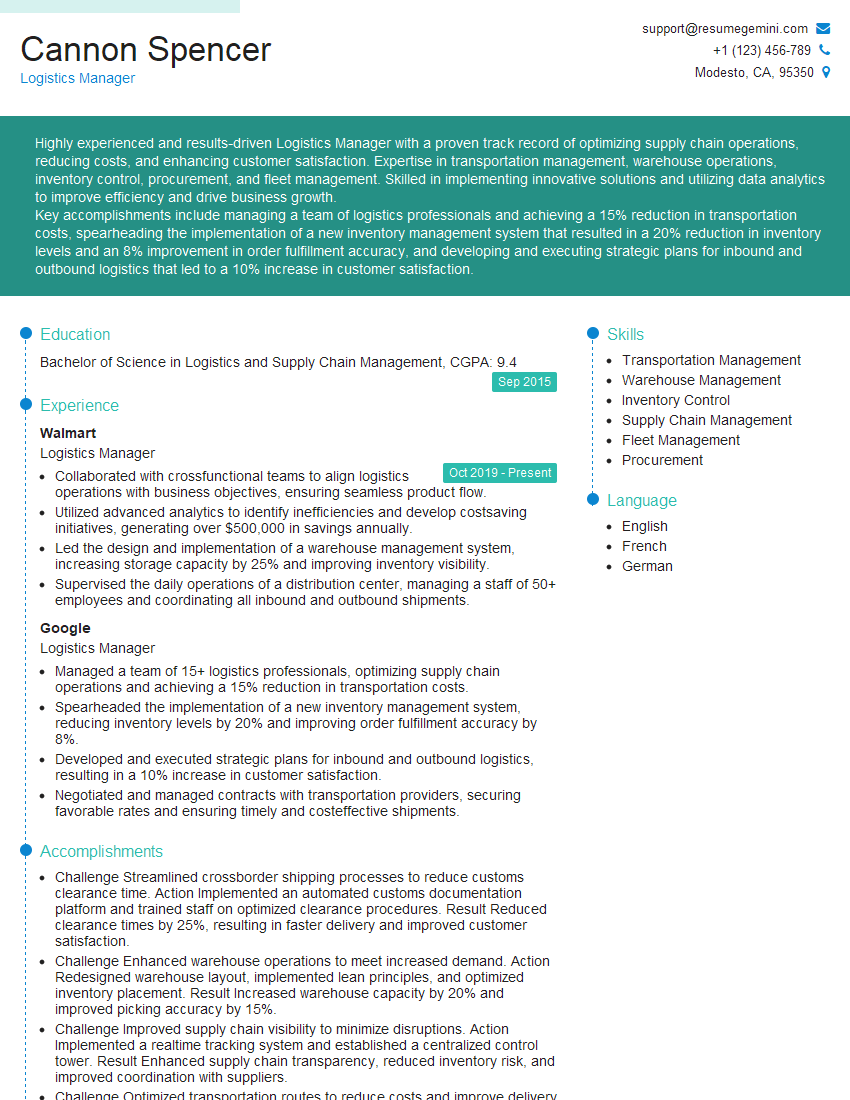
Logistics Manager Resume Sample
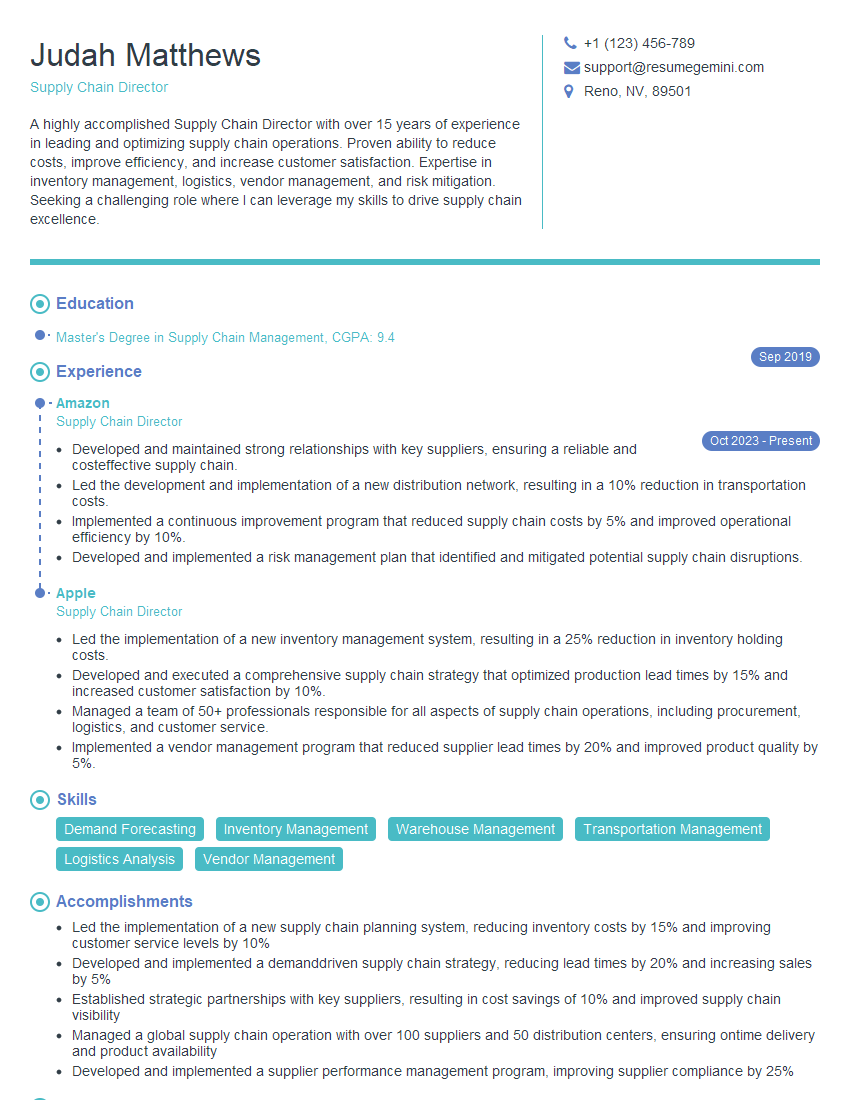
Supply Chain Director Resume Sample
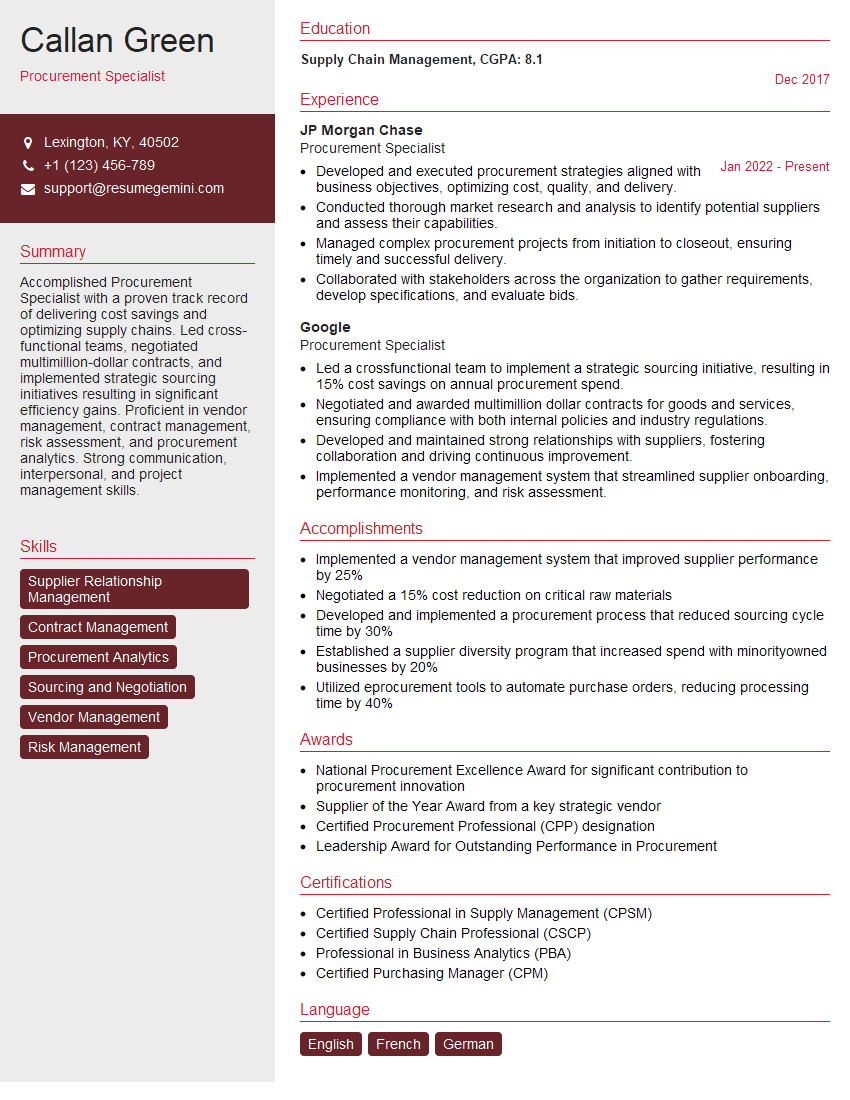
Procurement Specialist Resume Sample
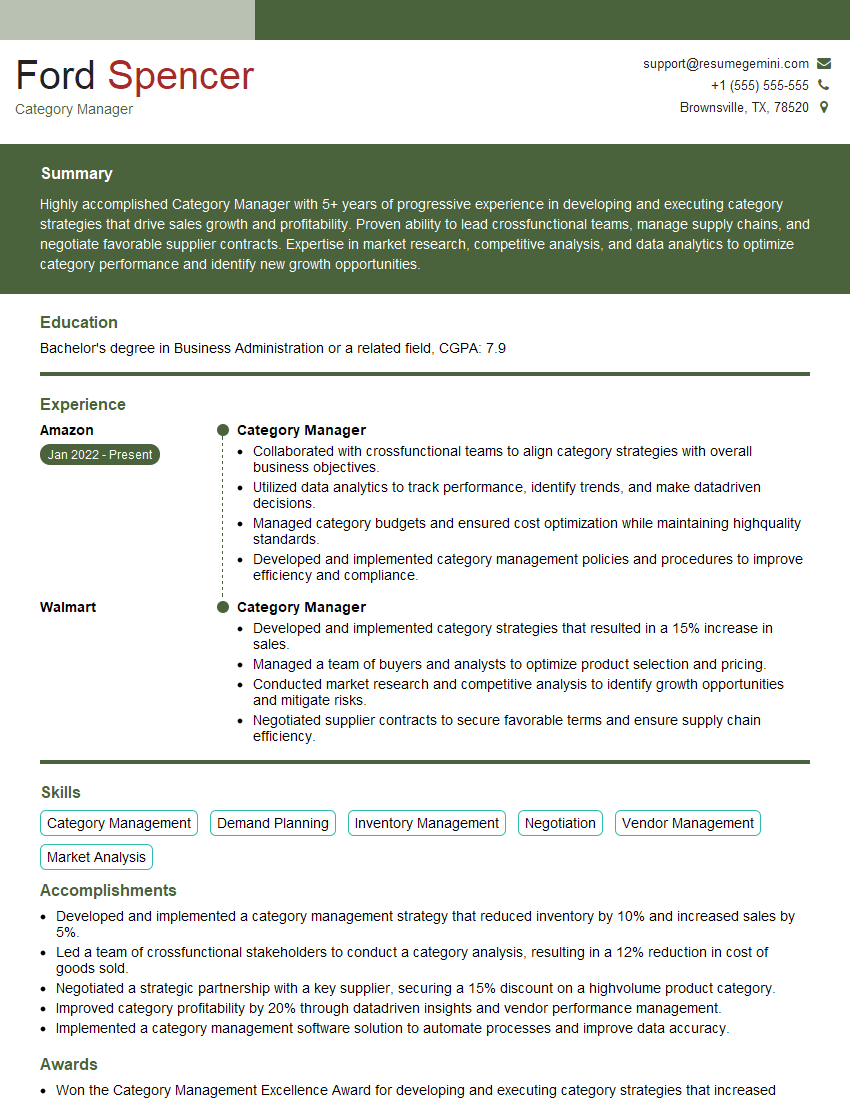
Category Manager Resume Sample
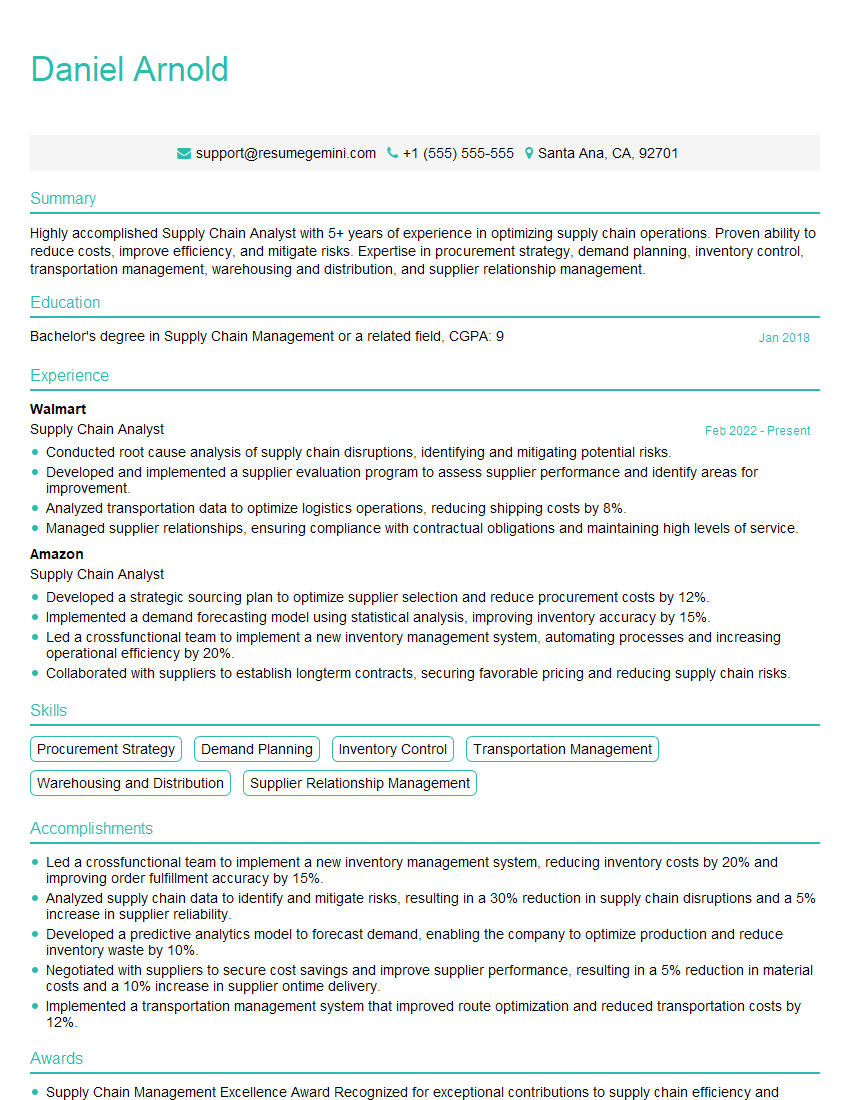
Supply Chain Analyst Resume Sample
Explore more articles
Users Rating of Our Blogs
Share Your Experience
We value your feedback! Please rate our content and share your thoughts (optional).
What Readers Say About Our Blog
Very informative content, great job.
good