Unlock your full potential by mastering the most common Nutrition and Diet Management interview questions. This blog offers a deep dive into the critical topics, ensuring you’re not only prepared to answer but to excel. With these insights, you’ll approach your interview with clarity and confidence.
Questions Asked in Nutrition and Diet Management Interview
Q 1. Explain the difference between macronutrients and micronutrients.
Macronutrients and micronutrients are both essential components of a balanced diet, but they differ significantly in the quantities needed and their roles in the body. Macronutrients are the energy-yielding nutrients that we need in relatively large amounts: carbohydrates, proteins, and fats. They provide the calories that fuel our bodies. Micronutrients, on the other hand, are vitamins and minerals required in much smaller quantities. They don’t provide energy but are crucial for various metabolic processes, supporting enzyme function and overall bodily health.
Think of it like building a house: macronutrients are the bricks and mortar (providing the structure), while micronutrients are the electrical wiring, plumbing, and paint (essential for functionality and aesthetics).
Q 2. Describe the role of carbohydrates, proteins, and fats in the body.
Carbohydrates, proteins, and fats play distinct yet interconnected roles in our bodies:
- Carbohydrates: Primarily serve as the body’s primary energy source. They are broken down into glucose, which fuels cells and organs. Complex carbohydrates, like those found in whole grains and vegetables, provide sustained energy release, while simple carbohydrates, like sugar, lead to rapid spikes in blood sugar.
- Proteins: Essential for building and repairing tissues, making enzymes and hormones, and supporting immune function. They are composed of amino acids, some of which our bodies cannot produce (essential amino acids), making dietary protein intake crucial.
- Fats: Provide energy, help absorb fat-soluble vitamins (A, D, E, and K), insulate organs, and support hormone production. Unsaturated fats (found in avocados, nuts, and olive oil) are considered healthier than saturated and trans fats (found in processed foods and red meat).
A balanced diet needs all three macronutrients in appropriate proportions for optimal health and well-being. The proportion should be tailored to individual needs, activity levels, and health goals.
Q 3. What are the recommended daily allowances for key vitamins and minerals?
Recommended Daily Allowances (RDAs) for vitamins and minerals vary based on age, sex, and overall health status. There’s no single universal number. However, I can provide a general overview. These are *estimates* and individual needs may differ. It’s crucial to consult a healthcare professional or registered dietitian for personalized recommendations.
- Vitamin D: 600 IU (International Units) for most adults, potentially higher for older individuals.
- Calcium: 1000-1200 mg for adults, depending on age.
- Iron: 8 mg for adult men, 18 mg for adult women (higher needs during pregnancy).
- Vitamin B12: 2.4 mcg for adults.
- Vitamin C: 75-90 mg for adults.
These are just a few examples; many other vitamins and minerals are essential. It’s generally easier to obtain these nutrients through a balanced diet rather than relying on supplements, unless advised by a healthcare professional.
Q 4. How do you calculate a patient’s Basal Metabolic Rate (BMR)?
Basal Metabolic Rate (BMR) is the number of calories your body burns at rest to maintain basic functions like breathing and heartbeat. Several equations exist to estimate BMR, and they often differ slightly. The most common is the Mifflin-St Jeor equation, which is considered more accurate than older formulas. It takes into account age, sex, weight, and height.
Mifflin-St Jeor Equation:
- For Men: BMR = (10 x weight in kg) + (6.25 x height in cm) – (5 x age in years) + 5
- For Women: BMR = (10 x weight in kg) + (6.25 x height in cm) – (5 x age in years) – 161
Example: A 30-year-old woman weighing 60 kg and standing 165 cm tall would have an estimated BMR of: (10 x 60) + (6.25 x 165) – (5 x 30) – 161 = 1377.5 calories.
Remember, this is just an *estimate*. BMR can be affected by factors like muscle mass, genetics, and thyroid function.
Q 5. Explain the concept of glycemic index and its importance in diet planning.
The glycemic index (GI) is a ranking system for carbohydrate-containing foods based on how quickly they raise blood glucose levels after eating. Foods with a high GI cause a rapid rise, while low GI foods cause a slower, more gradual increase. This is important in diet planning, especially for individuals with diabetes or those aiming to manage their blood sugar levels.
Importance in Diet Planning: A diet with a focus on low GI foods can help prevent blood sugar spikes and crashes, promoting better blood sugar control, improved insulin sensitivity, and sustained energy levels throughout the day. Choosing low GI options like whole grains, legumes, and most fruits over high GI choices such as white bread, sugary drinks, and processed foods is recommended for overall health.
Q 6. Describe different types of dietary fiber and their health benefits.
Dietary fiber is indigestible plant material that adds bulk to stool and promotes regular bowel movements. There are two main types:
- Soluble fiber: Dissolves in water and forms a gel-like substance in the digestive tract. It helps lower cholesterol and blood sugar levels. Examples include oats, barley, apples, and beans.
- Insoluble fiber: Doesn’t dissolve in water and adds bulk to the stool. It aids in preventing constipation and promoting regular bowel movements. Examples include wheat bran, whole-wheat flour, and many vegetables.
Health Benefits: Adequate fiber intake is associated with reduced risk of heart disease, type 2 diabetes, certain cancers, and improved digestive health. It promotes satiety (feeling full), aiding in weight management.
Q 7. What are the key considerations when developing a meal plan for a diabetic patient?
Developing a meal plan for a diabetic patient requires careful consideration of several factors:
- Carbohydrate control: Consistent carbohydrate intake spread throughout the day is crucial to prevent large blood sugar fluctuations. Portion control of carbohydrates is also important.
- Glycemic index (GI) and glycemic load (GL): Prioritizing low to moderate GI foods is essential to minimize blood sugar spikes.
- Fiber intake: Adequate fiber intake helps regulate blood sugar levels and promotes satiety.
- Regular meal timing: Eating at consistent times helps maintain stable blood glucose levels.
- Healthy fats and lean proteins: These macronutrients contribute to satiety and support overall health without significantly impacting blood sugar.
- Individual needs and preferences: The meal plan should be tailored to the patient’s lifestyle, food preferences, and cultural background.
- Medication and other health conditions: The meal plan should consider any medications the patient is taking and any co-existing health conditions.
It is crucial for a registered dietitian or certified diabetes educator to collaborate with the patient and their healthcare team to create a personalized and effective diabetic meal plan.
Q 8. How would you counsel a patient on weight loss strategies?
Weight loss is a journey, not a race, and successful strategies focus on sustainable lifestyle changes, not quick fixes. My approach involves a holistic assessment of the patient’s health, including medical history, current diet, activity levels, and psychological factors. I emphasize a balanced approach incorporating three key areas:
- Dietary Modifications: We collaboratively create a personalized meal plan focusing on portion control, increased consumption of fruits, vegetables, and whole grains, and a reduction in processed foods, sugary drinks, and unhealthy fats. For example, we might swap sugary sodas for water infused with fruits, replace white bread with whole wheat, and incorporate lean protein sources like chicken or fish. This isn’t about deprivation, but making informed choices.
- Physical Activity: I encourage gradual increases in physical activity, tailoring recommendations to the individual’s fitness level and preferences. This could involve brisk walking, cycling, swimming, or joining a gym – the key is finding activities they enjoy and can stick with. Even small increments like taking the stairs instead of the elevator can make a difference.
- Behavioral Modification: This is often the most crucial element. We work together to identify and address underlying emotional or psychological factors contributing to overeating, such as stress or emotional eating. Techniques like mindful eating – paying attention to hunger and fullness cues – can be incredibly effective. We might explore stress-management strategies like meditation or yoga.
Regular follow-up appointments are vital to monitor progress, address challenges, and make necessary adjustments to the plan. It’s a collaborative process; success depends on the patient’s commitment and my guidance.
Q 9. Explain the importance of hydration in maintaining overall health.
Hydration is fundamental to nearly every bodily function. Water is not just a thirst quencher; it’s a vital component involved in regulating body temperature, transporting nutrients, lubricating joints, and removing waste products. Dehydration, even mild, can lead to fatigue, headaches, decreased cognitive function, and constipation. Chronic dehydration can have more serious consequences, impacting kidney function and blood pressure.
Think of your body like a well-oiled machine. Water acts as the lubricant, ensuring all parts function smoothly. Without enough water, the ‘machine’ starts to sputter and eventually break down. Adequate hydration is especially important for athletes, older adults, and those living in hot climates.
The recommended daily fluid intake varies depending on factors like activity level, climate, and overall health, but aiming for at least eight glasses of water per day is a good starting point. Fruits and vegetables also contribute to hydration.
Q 10. What are the common signs and symptoms of malnutrition?
Malnutrition encompasses both undernutrition and overnutrition, indicating an imbalance of essential nutrients. Symptoms can be subtle or severe, varying depending on the specific nutrient deficiencies or excesses.
- Undernutrition: Signs may include unintended weight loss, fatigue, weakness, muscle wasting, dry skin and hair, brittle nails, impaired immune function, and increased susceptibility to infections. In children, stunted growth and developmental delays are common.
- Overnutrition: This manifests primarily as obesity, but also carries risks like hypertension, high cholesterol, type 2 diabetes, and heart disease.
It’s crucial to remember that malnutrition isn’t just about caloric intake; it’s a complex issue involving the balance of all essential macronutrients (carbohydrates, proteins, fats) and micronutrients (vitamins and minerals). A thorough assessment is necessary for accurate diagnosis and intervention.
Q 11. How do you assess a patient’s nutritional status?
Assessing a patient’s nutritional status is a multi-faceted process. It involves collecting information through various methods to create a comprehensive picture of their nutritional health.
- Anthropometric Measurements: This includes height, weight, body mass index (BMI), waist circumference, and skinfold thickness measurements to assess body composition.
- Biochemical Data: Blood and urine tests can reveal deficiencies or excesses of specific nutrients, such as iron, vitamin D, or blood glucose levels.
- Dietary Assessment: This involves using methods like 24-hour dietary recalls, food frequency questionnaires, and food diaries to understand the patient’s typical dietary intake.
- Clinical Examination: A physical examination can identify visible signs of malnutrition, such as muscle wasting, edema, or skin lesions.
- Patient History: This includes medical history, medication use, lifestyle factors (such as smoking or alcohol consumption), and socioeconomic factors that might affect their access to nutritious food.
By combining data from these different sources, I can get a holistic view of the patient’s nutritional status and identify any areas of concern.
Q 12. Describe your experience with different types of nutritional assessments (e.g., 24-hour recall, food frequency questionnaire).
I have extensive experience using various nutritional assessment tools. Each has its strengths and limitations.
- 24-Hour Dietary Recall: This involves asking the patient to recall everything they ate and drank in the past 24 hours. It’s relatively quick and easy to administer but relies on the patient’s memory and may not reflect typical dietary patterns. I often use probing questions to help patients accurately remember their food intake.
- Food Frequency Questionnaire: This is a structured questionnaire that asks patients how often they consume specific foods over a longer period, usually a month or year. It’s useful for identifying overall dietary patterns but may not capture the details of individual meals. I’ve found this particularly helpful for tracking long-term trends.
- Food Diaries: Patients record everything they eat and drink for several days or weeks. This provides a detailed account of dietary intake but can be time-consuming for both the patient and the assessor. The detailed data is excellent for identifying specific patterns and triggers.
I often use a combination of these methods to improve accuracy and gain a more comprehensive understanding of a patient’s dietary habits.
Q 13. How do you address food allergies and intolerances in your dietary recommendations?
Food allergies and intolerances are critical considerations in dietary recommendations. A thorough assessment is needed to accurately identify the specific allergens or intolerances and determine the appropriate management strategy.
For food allergies (immune system reactions), complete avoidance of the allergen is essential. I work with patients to read food labels carefully, understand hidden sources of allergens in processed foods, and develop strategies for safe food preparation and handling. Collaboration with an allergist or immunologist is often necessary.
For food intolerances (non-immune system reactions), such as lactose intolerance, I adjust the diet to minimize or eliminate the offending food, or I may suggest alternative foods or enzyme supplements to improve digestion. It’s important to differentiate between an allergy, which is a potentially life-threatening condition, and an intolerance, which typically causes milder symptoms.
I always emphasize the importance of accurate diagnosis, whether by a medical professional or through allergy testing.
Q 14. What are the ethical considerations when providing nutritional advice?
Ethical considerations are paramount in nutritional counseling. My practice is guided by several key principles:
- Confidentiality: Protecting patient information is paramount. All discussions and data are kept strictly confidential, in accordance with relevant privacy regulations.
- Informed Consent: Patients must be fully informed about the nature of the nutritional advice, potential risks and benefits, and have the autonomy to make decisions regarding their care. I ensure they understand the process and are comfortable with the recommendations.
- Non-Discrimination: I provide unbiased care to all individuals, regardless of race, ethnicity, gender, sexual orientation, or socioeconomic status. I tailor my approach to meet their specific needs and cultural preferences.
- Competence: I only provide advice within my scope of expertise. If a patient requires specialized care, such as for a rare metabolic disorder, I will refer them to a qualified specialist.
- Objectivity: I avoid promoting specific products or diets unless supported by robust scientific evidence. I make sure that recommendations are evidence-based and not influenced by external pressures.
Adhering to these ethical guidelines ensures that my nutritional advice is safe, effective, and respects the dignity and autonomy of my patients.
Q 15. How do you stay updated on the latest advancements in nutrition science?
Staying current in the rapidly evolving field of nutrition science requires a multi-pronged approach. I actively engage with several key strategies to ensure my knowledge remains up-to-date and relevant.
- Peer-reviewed Journals: I regularly read publications like the American Journal of Clinical Nutrition, The Journal of Nutrition, and Nutrition Reviews. These journals provide evidence-based research on the latest findings in nutritional science.
- Professional Organizations: Membership in organizations such as the Academy of Nutrition and Dietetics (AND) provides access to continuing education opportunities, webinars, conferences, and newsletters featuring cutting-edge research and practical applications.
- Reputable Online Resources: I utilize credible online resources like the National Institutes of Health (NIH) website and the USDA’s website for reliable information on dietary guidelines and research updates. It’s crucial to be discerning and only consult trusted sources.
- Continuing Education: I actively participate in continuing education courses and workshops to maintain my Registered Dietitian (RD) credentials. This ensures I’m constantly learning about new research methodologies, dietary interventions, and clinical best practices.
- Networking: Engaging with other registered dietitians and healthcare professionals through conferences, workshops and online forums facilitates the exchange of knowledge and insights on the latest trends and challenges in nutrition.
By combining these methods, I ensure my practice reflects the most current and reliable nutritional science.
Career Expert Tips:
- Ace those interviews! Prepare effectively by reviewing the Top 50 Most Common Interview Questions on ResumeGemini.
- Navigate your job search with confidence! Explore a wide range of Career Tips on ResumeGemini. Learn about common challenges and recommendations to overcome them.
- Craft the perfect resume! Master the Art of Resume Writing with ResumeGemini’s guide. Showcase your unique qualifications and achievements effectively.
- Don’t miss out on holiday savings! Build your dream resume with ResumeGemini’s ATS optimized templates.
Q 16. Explain your understanding of the MyPlate recommendations.
MyPlate is a visual guide to healthy eating created by the USDA. It’s a simple yet effective tool that emphasizes building a healthy plate at mealtimes. The five food groups are represented proportionally on a plate to help visualize portion sizes.
- Fruits: Focus on whole fruits over juices; they’re packed with vitamins, minerals, and fiber. Example: an apple, a handful of berries.
- Vegetables: Aim for a variety of colors; each color offers different nutrients. Example: broccoli, carrots, spinach.
- Grains: Choose at least half your grains as whole grains for added fiber and nutrients. Example: whole-wheat bread, brown rice, oats.
- Protein Foods: Include lean meats, poultry, seafood, beans, peas, and nuts. Example: grilled chicken breast, lentils, tofu.
- Dairy: Choose low-fat or fat-free options. Example: skim milk, yogurt.
MyPlate also encourages healthy eating habits beyond portion sizes, emphasizing controlling portion sizes, making half your plate fruits and vegetables, drinking water, and choosing nutrient-dense foods. It’s a flexible guide that can be adapted to individual needs and preferences, but the core principles remain consistent: balance and variety.
Q 17. Describe your experience with medical nutrition therapy.
Medical nutrition therapy (MNT) is a crucial aspect of my practice. It involves using nutrition principles to prevent, treat, and manage various medical conditions. My experience encompasses a range of applications, including:
- Diabetes Management: Developing personalized meal plans to regulate blood sugar levels, focusing on carbohydrate counting and portion control. I’ve helped many patients improve their A1c levels and overall diabetes management.
- Cardiovascular Disease Prevention and Management: Creating heart-healthy eating plans that emphasize reducing saturated and trans fats, increasing fiber intake, and managing sodium levels. This often involves working collaboratively with cardiologists.
- Gastrointestinal Disorders: Designing diets to manage conditions like irritable bowel syndrome (IBS), Crohn’s disease, and celiac disease. This requires a deep understanding of nutrient absorption and digestive processes. For example, I helped a patient with IBS navigate trigger foods and develop a well-tolerated meal plan.
- Cancer Care: Providing nutritional support to cancer patients undergoing treatment to manage side effects like nausea, fatigue, and malnutrition. This often involves collaborating with oncologists and other members of the healthcare team.
- Weight Management: Developing sustainable weight loss plans, incorporating behavioral strategies and promoting healthy eating habits that are both effective and enjoyable for the patient.
In all these areas, I use evidence-based practices and tailor my approach to each individual’s needs, preferences, and medical history. Collaboration with other healthcare professionals is key to providing comprehensive care.
Q 18. What software or tools do you use for nutrition analysis and meal planning?
For nutrition analysis and meal planning, I utilize several software and tools that streamline my workflow and ensure accuracy. These include:
- Nutrition Analysis Software: I use
Nutritionist ProandESHA Researchsoftware to analyze the nutrient content of meals and recipes. These programs allow for precise calculation of macronutrients, micronutrients, and other dietary components. - Electronic Health Records (EHR): Integration with EHR systems allows for seamless access to patient information and facilitates communication with other members of the healthcare team. This is crucial for effective collaborative care.
- Meal Planning Software: I use various meal planning tools that allow me to create personalized meal plans, incorporating patient preferences, dietary restrictions, and health goals. These tools often include features for generating shopping lists and tracking progress.
- Spreadsheets: I also use spreadsheets like
Microsoft ExcelorGoogle Sheetsfor tracking patient progress, creating customized recipes, and organizing data. This provides a flexible and versatile platform for data management.
The specific tools I use may vary depending on the patient’s needs and the type of intervention. However, the overarching goal is to use technology to improve efficiency and the accuracy of my nutrition recommendations.
Q 19. How do you handle patient resistance to dietary changes?
Patient resistance to dietary changes is a common challenge. Addressing this requires a patient-centered, empathetic approach. Here’s my strategy:
- Understanding the Barriers: I begin by actively listening to understand the patient’s concerns, beliefs, and reasons for resistance. Are there logistical barriers, financial constraints, cultural factors, or taste preferences influencing their reluctance?
- Collaborative Goal Setting: I work collaboratively with the patient to set realistic and achievable goals. Instead of drastic changes, we focus on small, incremental steps. This creates a sense of accomplishment and builds momentum.
- Personalized Approach: I tailor recommendations to the patient’s lifestyle, preferences, and cultural background. This increases the likelihood of adherence and reduces feelings of deprivation or frustration.
- Education and Empowerment: I provide clear, evidence-based explanations of the benefits of the recommended changes, empowering patients to make informed decisions. I address any misconceptions or misinformation they may have.
- Problem-Solving: We work together to overcome practical challenges. For example, if cost is a barrier, we might explore affordable alternatives or resources. If time constraints are an issue, I’ll help them design time-efficient meal plans.
- Regular Follow-Up: I provide ongoing support and monitoring, addressing concerns and making adjustments as needed. This reinforces commitment and helps them stay on track.
Ultimately, creating a trusting and supportive relationship is key to overcoming patient resistance and fostering successful dietary changes.
Q 20. How do you explain complex nutritional information to patients in an easy-to-understand way?
Explaining complex nutritional information requires clear, concise, and relatable communication. My approach involves:
- Plain Language: I avoid jargon and technical terms. If I must use a technical term, I explain it in simple terms immediately.
- Visual Aids: I use visual aids like MyPlate, charts, graphs, and pictures to illustrate concepts. A picture is often worth a thousand words.
- Analogies and Examples: I use relatable analogies and real-life examples to make abstract concepts easier to understand. For instance, explaining fiber’s role in digestion by comparing it to a broom sweeping out the intestines.
- Interactive Communication: I encourage questions and engage in two-way communication. This helps me gauge their understanding and address any confusion.
- Tailored Explanations: I adjust my explanations based on the patient’s education level, health literacy, and cultural background.
- Step-by-step Guidance: Instead of overwhelming them with a lot of information at once, I break down complex concepts into smaller, manageable steps.
The goal is to ensure the patient understands the ‘why’ behind the recommendations, not just the ‘what’. This fosters compliance and empowers them to make long-term healthy choices.
Q 21. Describe your experience with different types of dietary restrictions (e.g., vegetarian, vegan, gluten-free).
I have extensive experience working with various dietary restrictions. My approach involves understanding the rationale behind each restriction and tailoring nutrition plans to meet specific needs while ensuring nutritional adequacy.
- Vegetarian and Vegan Diets: I help patients plan meals that provide adequate protein, iron, calcium, and vitamin B12, which can be challenging to obtain from plant-based sources. I guide them on choosing complementary protein sources and incorporating fortified foods.
- Gluten-Free Diets: For those with celiac disease or gluten sensitivity, I help create gluten-free meal plans that are both nutritious and enjoyable. This involves understanding cross-contamination risks and ensuring that they are meeting their nutritional requirements without gluten-containing foods.
- Other Dietary Restrictions: I also have experience with other restrictions, such as lactose-free, low-sodium, low-FODMAP (for IBS), and food allergy management. I work closely with patients and, when necessary, other healthcare professionals to develop personalized and safe plans.
In all cases, my focus remains on creating balanced and nutritious diets that meet individual needs and preferences while adhering to the necessary restrictions. Accurate nutrition assessment and monitoring are crucial to ensure overall health and wellbeing.
Q 22. How do you collaborate with other healthcare professionals (e.g., doctors, nurses)?
Collaboration with other healthcare professionals is paramount to holistic patient care. I believe in a multidisciplinary approach, where open communication and shared goals are central. For instance, I regularly consult with physicians to understand a patient’s overall health status, including medication interactions and potential contraindications, before designing a nutrition plan. With nurses, I coordinate to ensure meal plans are feasible within the hospital or care setting, addressing any practical challenges like dietary restrictions or meal timing. This collaborative effort ensures the nutrition plan aligns perfectly with the patient’s overall treatment plan, leading to better outcomes.
Specifically, I utilize electronic health records (EHRs) to securely access and share patient data, such as lab results, medical history, and medication lists, with relevant healthcare providers. Regular team meetings, including case conferences, facilitate discussions and the sharing of relevant information regarding patient progress and any necessary modifications to the nutrition plan. This method ensures we’re all working towards the same outcome in a coordinated and efficient manner.
Q 23. Describe a time you had to adapt a meal plan based on patient feedback or changing circumstances.
Adaptability is a crucial skill in nutrition. I recall a patient, an elderly woman with diabetes, who found my initial meal plan too restrictive. She felt it lacked variety and wasn’t culturally aligned with her preferences. She expressed difficulty adhering to the plan due to its rigidity. Instead of rigidly sticking to the initial plan, I actively listened to her concerns. We collaboratively adjusted the meal plan, incorporating some of her favorite culturally relevant dishes while ensuring it still met her dietary needs. We incorporated smaller, more frequent meals to better manage her blood sugar. This involved finding recipes with similar nutritional profiles to the original plan but with variations that appealed to her palate.
In another instance, a patient’s kidney function unexpectedly deteriorated. I immediately consulted with the nephrologist and adjusted the meal plan to restrict potassium and phosphorus to align with the patient’s evolving health status. This required a careful reassessment of the patient’s nutritional requirements and a significant recalibration of their diet. The revised plan prioritized foods that supported kidney health while minimizing the risk of complications. The successful adaptation in both scenarios highlight my commitment to patient-centered care and the importance of flexible approaches.
Q 24. How do you prioritize patient confidentiality and data privacy?
Patient confidentiality and data privacy are of utmost importance. I adhere strictly to HIPAA regulations (Health Insurance Portability and Accountability Act) and all applicable laws concerning the protection of sensitive patient information. This includes securing all electronic files with strong passwords, ensuring access is limited to authorized personnel only, and using secure communication channels for sharing patient data.
I never discuss patient information in public spaces or with unauthorized individuals. All patient records are stored securely, both electronically and physically. I regularly update my knowledge on data protection best practices and complete mandatory training to maintain compliance. Maintaining the trust of my patients by protecting their privacy is fundamental to my professional ethics. Furthermore, informed consent is always obtained before collecting or sharing any health information.
Q 25. What are some common misconceptions about nutrition that you encounter?
Several common misconceptions about nutrition consistently hinder people’s progress toward healthy lifestyles. One pervasive myth is that all fats are bad. In reality, unsaturated fats (found in avocados, nuts, and olive oil) are essential for health. Similarly, many believe that skipping meals aids weight loss, but this often leads to overeating later and can disrupt metabolism. Another misconception is that detox teas and supplements promote rapid weight loss. These products often lack scientific backing and can be harmful.
The belief that carbohydrates are the enemy is another prevalent misconception. Complex carbohydrates (whole grains, fruits, and vegetables) provide crucial energy and fiber. Finally, many equate calorie restriction with healthy eating, overlooking the importance of nutrient density and balanced macronutrients. Addressing these misconceptions requires educating patients on the scientific basis of nutrition, emphasizing the importance of whole foods, and debunking false claims through credible sources.
Q 26. Explain your approach to managing patients with specific conditions like hypertension or heart disease.
Managing patients with hypertension and heart disease requires a tailored approach focusing on dietary modifications proven to improve cardiovascular health. For hypertension, a low-sodium diet is critical. I help patients identify hidden sodium in processed foods and encourage them to use herbs and spices for flavor instead of salt. Limiting saturated and trans fats, increasing potassium-rich foods (bananas, spinach), and incorporating foods rich in magnesium (legumes, nuts) are also essential. Regular monitoring of blood pressure is vital.
In heart disease management, the focus is on a diet low in saturated and trans fats, cholesterol, and sodium. I emphasize the consumption of fruits, vegetables, whole grains, and lean protein sources. The DASH (Dietary Approaches to Stop Hypertension) diet is a cornerstone of my approach. I also consider individual factors like medication interactions, allergies, and personal preferences when creating personalized meal plans. Regular monitoring of cholesterol levels and collaboration with the cardiologist are crucial aspects of patient care in such cases.
Q 27. Describe your experience working with diverse populations with varying cultural backgrounds and dietary habits.
I have extensive experience working with diverse populations, appreciating that cultural backgrounds significantly influence dietary habits and preferences. I approach this by actively listening to my patients, understanding their cultural food traditions, and then integrating these preferences into their nutrition plans whenever possible. For example, a patient might have strong cultural ties to specific dishes high in sodium or saturated fat. Instead of prohibiting these foods entirely, I explore healthier versions or modifications that reduce the negative impact while preserving cultural significance.
Understanding food insecurity and access to healthy options within specific communities is crucial. I collaborate with community resources to bridge gaps and ensure patients have access to nutritious food regardless of their socio-economic background. My approach centers on respect for cultural diversity and a collaborative effort to achieve nutritional goals in a way that aligns with individual preferences and cultural norms.
Q 28. What are your salary expectations for this role?
My salary expectations for this role are commensurate with my experience and qualifications as a registered dietitian with extensive experience in nutrition management and diverse patient populations. Considering the scope of responsibilities and the level of expertise required, I am seeking a salary within the range of [Insert Salary Range]. I am open to discussing this further based on the specifics of the role and the overall compensation package.
Key Topics to Learn for Nutrition and Diet Management Interview
- Dietary Guidelines and Recommendations: Understanding the latest dietary guidelines and their practical application in various populations (e.g., children, adults, athletes, specific disease states).
- Nutritional Assessment: Mastering techniques for assessing nutritional status, including anthropometric measurements, biochemical indicators, and dietary intake analysis. This includes understanding and interpreting lab results relevant to nutritional deficiencies.
- Medical Nutrition Therapy (MNT): Developing comprehensive MNT plans for diverse conditions such as diabetes, cardiovascular disease, gastrointestinal disorders, and cancer. This includes understanding the role of nutrition in disease prevention and management.
- Community Nutrition and Public Health: Knowledge of community nutrition programs, health promotion strategies, and public health initiatives related to nutrition and well-being. This includes understanding nutritional disparities and health equity.
- Food Safety and Sanitation: Proficiency in food safety principles, handling, storage, and preparation to ensure client safety and adherence to regulations.
- Client Counseling and Education: Developing effective communication and counseling skills to educate clients about healthy eating habits and lifestyle changes. This includes motivational interviewing techniques and tailoring advice to individual needs.
- Ethical and Legal Considerations: Understanding professional ethics, scope of practice, and legal responsibilities in nutrition and dietetics.
- Technology in Nutrition: Familiarity with nutrition software, databases, and technological tools used in practice.
- Research and Evidence-Based Practice: Ability to critically appraise scientific literature and apply evidence-based principles to practice.
Next Steps
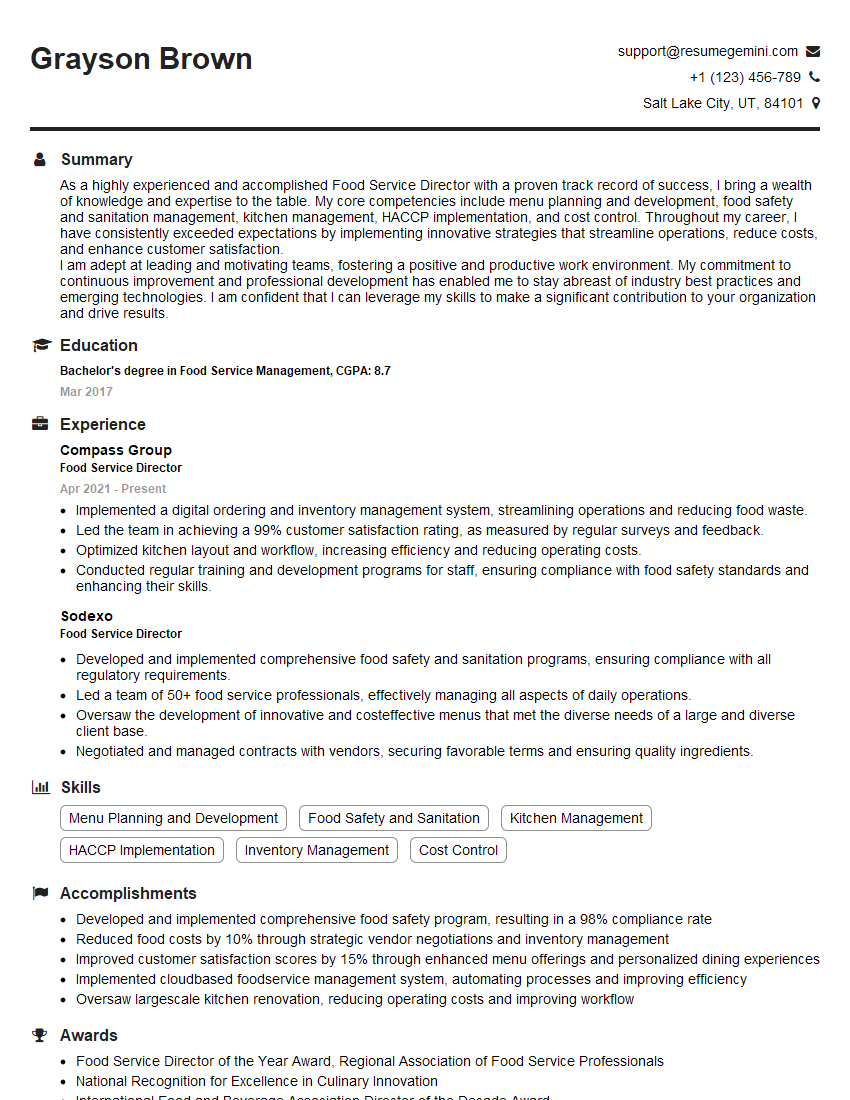
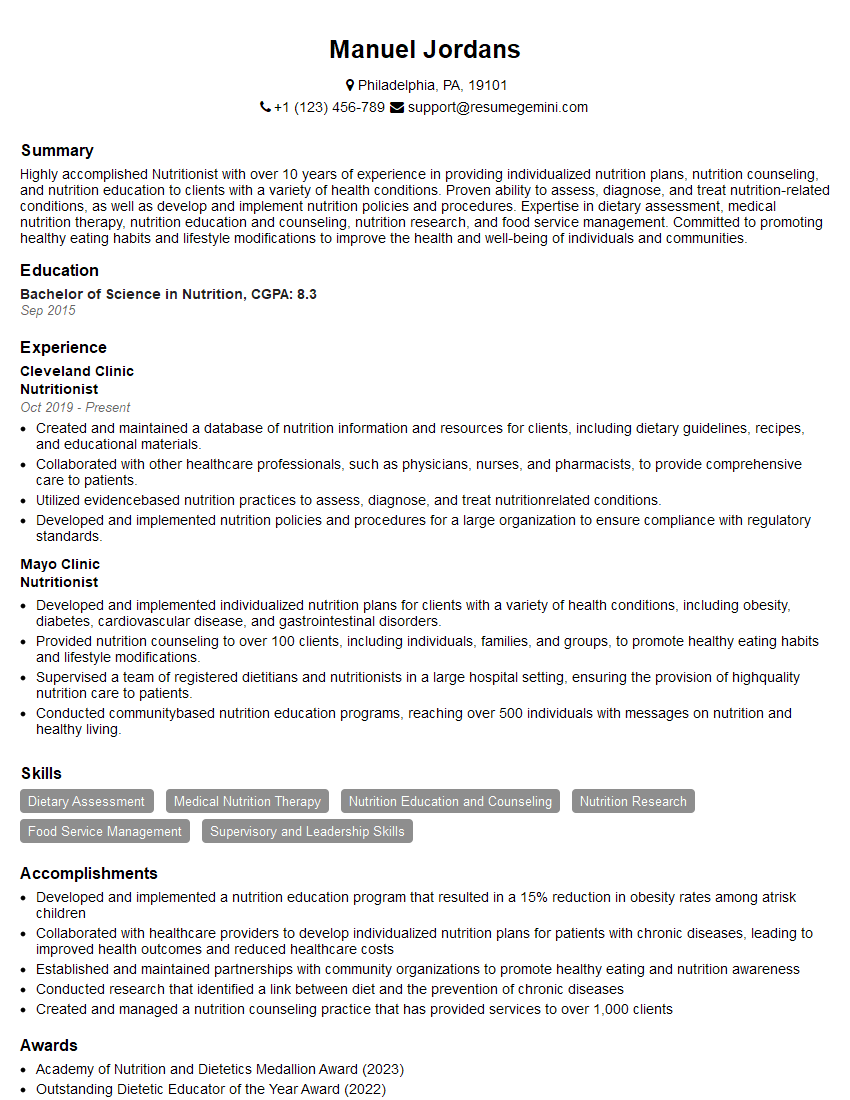
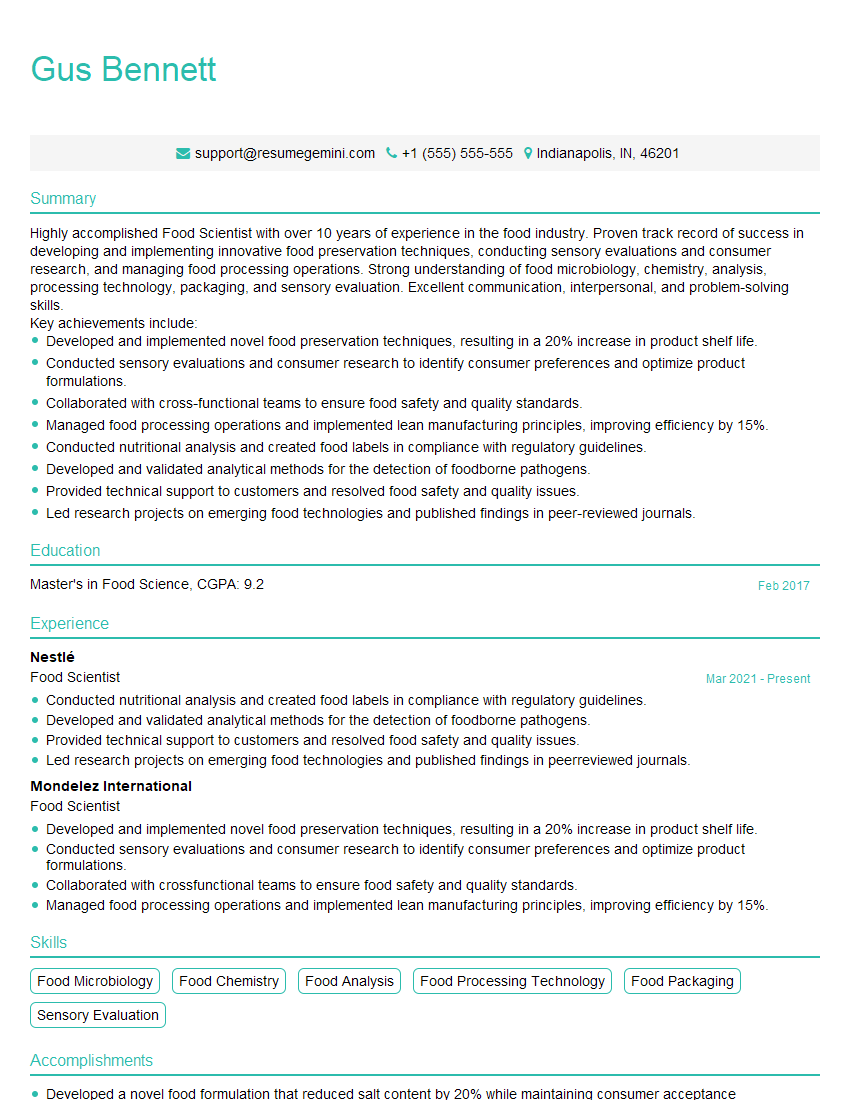
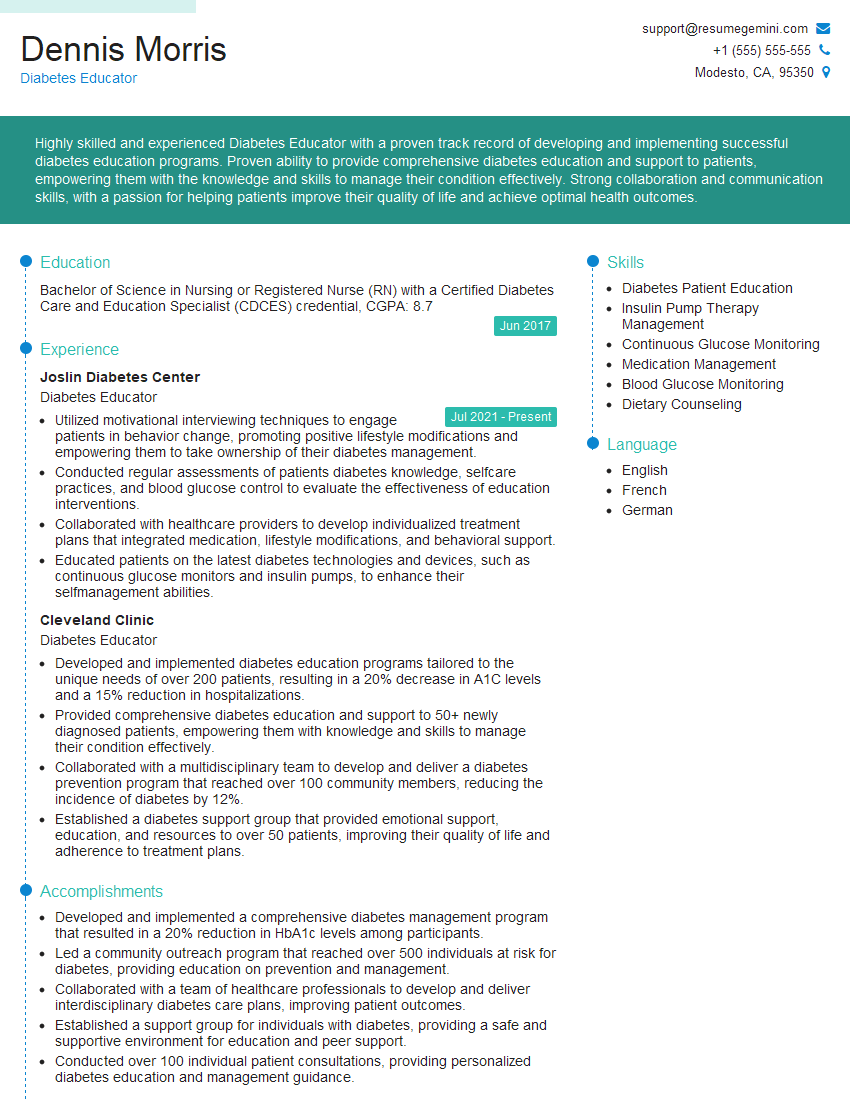
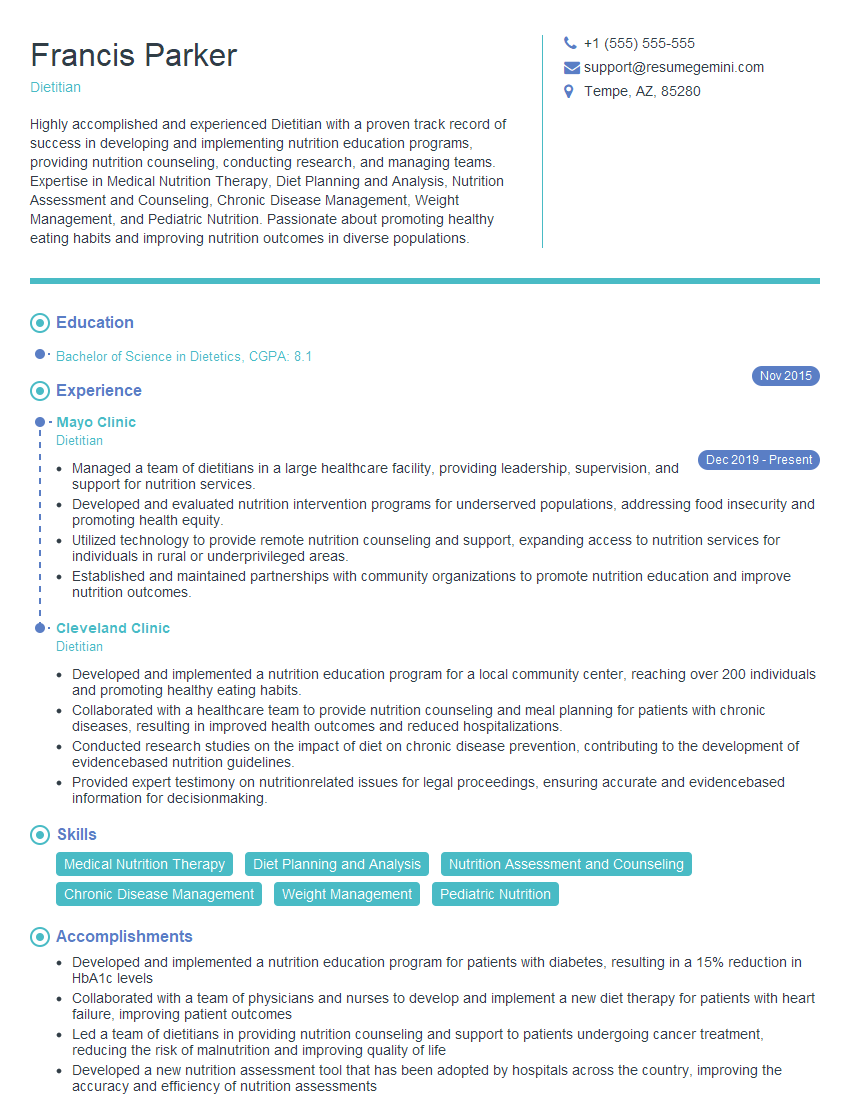
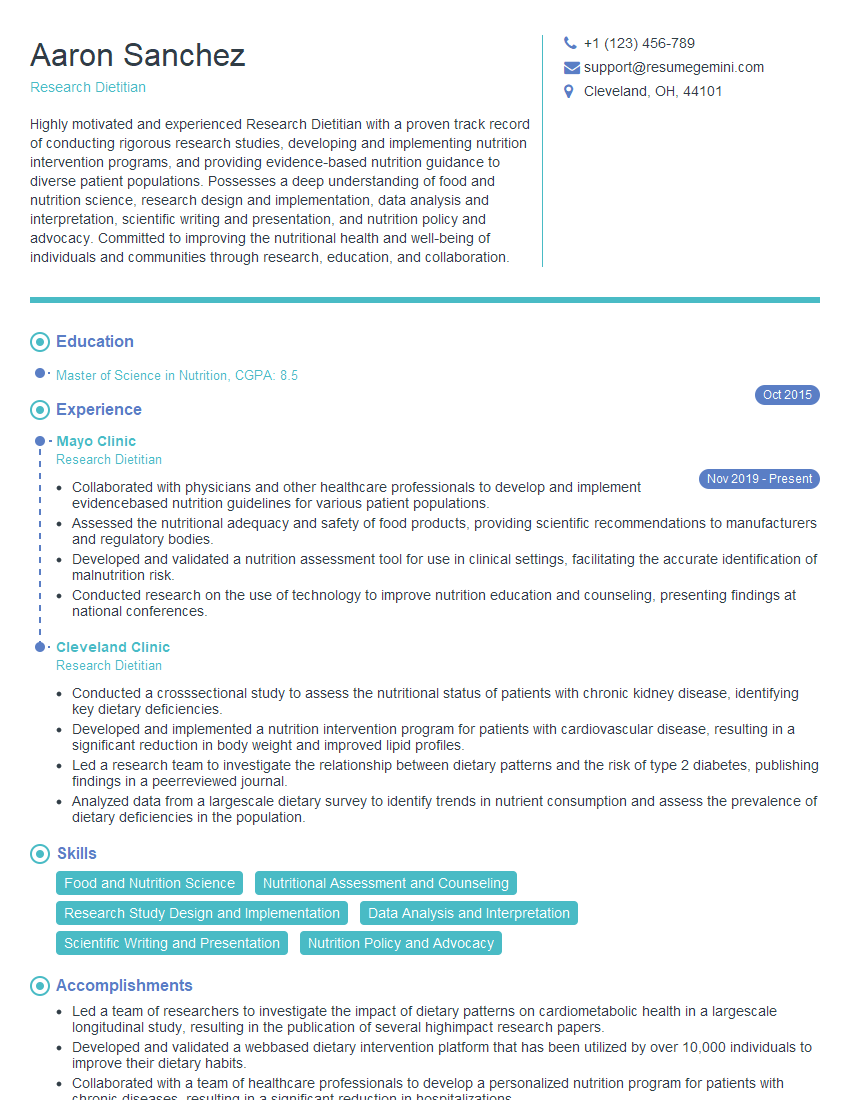
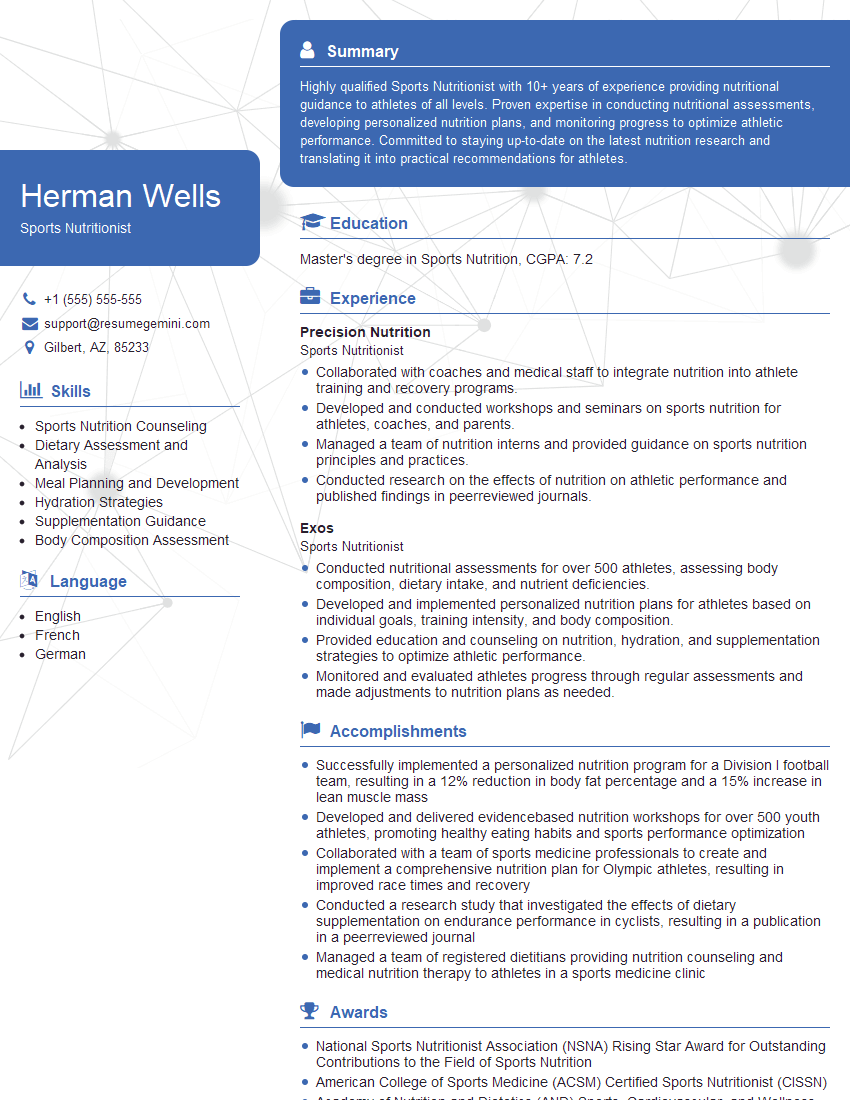
Mastering Nutrition and Diet Management is crucial for a successful and fulfilling career. It opens doors to diverse roles, from clinical settings to public health initiatives and research. To maximize your job prospects, a well-crafted, ATS-friendly resume is essential. ResumeGemini can significantly enhance your resume-building experience. Its intuitive interface helps you create a professional document that showcases your skills and experience effectively. Take advantage of the examples of resumes tailored to Nutrition and Diet Management provided to further refine your application materials.

Explore more articles
Users Rating of Our Blogs
Share Your Experience
We value your feedback! Please rate our content and share your thoughts (optional).
What Readers Say About Our Blog
Very informative content, great job.
good