The right preparation can turn an interview into an opportunity to showcase your expertise. This guide to Collaboration with Architects and Contractors interview questions is your ultimate resource, providing key insights and tips to help you ace your responses and stand out as a top candidate.
Questions Asked in Collaboration with Architects and Contractors Interview
Q 1. Describe your experience managing communication between architects and contractors.
Managing communication between architects and contractors requires a proactive and organized approach. It’s like orchestrating a symphony – each instrument (architect, contractor, sub-contractor) plays a vital role, and their parts need to be harmoniously integrated. My experience relies heavily on establishing clear communication channels from the outset. This includes regular meetings, utilizing collaborative project management software (such as Procore or Autodesk BIM 360), and maintaining meticulous documentation of all communications, including emails, meeting minutes, and RFI responses. I’ve found that proactively addressing potential misunderstandings prevents conflicts from escalating. For example, on a recent high-rise project, daily stand-up meetings helped identify and resolve minor issues before they became major roadblocks, keeping the project on schedule and within budget.
I also emphasize the importance of establishing a shared understanding of the project goals and specifications. This ensures that everyone is on the same page regarding the design intent and construction methods. A common language and consistent terminology throughout the project is essential. For example, using a single, agreed-upon set of drawings and specifications minimizes confusion and potential errors.
Q 2. How do you resolve conflicts between architects and contractors regarding design changes?
Resolving conflicts regarding design changes requires a collaborative and diplomatic approach. It’s not about assigning blame, but about finding solutions that satisfy both the architect’s vision and the contractor’s ability to execute the work efficiently and cost-effectively. My approach starts with understanding the root cause of the conflict. I facilitate open discussions between the architect and the contractor, encouraging them to clearly articulate their concerns and perspectives. This usually involves a review of the contract, the original drawings and specifications, and a thorough cost analysis of the proposed changes.
Often, creative solutions emerge from these discussions. Compromises might involve minor design adjustments, exploring alternative materials, or re-sequencing the construction process. For instance, on a recent project, a disagreement over the type of flooring was resolved by presenting cost-effective alternatives that still met the architect’s aesthetic requirements. Documentation of the agreed-upon changes, including updated drawings and cost estimates, is crucial for preventing future disputes. The formal change order process, including approvals from all relevant stakeholders, is meticulously followed to maintain transparency and accountability.
Q 3. Explain your process for reviewing and approving shop drawings.
My process for reviewing and approving shop drawings is rigorous and systematic. Shop drawings are detailed plans created by contractors that show how they intend to construct specific elements of the project. These are crucial for ensuring that the final product adheres to the architect’s design intent and meets all building codes. I begin by verifying that the shop drawings accurately reflect the approved construction documents. This includes checking dimensions, materials, and construction methods. Then, I check for compliance with relevant building codes and regulations. I often involve specialists or engineers, when necessary (for structural aspects, MEP systems etc.), to ensure all aspects are adequately reviewed.
Any discrepancies or deviations from the approved plans are flagged immediately. These issues are discussed with the contractor, who is required to submit revised shop drawings. This iterative process continues until the shop drawings are fully compliant and accurately reflect the project requirements. Finally, once all approvals are obtained, the approved shop drawings are formally documented and become part of the project’s official record. This careful review process significantly reduces the risk of construction errors and costly rework.
Q 4. How do you ensure compliance with building codes and regulations during collaboration?
Ensuring compliance with building codes and regulations is paramount. It’s not just about avoiding penalties; it’s about ensuring the safety and well-being of the occupants. My approach involves a multi-pronged strategy. First, I make sure the project team is aware of and understands the relevant codes and regulations from the beginning. This often involves providing training and resources on relevant standards. Second, I incorporate code compliance reviews into the design and construction process. This includes regular checks against the drawings and specifications, as well as inspections during the construction phase. This can be achieved through hiring qualified inspectors or using the services of an expert consultant.
Third, I maintain detailed records of all code compliance measures taken. This documentation serves as proof of compliance and protects the project from potential liability. For example, on a recent project, we proactively identified a potential code violation during the design phase. By addressing this early, we avoided significant delays and cost overruns. Regular communication with the local building authority throughout the project lifecycle is key to ensuring seamless compliance and securing necessary permits and approvals.
Q 5. Describe your experience with change order management in construction projects.
Change order management is a critical aspect of construction project management. Change orders, essentially, document any modifications to the original scope of work. These can result from design revisions, unforeseen site conditions, or other justifiable reasons. My approach involves a clear and systematic process. First, all change requests are documented formally. This documentation includes a detailed description of the change, drawings illustrating the changes, and a comprehensive cost estimate. This ensures that the client and all stakeholders have complete transparency regarding any changes in cost and timeline. Next, all change orders need to be approved by all relevant parties including the client, architect, and contractor before implementation. Finally, meticulous record-keeping is vital to track the progress, costs, and impact of each change order on the overall project.
Using a centralized change order tracking system is beneficial. This allows for real-time monitoring and better control of the project budget and schedule. For instance, I’ve used software systems that integrate directly with project management platforms to automate aspects of change order processing, improving efficiency and transparency. This meticulous approach avoids disputes and promotes a smooth workflow.
Q 6. How do you facilitate effective meetings between architects, contractors, and clients?
Facilitating effective meetings requires careful planning and execution. It’s about creating an environment where open communication and collaboration thrive. I always start with a clear agenda distributed in advance, specifying the goals and desired outcomes. This ensures that everyone comes prepared to contribute meaningfully. During the meeting, I actively encourage participation from all attendees, ensuring everyone has a voice. This includes architects, contractors, subcontractors, and clients. I employ visual aids like presentations or updated drawings to illustrate key points and promote understanding.
Minutes are meticulously documented and distributed promptly to all parties involved. Regular follow-up on action items is essential to keep momentum and address any roadblocks promptly. The use of technology, such as video conferencing for geographically dispersed teams, can significantly improve efficiency and accessibility. On a recent project, we used a combination of in-person and online meetings to accommodate all stakeholders and document every decision with clarity. This fostered strong collaborative relationships and avoided misunderstandings.
Q 7. Explain your approach to managing project schedules when working with architects and contractors.
Managing project schedules effectively when collaborating with architects and contractors requires proactive planning and consistent monitoring. I begin by establishing a realistic baseline schedule using project management software. This involves breaking down the project into smaller, manageable tasks and assigning responsibilities and deadlines. Regular progress monitoring is crucial. I leverage project management software (such as MS Project or Primavera P6) to track progress, identify potential delays, and allocate resources accordingly. These tools help visualize the project schedule, making it easy to spot issues and adjust the plan as needed.
Effective communication is vital in this process. Any delays or potential issues are immediately communicated to all stakeholders. This fosters transparency and allows for collaborative problem-solving. Contingency plans should be in place to mitigate risks. For instance, I often build buffer time into the schedule to account for unforeseen delays. Regular meetings and progress reports provide a forum for addressing any challenges and adjusting the schedule as necessary. In this way, I ensure that the project stays on track while maintaining a collaborative and productive working relationship with architects and contractors.
Q 8. How do you handle differing opinions or design conflicts between the architectural and construction teams?
Differing opinions between architects and contractors are inevitable, but constructively managing them is crucial for project success. My approach centers on open communication, collaborative problem-solving, and a focus on shared project goals. I initiate regular meetings involving key stakeholders from both teams, fostering a transparent environment where everyone feels comfortable expressing their perspectives.
When conflicts arise, I facilitate a structured discussion, encouraging each party to explain their reasoning and concerns. We analyze the design conflicts, exploring potential compromises and alternative solutions that address both aesthetic and constructability requirements. For example, on a recent project, the architect’s vision for an intricate façade clashed with the contractor’s concerns regarding cost and feasibility. Through collaborative design reviews and detailed cost analyses, we identified a modified design that maintained the architect’s aesthetic intent while simplifying construction, saving both time and money.
Should compromises be difficult to reach, I would involve a neutral third party, such as a construction manager or experienced consultant, to provide an unbiased assessment and mediation services. Documentation of all decisions, compromises, and agreements is meticulously maintained throughout the process to avoid future misunderstandings.
Q 9. Describe your experience using BIM software to facilitate collaboration.
Building Information Modeling (BIM) software is indispensable for enhancing collaboration between architectural and construction teams. My experience spans several projects where BIM significantly streamlined the design and construction process. I am proficient in using software like Revit, ArchiCAD, and Navisworks.
BIM facilitates early conflict detection by allowing architects and contractors to review the 3D model concurrently. For instance, during the design phase, we can identify potential clashes between MEP (Mechanical, Electrical, and Plumbing) systems and structural elements. This early detection avoids costly rework during construction.
Furthermore, BIM enables better cost estimation and material quantification. The software automatically generates detailed quantity take-offs, reducing errors and improving accuracy in bidding and procurement. We also use BIM for clash detection, scheduling coordination, and 4D simulations (combining 3D models with time data) to visualize construction sequencing and optimize workflow.
Q 10. How do you ensure the timely procurement of materials and equipment?
Timely procurement of materials and equipment is critical for maintaining project schedules and avoiding cost overruns. My strategy relies on a proactive approach, beginning with meticulous planning and detailed material lists generated early in the design phase using BIM software. This helps in accurate budgeting and timely purchasing.
I establish strong relationships with reliable suppliers and subcontractors, ensuring competitive pricing and dependable delivery schedules. We maintain a robust system of tracking orders, delivery dates, and potential delays. Regular communication with suppliers is vital. We utilize project management software to track the status of each item, raising potential problems early.
For long lead-time items, such as specialized equipment, we initiate procurement very early in the project lifecycle to avoid delays. We also consider using alternative materials or prefabrication techniques to expedite construction and mitigate supply chain risks.
Q 11. How do you manage risk during the collaboration between architects and contractors?
Risk management is paramount in any collaborative construction project. My approach involves a structured process starting with the identification of potential risks, including design flaws, material shortages, regulatory changes, and unforeseen site conditions.
For each identified risk, we assess its likelihood and potential impact. This allows prioritization of mitigation strategies. Strategies range from contingency planning (for example, having backup suppliers) to implementing robust quality control measures and thorough site inspections. I utilize risk assessment matrices and risk registers to document and monitor these risks.
Furthermore, open communication between the architect, contractor, and other stakeholders is essential in identifying and addressing emerging risks. Regular project meetings, incorporating risk review sessions, ensure proactive identification and management of potential problems before they escalate.
Q 12. What strategies do you use to maintain project budget and schedule?
Maintaining project budget and schedule requires a multi-faceted approach, starting with realistic budgeting and scheduling from the outset. We use detailed cost estimates, taking into account contingencies, and establish clear milestones with realistic timelines.
Throughout the project, regular monitoring and reporting are vital. I employ project management software to track progress against the schedule and budget. This allows for early detection of variances, enabling timely corrective actions. For instance, if a task is behind schedule, we analyze the reasons and implement solutions such as resource allocation adjustments or negotiating revised timelines with subcontractors.
Value engineering, a process involving collaborative brainstorming between architects and contractors, is employed to find cost-effective alternatives while maintaining project quality. We continuously evaluate and refine the project plan, adapting to changing circumstances and ensuring alignment with budget and schedule targets.
Q 13. How do you establish and maintain positive working relationships with architects and contractors?
Establishing and maintaining positive working relationships hinges on trust, open communication, and mutual respect. I prioritize building rapport with architects and contractors from the beginning of the project. I believe in establishing clear roles and responsibilities, ensuring that expectations are well understood by all parties.
Regular and transparent communication is key. This includes frequent meetings, prompt responses to queries, and constructive feedback sessions. I foster a collaborative environment where everyone feels heard and valued. This might include informal team-building activities or social events to encourage a sense of camaraderie.
Fair and equitable treatment of all parties is crucial. I handle conflicts fairly, ensuring that everyone feels respected and understood. I focus on achieving shared project goals, emphasizing collaboration over competition.
Q 14. Describe your experience with negotiating contracts with subcontractors.
Negotiating contracts with subcontractors requires careful planning and preparation. I start by having clear and detailed specifications for the work, including scope of work, payment schedules, and timelines. I obtain multiple bids from qualified subcontractors to ensure competitive pricing.
During negotiations, I focus on clear and concise communication, ensuring that all terms and conditions are understood by both parties. I address potential risks and uncertainties, and build clauses into the contract to mitigate them. For instance, clauses might cover payment upon completion of milestones, liability for defects, and procedures for resolving disputes.
My approach is collaborative, not adversarial. I aim to build strong and lasting relationships with subcontractors, as this enhances future collaborations and reduces the likelihood of disputes. We prioritize fair pricing, and mutually beneficial terms that ensure the project’s success.
Q 15. How do you ensure quality control throughout the construction process?
Quality control is the backbone of successful construction. It’s a proactive, multi-stage process that starts even before the first shovel hits the ground and continues until project completion. My approach is multifaceted and integrates various methods throughout the project lifecycle.
Pre-Construction Phase: Thorough review of architectural drawings, specifications, and material selections. This includes identifying potential conflicts early on and ensuring adherence to building codes and regulations. We also establish a robust quality management plan that defines roles, responsibilities, and quality metrics.
Construction Phase: Regular site inspections are crucial. These are conducted by a dedicated team, often involving the architect, contractor, and subcontractors. We utilize checklists and quality control reports to document progress and identify any deviations from the approved plans. This includes reviewing the quality of materials as they arrive on site and ensuring proper installation techniques are followed. We employ a robust system of inspections at each phase of construction – foundation, framing, MEP (Mechanical, Electrical, Plumbing), and finishes – to catch issues early before they become costly to resolve.
Post-Construction Phase: Final inspections are carried out meticulously, checking for compliance with building codes, functionality of systems, and overall aesthetic quality. This often involves obtaining necessary certifications and permits. A punch list is created to address any minor defects that are identified and tracked until they’re completed.
For example, on a recent high-rise project, our rigorous inspections uncovered a minor misalignment in the steel framework during the early stages. Addressing this immediately saved significant time and cost compared to identifying it later in the process.
Career Expert Tips:
- Ace those interviews! Prepare effectively by reviewing the Top 50 Most Common Interview Questions on ResumeGemini.
- Navigate your job search with confidence! Explore a wide range of Career Tips on ResumeGemini. Learn about common challenges and recommendations to overcome them.
- Craft the perfect resume! Master the Art of Resume Writing with ResumeGemini’s guide. Showcase your unique qualifications and achievements effectively.
- Don’t miss out on holiday savings! Build your dream resume with ResumeGemini’s ATS optimized templates.
Q 16. How do you handle unforeseen site conditions that impact the project?
Unforeseen site conditions are an inherent risk in construction. My approach emphasizes proactive risk management and clear communication to minimize disruptions.
Pre-Construction Site Investigation: We conduct thorough geotechnical investigations and surveys to anticipate potential problems. This helps in defining realistic project timelines and budgets.
Contingency Planning: We incorporate contingency plans into the project budget and schedule to account for potential delays or cost overruns resulting from unforeseen circumstances. This is a critical step, as simply hoping for the best is not a reliable strategy.
Change Management Process: When unforeseen conditions arise (e.g., discovery of underground utilities, unstable soil), we follow a formal change management process. This involves documenting the issue, assessing the impact, proposing solutions, and obtaining approval from all stakeholders before implementing changes. The process ensures transparency and prevents disputes.
Collaboration & Communication: Open communication between the architect, contractor, and owner is essential during these situations. Regular meetings and detailed reporting are key to keeping everyone informed and aligned on the best course of action.
For instance, during a recent project, we discovered unexpected bedrock during excavation. Through collaborative problem-solving with the geotechnical engineer, we adjusted the foundation design, and communicated transparently with the owner to manage the associated cost and schedule impacts. The change order process was clearly documented, preventing future conflicts.
Q 17. How familiar are you with different contract types (e.g., lump sum, cost-plus)?
Familiarity with various contract types is critical for effective project management. Different contracts allocate risk and responsibility differently.
Lump Sum Contracts: The contractor agrees to complete the project for a fixed price. Risk is primarily on the contractor to manage costs and unforeseen issues effectively. This provides cost certainty for the owner but requires detailed design and specifications upfront.
Cost-Plus Contracts: The contractor is reimbursed for actual costs plus a predetermined fee (percentage or fixed amount). Risk is shared, with the owner bearing more cost uncertainty but having more flexibility during the construction process. This contract type is often preferred for projects with complex or evolving designs.
Other Contract Types: There are other variations like Unit Price Contracts (payment based on quantity of work), Target Cost Contracts (a hybrid approach), and Guaranteed Maximum Price (GMP) contracts (a cost-plus contract with a maximum price cap).
Choosing the right contract type depends on the project’s complexity, risk tolerance, and the level of detail in the design documentation. In my experience, a well-defined contract, regardless of type, forms the foundation of a smooth and successful project.
Q 18. Explain your process for documenting project progress and communication.
Comprehensive documentation and clear communication are paramount. My process utilizes a combination of methods:
Regular Progress Meetings: We hold weekly meetings with all stakeholders (owner, architect, contractor, subcontractors) to review progress, discuss challenges, and make decisions. Meeting minutes are meticulously recorded and distributed.
Project Management Software: We leverage software like Procore or BIM 360 to track tasks, manage schedules, and centralize project documentation. This ensures everyone has access to the latest information and enhances transparency.
Example: Using Procore's daily logs to record inspections, and issues foundPhotographs and Videos: Regular photographic and video documentation of the construction progress provides a visual record, useful for tracking progress, identifying potential problems, and supporting change order requests.
Formal Reporting: We provide regular progress reports to the owner, outlining project status, key milestones achieved, challenges encountered, and forecasted completion date. This includes detailed cost and schedule updates.
A recent project benefited significantly from using Procore’s issue tracking module. It allowed us to document and resolve over 200 issues efficiently and transparently, ensuring timely completion without jeopardizing the project quality.
Q 19. How do you ensure effective communication across different teams and disciplines?
Effective communication involves a multi-pronged approach. It’s about more than just sending emails; it’s about creating a collaborative environment.
Establish Clear Communication Channels: Define roles and responsibilities for communication. This may involve designating specific individuals as points of contact for different teams or disciplines.
Regular Communication Meetings: Regular meetings (daily huddles, weekly progress meetings) are essential to address ongoing issues, discuss upcoming tasks, and maintain alignment between teams.
Collaborative Platforms: Using cloud-based platforms (like Slack, Microsoft Teams) allows for quick communication, file sharing, and real-time updates. This is crucial for seamless collaboration across geographically dispersed teams.
Constructive Feedback Mechanisms: Create a culture of open communication where team members feel comfortable raising concerns or providing feedback without fear of retribution. This enables proactive problem-solving.
Conflict Resolution Processes: Having a well-defined process for resolving conflicts is vital. This should involve clear steps and designated individuals to mediate.
On a complex hospital project, our use of a dedicated communication platform significantly reduced misunderstandings and streamlined the flow of information amongst architects, engineers, contractors, and hospital staff.
Q 20. Describe your experience with project closeout and final inspections.
Project closeout is a critical phase often overlooked, yet it’s crucial for ensuring a smooth handover and minimizing future liabilities.
Final Inspection and Punch List Completion: We conduct a thorough final inspection with all relevant parties to verify compliance with the project specifications and building codes. Any outstanding issues are documented on a punch list and addressed before final payment is released.
As-Built Drawings: Accurate as-built drawings are prepared, reflecting any changes made during construction. This is essential for future maintenance and renovations.
Warranty and Maintenance Documentation: All relevant warranty information for materials and equipment is collected and organized for easy access. This is especially crucial for large-scale projects.
Project Documentation Archiving: All project documents (contracts, drawings, specifications, change orders, inspection reports) are organized and archived for future reference. This adheres to legal and regulatory requirements and facilitates future project analysis.
Final Payment and Contract Closure: Once all requirements are met, final payments are processed, and the contract is formally closed.
For example, on a recent school renovation project, our comprehensive closeout process included detailed as-built drawings, meticulously organized warranty information, and a well-maintained archive of project documents, proving invaluable to the school administration in subsequent years.
Q 21. How do you leverage technology to improve collaboration and communication?
Technology plays a vital role in enhancing collaboration and communication in construction. I leverage several technologies:
Building Information Modeling (BIM): BIM software creates a digital representation of the building, allowing for clash detection, improved coordination, and better visualization for stakeholders.
Cloud-Based Project Management Software: Procore, BIM 360, or similar platforms centralize project information, allowing for real-time updates and enhanced collaboration across teams and locations.
Drone Technology: Drones are used for site surveying, progress monitoring, and safety inspections, providing high-resolution images and videos for documentation and analysis.
Virtual Reality (VR) and Augmented Reality (AR): VR and AR can be used for design reviews, site walkthroughs, and training, improving communication and minimizing errors.
Digital Communication Tools: Utilizing tools like Slack, Microsoft Teams, or other instant messaging platforms streamlines communication, enabling quick responses and immediate issue resolution.
In a recent project, BIM software helped us identify and resolve potential clashes between MEP systems in the design phase, saving significant time and cost during construction. The use of drones for progress monitoring provided a readily available record that enhanced our ability to communicate project status transparently.
Q 22. How do you manage the flow of information and documentation?
Effective information and documentation flow is the cornerstone of any successful construction project. We utilize a centralized, cloud-based system, accessible to all stakeholders – architects, contractors, subcontractors, and our team. This system typically includes a project management software (more on that later), but also encompasses version-controlled document libraries, shared communication platforms (like Slack or Microsoft Teams), and regular in-person or virtual meetings.
The system employs a clear naming convention for documents, ensuring easy retrieval. We establish a defined approval process for all drawings and specifications, ensuring everyone is working from the latest versions. For instance, all architectural drawings are marked with revision numbers, and a change log is meticulously maintained to track any alterations. This prevents confusion and ensures everyone remains informed and on the same page.
Furthermore, we leverage BIM (Building Information Modeling) to create a digital representation of the building, enabling real-time collaboration and clash detection between various disciplines. This avoids costly errors and rework later in the construction process.
Q 23. How do you address potential safety concerns during the construction process?
Safety is our paramount concern. We begin by implementing a comprehensive safety management plan that aligns with OSHA (Occupational Safety and Health Administration) regulations and best practices. This plan details procedures for all aspects of the project, from site access and personal protective equipment (PPE) requirements to emergency response protocols. We conduct regular safety inspections and toolbox talks to reinforce safety awareness among all workers.
Pre-construction safety planning involves meticulous review of the project design and construction methodology, identifying potential hazards and implementing preventive measures. For example, before any excavation begins, we conduct thorough site surveys to locate underground utilities, and implement appropriate safety precautions to prevent accidents. We also mandate the use of appropriate safety equipment at all times and regularly audit contractor compliance.
Finally, we maintain open communication channels to address safety concerns immediately, empowering workers to report hazards without fear of reprisal. Addressing safety issues promptly prevents escalation and fosters a culture of safety on the jobsite.
Q 24. Describe your approach to sustainability considerations in collaboration with architects and contractors.
Sustainability is integrated into our projects from the initial design phase. We work closely with architects to select sustainable materials, optimize energy efficiency, and minimize waste generation. This collaboration often involves exploring options like LEED (Leadership in Energy and Environmental Design) certification.
Our approach considers the entire lifecycle of the building, from material sourcing and construction to operation and eventual demolition. We encourage the use of recycled materials and prioritize locally sourced products to reduce transportation emissions. With contractors, we discuss implementing strategies like efficient waste management systems on-site, including recycling and composting programs, to minimize the project’s environmental footprint.
For example, in a recent project, we collaborated with the architect to incorporate green roofs and solar panels, significantly reducing the building’s energy consumption and carbon emissions. This involved detailed discussions with contractors on the technical aspects of installation and integration.
Q 25. How do you ensure compliance with environmental regulations?
Ensuring compliance with environmental regulations requires a proactive and multi-faceted approach. We start by conducting thorough due diligence during the pre-construction phase, identifying all applicable environmental regulations at the local, state, and federal levels. This includes permits and licenses related to air and water quality, waste disposal, and other environmental impacts.
We work with specialized environmental consultants to conduct necessary environmental impact assessments and obtain all required permits before construction begins. We regularly monitor construction activities to ensure compliance with these permits and regulations. For example, regular air and water quality monitoring may be necessary depending on the project’s location and scope.
We also maintain detailed records of all environmental activities and submit regular reports to the relevant authorities. Our commitment to transparency and open communication helps maintain compliance and prevents potential penalties.
Q 26. How do you utilize project management software for collaboration?
Project management software is crucial for efficient collaboration. We typically utilize platforms like Procore or Autodesk BIM 360. These tools provide a centralized hub for document sharing, communication, and task management.
Architects can upload drawings and specifications, contractors can submit progress reports and RFI (Request for Information) forms, and subcontractors can track their tasks and deadlines. The software facilitates real-time communication, enabling quick responses to questions and issues. We also use the software for scheduling, budget tracking, and risk management. For example, the software allows us to visually track progress against the schedule, identifying potential delays early on.
The use of such software significantly improves transparency and accountability. All stakeholders have access to the same information, fostering better coordination and reducing misunderstandings.
Q 27. How do you deal with contractor delays and how do you mitigate their impact?
Contractor delays are an inevitable challenge in construction. Our approach involves proactive measures to mitigate their impact. We begin by establishing clear and realistic schedules at the outset, incorporating buffer time to accommodate unforeseen events.
Regular progress meetings with contractors allow us to monitor their work closely and address any emerging issues proactively. Should a delay occur, we use our project management software to assess the impact on the overall schedule and identify potential solutions. This often involves collaborative discussions with the contractor to understand the reasons for the delay and to develop a recovery plan.
If necessary, we may need to negotiate contract amendments, including potential adjustments to the schedule or compensation. Documentation is key—we meticulously record all communications and agreements to avoid disputes later. Transparency and clear communication are vital in navigating these situations effectively.
Q 28. Describe a time you had to mediate a dispute between an architect and contractor.
In one project, a dispute arose between the architect and the general contractor regarding the interpretation of a crucial detail in the structural drawings. The architect insisted on a specific approach, while the contractor argued it was impractical and would cause significant delays and cost overruns.
My role as mediator involved facilitating open communication between the two parties. I organized a meeting where each party could present their perspective and supporting evidence. I ensured a respectful environment where both sides felt heard and understood. We then collaboratively examined the drawings and relevant specifications, clarifying any ambiguities.
Eventually, we reached a mutually agreeable solution by slightly modifying the architectural detail to accommodate the contractor’s concerns without compromising the architect’s design intent. The key was active listening, collaborative problem-solving, and a focus on finding a solution that satisfied the needs of both parties while safeguarding the overall project goals. This resolution required patience, strong communication skills and a willingness to compromise from both sides.
Key Topics to Learn for Collaboration with Architects and Contractors Interview
- Understanding Project Scope and Requirements: Thoroughly grasping the project’s goals, budget, and timeline from both architectural and construction perspectives. This includes interpreting blueprints and specifications.
- Effective Communication Strategies: Mastering clear, concise, and professional communication with architects and contractors, utilizing various methods such as meetings, emails, and progress reports. This includes active listening and conflict resolution techniques.
- Collaboration Tools and Technologies: Familiarity with project management software (e.g., BIM, project scheduling tools) used for collaborative design and construction processes. Understanding how these tools streamline workflows and improve communication.
- Negotiation and Conflict Resolution: Developing strategies to effectively negotiate timelines, budgets, and design changes. Handling disagreements professionally and finding mutually agreeable solutions.
- Contractual Understanding: Basic comprehension of construction contracts, including roles, responsibilities, and liability. This involves identifying potential risks and mitigating them proactively.
- Building Codes and Regulations: Understanding relevant building codes and regulations to ensure project compliance and safety. This includes awareness of potential impact on design and construction processes.
- Risk Management and Mitigation: Identifying potential risks throughout the project lifecycle (design, procurement, construction) and developing strategies to mitigate those risks effectively.
- Change Management: Understanding and implementing processes for handling design changes and unexpected issues, maintaining transparency and communication throughout the process.
Next Steps
Mastering collaboration with architects and contractors is crucial for career advancement in the construction and design industries. It demonstrates crucial soft skills and deep technical understanding, making you a highly valuable asset to any team. To maximize your job prospects, focus on crafting an ATS-friendly resume that highlights your relevant skills and experience. ResumeGemini is a trusted resource that can help you build a compelling and effective resume, showcasing your abilities in this area. Examples of resumes tailored to highlight collaboration with architects and contractors are available within ResumeGemini to help guide you.
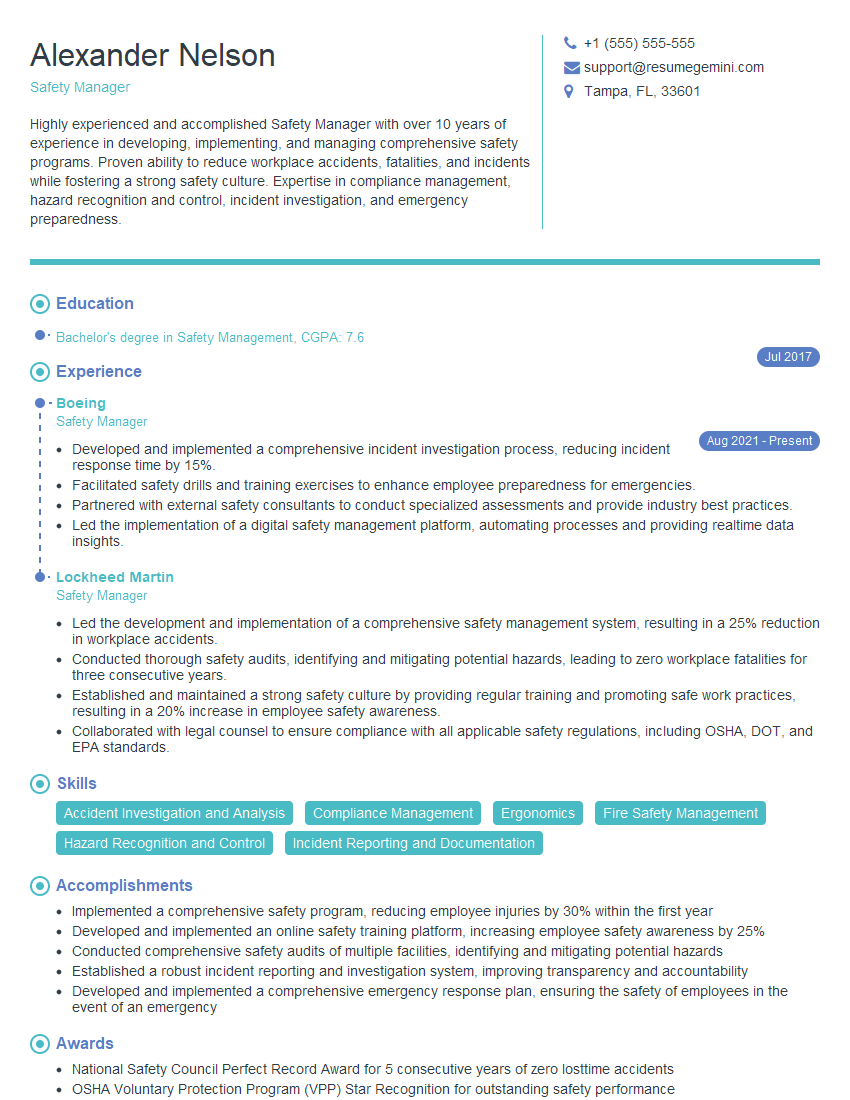
Safety Manager Resume Sample
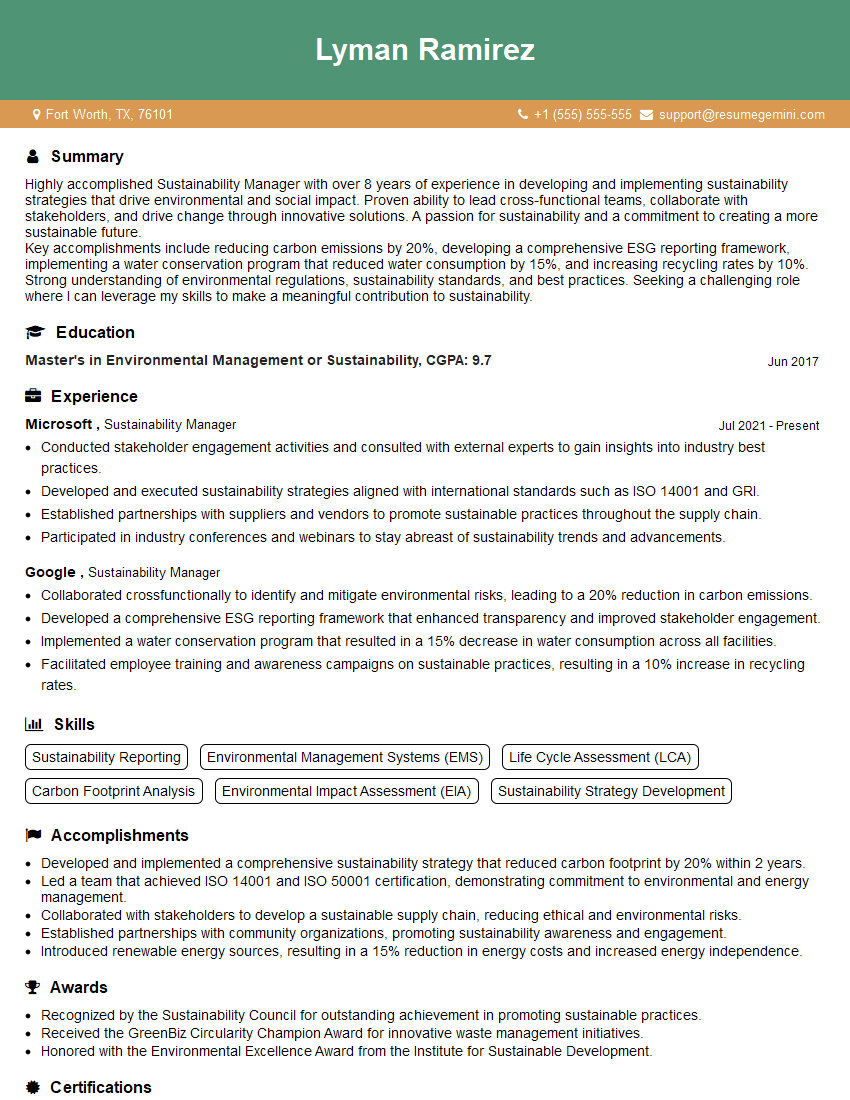
Sustainability Manager Resume Sample
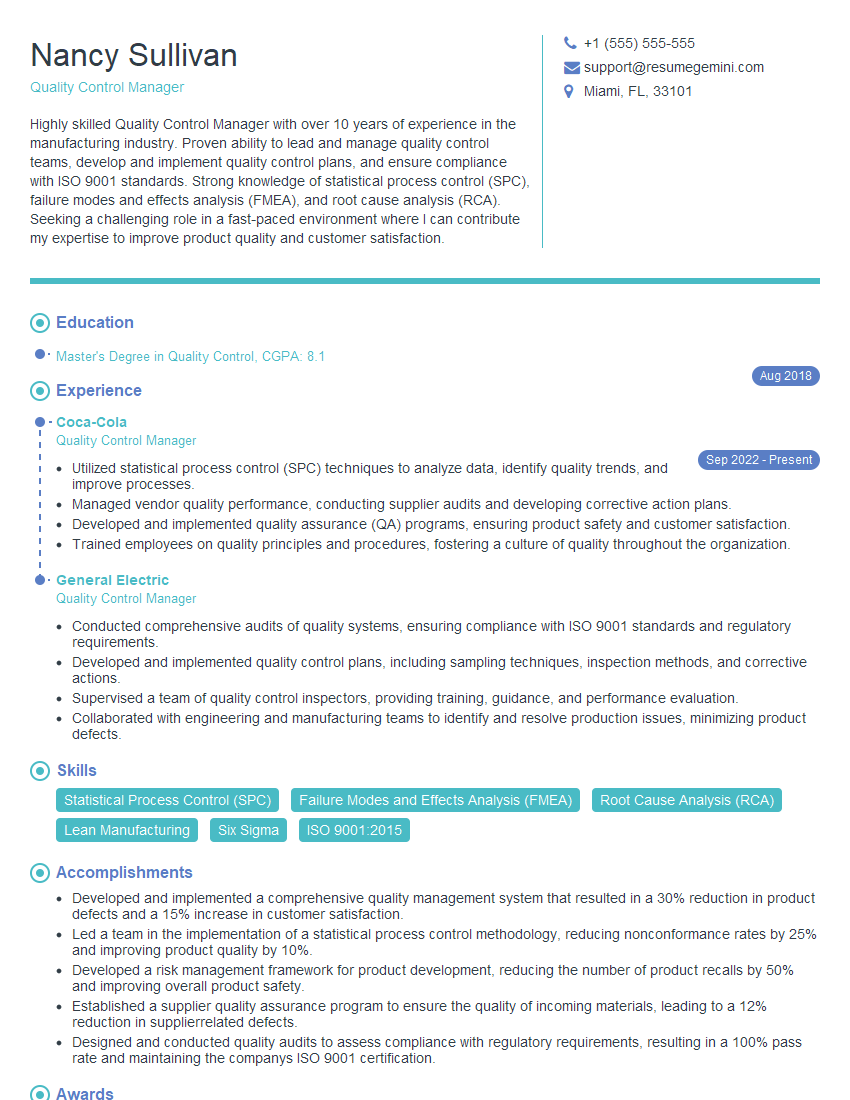
Quality Control Manager Resume Sample
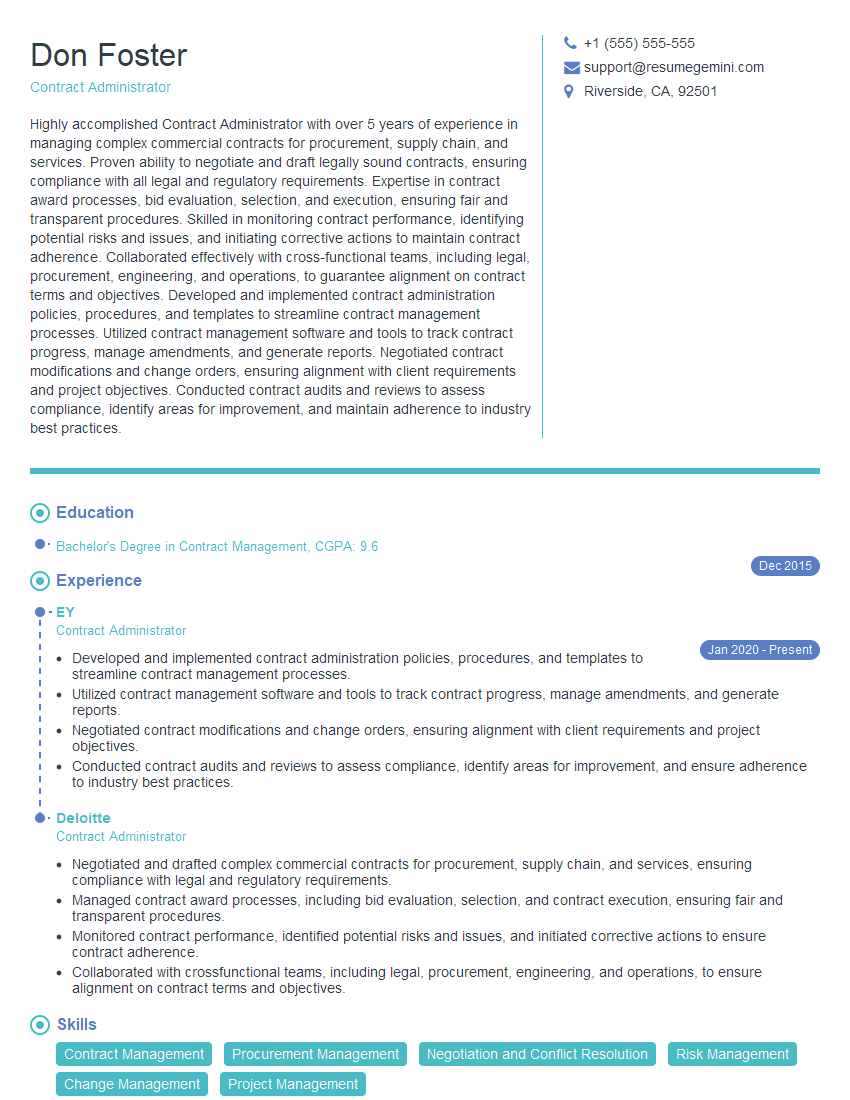
Contract Administrator Resume Sample

Procurement Manager Resume Sample
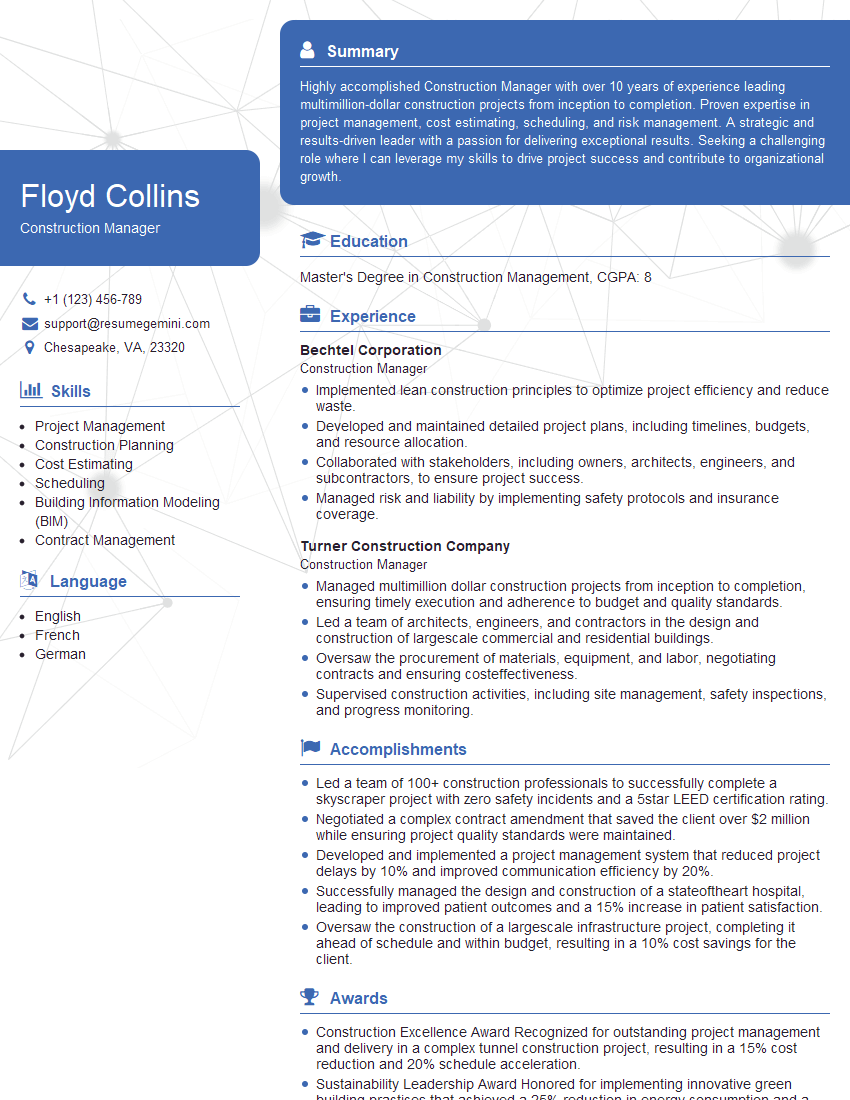
Construction Manager Resume Sample

Construction Superintendent Resume Sample
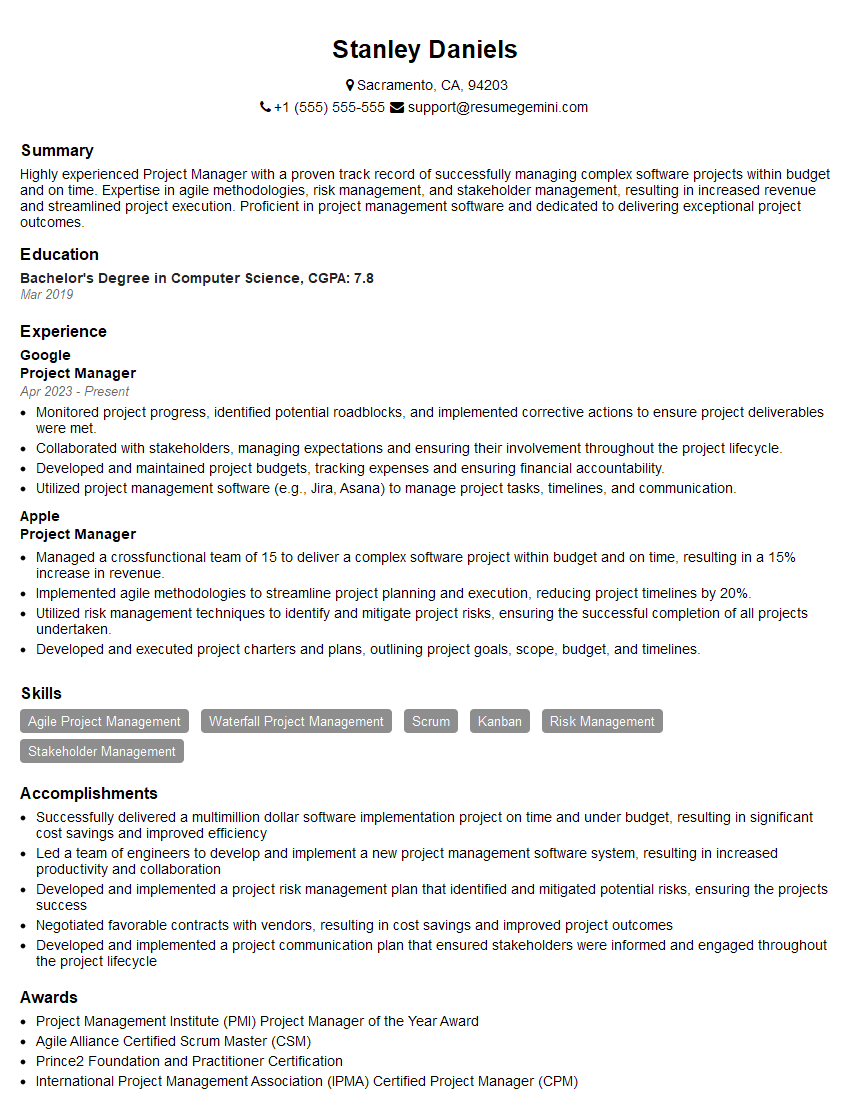
Project Manager Resume Sample
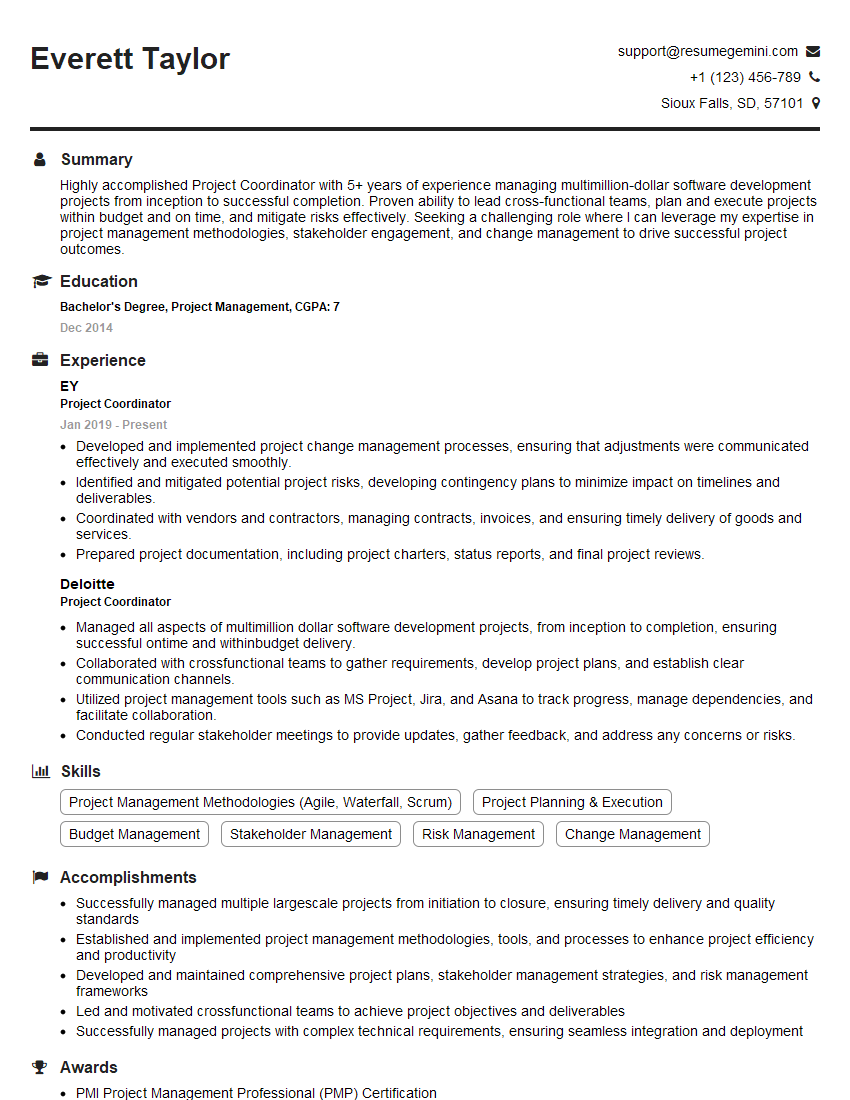
Project Coordinator Resume Sample
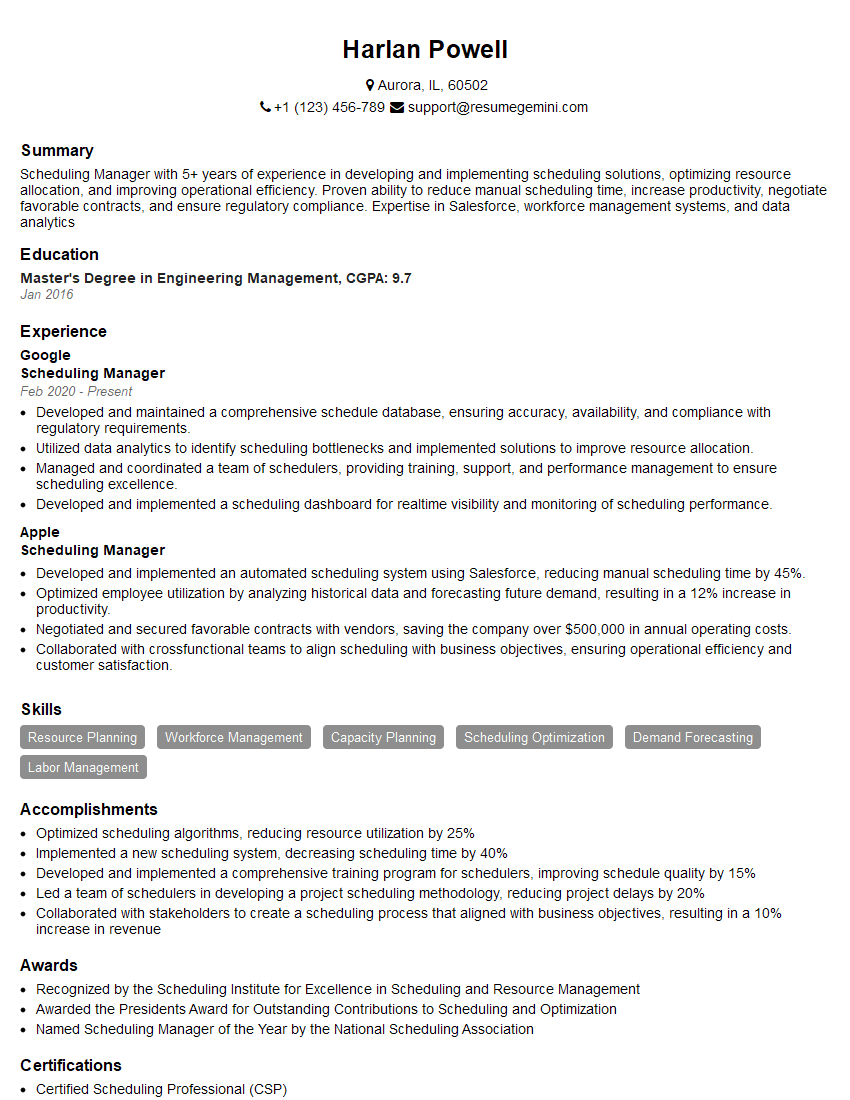
Scheduling Manager Resume Sample
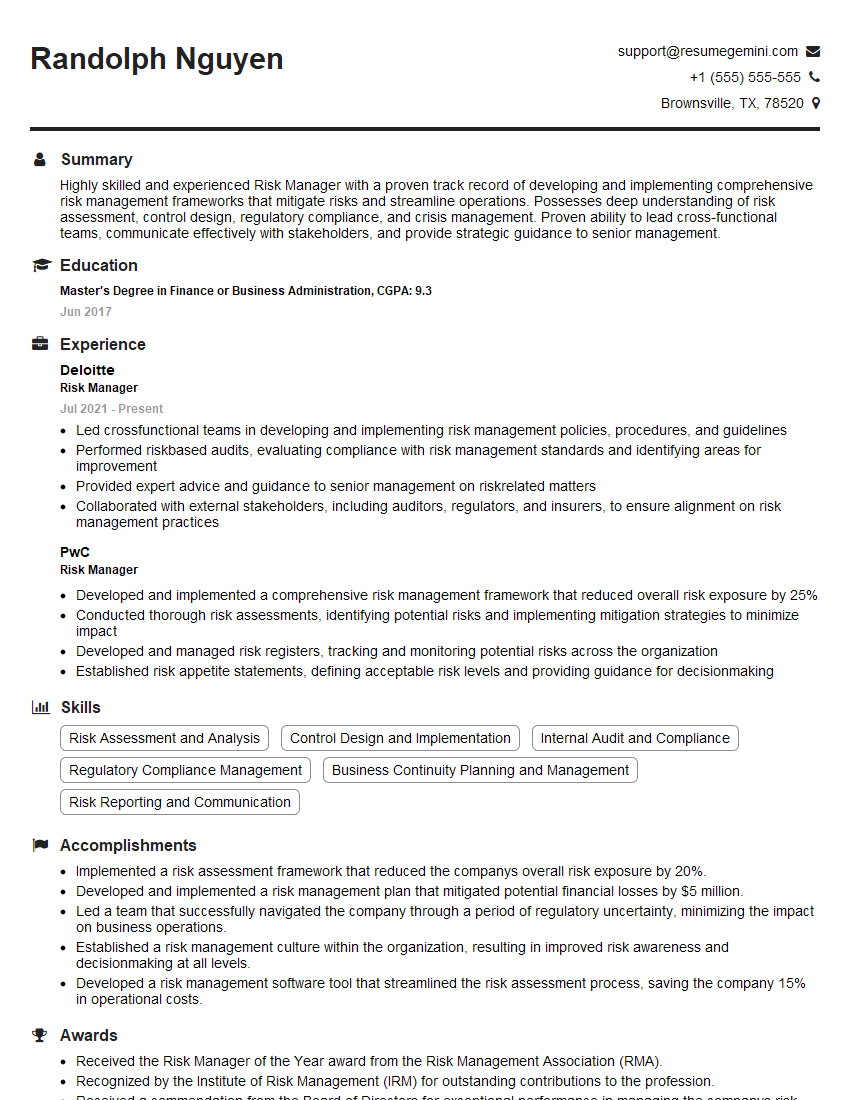
Risk Manager Resume Sample
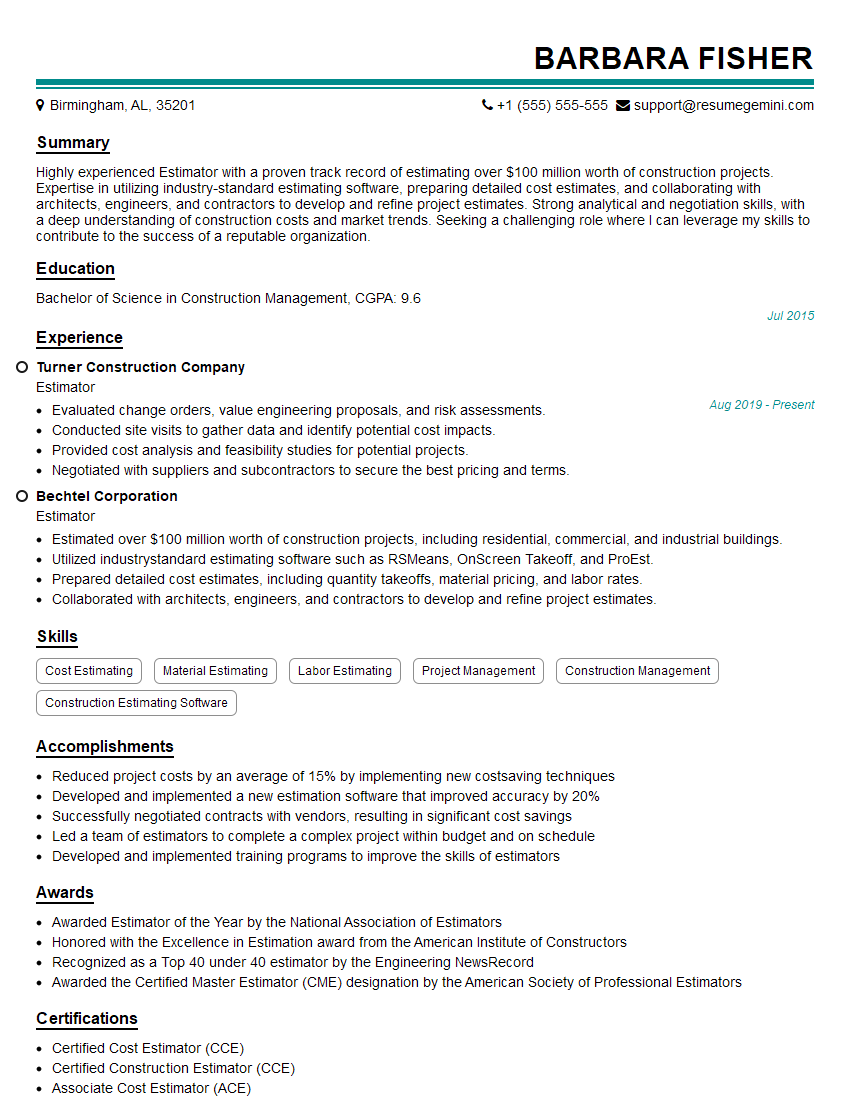
Estimator Resume Sample
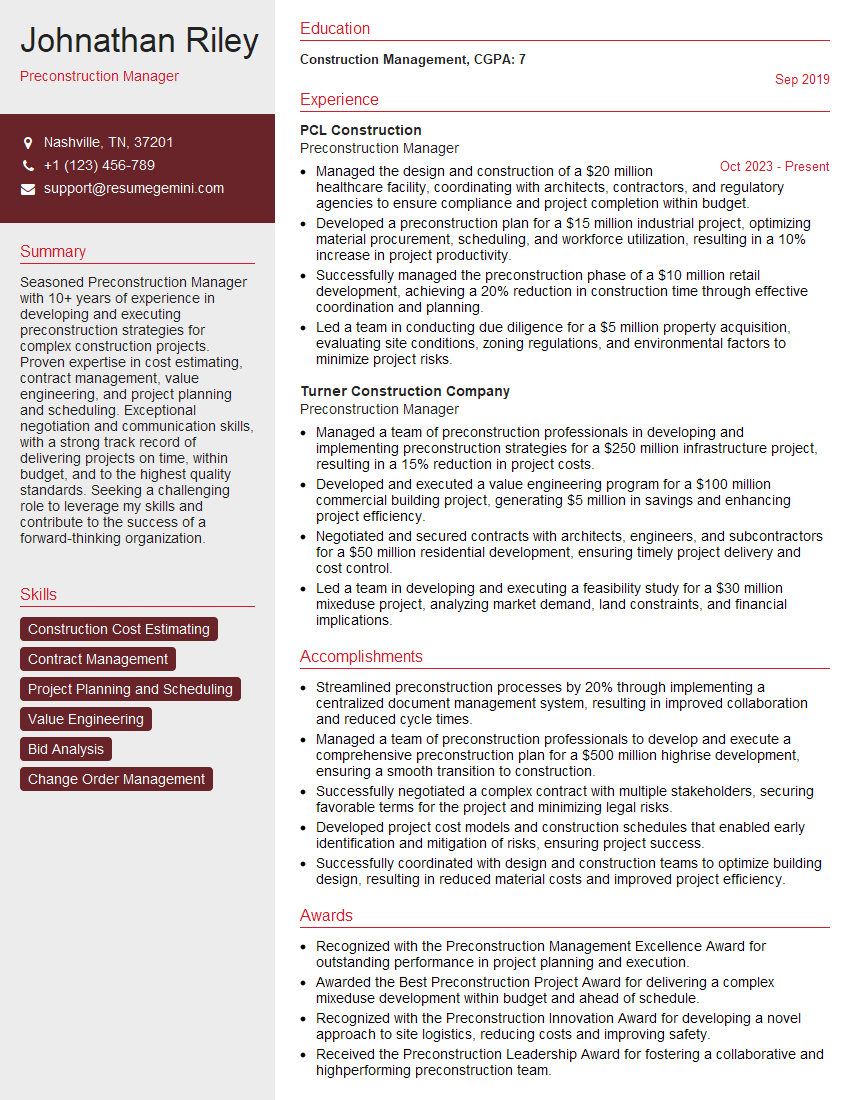
Preconstruction Manager Resume Sample
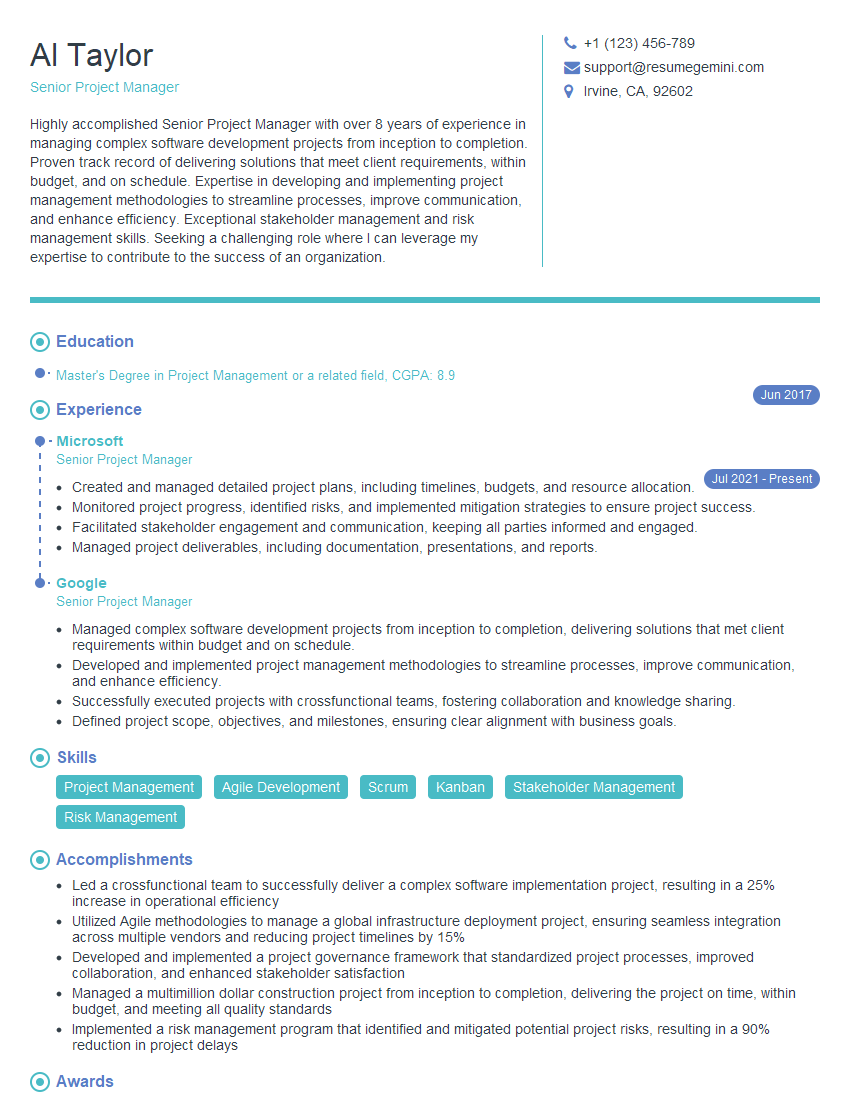
Senior Project Manager Resume Sample
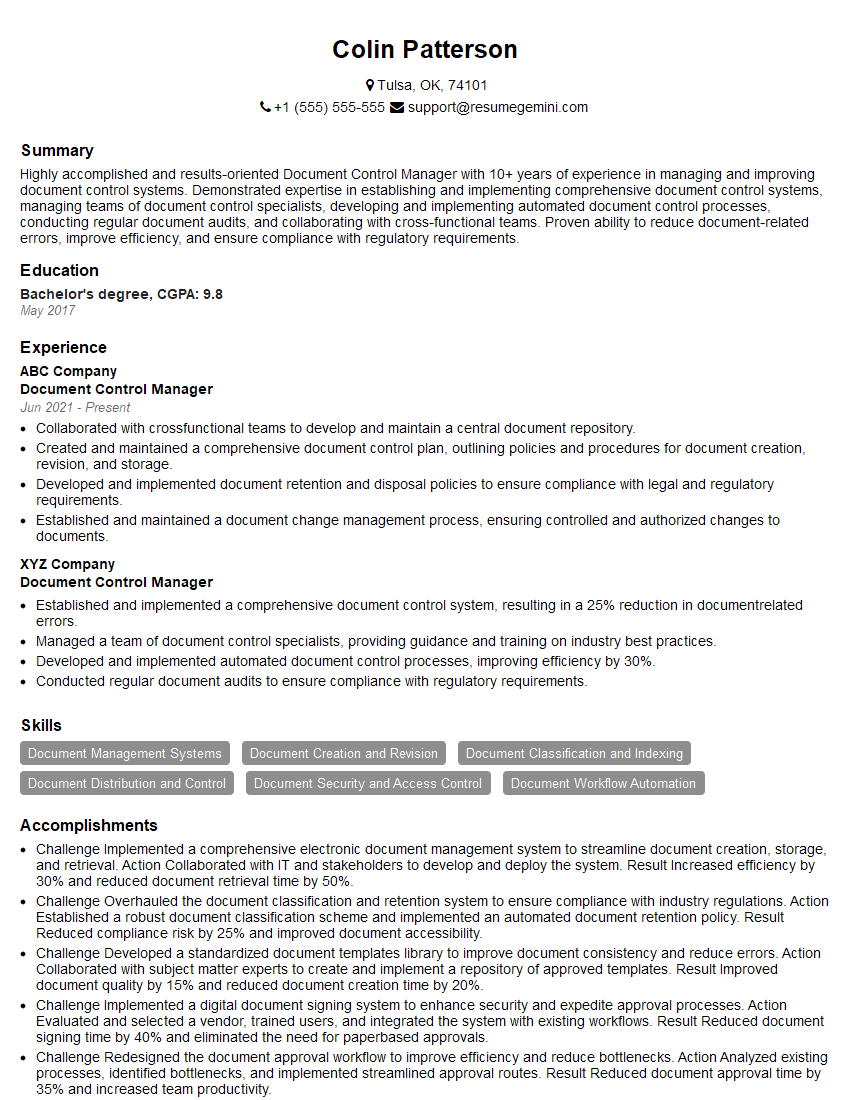
Document Control Manager Resume Sample
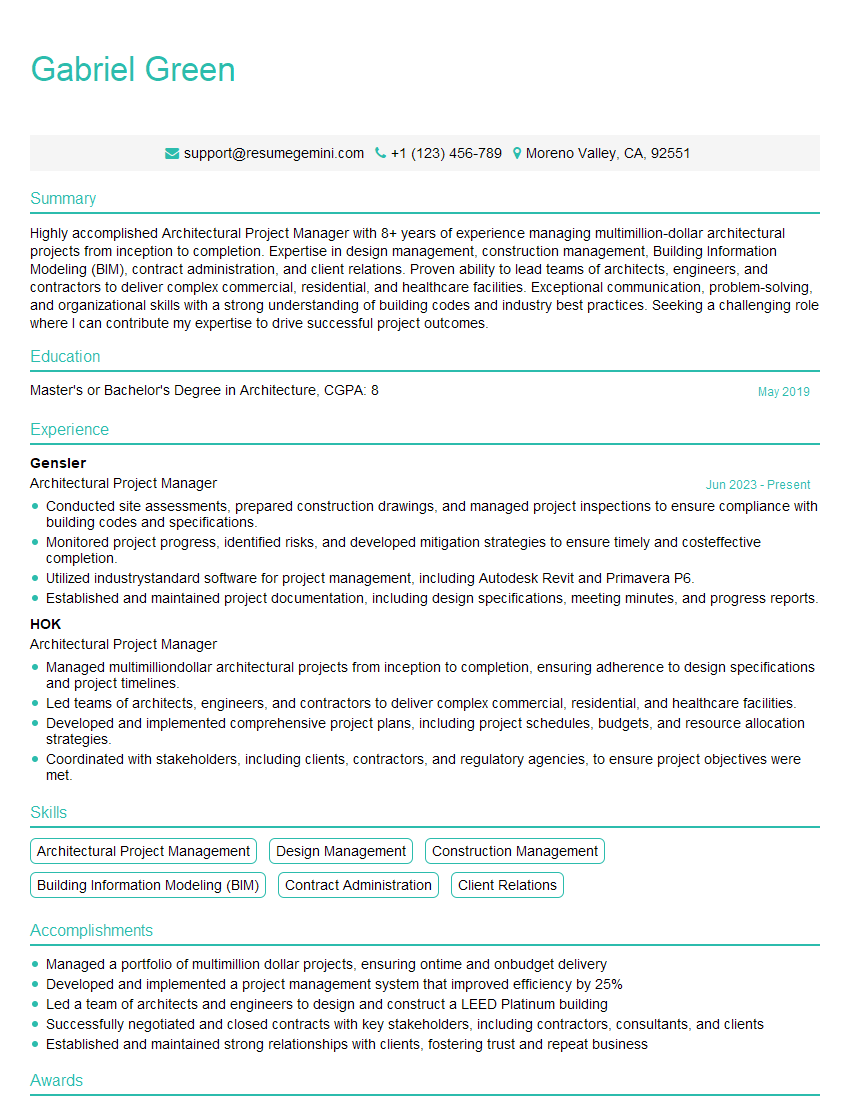
Architectural Project Manager Resume Sample
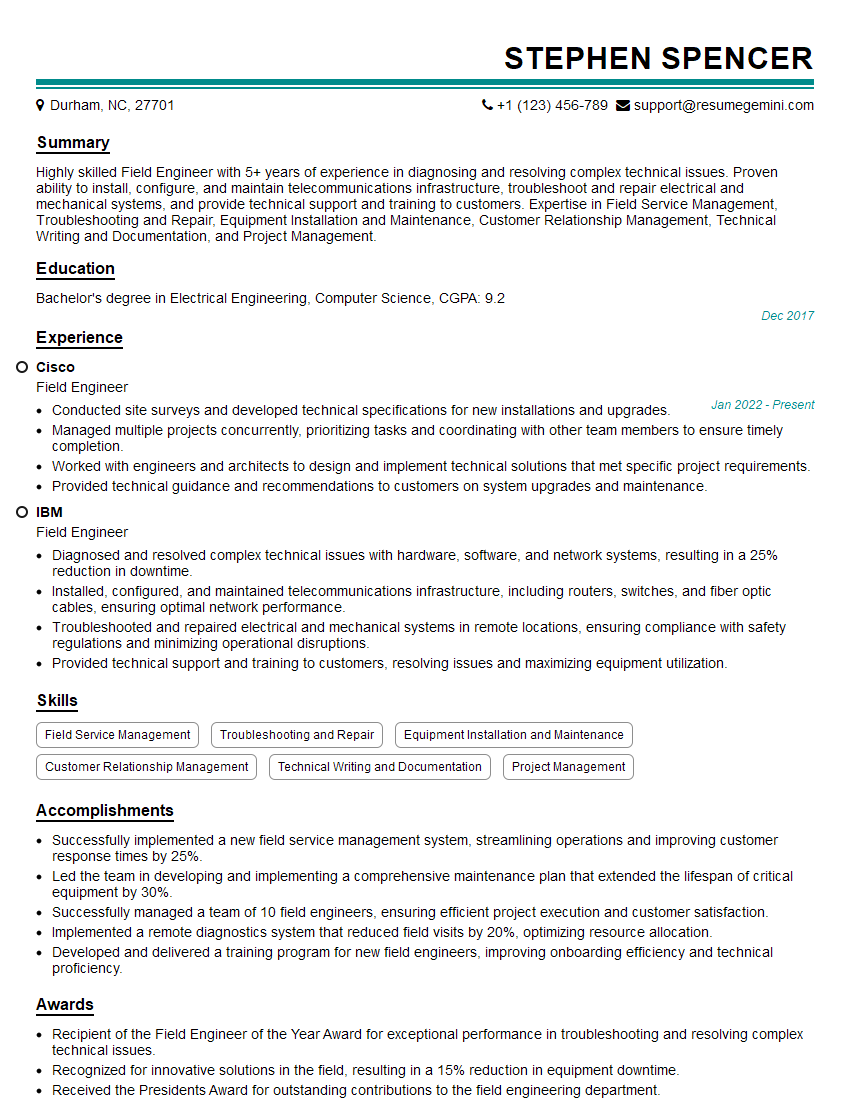
Field Engineer Resume Sample
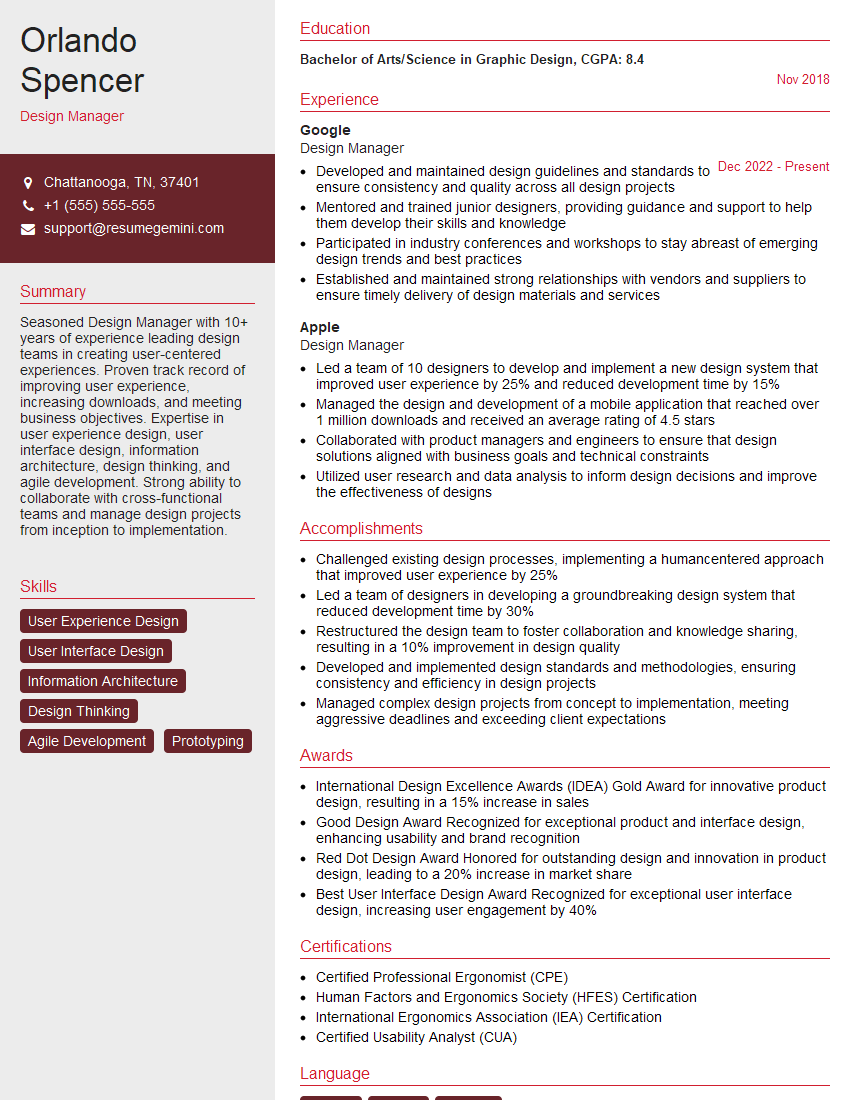
Design Manager Resume Sample
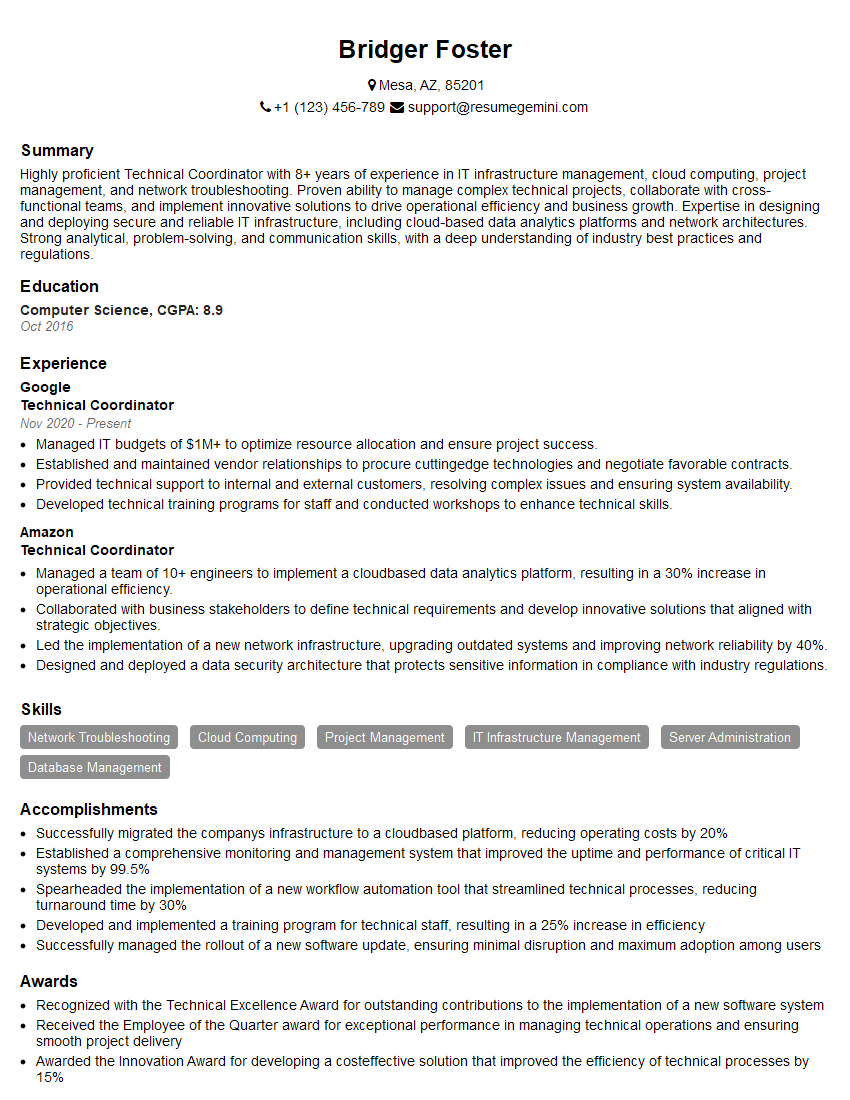
Technical Coordinator Resume Sample
- Safety Manager
- Sustainability Manager
- Quality Control Manager
- Contract Administrator
- Procurement Manager
- Construction Manager
- Construction Superintendent
- Project Manager
- Project Coordinator
- Scheduling Manager
- Risk Manager
- Estimator
- Preconstruction Manager
- Senior Project Manager
- Document Control Manager
- Architectural Project Manager
- Field Engineer
- Design Manager
- Technical Coordinator
Explore more articles
Users Rating of Our Blogs
Share Your Experience
We value your feedback! Please rate our content and share your thoughts (optional).
What Readers Say About Our Blog
Very informative content, great job.
good