Unlock your full potential by mastering the most common Collaboration with clients interview questions. This blog offers a deep dive into the critical topics, ensuring you’re not only prepared to answer but to excel. With these insights, you’ll approach your interview with clarity and confidence.
Questions Asked in Collaboration with clients Interview
Q 1. Describe your experience building rapport with clients.
Building rapport with clients is crucial for successful collaborations. It’s about establishing trust, mutual respect, and a strong working relationship. I approach this by actively listening to their needs, understanding their perspectives, and demonstrating empathy. I believe in finding common ground and building a personal connection, beyond just the professional aspect.
For example, I always start by asking open-ended questions to understand their business context and challenges. This shows I’m genuinely interested in their success, not just in delivering a service. I also make an effort to remember details about their business and personal life (shared appropriately), demonstrating that I value the relationship.
Another technique I use is mirroring and matching – subtly adapting my communication style to match theirs. This can make them feel more comfortable and understood. Finally, consistently delivering on my promises and managing expectations transparently significantly contribute to building strong rapport.
Q 2. How do you handle conflicting client priorities?
Conflicting client priorities are inevitable. My approach involves a structured process to prioritize and address them effectively. First, I facilitate a collaborative discussion with the client, clarifying the nature of the conflict and its potential impact. I encourage them to rank their priorities based on their business objectives and timeline.
Next, I explore potential solutions, weighing the pros and cons of each approach in terms of feasibility, cost, and timeline. I present them with several options, including potentially compromising on certain aspects to achieve a balanced outcome. The key is open communication and transparency throughout the entire process.
For instance, if a client wants both high quality and a very short turnaround, I would explain the trade-offs involved and offer potential solutions like prioritizing the most crucial features first, or adjusting the scope slightly. Ultimately, the decision rests with the client, but I ensure they have a clear understanding of the implications of their choice.
Q 3. Explain your approach to managing client expectations.
Managing client expectations is crucial for avoiding misunderstandings and dissatisfaction. My approach is proactive and transparent. I start by clearly defining the scope of work, deliverables, and timelines at the outset, often using a detailed project plan or contract.
Regular updates are essential. I provide consistent communication, keeping the client informed of progress, potential challenges, and any necessary adjustments to the plan. I utilize various methods such as project management tools, regular meetings, and email updates, tailoring the communication style to the client’s preference.
If changes are needed, I clearly explain the reasons and their implications on the timeline and budget. I treat every change request as a formal process, ensuring its impact is assessed and approved before implementation. This ensures that the client is always in the loop and expectations are realistically aligned with the actual progress.
Q 4. How do you proactively identify and address client concerns?
Proactively identifying and addressing client concerns is key to building strong relationships. I use a multi-pronged approach. First, I regularly solicit feedback through surveys, informal check-ins, and formal progress reviews. This allows me to identify potential issues before they escalate.
Secondly, I maintain open communication channels, encouraging clients to share their concerns at any point. I actively listen and empathize with their concerns, acknowledging their feelings and validating their perspective. I treat every concern with the utmost seriousness, even if it seems minor at first.
Finally, I develop a plan to address each concern, offering solutions and managing expectations regarding resolution. I always follow up to ensure the concern is fully addressed and that the client is satisfied. For example, if a client expresses concern about a delay, I’ll explain the reasons clearly, propose mitigation strategies, and keep them updated on the progress of the solution.
Q 5. Describe a situation where you had to negotiate with a client.
In a previous project, a client requested a significant change to the scope of work halfway through the project, which would have impacted the deadline and budget significantly. Instead of immediately rejecting the request or simply complying, I initiated a negotiation process.
I started by understanding the client’s reasoning behind the change request. We then jointly assessed the implications of the changes on the timeline and budget, creating a clear picture of the costs and trade-offs involved. We explored alternative solutions that would achieve a similar outcome within a more manageable timeframe and budget.
Ultimately, we agreed on a revised scope that incorporated the client’s key requirements while minimizing the impact on the project timeline. This involved a slight increase in the budget, which was justified and agreed upon transparently. The key was to focus on finding a mutually beneficial solution through open communication and collaborative problem-solving.
Q 6. How do you ensure effective communication with clients?
Effective communication with clients is paramount. My strategy encompasses various methods, customized based on client preferences. I prioritize clarity and conciseness in all my communication, avoiding jargon or technical terms unless absolutely necessary and then providing clear definitions.
I utilize a mix of communication channels including email, phone calls, video conferencing, and project management software, selecting the most appropriate tool for each situation. For example, I use email for formal updates and documentation, while video conferencing is ideal for more interactive discussions and brainstorming sessions.
Furthermore, I actively listen to the client’s feedback, ask clarifying questions, and summarize key points to ensure mutual understanding. I document all communication and decisions, creating a clear record of the project’s progress and agreements. This proactive approach fosters transparency and minimizes the risk of misunderstandings.
Q 7. What strategies do you use to build long-term client relationships?
Building long-term client relationships involves more than just delivering excellent service; it’s about creating genuine partnerships. I achieve this through several key strategies. First, I consistently exceed client expectations by delivering high-quality work and providing exceptional support.
Second, I prioritize ongoing communication and engagement even after a project is complete. I regularly check in with clients, share relevant industry updates, and proactively seek opportunities to collaborate on new projects. I view every interaction as an opportunity to strengthen the relationship.
Third, I actively seek feedback and use it to improve my service. This demonstrates my commitment to continuous improvement and my dedication to client satisfaction. Finally, I nurture personal relationships with key stakeholders by showing genuine interest in their professional goals and challenges. This fosters trust and mutual respect, laying the groundwork for a lasting and mutually beneficial partnership.
Q 8. How do you measure the success of your client collaborations?
Measuring the success of client collaborations isn’t a one-size-fits-all approach. It depends heavily on the specific project goals and the client’s expectations. However, I typically use a multi-faceted approach, focusing on both quantitative and qualitative measures.
- Quantitative Measures: These are the readily measurable aspects. For example, project completion rate on time and within budget, client satisfaction scores from surveys (using a Likert scale, for instance), key performance indicators (KPIs) defined in advance with the client (e.g., website traffic increase, sales conversion rate improvement), and the number of successfully completed deliverables.
- Qualitative Measures: These involve gathering subjective feedback. This includes regular check-ins with the client to gauge their overall happiness, formal feedback sessions after project milestones or completion, informal feedback gathered through emails and calls, and analyzing client testimonials and reviews.
Ultimately, successful collaboration means exceeding the client’s expectations and building a strong, lasting relationship. I constantly strive to understand the client’s business objectives and demonstrate how our collaboration contributes directly to their success.
Q 9. Describe your process for gathering and analyzing client feedback.
My process for gathering and analyzing client feedback is iterative and involves multiple touchpoints throughout the project lifecycle. It’s not just about asking for feedback at the end; it’s about actively seeking it at various stages.
- Regular Check-ins: I schedule short, informal check-ins – weekly or bi-weekly, depending on project complexity – to discuss progress and address any immediate concerns. This provides continuous feedback loops.
- Formal Feedback Sessions: At key project milestones, I conduct more formal feedback sessions. These involve structured questionnaires, focus groups (where appropriate), or one-on-one meetings to gather comprehensive insights.
- Post-Project Surveys: A comprehensive survey is sent after project completion to assess overall satisfaction, identify areas for improvement, and gauge the client’s willingness to collaborate again.
- Analyzing Feedback: I analyze feedback by categorizing the responses (e.g., positive, negative, neutral), identifying recurring themes or patterns, and prioritizing action items. I use both qualitative analysis (identifying recurring sentiments) and quantitative analysis (e.g., average satisfaction score) to gain a complete understanding.
This feedback isn’t just for record-keeping; it’s actively used to refine our processes, improve future collaborations, and demonstrate our commitment to client satisfaction. I always follow up on feedback, letting clients know what actions are being taken based on their comments.
Q 10. How do you handle difficult or demanding clients?
Handling demanding clients requires a calm, professional, and proactive approach. The key is to understand their concerns and address them empathetically, while firmly maintaining professional boundaries.
- Active Listening: First, I focus on actively listening to their concerns and validating their feelings. Understanding the *why* behind their demands is crucial.
- Clear Communication: I ensure clear and transparent communication regarding project timelines, deliverables, and potential challenges. Proactive communication prevents misunderstandings.
- Managing Expectations: Realistic expectation setting is key. If demands are unrealistic or unattainable, I explain the constraints and explore alternative solutions collaboratively.
- Collaboration and Compromise: I aim to find solutions that meet both the client’s needs and our capabilities. Compromise and collaboration are often necessary.
- Escalation (if necessary): In rare cases where collaboration fails to resolve the issue, I escalate the problem to my manager for guidance and support.
Remember, even the most demanding clients ultimately want their project to be successful. By focusing on collaboration and understanding, I strive to turn even challenging situations into positive outcomes.
Q 11. How do you adapt your communication style to different clients?
Adapting my communication style involves understanding the client’s personality, communication preferences, and their organizational culture. I use a flexible approach, tailoring my communication accordingly.
- Communication Preferences: Some clients prefer email, while others prefer phone calls or video conferencing. I adjust to their preferred method.
- Communication Style: Some clients prefer formal and detailed communication, while others prefer concise and informal updates. I adjust the tone and level of detail accordingly.
- Cultural Considerations: Cultural nuances can significantly influence communication styles. I’m aware of and sensitive to these differences.
- Building Rapport: Establishing a rapport with the client helps to understand their communication preferences and tailor my style accordingly. This often involves casual conversation during check-ins or meetings to gauge personality and communication style.
Essentially, I aim to be a chameleon, adapting my style to ensure clear, effective communication that resonates with each client. The goal is always mutual understanding and strong collaboration.
Q 12. How do you use technology to facilitate client collaboration?
Technology plays a crucial role in facilitating modern client collaboration. I leverage several tools and platforms to ensure seamless communication and efficient project management.
- Project Management Software: Platforms like Asana, Trello, or Monday.com help organize tasks, track progress, share files, and manage deadlines collaboratively.
Example: Asana allows for the creation of shared project boards with task assignments, progress tracking, and communication channels. - Video Conferencing: Tools like Zoom, Google Meet, or Microsoft Teams enable real-time collaboration, face-to-face interaction, and efficient brainstorming sessions.
- File Sharing and Collaboration Platforms: Google Drive, Dropbox, or SharePoint facilitate secure sharing of documents and enable real-time co-editing, reducing version control issues.
- Communication Platforms: Slack or Microsoft Teams provide instant messaging and threaded conversations for quick queries and updates, keeping communication flowing.
Choosing the right technology depends on the project’s needs and the client’s familiarity with different tools. However, the primary goal is to create a centralized, accessible hub for all project-related information and communication.
Q 13. Describe a time you successfully resolved a client conflict.
In one project, a disagreement arose between the client’s marketing team and their IT team regarding the website redesign. The marketing team wanted a visually bold design, while the IT team expressed concerns about technical limitations and potential performance issues. This conflict threatened to stall the project.
To resolve this, I facilitated a meeting involving representatives from both teams, acting as a neutral mediator. I began by actively listening to each side, ensuring both teams felt heard and understood. I then helped them reframe the problem: instead of focusing on opposing viewpoints, we focused on the common goal—a successful website launch.
We brainstormed solutions collaboratively, identifying compromises that addressed both the marketing team’s aesthetic goals and the IT team’s technical concerns. We created a phased implementation plan where the bold design elements were introduced gradually, allowing the IT team to address potential issues along the way. This collaborative approach diffused the tension, resulting in a successful website launch that satisfied both parties.
This experience emphasized the importance of understanding the underlying concerns of all parties involved in a conflict, and using facilitative communication skills to find a mutually agreeable solution.
Q 14. How do you manage multiple client projects simultaneously?
Managing multiple client projects simultaneously requires meticulous organization, efficient time management, and a robust project management system.
- Prioritization: I prioritize projects based on urgency, deadlines, and client importance. Using a matrix that considers both urgency and importance helps greatly.
- Time Blocking: I allocate specific time blocks for each project, ensuring dedicated focus and preventing multitasking, which can reduce efficiency.
- Delegation (if applicable): If possible, I delegate tasks to team members, ensuring clear instructions and regular check-ins.
- Project Management Tools: As mentioned earlier, project management software is crucial for tracking progress across multiple projects, managing deadlines, and ensuring efficient communication with various clients.
- Regular Review and Adjustment: I regularly review my schedule and project timelines, making adjustments as needed to accommodate unforeseen delays or changes in priority. This ensures flexibility and responsiveness.
The key is to be organized, proactive, and maintain clear communication with each client to ensure that they understand the project’s status and expected timeline. Transparency is essential when juggling multiple projects.
Q 15. How do you ensure client confidentiality?
Client confidentiality is paramount. I treat all client information as strictly private and confidential, adhering to all relevant data protection regulations like GDPR or CCPA. This starts with signing Non-Disclosure Agreements (NDAs) at the outset of any engagement. Beyond formal agreements, my practice involves:
- Secure Data Storage: Utilizing encrypted systems and password-protected documents for all client data, ensuring only authorized personnel have access.
- Limited Access Control: Implementing strict access controls within our systems, limiting who can view, edit, or share client information based on their role and need-to-know basis.
- Secure Communication Channels: Using encrypted email and communication platforms for all client interactions, avoiding the use of public Wi-Fi for sensitive discussions.
- Data Minimization: Only collecting and storing the data absolutely necessary for the project, reducing the potential risk of a breach.
- Regular Security Audits: We conduct periodic reviews of our security protocols and data handling practices to ensure compliance and identify potential vulnerabilities.
For example, in a recent project involving a pharmaceutical company, I ensured all research data and clinical trial results were handled with utmost care, strictly following HIPAA guidelines and their internal data protection policies. Breaching confidentiality would be a severe ethical and legal violation, and I take every precaution to prevent it.
Career Expert Tips:
- Ace those interviews! Prepare effectively by reviewing the Top 50 Most Common Interview Questions on ResumeGemini.
- Navigate your job search with confidence! Explore a wide range of Career Tips on ResumeGemini. Learn about common challenges and recommendations to overcome them.
- Craft the perfect resume! Master the Art of Resume Writing with ResumeGemini’s guide. Showcase your unique qualifications and achievements effectively.
- Don’t miss out on holiday savings! Build your dream resume with ResumeGemini’s ATS optimized templates.
Q 16. How do you delegate tasks effectively within a client project?
Effective delegation is crucial for successful project delivery and client satisfaction. My approach involves a clear understanding of team members’ skills and strengths, along with transparent communication. I use a structured process:
- Task Breakdown: Clearly defining each task, its scope, deadlines, and deliverables.
- Skill Matching: Assigning tasks to individuals based on their expertise and experience.
- Clear Communication: Providing thorough instructions, setting expectations, and establishing clear communication channels for updates and feedback.
- Empowerment & Accountability: Giving team members autonomy to complete their tasks but also holding them accountable for meeting deadlines and quality standards.
- Regular Check-ins: Conducting regular progress meetings to monitor progress, address roadblocks, and provide support.
For instance, on a recent web development project, I delegated front-end development to a senior developer, back-end to a junior developer (with mentoring from the senior), and content creation to a content writer. This optimized resource allocation, fostered learning, and ensured timely completion.
Q 17. Describe your approach to managing client onboarding.
Client onboarding is a critical step that sets the stage for a successful long-term relationship. I focus on a structured approach that is both efficient and welcoming:
- Pre-Onboarding Communication: Before the official start date, I send welcome materials and collect necessary information to streamline the process.
- Kick-off Meeting: A detailed introductory meeting where we review the project scope, timelines, expectations, and key stakeholders. This allows for immediate clarification of any uncertainties.
- Account Setup: Establishing access to necessary project management tools and platforms, providing clear instructions on their use.
- Training & Support: Offering training on any relevant software or procedures as needed. I make myself readily available for questions and concerns.
- Ongoing Communication: Keeping the client informed throughout the onboarding process and beyond.
For a new client implementing our CRM system, we organized comprehensive training sessions for their sales team, followed by dedicated support hours for the first month, ensuring a smooth transition and rapid adoption.
Q 18. How do you track and report on client progress?
Tracking and reporting client progress is essential for accountability and transparency. I leverage a combination of methods:
- Project Management Software: Utilizing tools like Asana or Jira to track tasks, deadlines, and progress visually.
- Regular Progress Reports: Providing clients with regular updates, either weekly or bi-weekly, detailing progress against milestones, any challenges encountered, and next steps.
- Data-Driven Metrics: Including relevant metrics in reports, such as task completion rates, budget adherence, and key performance indicators (KPIs) relevant to the project goals.
- Client Feedback Sessions: Scheduling regular calls or meetings to receive direct feedback, address concerns, and ensure alignment with client expectations.
For example, in a marketing campaign project, we tracked key metrics like website traffic, engagement rates, conversion rates, and sales leads generated, presenting this data visually in our weekly reports to the client.
Q 19. How do you identify opportunities for upselling or cross-selling to clients?
Identifying upselling and cross-selling opportunities requires a deep understanding of the client’s needs and business. I approach this proactively and strategically:
- Active Listening: Paying close attention during client interactions to uncover unmet needs or potential areas for improvement.
- Needs Analysis: Regularly assessing the client’s current situation and identifying potential gaps in their services or processes.
- Value Proposition: Clearly articulating how additional services or products can add value and solve specific problems for the client.
- Timing & Relevance: Presenting upselling or cross-selling opportunities at the appropriate time, when the client is receptive and the proposal is relevant to their current situation.
- Building Trust: Maintaining a strong and trusting relationship with the client is crucial for successful upselling and cross-selling.
For instance, after successfully managing a client’s social media campaign, I identified the need for a complementary SEO strategy to further enhance their online presence and presented a tailored proposal.
Q 20. How do you maintain client engagement over time?
Maintaining long-term client engagement requires consistent effort and proactive communication. I focus on several key strategies:
- Regular Communication: Maintaining consistent contact through newsletters, email updates, or brief check-in calls, even when no immediate project is underway.
- Value-Added Content: Sharing relevant industry insights, case studies, or best practices to demonstrate expertise and thought leadership.
- Feedback Loops: Actively soliciting client feedback and using it to improve services and adapt to evolving needs.
- Networking Opportunities: Introducing the client to relevant contacts or industry events.
- Personalized Touch: Demonstrating genuine interest in the client’s business and success, going beyond the transactional relationship.
For one of my clients, we send a quarterly newsletter highlighting industry trends and share relevant articles. This demonstrates our commitment to staying informed and providing added value, strengthening our relationship.
Q 21. How do you handle client requests outside the scope of the project?
Handling client requests outside the initial project scope requires a careful and professional approach. Transparency and clear communication are crucial:
- Acknowledgement & Clarification: Acknowledge the request promptly and schedule a discussion to fully understand the client’s needs and requirements.
- Scope Definition: Clearly define the scope of the additional work, including timelines, deliverables, and any associated costs.
- Proposal & Agreement: Provide a formal proposal outlining the new scope of work and secure agreement from the client before commencing.
- Project Integration: Integrate the new request into the overall project plan, if feasible, while maintaining transparency about potential impacts on the original timeline or budget.
- Documentation: Document all changes to the project scope and any associated agreements to avoid future misunderstandings.
If the request is significantly outside the original scope, I may suggest a separate project proposal to ensure clarity and proper budgeting.
Q 22. What is your experience with different client communication tools?
Throughout my career, I’ve utilized a wide range of client communication tools, adapting my approach based on project needs and client preferences. This includes:
- Email: For formal communication, sharing documents, and maintaining a record of correspondence. I prioritize clear subject lines and concise, well-structured messages.
- Project Management Software (e.g., Asana, Trello, Jira): Essential for collaborative projects, enabling task assignment, progress tracking, and centralizing communication within a shared workspace. I actively use these tools to keep clients updated and involved.
- Video Conferencing (e.g., Zoom, Google Meet, Microsoft Teams): Ideal for face-to-face interactions, brainstorming sessions, and presentations, fostering a more personal connection and allowing for immediate feedback and clarification.
- Instant Messaging (e.g., Slack, Microsoft Teams): For quick updates, addressing urgent questions, and maintaining a more informal, real-time flow of communication. I am mindful of etiquette and avoid overwhelming clients with constant messages.
- Client Portals: Secure platforms for sharing sensitive documents, tracking progress, and providing access to project-related information. I leverage these tools to streamline information sharing and enhance transparency.
My choice of tools depends on the complexity of the project, the client’s technological proficiency, and the desired level of formality.
Q 23. Describe your process for documenting client interactions.
My documentation process ensures clarity, accountability, and continuity in client interactions. I maintain a comprehensive record of every engagement, including:
- Detailed Meeting Notes: I document key discussion points, decisions made, action items, assigned responsibilities, and deadlines. These notes are shared with the client for review and confirmation.
- Email Correspondence: All emails related to the project are archived and easily accessible. This provides a chronological history of communications.
- Project Management Software Logs: I leverage the built-in logging features in tools like Asana or Jira to track progress, changes, and any challenges encountered.
- Client Feedback Summaries: I summarize client feedback, both positive and negative, highlighting key themes and insights. This helps to identify trends and improve future collaborations.
This rigorous documentation ensures a smooth workflow, avoids misunderstandings, and assists in future reference. For example, if a client raises a question about a previous decision, I can immediately refer to meeting minutes or email exchanges for clarity.
Q 24. How do you contribute to a positive client experience?
Contributing to a positive client experience is paramount. My approach centers around:
- Proactive Communication: I keep clients informed about project progress, potential roadblocks, and any changes that might affect timelines or deliverables. This proactive approach minimizes surprises and fosters trust.
- Responsiveness: I strive to respond to client inquiries promptly and professionally, addressing their concerns with empathy and understanding.
- Empathy and Understanding: I place myself in the client’s shoes, understanding their needs and challenges. This empathetic approach strengthens the client relationship.
- Personalized Service: I tailor my communication style and approach to each client’s preferences, making them feel valued and understood. For instance, some clients prefer formal updates, while others prefer more informal and regular check-ins.
- Meeting Expectations and Delivering Results: Nothing contributes more to a positive experience than consistently delivering on promises and meeting expectations. Careful planning, effective execution, and transparent progress updates are key.
For example, I recently proactively identified a potential delay on a project, informing the client immediately. By offering solutions and managing their expectations, we averted potential frustration and maintained a positive collaborative relationship.
Q 25. How do you handle client feedback that is negative or critical?
Handling negative or critical client feedback is crucial for maintaining strong relationships. My approach involves:
- Active Listening: I listen carefully without interrupting, ensuring I fully understand the client’s concerns and perspective.
- Empathy and Validation: I acknowledge the client’s feelings and validate their concerns, showing that their feedback is important and appreciated.
- Seeking Clarification: I ask clarifying questions to ensure I fully understand the nature and root cause of the feedback.
- Problem-Solving: I work collaboratively with the client to identify solutions and develop an action plan to address the concerns. This might involve adjusting timelines, revising deliverables, or offering alternative approaches.
- Following Up: I follow up with the client to demonstrate my commitment to resolving the issue and demonstrate the impact of the implemented solutions.
In one instance, a client expressed dissatisfaction with a specific aspect of a deliverable. By actively listening, understanding their perspective, and collaboratively revising the deliverable, I was able to turn a negative experience into a positive one, strengthening our relationship.
Q 26. How do you measure your own success in client collaboration?
I measure my success in client collaboration through several key indicators:
- Client Satisfaction: Regular feedback sessions and surveys help me gauge client satisfaction and identify areas for improvement. High client satisfaction scores indicate successful collaboration.
- Project Success: Successful completion of projects on time and within budget, meeting or exceeding client expectations, reflects effective collaboration.
- Strong Client Relationships: Building long-term relationships with clients signifies trust and mutual respect, a hallmark of successful collaboration.
- Positive Feedback and Referrals: Positive testimonials and client referrals are powerful indicators of successful collaboration and a strong reputation.
- Repeat Business: Clients choosing to work with me repeatedly demonstrates my ability to consistently deliver value and foster strong collaborative relationships.
These metrics provide a holistic view of my performance, demonstrating a commitment to exceeding client expectations and building strong, lasting relationships.
Q 27. What are your strengths and weaknesses in client collaboration?
Strengths: My strengths include excellent communication, active listening, problem-solving, and proactive communication. I am adept at building rapport with clients, understanding their needs, and adapting my communication style accordingly. I am also highly organized and detail-oriented, ensuring that all client interactions are documented and managed effectively.
Weaknesses: While I strive for perfection, I am sometimes overly meticulous, potentially slowing down the process. I am actively working on improving my time management skills to address this. I also recognize the importance of assertiveness when necessary, and I am developing this skill to ensure effective conflict resolution and the timely communication of challenges.
Q 28. Describe your ideal client collaboration process.
My ideal client collaboration process is built on transparency, trust, and mutual respect. It involves:
- Clear Communication Channels: Establishing clear and consistent communication channels from the outset, selecting the most appropriate tools based on project needs and client preferences.
- Regular Check-ins: Consistent and regular meetings or updates to maintain open communication and monitor progress.
- Open Feedback Loop: Encouraging open and honest feedback from both sides, creating a safe space for constructive criticism and suggestions.
- Collaborative Problem-Solving: Addressing challenges as a team, working collaboratively to find creative and effective solutions.
- Defined Roles and Responsibilities: Clear delineation of roles and responsibilities to ensure accountability and prevent confusion.
- Well-Defined Processes: Implementing clear processes for project planning, execution, and completion to streamline workflow and enhance efficiency.
This process aims to foster a collaborative environment where both parties feel heard, valued, and actively involved throughout the project lifecycle, leading to successful outcomes and strong, lasting relationships.
Key Topics to Learn for Collaboration with Clients Interview
- Active Listening and Communication: Mastering techniques for understanding client needs, clarifying expectations, and conveying information effectively. Consider how to handle conflicting viewpoints and differing communication styles.
- Project Management Fundamentals: Demonstrate understanding of project lifecycles, timelines, and resource allocation within a client-facing context. Be prepared to discuss practical applications like Agile methodologies or Kanban boards in client collaborations.
- Relationship Building and Client Management: Discuss strategies for building trust and rapport with clients. Explore how to manage client expectations, address concerns proactively, and maintain positive working relationships throughout a project’s lifecycle.
- Conflict Resolution and Negotiation: Prepare examples demonstrating your ability to navigate challenging client interactions, resolve disagreements effectively, and negotiate mutually beneficial solutions. Consider scenarios involving scope creep or budget constraints.
- Stakeholder Management: Explain how you identify and manage expectations from various stakeholders involved in a client project (e.g., internal teams, external vendors, client representatives). Discuss strategies for keeping everyone informed and aligned.
- Documentation and Reporting: Showcase your ability to maintain clear and concise documentation of project progress, client communications, and deliverables. Discuss different reporting methods and their effectiveness in maintaining transparency with clients.
Next Steps
Mastering collaboration with clients is crucial for career advancement in today’s competitive job market. Strong client relationships lead to increased opportunities, project success, and professional growth. To significantly enhance your job prospects, it’s vital to create an ATS-friendly resume that highlights your skills and experience effectively. ResumeGemini is a trusted resource that can help you build a professional and impactful resume. We provide examples of resumes tailored specifically to highlight experience in collaborating with clients, helping you present yourself in the best possible light to potential employers.
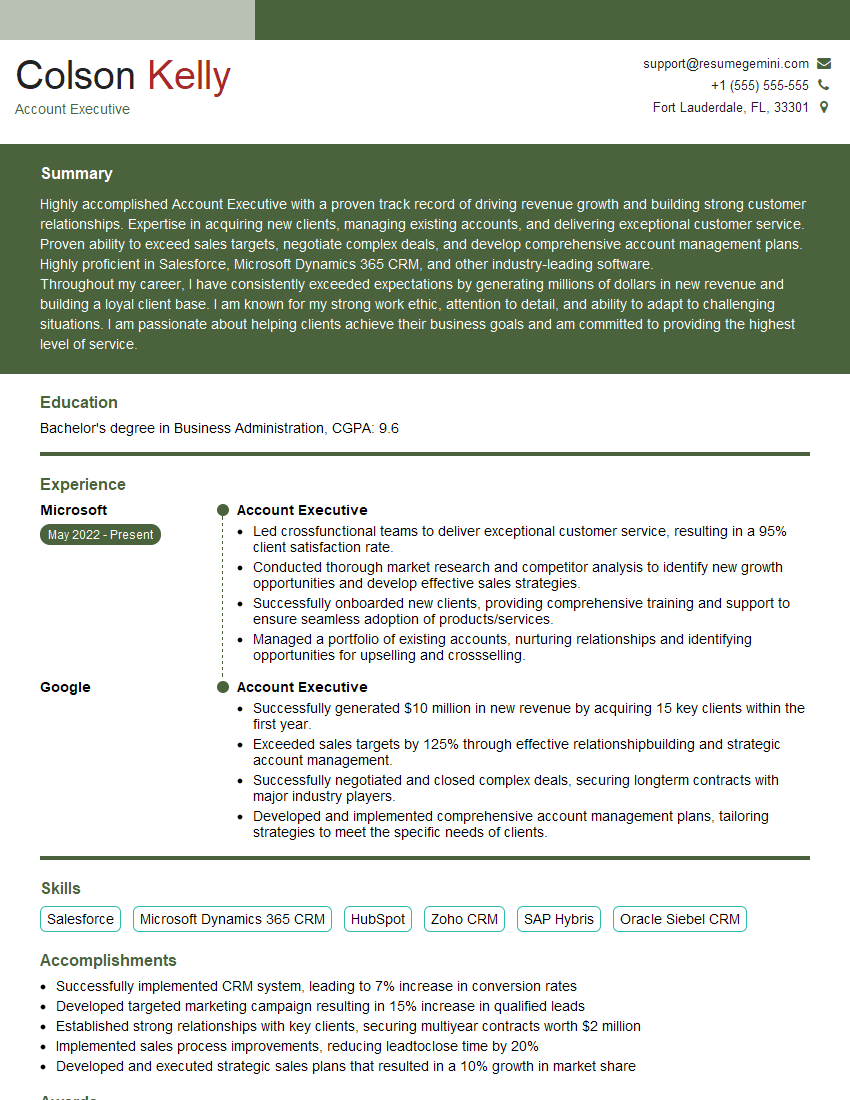
Account Executive Resume Sample
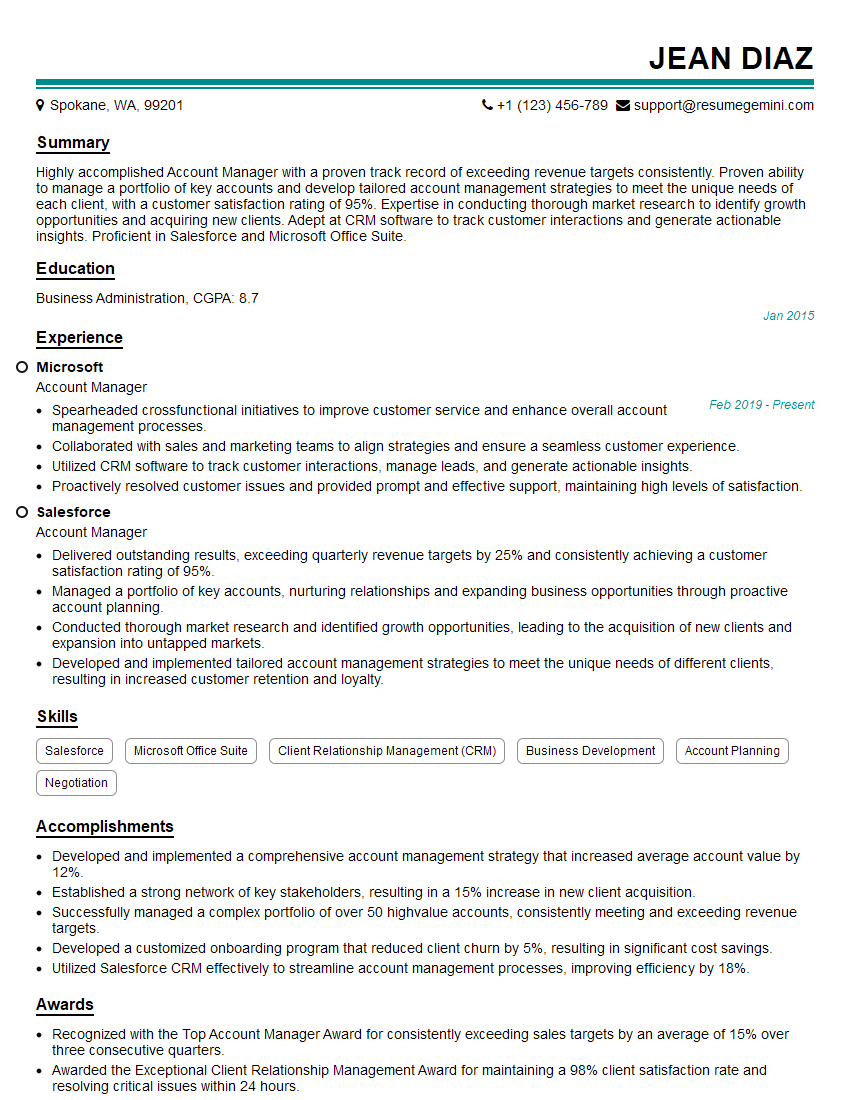
Account Manager Resume Sample
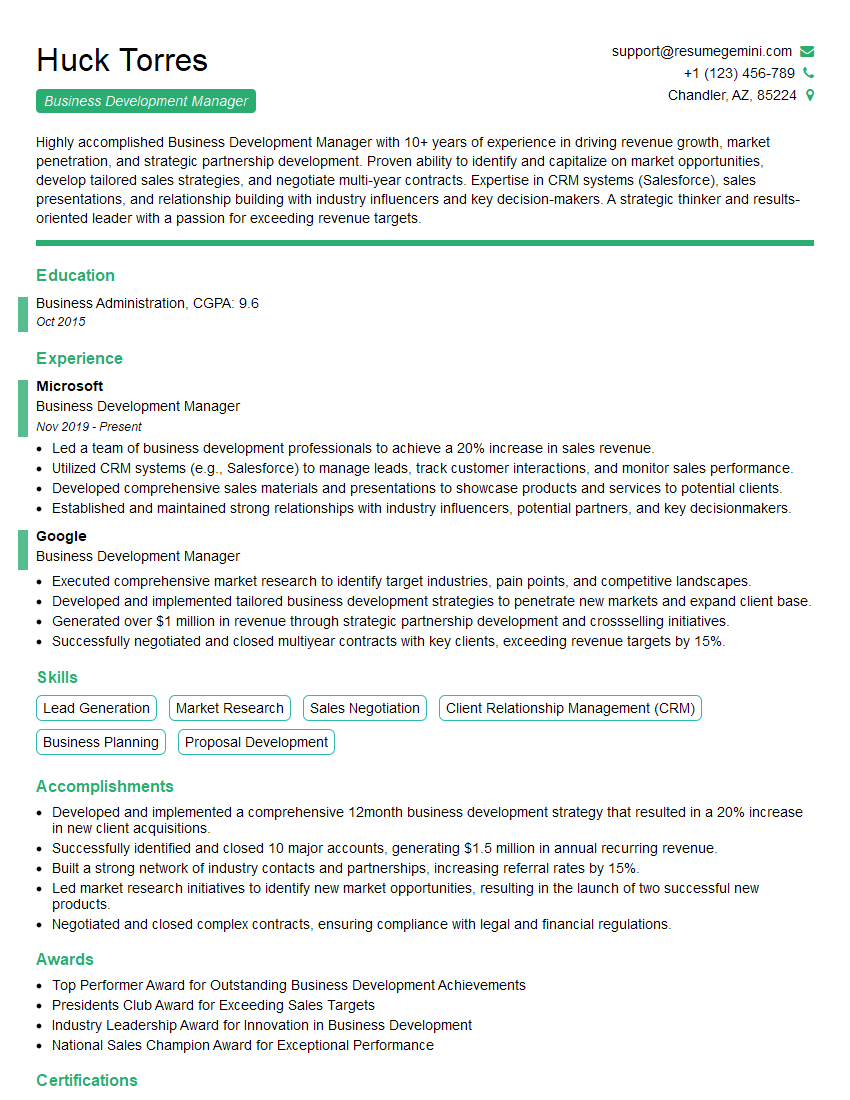
Business Development Manager Resume Sample
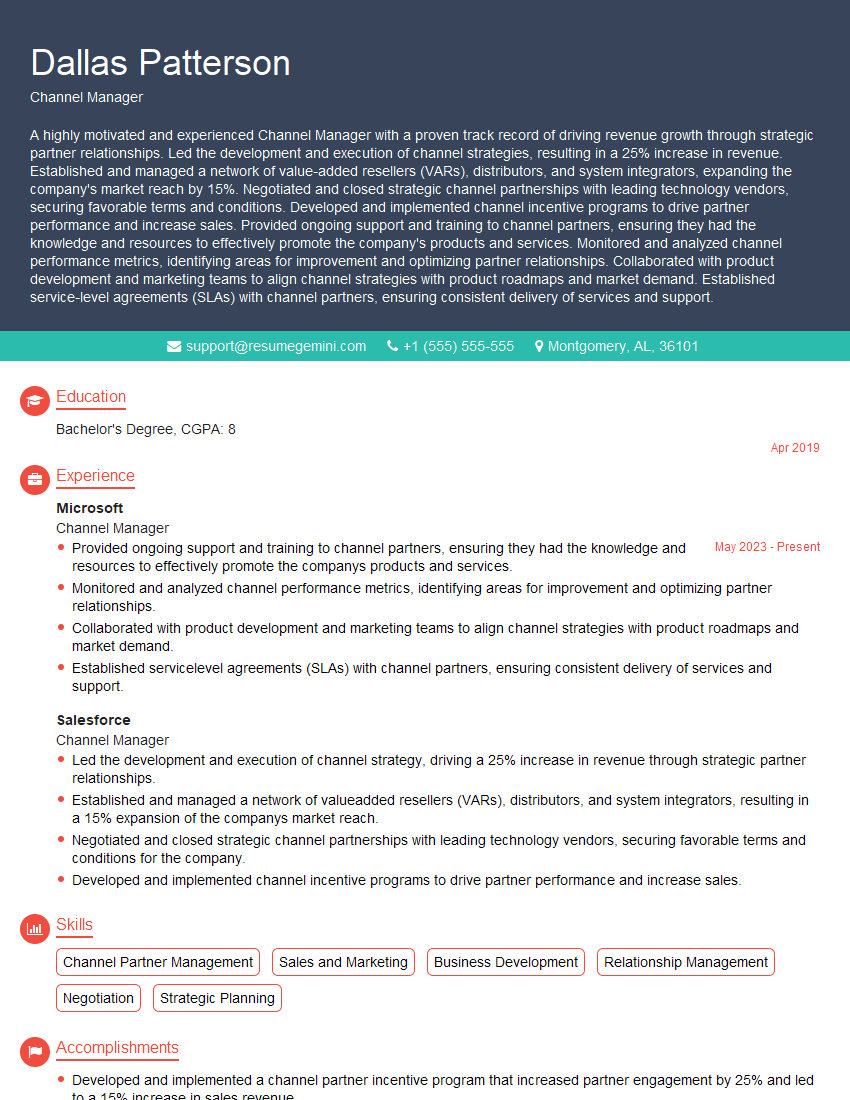
Channel Manager Resume Sample
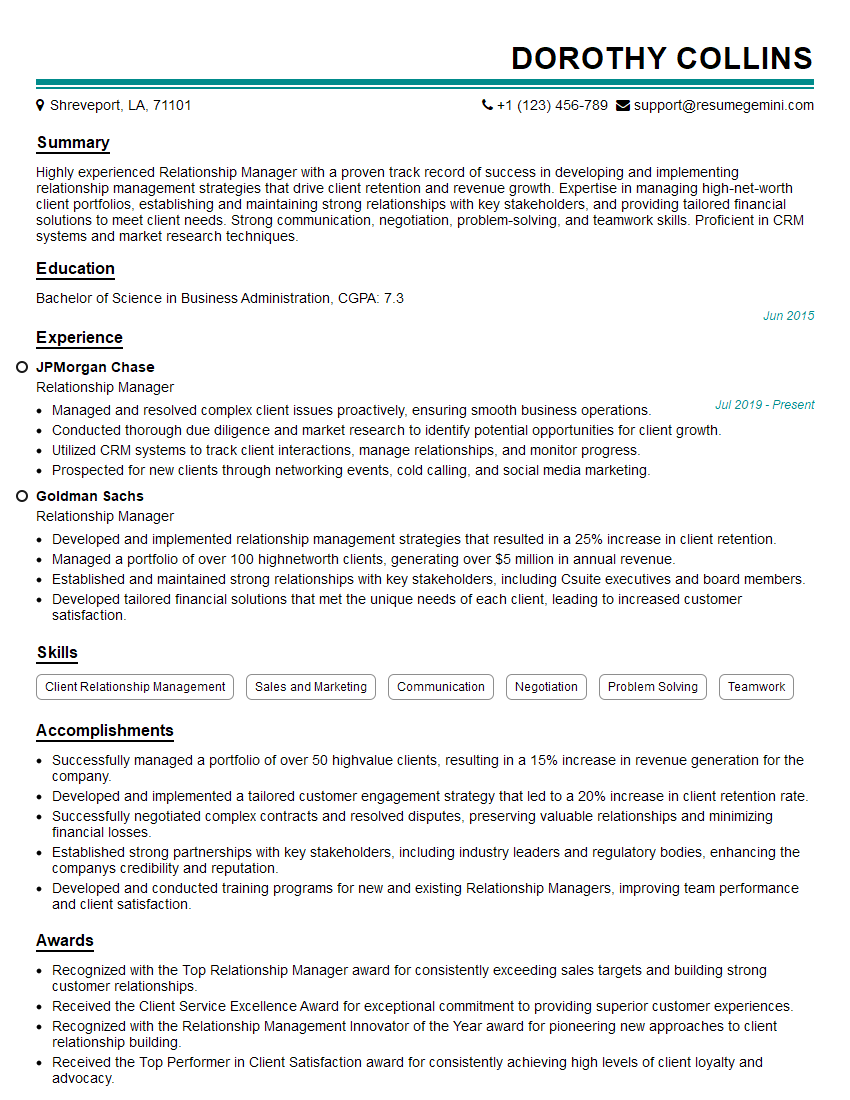
Relationship Manager Resume Sample
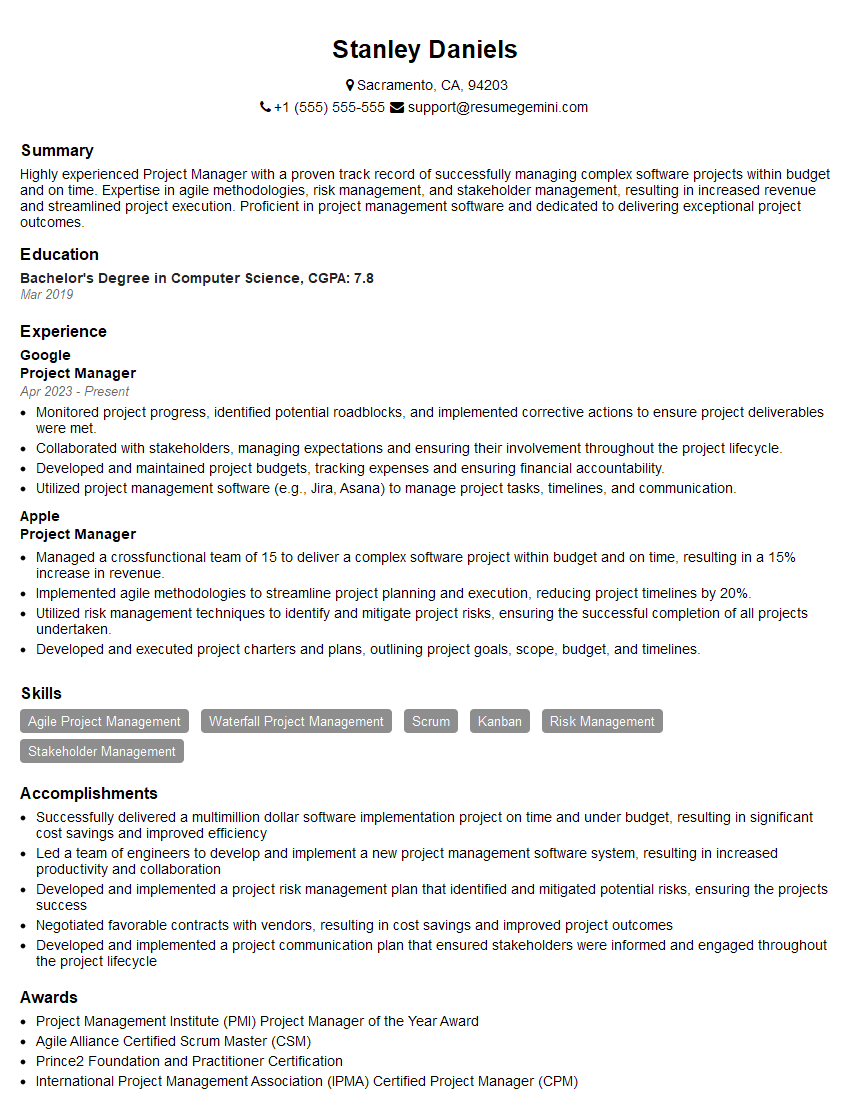
Project Manager Resume Sample
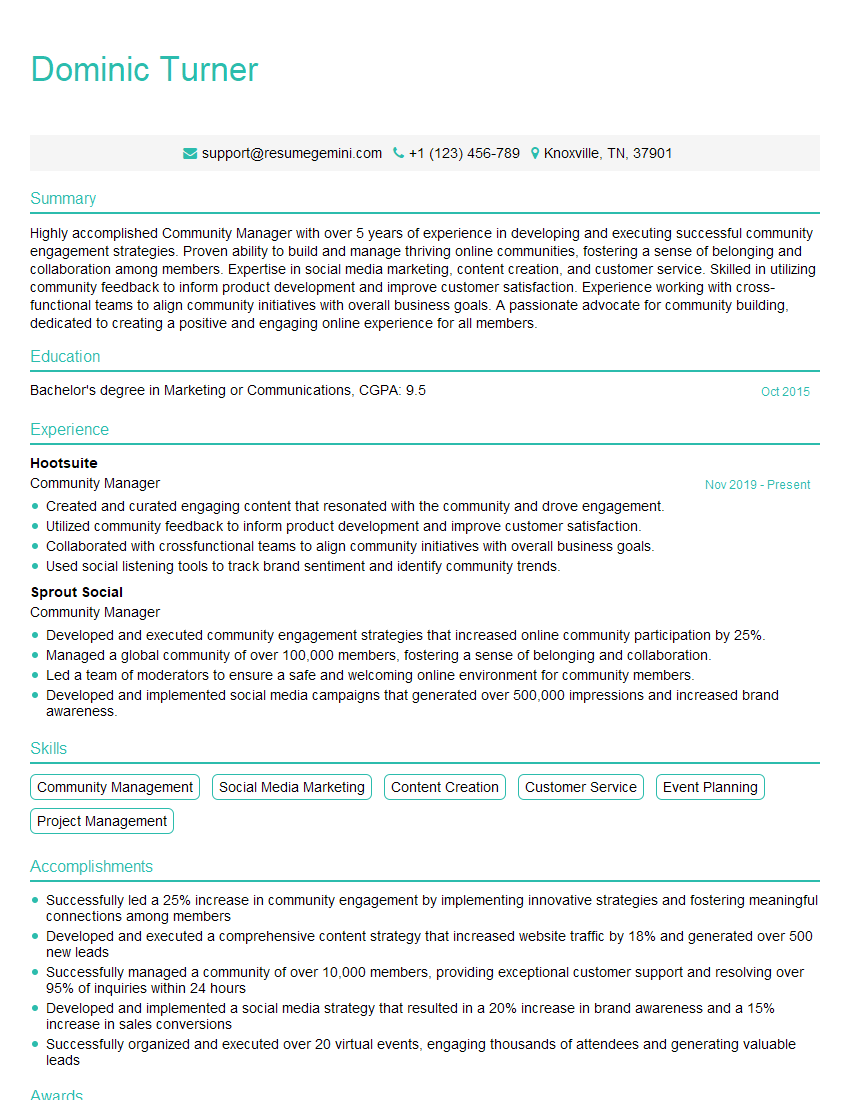
Community Manager Resume Sample
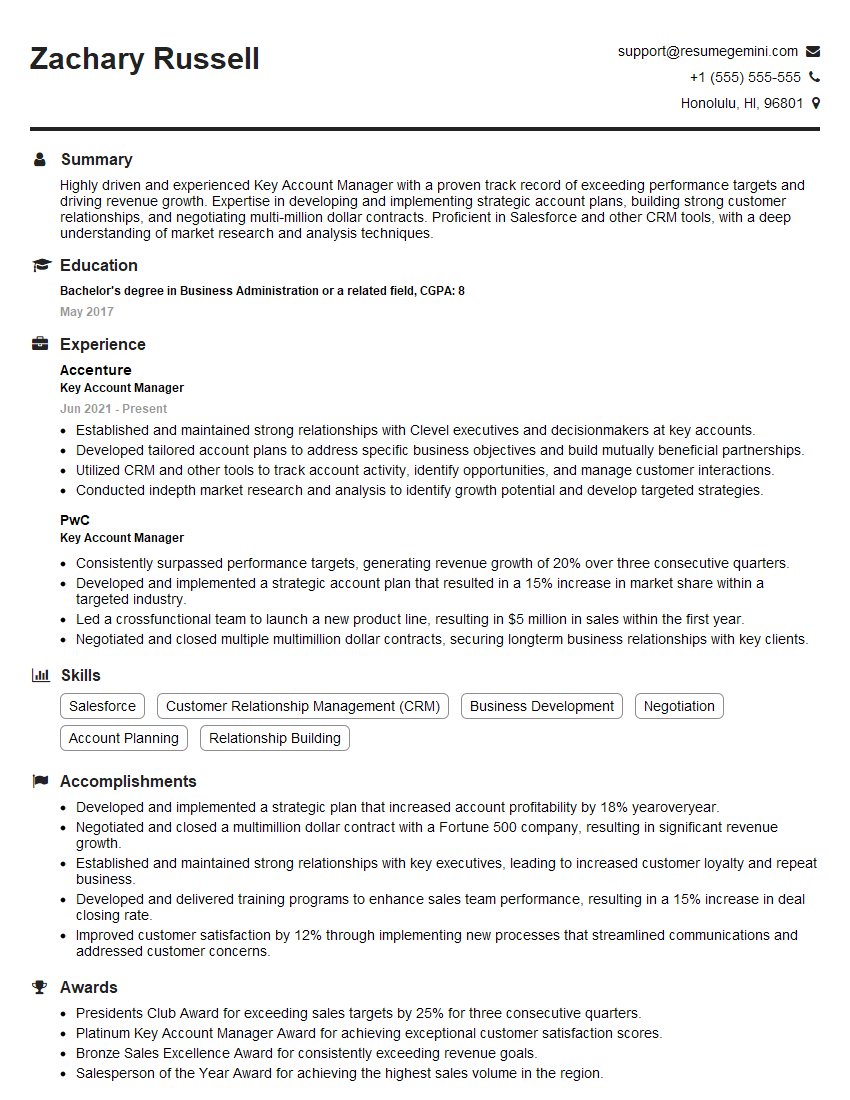
Key Account Manager Resume Sample
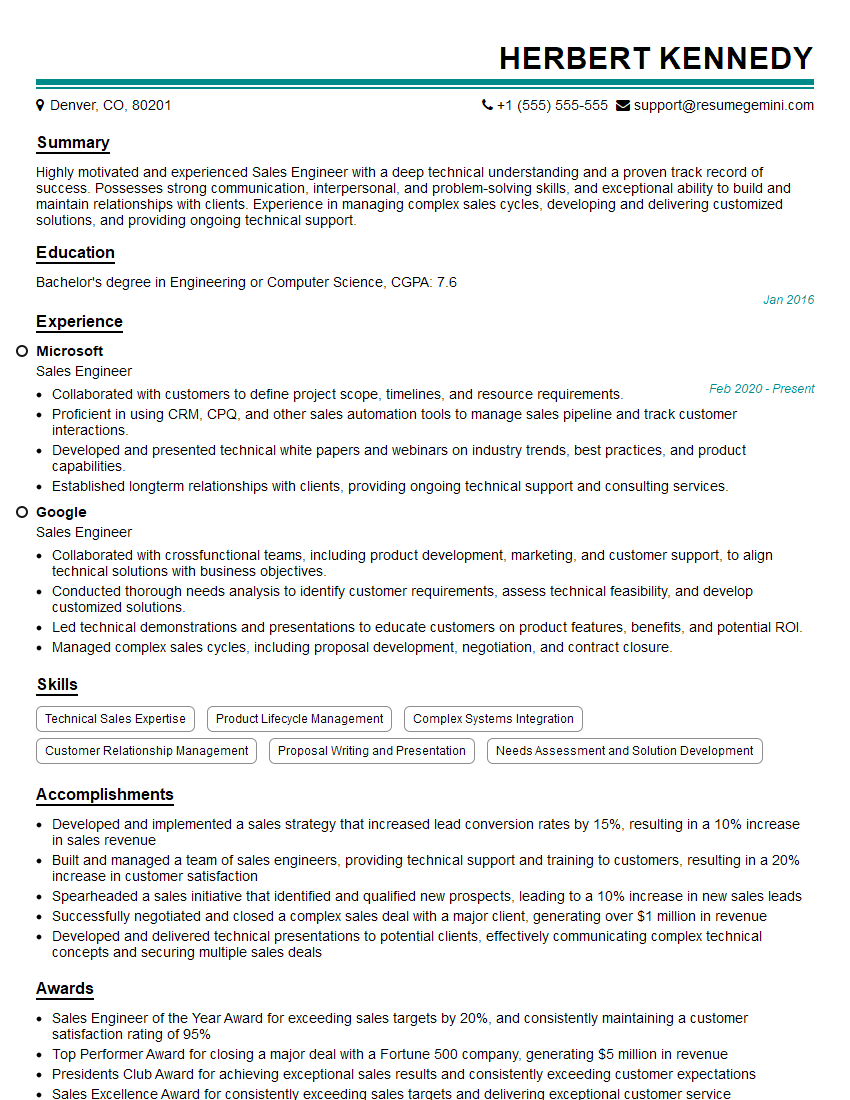
Sales Engineer Resume Sample
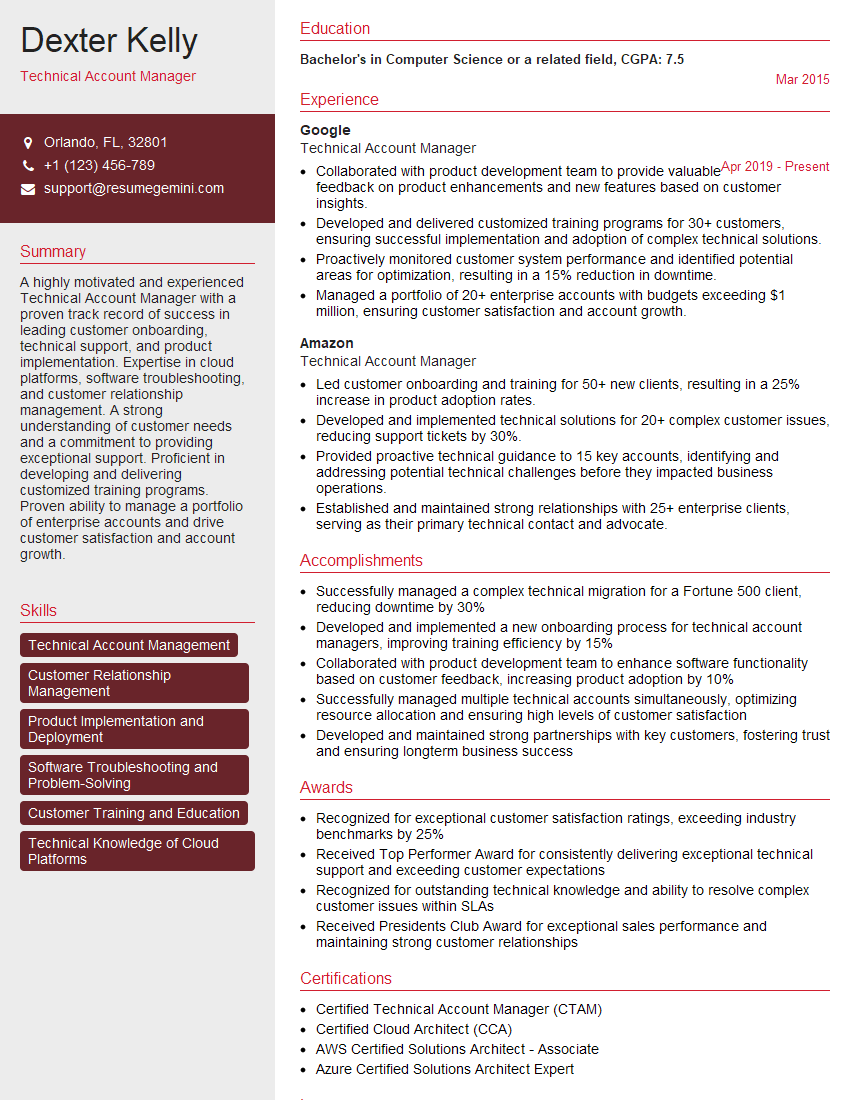
Technical Account Manager Resume Sample
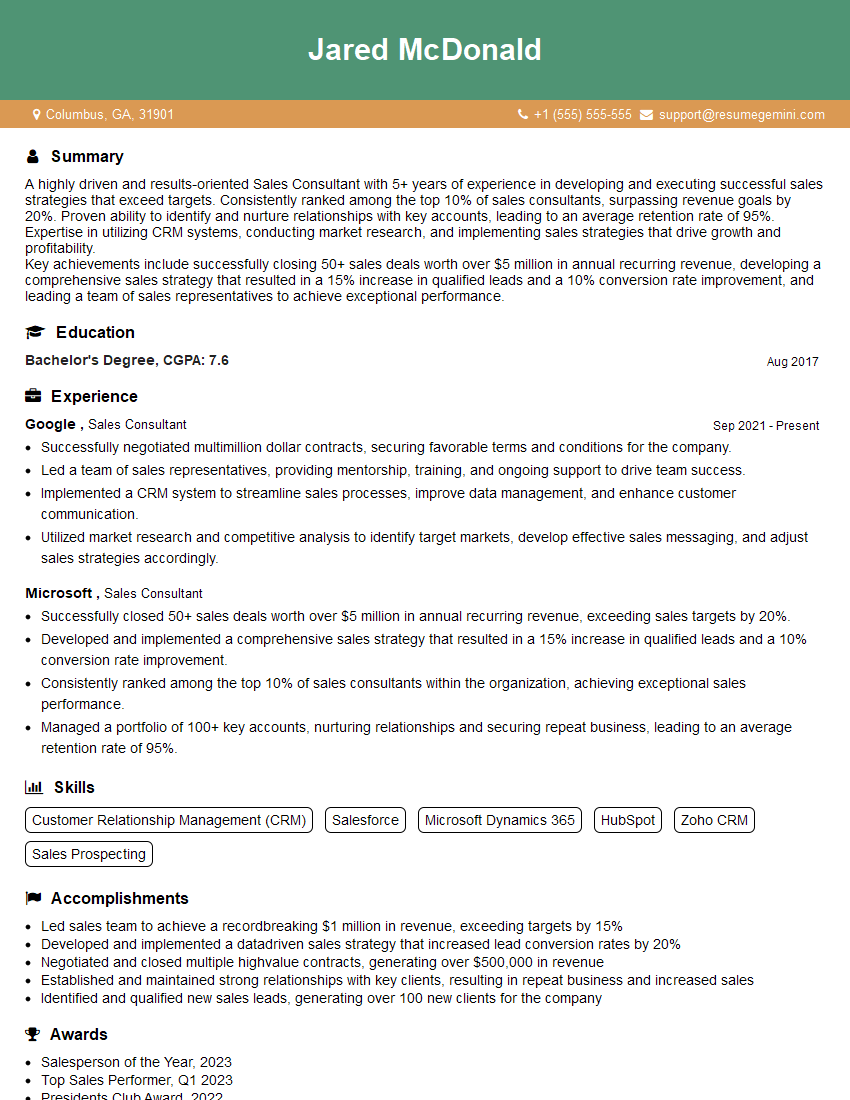
Sales Consultant Resume Sample
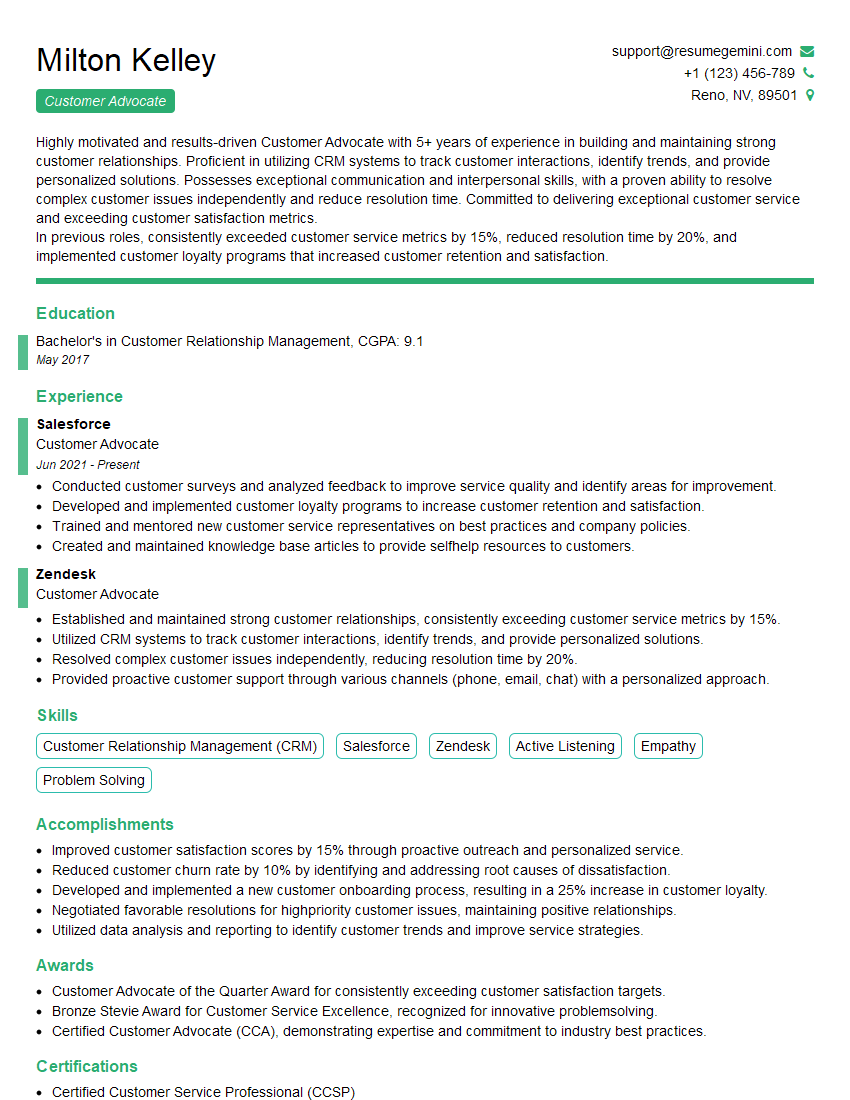
Customer Advocate Resume Sample
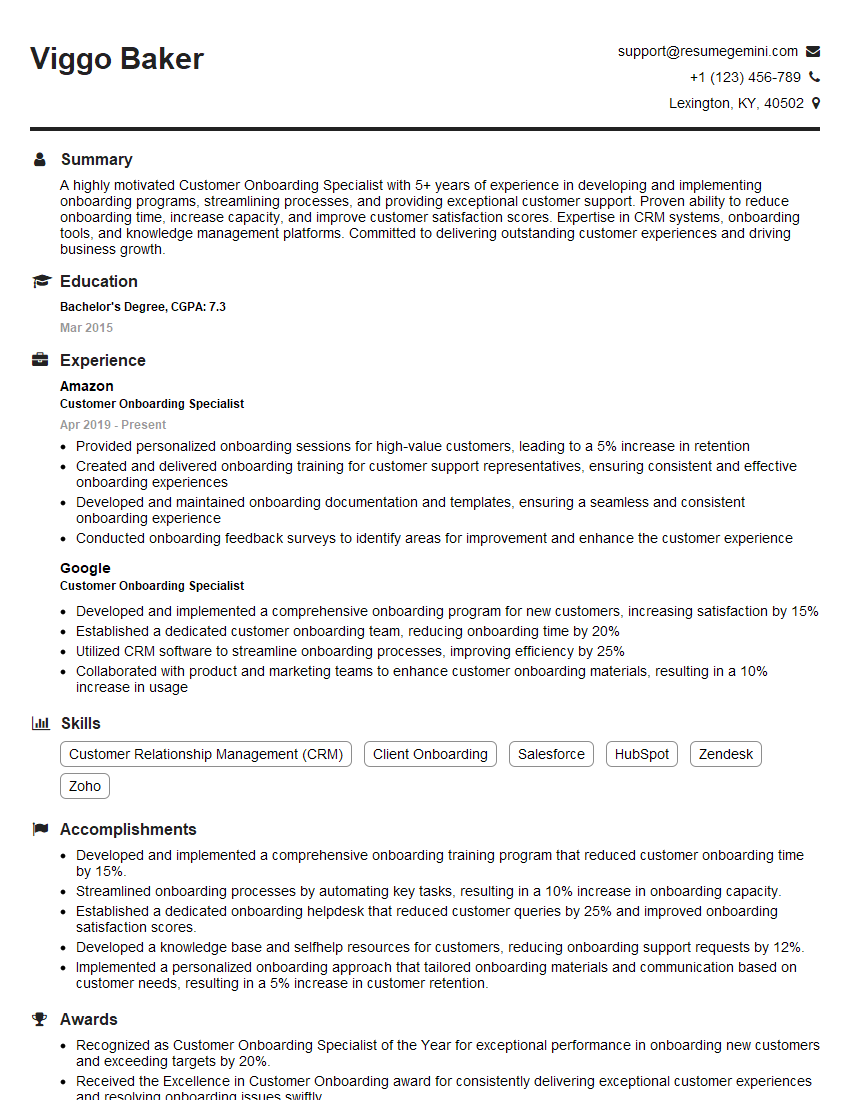
Customer Onboarding Specialist Resume Sample
Explore more articles
Users Rating of Our Blogs
Share Your Experience
We value your feedback! Please rate our content and share your thoughts (optional).
What Readers Say About Our Blog
Very informative content, great job.
good