Preparation is the key to success in any interview. In this post, we’ll explore crucial Native Plant Installation interview questions and equip you with strategies to craft impactful answers. Whether you’re a beginner or a pro, these tips will elevate your preparation.
Questions Asked in Native Plant Installation Interview
Q 1. Explain the importance of site preparation in native plant installation.
Proper site preparation is the cornerstone of a successful native plant installation. Think of it like preparing a garden bed – you wouldn’t just throw seeds onto hard-packed soil and expect a thriving garden, would you? Site preparation involves several crucial steps that ensure the plants have the best possible chance of survival and thriving.
- Soil Testing: This identifies nutrient levels, pH, and potential problems like compaction or salinity. Knowing your soil’s makeup is key to amending it properly.
- Weed Control: Existing weeds compete with young native plants for resources. Methods include thorough removal by hand, solarization (covering the soil with clear plastic to heat it), or application of pre-emergent herbicides, always choosing options that minimize harm to beneficial organisms.
- Soil Amendment: Based on soil test results, amendments like compost, organic matter, or even sand or clay may be added to improve drainage, aeration, and nutrient content. For example, sandy soils often benefit from the addition of compost to increase water retention.
- Grading and Topography: This ensures proper drainage to prevent waterlogging, which is fatal to many plants. Slight mounding around individual plants can also improve drainage.
I’ve seen firsthand how neglecting site preparation leads to poor establishment and increased plant mortality. In one project, we failed to properly amend the clay soil, resulting in slow growth and high plant loss. By contrast, in another project where we meticulously prepared the site, we achieved a 95% plant survival rate within the first year.
Q 2. Describe your experience with different soil types and their impact on native plant selection.
My experience spans a wide range of soil types, from sandy coastal dunes to heavy clay soils in the inland areas. Each soil type presents unique challenges and opportunities for native plant selection.
- Sandy Soils: These soils drain quickly, requiring drought-tolerant species. Plants like beach plum (Prunus maritima) and sea oats (Uniola paniculata) thrive in these conditions. Amendments often include compost to improve water retention.
- Clay Soils: These soils retain water, potentially leading to root rot. Species tolerant of wet conditions are needed, such as swamp milkweed (Asclepias incarnata) or cardinal flower (Lobelia cardinalis). Adding organic matter improves drainage and aeration.
- Loamy Soils: These are generally well-draining and fertile, supporting a wider variety of native plants. This ideal soil type still benefits from soil testing and may require amendments to optimize plant health.
I always conduct a thorough soil assessment before plant selection. Ignoring soil type can lead to plant failure; for example, planting a drought-sensitive species in sandy soil could lead to quick desiccation. Matching plant needs to site conditions is crucial for long-term success.
Q 3. How do you determine the appropriate spacing and density for native plant species?
Determining appropriate spacing and density depends on several factors, including the mature size of the plant, its growth habit, and the desired effect. Think of it like planning a garden – you wouldn’t plant giant sunflowers right next to delicate wildflowers.
- Mature Size: Larger plants require more space than smaller ones. Consult plant databases or nursery catalogs to determine mature size and spread.
- Growth Habit: Vining plants need support structures and may need more space to climb than compact shrubs. Consider whether the plant will spread aggressively or remain relatively contained.
- Desired Effect: A dense planting creates a quick, visually impactful effect, while a more spaced-out planting allows for greater individual plant development.
For instance, when planting a meadow, dense planting is often desirable for a quicker visual impact. However, when planting individual trees, ample spacing is required for proper root development. Careful consideration of these factors ensures a healthy and aesthetically pleasing installation.
Q 4. What are the best practices for irrigation in native plant installations?
Irrigation in native plant installations differs significantly from traditional landscaping. The goal is not to create a lush, constantly watered landscape, but rather to establish the plants and then allow them to adapt to natural rainfall patterns. Overwatering can be detrimental to native plants, potentially leading to root rot and making them more susceptible to disease and pests.
- Initial Watering: Thorough watering after planting is critical to help the roots establish. This often involves a deep, slow watering to ensure the water penetrates the root zone.
- Supplemental Watering: During periods of drought, supplemental watering might be necessary, particularly during the first growing season. This should be done deeply and infrequently, rather than frequent shallow watering.
- Drip Irrigation: This efficient method minimizes water waste and delivers water directly to the plant roots. It is a better choice than overhead sprinklers, which can lead to fungal diseases.
- Water Wisely: Always consider local rainfall patterns and adjust watering accordingly. Once established, most native plants can survive on rainfall alone.
In my experience, many projects fail because of overwatering. By mimicking natural conditions, we can create a resilient and sustainable landscape that requires minimal long-term irrigation.
Q 5. Explain the process of selecting appropriate native plant species for a given site.
Selecting appropriate native plant species requires a meticulous process that considers various ecological factors. It’s akin to assembling a jigsaw puzzle; each piece must fit perfectly into the overall picture.
- Site Assessment: This includes soil type, sun exposure, moisture levels, and microclimate (e.g., wind exposure). For example, a south-facing slope will be drier and hotter than a north-facing slope.
- Plant Database Research: Consult local plant databases and native plant societies to identify species suitable for the specific site conditions. These resources provide crucial information on growth habits, mature size, and environmental tolerances.
- Ecological Function: Consider the ecological role you want the plants to play. Do you need plants to attract pollinators, control erosion, or provide habitat for wildlife?
- Aesthetic Considerations: While ecological function is paramount, aesthetic appeal is also important. Select a mix of plants with varying textures, colors, and bloom times to create a visually appealing landscape.
For example, in a coastal restoration project, we prioritized species tolerant of salt spray and sandy soils, such as seabeach amaranth (Amaranthus pumilus). In a wetland restoration, plants like pickerelweed (Pontederia cordata) were selected for their ability to thrive in saturated soils.
Q 6. How do you handle invasive species during and after native plant installation?
Invasive species pose a significant threat to native plant communities. Handling them requires a proactive and integrated approach before, during, and after installation.
- Pre-Planting Removal: Thorough removal of invasive species before planting is essential to prevent competition. Methods include hand-pulling, mowing, or targeted herbicide application (always following label instructions and choosing methods with minimal impact on non-target species).
- Monitoring and Control During Installation: Regular monitoring during the installation process helps identify and address any invasive species that might reappear. Quick action is crucial to prevent their spread.
- Post-Planting Maintenance: Ongoing monitoring and maintenance are necessary to prevent invasive species from re-establishing. This may involve hand-pulling, targeted herbicide application, or other appropriate control methods.
- Preventative Measures: Planting dense stands of native plants can help prevent the establishment of invasive species by outcompeting them for resources.
In one project, we discovered a significant infestation of Japanese knotweed (Fallopia japonica) before planting. We implemented a multi-year control program involving careful removal and monitoring to ensure its successful eradication before installing native species.
Q 7. Describe your experience with various planting techniques (e.g., container planting, bare-root planting).
My experience encompasses various planting techniques, each suited to different situations and plant types. The choice of technique impacts the success rate and efficiency of the installation.
- Container Planting: This is generally the most successful method, especially for larger plants or plants with established root systems. Plants in containers can be planted year-round, offering flexibility. Properly removing the plant from the container without damaging the roots is crucial for success.
- Bare-Root Planting: This method is more cost-effective and suitable for smaller plants, particularly trees and shrubs. It requires careful handling to avoid damaging the roots, and success depends on proper planting techniques and timely watering.
- Seed Planting: This method is suitable for certain native species and can be very cost-effective for large-scale projects. However, it requires more patience and careful site preparation, as germination and seedling establishment can take time.
- Plug Planting: Small plants grown in small cells, plugs offer a balance between cost and ease of handling.
The choice of technique often depends on budget, project scale, and plant availability. I have successfully employed each of these methods, adapting my technique to the specific species and site conditions.
Q 8. What are the common challenges faced during native plant installation, and how do you overcome them?
Native plant installation presents unique challenges. One major hurdle is site preparation. Improper soil amendment can lead to poor establishment. For instance, using overly enriched soil can create dependency and prevent plants from adapting to the natural conditions. Another significant challenge is competition from invasive weeds. These aggressive plants quickly outcompete young native seedlings, hindering growth. Selecting the right species for the specific site conditions (sun exposure, soil type, moisture) is also crucial; choosing plants unsuitable for the environment leads to failure. Finally, unpredictable weather events, such as droughts or intense rainfall, can significantly affect the survival rate of newly planted natives.
To overcome these, I meticulously analyze the site’s characteristics before starting any work. Soil testing helps determine its composition and pH, guiding the appropriate amendments. We use pre-emergent herbicides to control weeds before planting, and we employ mulch around the plants to suppress further weed growth. Species selection is guided by careful research and consultation with local experts to ensure a high survival rate. Finally, water conservation techniques, such as deep watering less frequently, help plants withstand droughts, and proper drainage management mitigates waterlogging.
Q 9. How do you ensure the long-term success and sustainability of a native plant installation?
Long-term success hinges on several key factors. First, proper site preparation and species selection, as discussed earlier, are fundamental. Post-installation monitoring is equally important to detect and address issues promptly. Regular weeding prevents competition and allows natives to establish a strong root system. Proper watering, especially during establishment, is crucial. It’s important to avoid overwatering, which can lead to root rot. We also create a maintenance plan that includes regular pruning, mulching, and addressing any pest or disease issues that might arise. Finally, understanding and managing the potential impacts of future climate change is crucial. This might involve selecting drought-tolerant species or implementing strategies for water conservation.
For example, in a recent project, we established a long-term monitoring program. We photographed the site at regular intervals and recorded observations on plant health, weed pressure, and overall site condition. This detailed documentation enables us to track progress, identify challenges, and make informed decisions about ongoing maintenance.
Q 10. Describe your experience with native plant propagation techniques.
I’m experienced in various propagation techniques, including seed sowing, cuttings, and division. Seed sowing is cost-effective for mass production, but germination rates can be unpredictable and require specific conditions. Cuttings, such as stem cuttings or leaf cuttings, are effective for vegetative propagation, preserving the exact genetic makeup of the mother plant and often resulting in quicker establishment. Division involves separating established plants into smaller sections, which can be replanted. This is particularly useful for clump-forming perennials.
For example, I’ve successfully propagated several species of native wildflowers from seed, carefully stratifying seeds that require cold treatment to break dormancy before sowing. I’ve also successfully propagated shrubs through hardwood cuttings, taken during the dormant season. Choosing the appropriate technique depends on the plant species and the desired quantity of plants.
Q 11. How do you monitor the health and growth of native plants after installation?
Monitoring is ongoing and involves regular site visits. I typically assess plant health through visual inspections, noting signs of stress such as wilting, discoloration, or pest infestation. Measurements of height and canopy spread are taken to track growth rates. Soil moisture levels are checked regularly, especially during dry periods. Detailed records are kept, which includes photographic documentation and field notes.
Early detection of problems is crucial. For example, if we notice widespread wilting, we investigate potential causes such as insufficient watering, pest infestation, or disease. This data-driven approach helps us to adapt management practices and ensure the long-term health of the installation.
Q 12. What are the different methods for controlling weeds in native plant installations?
Weed control in native plant installations requires a holistic approach prioritizing minimal impact on native plants. Hand weeding is labor-intensive but effective, particularly during the early stages of establishment. Mulching helps suppress weed growth by blocking sunlight. Targeted herbicide application, using pre-emergent or post-emergent herbicides carefully chosen for their selectivity, can be effective but requires careful consideration to avoid harming native plants. Biological controls, such as introducing specific insects that feed on target weeds, can be used but require expertise and careful planning.
I avoid blanket herbicide application, favoring targeted treatment to minimize environmental impact and protect the native plants. A combination of these methods is frequently employed for optimal results.
Q 13. How do you incorporate erosion control measures in native plant installations?
Erosion control is crucial, especially on slopes or disturbed areas. Native plants play a vital role in stabilizing soil and preventing erosion. I often use a combination of techniques, including planting dense groundcovers to protect the soil surface and using erosion control blankets or mats to temporarily stabilize the soil while native plants establish. Proper grading and contouring the land, following natural drainage patterns, helps to minimize runoff. In addition, the establishment of a robust root system by the native plants offers long-term protection from erosion. The selection of deep-rooted species is critical in this approach.
For instance, in a project on a steep slope, we used a combination of erosion control blankets and strategically planted native grasses and shrubs with extensive root systems to quickly stabilize the soil.
Q 14. What are your preferred sources for obtaining native plant materials?
My preferred sources are reputable local nurseries specializing in native plants. These nurseries are knowledgeable about the local ecotype (locally adapted varieties), ensuring the plants are well-suited to the specific site conditions. I also work with native plant societies and conservation organizations that often have propagation programs. In some cases, I may collect seeds from local populations, ensuring genetic diversity but following responsible harvesting practices and obtaining necessary permits. It’s vital to source plants that are free of diseases and pests.
Choosing local sources ensures plant hardiness and reduces the risk of introducing invasive species or diseases. It also supports local businesses and conservation efforts.
Q 15. Explain your understanding of different plant guilds and their application in design.
Plant guilds are groups of plants that naturally grow together, benefiting from each other’s presence. Understanding these guilds is crucial for creating thriving, low-maintenance native plant installations. Instead of viewing plants in isolation, we consider their relationships – how they interact in terms of water needs, nutrient uptake, soil improvement, and pest or disease resistance.
- Example: A prairie guild might include tall grasses (providing structure and shade), mid-height flowering plants (attracting pollinators), and short groundcovers (suppressing weeds). The tall grasses reduce soil evaporation, benefiting the other plants. The flowering plants attract beneficial insects that help control pests.
- Application in Design: By understanding guilds, I can design landscapes that are resilient, diverse, and require less intervention. For example, placing nitrogen-fixing plants near nutrient-hungry species reduces the need for fertilizers. Combining deep-rooted and shallow-rooted plants improves water infiltration and nutrient cycling.
- Another Example: In a woodland setting, a guild could include shade-tolerant ferns and wildflowers under a canopy of trees, utilizing the dappled sunlight and organic matter efficiently.
Career Expert Tips:
- Ace those interviews! Prepare effectively by reviewing the Top 50 Most Common Interview Questions on ResumeGemini.
- Navigate your job search with confidence! Explore a wide range of Career Tips on ResumeGemini. Learn about common challenges and recommendations to overcome them.
- Craft the perfect resume! Master the Art of Resume Writing with ResumeGemini’s guide. Showcase your unique qualifications and achievements effectively.
- Don’t miss out on holiday savings! Build your dream resume with ResumeGemini’s ATS optimized templates.
Q 16. How do you maintain accurate records and documentation throughout a project?
Maintaining accurate records is critical for project success and future reference. I utilize a combination of digital and physical methods. This starts with a detailed initial site assessment, including soil testing reports and photographs. Plant lists, including species, quantities, and source information, are meticulously documented. I use a project management software to track the progress of each phase, from initial design and planting to ongoing maintenance schedules. This system allows for real-time updates and easy sharing of information with the client and the team. Physical records, such as plant tags and maintenance logs, are kept on-site and regularly updated.
For example, I utilize a spreadsheet to track plant health and address any issues promptly. I take before-and-after photographs to showcase project progress and demonstrate the effectiveness of the native plant installation.
Q 17. Describe your experience working with different types of native plant communities (e.g., prairie, woodland, wetland).
My experience encompasses various native plant communities. Working with prairie ecosystems involves understanding the unique needs of grasses, forbs (non-grass flowering plants), and wildflowers. This includes careful consideration of soil composition, sunlight exposure, and fire management (prescribed burns for example). Woodland projects require knowledge of shade-tolerant species, understory plants, and their interaction with the trees. In wetland restoration, I have experience working with species adapted to varying water levels, creating habitats for amphibians and aquatic life while managing water flow and drainage.
- Prairie Example: I recently completed a project that involved restoring a degraded prairie. This required extensive soil testing, weed control, and careful selection of native grasses and forbs based on the site’s specific conditions.
- Woodland Example: In a woodland setting, my approach involves careful consideration of the existing tree canopy and understory plants before introducing new species. The goal is to enhance the biodiversity of the existing ecosystem, rather than replacing it.
Q 18. What is your understanding of sustainable landscaping practices?
Sustainable landscaping prioritizes ecological balance and resource efficiency. It involves minimizing environmental impact, reducing water consumption, and promoting biodiversity. Key aspects include selecting drought-tolerant native plants, minimizing the use of chemical fertilizers and pesticides, using organic mulches, and employing water-wise irrigation techniques. Water conservation is paramount; utilizing rainwater harvesting or greywater systems are excellent examples.
For instance, using native plants drastically reduces the need for fertilizers, pesticides, and supplemental watering. Additionally, selecting plants appropriate for the microclimate ensures the installation thrives without excessive inputs.
Q 19. How do you handle unexpected challenges or changes during a project?
Unexpected challenges are inevitable. My approach is proactive, involving thorough pre-planning and contingency measures. This includes having backup plant species in case of shortages or unforeseen site conditions. Open communication with the client is essential to address any issues promptly and adjust the plan as needed.
Example: If unexpected soil compaction is discovered, I might incorporate techniques like soil aeration or amendment to improve drainage and root growth. Similarly, if certain plant species fail to thrive, I can adapt by replacing them with similar, more suitable alternatives, keeping the overall design vision intact.
Q 20. Explain your experience with using different types of planting equipment.
My experience includes using various planting equipment, ranging from hand tools for smaller projects to larger machinery for extensive installations. I am proficient in using shovels, spades, augers, and planting bars for manual planting. For larger projects, I’m experienced with using tractors, tillers, and specialized equipment for precise planting in large areas. The choice of equipment depends on the project scale, site access, and soil conditions. Safety is always my top priority, and I ensure all equipment is properly maintained and operated according to safety regulations.
Q 21. Describe your knowledge of local regulations and permits related to native plant installations.
Knowledge of local regulations is crucial for compliance. This includes understanding zoning ordinances, water usage restrictions, and permits required for planting near wetlands or protected areas. I stay updated on any changes in local regulations and always obtain the necessary permits before commencing any project. This may involve working with local conservation agencies or environmental departments to ensure the project aligns with environmental protection laws and regulations.
Example: In some regions, permits might be required for altering waterways or planting within specific buffer zones. I ensure that all necessary paperwork is completed and submitted well in advance to avoid delays. I also have a clear understanding of the invasive species regulations in my area, ensuring that only native plants are used to avoid any negative impact on the local ecosystem.
Q 22. How do you communicate effectively with clients and other stakeholders?
Effective communication is the cornerstone of any successful native plant installation project. I prioritize clear, concise, and accessible communication with clients, contractors, and other stakeholders. This begins with an initial consultation where I actively listen to their vision, understanding their needs and expectations regarding aesthetics, budget, and maintenance. I then translate their vision into a detailed plan, using visuals like sketches and plant renderings to demonstrate the final look and feel. Throughout the project, I maintain regular contact, providing updates on progress, addressing concerns promptly, and offering transparent explanations of any challenges or adjustments. For example, if unforeseen soil conditions are encountered, I’ll explain the implications and propose solutions, involving the client in decision-making to ensure their continued satisfaction. Post-installation, I offer ongoing support through follow-up visits and readily available communication channels to ensure the long-term health and success of the planting.
Q 23. How do you adapt your installation techniques to different site conditions (e.g., slope, drainage, sunlight)?
Adapting to varied site conditions is crucial for a thriving native plant installation. My approach is multifaceted and begins with a thorough site assessment. This involves analyzing factors such as slope, drainage, sunlight exposure, soil type, and existing vegetation. For example, a steep slope requires specialized techniques like terracing or using erosion control blankets to prevent soil loss. Poor drainage necessitates the incorporation of amended soil mixes and potentially the installation of drainage systems. Areas with limited sunlight will be planted with shade-tolerant natives. Soil testing helps determine nutrient deficiencies and guides the selection of appropriate amendments. I meticulously select plant species based on these site-specific conditions, ensuring they will flourish in the given environment. For instance, I wouldn’t plant sun-loving coneflowers in a heavily shaded area; instead, I would opt for shade-tolerant species like wild ginger. The success of the installation relies heavily on this careful consideration of the unique circumstances of each site.
Q 24. Describe your understanding of the ecological benefits of native plant installations.
Native plant installations offer a wealth of ecological benefits. They support biodiversity by providing habitat and food sources for local insects, birds, and other wildlife. This contrasts sharply with non-native plants, which often lack the same ecological value. Native plants also enhance soil health through their deep root systems, improving water infiltration and reducing erosion. They require less water and fertilizers, promoting sustainable landscaping practices and reducing our environmental footprint. For example, a native prairie planting can drastically reduce stormwater runoff compared to a lawn, benefiting both the local ecosystem and mitigating flooding. Furthermore, native plants are naturally adapted to local climate conditions, making them more resilient to pests and diseases and requiring less maintenance. They contribute to the overall ecological integrity of the area, creating a more sustainable and vibrant landscape.
Q 25. What is your experience with post-installation maintenance and care?
Post-installation maintenance is key to ensuring the long-term success of a native plant installation. My approach involves a phased maintenance plan, tailored to the specific species and site conditions. Initial care includes regular watering to establish the plants, especially during dry periods. Weeding is crucial in the first year to prevent competition from invasive species. I also monitor for any signs of disease or pest infestations, implementing appropriate control measures promptly. After the first growing season, maintenance shifts to a more sustainable model. This may involve occasional pruning, mulching to retain moisture and suppress weeds, and monitoring for overall health. I typically provide clients with a detailed maintenance schedule and offer ongoing consultations to address any concerns. A recent project involved a community garden where we established a series of bi-monthly maintenance visits for the first year to ensure the plants thrived. This proactive approach dramatically increased survival rates and community engagement.
Q 26. How do you ensure plant health and prevent disease or pest infestations?
Preventing disease and pest infestations is paramount in ensuring plant health. This begins with selecting healthy, disease-free plants from reputable nurseries. Proper site preparation, including soil amendment and weed control, minimizes stress on the plants, making them more resistant to pests and diseases. Diversifying the plant species helps prevent widespread outbreaks, as a pest targeting one species is unlikely to affect all. Regular monitoring allows for early detection of problems. If infestations occur, I employ integrated pest management (IPM) strategies, prioritizing less-toxic methods such as introducing beneficial insects or using organic pest controls. Only when absolutely necessary do I resort to chemical treatments, always following label instructions carefully and selecting the least harmful option. For example, using neem oil for aphid control is far preferable to broad-spectrum insecticides. Proactive monitoring and a holistic approach to plant health ensure a thriving, resilient landscape.
Q 27. Describe your experience working in a team environment on native plant installation projects.
Teamwork is essential for large-scale native plant installations. I value collaboration and communication within the team, ensuring everyone is informed and working towards the same goal. Before starting a project, I clearly define roles and responsibilities, fostering a clear understanding of individual contributions. On-site, I ensure open communication and a safe working environment. This often includes daily briefings to coordinate activities and address any challenges that arise. I actively involve team members in decision-making, leveraging their expertise and ensuring everyone feels valued. For example, on a recent project, a junior team member identified a potential drainage issue, and their input was instrumental in preventing future problems. This collaborative approach promotes efficiency, problem-solving, and a shared sense of accomplishment, ultimately resulting in a high-quality installation.
Key Topics to Learn for Native Plant Installation Interview
- Site Assessment and Planning: Understanding soil types, sun exposure, drainage, and microclimates; creating planting plans based on site conditions and client needs.
- Plant Selection and Sourcing: Choosing appropriate native species based on ecological considerations and aesthetic goals; understanding sourcing practices for responsible plant procurement.
- Soil Preparation and Amendment: Techniques for improving soil structure, fertility, and drainage; addressing soil compaction and other site challenges.
- Planting Techniques: Proper planting methods for different plant types and sizes; minimizing transplant shock and ensuring successful establishment.
- Irrigation and Mulching: Establishing effective irrigation systems; using mulch to conserve moisture, suppress weeds, and regulate soil temperature.
- Weed Control and Pest Management: Implementing integrated pest management strategies; utilizing organic and sustainable weed control methods.
- Maintenance and Long-Term Care: Developing post-installation care plans; addressing common challenges like disease, drought, and invasive species.
- Safety Procedures and Regulations: Adhering to relevant safety standards and regulations; proper handling of tools and materials.
- Sustainable Practices: Incorporating environmentally friendly approaches throughout the installation process; minimizing impact on surrounding ecosystems.
- Project Management and Communication: Working effectively with clients and contractors; managing timelines and budgets efficiently.
Next Steps
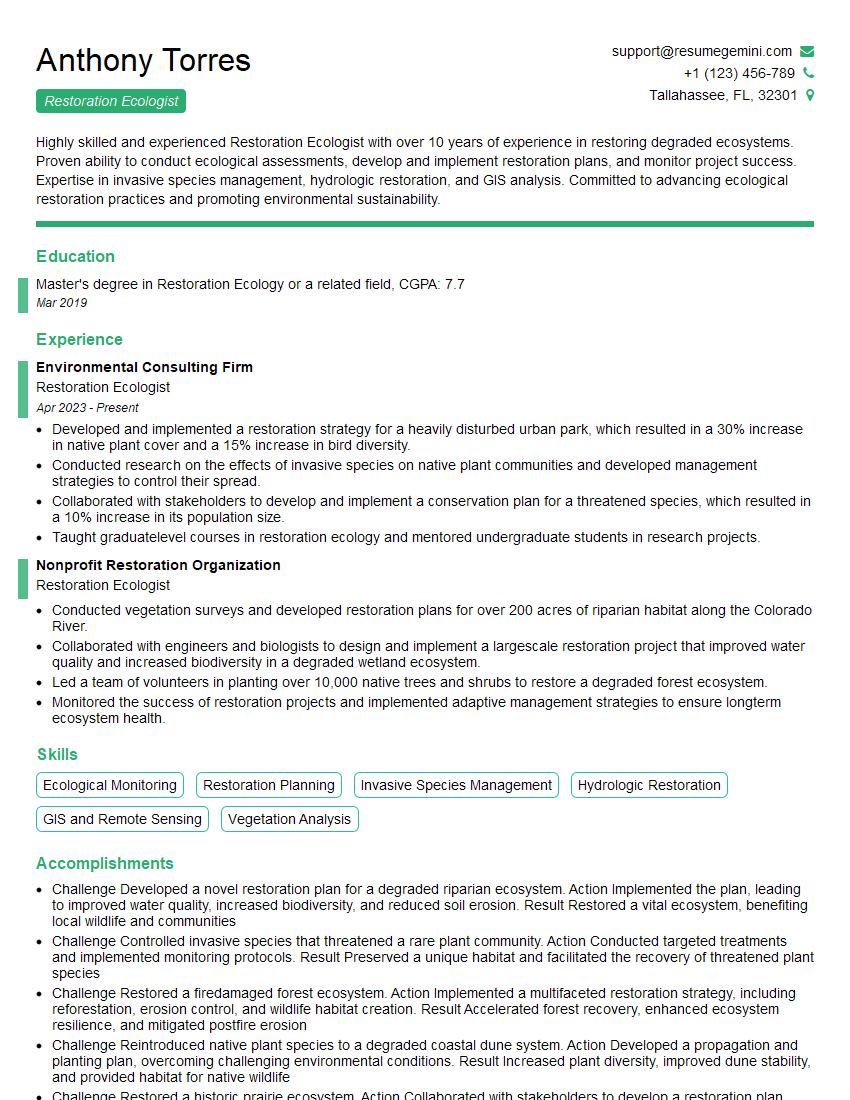
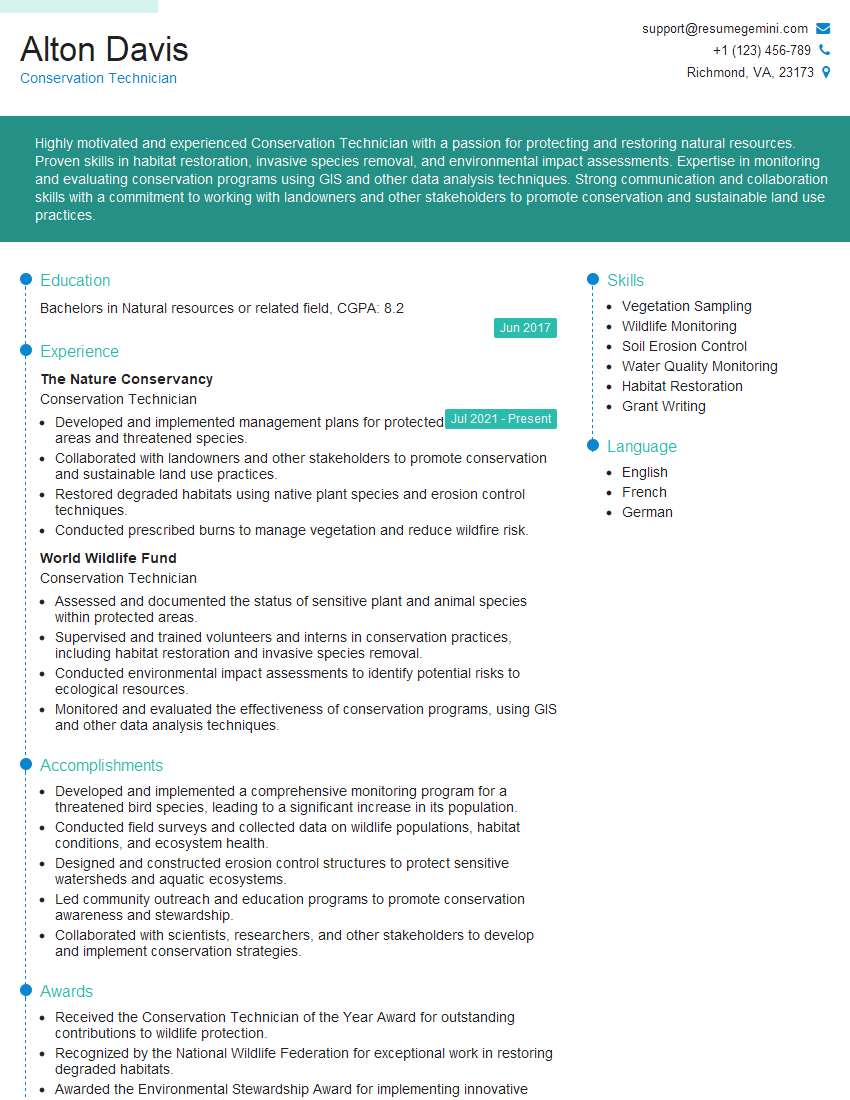
Mastering Native Plant Installation opens doors to a rewarding career in ecological restoration, landscaping, and horticulture. A strong foundation in these skills is highly sought after by employers seeking environmentally conscious and skilled professionals. To maximize your job prospects, create an ATS-friendly resume that clearly showcases your abilities. ResumeGemini is a trusted resource for building professional resumes that get noticed. Leverage its tools and templates to craft a compelling resume, and find examples tailored specifically to Native Plant Installation to further enhance your application.
Explore more articles
Users Rating of Our Blogs
Share Your Experience
We value your feedback! Please rate our content and share your thoughts (optional).
What Readers Say About Our Blog
Very informative content, great job.
good