Every successful interview starts with knowing what to expect. In this blog, we’ll take you through the top Drug Interactions interview questions, breaking them down with expert tips to help you deliver impactful answers. Step into your next interview fully prepared and ready to succeed.
Questions Asked in Drug Interactions Interview
Q 1. Explain the concept of pharmacokinetic and pharmacodynamic drug interactions.
Pharmacokinetic (PK) and pharmacodynamic (PD) interactions are two fundamental ways drugs can affect each other. Think of PK as ‘what the body does to the drug’ and PD as ‘what the drug does to the body.’
Pharmacokinetic interactions affect the absorption, distribution, metabolism, and excretion (ADME) of a drug. For example, one drug might slow down the absorption of another, leading to lower blood levels and reduced effectiveness. Or, a drug could inhibit the metabolism of another, causing increased blood levels and potentially toxicity.
Pharmacodynamic interactions involve the drugs’ effects on the body’s physiological processes. Two drugs acting on the same receptor might have additive (1+1=2), synergistic (1+1>2), or antagonistic (1+1<2) effects. For example, two blood pressure medications might synergistically lower blood pressure more than the sum of their individual effects. Or, one drug might counteract the effect of another.
Understanding both PK and PD interactions is crucial for predicting and managing potential adverse drug events.
Q 2. Describe the role of cytochrome P450 enzymes in drug metabolism and interactions.
Cytochrome P450 (CYP450) enzymes are a large family of liver enzymes primarily responsible for metabolizing drugs. Many drugs are substrates, meaning they are metabolized by CYP450 enzymes, while others are inducers or inhibitors.
Inducers increase the activity of CYP450 enzymes, leading to faster metabolism of other drugs. This can result in reduced blood levels and decreased effectiveness of the drugs metabolized by those enzymes. For example, rifampin, an antibiotic, is a strong inducer of several CYP450 enzymes.
Inhibitors decrease the activity of CYP450 enzymes, slowing down the metabolism of other drugs. This can lead to increased blood levels and a risk of toxicity. Grapefruit juice, for example, inhibits some CYP450 enzymes, potentially increasing blood levels of several medications like statins.
Understanding the CYP450 enzyme system is vital in anticipating drug interactions. A patient taking multiple medications that interact with the same CYP450 enzymes needs careful monitoring to avoid both inefficacy and toxicity.
Q 3. What are the major drug interaction resources you utilize?
Several resources are invaluable for identifying potential drug interactions. These include:
- Micromedex: A comprehensive database providing detailed information on drugs, including interactions, contraindications, and adverse effects.
- Lexicomp: Another widely-used clinical decision support tool offering similar information as Micromedex.
- UpToDate: This resource provides evidence-based clinical information, including summaries of drug interactions and their management.
- Pharmaceutical package inserts: The official labeling of prescription and over-the-counter medications often lists known interactions.
I utilize a combination of these resources to ensure a thorough assessment of potential drug interactions, taking into account the specific patient’s medication profile and health conditions.
Q 4. How do you assess a patient’s risk for drug interactions?
Assessing a patient’s risk for drug interactions is a multi-faceted process. I start with a comprehensive medication review, including prescription, over-the-counter, and herbal medications.
Key factors I consider include:
- Polypharmacy: Patients taking many medications have a significantly higher risk of drug interactions.
- Age: Elderly patients often have altered pharmacokinetics and are more susceptible to adverse events.
- Comorbidities: Certain diseases, such as liver or kidney disease, can impact drug metabolism and excretion, increasing the risk of interactions.
- Genetics: Genetic variations can affect drug metabolism and response, leading to individual differences in susceptibility to interactions.
- Use of herbal supplements and dietary supplements: These products can interact with medications in unpredictable ways.
By considering these factors and utilizing the drug interaction resources, I create a risk profile for each patient, guiding my monitoring and management strategies. For high-risk patients, I might implement more frequent monitoring of blood levels or clinical parameters.
Q 5. Explain the difference between additive, synergistic, and antagonistic drug interactions.
These terms describe the combined effects of two or more drugs:
- Additive effect: The combined effect is equal to the sum of the individual effects (1+1=2). Example: Two different pain relievers with similar mechanisms might provide additive pain relief.
- Synergistic effect: The combined effect is greater than the sum of the individual effects (1+1>2). Example: Combining aspirin and clopidogrel, two antiplatelet agents, provides a synergistic effect in preventing blood clots, more effective than either drug alone.
- Antagonistic effect: One drug reduces or completely blocks the effect of another (1+1<2). Example: Naloxone, an opioid antagonist, can reverse the effects of morphine or other opioid analgesics.
Understanding these interactions is critical to ensure safe and effective polypharmacy. For instance, prescribing two drugs with antagonistic effects might render one of them ineffective, while a synergistic effect can potentially cause toxicity.
Q 6. Discuss the clinical significance of drug-food interactions.
Drug-food interactions can significantly impact drug absorption, metabolism, and overall effectiveness. Certain foods can alter gastric pH, affecting drug absorption. For instance, taking tetracycline with dairy products reduces its absorption due to chelation.
Some foods are rich in compounds that induce or inhibit CYP450 enzymes, thereby affecting drug metabolism. Grapefruit juice, as mentioned before, is a prime example, inhibiting several CYP450 enzymes.
Foods containing tyramine, like aged cheeses and cured meats, should be avoided by patients on monoamine oxidase inhibitors (MAOIs) to prevent potentially dangerous hypertensive crises.
Clinically, these interactions can lead to subtherapeutic drug levels, requiring dose adjustments, or even toxicity due to increased drug concentrations. Thorough dietary counseling is often necessary for patients prone to drug-food interactions.
Q 7. Describe the process of identifying and managing potential drug interactions.
Identifying and managing potential drug interactions involves a systematic approach:
- Comprehensive medication review: Obtain a detailed list of all medications, including prescription, over-the-counter drugs, and herbal supplements.
- Utilize drug interaction resources: Consult resources like Micromedex, Lexicomp, or UpToDate to identify potential interactions between the medications.
- Assess patient-specific risk factors: Consider factors like age, comorbidities, and genetics to evaluate the likelihood and severity of potential interactions.
- Evaluate the clinical significance of potential interactions: Not all identified interactions are clinically significant. Consider the magnitude of the interaction and its potential impact on the patient’s health.
- Implement appropriate management strategies: Strategies include adjusting drug doses, changing the medication regimen, monitoring drug levels, or providing patient education on potential side effects and interactions. This might involve switching to alternative medications with fewer interactions.
- Monitor for adverse events: Closely monitor the patient for any adverse effects following the initiation or modification of medications.
This iterative process requires ongoing vigilance and proactive management to ensure safe and effective medication therapy for the patient.
Q 8. What are some common examples of clinically significant drug interactions?
Clinically significant drug interactions occur when the effects of one drug are altered by another, leading to either a decreased therapeutic effect or an increased risk of adverse events. These interactions can range from mild to life-threatening. They often involve multiple mechanisms, and predicting them can be challenging.
Grapefruit juice and statins: Grapefruit juice inhibits a key enzyme (CYP3A4) in the liver and gut that metabolizes many drugs, including statins. This inhibition can lead to significantly elevated statin blood levels, increasing the risk of muscle damage (myopathy).
Warfarin and NSAIDs: Nonsteroidal anti-inflammatory drugs (NSAIDs) like ibuprofen can increase the risk of bleeding in patients taking warfarin, a blood thinner. Both drugs affect blood clotting, and their combined effect can be dangerous.
Opioids and benzodiazepines: Combining opioids (like morphine or oxycodone) and benzodiazepines (like diazepam or alprazolam) significantly increases the risk of respiratory depression, potentially leading to death. Both drug classes depress the central nervous system.
Monoamine oxidase inhibitors (MAOIs) and tyramine-rich foods: MAOIs are antidepressants that can interact dangerously with tyramine-rich foods (e.g., aged cheese, cured meats). This interaction can cause a hypertensive crisis, a dangerously high blood pressure.
Q 9. How do you handle a situation where a patient is experiencing suspected drug interaction symptoms?
Suspected drug interaction symptoms require immediate and careful assessment. The first step is to thoroughly review the patient’s medication list, including over-the-counter drugs, herbal supplements, and even common foods that can interact. This process often involves medication reconciliation. I would then focus on identifying the potential culprit drugs.
Next, I would assess the patient’s symptoms and compare them to the known adverse effects of the involved medications. This may require further investigation through blood tests or other diagnostic tools to rule out other causes.
Depending on the severity of the symptoms and the suspected interaction, I might consider:
- Immediately stopping the suspected interacting drug (or drugs), preferably with the guidance of a pharmacist and/or a toxicology specialist.
- Initiating supportive care to address the symptoms.
- Consulting with a specialist, such as a clinical pharmacologist or toxicologist, for advice.
- Adjusting the dosage of one or both drugs.
- Switching to alternative medications that are less likely to interact.
Q 10. What are the key considerations when prescribing drugs to patients with multiple comorbidities?
Prescribing for patients with multiple comorbidities requires a meticulous approach. The potential for drug interactions increases exponentially with each added medication.
Key considerations include:
- Comprehensive medication review: A thorough review of all medications, both prescription and over-the-counter, is essential to identify potential interactions. This should also include herbal remedies and supplements.
- Prioritization of therapies: Consider which conditions are most critical and prioritize medications that address those needs. Sometimes, less critical medications may need to be omitted or replaced.
- Understanding drug metabolism: Age, kidney function, liver function, and genetic factors influence how the body processes medications. These factors should be considered to adjust dosages and select suitable medications.
- Patient-specific considerations: Patient preferences, allergies, and prior experiences should also be incorporated into decision-making.
- Utilization of resources: Use clinical decision support systems and electronic health records to check for drug interactions and contraindications.
- Regular monitoring: Closely monitor patients for signs of adverse drug events, adjusting therapy as needed.
Q 11. Explain the importance of patient education in mitigating drug interactions.
Patient education is paramount in mitigating drug interactions. Patients need to understand their medications, potential side effects, and crucial interactions.
Effective strategies for patient education include:
- Clear and concise explanations: Use plain language to avoid medical jargon.
- Written instructions: Provide written instructions reinforcing the verbal explanations.
- Medication reconciliation: Involve patients in the process of reviewing their medication list to ensure accuracy.
- Interactive tools: Utilize medication interaction checkers, pill organizers, and apps to increase patient engagement.
- Follow-up appointments: Schedule follow-up appointments to monitor progress and address any concerns.
- Empowerment: Encourage patients to actively participate in their own care by asking questions and reporting any unusual side effects.
Q 12. How do you stay updated on the latest information regarding drug interactions?
Staying current on drug interaction information is vital for safe and effective prescribing. I utilize several strategies:
- Reputable medical journals: I regularly read high-impact medical journals like the New England Journal of Medicine and the Lancet for updates on new research and clinical trials.
- Pharmaceutical reference databases: Databases like Micromedex and Lexicomp provide comprehensive drug information, including interaction alerts.
- Professional organizations: Active membership in professional organizations such as the American Society of Health-System Pharmacists (ASHP) provides access to continuing education opportunities, guidelines, and newsletters.
- Continuing medical education (CME): I participate in CME courses specifically focused on pharmacotherapy and drug interactions to remain updated.
- FDA alerts and updates: The Food and Drug Administration (FDA) regularly releases safety alerts and updates regarding drugs. Staying abreast of these is critical.
Q 13. Describe your experience with medication reconciliation and its importance in preventing drug interactions.
Medication reconciliation is a crucial process that involves comparing a patient’s current medication list with the medications they are prescribed and taking. This process is pivotal in preventing drug interactions and medication errors.
My experience involves actively participating in medication reconciliation at every patient encounter. This includes:
- Gathering information from all sources: This includes asking patients about their medications (prescription and over-the-counter), reviewing their charts, contacting their previous healthcare providers, and verifying information with pharmacies.
- Identifying discrepancies: Comparing the collected information to identify any differences or discrepancies between prescribed medications and the medications the patient is actually taking.
- Clarifying discrepancies: Addressing any inconsistencies by confirming dosages, frequency, and the rationale for the medications.
- Documenting findings: Meticulously documenting all medications, including dosages, routes, and frequencies, along with any identified discrepancies or adjustments.
- Collaborating with the healthcare team: Sharing findings with pharmacists, nurses, and other healthcare professionals to ensure coordinated care and prevent medication errors.
Q 14. Explain the role of genetics in drug metabolism and its impact on drug interactions.
Genetics play a significant role in drug metabolism, influencing how individuals respond to medications and impacting drug interactions. Variations in genes encoding drug-metabolizing enzymes (like CYP450 enzymes) can lead to differences in drug metabolism rates. Some individuals are ‘fast metabolizers’, while others are ‘slow metabolizers’.
This genetic variability can:
- Alter drug efficacy: Fast metabolizers may require higher doses for therapeutic effect, whereas slow metabolizers may experience increased side effects at standard doses.
- Increase the risk of drug interactions: If one drug affects the activity of a drug-metabolizing enzyme, it can significantly impact the metabolism of another drug simultaneously administered, potentially leading to toxicity or treatment failure.
- Influence individual responses to treatment: Genetic factors contribute to the variability in response to many drugs, making personalized medicine an essential concept.
Q 15. How do you interpret drug interaction information from different sources (e.g., Micromedex, Lexicomp)?
Interpreting drug interaction information from different sources like Micromedex and Lexicomp requires a critical and systematic approach. Both are reputable databases, but their presentation and level of detail can vary. I begin by looking at the severity of the interaction, typically categorized as major, moderate, minor, or no interaction. Each database uses slightly different criteria, so understanding their specific scales is crucial. For example, a ‘major’ interaction in one database might be a ‘moderate’ in another.
Next, I examine the mechanism of the interaction. Is it pharmacokinetic (affecting absorption, distribution, metabolism, or excretion – ADME) or pharmacodynamic (affecting the drug’s action at the site of action)? Understanding the mechanism helps me predict the clinical consequences. Finally, I look for specific recommendations – dosage adjustments, alternative medications, or monitoring parameters. I always cross-reference the information from multiple sources to ensure consistency and completeness. Discrepancies necessitate further investigation, perhaps by consulting primary literature or contacting a pharmacist specializing in drug information.
Think of it like reading reviews for a product: several good reviews might give you confidence, but if one review mentions a major defect, you investigate further. Similarly, conflicting reports on drug interactions need careful evaluation before you make a decision.
Career Expert Tips:
- Ace those interviews! Prepare effectively by reviewing the Top 50 Most Common Interview Questions on ResumeGemini.
- Navigate your job search with confidence! Explore a wide range of Career Tips on ResumeGemini. Learn about common challenges and recommendations to overcome them.
- Craft the perfect resume! Master the Art of Resume Writing with ResumeGemini’s guide. Showcase your unique qualifications and achievements effectively.
- Don’t miss out on holiday savings! Build your dream resume with ResumeGemini’s ATS optimized templates.
Q 16. What is your approach to resolving a conflicting recommendation regarding drug interaction?
Resolving conflicting drug interaction recommendations requires a structured approach. I begin by reviewing the evidence base for each recommendation. Are the recommendations based on well-designed clinical trials, case reports, or expert opinion? Studies with robust methodologies carry more weight. I then consider the patient’s specific clinical context – age, comorbidities, other medications, and renal or hepatic function. A recommendation that might be appropriate for one patient might be contraindicated for another.
If the conflict remains, I consult additional resources, such as clinical practice guidelines or contacting a specialist like a clinical pharmacist or toxicologist. Finally, I document the conflict, the rationale for my chosen course of action, and the potential risks and benefits. It’s crucial to maintain clear and transparent documentation to ensure patient safety and facilitate communication among healthcare providers.
For instance, if one database suggests avoiding a particular combination while another suggests close monitoring, I might opt for close monitoring while also justifying my decision based on the patient’s specific condition and the available evidence. It’s a decision-making process, not a simple yes/no answer.
Q 17. How would you counsel a patient on the potential interactions of their medications?
Patient counseling on drug interactions requires clear, concise, and empathetic communication. I start by assessing the patient’s understanding of their medications and their ability to understand complex information. I then explain the potential interactions in simple, non-technical language, using analogies whenever possible. For example, instead of saying ‘pharmacokinetic interaction,’ I might explain that one drug affects how the body processes another.
I provide specific examples of potential side effects or consequences. If there’s a risk of serious interaction, I emphasize the need for close monitoring. I provide written instructions and encourage the patient to ask questions. I also address the patient’s concerns and anxieties, reassuring them that many drug interactions are manageable with proper precautions. Finally, I emphasize the importance of informing all healthcare providers about all their medications, including over-the-counter drugs and supplements.
Imagine explaining to a patient that combining two medications is like mixing chemicals: sometimes it creates a harmless solution, other times it can be explosive. By using simple analogies, you can make complex information accessible.
Q 18. Discuss the importance of documenting drug interactions and the details to include in the documentation.
Documenting drug interactions is paramount for patient safety and continuity of care. Thorough documentation minimizes errors and promotes effective communication among healthcare providers. The documentation should include the following details:
- The names and doses of the interacting medications.
- The type of interaction (pharmacokinetic or pharmacodynamic).
- The potential consequences or side effects of the interaction.
- The steps taken to mitigate the risk (e.g., dosage adjustment, monitoring parameters, alternative medication).
- The source of the interaction information (e.g., Micromedex, Lexicomp, package insert).
- The date and time of the interaction assessment.
- The name of the healthcare provider who assessed the interaction.
- Any patient-specific factors relevant to the interaction (e.g., renal or hepatic impairment).
- The patient’s response to the interaction (e.g., any adverse events).
Clear and concise documentation ensures the patient receives safe and effective care, and allows for efficient auditing and quality improvement within the healthcare system. Lack of documentation can lead to serious medical errors and potential liability.
Q 19. Explain your understanding of the Beers Criteria and its relevance to drug interactions in the elderly.
The Beers Criteria is a list of medications that carry a high risk for adverse events in older adults (generally defined as 65 years or older). These medications are often inappropriate for this population due to their increased susceptibility to drug-related problems. The relevance of the Beers Criteria to drug interactions in the elderly lies in its focus on polypharmacy – the use of multiple medications. Older adults often have multiple chronic conditions requiring multiple medications, greatly increasing the likelihood of drug interactions.
The Beers Criteria helps healthcare providers identify medications that should be avoided or used with caution in older adults, reducing the risk of adverse drug events, including those stemming from interactions. It’s not an absolute contraindication list but a guide to help clinicians make informed decisions, particularly when considering drug interactions in this vulnerable population. By carefully reviewing the list, we can choose safer alternatives and reduce the risk of potentially harmful interactions that are more common and impactful in the elderly due to physiological changes such as decreased renal and hepatic function.
Q 20. What are the ethical considerations involved in managing drug interactions?
Ethical considerations in managing drug interactions center around patient autonomy, beneficence, and non-maleficence. Patient autonomy means respecting the patient’s right to make informed decisions about their treatment, including understanding the risks and benefits of medication interactions. Beneficence requires that we act in the patient’s best interest, which includes minimizing harm from drug interactions. Non-maleficence means ‘do no harm,’ actively preventing adverse events caused by interactions.
Ethical dilemmas can arise when a patient refuses to follow recommendations for managing an interaction. We must balance respecting their autonomy with ensuring their safety. Open communication, shared decision-making, and clear explanations are crucial in navigating these dilemmas. Transparency about potential risks and benefits empowers patients to make informed choices. We must also consider the ethical implications of cost and accessibility – prescribing the most effective, safest medication, while also considering if it is financially feasible and practically obtainable for the patient.
Q 21. Describe a challenging drug interaction case you have encountered and how you resolved it.
One challenging case involved an elderly patient with heart failure, atrial fibrillation, and type 2 diabetes mellitus. She was taking digoxin (for heart failure), warfarin (for atrial fibrillation), and metformin (for diabetes). Warfarin and digoxin have a known significant interaction: digoxin increases the effects of warfarin, increasing the risk of bleeding. Metformin and digoxin, to a lesser extent, also interact, impacting digoxin metabolism.
The challenge was to balance the need to control her heart failure and atrial fibrillation while minimizing the bleeding risk. We started by closely monitoring her INR (international normalized ratio), a measure of warfarin’s effect. We also monitored her digoxin levels and adjusted the dosages as needed. Regular communication with the patient was key; we ensured she understood the risks and the importance of regular monitoring. In the end, a combination of careful monitoring and dosage adjustments allowed us to manage her conditions effectively while minimizing the interaction’s negative impacts. This case highlighted the importance of considering all medications and patient-specific factors when managing drug interactions, particularly in older adults with complex medical conditions.
Q 22. How do you approach the management of drug interactions in pregnant or breastfeeding women?
Managing drug interactions in pregnant or breastfeeding women requires an extremely cautious approach, prioritizing fetal and infant safety above all else. The risks associated with medications during these periods are significantly amplified due to placental transfer and potential effects on breastfeeding infants.
My approach involves a thorough medication review, considering both the mother’s and the baby’s well-being. I start by assessing the necessity of each medication. If a medication is deemed essential, I carefully weigh the benefits against the potential risks to the mother and child. This involves consulting comprehensive resources like the LactMed database (for breastfeeding medications) and reviewing relevant literature on the drug’s safety profile during pregnancy and lactation.
- Prioritization of Non-Pharmacological Interventions: Whenever possible, I explore non-pharmacological alternatives, such as lifestyle modifications or alternative therapies, to minimize medication use.
- Choosing Medications with Known Safe Profiles: If medication is unavoidable, I select drugs with well-established safety profiles during pregnancy and lactation, preferring those with minimal placental transfer and low levels of excretion in breast milk.
- Minimizing Dosage and Duration: The lowest effective dose for the shortest duration is always preferred. Frequent monitoring of the mother and baby is crucial to detect any adverse effects early on.
- Close Monitoring: Regular follow-up appointments allow for close monitoring of both the mother and the infant for any signs of adverse effects, including changes in the infant’s feeding pattern, weight gain, and behavior.
For example, a pregnant woman with hypertension might be treated with methyldopa, a medication known for its relatively safer profile compared to some other antihypertensives during pregnancy, while a breastfeeding mother with mild anxiety might consider a low dose of an SSRI like sertraline after careful assessment, noting the potential for transfer into breast milk and consequent effects on the infant.
Q 23. What are some common drug classes known for significant drug interactions?
Several drug classes are notorious for significant drug interactions. These interactions can occur through various mechanisms, including competition for the same metabolic enzymes, alterations in drug absorption or excretion, and direct pharmacodynamic interactions.
- Antibiotics (e.g., macrolides, fluoroquinolones): These can interact with numerous medications, particularly affecting the metabolism of other drugs by inhibiting enzymes like CYP450. For example, erythromycin (a macrolide) can inhibit the metabolism of warfarin (an anticoagulant), leading to increased bleeding risk.
- Anticoagulants (e.g., warfarin, heparin): These require careful monitoring due to interactions with many other medications that can affect blood clotting. Even seemingly innocuous medications like certain antibiotics or NSAIDs can significantly alter their efficacy.
- Opioids (e.g., morphine, fentanyl): Interactions with other central nervous system depressants (e.g., benzodiazepines, alcohol) can lead to respiratory depression and even death.
- Antidepressants (e.g., SSRIs, MAOIs): Interactions between different classes of antidepressants or interactions with other drugs metabolized by the same enzymes can lead to serotonin syndrome, a potentially life-threatening condition.
- Cardiac Medications (e.g., digoxin, beta-blockers): These can interact with many other medications affecting heart rate, rhythm, and contractility. Grapefruit juice is also well-known to interact with many cardiac medications.
It is crucial to always check for potential drug interactions before prescribing or administering medications from these classes.
Q 24. Describe the role of electronic health records (EHRs) in identifying and managing drug interactions.
Electronic Health Records (EHRs) play a vital role in identifying and managing drug interactions. EHRs provide a centralized repository of a patient’s complete medication history, including prescriptions, over-the-counter medications, and herbal supplements. This comprehensive view is crucial for identifying potential interactions.
Many EHR systems now include built-in drug interaction checkers. These systems compare the patient’s current medication list with a comprehensive database of known drug interactions, flagging any potential conflicts. These alerts typically provide information on the severity of the interaction and potential management strategies.
For example, if a patient is prescribed warfarin and a new antibiotic, the EHR’s drug interaction checker might alert the physician to the potential for increased bleeding risk due to the interaction, prompting closer monitoring of INR levels (International Normalized Ratio). However, reliance solely on the EHR alert is insufficient. Clinician judgment and knowledge are paramount in interpreting these alerts and making informed decisions. The clinical context must always be considered before overriding an alert or taking action.
Q 25. How do you utilize clinical decision support systems (CDSS) to identify and manage potential drug interactions?
Clinical Decision Support Systems (CDSS) are sophisticated software applications embedded within EHRs or used independently. They go beyond simple drug interaction checkers by providing more context-aware and nuanced alerts. They consider factors such as patient age, renal or hepatic function, and other comorbidities to personalize the risk assessment.
Utilizing CDSS involves several steps:
- Inputting Patient Data: The patient’s demographic information, medical history, current medications, and allergies are entered into the CDSS.
- Generating Alerts: The CDSS analyzes this data against its knowledge base, identifying potential drug interactions. These alerts usually indicate the severity (e.g., mild, moderate, severe) and the potential consequences.
- Reviewing and Interpreting Alerts: The healthcare professional carefully reviews the alerts, considering the clinical context and patient-specific factors. They might need to consult additional resources to make an informed decision.
- Taking Appropriate Action: Based on the review, the clinician may modify the medication regimen, order additional monitoring, or provide patient education.
For instance, a CDSS might flag a potential interaction between an ACE inhibitor and a potassium-sparing diuretic, alerting the clinician to the risk of hyperkalemia (high potassium levels). This might lead to serum potassium monitoring and adjusting the medication doses accordingly.
Q 26. Explain the difference between drug-drug and drug-herb interactions.
Both drug-drug and drug-herb interactions involve changes in the effects of one substance due to the presence of another, but they differ significantly in their nature and predictability.
Drug-drug interactions occur between two or more pharmaceutical medications. These interactions are generally better understood, studied extensively, and documented in databases. They can be predicted with more certainty, though their precise effects can still vary depending on factors like individual metabolism. The mechanisms involve things like enzyme inhibition (one drug blocking the metabolism of another), receptor interactions (drugs competing for the same receptors), or direct chemical reactions.
Drug-herb interactions involve the interaction of pharmaceutical medications with herbal remedies or dietary supplements. These interactions are often less well-understood, less predictable, and less thoroughly documented compared to drug-drug interactions. The composition of herbal products is variable, and their active components are not always clearly defined, making consistent and accurate assessment challenging. Mechanisms of interaction can also vary greatly, encompassing enzyme inhibition, receptor modulation, or direct chemical interactions.
For example, St. John’s Wort, a commonly used herbal supplement, is known to induce certain hepatic enzymes, thus accelerating the metabolism of numerous drugs, leading to reduced efficacy. This is a drug-herb interaction that is much more difficult to predict and manage than a well-documented drug-drug interaction.
Q 27. Describe the process for reporting suspected adverse drug reactions (ADRs).
Reporting suspected adverse drug reactions (ADRs) is crucial for public safety and improving drug safety practices. The process usually involves these steps:
- Identify the ADR: A suspected ADR is identified based on a temporal association between the use of a medication and the occurrence of an adverse event. The event must be considered potentially related to the drug and not be explained by other factors.
- Collect Relevant Information: Thorough information is gathered, including the patient’s demographics, medical history, the medications taken, the details of the adverse event (including its onset, severity, duration, and resolution), and any other relevant clinical data.
- Submit the Report: The report is submitted through a designated reporting system. In many countries, there are national regulatory agencies (like the FDA in the US or the MHRA in the UK) that maintain databases for reporting ADRs. Healthcare professionals typically submit reports directly through online portals or dedicated forms.
- Follow-Up: In some cases, follow-up information may be requested by the regulatory agency for clarification or to provide additional details about the ADR.
Accurate and detailed reporting is essential. Incomplete or vague reports hinder the ability to identify patterns, assess the risk of specific medications, and implement appropriate safety measures. Reporting is a collaborative effort that helps improve patient safety and medication safety practices.
Q 28. How would you explain the concept of drug interactions to a patient with limited health literacy?
Explaining drug interactions to a patient with limited health literacy requires a simple and relatable approach. I would use clear, straightforward language, avoiding medical jargon.
“Imagine your body is like a busy kitchen. Different medications are like different ingredients. Some ingredients work well together, but others might clash. Drug interactions happen when one medication interferes with another, either making it stronger, weaker, or causing unexpected side effects. It’s like mixing baking soda and vinegar – you get a different outcome than if you used them separately. We need to ensure all the ‘ingredients’ in your body work together safely and effectively. That is why I carefully consider all of your medicines to avoid problems.”
Using simple analogies and visual aids can enhance understanding. I would avoid overwhelming the patient with technical details, focusing on the key takeaways: the potential for interactions, the importance of informing their healthcare provider of all medications and supplements they take, and the need for regular follow-up to monitor for any problems. I would also ensure the patient understands the importance of reporting any new or unusual symptoms that they experience.
Key Topics to Learn for Drug Interactions Interview
- Pharmacokinetic Interactions: Understand how one drug affects the absorption, distribution, metabolism, and excretion of another. Consider the impact of enzyme induction and inhibition.
- Pharmacodynamic Interactions: Explore how drugs interact at the receptor level, leading to additive, synergistic, or antagonistic effects. Practice analyzing potential consequences of these interactions.
- Mechanism-Based Interactions: Delve into the specific mechanisms underlying drug interactions, such as competitive inhibition, allosteric modulation, and receptor-mediated processes. Be prepared to explain these mechanisms clearly.
- Clinical Significance of Drug Interactions: Learn to assess the clinical relevance of identified interactions. This includes understanding the severity of potential adverse effects and how to manage them.
- Case Study Analysis: Practice analyzing case studies involving drug interactions. Focus on identifying the interacting drugs, predicting the consequences, and proposing appropriate management strategies.
- Drug Interaction Databases and Resources: Familiarize yourself with common resources used to identify and assess potential drug interactions (without needing to list specific databases).
- Adverse Drug Reaction (ADR) Reporting: Understand the importance of reporting suspected drug interactions and adverse drug reactions, and the processes involved.
- Individual Patient Factors: Recognize the role of patient-specific factors, such as age, genetics, and comorbidities, in influencing drug interactions and responses.
Next Steps
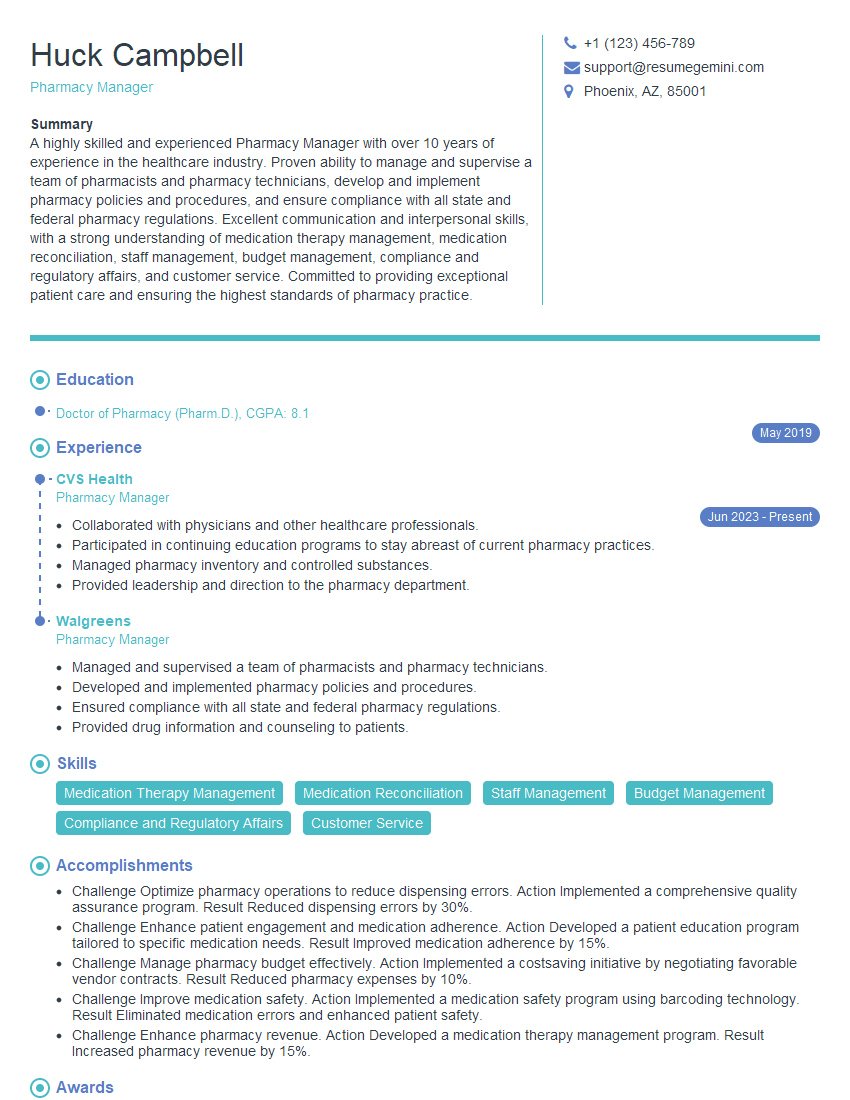
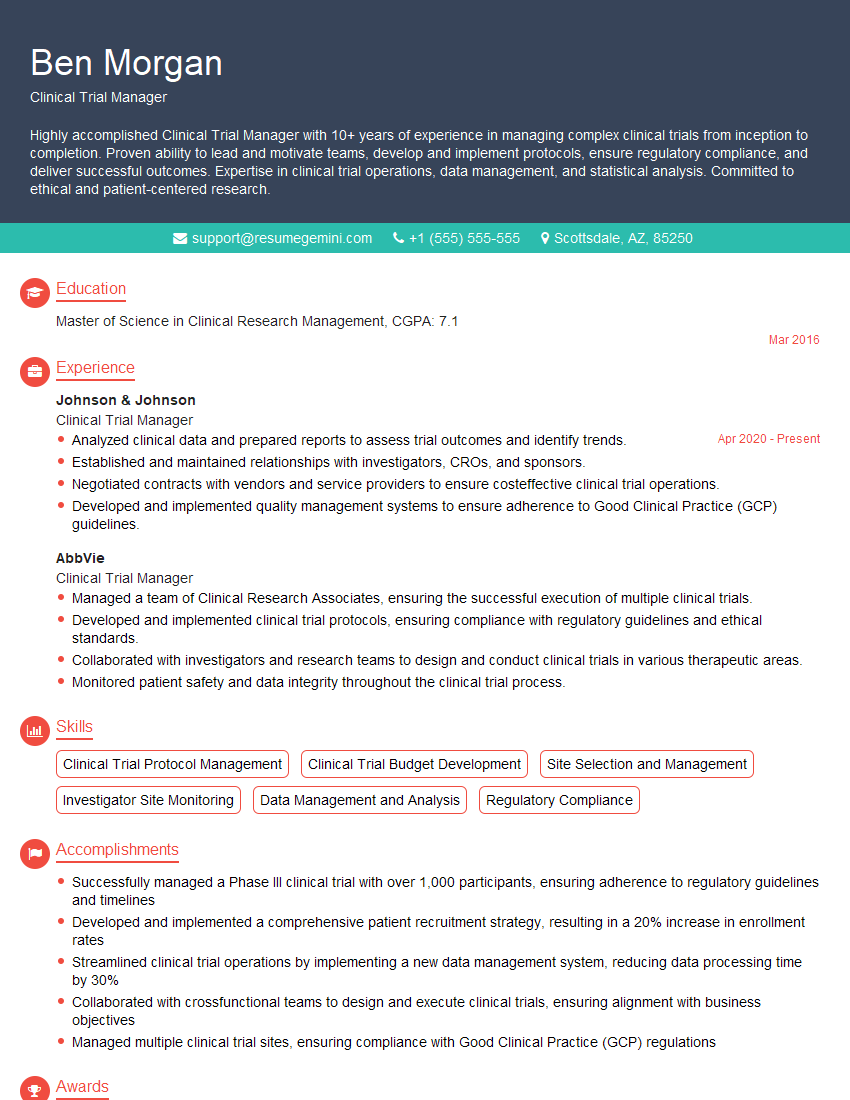
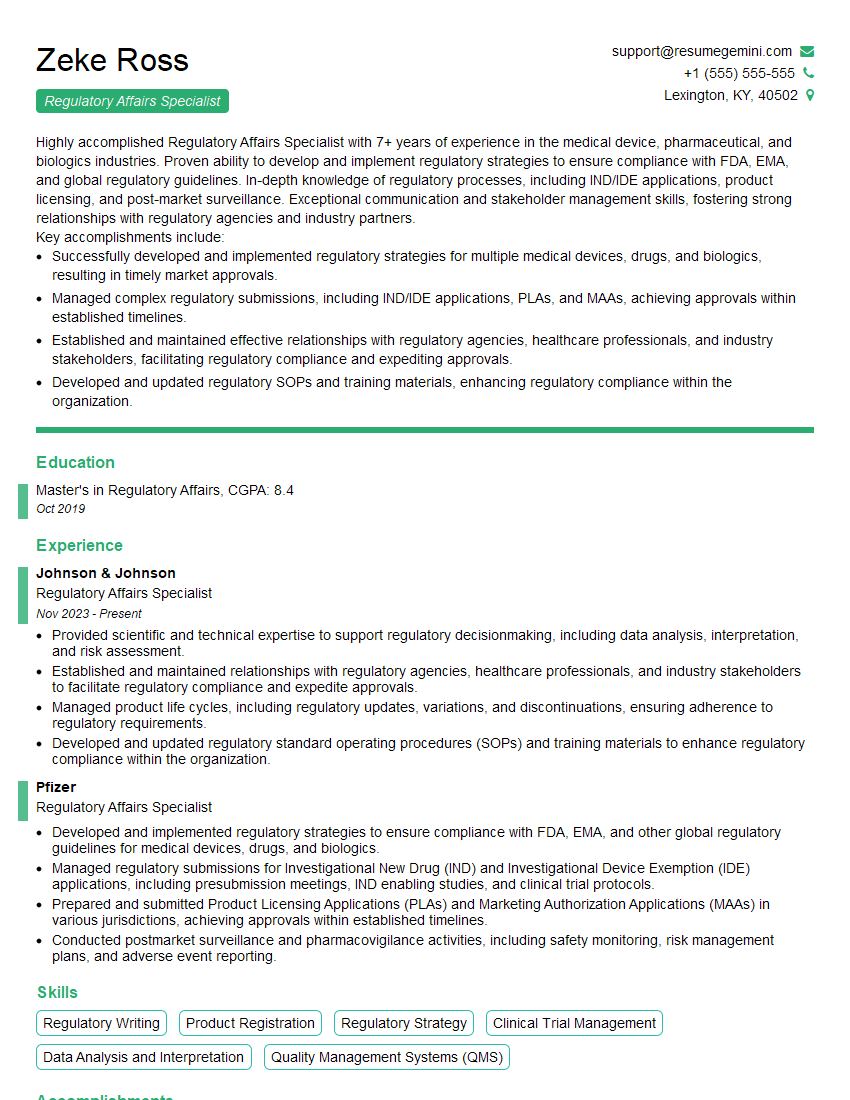
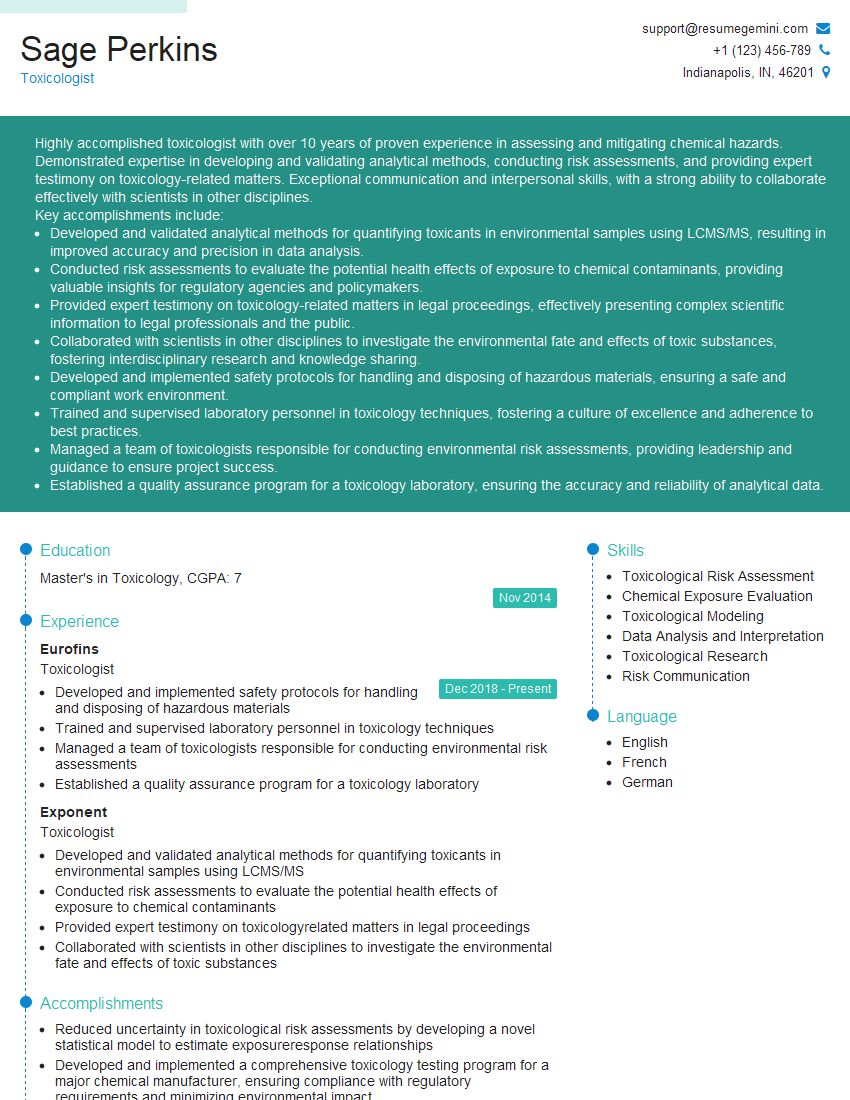
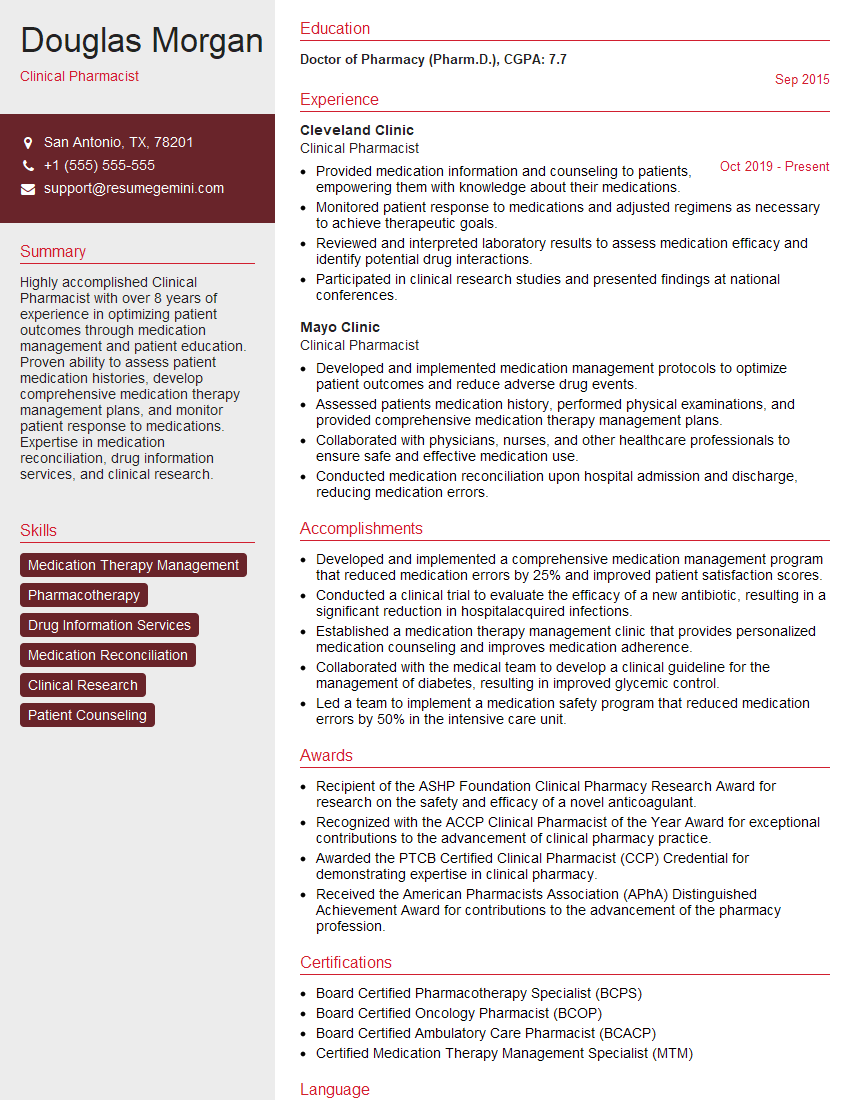
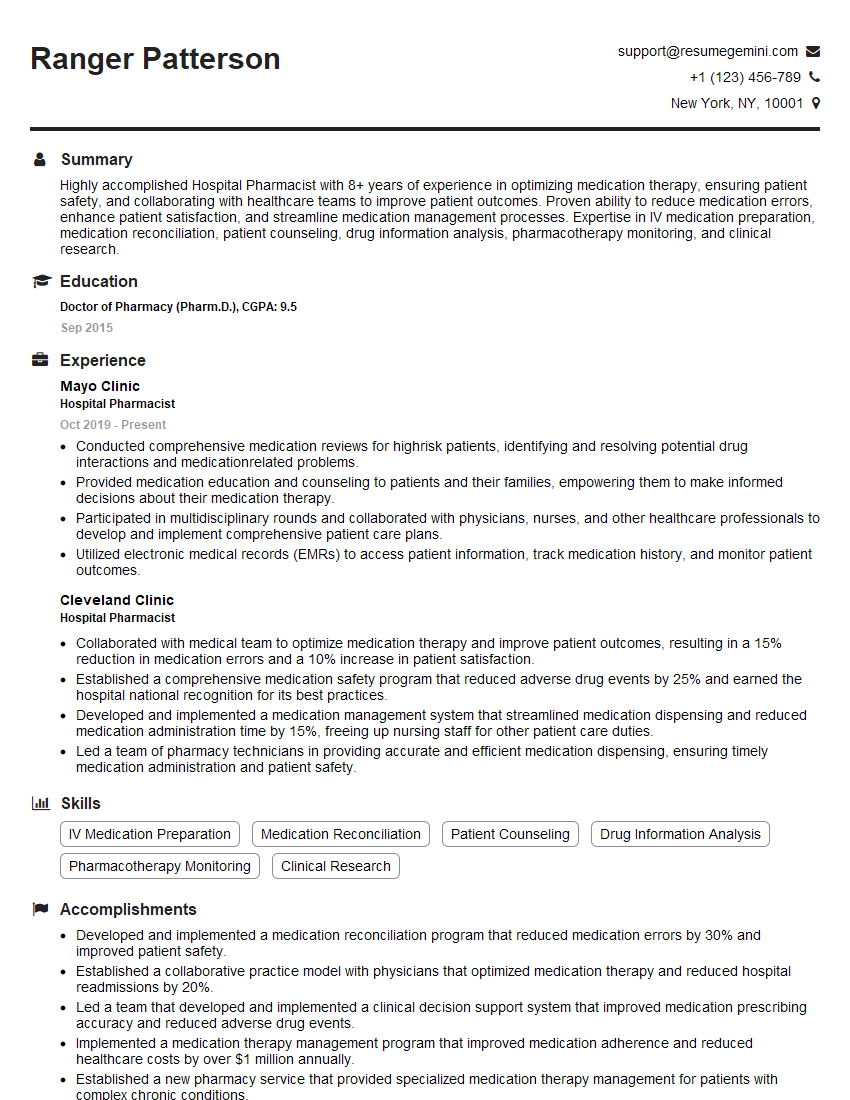
Mastering drug interactions is crucial for career advancement in the pharmaceutical and healthcare industries. A strong understanding of these complex interactions demonstrates a high level of expertise and is highly valued by employers. To maximize your job prospects, create an ATS-friendly resume that showcases your skills and experience effectively. ResumeGemini is a trusted resource that can help you build a professional and impactful resume. We provide examples of resumes tailored to Drug Interactions professionals, ensuring your application stands out from the competition.
Explore more articles
Users Rating of Our Blogs
Share Your Experience
We value your feedback! Please rate our content and share your thoughts (optional).
What Readers Say About Our Blog
Very informative content, great job.
good