Interviews are more than just a Q&A session—they’re a chance to prove your worth. This blog dives into essential Tube Installation interview questions and expert tips to help you align your answers with what hiring managers are looking for. Start preparing to shine!
Questions Asked in Tube Installation Interview
Q 1. Explain the different types of tube joints and their applications.
Tube joints are crucial for connecting tubes in various systems. The choice of joint depends on factors such as the tube material, system pressure, and the application’s requirements. Common types include:
- Compression Fittings: These use a compression nut to create a seal between the tube and a fitting. They’re easy to install and disassemble, making them ideal for low-pressure applications like water supply lines in homes. Think of them like a strong clamp squeezing the tube against a sealing ring.
- Flare Fittings: The tube end is flared (expanded) to create a larger sealing surface within a fitting. They provide a stronger seal than compression fittings and are suitable for higher pressures. They’re often found in automotive brake lines, where reliability is paramount.
- Soldered Joints: These involve melting solder to create a permanent, leak-proof connection. This method is typically used with copper tubes and is excellent for high-pressure, high-temperature applications, such as plumbing systems. It requires specialized tools and skills.
- Welded Joints: Used primarily with steel and other metal tubes, this method creates a permanent, extremely strong connection by melting the tube and fitting materials together. Welding requires specialized training and equipment and is commonly used in industrial settings.
- Threaded Fittings: These fittings use threaded connections to join tubes. They’re often used with thicker-walled tubing and provide a strong, reliable connection, though they can be slower to assemble than other types.
The selection of the appropriate joint depends on the specific demands of the project. For instance, a compression fitting would be suitable for a low-pressure air line, whereas a welded joint might be necessary for a high-pressure gas pipeline.
Q 2. Describe your experience with various tube fitting methods.
My experience encompasses a broad range of tube fitting methods. I’m proficient in installing compression fittings, flare fittings, soldered joints, and welded joints across various tube materials. In my previous role, I was responsible for the installation of a complex network of stainless steel tubes for a pharmaceutical manufacturing facility. This involved meticulous preparation of the tube ends, precise fitting alignment, and rigorous leak testing to ensure the system met the stringent hygiene requirements. Another project involved repairing a leaking copper water supply line in a high-rise building, which required carefully soldering the joint to maintain the building’s water pressure without causing any disruption to residents.
I’ve also worked extensively with plastic tubes (PVC, CPVC), frequently utilizing solvent welding techniques. This involved carefully preparing the tube ends, applying solvent cement, and ensuring a secure, leak-free joint. I always follow the manufacturer’s specifications carefully when working with any fitting method.
Q 3. How do you ensure proper alignment during tube installation?
Ensuring proper alignment during tube installation is paramount for preventing leaks and ensuring system integrity. This requires careful planning and the use of appropriate tools. Some key strategies include:
- Using alignment tools: These can include specialized clamps, jigging systems, and even simple blocks and levels to ensure the tubes are correctly positioned before joining.
- Careful preparation: Precisely cutting and deburring tube ends prevents misalignments and potential damage to the seals within fittings.
- Visual inspection: Continuously verifying alignment throughout the installation process ensures any misalignment is caught and corrected early.
- Marking and measuring: Accurately measuring distances and marking tube positions on supports before installation helps to maintain consistent alignment.
- Iterative adjustment: Installing sections of tubing incrementally, checking alignment at each stage, allows for adjustments before tightening fittings and committing to the installation.
For example, during a recent project involving a complex network of hydraulic tubes, we utilized a jigging system to ensure precise alignment before welding the joints. This system dramatically improved the quality and speed of the installation process.
Q 4. What safety precautions do you take when working with tubes and fittings?
Safety is always my top priority. When working with tubes and fittings, I adhere to several key safety precautions:
- Personal Protective Equipment (PPE): I always wear safety glasses, gloves, and appropriate respiratory protection, depending on the materials being used and the processes involved. For instance, when welding, I’d wear a welding mask and appropriate clothing.
- Proper ventilation: When working with solvents or materials that release fumes, adequate ventilation is crucial. This might involve working outdoors or using exhaust fans.
- Fire safety: Soldering and welding create sparks and heat; ensuring a fire extinguisher is readily available and understanding fire safety procedures is essential.
- Safe handling of tools and materials: Carefully handling sharp tools and ensuring materials are stored correctly prevent injuries.
- Following manufacturer instructions: Always adhering to the manufacturer’s recommendations for specific fittings and materials is crucial for safe and successful installation.
- Lockout/Tagout procedures: When working with pressurized systems, appropriate lockout/tagout procedures must be followed to prevent accidental activation and injury.
For example, during a recent project involving high-pressure gas lines, we followed a strict lockout/tagout procedure before commencing any work. This minimized the risk of accidental release of gas and prevented potential injuries.
Q 5. Explain the process of bending tubes to specific angles and radii.
Bending tubes accurately requires skill and the right tools. The method depends on the tube material and the desired bend radius. Common methods include:
- Hand Bending: For smaller diameter, softer tubes, hand bending using a bending spring or a specialized bending tool is possible. This requires experience and precision to avoid kinking the tube.
- Tube Bender: These tools use a rotating arm and a die to create accurate bends with consistent radii. They’re essential for larger diameter tubes and tighter bends. The die’s shape determines the bend radius. Hydraulic tube benders are used for even greater precision and for tougher materials.
- Mandrel Bending: For tubes requiring a tight radius or to prevent flattening, a mandrel (a rod that fits inside the tube) is inserted before bending. This ensures a consistent internal diameter throughout the bend.
Before bending, marking the tube precisely according to the required angle and radius is critical. The tube should be carefully secured in the bending tool to avoid unintended bends or damage. For instance, in an HVAC system installation, accurately bending the refrigerant tubing is crucial for efficient system operation.
Q 6. How do you identify and address potential leaks in a tube system?
Identifying and addressing leaks in a tube system requires a systematic approach. Methods include:
- Visual Inspection: A thorough visual inspection can identify obvious leaks, such as visible drips or wet areas.
- Pressure Testing: Pressurizing the system with air or water allows leaks to be detected through pressure drops or the sound of escaping air/water.
- Leak Detection Solutions: Specialized leak detection solutions can be applied to the system to highlight leaks by causing bubbling or changing color in the vicinity of the leak.
- Listening for Hissing Sounds: Small leaks might manifest as hissing sounds, indicating the escape of gas or pressurized liquid.
- Soap Solution Test: Applying a soapy water mixture to suspected leak areas can reveal bubbles if there is a leak.
Once a leak is identified, repair depends on the type of joint and the severity of the leak. Minor leaks in compression fittings may simply require tightening. However, more serious leaks often require replacing fittings or sections of tubing. For soldered or welded joints, repairs can be more complex and often require specialized tools and techniques.
Q 7. Describe your experience with different tube materials (e.g., copper, steel, PVC).
I have extensive experience with various tube materials, each with its own properties and installation considerations:
- Copper: A versatile material often used in plumbing and HVAC systems. It’s easy to solder and offers good corrosion resistance. However, it can be expensive and requires careful handling to avoid kinking.
- Steel: Strong and durable, steel is suitable for high-pressure applications. It is often used in industrial settings and usually requires welding or threaded fittings for connections. It’s susceptible to rust unless treated properly.
- PVC and CPVC: These plastic tubes are lightweight and corrosion-resistant, making them ideal for low-pressure applications such as water distribution in buildings. They are joined using solvent welding techniques, which require careful attention to detail.
- Stainless Steel: A premium material providing excellent corrosion resistance and strength. Often used in medical, pharmaceutical, and food processing applications due to its hygienic properties. Usually joined via welding or compression fittings.
Understanding the properties of each material is crucial for selecting the correct fittings, tools, and installation techniques. For example, the same fitting won’t work with copper and PVC; the installation method will vary significantly.
Q 8. How do you select the appropriate tube size and material for a given application?
Selecting the right tube size and material is paramount for a successful installation. It’s like choosing the right pipe for plumbing – the wrong size or material leads to leaks, inefficiency, or even system failure. The process involves considering several factors:
- Fluid characteristics: What will flow through the tube? Its viscosity, corrosiveness, temperature, and pressure all impact material choice. For example, aggressive chemicals require tubes made of resistant materials like stainless steel or PTFE (polytetrafluoroethylene). A high-temperature application might call for Inconel or Hastelloy.
- System pressure: Higher pressures necessitate thicker-walled tubes with a higher burst pressure rating. We use pressure-volume diagrams and relevant industry standards to ensure sufficient safety margins.
- Flow rate: The desired flow rate determines the tube’s internal diameter. A larger diameter allows for higher flow rates with less pressure drop, but increases cost and space requirements. We use fluid dynamics equations to calculate the optimal size.
- Environmental considerations: External factors like temperature fluctuations, UV exposure, and potential physical damage influence material selection. For outdoor installations, UV-resistant materials are essential. Similarly, applications in harsh weather need tubes robust enough to withstand the elements.
For instance, in a food processing plant, sanitary stainless steel tubes are preferred due to their cleanliness, corrosion resistance, and compliance with food safety regulations. Conversely, in a high-pressure hydraulic system, high-strength steel tubes with specific pressure ratings are mandated for safety and reliability.
Q 9. What are your troubleshooting skills when dealing with installation problems?
Troubleshooting tube installation problems requires a systematic approach. I start by visually inspecting the entire system, looking for obvious issues like leaks, misaligned fittings, or damaged tubes. Then I move on to more detailed checks:
- Leak detection: I use various methods, including pressure testing (discussed later), soap solution tests to locate small leaks, and ultrasonic leak detectors for hard-to-reach areas.
- Pressure drop analysis: Significant pressure drops across sections of the tube system indicate blockages, restrictions, or improper sizing. I would systematically check each section to identify the source.
- Component integrity: I verify all fittings, valves, and connections are properly installed and tightened, ensuring no cracks or damage are present. Improper assembly is a major source of leaks.
- Material compatibility: Incompatibility between tube material and the fluid it contains can lead to corrosion or degradation. If suspecting this, I would analyse the fluid and verify compatibility with the tube material using appropriate charts and data sheets.
I’ve once encountered a recurring leak in a newly installed system. After careful inspection, I discovered a tiny burr inside the tube fitting, impeding proper sealing. A simple cleaning of the burr with a fine file immediately solved the problem, highlighting the importance of attention to detail.
Q 10. How familiar are you with various tube installation tools and equipment?
I am highly familiar with a wide range of tube installation tools and equipment. This includes:
- Tube cutters and benders: I’m proficient in using various types of tube cutters for clean cuts and different bending tools to accurately shape tubes without kinking.
- Flaring and swaging tools: I use these to create secure connections with fittings, ensuring a leak-free seal.
- Welding equipment: For certain applications, such as stainless steel tube installations, I have experience with TIG welding to create robust and permanent joints.
- Specialized tools: I’m familiar with tools like tube expanders, pipe threaders and specialized wrenches necessary for different tube types and fitting styles.
- Measuring and inspection tools: Precise measurement tools such as calipers and micrometers are crucial for ensuring accurate tube sizing and alignment. I also use leak detection tools for thorough testing.
My experience encompasses both manual and automated processes, adapting my techniques depending on the application and available resources. Understanding the strengths and limitations of different tools allows me to choose the most appropriate method for any given job, prioritizing efficiency and safety.
Q 11. Describe your experience with pressure testing tube systems.
Pressure testing is a critical step in verifying the integrity of tube systems. It involves pressurizing the system to a specified pressure and observing for leaks or weaknesses. My experience covers various methods:
- Hydrostatic testing: Using water or other inert fluids to pressurize the system. This is a common method for detecting leaks, especially in high-pressure systems.
- Pneumatic testing: Using compressed air or inert gases for pressurizing the system. This method is generally quicker but requires more caution due to the potential for system damage in case of a failure.
- Leak detection techniques: I use specialized leak detection equipment like pressure gauges, ultrasonic leak detectors and even soap solutions for visual leak identification.
I adhere strictly to safety protocols during pressure testing, always ensuring proper safety equipment and procedures are followed. I document the pressure test results, including the pressure used, duration of the test, and any observed leaks or anomalies. I have extensive experience interpreting the results to determine the overall system integrity and identify areas needing repair or improvement.
Q 12. How do you ensure the cleanliness and integrity of tubes before installation?
Maintaining cleanliness and integrity of tubes before installation is vital for preventing contamination and ensuring reliable system performance. This involves several steps:
- Visual inspection: Thoroughly inspecting tubes for any dents, scratches, or other defects that could compromise integrity.
- Cleaning: Depending on the tube material and application, I use appropriate cleaning methods, such as compressed air, solvents, or specialized cleaning solutions. This removes any debris, oil, or contaminants.
- Internal flushing: For critical applications, I flush the tubes with clean, deionized water or other suitable fluids to eliminate any internal contaminants.
- Storage: Proper storage of tubes is crucial to protect them from damage and contamination. This often involves storing tubes in clean, dry environments, protected from dust and other debris.
In pharmaceutical or food processing applications, maintaining extreme cleanliness is paramount. I would employ stringent cleaning validation protocols, including documentation and verification, to ensure the tubes meet the highest sanitary standards.
Q 13. What are the common causes of tube failures and how can they be prevented?
Tube failures can stem from various sources, many of which are preventable:
- Corrosion: Chemical incompatibility between the tube material and the fluid causes corrosion, weakening the tube structure. Using compatible materials and corrosion inhibitors is key.
- Fatigue: Repeated cyclic stresses can lead to fatigue cracking, especially in high-vibration environments. Proper material selection and vibration dampening techniques help mitigate this.
- Erosion: High-velocity fluids can erode the inner surface of the tube, reducing its thickness and causing leaks. Careful design to minimize fluid velocity, using erosion-resistant materials, or implementing erosion shields can prevent this.
- Improper installation: Incorrect bending, flaring, or fitting of tubes can create stress concentrations, leading to failure. Adhering to manufacturer’s instructions and best practices is crucial.
- External damage: Physical impacts or exposure to harsh environmental conditions can damage tubes. Proper protection and routing are essential.
Preventive measures include thorough design reviews, material selection based on fluid properties and environmental factors, adherence to proper installation techniques, and regular inspection and maintenance to detect and address potential problems early on.
Q 14. Explain your experience with working from blueprints and schematics.
I possess extensive experience interpreting and working from blueprints and schematics. My process typically involves:
- Reviewing the documentation: Carefully examining the blueprints to understand the overall system layout, tube routing, material specifications, dimensions, and component details.
- Identifying key information: Extracting relevant information such as tube sizes, materials, fittings, and connection points. This ensures I have all the necessary information before starting installation.
- Creating a detailed installation plan: Developing a step-by-step plan that outlines the installation sequence, necessary tools, and potential challenges.
- Accurate measurement and cutting: Precisely measuring and cutting tubes based on the blueprint specifications to ensure proper fit and alignment.
- Verification: Regularly comparing the actual installation to the blueprint to ensure accuracy and adherence to design specifications.
I’ve worked on projects with complex systems involving numerous tube lines and fittings, accurately translating the design into a functional, leak-free system. Experience in this area has taught me the importance of thorough planning and attention to detail to ensure a successful installation.
Q 15. Describe your experience with different types of tube cutting techniques.
Tube cutting requires precision to avoid damaging the tube’s integrity. Over the years, I’ve become proficient in several techniques, each suited to different tube materials and diameters.
Hand-held tube cutters: These are ideal for smaller diameter tubes and offer great control for clean, square cuts. I often use these for copper tubing in HVAC installations. The key is to rotate the cutter slowly and steadily around the tube to ensure a smooth cut.
Power tube cutters: For larger diameter tubes or high-volume projects, electric or pneumatic tube cutters significantly increase efficiency. I’ve used these extensively in industrial piping projects, appreciating their speed and precision, especially when dealing with thicker walled stainless steel tubing. Ensuring the cutter blade is sharp and correctly aligned is paramount to prevent burrs.
Abrasive cutting wheels: These are useful for cutting various materials, including thicker-walled pipes. Safety precautions like using appropriate eye protection and working in a well-ventilated area are crucial. In one project involving thick-walled aluminum pipes, the speed and adaptability of this method was invaluable.
Tube saws: These provide very accurate cuts and are excellent for delicate work, especially when precision is vital. However, they’re generally slower than other methods. I’ve utilized these when working with particularly thin-walled tubes to minimize risk of deformation.
Selecting the right cutting technique depends on factors like tube material, diameter, wall thickness, and the desired level of precision. A poor cut can lead to leaks, which would be catastrophic for systems under pressure.
Career Expert Tips:
- Ace those interviews! Prepare effectively by reviewing the Top 50 Most Common Interview Questions on ResumeGemini.
- Navigate your job search with confidence! Explore a wide range of Career Tips on ResumeGemini. Learn about common challenges and recommendations to overcome them.
- Craft the perfect resume! Master the Art of Resume Writing with ResumeGemini’s guide. Showcase your unique qualifications and achievements effectively.
- Don’t miss out on holiday savings! Build your dream resume with ResumeGemini’s ATS optimized templates.
Q 16. How do you handle unexpected challenges during a tube installation project?
Unexpected challenges are inherent in any installation project. My approach involves a methodical, three-step process.
Assessment: First, I carefully assess the problem. This involves identifying the root cause, whether it’s a design flaw, material incompatibility, or unforeseen site conditions. For instance, discovering an unexpected obstruction in a wall during the installation of a conduit system requires a reassessment of the routing plan.
Solution Development: Next, I brainstorm and evaluate potential solutions, considering factors like safety, efficiency, and cost. This might involve modifying the original plan, sourcing alternative materials, or consulting with engineers and other specialists. In the conduit example, we might need to re-route the conduit or select a different route.
Implementation and Documentation: Once a solution is chosen, I implement it meticulously, ensuring all safety regulations are adhered to. The whole process, including the problem, solution, and any modifications to the original plan, is meticulously documented to improve future projects and avoid similar issues.
Maintaining clear communication with the project team throughout this process is critical. Proactive problem-solving and meticulous documentation are essential for successfully navigating unexpected hurdles.
Q 17. What is your experience with brazing, soldering, or welding tubes?
I’m experienced in all three methods—brazing, soldering, and welding—each with its own advantages and applications.
Brazing: This high-temperature process uses a filler metal with a melting point higher than the base metals. It creates a strong, leak-proof joint, ideal for high-pressure applications and materials like copper. I’ve frequently used brazing in refrigeration systems and industrial pipelines.
Soldering: A lower-temperature process, soldering is suitable for joining smaller diameter tubes and less demanding applications. It’s often used in electronics and low-pressure plumbing systems. Careful flux application is key to a successful solder joint. I’ve used it extensively in low-voltage electrical conduit applications.
Welding: This technique offers unparalleled strength and is used for joining thicker-walled tubes and high-pressure applications, often involving specialized welding processes like TIG or MIG. My experience includes working with stainless steel and carbon steel tubes in large-scale industrial projects. Maintaining proper shielding gas flow and consistent welding speed are critical.
The choice of method depends heavily on the tube materials, application requirements, and the desired joint strength. Safety is paramount in all three, requiring appropriate PPE and ventilation.
Q 18. Describe your experience with using specialized tools such as tube benders and flaring tools.
Proficiency with tube benders and flaring tools is essential for efficient and accurate tube installations.
Tube Benders: These tools allow for precise bending of tubes without kinking or crushing them. Different types exist, manual hand benders for smaller tubes, and hydraulic benders for larger diameters. Accurate bending is crucial to avoid stress fractures and ensure proper alignment. I’ve used both manual and hydraulic benders extensively, and understanding the bending radius and material properties is paramount for achieving the desired curvature without damage.
Flaring Tools: These create a flared end on a tube, necessary for creating leak-proof connections using compression fittings. Different flaring tools cater to different tube sizes and materials, and mastery lies in creating a consistent, even flare. This is especially important when working with tubes under high pressure systems.
Regular maintenance of these tools, like lubricating moving parts and ensuring accurate dies, is essential for preventing damage to the tubing and maintaining accuracy.
Q 19. How do you maintain accurate records and documentation during a project?
Maintaining accurate records and documentation is critical for ensuring project accountability, traceability, and future reference. My approach involves a multi-faceted strategy:
Digital Documentation: I use project management software to record daily progress, material usage, and any deviations from the original plan. This includes detailed photos and videos of the installation process. This digital record acts as a readily available history for review and analysis.
Physical Records: I maintain physical copies of all relevant drawings, specifications, and inspection reports. These are stored securely to ensure long-term accessibility. It is a crucial backup to the digital documentation.
Inspection and Testing Records: All inspection and testing results, including pressure tests and leak checks, are carefully documented, and any non-conformances are meticulously recorded and addressed.
Thorough documentation ensures compliance with industry standards and provides a valuable resource for future maintenance and troubleshooting.
Q 20. What are your skills in interpreting technical drawings and specifications?
Interpreting technical drawings and specifications is fundamental to my work. I possess the skill to accurately interpret various types of drawings, including isometric drawings, schematics, and detailed parts lists.
My process involves systematically reviewing the drawings to understand the overall system layout, identify individual components, and comprehend the required specifications (e.g., tube diameter, wall thickness, material, and tolerances). I verify measurements and verify all dimensions match on site before beginning the installation.
I’m adept at identifying potential conflicts or ambiguities in the drawings and addressing them through collaboration with engineers and project managers. For example, understanding tolerance ranges on tube dimensions is crucial for selecting appropriate fittings and ensuring a perfect fit.
Q 21. Explain your knowledge of relevant safety regulations and standards.
Safety is my top priority. I have a thorough understanding of relevant safety regulations and standards, including OSHA regulations, relevant national and international codes and best practices, and manufacturer’s guidelines for specific tools and materials.
Personal Protective Equipment (PPE): I consistently use appropriate PPE, including safety glasses, gloves, respirators, and hearing protection, as needed.
Confined Space Entry: I’m trained and certified in confined space entry procedures, ensuring safety when working in enclosed areas.
Hot Work Permits: I understand and strictly adhere to hot work permit procedures for activities like welding and brazing, mitigating fire hazards.
Hazard Communication: I am familiar with the proper handling, storage, and disposal of hazardous materials. Understanding the safety data sheets (SDS) is a crucial element of this.
Continuous professional development, staying updated on the latest safety regulations and best practices, is a commitment I take seriously. My goal is not only to complete the job effectively but also to do so without any compromises to safety.
Q 22. How do you ensure compliance with industry codes and standards?
Ensuring compliance with industry codes and standards is paramount in tube installation. This involves a multi-faceted approach, starting with a thorough understanding of relevant codes like ASME B31.1 (Power Piping) or ASME B31.3 (Process Piping), depending on the application. We begin by carefully reviewing project specifications to identify applicable codes and standards. This ensures that the material selection, design parameters, fabrication methods, and installation techniques all adhere to the strictest regulations.
Throughout the project, we maintain meticulous documentation. This includes material certifications, weld inspection reports (for welded systems), and installation logs detailing every step of the process. Regular inspections are carried out to ensure that the installation aligns with the approved design and the relevant codes. Non-compliance issues are addressed immediately through corrective actions, documented thoroughly, and reported to the relevant stakeholders. For example, if a weld fails inspection, we’ll initiate rework and re-inspection until it meets the required standards. This diligent process minimises risks, ensures safety, and prevents costly rework further down the line.
Q 23. Describe your experience working in a team environment on tube installation projects.
Teamwork is crucial in tube installation, especially on large-scale projects. My experience involves collaborating with engineers, welders, inspectors, and other tradespeople. I’ve worked as both a team leader and a contributing member, fostering open communication and coordinating tasks to ensure efficiency. On one project, we were installing a complex network of process piping with tight deadlines. By assigning roles based on individual expertise (e.g., experienced welders on critical welds, junior technicians on support installation), and using daily stand-up meetings to track progress and identify potential roadblocks, we completed the project ahead of schedule and within budget. Effective communication, mutual respect, and shared responsibility are key to successful team collaboration in this field.
Q 24. How do you manage your time effectively to meet deadlines on projects?
Effective time management is essential for meeting deadlines. My approach involves a combination of meticulous planning and proactive problem-solving. I start by breaking down the project into smaller, manageable tasks, assigning realistic timelines to each. I utilize project management software to track progress, identify potential delays, and allocate resources accordingly. Regular progress reviews with the team help identify and address any roadblocks promptly. For instance, if a material delivery is delayed, I explore alternative solutions, such as using readily available substitutes, to keep the project on track. Proactive communication with stakeholders, transparent reporting of progress, and a willingness to adapt to unforeseen circumstances are critical in maintaining deadlines.
Q 25. What are your experience with different types of tube supports and hangers?
I have extensive experience with various tube supports and hangers, including rigid supports, spring supports, constant support hangers, and variable spring hangers. The choice of support depends heavily on the application, tube material, operating temperature, pressure, and vibration considerations. For example, rigid supports are suitable for low-vibration, low-temperature applications, whereas spring supports are necessary to accommodate thermal expansion and contraction in high-temperature systems. I’m proficient in calculating support loads using industry-standard formulas and selecting appropriate hanger types based on these calculations. My experience also extends to the installation and alignment of these supports, ensuring they provide adequate support while accommodating tube movement.
Q 26. How do you ensure proper insulation and protection of installed tubes?
Proper insulation and protection of installed tubes is crucial to prevent heat loss, condensation, corrosion, and potential safety hazards. The type of insulation and protection method used depends on factors such as operating temperature, environmental conditions, and the tube material. We use a variety of materials, including fiberglass, mineral wool, and calcium silicate insulation, applying them carefully to ensure a uniform thickness and proper coverage. We always follow manufacturer’s instructions for installation, ensuring proper sealing to prevent moisture ingress. In addition to insulation, we utilize protective coatings, such as paints or wraps, to further enhance corrosion resistance and prevent damage from external factors. Regular inspections are conducted to ensure the integrity of the insulation and protective layers.
Q 27. What is your experience with using different types of adhesives or sealants in tube installations?
My experience encompasses a range of adhesives and sealants used in tube installations, from epoxy resins for bonding components to specialized sealants for threaded joints and flanges. The selection of the appropriate adhesive or sealant is critical to ensure a leak-proof and durable joint. Factors influencing the choice include the material compatibility of the adhesive/sealant with the tube material, the operating temperature and pressure, and the environmental conditions. For instance, in high-temperature applications, we would use a high-temperature sealant capable of withstanding the operating conditions. Prior to application, we always ensure the surfaces are clean and dry to maximize adhesion. We follow manufacturer’s instructions carefully to ensure correct application and curing times. Proper adhesive/sealant selection and application are essential to prevent leaks and maintain the integrity of the tube system.
Q 28. Describe your experience in trouble shooting and resolving issues related to tube expansion and contraction.
Troubleshooting issues related to tube expansion and contraction requires a deep understanding of thermal mechanics and the system design. I’ve encountered situations where improper support design led to excessive stress on tubes, causing leaks or failures. My approach to troubleshooting involves a systematic investigation, starting with a review of the original design and installation documents. I inspect the system for evidence of excessive movement, misaligned supports, or signs of stress. Using thermal expansion calculations, I can determine whether the observed movement is within acceptable limits. If excessive movement is detected, I propose corrective actions, such as adding or adjusting supports, or installing expansion joints, to accommodate thermal expansion and contraction. Careful analysis, precise calculations, and effective communication with the engineering team are vital in resolving these issues safely and effectively.
Key Topics to Learn for Tube Installation Interview
- Tube Material Selection: Understanding the properties of different tube materials (e.g., PVC, copper, steel) and their suitability for various applications. This includes considerations of pressure, temperature, and chemical resistance.
- Installation Techniques: Mastering various joining methods (e.g., soldering, welding, compression fittings) and their appropriate use in different scenarios. Practical experience with these techniques is crucial.
- Safety Procedures: Demonstrating a thorough understanding of safety regulations and best practices related to tube installation, including hazard identification and risk mitigation.
- Troubleshooting and Diagnostics: The ability to identify and resolve common issues during installation, such as leaks, incorrect fittings, or pressure problems. This involves understanding pressure testing techniques and leak detection methods.
- Code Compliance: Familiarity with relevant building codes and industry standards related to tube installation and ensuring installations meet regulatory requirements.
- Project Planning and Management: Understanding how to interpret blueprints and specifications, plan material requirements, and manage timelines for successful tube installation projects.
- Tools and Equipment: Familiarity with the various tools and equipment used in tube installation, their proper use, and maintenance. This includes understanding specialized tools for different materials and applications.
Next Steps
Mastering tube installation opens doors to exciting career opportunities in various industries, offering excellent prospects for growth and specialization. To significantly enhance your job prospects, it’s crucial to create an ATS-friendly resume that highlights your skills and experience effectively. ResumeGemini is a trusted resource that can help you build a professional and impactful resume tailored to the demands of the Tube Installation field. We provide examples of resumes specifically crafted for Tube Installation roles to guide you in showcasing your qualifications.
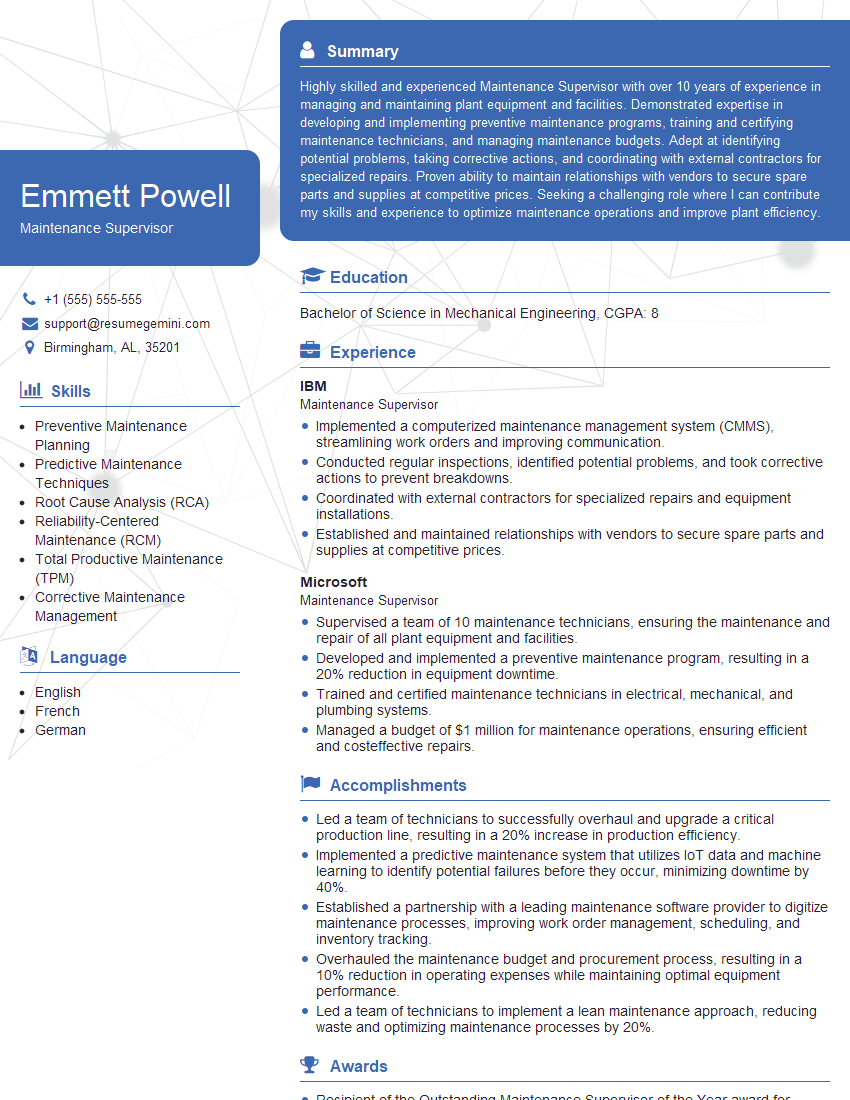
Maintenance Supervisor Resume Sample

Project Manager Resume Sample

Engineering Technician Resume Sample
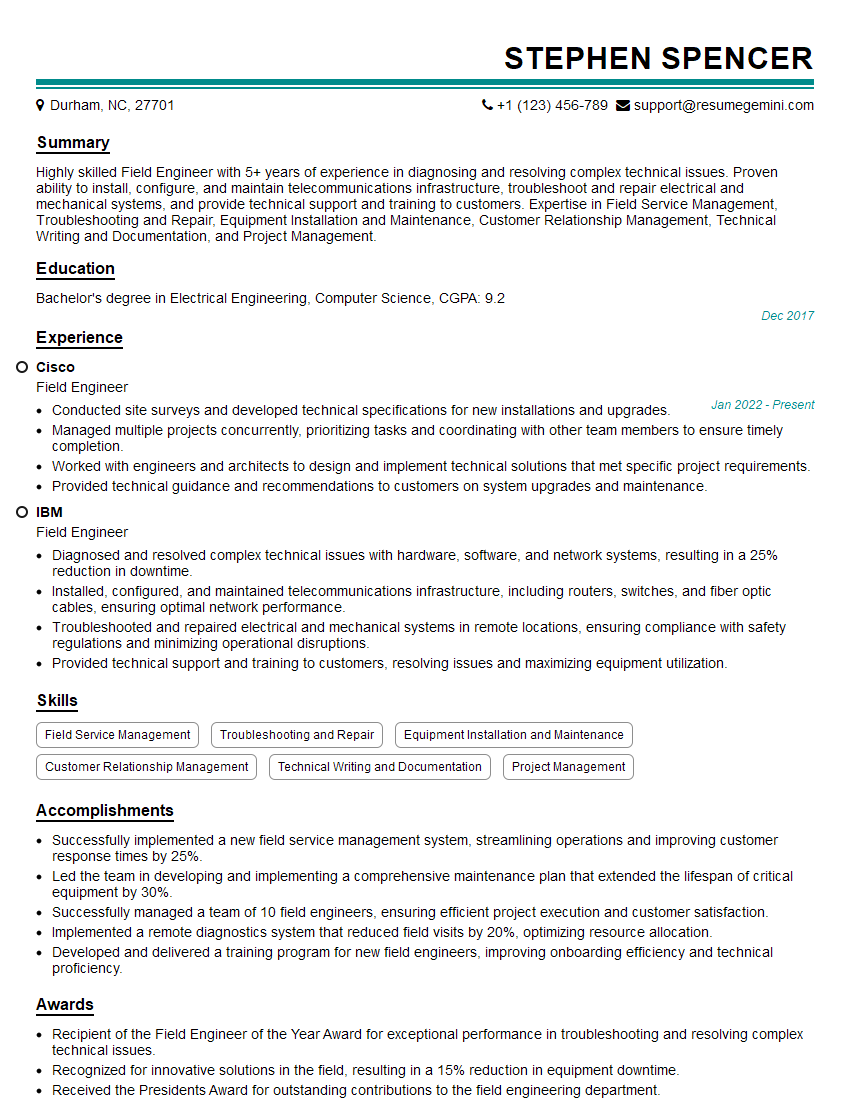
Field Engineer Resume Sample
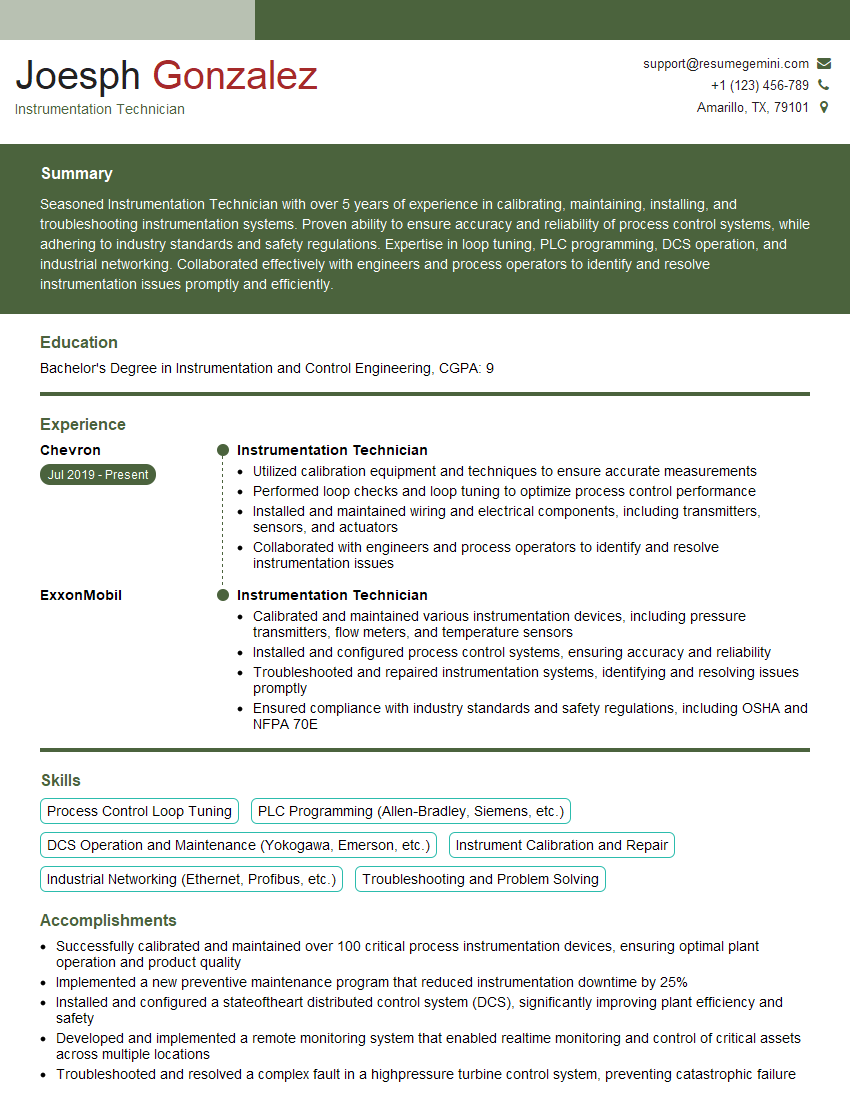
Instrumentation Technician Resume Sample
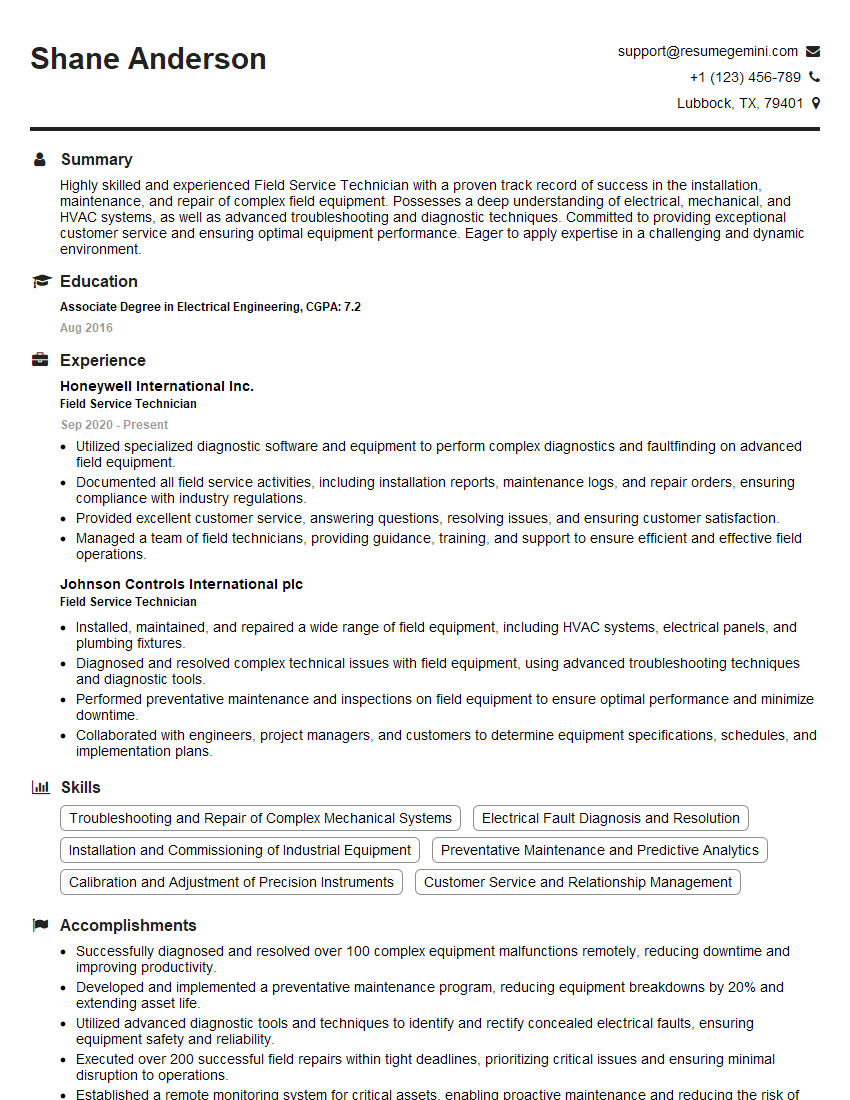
Field Service Technician Resume Sample
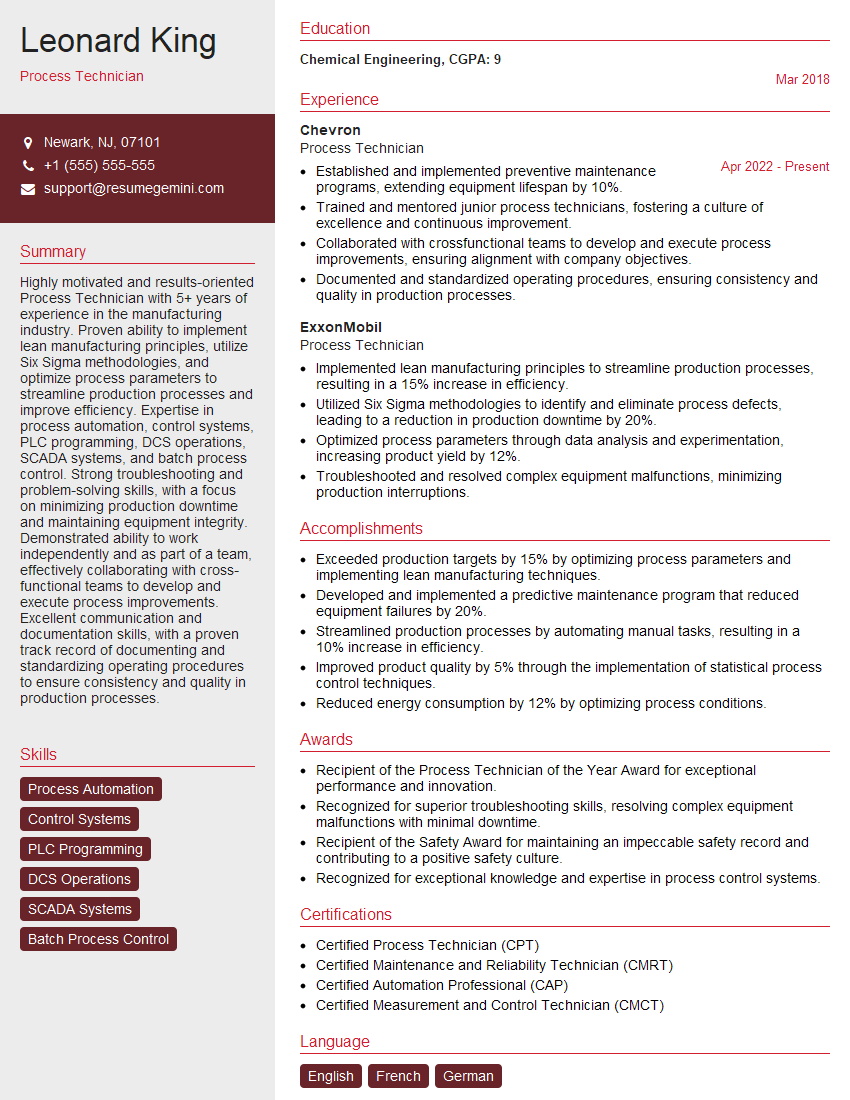
Process Technician Resume Sample
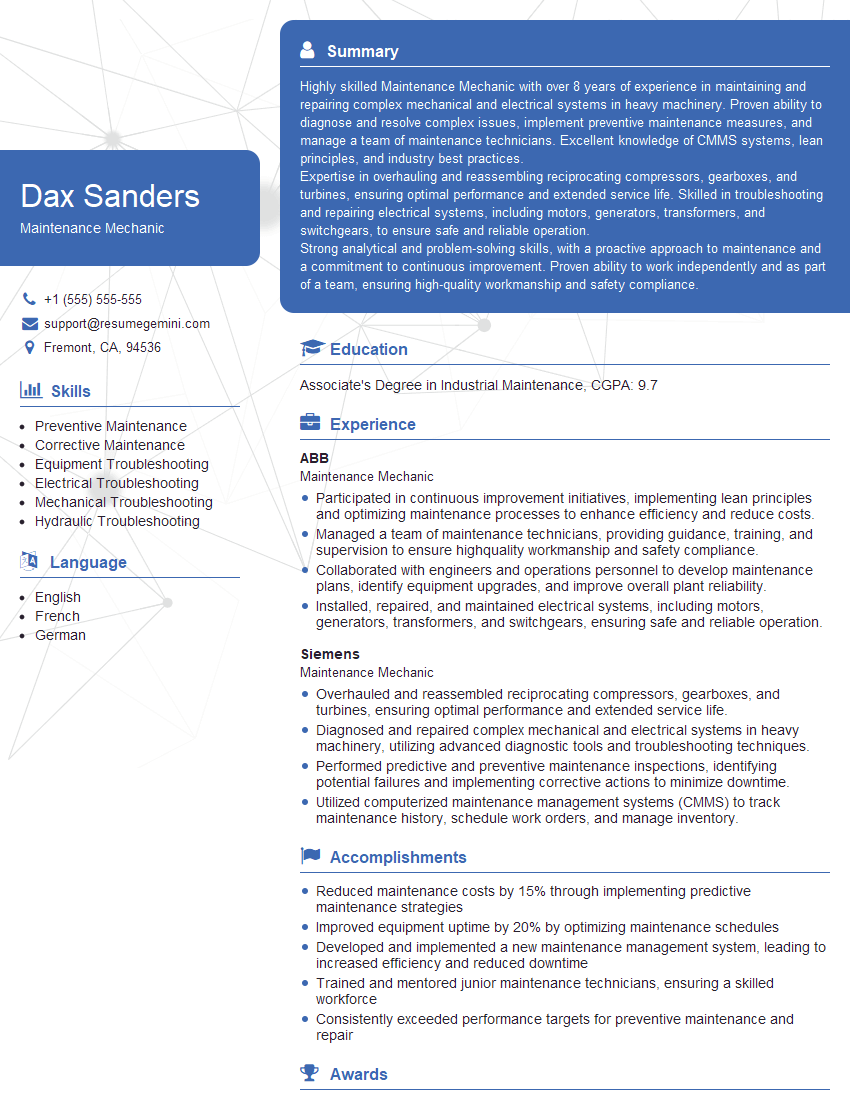
Maintenance Mechanic Resume Sample
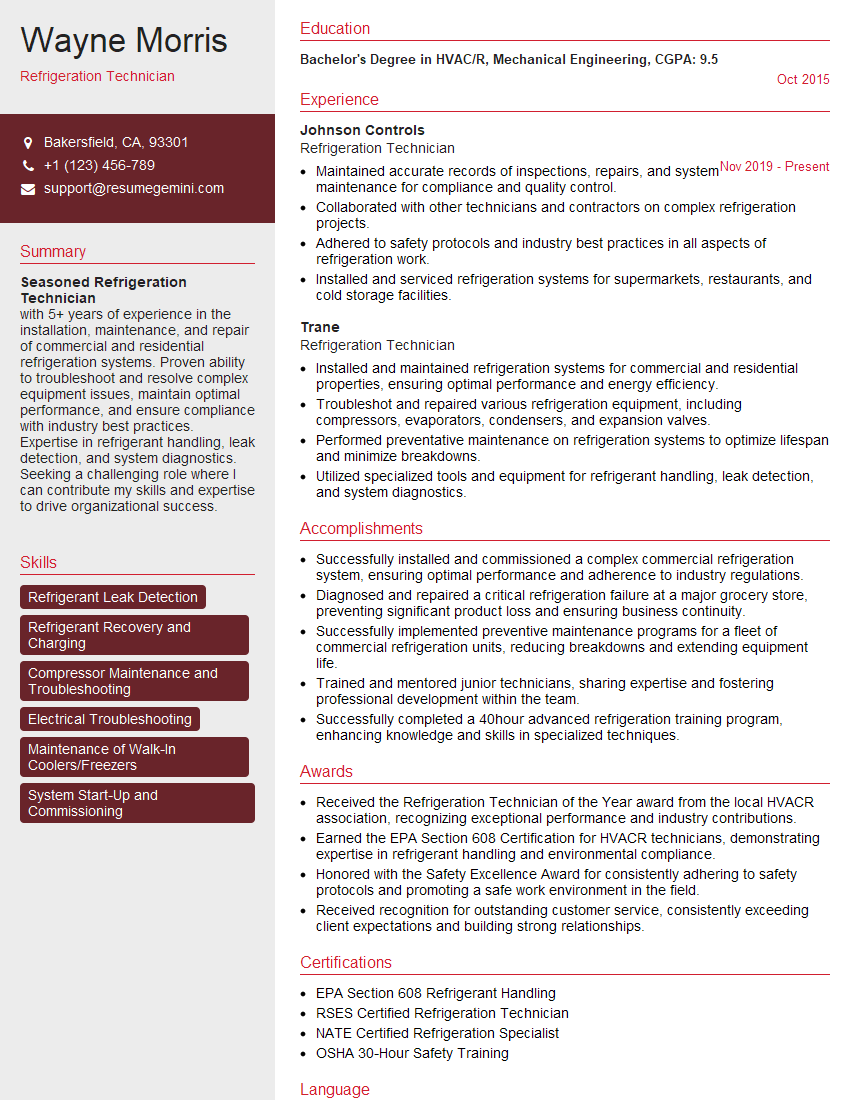
Refrigeration Technician Resume Sample
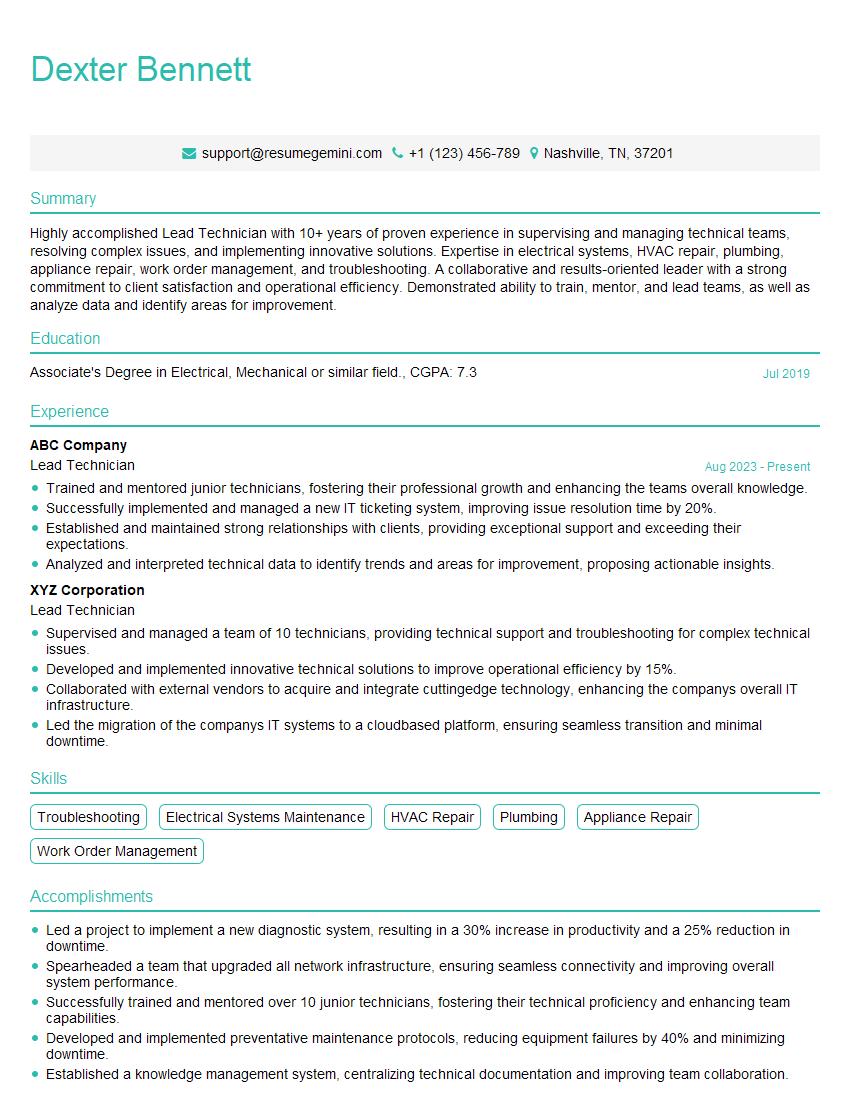
Lead Technician Resume Sample
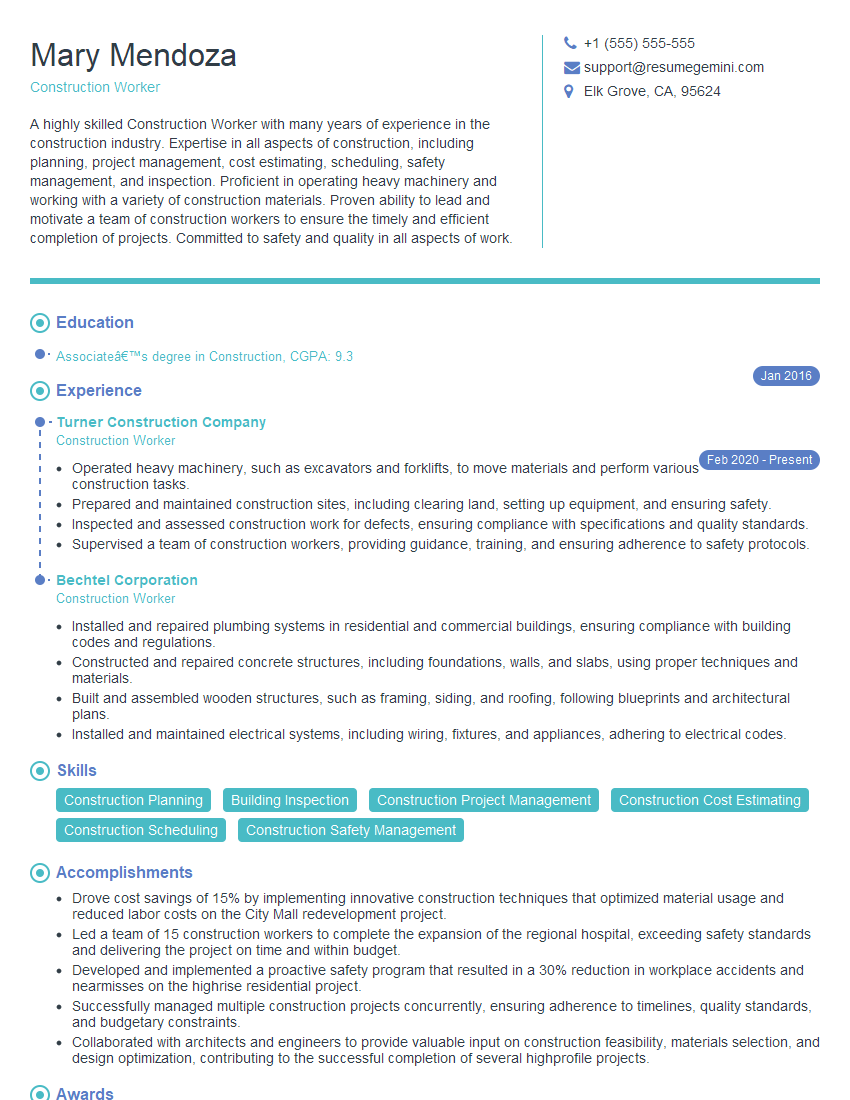
Construction Worker Resume Sample
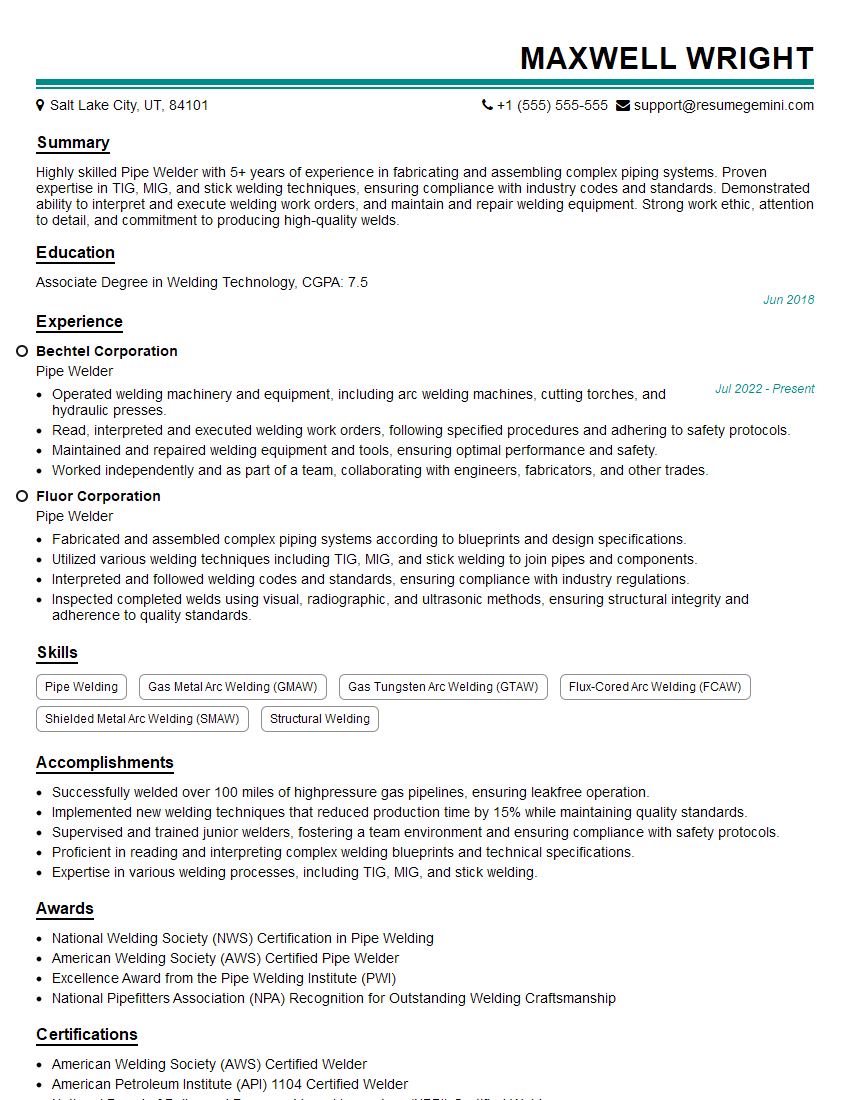
Pipe Welder Resume Sample
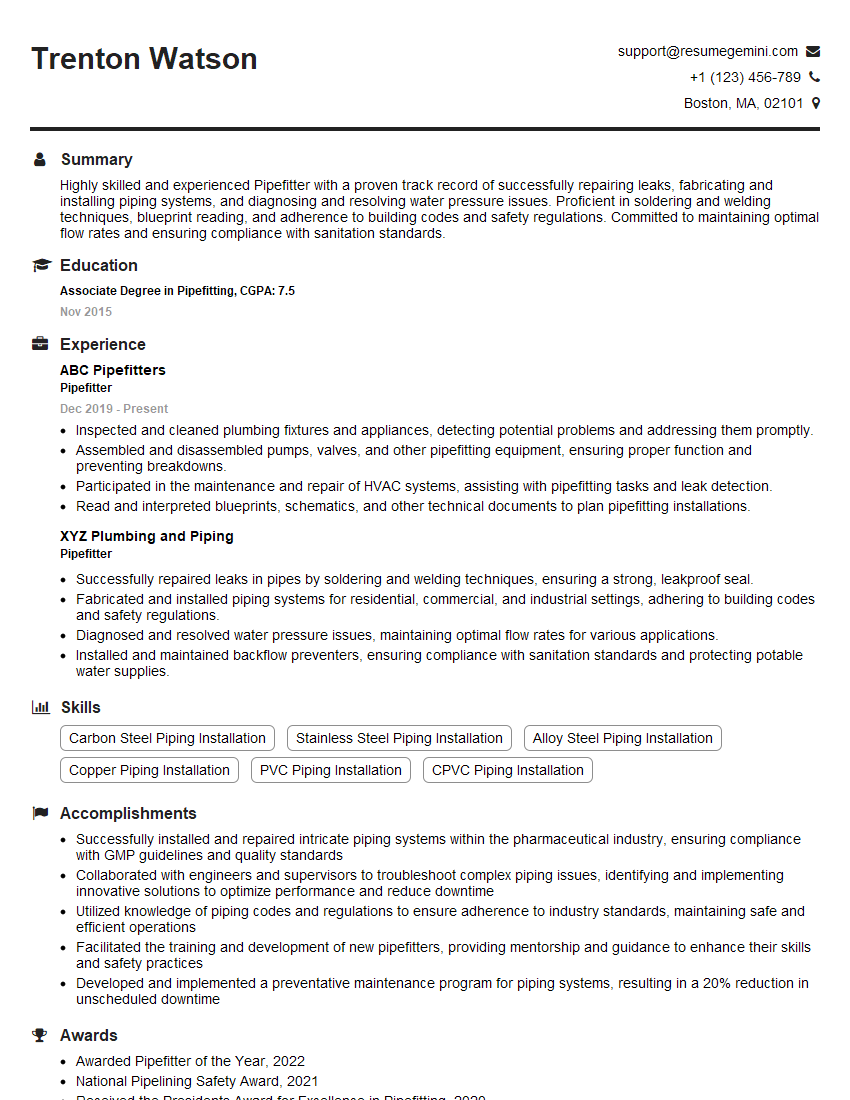
Pipefitter Resume Sample
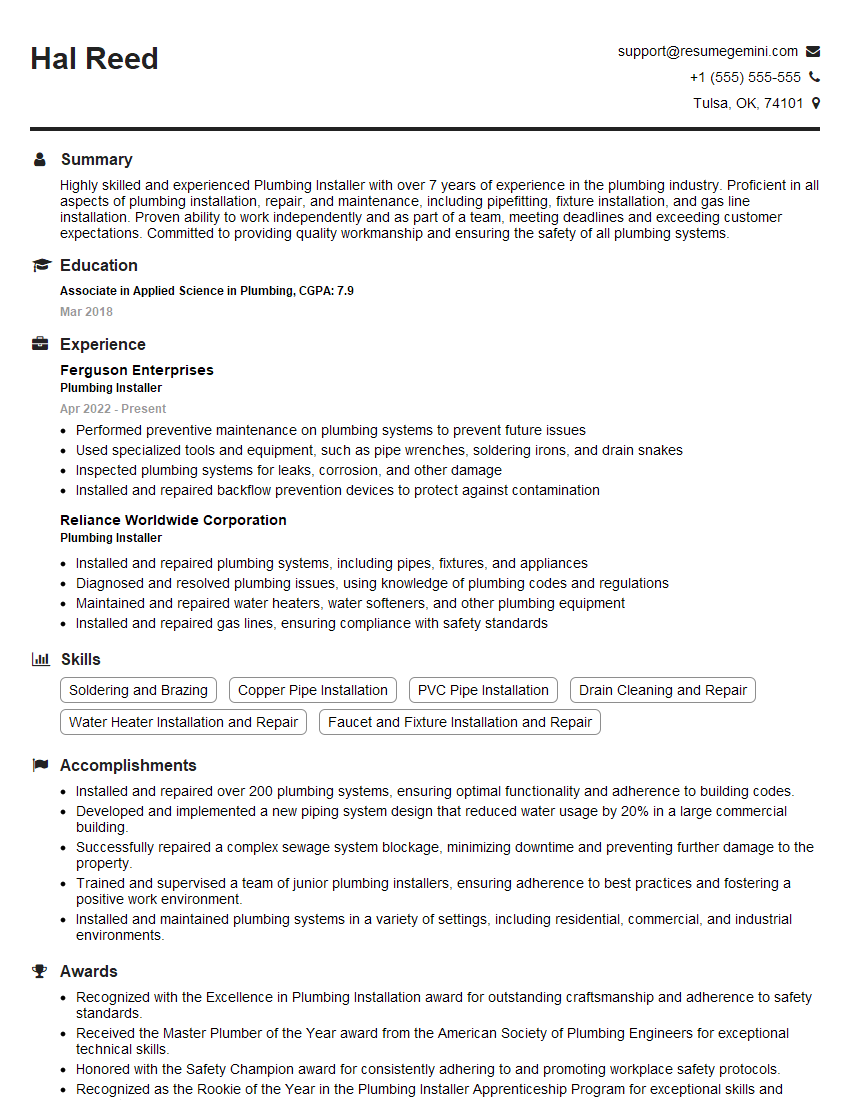
Plumbing Installer Resume Sample
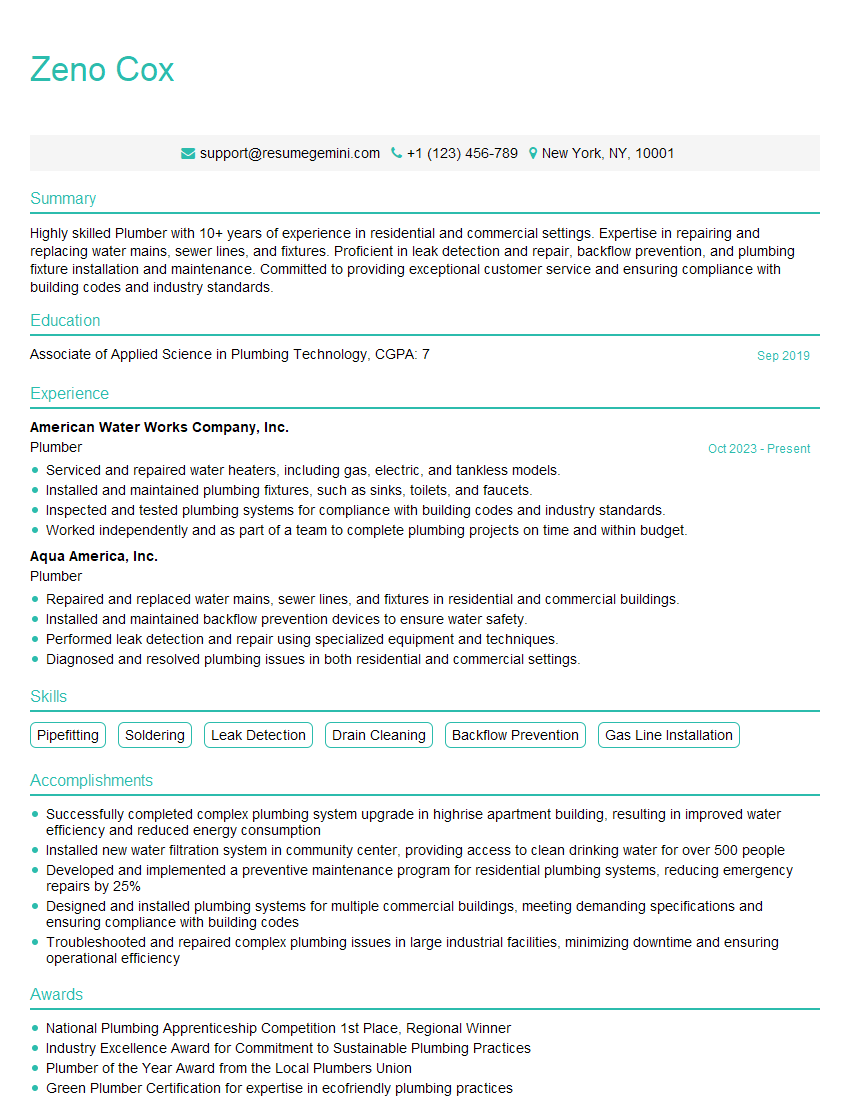
Plumber Resume Sample
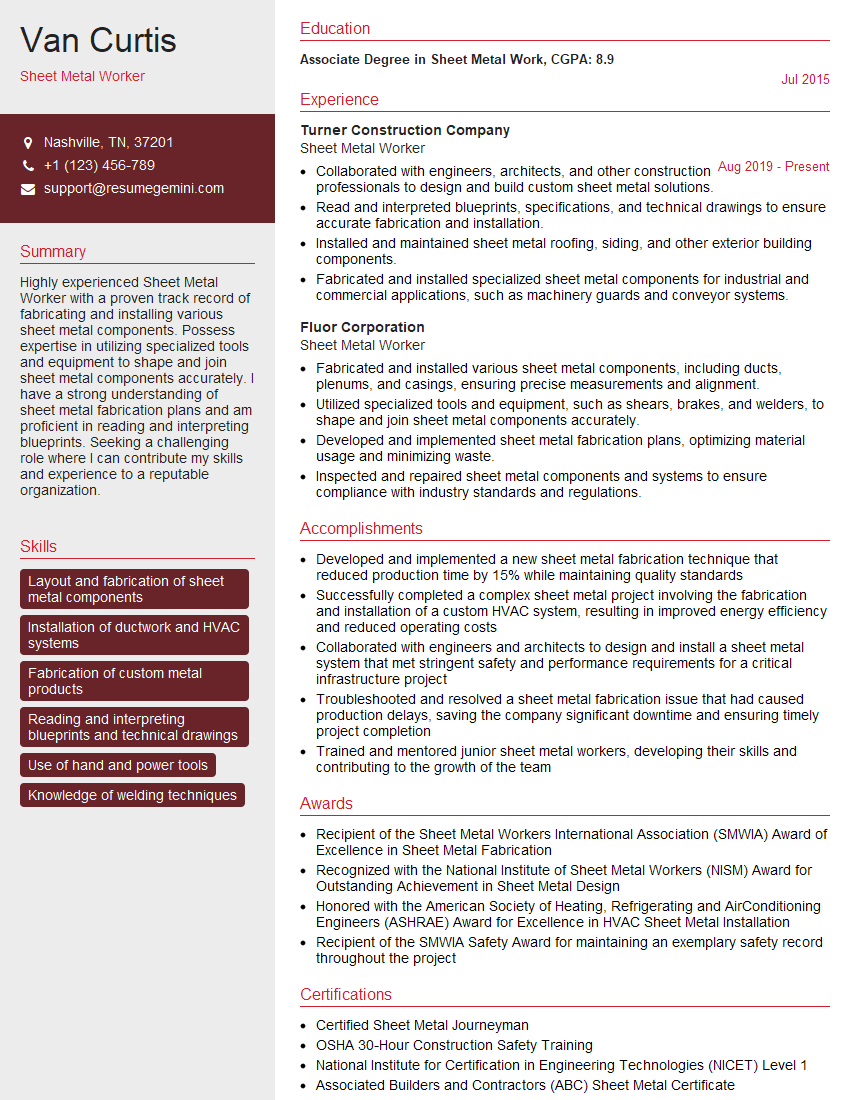
Sheet Metal Worker Resume Sample
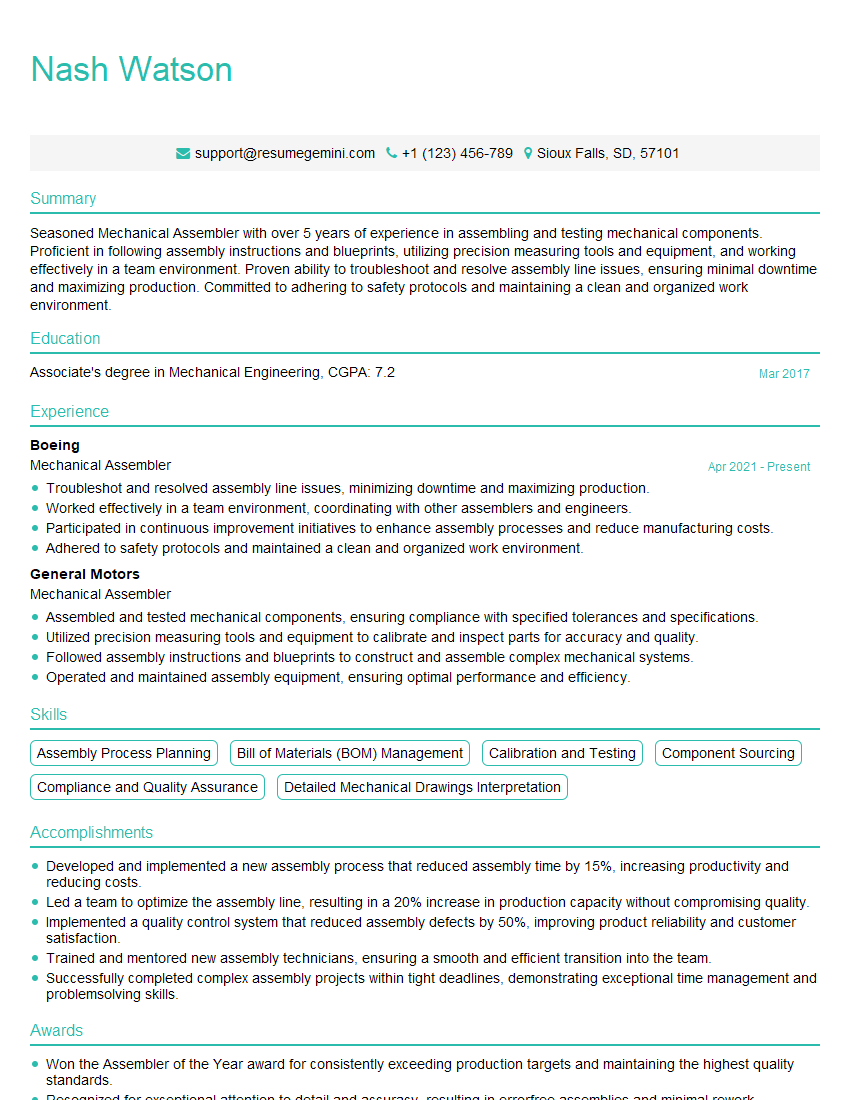
Mechanical Assembler Resume Sample
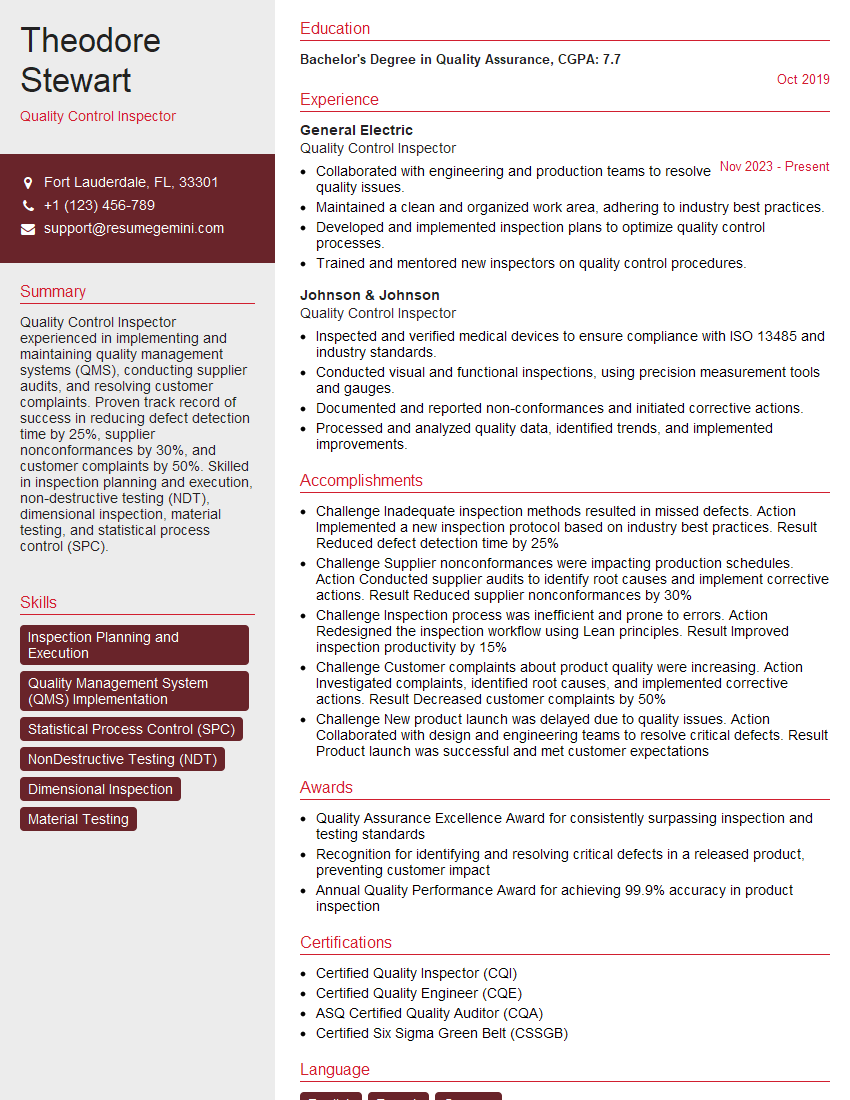
Quality Control Inspector Resume Sample
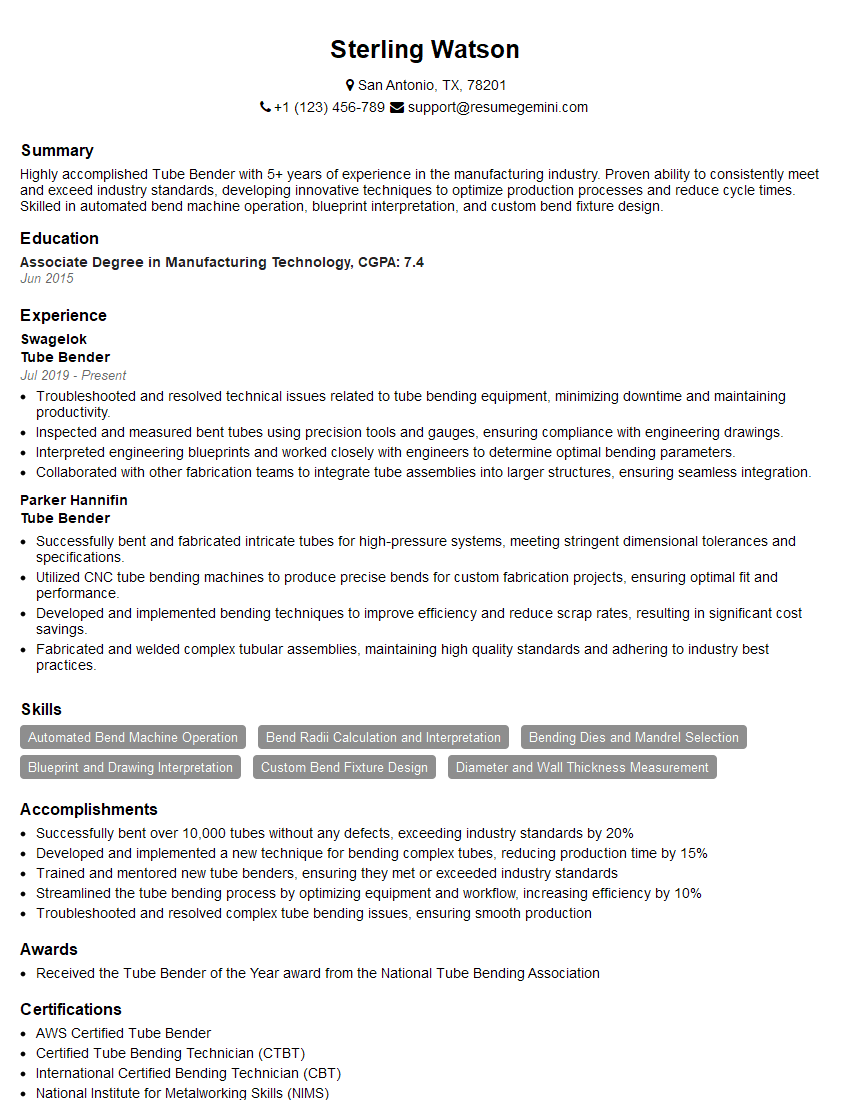
Tube Bender Resume Sample
- Maintenance Supervisor
- Project Manager
- Engineering Technician
- Field Engineer
- Instrumentation Technician
- Field Service Technician
- Process Technician
- Maintenance Mechanic
- Refrigeration Technician
- Lead Technician
- Construction Worker
- Pipe Welder
- Pipefitter
- Plumbing Installer
- Plumber
- Sheet Metal Worker
- Mechanical Assembler
- Quality Control Inspector
- Tube Bender
Explore more articles
Users Rating of Our Blogs
Share Your Experience
We value your feedback! Please rate our content and share your thoughts (optional).
What Readers Say About Our Blog
Very informative content, great job.
good