The right preparation can turn an interview into an opportunity to showcase your expertise. This guide to Medical Device Supply Chain Management interview questions is your ultimate resource, providing key insights and tips to help you ace your responses and stand out as a top candidate.
Questions Asked in Medical Device Supply Chain Management Interview
Q 1. Explain the unique challenges of medical device supply chain management compared to other industries.
Medical device supply chain management presents unique challenges compared to other industries primarily due to the stringent regulatory environment, the critical nature of the products, and the diverse range of devices involved. Let’s break this down:
Regulation and Compliance: The FDA and other global regulatory bodies impose rigorous quality, safety, and traceability requirements throughout the entire supply chain. This necessitates meticulous documentation, stringent quality control at each stage, and comprehensive audit trails – a level of oversight far exceeding that of most other industries. For example, a single deviation in manufacturing can lead to product recall, impacting not just sales but also public health and company reputation.
Product Complexity and Value: Medical devices range from simple disposables to complex, high-value implantable devices. Managing inventory for a pace-maker is vastly different from managing inventory for a simple bandage. This requires specialized storage, handling, and tracking procedures for each category. High-value devices require enhanced security measures to prevent theft or loss.
Traceability and Recall Management: In the event of a product defect or recall, the ability to quickly and accurately trace the origin and distribution of affected devices is critical. This demands robust traceability systems throughout the entire supply chain, from raw material suppliers to end-users. Failure to do so can result in severe legal and reputational consequences.
Ethical Considerations: The ethical considerations in medical device supply chain management are paramount. Decisions impact patient safety and well-being directly. This means prioritizing quality and safety above cost optimization in many cases.
Q 2. Describe your experience with managing inventory levels for high-value, low-volume medical devices.
Managing inventory for high-value, low-volume medical devices requires a highly sophisticated approach. My experience involves utilizing a combination of strategies:
Demand Forecasting: Accurate demand forecasting is crucial, as overstocking ties up capital in expensive inventory, while understocking leads to delays in patient care. Sophisticated forecasting models, incorporating historical data, market trends, and clinical adoption rates are necessary. For instance, we used a combination of time series analysis and machine learning algorithms to predict demand for a specific robotic surgical component.
Vendor Managed Inventory (VMI): Partnering with key suppliers using a VMI model can streamline inventory management. The supplier takes responsibility for maintaining optimal inventory levels at our facilities, reducing our administrative burden and potentially optimizing stock levels.
Consignment Inventory: For certain high-value items, we leverage consignment inventory, where the supplier owns the inventory until it is used. This reduces our capital expenditure and minimizes risk associated with obsolescence.
Real-time Tracking and Monitoring: Implementing a robust inventory management system with real-time tracking capabilities is critical. This enables us to monitor inventory levels, identify potential shortages, and optimize replenishment strategies.
Q 3. How do you ensure compliance with FDA regulations throughout the medical device supply chain?
Ensuring FDA compliance throughout the medical device supply chain is an ongoing process requiring a multi-faceted approach.
Quality Management System (QMS): Adherence to a robust QMS, such as ISO 13485, is fundamental. This involves implementing documented procedures for all aspects of the supply chain, from supplier selection and qualification to product storage, distribution, and recall management.
Supplier Audits: Regular audits of suppliers are essential to verify their compliance with relevant regulations and quality standards. These audits assess their manufacturing processes, quality control systems, and documentation practices.
Traceability and Documentation: Maintaining meticulous records throughout the supply chain is crucial for traceability and compliance. This includes detailed documentation of all materials, processes, and handling procedures. We use barcode and RFID technologies to enhance product tracking and visibility.
Change Management: Any changes to the product design, manufacturing process, or supply chain must be carefully managed and documented to ensure continued compliance. A formal change control process is necessary to track and assess the impact of any changes.
Employee Training: Comprehensive training of employees on FDA regulations and QMS procedures is essential for sustained compliance.
Q 4. What strategies have you used to mitigate supply chain risks, such as natural disasters or supplier disruptions?
Mitigating supply chain risks requires a proactive and multi-layered strategy. We employ several methods:
Supplier Diversification: Diversifying our supplier base geographically and by product type reduces our reliance on any single supplier and mitigates the impact of disruptions from a single source. For instance, instead of relying solely on a single supplier in a disaster-prone region, we cultivate relationships with alternative suppliers in more stable regions.
Inventory Buffering: Maintaining strategic safety stock levels for critical components helps to buffer against unexpected disruptions. The level of safety stock is determined by the criticality of the component and the potential impact of a shortage.
Risk Assessment and Mitigation Planning: Regularly assessing potential risks, such as natural disasters, geopolitical instability, and supplier financial problems, allows us to develop contingency plans and mitigation strategies. This includes identifying backup suppliers and alternative sourcing options.
Supply Chain Visibility: Employing advanced technologies such as blockchain or real-time tracking systems enhances visibility across the supply chain, enabling us to identify and address potential problems early on.
Strong Supplier Relationships: Building strong relationships with suppliers fosters open communication and collaboration, enabling us to anticipate and address potential problems together.
Q 5. Explain your experience with implementing a new supply chain management system or software.
I was involved in the implementation of a new Enterprise Resource Planning (ERP) system for our medical device supply chain. This involved several key steps:
Needs Assessment: We began with a thorough assessment of our existing supply chain processes to identify areas for improvement and define the requirements for the new system. This included identifying key performance indicators (KPIs) that would be tracked by the new system.
System Selection: We evaluated several ERP systems, comparing their functionality, scalability, and integration capabilities. We carefully considered the vendor’s reputation, support services, and implementation experience.
Data Migration: Migrating existing data to the new system was a critical phase, requiring meticulous planning and execution to ensure data accuracy and integrity. Data cleansing and validation were essential to avoid inconsistencies.
User Training: Comprehensive training was provided to all users to ensure they could effectively utilize the new system. This included both classroom training and ongoing support.
System Go-Live and Post-Implementation Support: The go-live phase involved careful monitoring and management to ensure a smooth transition. Post-implementation support was critical for addressing any issues or challenges that arose.
Q 6. How do you prioritize competing demands when managing a medical device supply chain?
Prioritizing competing demands in a medical device supply chain often involves balancing cost, quality, and patient safety. I use a framework that considers several factors:
Urgency and Criticality: Prioritizing tasks based on their urgency and criticality is paramount. For example, addressing a shortage of a life-saving device takes precedence over optimizing inventory levels of a less critical item.
Risk Assessment: Assessing the potential risks associated with each demand helps to prioritize those with the greatest potential negative impact. A high-risk situation, such as a potential supplier default, requires immediate attention.
Cost-Benefit Analysis: Analyzing the cost and benefits of each action helps to make informed decisions. Sometimes, a higher upfront cost might be justified if it prevents a much larger loss later on.
Stakeholder Collaboration: Working closely with stakeholders, such as clinicians, procurement teams, and regulatory bodies, facilitates effective prioritization by incorporating diverse perspectives and insights.
Q 7. Describe your experience with vendor selection and contract negotiation.
Vendor selection and contract negotiation are crucial for a successful medical device supply chain. My approach involves:
Vendor Qualification: A rigorous qualification process is essential to ensure that potential vendors meet our quality, regulatory, and performance requirements. This involves assessing their capabilities, experience, and financial stability.
Negotiation Strategy: A well-defined negotiation strategy is crucial to achieve favorable contract terms. This involves clearly defining our needs and expectations, understanding the vendor’s capabilities and limitations, and seeking win-win solutions.
Contract Terms: The contract should clearly outline the scope of work, payment terms, quality requirements, delivery timelines, intellectual property rights, and liability provisions. A clear and comprehensive contract is crucial for mitigating risk.
Relationship Management: Building strong relationships with vendors fosters collaboration and open communication, ensuring a long-term partnership that supports a reliable and efficient supply chain.
Q 8. How do you manage the complexities of global medical device supply chains?
Managing global medical device supply chains requires a multifaceted approach that considers geographical distances, regulatory differences, diverse manufacturing capabilities, and fluctuating demand. Think of it like orchestrating a complex symphony – each instrument (supplier, manufacturer, distributor) plays a crucial role, and the conductor (supply chain manager) ensures harmonious performance.
- Risk Mitigation: Diversifying sourcing to reduce reliance on single suppliers is key. This mitigates risks from geopolitical instability, natural disasters, or supplier-specific issues. For example, sourcing critical components from both the US and Europe would protect against regional disruptions.
- Robust Supplier Relationship Management: Building strong relationships with key suppliers is paramount. This involves regular communication, collaborative problem-solving, and performance monitoring. We use scorecards to track supplier quality, on-time delivery, and responsiveness.
- Technology Integration: Utilizing advanced technologies like blockchain for enhanced traceability, AI for predictive analytics, and digital platforms for seamless information exchange streamlines operations and improves visibility across the entire chain.
- Regulatory Compliance: Navigating varying international regulations (e.g., FDA, CE marking) requires meticulous documentation, rigorous quality control, and proactive compliance strategies. We maintain detailed records and engage with regulatory bodies proactively.
- Transportation and Logistics Optimization: Selecting efficient transportation modes, optimizing shipping routes, and managing customs procedures minimize lead times and costs. We leverage data-driven analysis to choose the most effective shipping methods.
Q 9. What metrics do you use to measure the performance of a medical device supply chain?
Measuring medical device supply chain performance requires a balanced scorecard approach, tracking both quantitative and qualitative metrics. We don’t just look at numbers; we delve into the ‘why’ behind those numbers.
- On-Time Delivery (OTD): Percentage of orders delivered on or before the scheduled date. A consistently high OTD rate indicates efficient operations.
- Inventory Turnover Rate: Measures how efficiently inventory is managed. A high turnover indicates effective inventory control and minimizes storage costs, reducing the risk of obsolescence.
- Perfect Order Rate: This holistic metric considers on-time delivery, order accuracy, and damage-free condition. It represents the ultimate goal of flawless execution.
- Lead Time: Time from order placement to delivery. Shorter lead times reflect greater agility and responsiveness to changing demand.
- Cost of Goods Sold (COGS): Tracks the direct costs associated with producing and delivering a product, revealing efficiency gains and cost-saving opportunities.
- Supplier Performance Metrics: Key Performance Indicators (KPIs) evaluating supplier quality, reliability, and compliance. These metrics are continuously monitored and communicated transparently with our suppliers.
- Product Recall Readiness: Time taken to identify, locate, and retrieve affected products in case of a recall. A low time indicates a well-defined and effective recall plan.
Q 10. How do you ensure traceability and product recall readiness within the supply chain?
Traceability and recall readiness are paramount in medical devices due to potential safety implications. It’s like having a detailed map of every product’s journey, enabling quick action if needed.
- Unique Device Identification (UDI): Implementing UDI systems allows us to track each device throughout its lifecycle from manufacturing to disposal. This provides immediate visibility in case of a recall.
- Serialization: Each device is given a unique serial number, linking it to its manufacturing batch, materials used, and distribution history. This enables precise identification of affected products.
- Electronic Data Interchange (EDI): Using EDI for transactions ensures seamless data exchange between stakeholders, improving accuracy and visibility. This reduces errors and speeds up information flow.
- Regular Audits: Conducting regular internal and external audits ensures adherence to traceability standards and identifies potential gaps in the system.
- Mock Recalls: Regularly simulating product recall exercises helps us test our processes and refine our responses. This proactive approach ensures readiness for real-world scenarios.
- Secure Data Management: Maintaining secure and well-organized databases ensures the integrity and accessibility of traceability data. This is crucial for effective recall management.
Q 11. Describe your experience with lean manufacturing principles in a medical device setting.
Lean manufacturing principles have revolutionized our medical device production. The core idea is to eliminate waste and improve efficiency. Think of it as streamlining a complex process for maximum output with minimum input.
- Value Stream Mapping: We meticulously map the entire process from raw material to finished product, identifying bottlenecks and areas for improvement. This provides a clear picture of the production flow and pinpoints non-value-added activities.
- 5S Methodology: Implementing 5S (Sort, Set in Order, Shine, Standardize, Sustain) improves workplace organization and reduces waste by optimizing workflow and minimizing search time. This translates into improved efficiency and reduced errors.
- Kanban System: We use Kanban to manage workflow and inventory levels, signaling the need for more materials only when needed. This reduces excess inventory and improves responsiveness.
- Kaizen Events: We regularly hold Kaizen events (continuous improvement) to address specific challenges and improve process efficiency. This fosters a culture of continuous improvement and innovation.
- Poka-Yoke: Implementing poka-yoke (error-proofing) techniques minimizes human error. This is particularly critical in the medical device industry, as errors can have serious safety implications. We use features like automated checks to prevent mistakes during assembly.
Q 12. Explain your understanding of different inventory management techniques (e.g., FIFO, LIFO, JIT).
Different inventory management techniques cater to specific needs and characteristics of medical devices. Selecting the right method depends on factors such as product shelf life, demand variability, and regulatory requirements.
- First-In, First-Out (FIFO): Products with shorter shelf lives, like pharmaceuticals integrated into devices, are managed with FIFO. This ensures that the oldest items are used first, minimizing waste from expiration.
- Last-In, First-Out (LIFO): LIFO is less common in medical devices because it risks using older items later, potentially impacting quality or regulatory compliance. However, it may be suitable for certain non-perishable components.
- Just-In-Time (JIT): JIT aims to minimize inventory by receiving materials only when needed. While attractive for cost reduction, it requires extremely precise demand forecasting and strong supplier relationships. A disruption can have significant impact, so a well-defined safety stock is essential.
Often, a combination of these techniques is employed depending on the specific item and its characteristics. For instance, we might use FIFO for perishable components and JIT for other less time-sensitive parts.
Q 13. How do you collaborate effectively with different departments (e.g., manufacturing, quality, regulatory)?
Effective cross-departmental collaboration is crucial for a seamless supply chain. It’s like a well-coordinated sports team – each member has a specialized role but works together toward a common goal.
- Regular Meetings: We hold regular cross-functional meetings to discuss supply chain challenges, share information, and align on strategies. This ensures everyone is on the same page.
- Shared Goals and KPIs: Establishing shared goals and KPIs ensures that each department understands its contribution to the overall supply chain performance.
- Open Communication: We promote a culture of open and transparent communication to address issues promptly and collaboratively. This includes readily available dashboards showing key metrics.
- Collaborative Software Platforms: Using shared software platforms facilitates seamless information sharing, reducing reliance on email and improving transparency.
- Cross-Training and Knowledge Sharing: Cross-training enables individuals to understand the perspectives and challenges faced by other departments, fostering empathy and collaboration.
Q 14. How do you handle unexpected supply chain disruptions and implement contingency plans?
Handling unexpected disruptions requires a proactive approach and well-defined contingency plans. It’s like having a backup plan for any unforeseen event, ensuring business continuity.
- Risk Assessment and Identification: Regularly assessing potential risks (e.g., supplier bankruptcy, natural disasters, geopolitical instability) is crucial. This helps prioritize areas requiring contingency planning.
- Developing Contingency Plans: For each identified risk, we develop detailed contingency plans that outline alternative suppliers, manufacturing locations, or distribution routes.
- Inventory Buffer Stock: Maintaining a strategic buffer stock of critical components helps absorb unexpected disruptions in supply. The level of buffer stock depends on the risk profile of each component.
- Supply Chain Diversification: Diversifying suppliers and sourcing locations reduces reliance on single points of failure. This minimizes the impact of unforeseen events.
- Real-Time Monitoring and Alert Systems: Implementing real-time monitoring systems and alert mechanisms allows us to respond promptly to disruptions. This may involve automated alerts based on predefined thresholds.
- Scenario Planning: Conducting scenario planning exercises, simulating various disruptions, allows us to refine our responses and improve our resilience.
Q 15. Explain your experience with forecasting demand for medical devices.
Accurate demand forecasting is crucial in medical device supply chain management, preventing stockouts and minimizing excess inventory. My approach involves a multi-faceted strategy combining statistical methods with qualitative insights.
I leverage historical sales data, incorporating seasonality and trend analysis using time series models like ARIMA or exponential smoothing. For example, I might use ARIMA to predict demand for a specific type of surgical implant based on past sales figures, accounting for seasonal fluctuations in surgical procedures. This quantitative approach is complemented by qualitative factors. I work closely with sales teams and clinicians to understand market trends, new product launches, changes in healthcare policies, and potential disruptions like pandemic-related surges in demand for specific devices. These insights are incorporated into the forecast, refining the purely statistical predictions. Finally, I employ scenario planning to account for uncertainty. We develop forecasts under different scenarios, such as a best-case, worst-case, and most likely scenario, allowing us to prepare for various outcomes and adapt our inventory strategies accordingly.
For instance, during the COVID-19 pandemic, we adjusted our forecasting model to anticipate increased demand for ventilators and personal protective equipment (PPE). This proactive approach prevented critical shortages and ensured the timely supply of essential medical devices.
Career Expert Tips:
- Ace those interviews! Prepare effectively by reviewing the Top 50 Most Common Interview Questions on ResumeGemini.
- Navigate your job search with confidence! Explore a wide range of Career Tips on ResumeGemini. Learn about common challenges and recommendations to overcome them.
- Craft the perfect resume! Master the Art of Resume Writing with ResumeGemini’s guide. Showcase your unique qualifications and achievements effectively.
- Don’t miss out on holiday savings! Build your dream resume with ResumeGemini’s ATS optimized templates.
Q 16. What are the key elements of a robust medical device distribution network?
A robust medical device distribution network prioritizes speed, reliability, safety, and regulatory compliance. Key elements include:
- Strategic Warehouse Locations: Strategically located warehouses, ideally near major healthcare hubs or distribution centers, minimize transit times and improve responsiveness to customer demands. This reduces the risk of delays or spoilage, especially for temperature-sensitive devices.
- Efficient Transportation Management: This includes selecting appropriate modes of transport (air, road, sea), optimizing routes, and employing real-time tracking systems to monitor shipments and ensure timely delivery. Temperature-controlled vehicles are crucial for maintaining the integrity of many medical devices.
- Inventory Management Systems: Robust inventory management systems with real-time tracking capabilities are essential for maintaining optimal stock levels, reducing waste, and preventing stockouts. This typically includes software capable of demand forecasting, order management, and warehouse management.
- Compliance and Security: Stringent security measures are paramount to protect against theft, counterfeiting, and tampering. This involves secure storage facilities, chain-of-custody documentation, and compliance with relevant regulations and certifications (e.g., GDP for Good Distribution Practices).
- Supplier Relationships: Maintaining strong relationships with reliable suppliers is crucial for consistent supply and timely delivery. This includes regular communication, performance monitoring, and collaborative problem-solving.
- Technology Integration: Integrating various technologies, including Warehouse Management Systems (WMS), Transportation Management Systems (TMS), and Enterprise Resource Planning (ERP) systems, is essential to streamline processes and enhance visibility throughout the supply chain.
Q 17. Describe your experience with managing transportation and logistics for medical devices.
My experience in medical device transportation and logistics involves managing the entire process, from procurement to delivery. This includes selecting appropriate transportation modes based on the device’s characteristics (e.g., temperature sensitivity, fragility), negotiating rates with carriers, and implementing efficient routing and scheduling systems. I’ve worked with various carriers, including specialized companies that handle temperature-controlled shipments and those equipped to handle hazardous materials.
I’ve also implemented real-time tracking systems to monitor shipments and proactively address potential delays. These systems provide valuable data on delivery times, transit routes, and potential disruptions. For example, if a shipment is delayed due to unforeseen circumstances (e.g., inclement weather), the tracking system allows for proactive communication with hospitals and customers, minimizing disruptions to patient care. I’ve also developed detailed Standard Operating Procedures (SOPs) to ensure compliance with regulatory requirements concerning the transport of medical devices, which often involve rigorous documentation and temperature logging.
In one instance, we implemented a new route optimization system that reduced transportation costs by 15% while maintaining delivery times. This involved carefully analyzing historical shipping data, identifying bottlenecks, and collaborating with logistics providers to develop more efficient routes.
Q 18. How do you ensure the security and integrity of medical devices throughout the supply chain?
Ensuring the security and integrity of medical devices throughout the supply chain is paramount. This requires a multi-layered approach encompassing physical security, data security, and regulatory compliance.
- Physical Security: This involves secure warehousing facilities with controlled access, tamper-evident packaging, and GPS tracking of shipments. Regular audits and security assessments are essential to identify vulnerabilities.
- Data Security: Protecting sensitive data related to device tracking, patient information, and supply chain operations is crucial. This necessitates robust cybersecurity measures, including access controls, encryption, and regular security updates.
- Regulatory Compliance: Strict adherence to regulations such as FDA guidelines and international standards (e.g., ISO 13485) is essential. This includes maintaining accurate documentation, traceability throughout the supply chain, and rigorous quality control procedures.
- Counterfeit Prevention: Implementing anti-counterfeiting measures, such as serialization and track-and-trace systems, is crucial to prevent the entry of counterfeit devices into the supply chain. This involves unique device identification and verification processes.
- Chain of Custody: Maintaining a comprehensive chain of custody throughout the supply chain ensures the traceability of every device, from manufacturing to the point of use. This allows for the investigation of any potential security breaches or product issues.
For example, using blockchain technology can enhance transparency and trackability, making it harder for counterfeit products to enter the market.
Q 19. What are your strategies for reducing costs and improving efficiency in a medical device supply chain?
Reducing costs and improving efficiency in a medical device supply chain requires a holistic approach focusing on several key areas:
- Demand Forecasting Accuracy: Precise demand forecasting minimizes excess inventory and reduces storage costs. This involves sophisticated forecasting models and close collaboration with sales and clinical teams.
- Inventory Optimization: Implementing inventory management systems to optimize stock levels, minimize waste, and prevent stockouts. Techniques such as Just-in-Time (JIT) inventory management can significantly reduce holding costs.
- Efficient Transportation and Logistics: Optimizing transportation routes, consolidating shipments, and negotiating favorable rates with carriers can reduce transportation expenses. This also includes exploring alternative modes of transportation and utilizing technology such as route optimization software.
- Supplier Relationship Management: Building strong relationships with reliable suppliers can lead to better pricing, improved delivery times, and reduced lead times. This involves collaborative planning, forecasting, and performance monitoring.
- Process Automation: Automating manual processes such as order processing, inventory tracking, and warehouse management can significantly increase efficiency and reduce labor costs. This typically involves adopting and integrating various software systems.
- Lean Principles: Implementing lean manufacturing principles throughout the supply chain can eliminate waste, improve flow, and reduce overall costs. This involves identifying and eliminating non-value-added activities.
For example, by implementing a new warehouse management system, we were able to reduce order fulfillment time by 20%, leading to increased customer satisfaction and reduced labor costs.
Q 20. Explain your knowledge of relevant certifications (e.g., ISO 13485).
ISO 13485:2016 is the international standard for quality management systems for medical devices. It specifies requirements for a quality management system (QMS) that organizations involved in the design, development, production, installation, and servicing of medical devices need to meet to ensure the safety and effectiveness of their products. My understanding of ISO 13485 goes beyond simple compliance; I understand its principles deeply and how they integrate into every aspect of medical device supply chain management.
This includes understanding requirements related to risk management (ISO 14971), document control, internal audits, corrective and preventive actions (CAPA), and management review. I understand how non-conformances are handled, ensuring that any deviations from the established QMS are immediately addressed to maintain product quality and safety. My experience includes working with organizations certified to ISO 13485, participating in audits, and implementing processes to achieve and maintain compliance. The FDA’s Quality System Regulation (QSR) is another crucial regulation I’m intimately familiar with, understanding how it aligns with and extends ISO 13485 requirements specifically for the US market.
Q 21. How do you manage relationships with key suppliers and ensure timely delivery?
Managing relationships with key suppliers and ensuring timely delivery requires a proactive and collaborative approach.
- Strategic Partnerships: Building strong, long-term relationships with reliable suppliers based on mutual trust and shared goals is crucial. This includes regular communication, open dialogue, and collaborative problem-solving.
- Performance Monitoring: Implementing key performance indicators (KPIs) to track supplier performance, including on-time delivery, quality, and responsiveness, is essential to ensure consistent performance. Regular performance reviews with suppliers allow for identification of areas for improvement.
- Supplier Audits: Conducting regular audits of supplier facilities and processes helps to ensure compliance with quality standards and regulatory requirements. This confirms their capabilities and processes align with our expectations.
- Collaboration and Communication: Maintaining open and transparent communication with suppliers is vital for sharing information, addressing concerns, and preventing potential issues. This includes regular meetings, joint planning sessions, and prompt responses to inquiries.
- Contract Management: Clear and well-defined contracts outlining expectations, responsibilities, and consequences of non-compliance are essential to protect both parties’ interests. These contracts should outline service level agreements (SLAs) that include penalties for late deliveries.
- Risk Management: Identifying and mitigating potential risks associated with supplier relationships, such as supply chain disruptions or quality issues, is crucial for ensuring the continuity of supply. This involves diversifying suppliers and having contingency plans in place.
For example, in one situation, by proactively collaborating with a key supplier and working together to solve a potential quality issue, we prevented a major supply chain disruption and ensured continued delivery of critical medical devices.
Q 22. Describe your experience with utilizing technology to improve supply chain visibility and efficiency.
Improving supply chain visibility and efficiency in medical devices requires leveraging technology across the entire process. Think of it like having a GPS for your entire product journey, from raw materials to the patient’s bedside. My experience involves implementing and managing several key technologies:
Radio-Frequency Identification (RFID): This allows us to track individual components and finished devices throughout the supply chain in real-time. For instance, we used RFID to track high-value implantable devices, reducing inventory discrepancies and improving recall management significantly. Knowing the exact location and history of each device is crucial for patient safety and regulatory compliance.
Enterprise Resource Planning (ERP) systems: These integrated systems provide a single source of truth for all supply chain data, including inventory levels, production schedules, and supplier performance. We implemented an ERP system that integrated with our manufacturing execution system (MES), giving us a holistic view of the entire production process and allowing for proactive adjustments based on real-time data. This dramatically improved our forecasting accuracy.
Blockchain Technology: For enhanced security and traceability, particularly with pharmaceuticals or specialized components. Blockchain can provide an immutable record of each transaction and movement in the supply chain, adding an extra layer of verification and reducing the risk of counterfeiting.
Advanced analytics and data visualization dashboards: These tools allow us to identify trends, bottlenecks, and potential risks within the supply chain. We used these dashboards to proactively address potential disruptions, such as supplier delays or material shortages, resulting in reduced lead times and improved on-time delivery.
By strategically implementing and integrating these technologies, we achieved significant improvements in inventory accuracy, reduced lead times, improved on-time delivery rates, and enhanced overall supply chain responsiveness.
Q 23. How do you balance the need for cost optimization with maintaining high quality standards?
Balancing cost optimization and maintaining high quality in medical device supply chains is a delicate act – it’s a bit like walking a tightrope. Cutting corners on quality is unacceptable; patient safety is paramount. The approach needs a strategic and multifaceted plan:
Strategic Sourcing: We rigorously evaluate suppliers based on not only price but also quality certifications (ISO 13485, for example), manufacturing capabilities, and their track record. Negotiating favorable contracts while ensuring quality is crucial. We focus on building long-term relationships with reliable suppliers, encouraging collaboration and continuous improvement.
Lean Manufacturing Principles: Implementing lean methodologies in our own manufacturing or with our contract manufacturers minimizes waste, optimizes processes, and reduces costs without compromising quality. This involves identifying and eliminating non-value-added activities.
Inventory Optimization: Utilizing techniques like Just-in-Time (JIT) inventory management reduces storage costs and minimizes the risk of obsolescence while still ensuring sufficient stock to meet demand. Careful demand forecasting is key here.
Quality Control at Every Stage: Robust quality checks at each step of the supply chain, from raw materials inspection to final product testing, are essential. This minimizes defects and recalls, saving costs in the long run.
Ultimately, prioritizing quality ensures long-term cost savings by reducing the cost of recalls, rework, and reputation damage. It’s an investment, not an expense.
Q 24. Describe your understanding of different supply chain models (e.g., push vs. pull).
Understanding supply chain models like push and pull is essential for efficient management. Think of it like ordering food: a ‘push’ system is like a restaurant preparing a set menu and sending it out regardless of demand; a ‘pull’ system is like a restaurant taking your order first.
Push Model: This model is characterized by producing and pushing products based on forecasts. It works well for high-demand, stable products with predictable consumption patterns. However, it can lead to excess inventory and obsolescence if forecasts are inaccurate. An example is producing a large batch of standard surgical gloves.
Pull Model: This model is driven by actual customer demand. Production only occurs when an order is received. It’s ideal for products with fluctuating demand or specialized needs, minimizing inventory risk. For example, a custom-made orthotic device would typically follow a pull model.
Hybrid Model: Often, a hybrid approach combining elements of both push and pull is most effective. This allows for strategic stockpiling of high-demand items while maintaining flexibility for customized products. We often use a hybrid, forecasting standard components in a ‘push’ model and producing customized parts based on customer orders using a ‘pull’ model.
The choice of model depends on factors like product characteristics, demand variability, lead times, and inventory holding costs. Adaptability and the ability to shift between models as needed is critical.
Q 25. What is your experience with implementing and managing a quality management system within a supply chain?
Implementing and managing a quality management system (QMS) within a medical device supply chain is critical for patient safety and regulatory compliance. It’s about building a culture of quality throughout the entire network, from the initial design to final delivery. My experience involves:
ISO 13485 Certification: Ensuring all suppliers adhere to this international standard for medical devices is paramount. This involves regular audits and robust documentation processes.
Supplier Quality Management: We establish and maintain stringent quality agreements with suppliers, including clear specifications, inspection protocols, and corrective action procedures. Regular supplier performance reviews are essential.
CAPA (Corrective and Preventive Action) System: A robust CAPA system is crucial for addressing and preventing quality issues. This includes identifying root causes, implementing corrective actions, and tracking effectiveness.
Documentation Control: Meticulous record-keeping and version control for all design, manufacturing, and quality documents are essential for traceability and compliance. This includes design history files (DHFs) and detailed manufacturing records.
Internal Audits: Regular internal audits ensure that the QMS is effective and being followed consistently. These audits help identify areas for improvement and strengthen the overall system.
A successful QMS is not just a set of procedures; it’s a mindset, a culture of continuous improvement focused on consistently delivering safe and effective medical devices.
Q 26. How do you assess and mitigate the risks associated with outsourcing manufacturing or distribution?
Outsourcing manufacturing or distribution presents significant risks, but can also offer significant advantages in terms of cost and expertise. Mitigating these risks requires a proactive and structured approach:
Due Diligence: Thorough vetting of potential outsourcing partners is essential. This involves evaluating their manufacturing capabilities, quality systems (ISO 13485 compliance is vital), financial stability, and their experience in the medical device industry. On-site audits are critical.
Contractual Agreements: Well-defined contracts are key. These should clearly outline responsibilities, quality standards, intellectual property protection, and dispute resolution mechanisms. Penalties for non-compliance should be explicitly stated.
Risk Assessment: A comprehensive risk assessment should identify potential risks associated with outsourcing, such as supply chain disruptions, quality issues, or intellectual property theft. Mitigation strategies should be developed for each identified risk.
Performance Monitoring: Regular monitoring of the outsourced partner’s performance, including quality metrics, delivery performance, and financial stability, is essential. Key performance indicators (KPIs) should be defined and tracked.
Backup Plans: Having contingency plans for potential disruptions, such as supplier failures or natural disasters, is crucial for business continuity. This might involve identifying backup suppliers or holding strategic inventory.
By carefully managing these aspects, we can minimize risks and leverage the benefits of outsourcing while ensuring the continued supply of high-quality medical devices.
Q 27. Describe your experience with implementing and tracking key performance indicators (KPIs) in a medical device supply chain.
Tracking key performance indicators (KPIs) is essential for monitoring and improving the efficiency and effectiveness of a medical device supply chain. It’s like a dashboard in a car, providing real-time information about the system’s performance.
On-Time Delivery Rate: Measures the percentage of orders delivered on or before the scheduled delivery date. This is a critical indicator of supply chain reliability.
Inventory Turnover Rate: Measures how quickly inventory is sold or used. A high turnover rate indicates efficient inventory management, while a low rate may suggest excess inventory or slow-moving items.
Lead Time: The time it takes to fulfill an order, from the time the order is placed to the time it’s delivered. Reducing lead time improves responsiveness to market demand.
Defect Rate: The percentage of defective products produced or received. A low defect rate is essential for maintaining product quality and reducing rework or recalls.
Supplier Performance: Metrics measuring supplier on-time delivery, quality, and responsiveness are key to evaluating supplier performance and identifying areas for improvement.
We used a combination of ERP systems and custom-built dashboards to collect, analyze, and visualize these KPIs. Regular reporting and review meetings were critical to identify trends, address issues, and drive continuous improvement. These dashboards allowed us to identify and promptly address issues leading to significant improvements in our operational efficiency.
Q 28. How do you adapt your supply chain strategies to address changing market demands or regulatory requirements?
Adapting to changing market demands and regulatory requirements is crucial for survival in the medical device industry. It’s like navigating a ship through a constantly shifting sea. My experience involves:
Market Research and Forecasting: Staying abreast of market trends and changes in patient needs is critical for anticipating changes in demand. Sophisticated forecasting models help us predict future demand accurately.
Agile Supply Chain Strategies: Implementing agile methodologies enables us to quickly adapt to changes in demand, allowing for flexible production and shorter lead times. This often involves closer collaboration with suppliers.
Regulatory Compliance: Maintaining compliance with evolving regulatory requirements (FDA, etc.) requires proactive monitoring of changes and implementing necessary adjustments to our processes and documentation. This involves close collaboration with regulatory affairs teams.
Scenario Planning: Developing contingency plans for potential disruptions, such as supply chain interruptions, changes in regulations, or economic downturns, is vital for resilience. This involves simulating various scenarios and identifying potential mitigation strategies.
Technology Adoption: Embracing new technologies, such as AI-powered forecasting or blockchain for traceability, can enhance our ability to adapt to changes and improve efficiency.
Continuous monitoring, proactive adaptation, and a willingness to embrace change are key to success in this dynamic environment. The ability to pivot quickly and efficiently is vital for long-term success.
Key Topics to Learn for Medical Device Supply Chain Management Interview
- Regulatory Compliance: Understand FDA regulations (21 CFR Part 820, etc.), ISO 13485, and other relevant international standards. Be prepared to discuss how these impact supply chain decisions and processes.
- Quality Management Systems (QMS): Explain your experience with implementing and maintaining QMS within a medical device supply chain. Discuss practical applications like supplier audits, corrective and preventive actions (CAPA), and quality control procedures.
- Inventory Management & Forecasting: Describe your approach to optimizing inventory levels, minimizing stockouts, and managing obsolete inventory. Discuss forecasting techniques and their impact on cost and patient care.
- Logistics & Distribution: Explain your understanding of transportation, warehousing, and distribution strategies within the medical device industry. Highlight your experience with managing complex logistics networks and ensuring timely delivery of critical medical components.
- Supplier Relationship Management (SRM): Discuss strategies for selecting, evaluating, and managing suppliers. Be ready to discuss risk mitigation strategies and collaborative approaches to improve supply chain performance.
- Cost Optimization & Procurement: Explain your experience in negotiating contracts, managing costs, and identifying opportunities for cost reduction while maintaining quality and compliance.
- Supply Chain Risk Management: Discuss strategies for identifying, assessing, and mitigating potential supply chain disruptions (e.g., natural disasters, pandemics, geopolitical events). Highlight your experience developing contingency plans.
- Technology & Data Analytics: Describe your familiarity with supply chain management software (ERP, MRP, etc.) and your ability to utilize data analytics to improve decision-making and optimize processes. Discuss how data can be used to identify trends and predict future needs.
- Lean Principles & Continuous Improvement: Demonstrate understanding of lean methodologies and their application within a medical device supply chain. Be prepared to discuss your experience with implementing Kaizen events or other continuous improvement initiatives.
Next Steps
Mastering Medical Device Supply Chain Management is crucial for career advancement in this high-demand field. It demonstrates expertise in a critical area impacting patient safety and healthcare delivery. Building a strong, ATS-friendly resume is essential for maximizing your job prospects. ResumeGemini is a trusted resource that can help you create a compelling resume tailored to the specific requirements of Medical Device Supply Chain Management roles. Examples of resumes tailored to this field are available to help guide your resume creation. Invest the time to craft a professional and impactful resume – it’s your first impression to potential employers.
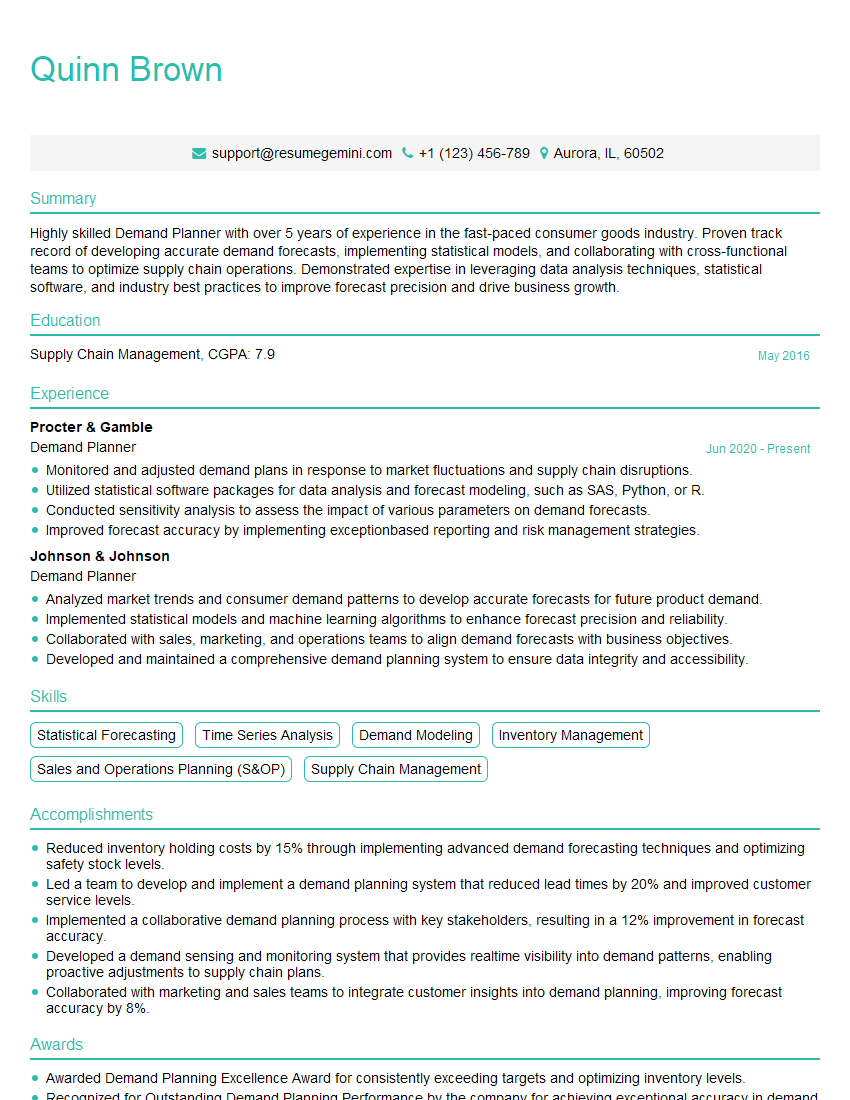
Demand Planner Resume Sample

Manufacturing Planner Resume Sample
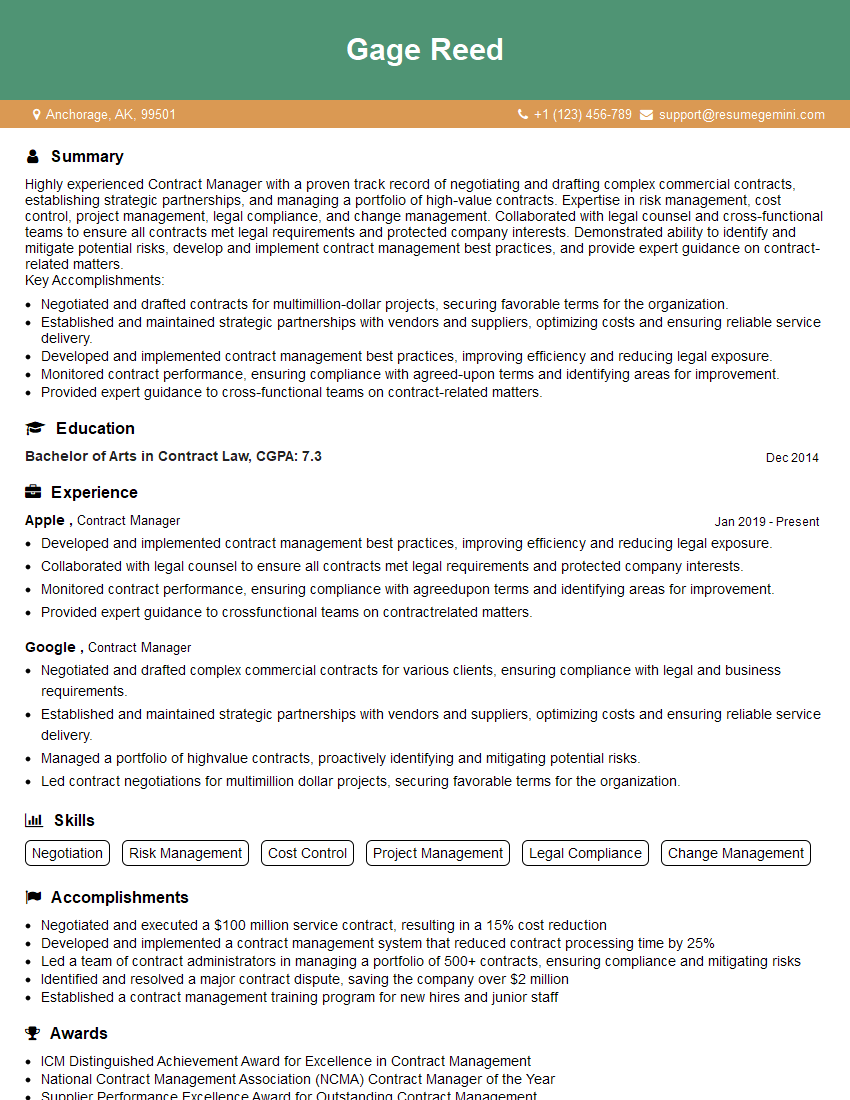
Contract Manager Resume Sample
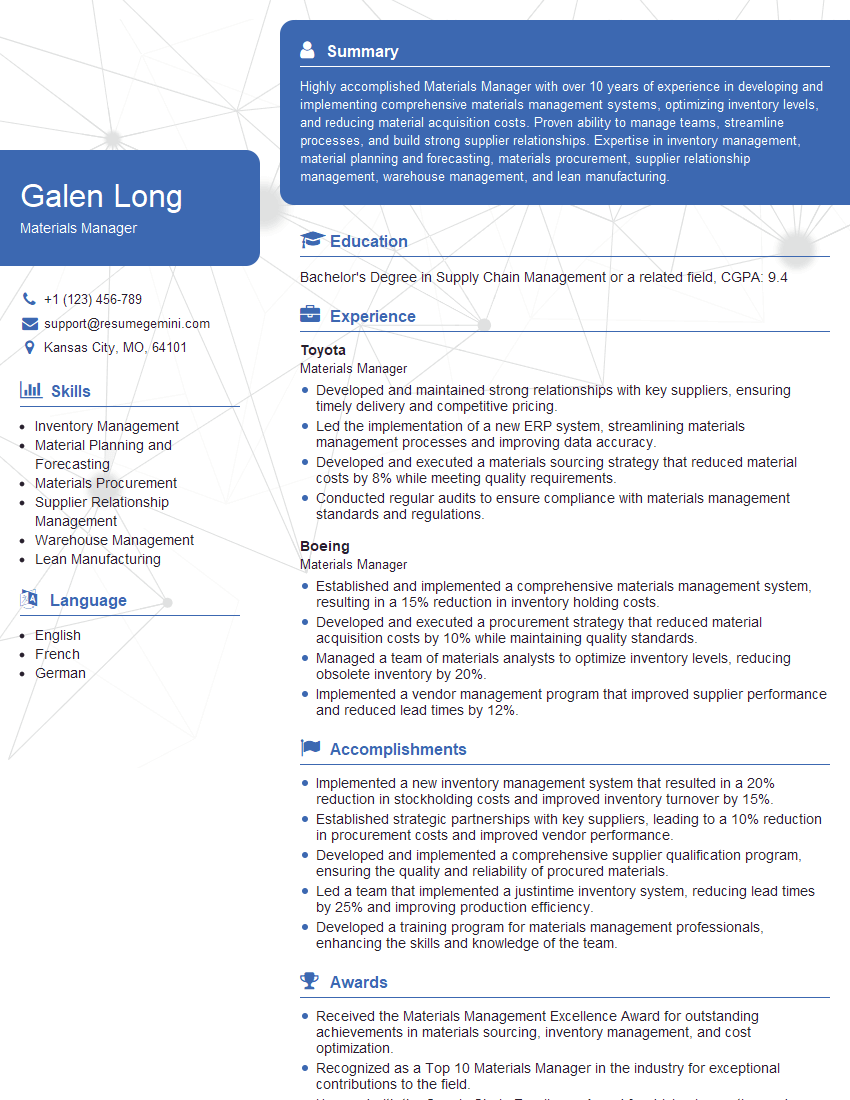
Materials Manager Resume Sample

Procurement Manager Resume Sample
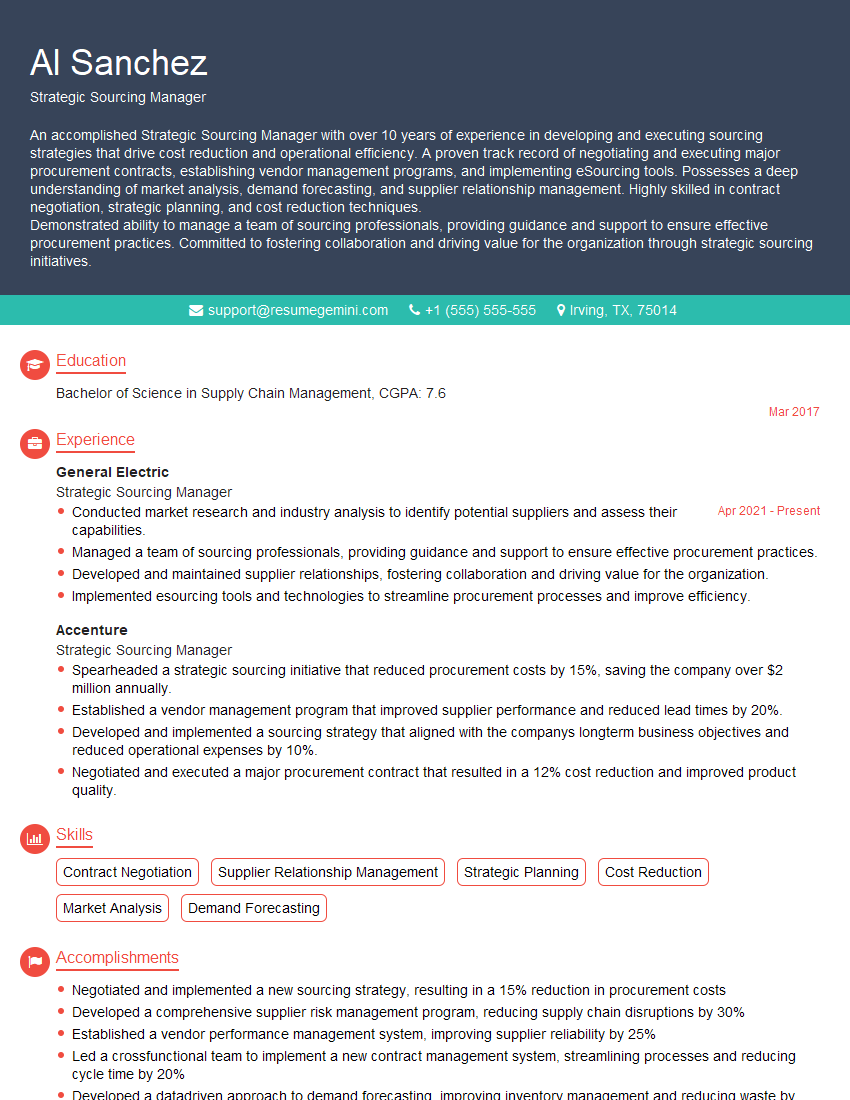
Strategic Sourcing Manager Resume Sample
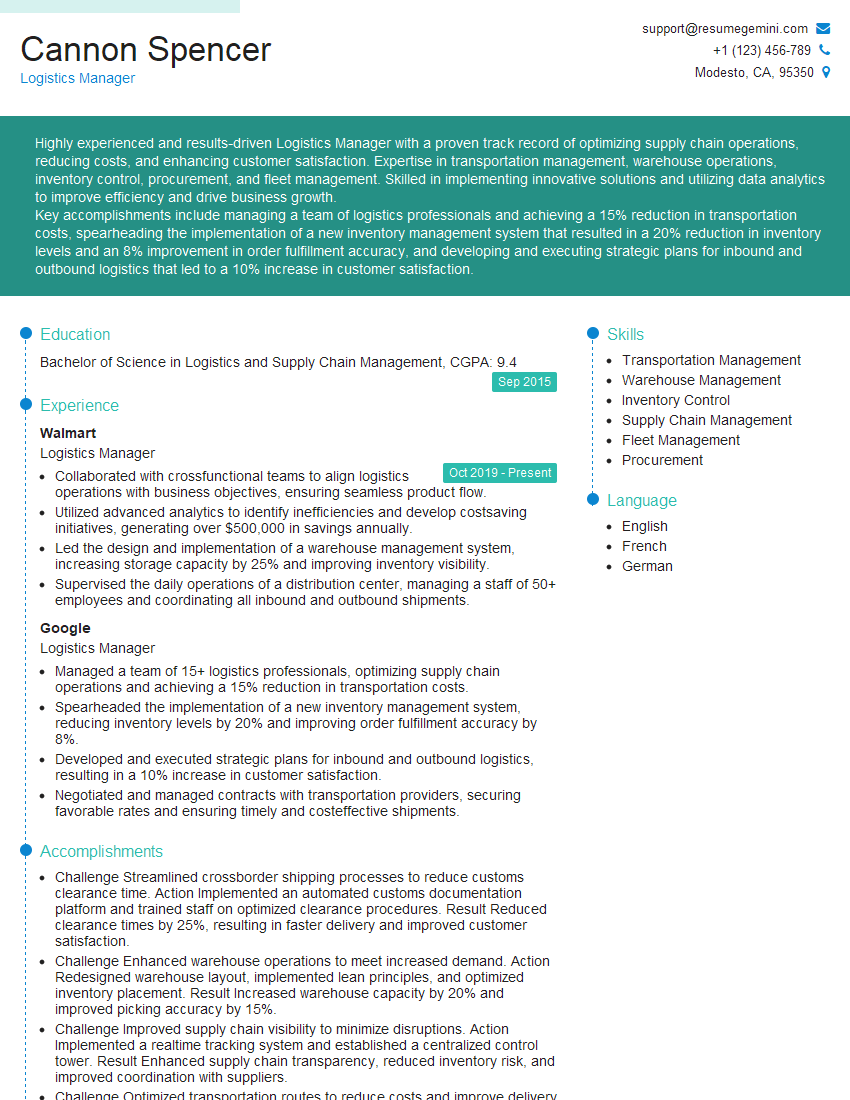
Logistics Manager Resume Sample
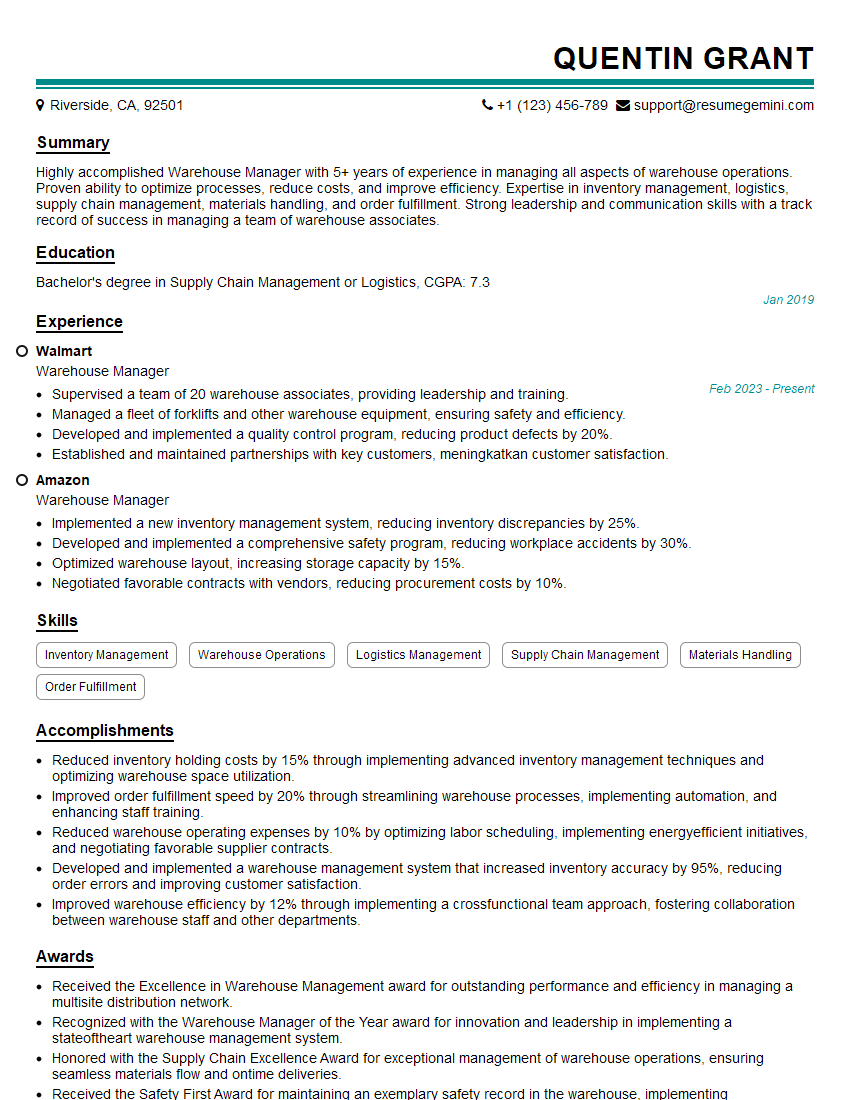
Warehouse Manager Resume Sample
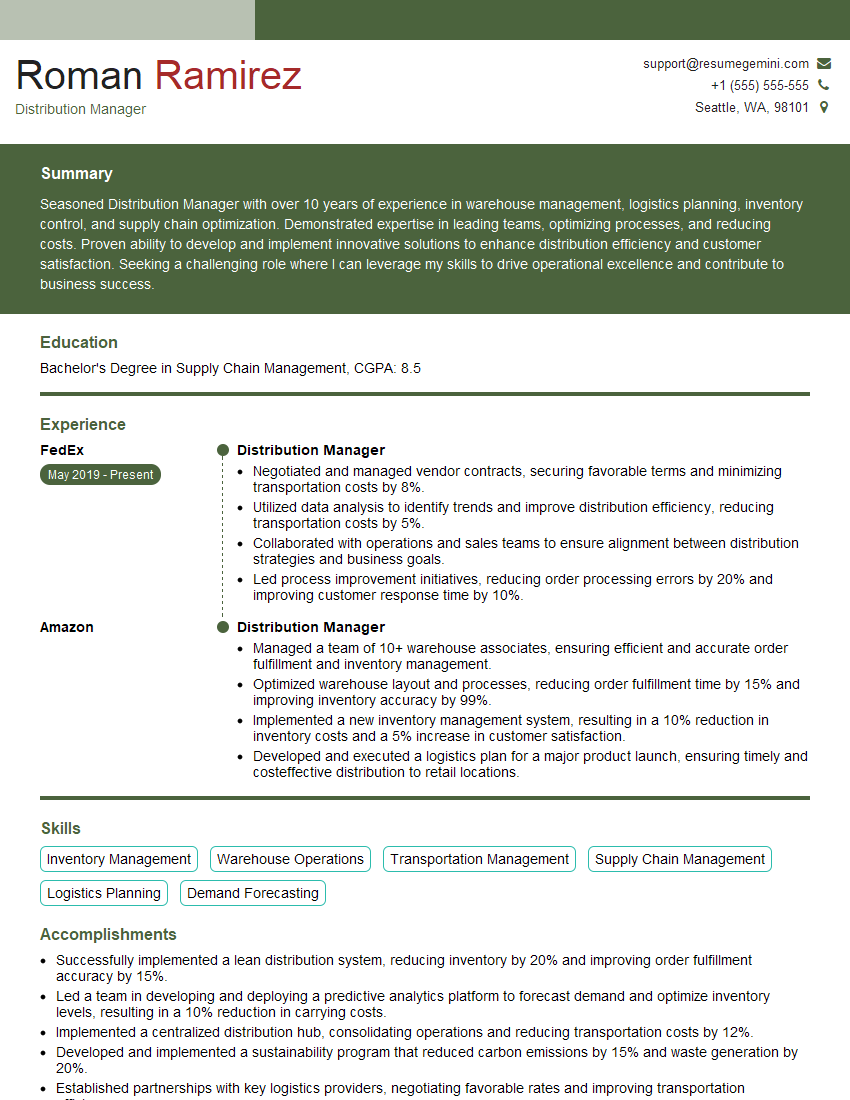
Distribution Manager Resume Sample
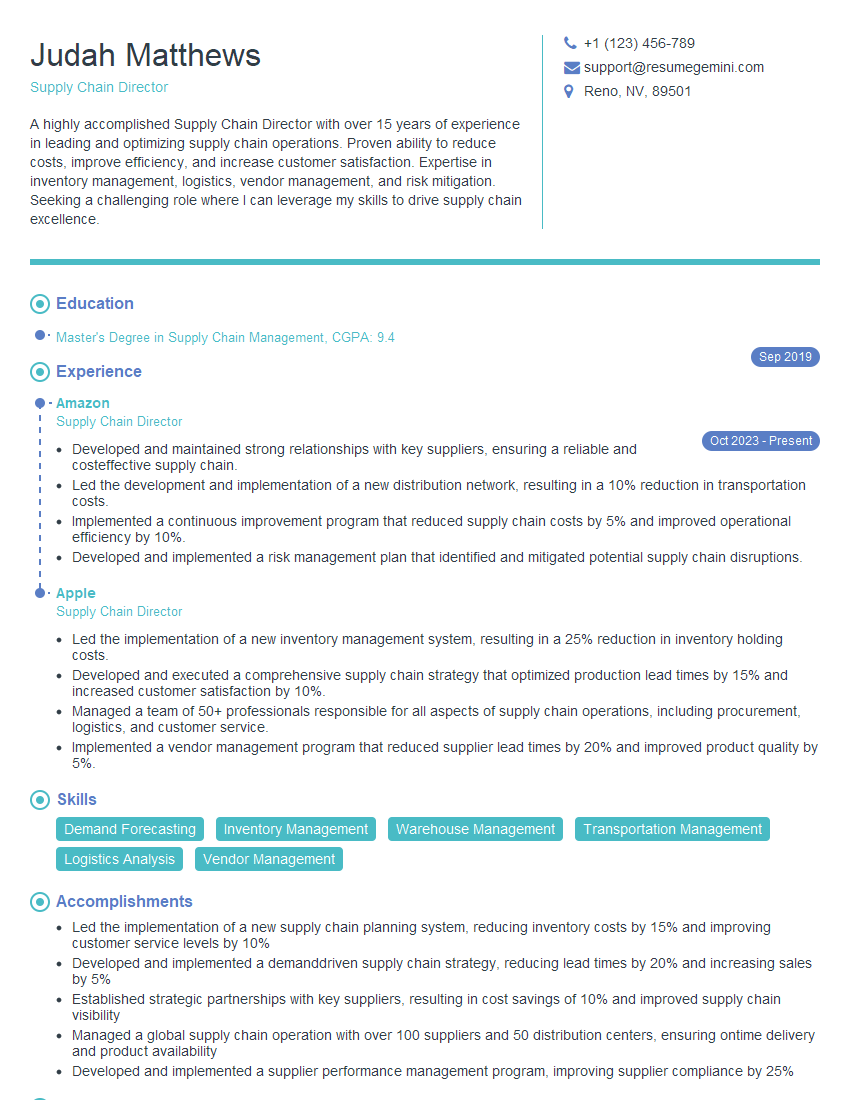
Supply Chain Director Resume Sample
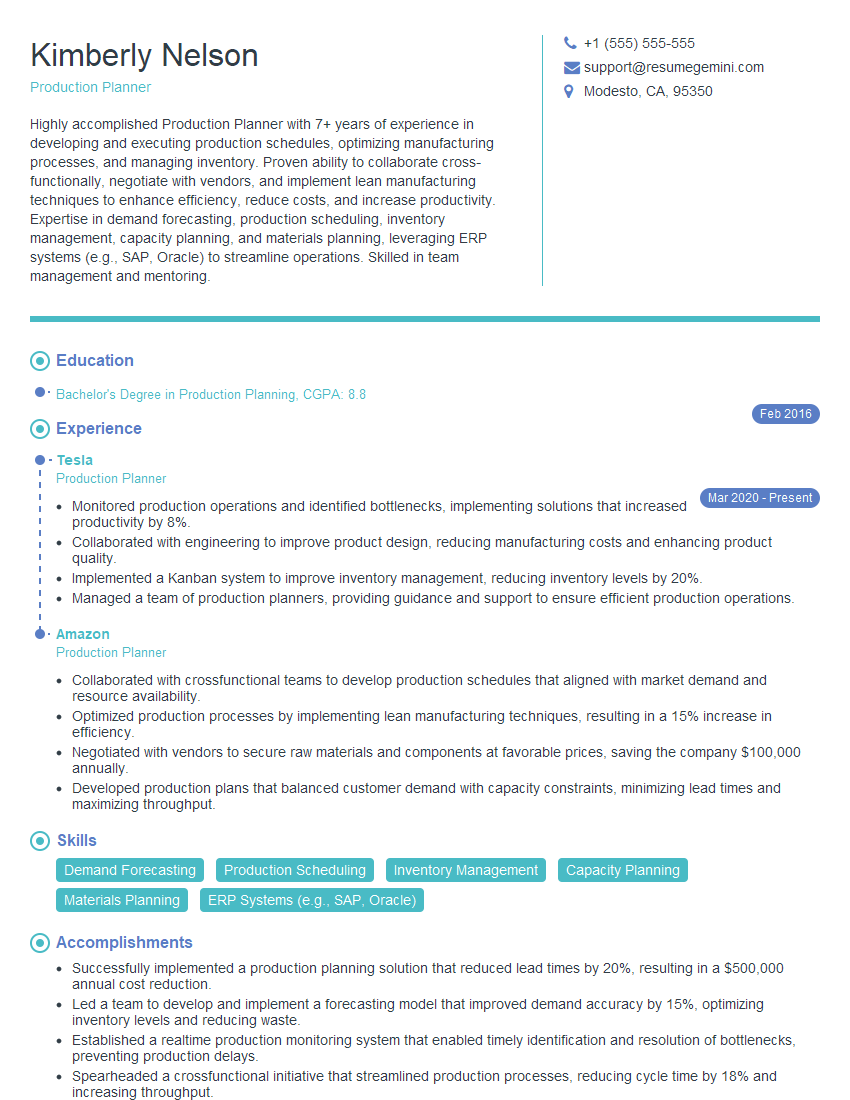
Production Planner Resume Sample
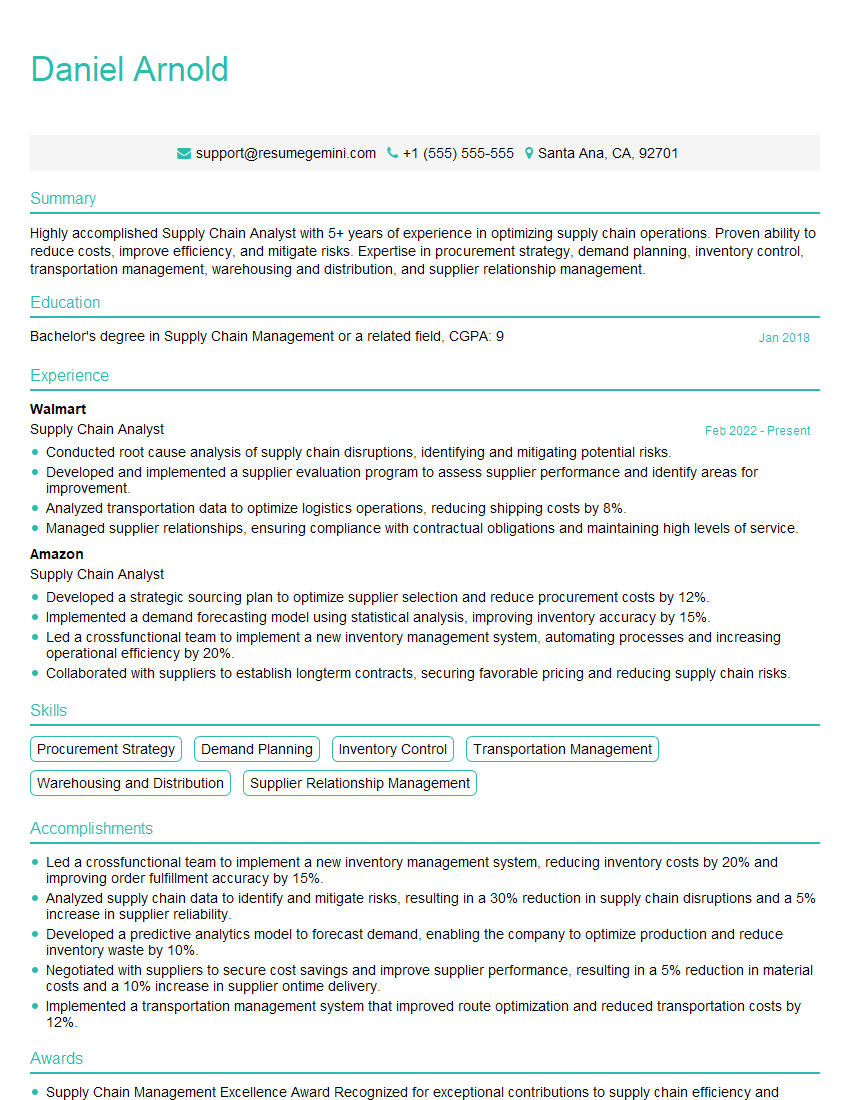
Supply Chain Analyst Resume Sample
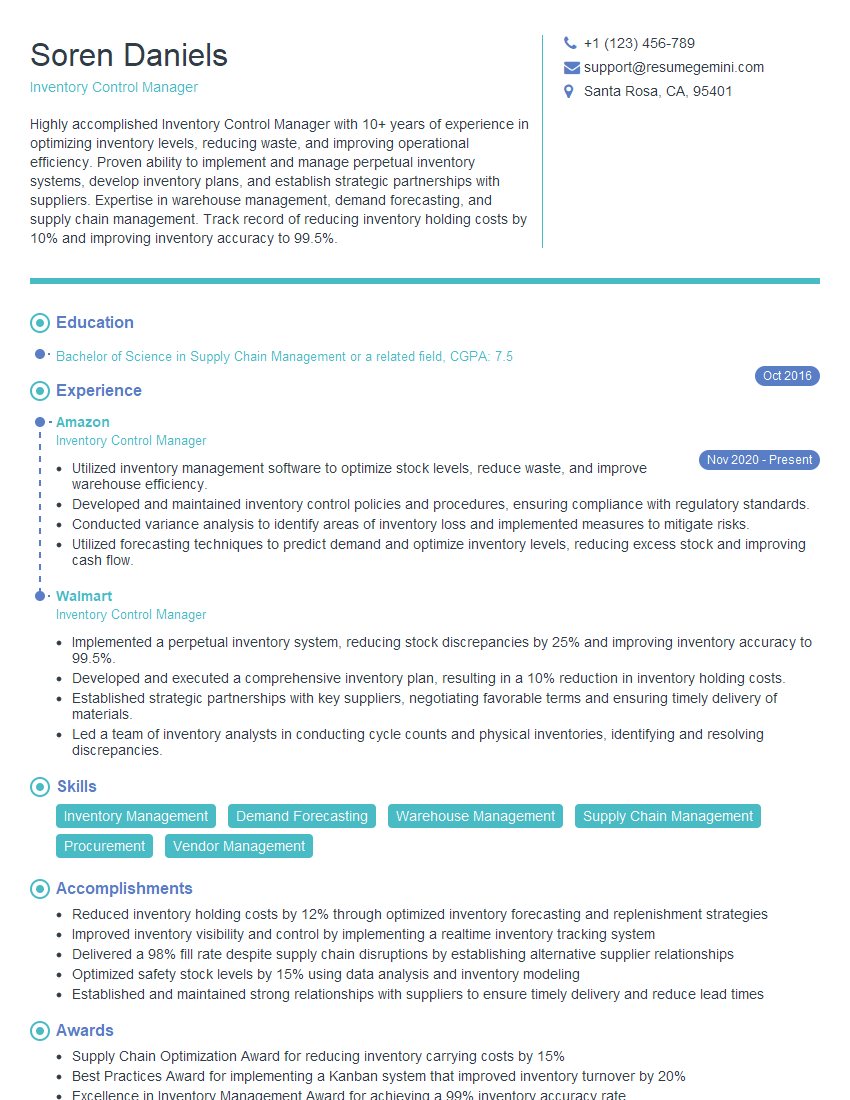
Inventory Control Manager Resume Sample
Explore more articles
Users Rating of Our Blogs
Share Your Experience
We value your feedback! Please rate our content and share your thoughts (optional).
What Readers Say About Our Blog
Very informative content, great job.
good