Interviews are more than just a Q&A session—they’re a chance to prove your worth. This blog dives into essential Public Works interview questions and expert tips to help you align your answers with what hiring managers are looking for. Start preparing to shine!
Questions Asked in Public Works Interview
Q 1. Describe your experience with managing public infrastructure projects.
Throughout my career, I’ve overseen numerous public infrastructure projects, ranging from small-scale road repairs to large-scale bridge renovations. My experience encompasses all phases, from initial planning and design through construction management and final project closeout. I’m proficient in developing detailed project scopes, budgets, and schedules, ensuring projects are completed on time and within budget. For example, in my previous role, I managed the reconstruction of a heavily trafficked intersection, coordinating with multiple stakeholders including utility companies, traffic engineers, and local businesses. This involved meticulous planning to minimize disruption and ensure public safety. Another key aspect of my experience involves risk management; anticipating potential delays or cost overruns and implementing mitigation strategies. I have a proven track record of successfully navigating unforeseen challenges and delivering high-quality, sustainable infrastructure.
Q 2. Explain your understanding of different pavement types and their applications.
Different pavement types are chosen based on factors such as traffic volume, environmental conditions, and budget. Common types include:
- Asphalt Concrete: A cost-effective and flexible pavement suitable for most roadways. Its strength comes from the binder (asphalt cement) holding the aggregate together. Different asphalt mixes exist, each designed for varying traffic loads and climatic conditions.
- Portland Cement Concrete (PCC): More durable and longer-lasting than asphalt, often used for high-traffic roads and highways. PCC is stronger but more expensive and requires more specialized construction techniques. Joints are crucial for managing thermal expansion and contraction.
- Concrete Joints: These control cracking in concrete pavements due to temperature fluctuations. Proper design and construction of joints are paramount to the pavement’s longevity. Different types include contraction, expansion, and construction joints.
- Permeable Pavements: These allow water to infiltrate, reducing runoff and improving groundwater recharge. They’re becoming increasingly popular in environmentally sensitive areas, though they’re generally more expensive than traditional pavements.
Choosing the right pavement type is critical for ensuring long-term infrastructure performance and minimizing maintenance costs. For instance, a high-traffic arterial road would benefit from a durable PCC pavement, while a low-traffic residential street might be adequately served by asphalt concrete.
Q 3. How do you prioritize projects within a limited budget?
Prioritizing projects with limited budgets requires a systematic approach. I typically use a multi-criteria decision analysis (MCDA) framework, combining quantitative and qualitative factors. This involves:
- Identifying all potential projects: A comprehensive inventory of infrastructure needs across the jurisdiction.
- Assessing project needs: Evaluating each project’s importance based on factors like safety, structural condition, public impact, and environmental considerations (using methods like Pavement Condition Index (PCI) for roads).
- Assigning weights to criteria: Determining the relative importance of each factor based on the community’s needs and priorities. This often involves stakeholder engagement and public input.
- Scoring projects: Assigning scores to each project based on how well they meet the established criteria.
- Ranking projects: Ordering projects based on their overall scores to create a prioritized list.
- Budget allocation: Allocating resources to the highest-ranking projects within the available budget. This often involves phased implementation or leveraging funding opportunities.
This ensures that limited resources are allocated strategically to maximize their impact and address the most critical infrastructure needs first. For example, prioritizing bridge repairs deemed structurally deficient over road resurfacing projects with lower risk.
Q 4. What is your experience with Geographic Information Systems (GIS) in public works?
GIS is an indispensable tool in public works. I use GIS extensively for asset management, project planning, and analysis. Specifically, I leverage GIS for:
- Mapping infrastructure assets: Creating and maintaining accurate maps of roads, bridges, water mains, sewer lines, and other infrastructure components. This allows for efficient tracking of asset conditions and maintenance schedules.
- Spatial analysis: Using GIS to analyze spatial relationships between infrastructure assets and other geographic features. For example, analyzing the proximity of water mains to earthquake fault lines.
- Project planning and design: Utilizing GIS to visualize project areas, analyze terrain, and identify potential conflicts with existing infrastructure. This reduces design errors and improves project coordination.
- Public outreach and communication: Sharing project information and engaging the public through interactive maps and visualizations.
For example, I used GIS to optimize the placement of new traffic signals by analyzing traffic patterns and accident data. The result was a more efficient traffic flow and improved public safety.
Q 5. Describe your experience with stormwater management.
Stormwater management is crucial for protecting public health and the environment. My experience encompasses various aspects, including:
- Designing and implementing stormwater infrastructure: This includes designing storm sewers, drainage ditches, detention basins, and other infrastructure components to manage stormwater runoff effectively.
- Managing flood risks: Assessing flood hazards, developing mitigation strategies, and implementing flood control measures.
- Implementing green infrastructure: Utilizing green infrastructure solutions, such as rain gardens and bioswales, to manage stormwater runoff sustainably.
- Complying with environmental regulations: Ensuring compliance with all relevant environmental regulations, such as the Clean Water Act and local stormwater management ordinances.
A recent project involved designing a green infrastructure system for a new residential development, incorporating rain gardens and permeable pavements to minimize stormwater runoff and reduce the load on the municipal drainage system.
Q 6. How do you handle unexpected issues or emergencies during a project?
Handling unexpected issues or emergencies requires a proactive and decisive approach. My process typically involves:
- Rapid Assessment: Immediately assessing the situation to determine the severity of the problem and any immediate safety risks.
- Emergency Response: Implementing appropriate emergency response protocols, such as closing roads, diverting traffic, or contacting emergency services.
- Damage Control: Taking steps to minimize further damage or disruption.
- Root Cause Analysis: Investigating the root cause of the problem to prevent similar incidents in the future.
- Communication and Coordination: Keeping all stakeholders informed and coordinating efforts with relevant agencies and contractors.
- Documentation: Meticulous documentation of the incident, including causes, responses, and lessons learned, for future reference and improvement.
For example, during a major rainstorm, a section of roadway collapsed due to a sewer line failure. I quickly mobilized crews to address immediate safety concerns, coordinated with emergency responders, and initiated investigations to understand the cause and implement necessary repairs.
Q 7. Explain your knowledge of relevant building codes and regulations.
My knowledge of building codes and regulations is comprehensive and constantly updated. I’m familiar with the International Building Code (IBC), the American with Disabilities Act (ADA) Standards, and local ordinances. I understand the requirements for:
- Structural design: Ensuring structures are designed to withstand loads and meet safety requirements.
- Accessibility: Designing infrastructure that’s accessible to people with disabilities.
- Environmental regulations: Meeting all environmental requirements related to stormwater management, air quality, and waste disposal.
- Permitting and inspections: Navigating the permitting process and ensuring compliance with all inspection requirements.
Understanding these codes is critical for ensuring public safety, compliance, and the successful completion of projects. For example, ensuring ADA compliance in designing sidewalks and curb ramps, or meeting specific requirements for bridge design related to seismic activity in high-risk zones.
Q 8. How familiar are you with different construction methods and materials?
My familiarity with construction methods and materials is extensive, spanning over 15 years in the public works sector. I’m proficient in various techniques, from traditional methods like cast-in-place concrete and asphalt paving to more modern approaches such as precast concrete elements and geotechnical engineering solutions. My knowledge encompasses a wide range of materials, including various types of concrete mixes (high-strength, fiber-reinforced, etc.), different asphalt formulations, structural steel, timber, and various geosynthetics.
- Traditional Methods: I have overseen numerous projects using traditional methods, understanding their strengths and limitations, especially concerning cost-effectiveness and durability in specific environmental conditions. For instance, I successfully managed the construction of a retaining wall using reinforced concrete, carefully considering the soil conditions and potential water infiltration.
- Modern Techniques: I’ve actively embraced modern techniques, such as utilizing precast concrete elements for bridge deck construction, significantly reducing on-site construction time and improving quality control. This approach proved highly efficient on a recent highway overpass project, completing the project ahead of schedule and within budget.
- Material Selection: My expertise extends to selecting appropriate materials based on project requirements, budget constraints, and environmental factors. For example, I opted for permeable pavement in a recent park renovation to improve stormwater management and minimize environmental impact.
Q 9. Describe your experience with environmental regulations and permitting processes.
Navigating environmental regulations and permitting is a critical aspect of public works. My experience includes working with agencies like the EPA, state Department of Environmental Quality, and local authorities to secure necessary permits for projects involving wetlands, waterways, and endangered species. This involves meticulous preparation of environmental impact assessments, detailed permit applications, and proactive engagement with regulatory bodies.
For example, on a recent road widening project near a protected wetland, we conducted extensive environmental surveys, developed mitigation plans to minimize disturbance, and secured all necessary permits before starting construction. This proactive approach ensured compliance and avoided costly delays. My understanding goes beyond simply obtaining permits; it includes ensuring consistent compliance throughout the project lifecycle. We implemented rigorous environmental monitoring protocols to track progress and address any issues promptly. This diligent approach minimizes risks and ensures environmental stewardship.
Q 10. How do you ensure public safety during public works projects?
Public safety is paramount in any public works project. My approach involves a multi-layered strategy that begins with comprehensive risk assessment at the planning stage and continues throughout the execution and close-out phases. This includes implementing robust safety protocols, providing thorough training to all personnel, and utilizing advanced safety technologies.
- Risk Assessment: A thorough risk assessment identifies potential hazards, such as heavy equipment operation, excavation work, and pedestrian traffic. This informs the development of detailed safety plans and procedures.
- Safety Training: All personnel receive comprehensive safety training, including hazard identification, risk mitigation techniques, and emergency response procedures. Regular refresher courses and on-site safety inspections ensure ongoing compliance.
- Traffic Control: Effective traffic management is crucial. We employ strategies like lane closures, detours, and signage to minimize disruption and ensure the safety of motorists and pedestrians. This includes clear communication with the public about planned closures and alternate routes.
- Site Security: We utilize site security measures, such as fencing and appropriate lighting, to prevent unauthorized access and protect workers and the public.
A recent example is a bridge rehabilitation project where we implemented a sophisticated traffic management plan using advanced temporary traffic signals and strategically placed barriers, ensuring the safety of both workers and drivers while minimizing disruption.
Q 11. How do you manage and mitigate risks associated with public works projects?
Risk management in public works necessitates a proactive and systematic approach. I employ a framework that involves identifying potential risks, analyzing their likelihood and impact, developing mitigation strategies, and regularly monitoring progress. This involves various techniques such as:
- Risk Identification: This stage identifies potential risks across various categories, including construction hazards, environmental concerns, cost overruns, schedule delays, and regulatory compliance issues. Techniques such as brainstorming, checklists, and HAZOP (Hazard and Operability) studies are employed.
- Risk Assessment: Each identified risk is assessed for its probability and potential consequences. This allows prioritizing risks based on their severity and likelihood.
- Risk Mitigation: Mitigation strategies are developed to reduce the likelihood and impact of high-priority risks. These strategies can range from engineering controls to administrative procedures and insurance coverage.
- Monitoring and Control: Ongoing monitoring and reporting are vital to track the effectiveness of mitigation strategies and identify emerging risks. Regular safety meetings and project reviews are critical in this regard.
For instance, on a large-scale sewer rehabilitation project, we identified the risk of groundwater contamination. We mitigated this by implementing a detailed groundwater monitoring plan, employing specialized excavation techniques, and utilizing containment measures to prevent any leaks or spills.
Q 12. Explain your experience with contract administration and negotiation.
My experience in contract administration and negotiation is extensive. I have successfully managed a wide range of contracts, from design-bid-build to design-build and construction management at risk. This involves thorough understanding of contract terms, managing change orders, resolving disputes, and ensuring compliance with contractual obligations.
- Contract Review: I meticulously review contracts to identify potential risks and ambiguities, ensuring that the terms are fair, clear, and protect the interests of the public agency.
- Change Order Management: I manage change orders effectively, ensuring that all changes are properly documented, priced, and approved before implementation.
- Dispute Resolution: I’m adept at resolving disputes through negotiation, mediation, or arbitration, always seeking fair and equitable solutions that minimize disruption to the project timeline.
- Compliance Enforcement: I ensure that contractors comply with all contractual obligations, including quality control, safety standards, and timely completion.
In a recent project, a contractor requested a significant change order. Through careful negotiation and detailed analysis, we arrived at a mutually agreeable price that was within budget and aligned with the project’s overall objectives.
Q 13. How do you maintain positive relationships with stakeholders and the public?
Maintaining positive relationships with stakeholders and the public is crucial for the success of public works projects. My approach emphasizes open communication, transparency, and proactive engagement.
- Community Outreach: I regularly engage with community groups, local businesses, and residents through public meetings, newsletters, and online platforms. This ensures that their concerns are addressed and that they are kept informed of project progress.
- Transparent Communication: I maintain open communication channels to keep stakeholders informed of project updates, potential disruptions, and any challenges encountered. Clear and concise communication minimizes misunderstandings and builds trust.
- Addressing Concerns: I actively address any concerns or complaints promptly and professionally, seeking solutions that are mutually acceptable. This proactive approach demonstrates responsiveness and builds confidence.
- Collaboration: I foster collaboration among various stakeholders, including contractors, regulatory agencies, and community representatives. This collaborative approach promotes shared understanding and fosters a sense of collective ownership.
On a recent park renovation project, we held multiple community meetings to gather input on design features. This collaborative approach resulted in a park design that reflected the community’s needs and preferences, fostering strong community support for the project.
Q 14. Describe your experience with developing and managing budgets.
Budget development and management are integral parts of my role. I’m experienced in developing detailed budgets, tracking expenditures, and managing variances. My approach ensures fiscal responsibility and adherence to budgetary constraints.
- Budget Preparation: I develop comprehensive budgets based on detailed cost estimates, incorporating contingency reserves for unforeseen expenses. This requires meticulous planning and careful consideration of all project components.
- Cost Control: I employ various cost control measures, such as regular cost monitoring, value engineering, and proactive risk management. This helps ensure that the project stays within the allocated budget.
- Variance Analysis: I regularly analyze budget variances to identify potential cost overruns or savings opportunities. This allows for timely corrective actions to prevent significant deviations from the budget.
- Reporting: I provide regular budget reports to stakeholders, highlighting key financial metrics and any significant variances. This transparent approach keeps everyone informed about the project’s financial status.
For example, on a recent water main replacement project, we implemented a value engineering exercise that identified cost savings without compromising project quality. This resulted in completing the project under budget, allowing for the allocation of funds to other essential infrastructure upgrades.
Q 15. How do you ensure projects are completed on time and within budget?
Ensuring projects are completed on time and within budget requires a proactive, multi-faceted approach. It starts with meticulous planning – this involves creating detailed schedules with clearly defined milestones, allocating resources effectively (personnel, materials, equipment), and establishing a robust risk management plan to identify and mitigate potential delays or cost overruns.
For example, in a recent road resurfacing project, we used a critical path method (CPM) scheduling technique. This allowed us to pinpoint the most crucial tasks and allocate resources accordingly, preventing bottlenecks. We also built in contingency buffers for unforeseen events like inclement weather or material delivery delays. Regular monitoring and reporting are crucial – weekly progress meetings with stakeholders, tracking key performance indicators (KPIs) such as budget expenditure versus plan, and proactive communication of any potential issues allow for timely adjustments and prevent small problems from becoming major setbacks. Finally, a strong project management system, often aided by project management software, ensures transparency and accountability throughout the lifecycle. This might involve utilizing Gantt charts to visualize timelines and progress, and leveraging tools for cost tracking and change management.
Career Expert Tips:
- Ace those interviews! Prepare effectively by reviewing the Top 50 Most Common Interview Questions on ResumeGemini.
- Navigate your job search with confidence! Explore a wide range of Career Tips on ResumeGemini. Learn about common challenges and recommendations to overcome them.
- Craft the perfect resume! Master the Art of Resume Writing with ResumeGemini’s guide. Showcase your unique qualifications and achievements effectively.
- Don’t miss out on holiday savings! Build your dream resume with ResumeGemini’s ATS optimized templates.
Q 16. What is your experience with asset management in public works?
Asset management in public works is vital for optimizing the lifecycle of infrastructure assets, from roads and bridges to water and sewer systems. My experience encompasses all facets – from inventory management and condition assessment to preventative maintenance scheduling and capital planning. I’ve used various CMMS (Computerized Maintenance Management Systems) to track asset data, generating reports that inform decision-making on repairs, replacements, and upgrades. For example, I implemented a GIS-based asset management system for a municipality, mapping all water mains and creating a predictive model for pipe bursts based on age and material. This allowed for proactive maintenance, preventing costly failures and minimizing service disruptions. This predictive approach, moving from reactive to proactive, has significantly reduced maintenance costs over time.
Q 17. Explain your understanding of sustainable infrastructure practices.
Sustainable infrastructure practices focus on minimizing environmental impact throughout the lifecycle of a project. This involves considering factors like material selection (using recycled materials or locally sourced options to reduce transportation emissions), energy efficiency in design and operation (incorporating renewable energy sources where feasible), water conservation strategies (using permeable pavements to reduce runoff and implement water-efficient irrigation systems), and waste reduction and recycling. For instance, in a recent park development project, we opted for native plant species, reducing the need for water-intensive landscaping. We also used recycled materials for paving, showcasing our commitment to sustainability and reducing the project’s carbon footprint. Lifecycle cost analysis is also paramount, ensuring we select options that are not only environmentally sound but also economically viable in the long run.
Q 18. Describe your experience with traffic engineering and management.
My experience in traffic engineering and management spans various areas including traffic signal optimization, traffic flow analysis, and roadway design to improve safety and efficiency. I’ve used simulation software to model traffic patterns under different scenarios, allowing informed decision-making on improvements such as adding lanes, optimizing signal timing, or implementing roundabouts. For example, we used traffic counts and simulation software to redesign a congested intersection. The new design, which included a roundabout, significantly reduced wait times, improved traffic flow, and enhanced pedestrian safety. Data analysis is crucial for understanding traffic patterns, identifying bottlenecks, and measuring the effectiveness of implemented changes. In another project, I analyzed accident data to identify high-risk locations and propose targeted safety improvements.
Q 19. How do you use data analysis to improve public works operations?
Data analysis plays a crucial role in improving public works operations. We leverage data from various sources – traffic sensors, maintenance records, customer service requests, and utility consumption data – to gain insights and make data-driven decisions. For example, we used predictive analytics to anticipate equipment failures based on historical maintenance data, allowing for preventative maintenance and preventing costly emergency repairs. Similarly, analyzing traffic data helps us optimize signal timing, improving traffic flow and reducing congestion. By creating dashboards and visualizations, we can share insights with stakeholders, enhancing communication and collaboration. These data-driven insights support more efficient resource allocation, improved service delivery, and cost savings.
Q 20. Explain your understanding of wastewater treatment and management.
Wastewater treatment and management involves the collection, treatment, and disposal of wastewater to protect public health and the environment. My understanding encompasses the entire process, from collection systems (sewers and pipes) to treatment plants (primary, secondary, and tertiary treatment) and effluent discharge. I am familiar with various treatment technologies, including activated sludge processes, membrane bioreactors, and UV disinfection. I’ve worked on projects involving the rehabilitation of aging sewer systems and upgrades to wastewater treatment plants to meet increasingly stringent environmental regulations. For example, I oversaw a project to upgrade a wastewater treatment plant using advanced oxidation processes to remove emerging contaminants. This ensured that the plant continued to meet discharge permits and protect water quality.
Q 21. Describe your experience with solid waste management and recycling programs.
Solid waste management and recycling programs are critical for environmental sustainability and public health. My experience includes developing and implementing comprehensive waste management plans, including strategies for collection, transfer, processing, and disposal of solid waste. This includes designing efficient collection routes, optimizing transfer station operations, and promoting recycling and composting programs. For instance, I implemented a curbside composting program, resulting in a significant reduction in landfill waste. Data analysis played a crucial role in evaluating the program’s effectiveness, monitoring participation rates and evaluating diversion rates. Moreover, we worked to educate the public on proper sorting techniques and the importance of reducing, reusing, and recycling. Effective community engagement is key to successful waste management programs. We used various outreach initiatives including public awareness campaigns and educational workshops to enhance community participation.
Q 22. How do you ensure compliance with federal, state, and local regulations?
Ensuring compliance with federal, state, and local regulations is paramount in public works. It’s not just about avoiding penalties; it’s about building public trust and ensuring projects are safe and sustainable. My approach is multi-faceted and proactive.
- Proactive Review: Before any project begins, I conduct a thorough review of all applicable regulations, including environmental permits (like Clean Water Act compliance), safety standards (OSHA), and accessibility guidelines (ADA). I utilize resources like the EPA website, state DOT manuals, and local ordinances to gather this information.
- Regular Audits: Throughout the project lifecycle, we conduct regular internal audits to track compliance. This isn’t just a box-ticking exercise; it involves reviewing documentation, site inspections, and contractor compliance. For example, we’d verify proper disposal of hazardous materials or ensure worker safety protocols are followed during road construction.
- Contractor Oversight: We rigorously vet contractors to ensure they have the necessary licenses and experience to comply with regulations. We include detailed compliance requirements in contracts and regularly monitor their adherence. Any deviations are addressed promptly.
- Documentation: Meticulous record-keeping is crucial. Every permit, inspection report, and safety training record is meticulously documented and archived. This is essential for audits and demonstrating compliance.
- Training: Regular training for our team and contractors keeps everyone updated on the latest regulations and best practices. This prevents unintentional violations and fosters a culture of compliance.
For example, on a recent bridge repair project, we ensured compliance with the National Bridge Inspection Standards (NBIS) throughout design, construction, and inspection phases. Any deviations or potential issues were immediately reported and resolved, minimizing risks and ensuring a structurally sound and safe bridge.
Q 23. How familiar are you with different types of public works equipment?
My familiarity with public works equipment is extensive, spanning various categories and their applications. I’m not just familiar with their names; I understand their operational capabilities, maintenance requirements, and safety protocols.
- Earthmoving Equipment: I have hands-on experience with excavators, bulldozers, loaders, and graders, understanding their role in site preparation, excavation, and grading. I know the differences between various types of excavators (hydraulic, cable-operated) and their suitable applications.
- Paving Equipment: I’m proficient with asphalt pavers, rollers, and finishing machines, understanding the intricacies of asphalt paving and its impact on road quality and longevity.
- Specialized Equipment: My experience extends to more specialized equipment, including concrete pumps, trenchers, and compaction equipment, each vital for specific tasks. For instance, I know the importance of proper compaction in ensuring the stability of road bases.
- Heavy Lifting and Transport: I understand the operation and safety considerations related to cranes, forklifts, and other heavy lifting equipment, and the importance of proper load securing during transport.
I can also assess the suitability of equipment for specific projects, factoring in factors like terrain, soil conditions, and project scope. This ensures optimal efficiency and cost-effectiveness. For instance, selecting the right size excavator for a particular excavation task can drastically reduce project time and cost.
Q 24. Describe your experience with quality control and assurance in public works projects.
Quality control and assurance (QA/QC) are integral to successful public works projects. They’re not separate entities but intertwined processes ensuring projects meet specifications, are safe, and last. My experience encompasses all aspects of QA/QC.
- Pre-Construction QA: This involves rigorous review of designs, specifications, and material selections. I use checklists and review processes to ensure all aspects conform to standards and best practices.
- Construction QA/QC: This involves regular site inspections, material testing (e.g., concrete strength tests), and adherence to construction methodologies. I’ve used various quality control tools like statistical process control to identify and address issues early.
- Post-Construction QA: This includes final inspections to verify the project meets all specifications and then follow-up inspections to monitor performance and longevity. I’ve utilized various software to track defects and remedial actions.
- Documentation: Detailed documentation of all QA/QC activities is paramount. This includes inspection reports, test results, and corrective action plans.
For example, on a recent road resurfacing project, implementing a rigorous QA/QC program ensured the asphalt met the required density and thickness. This prevented premature failure and saved taxpayer money by avoiding costly repairs.
Q 25. How do you address community concerns and feedback regarding public works projects?
Addressing community concerns and feedback is critical for successful public works projects. It’s about building relationships and fostering transparency.
- Proactive Communication: We initiate community outreach early in the project lifecycle, using town halls, online forums, and newsletters to inform residents about the project, its scope, and timeline.
- Feedback Mechanisms: We establish multiple channels for receiving feedback, including dedicated email addresses, suggestion boxes, and online surveys. We actively monitor social media for comments and concerns.
- Open Dialogue: We respond promptly and directly to community concerns, addressing them openly and honestly. When concerns are valid, we adjust our plans or procedures accordingly.
- Transparency: We provide regular updates on project progress, including potential disruptions and anticipated completion dates.
On a recent park renovation project, we held several community meetings to gather input on design features and amenities. This resulted in a park design that better reflected the community’s needs and preferences, leading to a more successful and well-received project.
Q 26. Explain your experience with public-private partnerships in public works.
I have extensive experience with public-private partnerships (P3s) in public works. P3s offer a way to leverage private sector expertise and capital to deliver large-scale projects efficiently. However, they require careful planning and management.
- Risk Allocation: A key aspect of successful P3s is a clear understanding and allocation of risks between the public and private partners. For example, we’ve used risk matrices to evaluate and assign responsibility for various risks.
- Contract Negotiation: Negotiating detailed and comprehensive contracts is vital to protecting the public interest. This includes defining performance standards, payment schedules, and dispute resolution mechanisms.
- Project Monitoring: Regular monitoring and evaluation are crucial to ensure the private partner adheres to the contract and delivers a high-quality project. This requires clear Key Performance Indicators (KPIs) and established reporting mechanisms.
- Stakeholder Management: Effective communication and collaboration among all stakeholders—including government agencies, the private partner, and the public—are essential for the success of a P3.
For instance, I worked on a P3 for a highway expansion project. We carefully negotiated the contract, setting clear performance standards and risk allocation. Regular monitoring ensured the project was completed on time and within budget, meeting all quality standards.
Q 27. Describe your approach to problem-solving in challenging public works situations.
Problem-solving in public works often involves navigating complex and unexpected challenges. My approach is systematic and focuses on collaboration and data-driven decision making.
- Define the Problem: Clearly define the problem, gathering relevant data and input from various stakeholders. I use root-cause analysis techniques to understand the underlying issues.
- Develop Solutions: Brainstorm potential solutions, considering their feasibility, cost-effectiveness, and impact. I often use scenario planning to explore different options.
- Evaluate Solutions: Assess the potential benefits and drawbacks of each solution, using data analysis and risk assessment. I employ tools like cost-benefit analysis to make informed decisions.
- Implement and Monitor: Implement the chosen solution, monitoring its effectiveness and making adjustments as needed. This includes regular performance tracking and feedback loops.
For example, during a severe storm, a major road was severely damaged. I quickly assembled a team, assessed the damage, and coordinated emergency repairs, ensuring road access was restored safely and efficiently. The process involved prioritizing repairs based on traffic flow and safety concerns.
Q 28. How do you stay current with the latest advancements and best practices in Public Works?
Staying current in the dynamic field of public works requires ongoing learning and professional development. I utilize several strategies:
- Professional Organizations: I’m an active member of professional organizations like ASCE (American Society of Civil Engineers) and attend conferences and workshops to learn about the latest advancements in technology and best practices.
- Publications and Journals: I regularly read industry publications and journals to keep abreast of new research, technologies, and policy changes.
- Online Resources and Courses: I leverage online resources, webinars, and continuing education courses to deepen my knowledge in specific areas, such as sustainable infrastructure or innovative construction techniques.
- Networking: I actively participate in networking events and engage with colleagues in the field to share knowledge and learn from their experiences.
- Mentorship and Training: I actively participate in mentoring programs and actively seek out training opportunities to stay proficient in project management techniques and relevant software applications.
For instance, I recently completed a course on using Building Information Modeling (BIM) to improve project planning and coordination, a crucial skill for managing large, complex public works projects. I also regularly attend workshops on the use of new materials and construction methods which promotes efficiency and sustainability.
Key Topics to Learn for Your Public Works Interview
- Infrastructure Maintenance & Repair: Understanding preventative maintenance schedules, emergency response protocols, and common repair techniques for roads, bridges, water systems, and waste management infrastructure.
- Project Management in Public Works: Experience with project planning, budgeting, scheduling, and overseeing projects from initiation to completion, including managing contractors and adhering to regulations.
- Budgeting and Resource Allocation: Knowledge of developing and managing budgets, prioritizing projects based on resource availability and community needs, and understanding the lifecycle costing of infrastructure assets.
- Public Safety and Emergency Response: Understanding the role of Public Works in emergency preparedness and response, including disaster recovery and mitigation strategies.
- Environmental Regulations and Sustainability: Familiarity with relevant environmental laws and regulations, sustainable practices in construction and maintenance, and strategies for reducing environmental impact.
- Community Engagement and Public Relations: Understanding the importance of communicating effectively with the public, addressing concerns, and building positive relationships with stakeholders.
- Data Analysis and Technology in Public Works: Experience with using data to inform decision-making, understanding GIS technology and its application to infrastructure management, and familiarity with asset management software.
- Relevant Regulations and Compliance: A solid understanding of local, state, and federal regulations that govern public works projects and operations. This includes safety regulations and permitting processes.
- Problem-Solving and Decision-Making under Pressure: Demonstrating the ability to think critically, analyze situations, make informed decisions, and solve problems efficiently, particularly in time-sensitive scenarios.
Next Steps: Launch Your Public Works Career
Mastering the key concepts of Public Works opens doors to a rewarding career with significant impact on your community. A strong resume is crucial for showcasing your skills and experience to potential employers. To maximize your chances of landing your dream job, creating an ATS-friendly resume is essential. ResumeGemini is a trusted resource that can help you build a professional and effective resume tailored to the Public Works field. We provide examples of resumes specifically designed for Public Works positions to give you a head start. Invest time in crafting a compelling resume – it’s your first impression and a critical step towards your success.
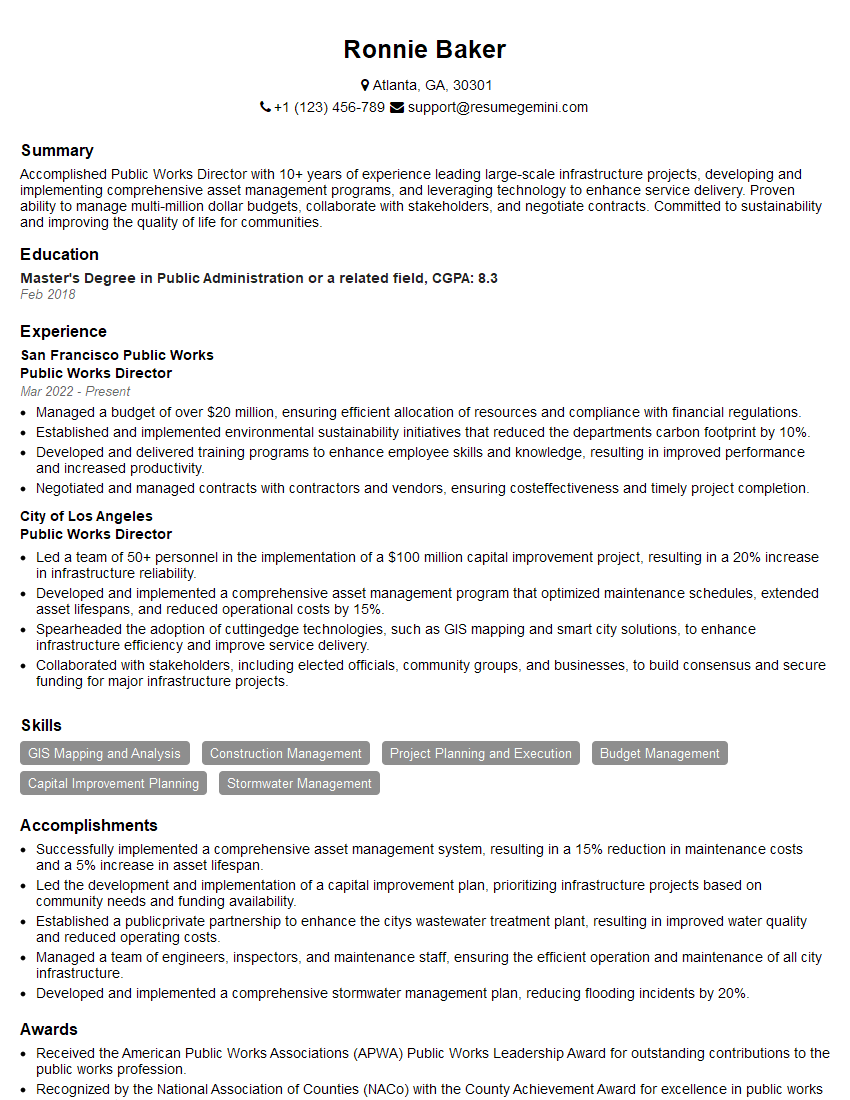
Public Works Director Resume Sample
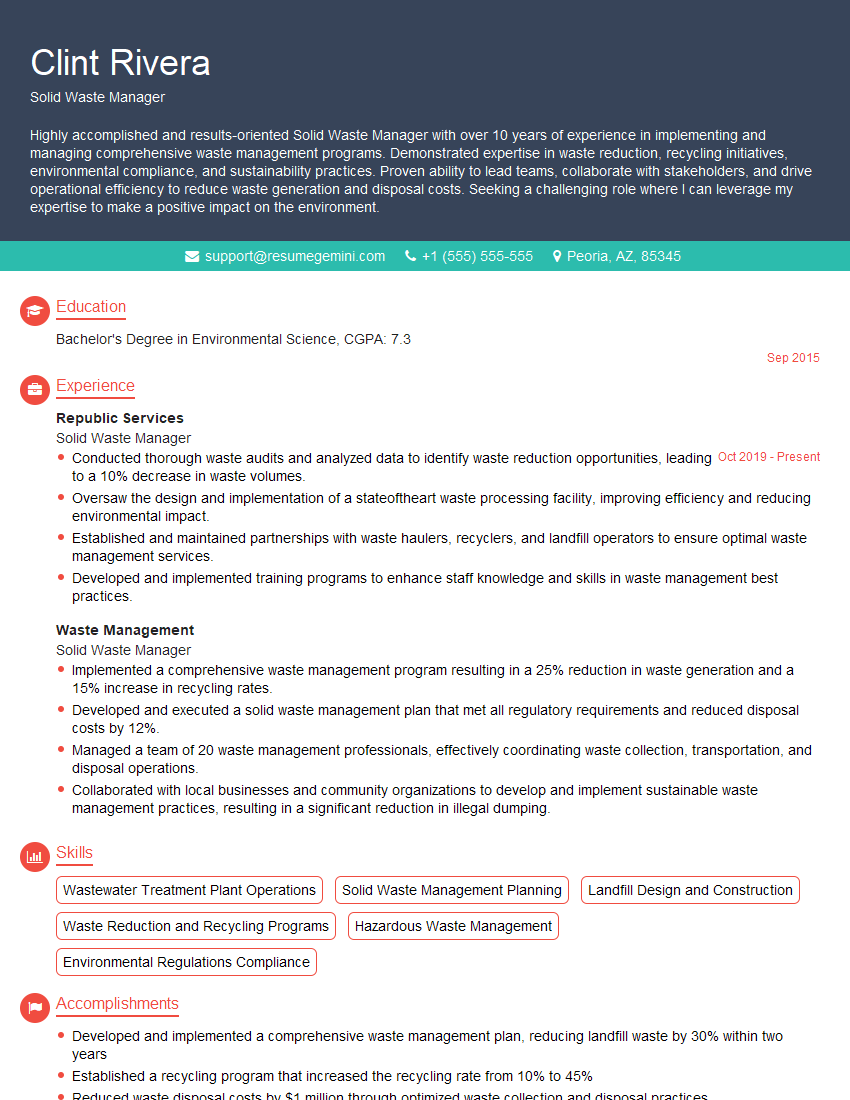
Solid Waste Manager Resume Sample
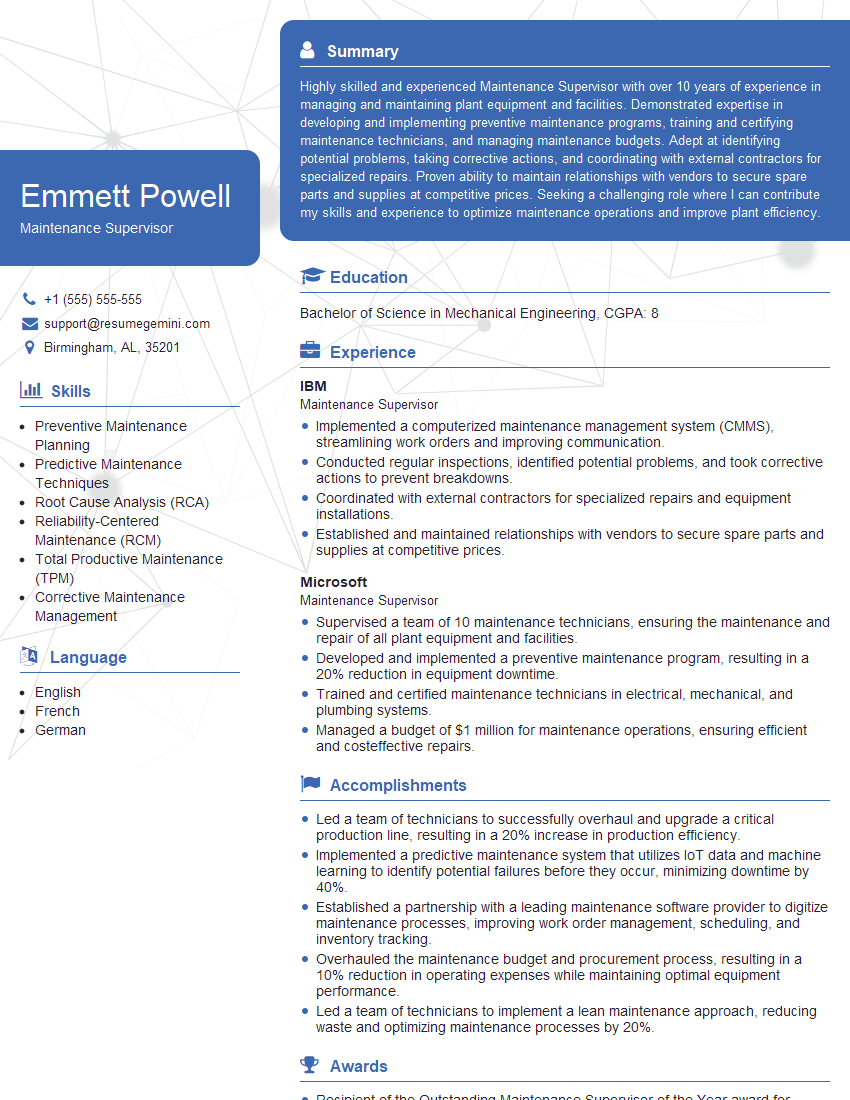
Maintenance Supervisor Resume Sample
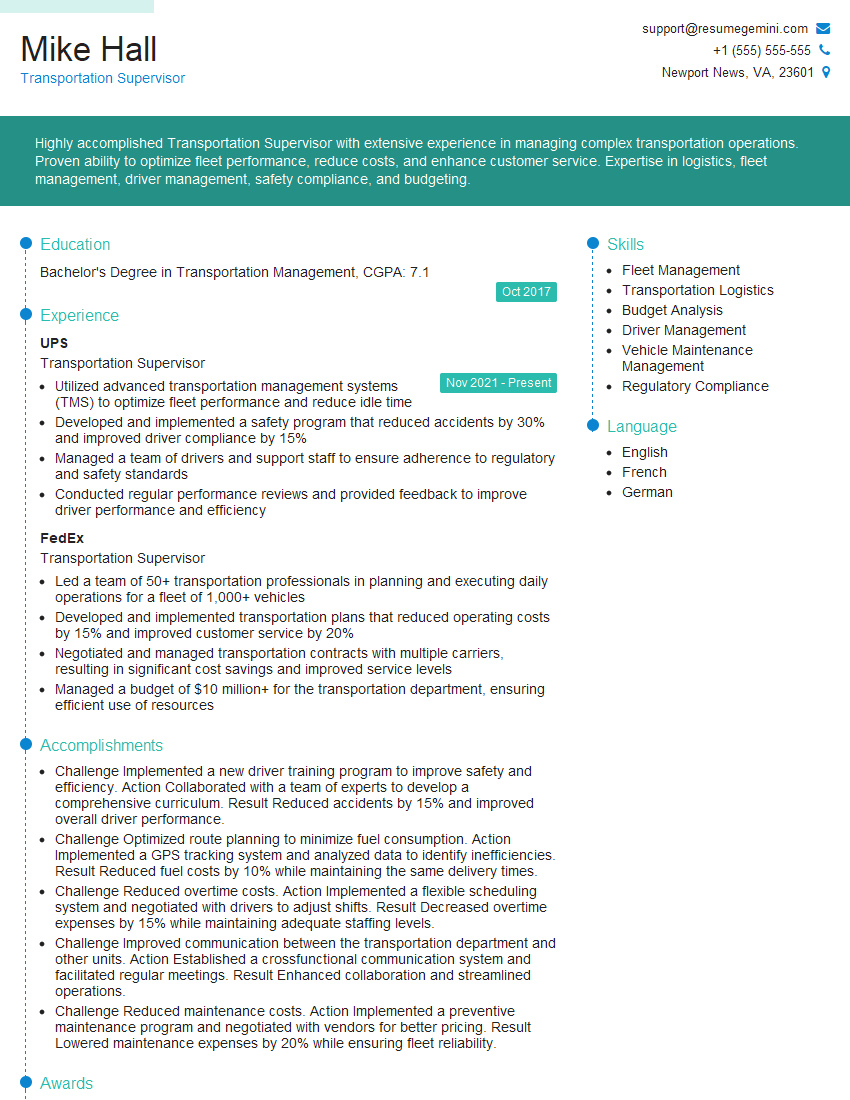
Transportation Supervisor Resume Sample
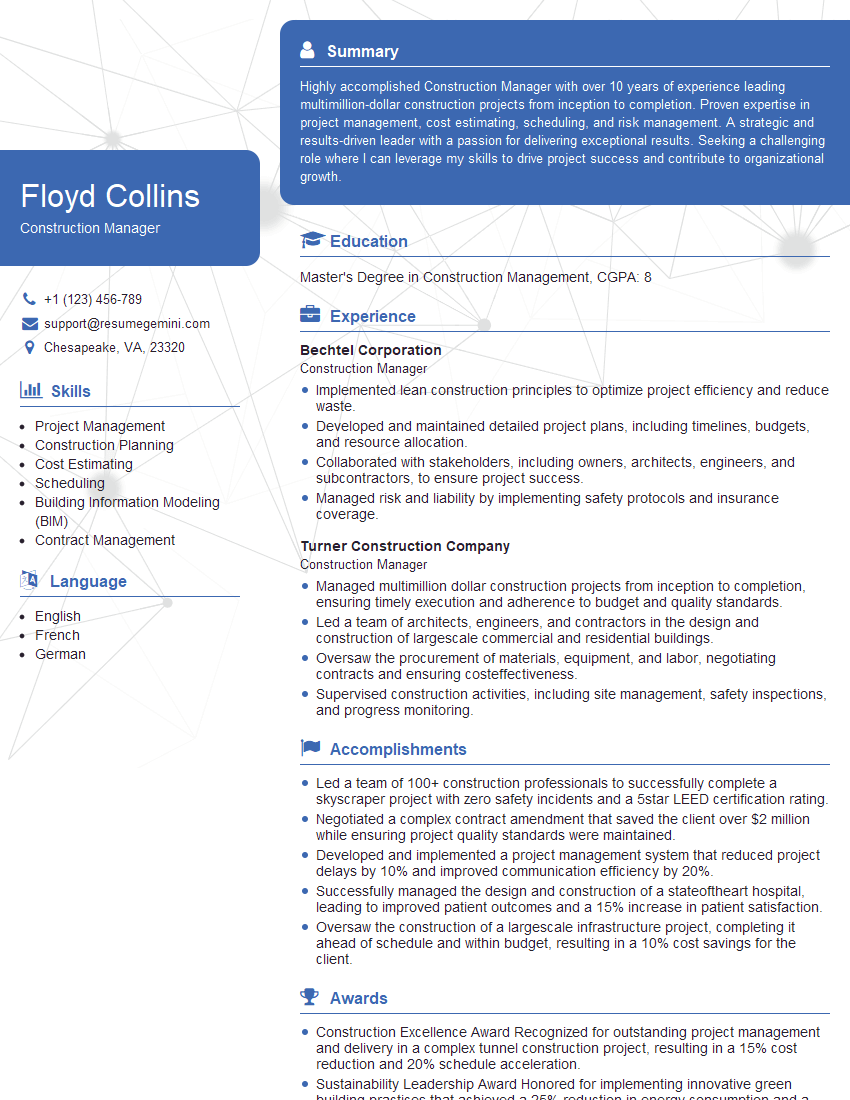
Construction Manager Resume Sample

Utilities Manager Resume Sample
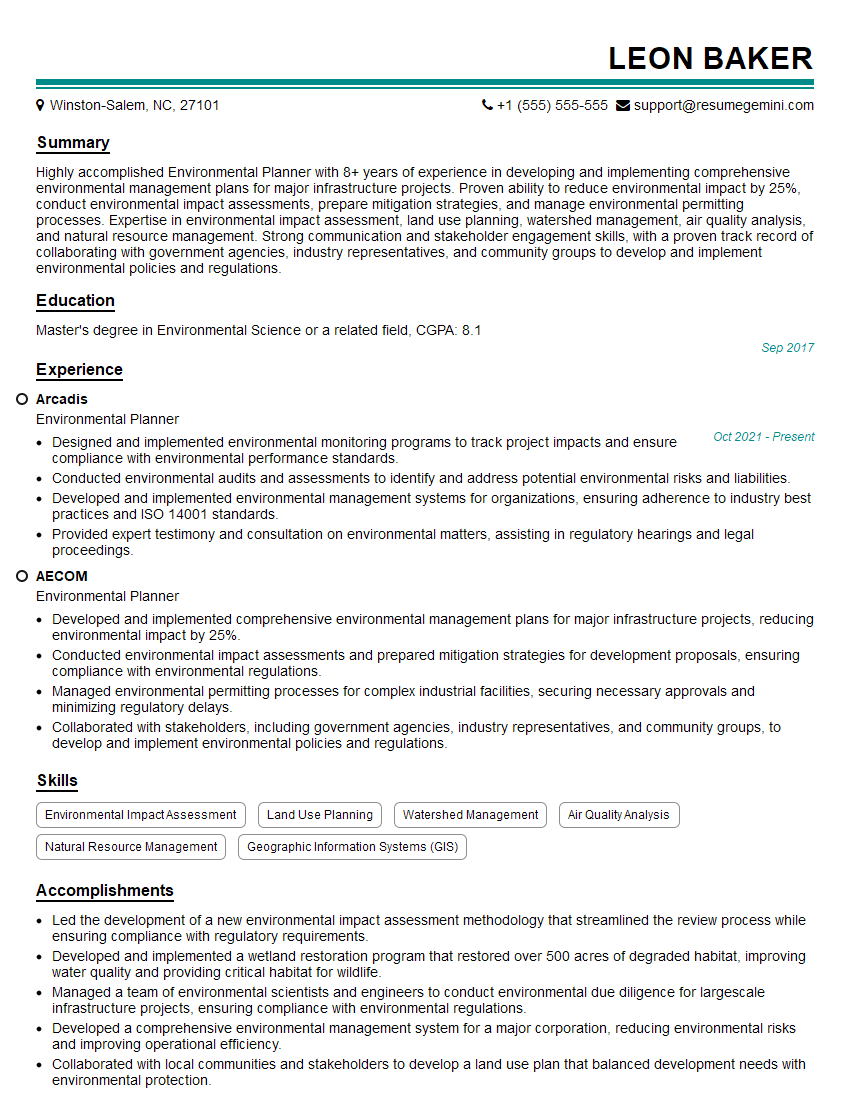
Environmental Planner Resume Sample
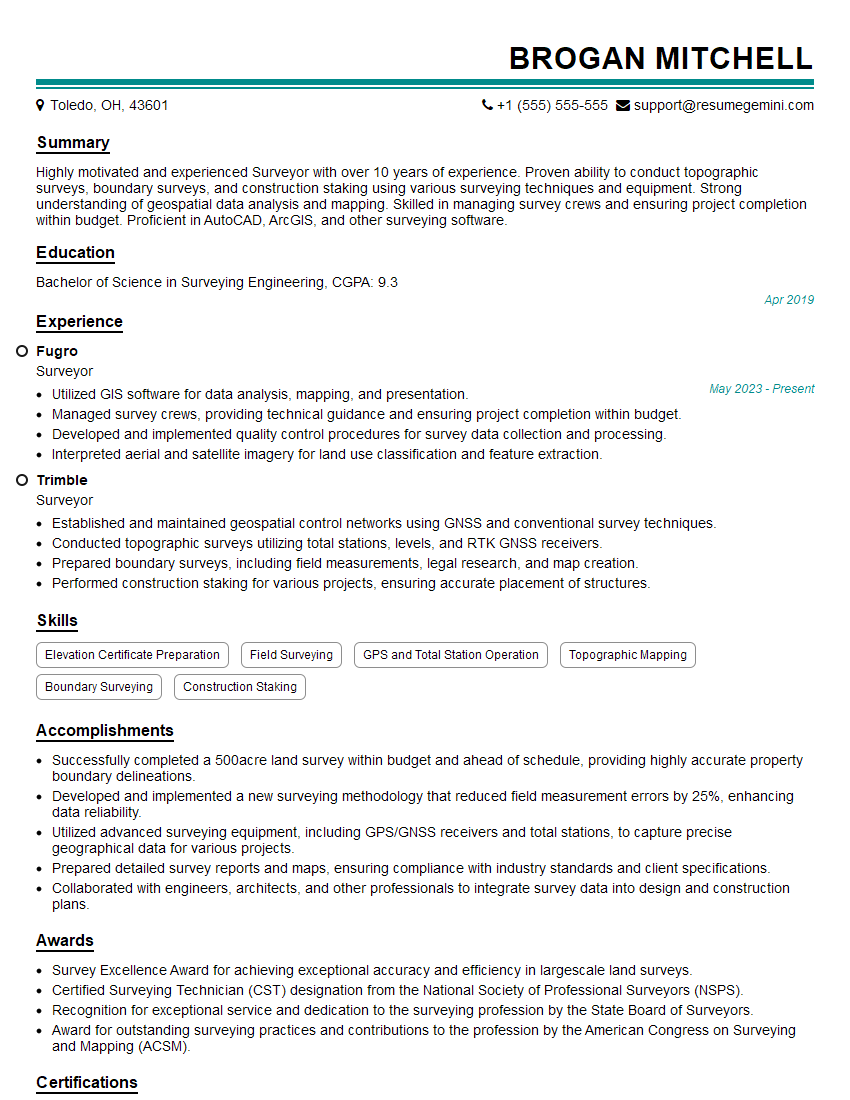
Surveyor Resume Sample
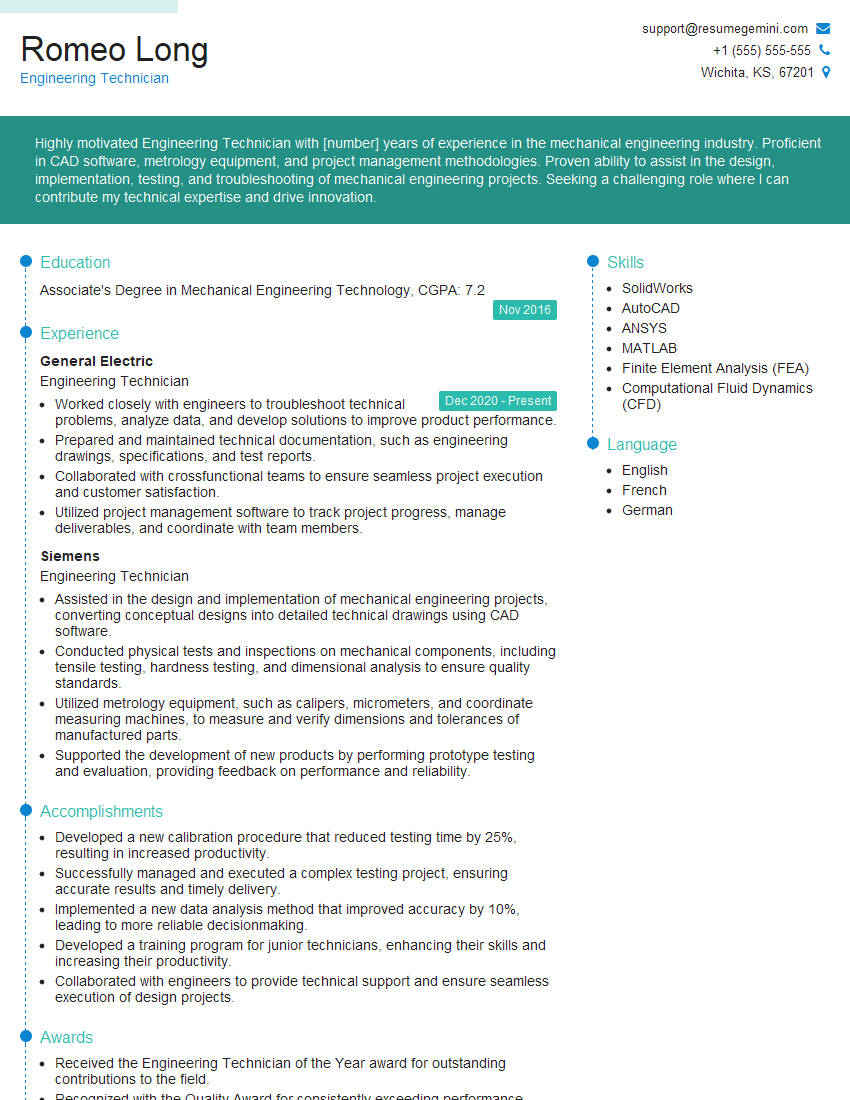
Engineering Technician Resume Sample
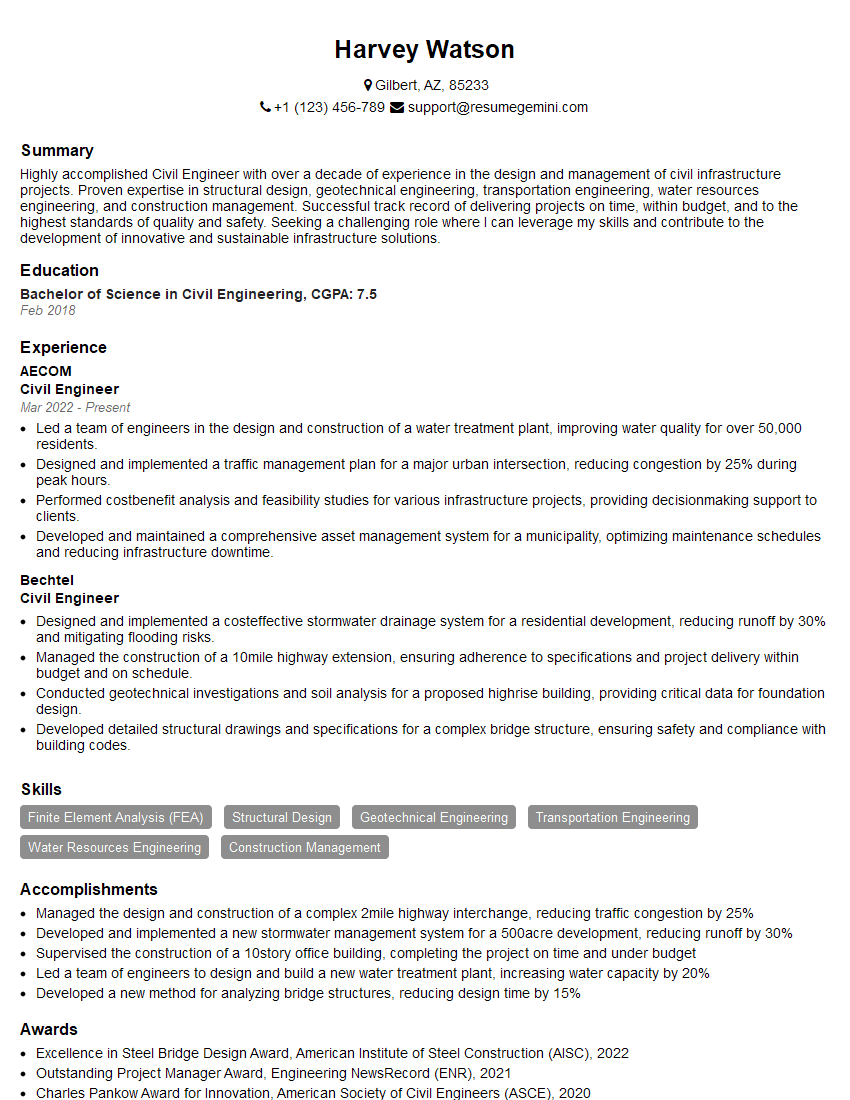
Civil Engineer Resume Sample
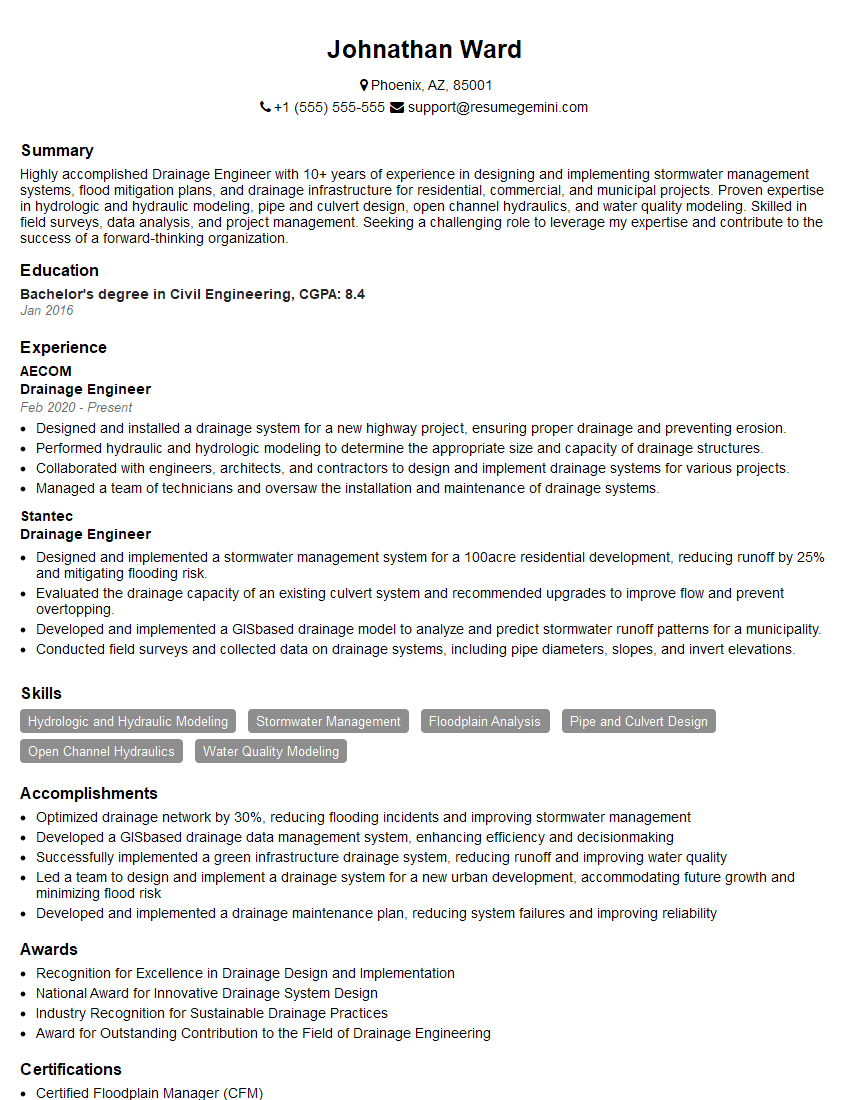
Drainage Engineer Resume Sample

Traffic Engineer Resume Sample
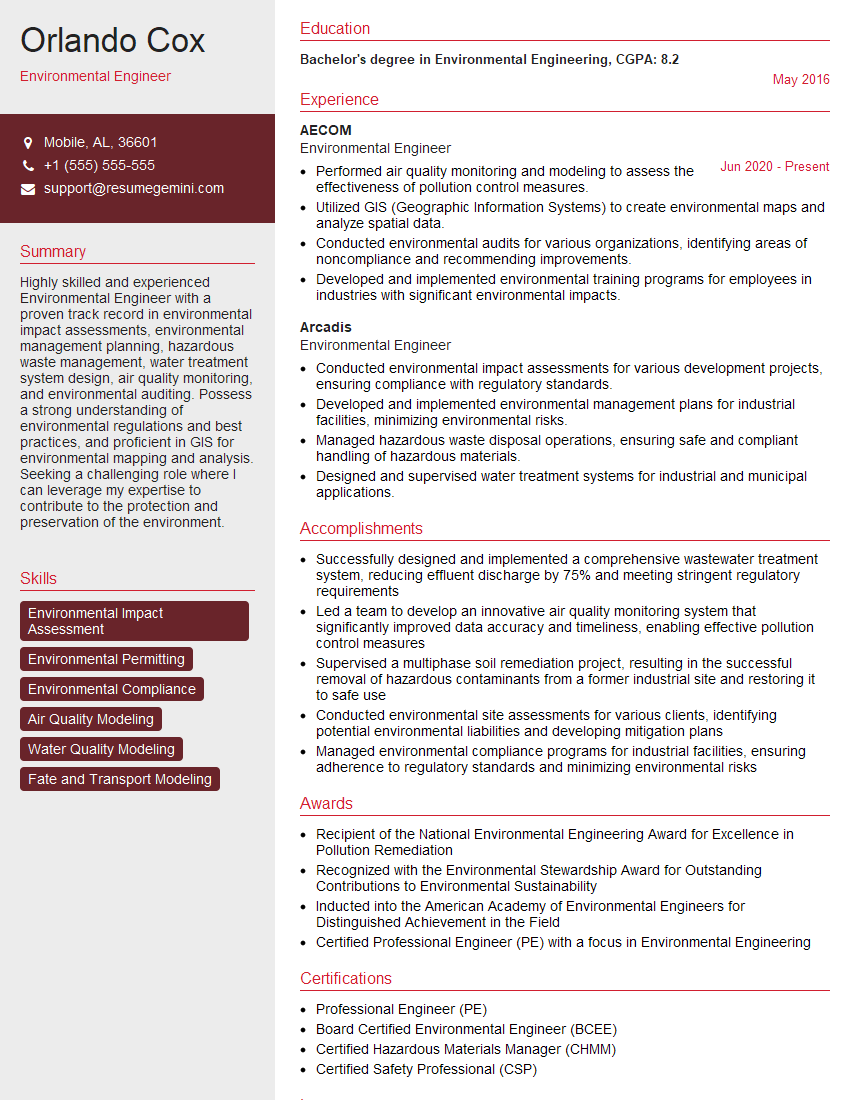
Environmental Engineer Resume Sample
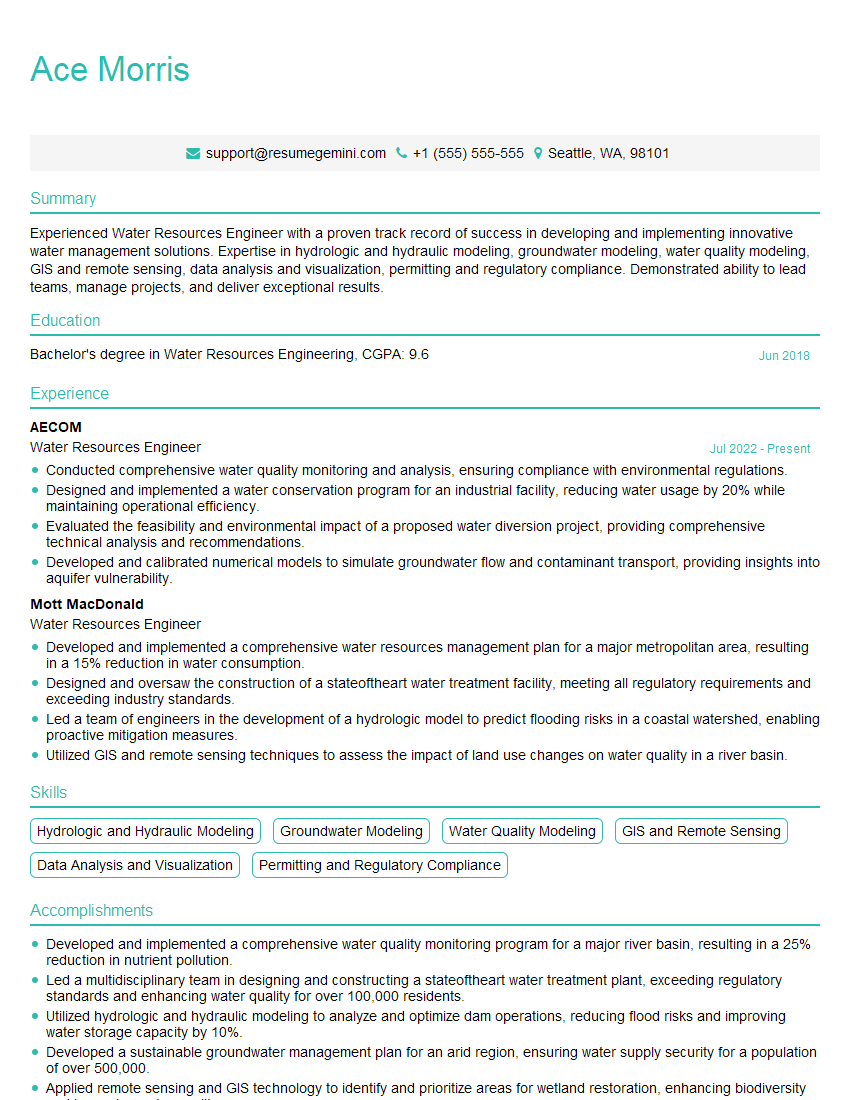
Water Resources Engineer Resume Sample
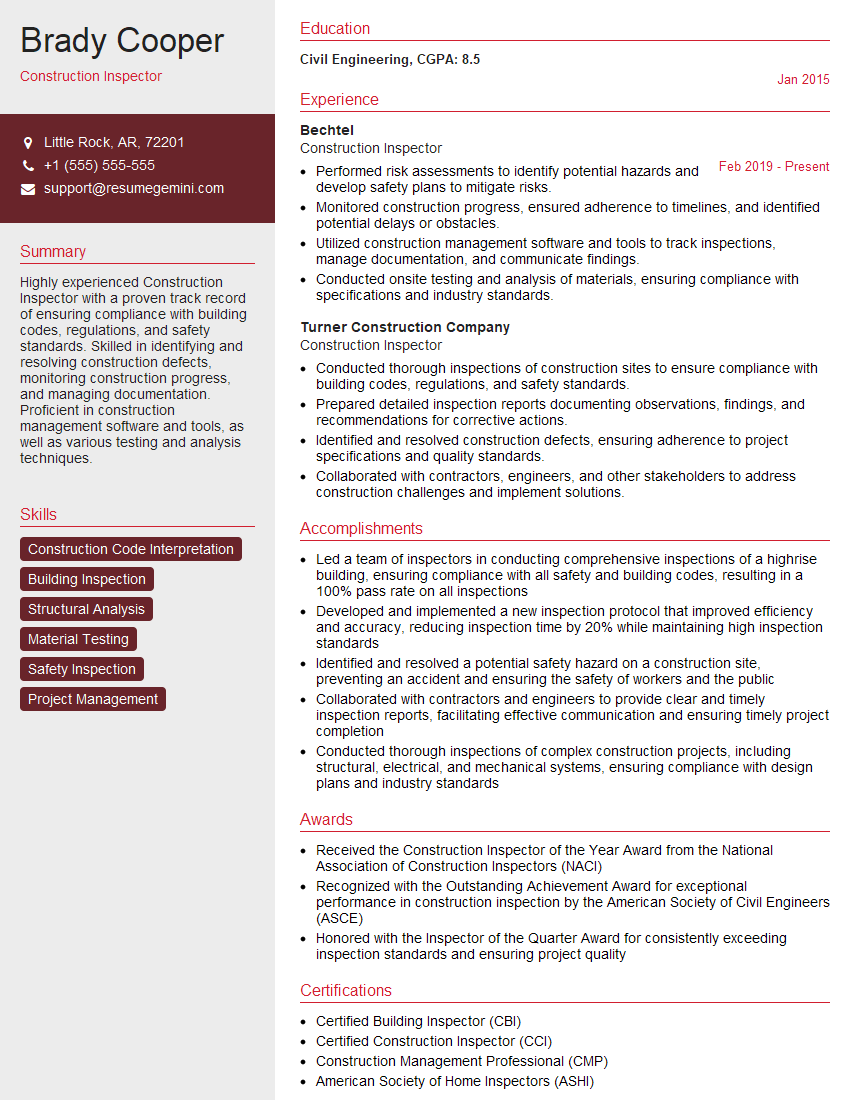
Construction Inspector Resume Sample
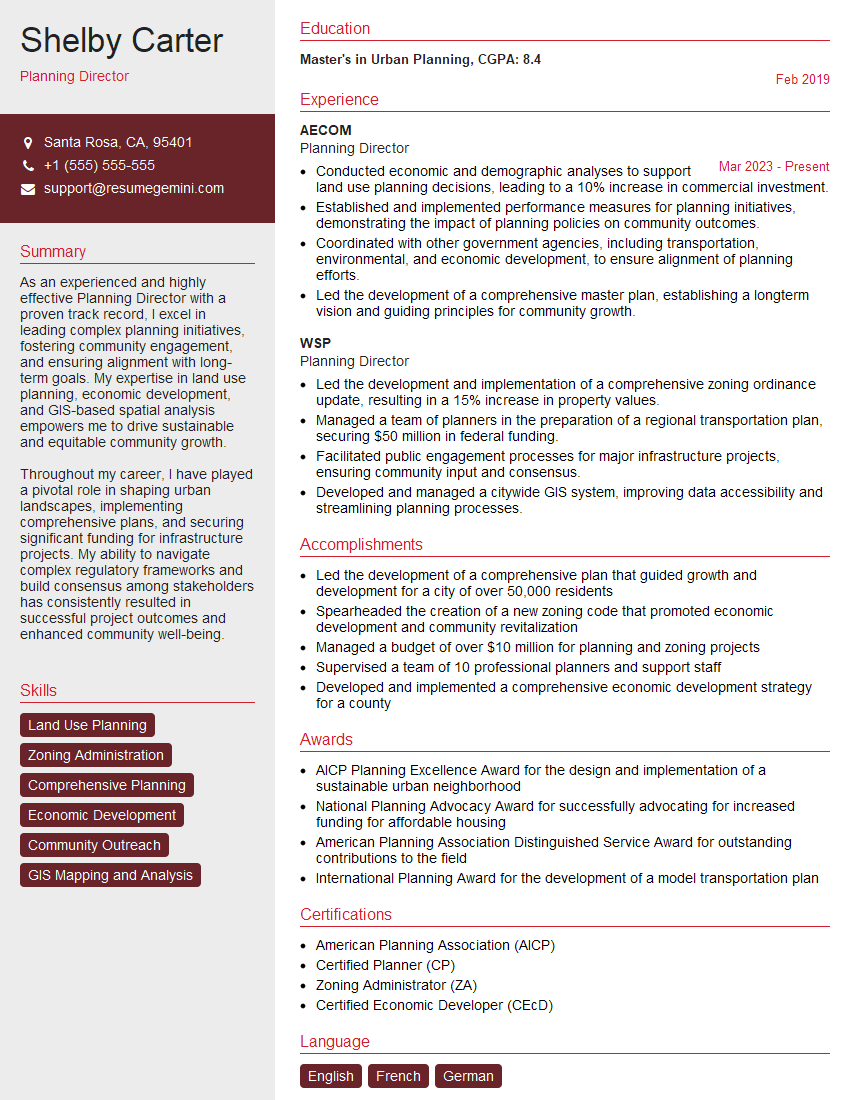
Planning Director Resume Sample
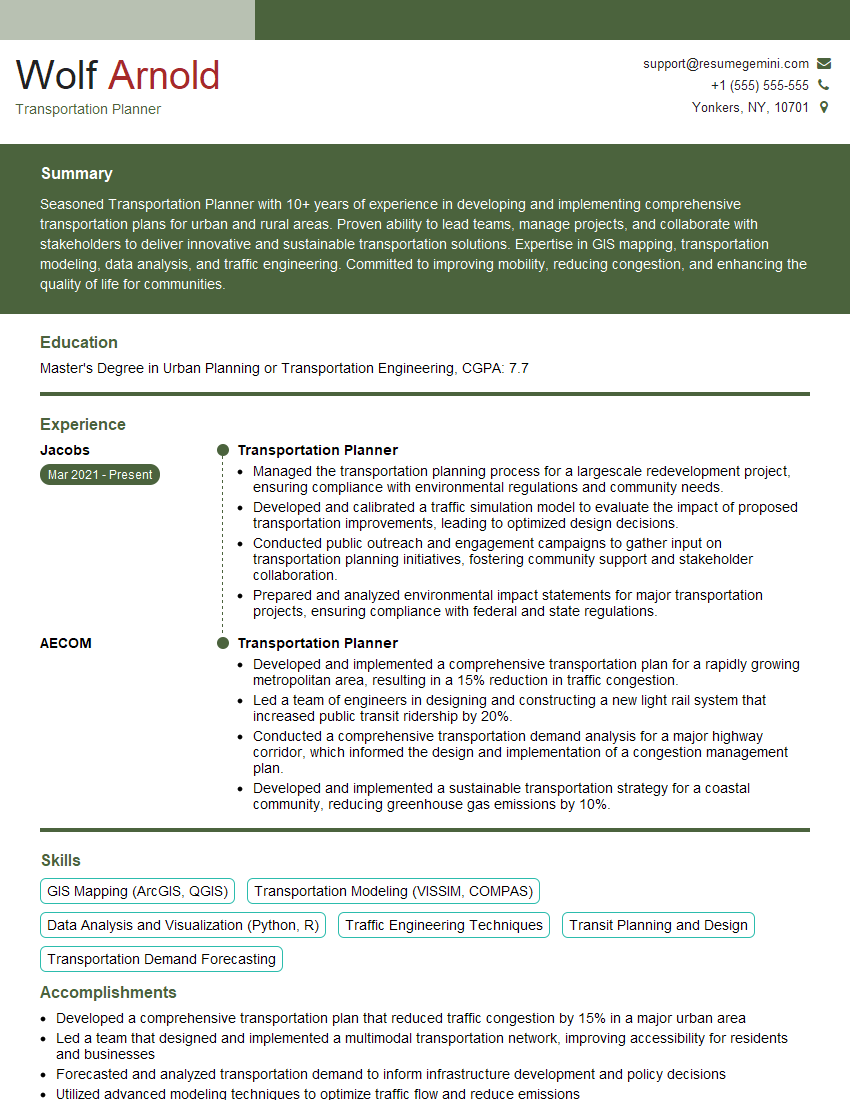
Transportation Planner Resume Sample
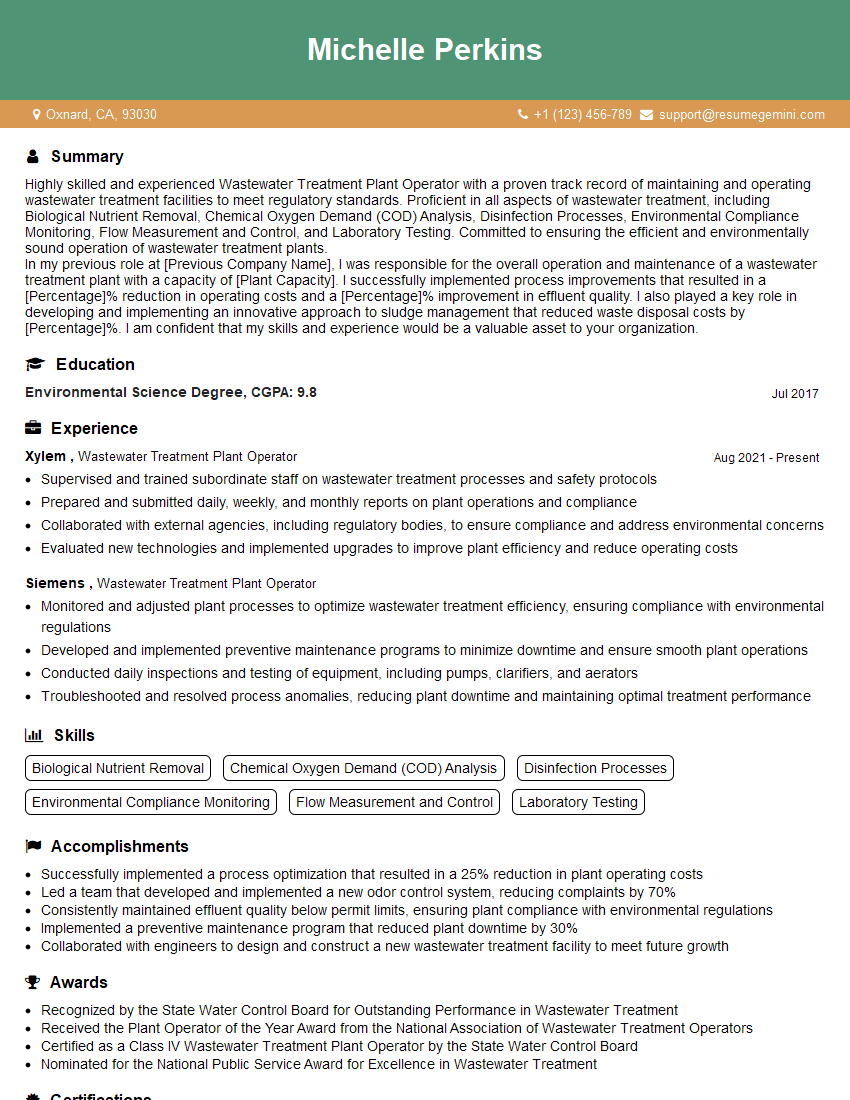
Wastewater Treatment Plant Operator Resume Sample
- Public Works Director
- Solid Waste Manager
- Maintenance Supervisor
- Transportation Supervisor
- Construction Manager
- Utilities Manager
- Environmental Planner
- Surveyor
- Engineering Technician
- Civil Engineer
- Drainage Engineer
- Traffic Engineer
- Environmental Engineer
- Water Resources Engineer
- Construction Inspector
- Planning Director
- Transportation Planner
- Wastewater Treatment Plant Operator
Explore more articles
Users Rating of Our Blogs
Share Your Experience
We value your feedback! Please rate our content and share your thoughts (optional).
What Readers Say About Our Blog
Very informative content, great job.
good