Every successful interview starts with knowing what to expect. In this blog, we’ll take you through the top Water and Wastewater Systems interview questions, breaking them down with expert tips to help you deliver impactful answers. Step into your next interview fully prepared and ready to succeed.
Questions Asked in Water and Wastewater Systems Interview
Q 1. Explain the difference between aerobic and anaerobic wastewater treatment processes.
The core difference between aerobic and anaerobic wastewater treatment lies in the presence or absence of oxygen. Aerobic processes utilize oxygen to break down organic matter, while anaerobic processes occur in the absence of oxygen.
- Aerobic Treatment: Think of it like a bonfire – you need oxygen for the wood (organic waste) to burn (decompose). This process uses microorganisms that require oxygen to thrive and break down pollutants. Examples include activated sludge processes and trickling filters. These methods produce a cleaner effluent, but require energy for aeration.
- Anaerobic Treatment: Imagine composting – organic matter breaks down without oxygen, producing biogas (methane) as a byproduct. This process is typically used for sludge digestion, where the remaining solids from aerobic treatment are further broken down. While energy-efficient as it produces biogas, it’s slower and may produce odorous byproducts if not managed properly.
In essence, choosing between aerobic and anaerobic methods depends on factors such as the type and quantity of wastewater, available space, energy costs, and environmental regulations.
Q 2. Describe the coagulation-flocculation process in water treatment.
Coagulation-flocculation is a crucial step in water treatment that removes suspended solids and turbidity. It works in two stages:
- Coagulation: This is like adding a ‘glue’ to the water. We introduce coagulant chemicals (e.g., alum, ferric chloride) that neutralize the electrical charges on suspended particles, causing them to destabilize and clump together.
- Flocculation: Gently stirring the water after coagulation encourages these destabilized particles to aggregate into larger, heavier ‘flocs.’ These flocs are easier to remove in subsequent sedimentation processes.
Imagine it like making a snow globe. The tiny snow particles (suspended solids) are initially dispersed. Adding a coagulant is like shaking the globe – the particles lose their individual ‘charge’ and stick together. Gentle stirring (flocculation) helps them form larger clumps (flocs), which easily settle to the bottom.
Proper control of parameters like pH, coagulant dosage, and mixing intensity is essential for optimal flocculation efficiency. Insufficient coagulation can lead to poor settling, while excessive dosage might create unwanted sludge.
Q 3. What are the common types of water disinfection methods and their effectiveness?
Water disinfection eliminates or significantly reduces harmful microorganisms like bacteria, viruses, and protozoa. Common methods include:
- Chlorination: Chlorine is a widely used disinfectant, highly effective and relatively inexpensive. It forms hypochlorous acid, which kills pathogens. However, it can create disinfection byproducts (DBPs) that are potentially harmful. Careful control of chlorine dosage is crucial.
- UV Disinfection: Ultraviolet (UV) light damages the DNA of microorganisms, preventing them from reproducing. This method is effective, environmentally friendly, and produces no DBPs, but requires careful lamp maintenance and may be less effective against resistant microorganisms.
- Ozonation: Ozone is a powerful oxidant that effectively inactivates pathogens. It’s environmentally friendly, leaving no harmful byproducts, but is relatively expensive and requires on-site generation.
- Chloramination: Combining chlorine with ammonia creates chloramine, a longer-lasting disinfectant that minimizes DBP formation compared to free chlorine. It’s often used for distribution system disinfection.
The effectiveness of each method varies depending on factors such as the type and concentration of pathogens, water quality, and contact time. A multi-barrier approach, utilizing several methods in sequence, often provides the most reliable disinfection.
Q 4. Explain the principles of activated sludge treatment.
Activated sludge treatment is a biological aerobic process that uses microorganisms to break down organic matter in wastewater. It relies on a mixed liquor containing microorganisms (activated sludge) that consume dissolved and suspended organic matter.
Here’s a breakdown:
- Aeration: Wastewater is mixed with activated sludge and aerated to provide oxygen for the microorganisms.
- Biological Oxidation: Microorganisms consume the organic matter, converting it into carbon dioxide, water, and other byproducts.
- Clarification: The treated wastewater is then passed through a clarifier, where the activated sludge settles out.
- Sludge Return: A portion of the settled sludge is recycled back to the aeration tank to maintain the microbial population.
- Sludge Waste: Excess sludge is removed (waste activated sludge) and undergoes further treatment (e.g., anaerobic digestion).
Think of it as a miniature ecosystem where microorganisms do the cleaning. The aeration provides their ‘food’ (oxygen) and the clarifier separates the ‘cleaned’ water from the ‘workers’ (sludge). The system is carefully monitored to maintain optimal conditions for the microorganisms, ensuring efficient treatment.
Q 5. How do you monitor and control the pH levels in wastewater treatment?
pH control is essential in wastewater treatment as it affects the efficiency of various processes and the survival of microorganisms. Monitoring and control involve:
- Continuous Monitoring: pH sensors continuously measure the pH level in various treatment stages (e.g., aeration tank, clarifier).
- Automated Control Systems: These systems automatically adjust the addition of chemicals (acids or bases) to maintain the desired pH range. This often involves using programmable logic controllers (PLCs).
- Manual Adjustments: In smaller plants or during emergencies, manual adjustments may be necessary.
- Chemical Addition: Common chemicals used for pH adjustment include lime (Ca(OH)2) to increase pH and sulfuric acid (H2SO4) or hydrochloric acid (HCl) to decrease pH.
For example, maintaining a slightly alkaline pH in the activated sludge process optimizes microbial activity. In chemical precipitation processes, specific pH ranges are critical for the effective removal of metals.
Q 6. What are the key indicators of water quality and their significance?
Key water quality indicators provide insights into the safety and suitability of water for various purposes. Some crucial indicators include:
- Turbidity: Measures the cloudiness of water, indicating the presence of suspended solids. High turbidity can affect disinfection efficiency and aesthetic quality.
- pH: Indicates the acidity or alkalinity of the water. Extreme pH values can harm aquatic life and affect chemical processes.
- Dissolved Oxygen (DO): Essential for aquatic life. Low DO levels indicate pollution or poor water quality.
- Biological Oxygen Demand (BOD): Measures the amount of oxygen needed by microorganisms to break down organic matter. High BOD suggests significant organic pollution.
- Chemical Oxygen Demand (COD): Measures the total amount of oxygen required to oxidize organic and inorganic matter in water. A broader indicator than BOD.
- Total Coliforms, E. coli: Indicate fecal contamination and potential presence of pathogens.
- Nutrients (Nitrogen & Phosphorus): Excessive nutrients can lead to eutrophication (algal blooms).
The significance of these indicators depends on the intended water use. Drinking water requires stringent limits on pathogens and other contaminants, while industrial wastewater may focus on specific parameters like pH and metal concentrations.
Q 7. Describe the different types of filtration used in water treatment.
Water treatment employs various filtration methods to remove suspended solids, colloids, and microorganisms. These include:
- Slow Sand Filtration: A natural process involving a bed of sand that removes particles through physical straining, biological activity, and adsorption.
- Rapid Sand Filtration: A more efficient method using a granular media (sand, gravel) and backwashing to remove particles. Commonly used after coagulation-flocculation.
- Membrane Filtration: Utilizes semi-permeable membranes (microfiltration, ultrafiltration, nanofiltration, reverse osmosis) with varying pore sizes to remove particles and dissolved substances.
- Diatomaceous Earth Filtration: Uses diatomaceous earth (a siliceous sedimentary rock) as a filter aid to remove fine particles.
The choice of filtration method depends on factors like water quality, desired treatment level, and cost considerations. For example, membrane filtration provides a high degree of purification but is more expensive than sand filtration.
Q 8. Explain the role of chlorine in water disinfection and its limitations.
Chlorine is a powerful disinfectant widely used in water treatment because of its effectiveness in killing a broad spectrum of harmful microorganisms, including bacteria, viruses, and protozoa. It works by oxidizing cellular components within these organisms, disrupting their metabolic processes and leading to their inactivation. This process is crucial for ensuring the safety of drinking water and preventing waterborne diseases.
However, chlorine disinfection isn’t without its limitations. One significant drawback is the formation of disinfection byproducts (DBPs), such as trihalomethanes (THMs) and haloacetic acids (HAAs), which are potentially carcinogenic. These DBPs form when chlorine reacts with naturally occurring organic matter in the water. Another limitation is that chlorine can be less effective against certain resistant microorganisms like Cryptosporidium and Giardia, requiring higher doses or alternative disinfection methods.
For example, a water treatment plant might use a combination of chlorine and UV disinfection to address these limitations. The chlorine provides a broad-spectrum kill, while the UV light targets resistant organisms that chlorine may miss. Careful monitoring of DBP levels is also crucial to ensure they remain within safe limits set by regulatory agencies.
Q 9. What are the challenges associated with managing wastewater sludge?
Managing wastewater sludge presents several significant challenges. Sludge, the semi-solid byproduct of wastewater treatment, is a complex mixture of organic matter, microorganisms, and inorganic solids. Its management requires careful consideration of environmental protection, cost-effectiveness, and public health.
- Disposal: Landfilling is a common method, but it consumes valuable land and can generate leachate that contaminates groundwater. Incineration reduces volume but can produce air emissions.
- Digestion: Anaerobic digestion breaks down organic matter in the sludge, producing biogas (a renewable energy source) and reducing volume. However, the resulting digestate still requires further treatment and disposal.
- Dewatering: Sludge contains a high water content, making it difficult and costly to transport and process. Dewatering technologies like belt presses and centrifuges are used to reduce moisture content, but these methods can be energy-intensive.
- Pathogens and pollutants: Sludge can contain pathogens and heavy metals, necessitating careful handling to avoid environmental contamination. Regulations regarding sludge disposal are stringent to protect human health and the environment.
Imagine a large city’s wastewater treatment plant – managing the massive volume of sludge produced daily requires a sophisticated and integrated approach, incorporating technologies like anaerobic digestion, dewatering, and potentially beneficial reuse options like land application (under strict conditions).
Q 10. How do you address issues of nutrient removal (nitrogen and phosphorus) in wastewater treatment?
Nutrient removal, specifically nitrogen and phosphorus, is crucial in wastewater treatment to prevent eutrophication of receiving waters. Eutrophication is the excessive enrichment of water bodies with nutrients, leading to algal blooms, oxygen depletion, and the degradation of aquatic ecosystems.
Several processes are employed for nutrient removal:
- Biological Nutrient Removal (BNR): This is a common approach that uses microorganisms to remove nitrogen and phosphorus. The process typically involves alternating aerobic (oxygen-rich) and anaerobic (oxygen-deficient) conditions to encourage the growth of specific bacteria that convert ammonia to nitrate (nitrification) and then nitrate to nitrogen gas (denitrification). Phosphorus removal involves the use of biological phosphorus accumulating organisms (PAOs) that absorb phosphorus under anaerobic conditions and release it under aerobic conditions. The phosphorus is then removed through settling.
- Chemical Precipitation: This method involves adding chemicals like ferric chloride or alum to the wastewater to precipitate phosphorus. This forms insoluble phosphate compounds which can be easily removed through sedimentation.
- Enhanced Biological Phosphorus Removal (EBPR): This is a more sophisticated BNR process that optimizes conditions for PAO growth and phosphorus removal, achieving higher removal efficiencies.
For instance, a wastewater treatment plant might use a combination of BNR and chemical precipitation to maximize phosphorus removal and employ different strategies depending on the influent characteristics (e.g., variations in wastewater flow and nutrient concentrations).
Q 11. Describe the process of membrane filtration in water or wastewater treatment.
Membrane filtration is a powerful technology used in both water and wastewater treatment to separate solids from liquids or to remove specific contaminants. It involves forcing water under pressure through a semi-permeable membrane with tiny pores. The size of these pores determines the type of material that can pass through.
Different types of membrane filtration exist:
- Microfiltration (MF): Removes larger particles like suspended solids and bacteria.
- Ultrafiltration (UF): Removes smaller particles, including viruses and some dissolved organic matter.
- Nanofiltration (NF): Removes even smaller particles, including some salts and dissolved organic molecules.
- Reverse Osmosis (RO): Removes almost all dissolved salts and organic molecules, producing high-quality purified water.
In wastewater treatment, membrane filtration can be used for sludge dewatering, tertiary treatment to remove dissolved organic matter, and pathogen removal. In water treatment, it’s utilized for pretreatment before disinfection, producing high-purity water for specific applications. For example, a desalination plant uses reverse osmosis to remove salts from seawater.
Q 12. Explain the principles of reverse osmosis.
Reverse osmosis (RO) is a membrane filtration process that uses pressure to force water across a semi-permeable membrane, separating dissolved salts and other impurities from the water. Think of it like a very fine sieve that only lets water molecules through.
The principle is based on osmosis, the natural movement of water across a semi-permeable membrane from a region of low solute concentration to a region of high solute concentration. RO reverses this process by applying pressure greater than the osmotic pressure. This pressure overcomes the natural tendency of water to move towards the higher concentration side, forcing the water through the membrane while leaving the dissolved salts behind.
RO is incredibly effective at removing dissolved solids, making it ideal for applications like desalination, water purification for industrial uses, and producing high-quality drinking water from brackish or contaminated sources. For example, many coastal communities rely on RO to produce potable water from seawater.
Q 13. What are the regulations and standards governing water and wastewater treatment in your region?
(Note: This answer will vary depending on the region. The following is a general example and should be replaced with specific regulations for a particular region.)
Regulations governing water and wastewater treatment vary significantly by location but generally aim to protect public health and the environment. These regulations are often established at the national, state/province, or even local level. They typically specify:
- Water quality standards: Maximum permissible limits for various contaminants in drinking water, such as bacteria, heavy metals, and chemicals.
- Wastewater discharge permits: Limits on the amount and type of pollutants that can be discharged into receiving waters (rivers, lakes, oceans).
- Treatment plant design and operation: Requirements for the design, construction, operation, and maintenance of treatment facilities.
- Sludge management regulations: Regulations regarding the handling, treatment, and disposal of wastewater sludge.
- Monitoring and reporting requirements: Regular testing and reporting of water and wastewater quality parameters.
Agencies responsible for enforcing these regulations can include environmental protection agencies, public health departments, and water resource management authorities. Non-compliance can result in significant penalties and legal action.
Q 14. How do you maintain and troubleshoot water and wastewater treatment equipment?
Maintaining and troubleshooting water and wastewater treatment equipment requires a proactive and systematic approach. Regular maintenance prevents breakdowns, optimizes performance, and extends the lifespan of equipment. Troubleshooting involves identifying and resolving problems efficiently.
Maintenance strategies include:
- Preventive maintenance: Regular inspections, cleaning, lubrication, and part replacements according to manufacturer recommendations. This minimizes unexpected failures.
- Predictive maintenance: Utilizing sensors and data analytics to monitor equipment performance and predict potential failures before they occur. This allows for timely intervention and minimizes downtime.
- Corrective maintenance: Repairing or replacing equipment after a failure. Detailed records are crucial for tracking repairs and identifying recurring issues.
Troubleshooting involves a systematic process:
- Identify the problem: Observe symptoms, check operational parameters, and review historical data.
- Isolate the cause: Analyze the problem systematically, eliminating potential causes one by one.
- Implement the solution: Repair or replace faulty components, adjust operational parameters, or implement procedural changes.
- Verify the solution: Confirm that the problem has been resolved and monitor performance to ensure stability.
For example, a malfunctioning pump might be diagnosed through checking for power supply, impeller wear, and clogged suction lines. A detailed logbook and regular maintenance schedules are crucial for effective equipment management and problem resolution in a water or wastewater treatment plant.
Q 15. Describe your experience with SCADA systems in water/wastewater treatment.
My experience with SCADA (Supervisory Control and Data Acquisition) systems in water and wastewater treatment spans over ten years. I’ve been involved in the design, implementation, and maintenance of SCADA systems for various facilities, from small municipal plants to large regional treatment centers. This includes working with different SCADA platforms, such as Wonderware InTouch and GE Proficy, and integrating various field devices, including sensors, actuators, and PLCs (Programmable Logic Controllers).
In a typical project, my responsibilities include configuring the SCADA system to monitor key parameters like flow rates, water levels, chemical dosages, and equipment status. We also create alarm thresholds to alert operators of potential problems. For example, a high ammonia reading in wastewater influent triggers an immediate alarm and visual cue on the SCADA interface, allowing for timely intervention. I’m also experienced in developing customized SCADA screens and reports to provide operators with a clear and concise overview of the plant’s performance. This allows operators to proactively address potential issues and optimize plant operations for efficiency and cost-effectiveness. Beyond this, I have experience integrating SCADA data with other systems such as GIS and data analytics platforms for enhanced data analysis and reporting. This enables informed decision-making and long-term planning of water infrastructure upgrades and improvements.
Career Expert Tips:
- Ace those interviews! Prepare effectively by reviewing the Top 50 Most Common Interview Questions on ResumeGemini.
- Navigate your job search with confidence! Explore a wide range of Career Tips on ResumeGemini. Learn about common challenges and recommendations to overcome them.
- Craft the perfect resume! Master the Art of Resume Writing with ResumeGemini’s guide. Showcase your unique qualifications and achievements effectively.
- Don’t miss out on holiday savings! Build your dream resume with ResumeGemini’s ATS optimized templates.
Q 16. How do you manage and prevent cross-contamination in water and wastewater systems?
Preventing cross-contamination in water and wastewater systems is paramount to public health and environmental protection. It involves a multi-layered approach, focusing on physical separation, operational procedures, and regular maintenance.
- Physical Separation: This is the cornerstone of cross-contamination prevention. It involves using separate pipelines for treated water and wastewater, employing air gaps in plumbing systems to prevent backflow, and maintaining physical barriers between different treatment stages within a plant. For example, wastewater treatment plants typically have separate zones for influent, primary, secondary, and tertiary treatment to minimize the risk of treated effluent contaminating earlier stages.
- Operational Procedures: Strict operational protocols are vital. This includes regular cleaning and disinfection of equipment and facilities, using appropriate personal protective equipment (PPE), and employing proper shutdown and startup procedures. For instance, chlorine disinfection is critical for ensuring the safety of treated drinking water and requires careful monitoring and control to prevent over-chlorination.
- Regular Maintenance: Preventative maintenance is crucial. This involves scheduled inspections, repairs, and replacements of aging infrastructure and equipment to prevent leaks and failures that could lead to cross-contamination. Regular testing of backflow preventers and other safety mechanisms helps to identify and address potential weaknesses before they become a significant problem.
Regular monitoring and sampling are essential to detect any cross-contamination incidents early on, which allows for prompt remediation and minimizes any potential health or environmental impact.
Q 17. What are the different types of pumps used in water and wastewater systems and their applications?
Various pumps are used in water and wastewater systems, each suited to specific tasks and conditions. The choice depends on factors like flow rate, head pressure, fluid characteristics (e.g., viscosity, solids content), and budget.
- Centrifugal Pumps: These are the most common type, suitable for high flow rates and moderate head pressures. They are used for pumping water from reservoirs, transferring wastewater between treatment units, and boosting pressure in distribution networks. Subtypes include axial flow, mixed flow, and radial flow pumps, each suited for different flow and head requirements.
- Positive Displacement Pumps: These pumps displace a fixed volume of fluid with each stroke, making them ideal for handling high-viscosity fluids or fluids with solids. Examples include piston pumps, diaphragm pumps, and peristaltic pumps. In wastewater treatment, they are frequently used for pumping sludge and other viscous materials.
- Submersible Pumps: These are placed directly in the water source, eliminating the need for priming. They are commonly used for pumping wastewater from wet wells and lifting water from deep wells.
- Progressive Cavity Pumps (PCP): PCPs are used in situations where there are high solids content. They gently transport the fluid, minimizing shear forces which are damaging to the solids content. They are often used in sewage pumping applications.
Choosing the right pump is critical for operational efficiency and cost-effectiveness. Improper pump selection can lead to energy losses, equipment failures, and even system disruptions.
Q 18. Explain the concept of hydraulic modeling in water distribution systems.
Hydraulic modeling is a powerful tool for analyzing and simulating the flow of water within a distribution system. It involves creating a computer model of the network, incorporating information on pipe diameters, lengths, elevations, and demands at various points. This model then simulates water flow under various conditions, helping engineers understand system behavior and optimize its performance.
The model uses equations based on fundamental hydraulic principles such as the Hazen-Williams or Darcy-Weisbach equations to calculate pressure drops and flow rates throughout the network. Input data includes consumer demand, elevation, pipe roughness, pump characteristics, and reservoir levels. Software packages like EPANET are commonly used for this purpose.
Hydraulic modeling helps in several ways: It allows engineers to evaluate the adequacy of the existing system, predict the impact of future growth and demand, identify potential bottlenecks or weak points, and optimize the operation of pumps and storage facilities. For instance, hydraulic modeling can help determine the optimal location and capacity of new water storage tanks or the sizing of new pipelines to ensure adequate water pressure and supply in all areas of the distribution network. It also facilitates the identification of potential failures, aiding in proactive maintenance.
Q 19. How do you assess the effectiveness of a water or wastewater treatment plant?
Assessing the effectiveness of a water or wastewater treatment plant involves evaluating its performance against established standards and regulations. This is a multifaceted process that incorporates several key indicators.
- Effluent Quality: This is crucial. For wastewater treatment plants, we analyze parameters like Biochemical Oxygen Demand (BOD), Chemical Oxygen Demand (COD), suspended solids, nitrogen, phosphorus, and pathogens. For water treatment plants, we test for turbidity, residual chlorine, coliforms, and various chemicals to ensure the water meets drinking water standards.
- Treatment Efficiency: We compare the influent (incoming) and effluent (outgoing) water quality to determine how effectively the plant removes pollutants. This involves calculating removal percentages for each parameter. For example, a 95% BOD removal efficiency indicates high effectiveness.
- Operational Efficiency: This assesses the plant’s energy consumption, chemical usage, and overall operational costs. We strive for cost-effective and sustainable operation.
- Compliance with Regulations: Plant performance must meet all applicable local, state, and federal regulations. This often involves periodic reporting and inspections by regulatory agencies.
- Process Control and Monitoring: Effective monitoring and control systems, such as SCADA, are essential for ensuring optimal performance and quick response to problems. Regular maintenance and calibration of equipment are important aspects.
By integrating data from these various aspects, a comprehensive assessment of the plant’s effectiveness can be made, highlighting areas for improvement and optimizing plant operations.
Q 20. What are the common causes of water main breaks and how are they addressed?
Water main breaks are a significant concern for water utilities, leading to service disruptions, water loss, and property damage. Several factors contribute to these breaks:
- Age and Deterioration of Pipes: Older pipes, particularly cast iron, are susceptible to corrosion, cracking, and weakening over time, increasing the risk of failure. Pipe material, age, and soil conditions all play a role.
- Corrosion: Chemical reactions between the pipe material and the surrounding soil or water can weaken pipes, leading to leaks and breaks. This process is influenced by soil pH, water chemistry, and the presence of corrosive elements.
- Ground Movement: Shifting soil due to frost heave, seismic activity, or heavy traffic can stress pipes and cause them to fracture.
- External Loads: Heavy equipment operating near water mains can cause damage to the pipes.
- Poor Installation: Improper installation techniques can create stress points in the pipe, making it more vulnerable to failure.
- High Water Pressure: Excessive water pressure within the pipes can exacerbate existing weaknesses and lead to breaks.
Addressing water main breaks involves swift action. The process includes: 1) locating the break, 2) isolating the affected section of the main by shutting off valves, 3) repairing the break (often involving excavation, pipe replacement, or other repair techniques), 4) restoring water service, and 5) flushing the line to remove sediment and debris. Preventive measures such as regular pipe inspections, pressure management, and proactive replacement of aging infrastructure are essential to minimize the occurrence of these disruptive events.
Q 21. Describe your experience with water distribution network analysis.
My experience in water distribution network analysis is extensive, encompassing both the use of specialized software and manual calculations. This involves using hydraulic modeling software such as EPANET to simulate water flow within a distribution network. This assists in evaluating the network’s performance under various conditions. This analysis extends to multiple aspects, including:
- Pressure Zone Analysis: Defining pressure zones within a network to ensure adequate pressure for consumers while minimizing pressure-related issues like pipe bursts.
- Flow and Pressure Modeling: Using sophisticated software to simulate water flow under various demand scenarios. This helps in designing new infrastructure and identifying potential bottlenecks.
- Leak Detection and Location: Utilizing pressure and flow data to identify leaks and determine their precise location. This is often aided by sophisticated data analytics and sensor technology.
- Pipe Sizing and Optimization: Determining appropriate pipe diameters for new and existing infrastructure, ensuring efficient water flow and minimizing pressure losses. This involves optimizing pipeline design to meet future demands with efficiency and cost effectiveness.
- Pumping System Optimization: Analyzing pumping system efficiency and adjusting pump operations to achieve optimal energy consumption and pressure distribution. This involves carefully balancing energy costs and water distribution quality.
Network analysis is critical for ensuring reliable water delivery, optimizing system efficiency, and proactively addressing potential problems. It’s an iterative process, requiring continuous monitoring and adjustments to meet evolving demands and maintain system integrity. I have extensive experience in presenting these analyses to stakeholders and translating complex technical information into actionable recommendations.
Q 22. How do you ensure compliance with environmental regulations concerning water and wastewater discharge?
Ensuring compliance with environmental regulations for water and wastewater discharge is paramount. It involves a multi-faceted approach that starts with understanding the specific regulations applicable to our discharge location, which vary significantly based on geography and the type of discharge (e.g., industrial, municipal). This includes adhering to permits issued by the Environmental Protection Agency (EPA) or equivalent state or local agencies.
Our compliance strategy includes:
- Regular Monitoring: We conduct frequent sampling and analysis of our effluent, comparing results against permit limits for parameters like pH, BOD (Biochemical Oxygen Demand), COD (Chemical Oxygen Demand), suspended solids, and various pollutants. Any deviation triggers immediate investigation and corrective action.
- Process Optimization: We continually optimize our treatment processes to achieve the highest possible effluent quality. This might involve upgrading equipment, implementing advanced treatment technologies, or refining operational parameters. For example, if our BOD levels are consistently exceeding limits, we might invest in a new aeration system or enhance our biological treatment process.
- Record Keeping and Reporting: Meticulous record-keeping is vital. We maintain detailed logs of all monitoring data, maintenance activities, and any incidents. This documentation is crucial for audits and reporting to regulatory agencies. We submit regular reports detailing our compliance status, often including self-monitoring reports and annual reports.
- Emergency Response Plan: A comprehensive emergency response plan is in place to address any unforeseen events, such as equipment failures or spills, that could compromise compliance. This plan outlines procedures for containment, cleanup, and reporting to the relevant authorities.
- Employee Training: Our staff receives regular training on environmental regulations and best practices for compliance. This ensures everyone understands their role in maintaining a compliant operation.
Failing to comply with environmental regulations can lead to significant penalties, including fines, legal action, and reputational damage. Therefore, proactive compliance is not just a legal requirement, but also a responsible and ethical practice.
Q 23. Explain the importance of proper sampling and laboratory analysis in water quality control.
Proper sampling and laboratory analysis are the cornerstones of effective water quality control. They provide the objective data needed to assess the quality of water at various stages, from raw water sources to treated effluent. Think of it as taking the vital signs of a patient – you can’t treat them effectively without knowing their condition.
The process typically involves:
- Representative Sampling: Collecting samples that accurately represent the overall water quality is crucial. This requires careful consideration of factors like sampling location, depth, time of day, and flow rate. For instance, in a river, samples are often taken at multiple locations to account for variations in water quality.
- Preservation and Handling: Proper preservation techniques are essential to prevent sample degradation before analysis. This might involve cooling, adding preservatives, or using specialized containers. For example, some bacteria need to be kept refrigerated to prevent decay.
- Laboratory Analysis: Accredited laboratories conduct various tests to measure physical, chemical, and biological parameters. These parameters are determined by the purpose of the analysis; for drinking water, it would include microbiological parameters (E. coli, total coliforms) and chemical parameters (chlorine residuals, heavy metals). For wastewater, parameters like BOD and COD would be of interest.
- Data Interpretation and Reporting: The laboratory results are analyzed to determine if the water quality meets the established standards. This data is used to assess the effectiveness of treatment processes, identify potential problems, and make informed decisions about operational adjustments. A clear report helps us evaluate the overall effectiveness of the system.
Without robust sampling and analysis, we’d be operating blindly. It’s like trying to fix a car without knowing what’s wrong with it. The data provides the essential feedback loop for optimizing our water and wastewater operations, ensuring the safety and quality of the water we handle.
Q 24. How do you handle emergency situations in water and wastewater systems?
Handling emergency situations in water and wastewater systems requires a swift, organized, and comprehensive response. Our emergency response plan is the backbone of our ability to mitigate risks and minimize damage.
The plan outlines procedures for various scenarios, including:
- Equipment Failures: Procedures for identifying and isolating failures, initiating repairs, and implementing temporary solutions are detailed, ensuring water quality and service are not significantly impacted.
- Spills and Leaks: Protocols for containment, cleanup, and environmental remediation are established. This includes activating emergency contacts and reporting the incident to the appropriate authorities.
- Power Outages: Backup power systems are in place, and procedures for transitioning to them are clearly defined to ensure continuous operation of critical components, particularly during winter conditions.
- Natural Disasters: Plans address scenarios like floods or earthquakes, focusing on protecting infrastructure and personnel. For instance, protecting the power generators from flooding, or having backup communication systems.
Our response involves:
- Rapid Assessment: Immediate assessment of the situation’s severity and potential impact. This usually involves trained personnel familiar with emergency responses.
- Activation of Emergency Teams: Designated teams, including operations, maintenance, and safety personnel, are immediately mobilized.
- Communication: Clear communication channels are used to inform staff, the public (where relevant), and regulatory agencies. This is crucial for emergency situations that may impact the general population.
- Damage Control and Repair: Swift action to control the damage and initiate repairs. This includes minimizing environmental damage and ensuring the safety of the population.
- Post-Incident Review: A thorough review of the incident to identify root causes, areas for improvement, and to update our emergency response plan based on the lessons learned. We use this process to proactively prevent future incidents.
Regular drills and training exercises help our staff stay prepared and refine our response capabilities. Effective emergency response is not just about reacting to problems but also about preventing them through proactive maintenance and planning.
Q 25. Describe your experience working with different types of water meters.
My experience encompasses a range of water meters, each with its own strengths and weaknesses. The choice of meter depends heavily on factors like the application (residential, commercial, industrial), the desired accuracy, and the budget.
I’ve worked with:
- Mechanical Meters (e.g., Nutating Disc, Rotary Piston): These are relatively low-cost and reliable, but their accuracy can degrade over time due to wear and tear. They are commonly used in residential applications.
- Electronic Meters (e.g., Ultrasonic, Electromagnetic): These meters provide more accurate readings and have advanced features like remote monitoring capabilities and data logging. They are often preferred for commercial and industrial applications where higher accuracy and detailed usage data is important. Ultrasonic meters are non-invasive and have long lifespans.
- Smart Meters: These are electronic meters with added features like wireless communication and advanced data analytics. They enable real-time monitoring of water usage, which helps in detecting leaks, improving water management, and potentially saving water consumption.
I’m familiar with the installation, maintenance, and calibration procedures for various meters. For example, I’ve overseen the large-scale replacement of older mechanical meters with smart meters in a municipal system, which resulted in improved billing accuracy and significant leak detection improvements.
Beyond the technical aspects, understanding the local regulations and billing procedures related to meter usage is important. This includes managing the data provided by the meters and ensuring its compatibility with the billing systems. Proper maintenance, testing and calibration of the meters are crucial to ensure accurate billing and prevent revenue losses.
Q 26. What are the advantages and disadvantages of different wastewater treatment technologies?
Wastewater treatment technologies vary widely, each with its own advantages and disadvantages. The optimal choice depends on factors like the volume and type of wastewater, the desired effluent quality, the available space, and the budget.
Here’s a comparison of some common technologies:
- Activated Sludge: This is a widely used biological process that employs microorganisms to break down organic matter in wastewater.
- Advantages: Relatively efficient, widely applicable, cost-effective for moderate-sized plants.
- Disadvantages: Susceptible to variations in wastewater characteristics, requires skilled operation, and produces excess sludge that needs further treatment.
- Trickling Filters: Wastewater is trickled over a bed of media (e.g., rocks, plastic) coated with microorganisms that break down organic matter.
- Advantages: Robust, simple to operate, requires less skilled personnel.
- Disadvantages: Lower efficiency compared to activated sludge, occupies larger land area.
- Lagoons: Natural or constructed ponds where wastewater undergoes biological treatment naturally.
- Advantages: Simple, low-cost, especially suitable for small communities with low population density.
- Disadvantages: Requires large land areas, vulnerable to environmental factors, longer treatment times.
- Membrane Bioreactors (MBRs): A combination of biological treatment and membrane filtration provides very high quality effluent.
- Advantages: Produces high-quality effluent, smaller footprint compared to conventional plants.
- Disadvantages: High capital costs, requires specialized membrane maintenance.
The selection process often involves a detailed assessment of the specific needs and constraints of the project. For example, in densely populated urban areas, space limitations might favor MBRs despite the higher capital cost, while in rural areas with ample land, lagoons might be a more cost-effective option.
Q 27. How do you prioritize maintenance tasks in a water or wastewater treatment plant?
Prioritizing maintenance tasks in a water or wastewater treatment plant is crucial for ensuring reliable operation and preventing costly failures. We use a combination of approaches to prioritize tasks:
- Criticality Assessment: We categorize maintenance tasks based on their importance to the overall system. Critical tasks, like those affecting public health or the structural integrity of the plant, are prioritized. For example, a major pump failure is more critical than a minor leak. This forms a basis for developing the maintenance strategy.
- Risk Assessment: We assess the likelihood and potential consequences of equipment failure. Tasks that reduce the risk of significant failures, environmental damage, or public health risks are given higher priority. We often use FMEA (Failure Mode and Effects Analysis) to assess these risks.
- Preventive Maintenance Schedules: We develop and adhere to regular preventive maintenance schedules based on manufacturer recommendations and historical data. These schedules include routine inspections, cleaning, lubrication, and replacement of components before they fail. This prevents large-scale repairs and downtime.
- Condition Monitoring: We use sensors and other technologies to continuously monitor the condition of critical equipment. This data helps us predict potential failures and schedule maintenance proactively. This is like getting a regular checkup for your car to prevent larger issues.
- CMMS (Computerized Maintenance Management System): We utilize a CMMS to track maintenance tasks, manage work orders, and generate reports. This software aids in efficient scheduling and resource allocation.
The combination of these approaches allows for a balanced and proactive maintenance strategy, minimizing downtime, optimizing resource utilization, and ensuring the long-term reliability of the treatment plant. We are continuously refining our approach to be efficient, cost-effective and risk-averse.
Q 28. Explain your experience with Geographic Information Systems (GIS) in managing water infrastructure.
Geographic Information Systems (GIS) are invaluable tools for managing water infrastructure. They provide a visual representation of our assets, allowing for efficient planning, operation, and maintenance.
My experience with GIS includes:
- Asset Mapping: Creating detailed maps showing the location of pipelines, pumps, valves, treatment plants, and other infrastructure components. This allows for easy identification of assets and aids in planning maintenance activities.
- Network Modeling: Utilizing GIS software to create hydraulic models of our water distribution and wastewater collection networks. These models help us analyze system performance, identify vulnerabilities, and optimize operations. We can use this to simulate scenarios and make informed decisions.
- Leak Detection and Management: Integrating data from smart meters and other sources into GIS to identify and prioritize leaks. GIS helps in analyzing the location of leaks, correlating it to other infrastructure and planning efficient repair strategies.
- Planning and Design: Using GIS to support planning and design of new infrastructure projects. This involves analyzing land use, topography, and other relevant factors to optimize the location and design of new facilities.
- Public Reporting and Communication: Creating maps and reports to communicate with stakeholders, including the public and regulatory agencies. This makes communicating complex information easier to understand.
GIS significantly enhances our ability to manage our infrastructure efficiently and effectively. It moves us from a reactive to a proactive management approach, allowing for better decision-making and improved resource allocation.
Key Topics to Learn for Water and Wastewater Systems Interview
- Water Treatment Processes: Understanding the various stages involved, from coagulation and flocculation to disinfection and filtration. Consider the practical application of different treatment technologies based on source water quality and regulatory requirements.
- Wastewater Treatment Processes: Familiarize yourself with primary, secondary, and tertiary treatment methods. Explore practical applications like activated sludge processes, membrane bioreactors, and anaerobic digestion. Analyze their effectiveness in removing pollutants and achieving effluent discharge standards.
- Hydraulics and Hydrology: Grasp fundamental concepts like flow rate calculations, pipe networks, and pump systems. Consider the practical application of these principles in designing and operating water and wastewater infrastructure. This includes understanding water demand forecasting and managing water distribution networks.
- Water Quality Parameters and Monitoring: Become proficient in interpreting water quality data and understanding relevant regulations. Practical application includes using this knowledge to troubleshoot operational issues and ensure compliance. Explore different monitoring technologies and data analysis techniques.
- Instrumentation and Control Systems: Understand the role of SCADA systems and other automated control technologies in managing water and wastewater systems. Practical application includes troubleshooting instrumentation issues and optimizing system performance through data analysis and process control strategies.
- Environmental Regulations and Compliance: Be prepared to discuss relevant environmental regulations and permits. Practical application includes understanding permit requirements, reporting procedures, and strategies for environmental compliance.
- Sustainable Water Management Practices: Demonstrate knowledge of water conservation techniques and sustainable water management strategies. Explore practical applications such as water reuse, rainwater harvesting, and leak detection and repair programs.
Next Steps
Mastering Water and Wastewater Systems knowledge is crucial for a successful and rewarding career. This field offers exciting opportunities for growth and impactful contributions to environmental sustainability. To maximize your job prospects, create an ATS-friendly resume that effectively showcases your skills and experience. ResumeGemini is a trusted resource that can help you build a professional and impactful resume tailored to the specific requirements of the Water and Wastewater industry. Examples of resumes tailored to Water and Wastewater Systems positions are available to guide you. Invest the time to craft a compelling resume – it’s your first impression on potential employers!
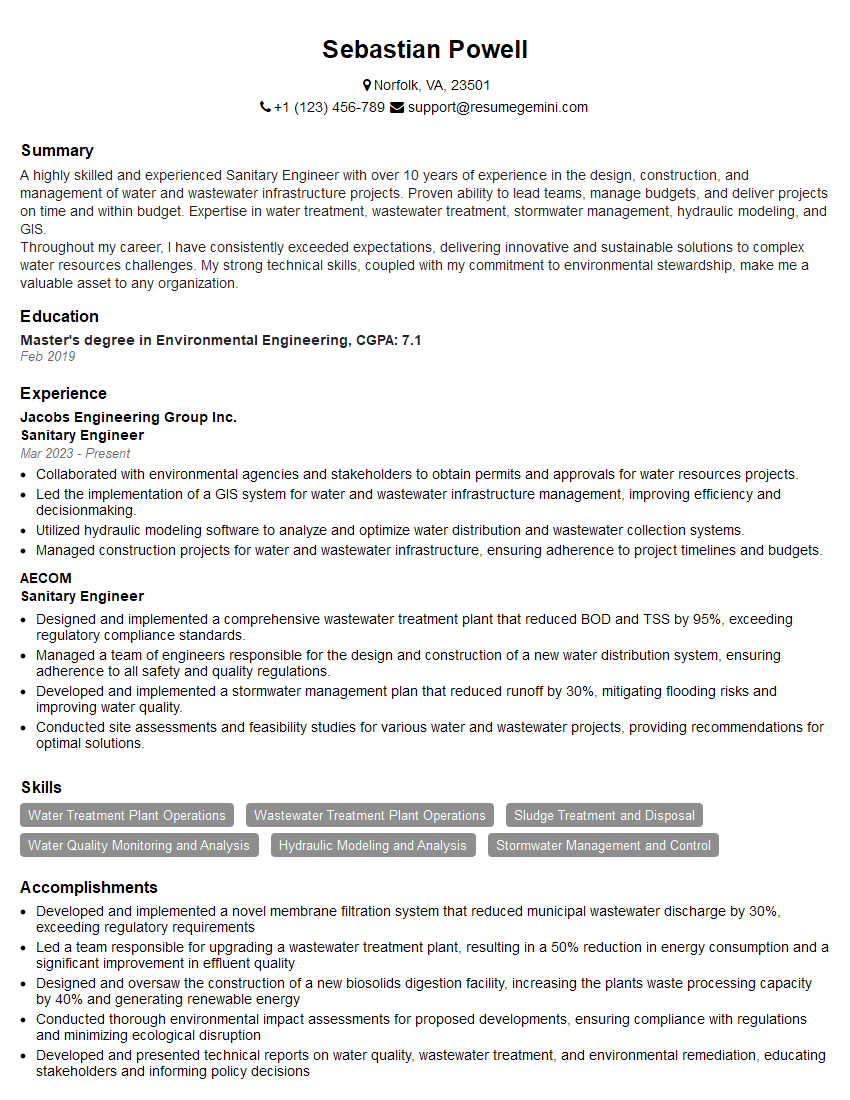
Sanitary Engineer Resume Sample
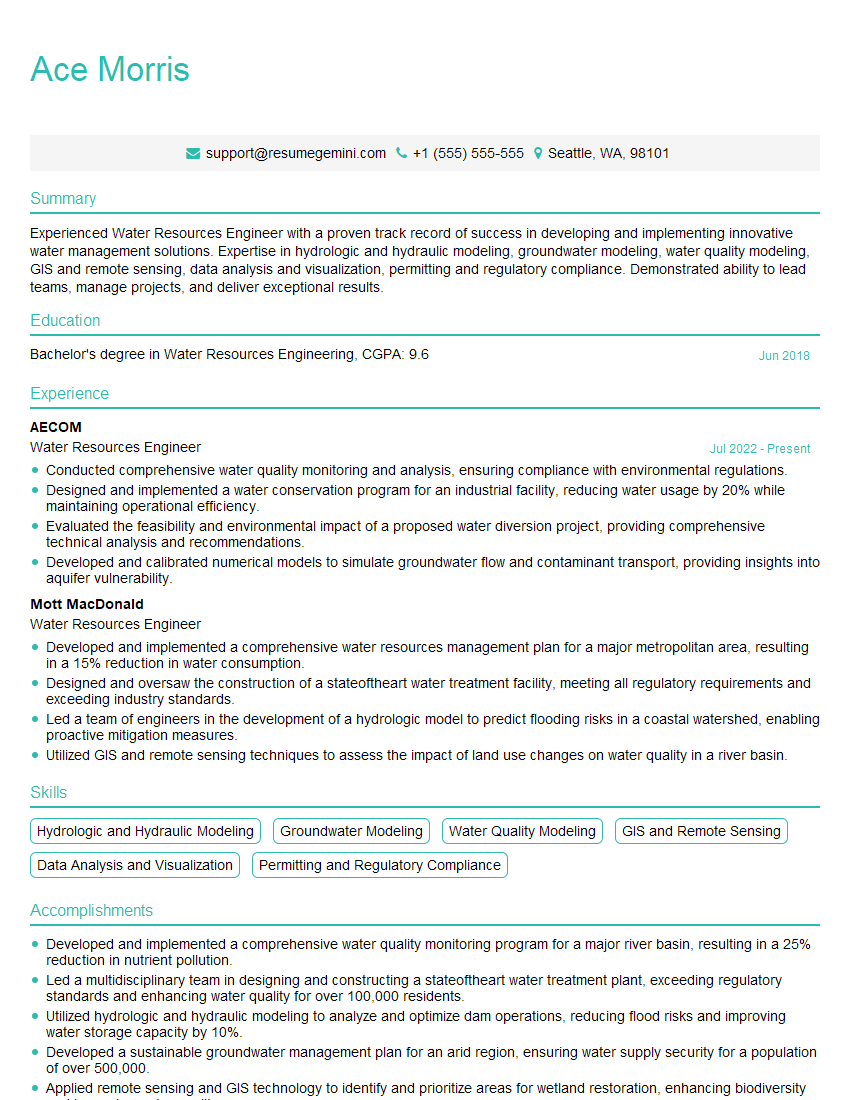
Water Resources Engineer Resume Sample
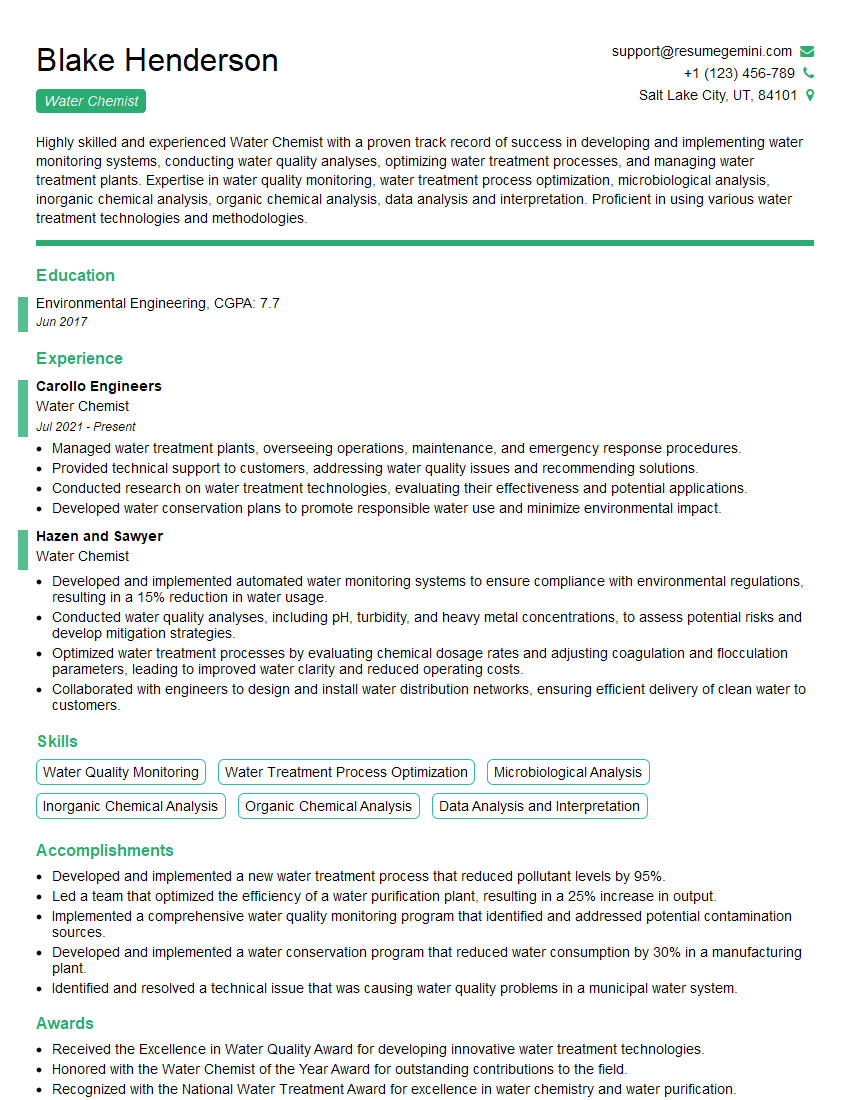
Water Chemist Resume Sample
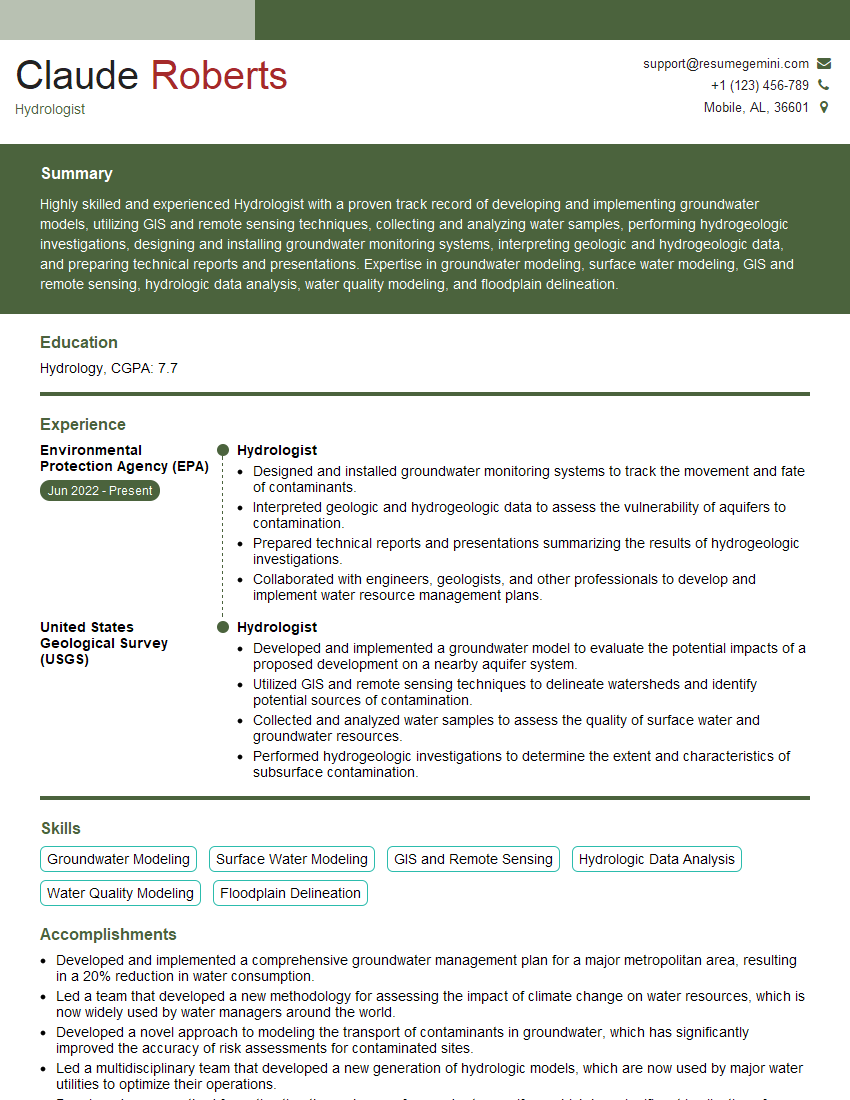
Hydrologist Resume Sample
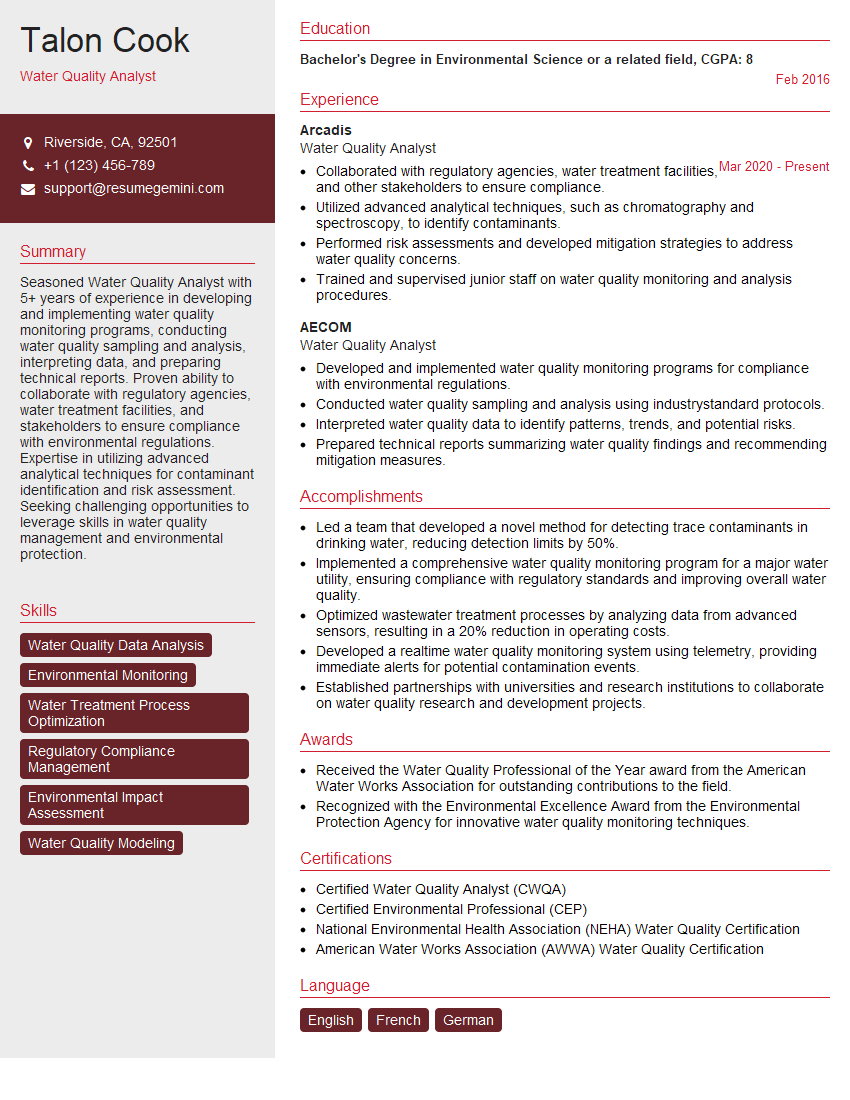
Water Quality Analyst Resume Sample
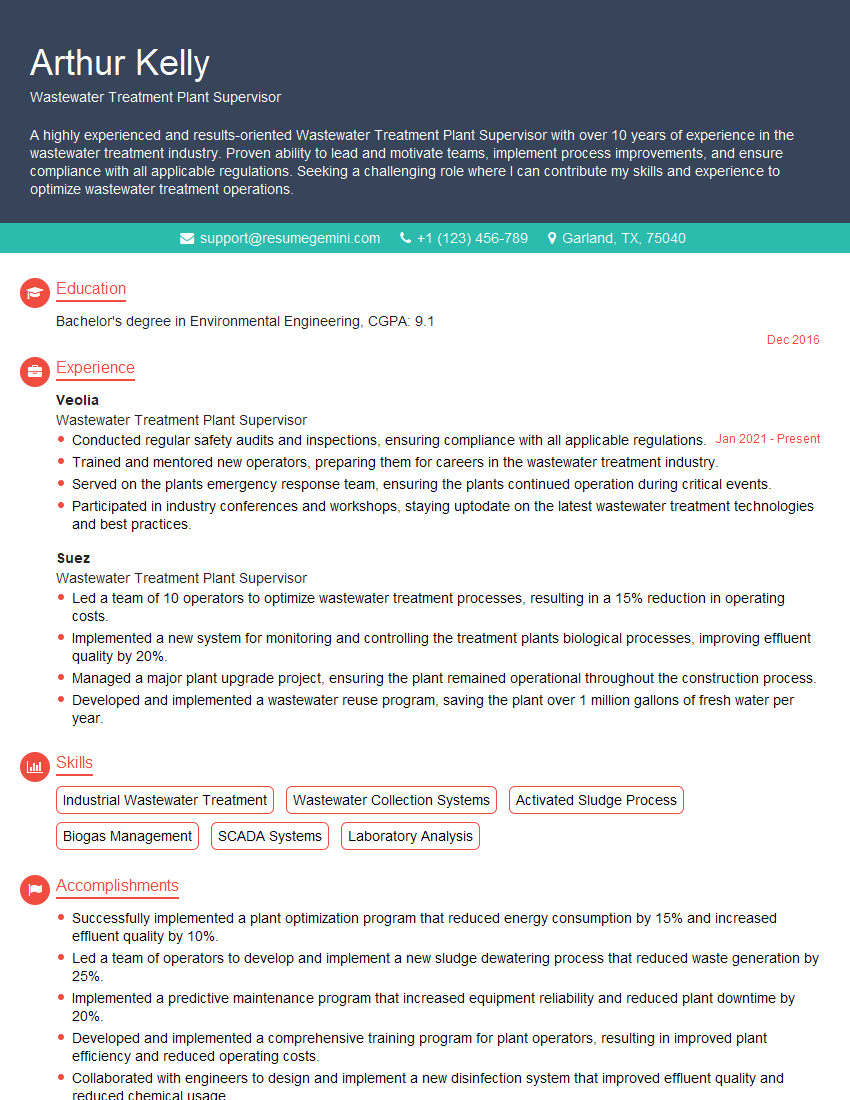
Wastewater Treatment Plant Supervisor Resume Sample
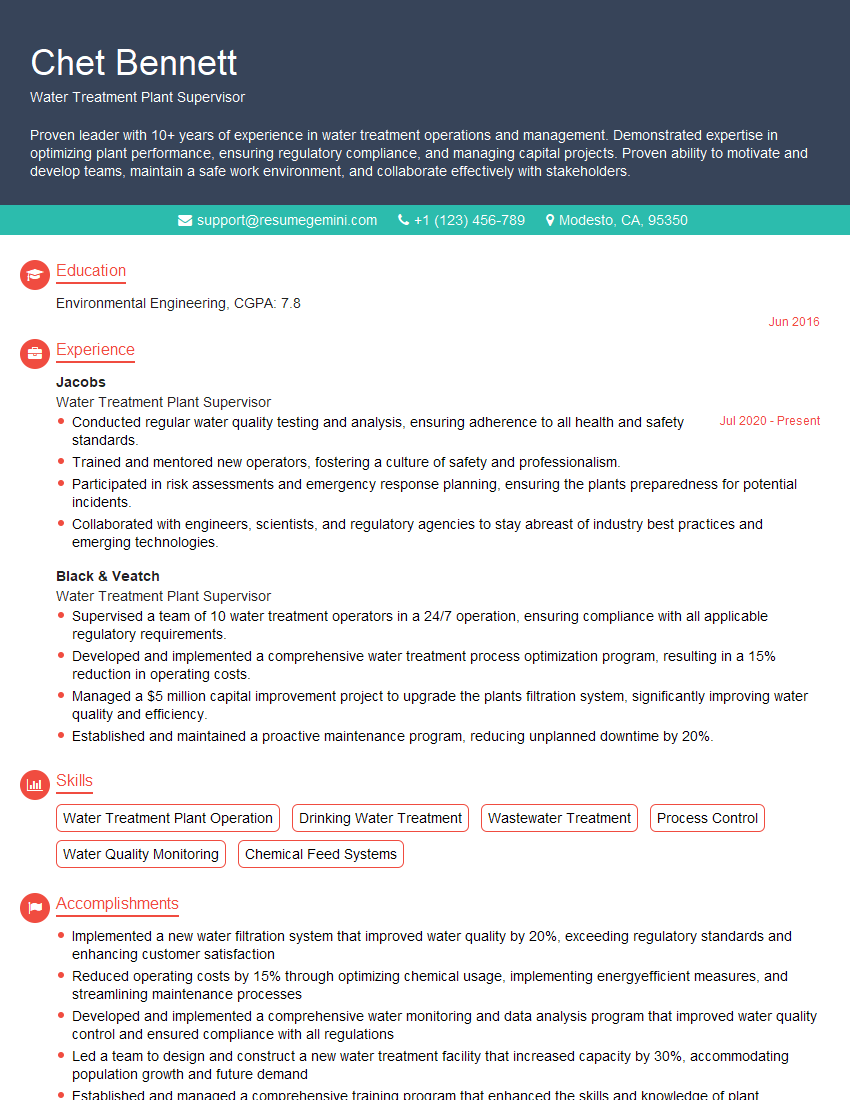
Water Treatment Plant Supervisor Resume Sample
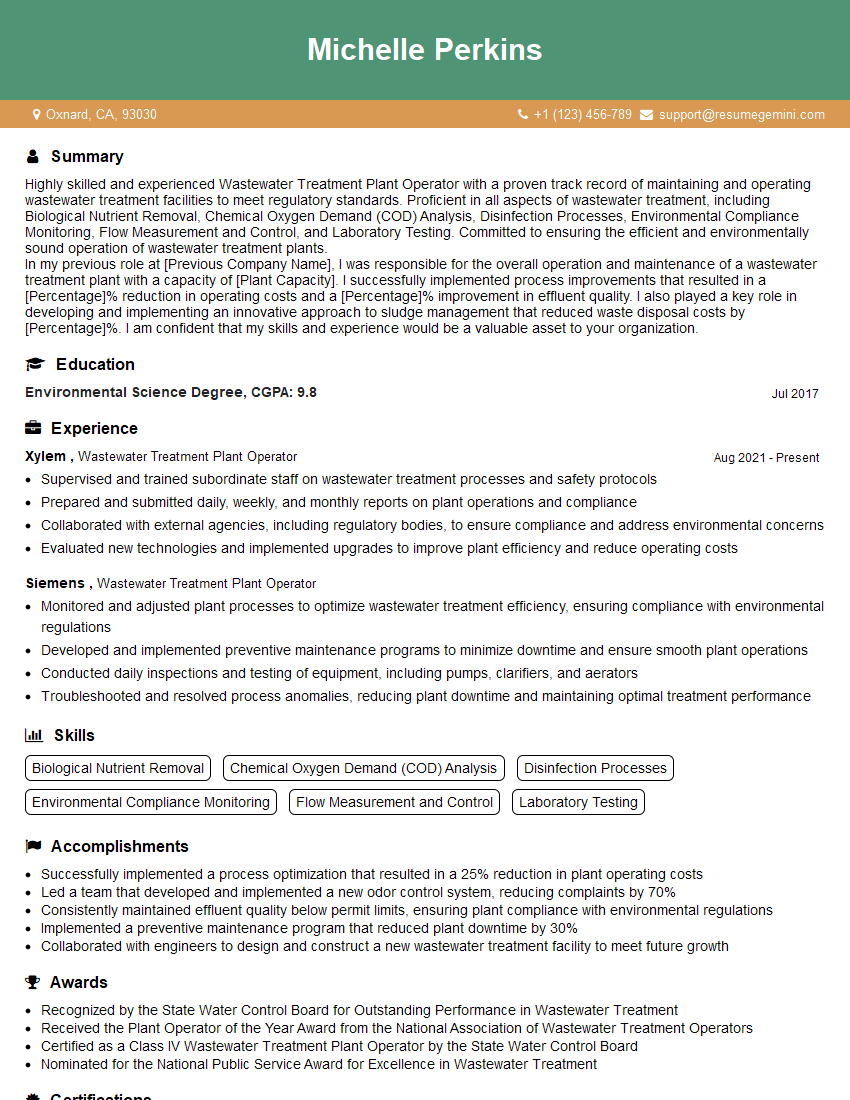
Wastewater Treatment Plant Operator Resume Sample
Explore more articles
Users Rating of Our Blogs
Share Your Experience
We value your feedback! Please rate our content and share your thoughts (optional).
What Readers Say About Our Blog
Very informative content, great job.
good