Are you ready to stand out in your next interview? Understanding and preparing for Global Food Safety Initiative (GFSI) Certification interview questions is a game-changer. In this blog, we’ve compiled key questions and expert advice to help you showcase your skills with confidence and precision. Let’s get started on your journey to acing the interview.
Questions Asked in Global Food Safety Initiative (GFSI) Certification Interview
Q 1. Explain the core principles of HACCP.
HACCP, or Hazard Analysis and Critical Control Points, is a systematic, preventative approach to food safety. Instead of reacting to problems after they occur, HACCP focuses on identifying and controlling potential hazards throughout the entire food production process, from farm to table. Think of it as building a food safety net, rather than patching holes after the fact.
Q 2. Describe the seven HACCP principles and provide an example of each.
The seven HACCP principles are:
- Principle 1: Conduct a hazard analysis. Identify biological, chemical, and physical hazards that could occur at each step of the food production process. Example: In a bakery, a hazard analysis might identify the risk of E. coli contamination from flour or salmonella from eggs.
- Principle 2: Determine critical control points (CCPs). Identify steps where control is essential to prevent or eliminate a food safety hazard or reduce it to an acceptable level. Example: The baking temperature in the oven would be a CCP to ensure salmonella is eliminated from the eggs.
- Principle 3: Establish critical limits. For each CCP, set specific measurable limits. Example: The minimum internal temperature of baked goods must reach 74°C (165°F) to eliminate salmonella.
- Principle 4: Establish monitoring procedures. Define how and how often to monitor CCPs. Example: Use a calibrated thermometer to check the internal temperature of baked goods at regular intervals during the baking process.
- Principle 5: Establish corrective actions. Define actions to be taken when monitoring indicates that a CCP is not under control. Example: If the oven temperature drops below 74°C (165°F), the batch needs to be discarded or rebaked.
- Principle 6: Establish verification procedures. Verify that the HACCP system is working effectively. Example: Regular audits, staff training, and equipment calibration are forms of verification.
- Principle 7: Establish record-keeping and documentation procedures. Document all aspects of the HACCP plan and its implementation. Example: Maintain records of temperatures, corrective actions, and audit results.
Q 3. What are the key differences between ISO 22000 and BRCGS?
Both ISO 22000 and BRCGS are GFSI-recognized food safety management systems, but they have key differences. ISO 22000 is a more generic standard applicable to any organization in the food supply chain, emphasizing integration of food safety management into the overall management system. It focuses heavily on interaction between organizations in the supply chain. BRCGS (British Retail Consortium Global Standard) is more specific to food manufacturers and focuses on the technical aspects of food production and compliance. Think of ISO 22000 as a broad framework, while BRCGS provides more detailed requirements for manufacturing practices.
In short: ISO 22000 is broader, more adaptable, and emphasizes supply chain integration, while BRCGS is stricter, more prescriptive, and is often a retailer requirement.
Q 4. How does GFSI benchmark schemes contribute to global food safety?
GFSI benchmarking ensures that certification schemes maintain a consistent level of rigor, promoting trust and transparency across the global food supply chain. By setting global benchmarks, GFSI helps standardize food safety practices worldwide. This reduces the need for multiple audits against various standards, saves businesses time and money, and ultimately makes the food supply safer and more reliable for consumers globally. It’s like having a universal language for food safety, enhancing communication and understanding between producers and consumers across international borders.
Q 5. What is the role of a GFSI-recognized certification body?
A GFSI-recognized certification body is an independent third-party organization that assesses and certifies that a company’s food safety management system meets the requirements of a GFSI-recognized standard. They conduct audits, verify compliance, and issue certificates. Their role is crucial in ensuring the credibility and integrity of GFSI certification. Think of them as independent inspectors, verifying that a company is truly meeting the high standards of food safety.
Q 6. Explain the importance of pre-requisite programs (PRPs) in food safety management systems.
Prerequisite Programs (PRPs) are fundamental operational and sanitation procedures necessary to support the effective implementation of a food safety management system. They are the foundational hygiene and operational controls that provide a safe and hygienic environment for food production. These include things like good sanitation practices, pest control, allergen management, and employee hygiene. Without robust PRPs, even the best HACCP plan will be ineffective. Imagine trying to build a house on a weak foundation – the structure will crumble. Similarly, a robust food safety management system requires strong PRP foundations.
Q 7. Describe your experience conducting internal audits against GFSI-recognized standards.
Throughout my career, I’ve conducted numerous internal audits against GFSI-recognized standards like BRCGS and ISO 22000 for various food manufacturing clients. This involved meticulously reviewing documentation, verifying implementation of control measures, conducting on-site observations, interviewing staff, and identifying areas of strengths and weaknesses in their food safety management system. For example, in one audit for a large bakery, we identified a gap in their allergen control procedures. While they had a plan, the practical implementation wasn’t consistently applied across all production lines. We worked with them to improve their training and implement corrective actions, ultimately strengthening their allergen management system. My approach is always collaborative, focused on supporting clients in achieving and maintaining GFSI certification through continuous improvement.
Q 8. How would you handle a non-conformity identified during an audit?
Handling a non-conformity during a GFSI audit involves a systematic approach focused on immediate corrective action and preventing recurrence. It’s not just about fixing the immediate problem; it’s about understanding the root cause and implementing preventative measures.
Firstly, I’d thoroughly document the non-conformity, including details like location, date, time, severity, and affected products. A clear description of the deviation from the standard is crucial. Then, I’d immediately implement corrective action to mitigate the immediate risk. This might involve removing affected products, adjusting processes, or retraining staff. This immediate action is documented and verified.
Next, a thorough investigation begins, focusing on root cause analysis (RCA). Techniques like the 5 Whys or fishbone diagrams help pinpoint the underlying causes. Once identified, I’d develop a corrective action and preventative action (CAPA) plan, detailing the steps to rectify the non-conformity and prevent its recurrence. This plan is implemented, monitored, and verified for effectiveness. The results of the CAPA are then reported to the auditor as part of the closure process. For instance, if a non-conformity involved improperly labeled products, the CAPA would include retraining staff on labeling procedures, revising the labeling process, and implementing a verification check at each production stage.
Q 9. What is a corrective action and preventative action (CAPA) plan?
A Corrective Action and Preventative Action (CAPA) plan is a systematic process to address non-conformities or potential problems within a food safety management system. It’s the heart of continuous improvement. It isn’t merely reacting to issues; it’s about proactively preventing them from happening again.
The plan typically involves:
- Identification: Clearly defining the problem or non-conformity.
- Root Cause Analysis: Using techniques like the 5 Whys or fishbone diagrams to identify the underlying causes.
- Corrective Action: Immediate actions to resolve the current non-conformity.
- Preventative Action: Long-term solutions to prevent the problem from recurring. This often involves changes to processes, procedures, or training.
- Verification: Checking the effectiveness of both corrective and preventative actions. This may involve monitoring, data collection, and audits.
- Documentation: Maintaining comprehensive records of the entire process, from initial identification to verification of effectiveness.
Think of it like this: if you spill a glass of milk (non-conformity), the corrective action is cleaning up the spill. The preventative action is getting a non-slip mat for the floor to prevent future spills.
Q 10. Explain the concept of traceability in a food production environment.
Traceability in food production is the ability to track a product through all stages of its production, processing, and distribution. This is vital for identifying the source of contamination or other problems, as well as for managing recalls efficiently. Imagine a foodborne illness outbreak – traceability quickly helps pinpoint the affected batch and source, limiting the impact.
Effective traceability systems often involve:
- Lot Numbering/Batch Codes: Uniquely identifying each batch of raw materials and finished products.
- Record Keeping: Maintaining detailed records of all steps in the production process, including supplier information, processing dates, and storage locations.
- Supplier Traceability: Knowing the origin of all raw materials used.
- Distribution Tracking: Keeping track of where products are shipped and stored.
A robust traceability system is crucial for complying with GFSI standards and maintaining consumer trust.
Q 11. How do you verify the effectiveness of a food safety management system?
Verifying the effectiveness of a food safety management system involves ongoing monitoring and review. It’s not a one-time event; it’s an ongoing process.
Key verification methods include:
- Internal Audits: Regular internal audits to ensure compliance with the food safety management system and GFSI standards.
- Management Reviews: Periodic reviews by management to assess the system’s performance and identify areas for improvement.
- Data Analysis: Analyzing data on product quality, customer complaints, and other key indicators to identify trends and potential problems.
- Monitoring Key Performance Indicators (KPIs): Tracking critical indicators relevant to food safety, such as the number of non-conformities, product recalls, or customer complaints.
- Supplier Audits: Auditing suppliers to ensure they meet the organization’s food safety standards.
- Product Testing: Regularly testing products to verify their safety and quality.
Think of it like a doctor’s checkup. Regular monitoring and review helps catch potential issues early on, ensuring that the system continues to effectively protect consumers.
Q 12. Describe your experience with root cause analysis techniques.
I’ve extensive experience with various root cause analysis (RCA) techniques. The choice of technique depends on the complexity of the problem. Some of my favorites include:
- 5 Whys: A simple yet powerful technique involving repeatedly asking ‘why’ to uncover the root cause. It’s great for quickly identifying the underlying issue.
- Fishbone Diagram (Ishikawa Diagram): A visual tool that helps brainstorm potential causes categorized by factors like people, materials, methods, machines, environment, and measurement. This is useful for complex problems with multiple potential causes.
- Fault Tree Analysis (FTA): A deductive reasoning technique that starts with the undesired event and works backward to identify potential causes. This method is effective for analyzing complex systems and identifying critical failure points.
In one instance, we had repeated instances of bacterial contamination. Using the 5 Whys, we discovered the root cause wasn’t inadequate cleaning but rather a faulty temperature gauge in the refrigerator, leading to improper cooling and bacterial growth. The fishbone diagram helped us systematically explore all the potential causes – personnel, equipment, material, etc. – before settling on the faulty gauge. This resulted in replacing the faulty gauge and implementing a temperature monitoring system to prevent recurrence.
Q 13. What is the importance of food safety culture within an organization?
A strong food safety culture is paramount. It’s not just about having a written food safety management system; it’s about everyone in the organization understanding and embracing the importance of food safety. This creates a proactive environment where everyone takes responsibility for food safety, from top management to line workers.
Key elements of a strong food safety culture include:
- Leadership Commitment: Visible and active commitment from top management to prioritize food safety.
- Employee Training: Comprehensive training for all employees on food safety practices and procedures.
- Open Communication: Open channels for communication regarding food safety concerns, with no fear of retribution.
- Accountability: Everyone is accountable for their role in maintaining food safety.
- Continuous Improvement: A culture of continuous improvement where everyone is encouraged to identify and suggest improvements to food safety practices.
A strong culture translates into fewer incidents, higher consumer trust, and improved business outcomes.
Q 14. How would you implement a new food safety management system?
Implementing a new food safety management system is a phased approach requiring careful planning and execution.
The steps typically involve:
- Gap Analysis: Assessing the current food safety practices against the chosen GFSI-recognized standard (e.g., BRC, IFS, SQF). This identifies areas needing improvement.
- Team Formation: Creating a cross-functional team with members from different departments to ensure buy-in and facilitate implementation.
- Training: Providing comprehensive training to all employees on the new system and procedures.
- Documentation: Developing and documenting all required procedures, forms, and records according to the chosen standard.
- Implementation: Rolling out the new system in phases, starting with pilot projects to test and refine processes.
- Verification: Conducting internal audits and management reviews to verify the effectiveness of the system.
- Certification: Undergoing a certification audit by an accredited certification body to demonstrate compliance with the chosen standard.
A successful implementation involves strong leadership, effective communication, and a commitment to continuous improvement. It is crucial to remember that it’s a journey, not a destination; continuous monitoring and improvement are essential.
Q 15. How do you stay updated with changes in food safety regulations and standards?
Staying current in the dynamic field of food safety necessitates a multi-pronged approach. I regularly monitor updates from organizations like the GFSI, FDA, USDA, and EFSA (European Food Safety Authority), checking their websites for new regulations, guidance documents, and alerts. I also subscribe to industry newsletters and journals such as Food Safety Magazine and attend relevant conferences and webinars to hear from experts and network with fellow professionals. This ensures I’m aware of emerging hazards, best practices, and any changes to certification schemes. For example, the recent emphasis on preventing food fraud necessitates continuous learning to implement robust verification programs. Furthermore, actively participating in professional organizations keeps me abreast of the latest research and discussions within the food safety community.
Career Expert Tips:
- Ace those interviews! Prepare effectively by reviewing the Top 50 Most Common Interview Questions on ResumeGemini.
- Navigate your job search with confidence! Explore a wide range of Career Tips on ResumeGemini. Learn about common challenges and recommendations to overcome them.
- Craft the perfect resume! Master the Art of Resume Writing with ResumeGemini’s guide. Showcase your unique qualifications and achievements effectively.
- Don’t miss out on holiday savings! Build your dream resume with ResumeGemini’s ATS optimized templates.
Q 16. Describe your experience with food safety risk assessment methodologies.
My experience with food safety risk assessment is extensive. I’m proficient in applying methodologies like HACCP (Hazard Analysis and Critical Control Points), which is a systematic, preventative approach to food safety. I utilize tools like FMEA (Failure Mode and Effects Analysis) to identify potential hazards throughout the supply chain, from raw material sourcing to finished product distribution. This involves evaluating the likelihood and severity of each hazard and implementing control measures to mitigate risk. For instance, during a recent project, we identified the risk of Listeria monocytogenes contamination in a ready-to-eat product. Through FMEA, we pinpointed critical control points like temperature control during processing and storage, and implemented monitoring procedures to ensure the safety of the product. Beyond HACCP and FMEA, I also have experience with other risk assessment techniques including those based on ISO 31000 (Risk Management).
Q 17. What is your understanding of GMP (Good Manufacturing Practices)?
GMP, or Good Manufacturing Practices, are a set of principles and guidelines designed to ensure that products are consistently produced and controlled according to quality standards appropriate for their intended use and that the products are safe. Think of GMP as the foundation of a robust food safety system. It encompasses a wide range of practices including hygiene, sanitation, facility design and maintenance, equipment calibration, personnel training, and pest control. Implementing effective GMPs is crucial for preventing contamination and ensuring product quality. For example, strict sanitation protocols, such as the proper cleaning and sanitizing of equipment after each use, are essential GMPs preventing cross-contamination.
- Personnel Hygiene: Handwashing, protective clothing.
- Facility Cleanliness: Regular cleaning and sanitization of equipment and facilities.
- Equipment Maintenance: Regular calibration and maintenance of equipment to ensure proper functioning.
- Pest Control: Implementing measures to prevent pest infestation.
Q 18. How do you manage supplier relationships to ensure food safety?
Managing supplier relationships to ensure food safety is paramount. It begins with a thorough supplier selection process, verifying their food safety certifications (e.g., ISO 22000, BRC, SQF), auditing their facilities, and reviewing their food safety management systems. Ongoing communication and collaboration are vital. Regular audits, performance reviews, and sharing of food safety information help maintain high standards. We also establish clear specifications for raw materials, including microbial limits and quality parameters. Any non-conformances are addressed immediately with corrective actions and preventative measures. Imagine a situation where a supplier experiences a food safety incident; my role would be to immediately initiate communication, investigate the root cause, and implement controls to prevent similar incidents in the future. This might involve switching to a different supplier temporarily or implementing stricter controls on the incoming materials. The goal is a collaborative partnership built on trust and mutual commitment to food safety.
Q 19. Explain the importance of documentation and record keeping in a food safety management system.
Documentation and record-keeping are the backbone of any effective food safety management system. They provide evidence that the system is working as intended, allowing traceability and facilitating continuous improvement. Think of it as a detailed history of your food safety activities. Records must be accurate, complete, and readily retrievable. This includes records of HACCP plans, GMP procedures, supplier audits, training records for employees, calibration records for equipment, pest control logs, and records of corrective actions taken. In the event of a food safety incident, these records become critical for investigations and demonstrating compliance with regulations. For example, if there is a product recall, detailed documentation allows for quick identification of affected batches and effective communication with customers.
Q 20. Describe your experience with food safety incident management.
My experience with food safety incident management involves a structured approach. The first step is always immediate containment to prevent further issues. Then, a thorough investigation is carried out to identify the root cause of the incident, using tools such as 5 Whys analysis or fishbone diagrams. Once the root cause is identified, we implement corrective actions to prevent recurrence. This often involves revising procedures, improving training, or upgrading equipment. Finally, preventive measures are put in place to stop similar incidents from happening again. Detailed documentation of the entire process is critical. I’ve managed incidents involving equipment malfunctions, supplier issues, and even instances of customer complaints. A crucial part of incident management involves communicating effectively with all stakeholders – internal teams, customers, regulatory authorities, and potentially even the media – to ensure transparency and build trust.
Q 21. How would you communicate food safety information to different stakeholders?
Communicating food safety information effectively requires tailoring the message to the audience. For example, when communicating with employees, I use clear, concise language, focusing on practical aspects and their roles in maintaining food safety. Training materials might involve interactive exercises and visual aids. When communicating with management, I emphasize the business implications of food safety, such as cost savings from preventing incidents and maintaining a strong brand reputation. For external stakeholders like customers and suppliers, communication is transparent, demonstrating our commitment to quality and safety. Regulatory agencies require detailed documentation and prompt reporting according to their guidelines. Different communication channels are utilized – meetings, training sessions, internal newsletters, external websites and social media, and official reports – depending on the context and the stakeholder. The key is ensuring clarity, accuracy, and timeliness.
Q 22. What is your understanding of allergen management in food production?
Allergen management in food production is critical for preventing allergic reactions in consumers. It involves identifying, controlling, and labeling allergens throughout the entire food production process, from sourcing raw materials to the final product. This isn’t just about avoiding cross-contamination; it’s about proactively managing every stage to minimize risk.
- Ingredient Sourcing: We must verify the allergen status of all raw materials using certificates of analysis and supplier declarations. For example, if we’re making a gluten-free product, we need absolute certainty that our suppliers aren’t using shared equipment for gluten-containing products.
- Processing and Handling: Strict segregation of allergen-containing ingredients and products is essential. Dedicated equipment, lines, and even rooms are often necessary. Think of separate areas for peanut butter production versus other products. Thorough cleaning and sanitation protocols between production runs are absolutely paramount to prevent cross-contamination.
- Labeling: Accurate and clear allergen labeling is mandatory, complying with all relevant regulations. This includes declaring all major allergens, even at trace levels (depending on regulations), and using clear and unambiguous language. A simple ‘May contain traces of nuts’ is insufficient; we need to specify which nut.
- Traceability: Maintaining complete traceability throughout the entire supply chain allows us to quickly identify and isolate any contaminated batches in case of an incident. This often involves robust record-keeping and barcode systems.
Failure to manage allergens effectively can lead to serious health consequences, product recalls, brand damage, and legal repercussions.
Q 23. How do you ensure the effectiveness of cleaning and sanitation programs?
Ensuring effective cleaning and sanitation programs relies on a multi-pronged approach. It’s not enough to just clean; we must ensure the process is scientifically validated and consistently applied.
- Standard Operating Procedures (SOPs): Detailed, step-by-step SOPs must be in place for every cleaning task, specifying cleaning agents, contact times, and verification methods. These are not generic instructions; they should be tailored to each piece of equipment and the specific product residue it handles. We’d have separate SOPs for cleaning a meat slicer compared to a vegetable washing machine.
- Training and Competency: All personnel involved in cleaning and sanitation must receive thorough training and demonstrate competency. Regular retraining ensures that practices remain consistent and updated with any new regulatory requirements or best practices.
- Monitoring and Verification: Regular monitoring and verification are crucial. This involves using ATP bioluminescence testing or other methods to quantitatively assess cleanliness levels, ensuring that residues are effectively removed. We document and analyze the results to identify areas needing improvement.
- Validation and Verification: Regular validation is crucial to ensure that the cleaning and sanitation procedures are effective. This can involve microbiological testing to confirm the reduction of microbial load. For example, we test surfaces for presence of specific bacteria after cleaning.
- Corrective Actions: A robust system for identifying, investigating and correcting deviations from cleaning SOPs is key. Root cause analysis helps identify the reasons behind failures and prevent recurrences.
Imagine a situation where inadequate cleaning leads to bacterial contamination. Effective programs prevent such scenarios by ensuring that every step is properly executed and monitored.
Q 24. Describe your experience with internal audit program development and implementation.
I have extensive experience in developing and implementing internal audit programs. This involves a structured process that ensures compliance with food safety standards and identifies areas for improvement.
- Scope Definition: The first step is clearly defining the scope of the audit, identifying which areas and processes will be included. This may vary based on the size and complexity of the operation, and the standards we are working against (like BRC or SQF).
- Audit Checklist Development: Next, I develop detailed audit checklists based on the chosen GFSI-recognized standard, ensuring comprehensive coverage of all critical control points and requirements. These checklists incorporate specific requirements for our facility.
- Auditor Training: I provide training to internal auditors, ensuring they have the necessary skills and understanding to conduct effective audits. This covers audit techniques, documentation, and reporting.
- Audit Execution: Audits are conducted systematically, with thorough documentation of findings and observations. This might involve visual inspection, interviews with staff, reviewing records, and sampling (if relevant).
- Reporting and Corrective Actions: The audit report summarizes findings, identifying any non-conformances and recommending corrective actions. These are tracked and verified to ensure timely resolution.
- Management Review: The audit findings and corrective actions are presented to management for review and approval, ensuring that top management is aware of the company’s performance against its food safety objectives.
A well-structured internal audit program helps identify weaknesses in the food safety management system before they lead to incidents, improving the effectiveness of the system over time.
Q 25. How do you handle conflicts of interest in your food safety role?
Conflicts of interest are a serious concern in food safety. My approach centers on transparency, objectivity, and adherence to established company policies. I always declare any potential conflicts, no matter how minor they seem. For instance, if I have a personal relationship with a supplier, I’d disclose this to my supervisor.
- Transparency and Disclosure: Openly communicating any potential conflicts ensures that decisions are not influenced by personal biases.
- Objective Decision-Making: I strive to maintain objectivity in all my decisions, focusing solely on the best interests of food safety and the organization. My personal feelings never impact a decision that affects safety.
- Adherence to Company Policies: I strictly adhere to the company’s conflict-of-interest policy, which outlines procedures for managing and resolving any potential conflicts.
- Seeking Guidance: If I am uncertain about a potential conflict, I seek guidance from my supervisor or the ethics committee.
- Documentation: Maintaining detailed documentation related to potential conflicts and the actions taken to address them is essential for accountability and transparency.
In essence, my strategy is to be proactive rather than reactive, anticipating potential issues and preventing them from becoming obstacles to my primary role of ensuring food safety.
Q 26. What are the key performance indicators (KPIs) you would monitor for a food safety management system?
Key Performance Indicators (KPIs) for a food safety management system should be carefully selected to provide a holistic view of its effectiveness. They shouldn’t just focus on reactions to problems but on preventing them.
- Number of Non-conformances: Tracking the number of non-conformances identified during internal audits or customer inspections helps assess the effectiveness of the system in preventing deviations from standards. A decrease shows improvement.
- Number of Corrective Actions: Monitoring the number of corrective actions taken indicates the frequency of issues that need resolution. A reduction signals improvement.
- Time to Resolve Corrective Actions: Tracking the time it takes to resolve corrective actions demonstrates the efficiency of the system in addressing identified issues. Faster resolution equals better management.
- Customer Complaints Related to Food Safety: Monitoring the number of customer complaints linked to food safety problems is a critical indicator of the system’s effectiveness in preventing incidents. Zero complaints is the ultimate goal.
- Product Recall Rate: The number of product recalls directly reflects the overall effectiveness of the food safety management system in preventing safety issues. The aim is zero recalls.
- Microbiological Testing Results: Regular monitoring of microbiological testing results from raw materials, in-process samples, and finished goods provides critical insight into the presence of pathogens. Consistently satisfactory results show the efficacy of preventative measures.
- Employee Training Completion Rates: The percentage of employees who have completed required food safety training helps assess the effectiveness of training programs in ensuring awareness and compliance.
By consistently tracking and analyzing these KPIs, we can identify trends, areas for improvement, and the overall effectiveness of our food safety program. Regular reviews are crucial for adapting and improving our system.
Q 27. Explain your experience in conducting a gap analysis against a GFSI-recognized standard.
Conducting a gap analysis against a GFSI-recognized standard is a systematic process designed to identify discrepancies between the current food safety management system and the requirements of the chosen standard. It’s like comparing a blueprint to a building under construction: we check for things missing or not meeting specifications.
- Standard Selection: First, we choose the relevant GFSI-recognized standard (e.g., BRC, IFS, SQF) based on the type of food produced and target market.
- Documentation Review: We thoroughly review all relevant documentation, including SOPs, training records, and quality control data, to understand the current state of the food safety management system.
- Benchmarking: We compare the current system’s procedures and practices with the requirements of the chosen standard using a gap analysis matrix or checklist. This involves identifying sections that meet the requirements, those that partially meet, and the ones that don’t.
- Gap Identification: We specifically identify any gaps between the current system and the requirements of the standard. This step highlights specific areas that require improvement.
- Prioritization: Based on the severity and potential impact, we prioritize the identified gaps to ensure that critical areas are addressed first.
- Corrective Action Planning: We develop a plan outlining the necessary corrective actions to close the identified gaps. This involves specifying the actions, responsibilities, timelines, and resources required.
The gap analysis not only identifies areas for improvement but also provides a roadmap for implementing changes to achieve GFSI certification.
Q 28. Describe a situation where you had to resolve a critical food safety issue.
During a routine internal audit, we discovered that a batch of our flagship product contained significantly higher levels of sodium than specified. This was a critical food safety issue as it could have affected consumers with dietary restrictions, possibly causing health problems.
- Immediate Containment: The first step was to immediately contain the affected batch, preventing it from entering the market. We sequestered it in a designated area.
- Root Cause Analysis: We conducted a thorough root cause analysis to identify the reason behind the elevated sodium levels. We found an error in the recipe input for our automated ingredient dispensing system.
- Corrective Actions: We corrected the recipe and implemented measures to prevent recurrence, including system validation to prevent further errors. We also retrained personnel responsible for recipe inputs.
- Communication: We immediately notified our management team and relevant regulatory bodies. Transparency with all stakeholders was paramount.
- Documentation: The entire incident, including root cause analysis, corrective actions, and corrective action verification was thoroughly documented.
This experience reinforced the importance of a robust food safety management system, including regular audits, thorough record-keeping, and a culture of accountability and continuous improvement.
Key Topics to Learn for Global Food Safety Initiative (GFSI) Certification Interview
- GFSI Benchmarks: Understand the core principles and requirements of various GFSI-recognized schemes (e.g., BRC, IFS, SQF). Focus on the commonalities and differences between these schemes.
- Hazard Analysis and Critical Control Points (HACCP): Master the principles of HACCP, including hazard identification, risk assessment, critical control point determination, and monitoring procedures. Be prepared to discuss practical applications in a food production environment.
- Food Safety Management Systems (FSMS): Develop a comprehensive understanding of building and implementing an effective FSMS, including documentation, internal audits, and management review.
- Prerequisite Programs (PRPs): Explain the importance of PRPs and their role in supporting the overall food safety management system. Be ready to discuss examples of key PRPs like GMPs, allergen control, and traceability.
- Internal Audits and Corrective Actions: Understand the process of conducting internal audits, identifying non-conformances, and implementing effective corrective and preventive actions (CAPA).
- Food Safety Culture: Discuss the importance of fostering a strong food safety culture within an organization, including employee training, communication, and accountability.
- Global Food Safety Standards: Familiarize yourself with the evolving landscape of global food safety standards and regulations. Be prepared to discuss current trends and challenges.
- Food Defense: Understand the principles of food defense and the measures needed to protect against intentional contamination.
- Traceability and Recall Systems: Explain the importance of effective traceability systems and the procedures for managing product recalls.
- Problem-solving and Decision-making in Food Safety: Be prepared to discuss your approach to problem-solving and decision-making in scenarios involving food safety incidents or non-conformances.
Next Steps
Mastering Global Food Safety Initiative (GFSI) certification significantly enhances your career prospects in the food industry, opening doors to leadership roles and higher earning potential. To maximize your chances of landing your dream job, create a resume that Applicant Tracking Systems (ATS) can easily read. ResumeGemini is a trusted resource for building professional, ATS-friendly resumes. Take advantage of their expertise and utilize the provided examples of resumes tailored to Global Food Safety Initiative (GFSI) Certification to showcase your skills and experience effectively. A strong resume is your first step toward a successful career in food safety!
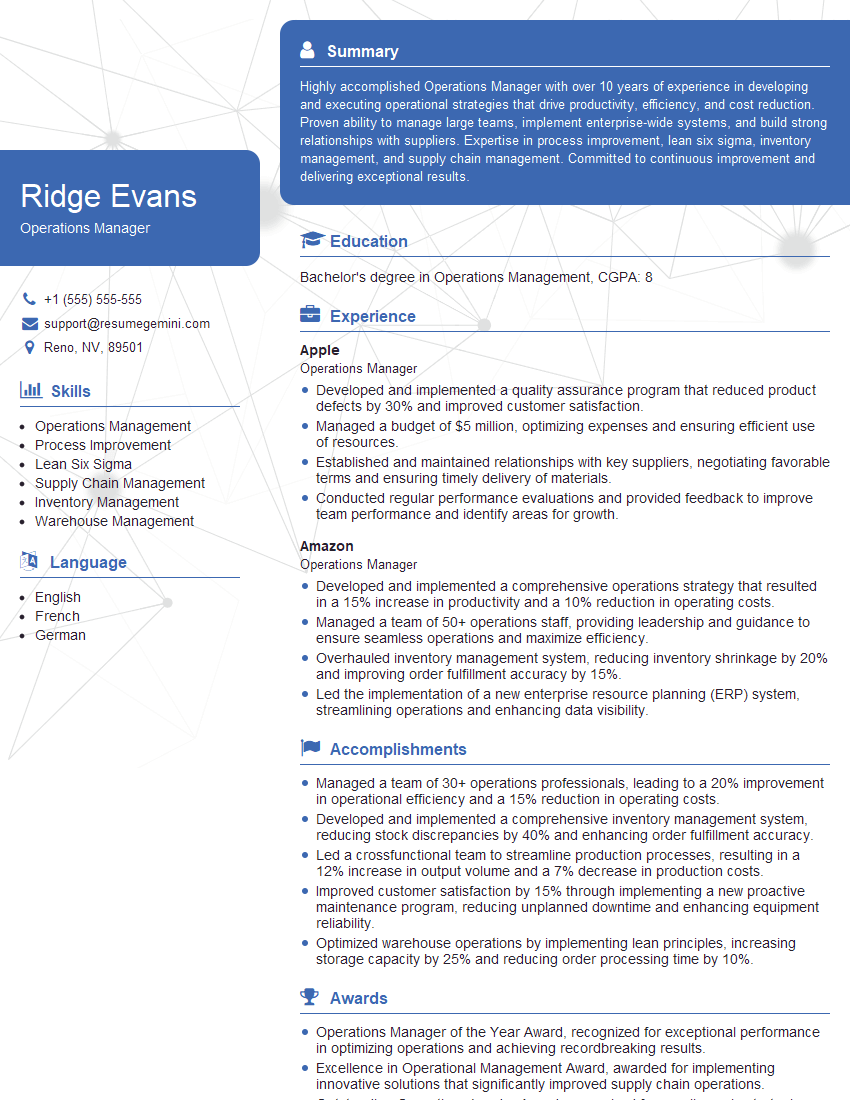
Operations Manager Resume Sample
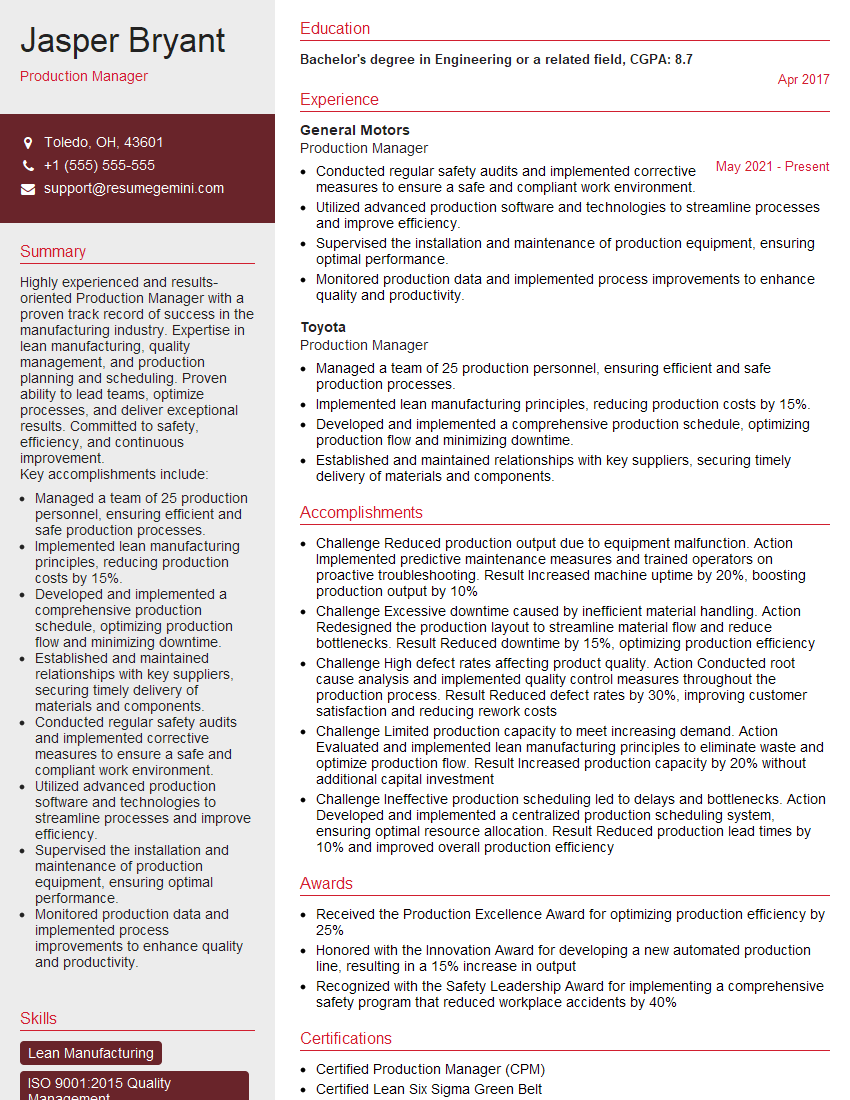
Production Manager Resume Sample
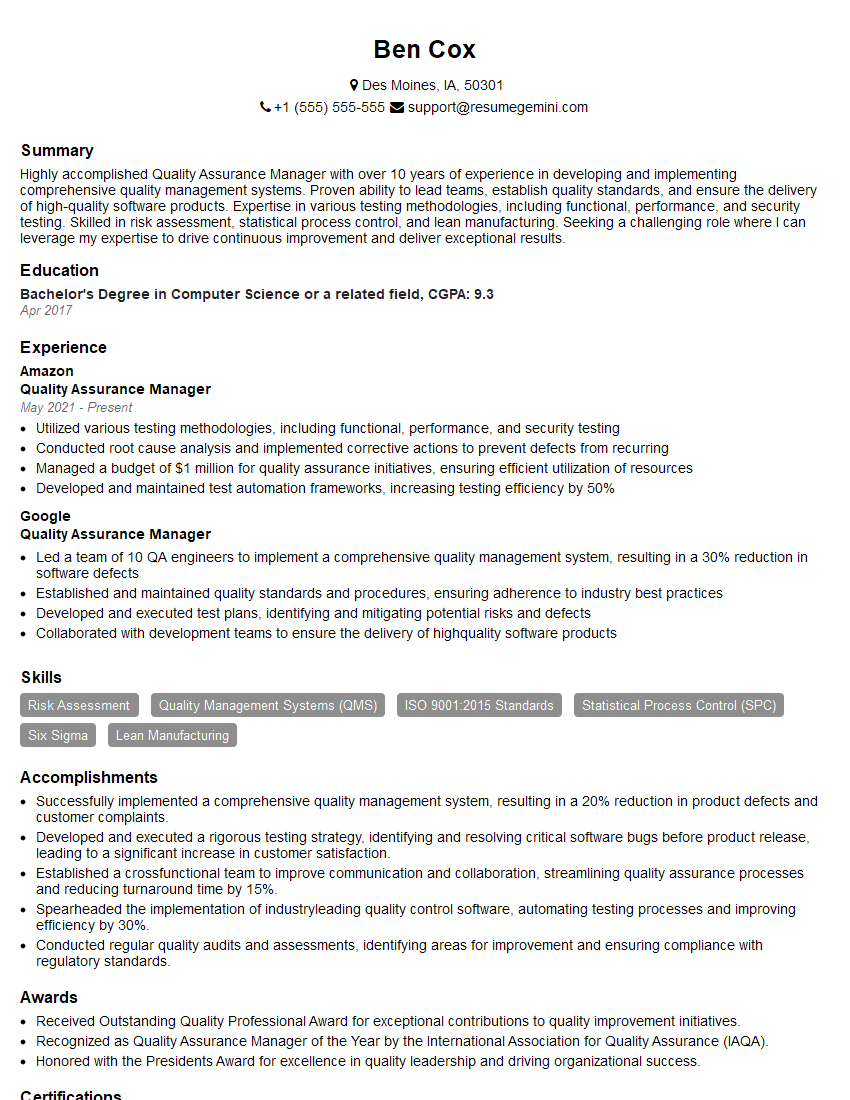
Quality Assurance Manager Resume Sample
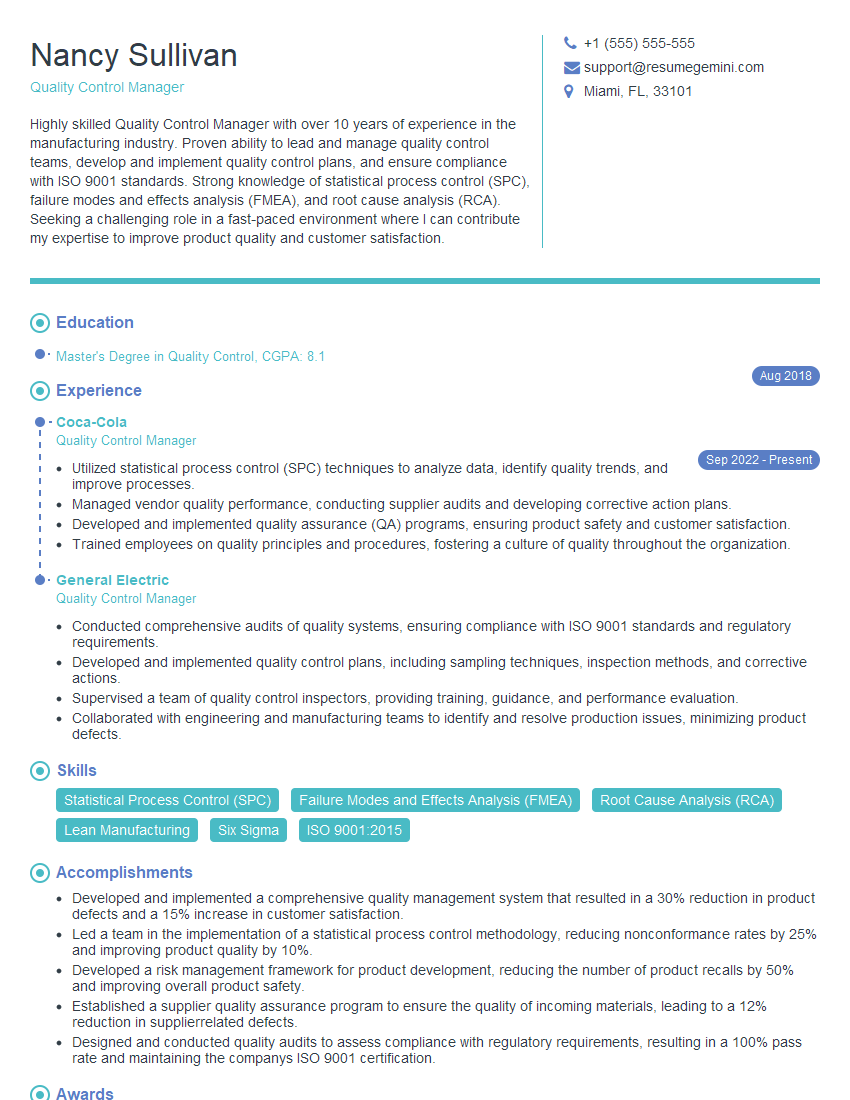
Quality Control Manager Resume Sample
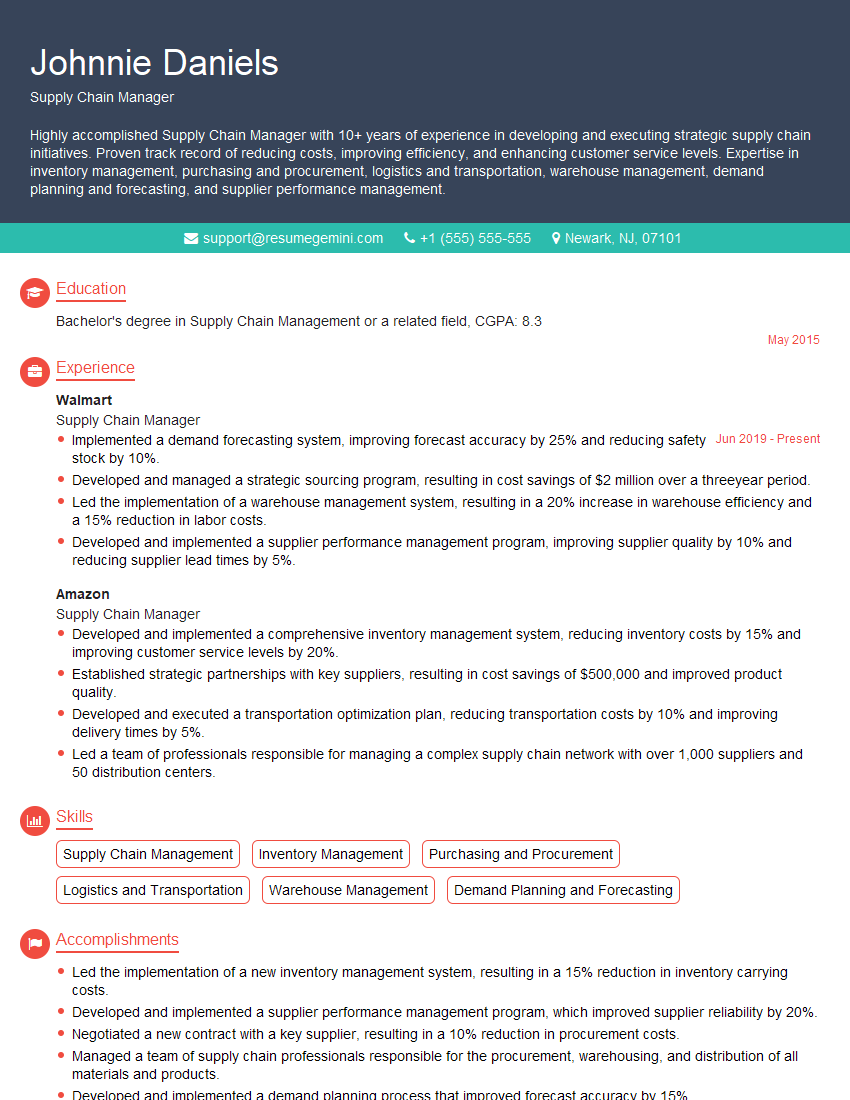
Supply Chain Manager Resume Sample
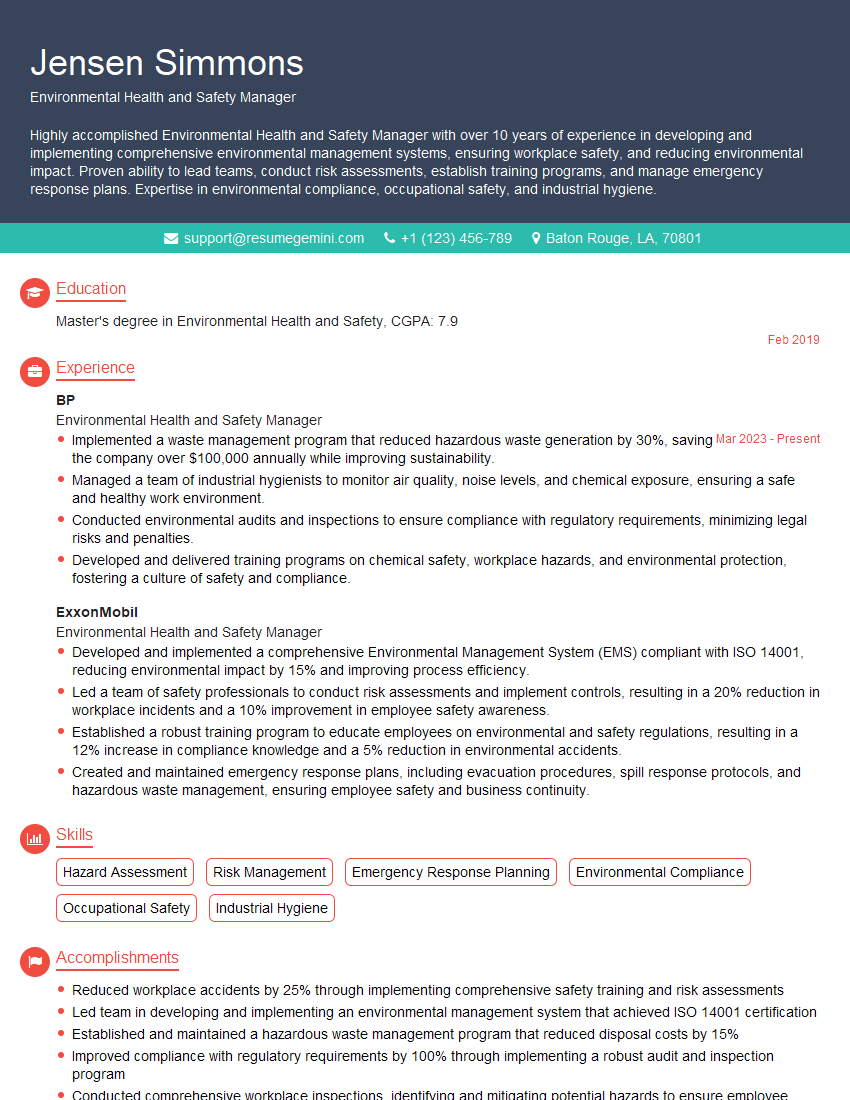
Environmental Health and Safety Manager Resume Sample
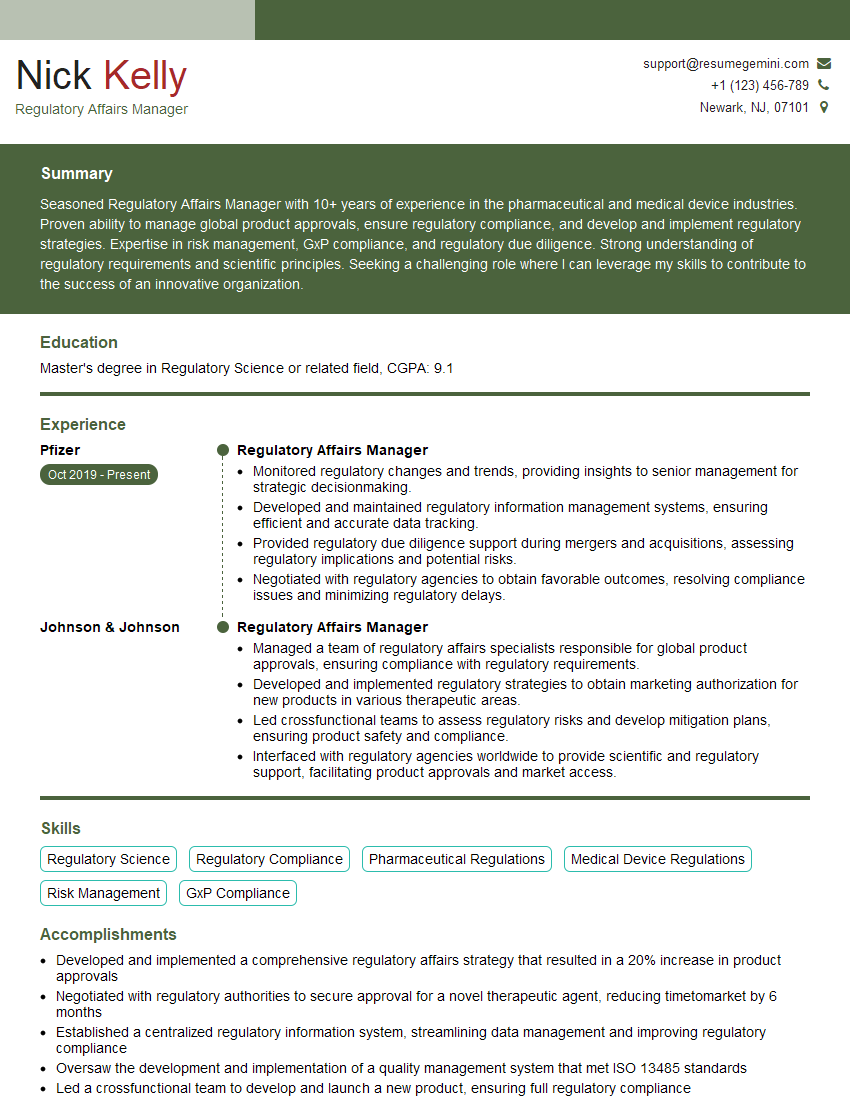
Regulatory Affairs Manager Resume Sample
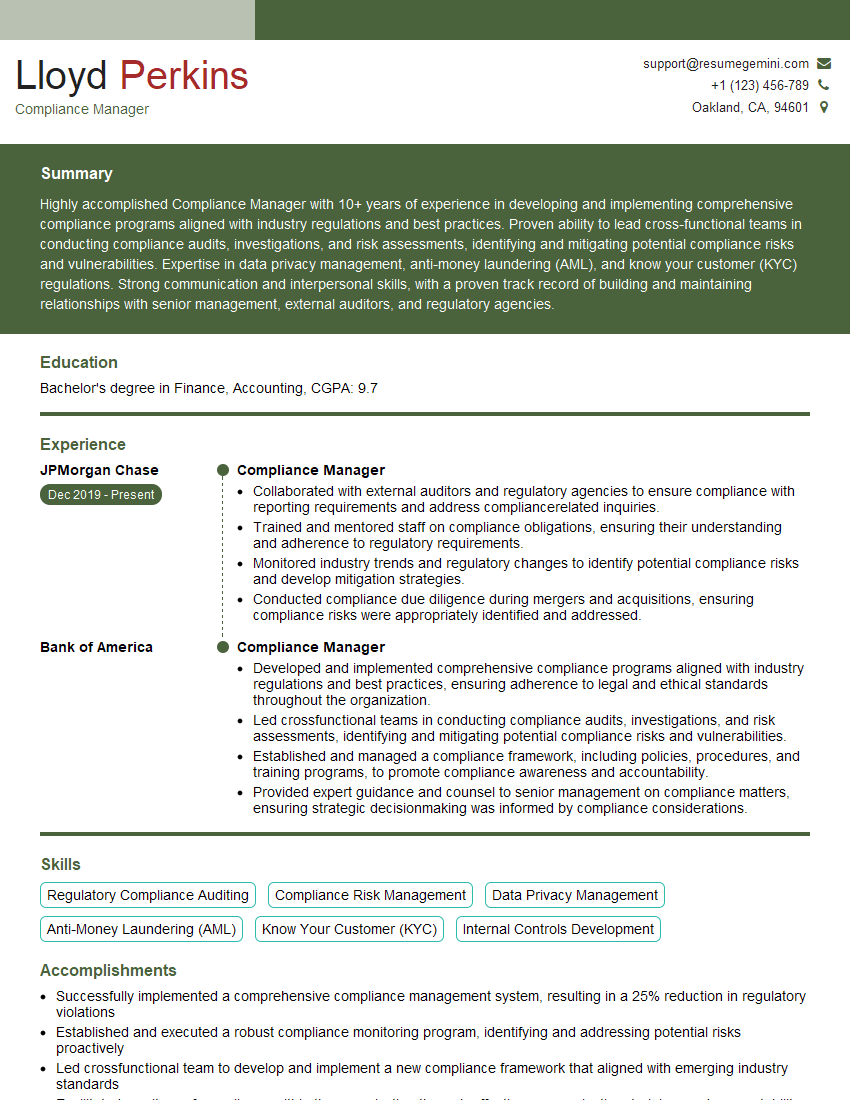
Compliance Manager Resume Sample
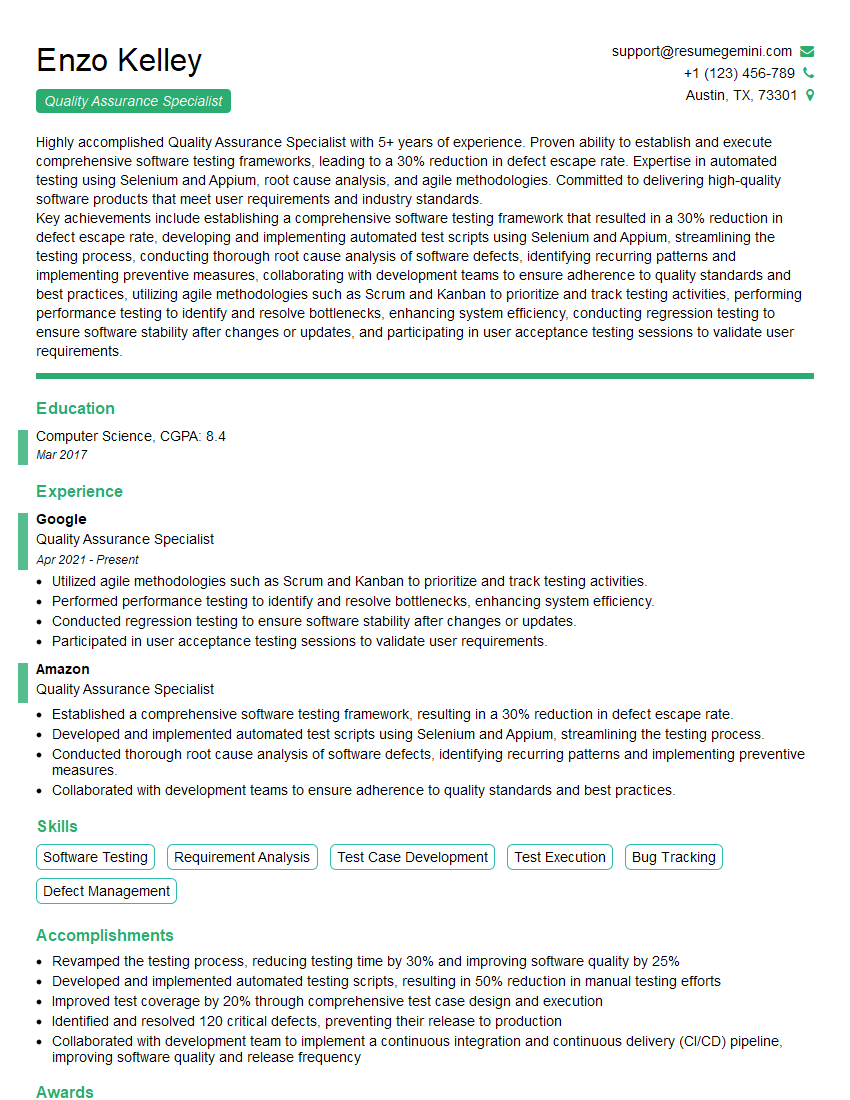
Quality Assurance Specialist Resume Sample
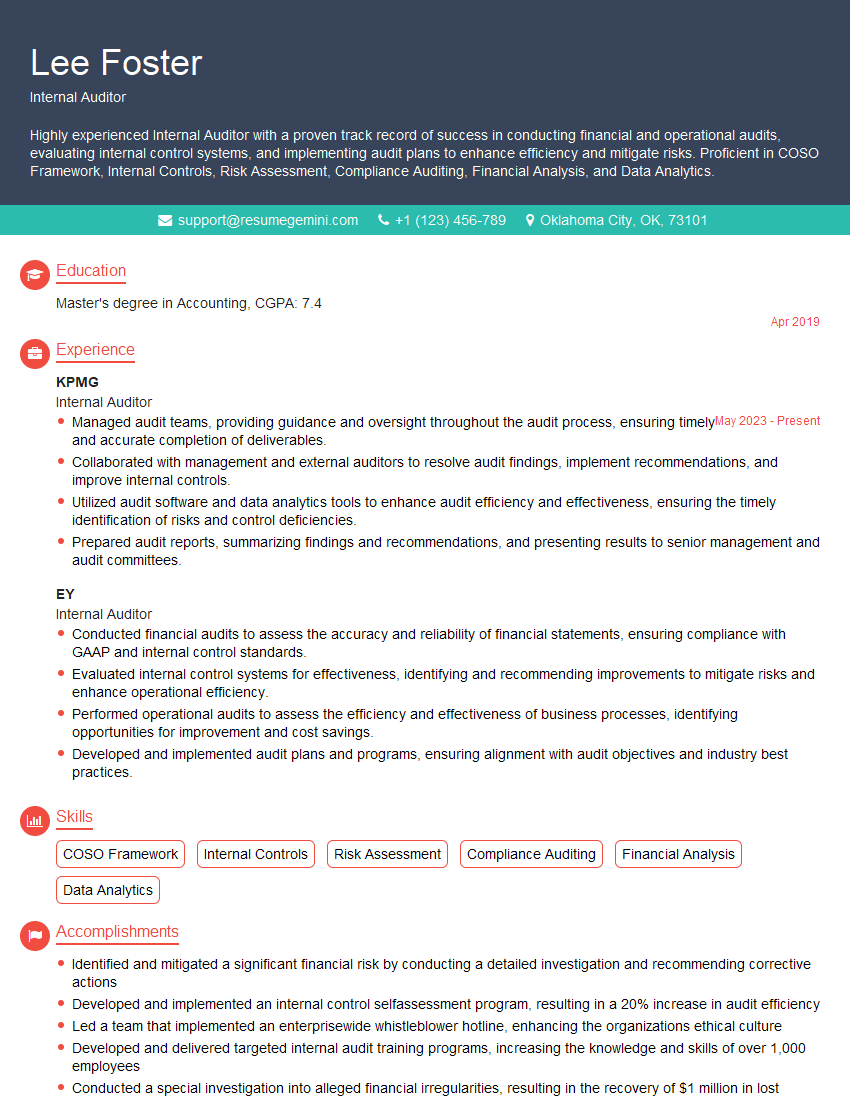
Internal Auditor Resume Sample

Risk Management Specialist Resume Sample
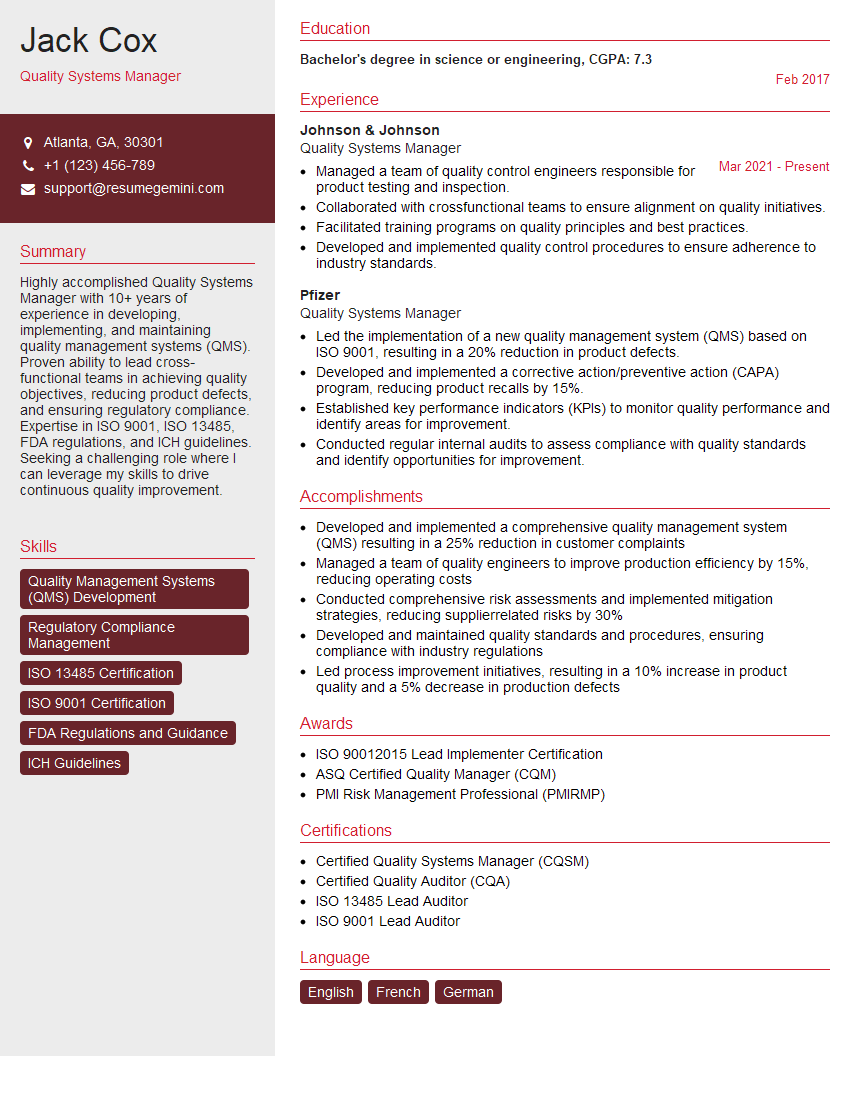
Quality Systems Manager Resume Sample
Explore more articles
Users Rating of Our Blogs
Share Your Experience
We value your feedback! Please rate our content and share your thoughts (optional).
What Readers Say About Our Blog
Very informative content, great job.
good