Every successful interview starts with knowing what to expect. In this blog, we’ll take you through the top Coating Porosity Testing interview questions, breaking them down with expert tips to help you deliver impactful answers. Step into your next interview fully prepared and ready to succeed.
Questions Asked in Coating Porosity Testing Interview
Q 1. Explain the different methods used for coating porosity testing.
Coating porosity testing determines the number and size of defects, such as pinholes and pores, that allow the passage of liquids or gases through a coating. Several methods exist, each with its strengths and weaknesses. These include:
Holiday Detection (High Voltage): Uses a high voltage probe to detect discontinuities in the coating. This is a common and relatively fast method, ideal for large areas.
Pinhole Detection (Low Voltage): Employs a low voltage current to detect pinholes. It’s more sensitive than holiday detection for smaller defects but is slower and less suitable for large areas.
Vacuum Box Method: This method submerges the coated item in a vacuum chamber. Leaks in the coating are revealed by the appearance of bubbles as air is drawn through the pores.
Air Pressure Testing: Air is applied to one side of the coated substrate, with the other side monitored for pressure loss, indicating porosity.
Dye Penetration Testing: A dye is applied to the coating’s surface. After a period, the dye penetrates any defects, revealing them visually. This is useful for qualitative assessment and pinpointing precise locations of smaller defects.
Porosity Measurement by Liquid Absorption: The amount of liquid absorbed by the coating over a specific time is measured. Higher absorption indicates greater porosity. This method is often used for quantitative measurements.
Q 2. Describe the holiday detector and its principle of operation.
A holiday detector, also known as a high-voltage detector, is a device that uses a high voltage current to detect discontinuities in a coating. Think of it like a tiny lightning storm searching for weak points. The principle of operation is simple: a probe with a high voltage applied is passed over the coated surface. When the probe encounters a discontinuity, such as a pinhole or crack, the current jumps across the gap, causing a spark or audible signal. This indicates a holiday, which is industry jargon for a coating defect. The size of the defect often correlates with the magnitude of the signal – bigger defects usually result in larger, brighter sparks or louder sounds. Different detectors will use different means of indicating a holiday, such as a light, sound, or a digital display.
Q 3. What are the limitations of each porosity testing method?
Each method has its own set of limitations:
Holiday Detection: Can miss very small pinholes or those deeply embedded in the coating. It also depends on good surface contact between the probe and the coating.
Pinhole Detection: Relatively slow and laborious, particularly for large areas. Sensitivity can be affected by the coating’s conductivity and thickness.
Vacuum Box Method: Suitable only for relatively small and non-porous items. The vacuum level and time must be carefully controlled to obtain consistent results.
Air Pressure Testing: Can be time-consuming and require specialized equipment. Results can be affected by temperature and pressure variations.
Dye Penetration Testing: Only detects defects that penetrate to the surface, not hidden subsurface flaws. Interpretation may be subjective.
Liquid Absorption: The results can be affected by various factors like coating thickness, temperature, and the type of liquid used, requiring standardized testing conditions.
Q 4. How do you interpret the results of a coating porosity test?
Interpreting results involves a combination of visual inspection and data analysis. Holiday detection yields a simple pass/fail result, usually based on a predetermined number of acceptable holidays per unit area. Quantitative methods, like liquid absorption, give numerical values that can be compared to standards or specifications. Visual methods, such as dye penetration, show the location and approximate size of defects. The number of defects found, their size distribution, and their location are crucial factors for determining the overall quality and integrity of the coating. It’s vital to compare your results against pre-defined acceptance criteria specified by relevant standards or the client’s requirements.
For example, if you’re testing a protective coating on a pipeline, a high number of holidays could signify a significant risk of corrosion, potentially requiring recoating.
Q 5. What factors influence coating porosity?
Several factors influence coating porosity:
Surface Preparation: Poor surface cleaning or preparation before coating application will leave behind contaminants, creating imperfections that lead to higher porosity.
Coating Application Method: The method of application (spraying, brushing, dipping) and the skill of the applicator affect the uniformity of the coating and, hence, the porosity.
Coating Material Properties: The viscosity, curing time, and solvent content of the coating significantly impact the final porosity. Thinner coats are more likely to be porous than thicker ones.
Environmental Conditions during Application and Curing: Temperature, humidity, and air pressure during application and curing can affect the coating’s curing process, potentially leading to increased porosity.
Coating Thickness: Generally, thinner coatings are more prone to porosity than thicker ones.
Q 6. What are the consequences of high porosity in coatings?
High porosity in coatings has severe consequences, depending on the application. Key problems include:
Reduced Corrosion Resistance: Pinholes allow corrosive agents (water, oxygen, etc.) to reach the substrate, leading to accelerated corrosion and degradation.
Decreased Mechanical Strength: Porous coatings have reduced mechanical strength and are more susceptible to cracking and damage.
Compromised Barrier Properties: Coatings are often used as barriers against moisture, chemicals, or gases. High porosity compromises these barrier functions, leading to penetration and damage to the underlying substrate.
Aesthetic Issues: In some applications, a porous coating may have an undesirable appearance.
For instance, high porosity in a marine coating can lead to rapid rusting of the ship’s hull, resulting in significant maintenance costs and safety hazards. Similarly, in the food and beverage industry, porous coatings can lead to contamination and product spoilage.
Q 7. Explain the difference between pinhole detectors and high voltage holiday detectors.
Both pinhole detectors and high-voltage holiday detectors are used to find defects in coatings, but they differ significantly in their methods and sensitivities:
Pinhole Detectors (Low Voltage): These use a low-voltage current to detect small defects. They’re more sensitive to minor imperfections, especially small pinholes, but are slower and less suitable for large areas. Think of it like carefully examining the coating with a magnifying glass. They often use a conductive probe and measure the current flow.
High Voltage Holiday Detectors: These use a much higher voltage, creating a spark when a defect is found. They’re faster for large areas, but less sensitive to minor imperfections. Imagine using a bright light to search for large holes. The high voltage jumps the gap across the defect, providing a clear visual or audible signal.
In short: pinhole detectors are more sensitive but slower, while high-voltage detectors are faster but less sensitive to smaller defects. The choice depends on the application and the required level of detail.
Q 8. How do you ensure accurate and reliable results in coating porosity testing?
Ensuring accurate and reliable coating porosity testing results hinges on meticulous attention to detail throughout the entire process. It starts with proper sample preparation – ensuring the surface is clean and dry to avoid false positives. The choice of testing method is crucial; the technique must be appropriate for the coating type and thickness. For example, a holiday detector might be suitable for thicker coatings, while a more sensitive method like the air pressure test would be better for thinner ones. Calibration of the equipment is paramount; regular checks against known standards ensure consistent and accurate readings. Finally, maintaining a controlled testing environment, free from excessive humidity or temperature fluctuations, minimizes external influences on the results. Think of it like baking a cake – you need the right ingredients, the right tools, and the right environment to get a perfect result. Inaccurate results could lead to costly rework, safety hazards, or premature coating failure.
For example, if we’re using a holiday detector, we’d meticulously clean the surface to avoid any conductivity from dirt or debris registering as a false porosity. Similarly, incorrect calibration could lead to the detector missing actual pinholes or falsely reporting them. Multiple tests on different areas of the same coating, coupled with statistical analysis of the results, enhance the reliability and provide a more comprehensive assessment.
Q 9. What are the safety precautions you must take during coating porosity testing?
Safety is paramount in coating porosity testing. Many techniques involve the use of high voltage, pressurized air or liquids, or potentially hazardous chemicals. Therefore, personal protective equipment (PPE) is essential, including safety glasses, gloves, and appropriate clothing to protect against electrical shocks, chemical splashes, or high-pressure blasts. The testing area should be well-ventilated, especially when working with solvents or aerosols. Clear signage warning of potential hazards is also vital. Furthermore, thorough training on the correct use of the equipment and the potential risks associated with each test method is non-negotiable for all personnel involved. Ignoring these precautions could lead to serious injuries or accidents.
For instance, when operating a high-voltage holiday detector, the operator must always ensure they are properly grounded to avoid electrical shocks. Similarly, when using pressurized air, the nozzle must be kept at a safe distance from the body to prevent injury. Regular safety inspections of the equipment and the work area are crucial in maintaining a secure working environment.
Q 10. What are some common coating defects besides porosity, and how are they detected?
Porosity is just one of many coating defects. Others include blistering, cracking, pinholing (a smaller form of porosity), delamination (separation of the coating from the substrate), and wrinkling. These defects can significantly reduce the coating’s protective capabilities and its lifespan. Detection methods vary depending on the defect. Visual inspection is often the first step, using magnifying glasses or even microscopes for finer detail. Some defects, like blistering, are visually obvious. Others require more advanced techniques.
- Blistering: Visual inspection; sometimes destructive testing is needed to examine the interior.
- Cracking: Visual inspection; sometimes enhanced by using angled light.
- Pinholing: Visual inspection; holiday detection or dye penetrant testing.
- Delamination: Tap testing (listening for hollow sounds), ultrasonic testing, or destructive cross-sectioning.
- Wrinkling: Visual inspection.
The choice of detection method often depends on the severity of the defect and the specific requirements of the application. For example, if a high level of protection against corrosion is required, even small pinholes will need to be detected and addressed.
Q 11. How do you document and report coating porosity test results?
Thorough documentation and reporting are crucial for ensuring traceability and facilitating decision-making. The report must clearly state the coating tested, the testing method used, the date and time of testing, and the location of the test area. This information establishes a reliable record and context. Results should be presented in a clear and concise manner, often including photographs of any defects observed. Quantitative data such as the number and size of pores (if applicable) should be included. Any deviations from standard procedures must also be explicitly noted. The overall condition of the coating, including the severity and extent of detected defects, should be summarized with an overall assessment of the coating’s integrity.
For instance, a report might include a table summarizing the number of holidays detected per square meter, along with photos of the detected defects. This data helps determine if the coating meets the required specifications and whether remedial action is required.
Q 12. Describe your experience using different types of holiday detectors.
My experience encompasses a variety of holiday detectors, including both wet and dry methods. Wet methods, utilizing a conductive solution, are suitable for detecting both surface and near-surface defects. Dry methods, using a high-voltage spark, are often preferred for thicker coatings. I’ve worked extensively with both types, understanding their strengths and limitations. Wet methods offer greater sensitivity for smaller defects, but require more careful cleaning and preparation. Dry methods are faster for large areas, but may miss subtle defects. Choosing the right detector depends on factors such as coating thickness, type, and the desired level of sensitivity. For instance, while a high-voltage holiday detector is quick for large areas, it is less sensitive for small imperfections, while a wet method would be more appropriate.
I’m also experienced in using different types of probes and adjusting the detector settings according to the specific coating characteristics. This ensures the optimal sensitivity and accuracy for each testing scenario. Regular calibration and maintenance of these instruments is crucial for reliable and consistent results. This has been integral to my ability to provide consistent, high-quality testing across a range of applications and environments.
Q 13. What are the standards and specifications relevant to coating porosity testing?
Several standards and specifications govern coating porosity testing, depending on the industry and application. Common standards include ASTM D714 (for holiday detection), ISO 21612 (for assessment of coating defects), and SSPC-PA 2 (for surface preparation and coating application). These standards provide guidelines on testing methods, acceptable defect levels, and reporting procedures. Compliance with relevant standards is crucial to ensure the quality and reliability of the coating system and to meet regulatory requirements. Selecting the appropriate standard depends on the specific application and the coating system in use. Each standard defines specific test methods, acceptable levels of defects, and procedures for reporting the findings. They provide a framework to ensure consistency and reliability in testing procedures.
For example, in the pipeline industry, specific standards may stipulate the acceptable levels of porosity to ensure structural integrity. Adherence to these standards and regulations is not simply a matter of compliance; it’s essential for maintaining safety and preventing costly failures.
Q 14. Explain the concept of acceptable porosity levels.
Acceptable porosity levels are not universally defined but rather depend heavily on the application and the intended purpose of the coating. For instance, a coating protecting a critical component from corrosion will have much stricter requirements than a coating primarily for aesthetic purposes. Factors influencing acceptable levels include the type of coating, the substrate material, the environmental conditions, and the required lifespan of the coating. These standards are often specified in project specifications or industry codes. Acceptable levels are usually expressed as the maximum number of defects per unit area (e.g., defects per square meter) or as a percentage of the total area. Exceeding these limits suggests the coating needs repair or replacement.
For example, a marine coating exposed to harsh saltwater environments would likely have much lower acceptable porosity levels than an interior wall coating. It is important to consider the potential consequences of coating failure and select acceptable porosity levels accordingly to mitigate risk.
Q 15. How do environmental conditions affect coating porosity testing?
Environmental conditions significantly impact coating porosity testing. Think of it like trying to bake a cake in a drafty kitchen – the uneven temperature and humidity can affect the final product. Similarly, variations in temperature, humidity, and atmospheric pressure during testing can lead to inaccurate and unreliable results.
For example, high humidity can cause moisture absorption by the coating, leading to artificially inflated porosity readings. Conversely, low humidity might result in underestimation of porosity. Temperature fluctuations can affect the coating’s physical properties, altering its permeability. Therefore, controlled environmental conditions – typically specified by relevant standards like ISO 20617 – are crucial for consistent and reliable results. A climate-controlled testing chamber is often necessary to maintain stable temperature and humidity.
In short, proper environmental control minimizes variability, improving the accuracy and reproducibility of your coating porosity test results and ensuring the reliability of conclusions drawn from them.
Career Expert Tips:
- Ace those interviews! Prepare effectively by reviewing the Top 50 Most Common Interview Questions on ResumeGemini.
- Navigate your job search with confidence! Explore a wide range of Career Tips on ResumeGemini. Learn about common challenges and recommendations to overcome them.
- Craft the perfect resume! Master the Art of Resume Writing with ResumeGemini’s guide. Showcase your unique qualifications and achievements effectively.
- Don’t miss out on holiday savings! Build your dream resume with ResumeGemini’s ATS optimized templates.
Q 16. How do you select the appropriate coating porosity testing method for a specific application?
Selecting the right coating porosity testing method depends heavily on the specific application, the type of coating, the substrate material, and the desired level of detail. It’s like choosing the right tool for a job; you wouldn’t use a hammer to tighten a screw.
- For simple, qualitative assessments of relatively porous coatings, visual inspection might suffice, though it’s subjective.
- For quantitative measurements, methods such as air pressure testing (e.g., the bubble test or holiday detection), water-based methods (like the water absorption test or dye penetration testing), electrical conductivity testing, or even microscopy (for detailed microstructural analysis) may be employed.
The choice often involves a trade-off between cost, speed, and the level of detail required. For instance, a quick bubble test might be suitable for a rapid check on field coatings, while a more precise and time-consuming method like water absorption testing is necessary when precise quantification is crucial, like for protective coatings in high-corrosion environments.
Always consult relevant standards and guidelines to ensure the chosen method is appropriate and aligns with industry best practices. The underlying principle is to select a test that delivers the required information with appropriate sensitivity and reproducibility for the context.
Q 17. Describe a situation where a coating porosity test revealed a critical defect.
I once encountered a situation where a protective coating applied to a large steel storage tank for a chemical plant showed unexpectedly high porosity after air pressure testing. The initial test revealed numerous pinholes and defects, much higher than acceptable limits. Further investigation using dye penetration testing localized these defects.
This revealed that inadequate surface preparation before coating application was the root cause – the steel had not been properly cleaned and grit-blasted to remove rust and mill scale. These imperfections resulted in poor adhesion of the coating and, consequently, higher porosity. If left unaddressed, this could have led to significant corrosion of the tank, causing leaks, costly repairs, and potentially environmental damage. The problem was rectified by repairing the defective coating areas, and reapplying the coating to a properly prepared surface. This case highlighted the importance of diligent surface preparation and the critical role of porosity testing in preventative maintenance.
Q 18. How do you handle discrepancies or inconsistencies in coating porosity test results?
Inconsistencies in coating porosity test results can stem from several sources: operator error, faulty equipment, environmental variations, sample heterogeneity, or even the inherent variability of the coating itself.
Addressing this requires a systematic approach:
- Repeatability checks: Repeat the test on multiple samples from the same batch, following the same procedure meticulously.
- Equipment calibration and validation: Ensure that the testing equipment is calibrated according to the manufacturer’s instructions and validated regularly.
- Environmental control: Evaluate whether environmental factors might be contributing to the inconsistencies. Controlled testing conditions are vital.
- Statistical analysis: Use statistical methods to analyze the data and determine if the discrepancies are within acceptable limits or if further investigation is needed. Understanding the variability associated with the testing method is crucial here.
- Root cause analysis: If the inconsistencies persist, investigate possible factors influencing the coating porosity, including the coating application process, surface preparation, or coating formulation itself.
Ultimately, a thorough investigation is necessary to pinpoint the source of the discrepancies and take corrective actions. If the problem lies in the testing procedure, it needs to be standardized and improved. If it originates in the coating process, this requires improvement as well, thereby preventing future inconsistencies.
Q 19. What is the role of surface preparation in minimizing coating porosity?
Surface preparation plays a paramount role in minimizing coating porosity. It’s the foundation upon which the coating is built; a poorly prepared surface is like trying to build a house on a shaky foundation. Thorough surface preparation ensures good adhesion between the coating and the substrate.
Proper surface preparation typically involves cleaning (to remove dirt, grease, and other contaminants), roughening (to increase the surface area for better mechanical bonding), and potentially pre-treatment (e.g., chemical etching or phosphating) to enhance adhesion.
If the substrate isn’t properly cleaned and prepared, defects such as dust particles, rust, or mill scale will be embedded in the coating. These defects act as voids, disrupting the coating’s continuity and increasing its porosity. This can dramatically reduce the coating’s protective capabilities and its overall lifespan.
Q 20. What are the different types of coating materials and how does porosity vary among them?
The porosity of a coating depends heavily on its material composition and application method. Different coating materials exhibit different levels of porosity.
- Epoxy coatings tend to have relatively low porosity when properly applied, making them suitable for protective coatings in harsh environments.
- Acrylic coatings generally possess a higher porosity compared to epoxies but offer excellent flexibility and UV resistance.
- Polyurethane coatings offer a balance between properties, with porosity depending on the formulation.
- Zinc-rich coatings often show higher porosity but their porosity contributes to their sacrificial corrosion protection capabilities.
The application method also influences porosity; a poorly applied coating, regardless of the material, will almost certainly exhibit higher porosity. Spray application, for example, can lead to more porosity compared to brush or roller application if not performed correctly. Therefore, selecting the appropriate material and application method is crucial to minimize porosity for the desired performance.
Q 21. How does the thickness of a coating affect porosity testing?
Coating thickness affects porosity testing in several ways. Firstly, thicker coatings might require more extensive testing to ensure a representative sample is analyzed. Thin coatings may show less porosity simply because there’s less material for defects to form in.
In some methods, like air pressure testing, thicker coatings can mask defects that are easily identified in thinner coatings; pinholes in a thick coating might be less easily detected than in a thin one. Conversely, thick coatings might allow for a higher number of relatively small defects without impacting overall performance while thin coatings might require very few defects for a negative impact.
The relationship isn’t linear, however; extremely thick coatings can develop internal stresses during curing, potentially leading to increased cracking and increased porosity. Therefore, optimal coating thickness is essential for achieving the desired balance between protection and minimized porosity. The optimal thickness is often determined experimentally and considered in the design.
Q 22. Explain the relationship between coating porosity and corrosion.
Coating porosity, essentially the presence of interconnected voids or pores within a coating, directly impacts its ability to protect the underlying substrate from corrosion. Think of it like a sieve – if the coating has many holes, corrosive agents like moisture and oxygen can easily penetrate, reaching the metal and initiating the corrosion process. A less porous coating, on the other hand, acts as a more effective barrier, preventing corrosion.
The relationship is simple: higher porosity = higher corrosion risk. The size, distribution, and interconnectedness of these pores determine the extent of this risk. A coating with large, interconnected pores will allow faster and more extensive corrosion compared to one with small, isolated pores. For instance, a poorly applied zinc coating with many pinholes will be much more susceptible to rust than a well-applied coating with minimal porosity.
Q 23. What are the remedial actions for high coating porosity?
Remedial actions for high coating porosity depend heavily on the severity of the issue and the type of coating. In some cases, minor porosity might be acceptable, while other situations demand complete recoating. Here’s a breakdown:
- Re-coating: For significant porosity, complete removal of the defective coating and re-application with improved application techniques is often necessary. This ensures a better barrier.
- Surface Preparation Improvement: Porosity often stems from poor surface preparation of the substrate before coating application. Improving surface cleaning, sandblasting, or other pre-treatment methods is crucial.
- Improved Coating Application Techniques: Techniques such as multiple thin coats (instead of one thick coat), proper spraying parameters, and careful control of environmental conditions (temperature, humidity) can drastically reduce porosity. Think of it like baking a cake – a carefully layered cake is less likely to have air pockets.
- Repairing Minor Defects: For very localized porosity, spot repairs might be possible, depending on the coating type and the extent of damage. This involves carefully filling the pores with a suitable sealant or repair material.
- Selecting a Different Coating System: In some cases, a different coating material altogether may be more suited to the application and offer better inherent porosity resistance. Choosing coatings with a higher solids content often leads to better film formation.
The selection of the most suitable remedial action requires a thorough assessment of the coating’s condition and the underlying causes of the porosity.
Q 24. Describe your experience with data analysis and interpretation in coating porosity testing.
My experience with data analysis in coating porosity testing is extensive. I’m proficient in analyzing data from various testing methods, including holiday detection, air pressure testing, and electrochemical techniques. For example, I’ve used image analysis software to quantify the number, size, and distribution of pores in microscopic images from cross-sections of coatings. This allowed me to establish relationships between application parameters and the resulting porosity.
In one project, we used statistical process control (SPC) to monitor porosity levels during a large-scale coating application. By tracking the data, we identified trends and potential problems early on, preventing the application of a large, defective coating. Interpreting this data enabled informed decision-making, leading to improved coating quality and substantial cost savings.
I’m also experienced in using specialized software to correlate porosity data with other quality control metrics, such as coating thickness and adhesion, to provide a holistic assessment of the coating’s performance.
Q 25. How do you stay updated with the latest advancements in coating porosity testing techniques?
Staying updated in this field requires a multi-faceted approach. I regularly attend conferences, such as those organized by NACE International and ASTM International, to learn about the latest advancements. I also actively participate in professional organizations focused on coatings and corrosion engineering, which provide opportunities for networking and knowledge exchange.
Furthermore, I subscribe to relevant technical journals and publications. Reading research papers and industry news keeps me abreast of new testing methods, data analysis techniques, and advancements in coating materials. Online resources and databases, such as those provided by various industry associations, are also invaluable sources of information.
Q 26. What are the advantages and disadvantages of using automated porosity testing systems?
Automated porosity testing systems offer significant advantages over manual methods. They typically provide faster and more consistent results, reducing human error and subjectivity. Automated systems can process a larger volume of samples in shorter timeframes, boosting efficiency and productivity. They also often provide detailed, quantifiable data that’s easier to analyze.
However, automated systems can be expensive to purchase and maintain. They may also require specialized training to operate and interpret the results effectively. Additionally, some automated systems might not be suitable for all coating types or geometries. For example, access to intricate surfaces might be limited with some automated systems, favoring manual testing in such situations.
Q 27. How do you troubleshoot common problems encountered during coating porosity testing?
Troubleshooting during coating porosity testing requires a systematic approach. I typically start by reviewing the entire testing process, including sample preparation, instrument calibration, and testing parameters. Common problems include incorrect instrument settings, faulty equipment, and inadequate sample preparation. For example, inconsistent surface preparation can lead to inaccurate porosity measurements.
I always ensure the testing equipment is properly calibrated using standardized reference samples and that the testing environment is controlled (temperature, humidity). If the problem persists, I may investigate potential issues with the testing method itself, such as unsuitable testing conditions or incorrect data interpretation. A detailed record-keeping system, noting all aspects of the testing procedure, is crucial for efficient troubleshooting.
Q 28. Explain your understanding of quality control procedures in coating applications.
Quality control in coating applications is paramount for ensuring the final product meets the required specifications and provides the intended level of protection. My understanding encompasses several key aspects:
- Surface Preparation: Thorough cleaning and preparation of the substrate are crucial to ensuring good coating adhesion and minimizing porosity. Regular checks and visual inspections are essential.
- Coating Application: Control of the coating application process, including parameters such as film thickness, drying time, and spraying conditions, is critical. Regular monitoring and adjustments ensure consistency.
- Porosity Testing: Regular porosity testing, as discussed, is implemented to evaluate coating integrity and identify potential defects. This includes using appropriate testing methods and analyzing the data properly.
- Adhesion Testing: Ensuring good adhesion between the coating and the substrate is vital. This is typically done using adhesion testing methods such as pull-off tests or cross-cut tests.
- Thickness Measurement: Monitoring coating thickness using appropriate techniques, like magnetic or ultrasonic thickness gauges, is crucial to ensuring the required protection level is achieved.
- Documentation: Maintaining thorough documentation of all aspects of the process, from material selection to final inspection results, is essential for traceability and for identifying areas for improvement.
Implementing a robust quality control system, combining these aspects and following industry best practices, ensures the long-term durability and performance of the coating.
Key Topics to Learn for Coating Porosity Testing Interview
- Fundamentals of Coating Porosity: Understanding the different types of coating porosity (e.g., pinholes, cracks, blisters) and their impact on coating performance.
- Non-Destructive Testing (NDT) Methods: Familiarize yourself with various techniques used for porosity testing, including holiday detection, air pressure testing, and vacuum testing. Understand their principles, advantages, and limitations.
- Destructive Testing Methods: Gain knowledge of cross-section analysis, microscopy, and other destructive methods used to assess coating porosity, and when these are necessary.
- Interpretation of Test Results: Learn to analyze data from different porosity testing methods, identify anomalies, and draw meaningful conclusions about coating quality.
- Standards and Specifications: Be familiar with relevant industry standards and specifications related to coating porosity testing and acceptance criteria (e.g., ASTM standards).
- Practical Applications: Understand the importance of coating porosity testing in various industries, such as automotive, aerospace, and marine, and how it ensures product quality and safety.
- Troubleshooting and Problem-Solving: Develop your ability to diagnose the causes of high porosity in coatings and suggest solutions for improvement.
- Data Analysis and Reporting: Learn how to effectively present and interpret porosity test data in reports and communicate findings to clients or management.
Next Steps
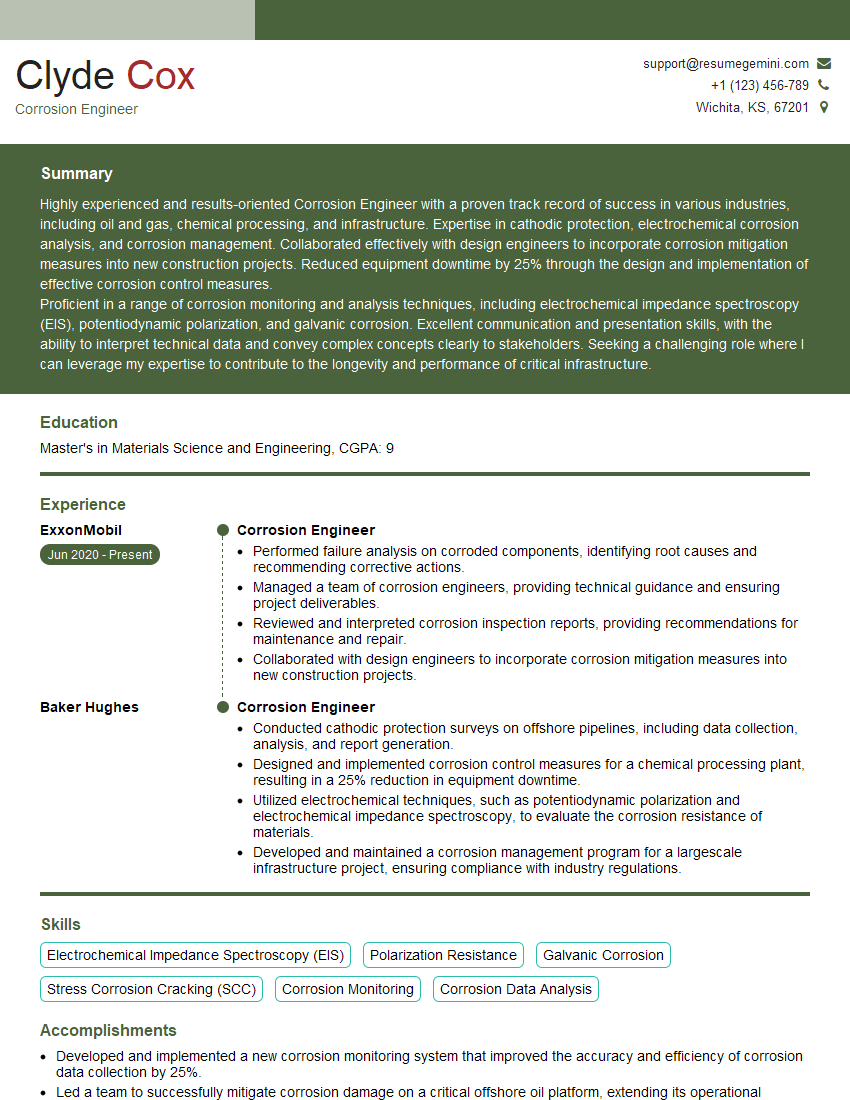
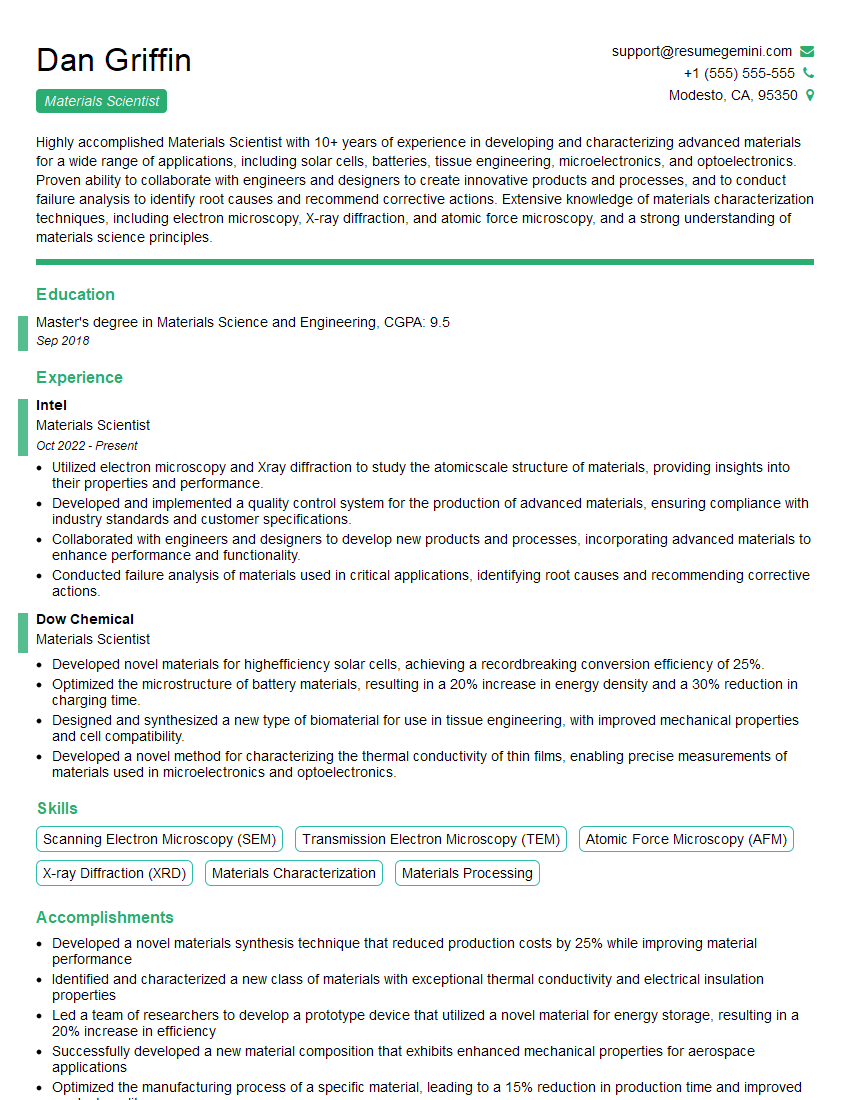
Mastering Coating Porosity Testing opens doors to exciting career opportunities in quality control, materials science, and NDT. A strong understanding of these principles demonstrates technical expertise and problem-solving skills highly valued by employers. To stand out from the competition, it’s crucial to present your qualifications effectively. Creating an ATS-friendly resume is key to maximizing your job prospects. ResumeGemini is a trusted resource that can help you build a professional and impactful resume tailored to the specifics of your experience in Coating Porosity Testing. Examples of resumes specifically designed for this field are available to help guide you.

Explore more articles
Users Rating of Our Blogs
Share Your Experience
We value your feedback! Please rate our content and share your thoughts (optional).
What Readers Say About Our Blog
Very informative content, great job.
good