Every successful interview starts with knowing what to expect. In this blog, we’ll take you through the top Wet Work interview questions, breaking them down with expert tips to help you deliver impactful answers. Step into your next interview fully prepared and ready to succeed.
Questions Asked in Wet Work Interview
Q 1. Describe your experience with different types of diving equipment.
My experience with diving equipment spans a wide range, from basic scuba gear to advanced mixed-gas diving systems and specialized underwater tools. I’m proficient with various types of diving regulators, including those designed for demanding environments like deep dives or cold water. I have extensive experience with different buoyancy compensators (BCDs), dry suits for cold water operations, and wet suits for warmer climates, understanding the specific advantages and limitations of each. My understanding extends to closed-circuit rebreathers, crucial for extended underwater operations where silent operation and minimizing bubble production is vital. Beyond personal equipment, I’m familiar with the use and maintenance of underwater communication systems, including underwater telephones and diver-to-surface communication systems, which are essential for ensuring team safety and coordination. Finally, I’m experienced with handling various types of underwater lighting equipment, cameras, and specialized tools relevant to specific wet work tasks.
For example, during a recent underwater pipeline inspection, I utilized a rebreather to minimize disturbance to the marine life and to extend my bottom time. The dry suit was critical given the cold water temperatures. The specialized lighting was essential for taking detailed photographs of any potential corrosion or damage.
Q 2. Explain your understanding of decompression procedures.
Decompression procedures are paramount for preventing decompression sickness, also known as the bends. This occurs when dissolved inert gases, primarily nitrogen, come out of solution in the body’s tissues upon ascent, forming bubbles that can obstruct blood flow. The key is to manage the rate of ascent to allow these gases to be safely eliminated through the lungs. I’m well-versed in decompression tables and dive computers, understanding how they calculate decompression stops based on factors such as dive depth, duration, and the type of breathing gas used. I understand the importance of adhering strictly to these protocols, even with minor deviations. The use of specialized decompression software allows for precise calculation and planning for complex dives. Furthermore, I’m trained in recognizing and treating decompression sickness symptoms, which include joint pain, numbness, and breathing difficulties. Proper emergency procedures, including the administration of oxygen and recompression in a hyperbaric chamber, are crucial.
For instance, during a deep-sea survey, we meticulously followed the dive plan’s prescribed decompression stops using dive computers that continuously monitored our tissue saturation levels. Any deviation from the planned ascent profile would have required immediate adjustments to prevent decompression sickness.
Q 3. What are the common hazards associated with underwater welding?
Underwater welding presents several unique hazards. The most prominent are those related to the environment itself: reduced visibility, strong currents, and cold temperatures. Then there are the hazards associated with the welding process: arc flash, which can cause severe burns; electric shock, particularly concerning with the use of submerged arc welding; toxic fumes from the welding process and the potential for fire, which is particularly dangerous underwater due to limited escape routes. The high pressure environment can also affect the welder’s physical and mental capabilities. Furthermore, there’s the risk of entanglement with equipment or debris on the seabed. Finally, maintaining proper buoyancy control during the welding process is vital to avoid accidental damage or injury.
Q 4. How do you ensure the safety of yourself and your team during a wet work operation?
Ensuring safety during wet work operations involves a multi-layered approach. Firstly, a comprehensive risk assessment is conducted prior to any operation, identifying potential hazards and implementing control measures. This includes a detailed dive plan, which specifies the tasks, equipment, communication protocols, and emergency procedures. The team undergoes thorough pre-dive checks of all equipment, ensuring that everything is functioning correctly. Regular communication between divers and the surface support team is essential, often relying on underwater communication systems. Divers maintain strict adherence to established safety protocols, including buddy systems and never diving alone. During the operation, strict monitoring of each diver’s vital signs is undertaken. Post-dive procedures, including thorough equipment inspection and decompression protocols, are meticulously followed. Finally, regular training and drills enhance the team’s preparedness for any unexpected situations.
For example, during a complex underwater repair job, a detailed risk assessment highlighted the potential for entanglement in the submerged structure. We addressed this by using a specialized diver lift bag system for easier maneuvering and rescue.
Q 5. Describe your experience with underwater inspection techniques.
My underwater inspection experience involves a variety of techniques. Visual inspection remains the most common method, often aided by underwater cameras, lights, and remotely operated vehicles (ROVs). Non-destructive testing (NDT) methods are frequently used to assess the integrity of underwater structures. These may include ultrasonic testing to detect internal flaws, magnetic particle inspection to identify surface cracks, and radiographic testing for subsurface defects. I am experienced in interpreting the results of these tests to accurately assess the condition of structures. The use of specialized tools, such as underwater manipulators and remotely operated vehicles (ROVs), expands the scope and detail of inspection.
A recent project involved the inspection of an offshore platform’s structural integrity. We used a combination of ROVs for initial visual assessment, complemented by ultrasonic testing of specific areas identified as potentially compromised.
Q 6. Explain your understanding of different types of underwater cutting methods.
Several underwater cutting methods exist, each suited to specific applications and materials. Mechanical cutting, using tools like underwater saws and abrasive water jets, is suitable for a wide range of materials. Thermal cutting methods include oxy-fuel cutting, which uses a mixture of oxygen and fuel gas to create a high-temperature flame, and plasma arc cutting, which utilizes a high-velocity jet of ionized gas to sever the material. Each method has its advantages and limitations in terms of cutting speed, precision, and suitability for different materials and underwater environments. The selection of the optimal method depends on factors such as the material thickness, the desired cut quality, and environmental considerations.
For example, in a salvage operation involving a steel hull, oxy-fuel cutting was used due to its relatively simple setup and effectiveness on thicker steel sections. In contrast, for a more delicate operation on a composite structure, abrasive water jet cutting provided the needed precision without causing damage to surrounding areas.
Q 7. How do you manage risk in a dynamic underwater environment?
Managing risk in a dynamic underwater environment requires a proactive and layered approach. Firstly, a thorough risk assessment identifies all foreseeable hazards, from environmental factors like currents and visibility to equipment malfunctions and human error. Mitigation strategies are then developed to address each identified risk. These strategies might involve using redundant equipment, employing specialized safety equipment, establishing clear communication protocols, and implementing contingency plans. Regular monitoring of the environment and the diver’s status is crucial, allowing for timely adjustments to the operation as needed. Continuous training and drills help the team to react effectively to unexpected events, and post-operation debriefings allow for identification of areas for improvement in future operations. The use of underwater communication, close monitoring of equipment integrity and a strong emphasis on team training are crucial factors in maintaining safety and managing risk.
During a recent offshore operation, the sudden onset of a strong current forced a temporary suspension of operations until the current subsided. This highlights the importance of continuously monitoring environmental conditions and having a plan in place to respond to unexpected changes.
Q 8. What is your experience with ROV operations?
My experience with ROV (Remotely Operated Vehicle) operations spans over 10 years, encompassing various roles from pilot and technician to project lead. I’ve piloted numerous ROVs, including work-class units capable of deep-sea operations and smaller, more agile observation-class ROVs. My experience includes pre-dive inspections, operation in challenging currents and low-visibility conditions, and performing tasks like subsea inspection, manipulator arm operations, and sample collection. I’m proficient in various ROV control systems and data acquisition software. For example, during a recent offshore wind farm inspection, I utilized an ROV equipped with a high-resolution camera and sonar to assess the structural integrity of the turbine foundations, identifying minor corrosion and providing crucial data for maintenance planning.
Q 9. Describe your experience with subsea pipeline repair and maintenance.
Subsea pipeline repair and maintenance is a significant part of my expertise. I’ve participated in numerous projects involving pipeline inspection, leak detection and repair, and the installation of pipeline protection systems. This has involved using ROVs for visual inspections, deploying specialized tools like remotely operated manipulators for cleaning or minor repairs, and even assisting in the deployment and recovery of remotely operated intervention systems for more substantial repairs. One project involved locating and repairing a leak on a high-pressure gas pipeline using an ROV-deployed sealant injection system. Accurate leak location using high-resolution sonar was crucial to minimizing disruption and environmental impact. The process required precise ROV control and coordinated teamwork with the surface support team.
Q 10. How do you handle unexpected equipment malfunctions underwater?
Unexpected equipment malfunctions underwater require a calm and methodical approach. My first step is always to assess the severity of the malfunction and its impact on safety. Communication with the surface support team is critical. We have established protocols for troubleshooting common issues. We rely on backup systems wherever possible and utilize our training on in-situ repairs. If a repair isn’t feasible underwater, a carefully planned recovery operation is initiated, prioritizing personnel and equipment safety. For instance, during a deep-sea survey, a hydraulic line on our ROV’s manipulator failed. We switched to a secondary manipulator arm and carefully completed the remaining tasks before initiating a planned recovery. Post-mission, a thorough analysis of the malfunction was carried out to prevent recurrence.
Q 11. Explain your knowledge of hyperbaric chambers and their applications.
Hyperbaric chambers are critical for managing the risks associated with diving operations, particularly saturation diving. My understanding extends to their operation, maintenance, and safety protocols. I understand the principles of decompression and the importance of carefully controlled pressure changes to mitigate decompression sickness (DCS). Hyperbaric chambers are also vital for treating DCS or other diving-related injuries. They are also used for pre-saturation dives to acclimate divers to increased pressure, making longer underwater operations safer and more efficient. Safety training, including chamber familiarization and emergency procedures, is an integral part of my professional development.
Q 12. Describe your experience with underwater communication systems.
Underwater communication systems vary depending on depth and operational requirements. I’m experienced with acoustic communication systems, which are essential for transmitting data and voice communication in underwater environments. These systems use sound waves to transmit signals from the surface to submerged equipment or divers. We use a range of systems, from simple acoustic pingers for locating equipment to complex underwater telephones and data modems for high-bandwidth communication. I’m also familiar with the limitations of these systems, such as signal attenuation with increasing distance and the impact of noise and interference on signal quality. For instance, I’ve used fiber-optic cables for high-bandwidth data transfer during ROV operations where high-resolution imaging is required.
Q 13. How do you manage communication challenges during underwater operations?
Managing communication challenges underwater requires a multi-faceted approach. Firstly, clear, concise communication protocols are essential. Secondly, we rely on redundant communication channels whenever possible. Thirdly, we conduct thorough pre-operation briefings to ensure everyone understands the communication plan. We use standardized terminology and utilize visual cues alongside acoustic communications. If communications are disrupted, we have established emergency procedures, including emergency ascent protocols for divers and ROV recovery procedures. For instance, during a storm, communication with an ROV was intermittently lost. We relied on pre-planned visual signals and implemented a safety stop to assess the situation before proceeding.
Q 14. Explain your understanding of different types of underwater structures.
My understanding of underwater structures includes a wide range of artificial and natural structures. This includes subsea pipelines, offshore platforms (both fixed and floating), underwater cables, subsea construction, and natural formations like reefs and seabed geology. I’m familiar with the materials used in these structures, their typical design characteristics, and the potential for degradation or damage due to factors such as corrosion, biofouling, and environmental stress. For example, I have experience in inspecting the integrity of offshore oil platforms using ROVs, assessing the condition of structural components and identifying areas requiring maintenance or repair. The knowledge of these different structures helps in making accurate risk assessments and developing appropriate inspection and maintenance plans.
Q 15. How do you assess the structural integrity of underwater structures?
Assessing the structural integrity of underwater structures requires a multi-faceted approach combining non-destructive testing (NDT) methods with visual inspection. We start with a thorough review of existing design plans and construction records to understand the initial specifications and any known weaknesses. This is followed by a detailed visual inspection using remotely operated vehicles (ROVs) equipped with high-resolution cameras and sonar. For example, we might look for signs of corrosion, cracking, or biofouling (the accumulation of marine organisms) that could compromise structural stability. Beyond visual inspection, we utilize advanced NDT techniques like underwater ultrasonic testing to assess the thickness and integrity of materials, identifying potential internal defects. For larger structures, we may employ acoustic emission monitoring to detect micro-cracks. The data collected from all these methods is then analyzed to produce a comprehensive report detailing the structure’s condition and recommending necessary repairs or maintenance.
Career Expert Tips:
- Ace those interviews! Prepare effectively by reviewing the Top 50 Most Common Interview Questions on ResumeGemini.
- Navigate your job search with confidence! Explore a wide range of Career Tips on ResumeGemini. Learn about common challenges and recommendations to overcome them.
- Craft the perfect resume! Master the Art of Resume Writing with ResumeGemini’s guide. Showcase your unique qualifications and achievements effectively.
- Don’t miss out on holiday savings! Build your dream resume with ResumeGemini’s ATS optimized templates.
Q 16. What are your experiences with underwater surveys and data collection?
My experience with underwater surveys and data collection spans over 15 years, encompassing a wide variety of projects, from inspecting offshore oil platforms to surveying submerged archaeological sites. I’m proficient in using various techniques including side-scan sonar for creating images of the seafloor, multibeam echosounders for precise bathymetric mapping, and sub-bottom profilers for investigating sediment layers. I’ve also extensively used ROVs and AUVs (autonomous underwater vehicles) for detailed visual inspection and data acquisition. For instance, during a recent project involving a damaged underwater pipeline, we used a remotely operated vehicle equipped with a high-definition camera and a laser scanner to create a 3D model of the damaged section, allowing for precise assessment and planning of the repair work. The data collected is carefully calibrated and georeferenced to ensure accuracy and reliability.
Q 17. How do you interpret and use underwater survey data?
Interpreting underwater survey data requires a strong understanding of both the data acquisition methods and the geological/engineering context. We use specialized software to process raw data from sonar, ROVs, and other instruments. For example, side-scan sonar data is processed to remove noise and enhance the image quality, revealing details about the seafloor features, like pipelines or wrecks. Multibeam data is used to generate highly accurate bathymetric maps, showing water depth variations. We then integrate this data with other information, such as geological surveys and historical records, to draw meaningful conclusions about the structural integrity and the environmental impact. For instance, we might use this integrated data to identify areas of potential instability or erosion around a structure, leading to informed decisions about mitigation strategies.
Q 18. Describe your experience with different types of underwater materials.
My experience encompasses a wide range of underwater materials, including steel, concrete, fiber-reinforced polymers (FRP), and various types of natural rock formations. I understand the specific properties of each material, including their susceptibility to corrosion, biofouling, and degradation under different environmental conditions. For example, I’m familiar with the different types of steel used in offshore structures and their varying resistance to saltwater corrosion. Similarly, I understand how concrete’s properties are affected by exposure to seawater and how to assess its long-term durability. Working with FRP materials involves understanding their unique strengths and limitations in underwater environments. Knowledge of these materials’ properties is crucial for effective assessment, repair, and design of underwater structures.
Q 19. Explain your understanding of buoyancy and its impact on underwater work.
Buoyancy is a fundamental concept in underwater work, referring to the upward force exerted on an object submerged in a fluid. Understanding buoyancy is crucial for controlling the stability and maneuverability of underwater equipment and personnel. Archimedes’ principle states that the buoyant force is equal to the weight of the fluid displaced by the object. In practical terms, this means that we need to carefully manage the weight and volume of equipment to ensure neutral buoyancy – the state where the buoyant force equals the weight of the object, allowing it to float effortlessly without rising or sinking. Failing to manage buoyancy effectively can lead to equipment instability, reduced maneuverability, and increased risk to personnel. We use various techniques like adding weights or buoyancy compensators to achieve neutral buoyancy for ROVs, divers, and other equipment.
Q 20. How do you manage underwater currents and their effects on operations?
Underwater currents can significantly impact underwater operations, creating challenges for both equipment and personnel. Before commencing any operation, we carefully assess the current conditions using current meters and other instruments. Strong currents can increase the difficulty of maneuvering equipment, hinder visibility, and even create safety hazards. We develop operational strategies to mitigate these effects, which may include using specialized tethering systems to secure equipment, adjusting operational timelines to work during periods of reduced current, or employing more robust equipment capable of withstanding stronger forces. Accurate current prediction and planning are essential for the safety and efficiency of underwater work. For example, we might reschedule a survey if predicted currents exceed a safe operational limit.
Q 21. Describe your experience with underwater photography or videography.
I have extensive experience with underwater photography and videography, using both still and video cameras housed in waterproof enclosures. This is crucial for documenting the condition of structures, capturing data for analysis, and creating visual records of our work. I’m proficient in using various lighting techniques, including high-intensity LED lights, to overcome the challenges of low underwater visibility. High-resolution imaging allows for detailed inspection of hard-to-reach areas, providing a valuable complement to other data collection methods. Furthermore, underwater video documentation is invaluable for creating detailed reports, training materials, and for sharing progress and findings with clients. For example, a recent project documenting the progress of coral reef restoration involved using high-definition underwater cameras to capture time-lapse footage of reef growth.
Q 22. How do you ensure the quality of underwater images or videos?
Ensuring high-quality underwater imagery requires a multifaceted approach. It starts with selecting the right equipment: high-resolution cameras with excellent low-light capabilities are crucial in the underwater environment. Choosing appropriate housings is equally important, protecting the camera from water pressure and ensuring its functionality at depth.
Beyond equipment, proper lighting is paramount. Using external strobes or video lights minimizes backscatter (particles scattering light, creating a hazy effect) and allows for clear, well-lit images. Careful camera settings, including white balance adjustments for accurate color representation, are also critical. I always experiment with different aperture and shutter speed combinations to find the optimal balance between sharpness and motion blur, especially when filming marine life. For example, when filming fast-moving fish, a faster shutter speed will freeze the motion, whereas filming a slow-moving sea anemone may require a longer exposure. Finally, post-processing techniques, including color correction and noise reduction, can further enhance the quality of the final product.
In a recent project surveying coral reefs, we utilized a remotely operated vehicle (ROV) equipped with a 4K camera and powerful LED lights. This setup allowed us to capture stunning footage of previously uncharted areas, providing valuable data for conservation efforts. Careful attention to lighting and camera positioning eliminated backscatter, resulting in exceptionally clear images of the coral and its inhabitants.
Q 23. Explain your understanding of marine environmental regulations.
Marine environmental regulations are complex and vary depending on location and the specific activity. They are designed to protect marine ecosystems and resources from harmful impacts. Generally, these regulations encompass permits and licensing requirements for underwater work, restrictions on the types of equipment used, and limitations on the discharge of pollutants into the water. Specific regulations might cover noise pollution, habitat disruption, and the handling and disposal of waste materials. International conventions such as the Convention on Biological Diversity (CBD) also play a significant role, providing a framework for countries to develop and implement their own national policies. I am highly familiar with the regulations specific to the regions where I operate, regularly reviewing updates to ensure compliance.
For example, in many jurisdictions, dumping ballast water is heavily regulated to prevent the introduction of invasive species. Similarly, strict rules govern the handling of hazardous materials underwater, requiring adherence to specific containment and disposal procedures. Understanding these regulations is essential, not only to comply with the law but to protect the environment and ensure the long-term sustainability of our marine resources.
Q 24. How do you ensure environmental compliance during wet work operations?
Environmental compliance during wet work is an absolute priority. We begin with a thorough environmental impact assessment (EIA) before undertaking any project. This assessment identifies potential environmental risks, and allows us to develop a comprehensive environmental management plan (EMP). This plan outlines the specific measures we will take to minimize environmental impacts. For example, we might employ specific diving techniques to reduce sediment disturbance during underwater surveys.
Throughout the operation, we strictly adhere to the EMP, regularly monitoring key environmental parameters. This might include water quality testing, noise level measurements, and visual assessments of the marine environment. All waste materials are carefully collected and disposed of in accordance with relevant regulations. Our team receives regular training on environmental compliance, focusing on best practices and awareness of potential hazards. We maintain detailed records of all environmental monitoring data and any incidents, which are then reviewed post-operation to identify areas for improvement. A recent project involved the installation of an offshore wind turbine, and our strict adherence to the EMP minimized habitat disruption and ensured the water quality remained unaffected. We meticulously tracked turbidity levels and sediment dispersal, even producing a post-project environmental report that showcased negligible impact.
Q 25. Describe your experience with working in confined spaces underwater.
I have extensive experience working in confined underwater spaces, including underwater pipelines, shipwrecks, and submerged structures. This type of work requires a high level of training and specialized equipment. It is crucial to be comfortable with limited visibility, potential for entrapment, and the unique challenges presented by such environments.
During my time working on a decommissioned oil platform, we spent several weeks inspecting and repairing structural damage to the underwater sections. This involved navigating complex and confined spaces, with careful attention to maintaining communication and awareness of each team member’s position. We utilized specialized lighting and communication systems designed for these challenging environments. Safety briefings were carried out daily, and strict adherence to established procedures was enforced. This experience honed my skills in spatial awareness, problem-solving in confined spaces, and efficient team coordination.
Q 26. How do you manage the risks associated with working in confined spaces?
Managing risks in confined underwater spaces requires a proactive and multi-layered approach. Before commencing any operation, a thorough risk assessment is conducted, identifying potential hazards such as entrapment, limited visibility, equipment malfunction, and oxygen depletion. This assessment informs the development of a detailed safety plan, outlining mitigation strategies for each identified risk.
Throughout the operation, constant communication is maintained between team members, ensuring everyone is aware of their surroundings and any potential issues. We always use redundant safety systems, such as backup breathing apparatus and communication devices. Entry and exit procedures are meticulously planned and executed to minimize the risk of entrapment. Emergency response protocols are well-rehearsed, and each team member is trained in rescue techniques. For example, in a recent pipeline inspection, we used a double-tether system for each diver, providing an extra layer of security in case of a primary line failure. The entire operation was carefully monitored by a surface support team, ready to intervene in case of any emergencies.
Q 27. What is your experience with emergency response procedures in underwater operations?
Emergency response procedures in underwater operations are critical, encompassing everything from equipment malfunctions to diver distress. My experience includes extensive training in various emergency scenarios, covering both diver-related and equipment-related emergencies. This training incorporates the use of specialized underwater rescue equipment and emergency communication systems.
We conduct regular drills to maintain proficiency in emergency procedures, simulating various scenarios to ensure a swift and effective response. Team members are trained in the use of underwater rescue techniques, including diver recovery and first aid. Effective communication is paramount during an emergency. For instance, during a simulated decompression emergency drill, we practiced using emergency ascent procedures and communication protocols, demonstrating the team’s ability to coordinate rescue efforts in a high-pressure situation. This regular training helps us prepare for any unforeseen event.
Q 28. Describe your proficiency in underwater rescue techniques.
My proficiency in underwater rescue techniques is a direct result of years of rigorous training and experience. This includes expertise in various rescue methods, tailored to different scenarios. I am trained in emergency ascent procedures, assisting incapacitated divers, surface-supplied diver rescue, and providing emergency first aid underwater. This proficiency extends beyond individual rescue skills; it also encompasses the management and coordination of rescue efforts within a team.
In one instance, while conducting a deep-sea survey, a diver experienced equipment malfunction. My quick response and use of appropriate rescue techniques ensured the safe and timely recovery of the diver. This highlights not only the technical skills involved but also the importance of effective communication and teamwork in emergency situations. Maintaining a high level of preparedness is crucial. This includes regular practice and a thorough understanding of the limitations of the equipment and the environment.
Key Topics to Learn for Wet Work Interview
- Understanding Wet Work Environments: Explore the unique challenges and safety protocols associated with working in wet conditions, including potential hazards and mitigation strategies.
- Equipment and Technology: Familiarize yourself with various tools and technologies used in wet work environments. This includes understanding their functionality, maintenance, and safe operation.
- Materials Science in Wet Conditions: Learn about how different materials behave and react in wet environments. Consider the impact of water on material strength, durability, and degradation.
- Safety Procedures and Regulations: Understand relevant safety regulations, protocols, and best practices for working in wet environments. This includes personal protective equipment (PPE) and emergency procedures.
- Problem-Solving in Wet Conditions: Practice analyzing and solving problems that might arise in wet work scenarios. This could include troubleshooting equipment malfunctions or adapting procedures to changing weather conditions.
- Environmental Considerations: Understand the environmental impact of wet work activities and best practices for minimizing negative consequences.
- Teamwork and Communication: Wet work often requires collaboration. Understand the importance of clear communication and teamwork in ensuring safety and efficiency.
Next Steps
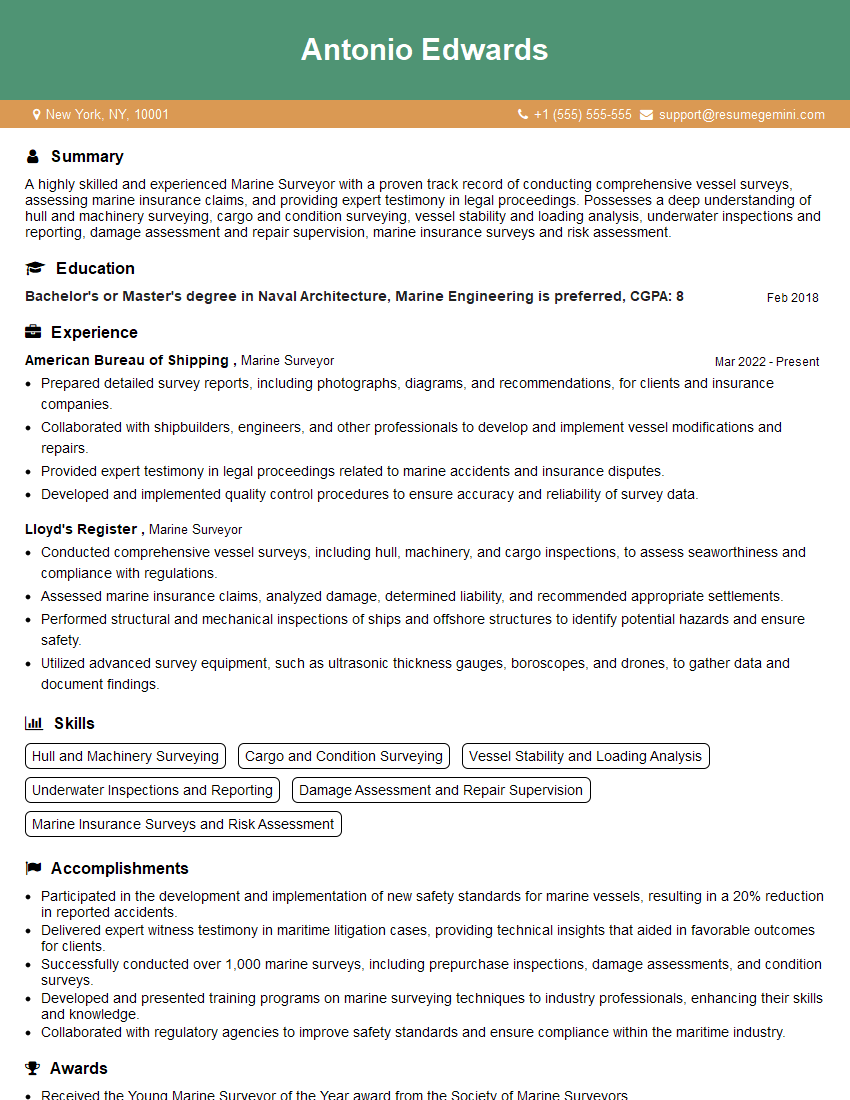
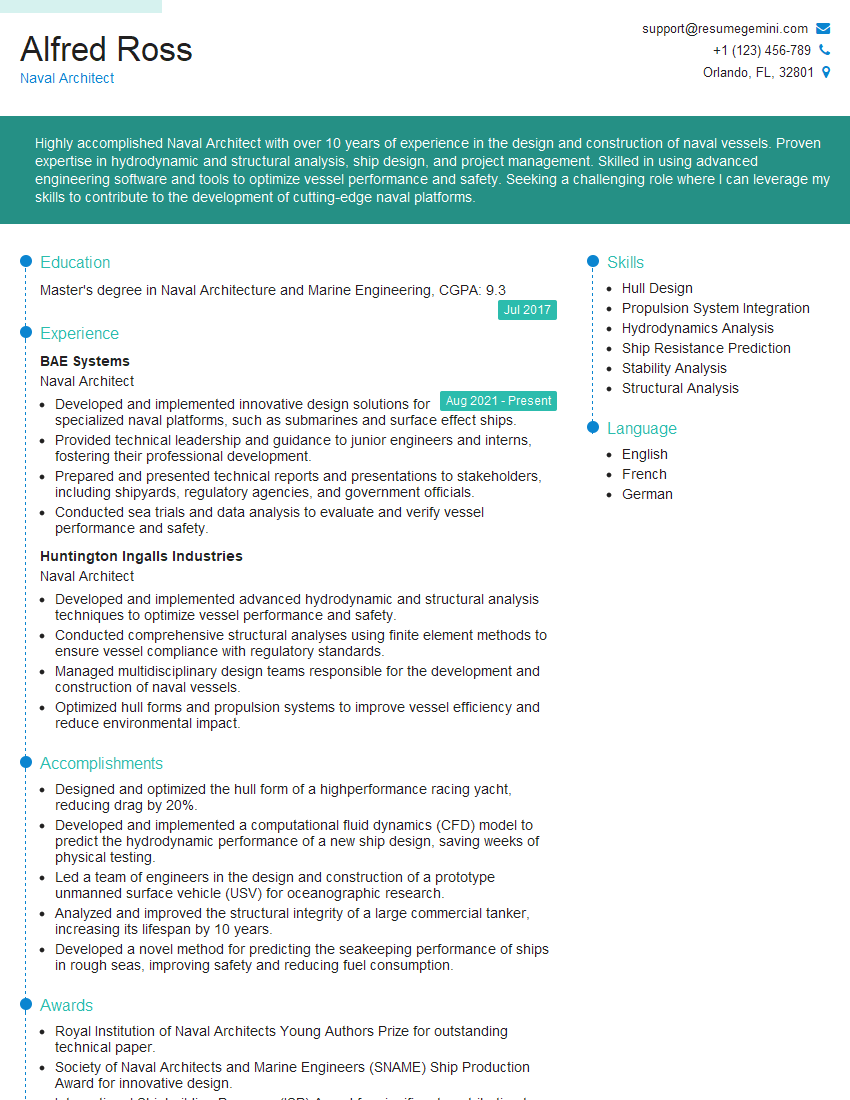
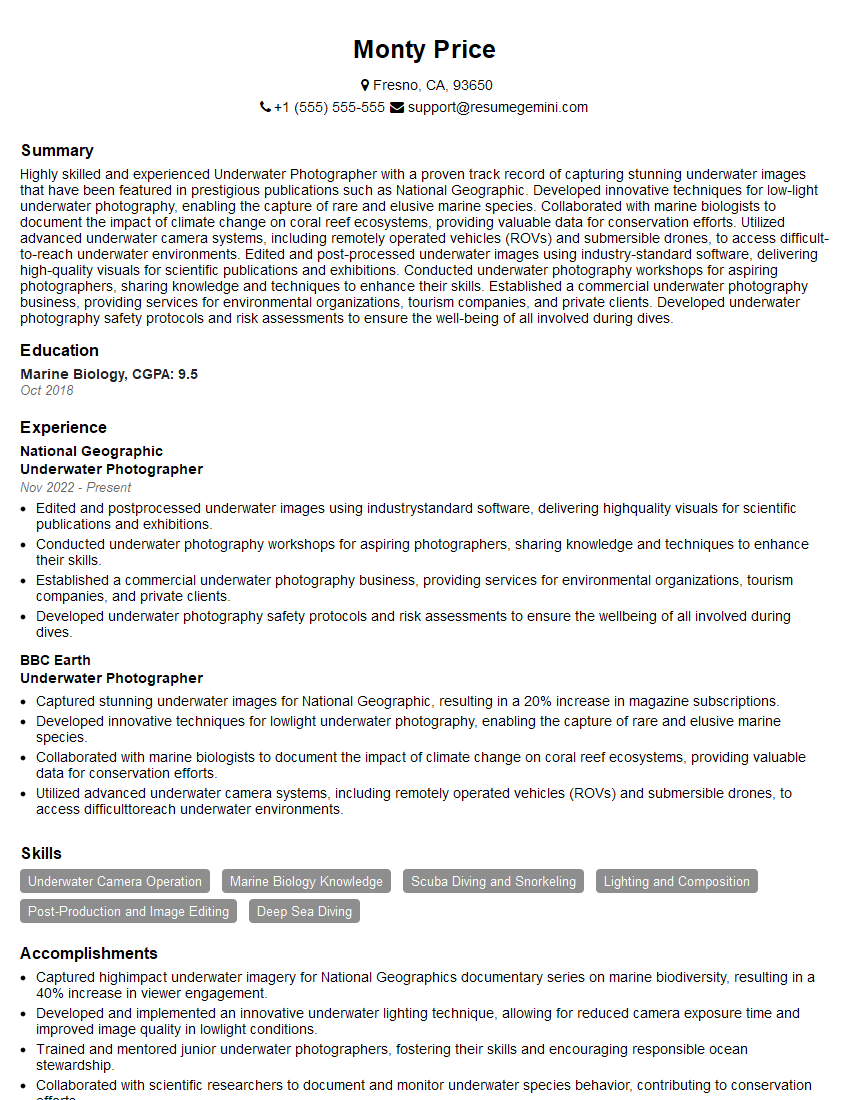
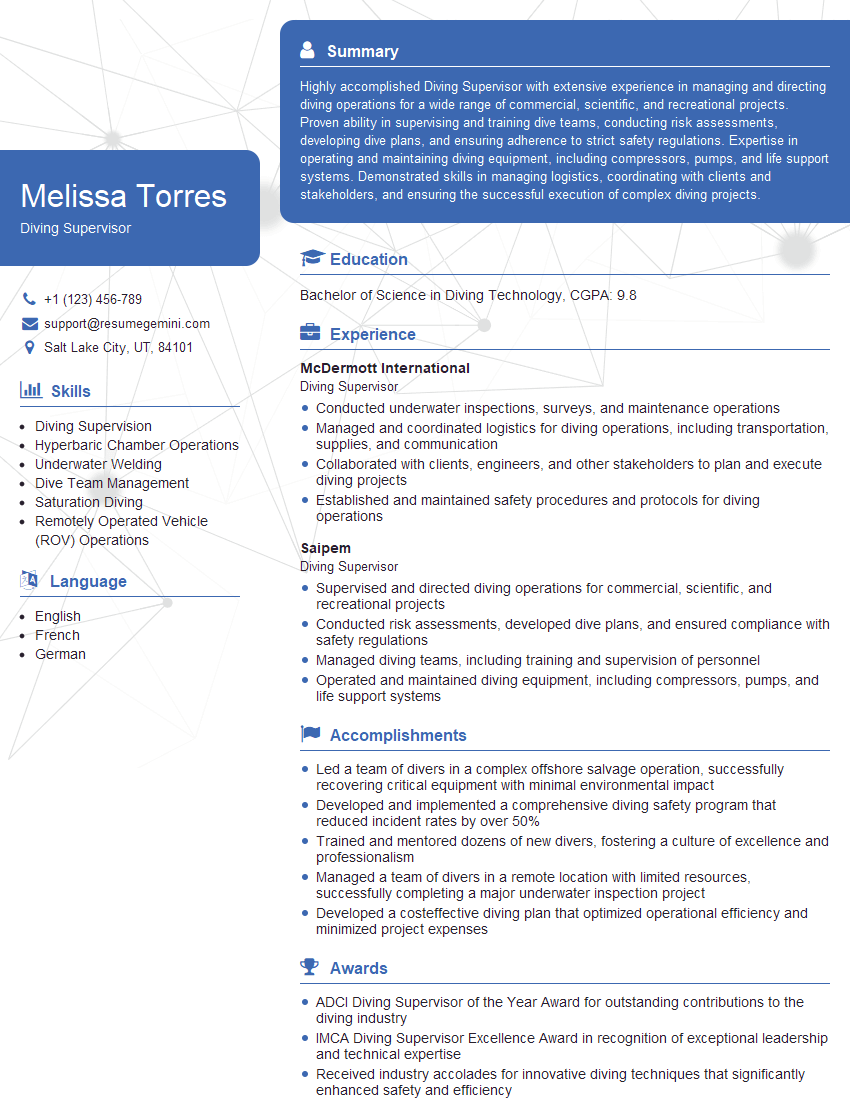
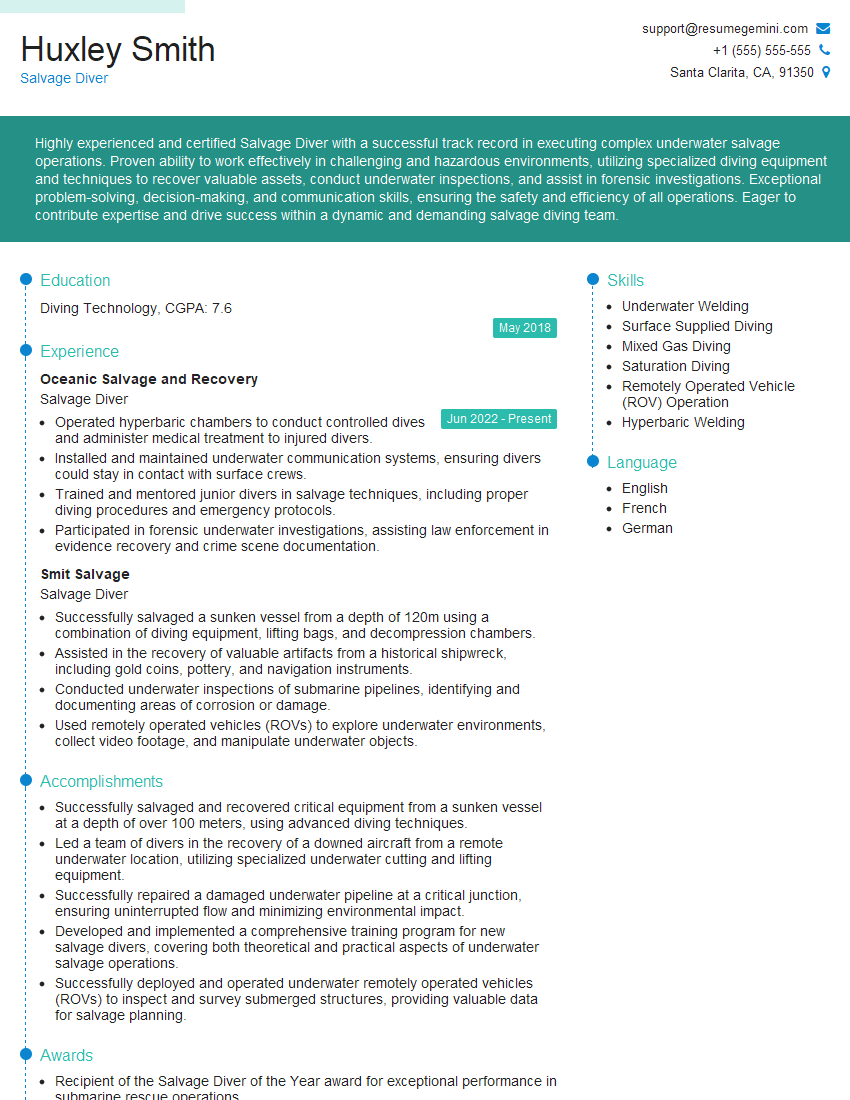
Mastering Wet Work skills significantly enhances your career prospects in various industries, opening doors to specialized roles and higher earning potential. To maximize your chances of securing your dream job, it’s crucial to present your skills effectively. Building an ATS-friendly resume is key to getting your application noticed by recruiters. We highly recommend using ResumeGemini, a trusted resource, to craft a professional and impactful resume that highlights your Wet Work expertise. Examples of resumes tailored to Wet Work are available to help guide you.
Explore more articles
Users Rating of Our Blogs
Share Your Experience
We value your feedback! Please rate our content and share your thoughts (optional).
What Readers Say About Our Blog
Very informative content, great job.
good