The thought of an interview can be nerve-wracking, but the right preparation can make all the difference. Explore this comprehensive guide to Theater interview questions and gain the confidence you need to showcase your abilities and secure the role.
Questions Asked in Theater Interview
Q 1. Describe your experience with different stage lighting techniques.
Stage lighting is crucial for setting the mood, highlighting actors, and guiding the audience’s eye. My experience encompasses a wide range of techniques, from basic illumination to complex special effects. I’m proficient in using various lighting instruments, including Fresnels (for sharp, focused beams), ellipsoidal spotlights (for highly controlled beams), PAR cans (for a wider, wash-like effect), and LED fixtures (offering energy efficiency and color versatility).
For instance, in a recent production of Hamlet, we used a combination of low-key lighting with deep shadows to create a brooding atmosphere during the scenes in Elsinore Castle. In contrast, we employed brighter, more vibrant lighting for the celebratory scenes. We also utilized gobo projections (templates that create patterns on the stage) to project castle imagery onto the backdrops, enhancing the visual storytelling.
Moreover, I’m experienced in techniques like color mixing to create specific moods (e.g., warm hues for intimacy, cool hues for tension), and the use of moving lights for dynamic effects during dance sequences or fight scenes. I also understand the importance of light plotting and the use of light cues to precisely time lighting changes with the action on stage.
Q 2. How do you manage conflicts between actors or crew members?
Conflict resolution is a vital skill in theater. My approach is always to foster open communication and collaboration. I believe that addressing conflicts directly and respectfully, while focusing on the problem rather than the individuals, is key.
I typically start by facilitating a meeting with all involved parties. I encourage each person to explain their perspective clearly and listen actively to others. I help identify the root cause of the conflict and work with the individuals to find mutually acceptable solutions. Sometimes, this involves finding compromises, mediating disagreements, and setting clear expectations and boundaries. In extreme cases, I might involve a neutral third party or the production’s leadership to aid in mediation.
For example, during rehearsals for A Midsummer Night’s Dream, we had a disagreement between the lighting designer and the set designer about the placement of a crucial lighting instrument. By facilitating a discussion, we realised the conflict stemmed from miscommunication about the set dimensions. We quickly resolved the issue through detailed diagrams and a collaborative redesign.
Q 3. Explain your process for designing a set for a specific play.
My set design process begins with a thorough reading and analysis of the script. I identify the key themes, characters, and locations to understand the story’s visual needs. I then create mood boards, sketches, and scale models to explore different design options. Collaboration with the director is paramount; we discuss their vision, and I present design concepts that align with their interpretation of the play.
Next, I develop detailed technical drawings, including elevations, sections, and plans, detailing the set’s construction and materials. I consider factors like budget, available space, and the practical aspects of stagecraft – ensuring that the set is both aesthetically pleasing and functional. For example, when designing the set for Macbeth, I opted for a minimalist approach using strategically placed platforms to represent the various locations. This reflected the play’s theme of ambition and power while remaining cost-effective and practical for quick set changes. The color palette was muted with deep browns and blacks to evoke a sense of foreboding.
Finally, I oversee the construction of the set, ensuring it adheres to the designs and the timeline. The process involves working closely with carpenters, painters, and other technical crew members.
Q 4. What software are you proficient in for theatrical design or production?
I am proficient in various software applications crucial for theatrical design and production. My skills include:
- Vectorworks: For creating detailed 2D and 3D models of sets, lighting plots, and sound design. I use it for everything from initial concept sketches to construction drawings.
- AutoCAD: For precise drafting and technical drawings needed for accurate construction plans and specifications.
- Adobe Photoshop & Illustrator: For creating textures, visual concepts, rendering designs, and creating marketing materials.
- Lighting console software (e.g., ETC EOS, MA Lighting): I am experienced in programming lighting cues and managing the lighting console during performances.
I also have experience with rendering software like Lumion and Enscape to create photorealistic visualizations for presentations and to help the team visualise the sets and lighting designs.
Q 5. How do you handle unexpected technical issues during a performance?
Unexpected technical issues are an inherent part of live theater. My approach involves preparedness, quick thinking, and efficient problem-solving. I always have a contingency plan, anticipating potential problems and having backup solutions ready.
During a performance, I maintain close communication with the stage manager and technical crew. If a problem arises, we work together to assess the situation, determine the severity, and implement a solution promptly and discreetly. This might involve improvising a quick fix, substituting a prop or piece of equipment, or making minor adjustments to the script or staging.
For example, during a performance of The Sound of Music, a critical microphone malfunctioned. We immediately switched to a backup microphone, and the stage manager cleverly incorporated the issue into the narrative, explaining the interruption as a ‘technical difficulty’ that would soon be resolved. The audience was barely aware of the interruption and the show continued smoothly. This demonstrates the importance of a well-rehearsed team and the ability to improvise.
Q 6. Describe your experience with budgeting and resource allocation in a theatrical production.
Budgeting and resource allocation are critical for successful theatrical productions. My experience involves creating detailed budgets, forecasting expenses, and efficiently managing resources. I start by carefully evaluating the production’s needs, outlining all potential costs, from set design and construction to costumes, lighting, sound, and marketing.
I then collaborate with the production team to prioritize needs, exploring cost-effective alternatives where possible without compromising artistic vision. For example, we might choose to rent certain equipment rather than purchase it, or source costumes from local costume houses instead of having them custom-made.
Throughout the process, I meticulously track expenses, ensuring that the budget stays on track. I create regular financial reports to monitor progress and make necessary adjustments as needed. Transparency and clear communication with all stakeholders are crucial to responsible budgeting and resource management.
Q 7. How do you ensure the safety of actors and crew during rehearsals and performances?
Ensuring the safety of actors and crew is my top priority. My approach focuses on prevention, proactive measures, and adherence to safety regulations. Before rehearsals begin, I conduct thorough risk assessments to identify potential hazards, such as trip hazards on set, potential injuries from props or costumes, and hazards associated with the use of specific equipment like lighting or sound systems.
We establish clear safety protocols, including emergency procedures, and conduct regular safety briefings with the actors and crew. This includes training on proper handling of equipment and addressing potential hazards in the rehearsal space. I ensure that the workspace is properly lit, well-ventilated, and free from obstructions. For performances, we have first aid kits readily available, and we coordinate with venue staff to ensure fire safety protocols are followed. Furthermore, we maintain a culture of open communication where any safety concerns raised by cast or crew are addressed immediately and appropriately.
For example, during the fight choreography for a production of Romeo and Juliet, we used stunt coordinators and padded weapons. We also ensured that actors received specialized training in stage combat to minimize the risk of injury. This proactive approach guaranteed a safe and professional rehearsal environment.
Q 8. What is your experience with various sound mixing techniques?
Sound mixing in theatre is a crucial aspect of creating an immersive experience. It’s about more than just making sure the audience can hear the actors; it’s about manipulating sound to enhance the emotional impact and overall storytelling. My experience encompasses a range of techniques, from basic microphone placement and EQ adjustments to more complex strategies using digital audio workstations (DAWs) and surround sound systems.
- Microphone techniques: I’m proficient in utilizing various microphone types (lavalier, boom, handheld) based on the specific needs of a scene. For instance, a lavalier mic is ideal for close-up dialogue, while a boom mic provides more flexibility for capturing ambient sounds and wide shots.
- Equalization (EQ) and compression: I use EQ to sculpt the frequencies of individual audio sources, enhancing clarity and balancing the overall mix. Compression is essential for controlling dynamic range, ensuring that quiet moments aren’t lost and loud moments don’t distort.
- Sound effects design and implementation: Creating realistic and evocative soundscapes is a significant part of my work. This might involve using pre-recorded sound effects or creating them from scratch using software like Audacity or Logic Pro X.
- Surround sound: In larger theatres or for productions aiming for a high level of immersion, I’m adept at implementing surround sound techniques, using multiple speakers to create a spatial soundscape that envelops the audience.
For example, in a recent production of Hamlet, I used a combination of boom microphones for the main actors, lavalier microphones for more intimate scenes, and carefully placed ambient microphones to capture the sounds of the castle setting. I then used EQ and compression to ensure clear dialogue, and I created a soundscape using recorded sound effects to enhance the atmosphere of the play.
Q 9. How do you collaborate effectively with a director to achieve their vision?
Collaboration with a director is the cornerstone of a successful theatrical production. It requires open communication, mutual respect, and a shared vision. My process begins with thorough discussions about the director’s artistic interpretation of the play. This includes analyzing the script together, exploring character motivations, and understanding the overall tone and style they envision.
- Early involvement: I believe in being involved early in the process, participating in initial script readings and design meetings. This allows me to understand the director’s vision from the outset.
- Regular feedback: Consistent communication throughout the production is vital. I regularly share updates on my progress, and welcome feedback and suggestions from the director.
- Compromise and flexibility: Theatre is a collaborative art form. Sometimes, my technical expertise may lead to creative solutions that differ from the initial vision. However, I always strive to find a compromise that respects the director’s overall artistic intent.
- Technical expertise: My role is not only to fulfill the director’s vision but also to offer sound technical advice, suggesting alternatives or improvements that might enhance the artistic impact while ensuring practical feasibility.
For instance, in a production of Waiting for Godot, the director had a very specific idea about the soundscape reflecting the bleakness of the setting. Through discussion, we explored various sound design options, and I ultimately created a soundscape that amplified the director’s intended mood while ensuring technical clarity and feasibility.
Q 10. Describe your process for selecting costumes for a particular production.
Costume selection is a multi-stage process that begins with a deep understanding of the play’s context, characters, and the director’s vision. I start by carefully reading the script and researching the historical period, location, and social context of the play. This research informs my initial ideas for the costumes.
- Collaboration with the director: I meet with the director to discuss their vision for the costumes. This includes exploring the overall aesthetic they desire (realistic, stylized, abstract, etc.) and discussing the specific requirements for each character.
- Concept sketches and mood boards: I create concept sketches and mood boards to visually represent my ideas for the costumes. These serve as a basis for discussions and revisions.
- Fabric and design: After initial approval, I research fabrics and sourcing options, keeping budget in mind. The design process considers functionality, historical accuracy (where applicable), and the overall aesthetic.
- Fitting and alterations: Once costumes are created or sourced, fittings are crucial. I make necessary adjustments to ensure a perfect fit and to accommodate the actors’ movements.
For example, when designing costumes for a production of A Midsummer Night’s Dream, I researched Elizabethan fashion and created sketches that reflected the magical and whimsical nature of the play. The final costumes were a blend of historically inspired elements and creatively styled garments that enhanced the overall fantastical atmosphere.
Q 11. How do you maintain accurate inventory of props and set pieces?
Maintaining accurate inventory of props and set pieces is crucial for the smooth running of any theatrical production. I use a combination of digital and physical methods to ensure everything is tracked accurately.
- Database management: I utilize a database system, either a dedicated inventory software or a spreadsheet program (such as Google Sheets or Excel), to meticulously record each prop and set piece. This includes a unique identification number, a description, quantity, condition, and location.
- Physical labelling: Each prop and set piece is clearly labelled with its corresponding identification number. This makes it easy to locate items during rehearsals and performances.
- Regular audits: I conduct regular audits to verify the accuracy of the inventory. This includes checking the physical condition of each item and noting any damages or missing parts.
- Check-in/Check-out system: A formal check-in/check-out system ensures accountability. Each person using a prop or set piece signs it out and signs it back in, preventing loss or misplacement.
This system ensures that we always know where everything is, reducing the risk of delays or disruptions due to missing items. The digital record provides a history of usage, which can be invaluable for future productions.
Q 12. What are your preferred methods for scheduling rehearsals and performances?
Scheduling rehearsals and performances requires careful planning and attention to detail. My preferred method involves creating a detailed schedule that incorporates all aspects of the production, from initial rehearsals to technical run-throughs and performances.
- Master Schedule: I create a master schedule using a project management tool (like Asana or Trello), or a spreadsheet program. This schedule includes all rehearsals, technical elements (lighting, sound, costume checks), and performance dates.
- Flexibility: The schedule must be flexible to account for unforeseen issues, such as actor absences or technical difficulties. Buffer time should be built in.
- Communication: Clear and timely communication of the schedule to all involved parties (actors, crew, director) is critical. This can be done through email, shared online calendars, or even a printed schedule.
- Regular reviews: I regularly review and adjust the schedule as the production progresses. This ensures that the plan remains realistic and effective.
For example, I might use a Gantt chart to visually represent the various phases of rehearsals, highlighting dependencies between tasks. This allows for efficient planning and helps prevent scheduling conflicts.
Q 13. Explain your understanding of theatrical conventions and traditions.
Understanding theatrical conventions and traditions is essential for effective theatre-making. These conventions are unwritten rules or established practices that shape audience expectations and enhance the overall theatrical experience.
- The fourth wall: This refers to the imaginary barrier between the actors and the audience. Conventionally, actors ignore the presence of the audience unless the play explicitly breaks the fourth wall.
- Aside and soliloquy: These are techniques where actors address the audience directly, sharing their thoughts or feelings privately. This directly engages the audience.
- Dramatic irony: This involves the audience knowing something the characters don’t, creating tension and anticipation.
- Use of stage space: The way actors use the stage—upstage, downstage, center stage—can convey meaning and character relationships.
- Genre conventions: Different genres (comedy, tragedy, melodrama) have their own established conventions in terms of plot structure, character types, and thematic concerns.
Understanding these conventions allows me to work effectively within the given framework while also knowing when and how to subtly challenge or subvert them for creative effect.
Q 14. How familiar are you with different theatrical styles (e.g., realism, absurdism)?
Familiarity with different theatrical styles is crucial for adapting to diverse directorial visions and producing effective shows. My experience spans a range of styles, including realism, absurdism, and others.
- Realism: This style aims for a faithful representation of reality, focusing on believable characters and settings. Costumes, set design, and acting styles all contribute to this illusion of reality.
- Absurdism: In contrast, absurdism embraces illogicality and the lack of meaning. Costumes and set design might be deliberately disorienting or nonsensical, reflecting the chaotic nature of the narrative.
- Naturalism: Naturalism takes realism a step further, emphasizing the deterministic forces shaping characters’ lives. This style often explores social and psychological realism.
- Expressionism: This style uses distorted and symbolic imagery to express inner emotions and psychological states. Costumes and sets might be highly stylized and symbolic.
- Brecht’s Epic Theatre: This style encourages critical distance from the narrative, preventing the audience from becoming emotionally immersed. Techniques like alienation effects ( Verfremdungseffekt) are employed.
My understanding of these various styles allows me to adapt my approach to sound design, costume choices, and other technical aspects of the production. For example, a realistic production might require subtle sound effects to enhance the atmosphere, while an absurdist production could employ more jarring and unexpected sounds.
Q 15. What strategies do you use to foster a positive and productive working environment?
Fostering a positive and productive theatrical environment relies on a multifaceted approach. It’s about building trust, encouraging collaboration, and establishing clear communication. Think of it like directing a play – you need every actor, from the lead to the stagehand, to understand their role and work harmoniously towards a shared goal.
- Open Communication: I prioritize regular check-ins with the cast and crew, creating a safe space for them to voice concerns or suggestions. This can be through informal chats, dedicated meetings, or even anonymous feedback forms.
- Team Building: I believe in the power of team-building activities. These could range from simple icebreakers at the beginning of rehearsals to more involved activities designed to foster camaraderie and collaboration, understanding everyone’s strengths and weaknesses. A successful team is crucial.
- Clear Expectations: Setting clear expectations from the outset is key. This includes defining roles, responsibilities, and deadlines. A detailed production schedule and clear communication of changes will minimize confusion and stress.
- Conflict Resolution: I proactively address any conflicts that arise, ensuring everyone feels heard and respected. I facilitate discussions, helping to find mutually agreeable solutions rather than imposing my will.
- Celebrating Successes: Recognizing and celebrating milestones, both big and small, is essential. This builds morale and reinforces a sense of shared accomplishment. A simple ‘well done’ can go a long way.
Career Expert Tips:
- Ace those interviews! Prepare effectively by reviewing the Top 50 Most Common Interview Questions on ResumeGemini.
- Navigate your job search with confidence! Explore a wide range of Career Tips on ResumeGemini. Learn about common challenges and recommendations to overcome them.
- Craft the perfect resume! Master the Art of Resume Writing with ResumeGemini’s guide. Showcase your unique qualifications and achievements effectively.
- Don’t miss out on holiday savings! Build your dream resume with ResumeGemini’s ATS optimized templates.
Q 16. Describe a time you had to adapt to a significant change in a production.
During a university production of A Midsummer Night’s Dream, our lead actor fell ill a week before opening night. This was a significant challenge, demanding immediate adaptation. We didn’t have an understudy fully prepared. My immediate response was to assess the situation. We held an emergency meeting with the director and the remaining cast.
- Re-blocking scenes: We streamlined certain scenes to reduce the burden on other actors, cutting lines where it minimally affected the narrative.
- Rehearsals with the understudy: We intensified rehearsals with the understudy, focusing on the essential parts of the lead role, and assigning other cast members to assist with line memorization and blocking.
- Collaboration with the director: I collaborated closely with the director to make necessary cuts or alterations to the script. We prioritized the most crucial aspects of the play.
- Creative solutions: We even incorporated the actor’s illness into the narrative, creatively justifying any limitations in the final product.
The opening night was successful despite the setback. We were able to learn from this experience, emphasizing the importance of understudy preparedness and contingency planning for future productions.
Q 17. How do you handle feedback and criticism from directors or other professionals?
I view feedback as an invaluable tool for growth. Constructive criticism isn’t personal; it’s an opportunity to refine my skills and improve the overall production. I handle feedback with a professional attitude, focusing on understanding the feedback and finding ways to implement improvements.
- Active Listening: I carefully listen to the feedback, asking clarifying questions to ensure I fully understand the points raised. I avoid interrupting, instead focusing on fully grasping their perspective.
- Reflection and Analysis: After receiving feedback, I take time to reflect on it, considering its validity and relevance. I analyze the feedback objectively, separating any emotional responses from the constructive aspects.
- Implementing Changes: I make a conscious effort to implement the changes suggested, demonstrating my commitment to improvement. This involves planning how to incorporate the feedback effectively without disrupting other aspects of the production.
- Open Dialogue: If I have any questions or concerns, I engage in an open dialogue with the director or professional, seeking clarification or discussing alternative approaches. This demonstrates proactive engagement and a desire for collaborative growth.
Q 18. What is your experience with stage combat or fight choreography?
My experience with stage combat encompasses both practical application and theoretical understanding. I’ve worked extensively with certified fight choreographers on various productions. I am proficient in several techniques, including unarmed combat, sword fighting, and falls.
- Safety First: My priority is always the safety of the performers. Before any fight sequence, thorough rehearsals are essential to ensure the safety of everyone involved, including the correct execution of falls, and spacing for weapons.
- Choreography: I understand the principles of fight choreography, including timing, rhythm, and dynamics, and can collaborate effectively with choreographers to adapt sequences to suit the context of a given play and the skill level of the actors.
- Practical Experience: I’ve participated in numerous productions incorporating stage combat, from small-scale independent works to larger-budget productions. This includes working with both professional and amateur actors.
- Ongoing Training: I am committed to ongoing training in stage combat techniques, attending workshops and refining my skills to ensure that I can handle any fight choreography requirements safely and effectively.
Q 19. Explain your understanding of copyright and licensing in theatrical productions.
Copyright and licensing in theatrical productions are crucial for legal compliance and ethical practice. Simply put, it’s about securing the rights to use copyrighted material in your production. Failure to do so can lead to legal repercussions and damage your reputation.
- Copyright of Scripts: For published plays, obtaining the necessary performance rights from the copyright holder (usually a publishing house) is essential. This involves obtaining a license that specifies the number of performances permitted and the geographical location.
- Music and Songs: Similarly, using copyrighted music or songs requires obtaining licenses from the relevant rights holders. Performing Rights Organizations (PROs) like ASCAP, BMI, and SESAC often handle these licenses.
- Adaptations and Translations: Adapting or translating a play requires obtaining the rights from the original copyright holder. This is more complex and usually involves securing separate licenses.
- Public Domain Works: Works in the public domain are not subject to copyright restrictions, so you can freely use them without a license.
- Infringements: Failure to obtain proper licenses may result in legal action, financial penalties, and potential closure of the production.
Q 20. How do you prioritize tasks and manage your time effectively during a busy production period?
Managing time effectively during a busy production period requires organization, prioritization, and flexibility. I employ a combination of strategies to ensure all tasks are completed efficiently and on time.
- Detailed Schedule: I create a detailed production schedule outlining all tasks with deadlines. This schedule is shared with the entire team for transparency and accountability.
- Prioritization: I prioritize tasks based on their urgency and importance, focusing on crucial elements that directly impact the production’s success. This may involve using tools such as Eisenhower Matrix (Urgent/Important).
- Delegation: I effectively delegate tasks to capable team members, assigning responsibilities based on their skills and expertise. This enables efficient workflow and prevents bottlenecks.
- Time Blocking: I allocate specific time blocks for particular tasks, enhancing focus and concentration. This also helps prevent task-switching, improving overall efficiency.
- Regular Check-ins: I conduct regular check-ins with team members to monitor progress, address challenges, and make necessary adjustments to the schedule as needed. Flexibility is crucial in theater.
Q 21. What is your experience with working with diverse casts and crews?
Working with diverse casts and crews is not just beneficial, it is essential for creating authentic and enriching theatrical experiences. It’s about embracing inclusivity and creating a safe space for everyone to contribute their unique perspectives.
- Inclusive Casting: I believe in casting based on talent and suitability for the role, without bias based on ethnicity, gender, sexual orientation, or other personal characteristics.
- Cultural Sensitivity Training: I may arrange workshops or training for the cast and crew to increase awareness and sensitivity around cultural differences. This helps ensure that everyone feels respected and understood.
- Open Dialogue and Respect: I establish an open and respectful environment where individuals feel comfortable sharing their experiences and perspectives. This may involve addressing microaggressions proactively and creating a zero-tolerance policy for discrimination.
- Representation in Creative Decisions: I actively ensure that diverse voices are heard and represented in all aspects of the creative process, including script interpretation, character development, and production design.
- Mentorship and Support: I am also dedicated to providing mentorship and support for individuals from underrepresented groups, helping them to navigate the industry and achieve their goals.
Q 22. How do you ensure that a production stays within budget?
Budgeting in theater is a delicate balancing act. It requires meticulous planning from the initial concept stage to the final performance. My approach involves a multi-step process:
- Detailed Budgeting: I start with a comprehensive budget breakdown, categorizing all expenses – set design, costumes, lighting, sound, marketing, rehearsal space, cast and crew salaries, royalties, and incidentals. I use budgeting software to track expenses and project potential overruns.
- Negotiation and Sourcing: I actively negotiate with vendors for the best prices, exploring different options for costumes, sets, and materials. For example, instead of buying new costumes, I might explore renting or repurposing existing pieces. I research grant opportunities and sponsorships to supplement funding.
- Contingency Planning: A crucial aspect is including a contingency fund (typically 10-15% of the total budget) to account for unexpected expenses like equipment malfunctions or last-minute changes. This minimizes the risk of financial shortfalls.
- Regular Monitoring: Throughout the production process, I monitor expenses closely, comparing actual spending against the projected budget. Regular meetings with the production manager are essential to identify potential cost overruns and implement corrective actions.
For instance, during a recent production of ‘A Midsummer Night’s Dream’, we successfully stayed within budget by securing a sponsorship deal with a local arts council and reusing existing set pieces from a previous production. This creative approach saved us approximately 20% on set construction costs.
Q 23. How do you solve problems creatively under pressure?
Problem-solving under pressure in theater demands quick thinking, adaptability, and a collaborative spirit. My approach centers around:
- Assessment: First, I thoroughly assess the problem. What specifically needs to be addressed? What are the immediate consequences? What resources are available?
- Brainstorming: I then gather the relevant team members – stage manager, designers, technicians – and facilitate a brainstorming session. We explore various solutions, no idea being deemed too outlandish initially.
- Prioritization: We prioritize the solutions based on feasibility, impact, and time constraints. This may involve using a decision-making matrix to objectively evaluate options.
- Implementation and Monitoring: We select the most promising solution and implement it swiftly. It’s crucial to continuously monitor the effects of the implemented solution to identify potential issues and adapt the approach if necessary. This might involve delegating tasks effectively and communicating clearly with the team.
For example, during a tech rehearsal, a critical lighting fixture malfunctioned. We couldn’t postpone the show, so the team brainstormed alternatives. We repurposed existing lights, altered the lighting design slightly, and ultimately delivered a successful show with minimal audience disruption.
Q 24. Describe your process for creating a call sheet or production schedule.
Creating a call sheet and production schedule is critical for efficient and coordinated production. My process follows these steps:
- Master Schedule: I begin with a comprehensive master schedule, outlining all rehearsal dates, tech rehearsals, and performance dates. This serves as the backbone of the production timeline.
- Call Sheet Generation: For each rehearsal and performance, I create detailed call sheets. These sheets list the time, location, and specific tasks for each cast and crew member. They include contact information, scene breakdowns (with relevant cues), and potential schedule changes or alerts.
- Communication: I utilize various communication tools – email, shared online calendars, and a production management system – to distribute call sheets and keep everyone informed about any revisions or updates. Clear communication is paramount.
- Flexibility: The schedule is not static. I build in buffer time to accommodate unexpected delays or changes. It is essential to be flexible and adapt the schedule as needed throughout the production process. This requires a degree of experience in estimating timings for various tasks.
I might use a spreadsheet or dedicated software like ‘ShowFlow’ or ‘Stagecraft’ to create and manage these schedules. The key is consistency and clear communication to ensure everyone is on the same page.
Q 25. What is your experience with audience management and engagement?
Audience management and engagement are crucial for a successful theatrical experience. My approach emphasizes:
- Pre-Show Engagement: Creating excitement before the show is essential. This could involve using social media, engaging with the audience through email newsletters, or creating interactive pre-show events.
- In-Theatre Experience: A welcoming and comfortable atmosphere is important. Clear signage, usher guidance, and a friendly environment enhance the audience experience.
- Post-Show Interaction: I encourage post-show discussions or Q&A sessions to foster connection with the audience. Gathering audience feedback through surveys also helps in refining future productions. I may utilize social media for post-show engagement.
- Accessibility Considerations: Ensuring access for all audiences is critical, which I will address in greater detail in the next answer.
In a recent production, we introduced an interactive pre-show element where audience members could share their thoughts on the themes of the play on a digital wall. This created a sense of community and anticipation before the curtain rose.
Q 26. How do you ensure accessibility for audiences with disabilities?
Accessibility is a fundamental aspect of creating an inclusive theatrical experience. My approach includes:
- Wheelchair Access: Ensuring appropriate wheelchair access, including ramps, elevators, and designated seating areas.
- Assistive Listening Devices: Providing assistive listening devices for hearing-impaired patrons.
- Audio Description: Offering audio description for visually impaired audience members, narrating the visual aspects of the performance.
- Captioning: Providing real-time captioning for deaf or hard-of-hearing patrons.
- Sensory-Friendly Performances: Hosting sensory-friendly performances with modifications such as reduced lighting and sound levels to cater to individuals with autism or sensory sensitivities.
- Clear and Accessible Information: Making sure all promotional materials and website information are accessible to people with disabilities.
By proactively addressing these aspects, we make theater accessible and enjoyable for everyone, regardless of their abilities. We work closely with accessibility organizations and consult with experts to ensure we are meeting best practices.
Q 27. Describe your understanding of theatrical unions and agreements.
Understanding theatrical unions and agreements is crucial for ethical and legal production management. My experience encompasses:
- Union Contracts: Familiarity with various union contracts (e.g., Actors’ Equity Association, IATSE) is essential. This includes understanding pay scales, working conditions, and contractual obligations.
- Negotiations: I understand the negotiation process for securing union agreements and ensuring compliance with their terms.
- Dispute Resolution: I’m familiar with the processes for addressing potential disputes or disagreements under union contracts.
- Compliance: I maintain meticulous records to ensure full compliance with all relevant union rules and regulations.
Adhering to these agreements is vital for smooth production runs and maintaining professional relationships with talented individuals. Understanding these contracts is not just about legal compliance but about fostering respectful collaborations with all members of the creative team.
Q 28. What are your career goals within the theater industry?
My career goals within the theater industry center on creative leadership and fostering inclusive theatrical experiences. I aspire to:
- Artistic Direction: I aim to eventually lead a theater company as an Artistic Director, shaping its artistic vision and programming while ensuring its financial stability.
- Mentorship: I want to mentor and support emerging theater professionals, sharing my expertise and helping them develop their own careers.
- Innovation: I’m passionate about exploring innovative theatrical approaches, incorporating technology and new artistic forms to enhance the audience experience.
- Community Engagement: I want to strengthen the connection between theater and the wider community, making theater accessible and relevant to diverse audiences.
Ultimately, I strive to contribute to a thriving and inclusive theater industry that reflects and engages our diverse world.
Key Topics to Learn for Your Theater Interview
- Acting Techniques: Understand various acting methods (e.g., Stanislavski, Meisner, etc.) and be prepared to discuss your preferred approach and its application in different roles. Consider how you analyze scripts and build character.
- Stagecraft & Technical Theatre: Familiarize yourself with basic stage management, lighting design, sound design, costume design, and set design principles. Be able to discuss collaboration with technical teams and your understanding of the production process.
- Directing & Play Analysis: Explore different directorial styles and approaches to play interpretation. Practice analyzing scripts, identifying themes, and understanding character motivations. Be ready to discuss your approach to collaboration and artistic vision.
- Theatre History & Theory: Develop a solid understanding of significant theatrical movements, playwrights, and influential figures. This knowledge demonstrates your passion and understanding of the art form’s evolution.
- Performance & Improvisation: Discuss your experience with improvisation and its role in refining performance skills. Highlight how you handle unexpected situations and adapt to changing circumstances on stage.
- Collaboration & Teamwork: Theatre is inherently collaborative. Be prepared to discuss your experience working effectively within a team, navigating creative differences, and contributing to a shared artistic goal.
- Vocal & Physical Techniques: Discuss your training in vocal projection, articulation, and physical expression. Explain how you use these techniques to enhance your performances and convey emotion effectively.
Next Steps
Mastering the art of theatre opens doors to a diverse and fulfilling career, from acting and directing to stage management and design. To maximize your job prospects, it’s crucial to present your skills and experience effectively. An ATS-friendly resume is your first impression – making it count is key to landing that interview.
ResumeGemini is a trusted resource for creating compelling and effective resumes. It can help you craft a professional document that highlights your unique talents and experience, ensuring your application stands out. We offer examples of resumes tailored to the Theater industry to guide you.
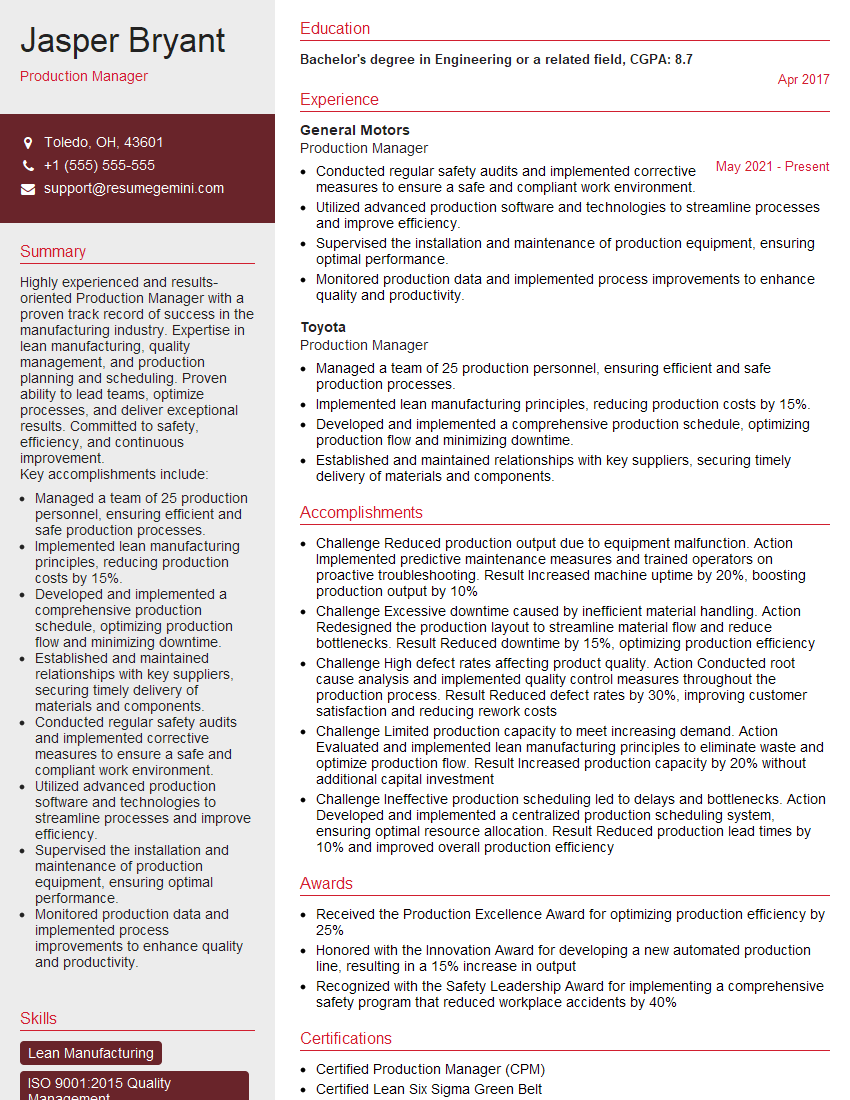
Production Manager Resume Sample
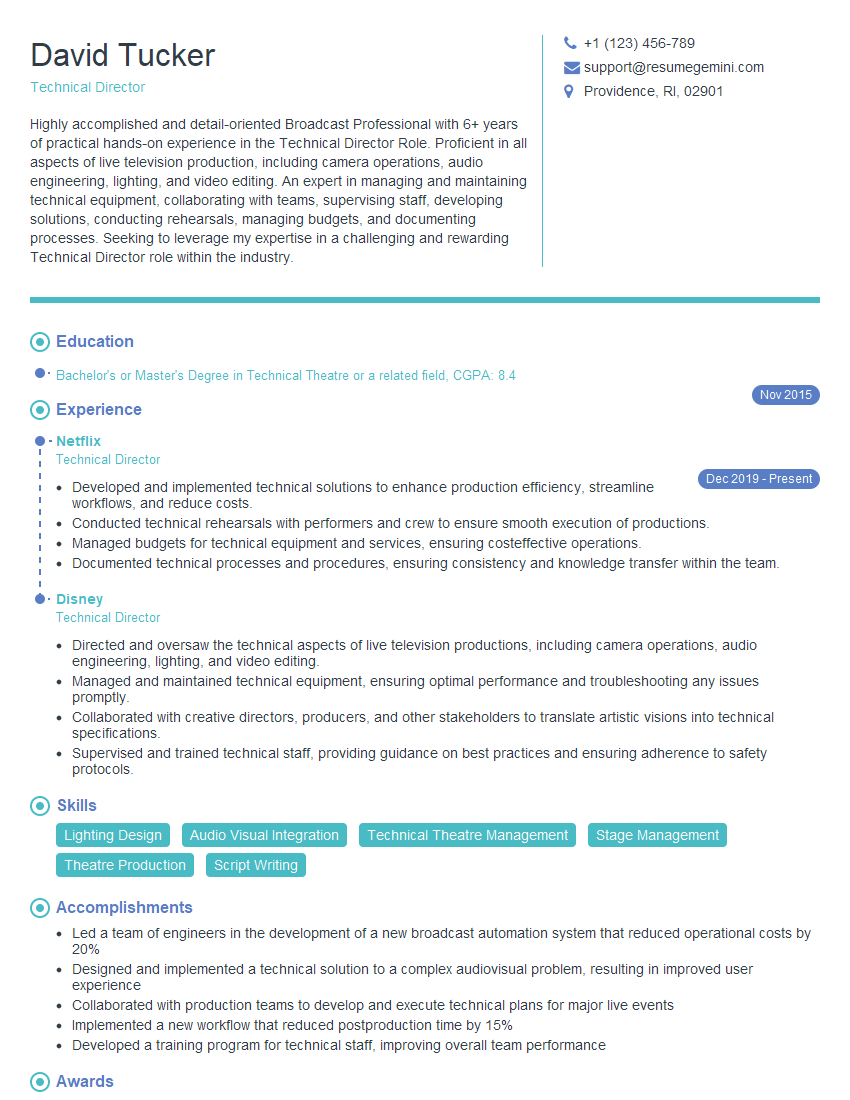
Technical Director Resume Sample
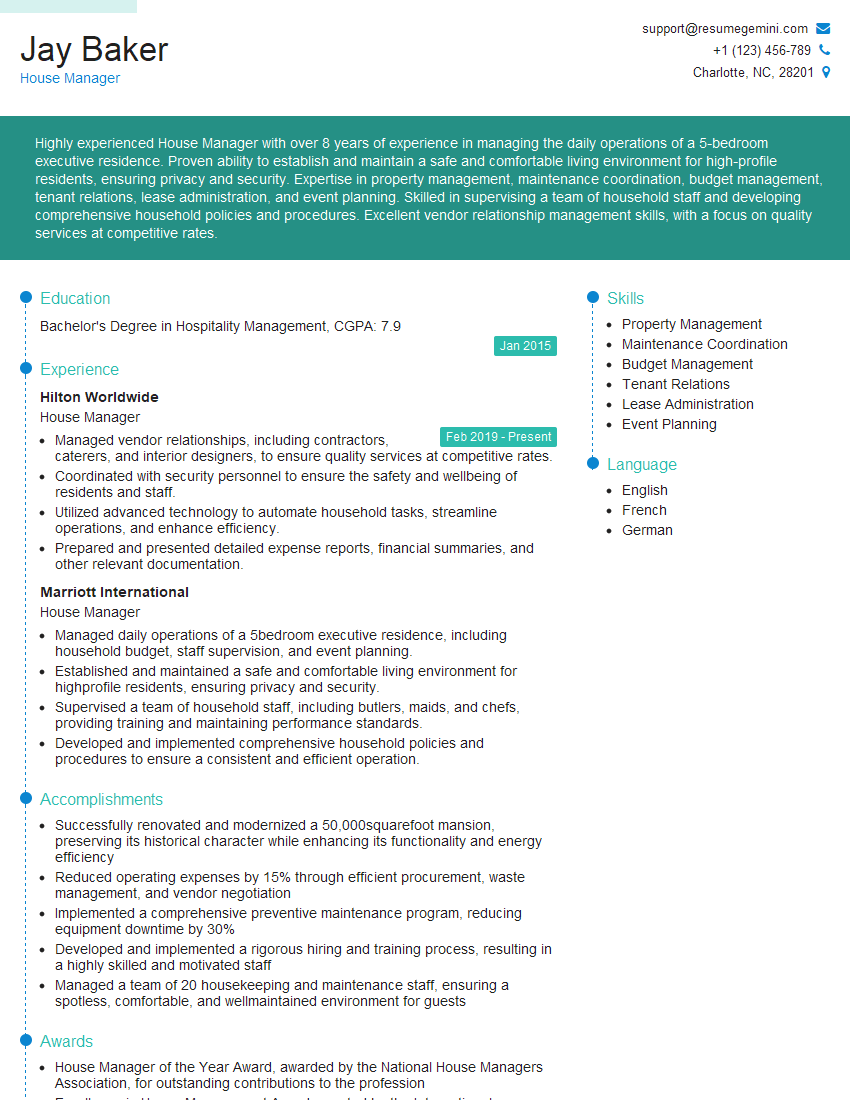
House Manager Resume Sample
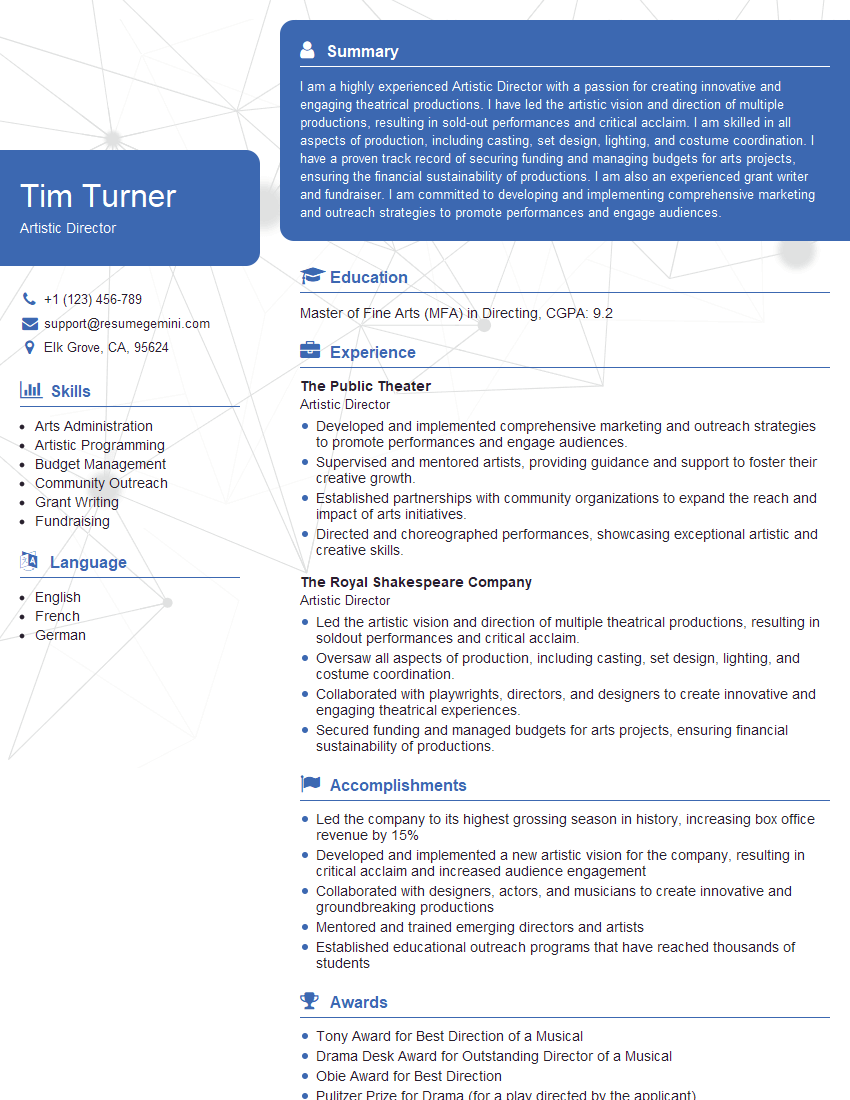
Artistic Director Resume Sample
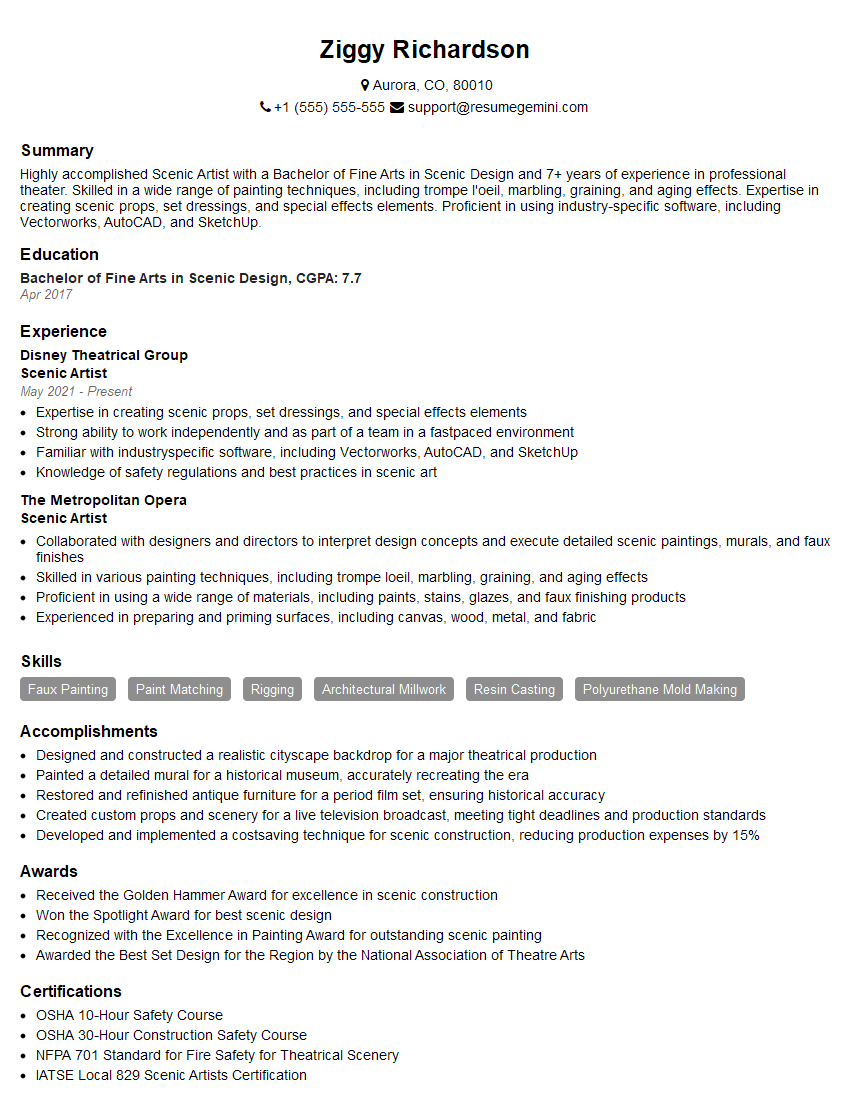
Scenic Artist Resume Sample
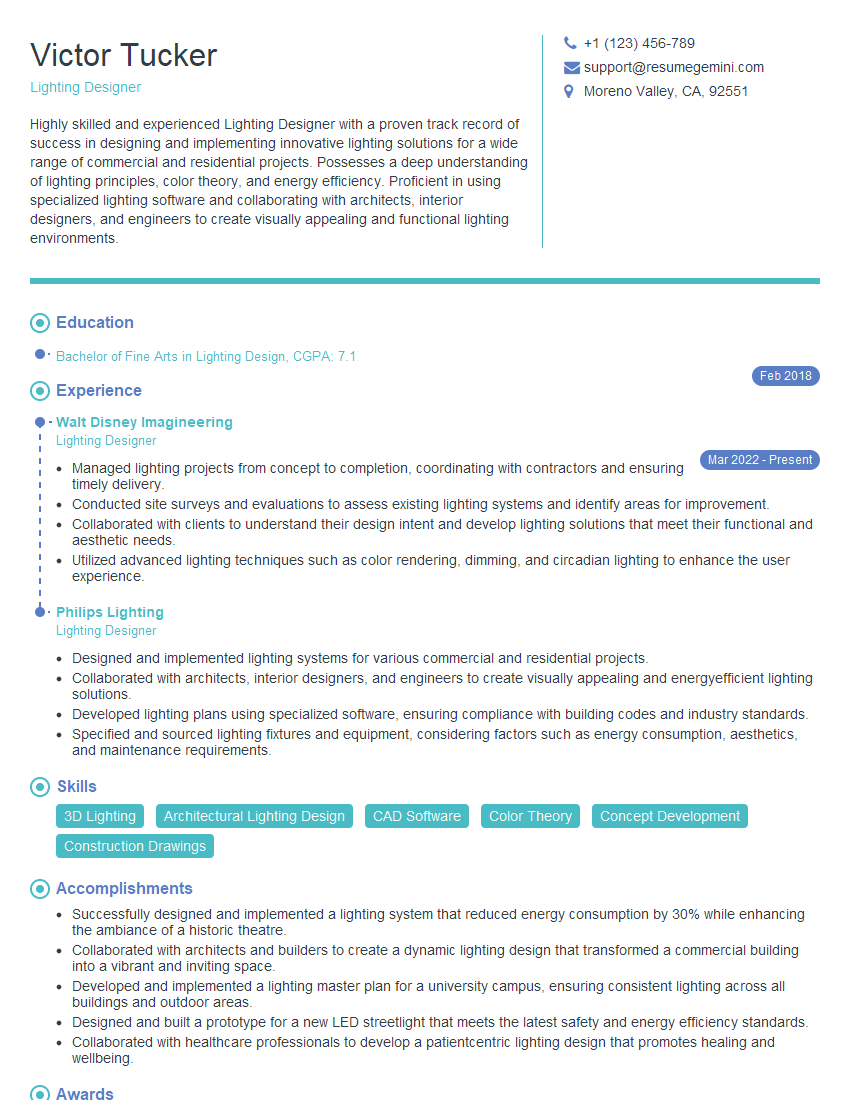
Lighting Designer Resume Sample
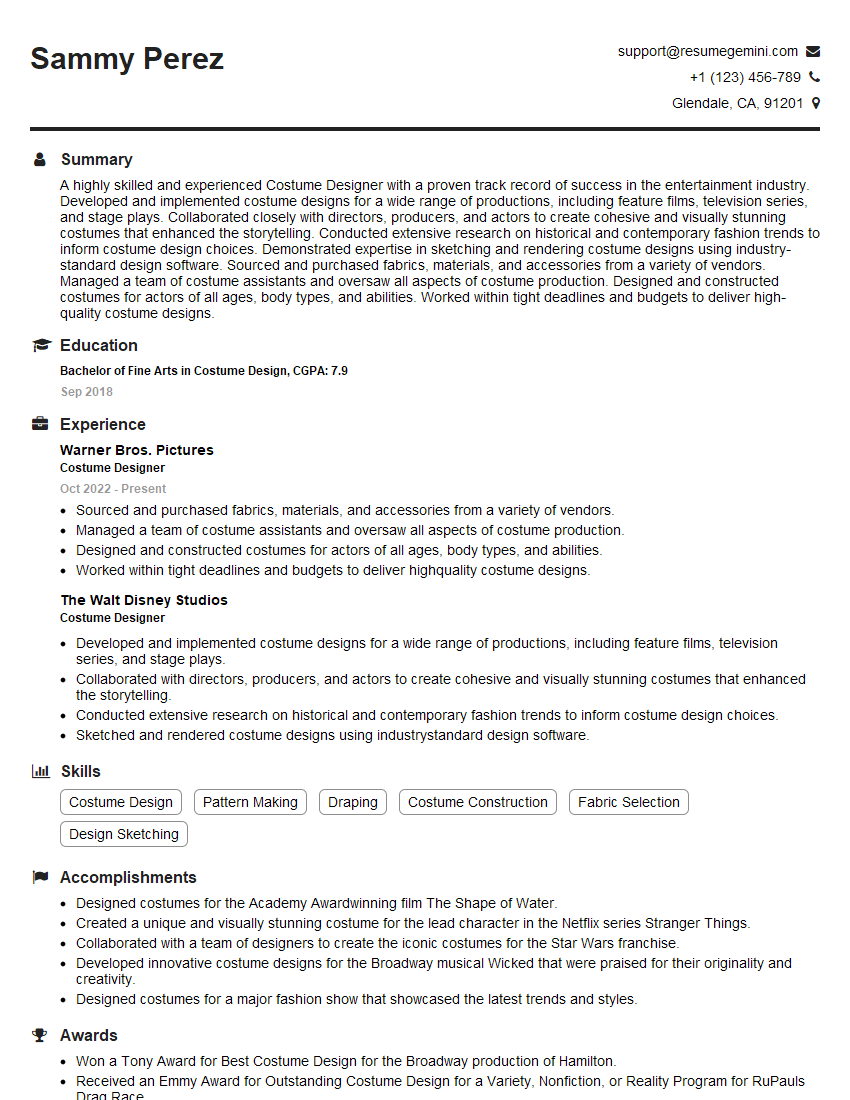
Costume Designer Resume Sample
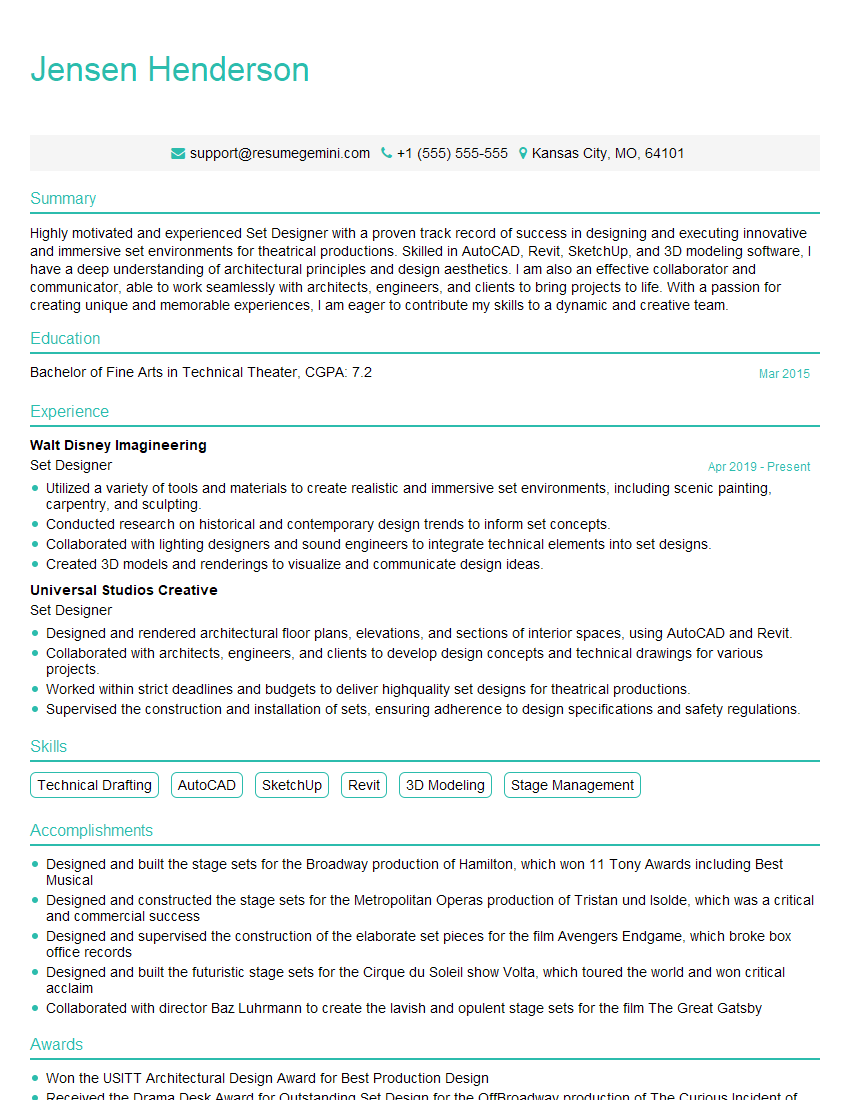
Set Designer Resume Sample
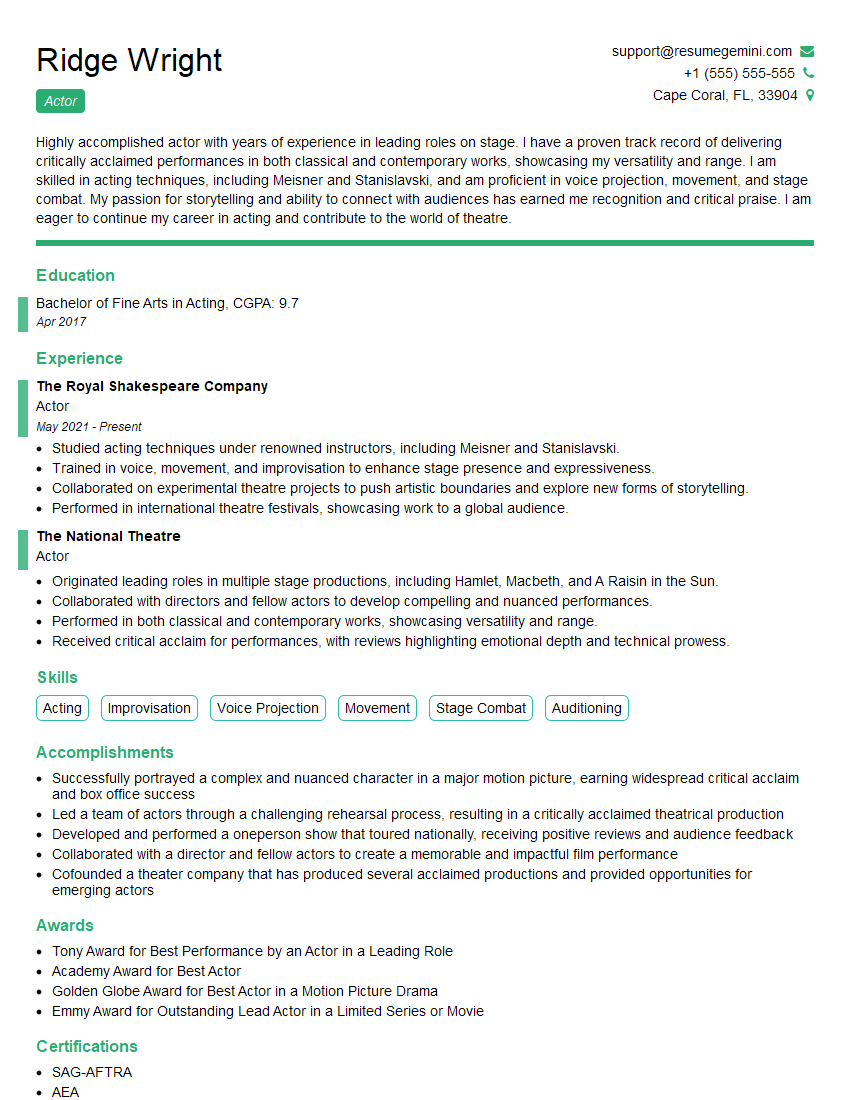
Actor Resume Sample
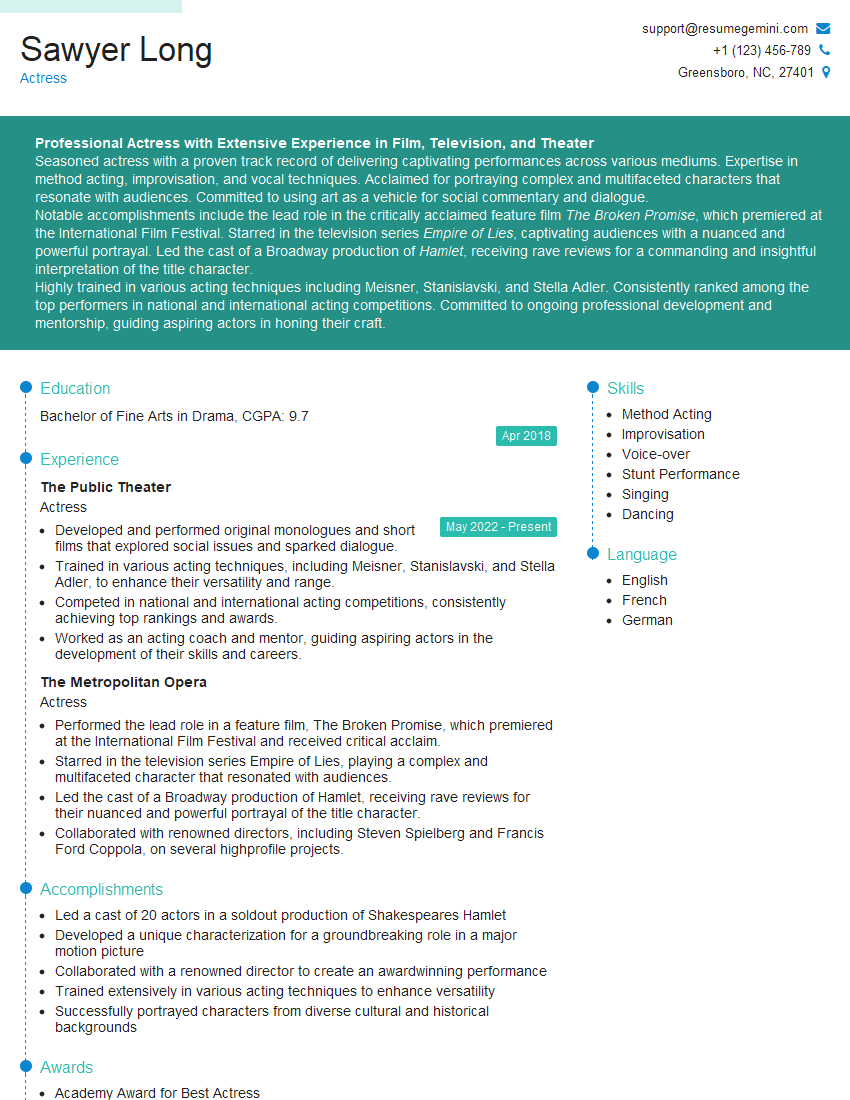
Actress Resume Sample
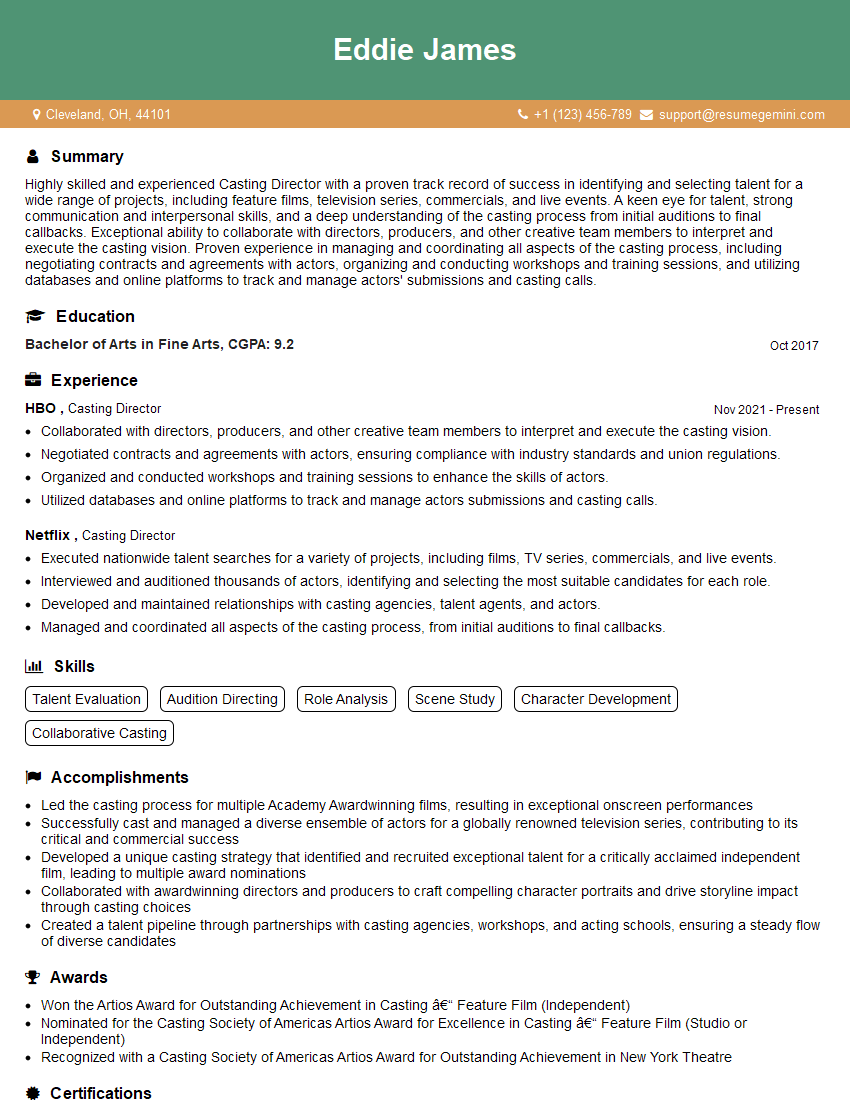
Casting Director Resume Sample
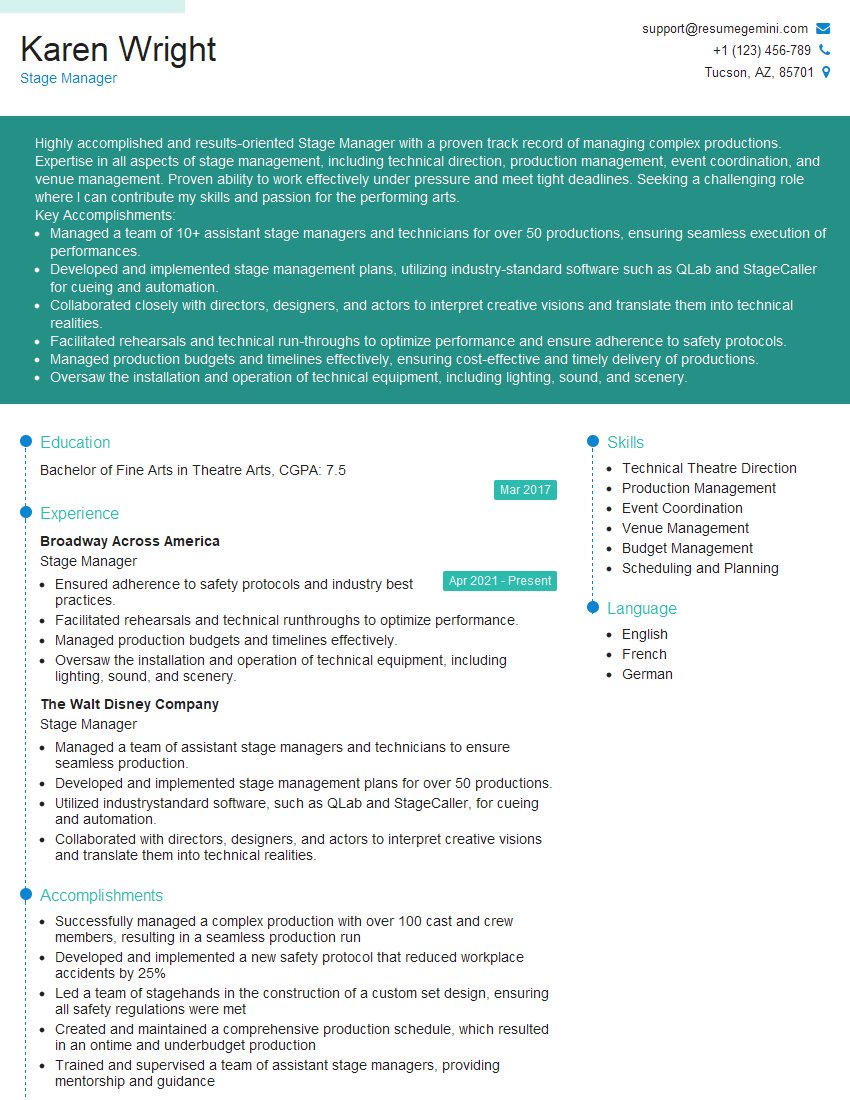
Stage Manager Resume Sample
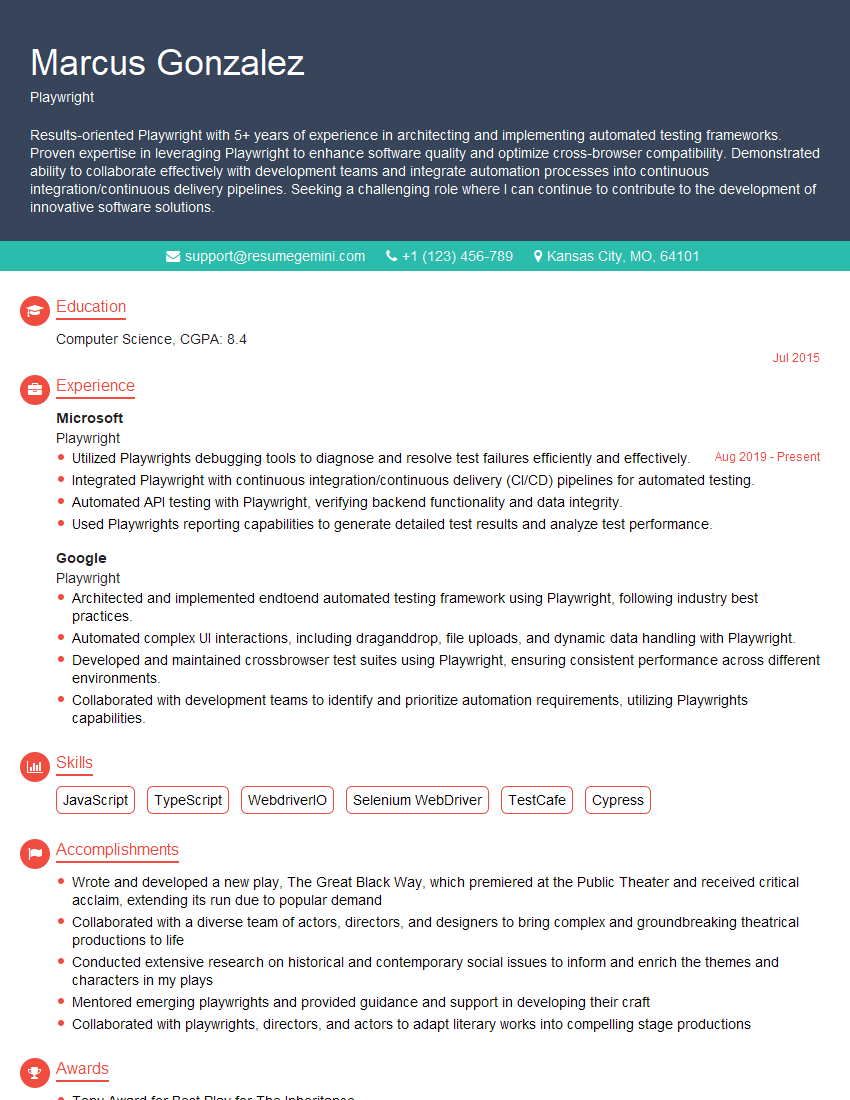
Playwright Resume Sample
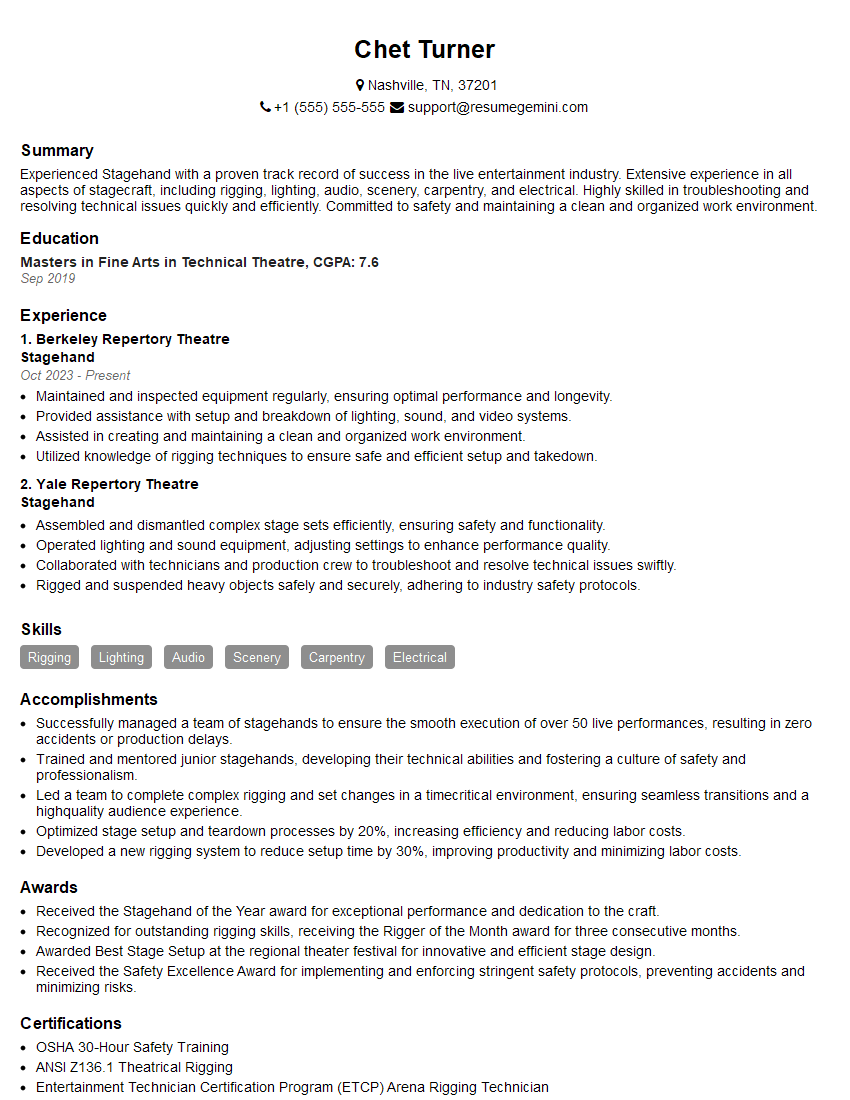
Stagehand Resume Sample
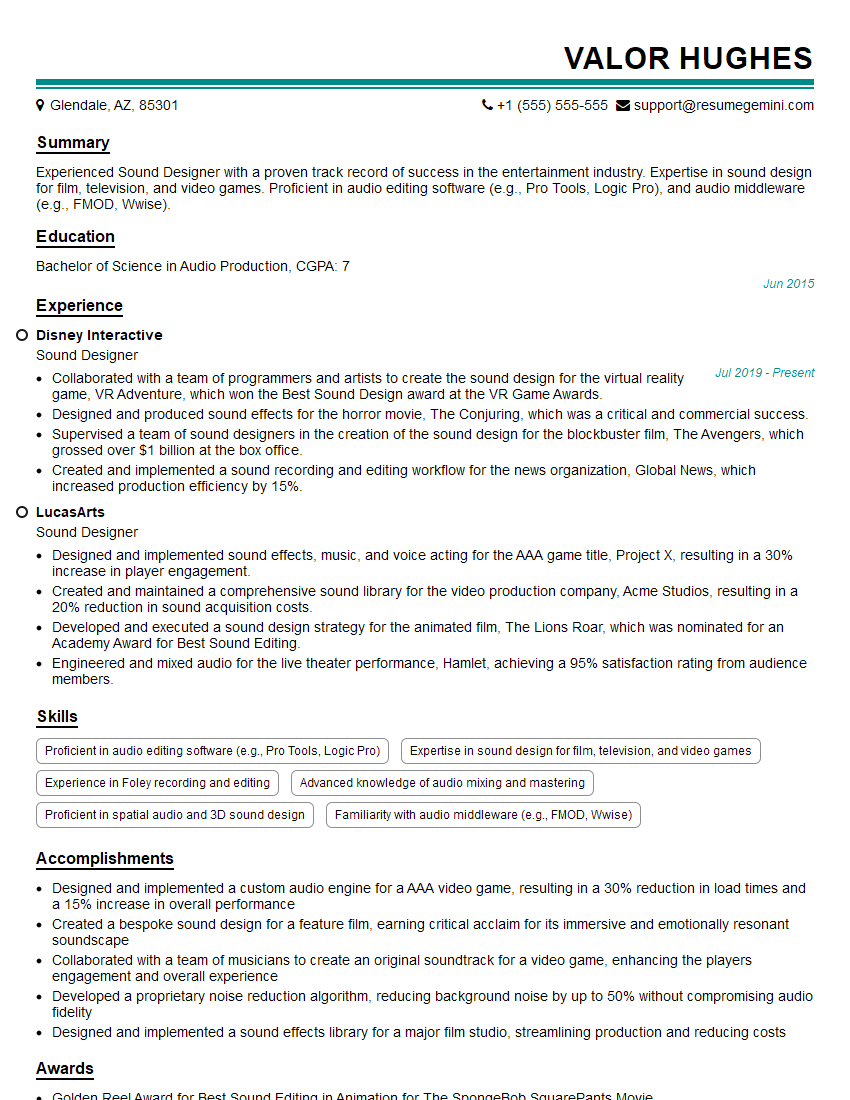
Sound Designer Resume Sample
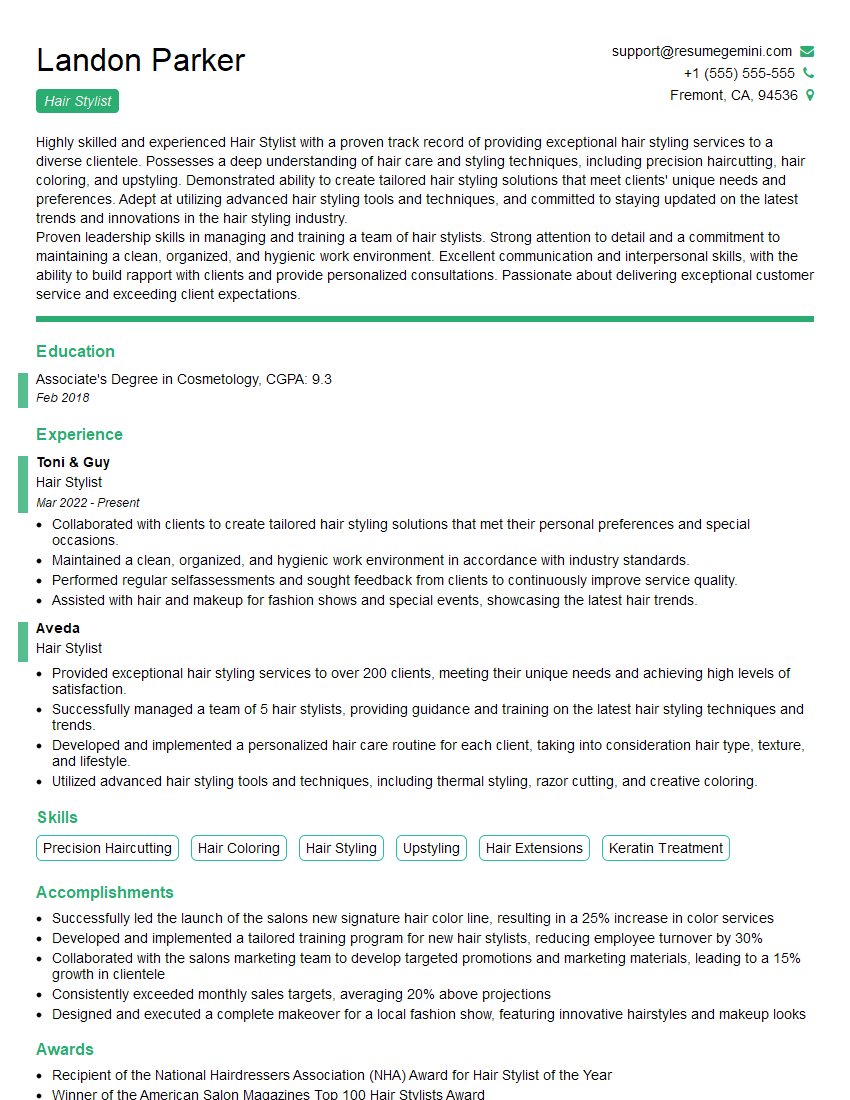
Hair Stylist Resume Sample
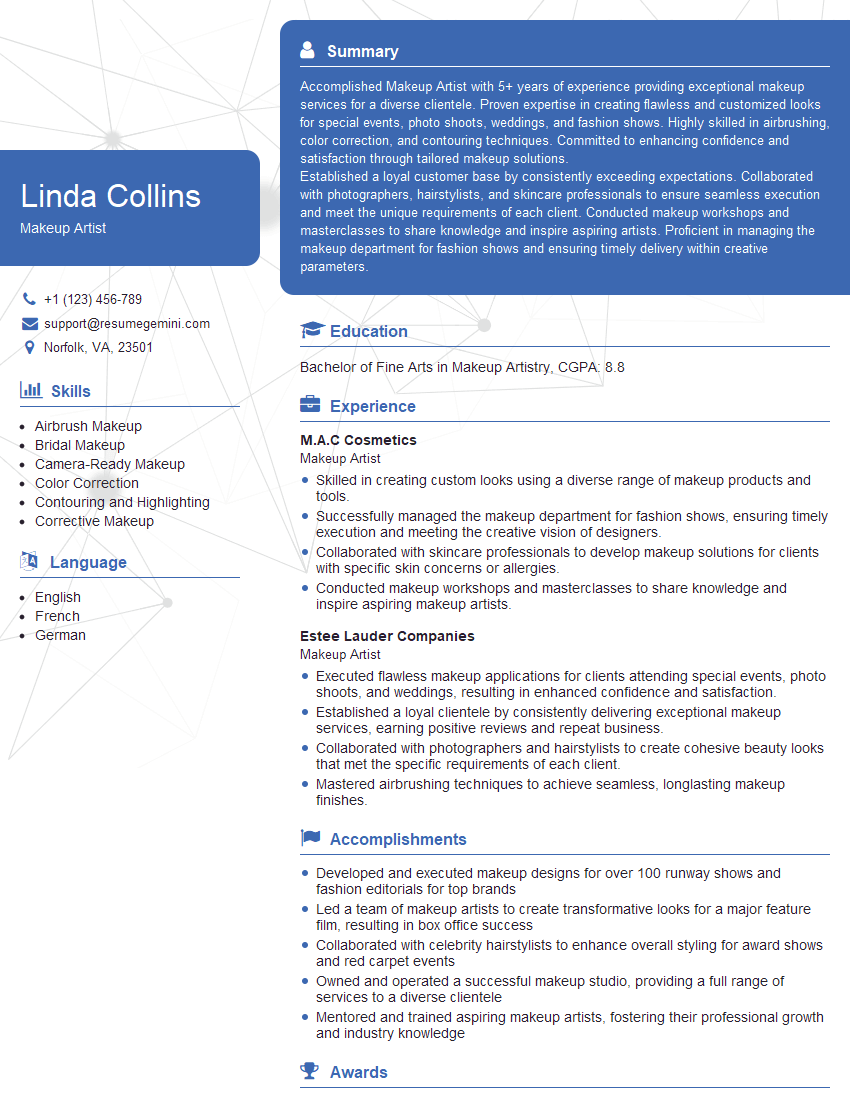
Makeup Artist Resume Sample
Explore more articles
Users Rating of Our Blogs
Share Your Experience
We value your feedback! Please rate our content and share your thoughts (optional).
What Readers Say About Our Blog
Attention music lovers!
Wow, All the best Sax Summer music !!!
Spotify: https://open.spotify.com/artist/6ShcdIT7rPVVaFEpgZQbUk
Apple Music: https://music.apple.com/fr/artist/jimmy-sax-black/1530501936
YouTube: https://music.youtube.com/browse/VLOLAK5uy_noClmC7abM6YpZsnySxRqt3LoalPf88No
Other Platforms and Free Downloads : https://fanlink.tv/jimmysaxblack
on google : https://www.google.com/search?q=22+AND+22+AND+22
on ChatGPT : https://chat.openai.com?q=who20jlJimmy20Black20Sax20Producer
Get back into the groove with Jimmy sax Black
Best regards,
Jimmy sax Black
www.jimmysaxblack.com
Hi I am a troller at The aquatic interview center and I suddenly went so fast in Roblox and it was gone when I reset.
Hi,
Business owners spend hours every week worrying about their website—or avoiding it because it feels overwhelming.
We’d like to take that off your plate:
$69/month. Everything handled.
Our team will:
Design a custom website—or completely overhaul your current one
Take care of hosting as an option
Handle edits and improvements—up to 60 minutes of work included every month
No setup fees, no annual commitments. Just a site that makes a strong first impression.
Find out if it’s right for you:
https://websolutionsgenius.com/awardwinningwebsites
Hello,
we currently offer a complimentary backlink and URL indexing test for search engine optimization professionals.
You can get complimentary indexing credits to test how link discovery works in practice.
No credit card is required and there is no recurring fee.
You can find details here:
https://wikipedia-backlinks.com/indexing/
Regards
NICE RESPONSE TO Q & A
hi
The aim of this message is regarding an unclaimed deposit of a deceased nationale that bears the same name as you. You are not relate to him as there are millions of people answering the names across around the world. But i will use my position to influence the release of the deposit to you for our mutual benefit.
Respond for full details and how to claim the deposit. This is 100% risk free. Send hello to my email id: [email protected]
Luka Chachibaialuka
Hey interviewgemini.com, just wanted to follow up on my last email.
We just launched Call the Monster, an parenting app that lets you summon friendly ‘monsters’ kids actually listen to.
We’re also running a giveaway for everyone who downloads the app. Since it’s brand new, there aren’t many users yet, which means you’ve got a much better chance of winning some great prizes.
You can check it out here: https://bit.ly/callamonsterapp
Or follow us on Instagram: https://www.instagram.com/callamonsterapp
Thanks,
Ryan
CEO – Call the Monster App
Hey interviewgemini.com, I saw your website and love your approach.
I just want this to look like spam email, but want to share something important to you. We just launched Call the Monster, a parenting app that lets you summon friendly ‘monsters’ kids actually listen to.
Parents are loving it for calming chaos before bedtime. Thought you might want to try it: https://bit.ly/callamonsterapp or just follow our fun monster lore on Instagram: https://www.instagram.com/callamonsterapp
Thanks,
Ryan
CEO – Call A Monster APP
To the interviewgemini.com Owner.
Dear interviewgemini.com Webmaster!
Hi interviewgemini.com Webmaster!
Dear interviewgemini.com Webmaster!
excellent
Hello,
We found issues with your domain’s email setup that may be sending your messages to spam or blocking them completely. InboxShield Mini shows you how to fix it in minutes — no tech skills required.
Scan your domain now for details: https://inboxshield-mini.com/
— Adam @ InboxShield Mini
Reply STOP to unsubscribe
Hi, are you owner of interviewgemini.com? What if I told you I could help you find extra time in your schedule, reconnect with leads you didn’t even realize you missed, and bring in more “I want to work with you” conversations, without increasing your ad spend or hiring a full-time employee?
All with a flexible, budget-friendly service that could easily pay for itself. Sounds good?
Would it be nice to jump on a quick 10-minute call so I can show you exactly how we make this work?
Best,
Hapei
Marketing Director
Hey, I know you’re the owner of interviewgemini.com. I’ll be quick.
Fundraising for your business is tough and time-consuming. We make it easier by guaranteeing two private investor meetings each month, for six months. No demos, no pitch events – just direct introductions to active investors matched to your startup.
If youR17;re raising, this could help you build real momentum. Want me to send more info?
Hi, I represent an SEO company that specialises in getting you AI citations and higher rankings on Google. I’d like to offer you a 100% free SEO audit for your website. Would you be interested?
Hi, I represent an SEO company that specialises in getting you AI citations and higher rankings on Google. I’d like to offer you a 100% free SEO audit for your website. Would you be interested?