Cracking a skill-specific interview, like one for Technical proficiency in assembling and staging stage equipment, requires understanding the nuances of the role. In this blog, we present the questions you’re most likely to encounter, along with insights into how to answer them effectively. Let’s ensure you’re ready to make a strong impression.
Questions Asked in Technical proficiency in assembling and staging stage equipment Interview
Q 1. Describe your experience with different types of stage rigging systems.
My experience encompasses a wide range of stage rigging systems, from basic chain motors and counterweight systems to more complex motorized rigging systems using fly bars and automated winches. I’m proficient in working with both manual and computerized control systems, understanding the nuances of load capacity, safety factors, and proper weight distribution. For example, I’ve worked extensively with Counterweight systems in traditional theaters, ensuring each line set is correctly balanced and that the system is regularly inspected for wear and tear. I also have experience with more modern systems that incorporate computerized control and safety features, minimizing human error and maximizing efficiency.
My experience extends to understanding the various components of these systems, including shackles, turnbuckles, and various types of rigging hardware. I can identify potential hazards, implement preventative maintenance, and adhere strictly to safety protocols for all rigging operations. This ensures the safety of both the equipment and the crew involved.
Q 2. Explain the process of hanging and focusing stage lighting.
Hanging and focusing stage lighting is a meticulous process requiring precision and a keen eye for detail. It begins with careful planning – reviewing the lighting plot to understand the desired placement and angle of each fixture. Next, I’ll select appropriate hanging points on the grid or truss structure, ensuring sufficient load capacity. Each fixture is then carefully attached, double-checking all connections and safety mechanisms. I use a combination of ladders, lifts, and other safe access methods as needed.
Focusing involves precisely adjusting each light’s position and angle to illuminate specific areas of the stage as intended. This often involves interacting with lighting board operators to make adjustments in real-time, and potentially using tools like beam spreaders or gobos to fine-tune the light’s quality. I always follow safe practices, ensuring no one is in the path of moving lights and that all power is safely disconnected before making significant adjustments.
Q 3. How do you ensure the safety of stage equipment and personnel during setup and teardown?
Safety is paramount in stage production. My approach involves several key steps: first, a thorough risk assessment before any setup begins. This identifies potential hazards related to equipment, environment, and personnel. Secondly, I ensure that all equipment is regularly inspected and properly maintained, paying close attention to any signs of wear or damage. Thirdly, I strictly enforce the use of appropriate safety equipment – harnesses, fall protection, and other safety gear – during any high-level work. Finally, clear communication and adherence to established safety protocols are essential. We conduct regular safety briefings with the entire team, ensuring everyone understands their responsibilities and the potential risks involved.
For instance, I always ensure that proper weight ratings are followed for all rigging points, using load cells to measure weights where necessary. Furthermore, all power cables are correctly routed and protected to prevent trips and electrical hazards.
Q 4. What are the common types of stage materials and their applications?
Stage materials vary widely depending on the production’s needs. Common materials include:
- Steel: Used for trussing systems, scaffolding, and heavy-duty supports. Its strength and durability are essential for supporting substantial loads.
- Aluminum: Lighter than steel, it’s frequently used for lighter-duty trussing, lighting stands, and other portable structures.
- Wood: Used for stage platforms, set pieces, and other scenic elements. Different types of wood offer varying strength and aesthetic qualities.
- Plastics: Various plastics are used for cable management, protective coverings, and other applications.
- Fabrics: Used for backdrops, drapes, and other scenic elements, often flame-retardant for safety.
The selection of materials depends on factors such as weight capacity, budget, aesthetics, and the specific demands of the production.
Q 5. Describe your experience working with different audio systems.
My experience with audio systems includes working with various configurations, from small PA systems for intimate performances to large-scale systems for concerts and theatrical productions. I’m proficient in setting up and troubleshooting analog and digital mixers, microphones, speakers, amplifiers, and other audio equipment. I understand the importance of signal flow, impedance matching, and proper gain staging to ensure optimal sound quality.
For example, I’ve worked with everything from small line array systems for conferences to large-scale touring sound systems, employing advanced digital signal processing techniques. My knowledge extends to understanding wireless microphone systems, their frequencies, and how to avoid interference. I am experienced in using both digital audio workstations (DAWs) and standalone mixing consoles.
Q 6. How do you troubleshoot problems with stage lighting or sound equipment?
Troubleshooting lighting or sound problems requires a systematic approach. I begin by isolating the problem. For lighting, this might involve checking power connections, bulbs, dimmers, and cabling. For sound, I might check microphone levels, speaker connections, and signal routing on the mixing console.
I use a combination of diagnostic tools, including multimeters and signal generators, to pinpoint the issue. I also rely on my understanding of the equipment’s functionality to identify potential causes. My experience allows me to quickly identify common problems and implement effective solutions. If the problem is complex, I have no hesitation in seeking assistance from other experienced technicians.
For example, if a dimmer pack fails, I’d start by checking the breaker and power supply before investigating potential issues within the dimmer pack itself. Similarly, a drop in audio level might be caused by a faulty cable, a muted channel, or a problem with a microphone’s power supply. I systematically check each component until the problem is resolved.
Q 7. What safety precautions do you take when working with heavy equipment?
When working with heavy equipment, safety is the absolute priority. I always follow these procedures:
- Proper Lifting Techniques: I use appropriate lifting equipment such as forklifts, chain hoists, or come-alongs, and ensure they’re correctly rated for the load. I never attempt to lift anything beyond my physical capabilities.
- Weight Distribution: I ensure weight is distributed evenly to prevent tipping or instability. For heavy lighting rigs, for example, the weight is evenly distributed across the truss, and the truss is properly secured.
- Spotters: For any manual lifting, I always have spotters to assist, ensuring everyone understands hand signals and safety procedures.
- Personal Protective Equipment (PPE): I consistently wear appropriate safety gear, including steel-toed boots, gloves, and harnesses when working at heights.
- Regular Inspections: Before using any equipment, I carefully inspect it for any damage or defects.
By strictly adhering to these precautions, I minimize the risk of accidents and injury.
Q 8. Explain the importance of weight distribution in stage setup.
Weight distribution is paramount in stage setup for safety and structural integrity. Think of it like building a house – an uneven foundation will inevitably lead to problems. Incorrect weight distribution on a stage can cause instability, potentially leading to collapses or accidents. It’s crucial to distribute the weight evenly across the stage’s supporting structure, considering factors like the weight of the stage itself, performers, equipment, scenery, and lighting.
For instance, heavy equipment like lighting rigs or large speakers should be strategically placed to avoid overloading specific areas. We use calculations and weight charts to determine load limits for different sections of the stage and ensure that we stay well within those limits. This might involve using multiple support points or distributing the weight across multiple platforms. We always prioritize safety and follow rigorous weight calculations. A common problem is an uneven distribution caused by concentrating heavy items in one section of a larger platform. The solution would be to either relocate the items, use additional support beams, or utilize a platform with a higher weight capacity for that area.
Q 9. How familiar are you with different types of stage platforms and their construction?
I’m very familiar with various stage platforms, from simple wooden platforms to complex, motorized staging systems. My experience encompasses working with:
- Standard Truss Staging: This utilizes aluminum or steel trussing to create a strong and adaptable platform, suitable for various configurations. I’m experienced in assembling and rigging these systems, ensuring safety and stability.
- Modular Staging: These systems use pre-fabricated units that can be easily assembled and reconfigured to create various stage sizes and shapes. I’m proficient in managing different modular systems, understanding their locking mechanisms and weight capacities.
- Elevated Platforms: I’ve worked with various hydraulic lifts and motorized platforms, both for static elevation and for dynamic movements within a show. This includes safety procedures, operation manuals, and emergency shut down protocols.
- Composite Staging: These platforms offer lighter weight compared to traditional materials, improving portability and setup time. Understanding their construction is important, as well as ensuring compatibility with other staging systems.
My experience also includes understanding the construction of each type; I know the importance of considering load-bearing capacities, materials used, and the various safety protocols and regulations surrounding each type of platform. This is crucial for ensuring the safety of performers, crew, and the audience.
Q 10. Describe your experience with stage automation systems.
I have extensive experience with various stage automation systems, including motorized lifts, rotating stages, and automated scenery systems. My experience includes both the technical setup and operation of these systems. This includes understanding the control systems, programming sequences, and safety procedures.
For example, I worked on a production that utilized a computerized flying system to move large scenic elements during the show. My responsibilities included programming the movements, testing the system for smooth operation and safety, and troubleshooting any issues that arose during rehearsals or performances. This involved using specific software to create cue lists and timings for each movement. I am also familiar with both computerized and manual control systems, understanding the advantages and disadvantages of each in different scenarios.
Q 11. How do you maintain and organize stage equipment?
Maintaining and organizing stage equipment is critical for efficiency and safety. We employ a rigorous system for storage and inventory. This involves using a detailed inventory system (often software-based) to track all equipment, its condition, and its location. Equipment is meticulously cleaned and inspected after each use. Any damaged or malfunctioning equipment is promptly repaired or replaced. We utilize a clear labeling system to easily identify equipment and ensure that it’s stored in a way that minimizes damage and maximizes accessibility.
Storage is crucial. We organize equipment in a logical manner, grouping similar items together for easy retrieval. Larger items are stored on the appropriate racks, while smaller items are kept in clearly marked containers. We regularly conduct stock checks to ensure that all items are accounted for and in good working order. This proactive approach minimizes the risk of equipment damage, losses, or downtime during productions.
Q 12. What software are you proficient in for stage design or management?
I am proficient in several software applications used for stage design and management. These include:
- Vectorworks: For creating detailed stage plots, lighting designs, and 3D models of the stage setup.
- AutoCAD: For generating precise technical drawings and specifications.
- WYSIWYG: For visualizing and programming lighting designs.
- Capture: For managing and scheduling stage equipment and personnel.
My proficiency in these programs allows me to efficiently create accurate designs, manage complex projects, and collaborate effectively with designers and other technical staff. The use of these tools allows for detailed planning and precise execution of stage productions, contributing to a smooth and efficient workflow.
Q 13. How do you manage multiple tasks simultaneously during a stage production?
Managing multiple tasks simultaneously during a stage production requires strong organizational skills and prioritization. I employ several strategies:
- Prioritization: I identify the most time-sensitive and critical tasks first, ensuring that these are completed efficiently and effectively.
- Time Management: I allocate specific time slots for individual tasks, using tools like scheduling software or checklists to track progress and stay on schedule.
- Delegation: When feasible, I delegate tasks to other qualified team members, ensuring clear communication and accountability.
- Communication: I maintain open communication with the team, providing regular updates and addressing any concerns or roadblocks promptly.
An example is a quick change scene involving multiple crew members, lighting shifts, and sound cues. Through clear communication and pre-planned timing using a show call, I can coordinate everything smoothly. Experience has taught me the importance of anticipating potential problems and proactively developing solutions before they impact the production.
Q 14. What is your experience with creating stage plots and technical drawings?
I have extensive experience creating stage plots and technical drawings. Stage plots are essential for visualizing the stage layout and positioning of all elements—lighting, sound, set pieces, performers. Technical drawings provide more detailed specifications for construction and installation. I typically use CAD software (like AutoCAD or Vectorworks) to create accurate and detailed representations.
My experience includes creating stage plots for various types of productions, from small theatre performances to large-scale concerts. These plots detail the exact positioning of equipment, including dimensions and specifications. They also include notes regarding weight distribution, power requirements, and other important information that guides the entire team. I utilize standard industry practices and notations, making the plots easily understandable by all relevant stakeholders. The accuracy of my work ensures that the entire production runs smoothly and safely.
Q 15. Describe your experience with cable management and routing.
Cable management is paramount for a safe and efficient stage setup. It’s not just about aesthetics; it prevents tripping hazards, reduces signal interference, and ensures quick troubleshooting. My approach involves a layered strategy. First, I meticulously plan cable routes, minimizing crossings and keeping them neatly bundled. I use color-coded cable ties to identify different signal types (audio, video, lighting, data) immediately. For longer runs, I use cable trays and conduits where possible, keeping them securely fastened to the floor or trussing. I always label each cable end clearly, indicating both the source and destination. For example, on a recent production, we had over 100 cables running through the stage, and using this system allowed us to swap out faulty cables in under 5 minutes. Finally, I always leave sufficient slack in the cables to allow for movement and prevent damage during setup and tear down.
Career Expert Tips:
- Ace those interviews! Prepare effectively by reviewing the Top 50 Most Common Interview Questions on ResumeGemini.
- Navigate your job search with confidence! Explore a wide range of Career Tips on ResumeGemini. Learn about common challenges and recommendations to overcome them.
- Craft the perfect resume! Master the Art of Resume Writing with ResumeGemini’s guide. Showcase your unique qualifications and achievements effectively.
- Don’t miss out on holiday savings! Build your dream resume with ResumeGemini’s ATS optimized templates.
Q 16. Explain your understanding of electrical safety regulations on stage.
Electrical safety on stage is non-negotiable. I’m intimately familiar with local and national electrical codes, including lockout/tagout procedures. Before any power is connected, a thorough inspection of all equipment is crucial; this includes checking for damaged cables, loose connections, and proper grounding. I ensure all equipment has a valid RCD (Residual Current Device) protecting against earth leakage. I also insist on using appropriate safety equipment such as insulated tools and gloves. For high-voltage systems, we always have qualified electricians on-site. A critical aspect is adhering to power distribution planning; circuits should be balanced, preventing overloads and potential fires. Remember, a simple mistake can lead to serious consequences; thus, following regulations is paramount. For instance, I once noticed a frayed cable on a lighting fixture just before the show, preventing a potential fire hazard.
Q 17. How do you handle unexpected technical issues during a live performance?
Unexpected technical issues are inevitable in live performance. My approach is methodical and prioritizes swift problem-solving. First, I assess the situation: Identify the problem (e.g., microphone malfunction, lighting failure), its severity (e.g., show-stopper, minor inconvenience), and the potential impact. Then, I prioritize solutions based on these factors. For instance, a dead microphone during a speech might require a quick replacement or a switch to a backup system. My experience allows me to quickly troubleshoot common issues. I always have a fully stocked toolkit and backup equipment ready. Effective communication is key; I work closely with the stage manager and other crew members to coordinate efforts and keep the show running smoothly. During a recent concert, the main sound system went down halfway through; however, because of my quick reaction and availability of a backup system we were only down for five minutes, and the audience barely noticed.
Q 18. What are the key differences between trussing and pipe systems?
Trussing and pipe systems are both fundamental stage structures but differ significantly in their construction, application, and capabilities. Trussing is a modular system composed of lightweight metal members forming a rigid, geometric structure. It’s excellent for supporting lighting, audio, and video equipment, often at considerable heights, and can handle large loads. Pipe systems, in contrast, usually utilize heavier-gauge steel pipes and fittings, commonly assembled using clamps or welds. They’re generally more adaptable for custom configurations but might be less efficient for complex high-rise constructions. For instance, trussing is ideal for a large concert stage, whereas a pipe system might be better suited for a smaller theatrical set requiring customized shapes.
Q 19. Describe your experience with different types of stage curtains and their operation.
I’ve worked extensively with various stage curtains, including cycloramas, backdrops, leg drops, and tabs. Each type has unique properties and operational requirements. Cycloramas, for example, are large, seamless curved curtains used to project scenery; they necessitate precise hanging and lighting control. Backdrops are generally simpler, often made of fabric or vinyl, and can be changed quickly. Leg drops, used to mask the sides of the stage, need meticulous alignment for a clean look. Operating these curtains might involve manual systems (e.g., ropes and pulleys), motorized winches, or computer-controlled systems. My experience includes both, from manually operating simple tabs in small theaters to setting up complex automated systems in large venues. For example, we used a computer controlled system in a recent theater production to synchronize the curtain movements with the lighting cues and it gave a polished look to the production.
Q 20. How familiar are you with the use of counterweights and other rigging systems?
I’m proficient in using counterweight systems and other rigging techniques. Counterweight systems are crucial for safely raising and lowering heavy stage equipment like curtains, scenery, and lighting fixtures. I understand the principles of balance and load calculation, ensuring that the system is correctly weighted and operated within its safe limits. I’m experienced with various rigging hardware, including shackles, wire ropes, pulleys, and safety lines. Beyond counterweights, I’m familiar with chain hoists, electric lifts, and other motorized rigging systems. Safety is paramount in rigging operations; I meticulously follow all safety protocols and conduct regular inspections to prevent accidents. A good understanding of physics is required here, as incorrect weight distribution can lead to catastrophic failures.
Q 21. Explain your experience with different types of microphones and their applications.
My experience encompasses a wide range of microphones, including dynamic, condenser, and ribbon mics. Dynamic microphones, known for their ruggedness and feedback resistance, are ideal for live vocals and loud instruments. Condenser microphones, offering higher sensitivity and detail, are commonly used for recording and more delicate applications. Ribbon microphones, prized for their warm sound and natural tone, are usually employed in studios but can also be appropriate for specific live sound applications. Choosing the right microphone depends on the specific needs of the sound source, the environment, and the overall sound design. I’ve worked with various microphone brands and models, and I always select the appropriate microphone for the intended use. For example, I’d use a Shure SM58 for a vocal performance, a Neumann U87 for studio recording, and a Royer R-121 for a vintage guitar sound. Understanding these differences is critical for achieving the desired acoustic quality.
Q 22. How do you ensure clear communication with other stage crew members?
Clear communication is the backbone of any successful stage production. I ensure this through a multi-pronged approach. Firstly, I utilize clear and concise verbal communication, ensuring everyone understands the task at hand. For instance, instead of saying ‘Get that thing over there,’ I’d specify: ‘Please move the three-meter truss section to position B4 as marked on the ground plan.’ Secondly, I leverage visual aids like diagrams, set lists, and the show’s technical plot to minimize ambiguity. Finally, I actively encourage feedback and questions. A quick ‘Does everyone understand?’ followed by a brief opportunity for clarifications ensures we are all on the same page, preventing costly mistakes and misunderstandings.
In a recent production of ‘Hamlet,’ for example, I used a detailed lighting cue sheet showing dimmer levels, instrument numbers, and timed effects. This allowed the lighting crew to flawlessly execute the complex scene changes.
Q 23. Describe your experience working in a fast-paced environment.
Fast-paced environments are my forte! I thrive under pressure and find the challenge exhilarating. I’ve worked on numerous productions with tight deadlines and quick turnarounds, including a recent outdoor concert where we had to set up the entire stage and sound system in under four hours. My experience has taught me the importance of pre-planning, efficient task delegation, and the ability to adapt quickly to unexpected changes. During that concert, a sudden downpour forced us to improvise a temporary shelter for sensitive equipment, showcasing my problem-solving abilities under pressure. The show went on, on time, and without a hitch. I approach fast-paced scenarios by staying calm, focusing on the immediate priorities, and maintaining a positive attitude to keep the team motivated.
Q 24. What methods do you use to plan and coordinate your work efficiently?
Efficient planning and coordination are essential. I typically begin with a thorough review of the production’s technical specifications, including the ground plan, lighting plot, sound plot, and any rigging requirements. Then, I create a detailed workflow schedule, breaking down the tasks into manageable chunks and assigning responsibilities to each crew member. I use checklists and spreadsheets to track progress and ensure accountability. Communication tools like walkie-talkies and dedicated messaging groups help keep everyone informed of potential changes. For example, I might use a Gantt chart to visualize the timeline and dependencies of different tasks, ensuring a smooth flow of work.
Q 25. How do you prioritize tasks when multiple deadlines are involved?
Prioritizing tasks with multiple deadlines requires a strategic approach. I utilize a prioritization matrix, considering urgency and importance. I use the Eisenhower Matrix (Urgent/Important) to categorize tasks and allocate my time accordingly. This helps me focus on the most critical tasks first, minimizing the risk of missing deadlines. For example, if a crucial lighting element requires installation before the sound check, that takes precedence over minor adjustments to the set design. Flexibility is key, and I’m always prepared to adjust priorities based on unforeseen circumstances.
Q 26. How familiar are you with different types of stage lighting instruments and their functionalities?
I’m highly familiar with a wide range of stage lighting instruments, including Fresnels, ellipsoidal reflectors (LEKO’s), PAR cans, LED washes, moving heads, and follow spots. I understand their individual functionalities, light distribution patterns, and their applications in different theatrical contexts. For example, I know that Fresnels provide a soft, diffused light ideal for background washes, while LEKO’s offer a sharp, focused beam perfect for highlighting specific actors or objects. I’m also proficient in using lighting control consoles and programming lighting cues for various effects and moods.
Q 27. What are some common safety hazards associated with stage work, and how do you mitigate them?
Stage work carries inherent safety risks. Common hazards include electrical shock from faulty equipment, falling objects from poorly rigged lights or set pieces, trips and falls on uneven surfaces, and injuries from handling heavy equipment. Mitigation strategies are paramount. Before any work begins, we always conduct a thorough risk assessment, identifying and addressing potential hazards. We use proper lifting techniques, wear appropriate personal protective equipment (PPE) like gloves and safety shoes, and ensure all equipment is properly grounded and inspected for damage. Regular safety briefings reinforce procedures and remind the team of best practices. We also maintain a clean and organized work environment to minimize trip hazards.
Q 28. Describe your experience with load-in and load-out procedures.
Load-in and load-out procedures are crucial for efficiency and safety. My experience includes managing numerous load-ins and load-outs for various productions, from small theater productions to large-scale concerts. I understand the importance of pre-planning, including vehicle assignments, equipment inventories, and crew assignments. We use a systematic approach, ensuring the safe unloading and placement of equipment, paying careful attention to weight distribution and structural integrity. Following load-in, we perform a final equipment check before the technical rehearsals. During load-out, we reverse the process meticulously, ensuring all equipment is properly packed, secured, and transported safely. Detailed load-in/load-out sheets and diagrams help minimize confusion and maximize efficiency.
Key Topics to Learn for Technical Proficiency in Assembling and Staging Stage Equipment Interview
- Stage Rigging Fundamentals: Understanding weight limits, load distribution, safety regulations (e.g., OSHA), and different rigging techniques (e.g., counterweight systems, chain hoists).
- Equipment Assembly and Disassembly: Practical experience with assembling and disassembling various stage equipment, including trusses, platforms, lighting rigs, and sound systems. This includes knowing proper procedures and safety protocols.
- Stage Setup and Design: Understanding basic stage design principles, including sightlines, audience flow, and the placement of equipment to optimize performance.
- Electrical and Lighting Knowledge: Familiarity with different lighting instruments, cabling, power distribution, and safety procedures related to electrical work on stage.
- Sound System Setup and Operation: Basic understanding of sound systems, including speaker placement, microphone techniques, and audio cabling.
- Problem-Solving and Troubleshooting: Demonstrating the ability to identify and resolve technical issues that may arise during setup or performance. This includes quick thinking and resourcefulness under pressure.
- Blueprint Reading and Technical Drawings: Ability to interpret stage plans and technical drawings to accurately assemble and place equipment.
- Safety Procedures and Regulations: A thorough understanding of all relevant safety regulations and best practices to ensure a safe working environment for all personnel.
- Communication and Teamwork: Highlighting your ability to communicate effectively with colleagues, directors, and other technicians to coordinate efforts and ensure a smooth production.
Next Steps
Mastering technical proficiency in assembling and staging stage equipment is crucial for career advancement in the entertainment industry. It demonstrates valuable skills in problem-solving, technical expertise, and teamwork – all highly sought-after qualities. To stand out, create a compelling, ATS-friendly resume that showcases your abilities effectively. ResumeGemini is a trusted resource that can help you build a professional resume tailored to your experience. Examples of resumes specifically designed for candidates with expertise in assembling and staging stage equipment are available to help you create a winning application.
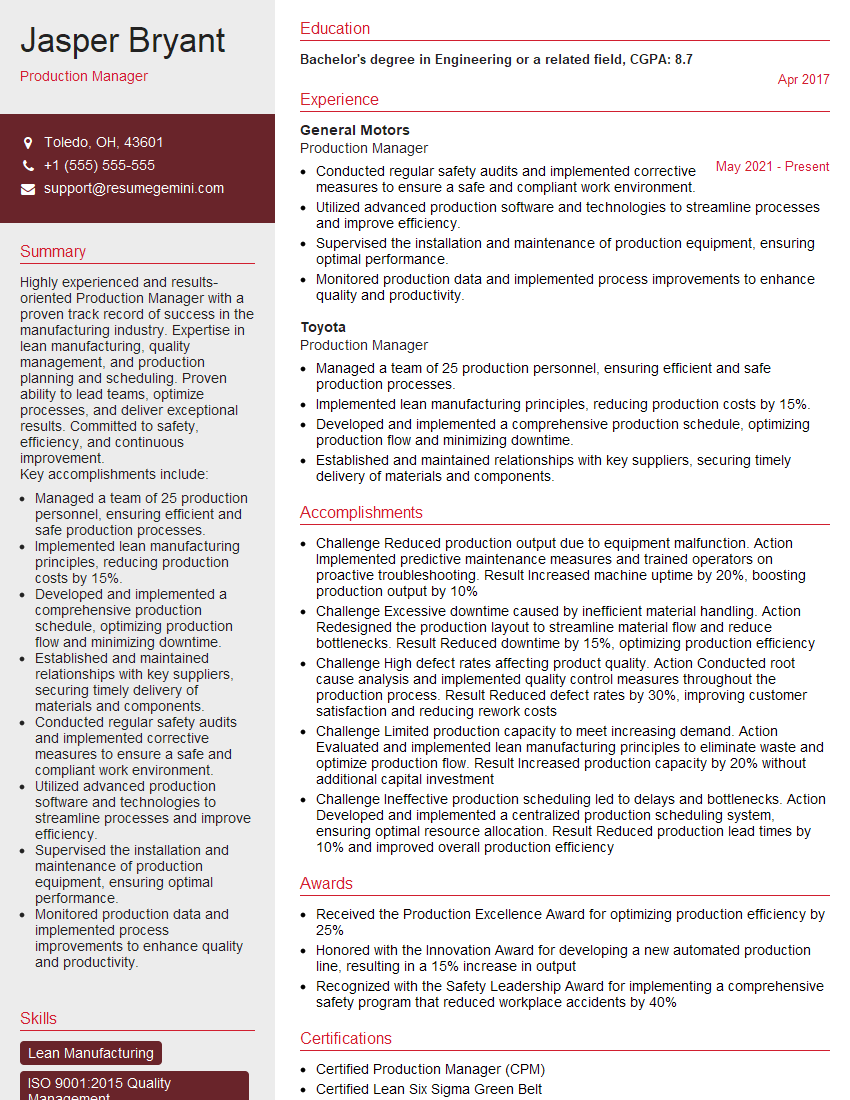
Production Manager Resume Sample
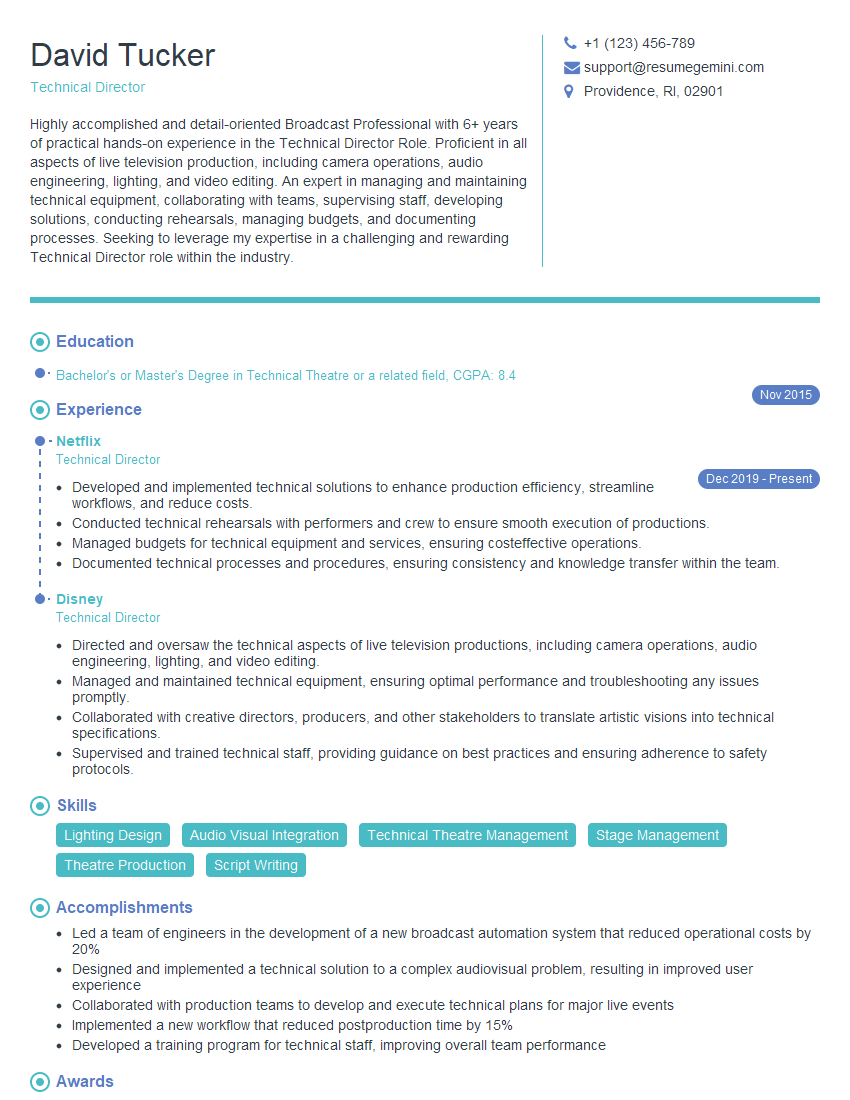
Technical Director Resume Sample
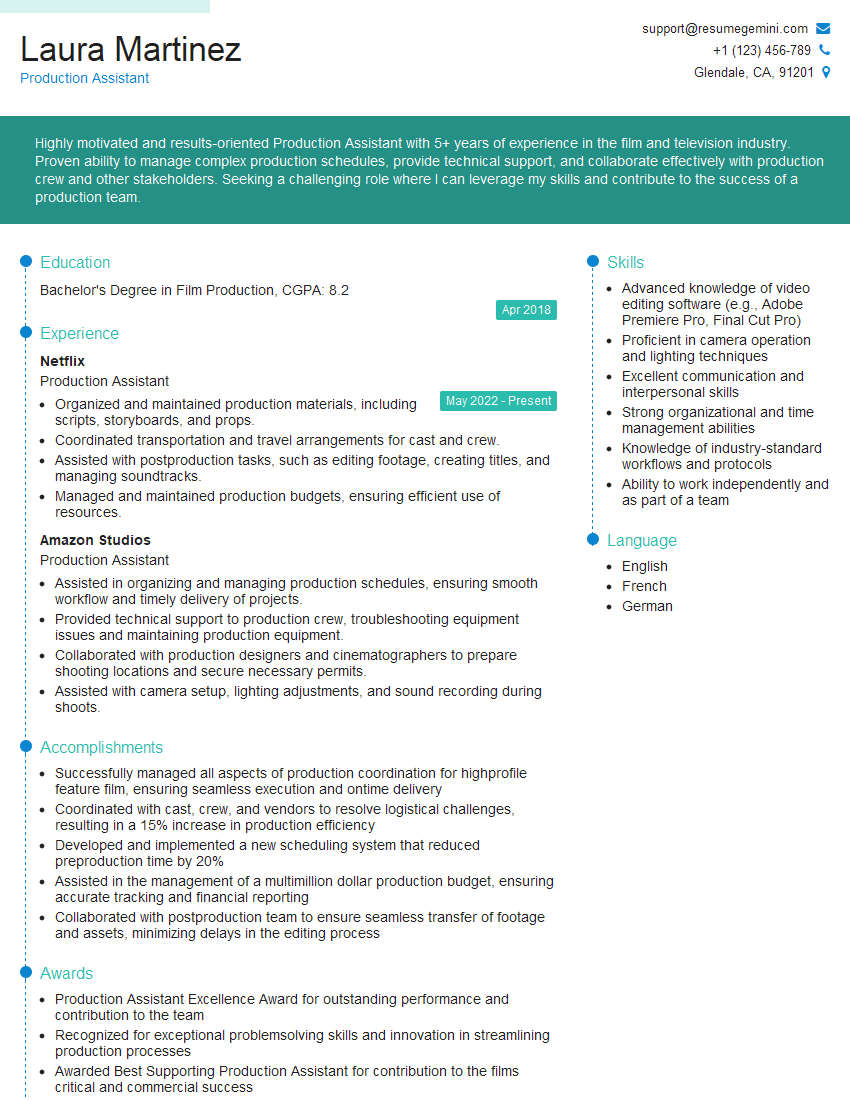
Production Assistant Resume Sample
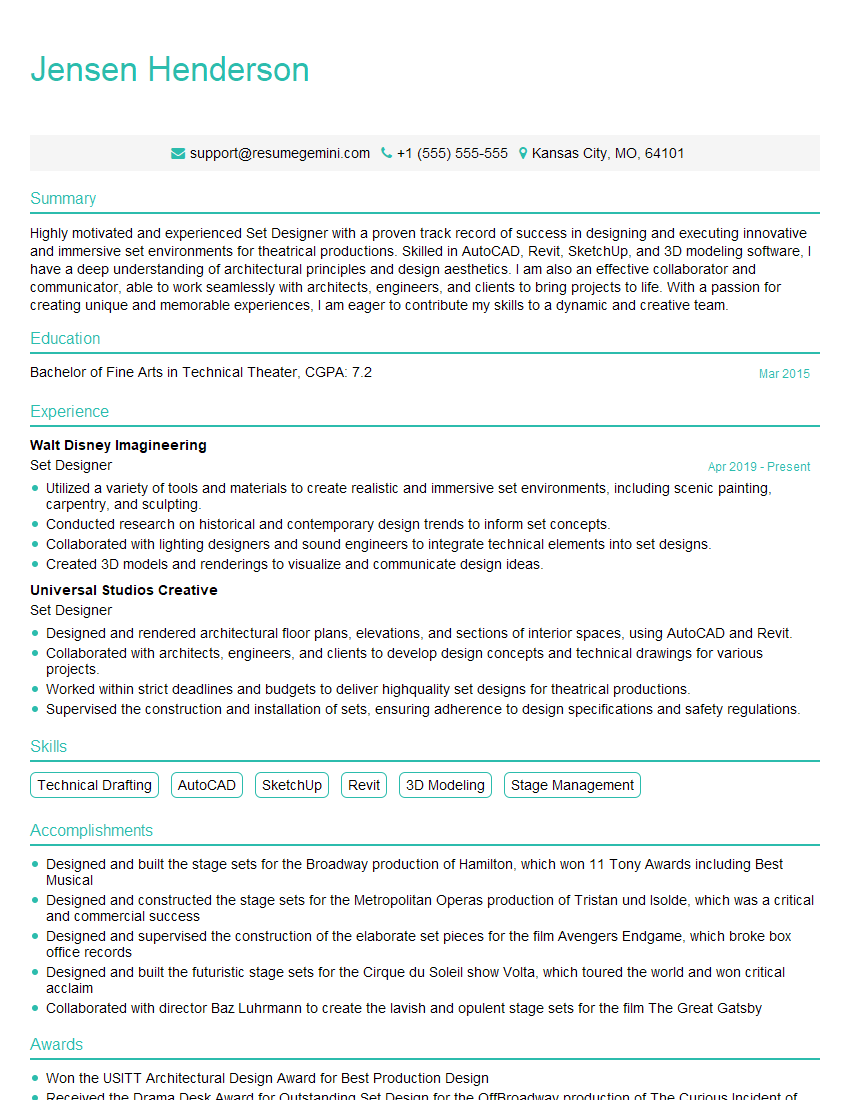
Set Designer Resume Sample
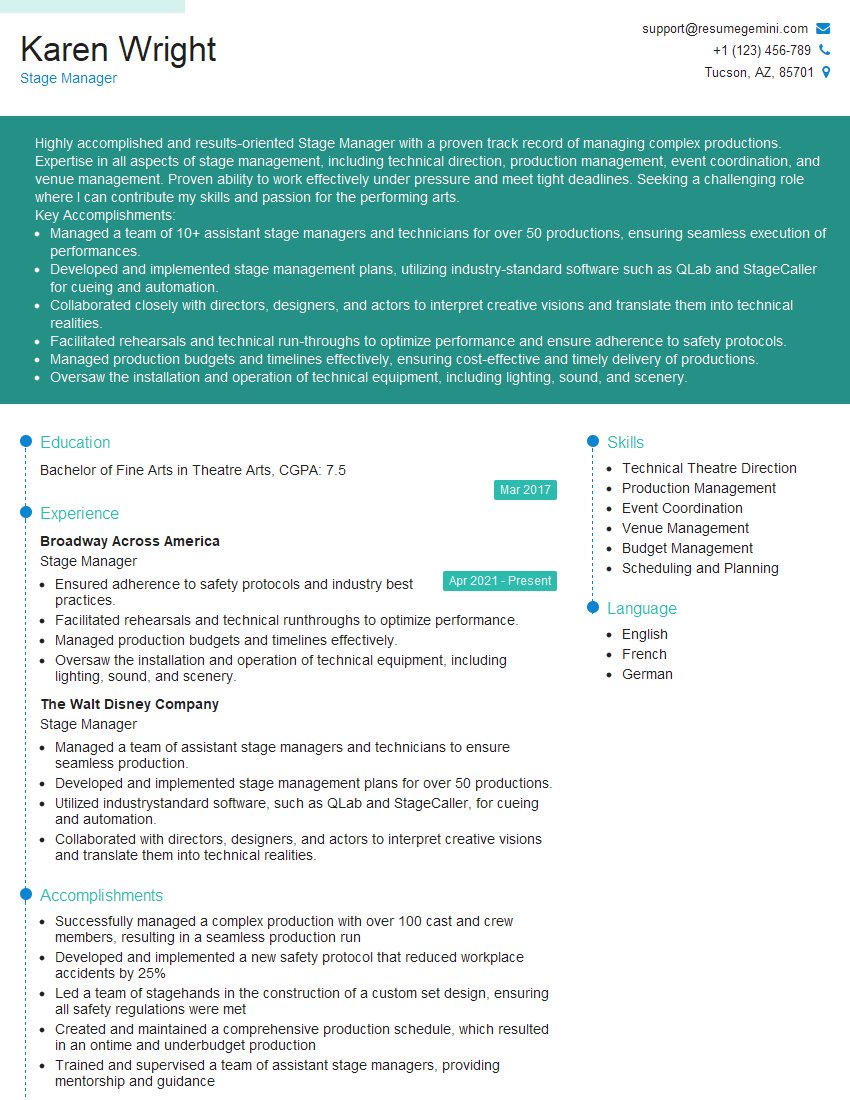
Stage Manager Resume Sample
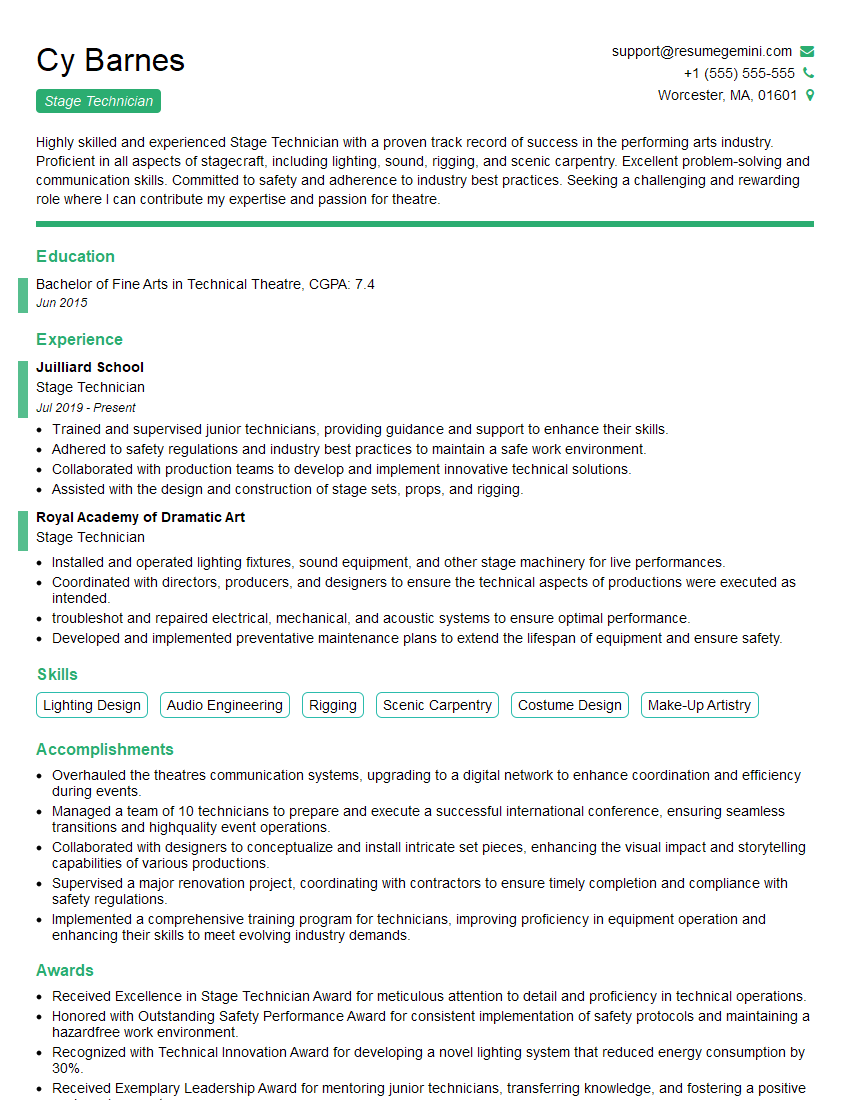
Stage Technician Resume Sample
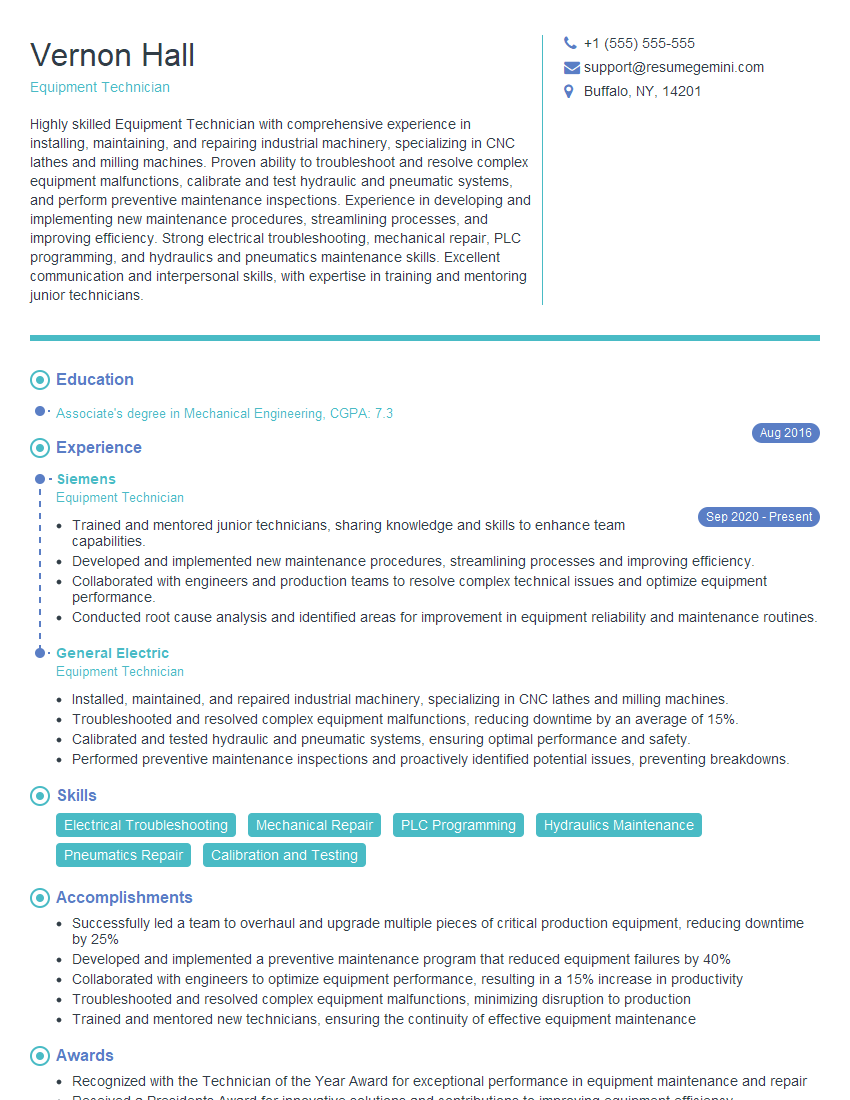
Equipment Technician Resume Sample
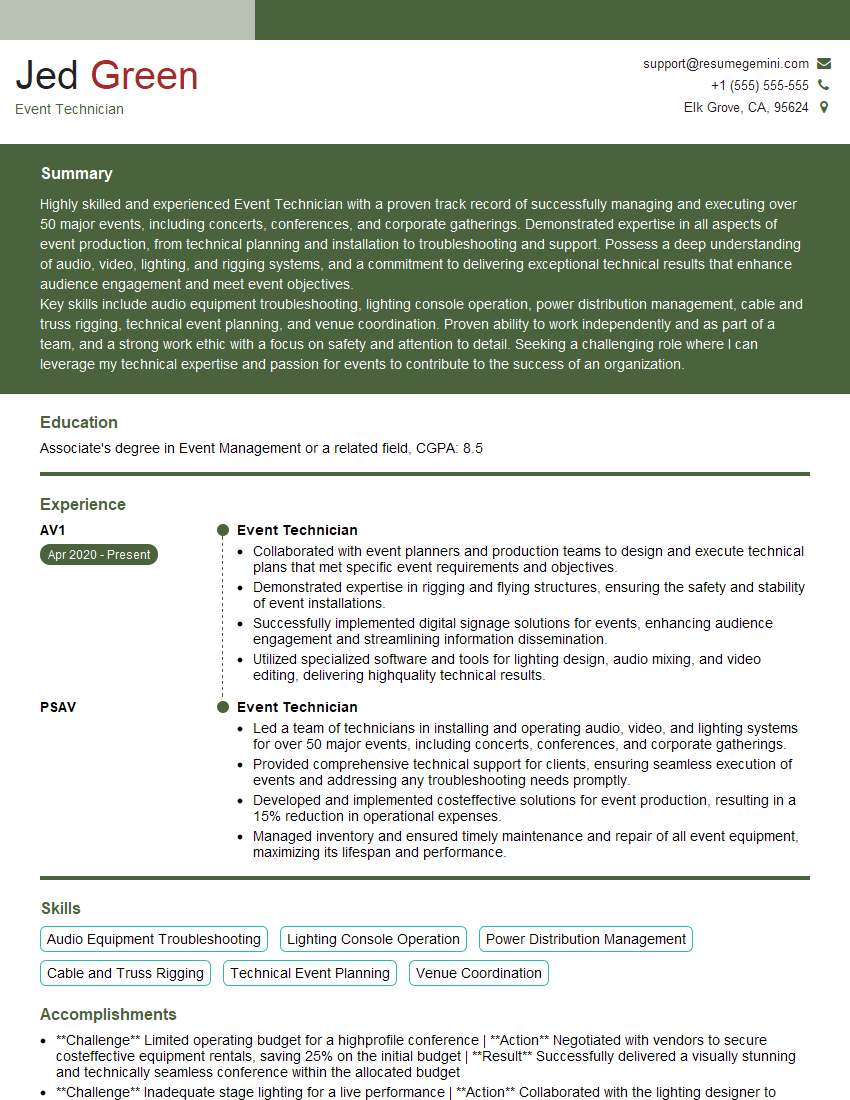
Event Technician Resume Sample
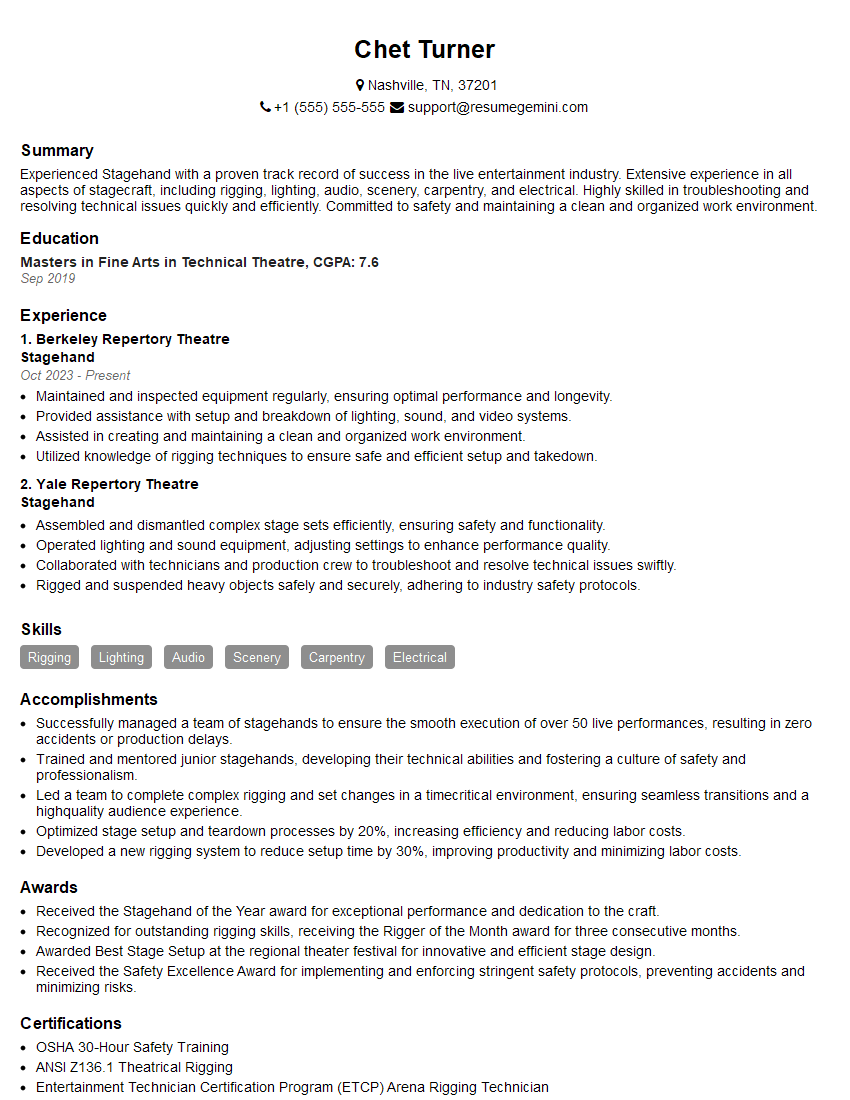
Stagehand Resume Sample
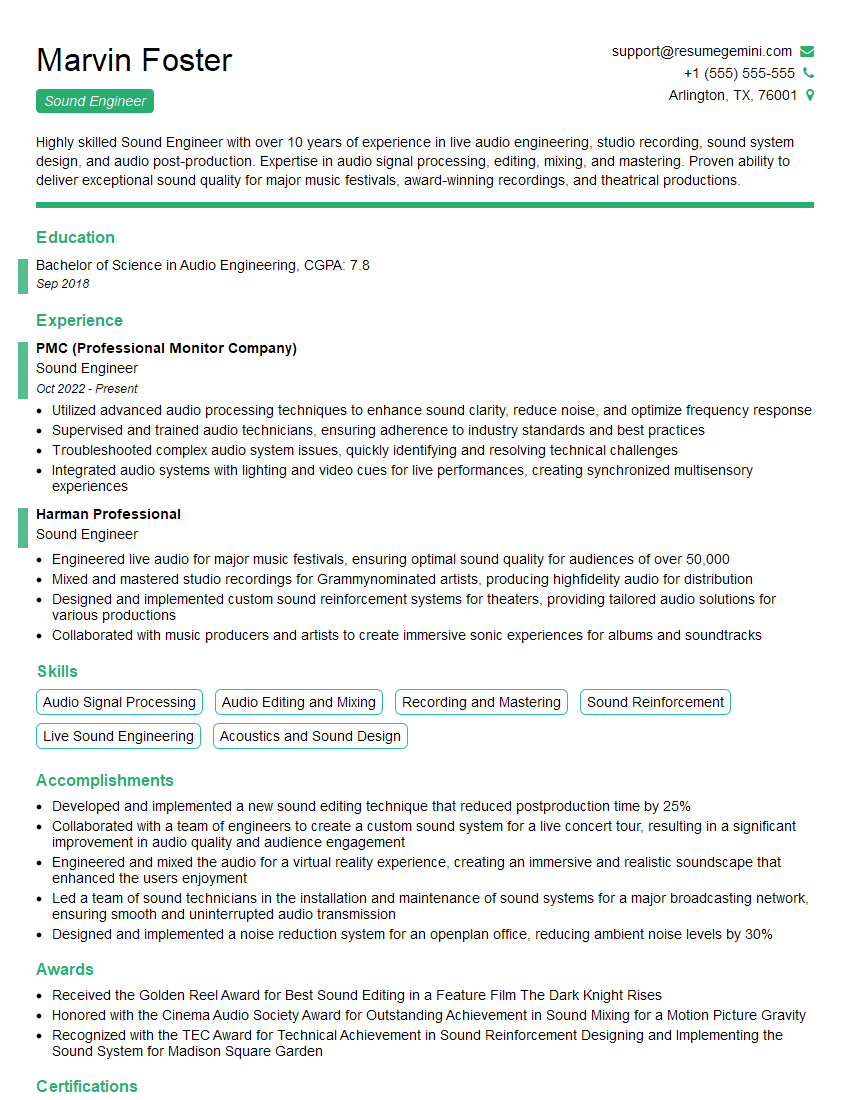
Sound Engineer Resume Sample
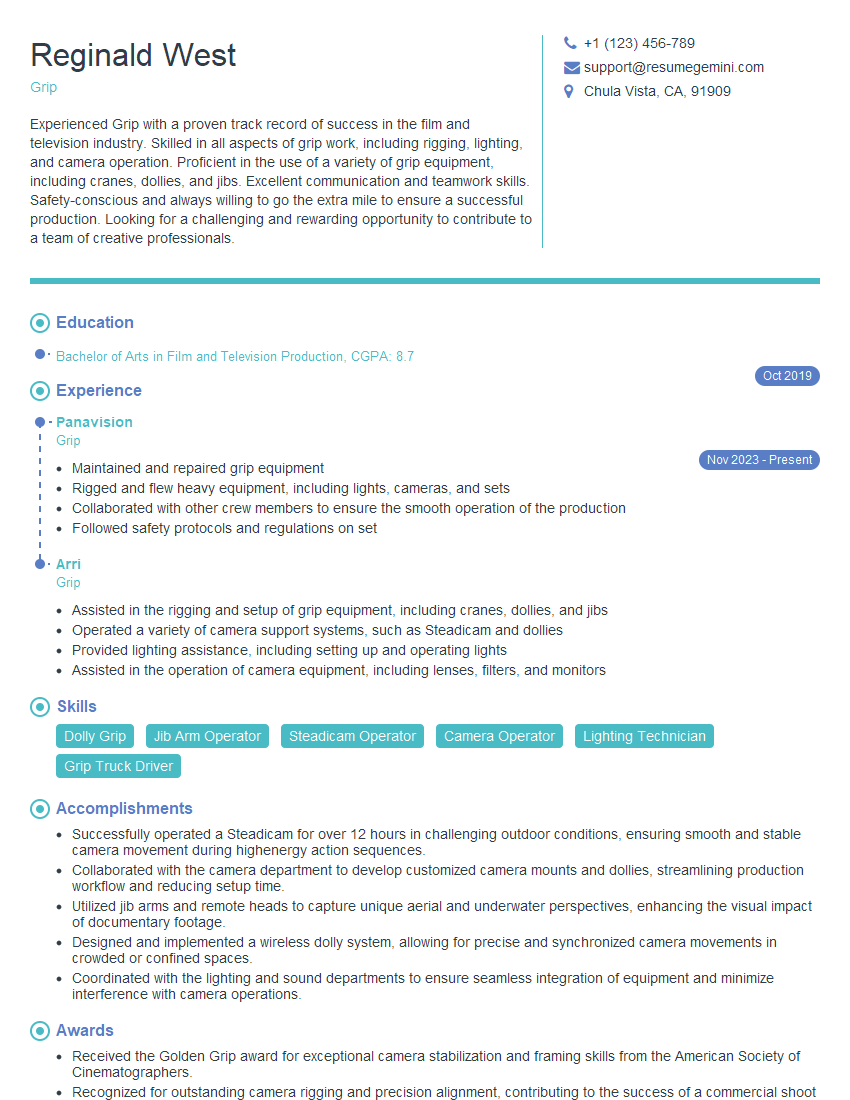
Grip Resume Sample
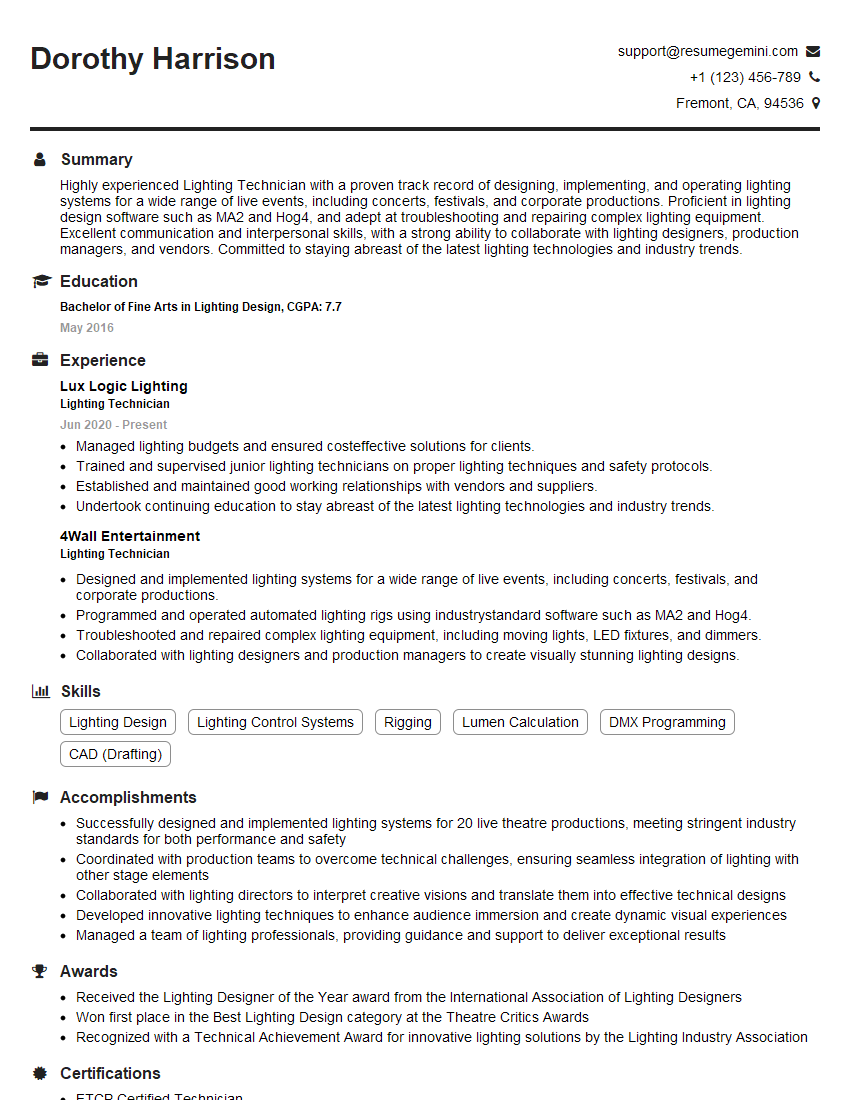
Lighting Technician Resume Sample
Explore more articles
Users Rating of Our Blogs
Share Your Experience
We value your feedback! Please rate our content and share your thoughts (optional).
What Readers Say About Our Blog
Very informative content, great job.
good