Preparation is the key to success in any interview. In this post, we’ll explore crucial Aerospace interview questions and equip you with strategies to craft impactful answers. Whether you’re a beginner or a pro, these tips will elevate your preparation.
Questions Asked in Aerospace Interview
Q 1. Explain the principles of Bernoulli’s principle and its application in aerodynamics.
Bernoulli’s principle states that an increase in the speed of a fluid occurs simultaneously with a decrease in static pressure or a decrease in the fluid’s potential energy.
In simpler terms, imagine holding a piece of paper in front of your mouth and blowing over the top. The air moving faster over the top creates lower pressure, compared to the slower, higher-pressure air beneath. This pressure difference generates an upward force, causing the paper to lift.
In aerodynamics, this principle is crucial for generating lift. Airfoils, the wing-like shapes of aircraft, are designed to accelerate airflow over their curved upper surface. This faster airflow creates lower pressure above the wing, while the slower airflow beneath creates higher pressure. The difference in pressure results in a net upward force, lift, enabling the aircraft to fly.
For instance, the design of airplane wings, with their curved upper surface and flatter lower surface, directly applies Bernoulli’s principle to generate the lift necessary for sustained flight. The principle isn’t the *sole* explanation for lift (circulation effects also play a significant role), but it’s a fundamental part of the understanding.
Q 2. Describe different types of aircraft propulsion systems and their relative advantages and disadvantages.
Aircraft propulsion systems can be broadly categorized into several types:
- Reciprocating Engines: These are piston engines, similar to car engines but often more powerful and robust. They’re simple, reliable, and relatively inexpensive to maintain, but they are less efficient and produce less power per unit weight compared to other options. They are commonly found in smaller aircraft.
- Turboprops: These combine a gas turbine engine with a propeller. The turbine drives a propeller, offering a good balance between efficiency and power. They are efficient at lower speeds and are widely used in regional aircraft and some smaller airliners.
- Turbofans: These use a gas turbine to drive a large fan that accelerates a high volume of air. This results in high thrust and good fuel efficiency, making them ideal for large airliners. Turbofans are the workhorse of modern commercial aviation.
- Turbojets: These gas turbines accelerate a smaller volume of air to very high velocities, producing high thrust at high speeds. They are less fuel-efficient than turbofans at subsonic speeds, so their use is largely limited to supersonic and military aircraft.
- Ramjets: These are air-breathing engines that use the forward motion of the aircraft to compress incoming air. They are incredibly simple and efficient at supersonic speeds, but require a high initial velocity to start operation, making them unsuitable for takeoff or low-speed flight.
- Scramjets: These are a variation of ramjets designed for hypersonic flight. They operate at speeds exceeding Mach 5 and offer potential for very high speeds, but present significant technological challenges due to extreme heat generation.
The choice of propulsion system depends on factors like aircraft size, speed requirements, altitude, mission profile, and fuel efficiency considerations.
Q 3. What are the key differences between subsonic, transonic, supersonic, and hypersonic flight?
The classifications of subsonic, transonic, supersonic, and hypersonic flight are based on the aircraft’s speed relative to the speed of sound:
- Subsonic: Speeds below Mach 1 (approximately 767 mph at sea level). Air behaves predictably, and aerodynamic effects are relatively straightforward to model.
- Transonic: The speed range around Mach 1, where the aircraft transitions from subsonic to supersonic flow. This regime is complex because of mixed subsonic and supersonic airflows, leading to significant aerodynamic challenges like shock waves.
- Supersonic: Speeds above Mach 1. Shock waves become significant, causing substantial drag and heating effects. Specialized designs and materials are required to handle the high forces and temperatures involved. The Concorde is a prime example of supersonic flight.
- Hypersonic: Speeds significantly above Mach 5 (approximately 3835 mph at sea level). These extremely high speeds lead to extreme heating, demanding advanced materials and thermal protection systems. Hypersonic flight presents significant technological challenges and is a current area of intensive research and development.
Each flight regime requires distinct design considerations, including aerodynamics, materials, and propulsion systems. For example, supersonic aircraft need to be structurally reinforced to withstand high stresses and incorporate heat-resistant materials to prevent damage from intense aerodynamic heating.
Q 4. Explain the concept of lift and drag in relation to airfoil design.
Lift and drag are two fundamental aerodynamic forces acting on an airfoil (the wing shape):
- Lift: The upward force perpendicular to the direction of airflow, enabling flight. It’s primarily generated by the pressure difference between the upper and lower surfaces of the airfoil, as described by Bernoulli’s principle and the Kutta-Joukowski theorem (which emphasizes the importance of circulation around the airfoil).
- Drag: The force resisting the motion of the airfoil, parallel to the direction of airflow. It’s composed of several components: pressure drag (caused by pressure differences around the airfoil) and skin friction drag (caused by the air’s viscosity rubbing against the surface).
Airfoil design significantly influences both lift and drag. Factors like the airfoil’s camber (curvature), thickness, and angle of attack (the angle between the airfoil and the incoming airflow) determine the amount of lift generated and the amount of drag experienced. A well-designed airfoil aims to maximize lift while minimizing drag.
For example, a high-lift airfoil might be used for takeoff and landing to generate maximum lift at low speeds, whereas a low-drag airfoil might be preferred for cruising flight to improve fuel efficiency.
Q 5. Describe various methods for reducing aircraft drag.
Reducing aircraft drag is crucial for improving fuel efficiency and increasing range. Several methods are employed:
- Streamlining: Designing the aircraft’s shape to minimize disruption of airflow. This includes smoothing surfaces, reducing protrusions, and using fairings to blend components seamlessly.
- Laminar flow control: Maintaining laminar (smooth) airflow over the wing’s surface for as long as possible. This reduces skin friction drag. Techniques include specialized surface treatments or suction systems to prevent the transition to turbulent flow.
- High-aspect-ratio wings: Longer and narrower wings reduce induced drag (a type of drag associated with lift generation).
- Winglets: Small, upward-curving extensions at the wingtips reduce drag by minimizing wingtip vortices (swirling air masses at the wingtips).
- Improved engine design: Reducing the drag associated with the engines through optimized nacelle (engine housing) designs and minimizing engine intake and exhaust losses.
- Boundary layer control: Manipulating the airflow near the surface of the aircraft to reduce skin friction drag.
The effectiveness of these methods is often dependent on the specific flight regime and aircraft design. A combination of these techniques is usually employed to optimize drag reduction across the entire flight envelope.
Q 6. What are the different types of aircraft structures and their applications?
Aircraft structures are primarily categorized into two main types:
- Monocoque structure: The aircraft’s skin carries the majority of the load. Think of it as a strong shell. It’s lightweight and efficient but can be less resistant to damage.
- Semi-monocoque structure: This combines the skin with internal stringers (longitudinal supports) and frames (circumferential supports) to distribute the load. This provides more strength and stiffness compared to a monocoque structure, allowing for larger aircraft.
Other structural components include:
- Truss structures: Used in early aircraft, these consist of interconnected beams and wires to provide strength. They are less common in modern aircraft.
- Sandwich structures: Employ a core material (like honeycomb) sandwiched between two strong skins. This design offers high strength-to-weight ratios and excellent stiffness.
The choice of structure depends on factors like aircraft size, speed, and mission requirements. For instance, high-speed aircraft often require strong semi-monocoque or sandwich constructions to withstand the increased aerodynamic loads.
Q 7. How do you analyze stress and strain in aerospace structures?
Stress and strain analysis in aerospace structures is crucial for ensuring safety and structural integrity. Finite Element Analysis (FEA) is the primary method used.
FEA is a computational technique that divides the structure into numerous small elements, each with defined material properties. The software solves for stresses and strains in each element under various loading conditions. This allows engineers to determine the critical areas of stress concentration and assess the overall structural response.
The process typically involves:
- Geometric modeling: Creating a 3D model of the structure using CAD software.
- Meshing: Dividing the model into a network of interconnected elements.
- Material property definition: Specifying the mechanical properties (e.g., Young’s modulus, Poisson’s ratio) of the materials used in the structure.
- Load application: Defining the external loads (e.g., aerodynamic forces, weight) acting on the structure.
- Solution: Running the FEA software to solve for stresses and strains in each element.
- Post-processing: Analyzing the results to identify critical areas of high stress and strain, ensuring they remain within safe limits.
Beyond FEA, experimental methods like strain gauges and photoelasticity are also used to validate FEA results and obtain data in specific areas.
Understanding stress and strain is paramount to prevent catastrophic failure. By using FEA and other methods, engineers can design safe and efficient aircraft structures capable of withstanding the rigors of flight.
Q 8. What are the common materials used in aerospace applications and their properties?
Aerospace engineering demands materials with exceptional properties. The choice depends heavily on the specific application – a rocket nozzle requires vastly different materials than an aircraft fuselage. Common materials include:
- Aluminum Alloys: Lightweight, high strength-to-weight ratio, good corrosion resistance. Widely used in aircraft fuselages and wings due to their excellent combination of strength and low density. Think of the iconic Boeing 747 – its structure heavily relies on aluminum alloys.
- Titanium Alloys: Extremely strong, high melting point, excellent corrosion resistance, but expensive. Used in high-temperature applications like engine components, particularly in areas exposed to extreme heat. The SR-71 Blackbird, known for its high-speed flight, used titanium extensively.
- Steel Alloys: High strength, relatively inexpensive, but heavier than aluminum or titanium. Used in landing gear, certain engine components, and other structural elements where high strength and cost-effectiveness are prioritized.
- Carbon Fiber Composites: Extremely high strength-to-weight ratio, stiffness, and fatigue resistance. Used extensively in modern aircraft, spacecraft, and even drones for their lightweight and high-strength characteristics. The Boeing 787 Dreamliner is a prime example of extensive composite material use.
- Ceramic Matrix Composites (CMCs): Exceptional heat resistance, used in high-temperature engine components such as combustor liners and turbine blades. They enable higher engine operating temperatures, leading to improved fuel efficiency and performance.
The selection process often involves trade-offs. For example, while titanium offers superior strength and heat resistance, its cost and difficulty in machining can outweigh its advantages in some applications.
Q 9. Explain the principles of flight control systems.
Flight control systems maintain stability and maneuverability of an aircraft. They use a combination of sensors, actuators, and control logic to respond to pilot inputs and environmental factors. The core principles involve:
- Stability Augmentation: Aircraft are inherently unstable in some flight regimes. Flight control systems actively counteract these instabilities, providing stability and making the aircraft easier to control. This is akin to a self-balancing bicycle – the system constantly makes minute adjustments to maintain equilibrium.
- Pilot Input Translation: The system translates pilot commands (e.g., stick and rudder movements) into control surface deflections (ailerons, elevators, rudder). It ensures the aircraft responds predictably to pilot input.
- Feedback Control: Sensors (e.g., gyroscopes, accelerometers) continuously monitor the aircraft’s attitude and motion. The system uses this feedback to adjust control surface deflections, ensuring the aircraft follows the desired flight path. This is a closed-loop system, constantly monitoring and correcting.
- Redundancy and Fail-Operational Capabilities: Modern systems incorporate redundancy (multiple independent systems) and fail-operational capabilities, ensuring the aircraft remains controllable even in the event of system failures. This is crucial for safety.
Modern flight control systems are often fly-by-wire, meaning the pilot’s commands are electronically transmitted to the actuators, eliminating direct mechanical linkages. This allows for sophisticated control algorithms and enhanced safety features.
Q 10. Describe the role of avionics in modern aircraft.
Avionics, a portmanteau of ‘aviation electronics,’ encompass all electronic systems on an aircraft. They are crucial for navigation, communication, and overall aircraft operation. Key roles include:
- Navigation: GPS, inertial navigation systems (INS), and other navigation sensors provide accurate position and velocity information. This allows for precise flight planning and execution.
- Communication: Air-to-ground and air-to-air communication systems enable pilots to communicate with air traffic control and other aircraft. This is critical for safe and efficient air traffic management.
- Flight Management: Flight management systems (FMS) automate many aspects of flight, including flight planning, navigation, and performance monitoring. This reduces pilot workload and improves efficiency.
- Engine Monitoring: Avionics systems continuously monitor engine performance, providing real-time data to pilots and maintenance crews. Early detection of engine problems can prevent major failures.
- Weather Radar: Detects weather phenomena like storms and turbulence, allowing pilots to avoid hazardous conditions. This is especially important for safety and efficient flight planning.
- Traffic Collision Avoidance System (TCAS): This system alerts pilots to potential collisions with other aircraft, providing critical warnings and aiding in collision avoidance.
The increasing sophistication of avionics has led to significant improvements in safety, efficiency, and passenger comfort in modern aircraft.
Q 11. What are the challenges in designing for extreme temperatures and pressures in aerospace applications?
Designing for extreme temperatures and pressures in aerospace poses significant challenges. Materials must withstand extreme thermal stresses, oxidation, and creep (gradual deformation under sustained stress) at high temperatures. High pressures can lead to structural failure if not properly accounted for.
- Material Selection: Selecting materials with high melting points, excellent thermal shock resistance, and resistance to oxidation is critical. Materials like CMCs and specialized alloys are often employed.
- Thermal Management: Implementing effective thermal management systems is crucial to prevent overheating of critical components. This can involve using insulation, cooling systems, and heat shields.
- Structural Design: Structures must be designed to withstand the combined stresses of high temperatures and pressures. Finite element analysis (FEA) is often used to model and predict the behavior of structures under extreme conditions.
- Testing and Validation: Rigorous testing is essential to verify the performance of materials and structures under extreme conditions. This can involve subjecting components to simulated high-temperature and high-pressure environments.
For instance, designing a rocket nozzle requires careful consideration of the extreme temperatures generated by combustion. The nozzle materials must withstand these temperatures without melting or significant degradation.
Q 12. How do you ensure structural integrity and safety in aerospace design?
Ensuring structural integrity and safety in aerospace design is paramount. It involves a multi-faceted approach combining advanced analysis techniques, rigorous testing, and robust design practices.
- Design for Safety: Adopting a safety-first approach during the design phase is crucial. This involves incorporating safety margins and redundancy into the design to account for uncertainties and potential failures.
- Finite Element Analysis (FEA): FEA is a powerful computational tool used to simulate the behavior of structures under various load conditions. This allows engineers to identify potential weak points and optimize the design for improved strength and safety.
- Fatigue Analysis: Aerospace structures are subjected to cyclic loading during flight, leading to fatigue. Fatigue analysis is critical to predict the lifespan of components and prevent fatigue failures.
- Non-Destructive Testing (NDT): NDT techniques such as ultrasonic testing and radiography are used to inspect components for defects without damaging them. This helps identify flaws that might compromise structural integrity.
- Certification and Regulations: Stringent certification and regulatory processes ensure compliance with safety standards. This involves rigorous testing and documentation to demonstrate the airworthiness of the aircraft.
A failure in structural integrity can have catastrophic consequences. Therefore, thorough analysis, rigorous testing, and adherence to safety regulations are crucial throughout the design and manufacturing process.
Q 13. Explain the concept of flutter and how it’s mitigated.
Flutter is a self-excited vibration that can occur in aircraft structures. It involves an interaction between aerodynamic forces and the elastic properties of the structure, leading to a potentially destructive resonance. Imagine a flag flapping violently in the wind – that’s a simple analogy, albeit on a much smaller scale and with far more serious consequences.
Flutter occurs when the aerodynamic forces on a structure at a particular speed and angle of attack provide energy to the structure, causing it to vibrate at increasing amplitude. This positive feedback loop can lead to catastrophic structural failure if not mitigated.
- Mitigation Strategies: Preventing flutter involves various strategies:
- Aerodynamic Design: Careful design of the aerodynamic surfaces can minimize the susceptibility to flutter. This might involve modifying the shape or adding devices to alter the airflow.
- Structural Stiffening: Increasing the structural stiffness of the aircraft can raise the flutter speed, making it less likely to occur during normal operation.
- Active Flutter Suppression Systems: These systems use sensors to detect the onset of flutter and actuators to actively suppress the vibrations. This is a sophisticated approach that provides a high level of protection.
- Extensive Testing: Wind tunnel testing and flight testing are crucial to identify the flutter speed and verify the effectiveness of flutter mitigation strategies.
Flutter is a serious design consideration because it can lead to catastrophic failure. Therefore, its prevention requires careful design, rigorous analysis, and thorough testing.
Q 14. Describe different types of wind tunnels and their applications.
Wind tunnels are essential tools for aerodynamic testing in aerospace. Different types of wind tunnels cater to specific testing needs.
- Subsonic Wind Tunnels: These tunnels are designed to test models at speeds below the speed of sound. They’re widely used for testing aircraft models, assessing aerodynamic performance, and studying flow separation.
- Transonic Wind Tunnels: These tunnels operate at speeds around the speed of sound, allowing for the study of transonic effects, such as shock waves. They’re crucial for testing aircraft designed to operate at transonic speeds.
- Supersonic Wind Tunnels: These tunnels are used to test models at speeds exceeding the speed of sound. They’re used to study the aerodynamics of supersonic aircraft and missiles.
- Hypersonic Wind Tunnels: These tunnels are capable of generating extremely high speeds, significantly exceeding the speed of sound. They’re essential for testing hypersonic vehicles and spacecraft.
- Cryogenic Wind Tunnels: These tunnels use cryogenic fluids (extremely low temperatures) to simulate high-altitude conditions, which are characterized by low density and low temperatures. This allows for more accurate simulations of flight conditions at high altitudes.
The choice of wind tunnel depends on the speed regime and specific testing requirements. For example, testing a supersonic fighter jet would require a supersonic wind tunnel, while testing a general aviation aircraft might only necessitate a subsonic wind tunnel. Each tunnel type provides valuable data for the design, development, and optimization of aerospace vehicles.
Q 15. What are the key considerations in designing a satellite for a specific mission?
Designing a satellite begins with understanding its mission. Every aspect, from size and weight to power and communication systems, is driven by the specific objectives. For example, a weather satellite needs high-resolution imaging sensors and a stable orbit, while a communication satellite prioritizes powerful transmitters and receivers and a geostationary orbit. Key considerations include:
- Mission Objectives: Defining the primary function (e.g., Earth observation, communication, navigation) dictates the payload, orbit, and overall design.
- Orbit Selection: The choice of orbit (LEO, GEO, MEO) influences factors like launch vehicle selection, mission lifetime, and data transmission characteristics. A low Earth orbit (LEO) might be suitable for Earth observation with frequent revisits, while a geostationary orbit (GEO) is ideal for continuous communication coverage over a specific region.
- Payload Design: This includes the instruments or equipment needed to achieve the mission objective. For a scientific satellite, it might involve spectrometers or telescopes. For a communication satellite, it involves transponders.
- Power System: The satellite needs a reliable power source, usually solar arrays or radioisotope thermoelectric generators (RTGs), sized according to power demand and orbital conditions (e.g., solar irradiance variations).
- Communication System: This ensures data transmission to and from ground stations. The choice depends on the data rate, distance, and other factors.
- Attitude and Orbit Control System (AOCS): Maintaining the satellite’s orientation and position requires thrusters, reaction wheels, and sensors. The complexity depends on the mission requirements.
- Thermal Control: Space experiences extreme temperature variations, so maintaining optimal operating temperatures for all components is crucial.
- Structure and Mechanisms: The satellite needs a robust structure to withstand launch stresses and the harsh space environment. Deployable mechanisms like solar arrays and antennas require careful design and testing.
Let’s consider a hypothetical Earth observation satellite designed to monitor deforestation. Its design would emphasize high-resolution cameras, potentially hyperspectral imaging capabilities, and a sun-synchronous orbit for consistent lighting conditions. The communication system would need to handle large amounts of data efficiently. This is in stark contrast to a small cubesat designed for technology demonstration, which might have less sophisticated sensors and simpler systems.
Career Expert Tips:
- Ace those interviews! Prepare effectively by reviewing the Top 50 Most Common Interview Questions on ResumeGemini.
- Navigate your job search with confidence! Explore a wide range of Career Tips on ResumeGemini. Learn about common challenges and recommendations to overcome them.
- Craft the perfect resume! Master the Art of Resume Writing with ResumeGemini’s guide. Showcase your unique qualifications and achievements effectively.
- Don’t miss out on holiday savings! Build your dream resume with ResumeGemini’s ATS optimized templates.
Q 16. Explain the principles of orbital mechanics.
Orbital mechanics govern the motion of satellites and spacecraft around celestial bodies. It’s based on Newton’s law of universal gravitation and Kepler’s laws of planetary motion. Key principles include:
- Newton’s Law of Universal Gravitation: The force of gravity between two objects is directly proportional to the product of their masses and inversely proportional to the square of the distance between them.
F = G * (m1 * m2) / r^2where G is the gravitational constant, m1 and m2 are the masses, and r is the distance. - Kepler’s Laws:
- First Law (Law of Ellipses): The orbit of a planet (or satellite) is an ellipse with the sun (or Earth) at one of the two foci.
- Second Law (Law of Equal Areas): A line joining a planet and the sun sweeps out equal areas during equal intervals of time.
- Third Law (Law of Harmonies): The square of the orbital period of a planet is directly proportional to the cube of the semi-major axis of its orbit.
T^2 ∝ a^3
- Orbital Elements: These parameters define the shape and orientation of an orbit, including semi-major axis, eccentricity, inclination, right ascension of the ascending node, argument of periapsis, and true anomaly.
- Orbital Maneuvers: Changes in orbit are achieved using thrusters to adjust velocity, altering the orbital parameters. These maneuvers are crucial for station-keeping, rendezvous, and docking operations.
Understanding orbital mechanics is critical for mission planning, launch window determination, and satellite control. For example, a geostationary orbit requires a specific altitude and inclination to maintain a fixed position relative to the Earth’s surface. Precise calculations are needed to ensure satellites reach their desired orbits and stay there.
Q 17. Describe different types of rocket propulsion systems.
Rocket propulsion systems generate thrust to propel spacecraft into orbit. Different types exist, each with its own advantages and disadvantages:
- Chemical Rockets: These are the most common type, using the chemical energy released from the combustion of propellants (e.g., liquid oxygen and kerosene, solid propellants) to generate thrust. They offer high thrust but limited burn time and specific impulse (a measure of fuel efficiency).
- Electric Propulsion: These systems use electricity to accelerate ions or plasma, producing thrust. They offer high specific impulse and long operational life but typically lower thrust levels, suitable for station-keeping and deep-space missions.
- Ion Propulsion: This utilizes electric fields to accelerate ions, providing high specific impulse but low thrust.
- Hall-effect Thrusters: These use a magnetic field to confine and accelerate plasma, offering a good balance between specific impulse and thrust.
- Nuclear Thermal Propulsion (NTP): This uses a nuclear reactor to heat a propellant (usually hydrogen), producing high specific impulse and thrust. It’s currently under development.
- Nuclear Electric Propulsion (NEP): Combines a nuclear reactor with electric propulsion, potentially offering very high specific impulse and longer mission durations.
The choice of propulsion system depends on the mission requirements. For a large, heavy payload requiring a quick ascent to orbit, chemical rockets are usually preferred. For deep-space missions requiring course corrections and long operational life, electric propulsion might be more suitable. The Space Shuttle used a combination of solid rocket boosters (SRBs) for initial ascent and liquid-fueled main engines for sustained thrust.
Q 18. How do you design for radiation and space debris mitigation in spacecraft?
Spacecraft must be designed to withstand the harsh space environment, including radiation and space debris. Mitigation strategies include:
- Radiation Shielding: This protects sensitive electronics from damaging radiation, such as solar flares and cosmic rays. Materials like aluminum, lead, and specialized polymers can be used. The thickness and placement of shielding are carefully optimized based on the mission and radiation environment.
- Space Debris Mitigation: This involves designing spacecraft to minimize the risk of creating more debris and protecting against collisions. Strategies include using redundant systems to avoid catastrophic failures, designing for end-of-life disposal (e.g., controlled deorbiting), and incorporating shielding against small debris impacts.
- Redundancy and Fault Tolerance: Using multiple systems in parallel helps to ensure mission success even if one system fails. This improves resilience against both radiation damage and debris impacts.
- Material Selection: Choosing radiation-hardened components and materials resistant to extreme temperature fluctuations and micrometeoroid impacts is crucial.
- Orbit Selection: Choosing a less cluttered orbit can reduce the risk of collisions. Active debris removal techniques are also being explored.
For example, the Hubble Space Telescope has been upgraded and repaired several times, demonstrating the importance of redundancy and maintainability. Designing for end-of-life disposal ensures that satellites don’t become long-term space debris. The International Space Station, with its numerous safety features and redundancy in systems, showcases the extent of mitigation efforts.
Q 19. What are the key aspects of spacecraft thermal control?
Spacecraft thermal control maintains the operating temperature of components within acceptable limits. This is vital because extreme temperatures can damage electronics and other systems. Key aspects include:
- Heat Sources: Identifying and quantifying heat sources within the spacecraft, such as electronics, solar arrays, and radioactive decay.
- Heat Sinks: Using materials and design features that effectively dissipate heat, such as radiators, heat pipes, and cold plates.
- Insulation: Minimizing heat transfer to or from the spacecraft using materials like multi-layer insulation (MLI) that reflect or absorb heat radiation.
- Active Thermal Control: Using heaters or coolers to adjust the temperature of specific components as needed. This often includes thermoelectric coolers or heaters.
- Passive Thermal Control: Relying on the spacecraft’s design and materials to manage temperature variations without active components. This is often the preferred approach for simplicity and reliability.
- Thermal Modeling and Analysis: Using computer simulations to predict the thermal behavior of the spacecraft under various conditions. This helps optimize the design for effective thermal control.
For example, the James Webb Space Telescope uses a large sunshield to protect its sensitive instruments from solar radiation. The choice of materials and design features is crucial in maintaining the telescope’s extremely low operating temperature. Thermal modeling helps predict temperature distributions and inform the selection of thermal control methods.
Q 20. Explain the role of telemetry and data acquisition in space missions.
Telemetry and data acquisition (T&DA) are crucial for monitoring and controlling spacecraft during a mission. Telemetry involves transmitting data from the spacecraft to ground stations, while data acquisition involves collecting data from various sensors and systems on board.
- Telemetry Transmission: Data, including spacecraft health parameters, sensor readings, and scientific data, is transmitted using radio waves. Antenna design, frequency selection, and error correction codes are crucial factors.
- Data Acquisition: Sensors and instruments collect data related to the spacecraft’s condition and the mission’s objectives. This data is then processed and formatted for transmission.
- Ground Station Network: A network of ground stations receives telemetry data, processes it, and distributes it to mission scientists and engineers.
- Data Processing and Analysis: Received data undergoes processing and analysis to extract meaningful information about the spacecraft’s performance and the mission’s success.
- Command and Control: Ground control uses telemetry data to monitor the spacecraft and issue commands for adjustments, maneuvers, or instrument operations.
Real-time telemetry data is essential for detecting anomalies and making timely interventions. For example, if a satellite’s power system starts malfunctioning, the telemetry data will alert ground control to take corrective action. The analysis of scientific data acquired from a planetary probe enables researchers to study the target body’s composition and characteristics.
Q 21. Describe different types of navigation systems used in aircraft and spacecraft.
Aircraft and spacecraft use various navigation systems to determine their position and orientation:
- Inertial Navigation Systems (INS): These use accelerometers and gyroscopes to measure acceleration and rotation, integrating this information over time to calculate position and velocity. They are self-contained but prone to drift over time. Aircraft use INS extensively for short periods, with GPS corrections.
- Global Navigation Satellite Systems (GNSS): These use constellations of satellites to provide precise position, velocity, and time information. GPS (USA), Galileo (EU), GLONASS (Russia), and BeiDou (China) are prominent examples. Both aircraft and spacecraft rely heavily on GNSS for navigation, though GNSS signal reception can be challenging in some cases (e.g., spacecraft far from Earth).
- Celestial Navigation: This involves observing celestial bodies (stars, sun, moon) to determine position. It’s primarily used by spacecraft in deep space where GNSS is not reliable. It’s less accurate than GNSS but doesn’t depend on external signals.
- Star Trackers: These optical sensors determine the spacecraft’s attitude (orientation) by identifying and tracking stars. They are crucial for spacecraft attitude control and autonomous navigation.
- Radio Navigation: This uses signals from ground-based or satellite-based beacons to determine range and bearing. Examples include VOR/ILS for aircraft and ranging systems for spacecraft.
Aircraft typically use a combination of INS and GNSS, with GNSS providing accurate position updates and INS providing continuous data during periods of GNSS signal loss. Spacecraft navigation depends heavily on the mission profile; deep-space probes often rely on celestial navigation, while Earth-orbiting satellites utilize GNSS more extensively. The Mars rovers, for instance, use a combination of inertial measurement, odometry, and image processing for navigation.
Q 22. What are the challenges of designing for human factors in aerospace systems?
Designing for human factors in aerospace is paramount, as it directly impacts pilot performance, crew safety, and overall system effectiveness. The challenges are multifaceted and stem from the extreme environments and high-stakes nature of aerospace operations.
- Physiological Stress: High altitudes, rapid acceleration, and extreme temperatures affect human physiology. Designing cockpits to mitigate these effects, like providing optimal climate control and G-force protection, is crucial. For example, designing seats that minimize back strain during prolonged periods of high G-forces is a key consideration.
- Cognitive Load: Pilots and crew must manage complex systems and make critical decisions under pressure. Designing intuitive interfaces with minimal cognitive workload is vital to avoid errors. For instance, designing a flight control system where vital information is easily accessible and presented clearly without cluttering the pilot’s attention is critical. This often involves extensive human-computer interaction studies.
- Human Error Mitigation: Human error is inevitable. Designing systems with built-in safeguards, such as redundancy and automated checks, is essential to prevent catastrophic failures. A simple example is the inclusion of multiple independent systems for monitoring critical flight parameters, providing backup in case of a single system failure.
- Accessibility and Inclusivity: Ensuring designs accommodate individuals with diverse physical capabilities and limitations is becoming increasingly important. This may involve adapting controls for people with reduced dexterity or providing clear visual cues for individuals with visual impairments.
Addressing these challenges requires a human-centered design approach, involving extensive user testing and iterative design refinement. It’s not simply about fitting people into machines; it’s about creating systems that are seamlessly integrated with human capabilities and limitations.
Q 23. Explain the importance of redundancy and fault tolerance in aerospace systems.
Redundancy and fault tolerance are critical in aerospace systems because even a small failure can have catastrophic consequences. Redundancy means having multiple independent systems performing the same function. Fault tolerance refers to the system’s ability to continue operating despite component failures.
Imagine a critical flight control system. If it fails, the consequences could be devastating. A redundant system ensures that if one component fails, a backup immediately takes over. This might involve using two separate computers with independent sensors and actuators, both capable of controlling the flight surfaces. They might use different technologies to minimize the chance of both systems failing simultaneously due to the same underlying cause.
Fault tolerance goes beyond simple redundancy; it involves designing the system to gracefully handle failures. This can include:
- Error detection and isolation: Systems can detect when a component is failing and isolate it from the rest of the system.
- Self-healing capabilities: Some systems can automatically reconfigure themselves around failed components.
- Fail-safe mechanisms: In case of a complete system failure, fail-safe mechanisms ensure that the aircraft enters a safe state, such as a controlled descent.
The level of redundancy and fault tolerance required depends on the criticality of the system. A life-critical system, like the flight control system, demands a much higher degree of redundancy than a non-critical system, like cabin lighting.
Q 24. Describe your experience with CAD/CAM software in aerospace design.
My experience with CAD/CAM software in aerospace design spans over a decade, encompassing a wide range of applications from preliminary design to detailed manufacturing. I’ve been proficient in utilizing software packages such as CATIA, NX, and SolidWorks.
In the preliminary design phase, I leveraged CATIA’s parametric modeling capabilities for rapid prototyping and design exploration. I can give a specific example, where we were designing a new wing for a UAV, and through CATIA’s parametric functions, I was able to quickly explore different wingspan, airfoil, and sweep angles while simultaneously evaluating their aerodynamic performance via integrated simulations, ultimately leading to optimized design selection.
For detailed design, my expertise includes utilizing NX’s advanced surface modeling and assembly capabilities to create highly accurate 3D models of complex aerospace components. This included the design of intricate internal structures for an aircraft engine nacelle, requiring precise tolerances and surface quality, which were achieved using NX’s advanced features. I’ve also worked extensively with SolidWorks in team settings to collaboratively design smaller components. Its user-friendly interface allowed for efficient collaboration, leading to rapid prototyping and testing.
Furthermore, my experience extends to CAM software, specifically within NX CAM. I’ve programmed CNC machines for manufacturing complex aerospace components, ensuring accurate toolpaths and efficient machining strategies. This ensures the transition from digital design to physical parts is seamless and optimized for manufacturing efficiency.
Q 25. How do you conduct Finite Element Analysis (FEA) in aerospace applications?
Finite Element Analysis (FEA) is a crucial tool for evaluating the structural integrity of aerospace components and systems. It involves dividing a complex structure into smaller, simpler elements, solving the equations of equilibrium for each element and then combining the results to determine the overall behavior of the structure under load.
In aerospace applications, FEA is used to analyze various aspects such as stress, strain, deflection, and vibration modes. For instance, when designing an aircraft wing, FEA is used to determine how the wing will respond to aerodynamic loads, ensuring the wing doesn’t fail under stress.
My approach to conducting FEA typically involves these steps:
- Geometry Creation: Creating a 3D model of the component using CAD software. Accuracy here is crucial; any inaccuracies in the model will be reflected in the analysis results.
- Meshing: Dividing the 3D model into a mesh of smaller elements. The mesh density needs to be carefully considered; a finer mesh provides greater accuracy but increases computational cost.
- Material Properties Definition: Defining the material properties of the component, such as Young’s modulus, Poisson’s ratio, and yield strength. These properties are often temperature-dependent, especially in aerospace applications.
- Boundary Conditions: Defining the loads, constraints, and boundary conditions acting on the component. This might include aerodynamic loads, thermal loads, and structural supports.
- Solver Selection: Choosing an appropriate solver for the analysis, based on the complexity of the model and the type of analysis required (static, dynamic, nonlinear, etc.).
- Post-processing and Interpretation: Analyzing the results to determine the stress, strain, and deflection of the component. This usually involves visualizing stress contours and creating reports to communicate the findings to the design team.
Software like ANSYS, ABAQUS, and Nastran are commonly used for aerospace FEA.
Q 26. Explain your experience with Computational Fluid Dynamics (CFD) simulations.
Computational Fluid Dynamics (CFD) simulations are instrumental in optimizing the aerodynamic performance of aerospace vehicles. CFD uses numerical methods to solve the Navier-Stokes equations, which govern fluid flow. This allows engineers to predict how air will flow around an aircraft, providing critical data for design improvements.
My experience with CFD spans various aerospace applications, including aircraft design, propulsion systems, and wind turbine analysis. I’m proficient in using commercial CFD software packages such as ANSYS Fluent and OpenFOAM.
A recent project involved optimizing the aerodynamics of a UAV. Using ANSYS Fluent, we simulated the airflow around different wing designs. The simulation provided data on lift, drag, and pressure distribution, which helped us optimize the wing shape to minimize drag and maximize lift. We also used the data to identify and correct areas of flow separation that could negatively affect performance.
My CFD workflow usually includes these steps:
- Geometry Preparation: Creating a high-quality 3D model of the geometry that is suitable for meshing and fluid flow analysis.
- Mesh Generation: Creating a mesh of the computational domain. Proper mesh design is important for accuracy and computational efficiency.
- Boundary Conditions: Defining the inlet and outlet conditions, wall conditions, and any other relevant boundary conditions.
- Solver Setup: Selecting the appropriate turbulence model, discretization schemes, and solution methods.
- Simulation Run: Running the simulation and monitoring its progress.
- Post-Processing and Analysis: Analyzing the simulation results to extract relevant data, such as lift, drag, pressure distribution, and velocity fields.
CFD is an iterative process, often requiring multiple simulations with different parameters to reach an optimal design. The results allow for informed design decisions, minimizing costly wind tunnel testing and ensuring optimal performance.
Q 27. Describe your experience in aerospace testing and validation.
Aerospace testing and validation is crucial for ensuring the safety and reliability of aerospace systems. It’s a rigorous process that involves a series of tests to verify that the system meets its design requirements and performs as expected. This process spans various levels, from component-level testing to full-scale flight testing.
My experience in aerospace testing and validation encompasses various methodologies. This includes:
- Component-level testing: Testing individual components, like sensors, actuators, and control systems, to ensure they function correctly and meet their specifications. This might involve environmental tests (temperature, vibration, pressure) or functional tests that simulate their expected operating conditions.
- System-level testing: Testing integrated systems, such as flight control systems, to ensure that all components work together as expected. This often involves simulating flight conditions in a laboratory setting or using a hardware-in-the-loop simulation.
- Environmental testing: Exposing components and systems to extreme environmental conditions such as high and low temperatures, high altitude, vibration, and humidity, to ensure their durability and reliability.
- Flight testing: Testing the complete aircraft in flight. This involves a series of test flights that progressively challenge different aspects of the aircraft’s performance, including stability, control, and performance in various flight regimes. Data is collected and compared to simulation results to ensure design validation.
Data acquisition and analysis are critical throughout the testing process. Sophisticated instrumentation and data logging systems are used to collect a large amount of data, and statistical methods are employed to analyze the data and validate design requirements. The testing process is iterative and results often feed back into the design process, leading to further improvements. The rigor of this process is essential for ensuring the safety and reliability of aerospace systems.
Q 28. What are your strategies for managing complex aerospace projects?
Managing complex aerospace projects requires a structured approach and strong leadership skills. The key is to effectively coordinate various teams and disciplines, ensuring the project stays on schedule and within budget. My strategies include:
- Work Breakdown Structure (WBS): Breaking down the project into smaller, manageable tasks. This provides a clear overview of the project scope and allows for better tracking of progress.
- Critical Path Method (CPM): Identifying the critical path – the sequence of tasks that determine the project’s overall duration. This helps identify potential bottlenecks and allows for proactive mitigation strategies.
- Risk Management: Identifying and assessing potential risks, developing mitigation plans, and regularly monitoring for emerging risks. This helps avoid delays and cost overruns.
- Communication and Collaboration: Establishing clear communication channels and fostering collaboration among different teams, including engineering, manufacturing, and testing. Regular meetings, progress reports, and transparent communication are crucial. I frequently use collaboration tools and project management software to streamline this process.
- Change Management: Establishing a process for managing changes to the project scope. This includes documenting changes, assessing their impact, and obtaining approvals before implementing them. This ensures that all changes are properly documented and tracked.
- Agile methodologies: Incorporating agile methodologies into the project management approach. This allows for flexibility and adaptability to changing requirements. This approach necessitates iterative development and frequent review cycles to identify and respond to deviations early in the project lifecycle.
Effective project management in aerospace requires a strong emphasis on safety and quality. Regular reviews, quality checks, and adherence to industry standards are critical throughout the project lifecycle. Building a strong team with skilled individuals and fostering a positive and collaborative work environment are essential for project success.
Key Topics to Learn for Your Aerospace Interview
- Aerodynamics: Understand fundamental principles like lift, drag, and thrust. Explore applications in aircraft design and performance analysis. Consider delving into computational fluid dynamics (CFD) and wind tunnel testing methodologies.
- Propulsion Systems: Familiarize yourself with different types of engines (e.g., jet engines, rocket engines). Understand their operating principles, performance characteristics, and limitations. Explore the practical application of thermodynamic cycles and combustion processes.
- Aircraft Structures and Materials: Learn about the structural design of aircraft, focusing on stress analysis, fatigue, and failure mechanisms. Explore the properties and applications of various aerospace materials (e.g., composites, alloys). Consider researching Finite Element Analysis (FEA) techniques.
- Flight Mechanics and Control: Grasp the principles of flight dynamics and aircraft control systems. Understand stability and control derivatives, and explore autopilot systems and flight control laws. Consider researching flight simulation and modelling.
- Avionics and Navigation: Familiarize yourself with aircraft instrumentation, navigation systems (GPS, inertial navigation), and communication systems. Explore the principles of flight management systems and air traffic control.
- Space Systems Engineering: For space-related roles, understand orbital mechanics, spacecraft design, and mission planning. Explore topics like attitude determination and control, propulsion systems for spacecraft, and planetary exploration.
Next Steps: Launch Your Aerospace Career
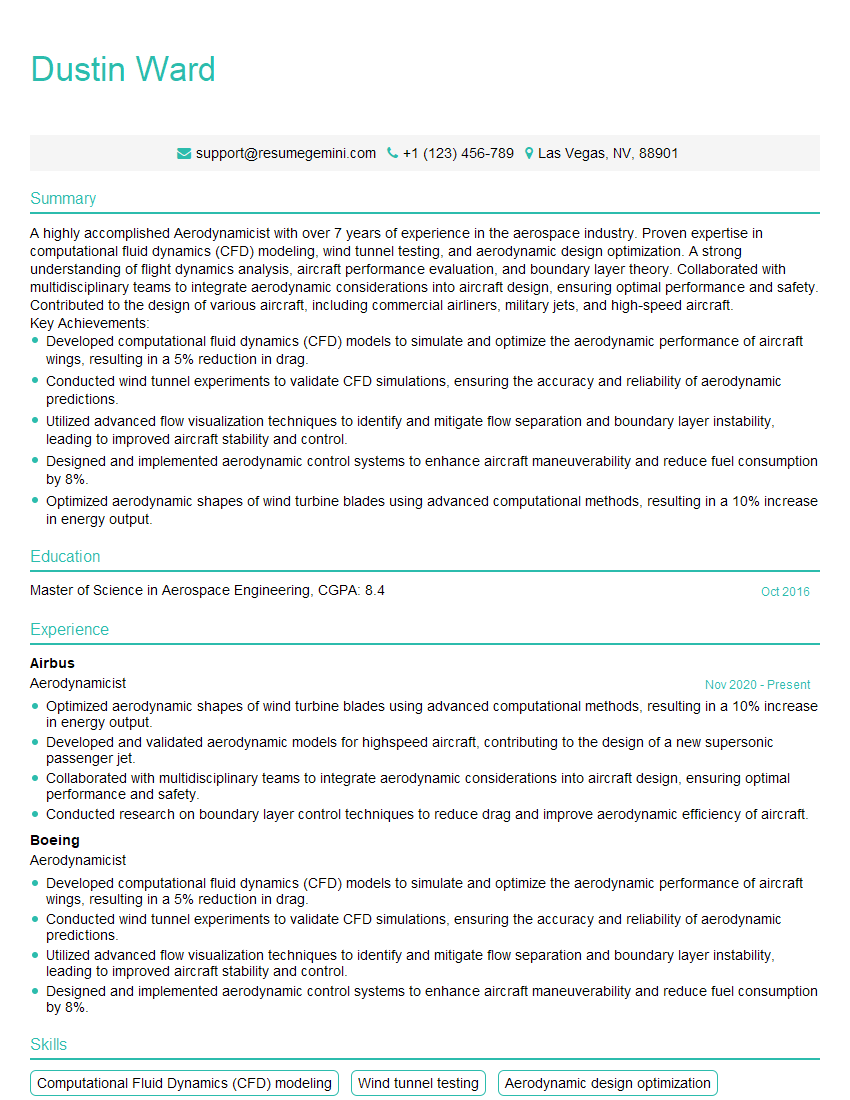
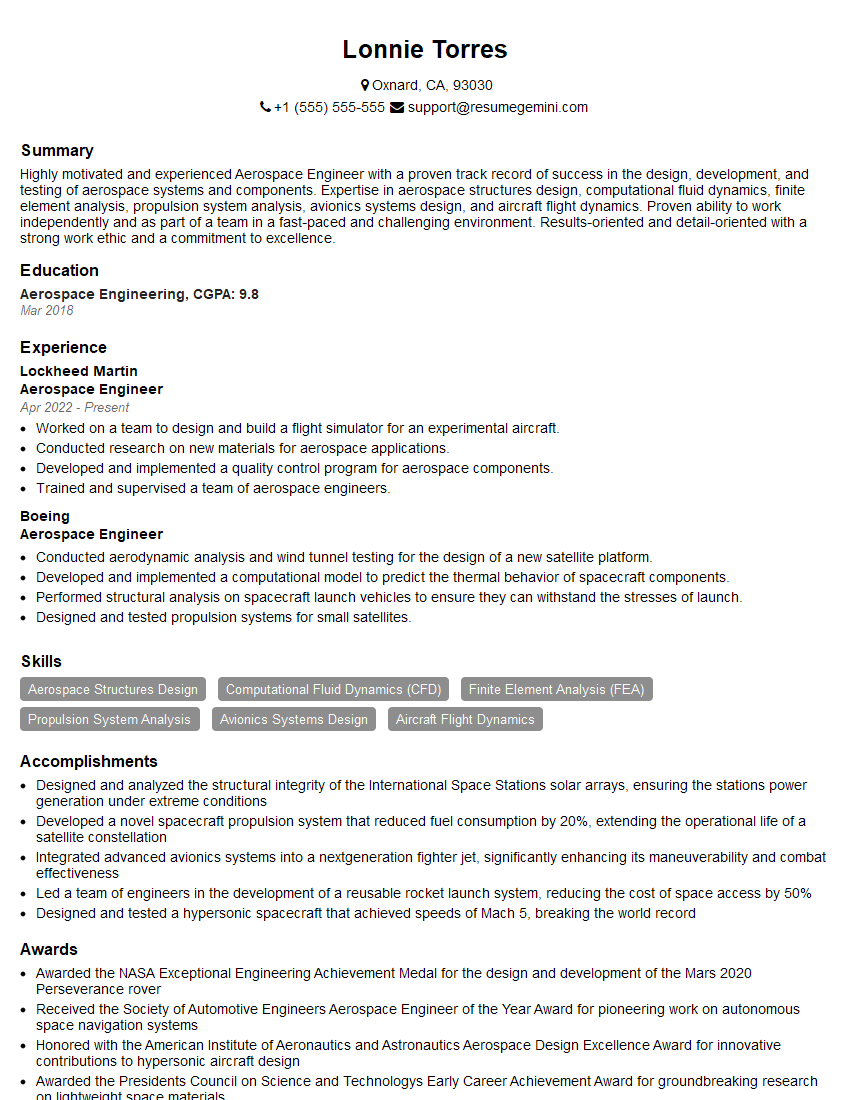
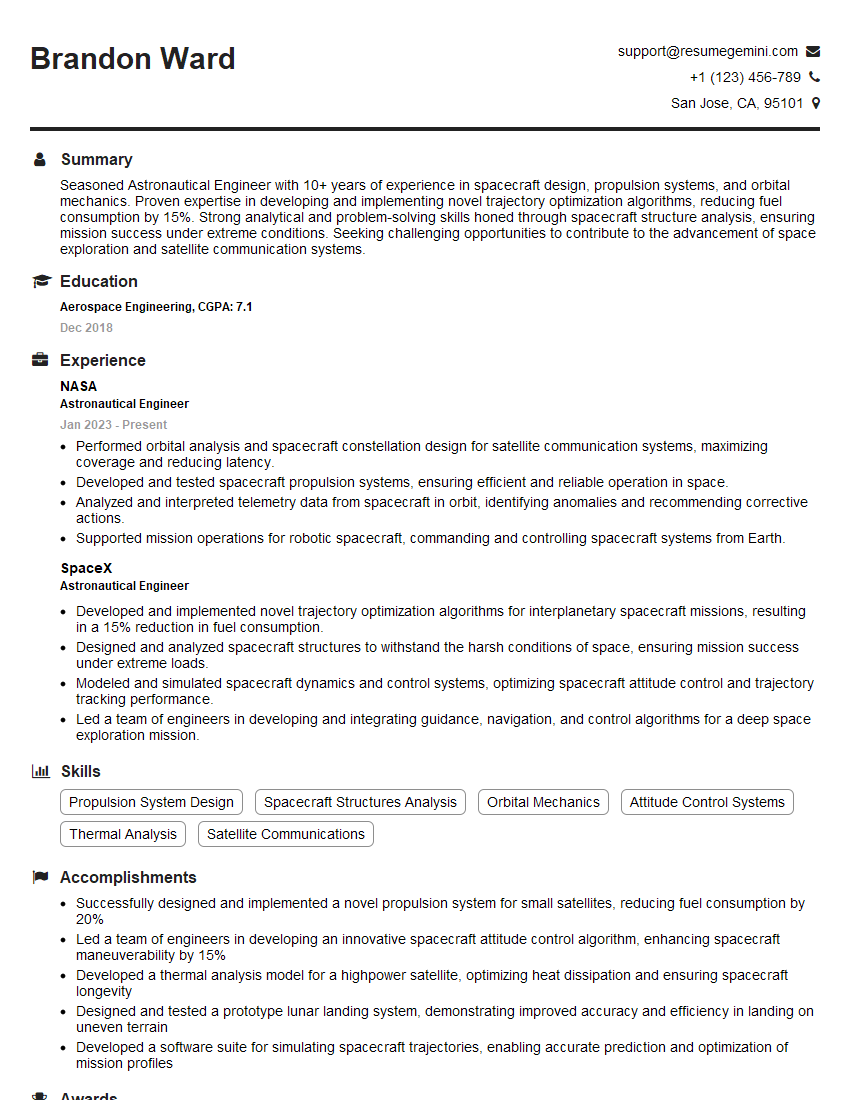
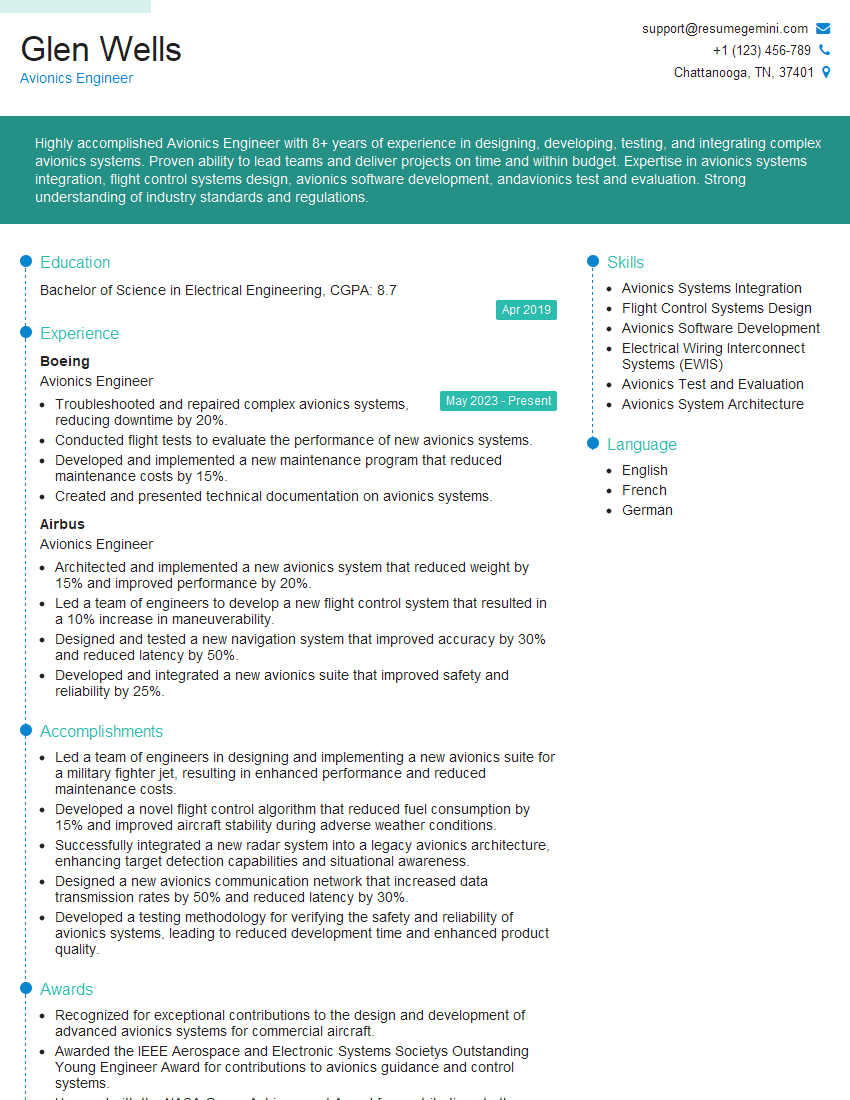
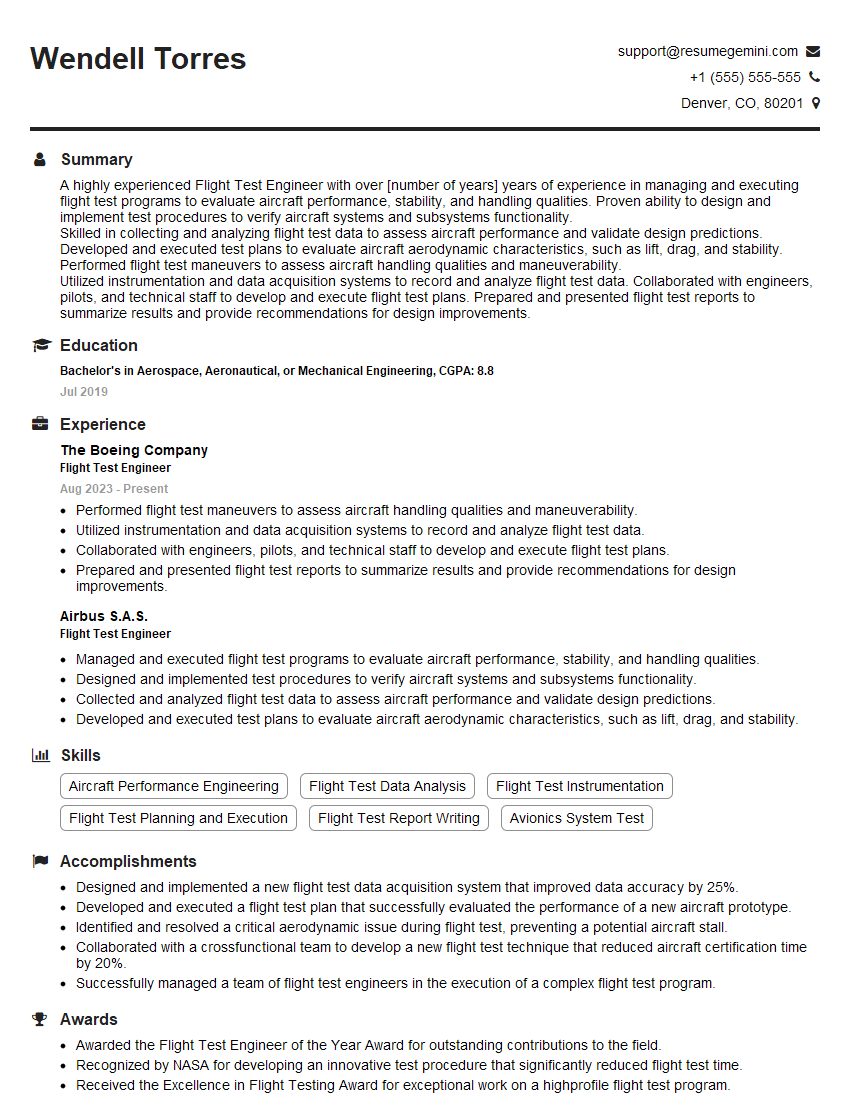
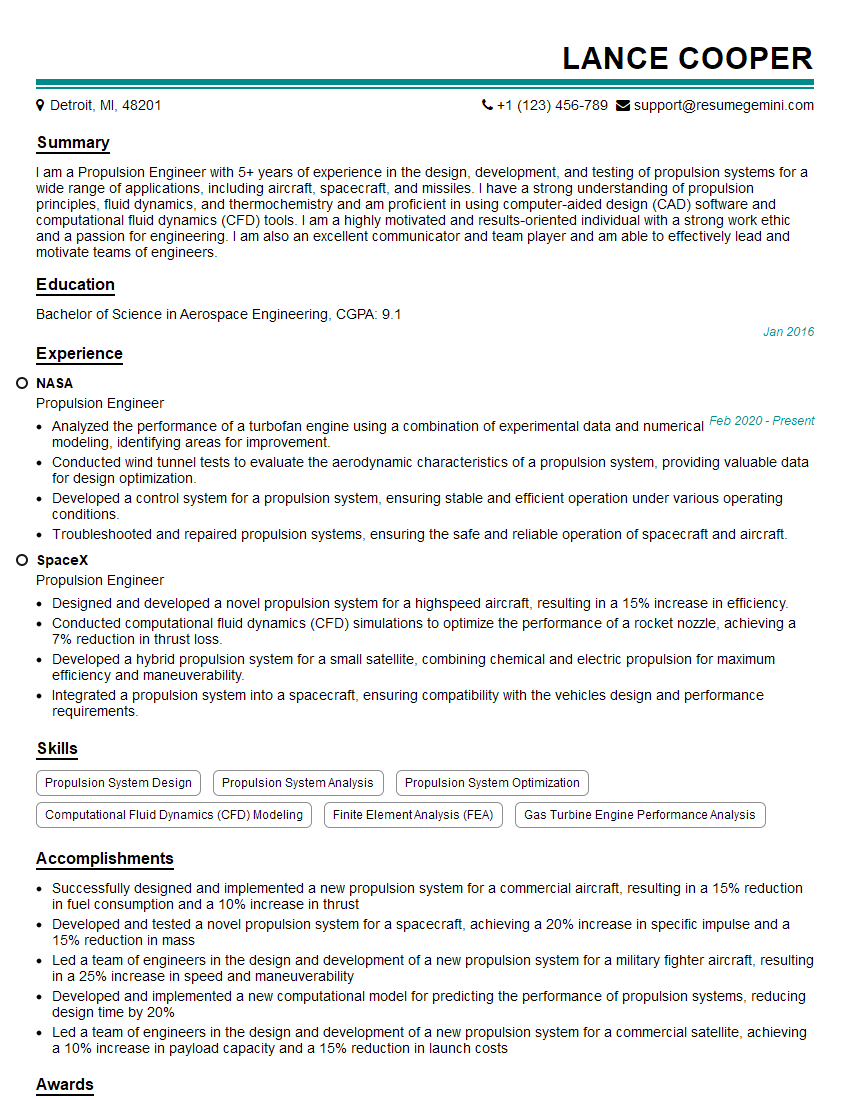
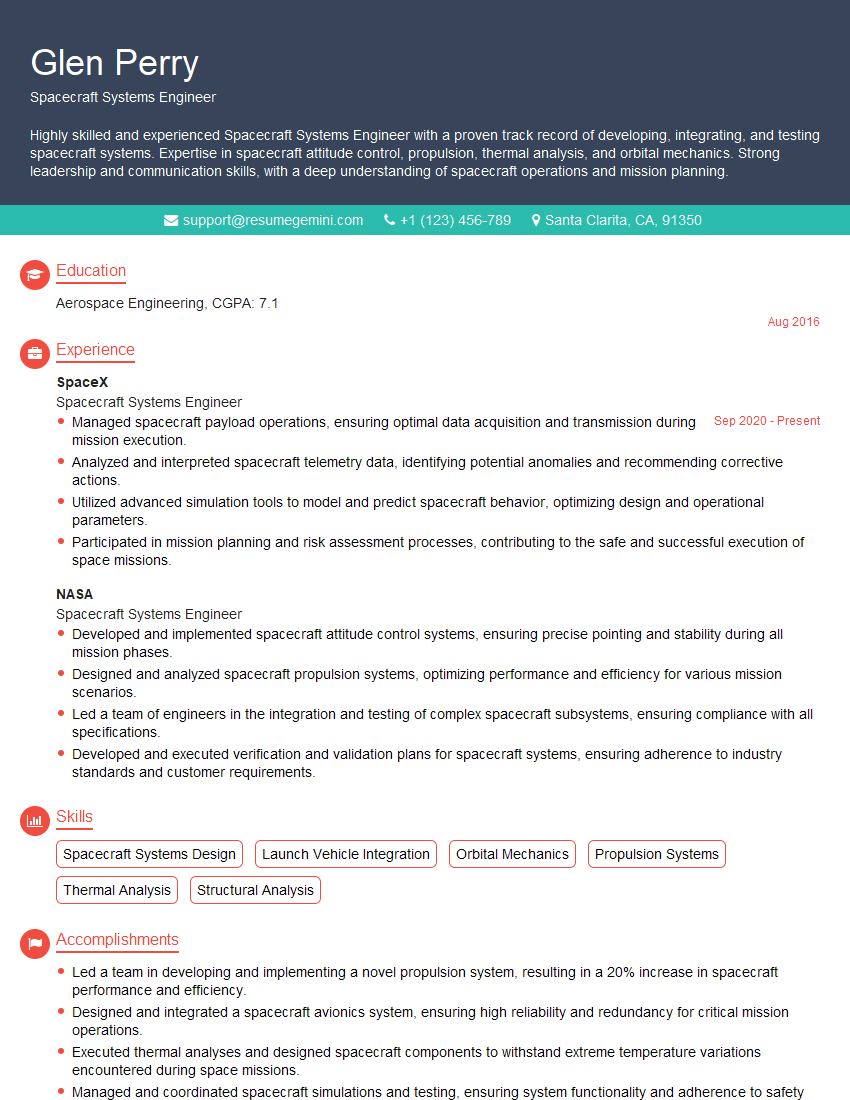
Mastering these aerospace fundamentals is crucial for securing your dream role and achieving significant career growth in this exciting field. A well-crafted resume is your first impression – make it count! An ATS-friendly resume, optimized for applicant tracking systems, significantly increases your chances of getting noticed by recruiters. To ensure your resume shines, leverage the power of ResumeGemini. ResumeGemini provides a user-friendly platform to build a professional resume that highlights your skills and experience effectively. Examples of Aerospace-tailored resumes are available to help guide you.
Explore more articles
Users Rating of Our Blogs
Share Your Experience
We value your feedback! Please rate our content and share your thoughts (optional).
What Readers Say About Our Blog
Attention music lovers!
Wow, All the best Sax Summer music !!!
Spotify: https://open.spotify.com/artist/6ShcdIT7rPVVaFEpgZQbUk
Apple Music: https://music.apple.com/fr/artist/jimmy-sax-black/1530501936
YouTube: https://music.youtube.com/browse/VLOLAK5uy_noClmC7abM6YpZsnySxRqt3LoalPf88No
Other Platforms and Free Downloads : https://fanlink.tv/jimmysaxblack
on google : https://www.google.com/search?q=22+AND+22+AND+22
on ChatGPT : https://chat.openai.com?q=who20jlJimmy20Black20Sax20Producer
Get back into the groove with Jimmy sax Black
Best regards,
Jimmy sax Black
www.jimmysaxblack.com
Hi I am a troller at The aquatic interview center and I suddenly went so fast in Roblox and it was gone when I reset.
Hi,
Business owners spend hours every week worrying about their website—or avoiding it because it feels overwhelming.
We’d like to take that off your plate:
$69/month. Everything handled.
Our team will:
Design a custom website—or completely overhaul your current one
Take care of hosting as an option
Handle edits and improvements—up to 60 minutes of work included every month
No setup fees, no annual commitments. Just a site that makes a strong first impression.
Find out if it’s right for you:
https://websolutionsgenius.com/awardwinningwebsites
Hello,
we currently offer a complimentary backlink and URL indexing test for search engine optimization professionals.
You can get complimentary indexing credits to test how link discovery works in practice.
No credit card is required and there is no recurring fee.
You can find details here:
https://wikipedia-backlinks.com/indexing/
Regards
NICE RESPONSE TO Q & A
hi
The aim of this message is regarding an unclaimed deposit of a deceased nationale that bears the same name as you. You are not relate to him as there are millions of people answering the names across around the world. But i will use my position to influence the release of the deposit to you for our mutual benefit.
Respond for full details and how to claim the deposit. This is 100% risk free. Send hello to my email id: [email protected]
Luka Chachibaialuka
Hey interviewgemini.com, just wanted to follow up on my last email.
We just launched Call the Monster, an parenting app that lets you summon friendly ‘monsters’ kids actually listen to.
We’re also running a giveaway for everyone who downloads the app. Since it’s brand new, there aren’t many users yet, which means you’ve got a much better chance of winning some great prizes.
You can check it out here: https://bit.ly/callamonsterapp
Or follow us on Instagram: https://www.instagram.com/callamonsterapp
Thanks,
Ryan
CEO – Call the Monster App
Hey interviewgemini.com, I saw your website and love your approach.
I just want this to look like spam email, but want to share something important to you. We just launched Call the Monster, a parenting app that lets you summon friendly ‘monsters’ kids actually listen to.
Parents are loving it for calming chaos before bedtime. Thought you might want to try it: https://bit.ly/callamonsterapp or just follow our fun monster lore on Instagram: https://www.instagram.com/callamonsterapp
Thanks,
Ryan
CEO – Call A Monster APP
To the interviewgemini.com Owner.
Dear interviewgemini.com Webmaster!
Hi interviewgemini.com Webmaster!
Dear interviewgemini.com Webmaster!
excellent
Hello,
We found issues with your domain’s email setup that may be sending your messages to spam or blocking them completely. InboxShield Mini shows you how to fix it in minutes — no tech skills required.
Scan your domain now for details: https://inboxshield-mini.com/
— Adam @ InboxShield Mini
Reply STOP to unsubscribe
Hi, are you owner of interviewgemini.com? What if I told you I could help you find extra time in your schedule, reconnect with leads you didn’t even realize you missed, and bring in more “I want to work with you” conversations, without increasing your ad spend or hiring a full-time employee?
All with a flexible, budget-friendly service that could easily pay for itself. Sounds good?
Would it be nice to jump on a quick 10-minute call so I can show you exactly how we make this work?
Best,
Hapei
Marketing Director
Hey, I know you’re the owner of interviewgemini.com. I’ll be quick.
Fundraising for your business is tough and time-consuming. We make it easier by guaranteeing two private investor meetings each month, for six months. No demos, no pitch events – just direct introductions to active investors matched to your startup.
If youR17;re raising, this could help you build real momentum. Want me to send more info?
Hi, I represent an SEO company that specialises in getting you AI citations and higher rankings on Google. I’d like to offer you a 100% free SEO audit for your website. Would you be interested?
Hi, I represent an SEO company that specialises in getting you AI citations and higher rankings on Google. I’d like to offer you a 100% free SEO audit for your website. Would you be interested?