Interviews are more than just a Q&A session—they’re a chance to prove your worth. This blog dives into essential Fiber Orientation interview questions and expert tips to help you align your answers with what hiring managers are looking for. Start preparing to shine!
Questions Asked in Fiber Orientation Interview
Q 1. Explain the concept of fiber orientation and its importance in composite materials.
Fiber orientation refers to the directional arrangement of reinforcing fibers within a composite material. Imagine a brick wall – the bricks (fibers) can be laid horizontally, vertically, or in a more complex pattern. Similarly, fibers in a composite can be aligned in various ways, significantly impacting the material’s overall properties. Its importance lies in the fact that the mechanical behavior of a composite is highly anisotropic, meaning its properties vary depending on the direction of the applied load. By carefully controlling fiber orientation, engineers can tailor the composite’s strength, stiffness, and other properties to meet specific design requirements. For example, a unidirectional orientation provides maximum strength along the fiber direction, which is ideal for applications like aircraft components experiencing high tensile loads.
Q 2. Describe different methods for measuring fiber orientation.
Several methods exist for measuring fiber orientation. Optical microscopy is a common technique, where a polished cross-section of the composite is examined under a microscope. The fiber orientations are then manually measured and statistically analyzed. This method is relatively simple and inexpensive but can be time-consuming and prone to human error, especially for complex orientations. Image analysis utilizes digital image processing to automatically analyze microscopic images, quantifying fiber orientation with greater speed and accuracy. Advanced techniques include X-ray diffraction which can provide information about the crystalline structure of fibers and their orientation, and ultrasonic techniques which analyze the propagation of ultrasound waves through the material to infer fiber alignment. The choice of method depends on factors such as the type of composite, the required accuracy, and the available resources.
Q 3. What are the advantages and disadvantages of different fiber orientation techniques?
Each fiber orientation measurement technique has its advantages and disadvantages. Optical microscopy is relatively inexpensive and accessible but is labor-intensive and subjective. Image analysis is faster and more objective but requires specialized software and image processing skills. X-ray diffraction offers high accuracy but is expensive and requires specialized equipment. Ultrasonic techniques are non-destructive but can be sensitive to noise and require careful calibration. The optimal technique is usually determined by a cost-benefit analysis considering the accuracy required, the complexity of the fiber orientation, and the available resources.
Q 4. How does fiber orientation affect the mechanical properties of a composite?
Fiber orientation profoundly influences a composite’s mechanical properties. Consider a unidirectional composite: it will exhibit significantly higher strength and stiffness along the fiber direction than transverse to it. This is because the fibers bear most of the load along their length. Randomly oriented fibers provide more isotropic (directionally-independent) properties, yet typically weaker than a unidirectional setup. Complex orientations, such as those found in woven fabrics or tailored fiber placements, provide a more tailored combination of strength and stiffness in different directions, allowing for optimized design for specific loading conditions. For instance, a tennis racket’s frame benefits from a combination of high strength in the direction of impact and some flexibility to absorb shock.
Q 5. Explain the relationship between fiber orientation and the strength of a composite.
The strength of a composite is directly linked to fiber orientation. In general, the highest strength is achieved when the fibers are aligned with the direction of the applied load. This is because the load is primarily carried by the strong, stiff fibers. Deviations from this ideal alignment lead to reduced strength. For instance, a composite with fibers aligned at 45 degrees to the load will exhibit lower strength than a unidirectional composite. This is due to shear stresses developing at the fiber-matrix interface. Random fiber orientations distribute the load more equally, but this results in a lower overall strength compared to aligned fibers.
Q 6. How does fiber orientation affect the stiffness of a composite?
Similar to strength, the stiffness of a composite is highly dependent on fiber orientation. A unidirectional composite is stiffest in the fiber direction and least stiff in the transverse direction. This is because the fibers resist deformation along their length much more effectively than across their diameter. Random fiber orientations lead to more isotropic stiffness but lower overall stiffness compared to aligned fibers. The stiffness in different directions is crucial in applications such as aerospace structures where stiffness dictates deflection under load. A wing, for example, requires high stiffness in specific directions to maintain its aerodynamic profile.
Q 7. How does fiber orientation affect the fatigue properties of a composite?
Fiber orientation significantly affects the fatigue properties of a composite. Fatigue refers to the material’s ability to withstand repeated loading cycles. A unidirectional composite under cyclic loading along the fiber direction exhibits higher fatigue life compared to other orientations. However, the same composite under cyclic loading transverse to the fiber direction will experience considerably lower fatigue life. In complex loading scenarios, the fatigue behavior becomes complex, and the optimal fiber orientation is often determined through sophisticated simulations and experimental testing. Therefore, proper consideration of fatigue characteristics is critical when designing composite structures, such as those in wind turbine blades subjected to cyclic loading from wind gusts.
Q 8. Describe the impact of fiber orientation on the thermal properties of a composite.
Fiber orientation dramatically affects a composite’s thermal properties. Imagine a bundle of straws; if they’re all aligned, heat will travel easily along the length, but much less effectively across the bundle. Similarly, in a composite, aligned fibers provide high thermal conductivity along their axis, leading to efficient heat transfer in that direction. However, the conductivity is significantly lower perpendicular to the fiber orientation. This anisotropic behavior (property varying with direction) is crucial in applications like heat sinks where directional heat dissipation is desired. Conversely, in applications requiring thermal insulation, a more random fiber orientation might be preferred. For example, a heat shield for a spacecraft might use a randomly oriented fiber structure to disperse heat more evenly.
Specifically, the thermal conductivity (k) along the fiber direction (k||) is usually much greater than the thermal conductivity perpendicular to the fiber direction (k⊥). The ratio k||/k⊥ provides a measure of the thermal anisotropy.
Q 9. How do you determine the optimal fiber orientation for a specific application?
Determining the optimal fiber orientation is a critical step in composite design and involves a careful consideration of the application’s specific loading and performance requirements. We employ a combination of analytical techniques, simulations, and experimental validation. The process typically begins with a detailed understanding of the stresses and strains the composite will experience. For instance, an aircraft wing experiences primarily tensile stresses along its length, so we would orient the fibers predominantly along the longitudinal axis for maximum strength in that direction. Finite element analysis (FEA) is a powerful tool to simulate stress distribution and predict the performance under different fiber orientations. This allows us to optimize the orientation for maximum strength, stiffness, or other desired properties. Additionally, experimental validation through testing prototypes with different fiber layouts ensures that the theoretical predictions align with real-world performance.
For example, consider designing a bicycle frame. High tensile strength is needed along the frame’s length to withstand pedaling forces. The optimal orientation for this would be unidirectional, aligning fibers parallel to the frame’s longitudinal axis. However, the frame also needs to withstand compressive forces at various points, so some regions might require a different fiber orientation (e.g., ±45 degrees) to enhance compressive strength and prevent buckling. The final design will be a combination of different fiber orientations chosen strategically to maximize the frame’s overall performance.
Q 10. Explain the concept of fiber misalignment and its effect on composite performance.
Fiber misalignment refers to the deviation of individual fibers from the intended orientation within a composite material. Imagine a perfectly aligned row of bricks compared to a wall where some bricks are tilted or placed at an angle. This is similar to fiber misalignment. It negatively impacts the composite’s mechanical properties, reducing its strength, stiffness, and fatigue life. Even a small degree of misalignment can significantly degrade performance, especially in high-performance applications. The effect is more pronounced in highly aligned composites where a small deviation greatly diminishes the effective reinforcement provided by the fibers.
The severity of the impact depends on the extent and nature of the misalignment. Random misalignment generally leads to a decrease in overall strength compared to perfectly aligned fibers, but the effect is less dramatic than localized clusters of misaligned fibers, which can create stress concentrations, leading to premature failure.
Q 11. Describe different techniques used to control fiber orientation during manufacturing.
Controlling fiber orientation during manufacturing is crucial for achieving the desired composite properties. Various techniques are employed depending on the material, desired orientation, and manufacturing process. Some common techniques include:
- Molding processes: In techniques like injection molding or compression molding, the mold design itself can influence fiber alignment. Careful design can guide fibers into the desired orientation.
- Tape laying: This method uses pre-impregnated tapes with fibers oriented in a specific direction, enabling precise placement of fibers. Automated tape laying machines allow for complex fiber orientations.
- Braiding: This technique interweaves fibers to create a complex 3D architecture with controlled fiber orientation in multiple directions.
- Pultrusion: Fibers are pulled through a resin bath and a die to create continuous profiles with a predetermined fiber orientation.
- Automated Fiber Placement (AFP): AFP systems use robotic arms to precisely place fibers onto a mold, allowing complex fiber orientations to be achieved. This offers great flexibility and precision.
Q 12. How does fiber orientation influence the processing of composite materials?
Fiber orientation significantly influences the processing of composite materials. The ease of processing and the final properties are directly related to the chosen fiber orientation. For example, highly aligned fibers can lead to higher viscosity of the resin mixture, making processing more challenging. This is because the fibers hinder the flow of the resin. Conversely, a more random orientation reduces viscosity, facilitating easier molding and flow. The processing temperature and pressure required are also affected by the degree of fiber alignment. Highly aligned fibers generally require higher pressures to consolidate the composite and achieve optimal densification.
Furthermore, the chosen manufacturing technique also influences the possible fiber orientations. For instance, injection molding might be more suitable for creating parts with less aligned fibers, while techniques like tape laying offer more control over fiber arrangement for highly-aligned applications.
Q 13. What are the challenges associated with achieving uniform fiber orientation?
Achieving uniform fiber orientation presents several challenges. One primary challenge is the inherent randomness of fiber behavior during processing. Fibers, especially short ones, tend to tangle and deviate from the desired orientation, especially in high-volume manufacturing. Controlling the flow of resin and fibers simultaneously is complex, requiring precise control over parameters like pressure, temperature, and shear rates. Another challenge lies in maintaining consistency across large parts or complex geometries. In complex shapes, achieving uniform orientation in all areas can be difficult due to the flow limitations of the resin and fiber distribution.
The material itself also plays a role. Certain fiber types are more prone to misalignment than others. Fiber length, stiffness, and the resin viscosity all influence the degree of achievable alignment. Lastly, equipment limitations also impact uniformity; even advanced machinery has tolerances and limitations that can affect the precision of fiber placement.
Q 14. How can you improve the accuracy of fiber orientation measurements?
Improving the accuracy of fiber orientation measurements involves using a combination of techniques. Visual inspection using optical microscopy provides a qualitative assessment but is limited for quantitative analysis. More sophisticated techniques offer greater precision:
- X-ray diffraction: This technique uses X-rays to determine the crystallographic orientation of fibers, offering high accuracy but can be costly and time-consuming.
- Image analysis: Advanced image analysis software can process microscopic images to quantitatively assess fiber orientation distribution. This method requires careful calibration and image preparation.
- Ultrasound: Ultrasonic techniques can measure the velocity of sound waves through the composite, providing information about the fiber orientation and degree of anisotropy. This is a non-destructive method.
- Polarized light microscopy: This technique uses polarized light to analyze the birefringence of the composite, which is related to the fiber orientation. It is relatively inexpensive and provides good resolution.
Calibration and validation are critical for all methods. Regularly calibrating equipment and validating results using standardized samples ensure measurement accuracy. The choice of technique depends on the required precision, sample type, and available resources.
Q 15. Explain different software and simulation tools used for predicting fiber orientation.
Predicting fiber orientation is crucial in composite material design. Several software and simulation tools leverage different approaches, primarily focusing on the solution of the Fokker-Planck equation or its approximations. These tools allow us to model the fiber orientation distribution during processing.
Moldex3D: A popular commercial software package extensively used for simulating the molding process of polymers, including the prediction of fiber orientation in injection molding. It uses advanced finite element analysis (FEA) coupled with fiber orientation models.
ANSYS: A versatile FEA software suite capable of simulating fiber orientation through its Fluent module. It’s particularly useful for studying fiber orientation in complex flow fields, such as those encountered in extrusion or pultrusion.
COMSOL Multiphysics: Another powerful FEA platform allowing for coupled simulations including fluid flow, heat transfer, and fiber orientation. It offers great flexibility for users to customize their models and incorporate advanced constitutive relationships.
Open-source tools: Several open-source codes, often based on research-level developments, are available. These can be more demanding to learn and use, but they offer a greater level of customization and provide valuable insights into the underlying mathematical models.
The choice of software depends on the complexity of the problem, available resources, and specific needs. For instance, Moldex3D is well-suited for industrial applications with its user-friendly interface, while COMSOL provides a higher level of customization for more specialized research.
Career Expert Tips:
- Ace those interviews! Prepare effectively by reviewing the Top 50 Most Common Interview Questions on ResumeGemini.
- Navigate your job search with confidence! Explore a wide range of Career Tips on ResumeGemini. Learn about common challenges and recommendations to overcome them.
- Craft the perfect resume! Master the Art of Resume Writing with ResumeGemini’s guide. Showcase your unique qualifications and achievements effectively.
- Don’t miss out on holiday savings! Build your dream resume with ResumeGemini’s ATS optimized templates.
Q 16. How do you interpret fiber orientation data obtained from experimental methods?
Interpreting fiber orientation data from experimental methods requires a thorough understanding of the techniques used and the limitations of each method. The data typically describes the distribution of fiber orientations within the material. This is often represented using orientation tensors or distribution functions.
For example, if we use optical microscopy, we would visually analyze micrographs and quantify the orientation of fibers using image analysis software. This can give us information about the predominant fiber direction, the degree of alignment, and the presence of any preferred orientation patterns.
With X-ray diffraction, we obtain diffraction patterns that reflect the crystalline structure of the fibers and their alignment. Analysis of peak intensities and positions can help determine the preferred orientation and overall degree of anisotropy. Statistical analysis and fitting to appropriate orientation distribution functions, like the Rodriguez function or the Bingham distribution, are crucial to quantitatively represent the obtained data.
It’s important to consider factors like sample preparation, measurement errors, and the limitations of the chosen experimental technique during data interpretation. For instance, microscopy might be affected by sample preparation artifacts, while X-ray diffraction is often sensitive to the size and crystallinity of the fibers.
Q 17. Describe your experience using different experimental techniques for measuring fiber orientation (e.g., optical microscopy, X-ray diffraction).
My experience encompasses a wide range of experimental techniques for measuring fiber orientation. I’ve extensively used optical microscopy, particularly polarized light microscopy (PLM), to visually assess fiber alignment in various composite materials. This involves preparing thin sections of the material, observing them under polarized light, and using image analysis software to quantify the fiber orientation distribution. PLM is particularly useful for visualizing the arrangement of fibers, especially in cases with large fiber diameters.
I also have considerable experience with X-ray diffraction (XRD). This technique provides information on the crystalline structure of the fibers and their preferred orientation on a broader scale than microscopy. The quantitative analysis of XRD patterns provides valuable data on the degree of alignment and the overall texture of the material. I’ve worked with both wide-angle XRD (WAXD) and small-angle XRD (SAXD) for this purpose, with WAXD being ideal for understanding fiber crystallinity and SAXD for the investigation of larger-scale structures like fiber bundles.
Furthermore, I have used other techniques such as ultrasonic measurements, which can be sensitive to the anisotropic elastic properties that are influenced by fiber orientation. The results from these techniques were then compared to validate the findings.
Q 18. What are the limitations of various fiber orientation measurement techniques?
Each fiber orientation measurement technique has limitations:
Optical Microscopy: Limited to relatively large fibers, susceptible to sample preparation artifacts, and the analysis can be time-consuming and subjective if done manually.
X-ray Diffraction: Can be less sensitive for materials with amorphous regions or low crystallinity, requires sophisticated instrumentation, and data analysis can be complex.
Ultrasonic Measurements: Assumes a homogeneous distribution of material properties, potentially affected by the presence of voids or defects, and might require calibration to specific material systems.
The choice of technique is crucial and must be made considering the specific material, fiber size, and desired level of detail.
Q 19. How do you ensure data quality and reproducibility in fiber orientation measurements?
Ensuring data quality and reproducibility is paramount in fiber orientation measurements. This requires careful attention to several aspects:
Sample Preparation: Precise and consistent sample preparation is vital. This includes techniques like embedding in resin, sectioning with a microtome, and polishing to ensure a smooth surface. A standardized procedure is crucial for reproducibility.
Measurement Protocols: Clearly defined measurement protocols with specific parameters for each technique (e.g., magnification for microscopy, exposure time for XRD) ensure consistency and minimize random errors. Multiple measurements from different locations on the sample are highly recommended.
Calibration and Validation: Regularly calibrating the equipment is crucial. This can involve using standard reference materials with known fiber orientations to validate measurement accuracy.
Data Analysis: Using established data analysis techniques and standardized software packages, including the use of appropriate statistical methods to quantify uncertainties and assess the significance of findings. Documentation of all procedures, including data processing steps, is essential.
Blind Testing: When feasible, incorporating blind testing, where the analyst is unaware of the sample’s origin, minimizes bias and improves objectivity.
By implementing these practices, the reliability and validity of the obtained data are greatly enhanced.
Q 20. Explain the role of fiber orientation in the design and optimization of composite structures.
Fiber orientation plays a critical role in the design and optimization of composite structures. The mechanical properties of composites are highly anisotropic, meaning they vary significantly with direction. By carefully controlling fiber orientation, engineers can tailor the mechanical properties to meet the specific demands of the application.
For example, in aerospace applications, aligning fibers in the direction of the highest stress load can maximize stiffness and strength in that direction. This reduces weight while maintaining structural integrity. Conversely, if impact resistance is crucial, a more random fiber orientation can be beneficial. In automotive parts where high strength-to-weight ratio is desired, carefully controlling fiber orientation can significantly reduce weight while still maintaining performance requirements.
Software tools and simulation methods are increasingly used in the design process to predict how fiber orientation will influence the overall material performance before manufacturing. This allows for iterative design optimization, leading to better performing and more cost-effective products. Optimization algorithms can be used to design fiber orientation patterns that maximize desired properties, such as stiffness, strength, or impact resistance, while satisfying constraints, such as manufacturing limitations and weight restrictions.
Q 21. Describe how fiber orientation is considered in the failure analysis of composite materials.
Fiber orientation is a crucial factor in the failure analysis of composite materials. The anisotropic nature of composites means that failure modes are highly dependent on the direction of the applied load relative to the fiber orientation.
For instance, a composite material with fibers aligned primarily in one direction might exhibit high tensile strength along that direction but significantly lower strength in the transverse direction. Failure can occur due to fiber breakage in the loading direction or matrix cracking in the transverse direction. Failure analysis methods often involve microscopy to observe failure mechanisms and determine whether the failure is related to the orientation of the fibers.
Understanding fiber orientation is therefore essential for predicting failure loads, identifying critical areas, and developing strategies for improving the durability of composite structures. Advanced techniques like finite element analysis, incorporating realistic fiber orientation models, are widely used to simulate failure scenarios and predict failure loads under various loading conditions. This aids in developing effective design strategies to prevent premature failure.
Q 22. How can you improve fiber orientation in a specific manufacturing process?
Improving fiber orientation in a manufacturing process hinges on understanding the forces at play during material formation. The goal is to achieve the desired fiber alignment for optimal mechanical properties. This can be approached through several methods, depending on the specific process.
Mold Design: For processes like injection molding or compression molding, the mold design plays a crucial role. Optimized flow channels and gate locations can direct fiber movement, promoting alignment. For example, strategically placed gates can minimize fiber entanglement and improve directional alignment.
Process Parameters: Adjusting parameters like injection pressure, temperature, and speed in injection molding can significantly affect fiber orientation. Higher pressures can aid in aligning fibers, but excessive pressure might lead to defects. Precise control is essential.
Fiber Reinforcement: Using pre-oriented fibers or fiber mats can provide a head start in achieving the target orientation. This pre-alignment significantly reduces the need for extensive in-mold manipulation of the fibers.
Fiber Length and Distribution: Shorter fibers generally exhibit less predictable orientation. Using longer fibers and ensuring their uniform distribution throughout the matrix material contributes to consistent orientation.
In-Situ Monitoring and Control: Employing real-time monitoring techniques like ultrasound or X-ray imaging during the process allows for immediate feedback and adjustments to maintain the desired fiber arrangement.
For instance, in the manufacture of a high-strength automotive component, optimizing the injection molding process parameters and mold design to achieve a high degree of fiber alignment along the direction of the major load bearing stress is crucial for achieving the desired mechanical strength and durability.
Q 23. What are the latest advancements in fiber orientation control techniques?
Recent advancements in fiber orientation control focus on enhancing precision, speed, and efficiency. Key developments include:
Advanced Simulation Techniques: Sophisticated computational fluid dynamics (CFD) and finite element analysis (FEA) models allow for precise prediction of fiber orientation during the manufacturing process. This predictive capability enables proactive adjustments to process parameters before actual production.
In-line Monitoring and Control Systems: Real-time monitoring of fiber orientation using techniques like ultrasonic sensors or X-ray computed tomography (CT) allows for closed-loop control. This allows for immediate corrections to the process parameters to maintain the desired alignment, minimizing defects and waste.
Microfluidic and Micromanufacturing Techniques: These techniques provide enhanced control over the positioning and alignment of individual fibers on a smaller scale, enabling the creation of composites with highly complex and tailored fiber architectures.
Artificial Intelligence (AI) and Machine Learning (ML): AI and ML algorithms can analyze large datasets of process parameters and resulting fiber orientations to optimize the manufacturing process for superior fiber alignment. This data-driven approach allows for continuous improvement and adaptation.
Additive Manufacturing (3D Printing): Techniques like fused deposition modeling (FDM) or directed energy deposition (DED) offer unique opportunities for precise control of fiber orientation layer by layer, enabling the creation of complex three-dimensional structures with tailored mechanical properties.
Q 24. How does the type of fiber (e.g., carbon, glass, aramid) influence the importance of fiber orientation?
The type of fiber significantly influences the importance of controlling fiber orientation. The mechanical properties of composites are strongly anisotropic—meaning they exhibit different properties depending on the direction of the applied force. This anisotropy is directly related to fiber orientation.
Carbon Fiber: Carbon fiber composites are known for their high strength and stiffness. Careful control of fiber orientation is paramount to maximize these properties in the desired direction. Misaligned fibers can lead to significant reductions in strength and stiffness.
Glass Fiber: Glass fibers are relatively less expensive and possess good strength-to-weight ratio, but they are less stiff than carbon fibers. While precise orientation is still important, the consequences of misalignment are less severe compared to carbon fiber composites.
Aramid Fiber (Kevlar): Aramid fibers excel in tensile strength and impact resistance. Their orientation significantly impacts their ability to withstand high tensile loads and absorb impact energy. Achieving the desired orientation, especially in applications like ballistic protection, is critical.
In essence, the higher the inherent strength and stiffness of the fiber, the more critical the precise control of its orientation becomes to achieve the desired overall performance of the composite material.
Q 25. Describe a situation where you had to troubleshoot an issue related to fiber orientation.
During the production of a wind turbine blade, we encountered inconsistent mechanical properties. Initial testing showed significant variations in strength along different sections of the blade. This suggested issues with fiber orientation during the manufacturing process, specifically in the resin transfer molding (RTM) stage.
Our troubleshooting involved the following steps:
Visual Inspection: We carefully examined cross-sections of the blade to visually assess fiber alignment. This revealed inconsistencies in fiber distribution in certain areas.
Data Analysis: We reviewed process data—including resin injection pressure, temperature, and curing cycles—to identify potential deviations from standard operating procedures.
Simulation and Modeling: We used CFD simulations to model the resin flow and fiber orientation during the RTM process. This helped us identify areas within the mold where resin flow was hindered, resulting in poor fiber alignment.
Process Optimization: Based on our analysis, we optimized the mold design to improve resin flow and fiber distribution. We also adjusted process parameters to ensure more consistent curing.
Retesting: After implementing the changes, we retested the blade samples to verify the effectiveness of the corrective actions. The subsequent tests demonstrated significant improvements in consistency and mechanical properties.
This experience highlighted the importance of comprehensive data analysis, process modeling, and iterative improvements in addressing complex fiber orientation challenges.
Q 26. How would you explain fiber orientation concepts to a non-technical audience?
Imagine a composite material like fiberglass as a bunch of tiny, strong threads woven together. Fiber orientation is simply how these threads are arranged. If all the threads are lined up in one direction, the material will be much stronger in that direction—like a rope. If the threads are all jumbled up, it’ll be weaker and less consistent.
Think of building with Lego bricks: If you stack them all neatly in a column, the structure will be very strong. If you throw them together randomly, it’ll be less stable. Fiber orientation is the same—we want the “bricks” (fibers) arranged in a way that maximizes the material’s strength and performance for the intended application.
Q 27. What are the future trends in fiber orientation research and development?
Future trends in fiber orientation research and development are driven by the demand for lighter, stronger, and more efficient composite materials. Key areas include:
Multi-scale Modeling and Simulation: Developing more sophisticated models that can accurately predict fiber orientation across different scales (from individual fibers to the entire component) will allow for better design and process optimization.
Advanced Manufacturing Processes: Further development and refinement of additive manufacturing techniques will enable complex fiber architectures and precise orientation control, opening up new possibilities for advanced composites.
In-situ Sensing and Control: More advanced sensors and feedback control systems will enable real-time monitoring and adjustments of fiber orientation during manufacturing, leading to greater precision and efficiency.
Smart Materials and Self-Healing Composites: Integrating sensors and actuators into composite materials will enable self-monitoring and self-repair, extending the lifespan and reliability of these materials.
Sustainable Composites: Research into more sustainable fiber materials and manufacturing processes will reduce the environmental impact of composite manufacturing while maintaining high performance.
Q 28. Describe your experience working with different types of composite materials and their associated fiber orientation challenges.
My experience spans various composite materials, each presenting unique challenges regarding fiber orientation:
Carbon Fiber Reinforced Polymers (CFRP): Working with CFRP has emphasized the critical role of precise fiber orientation in achieving high strength and stiffness. The brittleness of carbon fiber demands meticulous control to avoid weak points.
Glass Fiber Reinforced Polymers (GFRP): While less demanding than CFRP, GFRP still requires attention to fiber orientation, especially in applications needing high strength in specific directions. Cost-effectiveness often balances the level of orientation control needed.
Aramid Fiber Composites: With aramid, the emphasis shifts toward impact resistance and energy absorption. Orientation is key to achieving optimal performance in ballistic protection or impact-sensitive applications.
Natural Fiber Composites: Working with natural fibers like flax or hemp presents unique challenges, as fiber properties are more variable compared to synthetic fibers. Advanced techniques are needed to achieve consistent and predictable fiber orientation.
The specific challenges include managing fiber entanglement, ensuring uniform distribution, minimizing voids, and accurately predicting the final orientation distribution given the process parameters. My approach relies heavily on data analysis, process simulation, and iterative testing to ensure that the final product meets the desired specifications.
Key Topics to Learn for Fiber Orientation Interview
- Fiber Morphology and Structure: Understanding fiber types (natural vs. synthetic), their physical properties (length, diameter, crimp), and how these impact final product performance.
- Measurement Techniques: Familiarize yourself with methods used to quantify fiber orientation, such as optical microscopy, X-ray diffraction, and image analysis. Understand the advantages and limitations of each technique.
- Influence on Material Properties: Explore the relationship between fiber orientation and the mechanical, thermal, and electrical properties of composite materials. Be prepared to discuss how controlled orientation enhances desired characteristics.
- Processing Techniques: Learn about various manufacturing processes that influence fiber orientation, such as injection molding, extrusion, and compression molding. Understand how these processes affect the final microstructure.
- Modeling and Simulation: Gain familiarity with computational methods used to predict and optimize fiber orientation in complex geometries. This may include finite element analysis or other relevant simulation techniques.
- Applications and Case Studies: Prepare examples of how fiber orientation is critical in specific industries and applications, such as automotive, aerospace, or biomedical engineering. This demonstrates practical understanding.
- Advanced Concepts (Optional): Depending on the seniority of the role, you may want to explore topics like fiber orientation distribution functions (ODFs), microstructure-property relationships, or the effects of processing parameters on orientation.
Next Steps
Mastering fiber orientation is crucial for career advancement in materials science and engineering, opening doors to exciting roles in research, development, and manufacturing. A strong understanding of this field sets you apart from other candidates. To maximize your job prospects, invest in creating an ATS-friendly resume that highlights your skills and experience effectively. ResumeGemini is a trusted resource that can help you build a professional and impactful resume tailored to the specific requirements of your target roles. Examples of resumes tailored to Fiber Orientation are available to guide you through the process.

Quality Assurance Manager Resume Sample
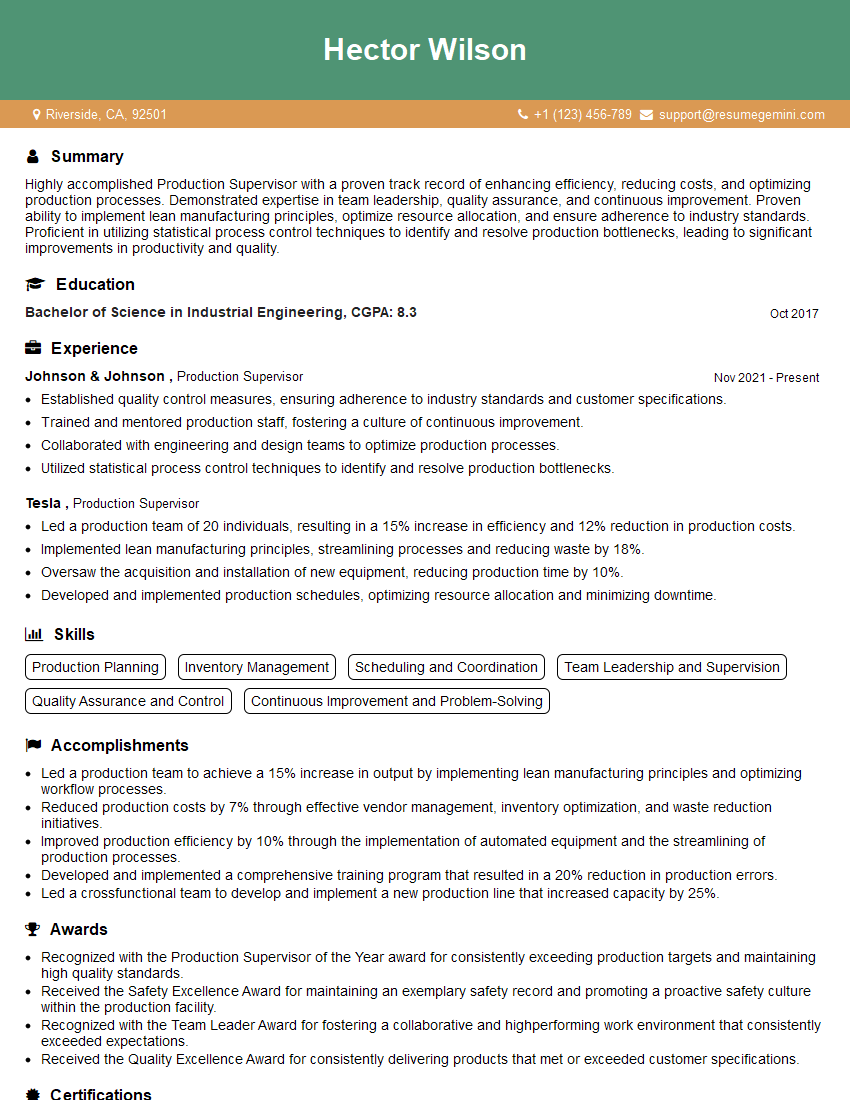
Production Supervisor Resume Sample
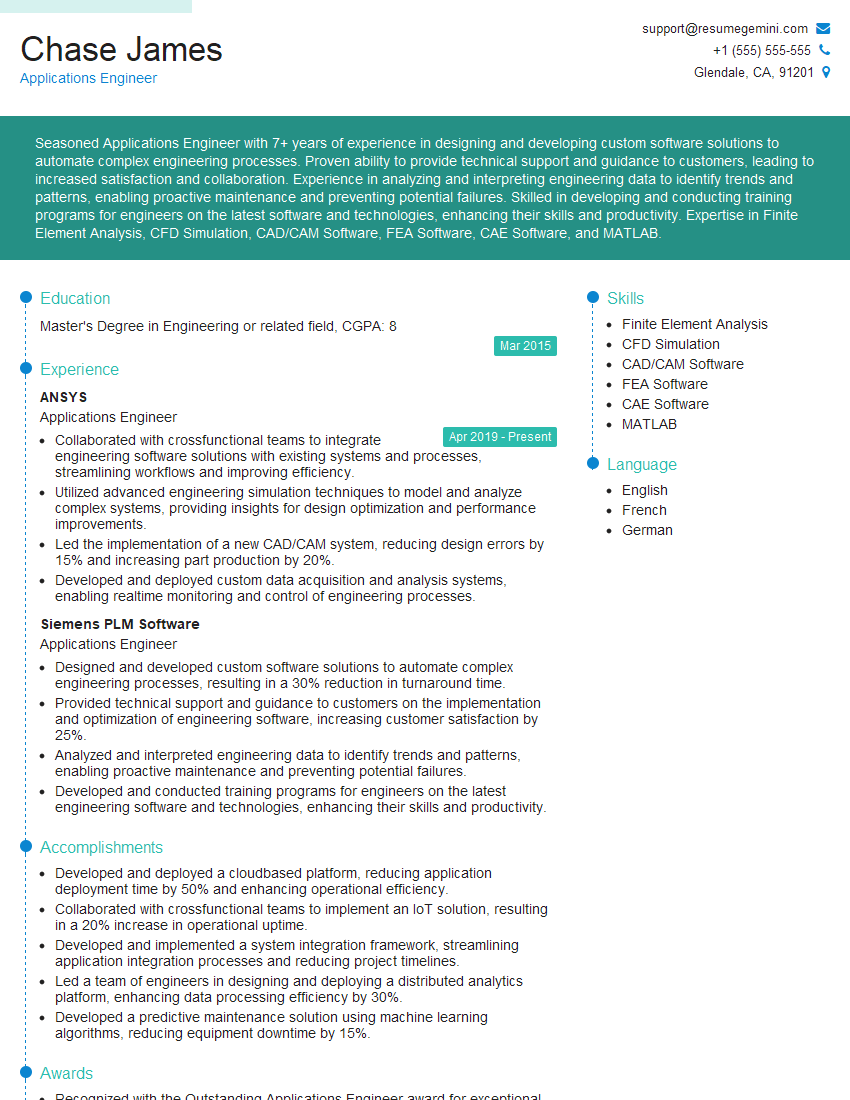
Applications Engineer Resume Sample
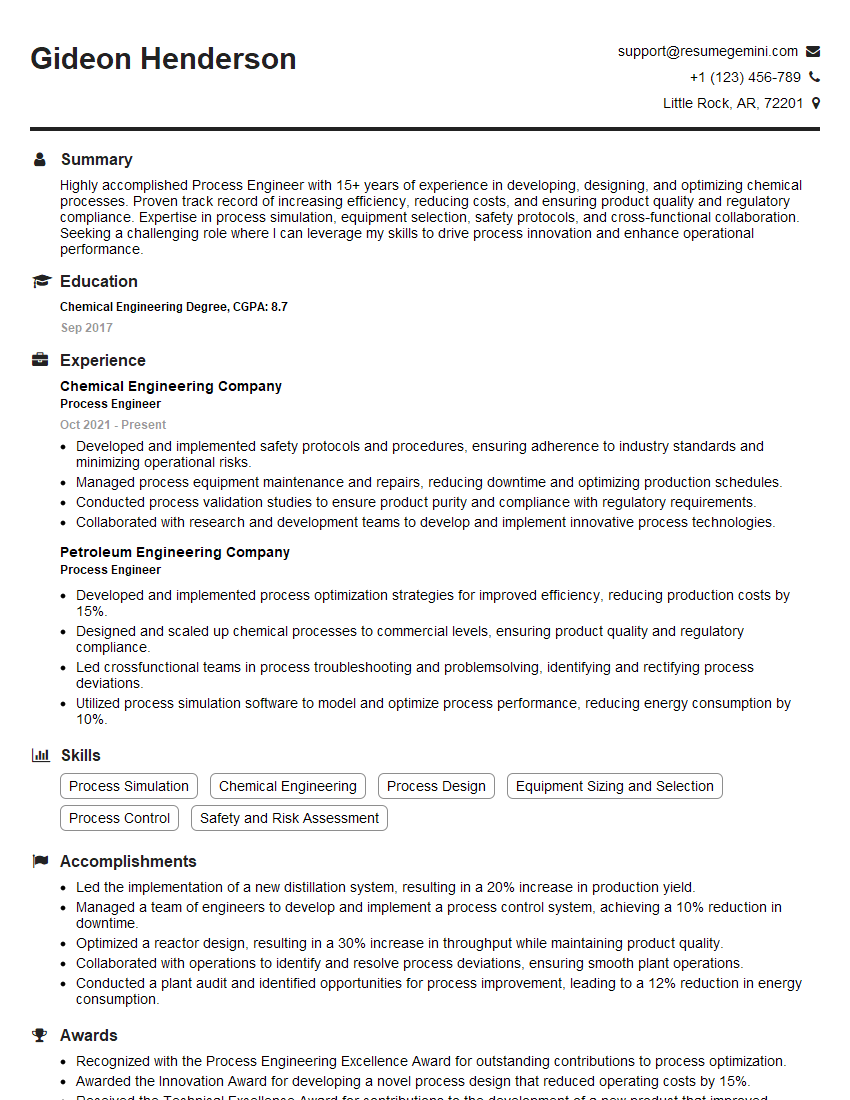
Process Engineer Resume Sample
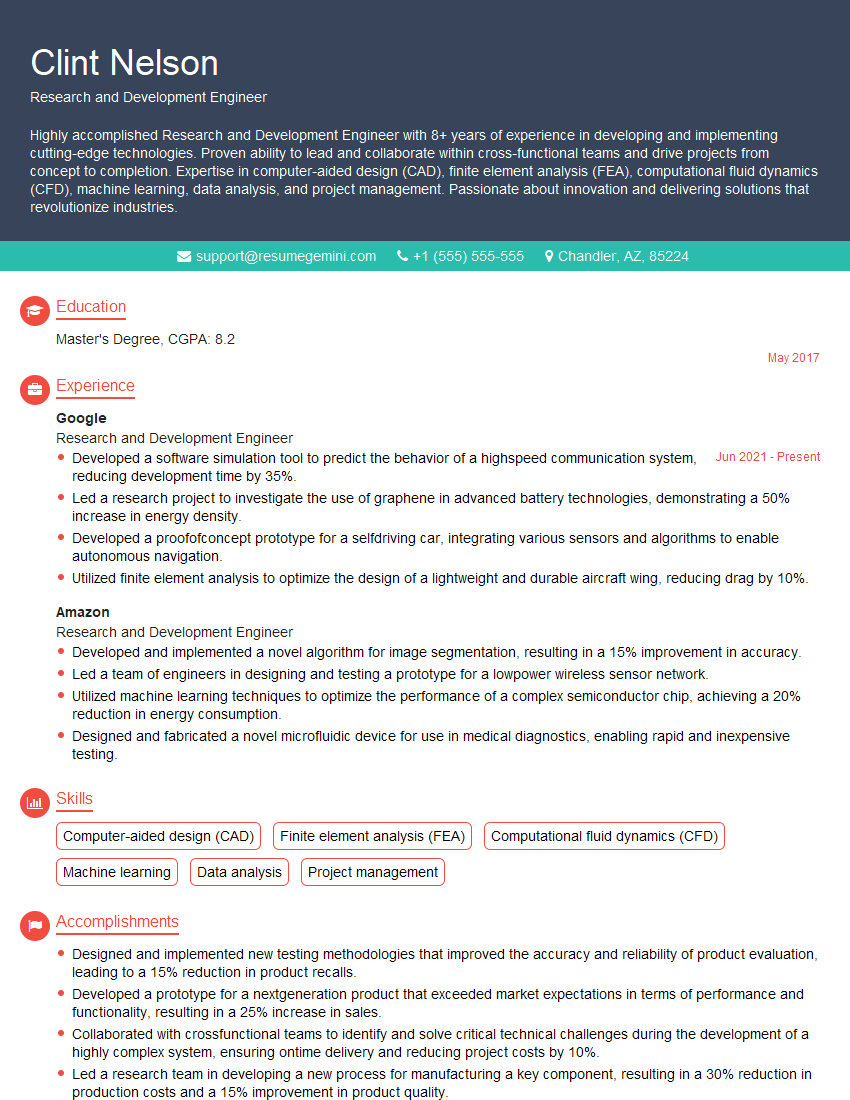
Research and Development Engineer Resume Sample

Research Scientist Resume Sample

Test Engineer Resume Sample

Design Engineer Resume Sample
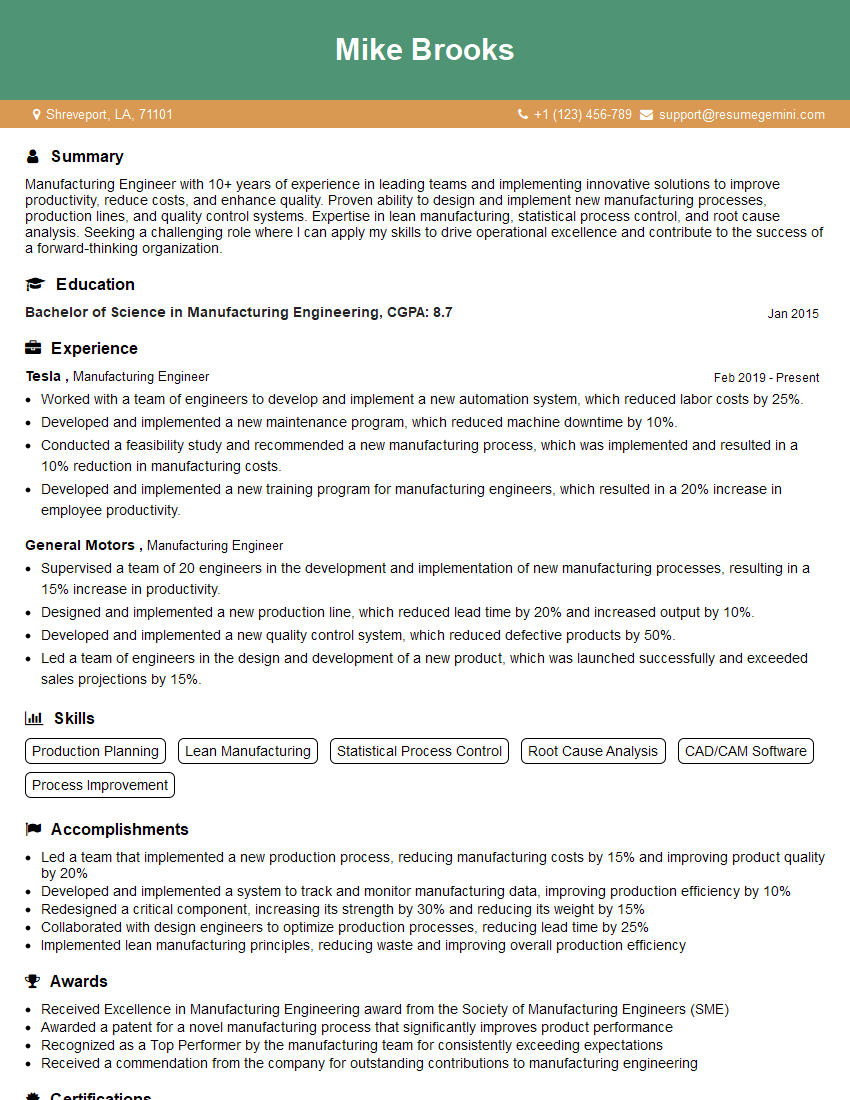
Manufacturing Engineer Resume Sample
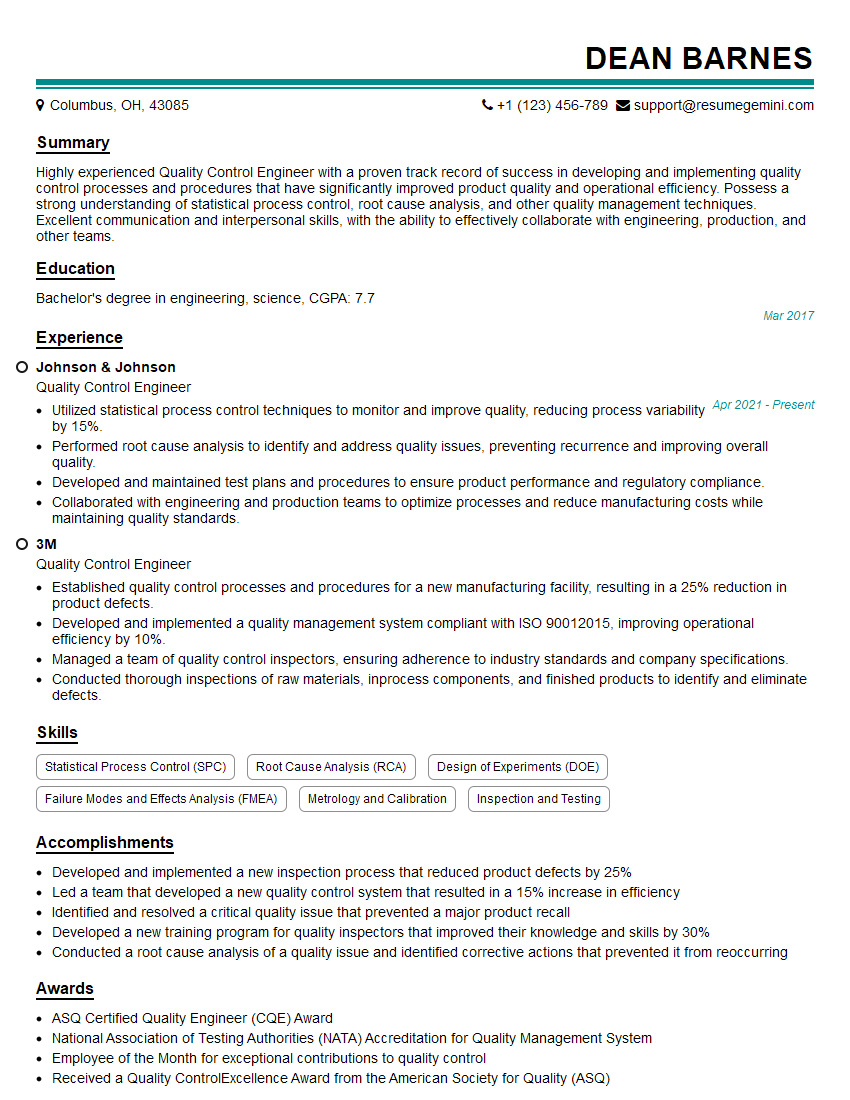
Quality Control Engineer Resume Sample
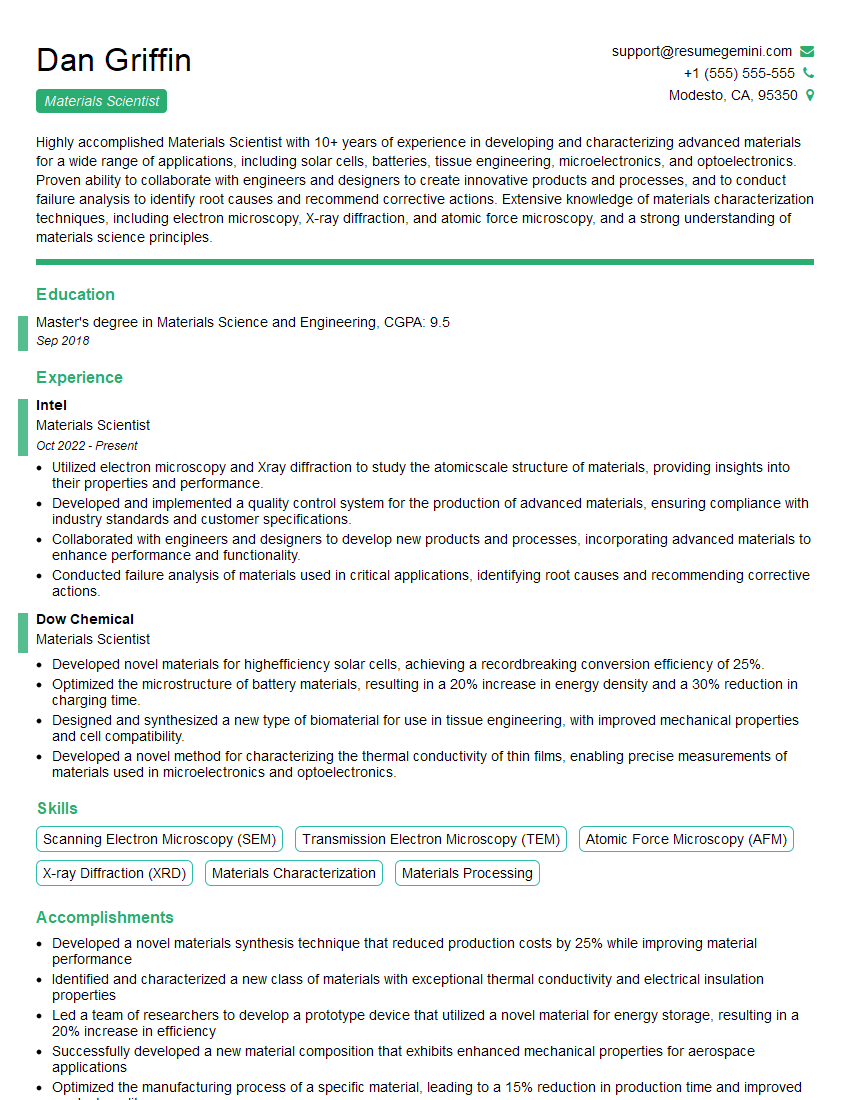
Materials Scientist Resume Sample
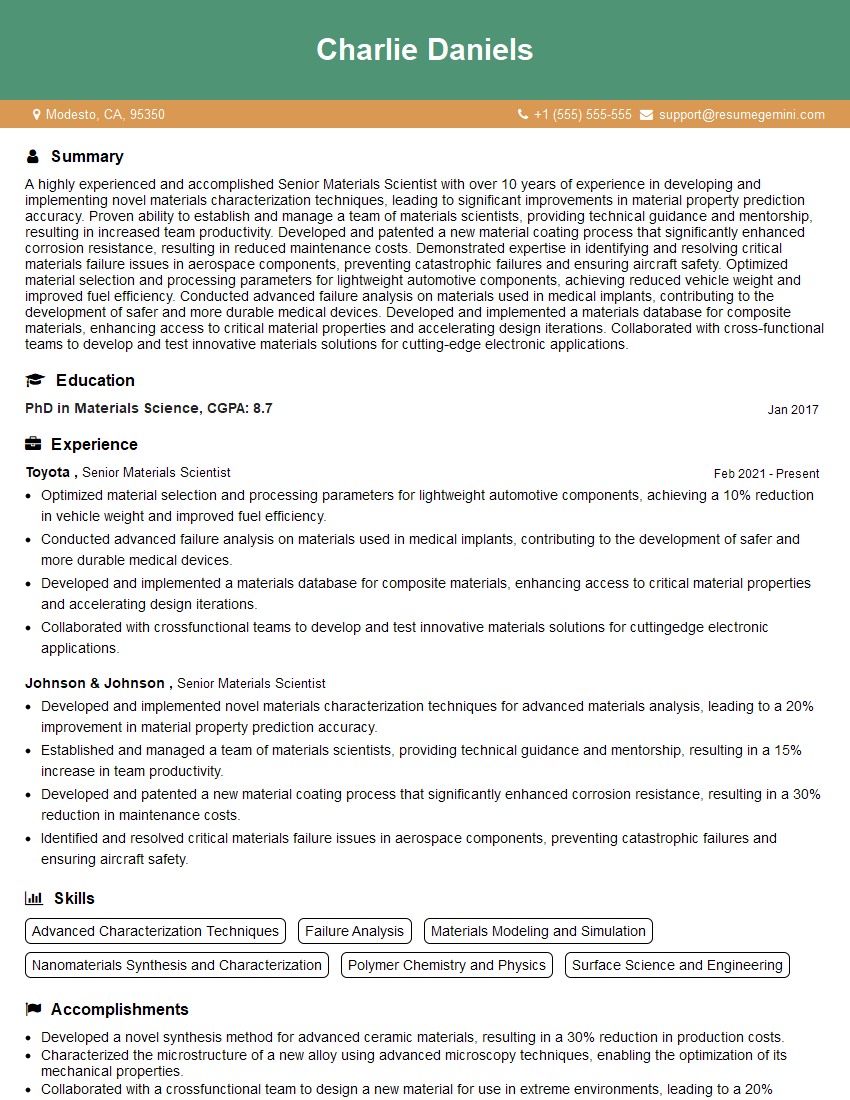
Senior Materials Scientist Resume Sample
Explore more articles
Users Rating of Our Blogs
Share Your Experience
We value your feedback! Please rate our content and share your thoughts (optional).
What Readers Say About Our Blog
Very informative content, great job.
good