The right preparation can turn an interview into an opportunity to showcase your expertise. This guide to Tissue handling interview questions is your ultimate resource, providing key insights and tips to help you ace your responses and stand out as a top candidate.
Questions Asked in Tissue handling Interview
Q 1. Describe the process of tissue fixation.
Tissue fixation is the crucial first step in histological processing. It’s the process of preserving tissue structure and preventing degradation by enzymatic and autolytic processes. This is achieved by chemically cross-linking proteins, thereby solidifying the tissue and preventing its decomposition. Think of it like setting a jelly – the fixative ‘sets’ the tissue, holding everything in place.
The most common fixative is formalin (formaldehyde in a buffered solution), which is relatively inexpensive, readily available, and effectively cross-links proteins. However, other fixatives, like Bouin’s solution (picric acid, formaldehyde, and acetic acid) and glutaraldehyde (for electron microscopy), offer specific advantages depending on the tissue type and the subsequent analyses planned. The choice of fixative is critical; for instance, if you need to preserve delicate cellular structures, you might choose a gentler fixative to minimize artifacts. The fixation process itself involves immersing the tissue in the chosen fixative for a specific duration, often determined by the tissue size and thickness. Inadequate fixation can lead to poor tissue morphology, while over-fixation can cause hardening and shrinkage.
Q 2. Explain the different types of tissue embedding media and their applications.
Tissue embedding media provide support to the fixed tissue, allowing for thin sectioning for microscopic examination. The most common is paraffin wax, which is easy to use and provides excellent support for routine histological procedures. It’s like creating a sturdy mold to protect a delicate sculpture. However, other media are available for specialized applications.
- Paraffin wax: Routinely used, offering good support for sectioning. Ideal for most light microscopy applications.
- Agar: Used for embedding delicate tissues that might be damaged by paraffin. It’s a softer medium.
- Resin (e.g., epoxy, acrylic): Used for electron microscopy due to their ability to produce extremely thin sections, revealing ultrastructural detail. They’re much harder than paraffin.
The choice of embedding medium depends on the required section thickness and the type of microscopy to be performed. For example, electron microscopy demands the harder, more stable resin embedding, while routine light microscopy often uses paraffin.
Q 3. What are the common artifacts encountered during tissue processing and how can they be avoided?
Artifacts are any structural features present in a prepared tissue section that are not representative of the tissue’s natural state. They can significantly affect the interpretation of histological findings. Common artifacts include:
- Shrinkage: Caused by improper fixation or processing, leading to gaps or distorted structures. Minimized by careful attention to fixation and processing protocols.
- Precipitation: Formation of crystals or other precipitates within the tissue due to fixative or reagent interactions. Prevented using filtered solutions and optimizing processing times.
- Folding/Tears: Physical damage to the tissue during handling or sectioning. Careful handling and embedding techniques, sharp blades, and proper use of a microtome are essential to avoid.
- Staining artifacts: Uneven or altered staining patterns due to issues with staining technique or reagent quality. Properly prepared reagents and standardized staining protocols are key.
Avoiding artifacts requires meticulous attention to detail at every stage of the process, from sample collection and fixation to sectioning and staining. Proper training and quality control measures are paramount.
Q 4. Describe the steps involved in sectioning paraffin-embedded tissue.
Sectioning paraffin-embedded tissue involves using a microtome, a precision instrument that cuts thin slices (sections) of the embedded tissue block. It’s like using a very sharp knife to slice a loaf of bread, except far more precise and delicate.
- Trimming: The paraffin block is trimmed to create a smooth, rectangular surface for sectioning. This ensures even section thickness.
- Sectioning: The microtome is adjusted to the desired section thickness (typically 3-5 µm for routine histology), and the block is advanced automatically, making a continuous ribbon of sections.
- Floating out: The sections are floated on a water bath to flatten them, removing any wrinkles or creases formed during sectioning.
- Mounting: The flattened sections are picked up on glass slides, ready for staining and microscopic examination.
The entire process requires skill and precision to obtain even, artifact-free sections. The sharpness of the microtome blade, the embedding quality, and the operator’s technique all contribute to the quality of the sections.
Q 5. What are the different types of stains used in histology and their applications?
Numerous stains are used in histology, each with unique properties and applications. They highlight specific cellular components for better visualization and analysis.
- Hematoxylin and Eosin (H&E): The most common stain; hematoxylin stains nuclei blue/purple, eosin stains cytoplasm pink/red. It’s a general purpose stain used for routine examination of tissues.
- Periodic Acid-Schiff (PAS): Detects carbohydrates and glycoproteins, staining them magenta. Useful for visualizing basement membranes, glycogen, and fungi.
- Masson’s Trichrome: A connective tissue stain that differentiates collagen (green), muscle (red), and nuclei (black). Helpful for studying fibrosis and other connective tissue disorders.
- Oil Red O: Stains neutral fats and lipids red/orange. Used to identify fat deposits in tissues.
The choice of stain depends entirely on the specific cellular components or structures of interest. A pathologist or histotechnologist will select the appropriate stain based on the clinical question or research objective.
Q 6. Explain the principles of immunohistochemistry.
Immunohistochemistry (IHC) is a powerful technique used to visualize specific proteins within tissue sections using antibodies. It’s like using a molecular ‘fishing net’ to find and highlight specific molecules within the complex landscape of the tissue. It is based on the principle of antigen-antibody binding: highly specific antibodies are used to detect their target antigens (proteins) in tissues.
The process involves incubating tissue sections with primary antibodies that bind to the target antigen. These are then detected using secondary antibodies conjugated to an enzyme or a fluorescent molecule, which produces a detectable signal (color change or fluorescence). This allows for the localization of specific proteins within tissue structures, providing important information about cellular processes and disease mechanisms. For example, IHC can detect the presence of tumor markers in cancer biopsies, aiding in diagnosis and prognosis.
Q 7. How do you ensure the quality control of tissue samples throughout the processing workflow?
Ensuring quality control throughout the entire tissue processing workflow is crucial for reliable histological results. This involves multiple steps and checks at every stage.
- Proper fixation: Regular checks on the fixation time and quality are essential. Under- or over-fixation can introduce artifacts.
- Processing controls: Including positive and negative control tissues alongside patient samples in processing, embedding, and staining ensures proper reagent function and identifies potential problems early on.
- Microscopic examination: Regularly examine stained sections to assess tissue quality, staining intensity, and the presence of artifacts. This allows for adjustments in techniques as needed.
- Reagent quality: Using validated and well-maintained reagents is essential. Expiry dates should be carefully monitored, and solutions should be properly stored.
- Documentation: Meticulous record-keeping of all steps, including reagents used, processing times, and any deviations from standard protocols, is crucial for traceability and quality assurance.
A robust quality control program, coupled with well-trained personnel, is essential to guarantee the accuracy and reliability of histological diagnoses and research findings.
Q 8. What safety precautions should be taken when handling formalin-fixed tissue?
Formalin, while crucial for tissue preservation, is a hazardous chemical requiring stringent safety measures. Exposure can cause severe health problems, including skin irritation, respiratory issues, and even cancer. Therefore, handling formalin-fixed tissue necessitates a multi-layered approach to safety.
- Personal Protective Equipment (PPE): This is paramount. Always wear gloves (nitrile is recommended), lab coats, and eye protection. A respirator with an appropriate filter is essential, especially when dealing with higher concentrations or potential aerosolization.
- Proper Ventilation: Work in a well-ventilated area or under a fume hood. This minimizes inhalation risks. Fume hoods should be regularly checked for proper function.
- Spill Response Plan: Knowing how to handle spills is crucial. Our lab has a designated spill kit containing absorbent materials and neutralizing agents. Spills are immediately reported and cleaned according to protocol.
- Waste Disposal: Formalin-fixed waste is considered hazardous and requires specialized disposal methods. We strictly adhere to our institution’s guidelines for proper waste segregation and disposal.
- Regular Training: Continuing education and regular safety training are critical to maintaining awareness and proficiency in safe handling practices. We participate in annual safety refresher courses.
For instance, during one particularly busy period, a colleague accidentally splashed a small amount of formalin on their arm. Because they were wearing appropriate PPE, the incident was swiftly handled with immediate washing and no lasting effects. This underscores the importance of consistent adherence to safety protocols.
Q 9. Describe your experience with different types of microtomes.
My experience encompasses a range of microtomes, from rotary to cryostats. Rotary microtomes are workhorses for paraffin-embedded tissues, offering precise sectioning for routine histology. I’m proficient in using both manual and motorized rotary microtomes, adjusting parameters like section thickness and feed rate to achieve optimal results depending on the tissue type. For example, harder tissues like bone may require a lower feed rate and a sharper blade compared to softer tissues like liver.
Cryostats are indispensable for handling frozen tissues, enabling rapid sectioning for immunohistochemistry or rapid diagnostic needs. I have significant experience optimizing settings like freezing temperature, knife angle and speed for different tissue types and applications. This includes the careful selection of cryoprotectants to mitigate ice crystal formation during freezing.
I’ve also had limited experience with ultramicrotomes, used for electron microscopy. While less frequent in my daily workflow, understanding the principles and operational nuances of ultramicrotomes is essential for any comprehensive histopathology workflow.
Q 10. How do you troubleshoot issues encountered during sectioning, such as chatter or compression?
Sectioning issues like chatter (vibrations causing irregular sections) and compression (crushing of the tissue during sectioning) are common challenges. Troubleshooting involves a systematic approach.
- Chatter: This often arises from a dull blade, excessive pressure on the tissue block, or vibrations in the microtome. The solution usually involves replacing the blade, reducing the cutting pressure, ensuring the block is properly secured, or checking for vibrations in the microtome itself.
- Compression: This usually occurs with softer tissues or excessive cutting pressure. Strategies to mitigate compression include reducing cutting speed, using a sharper blade with a lower angle, employing a softer touch, or making the block surface more even.
For example, I once encountered persistent chatter while sectioning a very hard bone sample. After systematically checking all aspects, I discovered that the microtome was slightly unstable on the bench. Relocating it to a more stable surface immediately resolved the issue.
Addressing these issues requires careful observation, a methodical approach to problem-solving, and a deep understanding of the microtome’s mechanics and the properties of the tissue being sectioned.
Q 11. Explain the difference between H&E staining and special stains.
H&E staining (Hematoxylin and Eosin) is a fundamental histological stain used to visualize general tissue morphology. Hematoxylin stains cell nuclei blue/purple, while eosin stains the cytoplasm and extracellular matrix pink/red. It provides a basic overview of tissue architecture, allowing for identification of different cell types and tissues. It’s the workhorse of histology labs, often the first staining method used on any sample.
Special stains, on the other hand, are targeted techniques designed to highlight specific cellular components or structures not easily visible with H&E. Examples include:
- Periodic Acid-Schiff (PAS): Detects carbohydrates and glycoproteins.
- Trichrome stains (e.g., Masson’s trichrome): Differentiate collagen fibers from other tissues.
- Immunohistochemistry (IHC): Uses antibodies to detect specific proteins.
The choice between H&E and special stains depends on the specific diagnostic or research question. H&E is the first step; special stains are used when more specific information is needed. For example, if a biopsy shows an inflammatory response, special stains might be used to identify the specific type of inflammation, while H&E provides an overview of the overall tissue structure.
Q 12. What is the importance of proper labeling and tracking of tissue samples?
Proper labeling and tracking of tissue samples are absolutely critical for maintaining the integrity of research and diagnostic studies. Errors in this process can lead to inaccurate diagnoses, compromised research results, and even legal issues. It’s the foundation of quality control.
- Unique Identifiers: Each sample must have a unique identifier, usually a combination of patient ID, date, and sample number. This should be recorded in both the physical label (attached directly to the sample) and the laboratory information system (LIS).
- Chain of Custody: A documented trail of sample handling, including who handled the sample at each step, ensures accountability and reduces the risk of errors or sample mix-ups. We implement barcode systems to improve this.
- Storage and Retrieval: Clear labeling ensures efficient sample retrieval and storage. We utilize a standardized color-coded system that reflects tissue type, processing stage, and patient information.
Imagine the consequences of mislabeling a cancer biopsy. A misdiagnosis could have devastating effects on patient care. This emphasizes the crucial role of diligent sample tracking and labeling in maintaining both accuracy and patient safety.
Q 13. Describe your experience with cryopreservation techniques.
Cryopreservation, the process of preserving biological material at very low temperatures, is essential for maintaining the viability of cells and tissues for future use. My experience primarily involves the use of controlled-rate freezers for optimal cryopreservation. These devices carefully regulate the cooling rate to minimize ice crystal formation, preventing cellular damage.
The process involves a series of steps including the selection of a suitable cryoprotective agent (CPA), such as DMSO or glycerol to protect cells from damage during freezing. The tissue is gradually cooled, usually using a programmed cooling rate, to a temperature of -80°C and then transferred to liquid nitrogen storage at -196°C.
Careful monitoring of temperature and CPA concentration is crucial. The type of CPA and the rate of freezing varies according to tissue type and the intended application. For instance, delicate tissues such as neural tissue require a slower freezing rate and possibly specialized cryoprotectants to preserve cellular morphology and function.
Q 14. How do you handle and process delicate tissues?
Handling delicate tissues requires extra care and specialized techniques to minimize damage and preserve their integrity. The approach depends on the tissue type and intended use.
- Careful Embedding: Delicate tissues are often embedded in optimal cutting temperature (OCT) compound for cryostat sectioning or processed with a modified paraffin embedding protocol that reduces the risk of shrinkage or distortion.
- Specialized Fixation: Gentle fixation methods like immersion in a less aggressive fixative or shorter fixation times can help minimize damage.
- Modified Processing: Reducing the temperature during processing or using alternative methods may improve tissue preservation.
- Support Structures: During sectioning, using tissue support structures like agarose embedding can help prevent tearing or fragmentation.
For example, when processing fetal brain tissue, we use a gentler fixation method to minimize damage to the delicate neuronal architecture and employ a modified paraffin embedding protocol that avoids excessive heat.
Adaptability is key. There is no one-size-fits-all method, requiring a combination of expertise, careful selection of techniques, and possibly some experimentation to find the optimal approach.
Q 15. What are the limitations of different tissue processing methods?
Different tissue processing methods each have limitations. The choice of method depends heavily on the type of tissue, the intended application (e.g., histology, immunohistochemistry, molecular analysis), and the available resources.
- Formalin Fixation: While widely used, formalin can create artifacts, particularly cross-linking of proteins, which can hinder antigen retrieval for immunohistochemistry. Over-fixation leads to hardening and shrinkage, making sectioning difficult. Under-fixation results in poor preservation and autolysis.
- Cryopreservation: This method is rapid but can produce ice crystal artifacts that damage tissue morphology, especially in larger samples. It’s also less ideal for long-term storage compared to paraffin embedding.
- Paraffin Embedding: A standard technique, but the heat involved can cause antigen degradation in some cases. The process is time-consuming and requires careful handling to prevent tissue damage during infiltration and embedding.
- Other techniques (e.g., resin embedding): These may offer better ultrastructural preservation but are more technically demanding and expensive. They also require specialized equipment and expertise.
For example, if we need to perform delicate immunostaining on a small biopsy, cryopreservation might be avoided due to potential ice crystal damage, while formalin fixation might require optimization to prevent over-fixation and antigen masking. In contrast, for electron microscopy, resin embedding is essential for achieving the necessary high resolution.
Career Expert Tips:
- Ace those interviews! Prepare effectively by reviewing the Top 50 Most Common Interview Questions on ResumeGemini.
- Navigate your job search with confidence! Explore a wide range of Career Tips on ResumeGemini. Learn about common challenges and recommendations to overcome them.
- Craft the perfect resume! Master the Art of Resume Writing with ResumeGemini’s guide. Showcase your unique qualifications and achievements effectively.
- Don’t miss out on holiday savings! Build your dream resume with ResumeGemini’s ATS optimized templates.
Q 16. Describe your experience with automated tissue processors.
I have extensive experience operating and maintaining various automated tissue processors, including Leica ASP300S and Sakura Tissue-Tek VIP. These machines automate the tissue processing workflow, significantly reducing manual handling and improving consistency. My experience encompasses:
- Programming and optimization: I’ve programmed different processing protocols based on tissue type and the specific needs of downstream analyses. This includes adjusting parameters like paraffin infiltration times and temperatures.
- Troubleshooting and maintenance: I’m proficient in diagnosing and resolving common issues, such as reagent leaks, paraffin blockages, and software errors. This includes preventative maintenance like cleaning and filter changes.
- Quality control: I use control tissues and routinely monitor processing parameters to ensure consistent and high-quality results. This involves tracking reagent levels, temperature and pressure readings, and visually inspecting processed tissues.
In one instance, I successfully identified a faulty pressure sensor in a Tissue-Tek VIP which was causing inconsistent paraffin infiltration. By replacing the sensor, I prevented further batch failures and ensured the quality of subsequent tissue processing runs.
Q 17. What are the ethical considerations involved in tissue handling?
Ethical considerations in tissue handling are paramount. They revolve around respecting patient privacy, maintaining sample integrity, and ensuring responsible use of human tissue. Key aspects include:
- Informed consent: Patients must be fully informed about how their tissue samples will be handled and used, and consent must be documented. This extends to the use of tissues for research purposes.
- Data privacy and anonymity: Strict protocols must be followed to protect patient identities and prevent unauthorized disclosure of personal information. This includes proper labeling, storage, and disposal of samples.
- Tissue disposal: Once the tissue is no longer needed, safe and ethical disposal methods must be employed, adhering to relevant regulations and guidelines. This is particularly crucial for potentially infectious materials.
- Conflict of interest: Transparency and the avoidance of conflicts of interest are vital, especially when researchers or clinicians are involved in the handling and use of tissues.
For instance, a common ethical dilemma arises when surplus tissue from a surgical procedure could be used for research. Strict guidelines must be followed to ensure informed consent has been obtained and patient privacy is protected before proceeding.
Q 18. Explain your understanding of Good Laboratory Practices (GLP) in relation to tissue handling.
Good Laboratory Practices (GLPs) are a set of principles that ensure the quality and reliability of non-clinical laboratory studies. In the context of tissue handling, GLP compliance is essential to maintain the integrity of experimental data. Key elements include:
- Standard operating procedures (SOPs): Detailed written procedures for every aspect of tissue handling, from sample collection to processing and storage, are necessary to ensure consistency and reproducibility.
- Personnel training and qualifications: All personnel involved in tissue handling should receive appropriate training and have the necessary qualifications to perform their tasks correctly.
- Equipment calibration and maintenance: Regular calibration and maintenance of all equipment used in tissue processing, such as microtomes and automated tissue processors, are crucial to maintaining data accuracy.
- Chain of custody: A detailed record of the handling and movement of each tissue sample, including its location and the individuals who have accessed it, is vital for traceability and audit purposes.
- Data management and reporting: All data generated during tissue handling must be documented accurately and completely, in accordance with GLP requirements. This ensures the integrity of the data generated from tissue samples.
Failure to adhere to GLP in tissue handling can lead to invalid results, wasted resources, and potential legal repercussions, especially in regulated environments such as pharmaceutical and biomedical research.
Q 19. How do you maintain accurate records and documentation of tissue processing procedures?
Accurate record-keeping is fundamental in tissue handling. We employ a combination of electronic and paper-based systems to ensure complete traceability and prevent errors. This includes:
- Laboratory Information Management System (LIMS): A LIMS is used to track samples electronically, recording details such as patient identification (anonymized), tissue type, processing date, and any special handling instructions. The system generates unique barcodes for each sample for easy identification.
- Manual logs and registers: Alongside the LIMS, paper-based logs are maintained for recording details like reagent changes, equipment maintenance, and any deviations from standard operating procedures. This provides a backup system and allows for immediate recording if a system failure occurs.
- Histopathology reports: Detailed reports are generated for each case detailing the tissue processing and diagnostic findings. These reports are carefully reviewed and signed off by qualified personnel.
- Sample labeling: Every tissue sample is meticulously labeled with unique identifiers, ensuring unambiguous tracking at all stages of the process.
In practice, a sample might enter our laboratory with a patient ID and be assigned a unique LIMS ID upon receipt. Throughout processing, this ID is tracked, with all actions recorded in the LIMS and the corresponding paper-based logs.
Q 20. Describe your experience with quality assurance and quality control in a histology laboratory.
Quality assurance (QA) and quality control (QC) are essential components of a well-functioning histology laboratory. QA involves establishing and maintaining processes to ensure high-quality results, while QC focuses on monitoring the processes to identify and correct any deviations.
- Internal QC: We conduct regular internal QC checks including: using positive and negative controls in immunohistochemistry, monitoring microtome blade sharpness, and visually inspecting tissue sections for artifacts. Reagent quality is also carefully monitored with lot numbers and expiry dates logged.
- External QC: We participate in proficiency testing programs (PTPs) to compare our results against other laboratories, ensuring the accuracy and reliability of our methods. These external audits help identify areas for improvement.
- Instrument maintenance and calibration: Preventive maintenance schedules are strictly adhered to for all equipment, with regular calibration checks to maintain accuracy and precision.
- Staff training and competency assessments: Regular training and competency assessments are undertaken to ensure that staff are adequately skilled in all aspects of tissue processing and analysis.
For example, a failure in a PTP might indicate a problem with our staining protocol or a need to recalibrate our microtome. By addressing these issues promptly, we maintain high-quality results and uphold our standards of excellence.
Q 21. What are the different types of tissue cassettes and their uses?
Tissue cassettes are essential for organizing and processing tissue samples. Different types exist, each with specific uses:
- Standard cassettes: These are the most common type, made of plastic with a perforated base for fluid exchange during processing. They come in various sizes and are compatible with most automated tissue processors.
- Color-coded cassettes: These cassettes allow for easy identification and organization of tissue samples based on color-coding systems. This is especially useful in high-throughput laboratories.
- Embedding cassettes: These cassettes are designed to be compatible with embedding molds, allowing for efficient and consistent paraffin embedding.
- Biopsy cassettes: These are smaller cassettes specifically designed for processing small tissue biopsies, minimizing loss of sample material.
- Cassettes with writing area: The larger writing area on these allows for more detailed labeling information.
The choice of cassette depends on the size of the tissue sample, the workflow requirements of the laboratory, and any specific needs for sample identification or tracking. For example, color-coded cassettes improve efficiency by allowing the lab staff to quickly visually identify samples belonging to different patients or batches.
Q 22. How do you assess the quality of fixed tissue?
Assessing the quality of fixed tissue is crucial for reliable diagnostic results. It involves a multi-step process focusing on evaluating the tissue’s morphology, preservation, and overall suitability for downstream processing.
Macroscopic Assessment: Initially, we check for proper identification and labeling, ensuring accurate correlation with patient records. We look for the adequacy of the sample size and assess the overall tissue architecture. For instance, a biopsy might show signs of crush artifact if improperly handled, while a larger surgical specimen might exhibit uneven fixation if the fixative didn’t penetrate effectively.
Microscopic Assessment: This is done after processing and sectioning. We evaluate the tissue under a microscope for several parameters including:
- Cellular morphology: Are the cells well-preserved? Are nuclear details clear? Are cytoplasmic structures intact?
- Tissue architecture: Is the tissue arrangement maintained? Are there any signs of shrinkage, distortion, or fragmentation?
- Fixation quality: Is the tissue adequately fixed, showing appropriate staining characteristics and demonstrating absence of autolysis or putrefaction? Under-fixation can lead to poor staining, while over-fixation causes tissue hardening and artifact formation.
Examples of Quality Issues: A poorly fixed sample might display significant cytoplasmic vacuolation, indicating cellular damage. Inadequate fixation can manifest as incomplete nuclear staining or loss of antigenicity, hampering immunohistochemical studies.
Q 23. Explain your understanding of different tissue embedding techniques.
Tissue embedding is vital for providing a rigid support structure for sectioning. Different techniques are selected based on the tissue type and the intended application.
Paraffin Embedding: This is the most common method. Tissue is processed through a series of graded alcohols and xylenes to remove water and infiltrate it with paraffin wax. The wax-infiltrated tissue is then carefully oriented and embedded in a mold containing fresh paraffin, forming a tissue block. This method is excellent for routine histology and immunohistochemistry.
Frozen Sectioning: This rapid technique uses a cryostat to freeze the tissue, allowing for immediate sectioning. It is invaluable for rapid diagnosis during surgery (frozen sections) or when sensitive antigens need to be preserved. However, the quality of morphological detail is generally lower compared to paraffin sections.
Resin Embedding: Resins such as epoxy, acrylic, or methacrylate are used for electron microscopy (EM) or for processing hard tissues like bone. Resins offer superior ultrastructural preservation compared to paraffin, enabling visualization of fine cellular details under high magnification in EM. The processing is more demanding and often involves specialized equipment.
Choice of Embedding Technique: The selection depends on the needs of the study. For instance, a study requiring immunofluorescence may benefit from frozen sections to minimize antigen loss. Meanwhile, electron microscopy inherently requires resin embedding.
Q 24. Describe your experience with microtomy and the different types of knives used.
Microtomy is the art of creating thin sections of embedded tissue for microscopic examination. My experience includes years of practice using both rotary microtomes and cryostats.
Rotary Microtomes: These are used to section paraffin-embedded tissue. I’m proficient in generating sections of varying thicknesses (typically 3-7 µm) depending on the staining protocol and the application. The key is maintaining a smooth, consistent sectioning to avoid artifacts like chatter or compression. Regular maintenance of the microtome, such as blade changing, is essential to minimize these issues.
Cryostats: These are used for frozen sections. The precise temperature control is critical; experience helps in optimizing the temperature to achieve optimal sectioning without damaging the tissue. The cryostat knife must be sharpened regularly to reduce tear formation.
Types of Knives:
- Steel knives: These are commonly used for both paraffin and frozen sections. They offer a good balance of cost-effectiveness and sharpness but require honing and stropping for optimal performance.
- Disposable blades: These are convenient and reduce the risk of cross-contamination. They are widely used in both rotary microtomes and cryostats.
- Glass knives: These are used mainly for electron microscopy, producing exceptionally smooth and thin sections crucial for high-resolution imaging.
Troubleshooting: Common issues include blade imperfections leading to chatter, inappropriate tissue orientation causing tearing, and improper trimming of the block resulting in incomplete sections. Experienced microtomists can diagnose and resolve these issues efficiently.
Q 25. What is your experience with digital pathology and image analysis?
Digital pathology is revolutionizing histology. My experience encompasses using digital slide scanners to create whole-slide images (WSIs) for analysis. I’m proficient in using image analysis software to quantify parameters like cell counts, tissue area, and staining intensity.
Applications: Digital pathology enables remote consultations, facilitates collaborative research, and provides objective quantitative data. For example, I’ve used image analysis software to measure tumor cell proliferation using Ki-67 staining, providing valuable prognostic information.
Software proficiency: I’m familiar with several image analysis packages such as [mention specific software used, e.g., Aperio ImageScope, HALO]. I can perform tasks like region of interest (ROI) selection, image segmentation, and measurement of various morphometric features.
Challenges: While digital pathology offers tremendous advantages, we must be aware of limitations. For example, digital artifacts can sometimes mimic real pathology, highlighting the importance of accurate calibration and careful interpretation.
Q 26. How do you ensure the proper disposal of hazardous waste generated during tissue processing?
Safe disposal of hazardous waste is paramount in histology. We must adhere strictly to all relevant regulations and guidelines. This includes:
- Formalin: Formaldehyde, a known carcinogen, requires specialized disposal, usually through a licensed waste disposal contractor. We must use appropriate containers and labeling.
- Xylene: Xylene is a flammable and toxic solvent. It needs to be collected in designated containers and disposed of according to local regulations, often involving specialized waste management services.
- Sharps: Needles, blades, and other sharp objects are disposed of in puncture-resistant containers to prevent injuries.
- Other hazardous materials: Proper disposal protocols exist for stains, chemicals, and other potentially hazardous materials based on the safety data sheets (SDS) provided by the manufacturer.
Record Keeping: Detailed records of waste generated and disposal procedures are maintained for compliance and traceability. Regular training is also mandatory to ensure staff are aware of the safety protocols and emergency procedures.
Q 27. Describe your experience with troubleshooting equipment malfunctions in a histology lab.
Troubleshooting equipment malfunctions is a regular part of working in a histology lab. My approach involves a systematic process:
- Safety First: If there is any risk to safety, the equipment should be turned off and reported immediately.
- Identify the Problem: This involves carefully observing the malfunction. Is there an error message? What are the symptoms?
- Check the Obvious: Often, simple solutions like checking power cords, reagent levels, or clearing blockages can resolve the issue.
- Consult Manuals and Documentation: Equipment manuals often have troubleshooting guides that can be helpful.
- Contact Maintenance: If the problem persists, contacting the equipment manufacturer’s service team is the next step. They possess specialized knowledge and tools for diagnosis and repair.
- Preventive Maintenance: Regular maintenance and calibration of equipment can help prevent future malfunctions. My experience encompasses performing many routine maintenance tasks independently.
Example: I once encountered an issue with a microtome where the sectioning was inconsistent, leading to chatter. After checking the blade, I found it was dull. Replacing the blade immediately resolved the problem. In another instance, a paraffin embedding center malfunctioned due to a clogged waste pathway. I followed the manual instructions and successfully cleared the blockage.
Q 28. What are your salary expectations for this position?
My salary expectations for this position are in the range of $[Insert Salary Range] annually. This is based on my extensive experience in tissue handling, my proven expertise in various techniques including digital pathology, and my strong record of consistently delivering high-quality results within a regulated environment. I’m confident that my skills and experience align well with the requirements of this role and will contribute significantly to the success of your team. I’m also open to discussing compensation further based on the specifics of the job description and benefits package.
Key Topics to Learn for Tissue Handling Interview
- Aseptic Techniques: Understanding and applying sterile procedures to prevent contamination during tissue handling, including proper use of personal protective equipment (PPE) and sterile instruments.
- Tissue Procurement and Processing: Knowledge of the entire process, from tissue retrieval to fixation, embedding, sectioning, and staining. This includes understanding different fixation methods and their impact on tissue preservation.
- Microscopy and Histological Techniques: Familiarity with various microscopy techniques (light microscopy, fluorescence microscopy) and the interpretation of histological slides. Understanding staining protocols and their applications.
- Quality Control and Assurance: Implementing and maintaining quality control measures throughout the tissue handling process, ensuring accurate and reliable results. This includes understanding regulatory compliance (e.g., CAP, CLIA).
- Troubleshooting and Problem-Solving: Identifying and resolving common issues encountered during tissue processing, such as artifacts, inadequate fixation, or staining inconsistencies. Demonstrating analytical skills and methodical approaches to problem-solving.
- Laboratory Safety and Regulations: Adherence to safety protocols, including proper handling of hazardous materials and waste disposal, and understanding relevant laboratory regulations.
- Instrumentation and Equipment: Familiarity with common equipment used in tissue handling, such as microtomes, cryostats, and automated staining systems, including basic maintenance and troubleshooting.
- Data Management and Record Keeping: Understanding the importance of accurate record keeping and data management in a tissue handling laboratory, including proper labeling, chain of custody, and compliance with documentation standards.
Next Steps
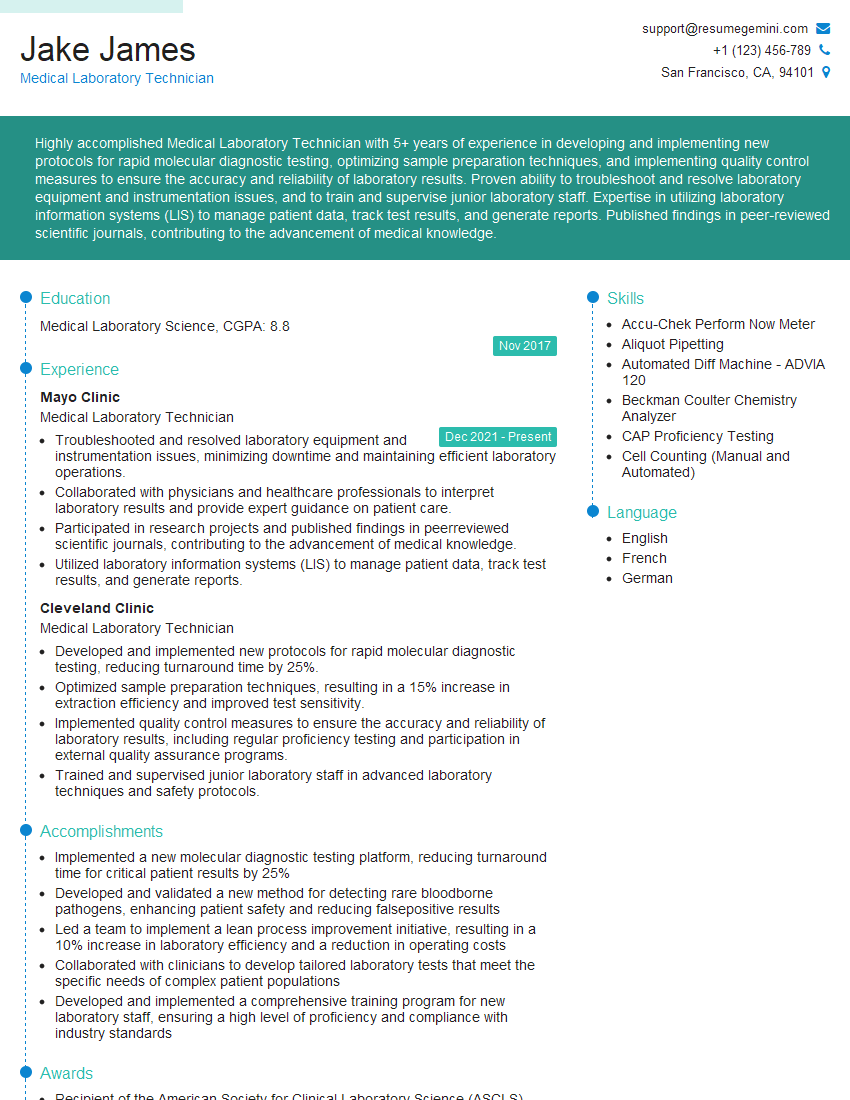
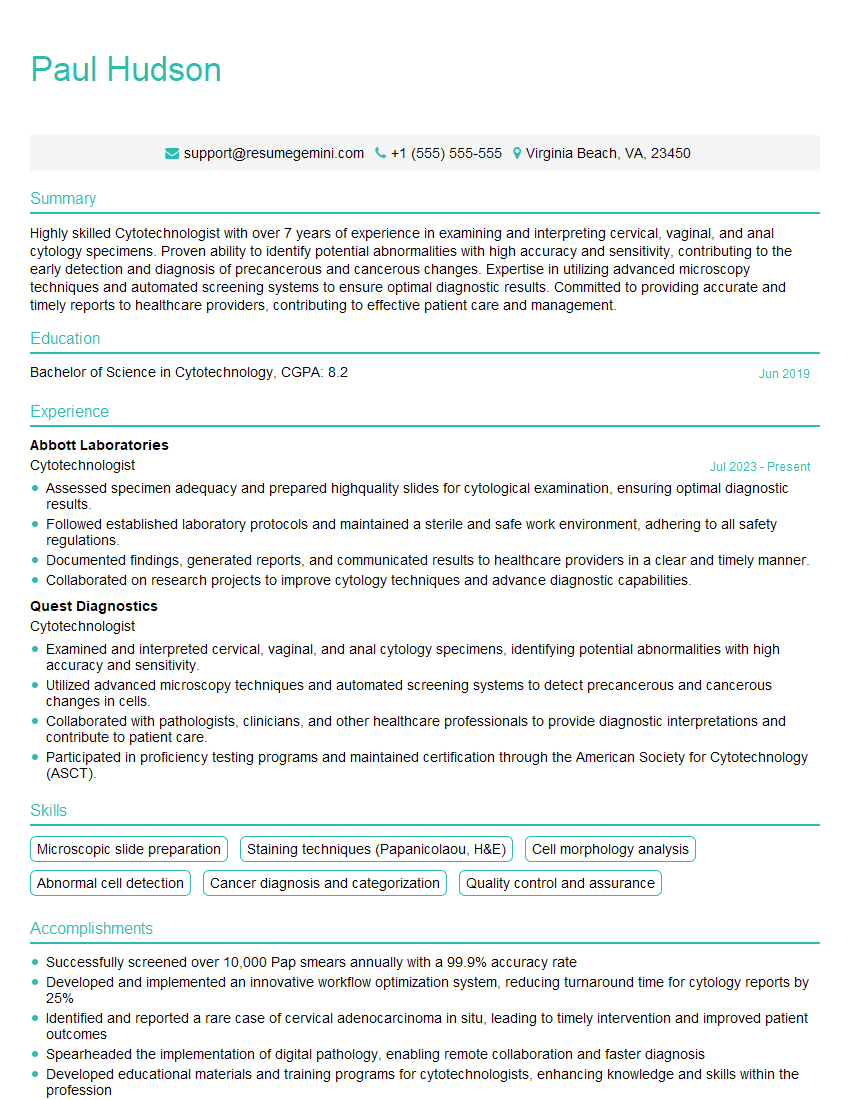
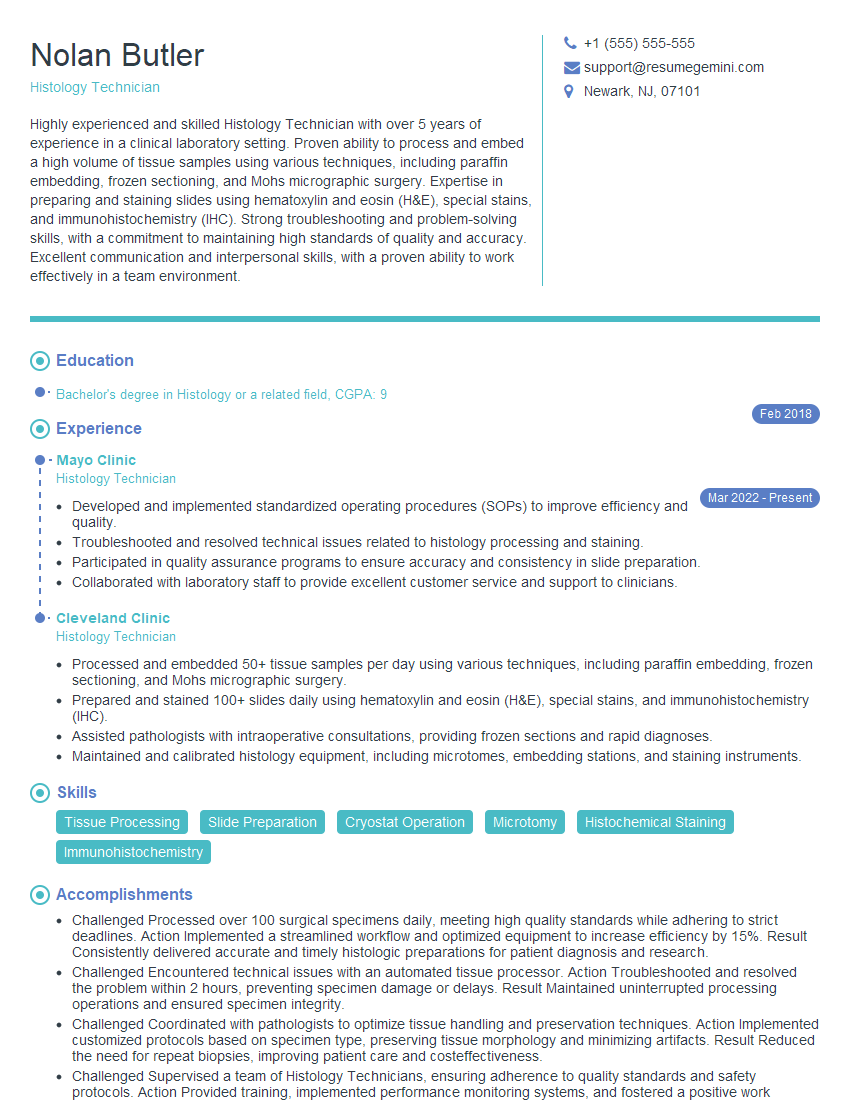
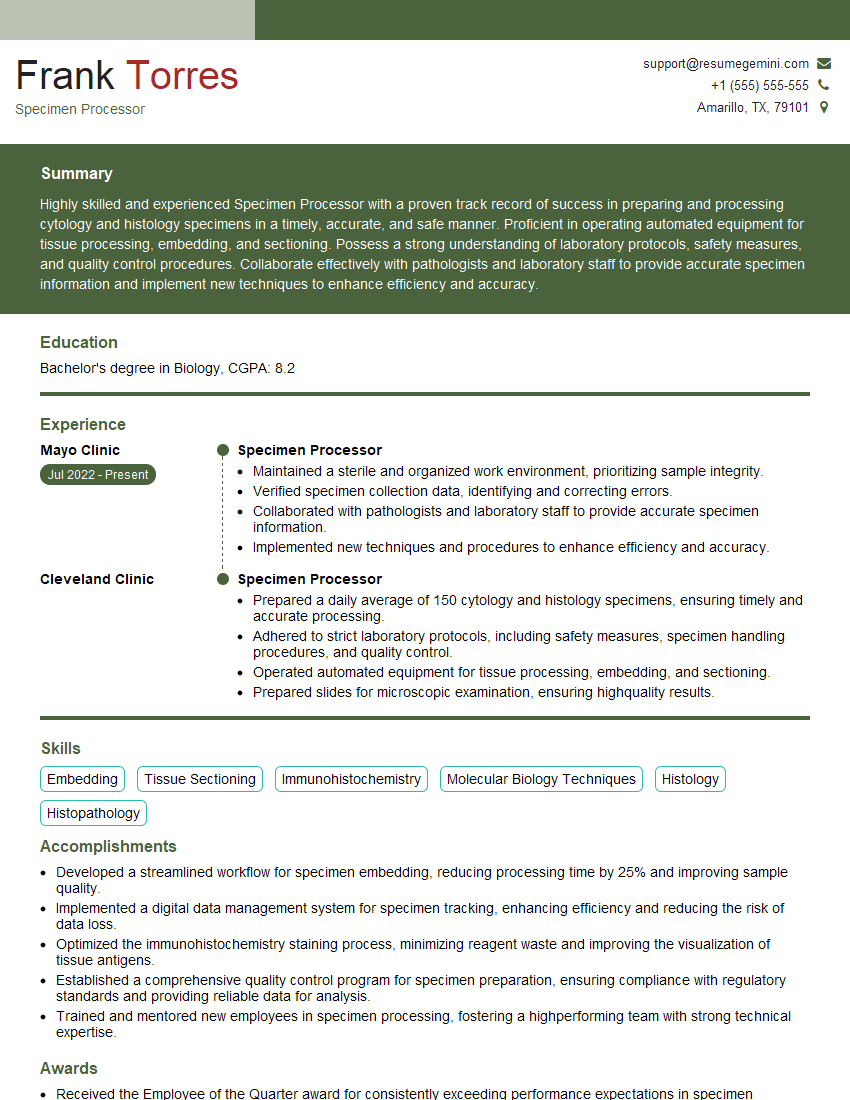
Mastering tissue handling techniques opens doors to exciting career advancements in pathology, research, and diagnostics. A strong understanding of these principles demonstrates competence and attention to detail, highly valued in this field. To maximize your job prospects, crafting a well-structured, ATS-friendly resume is crucial. ResumeGemini is a trusted resource that can help you build a professional and impactful resume tailored to the specific requirements of tissue handling roles. Examples of resumes tailored to tissue handling positions are available to help you get started.

Explore more articles
Users Rating of Our Blogs
Share Your Experience
We value your feedback! Please rate our content and share your thoughts (optional).
What Readers Say About Our Blog
Very informative content, great job.
good