Interviews are more than just a Q&A session—they’re a chance to prove your worth. This blog dives into essential Experience with Different Types of Trucks interview questions and expert tips to help you align your answers with what hiring managers are looking for. Start preparing to shine!
Questions Asked in Experience with Different Types of Trucks Interview
Q 1. What types of trucks have you operated?
Throughout my career, I’ve had the opportunity to operate a wide variety of trucks, ranging from smaller Class B box trucks used for local deliveries to larger Class A tractor-trailers for long-haul transportation. My experience also includes operating Class C vehicles, such as dump trucks and flatbed trucks, for construction and various material hauling jobs. I’ve driven both single-unit trucks and those with various trailer configurations.
Q 2. Describe your experience with Class A, B, and C vehicles.
My experience with Class A, B, and C vehicles is extensive and varied. Class A vehicles, typically tractor-trailers, require a high level of skill and awareness due to their size and maneuverability challenges. I’ve accumulated thousands of hours of safe driving experience with these vehicles, including navigating complex highway systems and making precise maneuvers in tight spaces. Class B vehicles, like straight trucks and box trucks, are more versatile and used for various tasks. My proficiency includes efficient route planning and careful handling of diverse cargo. Class C vehicles, encompassing smaller trucks and delivery vans, require a solid understanding of urban driving techniques and compliance with delivery schedules. I’m comfortable operating all three classes, consistently ensuring safety and on-time performance.
Q 3. Explain the differences between manual and automatic transmissions in trucks.
The primary difference between manual and automatic transmissions in trucks lies in how gear shifting is controlled. Manual transmissions require the driver to manually shift gears using a clutch and gear stick. This offers greater control, especially in demanding situations like steep inclines or heavy loads, allowing for precise gear selection to maximize engine performance and fuel efficiency. However, they require more skill and can be more tiring during long drives. Automatic transmissions, on the other hand, automatically shift gears based on engine speed and load. They are easier to operate and reduce driver fatigue, especially during long hauls. However, they might not offer the same level of control or fuel efficiency in challenging conditions compared to a manual transmission. My experience includes proficient operation of both types, allowing me to adapt to different trucks and situations.
Q 4. What are your experiences with different trailer types (e.g., flatbed, reefer, tanker)?
I possess extensive experience with various trailer types. Flatbed trailers require secure load planning and proper tie-down techniques to prevent shifting during transit. I’m adept at using chains, straps, and other securing devices to ensure the load remains safe and stable, even on uneven terrain. Reefer trailers, used for temperature-sensitive goods, necessitate knowledge of refrigeration unit operation, temperature monitoring, and proper ventilation. I understand the importance of maintaining the cold chain and handling various cargo types with different temperature requirements. Tanker trailers, used for liquid or gaseous cargo, demand thorough understanding of hazardous materials regulations, proper loading procedures, and potential safety hazards. I am experienced in following all safety protocols and handling these vehicles with utmost care.
Q 5. Describe your experience with pre-trip inspections.
Pre-trip inspections are crucial for safety. My inspection routine is thorough and follows a checklist that covers every aspect of the vehicle and trailer. This includes checking tires (tread depth, pressure, and condition), lights (headlights, brake lights, turn signals), brakes, steering, suspension components, fuel levels, and cargo securement. I also inspect the trailer’s coupling, wheels, lights, and doors, ensuring everything is functioning correctly and safe. Any issues identified are meticulously documented and reported before beginning the trip. This proactive approach ensures the safety of both the vehicle and its surroundings.
Q 6. How do you handle challenging weather conditions while driving?
Driving in challenging weather requires heightened vigilance and adaptive driving techniques. In snowy or icy conditions, I reduce speed significantly, maintain increased following distances, and avoid sudden braking or acceleration. I use the appropriate gears to maintain momentum and control, and I’m prepared to adjust my route if necessary. Heavy rain reduces visibility, so I use my headlights and wipers, and I drive more slowly to maintain control. In high winds, I maintain a firm grip on the steering wheel and anticipate wind gusts, making necessary adjustments to counteract their effects. Safety is always the top priority in adverse weather conditions.
Q 7. What is your experience with load securing techniques?
Load securing is paramount for safety and prevents cargo damage. My experience encompasses various techniques, including the proper use of chains, straps, and binders for different cargo types. I understand the importance of distributing weight evenly and securing the load to prevent shifting during transport. I am familiar with different types of securing devices and choose the appropriate ones based on the cargo’s weight, size, and shape, as well as the type of trailer being used. I always ensure that the load is secured according to regulations and best practices, minimizing the risk of accidents or cargo loss. Proper load securing is a crucial skill I’ve honed through years of experience.
Q 8. How familiar are you with ELD (Electronic Logging Devices)?
ELDs, or Electronic Logging Devices, are mandated devices that automatically record a driver’s hours of service. They’re essentially digital versions of paper logs, but with much greater accuracy and efficiency. My familiarity with ELDs is extensive; I’ve used them daily for the past five years, becoming proficient in their operation and troubleshooting any issues that arise. I understand the intricacies of different ELD platforms, including data downloads for compliance audits and how to effectively manage my driving time to remain compliant with regulations.
For example, I’ve experienced situations where a malfunctioning ELD threatened to delay a crucial delivery. By quickly identifying the problem – in that case, a faulty GPS signal – and utilizing the ELD’s troubleshooting features, I was able to rectify the situation and submit a corrected record, preventing any penalties.
Q 9. Describe your experience with GPS navigation systems in trucks.
GPS navigation systems are indispensable for efficient and safe long-haul trucking. My experience encompasses using various systems, from built-in truck navigation to standalone GPS units. I’m adept at programming destinations, utilizing route optimization features to avoid traffic congestion and low bridges, and interpreting real-time traffic updates. I’m also familiar with using GPS to track my location, especially during deliveries in unfamiliar areas.
For instance, during a recent delivery to a large industrial park, the GPS guided me seamlessly through a complex maze of roads, preventing unnecessary delays and fuel consumption. Its ability to alert me to upcoming turns and road conditions proved critical in ensuring a safe and timely delivery.
Q 10. What are your strategies for fuel efficiency?
Fuel efficiency is a critical aspect of cost-effective trucking, and I employ several strategies to maximize it. These include maintaining a consistent speed, anticipating traffic flow to avoid braking and acceleration, utilizing cruise control appropriately, and performing regular vehicle maintenance checks, paying close attention to tire pressure. I also prioritize aerodynamic driving techniques, minimizing idling time, and selecting routes that avoid significant inclines and unnecessary detours.
For example, I meticulously monitor my fuel consumption, using onboard systems and fuel cards to track my usage. If I notice an increase in consumption, I immediately analyze my driving habits and the truck’s condition to identify and correct any issues.
Q 11. How do you maintain a safe following distance while driving a large truck?
Maintaining a safe following distance is paramount when driving a large truck. The increased stopping distance of a heavy vehicle requires significantly more space than a car. My approach is to utilize the 3-second rule: I identify a fixed point, such as a sign or landmark, and count three seconds after the vehicle ahead passes that point. If I reach the point before completing the count, I’m following too closely. The required distance increases in adverse weather conditions, such as rain or snow.
I also constantly scan my surroundings, anticipating potential hazards and adjusting my speed and following distance proactively. I understand that reacting quickly is often not enough when driving a large vehicle, therefore prevention is prioritized.
Q 12. Explain your understanding of Hours of Service (HOS) regulations.
Hours of Service (HOS) regulations are designed to prevent driver fatigue and enhance safety. My understanding is comprehensive; I’m thoroughly familiar with the rules governing driving time, break periods, and on-duty time. I’m proficient in using my ELD to track and manage my hours, ensuring I always operate within legal limits. I understand the nuances of exceptions and special circumstances, such as adverse driving conditions.
I meticulously plan my trips, accounting for HOS regulations to ensure efficient yet safe delivery schedules. This includes incorporating rest breaks into my routes and making accommodations for unexpected delays while adhering strictly to the rules.
Q 13. Describe your experience with handling hazardous materials.
My experience with hazardous materials (HazMat) includes handling various classes of materials, always adhering to strict safety protocols. I’m certified in HazMat transportation, possessing a thorough understanding of placards, shipping papers, and emergency response procedures. I’m familiar with the specific requirements for securing and handling different types of hazardous materials, including securing the load to prevent spills or shifting during transit.
For example, I’ve successfully transported chemicals requiring specific temperature control. I closely monitored temperature gauges and ensured the load remained within the permitted range, documenting all readings throughout the journey as required by regulations.
Q 14. What is your approach to managing unexpected mechanical issues on the road?
Unexpected mechanical issues are inevitable in long-haul trucking. My approach involves a systematic process: First, I safely pull over to the side of the road, activating hazard lights. I then conduct a preliminary assessment of the problem. If it’s minor and I can safely address it myself, I’ll do so. Otherwise, I contact my dispatch immediately, providing them with my location, the nature of the problem, and the truck’s condition. I also prioritize my safety and the safety of others, ensuring that the truck is properly secured and that I’m in a safe location.
In one instance, I experienced a flat tire on a remote highway. I followed safety procedures, changed the tire, and documented the incident for my company. By calmly and methodically handling the situation, I minimized downtime and avoided any safety risks.
Q 15. How do you prioritize safety while under time pressure?
Prioritizing safety under time pressure is paramount. It’s not a choice between speed and safety; it’s about integrating safety into every decision. My approach is threefold: Planning, Prioritization, and Proactive Measures.
Planning involves carefully reviewing the route beforehand, checking weather conditions, and ensuring the vehicle is in optimal condition. This reduces unexpected delays and minimizes potential hazards. For example, knowing there’s a significant incline on the route allows me to adjust my speed and anticipate the need for extra braking distance.
Prioritization means understanding that some tasks can be delayed without compromising safety. If I’m running late, I’ll communicate with the dispatcher and prioritize safe arrival over meeting a potentially unrealistic deadline. I’d rather arrive a little later than risk an accident.
Proactive Measures include regular vehicle inspections, maintaining a safe following distance, and avoiding distractions like cell phones. A simple pre-trip inspection can identify potential issues before they escalate into an emergency situation. I always maintain awareness of my surroundings and anticipate potential hazards, reacting accordingly. It’s like driving defensively; you’re always anticipating the actions of other drivers and preparing for the unexpected.
Career Expert Tips:
- Ace those interviews! Prepare effectively by reviewing the Top 50 Most Common Interview Questions on ResumeGemini.
- Navigate your job search with confidence! Explore a wide range of Career Tips on ResumeGemini. Learn about common challenges and recommendations to overcome them.
- Craft the perfect resume! Master the Art of Resume Writing with ResumeGemini’s guide. Showcase your unique qualifications and achievements effectively.
- Don’t miss out on holiday savings! Build your dream resume with ResumeGemini’s ATS optimized templates.
Q 16. Describe your experience with loading and unloading procedures for various cargo.
My experience encompasses loading and unloading diverse cargo, from palletized goods and oversized equipment to sensitive materials like electronics and perishable items. Each type demands a specific procedure to ensure safety and prevent damage.
- Palletized Goods: I’m proficient in using forklifts and pallet jacks to efficiently load and unload these, ensuring proper stacking and securing to prevent shifting during transit. I always verify weight distribution to maintain balance and stability.
- Oversized/Heavy Equipment: This requires specialized equipment and techniques, including the use of ramps, straps, and chains to secure the load. I always consult the weight limits of the truck and the necessary securing procedures before commencing.
- Sensitive/Perishable Goods: Handling these necessitates careful attention to temperature control, proper stacking, and cushioning to avoid damage. For temperature-sensitive items, I carefully monitor the refrigeration units throughout the journey.
Beyond the specific cargo type, I meticulously document each loading and unloading process, noting any damage, discrepancies, or special handling instructions. This detailed record-keeping is crucial for maintaining accuracy and accountability.
Q 17. How do you handle difficult customers or dispatchers?
Handling difficult customers or dispatchers requires patience, diplomacy, and effective communication. My approach is to listen actively, understand their concerns, and then offer clear and concise solutions.
Active Listening: I start by letting them fully express their concerns without interruption. This shows respect and allows me to accurately assess the situation. Sometimes, a simple acknowledgement of their frustration can de-escalate a tense situation.
Clear Communication: Once I understand their issue, I clearly explain the situation from my perspective, offering potential solutions within the constraints of safety and regulations. For example, if a customer demands an unrealistic delivery time, I’ll explain the reasons for the delay and offer alternative options.
Professionalism: I maintain a calm and professional demeanor throughout the interaction, even when faced with aggressive or unreasonable demands. My goal is to find a mutually acceptable solution, keeping in mind that professionalism and courtesy often diffuse even the most difficult situations.
Q 18. What is your experience with using truck scales?
I have extensive experience using truck scales for weighing loads before and after delivery. This is crucial for ensuring compliance with weight limits and accurate billing. My process involves:
- Pre-Trip Weighing: I carefully weigh the truck and load before departure to ensure it’s within legal limits. This prevents overloading and potential fines or accidents.
- Post-Trip Weighing: After delivery, I weigh the truck again to verify the weight of the delivered goods. This information is critical for accurate invoicing and verifying delivery accuracy.
- Data Recording: I meticulously record all weight readings, including date, time, and location, to maintain accurate records for audits and compliance purposes.
I’m familiar with different types of truck scales, including those with digital readouts and those requiring manual recording. I understand the importance of proper scale calibration and ensure that the readings are accurate and reliable.
Q 19. What are your strategies for preventing accidents?
Preventing accidents is a proactive, multi-faceted process. My strategies center around defensive driving, vehicle maintenance, and adherence to regulations.
- Defensive Driving: This involves anticipating potential hazards, maintaining a safe following distance, and constantly scanning my surroundings. I regularly adjust my speed according to weather conditions and traffic flow.
- Vehicle Maintenance: I perform regular vehicle inspections, checking tires, brakes, lights, and other critical components. Reporting any potential issues promptly prevents minor problems from escalating into major safety concerns. Think of it as preventative maintenance – much like a doctor’s check-up.
- Adherence to Regulations: I strictly follow all traffic laws and regulations, including speed limits, hours of service, and load securement procedures. This is not only essential for safety but also for legal compliance.
- Fatigue Management: I prioritize adequate rest and avoid driving when fatigued. Fatigue is a significant contributor to accidents, and I prioritize my health and safety as well as others.
By consistently applying these strategies, I minimize the risk of accidents and maintain a strong safety record.
Q 20. How do you maintain accurate logs and documentation?
Maintaining accurate logs and documentation is crucial for compliance and efficient operations. I use a combination of electronic logging devices (ELDs) and paper logs to ensure accuracy and redundancy.
Electronic Logging Devices (ELDs): I’m proficient in using ELDs to automatically record driving time, hours of service, and other relevant data. This eliminates manual errors and simplifies the process. I make sure the ELD is properly calibrated and functioning correctly.
Paper Logs (Backup): Even with an ELD, I maintain paper logs as a backup. This provides redundancy in case of ELD malfunction. I follow the strict regulations for maintaining these logs, ensuring legibility and accuracy.
Supporting Documentation: Beyond the ELD and paper logs, I maintain supporting documentation such as delivery receipts, bills of lading, and any other relevant paperwork to provide a complete and auditable record of my activities. This is important for efficient record-keeping and for resolving any discrepancies.
Q 21. Describe your experience with different types of braking systems in trucks.
My experience encompasses various braking systems found in trucks, including:
- Air Brakes: I’m highly familiar with the components and operation of air brake systems, including the air compressor, brake chambers, and valve systems. I understand the importance of regular maintenance and inspections to ensure proper functioning and preventing brake failure.
- Anti-lock Braking Systems (ABS): I’m well-versed in the operation and benefits of ABS, which prevent wheel lockup during hard braking, enhancing control and stability. I know how to identify and react to situations where ABS is engaged.
- Exhaust Brakes (Jake Brakes): I’m experienced in using exhaust brakes to help control speed on downhill grades, reducing wear and tear on the service brakes and improving overall safety. I know how to use these effectively without causing undue noise or discomfort.
- Electric Braking Systems: I have some experience with electric braking systems in newer trucks, understanding their advantages and how they integrate with other braking components.
Understanding the nuances of each braking system is vital for safe and efficient operation. Regular maintenance, proactive inspection, and knowing how to react to different braking scenarios are crucial for preventing accidents.
Q 22. How familiar are you with different types of tires and their applications?
My familiarity with different truck tire types extends beyond simple recognition; I understand their specific applications and limitations. For instance, I know the differences between radial and bias-ply tires – radials offering better fuel efficiency and ride comfort, while bias-ply tires might be more durable for certain off-road applications. I’m also well-versed in various tread patterns: rib tires are excellent for highway driving, while lug tires provide superior traction in mud or snow. Selecting the correct tire is crucial; a mismatched tire can lead to uneven wear, reduced fuel economy, and even safety hazards. For example, using highway tires on a gravel road will lead to rapid wear and tear, while using off-road tires on a highway will reduce fuel efficiency and handling.
- Highway tires (Rib): Optimized for fuel efficiency and smooth highway driving.
- All-season tires: A compromise between highway and off-road capabilities.
- Mud tires (Lug): Deep treads provide excellent traction in muddy or snowy conditions.
- Bias-ply tires: Older technology, more durable but less fuel-efficient than radials.
- Radial tires: Modern standard, offering better fuel economy and ride quality.
My experience includes assessing tire condition, recognizing wear patterns indicating potential problems, and knowing when tire replacement or rotation is necessary to ensure optimal safety and performance.
Q 23. What is your experience with routine truck maintenance?
Routine truck maintenance is paramount for safety and operational efficiency. My experience encompasses a wide range of tasks, from daily pre-trip inspections (checking fluids, tires, lights, brakes) to more involved maintenance like changing oil, filters, and inspecting belts. I’m proficient in using diagnostic tools to identify potential issues early on, preventing more significant problems down the line. For instance, I’ve learned to recognize subtle variations in engine sounds that could indicate a problem with the timing belt or other critical components. Proactive maintenance avoids costly repairs and prevents breakdowns, minimizing downtime and ensuring consistent operations. I’m also familiar with keeping detailed maintenance logs and ensuring all necessary documentation is up-to-date to adhere to regulatory requirements.
Beyond the routine, I’m also comfortable with more complex tasks like conducting brake adjustments or minor repairs. I understand the importance of adhering to manufacturer’s recommendations and using only high-quality parts.
Q 24. Describe your experience with managing cargo weight distribution.
Managing cargo weight distribution is crucial for safety and stability, especially with large trucks. I’m experienced in properly securing loads to prevent shifting during transit, which could cause accidents or damage to the cargo. This includes understanding weight limits, axle weight distribution regulations, and using appropriate tie-down techniques. Improper weight distribution can lead to instability, increased tire wear, and potential rollovers. I always ensure the weight is evenly distributed across the axles, checking the load weight against the truck’s capacity, and using appropriate securing devices.
For example, heavier items should be placed lower and closer to the center of gravity. I always double-check my work before departing and utilize weight scales whenever possible to confirm that weight is evenly distributed and within legal limits. I am familiar with different types of cargo and their handling requirements. I’ve handled various types of cargo – from palletized goods to bulk materials – ensuring each is correctly secured and distributed for safe transport. My experience encompasses using load bars, straps, and other securing equipment, complying with all relevant safety regulations.
Q 25. How do you handle traffic congestion and tight spaces while driving a large truck?
Driving a large truck in congested areas requires a proactive and defensive driving style. I anticipate potential problems, leave ample following distance, and maintain a safe speed. I plan my routes meticulously to avoid congested areas whenever possible and utilize GPS navigation to find optimal routes. In tight spaces, I use mirrors effectively, make slow, deliberate maneuvers, and always check my surroundings. I’m highly skilled in backing up and maneuvering in confined areas. I employ the use of spotters when necessary to guide me through particularly challenging situations.
For example, I might choose to take a slightly longer route to avoid a known traffic bottleneck, or I’ll use a larger turning radius to avoid hitting obstructions. Safety is always my top priority, and I prioritize avoiding sudden maneuvers that could cause accidents.
Q 26. What are your strategies for effective route planning?
Effective route planning is fundamental to efficient and safe trucking. My strategies involve using GPS navigation systems, but also considering factors like traffic patterns, road conditions, construction, and weight restrictions. I often check real-time traffic data to avoid delays and choose routes that minimize fuel consumption and maximize efficiency. I research alternative routes in case of unexpected delays or road closures.
For example, I’ll account for rush hour traffic, construction zones, or weather conditions that might affect travel time. Before embarking on a journey, I always consider the best possible route considering all relevant information. I also factor in rest stops and mandatory break times to ensure compliance with regulations.
Q 27. Describe a time you had to improvise to solve a problem while driving.
During a delivery, a severe thunderstorm caused a major detour on my planned route. The road was completely flooded, rendering it impassable. Instead of panicking, I used my GPS to quickly identify a secondary route. I contacted my dispatcher and provided an estimated delay due to the detour. To ensure safety, I proceeded slowly and cautiously on the alternative route, which was a narrower, winding road. While this involved a longer trip, it ensured the safe delivery of the cargo and prevented potential damage.
This situation highlighted the importance of situational awareness, quick thinking, and effective communication in resolving unexpected problems.
Q 28. What is your experience with using a two-way radio?
I have extensive experience using two-way radios for communication with dispatchers, other drivers, and roadside assistance. I’m proficient in using radio etiquette, ensuring clear and concise communication to avoid misunderstandings. I understand the importance of using proper radio protocol, including identifying myself and my location before transmitting. Clear communication is essential for coordinating deliveries, reporting incidents, and requesting assistance. I also know how to adjust the radio’s volume and frequency to ensure clear reception in various conditions.
For example, I’ve used the radio to coordinate with other drivers to navigate congested areas or to report a hazard on the road. I’ve also used the radio to request assistance in case of a breakdown or other emergency situations.
Key Topics to Learn for Experience with Different Types of Trucks Interview
- Truck Classifications and Types: Understanding the differences between Class 1-8 trucks, including their weight capacities, applications, and operational characteristics. This includes recognizing specific truck types like box trucks, flatbeds, tankers, and specialized vehicles.
- Vehicle Maintenance and Inspection: Knowledge of preventative maintenance schedules, routine inspections (pre-trip and post-trip), and the ability to identify and troubleshoot common mechanical issues. This includes understanding the importance of safety checks and compliance with regulations.
- Operational Procedures and Safety: Familiarity with safe driving practices, load securing techniques, and adherence to DOT regulations. This includes understanding procedures for navigating various road conditions and handling emergencies.
- Logistics and Route Planning: Understanding efficient route planning, load optimization, and the impact of different factors (traffic, weather, delivery schedules) on transportation efficiency. This also includes familiarity with GPS navigation systems and dispatch software.
- Regulations and Compliance: Knowledge of relevant federal and state regulations regarding driver’s licenses (CDL classes), hours of service, and weight limits. This includes understanding the importance of maintaining accurate logs and documentation.
- Problem-Solving and Adaptability: Demonstrating the ability to handle unexpected situations on the road, such as mechanical breakdowns, traffic delays, or adverse weather conditions. This includes the ability to think quickly and make effective decisions under pressure.
- Technology and Telematics: Familiarity with Electronic Logging Devices (ELDs), GPS tracking systems, and other technologies used in modern trucking operations. Understanding how this technology improves efficiency and safety.
Next Steps
Mastering your knowledge of different truck types and their operational aspects is crucial for career advancement in the transportation industry. A strong understanding of these areas showcases your experience and expertise, making you a highly desirable candidate. To highlight your skills effectively, building an ATS-friendly resume is paramount. This ensures your application gets noticed by recruiters and hiring managers. ResumeGemini can significantly help you craft a professional and impactful resume tailored to the trucking industry. Examples of resumes specifically designed to showcase experience with different types of trucks are available, further enhancing your job search.
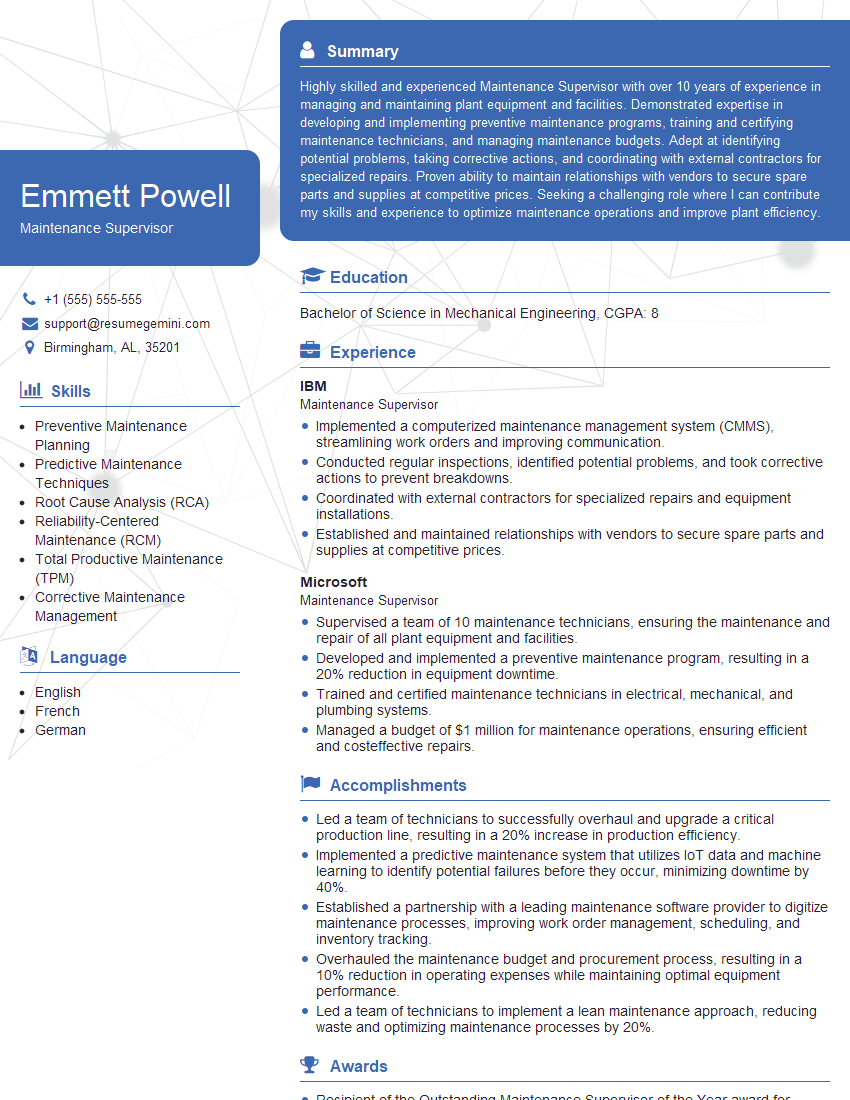
Maintenance Supervisor Resume Sample
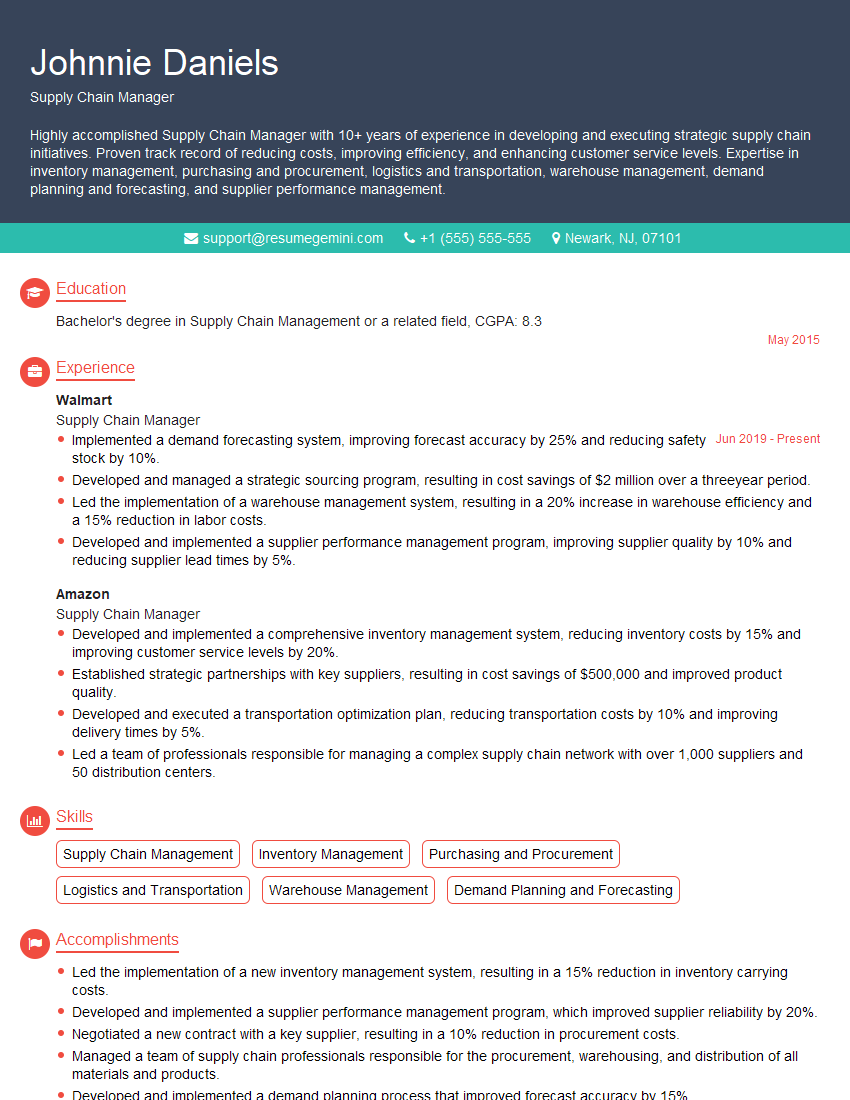
Supply Chain Manager Resume Sample

Logistics Manager Resume Sample

Dispatch Manager Resume Sample
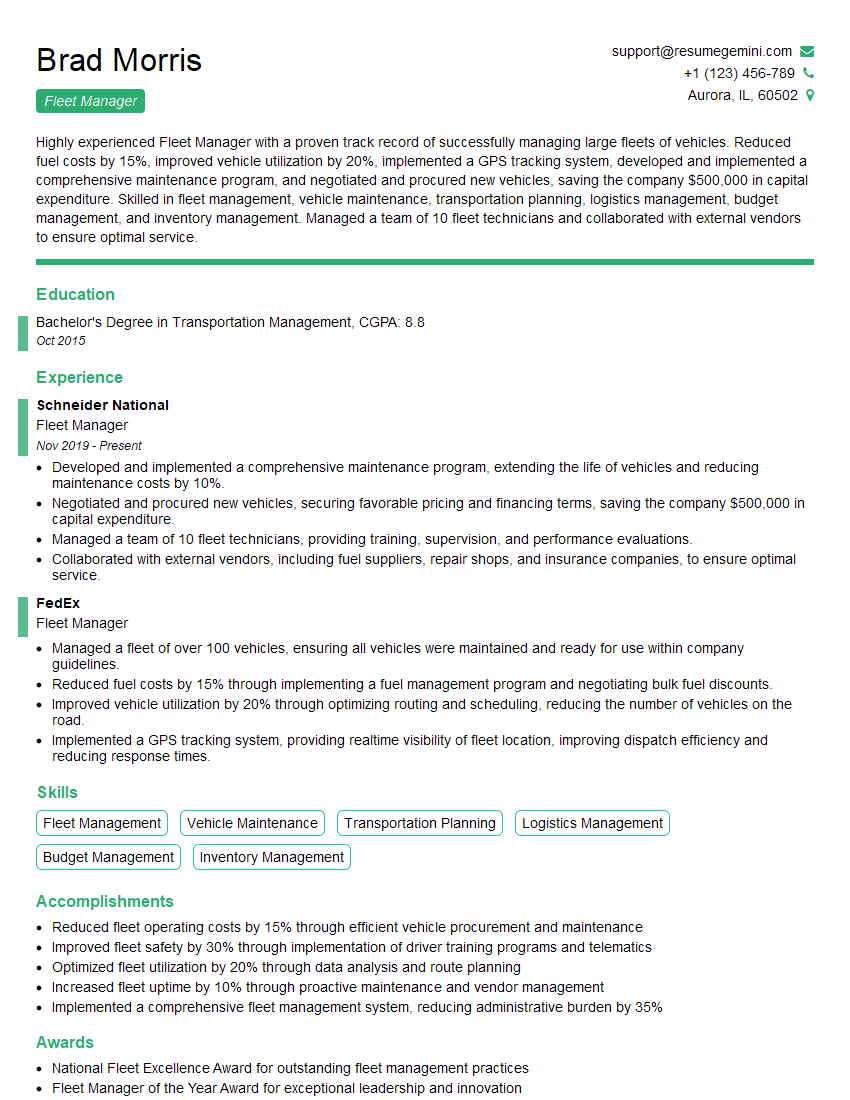
Fleet Manager Resume Sample
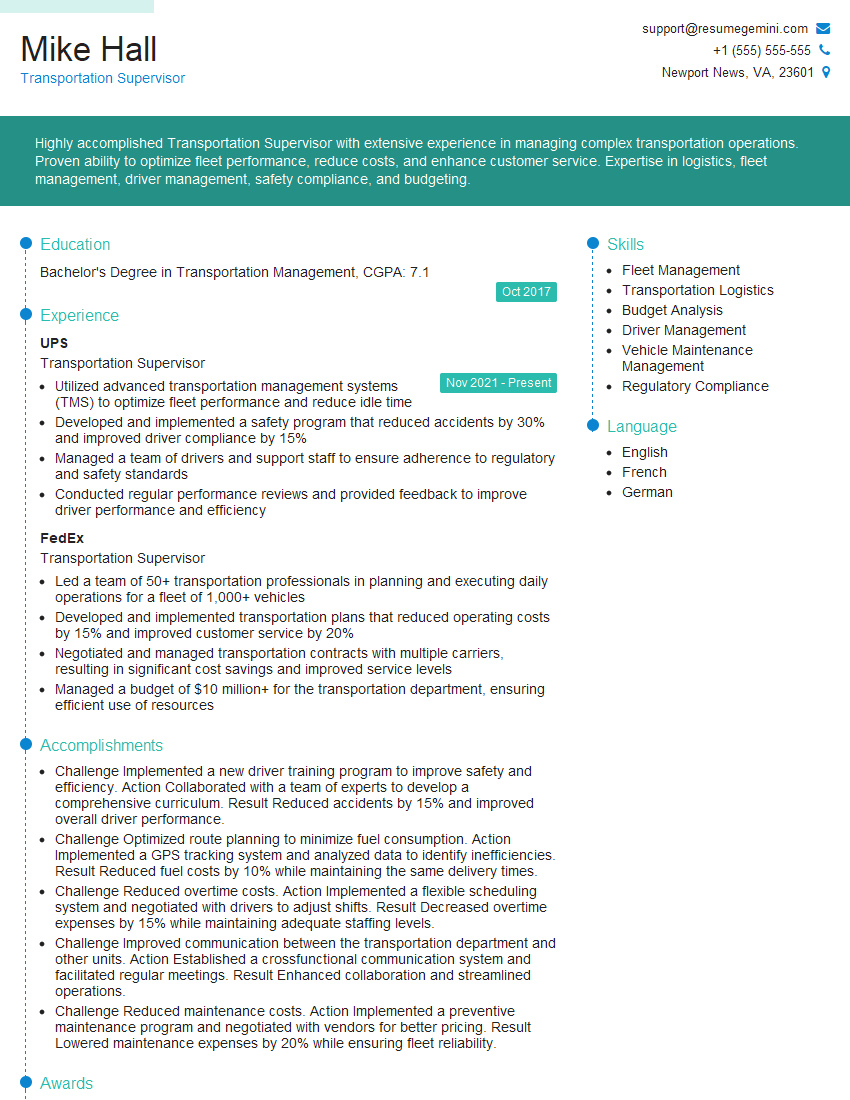
Transportation Supervisor Resume Sample
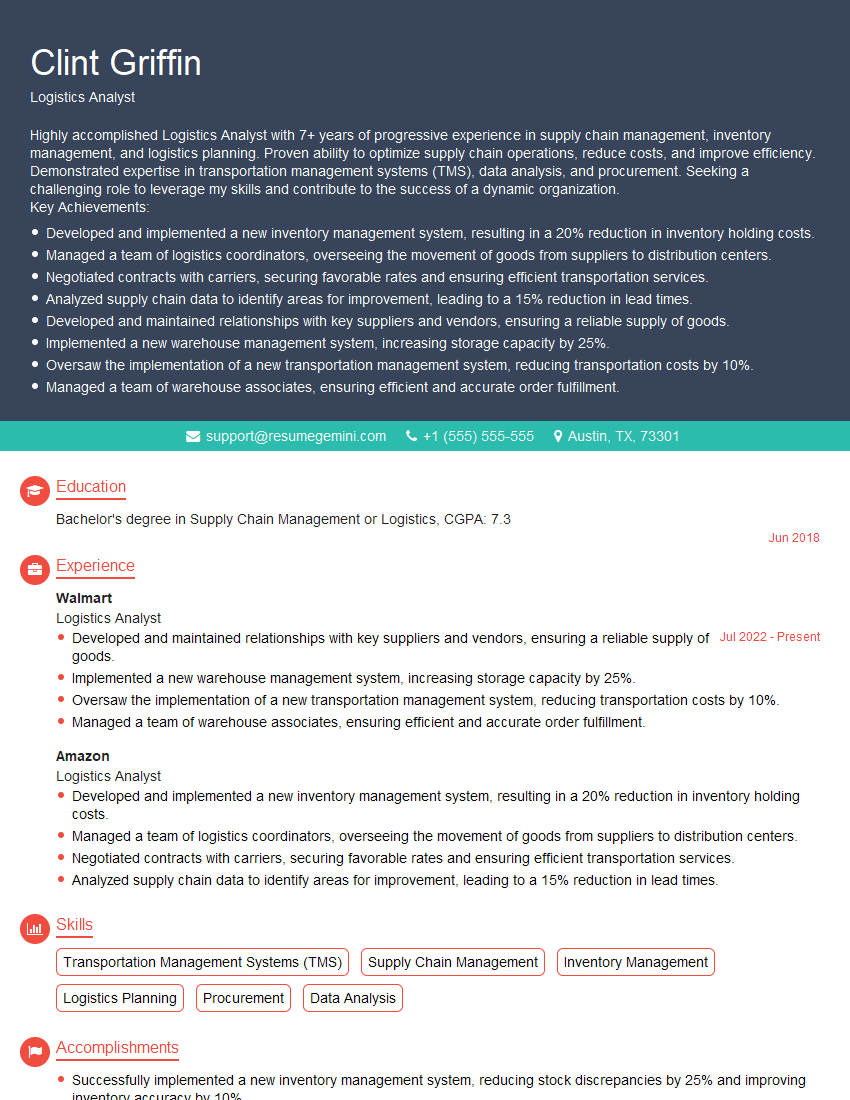
Logistics Analyst Resume Sample
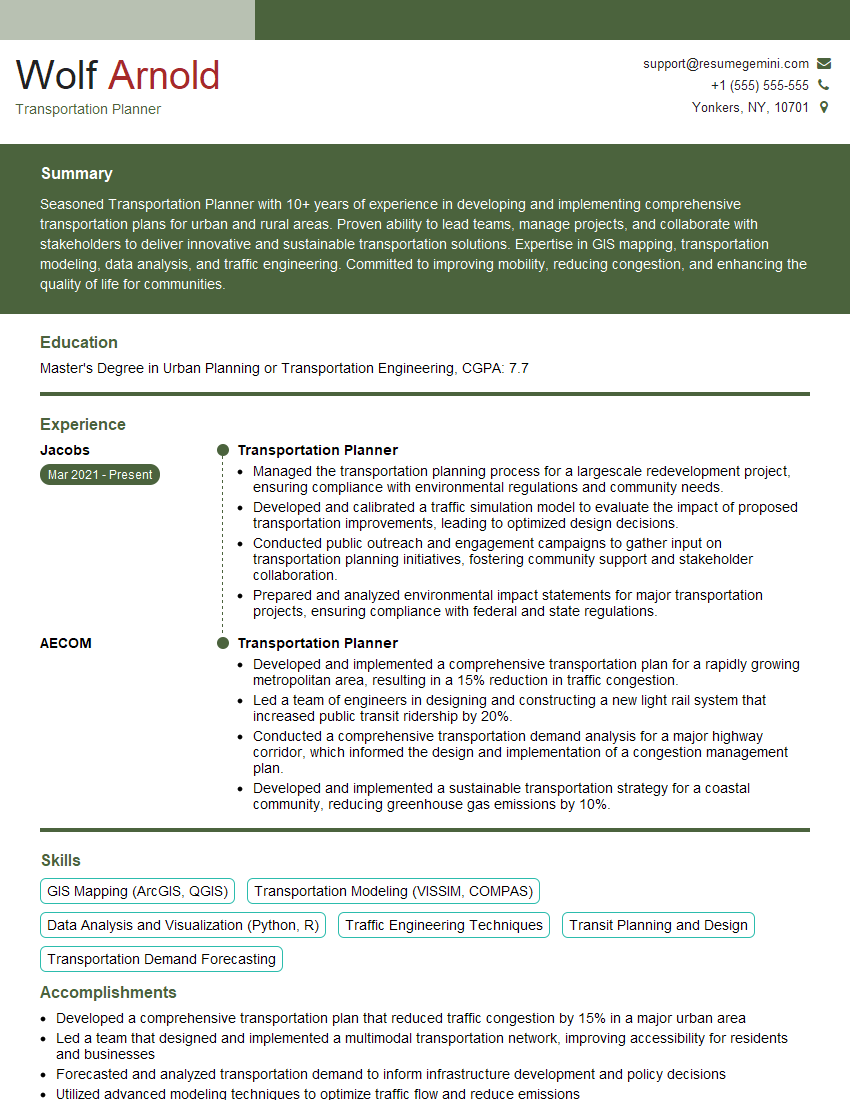
Transportation Planner Resume Sample
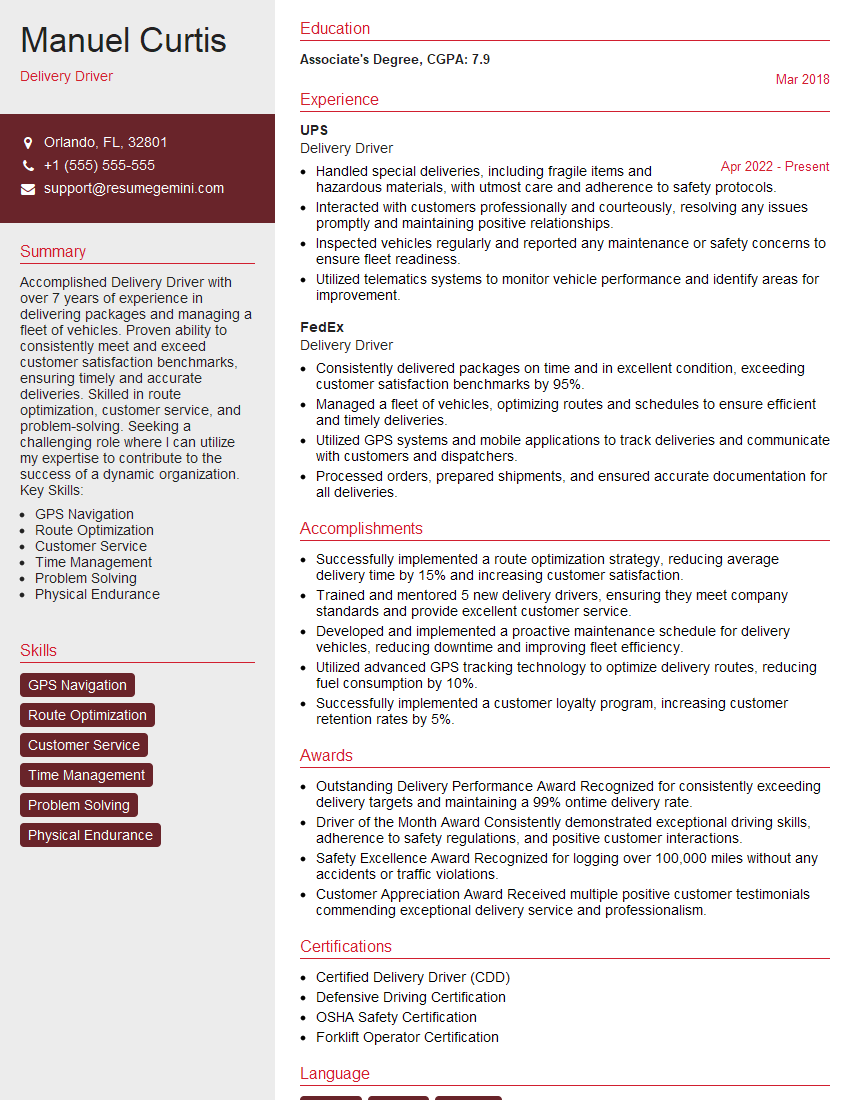
Delivery Driver Resume Sample
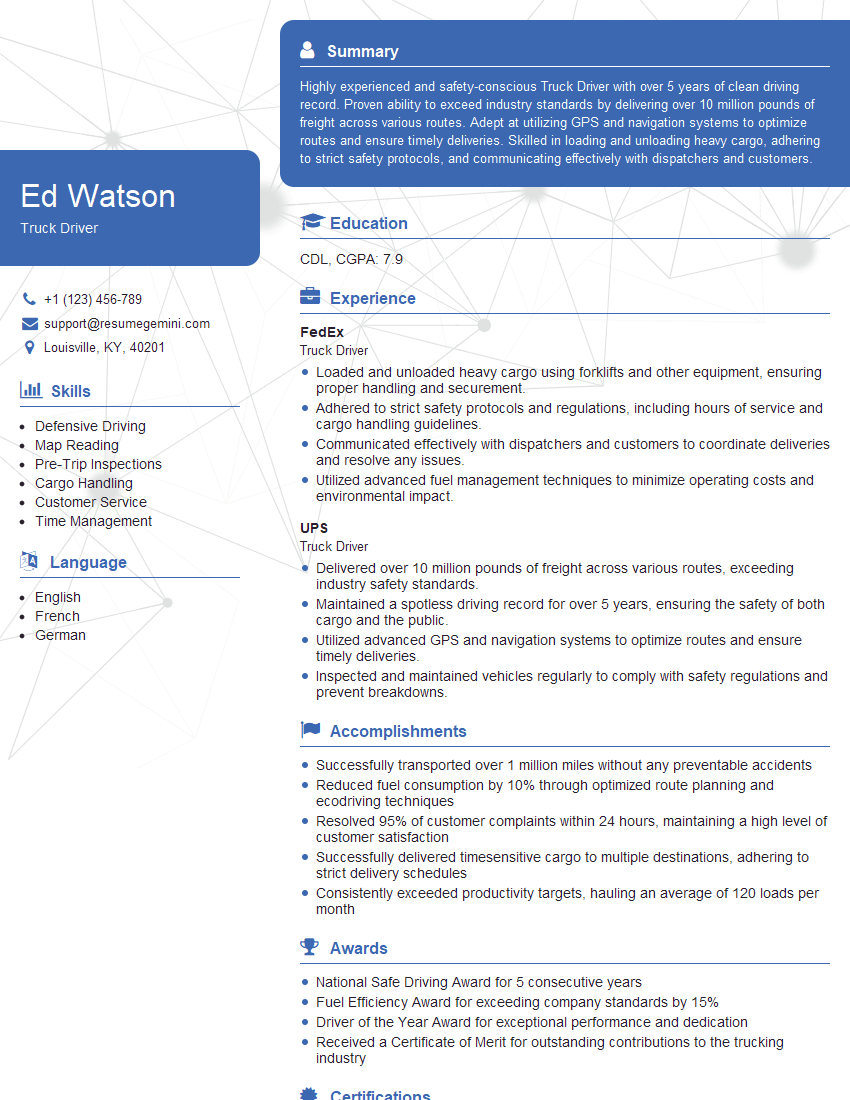
Truck Driver Resume Sample

Heavy Equipment Operator Resume Sample
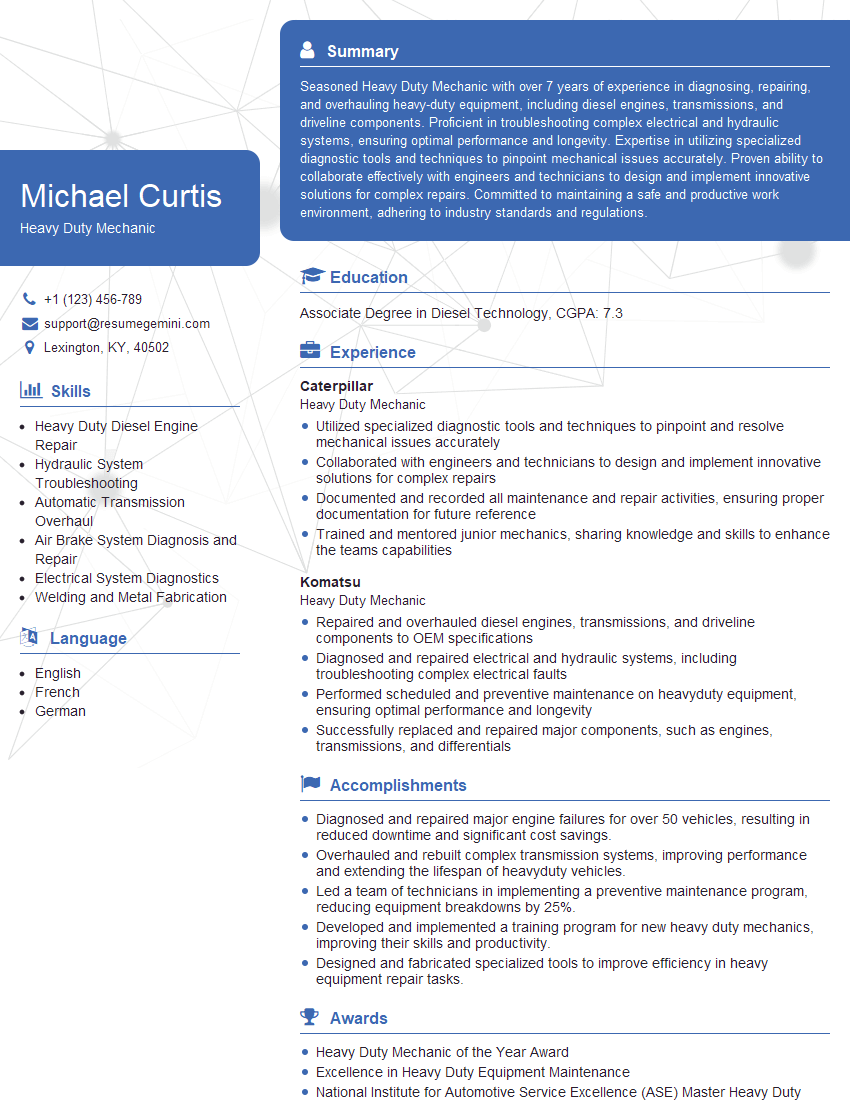
Heavy Duty Mechanic Resume Sample
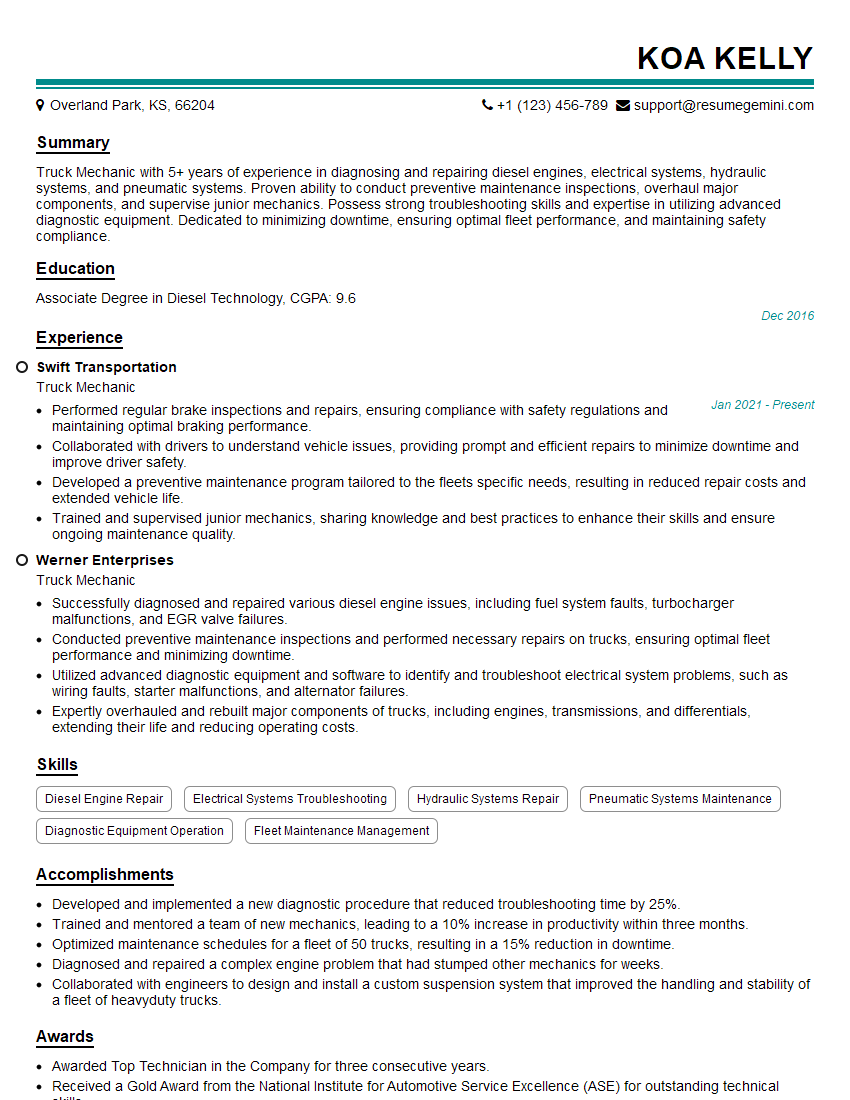
Truck Mechanic Resume Sample
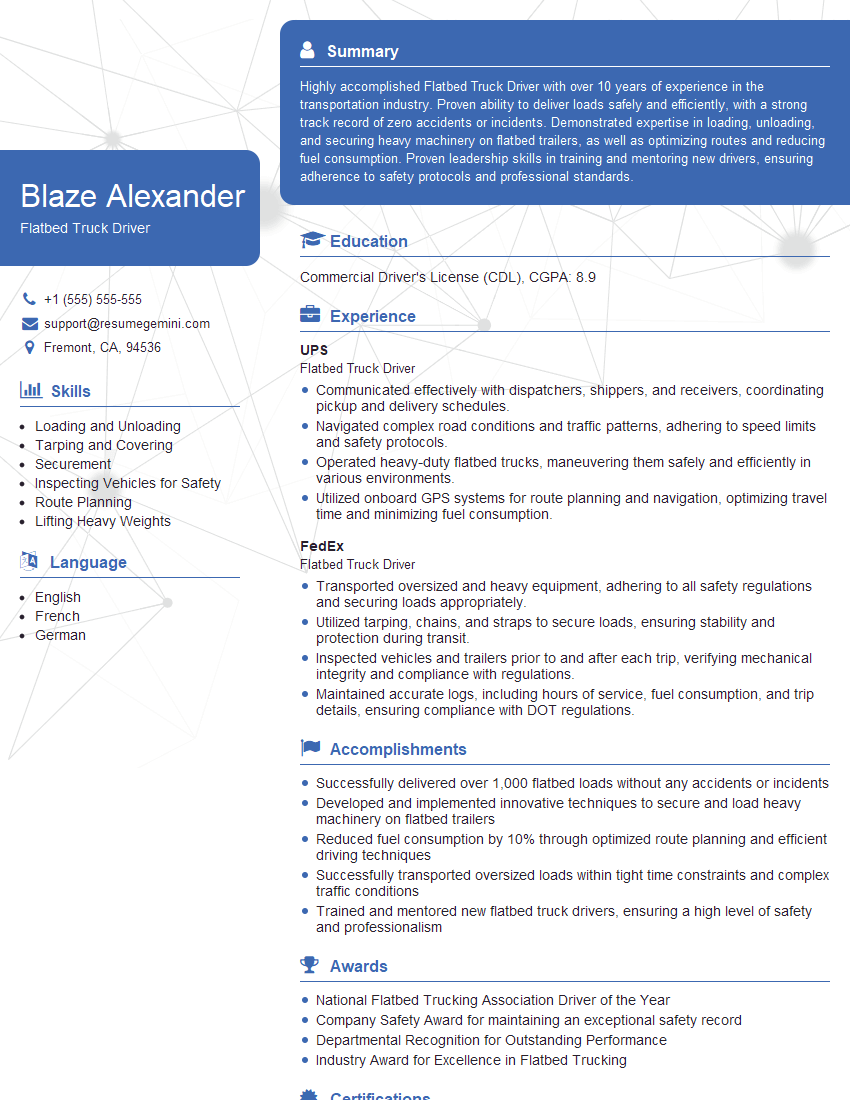
Flatbed Truck Driver Resume Sample
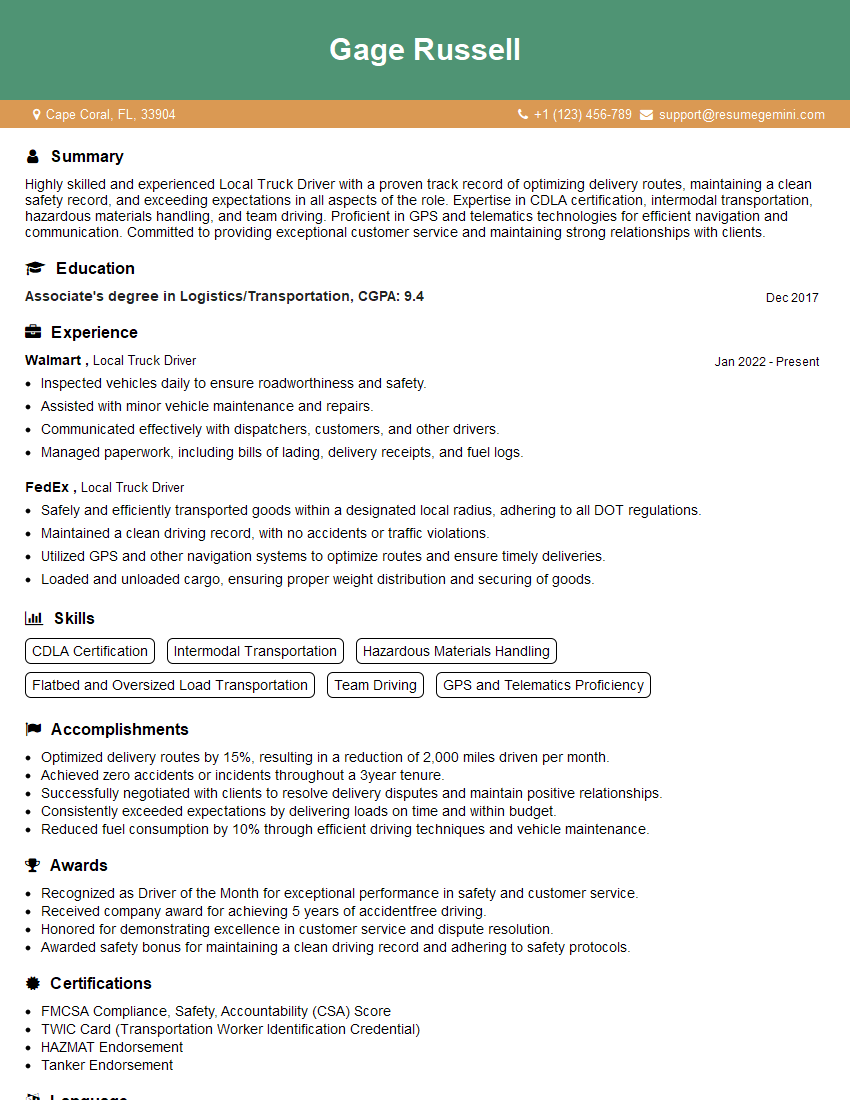
Local Truck Driver Resume Sample
Explore more articles
Users Rating of Our Blogs
Share Your Experience
We value your feedback! Please rate our content and share your thoughts (optional).
What Readers Say About Our Blog
Very informative content, great job.
good