Every successful interview starts with knowing what to expect. In this blog, we’ll take you through the top Working with farmers and other stakeholders interview questions, breaking them down with expert tips to help you deliver impactful answers. Step into your next interview fully prepared and ready to succeed.
Questions Asked in Working with farmers and other stakeholders Interview
Q 1. Describe your experience working directly with farmers.
My experience working with farmers spans over a decade, encompassing diverse roles from field research to project management in sustainable agriculture initiatives. I’ve worked extensively with smallholder farmers in rural communities, as well as larger commercial farms. This hands-on experience has provided me with a deep understanding of the challenges and opportunities faced by farmers across various scales and production systems. For example, I spent two years embedded with a cooperative of organic coffee farmers in Colombia, helping them improve their post-harvest processing techniques and access fair-trade markets. This experience gave me invaluable insight into the intricacies of farmer livelihoods and the importance of building trust and fostering collaborative relationships.
In another project, I worked with a group of dairy farmers facing challenges with water management. We implemented a new irrigation system and provided training on efficient water usage, leading to significant improvements in their yields and reduction of water waste. These diverse experiences have equipped me with a strong foundation in understanding farmer needs and developing effective solutions.
Q 2. How would you approach educating farmers on a new farming technique?
Educating farmers on new techniques requires a multi-faceted approach that prioritizes practical application, trust-building, and ongoing support. It’s not just about delivering information; it’s about fostering adoption. My approach involves these key steps:
- Needs Assessment: Begin by understanding the farmers’ current practices, challenges, and goals. What are their specific needs and constraints?
- Demonstration and Hands-on Training: Organize field demonstrations and workshops where farmers can see the new technique in action and participate in hands-on training. Learning by doing is crucial.
- Peer-to-Peer Learning: Encourage peer-to-peer learning and knowledge sharing amongst farmers. Successful adopters can become mentors for others.
- Addressing Concerns and Misconceptions: Actively address farmers’ concerns and misconceptions about the new technique. Transparency and honest communication are vital.
- Long-term Support and Monitoring: Provide ongoing support and monitoring to help farmers overcome challenges and troubleshoot problems. Regular follow-up visits are key to ensuring successful adoption.
For instance, when introducing precision agriculture techniques, I would start with a demonstration plot showing the benefits, followed by hands-on training sessions on using the technology and interpreting the data. I would also establish a support network where farmers can share their experiences and troubleshoot issues together.
Q 3. Explain your understanding of different farming systems (e.g., conventional, organic).
Farming systems can be broadly categorized into conventional and organic, but with many variations within each category.
- Conventional Farming: This system relies heavily on synthetic inputs such as fertilizers, pesticides, and herbicides to maximize yields. It often involves monoculture (growing a single crop) and large-scale mechanization. This approach can lead to high yields but also raises concerns about environmental impact and potential health risks.
- Organic Farming: This approach prioritizes ecological balance and avoids synthetic inputs. It emphasizes biodiversity, soil health, and natural pest control. Organic farming generally requires more labor and may have lower yields compared to conventional systems, but it is considered more sustainable and environmentally friendly.
- Other Systems: Beyond these two main categories, there are many other systems, including integrated pest management (IPM), agroforestry (combining trees and crops), and conservation agriculture (minimizing soil disturbance).
Understanding these different systems is crucial for tailoring advice and support to individual farmers based on their goals and context. For instance, a farmer aiming for high yields might favor conventional techniques, while one focusing on environmental sustainability might opt for organic practices.
Q 4. How would you address a conflict between a farmer and a local community?
Addressing conflicts between farmers and local communities requires a neutral and facilitative approach. The key is to foster open communication and find mutually acceptable solutions. My approach would involve:
- Mediation: Act as a neutral mediator to facilitate dialogue between the farmer and the community. This involves creating a safe space for open communication and identifying the root causes of the conflict.
- Collaborative Problem-Solving: Work with both parties to identify potential solutions that address the concerns of all stakeholders. This might involve compromise, negotiation, and creative problem-solving.
- Community Engagement: Engage the wider community to ensure that solutions are broadly acceptable and sustainable. This might involve public forums or community meetings.
- Legal and Regulatory Framework: Ensure that all actions adhere to relevant legal and regulatory frameworks. If necessary, seek legal advice to guide the resolution process.
For example, if a conflict arises from pesticide drift affecting nearby residents, I would facilitate discussions to explore solutions such as buffer zones, alternative pest control methods, or compensation for damages. The goal is always to find a solution that addresses the needs of both the farmer and the community.
Q 5. Describe your experience with risk management in agriculture.
Risk management in agriculture is crucial for ensuring farm viability and resilience. My experience includes working with farmers to develop and implement strategies to mitigate various risks. This involves:
- Crop Diversification: Encouraging farmers to diversify their crops to reduce reliance on a single product and spread risk across multiple revenue streams. This reduces the impact of crop failures or price fluctuations.
- Insurance: Advising farmers on suitable crop insurance and other risk mitigation strategies offered by government or private insurers. This provides financial protection against unexpected events.
- Market Analysis: Helping farmers understand market trends and price fluctuations to make informed decisions about production and marketing.
- Climate-Smart Agriculture: Promoting practices that enhance resilience to climate change, such as drought-resistant crops, water harvesting techniques, and improved soil management.
For example, I assisted a group of wheat farmers in implementing a weather-based index insurance program that provided financial protection against drought. This helped them mitigate the risk of crop failure due to unpredictable weather patterns.
Q 6. What strategies would you use to improve farm profitability?
Improving farm profitability requires a holistic approach that focuses on increasing efficiency, optimizing production, and enhancing marketing strategies. My strategies include:
- Improved Resource Management: Implementing efficient water and fertilizer management techniques to reduce input costs and maximize yields. This could involve using precision agriculture technologies or adopting soil conservation practices.
- Value-Added Production: Encouraging farmers to add value to their products through processing or branding to increase their market price. This might involve creating artisanal products or developing direct-to-consumer marketing channels.
- Market Access: Helping farmers access new markets and improve their marketing strategies. This might involve establishing cooperative marketing arrangements or developing strong relationships with buyers.
- Financial Management: Advising farmers on proper financial planning, record-keeping, and debt management to ensure long-term financial stability.
For instance, I worked with a group of vegetable farmers to help them establish a farmers’ market cooperative, enabling them to directly sell their products to consumers and achieve higher profits.
Q 7. How familiar are you with agricultural subsidies and government programs?
I am very familiar with agricultural subsidies and government programs, having worked extensively with farmers who utilize them. My understanding includes the various types of subsidies available, their eligibility criteria, and their impact on farmers and the agricultural sector. These programs often target specific crops, regions, or farming practices. I understand how these programs can be used to support farmers in achieving their objectives, and I’m also aware of potential unintended consequences, such as market distortions or environmental concerns. For example, I have experience helping farmers navigate the application processes for direct payments, crop insurance, and conservation programs. This involves understanding the specific rules and regulations for each program and ensuring that farmers meet the eligibility requirements. It also includes educating farmers on the benefits and limitations of different programs to help them make informed decisions.
Q 8. How would you facilitate communication between farmers and government agencies?
Facilitating communication between farmers and government agencies requires a multi-pronged approach focusing on building trust, utilizing accessible channels, and ensuring two-way information flow. I’d start by identifying key stakeholders within both groups – farmer representatives, agricultural extension agents, and specific government departments responsible for relevant programs (e.g., subsidies, research funding).
- Establish regular communication channels: This could involve setting up farmer forums, creating dedicated online platforms, or organizing regular meetings with clear agendas and minutes distributed to all participants.
- Utilize diverse communication methods: Not all farmers are comfortable with technology. A blend of approaches is crucial – face-to-face meetings, phone calls, text messages, emails, and potentially even radio announcements in some regions.
- Translate complex information: Government jargon needs to be translated into plain language that farmers easily understand. Visual aids like infographics or videos can be incredibly effective.
- Feedback mechanisms: Crucially, the communication should be bidirectional. Farmers need opportunities to voice concerns and provide feedback on government programs and policies. Surveys, suggestion boxes, and open forums are essential.
- Build relationships: Trust is paramount. Consistent, transparent communication built on mutual respect fosters lasting relationships, making future collaborations more productive.
For example, in a previous role, I helped establish a farmer-government liaison committee that met monthly. This resulted in significant improvements in the dissemination of crucial information regarding drought relief programs, leading to a more equitable distribution of aid.
Q 9. Explain your understanding of sustainable agricultural practices.
Sustainable agricultural practices aim to meet the current food and fiber needs without compromising the ability of future generations to meet their own needs. It’s about balancing environmental stewardship, economic viability, and social equity. Key aspects include:
- Soil health: Minimizing soil erosion, improving soil fertility through practices like cover cropping and no-till farming, and reducing reliance on synthetic fertilizers.
- Water management: Implementing efficient irrigation techniques, rainwater harvesting, and reducing water waste.
- Biodiversity: Promoting crop diversity, integrating livestock and crops (agroforestry), and protecting beneficial insects and pollinators.
- Pest and disease management: Emphasizing integrated pest management (IPM) strategies that prioritize prevention and minimize reliance on chemical pesticides.
- Climate change adaptation and mitigation: Employing climate-smart agriculture techniques like drought-resistant crops and carbon sequestration strategies.
- Economic viability: Farming practices must be economically sustainable for farmers, ensuring they can earn a fair living while adopting these methods.
For instance, I worked with a group of farmers to transition from conventional farming to organic methods. We implemented soil testing, provided training on organic pest control, and facilitated access to organic certification, resulting in increased market value for their products and improved soil health.
Q 10. How would you assess the needs of a diverse group of farmers?
Assessing the needs of a diverse group of farmers requires a participatory approach that acknowledges their varied backgrounds, farming systems, and resource access. I would employ the following methods:
- Focus groups and interviews: Conducting separate focus groups with different farmer subgroups (e.g., based on age, farm size, crop type, or geographic location) allows for targeted discussions and avoids the dominance of particular viewpoints.
- Surveys: Quantitative surveys can collect large amounts of data efficiently, providing insights into the prevalence of various challenges and priorities across the farmer population.
- Participatory rural appraisal (PRA): PRA methods, such as mapping exercises, ranking exercises, and transect walks, enable farmers to actively contribute their knowledge and perspectives in a visual and interactive way.
- Observation: Direct observation of farm practices can provide valuable insights into the efficiency and sustainability of existing systems.
- Data analysis: Combining quantitative and qualitative data helps build a comprehensive understanding of the diverse needs and priorities of different farmer groups.
For example, when working with a region facing water scarcity, I used participatory mapping to identify areas with limited access to irrigation, leading to a targeted water conservation program focusing on those specific locations.
Q 11. Describe your experience with data analysis in agriculture.
My experience with data analysis in agriculture involves using various tools and techniques to gather, analyze, and interpret data to improve farm management and decision-making. I’m proficient in using statistical software packages like R and Excel to analyze yield data, soil test results, weather patterns, and economic indicators.
- Yield prediction modeling: I’ve developed models to predict crop yields based on historical data, weather forecasts, and soil conditions, helping farmers make informed decisions regarding planting and resource allocation.
- Precision agriculture analysis: I’ve worked with data from GPS-guided machinery and sensors to optimize fertilizer and pesticide application, reducing inputs and environmental impact.
- Economic analysis: I’ve conducted cost-benefit analyses of different farming practices to help farmers identify the most economically viable options.
- Data visualization: I’m skilled in creating informative graphs and charts to communicate complex data clearly to farmers.
For instance, I analyzed yield data from a series of field trials to determine the optimal planting density for a particular crop, resulting in a 15% increase in yield for participating farmers.
Q 12. How would you utilize technology to improve farm efficiency?
Technology offers numerous opportunities to improve farm efficiency. My approach involves a careful assessment of the specific needs and resources of each farm before recommending particular technologies.
- Precision agriculture technologies: GPS-guided machinery, variable rate technology for fertilizer and pesticide application, and yield monitors can significantly increase efficiency and reduce input costs.
- Remote sensing and drones: Drones equipped with multispectral cameras can monitor crop health, detect early signs of stress or disease, and guide targeted interventions.
- Farm management software: Software programs can help track inputs, manage finances, and plan operations, improving organizational efficiency.
- Internet of Things (IoT) sensors: Sensors can monitor soil moisture, temperature, and other environmental conditions, enabling data-driven irrigation and fertilization practices.
- Mobile applications: Mobile apps provide farmers with access to real-time weather information, market prices, and agricultural advice.
For example, I helped a dairy farm implement a sensor-based system to monitor cow health, leading to earlier detection of illness and reduced veterinary costs.
Q 13. How familiar are you with different soil types and their management?
I have extensive familiarity with different soil types and their management. Understanding soil properties is fundamental to sustainable agriculture. My knowledge encompasses:
- Soil texture: The proportions of sand, silt, and clay, determining water-holding capacity, drainage, and aeration. Sandy soils drain quickly while clay soils retain water, impacting nutrient availability and plant growth.
- Soil structure: The arrangement of soil particles into aggregates, affecting water infiltration, root penetration, and aeration. Good soil structure is crucial for healthy plant growth.
- Soil pH: The acidity or alkalinity of the soil, influencing nutrient availability. Different plants have different optimal pH ranges.
- Soil organic matter: The amount of decomposing organic material in the soil, vital for improving soil structure, water retention, and nutrient cycling.
- Nutrient content: The levels of essential plant nutrients like nitrogen, phosphorus, and potassium, influencing crop yield and quality. Soil testing is essential to determine nutrient deficiencies.
My practical experience includes working with farmers to conduct soil tests, interpret results, and develop site-specific nutrient management plans. For example, I assisted a farmer with a clay soil to implement a no-till farming system to improve soil structure and reduce compaction, resulting in improved crop yields.
Q 14. What are the key challenges facing farmers in your region?
(Note: The specific challenges will vary greatly depending on the region. The following are some common challenges which I would address based on the specific regional context.)
- Climate change: Increased frequency and intensity of extreme weather events (droughts, floods, heat waves) pose significant threats to crop production and livestock.
- Water scarcity: Competition for water resources between agriculture, industry, and domestic use can lead to water stress for farmers.
- Market volatility: Fluctuations in commodity prices can significantly impact farmers’ income and profitability.
- Access to credit and inputs: Many farmers lack access to affordable credit and essential inputs like fertilizers, seeds, and pesticides.
- Soil degradation: Unsustainable agricultural practices can lead to soil erosion, nutrient depletion, and reduced fertility.
- Pest and disease outbreaks: Climate change and globalization can increase the prevalence and severity of pest and disease outbreaks.
- Labor shortages: Finding and retaining skilled agricultural labor can be a challenge in many regions.
Addressing these challenges requires integrated solutions involving policy changes, technological innovations, and capacity building among farmers. For example, I’ve been involved in developing drought-resistant crop varieties, facilitating access to micro-credit, and providing training on sustainable farming practices to help farmers adapt to these challenges.
Q 15. Describe your experience in developing and implementing agricultural projects.
My experience in developing and implementing agricultural projects spans over 10 years, encompassing diverse roles from project management to on-the-ground implementation. I’ve been involved in projects ranging from improving irrigation systems in arid regions to introducing climate-smart agricultural practices and facilitating access to better markets for smallholder farmers. For example, in one project in rural Kenya, we successfully implemented a drip irrigation system, leading to a 30% increase in crop yields. This involved not only the technical installation but also extensive training for the farmers on proper maintenance and water management techniques. Another significant project focused on introducing drought-resistant crop varieties and improved soil conservation methods in a region frequently affected by droughts. We partnered with local agricultural extension officers and research institutions to ensure the sustainability and scalability of the project. Throughout these projects, I’ve prioritized a participatory approach, ensuring that farmers’ needs and local knowledge are central to the design and implementation.
Career Expert Tips:
- Ace those interviews! Prepare effectively by reviewing the Top 50 Most Common Interview Questions on ResumeGemini.
- Navigate your job search with confidence! Explore a wide range of Career Tips on ResumeGemini. Learn about common challenges and recommendations to overcome them.
- Craft the perfect resume! Master the Art of Resume Writing with ResumeGemini’s guide. Showcase your unique qualifications and achievements effectively.
- Don’t miss out on holiday savings! Build your dream resume with ResumeGemini’s ATS optimized templates.
Q 16. How would you handle a situation where a farmer is facing financial difficulties?
When a farmer faces financial difficulties, a multi-faceted approach is crucial. First, I would conduct a thorough assessment to understand the root cause. Is it due to low yields, market fluctuations, debt, or a combination of factors? Once identified, I would explore various solutions. This might include connecting them with microfinance institutions for credit access, providing training on improved farming techniques to increase productivity, or assisting them in finding better market opportunities through cooperatives or direct sales to processors. For example, I once helped a farmer facing debt by negotiating with lenders for a restructuring of their loans, simultaneously providing training on more efficient fertilizer use to improve their crop yields. Furthermore, I facilitated their access to a local farmers’ cooperative, ensuring a more stable market for their produce and access to collective bargaining power.
Q 17. What are your strategies for building trust with farmers?
Building trust with farmers is paramount. It’s built on consistent communication, demonstrating genuine care for their well-being, and respecting their knowledge and experience. I achieve this through active listening, understanding their perspectives, and demonstrating transparency in my actions and intentions. Building relationships takes time, so regular visits to farms, participation in community events, and actively seeking their feedback are essential. For instance, during a project involving the introduction of a new farming technique, I actively solicited feedback from the farmers at every stage, making adjustments based on their practical experiences and concerns. This open communication significantly improved the adoption rate and the project’s success.
Q 18. How would you adapt your communication style to different farmers?
Adapting communication styles is crucial because farmers have diverse backgrounds and levels of literacy. With older farmers, I prioritize patience and clear, concise explanations, often using visual aids. With younger farmers, more technologically advanced methods such as mobile apps or online platforms can be incorporated. Furthermore, the use of local dialects or languages ensures clear understanding. I find that using storytelling and sharing case studies of successful farmers who have adopted similar practices is highly effective in disseminating information and inspiring confidence. In all cases, I aim for a two-way conversation, ensuring that their queries and concerns are addressed promptly and effectively.
Q 19. Describe your understanding of agricultural supply chains.
Agricultural supply chains are complex networks that connect farmers to consumers. My understanding encompasses the entire process, from farm inputs like seeds and fertilizers, to production, harvesting, post-harvest handling, processing, transportation, marketing, and finally, retail. I understand the different actors involved – farmers, input suppliers, processors, distributors, retailers, and consumers. A robust supply chain ensures efficiency, reduces waste, and enhances food security. For instance, I’ve worked on projects focused on improving post-harvest handling techniques to minimize spoilage and maintain product quality. Improving storage facilities and transportation infrastructure is equally critical in ensuring that the products reach consumers in good condition and at a reasonable price.
Q 20. How would you address concerns about food safety and traceability?
Addressing food safety and traceability concerns requires a holistic approach. This involves implementing Good Agricultural Practices (GAPs) on farms, ensuring proper hygiene during processing and handling, and utilizing traceability systems to track products from farm to table. This might involve using blockchain technology or simple record-keeping systems. Educating farmers about food safety standards, providing training on hygiene practices, and working with regulatory bodies to implement and enforce standards are all essential. Moreover, transparency and consumer education are critical to building confidence in the safety and quality of agricultural products. For example, I’ve assisted farmers in getting their products certified under recognized food safety standards, which opens doors to better markets and higher prices.
Q 21. Explain your experience with market analysis in agriculture.
Market analysis in agriculture involves understanding supply and demand dynamics, price fluctuations, and consumer preferences. It helps farmers make informed decisions about what to produce, when to sell, and at what price. I use various methods, including reviewing market reports, studying historical price trends, assessing consumer demand, and analyzing competitor activities. I consider factors such as transportation costs, storage facilities, and market access when advising farmers. For example, in one instance, I advised farmers to switch from a particular crop that had low market demand to a more profitable alternative based on my analysis of local and regional markets. This approach ensures that farmers produce crops that are in demand and can receive fair prices for their produce.
Q 22. How would you assist farmers in accessing new markets?
Helping farmers access new markets requires a multifaceted approach focusing on market research, value chain development, and capacity building. It’s not simply about finding buyers; it’s about ensuring farmers can sustainably and profitably reach them.
- Market Research: We begin by identifying potential markets for the farmers’ products. This involves analyzing consumer demand, competitor analysis, and pricing strategies. For example, we might research the demand for organically grown produce in nearby urban areas or explore export opportunities for specialty crops.
- Value Chain Development: This focuses on strengthening the entire process from production to consumption. This can include improving post-harvest handling, storage, and transportation to reduce spoilage and maintain quality. We might partner with cooperatives or processors to improve efficiency and bargaining power.
- Capacity Building: Farmers need training in areas such as quality control, packaging, labeling, and marketing. This could involve workshops on good agricultural practices (GAPs) or training on using digital platforms to connect with buyers. For instance, we could teach farmers how to use e-commerce platforms or participate in farmers’ markets.
- Networking and Partnerships: Building relationships with buyers, distributors, and other stakeholders is crucial. This might involve organizing trade fairs, connecting farmers with potential buyers directly, or facilitating partnerships with supermarket chains.
For example, I once helped a group of smallholder farmers in rural Kenya access a new market for their coffee beans by connecting them with a fair-trade importer. This involved providing training on sustainable farming practices, improving their post-harvest handling techniques, and facilitating negotiations with the buyer, ultimately leading to a significant increase in their income.
Q 23. How familiar are you with agricultural regulations and compliance?
I have extensive experience navigating agricultural regulations and compliance. This includes a thorough understanding of food safety regulations, environmental protection laws, and labor standards relevant to agriculture. My knowledge spans both national and international standards.
- Food Safety: I’m familiar with regulations such as the Hazard Analysis and Critical Control Points (HACCP) system, Good Agricultural Practices (GAPs), and GlobalGAP standards. Ensuring compliance with these standards is critical for market access and consumer trust.
- Environmental Protection: I understand regulations related to pesticide use, water management, and soil conservation. Helping farmers implement sustainable practices and comply with environmental regulations is a key part of my work.
- Labor Standards: I am aware of regulations pertaining to fair labor practices, working conditions, and worker safety on farms. Compliance with these standards is crucial for ethical and sustainable agriculture.
- Certification Schemes: I’m experienced in working with various certification schemes, such as organic certification, fair trade certification, and other sustainability certifications, which often require rigorous compliance procedures.
For instance, I assisted a farm in obtaining organic certification by guiding them through the process, ensuring compliance with all the required standards, and helping them navigate the certification agency’s audit. This enhanced their market access and premium pricing potential.
Q 24. Describe your experience with environmental impact assessments in agriculture.
Environmental impact assessments (EIAs) in agriculture are vital for mitigating the negative environmental consequences of farming practices. My experience includes conducting and reviewing EIAs for various agricultural projects, considering factors such as water use, soil erosion, biodiversity, greenhouse gas emissions, and pesticide impacts.
- Baseline Data Collection: This involves gathering information on the existing environmental conditions of the project area before implementation.
- Impact Prediction: Assessing the potential positive and negative impacts of the proposed agricultural activity on the environment.
- Mitigation Strategies: Developing and implementing strategies to minimize or avoid negative impacts. This might include using conservation tillage, integrated pest management, or water-efficient irrigation techniques.
- Monitoring and Evaluation: Tracking the environmental impacts of the project throughout its lifecycle and making necessary adjustments.
In a recent project, we conducted an EIA for a large-scale irrigation scheme. By identifying potential impacts on water resources and biodiversity, we were able to incorporate mitigation measures, ensuring the project’s sustainability. This included implementing water-efficient irrigation technologies and establishing buffer zones to protect sensitive habitats. The result was a project that minimized environmental damage and maximized agricultural productivity.
Q 25. How would you promote the adoption of climate-smart agriculture?
Promoting climate-smart agriculture (CSA) is crucial for building resilience to climate change. My approach involves a combination of education, technical assistance, and policy advocacy.
- Education and Training: Providing farmers with the knowledge and skills needed to adopt CSA practices. This might involve workshops on drought-resistant crops, water harvesting techniques, and climate-resilient farming systems.
- Technical Assistance: Offering hands-on support to farmers in implementing CSA practices. This can include demonstrations, field visits, and mentorship programs.
- Policy Advocacy: Working with policymakers to create supportive policies that incentivize the adoption of CSA practices. This could include subsidies for climate-resilient technologies, carbon financing programs, and regulations promoting sustainable land management.
- Access to Technology and Finance: Connecting farmers with access to climate-smart technologies, such as drought-tolerant seeds and efficient irrigation systems, and financial resources to invest in these technologies.
For example, I worked with a community of farmers in a drought-prone region to implement rainwater harvesting techniques and introduce drought-resistant crop varieties. This increased their resilience to climate variability and improved their crop yields even during periods of low rainfall.
Q 26. Describe your experience with working with diverse stakeholders (e.g., farmers, government, NGOs).
My work frequently involves collaborating with diverse stakeholders, including farmers, government agencies, NGOs, and the private sector. Successful collaboration requires strong communication, trust-building, and a collaborative approach.
- Farmer Engagement: I prioritize participatory approaches, ensuring farmers’ voices are heard and their needs are addressed. This involves active listening, incorporating farmer feedback into project design, and ensuring equitable benefit sharing.
- Government Collaboration: I work closely with government agencies to align projects with national agricultural policies and access available resources and support.
- NGO Partnerships: Collaborating with NGOs provides access to technical expertise, financial resources, and community outreach networks.
- Private Sector Engagement: Involving the private sector ensures access to markets, technologies, and investment opportunities.
In a recent project, I successfully brought together farmers, a local NGO, the Ministry of Agriculture, and a private sector company to implement a sustainable agricultural value chain. This integrated approach led to improved yields, better market access for farmers, and the creation of new employment opportunities.
Q 27. How do you prioritize conflicting needs of different stakeholders?
Prioritizing conflicting stakeholder needs requires a balanced approach that emphasizes transparency, communication, and negotiation. It’s about finding solutions that are mutually beneficial and sustainable in the long run.
- Stakeholder Analysis: Clearly identifying all stakeholders and their interests. This involves understanding their perspectives, priorities, and potential conflicts.
- Negotiation and Mediation: Facilitating discussions among stakeholders to identify common ground and find mutually acceptable solutions. This often requires active listening, compromise, and creative problem-solving.
- Multi-Criteria Decision Analysis (MCDA): Employing a structured approach to evaluate different options and weigh the relative importance of various stakeholders’ interests. This can help to objectively assess the trade-offs involved.
- Transparency and Accountability: Maintaining transparency throughout the decision-making process to build trust and ensure all stakeholders feel their voices have been heard.
For example, I once had to mediate a conflict between a community concerned about the environmental impact of a new irrigation project and farmers who needed the water for their crops. By facilitating open communication and involving experts, we developed a plan that addressed both the community’s environmental concerns and the farmers’ water needs.
Q 28. How would you measure the success of an agricultural development project?
Measuring the success of an agricultural development project involves a multi-faceted approach, going beyond simply assessing yields. It requires a combination of quantitative and qualitative indicators.
- Quantitative Indicators: These are measurable outputs, such as increased crop yields, improved farm incomes, reduced poverty rates, increased employment, and improved water use efficiency. We might use statistical analysis to assess the significance of these changes.
- Qualitative Indicators: These assess the non-measurable impacts such as changes in farmer knowledge and skills, improved farmer satisfaction, enhanced community participation, and the adoption of sustainable practices. Methods like focus group discussions and surveys can be used here.
- Sustainability Indicators: Measuring the long-term impacts of the project, including its environmental sustainability, social equity, and economic viability. This involves assessing factors like soil health, biodiversity, and community resilience.
We might use a balanced scorecard approach, combining financial, customer, internal process, and learning and growth perspectives to get a holistic picture of success. For instance, in a project focused on improving smallholder farmer incomes, we might measure not only the increase in income but also the farmers’ satisfaction with the project, the sustainability of the improvements, and the impact on their families’ well-being.
Key Topics to Learn for Working with Farmers and Other Stakeholders Interview
- Understanding Farmer Needs and Perspectives: Learn to effectively communicate with farmers from diverse backgrounds, understanding their individual challenges, goals, and farming practices. This includes active listening and adapting communication styles.
- Building Trust and Rapport: Explore strategies for fostering strong relationships based on mutual respect and transparency. This involves demonstrating empathy, understanding their concerns, and actively seeking their input.
- Effective Communication and Collaboration: Master techniques for clear and concise communication, both written and verbal, in diverse settings (group meetings, one-on-one conversations, presentations). Practice active listening and conflict resolution skills.
- Stakeholder Management: Learn to identify key stakeholders beyond farmers (e.g., government agencies, processors, consumers, community groups) and understand their interests and influence. Develop strategies for engaging and managing expectations across multiple stakeholders.
- Negotiation and Conflict Resolution: Develop skills in navigating disagreements and finding mutually beneficial solutions. This includes understanding different negotiation styles and techniques for addressing conflict constructively.
- Data Analysis and Decision-Making: Learn how to interpret agricultural data, identify trends, and make informed decisions that benefit both farmers and the broader agricultural ecosystem. This may involve analyzing yield data, market prices, and environmental factors.
- Sustainability and Ethical Considerations: Understand the principles of sustainable agriculture and ethical practices within the farming community. Explore the implications of your work on environmental, social, and economic sustainability.
- Regulatory Compliance and Best Practices: Familiarize yourself with relevant regulations and industry best practices for working with farmers and stakeholders, ensuring compliance and responsible operations.
Next Steps
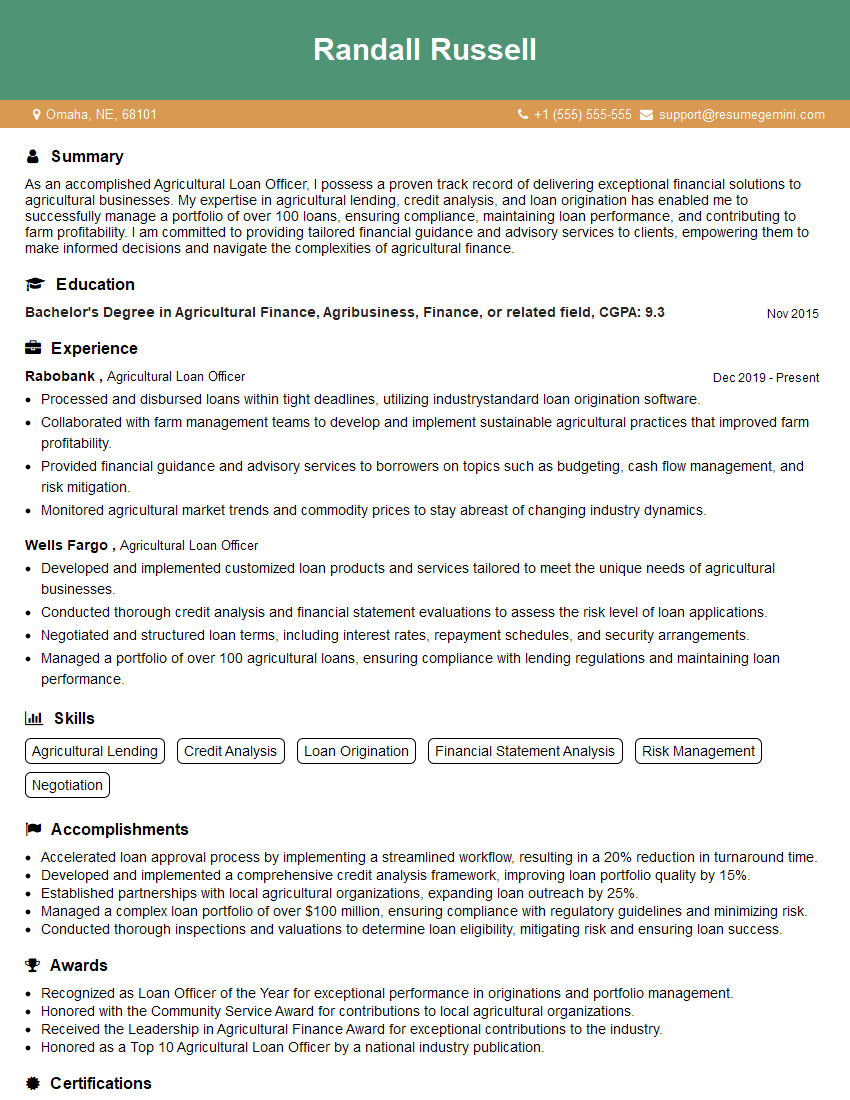
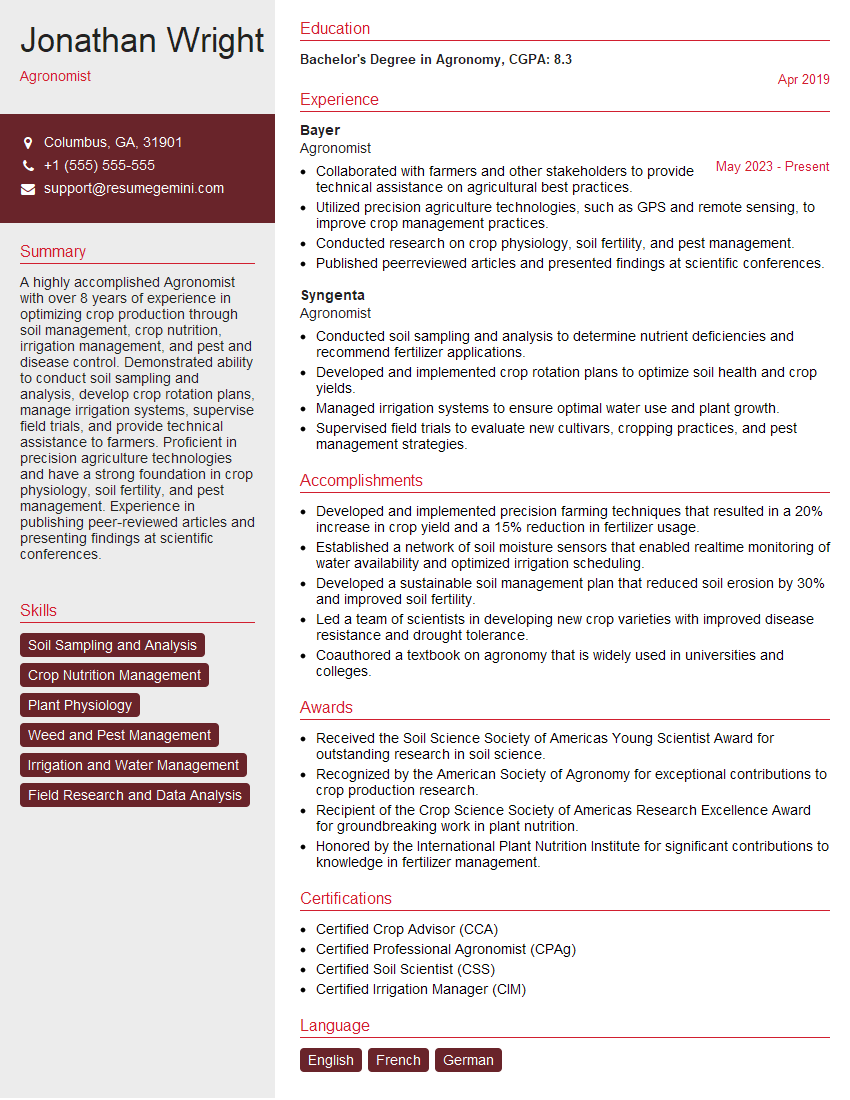
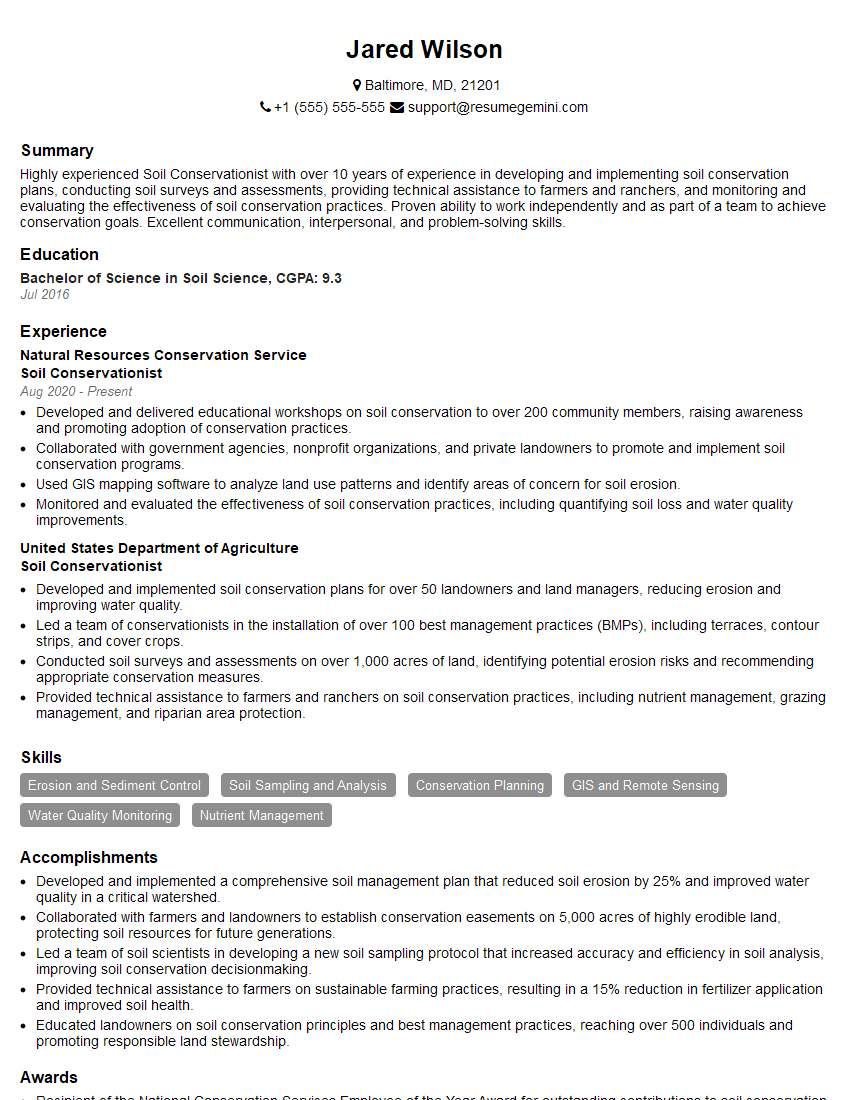
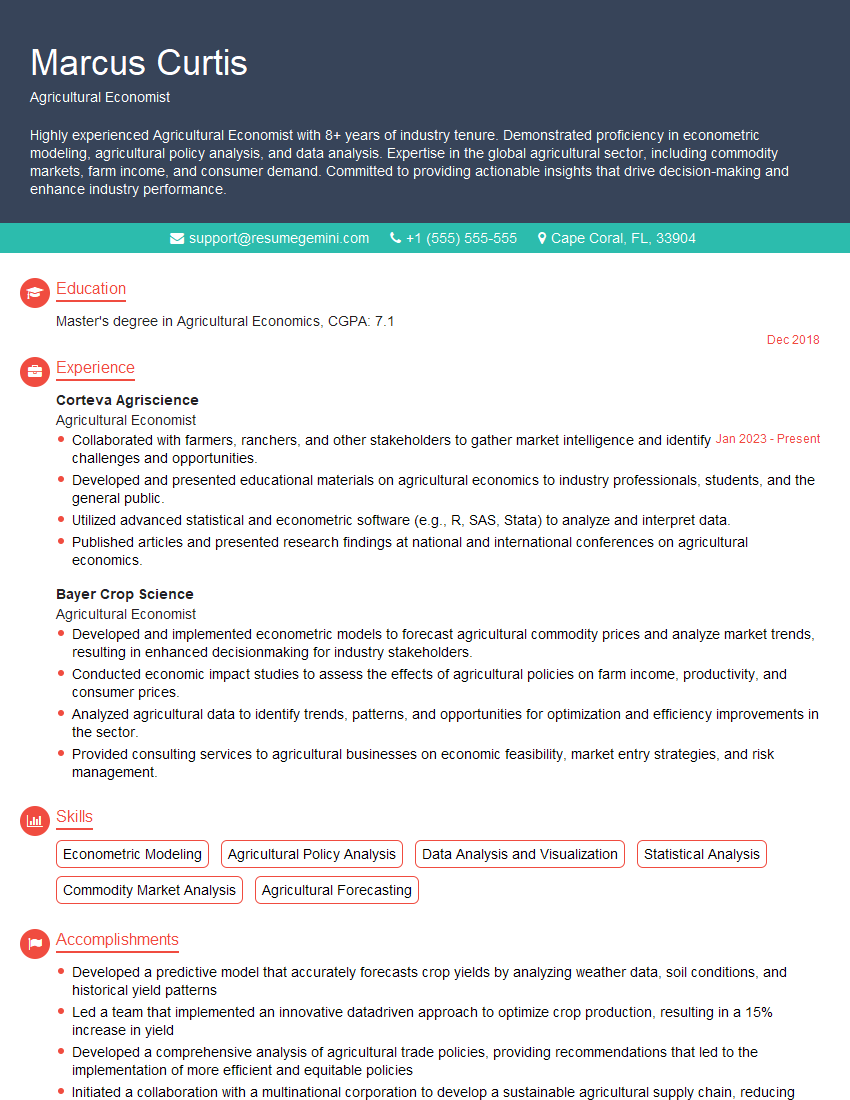
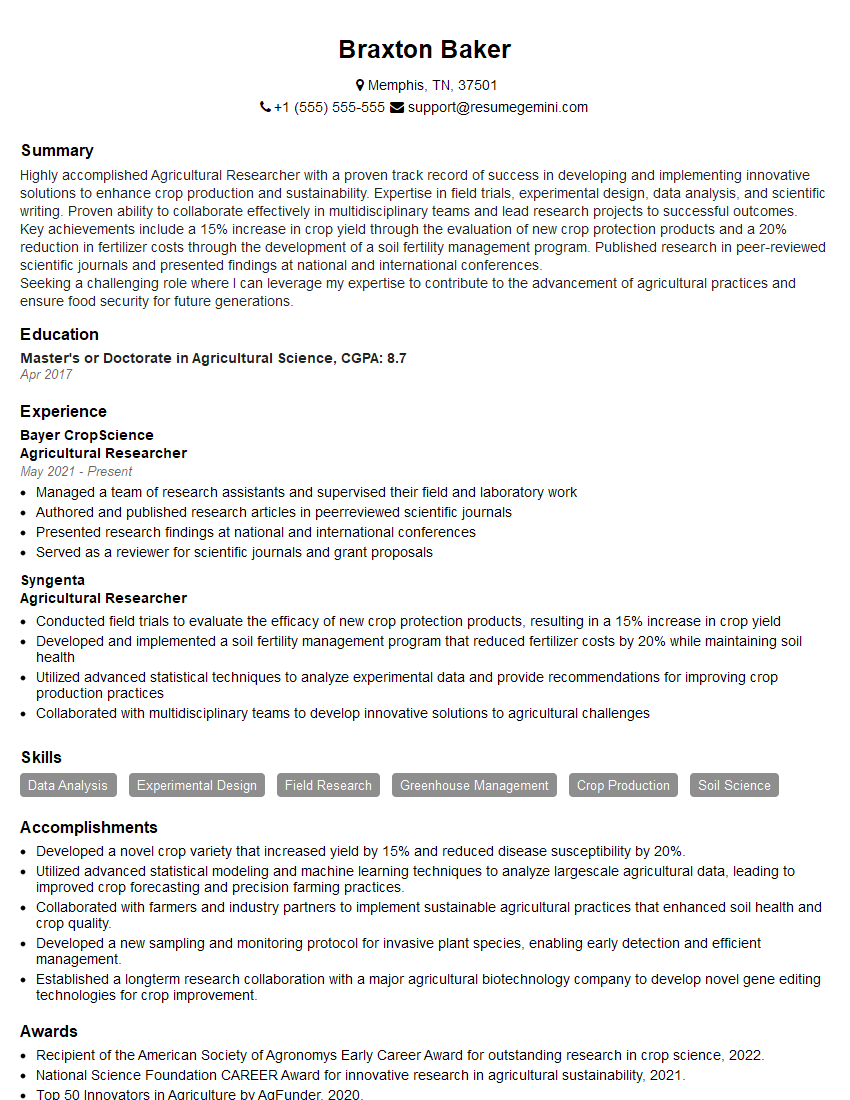
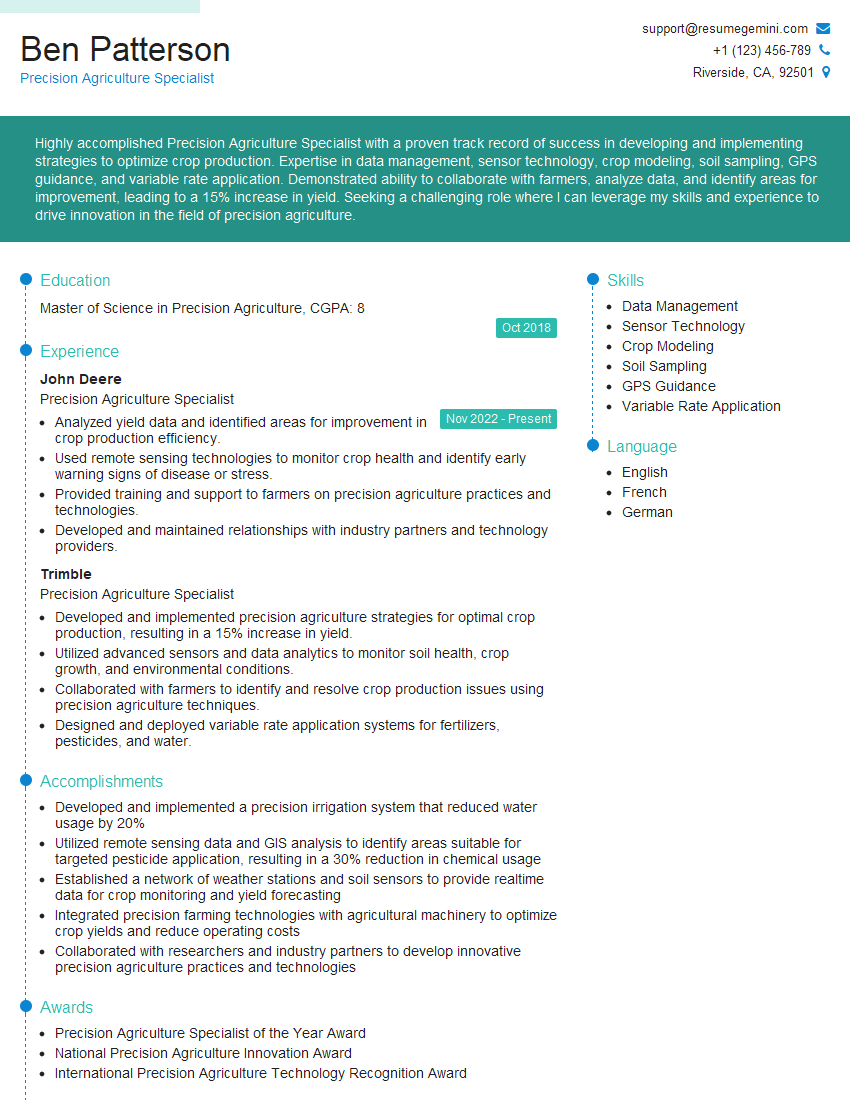
Mastering the art of working with farmers and other stakeholders is crucial for career advancement in the agricultural sector. It demonstrates crucial soft skills and a deep understanding of the industry’s complexities, making you a highly valuable asset to any team. To significantly boost your job prospects, creating an ATS-friendly resume is essential. ResumeGemini is a trusted resource that can help you build a compelling and effective resume tailored to highlight your skills and experience in this field. Examples of resumes specifically tailored to working with farmers and other stakeholders are available to help guide your resume creation.
Explore more articles
Users Rating of Our Blogs
Share Your Experience
We value your feedback! Please rate our content and share your thoughts (optional).
What Readers Say About Our Blog
Very informative content, great job.
good