Every successful interview starts with knowing what to expect. In this blog, we’ll take you through the top Potato Harvester Operation interview questions, breaking them down with expert tips to help you deliver impactful answers. Step into your next interview fully prepared and ready to succeed.
Questions Asked in Potato Harvester Operation Interview
Q 1. Describe the different types of potato harvesters and their functionalities.
Potato harvesters come in various types, each designed for specific needs and field conditions. The primary categories are:
- Spinner Harvesters: These are the most common type. They utilize spinning rollers to separate potatoes from the soil. They’re effective in various soil types and are suitable for most potato sizes. Think of them as a giant, efficient washing machine for potatoes!
- Elevator Harvesters: These use a conveyor belt system to lift potatoes from the ground, often with less soil separation occurring during the lifting process. They’re generally gentler on the potatoes, resulting in less damage, but can be less effective in very stony or wet conditions.
- Self-Propelled Harvesters: These are larger, more powerful machines that combine harvesting and hauling capabilities. They’re highly efficient for large-scale operations but require significant investment. Imagine them as a self-driving potato-harvesting truck.
- One-row vs. Two-row Harvesters: This distinction refers to the number of rows of potatoes the harvester can process simultaneously. Two-row harvesters are faster but require wider fields.
The functionality of each type centers around digging, separating potatoes from soil and debris (often using a cleaning system), and collecting the potatoes into containers or a trailing haulm system. The specific features vary based on manufacturer and model.
Q 2. Explain the process of calibrating a potato harvester for optimal performance.
Calibrating a potato harvester is crucial for optimal yield and minimal damage. It’s a multi-step process tailored to specific field conditions and potato variety. Think of it like fine-tuning a musical instrument – each part needs to be adjusted for the best sound.
- Web Speed Adjustment: The speed of the separating web needs to be matched to the potato size and soil conditions. Too fast, and you’ll damage potatoes; too slow, and cleaning will be ineffective. This is often adjusted using a dial or control panel.
- Roller Gap Setting: The distance between the separating rollers needs to be adjusted based on the size of the potatoes. Too close, and you’ll crush potatoes; too far apart, and cleaning won’t be effective. Visual inspection is key here.
- Shaker Intensity: The intensity of the shaking mechanism influences the separation of soil and clods. Too much shaking can damage potatoes; too little, and they’ll remain dirty. This is adjusted by changing the frequency or amplitude of the shaking.
- Height Adjustment: The depth of digging needs to be precise to avoid damaging the potatoes or leaving too many in the ground. This is often done by adjusting the depth of the digging share using a gauge.
Calibration often involves iterative adjustments. Start with manufacturer’s recommendations, then make small incremental adjustments, observing the results carefully. Regularly monitoring and fine-tuning settings throughout the harvest is vital.
Q 3. How do you identify and address common malfunctions in a potato harvester?
Identifying and addressing malfunctions requires a systematic approach and a good understanding of the harvester’s components. Start by listening and looking for obvious signs of trouble.
- Blocked Conveyors: Look for any blockages in the conveyors or separation systems. Rocks, large clods, or even a build-up of wet soil can cause jams. Clearing these blockages is often a matter of carefully removing the obstructions.
- Roller Wear: Worn rollers will reduce separation efficiency. Regular inspection is important, and replacement may be necessary. Worn rollers can be identified by visual inspection.
- Mechanical Issues: Unusual noises (grinding, squealing) or vibrations often point to problems with bearings, gears, or other mechanical components. Often, these require professional diagnosis and repair.
- Sensor Malfunctions: Modern harvesters use sensors to monitor various parameters. Malfunctioning sensors can lead to inaccurate operation. Check sensor readings for validity.
If a problem persists after basic troubleshooting, consult the harvester’s manual or contact a qualified technician. Safety should always be the priority; never attempt repairs while the machine is running.
Q 4. What safety procedures do you follow while operating a potato harvester?
Safety is paramount when operating a potato harvester. I follow these procedures religiously:
- Pre-Operational Checks: Thoroughly inspect the harvester before starting, checking for any loose parts, leaks, or damage. This includes checking safety guards, emergency stops, and warning lights.
- Personal Protective Equipment (PPE): Always wear appropriate PPE, including safety glasses, hearing protection, gloves, and sturdy footwear. Depending on the specific harvester, other PPE like hard hats or high-visibility clothing may be required.
- Awareness of Surroundings: Remain vigilant of the harvester’s surroundings, including other personnel, obstacles, and uneven terrain. Never operate near ditches or steep slopes.
- Emergency Procedures: Know the location of emergency stops and understand how to use them. Also, know how to communicate with others in case of an emergency.
- Regular Breaks: Take regular breaks to avoid fatigue, which can lead to accidents.
Safety is not just a set of rules; it’s a mindset. Proactive, careful operation is the best way to prevent accidents.
Q 5. What are the optimal soil conditions for efficient potato harvesting?
Optimal soil conditions for efficient potato harvesting are crucial for minimizing damage and maximizing yield. Imagine trying to harvest potatoes from concrete – it would be impossible!
- Moisture Content: The soil should be moist enough to allow for easy digging but not so wet as to create mud and clog the harvester. Overly dry soil can lead to broken potatoes.
- Soil Structure: Well-structured soil, free of large rocks and clods, is ideal. Rocky or hard soil can damage the harvester and the potatoes.
- Soil Compaction: Minimizing soil compaction is important. Compacted soil makes digging difficult and increases the risk of potato damage.
Ideally, harvesting should occur under favorable weather conditions – not too wet, not too dry, and ideally not during extreme temperatures.
Q 6. How do you adjust the harvester settings for varying soil types and potato sizes?
Adjusting harvester settings for varying soil types and potato sizes is a critical skill for efficient harvesting. It’s like adjusting a recipe – you need to adapt to the ingredients.
- Soil Type: For heavier, clay soils, you may need to reduce the digging depth and increase the web speed to prevent clogging. In lighter, sandier soils, you might increase the digging depth and adjust roller gaps for better separation.
- Potato Size: Larger potatoes require wider roller gaps to avoid damage. Smaller potatoes may require a slower web speed to prevent them from being lost through the separating mechanisms.
- Soil Moisture: In wet conditions, you may need to reduce the web speed and adjust the shaker intensity to remove excess soil without damaging potatoes.
Making these adjustments requires both experience and a thorough understanding of the harvester’s controls and functionalities. Careful observation of the harvested potatoes is essential for feedback and optimization.
Q 7. Describe your experience with preventative maintenance on potato harvesters.
Preventative maintenance is the cornerstone of efficient and safe potato harvester operation. It’s like regularly servicing your car – it prevents costly breakdowns and keeps it running smoothly.
- Regular Inspections: I conduct regular visual inspections of all components, checking for wear and tear, leaks, loose bolts, and damage. This often includes checking belts, chains, rollers, and bearings.
- Lubrication: Regular lubrication of moving parts is crucial for reducing friction and wear. I follow the manufacturer’s lubrication schedule meticulously.
- Cleaning: Thorough cleaning after each use is essential for removing mud, debris, and soil. This prevents corrosion and extends the life of the machine.
- Scheduled Maintenance: I adhere to a rigorous schedule for major maintenance tasks, such as replacing worn parts, checking hydraulic systems, and servicing the engine. This often includes professional servicing.
Proactive preventative maintenance not only extends the lifespan of the harvester but also ensures reliable performance during the crucial harvesting season. This ultimately translates to higher yields and reduced downtime.
Q 8. What are the common causes of potato damage during harvesting?
Potato damage during harvesting is a significant concern, impacting quality and yield. It stems from a variety of factors, broadly categorized into mechanical and environmental causes.
- Mechanical Damage: This is often caused by improper harvester settings (e.g., digger share too aggressive, roller speed too high), leading to bruising, cuts, and breakage. Poorly maintained equipment, such as blunt knives or worn rollers, also exacerbates this. For example, a dull digging share can cause potatoes to be severely impacted instead of cleanly lifted.
- Environmental Damage: Soil conditions play a crucial role. Stony or very dry soil can lead to increased impact damage. Similarly, wet, sticky soils can cause potatoes to become excessively coated in soil, leading to damage during cleaning.
- Handling Damage: Rough handling after the potatoes leave the harvester, during transport or storage, can also inflict significant damage, even if the initial harvesting process was gentle.
Minimizing damage requires careful attention to harvester setup, regular maintenance, and appropriate handling practices throughout the post-harvest process.
Q 9. How do you handle unexpected mechanical issues during operation?
Unexpected mechanical issues are inevitable in potato harvesting. My approach is a combination of proactive measures and efficient troubleshooting.
- Proactive Maintenance: Regular pre-harvest checks are crucial. This includes inspecting key components like the digger, rollers, conveyors, and cleaning systems, and ensuring adequate lubrication. This preventative maintenance significantly reduces the likelihood of breakdowns. Think of it like a car; regular servicing avoids larger, more expensive issues later.
- Troubleshooting: When issues arise, my first step involves identifying the source of the problem through systematic observation. For instance, if the harvester is not lifting potatoes effectively, I would check the share angle, the digger chain tension, and the soil conditions before considering more complex internal malfunctions. A simple visual inspection often reveals the culprit.
- Resourcefulness: If a repair needs specialized tools or expertise, I have established relationships with qualified mechanics and suppliers to get back up and running quickly. Knowing who to call makes all the difference in minimizing downtime.
The goal is always to minimize downtime. Quick identification of the problem, combined with efficient repair or access to support, is paramount for successful harvesting.
Q 10. How do you ensure efficient cleaning and sorting of harvested potatoes?
Efficient cleaning and sorting are vital for producing high-quality potatoes. This involves a multi-stage process starting within the harvester itself and continuing in post-harvest handling.
- In-Harvester Cleaning: Modern harvesters incorporate various cleaning mechanisms such as rotating rollers, sieves, and air-jets to remove soil and debris. The effectiveness of this stage depends on the harvester’s design and careful adjustment of parameters like roller speed and air pressure. For example, a correctly adjusted air jet can remove loose soil more effectively, reducing later cleaning demands.
- Post-Harvest Cleaning and Sorting: After harvesting, potatoes often undergo further cleaning and sorting using specialized equipment, such as conveyors with optical sorters. These sorters can identify and remove undersized, damaged, or discolored potatoes.
- Process Optimization: Achieving efficient cleaning and sorting also involves optimizing the overall flow of potatoes through the system. Bottlenecks and inefficiencies should be addressed promptly to prevent build-up and damage.
The combined effort of in-harvester cleaning and post-harvest processing ensures high-quality, marketable potatoes.
Q 11. Explain your experience with different harvesting techniques.
My experience spans several potato harvesting techniques, each with its strengths and weaknesses.
- Conventional Harvesting: This involves using a single-stage harvester that digs, cleans, and elevates potatoes in one continuous operation. It is the most common method, but efficiency can be affected by varying soil conditions.
- Two-Stage Harvesting: This separates the digging and cleaning processes. Potatoes are first lifted and collected in a windrow, then cleaned and collected in a second pass. This method is beneficial in challenging conditions, offering more flexibility in handling soil variations and optimizing cleaning.
- Precision Harvesting: This employs GPS technology and sensor systems to precisely locate and harvest potatoes, minimizing damage and optimizing yield. It’s particularly valuable in reducing waste and maximizing efficiency, although it requires a higher initial investment.
Choosing the appropriate technique depends on factors such as field size, soil type, potato variety, and budget. My experience enables me to assess these factors and recommend the most suitable approach for each specific situation.
Q 12. What are the key performance indicators (KPIs) for potato harvester operation?
Key Performance Indicators (KPIs) in potato harvester operation are crucial for evaluating efficiency and productivity. They are broadly categorized into yield, quality, and efficiency metrics.
- Yield: Tons of potatoes harvested per hectare (or acre) is a primary indicator of overall productivity. It directly reflects the effectiveness of the harvesting process.
- Quality: Percentage of marketable potatoes (free from damage) is crucial for determining the economic value of the harvest. This KPI also highlights the effectiveness of damage-prevention measures.
- Efficiency: Hectares harvested per hour (or acres per hour) indicates the speed and efficiency of the operation. This metric is strongly influenced by both the harvester’s performance and the operator’s skill.
- Fuel Consumption: Liters of fuel consumed per hectare (or gallons per acre) is a critical efficiency factor, impacting the overall cost of operation. This also speaks to the operator’s fuel-efficient operation practices.
Tracking and analyzing these KPIs is essential for continuous improvement in potato harvesting operations.
Q 13. How do you monitor and maintain the harvester’s fuel efficiency?
Fuel efficiency is a major cost factor in potato harvesting. My approach focuses on both operator skill and harvester maintenance.
- Operator Skill: Smooth operation of the harvester, avoiding unnecessary idling and harsh acceleration/deceleration, significantly impacts fuel consumption. This might involve employing techniques such as maintaining consistent ground speed and pre-planning routes to minimize unnecessary turning. An experienced operator understands the subtle nuances that affect fuel use.
- Harvester Maintenance: Proper maintenance, including regularly servicing the engine and ensuring optimal tire pressure, is crucial for maximizing fuel efficiency. A well-maintained engine operates more efficiently, reducing fuel waste.
- Data Monitoring: Modern harvesters often provide fuel consumption data, enabling detailed analysis of efficiency and identification of areas for improvement. This data-driven approach to fuel management allows for proactive adjustments.
Fuel efficiency is a continuous optimization process involving operator training, proactive maintenance, and data analysis.
Q 14. Describe your experience working with GPS technology in potato harvesting.
GPS technology has revolutionized potato harvesting, offering significant advantages in precision and efficiency.
- Auto-Steering: GPS-guided auto-steering systems enable straight and consistent harvesting, minimizing overlaps and gaps, thereby maximizing yield and reducing fuel consumption. It can prevent the human error that comes with steering in a straight line for hours.
- Yield Mapping: GPS data can be used to create yield maps, providing insights into variations in potato yield across the field. This information can inform future planting strategies and optimize resource allocation. Identifying low-yield zones allows for targeted interventions in subsequent seasons.
- Data Logging: GPS-enabled harvesters can log various parameters, such as speed, location, and yield, providing valuable data for analysis and optimization of future operations. This data-driven approach allows for identifying inefficiencies and developing strategies for improving overall performance.
My experience with GPS technology demonstrates its potential to improve both the precision and efficiency of potato harvesting. It allows for more data-driven decision making and more efficient processes in farming.
Q 15. What are the environmental considerations in potato harvesting?
Environmental considerations in potato harvesting are crucial for minimizing the impact on soil health, water resources, and the surrounding ecosystem. We must prioritize sustainable practices.
- Soil Erosion: Aggressive harvesting techniques can lead to significant soil erosion. We mitigate this by adjusting harvesting depth based on soil conditions and employing techniques like reduced tillage and cover cropping before planting. For instance, if the soil is particularly dry and crumbly, we might slightly reduce the digging depth to prevent excessive disruption.
- Water Pollution: Runoff from the harvesting field containing soil, pesticides, and fertilizers can pollute nearby water bodies. We implement best management practices such as using erosion control measures, minimizing chemical use, and ensuring proper disposal of waste. A practical example is establishing buffer strips of vegetation along waterways to intercept runoff.
- Biodiversity: Harvesting can disturb wildlife habitats. To minimize disruption, we plan harvesting routes strategically, avoiding sensitive areas as much as possible. For example, we might schedule harvesting to avoid nesting seasons for birds or other vulnerable species.
- Greenhouse Gas Emissions: The fuel consumption of the machinery contributes to greenhouse gas emissions. We aim to optimize fuel efficiency through proper maintenance and use of fuel-efficient equipment. Regular servicing and choosing harvesters with advanced engine technologies help reduce the carbon footprint.
Career Expert Tips:
- Ace those interviews! Prepare effectively by reviewing the Top 50 Most Common Interview Questions on ResumeGemini.
- Navigate your job search with confidence! Explore a wide range of Career Tips on ResumeGemini. Learn about common challenges and recommendations to overcome them.
- Craft the perfect resume! Master the Art of Resume Writing with ResumeGemini’s guide. Showcase your unique qualifications and achievements effectively.
- Don’t miss out on holiday savings! Build your dream resume with ResumeGemini’s ATS optimized templates.
Q 16. Explain your understanding of the different components of a potato harvester.
A modern potato harvester is a complex machine with several interconnected components working in harmony. Think of it as a sophisticated assembly line for potatoes!
- Digging Unit: This is the ‘front end’ that uses rotating blades or share points to lift potatoes from the ground. Different soil types require different digging unit configurations – for instance, a heavier-duty unit for stony soil.
- Separation System: After digging, the soil and potatoes are separated. This often involves a series of rollers, sieves, and conveyors that gradually remove the soil while leaving the potatoes intact. Careful adjustment of this system is vital to minimize damage and ensure efficient cleaning.
- Cleaning System: Further cleaning is done to remove any remaining soil and debris. This might include rotating brushes or other cleaning mechanisms. The efficiency of this stage directly impacts the quality of the harvested potatoes.
- Conveyor System: Conveyor belts carry the cleaned potatoes to the storage or loading area. The length and configuration of these conveyors depend on the size of the field and the type of transport being used.
- Loading Unit: The potatoes are loaded into trucks, bins, or other storage containers. The design of the loading unit is important to ensure smooth and efficient transfer with minimal bruising.
Q 17. How do you ensure the harvester operates within regulatory guidelines?
Adhering to regulatory guidelines is paramount. This includes ensuring the harvester meets all safety and environmental standards.
- Regular Inspections: We conduct thorough pre-harvest inspections to check for any mechanical issues or safety hazards. This prevents accidents and ensures the machine functions correctly.
- Maintenance Records: Meticulous maintenance records are kept to demonstrate compliance with regulations. These records track repairs, servicing, and safety checks.
- Operator Training: Operators receive thorough training on safe operation procedures and emergency protocols. Regular refresher courses are essential.
- Environmental Compliance: We adhere to all environmental regulations, including those related to soil erosion, water pollution, and noise levels. For example, we might need permits for harvesting in certain areas or need to use approved noise-reduction measures.
Compliance is not just about avoiding penalties, it’s about responsible land management and ensuring the safety of our team.
Q 18. What is your experience with different types of harvesting conveyors?
My experience encompasses various conveyor types, each with its own advantages and disadvantages. The choice depends on the specific needs of the harvest.
- Standard Belt Conveyors: These are the most common, offering a simple and reliable way to move potatoes. They are effective for relatively short distances.
- Vibratory Conveyors: These use vibrations to move the potatoes, helping to separate smaller debris. They are particularly useful in cleaning stages.
- Roller Conveyors: These are excellent for gently moving large quantities of potatoes, minimizing bruising. They’re especially beneficial when dealing with delicate potato varieties.
- Bucket Elevators: These are used for lifting potatoes to higher levels, like loading onto a truck from a lower elevation. They are efficient for vertical transport.
I’ve found that selecting the right conveyor type significantly improves harvesting efficiency and reduces potato damage.
Q 19. How do you manage a team during the harvesting process?
Effective team management during harvesting is crucial for efficiency and safety. It’s about clear communication, delegation, and fostering a collaborative environment.
- Clear Roles and Responsibilities: Each team member understands their specific tasks, from operating the harvester to loading and transport. This avoids confusion and ensures a smooth workflow.
- Open Communication: Open communication channels are essential for addressing issues promptly and sharing information efficiently. Regular briefings and opportunities for feedback are vital.
- Safety First: Safety training and adherence to safety protocols are non-negotiable. Regular safety checks and discussions are crucial.
- Motivation and Teamwork: A positive team environment boosts morale and productivity. Recognizing good work and fostering a sense of shared purpose is essential. Celebrating milestones, even small ones, can make a big difference.
I’ve found that a well-managed team is the backbone of a successful harvest.
Q 20. Describe your problem-solving skills in a high-pressure harvesting environment.
High-pressure harvesting environments demand quick thinking and effective problem-solving. My approach involves a systematic and methodical strategy.
- Identify the Problem: The first step is accurately identifying the issue. Is it a mechanical malfunction, a logistical problem, or something else?
- Analyze the Situation: Gather information from various sources – the harvester’s diagnostic systems, team members’ observations, and any relevant data.
- Develop Solutions: Brainstorm potential solutions, considering their feasibility and impact on other aspects of the operation. Often, a simple solution is the best solution.
- Implement and Monitor: Once a solution is chosen, implement it carefully, monitoring its effectiveness. If necessary, adjust the approach or explore alternative solutions.
- Document and Learn: Record the problem, the solution, and its outcome. This helps prevent similar issues in the future.
For instance, if a conveyor belt breaks down, I’d first assess the damage, then decide whether a quick repair is possible or if a replacement section is needed. Communication with the team is crucial during this process.
Q 21. What are the signs of a malfunctioning separation system?
A malfunctioning separation system can significantly reduce harvesting efficiency and damage the potato crop. Several signs indicate a problem:
- Excessive Soil Contamination: If a large amount of soil is mixed with the harvested potatoes, it’s a clear indication of a problem with the sieves or rollers.
- High Rate of Potato Damage: An inefficient separation system can lead to increased bruising and breakage of potatoes due to excessive rubbing or impact.
- Uneven Cleaning: Some potatoes might be thoroughly cleaned, while others still have significant soil clinging to them, indicating inconsistencies in the system’s performance.
- Reduced Throughput: If the system is struggling to handle the volume of material, it’s a sign of blockage or a mechanical issue within the system.
- Unusual Noises: Clattering or grinding noises might indicate component wear or misalignment, potentially leading to future failure.
Addressing these issues promptly prevents larger problems, reduces waste, and ensures a high-quality harvest.
Q 22. How do you minimize soil contamination during harvesting?
Minimizing soil contamination during potato harvesting is crucial for maintaining product quality and meeting market standards. It primarily involves careful machine operation and pre-harvest field preparation.
Careful Harvesting Techniques: Operating the harvester at the correct speed and depth is paramount. Too fast, and you risk damaging potatoes and incorporating excess soil; too slow, and you’ll decrease efficiency. The harvester’s sieves and separators need to be meticulously adjusted to optimally separate potatoes from soil and clods. Regular cleaning of the harvester throughout the day prevents soil buildup and cross-contamination.
Pre-harvest Field Management: Proper irrigation and weed control prior to harvest can significantly reduce soil clods and the amount of soil adhering to potatoes. Avoiding harvesting in excessively wet conditions is crucial; this minimizes soil sticking and damage.
Post-harvest Cleaning: Even with the best harvesting practices, some soil will inevitably remain. A dedicated cleaning station, often incorporating rollers and air blowers, helps remove residual soil before the potatoes are stored or transported.
For example, in one harvest, we adjusted the harvester’s separator settings after observing an increase in soil contamination. This resulted in a 15% reduction in soil-covered potatoes, immediately improving product quality.
Q 23. What is your experience with different types of potato varieties and their harvesting needs?
My experience encompasses a wide range of potato varieties, each with unique harvesting needs. Early-season varieties are often smaller and more delicate, requiring gentler handling and potentially lower harvesting speeds to avoid bruising. Late-season varieties, however, tend to be larger and more robust, allowing for slightly higher speeds.
Shape and Size: Round potatoes are easier to harvest and clean than oblong or irregularly shaped ones. Size variation within a variety can affect the harvester’s settings; large potatoes may require wider separation gaps, while smaller potatoes might require finer sieves to avoid losses.
Skin Sensitivity: Some varieties have thinner skins that are more prone to damage during harvesting. This necessitates careful adjustments to the harvester’s rollers and other components to minimize bruising and cuts.
Maturity at Harvest: Harvesting too early can result in lower yields and smaller potatoes; harvesting too late can increase the risk of damage and disease. A thorough understanding of each variety’s optimal harvest time is critical.
I recall a situation where we were harvesting a particularly delicate early-season variety. By reducing the harvester’s speed and carefully adjusting the rollers, we were able to significantly reduce bruising and improve the overall quality of the harvest.
Q 24. How do you ensure proper storage and handling of harvested potatoes after harvesting?
Proper storage and handling after harvesting are essential for maintaining potato quality and extending shelf life. This process focuses on preventing damage, controlling temperature and humidity, and inhibiting sprouting.
Curing: Immediately after harvesting, potatoes undergo a curing process in a well-ventilated area at a slightly elevated temperature (around 12-15°C) and high humidity (90-95%). This allows the skin to heal and reduces the risk of disease.
Cooling: After curing, potatoes are cooled to the ideal storage temperature (around 4-6°C) to slow down respiration and enzymatic activity, extending shelf life and maintaining quality.
Storage Environment: Storage facilities should be well-ventilated, dark, and free from excess moisture to prevent rotting and sprouting. Properly maintained storage helps prevent weight loss and preserves the quality of the potatoes.
Handling: Avoid dropping or rough handling during transportation and storage, as this can cause bruising and impact the appearance and quality of the potatoes.
Think of it like carefully handling delicate fruit; gentle handling and the right environment prevent damage and spoilage. In one instance, we adjusted our storage procedures based on real-time humidity data, leading to a marked reduction in potato spoilage.
Q 25. What is your experience with yield monitoring systems?
Yield monitoring systems are increasingly important in precision agriculture, providing real-time data on harvesting efficiency and yield. These systems often incorporate GPS technology, sensors, and data analysis software.
GPS Tracking: GPS tracks the harvester’s progress across the field, mapping the harvested area and providing precise yield data for different sections.
Sensor Data: Sensors measure factors like potato count, size, and weight, providing insights into the overall harvest yield and quality.
Data Analysis: Software platforms analyze the data collected by the sensors and GPS, creating detailed yield maps and helping identify areas needing improvement in farming practices.
We used a yield monitoring system during the last harvest. It allowed us to identify a section of the field with significantly lower yields, pinpointing issues like soil nutrient deficiencies or irrigation problems that we could address in the next planting season.
Q 26. Describe your experience with post-harvest cleaning and maintenance procedures.
Post-harvest cleaning and maintenance are critical for extending the lifespan of the equipment and ensuring optimal performance for the next harvest. This involves both routine cleaning and more in-depth maintenance procedures.
Routine Cleaning: After each day of harvesting, thorough cleaning of the harvester is essential. This includes removing soil, debris, and any leftover potatoes from all components, preventing buildup and corrosion. Proper lubrication of moving parts is also vital.
Regular Maintenance: Regular inspections and maintenance checks are crucial to prevent breakdowns and ensure the harvester operates efficiently. This involves checking components for wear and tear, replacing worn parts, and addressing any issues before they escalate.
Seasonal Maintenance: More comprehensive maintenance is carried out at the end of the harvest season. This might include a complete overhaul of the harvester, replacing belts, chains, and other wear components to ensure the harvester is in top condition for the next season.
For example, a timely replacement of a worn-out conveyor belt prevented a major breakdown mid-harvest, saving both time and money. We have a detailed maintenance schedule for every component to prevent unforeseen issues.
Q 27. How familiar are you with different brands of potato harvesters?
My experience covers various prominent brands of potato harvesters, including Grimme, Dewulf, Miedema, and Spudnik. Each brand has its own strengths and weaknesses, impacting their suitability depending on the specific needs of the operation (e.g., scale of operation, type of soil, potato variety).
Grimme: Known for their robust design and advanced technology, particularly their automated sorting and cleaning systems.
Dewulf: Widely appreciated for their innovative designs and user-friendly interfaces.
Miedema: Excellent for smaller to medium-sized operations, offering a good balance of efficiency and affordability.
Spudnik: Known for their simplicity and reliability, suitable for operations with less complex needs.
The choice of harvester ultimately depends on the specific farm conditions and operational requirements. Understanding the strengths and weaknesses of each brand allows for informed equipment selection and efficient operation.
Q 28. What are your strategies for maximizing harvesting efficiency?
Maximizing harvesting efficiency involves a multi-faceted approach that encompasses planning, technology, and skilled operation.
Pre-harvest Planning: Careful planning, including field preparation, crop scouting, and optimal harvest timing is critical. Knowing the field conditions and potato maturity allows for efficient harvesting scheduling and optimized machine settings.
Technology Utilization: Employing modern technologies such as GPS guidance systems, yield monitoring systems, and automated sorting systems dramatically increases efficiency and reduces waste. These systems enhance precision and reduce operator workload.
Skilled Operation: Well-trained operators who understand the nuances of harvester operation are essential. This includes proper machine setup, adjustment of separator settings, and prompt identification and resolution of any issues.
Preventative Maintenance: Regular maintenance reduces downtime and ensures the harvester operates at peak efficiency. A well-maintained harvester minimizes breakdowns and improves overall productivity.
In one instance, by implementing GPS guidance and optimizing harvester settings based on yield monitoring data, we managed to increase our harvesting efficiency by 20%. This highlights how efficient planning and technology can transform harvesting operations.
Key Topics to Learn for Potato Harvester Operation Interview
- Machine Operation & Maintenance: Understanding the mechanics of different harvester types, preventative maintenance schedules, and troubleshooting common malfunctions. Practical application includes describing your experience with specific models and resolving operational issues.
- Harvesting Techniques & Optimization: Learning best practices for efficient potato harvesting, including optimizing speed, minimizing damage, and maximizing yield. Practical application involves detailing strategies used to achieve high-quality harvests and reduce waste.
- Safety Procedures & Regulations: Mastering all safety protocols related to operating heavy machinery, adhering to industry regulations, and implementing preventative measures to minimize workplace hazards. Practical application includes describing your experience with safety protocols and accident prevention.
- Soil Conditions & Their Impact: Understanding how different soil types and conditions affect harvesting efficiency and the adjustments needed to maintain optimal performance. Practical application includes describing your adaptability to varying soil conditions and techniques for overcoming challenges.
- Post-Harvest Handling & Processing: Knowledge of proper handling and cleaning procedures to ensure the quality and preservation of harvested potatoes. Practical application involves describing your experience in efficiently managing the post-harvest process.
- Data Analysis & Reporting: Understanding how to collect and interpret data related to harvesting efficiency, yield, and machine performance. This includes using data to identify areas for improvement and make data-driven decisions. Practical application includes describing experience with yield monitoring and reporting.
Next Steps
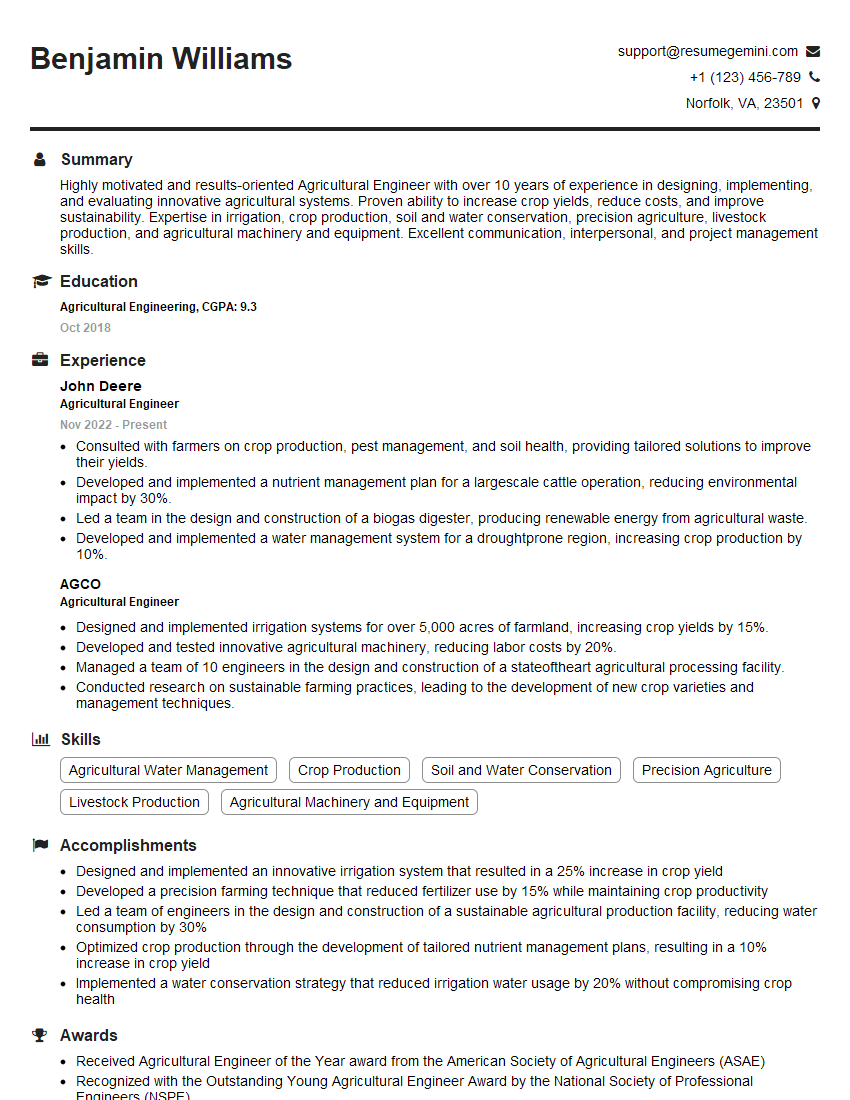
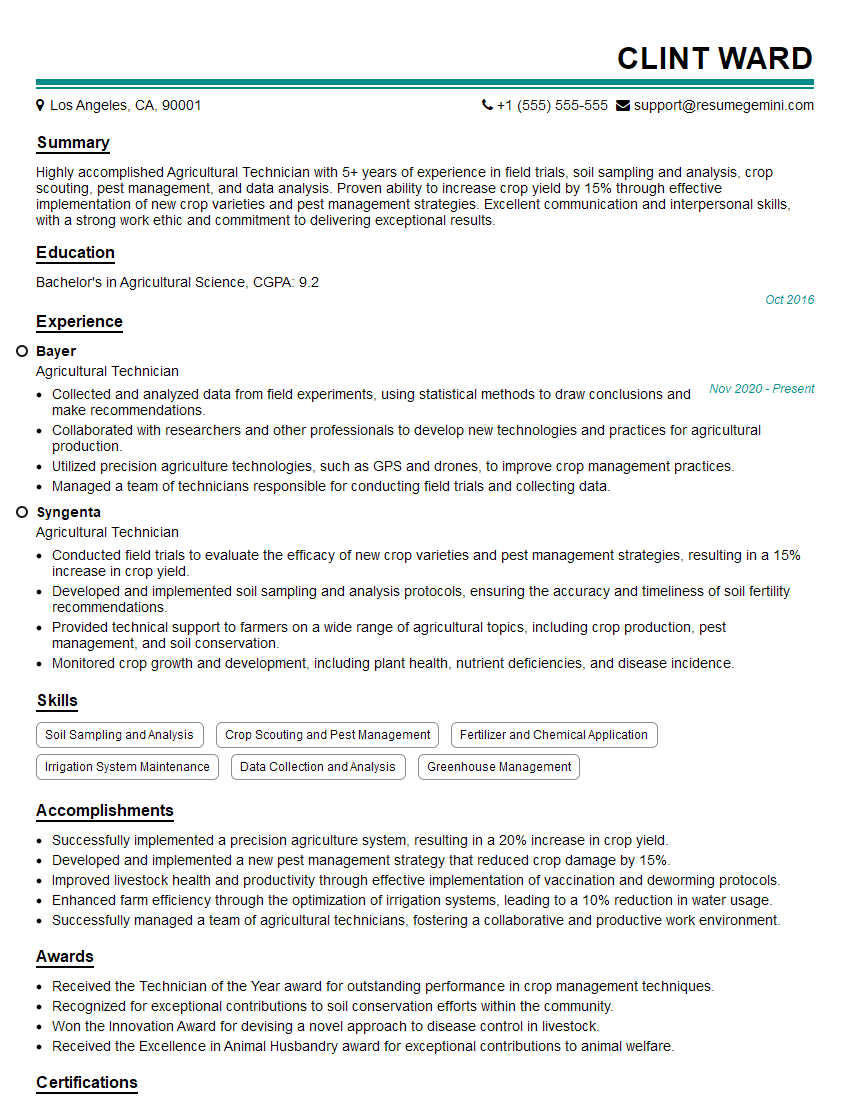
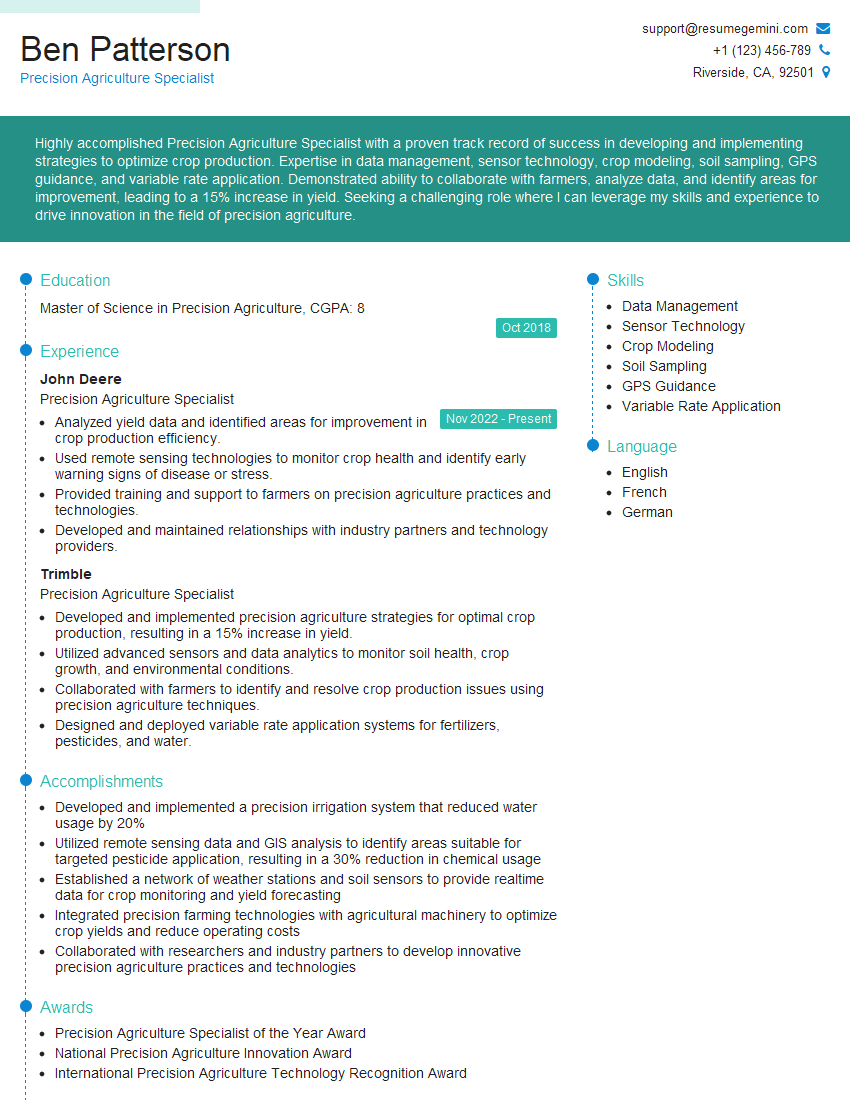
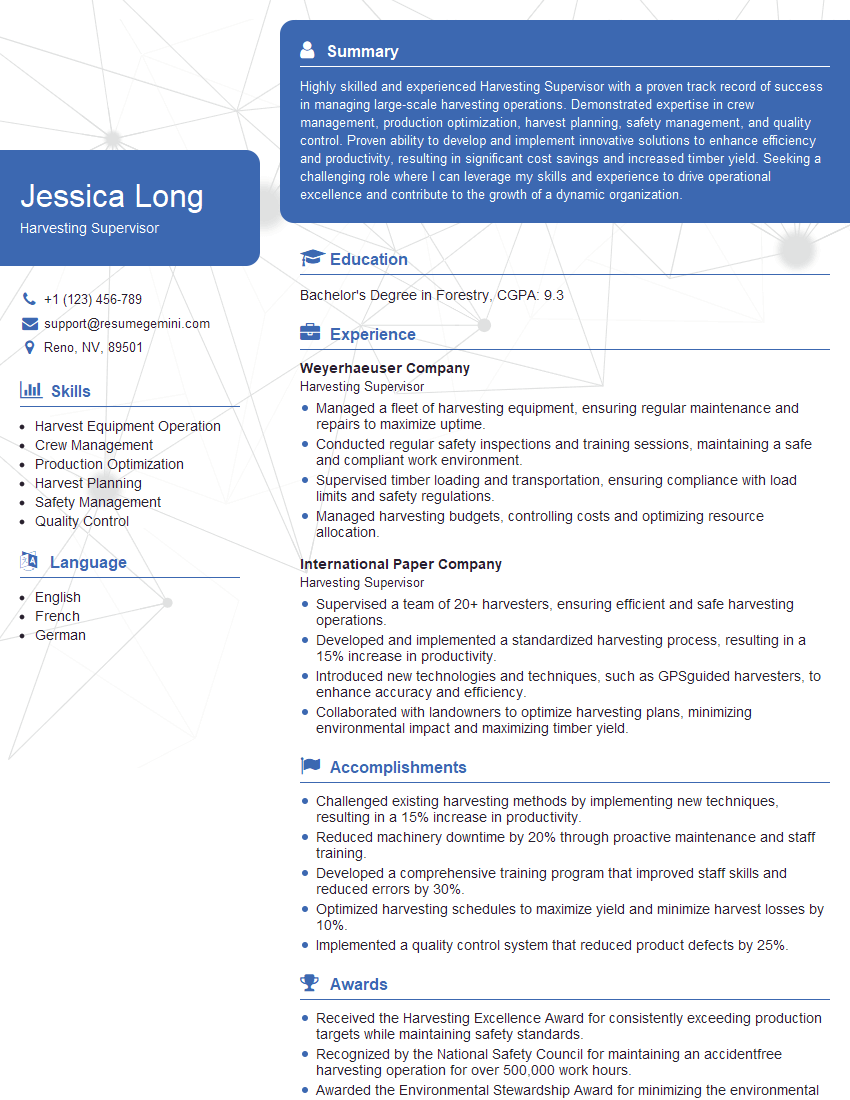
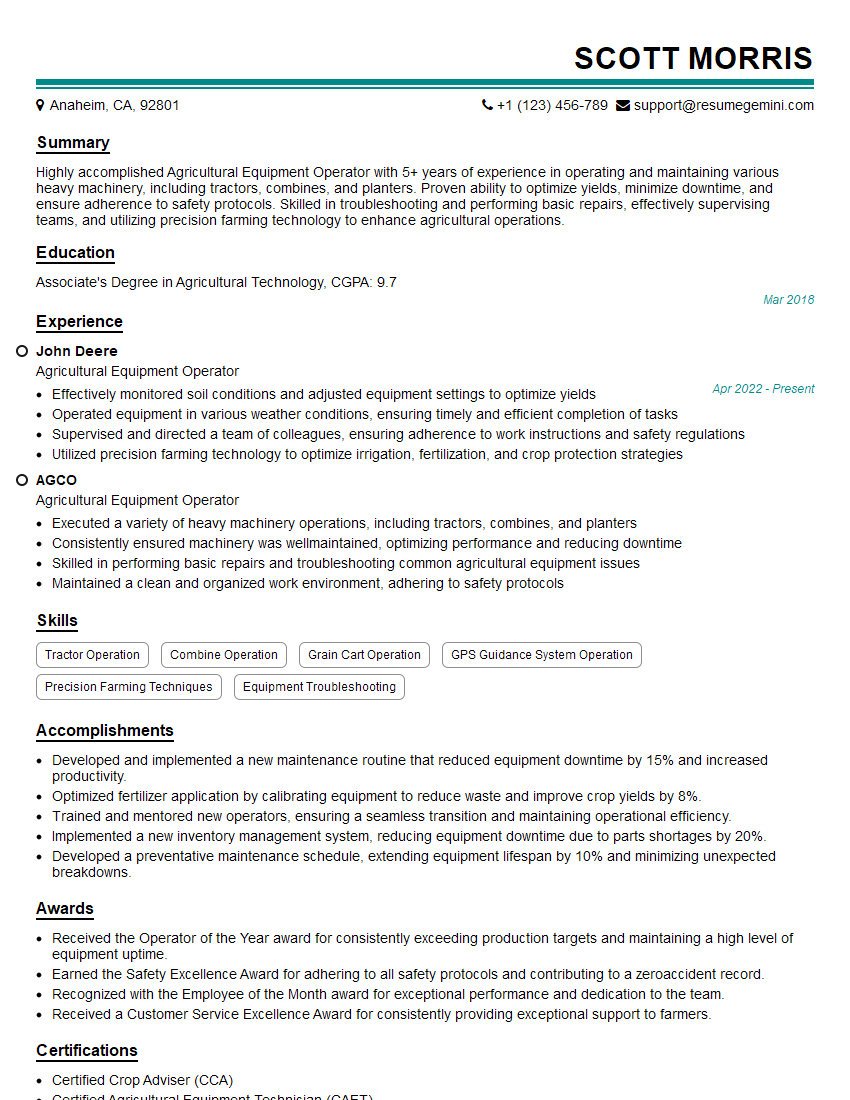
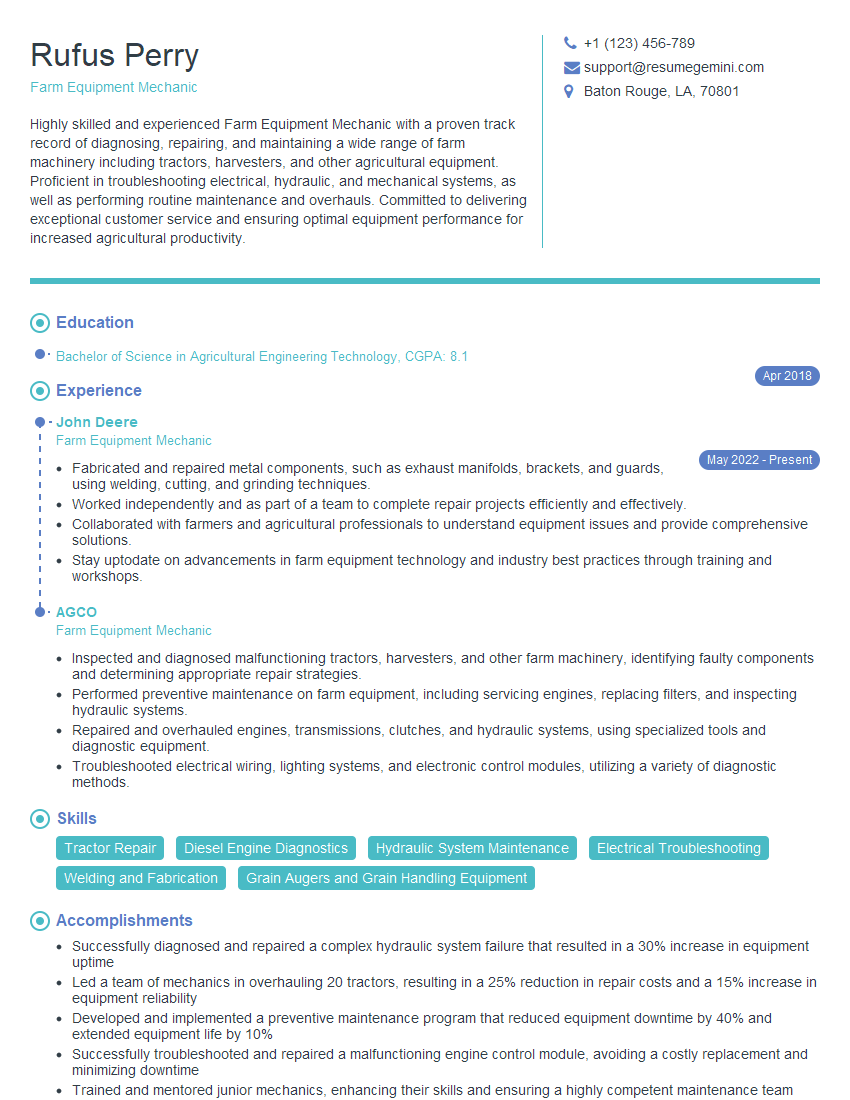
Mastering Potato Harvester Operation opens doors to a rewarding career with excellent growth potential within the agricultural industry. Developing a strong skillset in this area makes you a highly valuable asset to any farming operation. To significantly increase your job prospects, create an ATS-friendly resume that highlights your expertise and experience. ResumeGemini is a trusted resource to help you build a professional and impactful resume that showcases your qualifications effectively. Examples of resumes tailored specifically to Potato Harvester Operation are available to help you get started.

Explore more articles
Users Rating of Our Blogs
Share Your Experience
We value your feedback! Please rate our content and share your thoughts (optional).
What Readers Say About Our Blog
Very informative content, great job.
good