Feeling uncertain about what to expect in your upcoming interview? We’ve got you covered! This blog highlights the most important Philanthropy and Patronage interview questions and provides actionable advice to help you stand out as the ideal candidate. Let’s pave the way for your success.
Questions Asked in Philanthropy and Patronage Interview
Q 1. Describe your experience in grant writing and securing funding.
Grant writing is the art and science of crafting compelling proposals that persuade funders to support your organization’s mission. My experience spans over 15 years, encompassing a wide range of grant applications, from small local foundations to large national grant-making institutions. I’ve successfully secured funding for diverse projects, including educational initiatives, community development programs, and arts initiatives. My success relies on a thorough understanding of the funder’s priorities, a clear articulation of the project’s goals and impact, and a meticulously crafted budget that demonstrates fiscal responsibility. For instance, in one project securing a $500,000 grant for a rural healthcare clinic, I meticulously researched the foundation’s giving history and tailored my proposal to align precisely with their focus on underserved communities. The detailed budget, including metrics for evaluating success, was crucial in securing funding.
Securing funding involves more than just writing a strong proposal; it includes relationship building, effective communication, and consistent follow-up. I maintain a network of contacts within the philanthropic sector, regularly attending conferences and workshops to stay updated on funding opportunities and best practices. I also leverage online resources to track grant deadlines and discover new funding sources.
Q 2. Explain your understanding of different fundraising models.
Fundraising models are diverse, each with strengths and weaknesses. Understanding these models is crucial for maximizing resource acquisition. They can be broadly categorized as follows:
- Individual Giving: This involves cultivating relationships with individual donors, ranging from small recurring gifts to major donations from high-net-worth individuals. Strategies include direct mail, email campaigns, cultivation events, and personalized solicitations.
- Major Gifts: Focusing on securing substantial contributions from a small number of high-net-worth individuals or corporations. This requires sophisticated relationship management and a deep understanding of donor motivations.
- Corporate Giving: Securing financial support from corporations through sponsorships, grants, or cause-related marketing. Successful corporate fundraising relies on demonstrating a clear alignment between corporate social responsibility goals and the organization’s mission.
- Foundation Grants: Seeking funding from private and public foundations. This requires rigorous grant writing skills and a thorough understanding of the foundation’s grant-making priorities.
- Government Grants: Applying for funding from government agencies. This often involves navigating complex application processes and adhering to strict guidelines.
- Crowdfunding: Utilizing online platforms to raise smaller amounts of money from a large number of individuals. This requires a strong online presence and an engaging campaign narrative.
- Events: Generating revenue through fundraising events like galas, auctions, and walks/runs. Careful planning and execution are vital for success.
A successful fundraising strategy often involves a blended approach, utilizing several of these models to diversify income streams and reduce reliance on any single source.
Q 3. How do you cultivate relationships with high-net-worth donors?
Cultivating relationships with high-net-worth donors requires a thoughtful, long-term approach focused on building trust and mutual respect. It’s not about asking for money; it’s about building a genuine connection. I begin by understanding their philanthropic interests and passions. This involves thorough research and informal conversations to discover their motivations and giving history.
- Personalized Communication: Avoid generic solicitations. Craft personalized communications that demonstrate an understanding of their interests and concerns. This might involve sending relevant articles or invitations to events that align with their passions.
- Meaningful Engagement: Invite them to participate in the organization’s activities. This could involve a behind-the-scenes tour, meeting beneficiaries of the program, or serving on an advisory board.
- Transparency and Accountability: Clearly communicate the organization’s impact and demonstrate how their contributions are making a difference. Regular updates and reports on program progress are essential.
- Stewardship: Once a donation is received, show appreciation and maintain regular communication. Keep donors informed of the progress of their funded projects.
- Respectful Boundaries: Recognize that donors have the right to say no. Respect their decisions and maintain a positive relationship even if they are unable to contribute at this time.
For instance, I once cultivated a relationship with a donor passionate about environmental conservation by inviting them on a field trip to a project we were supporting. Seeing the direct impact of their potential contribution strengthened their connection and led to a significant donation.
Q 4. What strategies do you use to manage donor databases and track donations?
Effective donor database management is critical for efficient fundraising. We use a robust Customer Relationship Management (CRM) system, such as Salesforce or Raiser’s Edge, to track donor information, manage interactions, and analyze giving patterns. The system allows us to:
- Store Donor Information: Centralize contact details, giving history, communication preferences, and interactions.
- Segment Donors: Group donors based on giving levels, interests, or demographics to personalize communication and solicitations.
- Track Donations: Record all donations, pledges, and payments, ensuring accurate reporting and financial accountability.
- Manage Communication: Schedule and track communications, including email campaigns, thank-you notes, and personalized appeals.
- Generate Reports: Create custom reports to analyze fundraising performance, identify trends, and measure the effectiveness of fundraising strategies.
Example Data Field: Donor Name, Address, Donation Amount, Donation Date, Communication Preferences, Gift Type
Regular data cleaning and updates are crucial to maintaining the accuracy and reliability of the database. This includes verifying addresses, updating contact information, and removing duplicate records.
Q 5. Describe your experience in developing and implementing fundraising campaigns.
Developing and implementing successful fundraising campaigns requires a strategic approach. It begins with clearly defining the campaign’s goals, target audience, and desired outcome. I’ve led numerous campaigns, from capital campaigns to annual giving drives. Each involves a distinct set of strategies and tactics. For example, a capital campaign to build a new wing for a hospital required a different approach than an annual giving campaign focused on sustaining operational costs.
- Needs Assessment: Clearly define the organization’s needs and how the campaign will address them.
- Target Audience Identification: Identify potential donors and segment them based on giving capacity and interest.
- Campaign Messaging: Craft a compelling narrative that resonates with the target audience and clearly articulates the campaign’s impact.
- Fundraising Strategies: Employ a mix of fundraising strategies based on the target audience and campaign goals (e.g., major gifts, corporate sponsorships, planned giving).
- Implementation Plan: Develop a detailed timeline and budget, outlining all activities and responsibilities.
- Monitoring and Evaluation: Regularly track progress, analyze results, and make necessary adjustments throughout the campaign.
A recent successful campaign involved launching a crowdfunding platform to raise funds for scholarships. By leveraging social media and engaging storytelling, we exceeded our target by 20%, demonstrating the power of a well-planned and executed campaign.
Q 6. How do you measure the success of a philanthropic initiative?
Measuring the success of a philanthropic initiative requires a multi-faceted approach that goes beyond simply tracking the amount of money raised. We use a combination of quantitative and qualitative metrics to assess impact and demonstrate accountability to donors.
- Quantitative Metrics: These involve numerical data that can be measured and tracked. Examples include the number of people served, the amount of funding raised, and the number of projects completed. For example, we might track the number of children receiving educational support from a scholarship program.
- Qualitative Metrics: These involve assessing the non-numerical aspects of the program’s success. Methods include surveys, focus groups, and case studies. For example, we might conduct interviews with program beneficiaries to understand their experiences and measure their satisfaction.
- Impact Assessment: Conducting a comprehensive review of the program’s overall impact, analyzing both short-term and long-term effects. This might involve measuring changes in health outcomes, educational attainment, or economic empowerment.
A robust evaluation framework should be established at the outset of the project to guide data collection and analysis. Regular reporting to donors on the program’s progress is crucial to building trust and transparency.
Q 7. Explain your understanding of different types of charitable giving.
Charitable giving encompasses a wide spectrum of giving methods, each with its own tax implications and motivations.
- Cash Gifts: The most common form, offering immediate tax benefits.
- In-Kind Donations: Donating goods or services, such as volunteer time or equipment.
- Securities/Stocks: Donating appreciated assets to receive a tax deduction based on the market value.
- Real Estate: Donating property, offering significant tax advantages but requiring careful appraisal.
- Planned Giving: Gifts made through wills, trusts, or other estate planning vehicles. These often involve larger sums and provide long-term support.
- Matching Gifts: Donations made by employers to match employee contributions.
- Donor Advised Funds: Allowing donors to manage their charitable giving over time and receive a tax deduction immediately.
Understanding these different types of giving allows us to tailor our fundraising strategies to appeal to a wider range of donors with diverse giving preferences and financial capacities.
Q 8. How do you identify and prioritize funding opportunities?
Identifying and prioritizing funding opportunities in philanthropy requires a strategic approach. It’s not simply about finding organizations that need money; it’s about aligning funding with a clear philanthropic vision and evaluating the potential impact. I begin by defining the specific area of focus – for example, poverty reduction, environmental sustainability, or education. Then, I conduct thorough due diligence on potential grant recipients. This involves researching their mission, financial stability, program effectiveness, and alignment with my funding priorities.
- Needs Assessment: I analyze data to identify critical needs within the chosen area. This might involve studying statistical reports, conducting community surveys, or collaborating with local experts.
- Impact Evaluation: I evaluate potential grantees’ ability to create measurable positive change. This often includes reviewing their past performance, project proposals, and the proposed methodology for achieving their goals. A strong theory of change is crucial.
- Risk Assessment: I carefully evaluate the risks associated with each opportunity, considering factors such as organizational capacity, financial sustainability, and potential reputational risks.
- Prioritization Matrix: I utilize a prioritization matrix, weighing factors like potential impact, alignment with my goals, and organizational capacity to rank funding opportunities. This ensures resources are allocated strategically.
For example, if my focus is on environmental conservation, I might prioritize organizations with demonstrably effective reforestation projects in vulnerable ecosystems over those with less tangible outcomes. This data-driven approach maximizes the impact of philanthropic investments.
Q 9. How do you build and maintain strong relationships with nonprofit organizations?
Building and maintaining strong relationships with nonprofit organizations is the cornerstone of effective philanthropy. It’s about fostering trust, transparency, and mutual respect. I cultivate these relationships through consistent communication, active listening, and genuine engagement with the organizations’ work.
- Regular Communication: I schedule regular meetings or calls with grantees to discuss their progress, challenges, and needs. This proactive communication helps identify potential issues early on.
- Site Visits: Whenever possible, I conduct site visits to see firsthand the impact of the funding. This allows me to gain a deeper understanding of their work and build a stronger personal connection.
- Collaborative Partnerships: I seek to establish collaborative partnerships, working closely with grantees to align our efforts and achieve shared goals. This might involve co-creating programs or providing technical assistance.
- Feedback and Support: I provide constructive feedback and support to help grantees improve their programs and strengthen their organizational capacity. This demonstrates a commitment to their long-term success.
For instance, I recently worked with a local food bank struggling with supply chain issues. By connecting them with a logistics company willing to provide pro-bono services, we improved their efficiency and capacity significantly. This demonstrates the power of collaboration and relationship building.
Q 10. Describe your experience in managing budgets and financial reports for philanthropic projects.
Managing budgets and financial reports for philanthropic projects demands meticulous attention to detail and strong financial acumen. I employ robust accounting practices, utilizing accounting software to track all transactions and maintain accurate records. I ensure that all financial reports are transparent, auditable, and comply with generally accepted accounting principles (GAAP).
- Budget Development: I work closely with grantees to develop detailed budgets, outlining anticipated expenditures and justifying each expense. This helps maintain financial transparency and accountability.
- Financial Tracking: I employ a system of regular financial tracking and reporting, often utilizing cloud-based accounting software for easy access and collaboration. This ensures that funds are utilized effectively and efficiently.
- Audits and Reviews: I ensure that all financial transactions are regularly audited or reviewed by qualified professionals to ensure compliance and detect any potential irregularities.
- Reporting and Analysis: I prepare comprehensive financial reports that track program expenditures, analyze cost-effectiveness, and provide insights into the financial health of the projects.
For example, for a recent project focused on providing educational resources to underprivileged children, I implemented a system of regular budget reviews, allowing us to make adjustments based on actual expenditures and ensure the project remained on track financially.
Q 11. How do you handle conflicts or disagreements with donors?
Conflicts or disagreements with donors can arise, but handling them effectively is crucial to maintain positive relationships. My approach emphasizes open communication, active listening, and a collaborative problem-solving approach.
- Active Listening: I start by carefully listening to the donor’s concerns and perspectives, seeking to understand their viewpoint fully.
- Open Communication: I foster open and honest communication, addressing the issue directly and transparently, providing explanations and clarifying any misunderstandings.
- Mediation and Negotiation: If necessary, I employ mediation or negotiation techniques to find mutually acceptable solutions. This might involve compromises or adjustments to the project or funding agreement.
- Documentation: I maintain thorough documentation of all communication and agreements to prevent future misunderstandings.
For instance, a donor once expressed concern about the pace of a specific project. By actively listening to their concerns and offering a revised timeline with clear milestones, we were able to alleviate their anxieties and maintain a strong donor relationship.
Q 12. How do you ensure compliance with relevant regulations and laws in philanthropy?
Ensuring compliance with relevant regulations and laws in philanthropy is paramount. I maintain a thorough understanding of all applicable laws, regulations, and best practices at both the federal and state levels. This includes staying updated on changes in legal requirements, and I regularly consult with legal counsel when necessary.
- Due Diligence: Before accepting any funds or engaging with a grantee, I perform comprehensive due diligence to ensure the organization is compliant with all relevant regulations.
- Record Keeping: I maintain detailed records of all financial transactions, grants, and related communications to ensure complete transparency and compliance.
- Internal Controls: I implement robust internal controls to prevent fraud, waste, and abuse of funds.
- Legal Counsel: I consult with legal counsel to ensure adherence to all relevant laws and regulations and to address any potential compliance issues.
This proactive approach ensures that all philanthropic activities are conducted ethically and legally, protecting the integrity of the organization and the trust of our donors.
Q 13. What are your strategies for engaging younger generations in philanthropy?
Engaging younger generations in philanthropy requires a shift in approach. Traditional methods often fail to resonate with this demographic. My strategy focuses on creating meaningful and relevant experiences that align with their values and interests.
- Digital Engagement: I utilize social media and digital platforms to reach younger audiences, sharing stories of impact and creating opportunities for online engagement.
- Experiential Learning: I create opportunities for younger generations to experience the impact of philanthropy firsthand, through volunteer work, mentorship programs, or site visits.
- Cause-Related Marketing: I collaborate with companies to develop cause-related marketing campaigns that resonate with younger audiences, promoting both social impact and brand awareness.
- Personalized Giving: I encourage personalized giving, allowing younger donors to choose causes that align with their passions and values.
For example, we recently partnered with a local university to create a student-led fundraising initiative for a community garden. This allowed students to directly contribute to their community while developing valuable leadership skills.
Q 14. Explain your understanding of ethical considerations in fundraising and philanthropy.
Ethical considerations are at the heart of effective fundraising and philanthropy. My approach is guided by principles of transparency, accountability, and integrity. This means being honest and upfront about how funds will be used, ensuring that donations are used for their intended purpose, and avoiding any conflicts of interest.
- Transparency: I maintain complete transparency in all financial dealings, providing detailed information about how donations are allocated and the impact they create.
- Accountability: I hold myself and the organizations I support accountable for responsible stewardship of donated funds.
- Conflict of Interest: I avoid any conflicts of interest, ensuring that all decisions are made in the best interests of the beneficiaries and not for personal gain.
- Beneficiary Focus: My decisions are always guided by the needs and interests of the beneficiaries, ensuring that philanthropy serves its intended purpose of creating positive social impact.
For example, I always ensure that a significant portion of any donation goes directly to the intended program, minimizing administrative overhead. This demonstrates a commitment to responsible and ethical fundraising practices.
Q 15. How do you effectively communicate the impact of philanthropic initiatives?
Effectively communicating the impact of philanthropic initiatives requires a multifaceted approach that moves beyond simply stating financial figures. It’s about storytelling – connecting with potential donors on an emotional level by showcasing the real-world difference their contributions make.
Data Visualization: Transforming complex data into easily digestible charts, graphs, and infographics that illustrate program outcomes, beneficiary stories, and return on investment (ROI).
Compelling Narratives: Sharing impactful stories of individuals or communities whose lives have been transformed by the initiative. This could involve videos, testimonials, or written case studies focusing on specific outcomes, not just overall statistics.
Measuring Impact: Employing robust evaluation methods to track and measure the actual impact of philanthropic initiatives. This involves setting clear, measurable, achievable, relevant, and time-bound (SMART) goals, and using data to demonstrate progress toward those goals. For example, if supporting an educational program, measure improved test scores, graduation rates, and college enrollment.
Transparency and Accountability: Being open and transparent about how funds are used and the results achieved. Regular reporting and updates to donors maintain trust and build confidence.
For instance, instead of simply saying “We provided $1 million in funding,” a more effective message might be: “Thanks to your generous support, we provided clean water to 10,000 people in rural communities, significantly reducing waterborne illnesses and enabling children to attend school regularly.” This paints a picture and connects emotionally with the audience.
Career Expert Tips:
- Ace those interviews! Prepare effectively by reviewing the Top 50 Most Common Interview Questions on ResumeGemini.
- Navigate your job search with confidence! Explore a wide range of Career Tips on ResumeGemini. Learn about common challenges and recommendations to overcome them.
- Craft the perfect resume! Master the Art of Resume Writing with ResumeGemini’s guide. Showcase your unique qualifications and achievements effectively.
- Don’t miss out on holiday savings! Build your dream resume with ResumeGemini’s ATS optimized templates.
Q 16. Describe your experience working with diverse stakeholders in philanthropic endeavors.
My experience working with diverse stakeholders in philanthropy has been extensive. It requires strong interpersonal skills, cultural sensitivity, and the ability to navigate differing priorities and perspectives. I’ve collaborated with individuals from all walks of life – high-net-worth donors, community leaders, government officials, non-profit executives, and program beneficiaries.
Building Consensus: In one project involving a community center renovation, I facilitated discussions between the community members, local government, and private donors to reach a consensus on project scope, budget, and sustainability.
Managing Expectations: I’ve worked with donors to manage their expectations regarding project timelines and outcomes, ensuring transparency and open communication throughout the process.
Conflict Resolution: I’ve effectively mediated disagreements between stakeholders with conflicting interests, focusing on finding common ground and collaborative solutions.
Cross-Cultural Communication: When working with internationally-focused initiatives, I ensured that communication strategies were culturally appropriate and sensitive to language and cultural nuances.
Successfully navigating these diverse relationships requires active listening, empathy, and a commitment to building trust and fostering collaborative partnerships.
Q 17. What is your experience with legacy planning and estate gifts?
Legacy planning and estate gifts are crucial elements of a comprehensive fundraising strategy. They provide a significant source of long-term funding for philanthropic organizations. My experience encompasses advising donors on various planned giving options, such as charitable trusts, bequests, and charitable gift annuities.
Needs Assessment: I begin by understanding the donor’s philanthropic goals, financial situation, and family circumstances to recommend suitable planned giving vehicles.
Tax Implications: I work closely with financial advisors and legal professionals to explain the tax implications of different planned giving strategies, ensuring donors make informed decisions.
Communication and Education: I provide clear and accessible information about planned giving options, addressing common concerns and misconceptions.
Donor Stewardship: I maintain ongoing communication with donors who have made planned gifts, expressing gratitude and keeping them informed of the impact of their generosity.
For example, I recently helped a donor establish a charitable remainder trust that provided them with a stream of income during their lifetime while ensuring a substantial gift to their chosen charity upon their death. This solution met both their financial and philanthropic objectives.
Q 18. How do you utilize data and analytics to inform philanthropic strategies?
Data and analytics are essential for informing effective philanthropic strategies. They allow us to understand donor behavior, measure program impact, and track progress towards goals. My approach involves using data to identify trends, optimize fundraising efforts, and improve program effectiveness.
Donor Segmentation: Using data to segment donors based on giving history, demographics, and engagement level to tailor fundraising appeals and cultivate relationships.
Program Evaluation: Employing quantitative and qualitative data to measure the effectiveness of philanthropic initiatives, identifying areas for improvement and demonstrating ROI.
Predictive Modeling: Using predictive modeling to anticipate future giving patterns and inform fundraising strategies.
Fundraising Analytics: Tracking key metrics such as response rates, conversion rates, and cost per acquisition to optimize fundraising campaigns.
Example: Analyzing donor data to identify high-potential prospects for major gifts and tailoring personalized communication strategies.
The insights gained from data analysis enable us to make data-driven decisions, ensuring that philanthropic resources are used efficiently and effectively to maximize positive impact.
Q 19. How do you adapt your approach to fundraising based on the specific needs of different donors?
Adapting my fundraising approach based on the specific needs of different donors is crucial for success. It’s not a “one-size-fits-all” approach. I consider factors such as their philanthropic interests, giving history, capacity, and motivations.
Understanding Donor Motivations: I take the time to understand each donor’s personal values, interests, and reasons for giving. This allows me to tailor my communication to resonate with their individual motivations.
Personalized Communication: I avoid generic fundraising appeals and instead craft personalized messages that speak directly to the donor’s interests and concerns.
Cultivation and Stewardship: I cultivate long-term relationships with donors through regular communication, recognition, and opportunities for engagement.
Matching Giving Strategies to Capacity: I suggest giving options that align with the donor’s financial capacity, ranging from small, recurring gifts to large, planned gifts.
For example, a younger donor might be more interested in volunteering their time or participating in online fundraising campaigns, whereas a high-net-worth individual might be more receptive to a proposal for a significant major gift or planned giving opportunity.
Q 20. Explain your understanding of different types of foundations and their funding priorities.
My understanding of different types of foundations and their funding priorities is comprehensive. Foundations vary significantly in their size, mission, and funding strategies. This understanding is essential for effective grant seeking.
Private Foundations: These are typically funded by individuals or families and often have a specific focus area, such as health, education, or the arts. Their funding priorities are generally determined by the founder’s interests and values.
Community Foundations: These are public charities that serve a specific geographic area. They pool donations from various sources and distribute funds to local nonprofits, often with a focus on community needs.
Corporate Foundations: These are established by corporations and often align their funding priorities with the company’s business interests and social responsibility goals.
Operating Foundations: These foundations directly operate programs rather than simply making grants to other organizations.
When seeking funding, it is crucial to research the specific priorities of each foundation and tailor grant proposals accordingly. A proposal that aligns with a foundation’s mission and priorities is far more likely to be successful.
Q 21. Describe your experience in developing and implementing a comprehensive development plan.
Developing and implementing a comprehensive development plan requires a strategic and systematic approach. This involves setting clear goals, identifying target audiences, developing fundraising strategies, and monitoring progress.
Needs Assessment: A thorough needs assessment is conducted to determine the organization’s fundraising needs, including short-term and long-term goals.
Target Audience Identification: Identifying key donor segments and developing tailored strategies to engage each group.
Fundraising Strategies Development: Developing a diverse range of fundraising strategies, including major gifts, annual giving, planned giving, grants, and corporate partnerships.
Resource Allocation: Allocating resources effectively to support fundraising activities and program implementation.
Progress Monitoring and Evaluation: Regularly monitoring progress toward goals and making adjustments to the plan as needed.
In one instance, I spearheaded the development of a five-year development plan for a non-profit organization, which resulted in a significant increase in annual fundraising revenue and diversified funding streams. The plan included specific objectives, timelines, and key performance indicators (KPIs) for each fundraising activity.
Q 22. How do you manage the expectations of donors and ensure transparency in your work?
Managing donor expectations and ensuring transparency are paramount in fostering trust and long-term relationships. It’s a continuous process that involves clear, consistent communication throughout the entire donor journey.
- Proactive Communication: Regular updates, whether through newsletters, impact reports, or personal correspondence, keep donors informed about the progress of their gifts and the overall impact of the organization. We provide detailed reports outlining how funds were used, detailing specific projects or initiatives supported.
- Defined Expectations: Before accepting a donation, we clearly articulate how the funds will be utilized, setting realistic expectations about the timeline for impact and the specific outcomes. This might include a project proposal outlining measurable goals and objectives.
- Open Dialogue: We actively encourage feedback and questions from donors, providing opportunities for them to connect with program staff and directly witness the impact of their philanthropy. Site visits, progress reports, and donor meetings are crucial.
- Transparency in Finances: We provide regular, audited financial statements that are easily accessible to donors. This shows financial accountability and ensures donors have confidence in how their contributions are managed.
For example, if a donor contributes to a specific scholarship fund, we provide regular updates on the number of students receiving scholarships, their academic progress, and any impactful stories related to the program.
Q 23. What is your approach to evaluating the effectiveness of fundraising strategies?
Evaluating fundraising strategies requires a multi-faceted approach combining quantitative and qualitative data. We employ a robust system to track key metrics and conduct regular reviews.
- Key Performance Indicators (KPIs): We track metrics such as fundraising revenue, donor acquisition cost, donor retention rate, average gift size, and the overall return on investment (ROI) for each strategy.
- Attribution Modeling: We analyze which fundraising channels (e.g., email marketing, events, direct mail) are most effective in generating donations and generating leads. This data informs resource allocation and strategy adjustments.
- Donor Feedback: We solicit feedback through surveys, interviews, and informal interactions to understand donor satisfaction and identify areas for improvement. This qualitative data provides crucial insights beyond numerical data.
- A/B Testing: For online fundraising campaigns, we use A/B testing to compare different approaches (e.g., different email subject lines, website designs) and identify what resonates most effectively with our target audience.
- Benchmarking: We compare our performance against similar organizations to identify best practices and areas where we can improve.
For instance, if our email fundraising campaign shows a low open rate, we might A/B test different subject lines to determine what grabs attention and improves engagement.
Q 24. Explain your understanding of corporate social responsibility and its role in philanthropy.
Corporate Social Responsibility (CSR) is a self-regulating business model that helps a company be socially accountable—to itself, its stakeholders, and the public. By practicing corporate social responsibility, companies can be conscious of the kind of impact they are having on all aspects of society, including economic, social, and environmental.
CSR plays a vital role in philanthropy by creating a powerful synergy between business objectives and social impact. Companies can integrate philanthropic initiatives into their CSR strategies, aligning their values with their business operations.
- Strategic Partnerships: Companies can partner with non-profits to support specific projects or causes aligned with their brand values, offering both financial resources and in-kind support (e.g., employee volunteerism, expertise).
- Cause-Related Marketing: Companies can donate a portion of their sales proceeds to a charity, linking their brand with a social cause to engage customers and enhance their brand image. This is a win-win, increasing both brand loyalty and philanthropic impact.
- Employee Matching Gift Programs: Companies can match employee donations, encouraging greater participation in philanthropic activities and strengthening employee engagement. This fosters company culture and reinforces a commitment to social good.
- Foundation Grants: Many corporations establish foundations to manage their philanthropic giving, allowing for more strategic and long-term impact.
For example, a tech company might partner with a STEM education non-profit, providing both financial support and employee volunteer time to teach coding to underprivileged youth. This aligns their business with social impact, strengthens community engagement, and creates a positive brand image.
Q 25. How do you maintain accurate records of donations and ensure proper stewardship of funds?
Maintaining accurate donation records and ensuring proper stewardship of funds is crucial for building trust and ensuring accountability. We employ a comprehensive system involving meticulous record-keeping and rigorous financial controls.
- Database Management: We use a sophisticated donor database to track all donations, donor information, communication history, and gift acknowledgements. This system ensures data integrity and allows for efficient reporting.
- Secure Payment Processing: We use secure online platforms and follow best practices to protect donor information and ensure the safe processing of donations.
- Regular Audits: We conduct regular financial audits by independent accounting firms to ensure compliance with all regulations and to verify the accuracy of our financial statements.
- Gift Acknowledgements: We promptly acknowledge all donations, providing donors with clear information about how their contributions will be used and a receipt for tax purposes. This demonstrates gratitude and provides transparency.
- Internal Controls: We have robust internal controls and procedures in place to prevent fraud and ensure the proper allocation and use of funds. This includes separation of duties and regular review of financial transactions.
For instance, we might use a secure online payment gateway like PayPal Giving Fund to process online donations, providing donors with an immediate confirmation and a receipt.
Q 26. Describe your experience with prospect research and identifying potential donors.
Prospect research is the systematic process of identifying potential donors who align with our mission and have the capacity and inclination to give. It’s a crucial component of successful fundraising.
- Data Collection: We use various resources to gather information on potential donors, including online databases (e.g., GuideStar, WealthEngine), public records, and news articles. We look for indicators of wealth, past philanthropic giving, and alignment with our mission.
- Rating and Scoring: We develop rating systems to assess potential donors based on their wealth, giving history, and potential interest in our cause. This helps prioritize our efforts.
- Networking: We leverage our network of board members, volunteers, and staff to identify potential donors within their personal and professional circles. Referrals are invaluable.
- Event Attendance: We attend industry events and networking functions to identify potential donors and cultivate relationships.
- Cultivation: Once potential donors are identified, we initiate a cultivation strategy to build relationships and demonstrate the impact of our work before making a solicitation.
For example, we might identify a successful entrepreneur who has publicly supported environmental causes, aligning with our organization’s mission. We would then research their giving history and contact information to initiate a cultivation strategy.
Q 27. How do you build a strong case for support when soliciting donations?
Building a strong case for support involves crafting a compelling narrative that resonates with potential donors on an emotional and intellectual level. It’s about demonstrating the clear need, the impact of the work, and the opportunity to make a difference.
- Storytelling: We use compelling stories of the people we serve to illustrate the impact of our work and connect donors emotionally with our mission. Real-life examples are powerful.
- Data-Driven Impact: We present data to demonstrate the effectiveness of our programs and initiatives, highlighting measurable outcomes and showing the return on investment of donor contributions.
- Transparency and Accountability: We are transparent about our financial practices and demonstrate how funds are used responsibly to maximize impact. This builds trust and confidence.
- Personal Connection: We tailor our approach to individual donors, understanding their interests and motivations to create a personalized connection. This is key to successful fundraising.
- Clear Call to Action: We provide clear and concise information about how donors can contribute, making the donation process easy and accessible.
For instance, when soliciting donations for a clean water project, we might share a story of a child whose life has been transformed by access to clean water, supported by statistics on the impact of the project and a clear call to action on how to contribute.
Q 28. What are your thoughts on the future of philanthropy and how it might evolve?
The future of philanthropy is dynamic and exciting, shaped by technological advancements, evolving societal needs, and a growing desire for impact-driven giving.
- Technology’s Influence: Online platforms, crowdfunding, and data analytics are transforming how donations are solicited and managed. This enhances efficiency and transparency.
- Increased Focus on Impact: Donors are increasingly demanding transparency and measurable results, prioritizing organizations that demonstrate a clear impact and effective use of funds.
- Rise of Millennial and Gen Z Philanthropy: Younger generations are driving a shift towards more purpose-driven giving, prioritizing causes aligned with their values and utilizing technology to engage.
- Global Collaboration: International collaborations and cross-border giving are becoming increasingly common, addressing global challenges such as climate change and poverty.
- Emphasis on Social Entrepreneurship: Philanthropic support is increasingly directed toward social enterprises that combine social impact with business models, creating sustainable and scalable solutions.
We can anticipate a future where technology empowers more individuals to participate in philanthropic endeavors, driving greater efficiency, transparency, and impact measurement in the sector.
Key Topics to Learn for Philanthropy and Patronage Interview
- Understanding Donor Motivation: Explore the diverse reasons individuals and organizations engage in philanthropy, from altruism to legacy building. Consider psychological and sociological factors influencing giving.
- Grant Writing and Proposal Development: Learn the art of crafting compelling proposals that resonate with potential donors, highlighting project impact and sustainability. Practice developing budgets and timelines.
- Donor Relationship Management (DRM): Master the strategies for building and nurturing long-term relationships with donors. Understand the importance of communication, stewardship, and recognition.
- Fundraising Strategies and Techniques: Explore various fundraising methods, including major gifts, planned giving, crowdfunding, and events. Analyze their effectiveness and suitability for different organizations.
- Legal and Ethical Considerations: Become familiar with the legal and ethical frameworks governing philanthropy and patronage, including transparency, accountability, and conflict of interest management.
- Impact Measurement and Evaluation: Understand how to measure the effectiveness of philanthropic initiatives and demonstrate the return on investment (ROI) for donors. This includes both qualitative and quantitative data analysis.
- Financial Management in Non-Profit Organizations: Grasp the principles of budgeting, financial reporting, and resource allocation within the non-profit sector. Understand financial statements and their implications.
- Strategic Philanthropy and Patronage: Learn how philanthropic initiatives can be strategically aligned with an organization’s mission and overall goals to maximize impact.
Next Steps
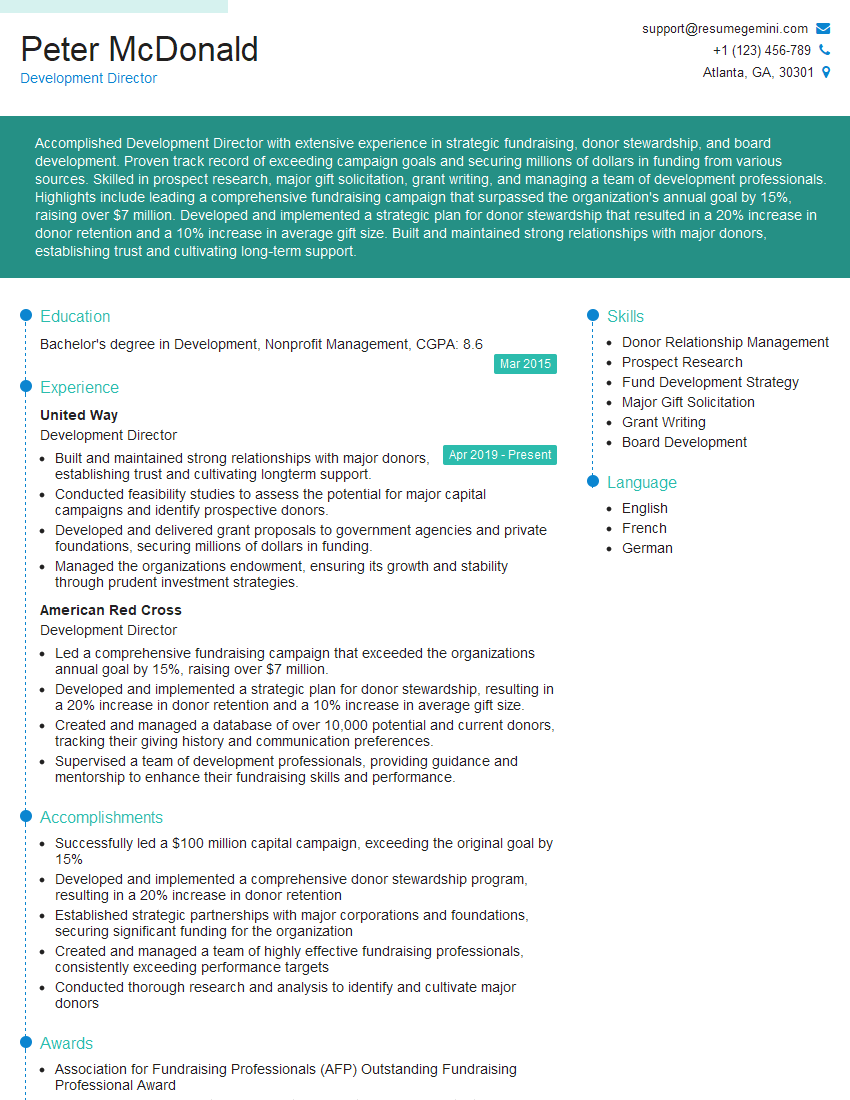
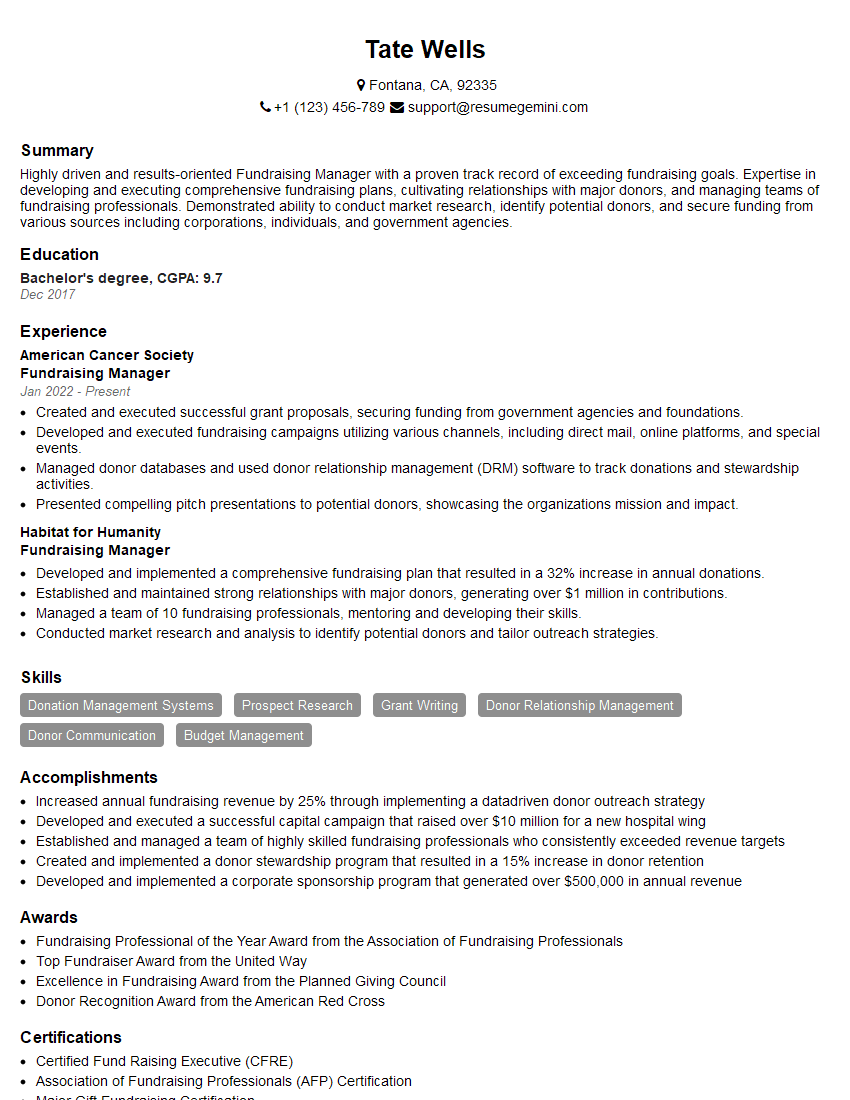
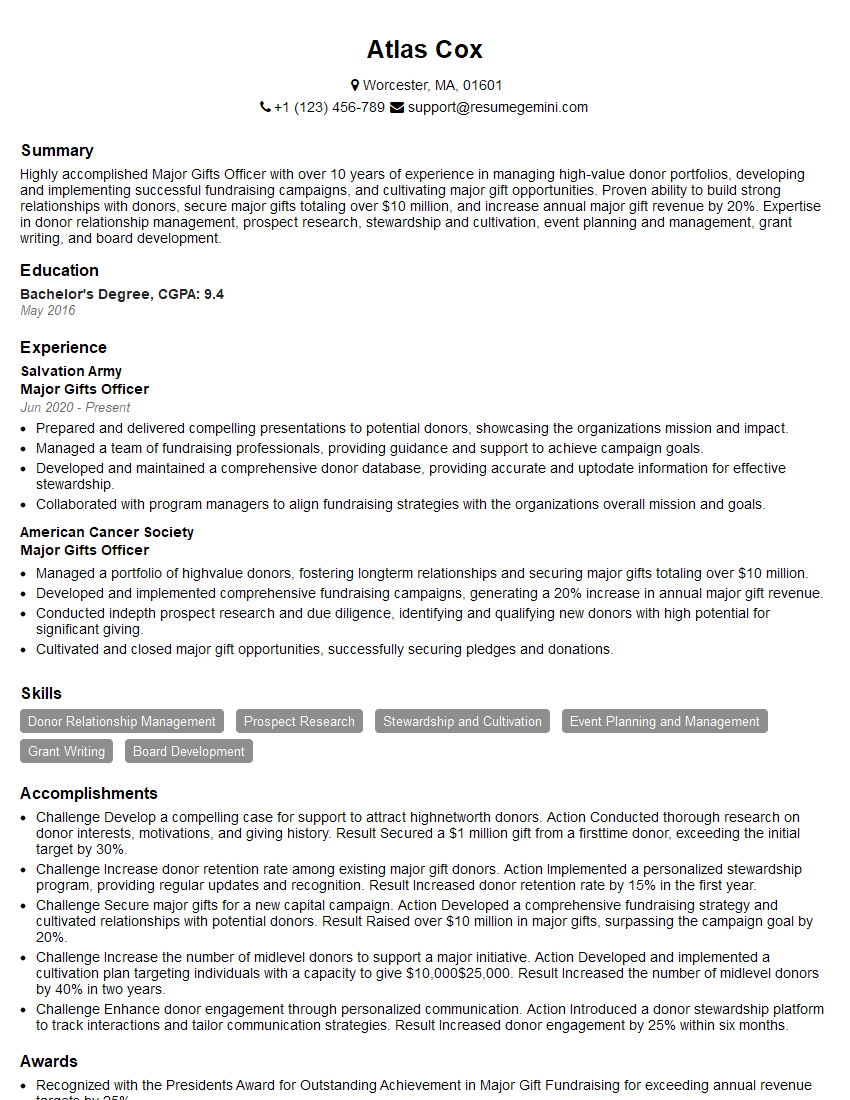
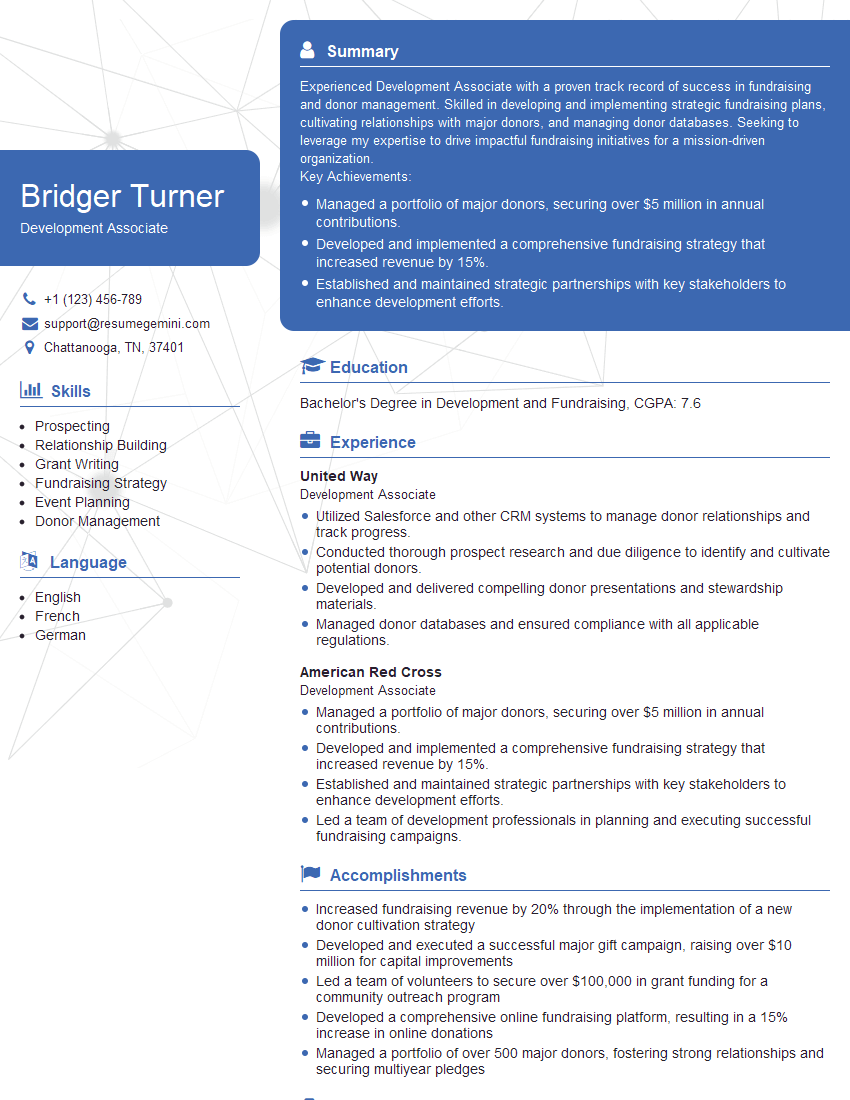
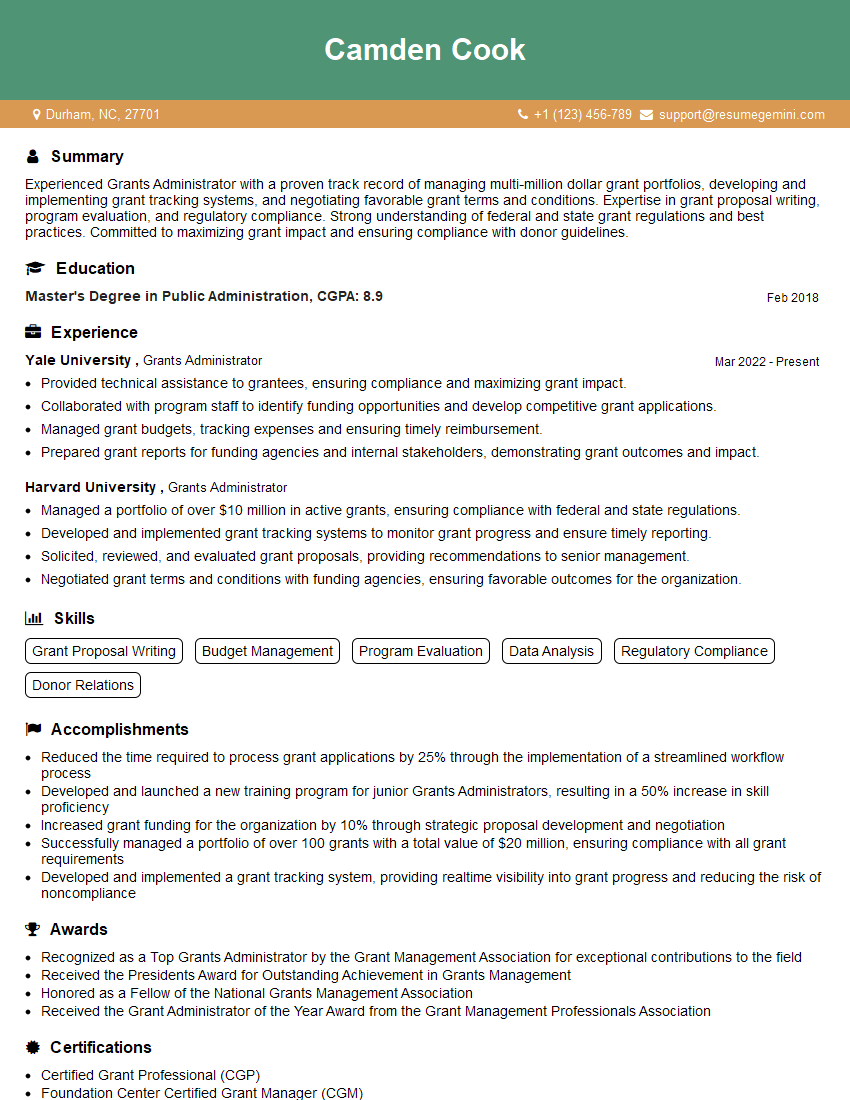
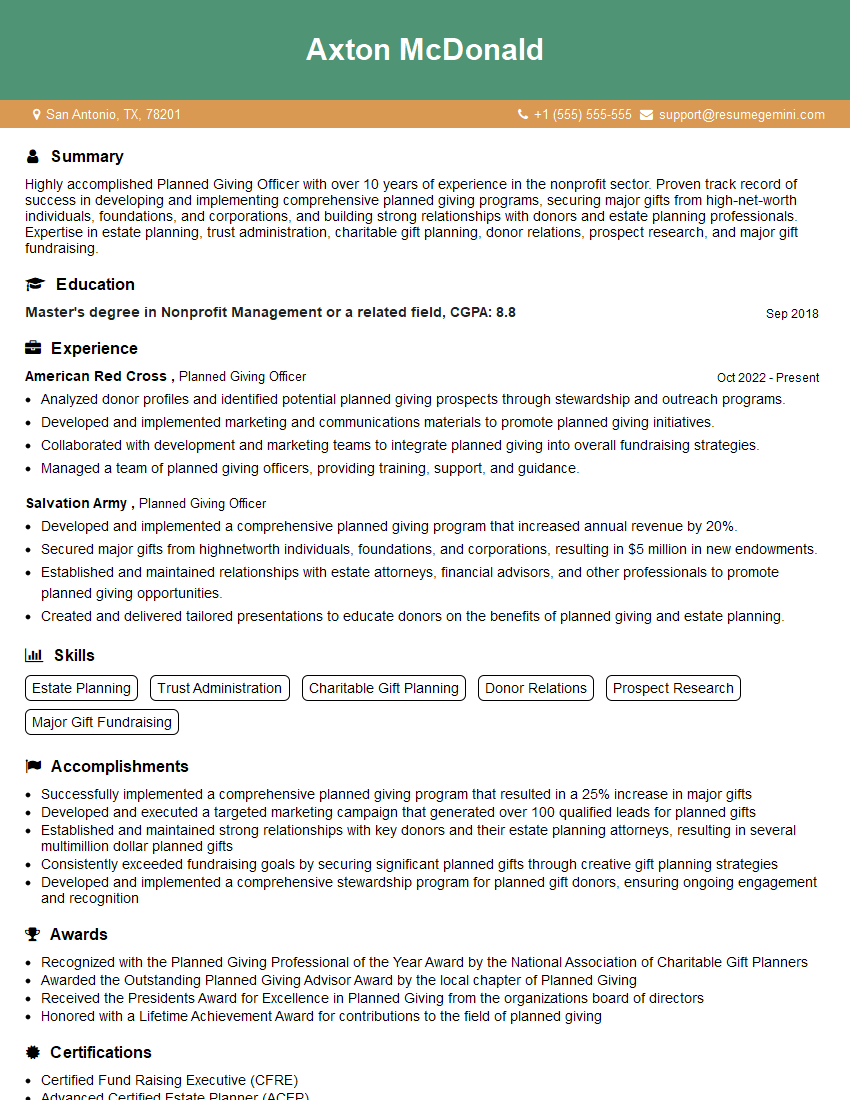
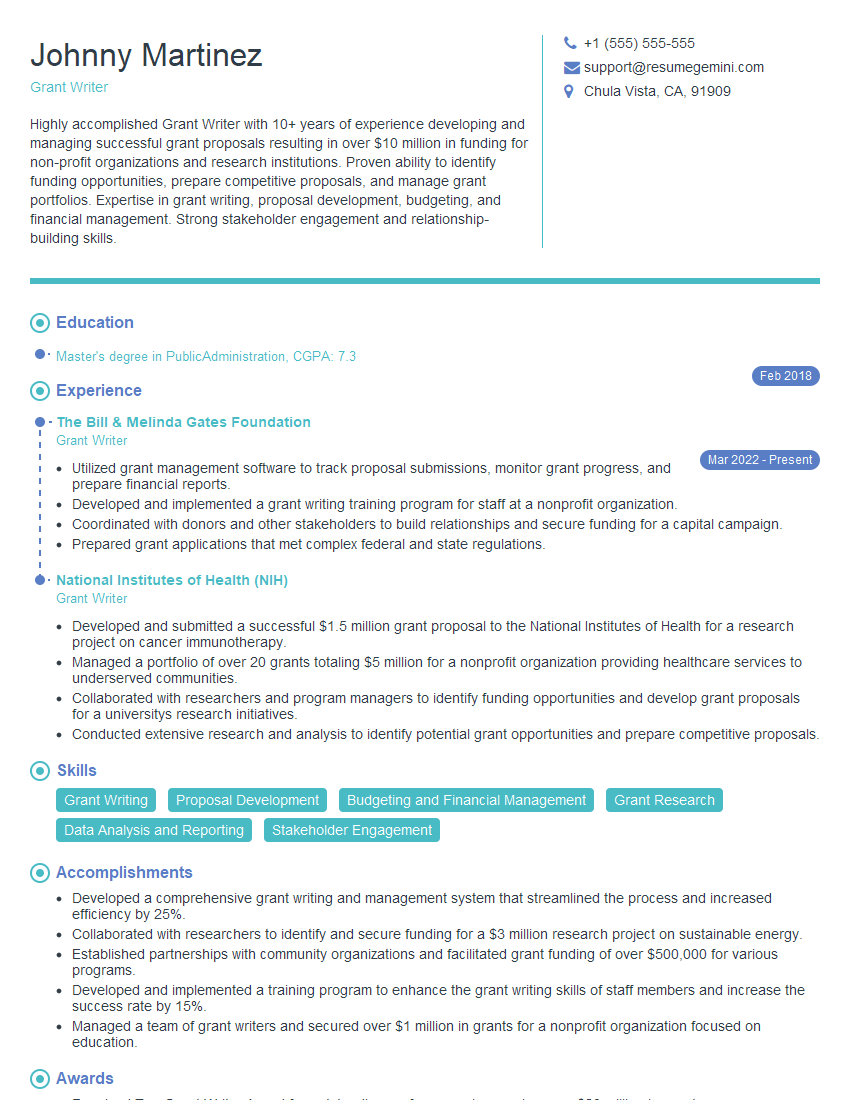
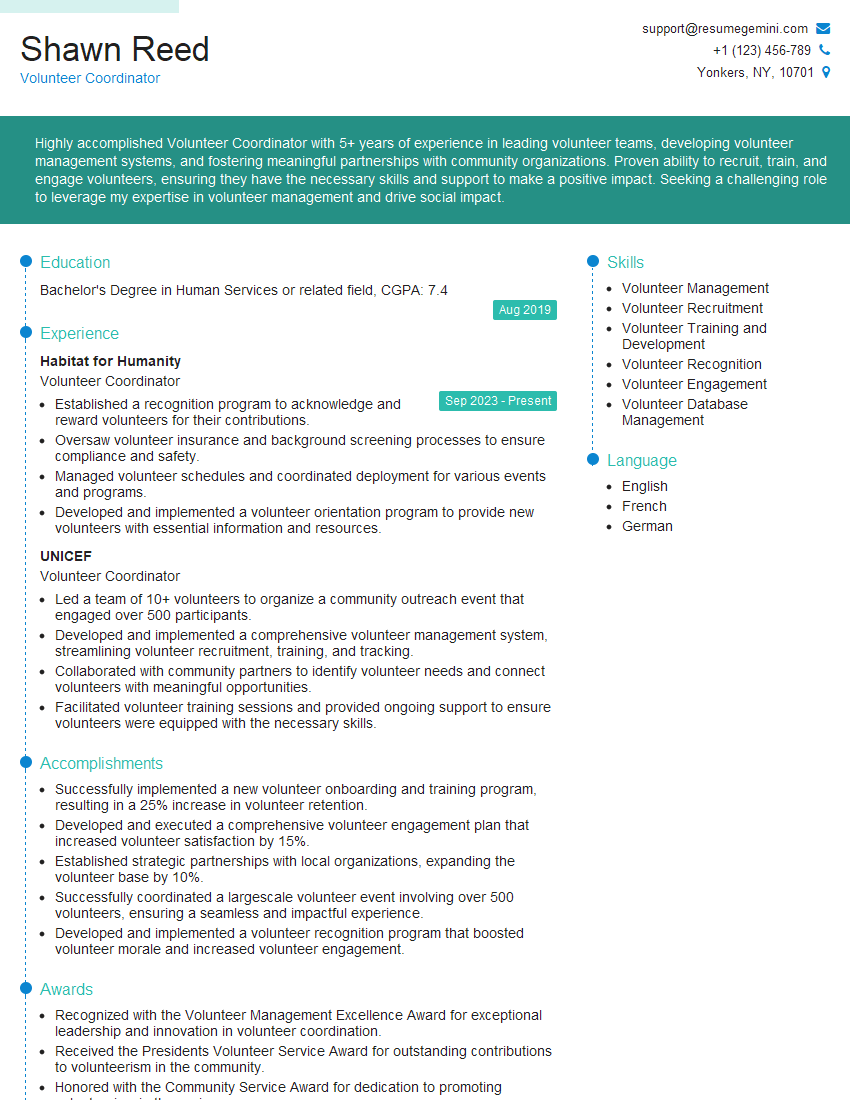
Mastering Philanthropy and Patronage opens doors to rewarding careers with significant impact. A strong resume is crucial for showcasing your skills and experience to potential employers. Creating an ATS-friendly resume significantly increases your chances of getting your application noticed. To build a powerful, ATS-optimized resume, leverage the resources available through ResumeGemini. ResumeGemini provides tools and examples of resumes tailored to the Philanthropy and Patronage sector, helping you present your qualifications effectively and land your dream job. Examples of resumes tailored to Philanthropy and Patronage are available.
Explore more articles
Users Rating of Our Blogs
Share Your Experience
We value your feedback! Please rate our content and share your thoughts (optional).
What Readers Say About Our Blog
Very informative content, great job.
good