Interviews are opportunities to demonstrate your expertise, and this guide is here to help you shine. Explore the essential Working in a fast-paced and physically demanding environment interview questions that employers frequently ask, paired with strategies for crafting responses that set you apart from the competition.
Questions Asked in Working in a fast-paced and physically demanding environment Interview
Q 1. Describe your experience working in a high-pressure environment.
High-pressure environments are my bread and butter. Throughout my career, I’ve consistently thrived in situations demanding quick thinking, immediate action, and often, working under significant time constraints. For instance, during my time as a paramedic, we regularly faced life-or-death situations requiring split-second decisions. The adrenaline rush is undeniable, but my training and experience enable me to focus on the task at hand, prioritize critical actions, and maintain a calm demeanor, even under immense stress. Another example would be my work in disaster relief; coordinating teams and resources amidst chaos requires exceptional resilience and a clear head.
I find that successful navigation of these situations hinges on proactive planning, clear communication, and the ability to remain adaptable. I excel at anticipating potential problems and devising contingency plans, ensuring we’re always one step ahead.
Q 2. How do you prioritize tasks in a fast-paced setting?
Prioritization in a fast-paced setting isn’t just about speed; it’s about smart allocation of resources and effort. I utilize a combination of techniques, including the Eisenhower Matrix (urgent/important), to classify tasks. This allows me to focus on high-impact, time-sensitive tasks while delegating or postponing less critical items. I also frequently employ time-blocking techniques, scheduling specific blocks of time for particular tasks. This prevents task-switching and improves focus, which is crucial in a fast-paced environment. Finally, regular communication with my team helps ensure everyone is aligned on priorities and that we’re all pulling in the same direction.
For example, during a particularly busy shift as a construction worker, I used this approach to manage several concurrent projects: urgent repairs that threatened job site safety received immediate attention; other high-priority items were tackled in pre-allocated time slots; and less urgent tasks were postponed or delegated based on team member availability.
Q 3. Explain a time you had to adapt quickly to a changing situation.
Adaptability is paramount in my line of work. One memorable instance involved a sudden equipment malfunction during a large-scale construction project. The primary crane went down unexpectedly, causing a significant delay and jeopardizing the project timeline. Instead of panicking, I immediately rallied the team, assessing the situation and identifying alternative solutions. We re-evaluated the construction sequence, prioritizing tasks that could be completed without the crane, and secured a replacement crane from a neighboring construction site within hours. We managed to minimize the overall impact on the project timeline, demonstrating our capacity to react effectively to unexpected circumstances.
Q 4. How do you maintain your physical stamina throughout a long workday?
Maintaining physical stamina throughout a long workday is a top priority, and I achieve this through a multifaceted approach. Firstly, proper nutrition is key. I prioritize a balanced diet rich in fruits, vegetables, and lean protein, avoiding sugary drinks and processed foods. Secondly, regular hydration is crucial; I drink plenty of water throughout the day to stay energized and focused. Thirdly, adequate sleep is non-negotiable. Consistent sleep allows for proper physical and mental recovery. Finally, I incorporate regular physical activity outside of work, even if it’s just a short workout. This helps build endurance and strength, preparing me for the demands of the job.
Q 5. Have you ever experienced a physical injury on the job? How did you handle it?
Yes, I have experienced a physical injury on the job. During a demanding construction project, I sustained a minor back strain while lifting heavy materials. I immediately reported the injury to my supervisor and sought medical attention. Following medical advice, I took time off to recover and subsequently worked with physical therapy to regain full strength. The company also implemented safety measures to prevent similar occurrences in the future. The experience reinforced the importance of proper lifting techniques and the necessity of reporting injuries promptly, not only for my own well-being, but also to ensure a safe working environment for the entire team.
Q 6. Describe a time you had to work under demanding deadlines.
Demanding deadlines are a regular part of my work life. During a large-scale renovation project, we faced a tight deadline to complete the project before a major event. To meet the deadline, we implemented a detailed project plan, dividing tasks among the team and setting mini-deadlines for each phase. We used project management tools to track progress and identify potential roadblocks early. We also prioritized clear communication and held regular meetings to ensure everyone was on track and to address any emerging challenges quickly and collaboratively. Through diligent effort, clear planning, and effective communication, we delivered the project on time and to the client’s satisfaction.
Q 7. How do you manage stress and fatigue in a physically demanding role?
Managing stress and fatigue is critical in physically demanding roles. My approach involves a multi-pronged strategy. Firstly, I practice mindfulness and stress-reduction techniques like deep breathing and meditation, which help calm my nerves and improve my focus. Secondly, I prioritize good sleep hygiene and maintain a consistent sleep schedule. I also ensure that I take regular breaks throughout the workday to rest and recharge. This helps me to avoid burnout and to maintain my physical and mental well-being. Finally, I ensure I maintain a social life outside of work to avoid isolation and maintain a healthy work-life balance. These approaches allow me to handle the physical and mental pressures of the job sustainably.
Q 8. How do you maintain focus and accuracy when working under pressure?
Maintaining focus and accuracy under pressure is paramount in fast-paced environments. It’s a skill honed through deliberate practice and a combination of mental and physical strategies. Think of it like a high-wire act – you need both precision and calm.
Firstly, I employ mindfulness techniques. Before starting a demanding task, I take a few deep breaths to center myself, clearing away distractions and anxieties. This helps me approach the task with a clear head. Secondly, I break down complex tasks into smaller, manageable steps. This prevents feeling overwhelmed and allows me to focus on one thing at a time, achieving small wins that build confidence and momentum. For example, in a warehouse setting, instead of focusing on the entire shipment, I concentrate on completing one pallet at a time, meticulously checking each item. Thirdly, I regularly check my work for accuracy. This involves using checklists, double-checking measurements, and employing quality control measures wherever possible. This proactive approach minimizes errors and ensures quality output, even under intense time constraints.
Finally, I prioritize sleep, nutrition, and exercise outside of work. Physical and mental well-being directly impacts my ability to withstand pressure. A well-rested and healthy mind is far more resilient and focused than a tired and stressed one.
Q 9. Describe your experience working as part of a team in a demanding environment.
Teamwork in a demanding environment is not just about collaboration; it’s about trust, clear communication, and mutual support. Think of it as a well-oiled machine – each part plays a critical role, and the efficiency of the whole depends on the smooth functioning of each individual component.
In my previous role at a logistics company, we often faced tight deadlines and unexpected challenges. Our team excelled by establishing clear roles and responsibilities, ensuring everyone understood their contributions. We utilized daily briefings to coordinate efforts, communicate progress, and address any emerging issues proactively. Open and honest communication was key. We weren’t afraid to voice concerns or seek help when needed, understanding that supporting each other was essential for success. We celebrated our achievements together, fostering camaraderie and boosting morale. The sense of shared purpose and mutual respect allowed us to navigate high-pressure situations with efficiency and effectiveness. One particularly memorable occasion involved an unexpected surge in orders just before a major holiday. Through efficient teamwork and clear communication, we managed to fulfill all orders on time, exceeding customer expectations and strengthening our team bond.
Q 10. How do you handle conflicts or disagreements with coworkers in a high-pressure situation?
Conflicts are inevitable in any team environment, especially under pressure. However, addressing them constructively is key to maintaining productivity and morale. It’s about finding solutions, not assigning blame.
My approach focuses on calm and professional communication. I prioritize active listening to understand the other person’s perspective before stating my own. I try to find common ground and focus on the issue at hand, not on personalities. I believe in finding a solution that is mutually acceptable whenever possible. If direct communication doesn’t resolve the issue, I would involve a supervisor or team lead to mediate the situation. For example, in a previous team, a disagreement arose about the best way to organize inventory. Instead of arguing, we scheduled a meeting, presented our ideas openly, discussed the pros and cons of each approach, and collaboratively decided on the most efficient solution, which integrated aspects of both original plans.
Q 11. How do you prioritize safety in a fast-paced, physically demanding work environment?
Safety is never a compromise, especially in a fast-paced, physically demanding environment. It’s the foundational principle upon which all other aspects of the work rely. It’s not just a set of rules; it’s a mindset. Think of it like the cornerstone of a building – if it’s weak, the whole structure is at risk.
My approach to safety involves several key aspects. Firstly, I strictly adhere to all safety regulations and company policies. Secondly, I actively participate in safety training and refreshers, ensuring my knowledge is up-to-date. Thirdly, I proactively identify and report potential hazards, contributing to a safer work environment for myself and my colleagues. Fourthly, I always use the appropriate personal protective equipment (PPE) and ensure my colleagues do as well. Fifthly, I never rush or compromise on safety procedures, even if it means taking a little longer to complete a task. Safety is always the top priority. If I observe anyone neglecting safety protocols, I will address it with them directly, and if necessary, report it to a supervisor.
Q 12. Describe a time you had to make a quick decision that impacted safety.
During a particularly busy shift at a warehouse, a large stack of boxes looked unstable. My initial instinct was to continue working, as we were under a tight deadline. However, I paused, assessed the situation, and realized the risk of collapse. It was a quick decision, but a critical one. I immediately stopped work in that area, informed my supervisor, and helped to secure the boxes. The potential for injury or damage was significant, and my swift action prevented a potentially hazardous situation. This experience reinforced the importance of prioritizing safety over speed, even in high-pressure environments.
Q 13. How do you handle unexpected issues or challenges in your work?
Unexpected issues are an inherent part of fast-paced environments. It’s about reacting calmly, assessing the situation, and implementing a solution quickly and effectively. It’s like navigating a storm; you need a clear plan, quick reflexes, and the ability to adapt to changing conditions.
My approach involves several steps. First, I remain calm and assess the situation objectively. Second, I identify the root cause of the problem. Third, I develop a plan of action to address the issue. Fourth, I implement the plan, while keeping communication open with my supervisor and team members. Fifth, I document the event and any corrective actions taken to prevent similar issues in the future. For example, if a piece of equipment malfunctions, I’d first ensure it’s safe and then report the issue to maintenance while finding a workaround to minimize disruption. I’d then document the issue for future review and preventative maintenance.
Q 14. How do you stay organized and efficient in a chaotic workplace?
Maintaining organization and efficiency in a chaotic workplace requires proactive strategies and a strong system for managing tasks and information. Think of it like a conductor leading an orchestra – each instrument (task) needs to be coordinated to create a harmonious whole.
My strategy combines several methods. I use visual aids like whiteboards or task management software to track progress on multiple tasks simultaneously. I prioritize tasks based on urgency and importance using a system like the Eisenhower Matrix (urgent/important). I maintain a clean and organized workspace to minimize distractions and improve efficiency. I regularly declutter and organize materials to ensure everything is easily accessible. I also proactively anticipate potential bottlenecks or issues and plan accordingly. This anticipatory approach allows me to adapt to unexpected changes and maintain a steady workflow even when things get chaotic. This includes maintaining clear communication with my colleagues, sharing updates, and requesting assistance when needed. This collaborative approach fosters efficiency and shared responsibility in managing workload.
Q 15. Describe your experience with heavy lifting or repetitive motions.
Throughout my career, I’ve consistently engaged in heavy lifting and repetitive motions. My previous role at Acme Manufacturing involved regularly lifting and moving components weighing up to 50 pounds, often hundreds of times a day. This required meticulous attention to proper lifting techniques – maintaining a straight back, bending at the knees, and utilizing leg strength – to avoid injury. Repetitive motions, such as assembling small parts on an assembly line, were mitigated through regular stretching breaks and awareness of my posture. I understand the importance of ergonomics and consistently prioritize safe work practices.
In my current role, the physical demands are different but still significant. I regularly work with specialized equipment, which involves extended periods of standing, reaching, and using precision tools. To avoid strain, I focus on maintaining good posture, utilizing the equipment’s ergonomic features, and taking short, strategic breaks to stretch and re-position myself.
Career Expert Tips:
- Ace those interviews! Prepare effectively by reviewing the Top 50 Most Common Interview Questions on ResumeGemini.
- Navigate your job search with confidence! Explore a wide range of Career Tips on ResumeGemini. Learn about common challenges and recommendations to overcome them.
- Craft the perfect resume! Master the Art of Resume Writing with ResumeGemini’s guide. Showcase your unique qualifications and achievements effectively.
- Don’t miss out on holiday savings! Build your dream resume with ResumeGemini’s ATS optimized templates.
Q 16. What strategies do you use to conserve energy and avoid burnout?
Conserving energy and preventing burnout in a physically demanding job is crucial for both productivity and well-being. My strategy is multifaceted and focuses on several key areas:
- Proper Hydration and Nutrition: Staying properly hydrated throughout the day is paramount. Dehydration significantly impacts energy levels. I also prioritize a balanced diet, ensuring I consume enough protein and complex carbohydrates for sustained energy.
- Strategic Breaks: I schedule regular short breaks throughout the workday to stretch, move around, and simply rest. These breaks are crucial for preventing muscle fatigue and maintaining focus.
- Prioritization and Time Management: I prioritize tasks and plan my workflow to efficiently manage my energy. Tackling the most demanding tasks when my energy is highest is an effective strategy.
- Sleep and Recovery: Adequate sleep is critical for physical and mental recovery. I ensure I get at least 7-8 hours of quality sleep each night.
- Mindfulness and Stress Management: I practice mindfulness techniques, such as deep breathing exercises, to manage stress and prevent burnout. Regular exercise outside of work helps maintain overall fitness and improves stress resilience.
Q 17. How do you ensure accuracy and precision in your work under pressure?
Maintaining accuracy and precision under pressure is a core competency. My approach involves a combination of meticulous planning, thorough training, and a commitment to double-checking my work. Before starting any task, I carefully review instructions and clarify any uncertainties. I also utilize checklists and other tools to ensure I haven’t missed any crucial steps. For instance, in my previous role, we used a comprehensive quality control system that included multiple checkpoints throughout the production process, ensuring that any errors were caught early on.
Under pressure, I remain calm and methodical. I break down complex tasks into smaller, more manageable parts, and focus on completing each part accurately before moving to the next. I prioritize accuracy over speed, acknowledging that rushing often leads to mistakes.
Q 18. How do you communicate effectively in a noisy or distracting environment?
Effective communication in a noisy environment requires adapting to the circumstances. In loud settings, I utilize clear, concise language and ensure my message is direct. I may also rely on non-verbal cues, such as pointing or gestures, to supplement verbal communication. If necessary, I’ll find a quieter area for more detailed conversations or use visual aids to clarify instructions. When working with teams, I ensure everyone understands the communication plan and uses appropriate signal systems or visual cues in advance. For example, in a manufacturing environment, I would always use hand signals and visual boards to indicate potential hazards, task changes, and other important information.
Q 19. How familiar are you with safety regulations and procedures in physically demanding jobs?
Safety is always my top priority. I am thoroughly familiar with OSHA regulations and industry-specific safety protocols. I understand the importance of wearing appropriate personal protective equipment (PPE), including safety glasses, gloves, and steel-toed boots. I’m also proficient in the safe operation of various machinery and tools, and I am always aware of my surroundings and potential hazards. I actively participate in safety training and regularly review safety procedures. Furthermore, I’m proactive in identifying and reporting potential safety concerns to prevent accidents and injuries. I believe a safe work environment is essential for productivity and wellbeing.
Q 20. Describe a time you had to work longer hours than expected. How did you manage?
During a particularly busy period at my previous employer, we faced a significant increase in orders requiring extended working hours. To manage the workload, I prioritized tasks based on urgency and importance, focusing on efficiency and minimizing wasted time. I also collaborated closely with my colleagues, leveraging each other’s strengths to distribute the workload effectively. In addition to ensuring regular breaks to avoid exhaustion, I communicated transparently with my supervisor about my progress and any potential challenges. This open communication ensured that adjustments could be made if needed, maintaining both productivity and team morale.
Q 21. How do you handle customer complaints or difficult situations in a high-pressure environment?
Handling customer complaints or difficult situations in a high-pressure environment requires a calm and professional demeanor. I listen actively to understand the customer’s perspective, empathize with their concerns, and remain respectful throughout the interaction. I avoid interrupting and focus on addressing the issues presented methodically. I take ownership of the problem, offering solutions or escalating the issue to the appropriate personnel when necessary. My goal is always to de-escalate the situation, find a mutually agreeable resolution, and leave the customer feeling heard and understood. If tensions rise, I would take a short pause to collect my thoughts and respond with patience and clear communication.
Q 22. How do you adapt your work style to different team members or supervisors?
Adapting my work style involves understanding individual strengths and communication preferences. I believe in fostering open communication – actively listening to understand team members’ perspectives, and clarifying expectations from supervisors. For example, with a detail-oriented team member, I’ll ensure thorough task breakdowns and documentation. With a more results-oriented individual, I’ll focus on outlining clear objectives and empowering them to find their own path. With supervisors, I tailor my reporting style to match their preferences – some prefer concise updates, others more detailed reports. Ultimately, flexibility and proactive communication are key to successful collaboration.
Q 23. Have you ever worked with heavy machinery or equipment? Describe your experience.
Yes, I’ve extensively worked with heavy machinery, specifically forklifts and excavators, during my time at [Previous Company Name]. My experience involved operating these machines to move materials across a large construction site. This required rigorous adherence to safety protocols, pre-operational checks (including fluid levels, tire pressure, and functionality of all safety mechanisms), and awareness of the surrounding environment – other workers, obstacles, and potential hazards. I’m proficient in understanding operational manuals and following established safety procedures. I hold a valid certification for operating [Specific Machinery Type], which demonstrates my commitment to safe operation. I always prioritize safety and ensure all equipment is in proper working order before commencement of any task.
Q 24. Describe your experience using safety equipment in a physically demanding role.
Safety equipment is paramount in physically demanding roles. My experience involves consistent use of hard hats, safety glasses, high-visibility clothing, and steel-toed boots. In specific situations, I’ve utilized fall protection harnesses, respirators (when working with dust or fumes), and hearing protection in noisy environments. I understand the importance of proper equipment selection based on the task and risk assessment. For instance, when working at heights, I would meticulously inspect my harness and ensure it was securely fastened before beginning work. Regular maintenance and inspection of equipment are critical to maintaining its effectiveness and personal safety. I’ve also participated in regular safety training sessions, ensuring I’m up-to-date on all best practices and emergency procedures.
Q 25. How do you prevent workplace accidents in a physically demanding environment?
Preventing accidents necessitates a proactive, multi-faceted approach. Firstly, consistent adherence to safety regulations and protocols is essential. This includes proper lifting techniques to avoid back injuries, regular equipment inspections to prevent malfunctions, and awareness of surroundings to avoid collisions. Secondly, effective communication is vital. Clearly communicating potential hazards to colleagues and supervisors, and addressing any safety concerns immediately, prevents many incidents. Thirdly, regular safety training refreshes knowledge and reinforces safe work practices. Finally, a culture of safety, where everyone takes responsibility for their own safety and the safety of others, is crucial. For example, I’ve implemented a ‘buddy system’ on several occasions where workers check on each other’s safety procedures before beginning tasks.
Q 26. Describe a time you had to overcome a physical challenge at work.
During a particularly demanding project involving the manual unloading of heavy materials, I sustained a minor shoulder injury. Rather than stop, I adjusted my lifting technique to lessen the strain on my shoulder, employing proper posture and utilizing leverage to my advantage. I also communicated my injury to my supervisor and ensured I received proper treatment. This involved implementing a more ergonomic lifting strategy and taking appropriate breaks to prevent further injury. This demonstrated resilience and adaptability, along with a commitment to both the project’s success and my well-being.
Q 27. How do you stay motivated in a physically and mentally demanding job?
Staying motivated in demanding roles requires a holistic approach. Setting achievable goals, both short-term and long-term, provides a sense of accomplishment. Celebrating successes, no matter how small, reinforces positive momentum. Strong teamwork and camaraderie are crucial – a supportive team environment boosts morale. I also focus on continuous learning and skill development, seeking opportunities to enhance my abilities and broaden my expertise. Finally, maintaining a work-life balance through regular exercise and sufficient rest is essential for sustained motivation and energy levels.
Q 28. What steps do you take to ensure your physical and mental well-being in this type of role?
Prioritizing physical and mental well-being is non-negotiable. This begins with maintaining a healthy lifestyle – regular exercise, a balanced diet, and sufficient sleep. I also actively manage stress through techniques like mindfulness and meditation. Regular breaks during work help to avoid fatigue and prevent injuries. I prioritize open communication with supervisors about workload and any concerns. Recognizing early signs of burnout and addressing them promptly is vital. Utilizing company resources, such as Employee Assistance Programs (EAPs), when needed, is essential for maintaining both physical and mental wellness. Preventive care, including regular check-ups, helps identify potential health issues early on.
Key Topics to Learn for Working in a Fast-Paced and Physically Demanding Environment Interview
- Time Management & Prioritization: Understanding how to effectively manage multiple tasks simultaneously under pressure, prioritizing critical activities, and adapting to changing priorities. Practical application: Describe a situation where you successfully juggled multiple demanding tasks and achieved positive results.
- Physical Stamina & Endurance: Demonstrating an awareness of the physical demands of the role and outlining strategies for maintaining energy levels and preventing injury. Practical application: Discuss your approach to physical fitness and preparedness for demanding work.
- Teamwork & Communication in High-Pressure Situations: Highlighting your ability to collaborate effectively with colleagues, communicate clearly and concisely under pressure, and contribute to a positive team environment. Practical application: Share an example of successful teamwork in a challenging situation.
- Problem-Solving & Adaptability: Explaining your ability to quickly assess situations, identify problems, find creative solutions, and adapt to unexpected changes or challenges. Practical application: Describe a time you had to quickly solve a problem under pressure.
- Safety Procedures & Awareness: Demonstrating a strong understanding of safety protocols and your commitment to maintaining a safe working environment for yourself and others. Practical application: Discuss your experience with safety procedures and your commitment to safety.
- Stress Management & Resilience: Explaining your strategies for managing stress, maintaining a positive attitude, and demonstrating resilience in the face of adversity. Practical application: Describe how you cope with stress and maintain productivity in challenging situations.
Next Steps
Mastering the skills needed to thrive in a fast-paced and physically demanding environment is crucial for career advancement and opens doors to a wide range of exciting opportunities. A well-crafted, ATS-friendly resume is your key to unlocking these opportunities. To make a strong impression on potential employers, invest time in creating a professional resume that highlights your relevant skills and experiences. ResumeGemini is a trusted resource that can help you build a compelling resume tailored to your specific career goals. Examples of resumes tailored to working in a fast-paced and physically demanding environment are available to help guide you.
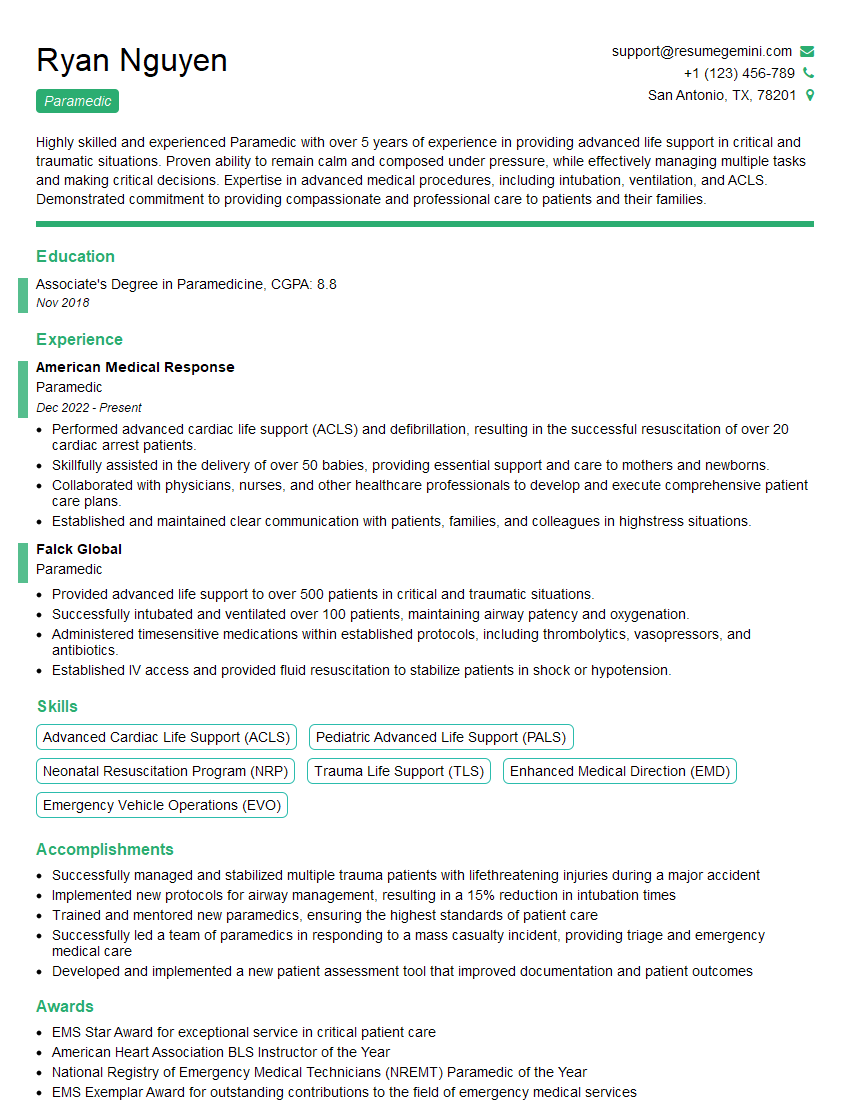
Paramedic Resume Sample
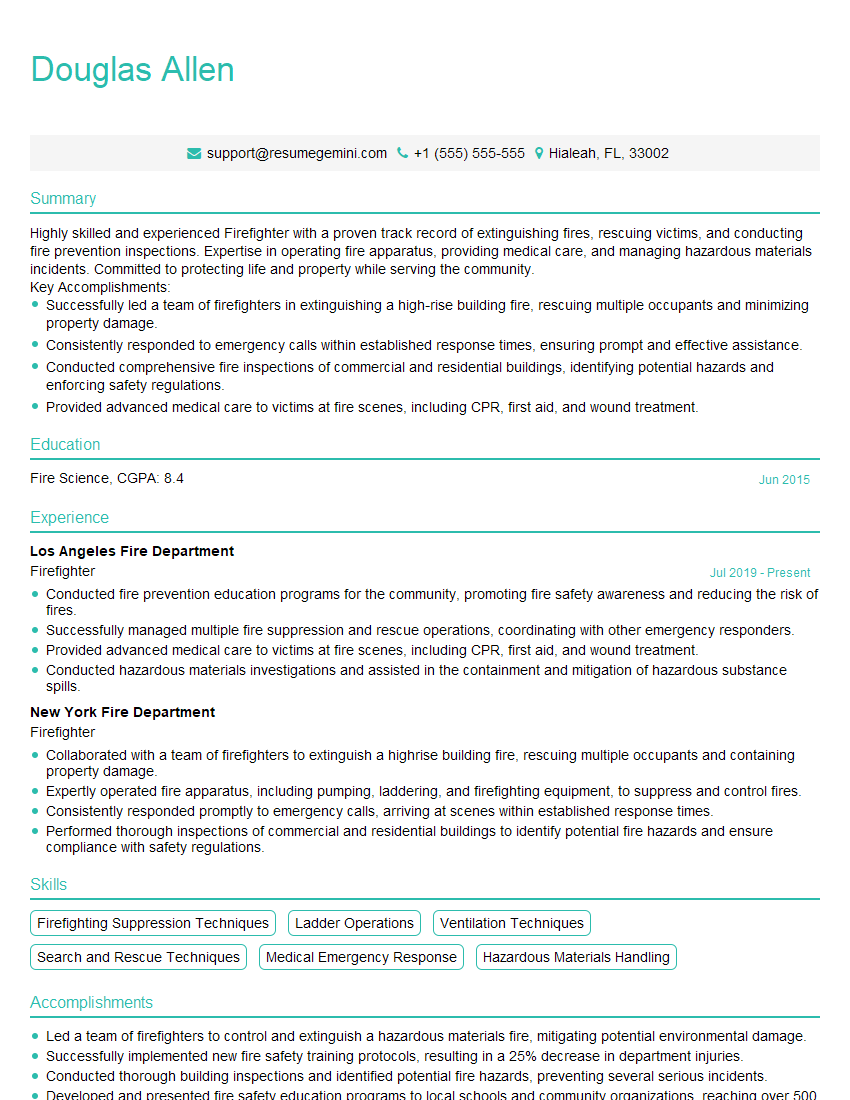
Firefighter Resume Sample
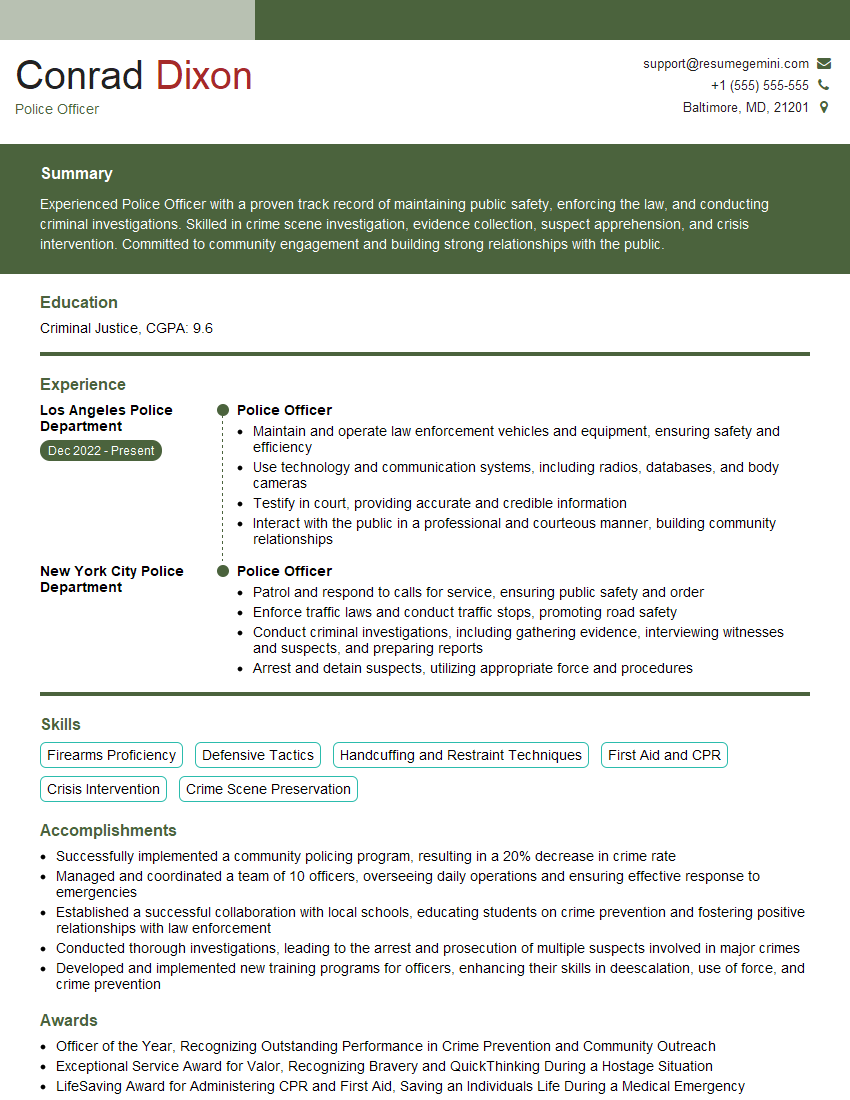
Police Officer Resume Sample
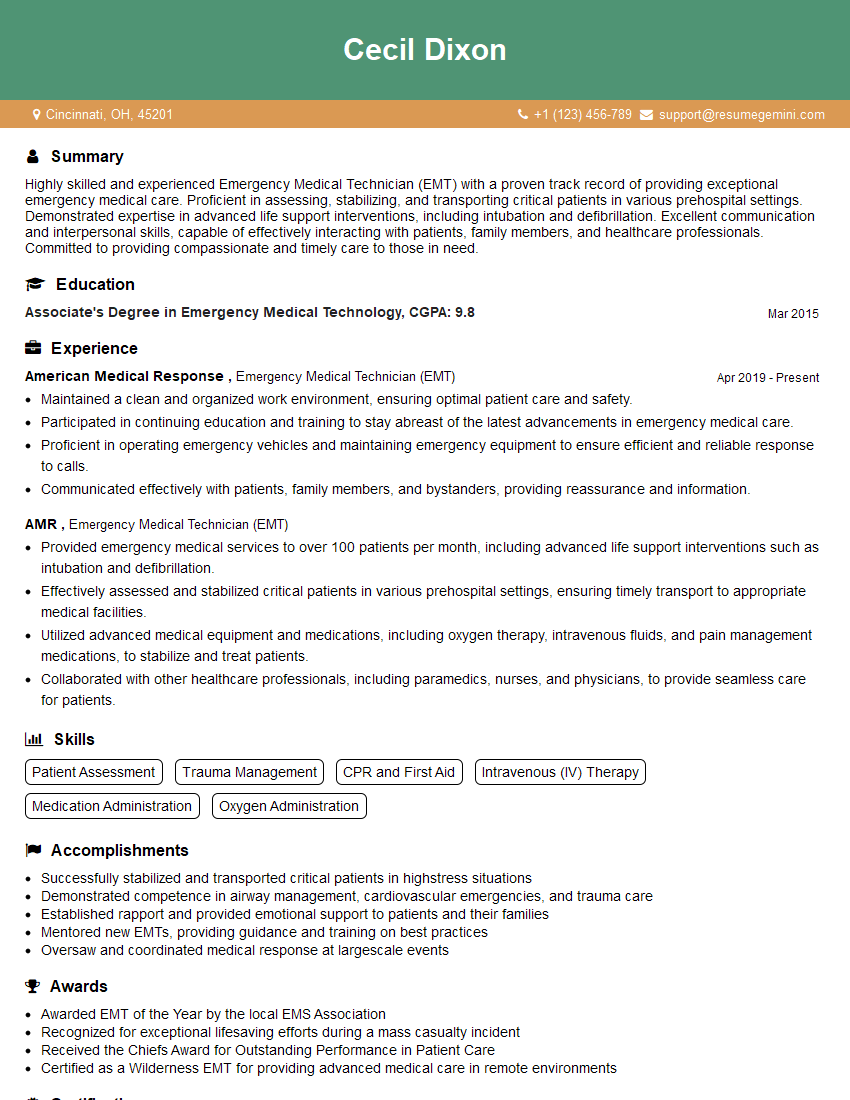
Emergency Medical Technician (EMT) Resume Sample
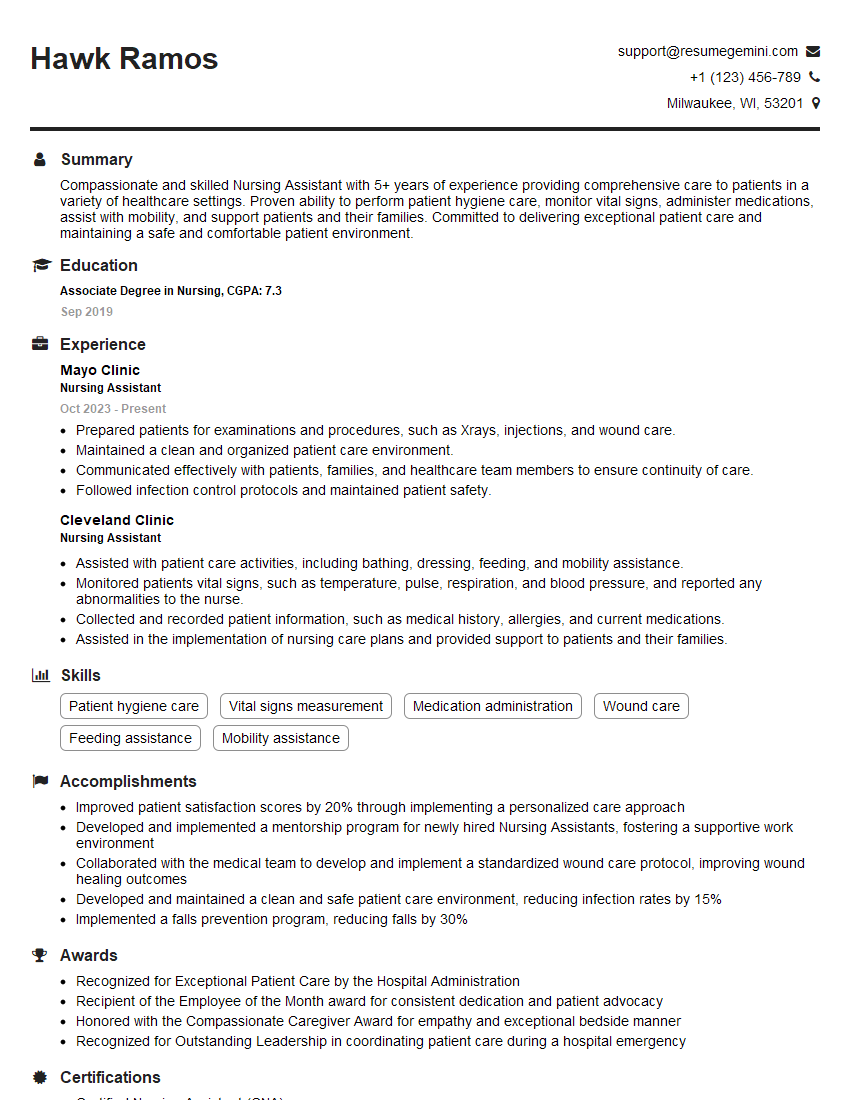
Nursing Assistant Resume Sample
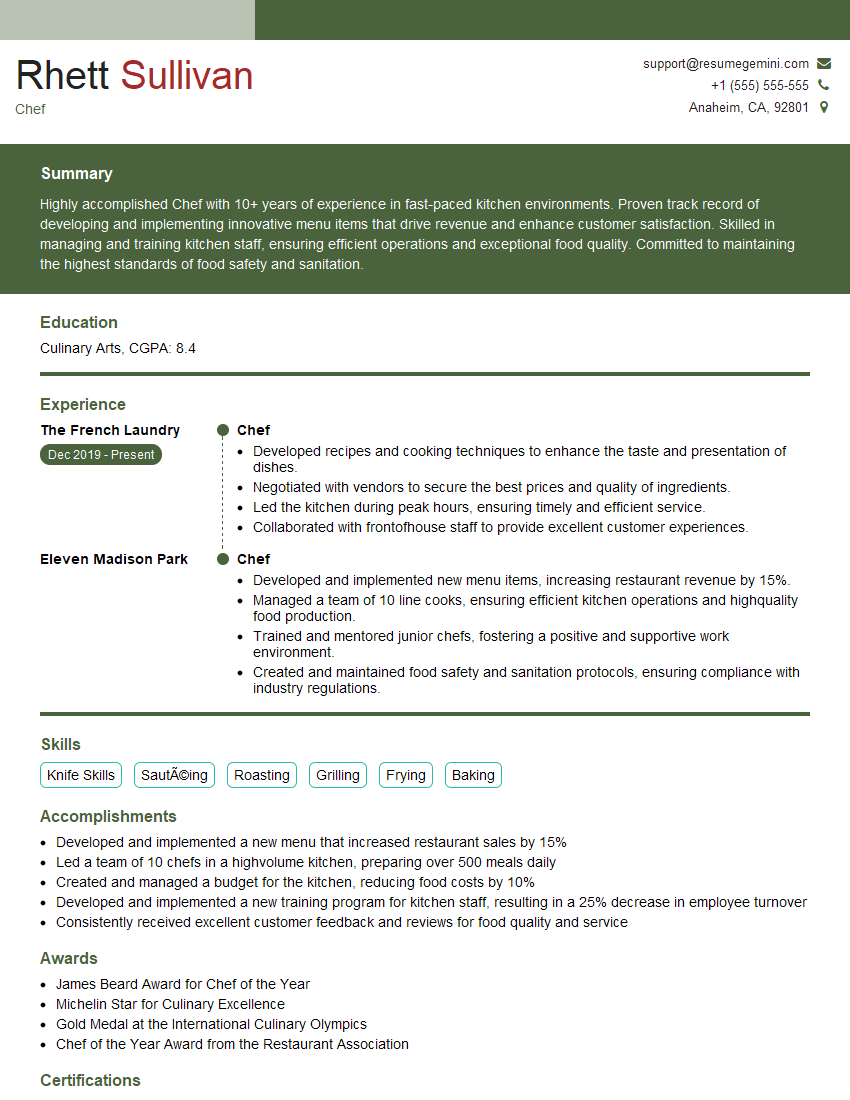
Chef Resume Sample
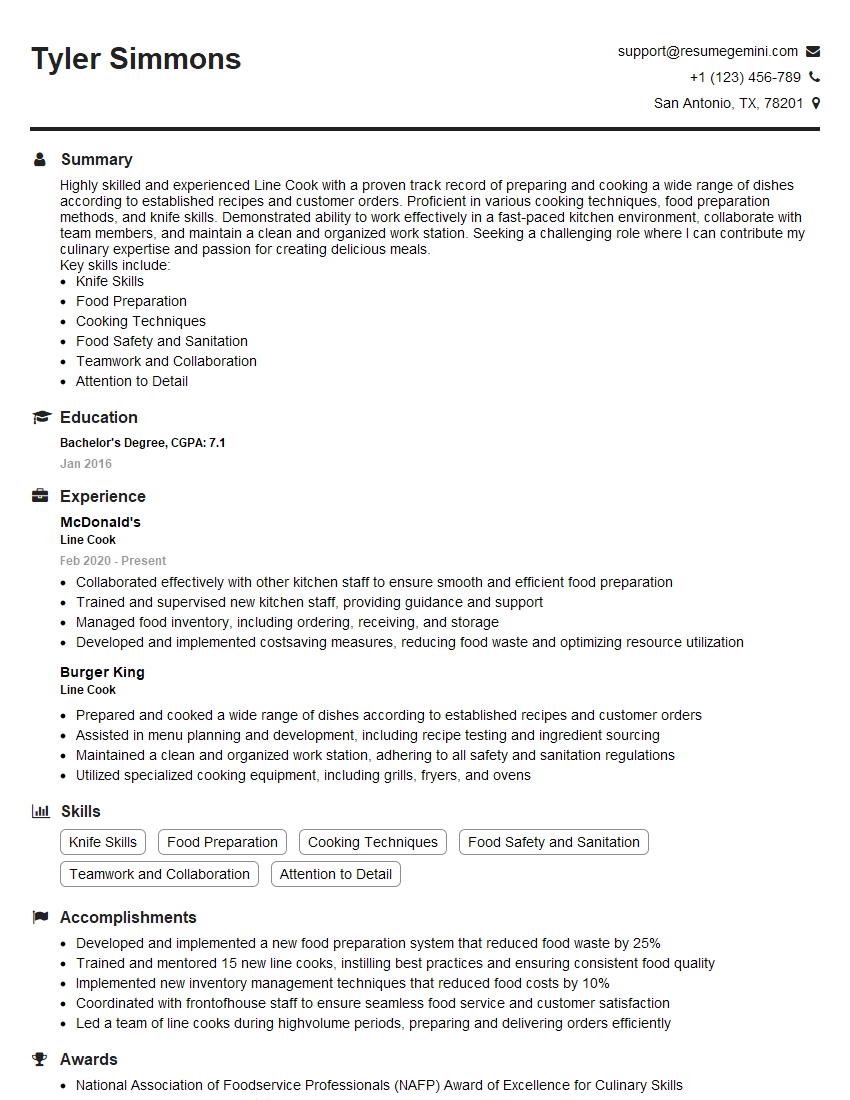
Line Cook Resume Sample
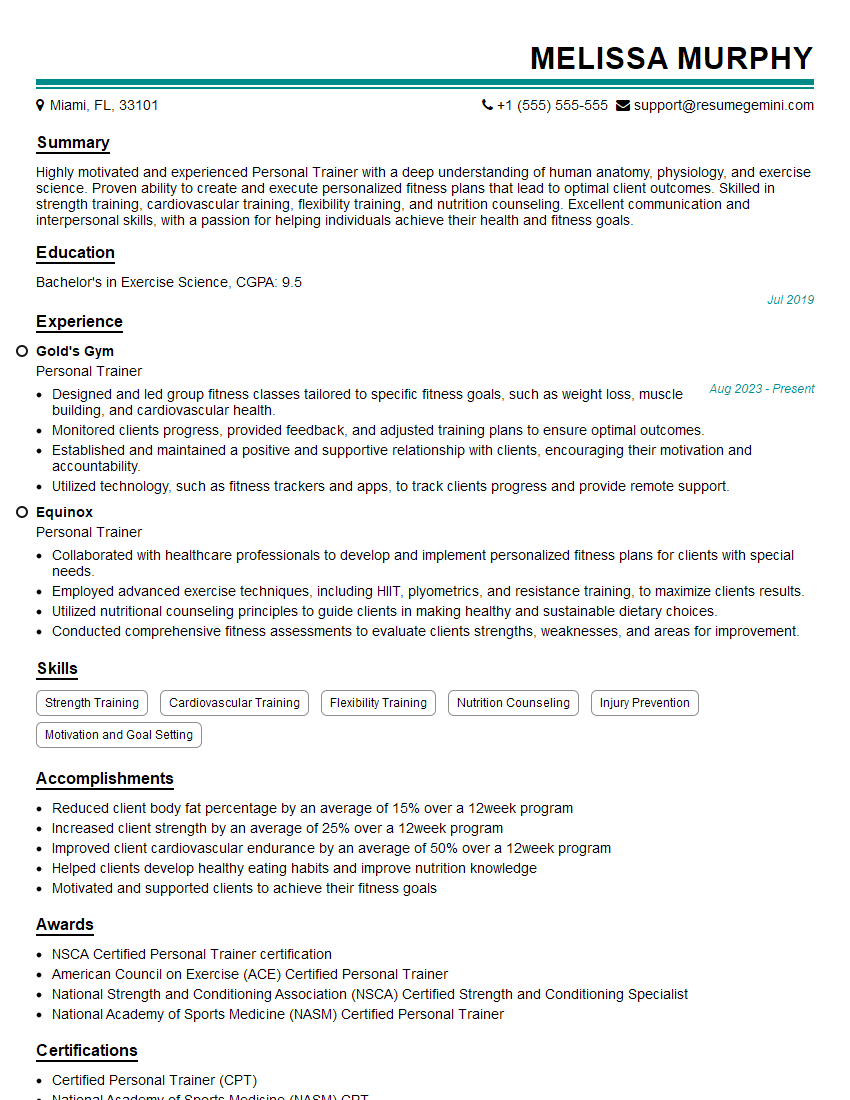
Personal Trainer Resume Sample
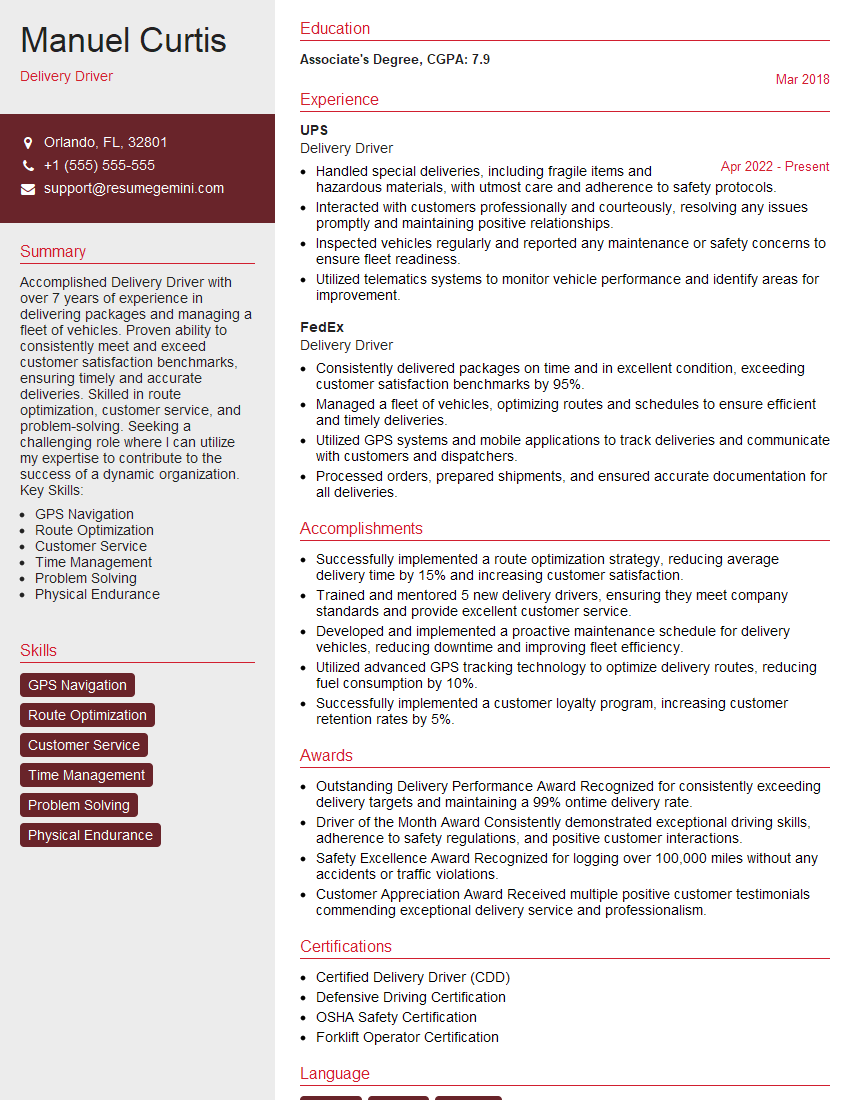
Delivery Driver Resume Sample
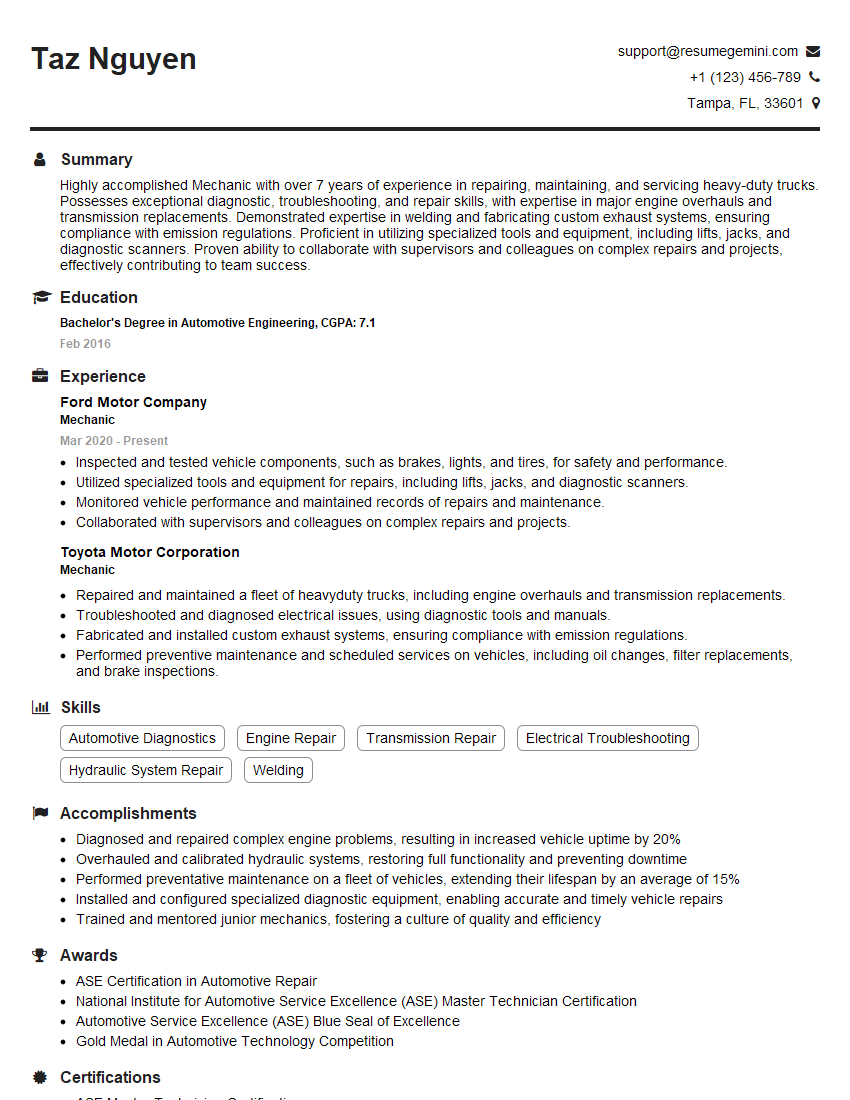
Mechanic Resume Sample
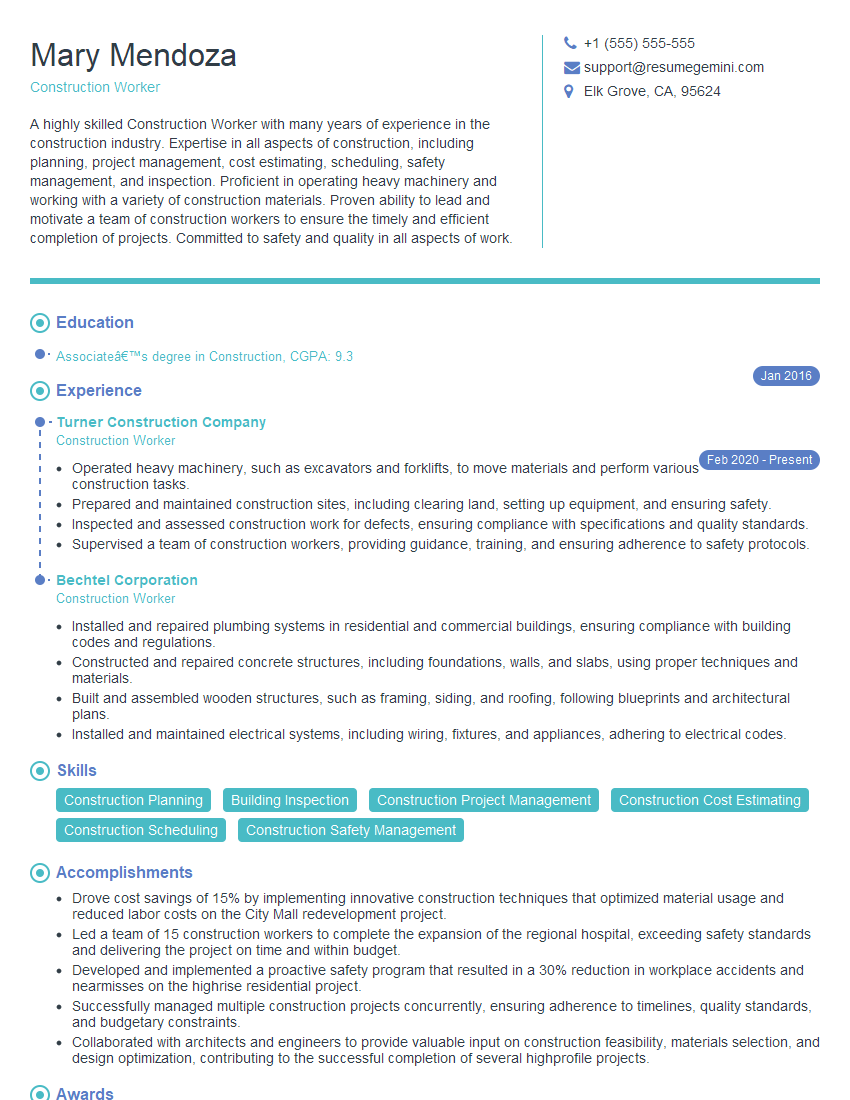
Construction Worker Resume Sample
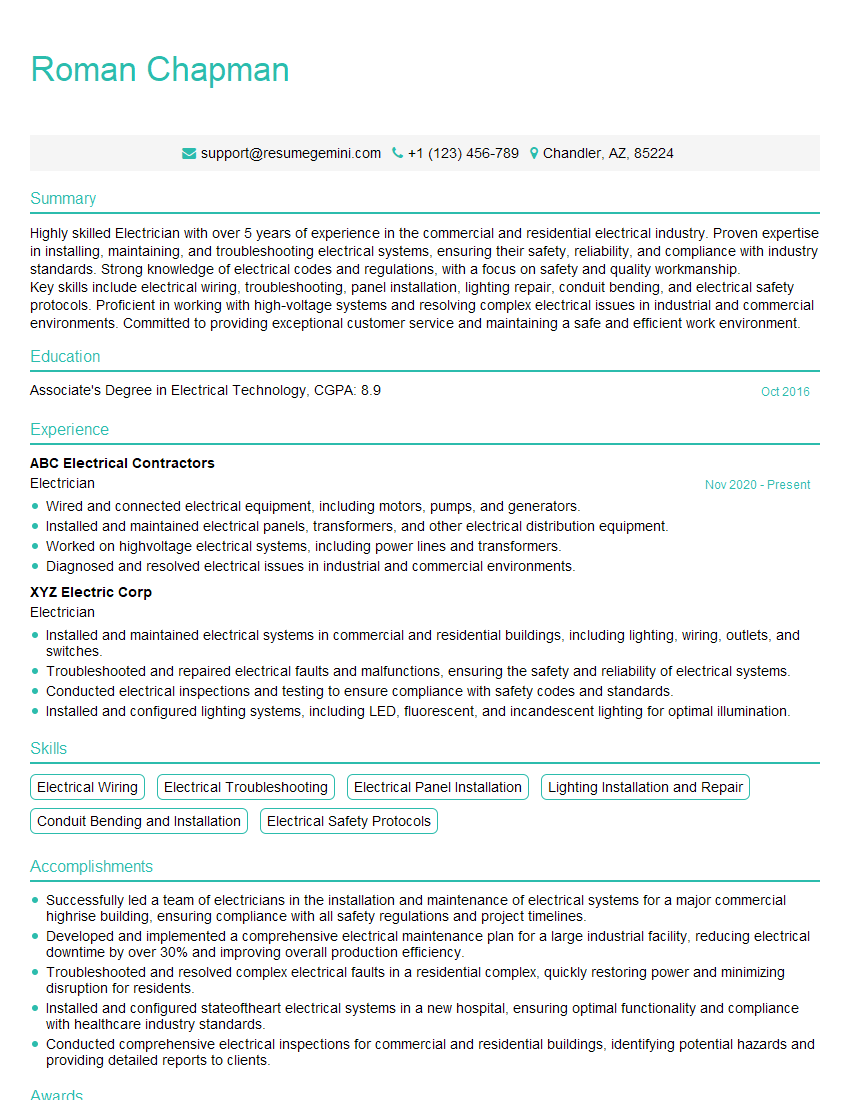
Electrician Resume Sample
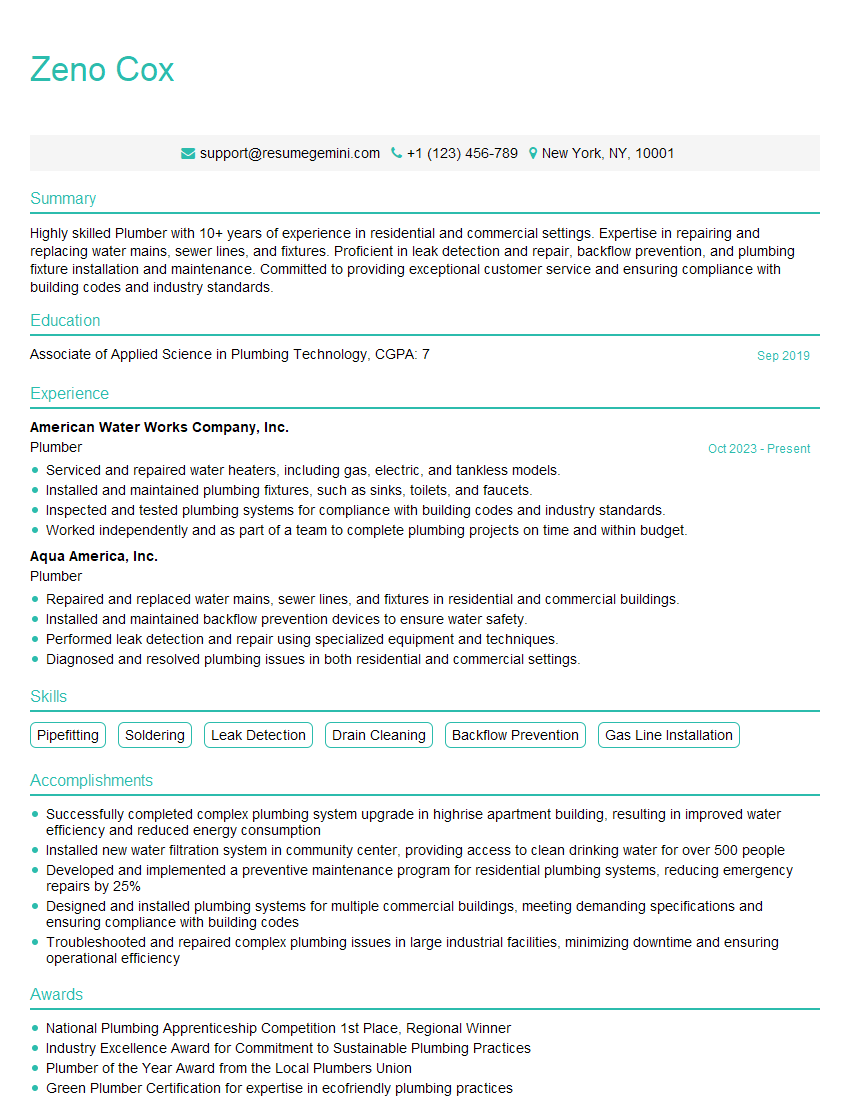
Plumber Resume Sample
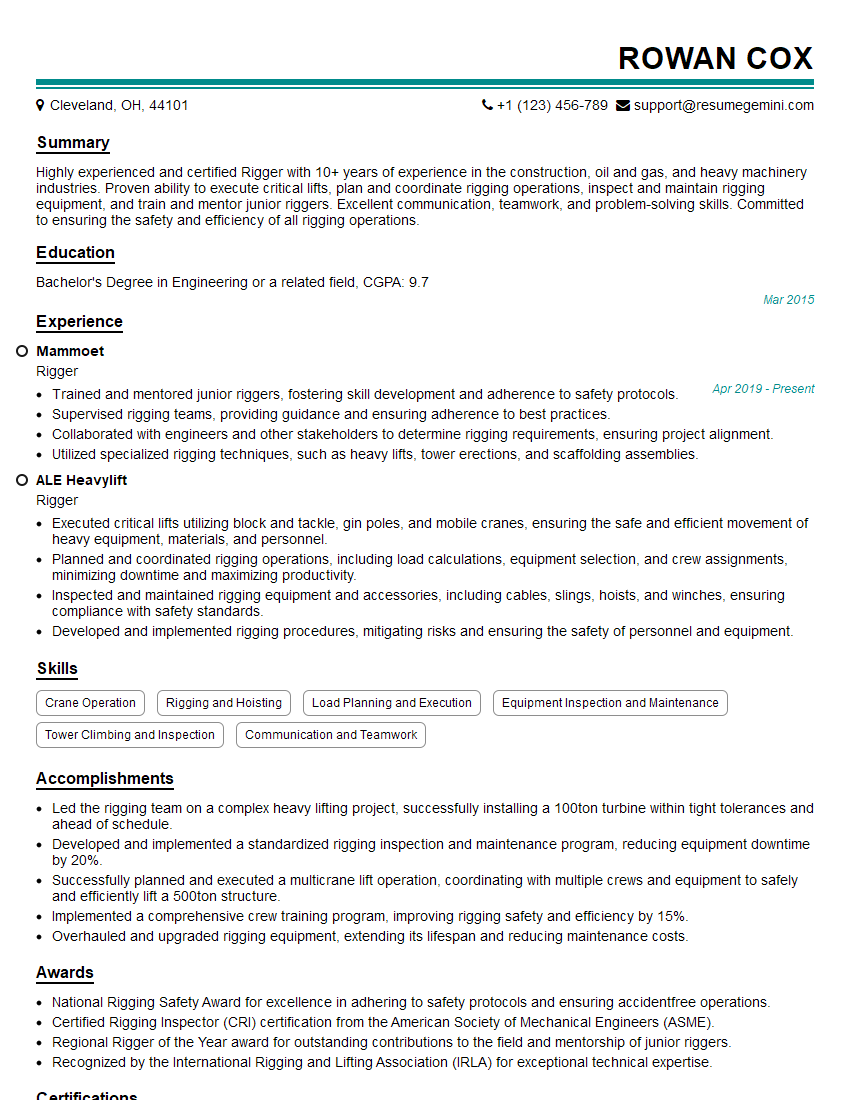
Rigger Resume Sample
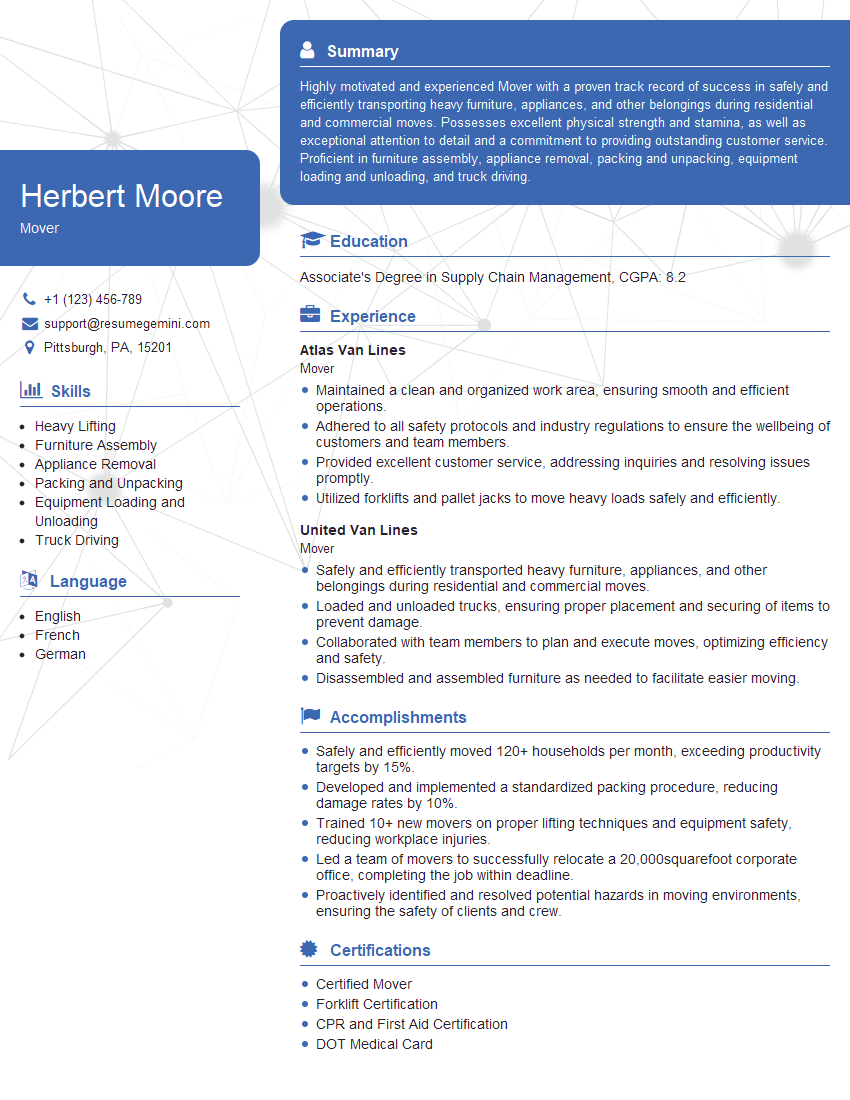
Mover Resume Sample
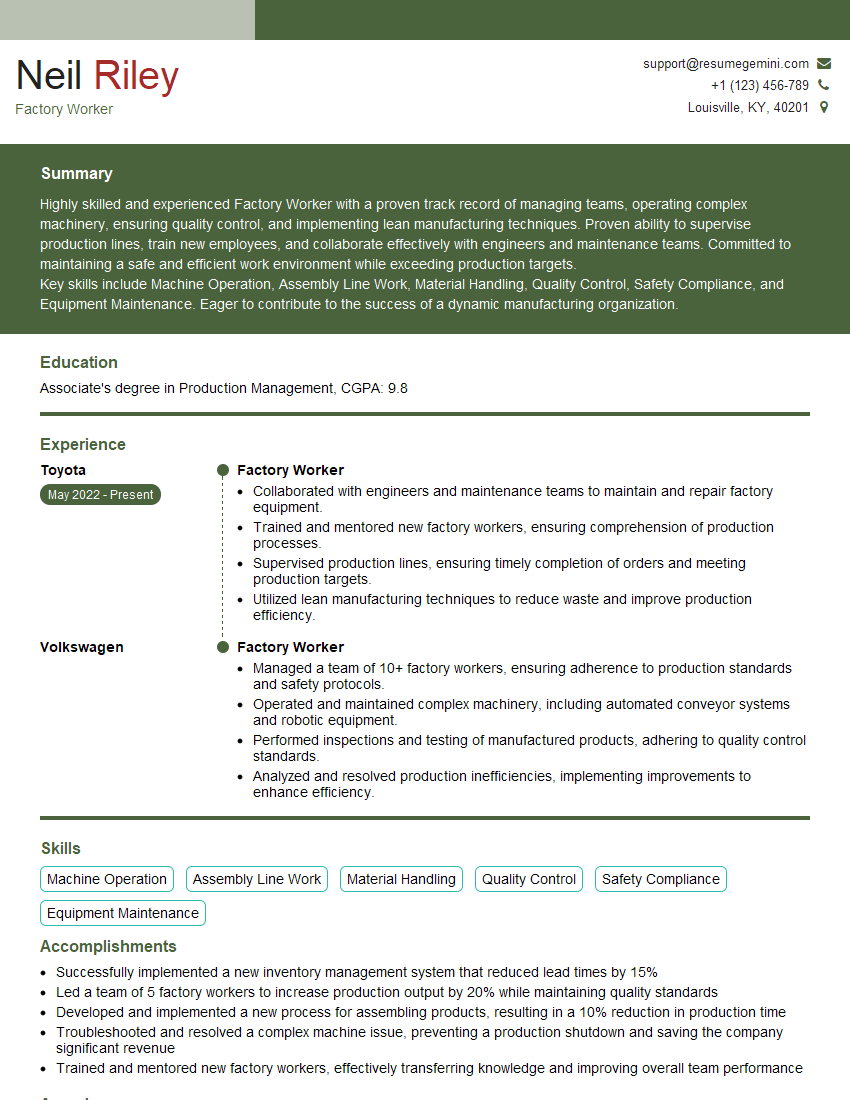
Factory Worker Resume Sample
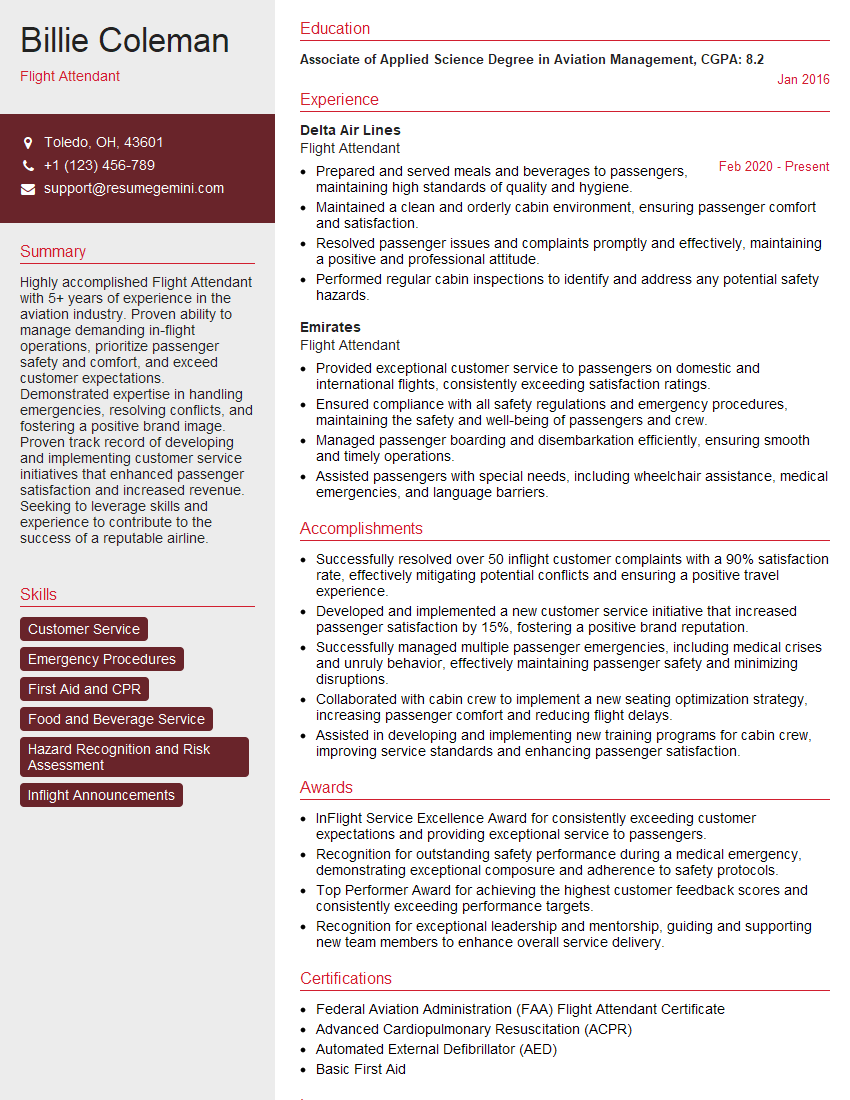
Flight Attendant Resume Sample
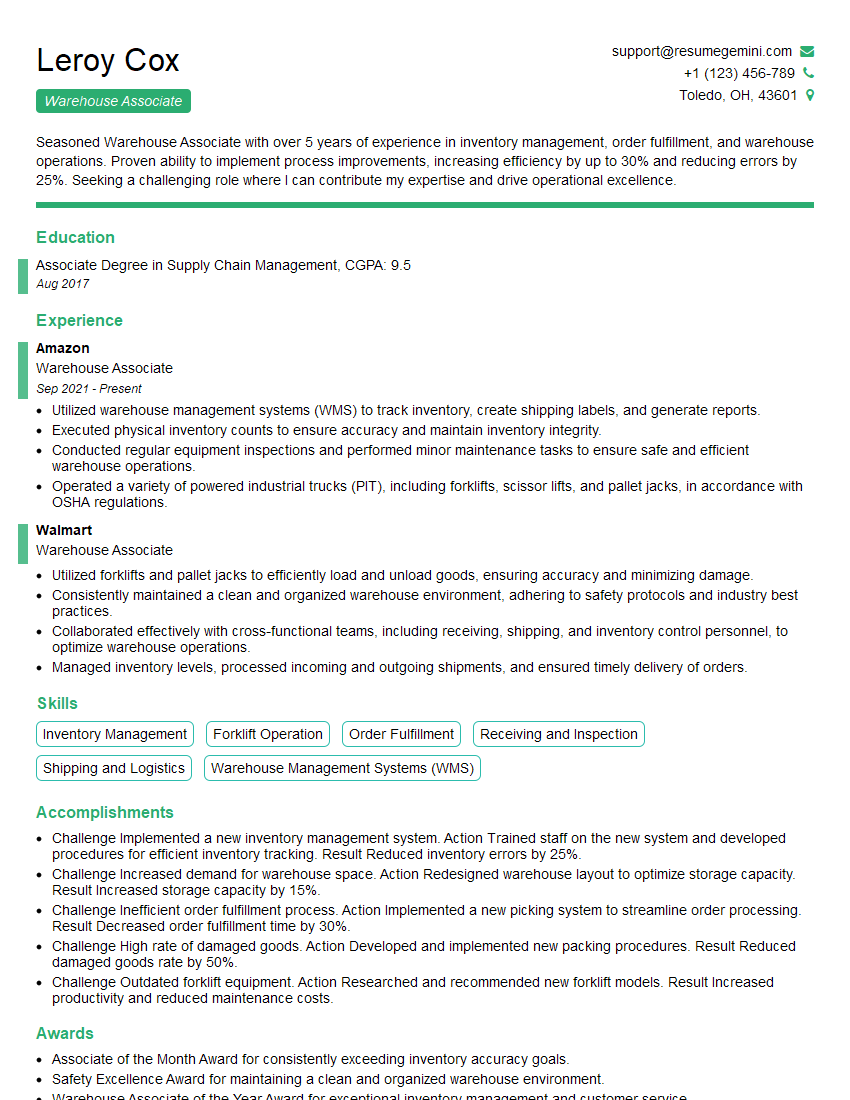
Warehouse Associate Resume Sample
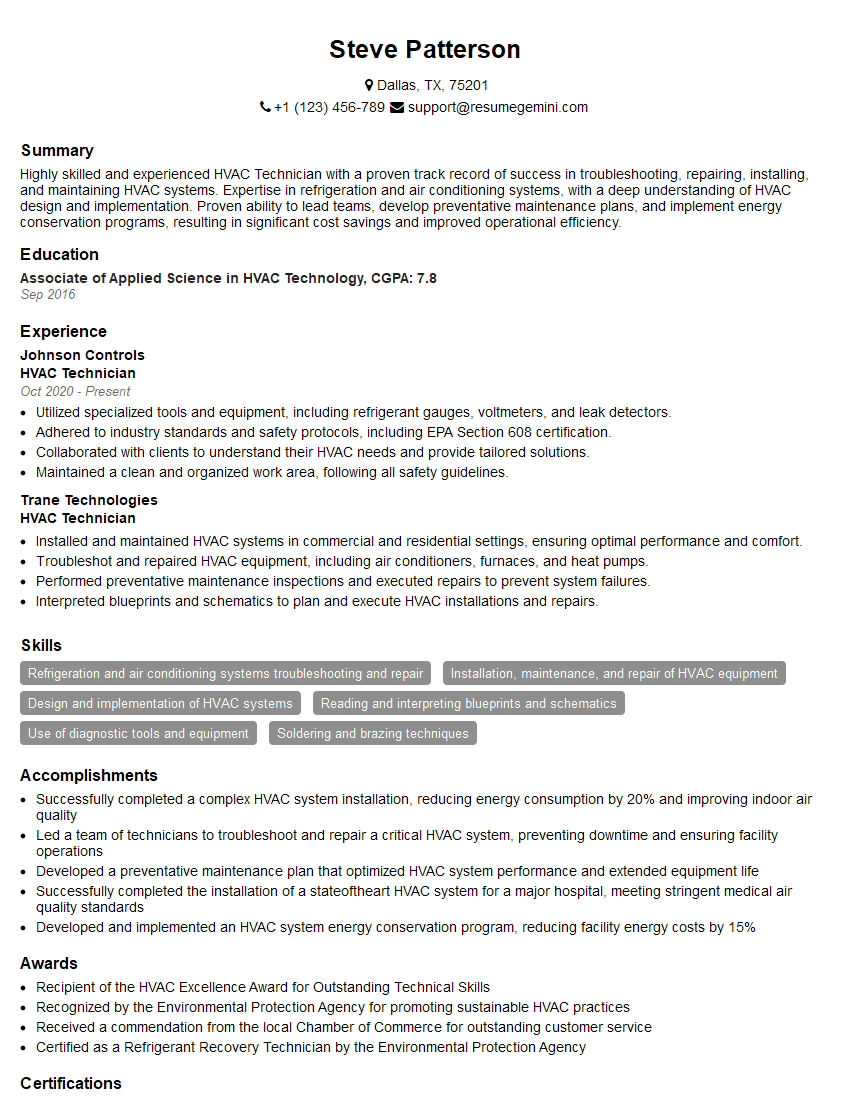
HVAC Technician Resume Sample
Explore more articles
Users Rating of Our Blogs
Share Your Experience
We value your feedback! Please rate our content and share your thoughts (optional).
What Readers Say About Our Blog
Very informative content, great job.
good