Interviews are more than just a Q&A session—they’re a chance to prove your worth. This blog dives into essential Cell Dissociation interview questions and expert tips to help you align your answers with what hiring managers are looking for. Start preparing to shine!
Questions Asked in Cell Dissociation Interview
Q 1. What are the key principles of cell dissociation?
Cell dissociation is the process of separating individual cells from a tissue or cell culture. The key principle is to carefully break down the extracellular matrix (ECM) and cell-cell junctions that hold cells together, while minimizing damage to the cells themselves. This involves disrupting the various adhesive forces, including those mediated by proteins like cadherins, integrins, and selectins, as well as the structural components of the ECM such as collagen and laminin. The goal is to obtain a single-cell suspension with high viability and functionality, suitable for downstream applications like cell counting, flow cytometry, cell sorting, or cell-based assays.
Q 2. Describe the difference between mechanical and enzymatic cell dissociation methods.
Mechanical and enzymatic methods differ fundamentally in how they disrupt cell adhesion. Mechanical dissociation uses physical force to separate cells. Think of it like gently peeling apart a tightly knit fabric. This can involve methods like pipetting, scraping with a cell scraper, or using a tissue homogenizer. While relatively quick, it can cause significant cell damage and stress. Enzymatic dissociation, on the other hand, employs enzymes to specifically target and break down the ECM and cell-cell junctions. It’s like using specialized scissors to carefully cut the fabric. This is generally gentler and yields higher cell viability but requires more time and optimization.
Q 3. What are the advantages and disadvantages of using trypsin for cell dissociation?
Trypsin is a serine protease commonly used for enzymatic cell dissociation because it effectively cleaves proteins like cadherins and integrins involved in cell adhesion. Advantages include its efficiency and relatively low cost. It’s widely available and works well for many cell types. However, disadvantages exist. Trypsin is a potent enzyme and can over-digest, damaging the cell membrane and reducing viability if not carefully controlled. The incubation time and concentration need precise optimization to prevent this. Additionally, trypsin can activate intracellular signaling pathways that may alter cell behavior. Therefore, neutralizing trypsin with soybean trypsin inhibitor (STI) after the dissociation is crucial to stop its activity.
Q 4. How do you select the appropriate cell dissociation method for a specific cell type?
Selecting the right cell dissociation method depends heavily on the specific cell type and the downstream application. For example, delicate cells like neurons are very sensitive to mechanical stress and require gentle enzymatic dissociation with enzymes like papain or collagenase. Robust cells, such as fibroblasts, may tolerate harsher mechanical methods. The tissue source is also important. A tightly packed, dense tissue might benefit from a combination of enzymatic and mechanical methods, starting with enzymatic digestion to loosen cells before using a gentle mechanical step. Always consult relevant literature for the optimal protocol for the cell type of interest. If in doubt, start with the gentlest approach to maximize cell viability.
Q 5. Explain the process of enzymatic cell dissociation using collagenase.
Enzymatic dissociation using collagenase involves incubating the tissue or cells with a collagenase solution at a controlled temperature and time. Collagenase is a family of enzymes that specifically degrade collagen, a major component of the ECM. The process typically starts by washing the tissue to remove debris, followed by incubation with collagenase at the optimized concentration and temperature (often 37°C). Regular gentle agitation helps ensure even digestion. Once the tissue is visibly dissociated, the cell suspension is collected and filtered through a cell strainer to remove any undigested tissue fragments. Finally, the cells are centrifuged and resuspended in a suitable culture medium. Careful monitoring under a microscope during digestion is essential to avoid over-digestion.
Q 6. Describe the steps involved in mechanical cell dissociation using a cell scraper.
Mechanical dissociation using a cell scraper is a straightforward method. First, the cells need to be rinsed with a suitable buffer to remove any residual media or serum. Then, a sterile cell scraper is gently used to dislodge cells from the culture surface. The detached cells are collected and transferred to a tube. It’s crucial to use a gentle scraping motion to minimize cell damage and prevent excessive force that can harm the cells. This method is quick, but cell viability might be lower compared to enzymatic dissociation. Following scraping, it is essential to check the cell suspension under the microscope to assess the extent of cell detachment and to look for any remaining cell clumps.
Q 7. What are the critical factors to consider when optimizing cell dissociation protocols?
Optimizing cell dissociation protocols requires careful consideration of several critical factors:
- Enzyme concentration and type: The choice of enzyme and its concentration should be carefully titrated for optimal cell dissociation with minimal damage. Too high a concentration can cause cell lysis, while too low a concentration leads to inefficient dissociation.
- Incubation time and temperature: Incubation conditions must be controlled to prevent over-digestion or insufficient digestion. This often requires a series of optimization experiments.
- Calcium and magnesium concentration: The presence of divalent cations like calcium and magnesium can affect cell adhesion. Their concentration needs to be controlled during the dissociation process, often by using calcium- and magnesium-free buffers.
- Cell viability assessment: Regular monitoring of cell viability during and after the dissociation process is essential using methods such as trypan blue exclusion or flow cytometry. This allows for real-time adjustment of the protocol.
- Downstream application: The chosen method should be compatible with the intended downstream application. This will affect the degree of cell dissociation required, and the acceptable level of cell damage.
Q 8. How do you assess the viability of cells after dissociation?
Assessing cell viability after dissociation is crucial for ensuring the success of downstream applications. We primarily use two methods: Trypan blue exclusion and flow cytometry with viability dyes.
Trypan blue exclusion is a simple and widely used method. Trypan blue, a dye that stains only dead cells with compromised cell membranes, is added to a cell suspension. Live cells with intact membranes exclude the dye and appear clear under a microscope, while dead cells appear blue. The percentage of viable cells is then calculated by counting both live and dead cells.
Flow cytometry with viability dyes provides a more quantitative and sophisticated assessment. Viability dyes, such as 7-AAD or propidium iodide, are used to stain dead cells. These dyes are excluded by live cells but enter dead cells with compromised membranes, allowing for precise quantification of live and dead cells using a flow cytometer. This method is also useful for identifying cell populations with differing viability within a sample.
For example, in a recent experiment isolating primary neurons, we used trypan blue exclusion to quickly assess viability after enzymatic dissociation. This allowed us to optimize the dissociation protocol before proceeding with more detailed analysis using flow cytometry. The flow cytometry data gave a more precise viability percentage and confirmed the findings from trypan blue exclusion.
Q 9. What are the common pitfalls to avoid during cell dissociation?
Several pitfalls can significantly impact cell viability and functionality during dissociation. One common mistake is using excessively harsh conditions, such as prolonged enzymatic digestion or excessive mechanical force. This can lead to cell damage, membrane disruption, and reduced viability.
- Prolonged enzymatic digestion: Enzymes, while necessary, can degrade cell surface proteins, leading to cell death if the incubation time is too long.
- Excessive mechanical force: Vigorous pipetting or harsh trituration can physically damage cells and compromise their integrity.
- Improper temperature control: Enzymes are temperature sensitive; deviations from optimal temperatures can significantly reduce their activity or damage cells.
- Contamination: Maintaining sterile conditions throughout the procedure is vital to avoid contamination, which can lead to cell death or compromise experimental results.
- Inappropriate enzyme choice: Choosing the wrong enzyme for the cell type can lead to ineffective dissociation and cell damage.
Imagine trying to separate grapes from a bunch too aggressively – you’d end up with crushed grapes! Similarly, overly aggressive cell dissociation techniques will result in damaged cells. Therefore, optimization and careful execution are essential.
Q 10. How do you troubleshoot low cell viability after dissociation?
Troubleshooting low cell viability after dissociation requires a systematic approach. First, we need to identify the potential cause. This involves reviewing every step of the dissociation protocol.
- Check enzyme concentration and incubation time: Too high a concentration or prolonged incubation time can damage cells. Reduce the concentration or shorten the incubation time.
- Assess the mechanical forces applied: Minimize the force used during pipetting and trituration. Use gentler pipetting techniques and fewer trituration cycles.
- Optimize the temperature: Ensure the dissociation is performed at the optimal temperature for the specific enzyme and cell type.
- Examine the media and reagents: Check for contamination or degradation of reagents. Use fresh, sterile reagents and media.
- Consider the cell type and its characteristics: Some cell types are more sensitive to dissociation than others. Optimize the protocol accordingly.
- Try alternative enzymes or techniques: If the problem persists, try a different enzyme or a combination of enzymes and mechanical dissociation methods.
For example, if we see low viability after dissociating epithelial cells, we might try lowering the concentration of collagenase or adding DNase to reduce clumping and improve cell yield and viability.
Q 11. How do you prevent cell aggregation during dissociation?
Preventing cell aggregation during dissociation is critical for obtaining a single-cell suspension. Aggregation can occur due to cell-cell adhesion molecules. The following strategies help prevent this.
- Use appropriate enzymes: Enzymes like collagenase, dispase, and trypsin effectively disrupt cell-cell junctions, reducing aggregation.
- Include DNase: DNase degrades DNA released from damaged cells, which can contribute to aggregation. This is particularly important for tissues with high DNA content.
- Gentle pipetting and trituration: Avoid vigorous pipetting or forceful trituration, as these actions can promote aggregation.
- Use a cell strainer: Filtering the cell suspension through a cell strainer removes cell clumps, ensuring a single-cell suspension.
- Optimize calcium and magnesium concentrations: Low calcium and magnesium concentrations can reduce cell-cell adhesion and thus prevent aggregation. These ions are involved in cell adhesion.
Think of it like trying to separate intertwined strands of yarn; you need the right tools and techniques to avoid further entanglement. Similarly, careful optimization is needed to avoid cell clumping during dissociation.
Q 12. What are the different types of enzymes used for cell dissociation and their specific applications?
Various enzymes are used for cell dissociation, each with specific applications:
- Trypsin: A serine protease that cleaves peptide bonds, effectively detaching cells from each other and the extracellular matrix. It’s widely used for dissociating many cell types, including epithelial cells and fibroblasts. However, it can be harsh and can damage cells if used improperly.
- Collagenase: A family of enzymes that degrade collagen, a major component of the extracellular matrix. It’s particularly useful for dissociating tissues rich in collagen, such as liver, heart, and skin.
- Dispase: A neutral protease that cleaves peptide bonds. It’s gentler than trypsin and is often preferred for dissociating sensitive cells or tissues. It is frequently used in neural cell dissociation.
- Hyaluronidase: An enzyme that degrades hyaluronic acid, a component of the extracellular matrix. It’s helpful in dissociating tissues with high hyaluronic acid content, such as cartilage.
- Papain: A cysteine protease used to break down proteins in the extracellular matrix. It is often preferred for tissues that are difficult to dissociate with other enzymes.
The choice of enzyme depends on the cell type, the tissue type, and the desired outcome. For instance, dissociating delicate neural cells might require dispase or a combination of enzymes, while dissociating a tough connective tissue sample may necessitate collagenase.
Q 13. Explain the role of chelating agents in cell dissociation.
Chelating agents, such as EDTA (ethylenediaminetetraacetic acid) and EGTA (ethylene glycol tetraacetic acid), play a crucial role in cell dissociation by binding to divalent cations, primarily calcium (Ca2+) and magnesium (Mg2+). These ions are essential for maintaining the integrity of cell-cell and cell-matrix adhesions.
By chelating these ions, chelating agents weaken the interactions between cells and the extracellular matrix, making it easier for enzymes to dissociate the cells. They essentially help to ‘loosen’ the cells before the enzymes begin their work.
For example, EDTA is often used in conjunction with trypsin to enhance its efficacy in dissociating cells. The EDTA chelates calcium ions, which are important components of cell junctions, making it easier for trypsin to break down the cell-cell adhesion proteins.
Q 14. How do you choose the appropriate concentration of enzyme for cell dissociation?
Choosing the appropriate enzyme concentration is crucial for successful cell dissociation. Too low a concentration will lead to incomplete dissociation, while too high a concentration can damage cells and reduce viability. The optimal concentration needs to be determined empirically for each cell type and tissue.
A titration experiment is usually performed, testing different concentrations of the enzyme over a range of incubation times. Cell viability and yield are assessed after each treatment. This enables identification of the concentration and incubation time that maximize cell viability while ensuring efficient dissociation. The specific range tested depends on the enzyme and cell type. For example, a starting range of 0.05% to 0.5% trypsin may be tested, but this can vary significantly. Other factors, such as the presence of chelating agents, also affect the optimum enzyme concentration.
Using a concentration that is too high is like using too much detergent – it cleans well, but it also risks damaging the surface. Finding the ‘Goldilocks zone’ – just the right concentration – ensures the best results.
Q 15. What are the effects of prolonged enzymatic treatment on cell viability?
Prolonged enzymatic treatment, while necessary for effective cell dissociation, can significantly compromise cell viability. The enzymes, designed to break down the extracellular matrix holding cells together, can also begin to damage the cell membranes themselves if exposure is excessive. This leads to cell lysis (rupture), leakage of intracellular contents, and ultimately, cell death. The optimal incubation time varies depending on the cell type, the enzyme used (e.g., trypsin, collagenase, dispase), and the tissue’s density. Think of it like over-cooking a delicate dish – too much heat (enzyme activity) ruins the texture (cell integrity). In my experience, carefully monitoring the dissociation process under a microscope is crucial. I typically start with shorter incubation times and add more if needed, always prioritizing minimal enzyme exposure to maintain high viability. Excessive enzymatic digestion can also lead to changes in cell surface markers, which can impact downstream experiments if you are relying on those markers for cell sorting or analysis.
Career Expert Tips:
- Ace those interviews! Prepare effectively by reviewing the Top 50 Most Common Interview Questions on ResumeGemini.
- Navigate your job search with confidence! Explore a wide range of Career Tips on ResumeGemini. Learn about common challenges and recommendations to overcome them.
- Craft the perfect resume! Master the Art of Resume Writing with ResumeGemini’s guide. Showcase your unique qualifications and achievements effectively.
- Don’t miss out on holiday savings! Build your dream resume with ResumeGemini’s ATS optimized templates.
Q 16. How do you quantify the efficiency of your cell dissociation method?
Quantifying the efficiency of cell dissociation involves assessing both the yield and the viability of the resulting single-cell suspension. Yield refers to the total number of cells recovered, while viability reflects the percentage of live, healthy cells within that population. We use several methods to achieve this. Firstly, we perform a cell count using a hemocytometer or an automated cell counter. This provides the total number of cells. Secondly, we assess cell viability using a dye-exclusion assay, such as trypan blue staining. Trypan blue only enters cells with compromised membranes, allowing us to differentiate between live and dead cells. The percentage of viable cells is calculated by dividing the number of live cells by the total number of cells. A high yield combined with a high percentage of viable cells indicates an efficient dissociation method. In a recent project involving primary hepatocytes, we consistently achieved over 85% viability with a yield exceeding 90% using a combination of collagenase and hyaluronidase. It’s important to note that the acceptable range of efficiency varies depending on the cell type and the specific application; for some cell types, higher viability is paramount, while for others, a higher yield may be more critical.
Q 17. What are the safety precautions you should take when handling cell dissociation enzymes?
Safety is paramount when working with cell dissociation enzymes. These are often proteolytic enzymes capable of digesting proteins, including those in our skin. Therefore, proper personal protective equipment (PPE) is essential, including lab coats, gloves (nitrile gloves are recommended for their resistance to many chemicals), and eye protection. Any spills must be handled immediately using the appropriate neutralizing solution, typically a serum-containing medium. All procedures should be carried out in a biological safety cabinet (BSC) to prevent both contamination of the cells and exposure to the researcher. Moreover, familiarity with the Material Safety Data Sheet (MSDS) for each enzyme is critical to understand potential hazards and appropriate response measures. For instance, exposure to trypsin may cause skin irritation; hence proper handling and prompt cleaning are essential to avoid any mishaps.
Q 18. How do you store dissociated cells to maintain their viability?
The best way to store dissociated cells to maintain viability depends largely on the cell type and the intended use. For immediate use, cells are typically kept on ice in a suitable cell culture medium. For short-term storage (up to 24 hours), cells can be stored at 4°C. However, for longer-term storage, cryopreservation is necessary. This typically involves suspending the cells in a cryopreservation medium (often containing DMSO or glycerol as cryoprotectants) and slowly freezing them in a controlled-rate freezer to minimize ice crystal formation, which can damage cells. The frozen cells are then stored in liquid nitrogen (-196°C). The cryopreservation protocol must be optimized for each cell type; for example, some cells are more sensitive to cryoprotectants than others. Upon thawing, the cells are carefully resuspended and cultured to assess viability and recovery. This approach has proven successful in maintaining the viability of various cell types, including neuronal cells and immune cells, for extended periods. Careful attention to these steps is crucial to ensure successful experimental outcomes.
Q 19. Explain the importance of using sterile techniques during cell dissociation.
Sterile techniques are absolutely critical during cell dissociation to prevent contamination of the cell culture. Contamination can come from various sources such as bacteria, fungi, or mycoplasma, all of which can significantly impact experimental results and lead to unreliable data. The use of a sterile hood, sterile reagents, sterile pipettes and other equipment are vital components of this practice. All surfaces should be disinfected before and after the procedure. Furthermore, working quickly and efficiently minimizes the risk of contamination. The importance cannot be overstated; a single contaminant can ruin an entire experiment. In one particular instance, I observed a post-doctoral researcher struggle with a contaminated cell line for weeks. Ultimately, the experiment had to be repeated due to that single instance of compromised sterility.
Q 20. Describe your experience with different types of cell dissociation instruments.
My experience encompasses a range of cell dissociation instruments, from manual methods to automated systems. Manual methods, such as using enzymatic digestion with gentle pipetting or trituration, are cost-effective but labor-intensive and may not be as consistent in producing a single-cell suspension. I’ve used various enzymatic digestion protocols for different cell types and found manual methods suited for smaller experiments or sensitive cell lines. Automated systems, such as the GentleMACS Dissociator or similar devices, offer greater reproducibility and efficiency, particularly for larger-scale experiments or difficult-to-dissociate tissues. They can precisely control the parameters of the digestion process, including temperature, time, and agitation, leading to improved cell yield and viability. However, they can have a higher initial cost and maintenance costs. The choice of instrument depends heavily on factors like the scale of the experiment, the cell type, the budget, and the availability of trained personnel. I find myself using both manual and automated methods depending on the needs of a particular project.
Q 21. How do you handle clumping during the cell dissociation process?
Clumping during cell dissociation is a common problem that can hinder downstream applications. Several strategies can be employed to mitigate clumping. Firstly, the optimization of the enzymatic digestion protocol is crucial. This includes adjusting the concentration of enzymes and the incubation time to find the optimal balance between effective dissociation and minimal cell damage. Secondly, gentle pipetting or trituration helps break up clumps. However, excessive force can damage the cells. Thirdly, the use of cell strainers with appropriate pore sizes (e.g., 40 µm or 70 µm) can effectively filter out large clumps. Finally, some cell types benefit from the inclusion of DNase in the dissociation buffer to reduce the viscosity of the solution by degrading released DNA, which is a major cause of clumping. In my experience, a combination of these approaches, tailored to the specific cell type, has proven highly effective in minimizing clumping and obtaining a homogeneous single-cell suspension suitable for flow cytometry or other single-cell-based analyses.
Q 22. What are the considerations for scaling up cell dissociation protocols?
Scaling up cell dissociation protocols requires careful consideration of several factors to maintain cell viability and consistency. Simply increasing reagent volumes proportionally isn’t always sufficient. You need to ensure adequate mixing, efficient enzymatic action, and appropriate temperature control across larger volumes.
- Reagent scaling: While you can increase reagent volumes, you might need to adjust concentrations to maintain optimal enzymatic activity and prevent toxicity at higher cell densities. This often involves pilot experiments to optimize concentrations at different scales.
- Incubation conditions: Larger volumes require more efficient temperature control to prevent uneven heating or cooling. This could involve using larger incubators with improved temperature uniformity, or employing specialized vessels designed for scale-up.
- Mixing and agitation: Adequate mixing is crucial to ensure even enzyme distribution and prevent cell clumping. This might necessitate using specialized mixing systems, such as orbital shakers with adjustable speeds and platforms capable of handling larger volumes.
- Vessel selection: The choice of vessel is critical. Scaling up from a T-25 flask to a bioreactor requires a different approach to mixing, aeration, and monitoring. The surface area to volume ratio changes significantly affecting the efficiency of the process.
- Monitoring and control: More sophisticated monitoring is necessary during scale-up. Automated systems for tracking temperature, pH, and dissolved oxygen can help maintain consistent conditions and detect potential issues early. Real-time cell counting can assess cell yield and viability.
For example, scaling up a protocol from 10mL to 100mL might require a tenfold increase in enzyme concentration and a change in incubation vessel to ensure efficient mixing and uniform temperature.
Q 23. Explain the impact of cell dissociation on downstream applications.
Cell dissociation significantly impacts downstream applications, largely depending on the method employed and the sensitivity of the cells. The goal is to achieve a single-cell suspension with high viability and minimal stress-induced alterations in cell phenotype or function.
- Cell viability: High cell viability is essential for many downstream applications, including cell culture, assays, and transplantation. Harsh dissociation methods can lead to reduced viability, affecting experimental results.
- Cell phenotype and function: Mechanical or enzymatic dissociation can induce changes in cell phenotype and function. This is especially important in assays measuring cell signaling, gene expression, or differentiation potential. For example, excessive enzymatic treatment can alter cell surface receptors and signaling pathways, leading to inaccurate results in downstream assays.
- Cell cycle distribution: The process of dissociation can affect the distribution of cells within the cell cycle, potentially influencing downstream experimental outcomes, particularly in experiments studying cell proliferation or cell cycle checkpoints.
- Apoptosis and necrosis: Suboptimal dissociation methods can trigger apoptosis (programmed cell death) or necrosis (cell injury), further reducing the viability and compromising the experimental data. These factors need to be considered when designing an experiment.
For instance, if you’re performing flow cytometry, high levels of cell debris from harsh dissociation can interfere with accurate analysis. If working with primary cells for transplantation, maintaining high cell viability is absolutely critical for success.
Q 24. What are the ethical considerations related to animal cell dissociation?
Ethical considerations in animal cell dissociation are paramount. The 3Rs – Replacement, Reduction, and Refinement – form the foundation of responsible animal research.
- Replacement: Where possible, researchers should strive to replace animal models with alternatives like in vitro models (e.g., cell lines) or computational methods to avoid the need for animal cell dissociation altogether.
- Reduction: The number of animals used should be minimized. Careful experimental design and optimization of dissociation protocols to ensure high cell yields from fewer animals contribute to reduction.
- Refinement: This focuses on minimizing pain, suffering, and distress experienced by the animals. Choosing the most gentle and effective dissociation method, ensuring appropriate anesthesia and analgesia, and monitoring animals closely during and after the procedure are vital.
Ethical review boards (IACUCs) rigorously scrutinize protocols to ensure compliance with these principles. Researchers must justify the use of animals, demonstrate the necessity of cell dissociation, and provide detailed protocols outlining methods to minimize animal suffering.
For example, if a researcher proposes to use a harsh enzymatic dissociation method, they must justify its selection over gentler alternatives and detail plans to monitor animal welfare post-procedure.
Q 25. How do you validate a cell dissociation protocol?
Validation of a cell dissociation protocol involves demonstrating that it consistently produces a single-cell suspension with high viability and minimal alteration to the cells’ phenotype or function. This process comprises multiple steps:
- Cell viability assessment: Use multiple methods (e.g., trypan blue exclusion, flow cytometry with viability dyes) to assess cell viability post-dissociation. Establish acceptable viability thresholds.
- Cell yield: Determine the number of viable cells obtained per starting material (e.g., tissue weight, number of cells in a culture dish). Consistent cell yield across multiple replicates indicates a reliable protocol.
- Cell morphology: Microscopic examination (light and potentially fluorescence microscopy) is crucial to verify the formation of a single-cell suspension with minimal cell clumps or debris. This can be quantified by image analysis.
- Functional assays: If applicable, perform functional assays (e.g., cell proliferation, differentiation, or secretion assays) to determine whether the dissociation method affects the cells’ normal function.
- Phenotypic analysis: Use techniques like flow cytometry or immunocytochemistry to assess whether the dissociation process has altered cell surface markers or intracellular signaling pathways.
- Reproducibility: The protocol should be consistently reproducible across different batches of cells, operators, and laboratory environments.
For instance, if you are validating a protocol for dissociating cardiac myocytes, you would assess cell viability, morphology, contractility (a functional assay) and expression of cardiac-specific proteins (phenotypic markers).
Q 26. Describe a time you had to troubleshoot a problem during cell dissociation. What was the issue, and how did you solve it?
I once encountered significant cell clumping during the dissociation of pancreatic islet cells. These cells tend to adhere strongly to each other. The initial protocol, using collagenase alone, resulted in large aggregates unsuitable for downstream assays (e.g., glucose-stimulated insulin secretion).
Troubleshooting steps:
- Enzyme optimization: I systematically tested different concentrations and combinations of collagenase, trypsin, and DNase. I discovered that a lower concentration of collagenase combined with a short treatment with DNase, followed by gentle mechanical dissociation using a wide-bore pipette, significantly reduced clumping.
- Incubation conditions: I experimented with varying incubation temperatures and durations, finding that a lower temperature (37°C instead of 37°C with shaking) and a shorter incubation time (15-20 min instead of 30 min) minimized cell damage and clumping.
- Mechanical dissociation: I used a wide-bore pipette with gentle up and down movements instead of vigorous pipetting to prevent shear stress and cell damage, improving islet cell yield.
- Filter optimization: I used a cell strainer with a larger pore size (70μm) which allowed for the removal of larger debris and aggregates without significant loss of cells.
By systematically testing these modifications, I achieved a significant improvement in islet cell yield and single-cell suspension, achieving >85% viability and greatly reducing clumping. This improved consistency and allowed us to proceed with the subsequent functional assays.
Q 27. Compare and contrast different methods for assessing cell viability post-dissociation.
Several methods assess cell viability post-dissociation, each with strengths and weaknesses:
- Trypan blue exclusion: A simple and inexpensive method where the dye enters only dead cells with compromised membranes. It’s easy to perform but only provides a general assessment of viability and doesn’t distinguish between apoptosis and necrosis.
- Flow cytometry with viability dyes (e.g., 7-AAD, PI): These dyes also enter dead cells with damaged membranes. Flow cytometry allows for simultaneous analysis of cell viability and other cell surface markers. It’s more accurate and provides information on cell populations based on specific markers.
- MTT assay: A colorimetric assay that measures mitochondrial activity, which is indicative of cell viability. It’s relatively simple but doesn’t directly measure cell membrane integrity.
- ATP assay: Measures cellular ATP levels, which is an indicator of metabolic activity and cell viability. This method is more sensitive than MTT but can be more expensive.
- Annexin V/PI staining: Distinguishes between apoptotic and necrotic cells. Annexin V binds to phosphatidylserine, which is exposed on the outer leaflet of the apoptotic cell membrane, while PI stains necrotic cells with permeabilized membranes.
The choice of method depends on the specific application and resources available. For a quick assessment, trypan blue is suitable. For more detailed analysis of apoptosis and cell surface markers, flow cytometry with viability dyes is preferred.
Q 28. How would you approach dissociating a particularly sensitive or difficult-to-dissociate cell type?
Dissociating sensitive or difficult-to-dissociate cell types requires a delicate and often customized approach. The strategy hinges on minimizing cell stress and damage while ensuring efficient dissociation.
- Enzyme selection and optimization: Experiment with different enzymes (e.g., collagenase, dispase, hyaluronidase) or combinations thereof, at varying concentrations and incubation times. Start with lower concentrations and shorter incubation times to minimize damage and gradually optimize the conditions.
- Temperature control: Lowering the incubation temperature can reduce enzyme activity and minimize cell stress. Using a water bath or temperature-controlled incubator to maintain the optimal temperature throughout the dissociation process is crucial.
- Mechanical dissociation: Minimize mechanical stress. Use gentle pipetting, filtering through a cell strainer with a large pore size, or specialized dissociation tools (e.g., gentleMACS) that minimize shear forces.
- Calcium and magnesium concentration: Adjusting the calcium and magnesium levels in the buffer can affect cell adhesion. Lowering their concentrations can sometimes facilitate easier dissociation.
- Enzyme inhibitors: Adding protease inhibitors can help to prevent enzyme degradation of cellular components after dissociation.
- Pre-treatment: Some protocols utilize a pre-treatment step (e.g., incubation with EDTA to weaken cell-cell junctions) before the main enzymatic dissociation step to improve cell yield.
For example, neurons are notoriously fragile. Their dissociation typically involves a combination of enzymatic and mechanical methods with careful optimization of enzyme concentration, temperature, and mechanical forces to maintain neuronal viability and morphology.
Key Topics to Learn for Cell Dissociation Interview
- Enzymatic Dissociation: Understand the mechanisms of action of different enzymes (e.g., trypsin, collagenase, dispase) used for cell dissociation, including their optimal conditions and limitations. Consider the impact of enzyme concentration and incubation time.
- Mechanical Dissociation: Explore various mechanical methods (e.g., pipetting, gentle shaking, tissue homogenization) and their applications in different cell types and tissues. Discuss the advantages and disadvantages of each method and how to minimize cell damage.
- Chemical Dissociation: Learn about the use of chelating agents (e.g., EDTA) to disrupt cell-cell adhesion. Understand their role in combination with enzymatic methods and potential side effects.
- Cell Viability and Yield: Master the techniques for assessing cell viability post-dissociation (e.g., trypan blue exclusion, flow cytometry). Analyze factors influencing cell yield and viability, and how to optimize protocols for maximal cell recovery.
- Application-Specific Protocols: Familiarize yourself with the nuances of cell dissociation for specific applications like primary cell isolation, cell culture establishment, and single-cell sequencing. Understand how the choice of dissociation method impacts downstream applications.
- Troubleshooting Common Issues: Prepare to discuss common problems encountered during cell dissociation (e.g., cell clumping, low yield, high cell death) and strategies for effective troubleshooting. This includes understanding the root causes and potential solutions.
- Safety Considerations: Be prepared to discuss the safety protocols and precautions necessary when handling enzymes and chemicals used in cell dissociation.
Next Steps
Mastering cell dissociation techniques is crucial for advancement in many fields, including cell biology, regenerative medicine, and drug discovery. A strong understanding of these techniques demonstrates practical skills highly valued by employers. To maximize your job prospects, create an ATS-friendly resume that highlights your relevant experience and skills. ResumeGemini is a trusted resource to help you build a professional and effective resume. Examples of resumes tailored to Cell Dissociation expertise are available to guide you. Take the next step towards your dream career – invest in your professional presentation.
Laboratory Manager Resume Sample
Senior Research Scientist Resume Sample
Quality Control Specialist Resume Sample
Pharmaceutical Scientist Resume Sample
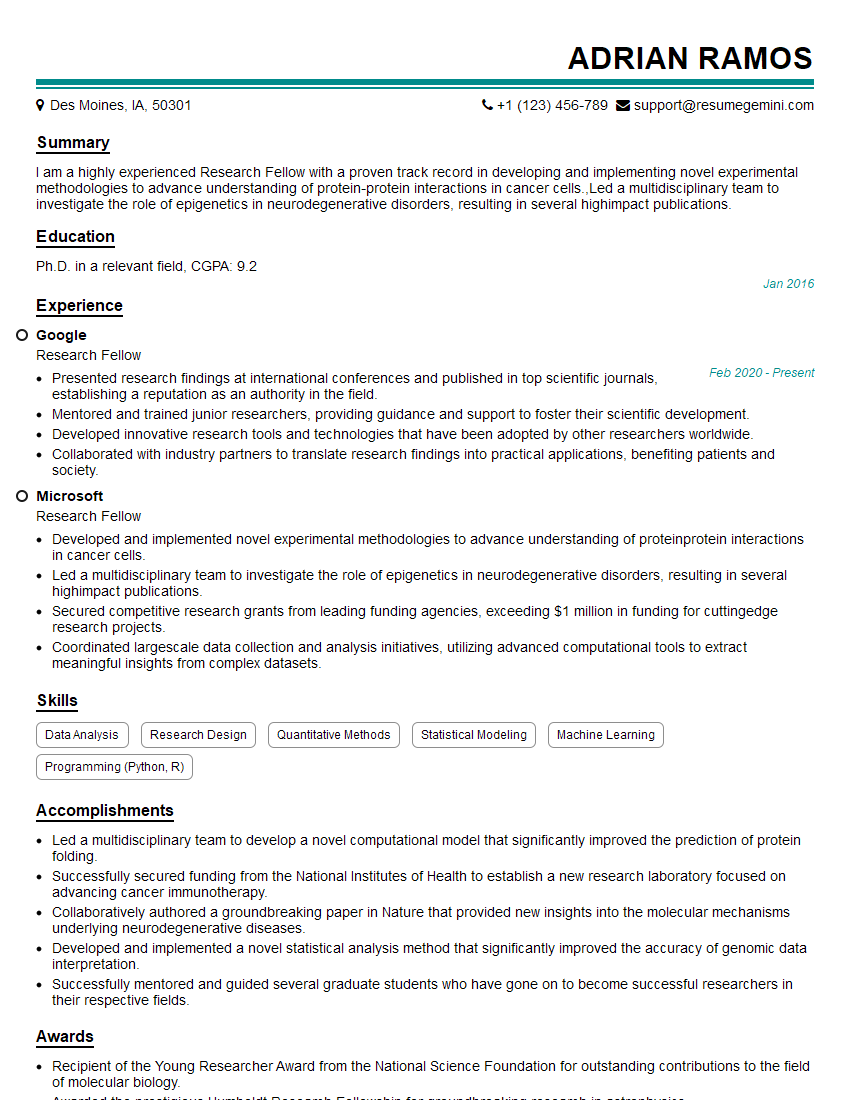
Research Fellow Resume Sample

Scientific Director Resume Sample
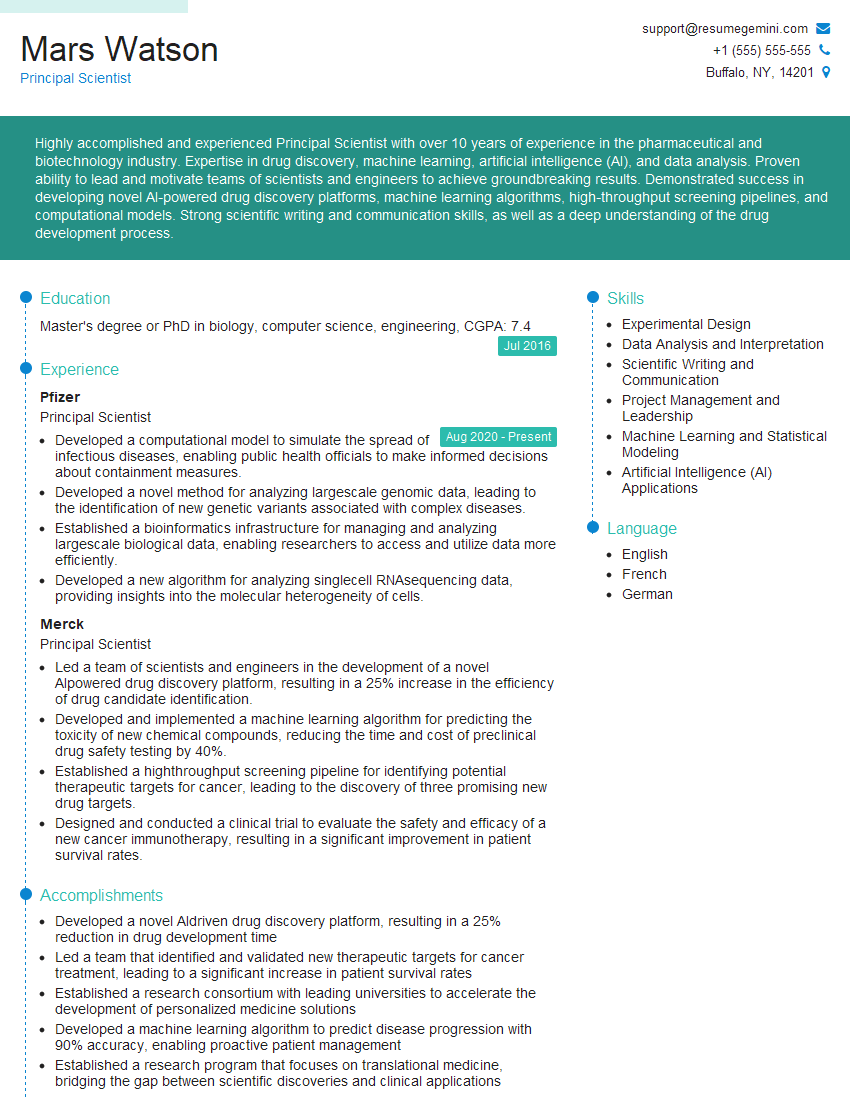
Principal Scientist Resume Sample
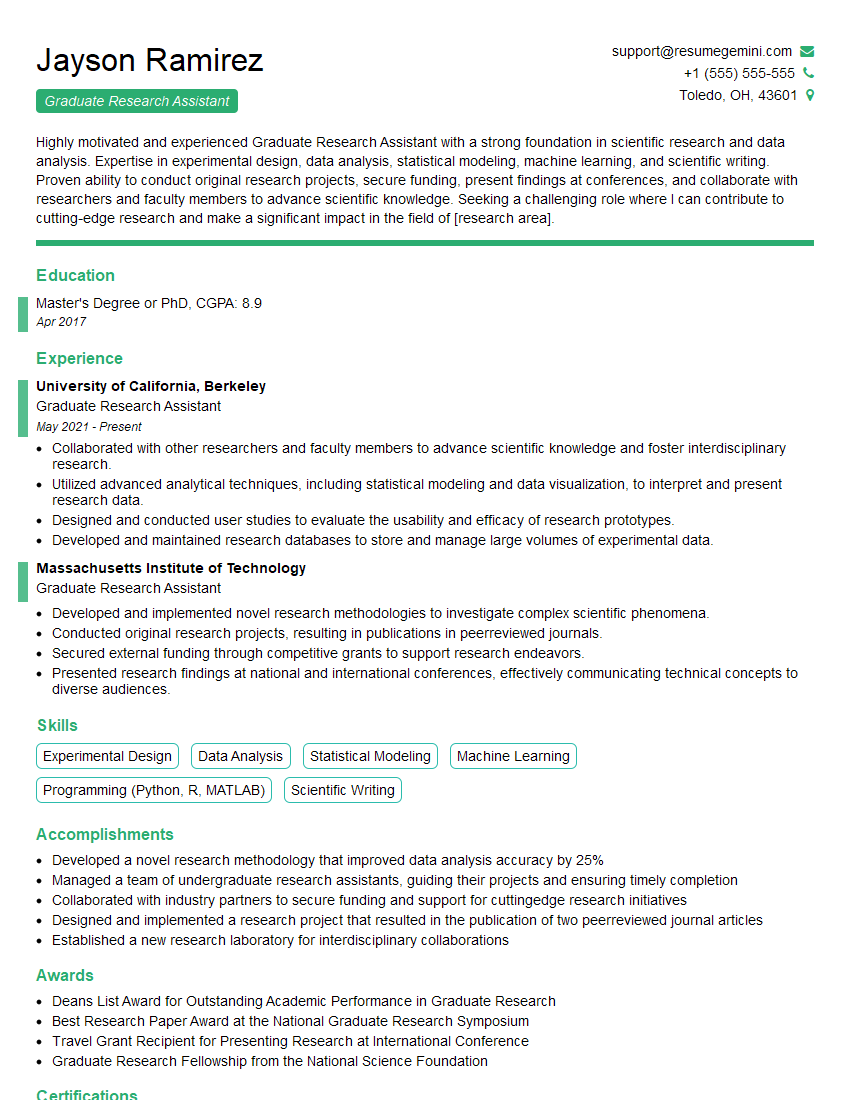
Graduate Research Assistant Resume Sample
Explore more articles
Users Rating of Our Blogs
Share Your Experience
We value your feedback! Please rate our content and share your thoughts (optional).
What Readers Say About Our Blog
Hi I am a troller at The aquatic interview center and I suddenly went so fast in Roblox and it was gone when I reset.
Hi,
Business owners spend hours every week worrying about their website—or avoiding it because it feels overwhelming.
We’d like to take that off your plate:
$69/month. Everything handled.
Our team will:
Design a custom website—or completely overhaul your current one
Take care of hosting as an option
Handle edits and improvements—up to 60 minutes of work included every month
No setup fees, no annual commitments. Just a site that makes a strong first impression.
Find out if it’s right for you:
https://websolutionsgenius.com/awardwinningwebsites
Hello,
we currently offer a complimentary backlink and URL indexing test for search engine optimization professionals.
You can get complimentary indexing credits to test how link discovery works in practice.
No credit card is required and there is no recurring fee.
You can find details here:
https://wikipedia-backlinks.com/indexing/
Regards
NICE RESPONSE TO Q & A
hi
The aim of this message is regarding an unclaimed deposit of a deceased nationale that bears the same name as you. You are not relate to him as there are millions of people answering the names across around the world. But i will use my position to influence the release of the deposit to you for our mutual benefit.
Respond for full details and how to claim the deposit. This is 100% risk free. Send hello to my email id: [email protected]
Luka Chachibaialuka
Hey interviewgemini.com, just wanted to follow up on my last email.
We just launched Call the Monster, an parenting app that lets you summon friendly ‘monsters’ kids actually listen to.
We’re also running a giveaway for everyone who downloads the app. Since it’s brand new, there aren’t many users yet, which means you’ve got a much better chance of winning some great prizes.
You can check it out here: https://bit.ly/callamonsterapp
Or follow us on Instagram: https://www.instagram.com/callamonsterapp
Thanks,
Ryan
CEO – Call the Monster App
Hey interviewgemini.com, I saw your website and love your approach.
I just want this to look like spam email, but want to share something important to you. We just launched Call the Monster, a parenting app that lets you summon friendly ‘monsters’ kids actually listen to.
Parents are loving it for calming chaos before bedtime. Thought you might want to try it: https://bit.ly/callamonsterapp or just follow our fun monster lore on Instagram: https://www.instagram.com/callamonsterapp
Thanks,
Ryan
CEO – Call A Monster APP
To the interviewgemini.com Owner.
Dear interviewgemini.com Webmaster!
Hi interviewgemini.com Webmaster!
Dear interviewgemini.com Webmaster!
excellent
Hello,
We found issues with your domain’s email setup that may be sending your messages to spam or blocking them completely. InboxShield Mini shows you how to fix it in minutes — no tech skills required.
Scan your domain now for details: https://inboxshield-mini.com/
— Adam @ InboxShield Mini
Reply STOP to unsubscribe
Hi, are you owner of interviewgemini.com? What if I told you I could help you find extra time in your schedule, reconnect with leads you didn’t even realize you missed, and bring in more “I want to work with you” conversations, without increasing your ad spend or hiring a full-time employee?
All with a flexible, budget-friendly service that could easily pay for itself. Sounds good?
Would it be nice to jump on a quick 10-minute call so I can show you exactly how we make this work?
Best,
Hapei
Marketing Director
Hey, I know you’re the owner of interviewgemini.com. I’ll be quick.
Fundraising for your business is tough and time-consuming. We make it easier by guaranteeing two private investor meetings each month, for six months. No demos, no pitch events – just direct introductions to active investors matched to your startup.
If youR17;re raising, this could help you build real momentum. Want me to send more info?
Hi, I represent an SEO company that specialises in getting you AI citations and higher rankings on Google. I’d like to offer you a 100% free SEO audit for your website. Would you be interested?
Hi, I represent an SEO company that specialises in getting you AI citations and higher rankings on Google. I’d like to offer you a 100% free SEO audit for your website. Would you be interested?
good