Cracking a skill-specific interview, like one for Use of Grading and Calibration Equipment, requires understanding the nuances of the role. In this blog, we present the questions you’re most likely to encounter, along with insights into how to answer them effectively. Let’s ensure you’re ready to make a strong impression.
Questions Asked in Use of Grading and Calibration Equipment Interview
Q 1. Explain the difference between calibration and verification.
Calibration and verification are both crucial for ensuring the accuracy of measuring equipment, but they differ in their scope and purpose. Think of it like this: verification is a quick check-up, while calibration is a thorough medical examination.
Verification is a simpler process that confirms whether a piece of equipment is still operating within its previously established tolerances. It’s a pass/fail test, typically conducted by comparing readings against a known value, perhaps a reference standard, without necessarily adjusting the equipment. For instance, you might verify a thermometer by comparing its reading to a known boiling point of water. If it’s within an acceptable range, it passes.
Calibration, on the other hand, is a more formal process. It involves comparing the instrument’s readings against a traceable standard, identifying any deviations (errors), and then adjusting the instrument to meet specified accuracy requirements. A calibration certificate is issued documenting the results, including any adjustments made and the uncertainty of the measurement. Continuing the thermometer example, calibration would involve comparing the thermometer to a certified standard over a range of temperatures, and adjusting the thermometer if needed to ensure accuracy across that range. A certificate would then confirm its accuracy.
Q 2. Describe the process of calibrating a micrometer.
Calibrating a micrometer involves comparing its measurements to a known standard, usually a gauge block or a calibrated master micrometer. Here’s a step-by-step process:
- Gather materials: You’ll need the micrometer, a set of calibrated gauge blocks (covering the micrometer’s range), a clean, stable surface, and a magnifying glass (optional, for precise readings).
- Clean the equipment: Ensure both the micrometer and gauge blocks are clean and free of debris to prevent measurement errors.
- Zero the micrometer: Carefully close the micrometer’s anvils and ensure the reading is zero. If not, it might require zero adjustment.
- Measure gauge blocks: Select a gauge block of a known dimension and measure it using the micrometer. Repeat several times, recording each reading.
- Compare readings: Compare the micrometer’s average reading to the known dimension of the gauge block. The difference represents the error.
- Adjust (if necessary): Many micrometers don’t allow for adjustments, but some may have a small adjustment mechanism. If adjustments are allowed, and the error falls outside the acceptable tolerance, carefully adjust the micrometer to minimize the error. This usually requires specialized tools and knowledge.
- Repeat: Repeat steps 4-6 for several gauge blocks covering the micrometer’s range.
- Documentation: Record all readings, gauge block dimensions, errors, and any adjustments made. Generate a calibration report or certificate detailing the results.
Remember, improper calibration can lead to inaccurate measurements, so precision and care are critical. If you are unfamiliar with the process, it’s best to send the micrometer to a qualified calibration laboratory.
Q 3. What are the different types of calibration standards?
Calibration standards are the reference points against which measuring instruments are compared. They come in various types, each with its own level of accuracy and traceability. The choice of standard depends on the accuracy requirements of the instrument being calibrated.
- Primary standards: These are the most accurate standards, often maintained by national metrology institutes (like NIST in the US). They are typically used to calibrate secondary standards.
- Secondary standards: These are calibrated against primary standards and are used to calibrate working standards or instruments in a calibration laboratory.
- Working standards: These are used daily in calibration labs or on the shop floor. They are calibrated against secondary standards and have a shorter calibration interval.
- Gauge blocks: Precisely manufactured blocks of known dimensions used to calibrate measuring instruments like micrometers, calipers, and height gauges.
- Weights: Precisely weighted masses used to calibrate balances and scales.
- Thermometers: Certified thermometers used to calibrate other thermometers and temperature-measuring devices.
The hierarchy ensures traceability—meaning the accuracy of a working standard can be traced back to a national standard.
Q 4. How do you identify and handle out-of-tolerance equipment?
Equipment found to be out-of-tolerance means its measurements are outside the acceptable range of accuracy. This requires immediate action.
- Identify: Calibration reports clearly show which equipment is out-of-tolerance, indicating measurements that fall outside the pre-defined tolerance limits.
- Isolate: Immediately tag the out-of-tolerance equipment and remove it from service to prevent inaccurate measurements from affecting production or testing.
- Investigate: Determine the cause of the out-of-tolerance condition. Is it due to damage, misuse, or simply exceeding the calibration interval? A thorough investigation will help prevent future issues.
- Repair/Recalibrate: If possible, repair the equipment. More often, it needs recalibration by a qualified technician or sent to a calibration laboratory. Sometimes, replacement is necessary.
- Retest: Once repaired or recalibrated, retest the equipment to ensure it meets the required tolerances.
- Documentation: Meticulously document all actions, including the investigation findings, repair or calibration procedures, and retest results. This is essential for quality control and traceability.
Ignoring out-of-tolerance equipment can lead to significant errors, impacting product quality, safety, and regulatory compliance.
Q 5. What is traceability in calibration, and why is it important?
Traceability in calibration is the ability to trace the accuracy of a measurement back to a known and accepted standard, usually a national or international standard. Imagine a chain: each link represents a calibration, with the final link connecting to the primary standard.
It’s crucial because it provides confidence in the accuracy and reliability of measurements. Without traceability, there’s no way to verify the accuracy of your measurements. This is vital for various reasons:
- Quality control: Ensures consistent and reliable measurements, leading to high-quality products and services.
- Legal compliance: Many industries have regulations requiring traceability for quality and safety. Failure to demonstrate traceability can result in penalties.
- International trade: Traceability enhances confidence in measurements for international commerce and collaboration.
A calibration certificate should clearly indicate the traceability chain, usually by mentioning the standards and calibration laboratories involved.
Q 6. Explain the concept of uncertainty in measurement.
Uncertainty in measurement refers to the doubt or spread associated with a measurement result. It’s a quantitative expression of the confidence level in a measurement. Think of it like hitting a target: a small uncertainty means your shots are clustered tightly around the bullseye, whereas a large uncertainty means your shots are scattered widely.
Uncertainty is influenced by various factors, including:
- Instrument limitations: Every instrument has inherent limitations on its accuracy and precision.
- Environmental factors: Temperature, humidity, and vibration can affect measurements.
- Operator skill: The person taking the measurement can introduce error.
Uncertainty is expressed as a range of values (e.g., ±0.01 mm) around the measured value. A smaller uncertainty indicates higher confidence in the measurement. Reporting uncertainty is crucial for transparent and reliable data.
Q 7. What are the common sources of measurement error?
Measurement errors can stem from various sources, often categorized as random or systematic errors.
- Random errors: These are unpredictable variations in measurements. Think of tiny fluctuations in the readings caused by vibrations or slight changes in the environment. These can be minimized by averaging multiple readings.
- Systematic errors: These are consistent, repeatable errors that affect all measurements in the same way. For instance, a scale that consistently reads 1 gram too heavy has a systematic error. Calibration helps to correct or compensate for systematic errors.
- Environmental errors: Temperature, humidity, and pressure variations can significantly influence measurements, especially in sensitive instruments. Proper environmental control is crucial.
- Instrument errors: These arise from imperfections in the instrument itself, such as worn parts or incorrect zeroing. Regular calibration and maintenance are key.
- Human errors: Parallax error (reading a scale from an angle), improper instrument handling, or misreading the scale are all potential sources of error. Training and standardized procedures can minimize these.
Understanding the sources of errors is crucial for implementing appropriate error-reduction strategies and ensuring accurate and reliable measurements.
Q 8. Describe your experience with different calibration methods (e.g., comparison, substitution).
Calibration methods ensure measurement accuracy. Two common methods are comparison and substitution. Comparison calibration involves comparing the readings of the instrument under test (IUT) against a known standard. Think of it like comparing your watch to an atomic clock – you see how much your watch deviates. Substitution calibration replaces the standard with the IUT in a measurement setup. This minimizes the effects of environmental factors. For example, if calibrating a pressure gauge, the standard would be connected to the system, its reading noted, and then replaced with the IUT for a direct comparison under identical conditions. I’ve extensively used both methods across diverse instruments, including pressure transducers, temperature sensors, and balances, adapting the choice of method based on the IUT’s specifications and the available standards.
In my experience, the choice between comparison and substitution often depends on the level of accuracy required and the complexity of the measurement setup. For high-accuracy applications, substitution might be preferred to minimize systematic errors. For simpler instruments and lower accuracy requirements, comparison is often sufficient and more efficient.
Q 9. How do you maintain calibration records and documentation?
Maintaining accurate calibration records is crucial for regulatory compliance and ensuring traceability. We use a comprehensive calibration management system (CMS) – a software solution that digitally tracks all aspects of the calibration process. Each calibration receives a unique identifier and a detailed report, including the date, the equipment used, the results, and the technician’s signature. These records are stored securely, both electronically and physically in a controlled environment. The electronic records are backed up regularly to prevent data loss. We follow strict procedures for record retention, adhering to industry best practices and regulatory requirements (such as ISO 17025). The system generates reports that provide an overview of our calibration activities, highlighting any trends or potential issues.
Think of it like a meticulously kept medical chart for each instrument – every check-up is recorded. This detailed history helps us track the instrument’s performance over time and predict when future calibration is needed, preventing costly downtime.
Q 10. What are the key performance indicators (KPIs) for a calibration lab?
Key Performance Indicators (KPIs) for a calibration lab demonstrate efficiency and accuracy. These include: Calibration turnaround time (how quickly we complete calibrations), On-time delivery rate (percentage of calibrations completed by their due date), Calibration accuracy (how close our measurements are to the true value), Customer satisfaction (feedback from clients), and Equipment uptime (percentage of time equipment is available for use). We also track rejects (number of instruments failing calibration) to identify potential problems with our processes or the instruments themselves. Monitoring these KPIs allows us to identify areas for improvement and maintain high standards. For example, a high reject rate for a specific instrument type might indicate a need for improved calibration procedures or more frequent calibrations.
Imagine a factory; you track productivity (turnaround time), defect rate (rejects), and customer satisfaction to optimize processes. A calibration lab is much the same; tracking these metrics ensures smooth, reliable operations.
Q 11. Explain the importance of using appropriate safety procedures while handling calibration equipment.
Safety is paramount when handling calibration equipment. Procedures vary based on the specific equipment (e.g., high voltage, hazardous materials, high pressures), but some general principles always apply. We always follow established safety protocols, including the use of appropriate Personal Protective Equipment (PPE) such as safety glasses, gloves, and lab coats. We carefully follow manufacturers’ instructions for operating and maintaining equipment, and we perform thorough risk assessments before starting any work. Proper grounding and electrical safety procedures are essential when working with electrical equipment. We ensure the workspace is clean, organized, and free of trip hazards. Comprehensive safety training is provided to all staff, and regular safety audits are conducted to identify and address potential hazards. We maintain detailed safety logs and incident reports to learn from past events and prevent future accidents.
Think of it like a surgical operating room – meticulous attention to detail and adherence to strict safety protocols are non-negotiable to ensure the safety of both personnel and equipment.
Q 12. How would you troubleshoot a malfunctioning calibration instrument?
Troubleshooting a malfunctioning instrument begins with careful observation and systematic investigation. The first step is to check for obvious problems – loose connections, power supply issues, or physical damage. Then, I consult the instrument’s manual for diagnostic procedures and troubleshooting guides. This often includes checking for error codes displayed on the instrument itself. If the problem persists, I’ll use calibration standards to verify the accuracy of the instrument’s readings. If a systematic error is identified, I’ll check for sensor drift, zero offset, or linearity issues. If the problem cannot be resolved through basic troubleshooting, the instrument may require repair or replacement. Proper documentation of the troubleshooting process is crucial for identifying potential recurring issues and improving maintenance procedures.
Imagine your car having a problem; you wouldn’t immediately replace the whole engine. You’d check the basics – fluids, lights, etc. – before moving to more complex diagnostics. This approach is the same in troubleshooting calibration instruments.
Q 13. What is a calibration certificate, and what information does it contain?
A calibration certificate is a formal document that verifies the accuracy of a measuring instrument. It’s essentially a report card for your equipment. It contains essential information, including: the instrument’s identification, the date of calibration, the calibration method used, the standards employed, the results obtained (e.g., measured values, uncertainties), the calibration technician’s information, the expiry date of the calibration, and the issuing laboratory’s accreditation information. The certificate provides traceability to national or international measurement standards, demonstrating the reliability of the calibration. This is critical for quality control in manufacturing and compliance with many industry regulations.
Think of it like a passport for your instrument; it confirms its identity and proves its legitimacy and reliability.
Q 14. Describe your experience with different types of calibration equipment (e.g., balances, pressure gauges, thermometers).
My experience encompasses a wide range of calibration equipment. I’m proficient with balances (from analytical balances for precise mass measurements to larger weighing scales for industrial applications), pressure gauges (calibrating various pressure ranges using both pneumatic and hydraulic systems), and thermometers (calibrating both contact and non-contact thermometers across a broad temperature range). I’ve also worked with other instruments, including oscilloscopes, multimeters, and flow meters. My expertise includes selecting appropriate standards and calibration methods for each instrument type, ensuring that calibrations are performed according to established procedures and meet the required accuracy levels. I regularly utilize different calibration techniques such as substitution, comparison, and even multi-point calibrations to achieve the most accurate results for each individual instrument. This expertise allows me to effectively support the calibration needs of a wide range of clients and industries.
Each type of equipment requires specialized knowledge and techniques; for example, calibrating a high-precision analytical balance requires different procedures and standards than calibrating a simple pressure gauge.
Q 15. How do you ensure the accuracy and integrity of calibration results?
Ensuring the accuracy and integrity of calibration results is paramount. It’s a multi-faceted process involving meticulous attention to detail at every stage, from initial planning to final reporting. We begin by selecting traceable standards – instruments calibrated against national or international standards, establishing a chain of traceability. This ensures that our measurements aren’t just accurate relative to our own equipment, but are globally comparable.
Next, we follow strict documented procedures. These procedures cover everything from environmental controls (temperature, humidity) to the specific steps involved in calibrating each instrument. We use validated methods appropriate for the instrument type and its intended use. Detailed records, including date, time, operator, equipment details, and results, are maintained, ensuring complete traceability and allowing for thorough audits. Regular checks of the equipment itself – like inspecting for damage or verifying the integrity of seals – are crucial. Finally, we use statistical analysis to evaluate the calibration data, identify any outliers, and determine the uncertainty of our measurements. This ensures confidence in the overall accuracy of our results.
For instance, if we’re calibrating a micrometer, we wouldn’t just take one measurement. We’d take multiple measurements at different points on the micrometer’s scale, statistically analyze the results to identify any systematic errors, and only then report the calibrated value with its associated uncertainty.
Career Expert Tips:
- Ace those interviews! Prepare effectively by reviewing the Top 50 Most Common Interview Questions on ResumeGemini.
- Navigate your job search with confidence! Explore a wide range of Career Tips on ResumeGemini. Learn about common challenges and recommendations to overcome them.
- Craft the perfect resume! Master the Art of Resume Writing with ResumeGemini’s guide. Showcase your unique qualifications and achievements effectively.
- Don’t miss out on holiday savings! Build your dream resume with ResumeGemini’s ATS optimized templates.
Q 16. What is the role of statistical process control (SPC) in calibration?
Statistical Process Control (SPC) plays a vital role in calibration by providing a systematic way to monitor the calibration process itself. It allows us to detect trends, variations, and potential problems before they significantly impact the accuracy of our calibrations. We use control charts, such as X-bar and R charts, to track key parameters over time, like the measured values of a standard during a series of calibrations. These charts visually represent the stability and predictability of the process.
For example, if we notice a systematic drift in the measurements from our calibrated standard over several calibrations, indicated by points consistently falling outside the control limits on our chart, this signals a potential problem – perhaps a deteriorating standard, a change in environmental conditions, or a flaw in our calibration process. This allows for immediate investigation and corrective action, preventing the propagation of errors and ensuring the continued reliability of our calibration results. SPC is essential for continuous improvement and demonstrating compliance with quality management systems.
Q 17. Describe your experience with calibration software and databases.
I have extensive experience with various calibration software and databases, both proprietary and open-source systems. These systems are essential for managing large volumes of calibration data efficiently and accurately. They usually offer features such as instrument tracking, calibration scheduling, certificate generation, and data analysis capabilities. I’m proficient in using software that generates reports, assists with data analysis (including uncertainty calculations), and integrates with our laboratory information management systems (LIMS).
For example, I’ve used software to manage the calibration schedules for hundreds of instruments across different departments, ensuring timely calibrations and minimizing downtime. The databases facilitate easy retrieval of calibration certificates and historical data, making audits more streamlined. My experience also extends to data migration between different systems, which often needs meticulous planning and execution to preserve data integrity.
Q 18. How do you handle calibration discrepancies?
Handling calibration discrepancies requires a systematic approach. The first step is to investigate the root cause of the discrepancy. This might involve re-checking the calibration procedure, verifying the integrity of the standards and equipment used, and reviewing the calibration data for any anomalies. Environmental factors should also be considered.
If the discrepancy is significant and can’t be explained by random error, we initiate corrective action. This may involve recalibrating the instrument, investigating and repairing any equipment malfunctions, or even replacing faulty standards. A thorough investigation ensures we understand and address the source of the issue, preventing recurrence. A documented investigation and correction plan is crucial for maintaining the integrity of our calibration program. In cases of significant discrepancies, we might even need to trace the issue back to previous calibrations to assess its wider impact. Documentation of the entire process is vital for traceability and audit compliance.
Q 19. Explain your understanding of ISO 17025.
ISO 17025 is an internationally recognized standard that specifies the general requirements for the competence of testing and calibration laboratories. It sets out the criteria for demonstrating technical competence and generating valid results. My understanding of ISO 17025 is comprehensive, encompassing all aspects of the standard, from management systems to technical operations.
This includes understanding the requirements for quality management, personnel competence, method validation, equipment calibration, measurement traceability, uncertainty assessment, and reporting. Compliance with ISO 17025 ensures that the calibration results we generate are reliable, trustworthy, and internationally recognized. We actively maintain our accreditation according to this standard and conduct regular internal audits to ensure ongoing compliance. For example, our documented quality management system, regular calibration of our own equipment (using traceable standards!), and detailed procedures for handling nonconformances all directly reflect our commitment to ISO 17025 guidelines.
Q 20. How do you select the appropriate calibration method for a specific instrument?
Selecting the appropriate calibration method depends on several factors: the type of instrument, its specifications, its intended use, and the required accuracy. We begin by consulting the instrument’s manufacturer’s instructions and relevant industry standards. These often specify recommended calibration procedures and the frequency of calibration.
For example, a simple dial caliper might require a direct comparison against a traceable standard using a block gauge, whereas a more complex instrument like a spectral analyzer may need a much more involved process involving multiple standards and specialized software. The accuracy requirements also play a huge role; a higher accuracy requirement might necessitate a more complex and time-consuming calibration method. We always document the chosen method, including the justification for its selection, ensuring full traceability and compliance with our quality system. Using an inappropriate method could jeopardize the accuracy and validity of the calibration results.
Q 21. What is your experience with different types of grading equipment (e.g., sieves, calipers, gauges)?
I have extensive experience with a wide range of grading and calibration equipment, including sieves, calipers, gauges (various types – including plug, ring, and snap gauges), micrometers, and other precision measurement tools. My experience includes not only using these instruments but also calibrating and maintaining them. I’m familiar with the different types of sieves (e.g., woven wire mesh, perforated plate) and their specific applications, along with the various techniques for testing their accuracy (e.g., using calibrated spheres or using an air permeability apparatus).
With calipers and micrometers, I understand the importance of proper handling, zeroing techniques, and avoiding parallax errors. I’m skilled in using various types of gauges to verify the dimensions of components within specified tolerances. This includes understanding the different types of tolerances and their implications for manufacturing and quality control. Regular maintenance and calibration of this equipment is critical, and I have a deep understanding of the necessary procedures to maintain their accuracy and reliability.
Q 22. How do you interpret grading results?
Interpreting grading results involves more than just looking at the numbers; it’s about understanding the context and implications. It starts with a thorough understanding of the grading standards and specifications being used. For example, if we’re grading the diameter of a shaft using a micrometer, we need to know the tolerance limits specified in the engineering drawings. Results falling within the tolerance are considered acceptable, while those outside indicate a deviation requiring investigation.
Next, we look at the distribution of results. A consistent clustering of results near the target value indicates good process control, whereas a wide spread suggests potential variability needing attention. Statistical tools like histograms and control charts can be invaluable here. Imagine grading the tensile strength of steel – a histogram can quickly show if the strength values are consistently high or if there’s a significant portion of samples falling below the required minimum.
Finally, we must always consider the uncertainty associated with the measurement process itself. No measurement is perfectly precise, and understanding the potential for error is crucial for making informed judgments. A result that appears to slightly exceed the tolerance might actually be within tolerance considering the measurement uncertainty.
Q 23. What are the common challenges in maintaining calibration equipment?
Maintaining calibration equipment presents several significant challenges. One major hurdle is ensuring the equipment remains within its specified accuracy. Environmental factors like temperature and humidity can significantly affect precision. For instance, a digital caliper used in a humid environment might show slight drift over time, leading to inaccurate measurements. Regular calibration against traceable standards is essential to counteract this.
Another challenge lies in managing the calibration schedule. This involves tracking the calibration due dates, scheduling downtime for recalibration, and ensuring the equipment remains available throughout the process. This necessitates a robust system for record-keeping and scheduling.
Handling and potential damage pose additional problems. Calibration equipment is often delicate and prone to damage if not handled carefully. Improper storage or accidental drops can compromise its accuracy, requiring costly repairs or replacement. Proper training for operators is vital in preventing this.
Finally, the cost associated with calibration can be substantial, including the costs of standards, calibration services, and equipment downtime. Effective calibration management minimizes these costs by optimizing schedules and preventing unnecessary repairs.
Q 24. Describe your experience with preventive maintenance of calibration equipment.
Preventive maintenance is the cornerstone of reliable calibration equipment. My approach involves a multi-faceted strategy. First, I meticulously follow the manufacturer’s recommended maintenance schedule. This often involves regular cleaning, lubrication, and inspection of key components. For example, I’d routinely clean the optical components of a spectrophotometer to maintain its accuracy.
Secondly, I conduct regular visual inspections for any signs of wear and tear. This includes checking for loose connections, damaged cables, or unusual noises. Any anomalies are promptly documented and reported, preventing minor issues from escalating into costly repairs. I recall an instance where a loose screw on a micrometer was detected during a routine inspection, preventing potential inaccuracies later on.
Thirdly, environmental conditions are carefully monitored. I ensure that equipment is stored in a clean, stable environment, protecting it from excessive temperature fluctuations, dust, and humidity. This helps maintain optimal performance and extends the equipment’s lifespan.
Finally, maintaining comprehensive records of all maintenance activities is crucial. These records serve as a valuable tool for identifying trends, predicting potential issues, and justifying the cost-effectiveness of preventive maintenance programs. This meticulous approach significantly reduces downtime and ensures the long-term accuracy of our calibration equipment.
Q 25. How do you ensure the proper handling and storage of calibration standards?
Proper handling and storage of calibration standards are paramount to preserving their integrity and traceability. This begins with understanding the specific requirements for each standard. Some standards are extremely sensitive to environmental factors, while others may be more robust. For instance, optical standards require a dust-free and stable environment, while certain mass standards might be less sensitive.
Safe handling involves using appropriate tools and techniques to avoid damage. For example, mass standards should be handled with clean gloves to avoid contamination, and optical elements should be cleaned with specialized lens tissues.
Storage is equally important. Standards should be stored in designated, climate-controlled areas to minimize exposure to environmental factors. This might involve using desiccators for moisture-sensitive standards or protective cases to shield them from dust and shock. Proper labeling is essential for clear identification and tracking.
Finally, regular inspection of the standards is critical to ensure they remain undamaged and within their certified accuracy. Any signs of damage or deterioration should be promptly reported, and the standard replaced or recalibrated as needed. This proactive approach maintains the integrity of the entire calibration process.
Q 26. Explain the concept of measurement uncertainty and how it affects grading and calibration.
Measurement uncertainty quantifies the doubt associated with any measurement. It acknowledges that no measurement is perfectly precise and reflects the range of values within which the true value likely lies. In grading and calibration, uncertainty significantly affects the interpretation of results.
For example, if a calibrated scale indicates a weight of 100g with an uncertainty of ±0.5g, it means the true weight is likely between 99.5g and 100.5g. If the acceptable tolerance for a particular application is tight, this uncertainty can become a critical factor. A component seemingly outside the tolerance might actually be acceptable when the uncertainty is considered.
The impact of uncertainty varies based on the measurement process, equipment, and standards used. Higher uncertainty indicates a less reliable measurement. It is critical to estimate and report uncertainty in calibration certificates to provide transparency and allow users to assess the reliability of the calibration results. Uncertainty assessment often involves statistical methods, analyzing various sources of error such as instrument limitations, operator skill, and environmental influences.
Managing uncertainty involves using high-quality equipment, calibrated regularly, and performing measurements under controlled conditions. Statistical analysis of measurement data can also help quantify and minimize the uncertainty.
Q 27. How would you manage a situation where a critical piece of calibration equipment malfunctions during a production run?
A critical calibration equipment malfunction during a production run necessitates a swift, organized response. My first step would be to immediately secure the affected equipment to prevent further damage or injury. Safety is paramount.
Next, I’d initiate the emergency response protocol. This involves notifying relevant personnel, including supervisors, maintenance technicians, and quality control personnel. The specific protocol would depend on the nature of the malfunction and its potential impact on production. For example, if it’s a temperature-controlled chamber, rapid action is needed to avoid affecting sensitive parts.
Concurrently, I’d assess the impact of the malfunction on the production process. This involves determining whether the affected parts need to be re-inspected or if any immediate corrective actions are required. A quick decision would be needed to minimize production downtime.
A thorough investigation into the root cause of the malfunction would follow. This might involve reviewing maintenance records, inspecting the equipment for visible damage, and potentially engaging external experts if needed. This helps to prevent similar incidents in the future.
Finally, a plan for repair or replacement would be developed and implemented. This includes sourcing replacement parts or arranging for repairs by qualified technicians. The goal is to restore the equipment’s functionality and minimize the overall disruption to production.
Key Topics to Learn for Use of Grading and Calibration Equipment Interview
- Understanding Measurement Principles: Grasping fundamental concepts like accuracy, precision, linearity, and traceability in measurement systems. This includes understanding different types of errors and how to minimize them.
- Calibration Procedures and Techniques: Familiarize yourself with various calibration methods, including using standards, performing adjustments, and documenting calibration results accurately. Practice explaining your understanding of different calibration intervals and their significance.
- Types of Grading and Calibration Equipment: Develop expertise in the operation and maintenance of specific equipment relevant to your target roles, such as micrometers, calipers, gauges, balances, and other specialized instruments. Be prepared to discuss their applications and limitations.
- Data Analysis and Interpretation: Understand how to interpret calibration data, identify trends, and assess the overall performance of equipment. Be comfortable explaining statistical concepts relevant to calibration, such as standard deviation and uncertainty.
- Troubleshooting and Problem-Solving: Develop strategies for identifying and resolving common issues encountered during calibration, such as equipment malfunctions or inconsistencies in measurements. Practice explaining your methodical approach to troubleshooting.
- Safety Procedures and Regulations: Demonstrate knowledge of relevant safety protocols and regulations associated with the handling and operation of grading and calibration equipment. This includes proper handling of potentially hazardous materials and following established safety guidelines.
- Quality Control and Assurance: Understand the role of calibration in maintaining quality control and ensuring the accuracy of measurement results within a larger production or testing process. Be prepared to discuss the implications of inaccurate measurements.
Next Steps
Mastering the use of grading and calibration equipment is crucial for advancement in many technical fields, opening doors to higher-paying roles and increased responsibility. A well-crafted resume is your key to unlocking these opportunities. Building an ATS-friendly resume ensures your qualifications are easily identified by applicant tracking systems, maximizing your chances of landing an interview. ResumeGemini is a trusted resource to help you create a professional and impactful resume that showcases your skills effectively. We provide examples of resumes tailored to highlight experience in Use of Grading and Calibration Equipment to help you get started. Take the next step towards your career goals today!

Quality Assurance Manager Resume Sample
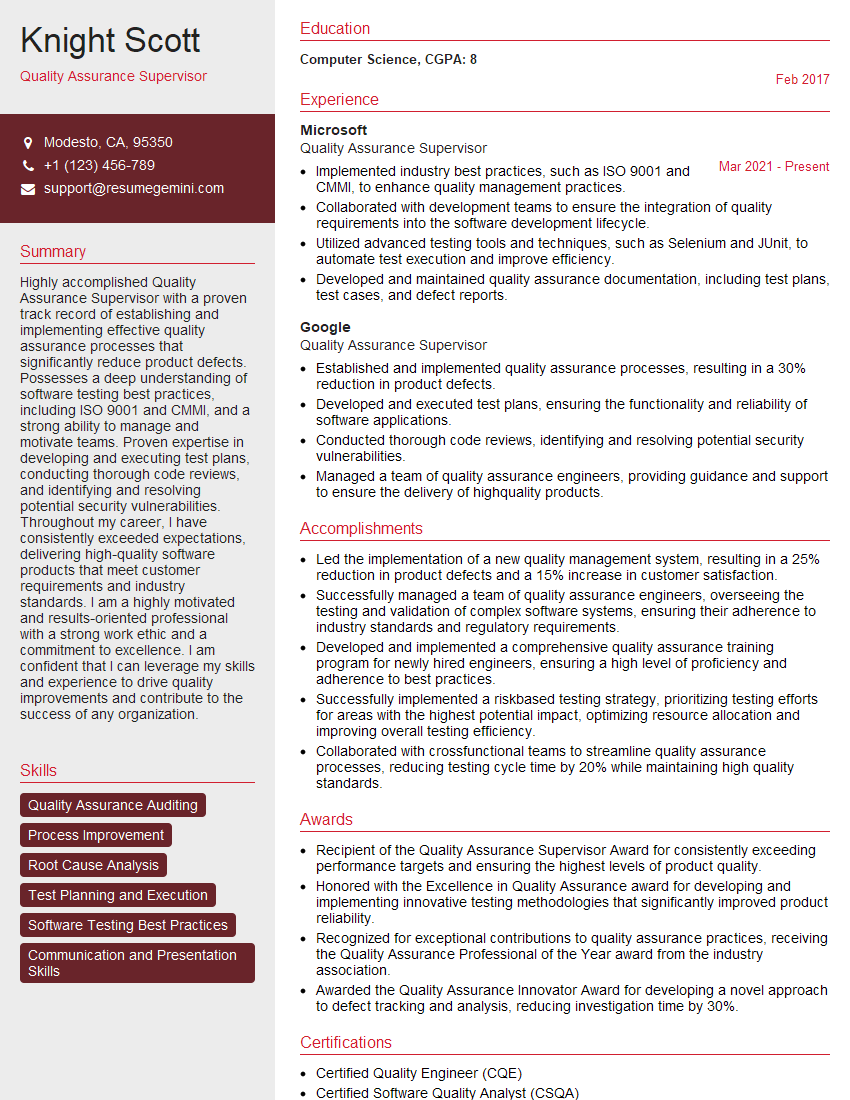
Quality Assurance Supervisor Resume Sample
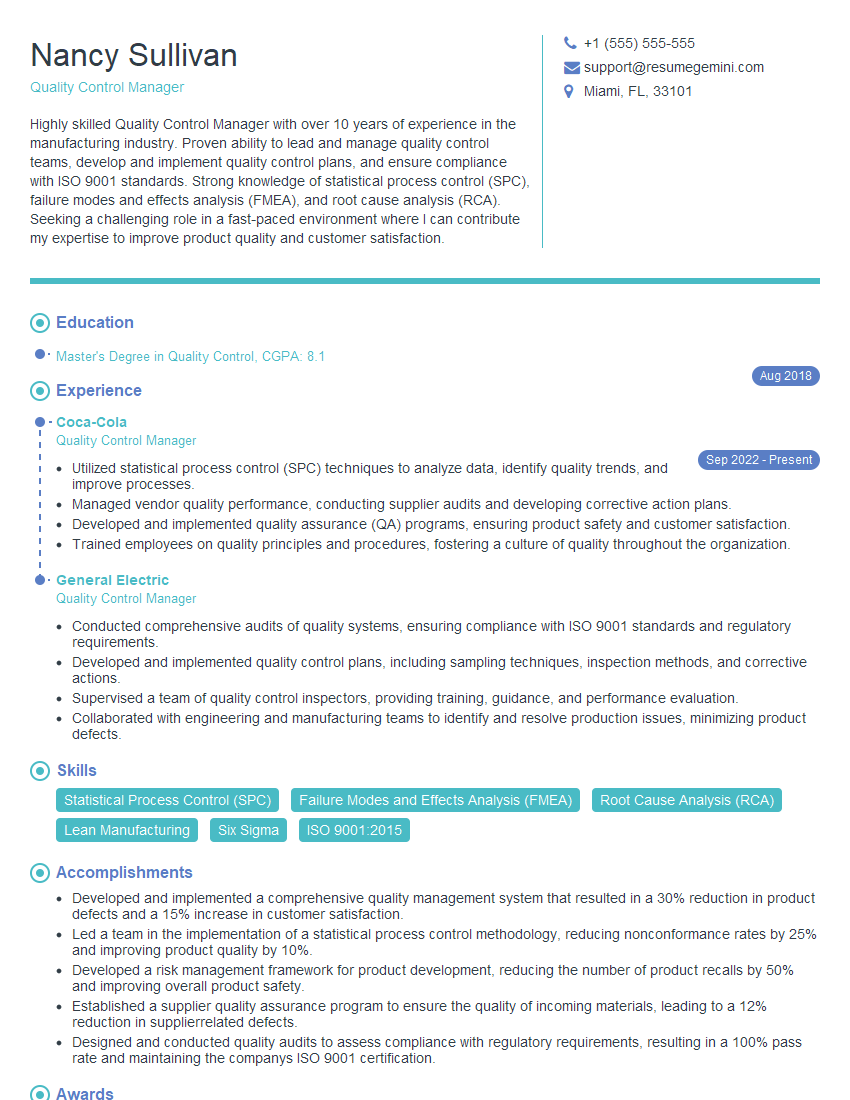
Quality Control Manager Resume Sample
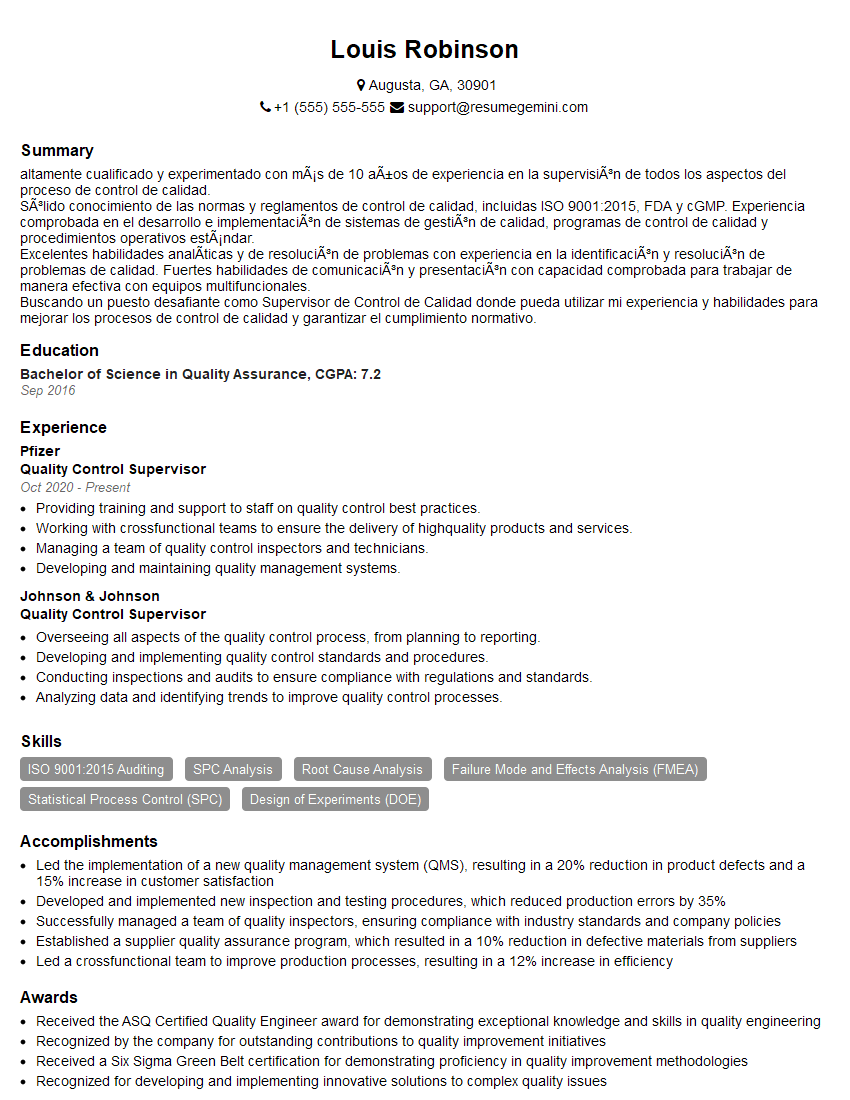
Quality Control Supervisor Resume Sample
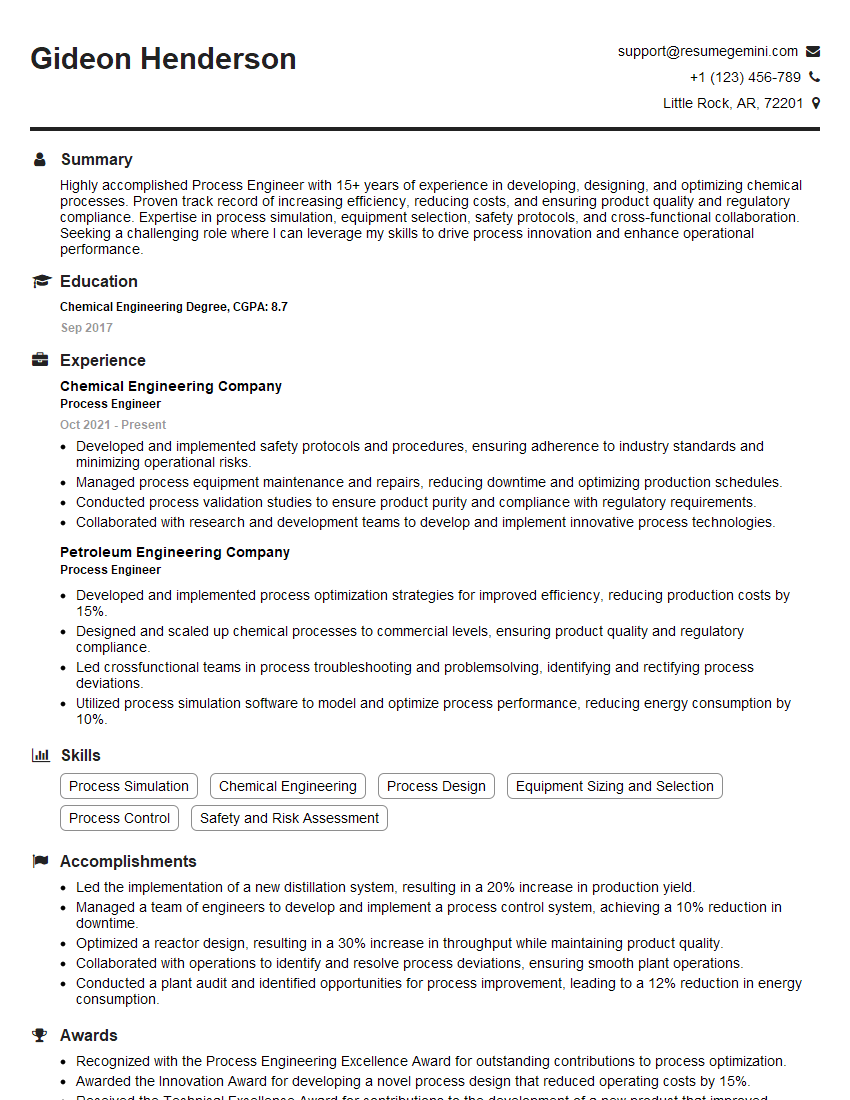
Process Engineer Resume Sample
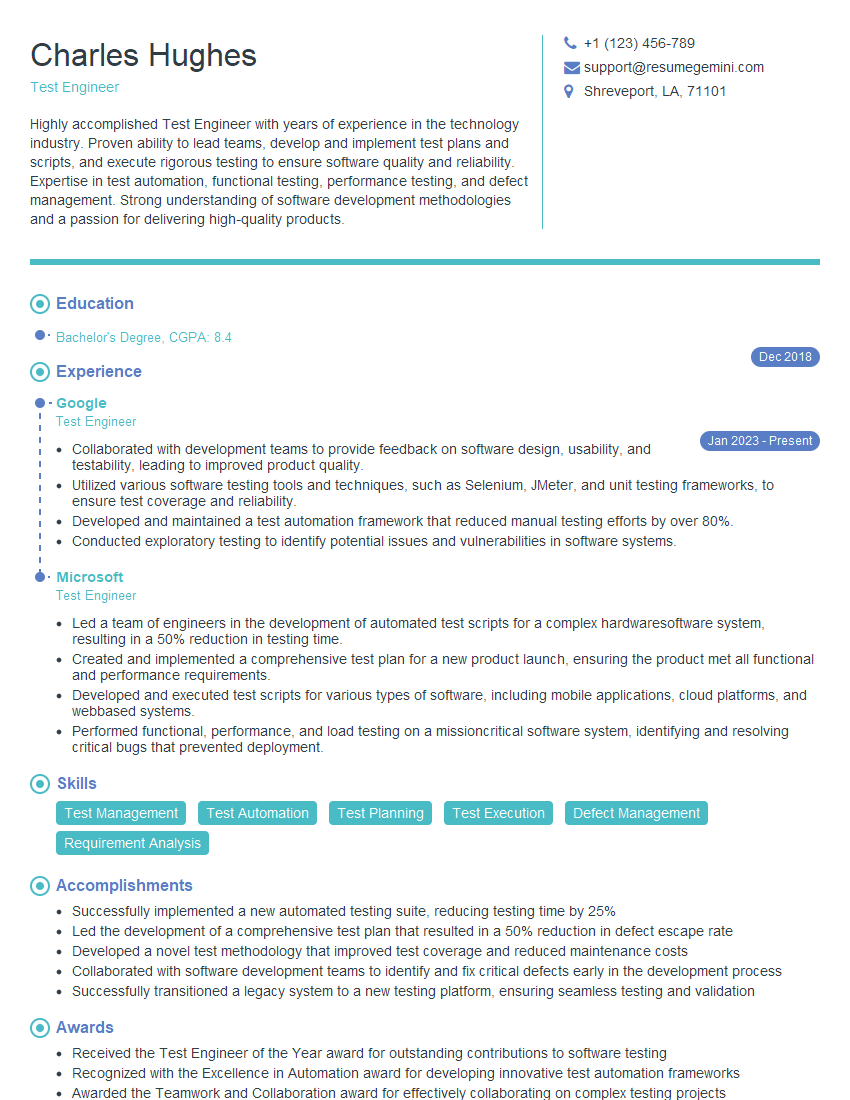
Test Engineer Resume Sample
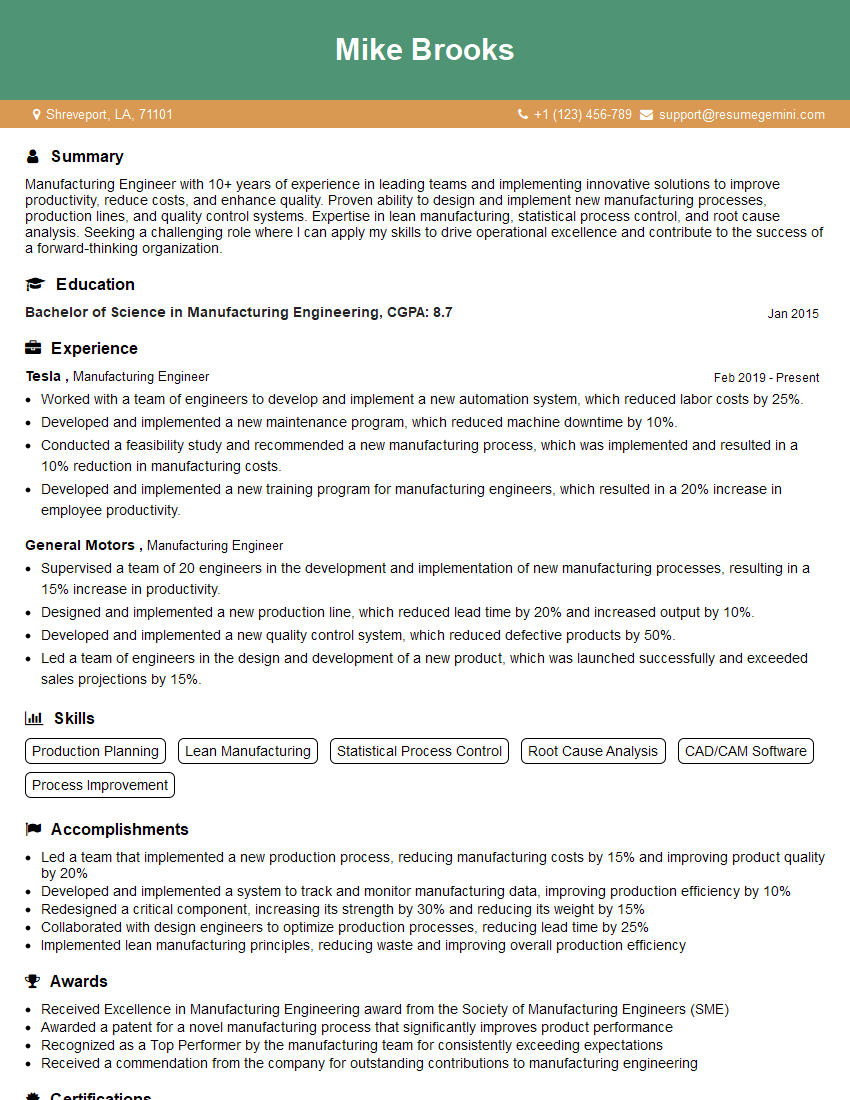
Manufacturing Engineer Resume Sample
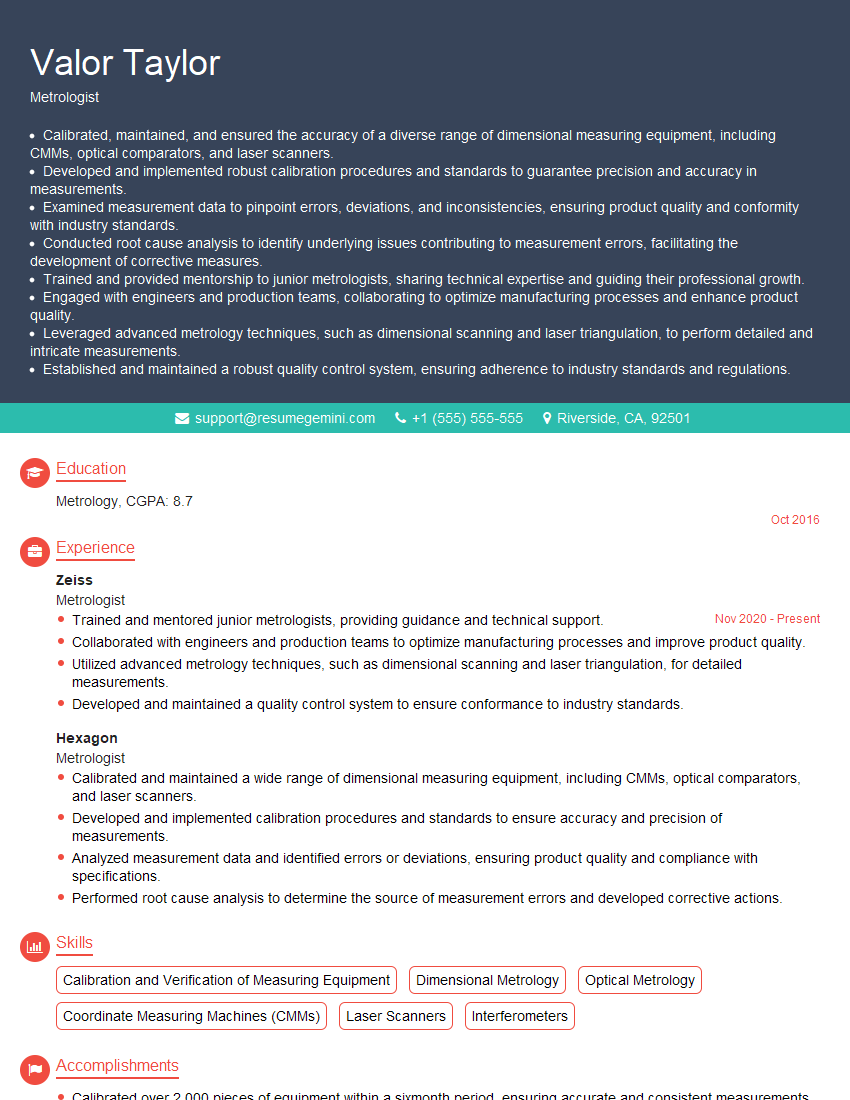
Metrologist Resume Sample

Quality Assurance Engineer Resume Sample
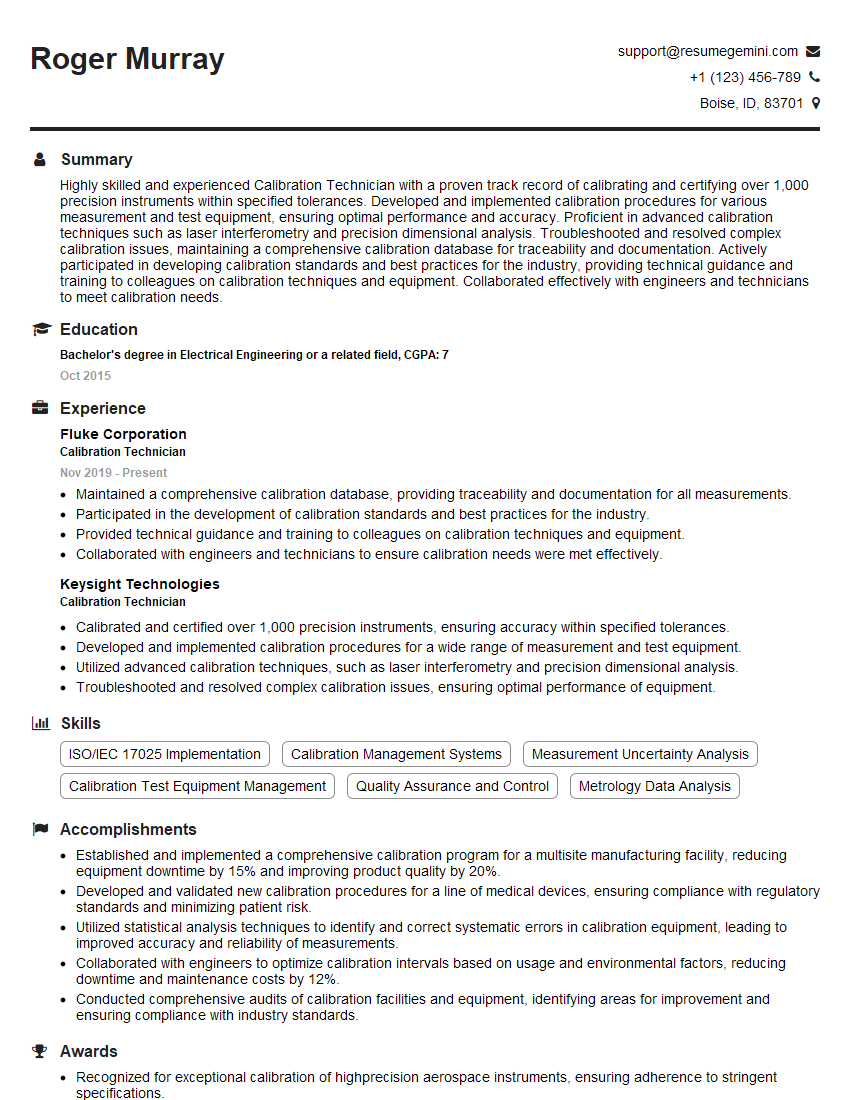
Calibration Technician Resume Sample
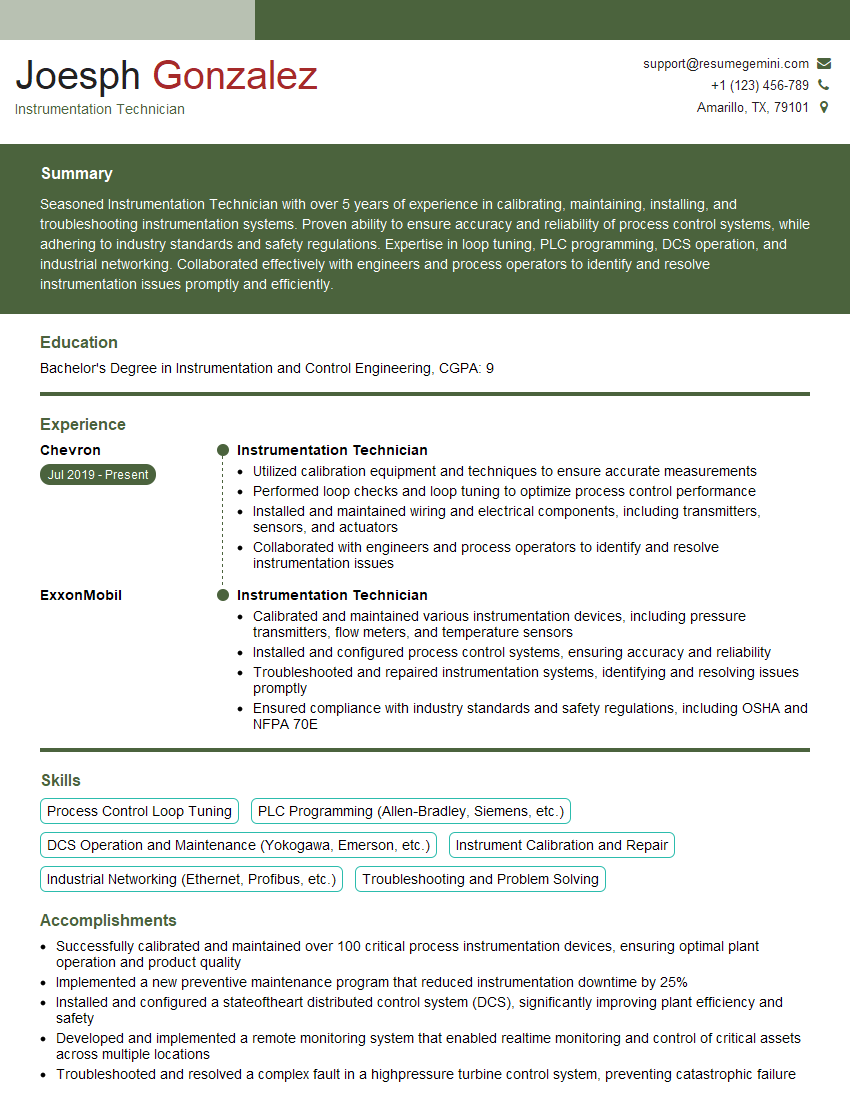
Instrumentation Technician Resume Sample
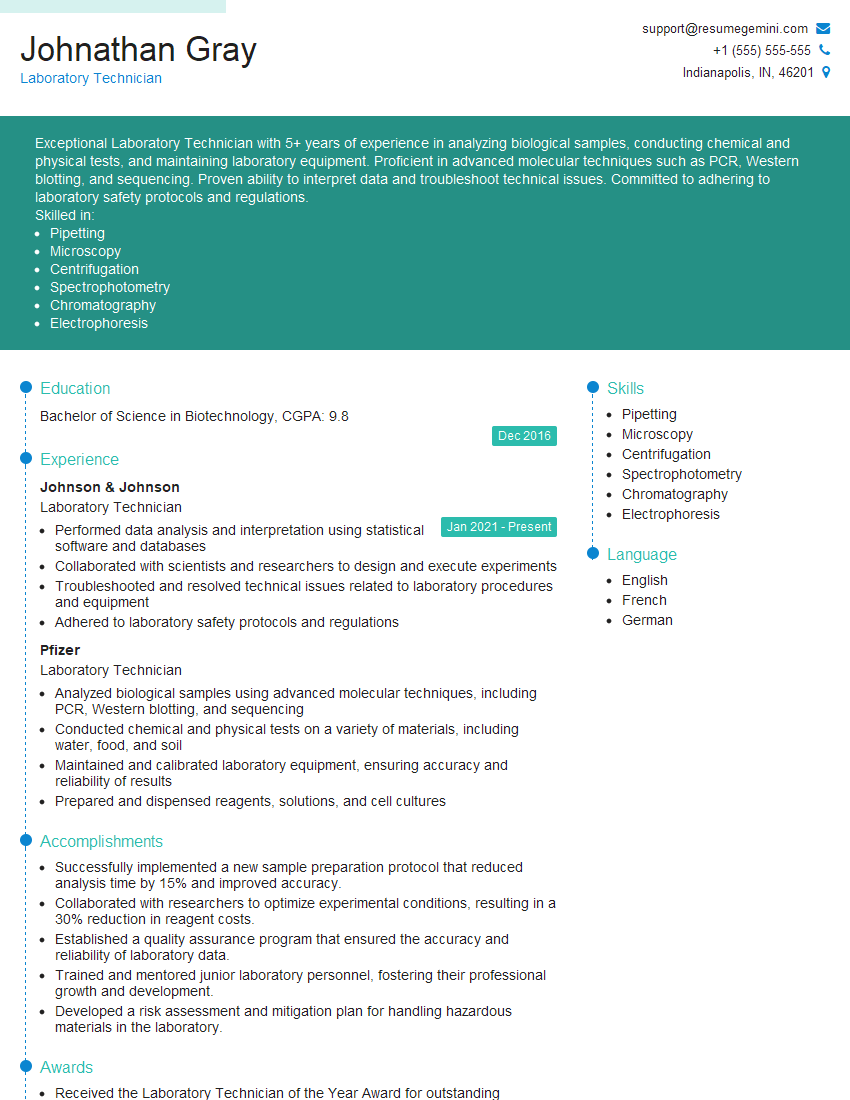
Laboratory Technician Resume Sample
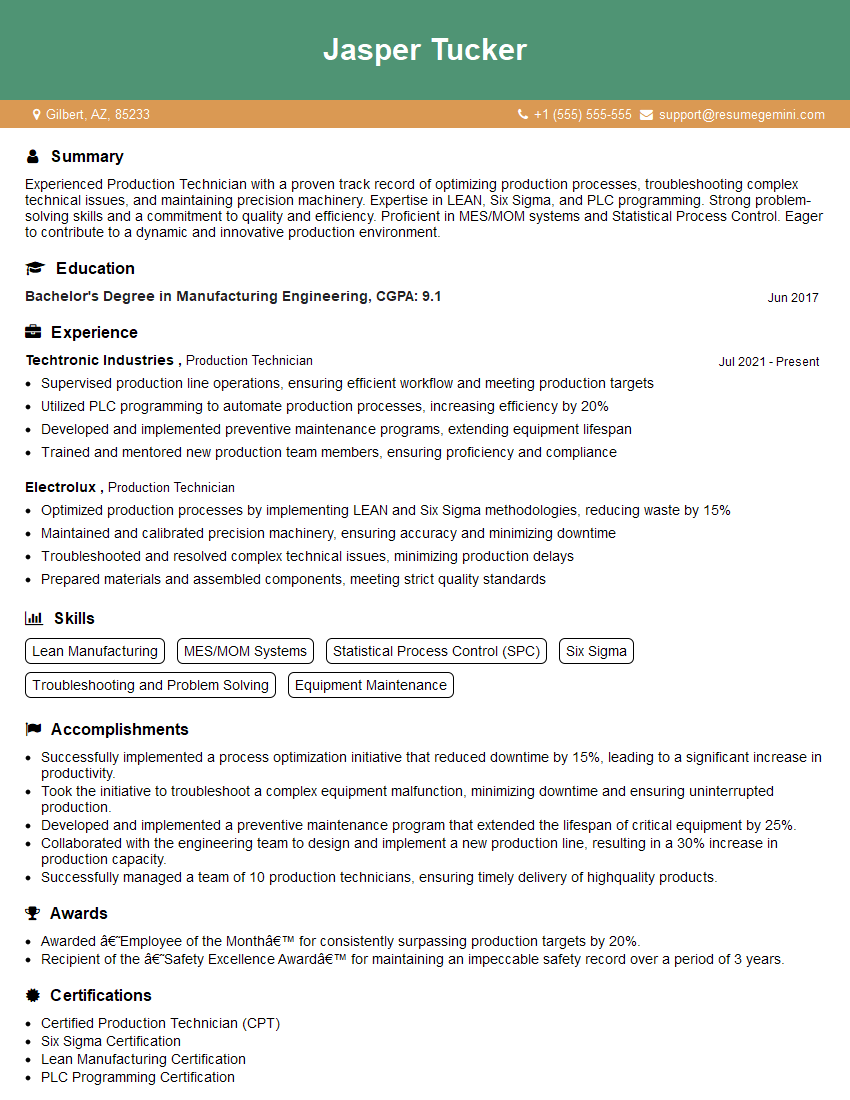
Production Technician Resume Sample

Metrology Technician Resume Sample

Measurement Specialist Resume Sample
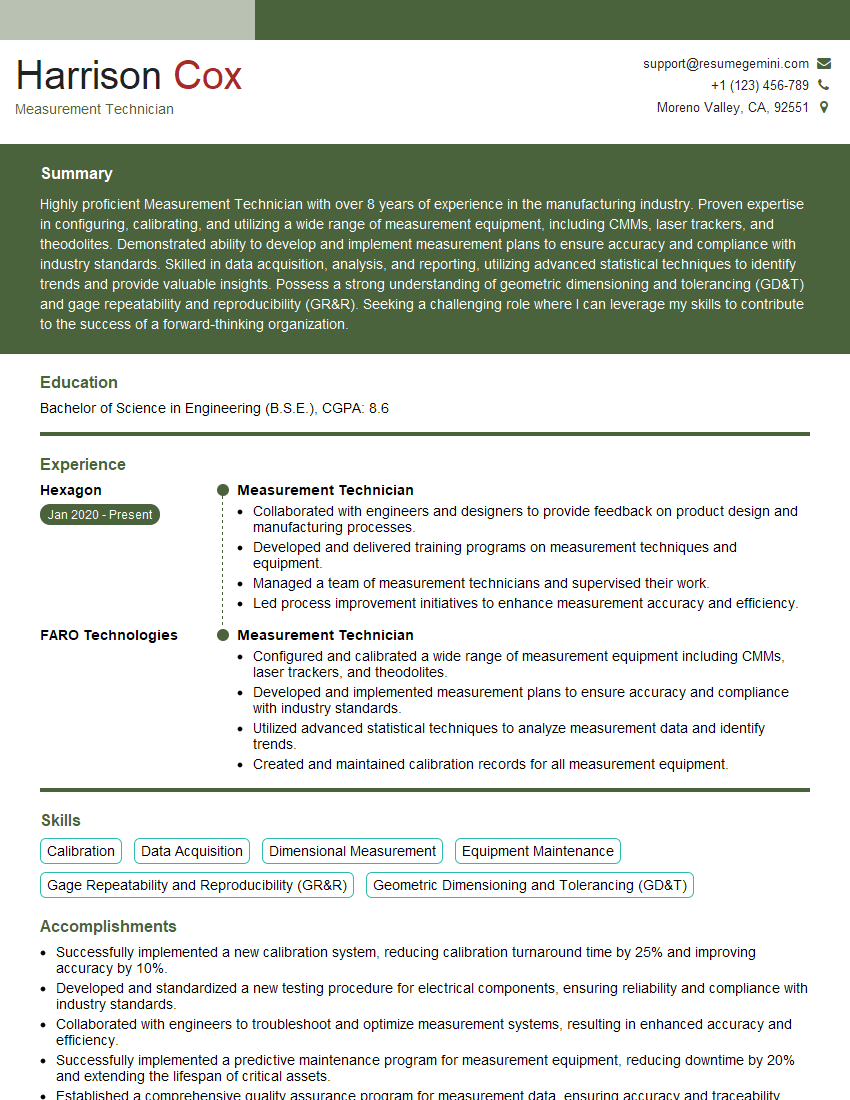
Measurement Technician Resume Sample
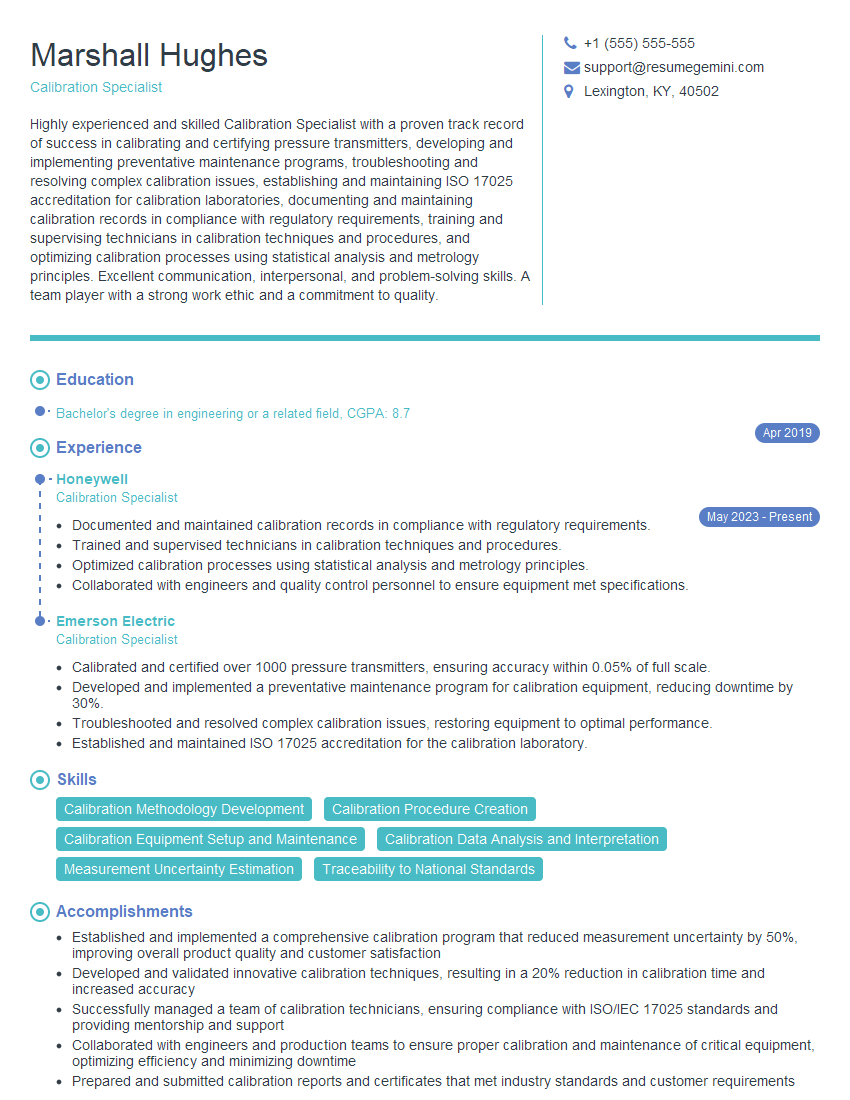
Calibration Specialist Resume Sample

Quality Control Inspector Resume Sample
- Quality Assurance Manager
- Quality Assurance Supervisor
- Quality Control Manager
- Quality Control Supervisor
- Process Engineer
- Test Engineer
- Manufacturing Engineer
- Metrologist
- Quality Assurance Engineer
- Calibration Technician
- Instrumentation Technician
- Laboratory Technician
- Production Technician
- Metrology Technician
- Measurement Specialist
- Measurement Technician
- Calibration Specialist
- Quality Control Inspector
Explore more articles
Users Rating of Our Blogs
Share Your Experience
We value your feedback! Please rate our content and share your thoughts (optional).
What Readers Say About Our Blog
Very informative content, great job.
good