Feeling uncertain about what to expect in your upcoming interview? We’ve got you covered! This blog highlights the most important Styling and Sketching interview questions and provides actionable advice to help you stand out as the ideal candidate. Let’s pave the way for your success.
Questions Asked in Styling and Sketching Interview
Q 1. Explain your process for creating a mood board for a fashion collection.
Creating a mood board is the cornerstone of any successful fashion collection. It’s a visual representation of the collection’s overall aesthetic, guiding the design process from concept to completion. My process involves several key steps:
- Concept Definition: I begin by clearly defining the collection’s theme, target audience, and key message. For example, if the theme is ‘Urban Bohemian,’ I’ll brainstorm specific elements that represent this – perhaps images of vintage textiles, modern architecture juxtaposed with nature, or specific color palettes.
- Image Gathering: Next, I gather images from various sources – magazines, websites, Pinterest, and even my own photography – that visually represent these elements. I look for textures, colors, patterns, silhouettes, and even typography that resonate with the theme. For ‘Urban Bohemian,’ this could include images of flowing fabrics, distressed denim, intricate embroidery, and earthy tones.
- Organization and Arrangement: I organize these images on a physical or digital board (I often use a combination of both), grouping similar elements together to highlight relationships and create visual flow. This stage involves experimenting with different arrangements to achieve a cohesive and inspiring visual narrative. The arrangement helps me identify any gaps or inconsistencies in the initial concept.
- Refinement and Iteration: The mood board is not a static entity. I review and refine it throughout the design process, making adjustments as the collection evolves. New ideas might emerge, necessitating alterations to the mood board to ensure it remains a true reflection of the design direction.
Ultimately, the mood board serves as a constant reference point, ensuring that all design decisions align with the initial vision and contribute to a unified and compelling collection.
Q 2. Describe your experience with various sketching techniques (e.g., croquis, flat sketches).
I’m proficient in several sketching techniques, each serving a different purpose in the design process. Croquis sketches are my foundation – quick, gestural drawings of a fashion figure used to capture the overall silhouette and drape of a garment. They’re essential for exploring different design ideas rapidly. I use them to experiment with proportions, volume, and overall aesthetic before committing to more detailed renderings. Think of them as the first draft, capturing the initial concept.
Flat sketches, on the other hand, provide more detailed representations of the garment’s design features, including construction lines, seams, and specific design elements like pockets or closures. These sketches usually include color and texture indications, offering a clearer vision of the final product. They’re like the blueprint, showing a precise technical description.
Beyond these two, I also use perspective sketches to illustrate how the garment will look on a three-dimensional form, helping visualize the garment’s fit and movement. This is especially useful for complex designs or garments with unusual draping.
My experience spans a wide range of styles, from loose, expressive sketches that capture the essence of an idea to highly precise and detailed renderings that are almost like technical drawings themselves.
Q 3. How do you translate a design sketch into a technical drawing?
Translating a design sketch into a technical drawing involves a meticulous process that ensures the garment can be accurately constructed. It’s like translating a poem into precise instructions for a builder.
- Measurements and Proportions: I start by carefully measuring key features of the design sketch – sleeve length, skirt length, bodice width, etc. Accurate measurements are crucial for a successful outcome.
- Construction Lines: I then add detailed construction lines to the sketch, indicating seam lines, darts, and other structural elements. This shows the pattern pieces required and how they connect.
- Technical Details: I include specific details like seam allowances, facing placement, and closure types. I’ll indicate the type of stitch, button size, zipper type – every detail necessary for the pattern maker.
- Fabric Considerations: The chosen fabric significantly impacts the technical drawing. The drape and weight of the fabric will affect the pattern pieces and the construction techniques. For example, a flowing fabric may require fewer darts than a stiff fabric.
- Software Assistance: I often use software like Adobe Illustrator or specialized CAD programs to create clean, precise technical drawings that can be easily understood by pattern makers and manufacturers.
The resulting technical drawing is a precise blueprint for garment construction, free of artistic interpretation but rich in detailed, quantifiable information.
Q 4. What software are you proficient in for styling and sketching (e.g., Adobe Illustrator, Photoshop, CLO3D)?
My proficiency in design software is a key asset. I’m highly skilled in Adobe Illustrator for creating vector-based illustrations, perfect for technical drawings, flat sketches, and pattern creation. I use Adobe Photoshop for manipulating images, creating color palettes, and enhancing design presentations. For 3D garment visualization and simulation, I rely on CLO3D, which allows me to test different designs and fabrics virtually, significantly reducing the need for costly physical prototypes.
My software skills are not just about proficiency in using individual tools; it’s about effectively leveraging their strengths to streamline the design process. For example, I can create a design sketch in Illustrator, then use CLO3D to simulate the drape of the fabric and make adjustments before moving to the final production.
Q 5. How do you handle feedback on your designs and sketches?
Feedback is essential for growth. I approach feedback constructively, viewing it as an opportunity to refine and improve my designs. My process involves several steps:
- Active Listening: I listen attentively to the feedback, asking clarifying questions to fully understand the critique. This ensures I’m not misinterpreting any comments.
- Objective Assessment: I objectively evaluate the feedback, separating constructive criticism from subjective opinions. I focus on areas where improvements can be made.
- Implementation and Iteration: Based on the feedback, I revise my designs accordingly. This may involve small tweaks or significant changes, depending on the nature of the feedback. This iterative process allows for continuous improvement.
- Documentation: I keep a record of the feedback received and the changes made, learning from past experiences to enhance future designs.
By actively engaging with feedback, I ensure my designs are well-considered, polished, and meet the needs and expectations of clients or stakeholders.
Q 6. Describe your understanding of color theory and its application in styling.
Color theory is fundamental to styling. It’s the science and art of using color effectively to achieve a desired aesthetic impact. My understanding encompasses several key aspects:
- Color Wheel: I utilize the color wheel to understand relationships between colors – primary, secondary, tertiary, complementary, analogous, etc. This knowledge helps me create harmonious or contrasting color palettes depending on the desired effect.
- Color Temperature: I consider color temperature (warm vs. cool) to evoke specific moods and emotions. Warm colors like reds and oranges can create a sense of energy and excitement, while cool colors like blues and greens can convey calmness and serenity.
- Color Harmony: I apply different color harmonies – monochromatic, analogous, complementary, split-complementary, triadic – to create visually appealing and balanced color schemes for outfits or collections. For example, analogous colors create a sense of unity and coherence, while complementary colors provide high contrast and visual excitement.
- Color Psychology: I’m aware of the psychological impact of colors and use this understanding to influence the mood and message conveyed by the styling. For example, black might represent sophistication or mystery.
Applying color theory effectively involves more than just selecting pretty colors; it’s about using color strategically to enhance the overall design, evoke specific feelings, and communicate a clear message.
Q 7. Explain your experience working with different fabric types and their drape.
My experience working with diverse fabric types is extensive, and understanding their drape is crucial for successful design. Drape refers to the way a fabric falls and hangs on a three-dimensional form. It’s influenced by factors like fiber content, weight, weave structure, and finish.
I’ve worked with everything from lightweight silks and chiffons, which drape softly and flow gracefully, to heavier wools and linens, which offer more structure and hold their shape. Understanding the drape of each fabric allows me to make informed decisions about pattern design and garment construction. For example, a stiff fabric may require more darts or shaping to create the desired silhouette, whereas a fluid fabric can drape beautifully with minimal structure.
My experience includes experimenting with different fabric combinations to achieve unique textural effects and draping qualities. I’ve also worked with innovative fabrics with special properties like stretch or water resistance, understanding how these properties impact the overall drape and design choices.
This knowledge enables me to translate abstract design ideas into tangible garments, ensuring that the finished product aligns with the initial design vision and the chosen fabric’s natural characteristics.
Q 8. How do you incorporate sustainability and ethical considerations into your design process?
Sustainability and ethical considerations are paramount in my design process. It’s not just a trend; it’s a responsibility. I integrate these factors from the initial concept stage to the final product. This involves several key strategies:
- Material Selection: I prioritize eco-friendly fabrics like organic cotton, Tencel, recycled materials, and innovative alternatives like Piñatex (pineapple leaf fiber). I meticulously research the sourcing and production processes of each material to ensure ethical and sustainable practices are followed.
- Design for Durability and Longevity: Designing timeless pieces that transcend fleeting trends reduces the need for frequent replacements, minimizing textile waste. This involves focusing on quality construction, classic silhouettes, and versatile designs that can be styled in multiple ways.
- Minimalist Approach: I believe in less is more. Overly complex designs can lead to increased material consumption and waste during production. A thoughtful, minimalist approach often results in more sustainable outcomes.
- Collaboration with Ethical Suppliers: I work closely with suppliers who share my commitment to ethical and sustainable practices, ensuring fair wages and safe working conditions throughout the supply chain.
- Waste Reduction: I implement strategies to minimize fabric waste during the design and production process, such as utilizing innovative cutting techniques and exploring upcycling opportunities for leftover materials.
For example, in a recent project, I designed a capsule collection using only deadstock fabrics sourced from local textile mills. This not only reduced waste but also supported local businesses and decreased the carbon footprint associated with material transportation.
Q 9. How do you manage multiple projects simultaneously with tight deadlines?
Managing multiple projects with tight deadlines requires meticulous organization and efficient time management. I employ a few key strategies:
- Prioritization and Planning: I utilize project management tools like Trello or Asana to create detailed timelines, break down large projects into smaller, manageable tasks, and prioritize based on urgency and importance. This provides a clear overview of all projects and their deadlines.
- Time Blocking: I dedicate specific blocks of time to each project, minimizing distractions and ensuring focused work. This approach helps maintain momentum and prevents tasks from slipping through the cracks.
- Effective Communication: Open and consistent communication with clients and team members is crucial. Regular updates and clear expectations prevent misunderstandings and delays.
- Delegation (when applicable): If working with a team, I effectively delegate tasks based on individual strengths and skills, optimizing workflow and efficiency.
- Regular Review and Adjustment: I regularly review my progress, identify potential bottlenecks, and make necessary adjustments to the timeline or workflow to stay on track.
Think of it like conducting an orchestra – each musician (task) needs to be in sync to create a harmonious performance (successful project completion). Careful planning and coordination are key to success.
Q 10. Describe your understanding of fashion trends and their influence on design.
Understanding fashion trends is crucial for creating relevant and commercially successful designs. I stay updated through various channels:
- Trend Forecasting Reports: I regularly consult trend forecasting agencies like WGSN and Stylesight for insights into upcoming color palettes, silhouettes, materials, and overall aesthetic directions.
- Runway Shows and Fashion Publications: Attending fashion shows (physical or digitally) and reading industry publications like Vogue, Elle, and WWD provide firsthand exposure to the latest designs and creative interpretations.
- Street Style and Social Media: Observing street style and social media platforms like Instagram and Pinterest helps me gauge how trends are being adopted and interpreted by consumers.
- Market Research: Analyzing sales data and consumer behavior provides valuable insights into what resonates with specific target audiences. This helps me adapt trend interpretations to ensure they align with market demands.
However, I don’t blindly follow trends. My approach involves thoughtful interpretation and adaptation. I look for ways to incorporate trendy elements into my designs in a unique and innovative way, rather than simply replicating existing styles. For example, if a particular silhouette is trending, I might explore its evolution by experimenting with different proportions, fabrics, or embellishments.
Q 11. How do you create a cohesive and stylish look using different garments and accessories?
Creating a cohesive and stylish look involves a deep understanding of color theory, proportion, and silhouette. Here’s my approach:
- Color Palette: I start by selecting a cohesive color palette, considering both complementary and analogous colors. This creates a sense of harmony and visual appeal. I might use a color wheel to explore different combinations.
- Silhouette and Proportion: I carefully consider the overall silhouette and proportion of the outfit. Balancing fitted and loose garments creates a flattering and visually interesting look. Knowing the principles of classic proportions is crucial.
- Texture and Fabric: Mixing textures and fabrics adds depth and visual interest. For instance, pairing a smooth silk blouse with a textured knit cardigan can create a sophisticated look.
- Accessories: Accessories play a crucial role in completing and elevating an outfit. Strategically chosen jewelry, belts, bags, and shoes can add personality and enhance the overall style.
- Focal Point: I identify a focal point in the outfit, such as a statement piece of jewelry or a bold patterned garment, to draw the eye and create a sense of visual hierarchy.
For example, to create a sophisticated yet casual look, I might pair dark wash jeans with a crisp white button-down shirt, layered under a neutral-toned cardigan. Adding statement earrings and loafers completes the look, creating a balanced and stylish outfit.
Q 12. What is your experience with creating presentations for clients or design teams?
Creating effective presentations is a crucial skill for any designer. My experience includes developing presentations for both clients and design teams, utilizing various methods to effectively communicate ideas.
- Client Presentations: I focus on clear and concise visual communication, using high-quality imagery, mood boards, and design sketches to showcase my ideas. My presentations are tailored to the client’s needs and preferences, highlighting the key selling points of the design. I always incorporate client feedback and adapt the design accordingly.
- Design Team Presentations: Presentations within the design team are more collaborative and focused on brainstorming and feedback. I utilize digital presentation tools and design software to facilitate discussions and revisions. This involves actively listening to team members’ perspectives and incorporating their valuable insights.
- Storytelling: In all my presentations, I focus on storytelling. I articulate the design concept and inspiration, weaving a narrative that connects the audience emotionally with the design vision.
- Visual Aids: I heavily rely on compelling visuals to support my narrative and ensure the message is conveyed effectively. This may include digital mockups, fabric swatches, and 3D renderings.
Recently, I presented a new collection to a client using a digital presentation that incorporated interactive elements, allowing them to explore different design options and provide real-time feedback.
Q 13. How do you adapt your design style to different target audiences and brands?
Adapting my design style to different target audiences and brands requires a deep understanding of their values, aesthetics, and target demographics. My process involves:
- Thorough Research: I conduct extensive research to understand the brand’s identity, mission, and target audience. This involves analyzing their existing brand guidelines, marketing materials, and consumer data.
- Style Analysis: I carefully analyze the brand’s existing style and aesthetic to identify key elements that define their visual identity.
- Target Audience Consideration: I thoroughly consider the specific needs, preferences, and lifestyle of the target audience. Factors such as age, gender, cultural background, and socioeconomic status influence design choices.
- Mood Board Creation: I use mood boards to visualize the overall style and aesthetic for each project. This includes imagery, color palettes, and typography that align with the brand’s identity and target audience.
- Iteration and Refinement: I present multiple design options and iterate based on feedback from clients and stakeholders, ensuring the final design effectively meets the brand’s objectives and resonates with the target audience.
For instance, when designing for a youthful streetwear brand, my style would be bold, playful, and trend-focused, whereas when designing for a luxury brand, the style would be more refined, elegant, and timeless.
Q 14. How would you approach sketching a garment with intricate details?
Sketching garments with intricate details requires a methodical approach. It’s not about speed, but accuracy and precision. Here’s my process:
- Reference Gathering: Start by gathering reference images of the garment from multiple angles. This helps ensure accuracy in capturing details.
- Basic Construction: Begin by sketching the basic silhouette and construction of the garment. Don’t worry about details yet, focus on the overall shape and proportions.
- Progressive Detailing: Gradually add details, starting with the larger elements and working your way to the finer points. Use different line weights to emphasize different aspects of the design.
- Layered Approach: Consider using multiple layers of sketches to develop and refine the design. This allows for easy correction and experimentation.
- Specialized Tools: Utilizing finer tipped pens and pencils allows you to render the intricate details more accurately. You may also experiment with different shading techniques to add depth and dimension.
- Patience and Persistence: Sketching intricate details requires patience and persistence. Don’t be discouraged if your first attempts aren’t perfect; keep practicing and refining your technique.
For example, when sketching a lace-detailed dress, I might start with the basic A-line shape, then add the larger lace motifs, and finally, meticulously render the finer details like individual lace stitches. This layered approach ensures clarity and accuracy.
Q 15. Explain your process for selecting appropriate fabrics and textures for a design.
Fabric selection is crucial; it dictates drape, texture, and overall garment aesthetic. My process begins with understanding the design concept – is it a flowing evening gown, a structured power suit, or a casual everyday piece? This informs my fabric choices.
- Functionality: For a sportswear design, I’d prioritize breathable, moisture-wicking fabrics like polyester blends or performance knits. For a formal dress, luxurious silks, satins, or brocades would be appropriate.
- Drape and Fall: I consider how the fabric will hang and move on the body. A stiff fabric like linen is perfect for structured silhouettes, whereas flowing fabrics like chiffon create soft, romantic designs.
- Texture: Texture adds depth and visual interest. I might incorporate textured fabrics like tweed for a classic look, or lace for a delicate feel, contrasting them with smooth fabrics to create visual balance.
- Color and Print: The fabric’s color and print must align with the overall design aesthetic. I consider how the color interacts with the body, creating flattering effects.
- Budget and Sustainability: I always factor in the client’s budget and strive to use sustainable or ethically sourced fabrics whenever possible.
For example, designing a summer dress, I might initially consider cotton voile for its breathability and light drape. However, if the client desires a more luxurious feel, I might explore silk organza or a high-quality linen blend. The final choice depends on the interplay of these various factors.
Career Expert Tips:
- Ace those interviews! Prepare effectively by reviewing the Top 50 Most Common Interview Questions on ResumeGemini.
- Navigate your job search with confidence! Explore a wide range of Career Tips on ResumeGemini. Learn about common challenges and recommendations to overcome them.
- Craft the perfect resume! Master the Art of Resume Writing with ResumeGemini’s guide. Showcase your unique qualifications and achievements effectively.
- Don’t miss out on holiday savings! Build your dream resume with ResumeGemini’s ATS optimized templates.
Q 16. How do you ensure accuracy and consistency in your sketches and technical drawings?
Accuracy and consistency in sketches and technical drawings are paramount. I use a combination of techniques to achieve this:
- Precise Measurement Tools: I utilize rulers, French curves, and measuring tapes to ensure accurate proportions and dimensions. This is especially important for technical drawings where precision is crucial for pattern making.
- Consistent Line Weight: I maintain consistent line weight throughout my sketches and drawings. This enhances readability and creates a professional, polished look. Thicker lines represent seams, while thinner lines indicate construction details.
- Reference Images and Templates: Using reference images and standardized templates ensures consistency in posing and body proportions. This helps avoid inconsistencies between multiple drawings.
- Digital Tools: I leverage digital tools like Adobe Illustrator to refine my sketches and ensure accuracy. Digital tools allow for easy adjustments, duplication, and scaling, significantly improving consistency.
- Regular Checks and Reviews: I regularly review my work for inconsistencies in proportions, line weight, and details. A fresh eye helps catch any errors before they become significant problems.
For instance, when sketching a bodice, I consistently measure the neckline, shoulder width, and armhole depth, using standardized templates to maintain consistency across multiple designs.
Q 17. Describe your experience with draping techniques.
Draping is a crucial technique I utilize for creating unique and well-fitting garments. It involves manipulating fabric directly on a dress form to create three-dimensional shapes and explore design possibilities before pattern making.
- Muslin Draping: I often begin with muslin, a lightweight, inexpensive fabric, to experiment with different silhouettes and gathers. This allows me to quickly test ideas without wasting expensive materials.
- Final Fabric Draping: Once the design is finalized in muslin, I drape the chosen final fabric on the form. This allows for a more accurate assessment of drape and texture in the actual garment fabric.
- Different Techniques: I’m proficient in various draping techniques such as basic draping (for simple silhouettes), advanced draping (for complex designs), and bias draping (for flowing designs).
- Understanding Fabric Properties: My draping technique is tailored to the properties of each fabric. A stiff fabric requires different handling compared to a flowing one.
- Pattern Making from Draping: After the fabric is draped to my satisfaction, I meticulously create a pattern from the draped form. This ensures an accurate and well-fitting final garment.
For example, when designing a flowing evening gown, I would use bias draping to create soft, graceful folds. For a structured jacket, I would employ basic draping, paying close attention to the precise placement of darts and seams.
Q 18. How do you incorporate client feedback into your design process without compromising your vision?
Incorporating client feedback is crucial, but it’s equally important to maintain design integrity. My approach involves a collaborative dialogue:
- Active Listening: I actively listen to the client’s needs and preferences, asking clarifying questions to ensure I fully understand their vision.
- Presenting Options: I often present multiple design options, each addressing different aspects of the client’s feedback. This allows for a more informed decision-making process.
- Compromise and Negotiation: If a client’s request clashes with my design vision, I propose alternatives while explaining the rationale behind my choices. Finding a balance that satisfies both parties is key.
- Visual Communication: I use sketches, mood boards, and fabric swatches to illustrate design options, making the feedback process more visual and effective.
- Iterative Process: The design process is iterative. I incorporate feedback in stages, allowing for refinements along the way, ensuring a collaborative and efficient process.
For instance, if a client requests a shorter sleeve length than my original design, I will create a revised sketch, showing how the shorter sleeve impacts the overall silhouette, and discuss the pros and cons with them before making the change.
Q 19. How do you stay updated on current trends in styling and design?
Staying updated is critical in this ever-evolving industry. My strategies include:
- Fashion Publications and Blogs: I regularly read fashion magazines, both print and online, and follow reputable fashion blogs. This keeps me informed about seasonal trends and innovative design approaches.
- Industry Events and Shows: Attending fashion shows, trade fairs, and industry conferences provides firsthand exposure to the latest trends and innovations.
- Social Media: I use social media platforms like Instagram and Pinterest to follow influential designers, stylists, and brands. This offers a curated feed of current trends.
- Networking: Networking with other designers, stylists, and industry professionals is invaluable. This can include participating in workshops, attending industry meetups, and engaging with online communities.
- Trend Forecasting Services: Subscribing to professional trend forecasting services offers insights into long-term trends and emerging design directions.
For example, by actively monitoring runway shows and social media trends, I was among the first to incorporate the oversized blazer trend into my collections, generating significant client interest and positive feedback.
Q 20. What is your understanding of proportion and balance in fashion design?
Proportion and balance are fundamental principles in fashion design. They dictate how elements within a garment relate to each other and the wearer’s body. Poor proportion can make a garment look awkward, whereas a well-proportioned design is flattering and visually appealing.
- Visual Weight: Different fabrics, colors, and textures have varying visual weights. Darker colors appear heavier than lighter ones, and textured fabrics weigh more visually than smooth ones. Balance is achieved by distributing these weights effectively.
- Golden Ratio: I often use the golden ratio (approximately 1:1.618) to guide proportion. This ratio creates harmonious and visually pleasing proportions in garment design.
- Emphasis and Focal Points: Strategically placing design elements such as embellishments or contrasting colors can create focal points that guide the eye and enhance visual balance. This helps to create visual interest.
- Symmetry and Asymmetry: Symmetrical designs are balanced, creating a sense of formality, while asymmetrical designs can add visual dynamism and excitement.
- Body Proportions: The proportions of the garment must complement the wearer’s body proportions. A well-proportioned garment enhances the wearer’s physique.
For instance, when designing a dress, I’d ensure the waistline is placed at the natural waist, creating a balanced proportion. A wide belt adds visual weight to the waist area, creating a focal point and balancing the silhouette of the dress.
Q 21. Explain your knowledge of different body types and how they influence garment design.
Understanding different body types is crucial for creating flattering and well-fitting garments. Design decisions need to account for individual body shapes and proportions.
- Body Shape Categories: I am familiar with various body shape classifications such as apple, pear, hourglass, rectangle, and inverted triangle. Each shape requires specific design considerations.
- Highlighting Assets: Design choices should highlight the wearer’s positive features while minimizing areas they may want to downplay. For example, empire waists flatter those with apple shapes, emphasizing the upper body and creating a flowing silhouette.
- Balance and Proportion: Garments should create visual balance. For instance, A-line skirts can balance wider hips, while fitted tops can define the waistline for rectangle shapes.
- Fabric and Silhouette Selection: Fabric choices and silhouettes should enhance the body shape. Flowing fabrics can flatter curvier figures, while structured fabrics can create definition for leaner builds.
- Individual Variations: Although these are standard classifications, I acknowledge that individuals exhibit unique proportions within these categories. Customization is essential to fit individual requirements.
For example, when designing for someone with a pear shape (wider hips than shoulders), I might use A-line skirts or wider leg pants to balance the lower body. A fitted bodice would highlight the waist and upper body, creating an overall balanced and flattering look.
Q 22. How do you utilize sketching to communicate your design ideas effectively?
Sketching is my primary communication tool for translating abstract design ideas into tangible visuals. I don’t just sketch to depict the final product; I use it throughout the design process. Early sketches are often quick, gestural explorations of form and proportion, capturing the essence of an idea before it’s fully defined. Later, sketches become more refined, incorporating details like texture, fabric drape, and construction techniques. For example, when designing a new line of dresses, my initial sketches might be simple line drawings showing silhouette variations. As the design progresses, these sketches evolve to include details like intricate lace patterns or specific types of pleating. I often use different sketch techniques, such as perspective drawing and rendering techniques like shading and color washes, to convey a complete design narrative.
I find that presenting a series of sketches, each showing a different aspect or refinement of the design, is far more effective than a single, finished rendering. It allows clients or stakeholders to understand the design evolution and to provide feedback at various stages, ensuring that the final product aligns with their vision.
Q 23. Describe your approach to problem-solving during the design process.
My problem-solving approach is iterative and deeply visual. When faced with a design challenge, I begin by thoroughly understanding the problem’s constraints – budget, target audience, technical limitations, and the overall design brief. I then explore numerous possibilities through rapid sketching, brainstorming, and mood boards. This phase is less about finding the ‘perfect’ solution and more about generating a diverse range of options.
Next, I systematically evaluate the sketches, selecting the most promising concepts. I refine these selected concepts, testing different materials, experimenting with construction methods and detailing, and creating more elaborate sketches or even small-scale mock-ups. This refining process often involves seeking constructive criticism from peers and mentors. If a design element proves particularly problematic, I might return to the sketching phase and explore alternative approaches. It’s a cyclical process – sketching, evaluating, refining – until I arrive at a solution that effectively addresses the initial challenge.
Q 24. How do you handle constructive criticism on your work?
I view constructive criticism as an invaluable tool for growth. I actively seek it out and embrace it as an opportunity to learn and improve. I don’t take criticism personally; instead, I focus on understanding the feedback and its rationale. I carefully analyze the points raised, separating subjective opinions from objective observations. For instance, if a client comments that a garment’s silhouette is ‘too boxy,’ I examine the sketch to identify where the silhouette could be refined. This might involve adjusting proportions, adding shaping seams, or incorporating other design elements to achieve a more flattering shape.
Sometimes, I’ll ask clarifying questions to better understand the critic’s perspective. My goal is to use the feedback to strengthen the design, not to defend my initial choices. I strive to demonstrate that I’ve listened carefully and that I’ve implemented their suggestions where appropriate. This approach builds trust and strengthens the collaborative design process.
Q 25. What are your strengths and weaknesses as a stylist and sketcher?
My strengths lie in my ability to rapidly generate creative ideas through sketching and translate those ideas into compelling and functional designs. I possess a strong understanding of proportion, color theory, and textile manipulation. I also excel at communicating complex design concepts clearly and concisely. For example, I can effortlessly convey the drape and flow of a fabric through shading and line work in my sketches.
However, my weakness is sometimes over-committing to initial ideas, which can occasionally hinder my exploration of alternative approaches. To address this, I’ve developed strategies, such as deliberately setting aside time for freehand sketching, allowing myself to freely explore unconventional ideas without self-criticism, before refining chosen concepts.
Q 26. How do you approach creating a unique and memorable design?
Creating unique and memorable designs involves a blend of inspiration, innovation, and thorough understanding of the target audience and market trends. I begin by immersing myself in relevant research – studying fashion magazines, attending industry events, and observing street style. This research helps me identify existing trends and gaps in the market.
Next, I brainstorm by exploring various unconventional design themes, experimenting with unusual material combinations, and pushing boundaries in silhouette and construction techniques. This process might involve sketching wildly divergent ideas before narrowing down the concepts that have the most potential. I continuously evaluate these concepts through the lens of the target audience, ensuring that the design is not only visually striking but also resonates with its intended wearer. For instance, I recently designed a collection of avant-garde outerwear by combining traditional tailoring techniques with unconventional materials like recycled plastic and sustainably sourced fabrics. The resulting collection achieved recognition for its unique approach, while also appealing to a conscious consumer base.
Q 27. What are your salary expectations for this role?
My salary expectations for this role are in the range of [Insert Salary Range], reflecting my experience and skillset within the styling and sketching field.
Q 28. Why are you interested in this specific position?
I am highly interested in this specific position because [Company Name]’s commitment to [Company Value 1] and [Company Value 2] aligns perfectly with my own professional values. The opportunity to contribute to [Specific Project or Team] and collaborate with such a talented team is particularly exciting. I am confident that my skills and experience would be a valuable asset to your company and would allow me to make significant contributions to your design team’s success.
Key Topics to Learn for Your Styling and Sketching Interview
- Design Principles: Understanding fundamental design principles like balance, proportion, contrast, rhythm, and emphasis – and how they apply to both sketching and styling choices.
- Sketching Techniques: Mastering various sketching techniques including quick sketching, detailed rendering, perspective drawing, and figure drawing, showcasing proficiency in different mediums (digital and traditional).
- Styling Concepts: Grasping key styling concepts such as color theory, typography, visual hierarchy, and layout design, demonstrating how these elements contribute to a cohesive and effective design.
- Software Proficiency: Demonstrating competency in relevant design software, such as Adobe Photoshop, Illustrator, InDesign, or Sketch, highlighting your ability to translate sketches into digital designs.
- Material Exploration: Showcasing knowledge of different materials and their properties, including textures, finishes, and their impact on the overall aesthetic and functionality of a design.
- Problem-Solving & Design Thinking: Articulating your approach to design challenges, explaining how you translate client briefs or design problems into effective visual solutions. This includes demonstrating iterative design processes and the ability to receive and incorporate feedback.
- Portfolio Presentation: Preparing a strong portfolio that clearly showcases your skills and experience in styling and sketching. Be ready to discuss your creative process and the rationale behind your design choices.
- Industry Trends & Current Affairs: Staying abreast of current trends in design and styling. This shows your commitment to continuous learning and professional growth.
Next Steps
Mastering Styling and Sketching is crucial for a successful and rewarding career in design. A strong understanding of these skills opens doors to exciting opportunities in various creative fields. To maximize your job prospects, it’s essential to present your qualifications effectively. An ATS-friendly resume is your first step towards getting noticed by potential employers. We highly recommend using ResumeGemini to craft a professional and impactful resume that highlights your unique skills and experience. ResumeGemini provides examples of resumes tailored to Styling and Sketching to help guide you in creating the best possible representation of your capabilities.
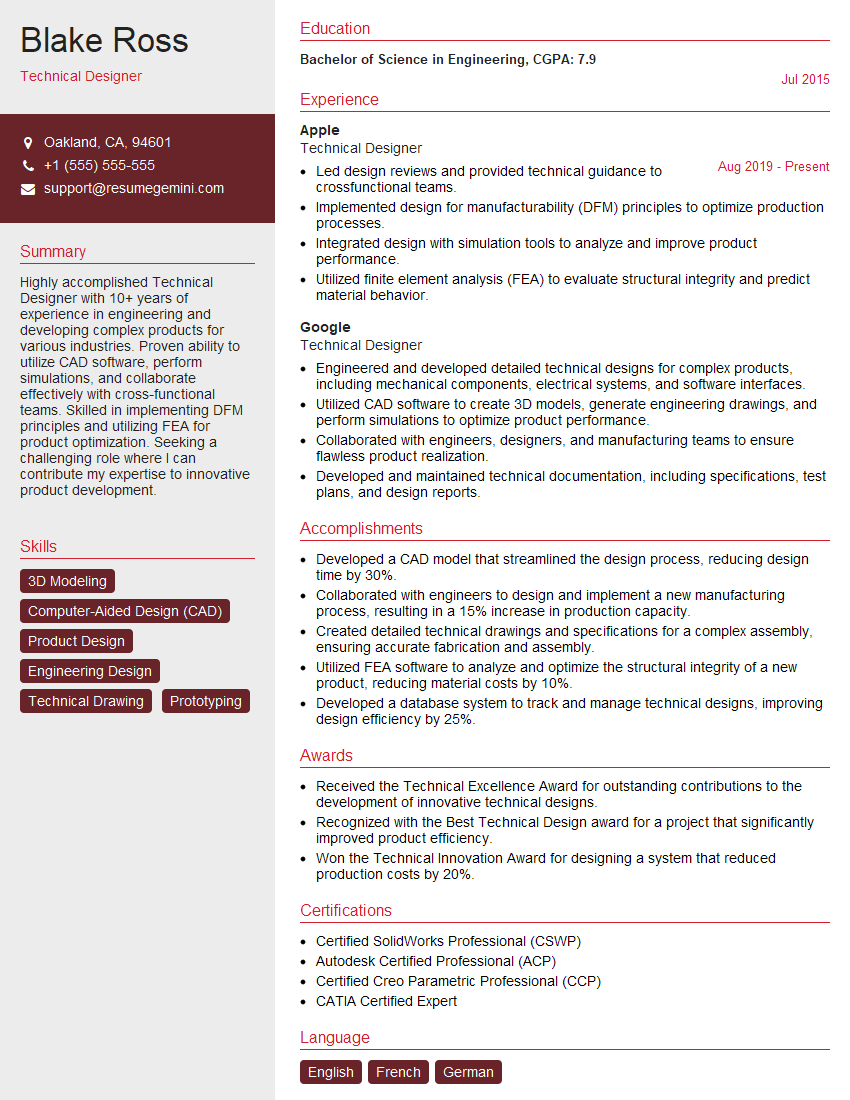
Technical Designer Resume Sample
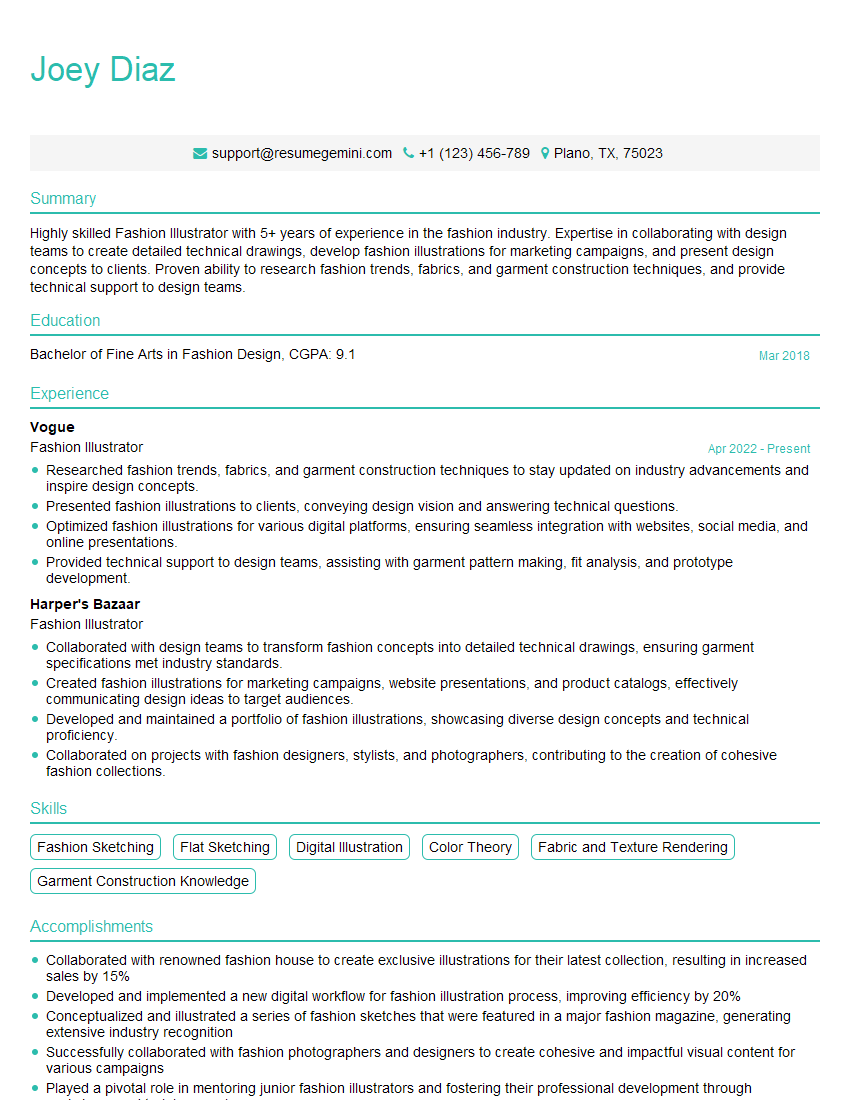
Fashion Illustrator Resume Sample
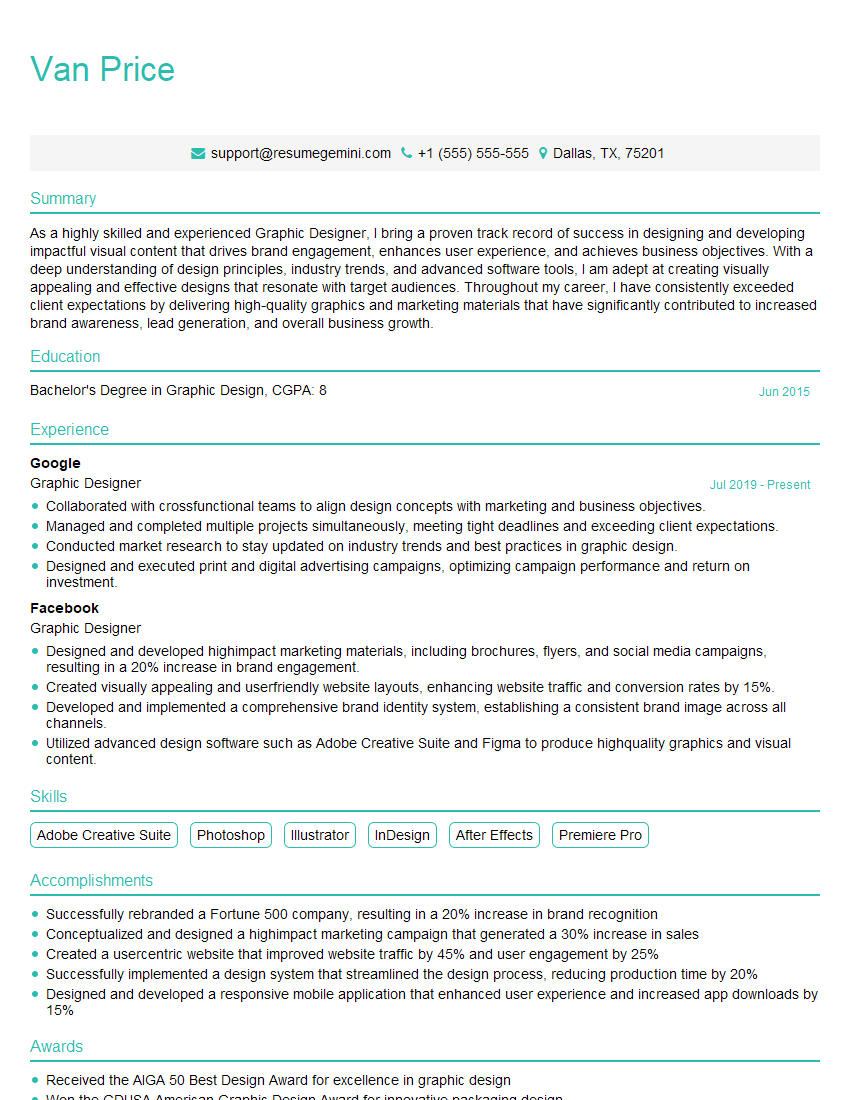
Graphic Designer Resume Sample
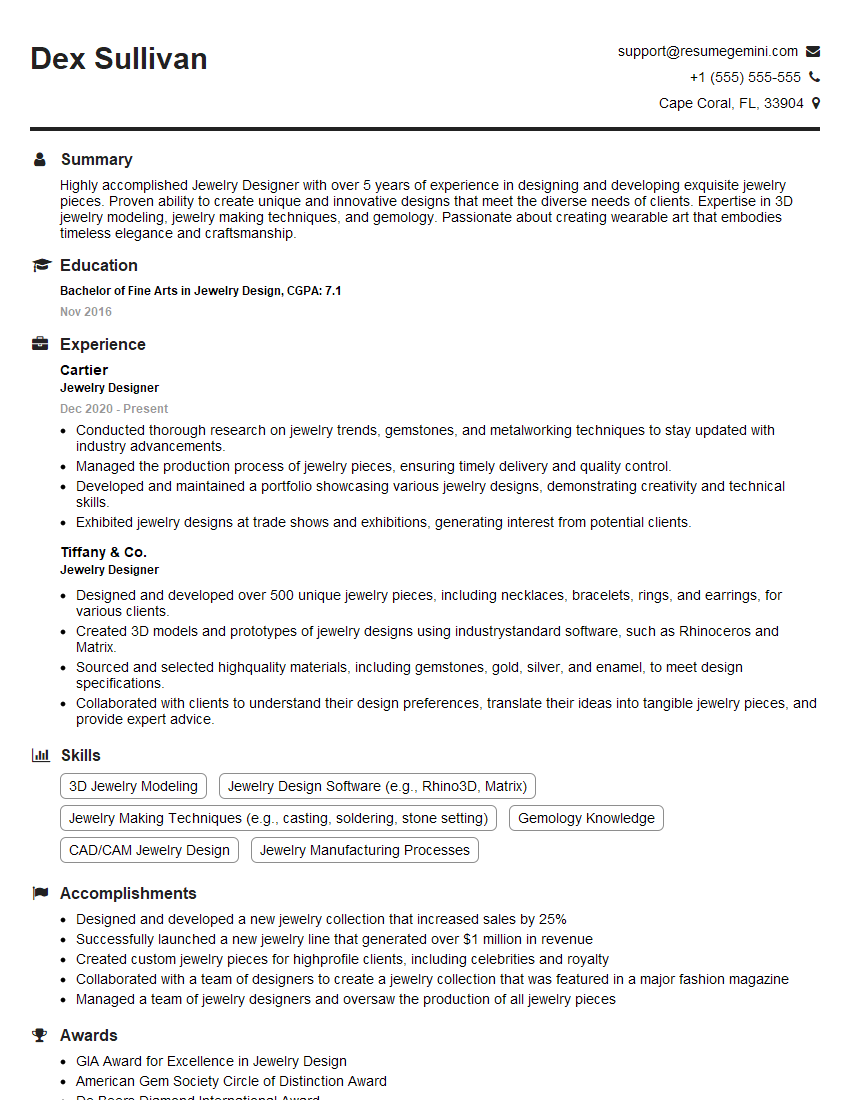
Jewelry Designer Resume Sample
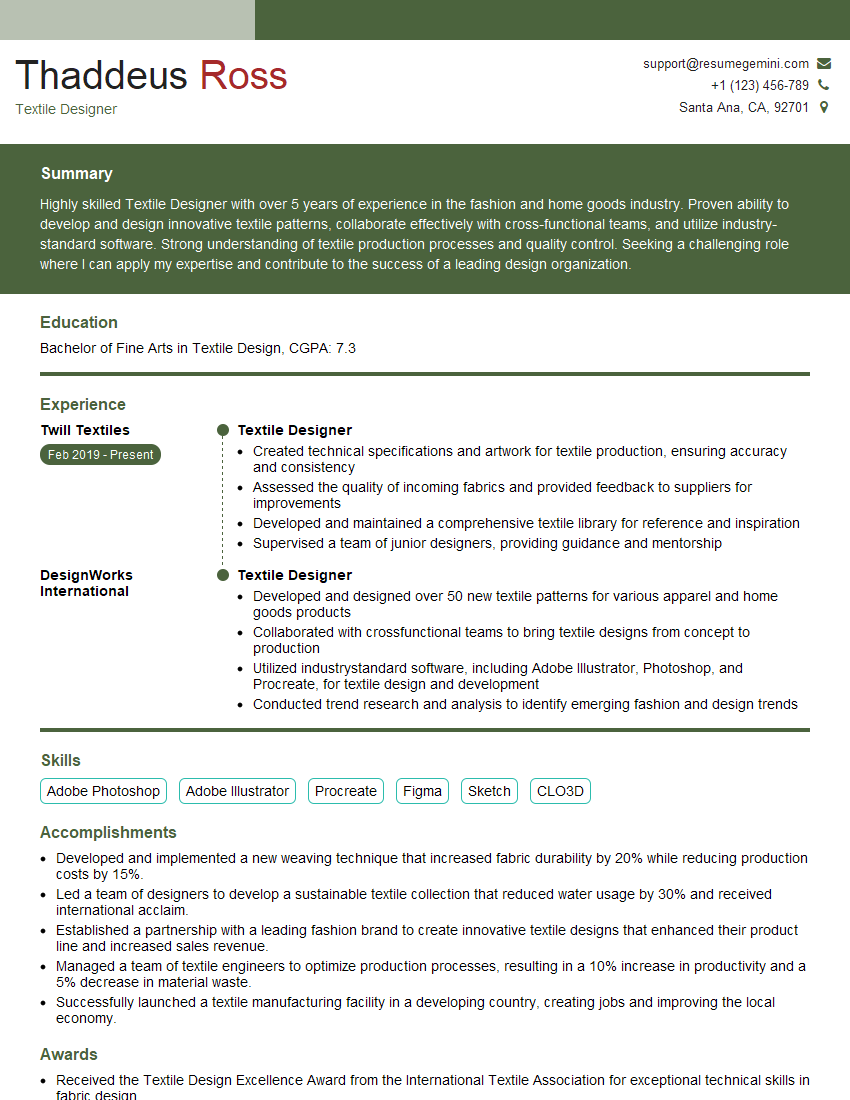
Textile Designer Resume Sample
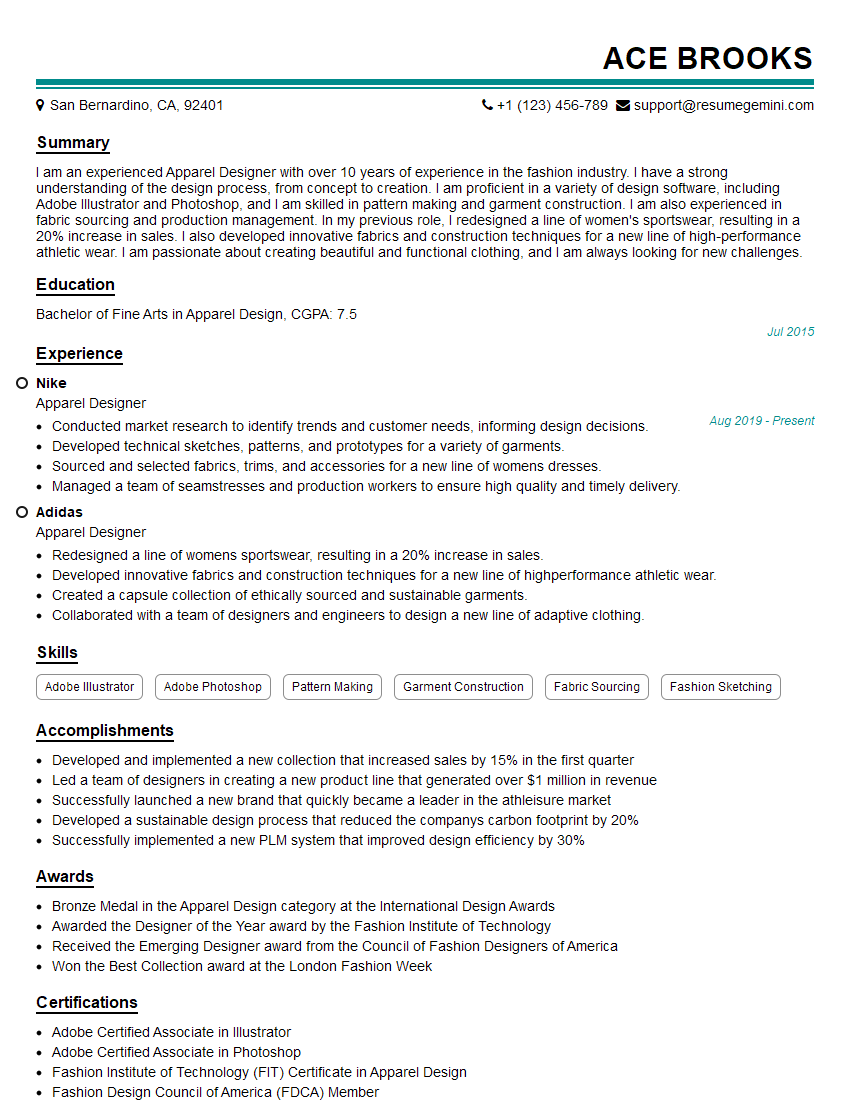
Apparel Designer Resume Sample
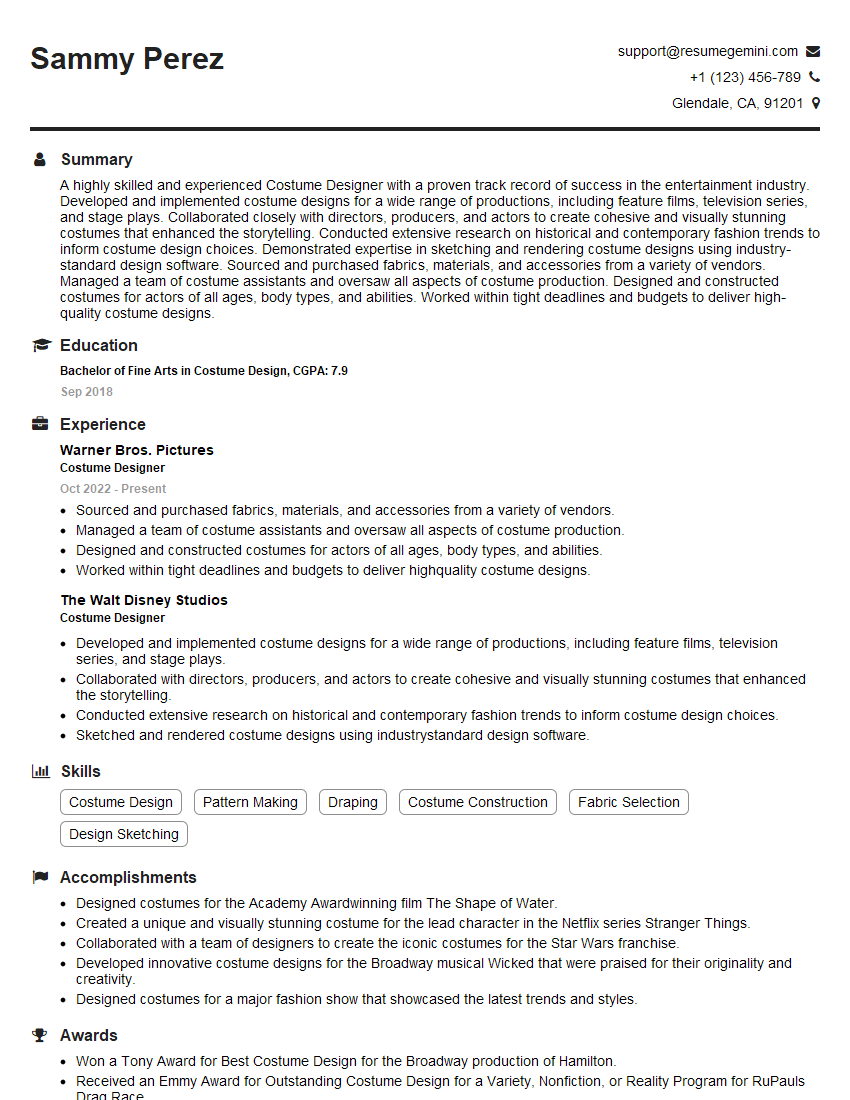
Costume Designer Resume Sample
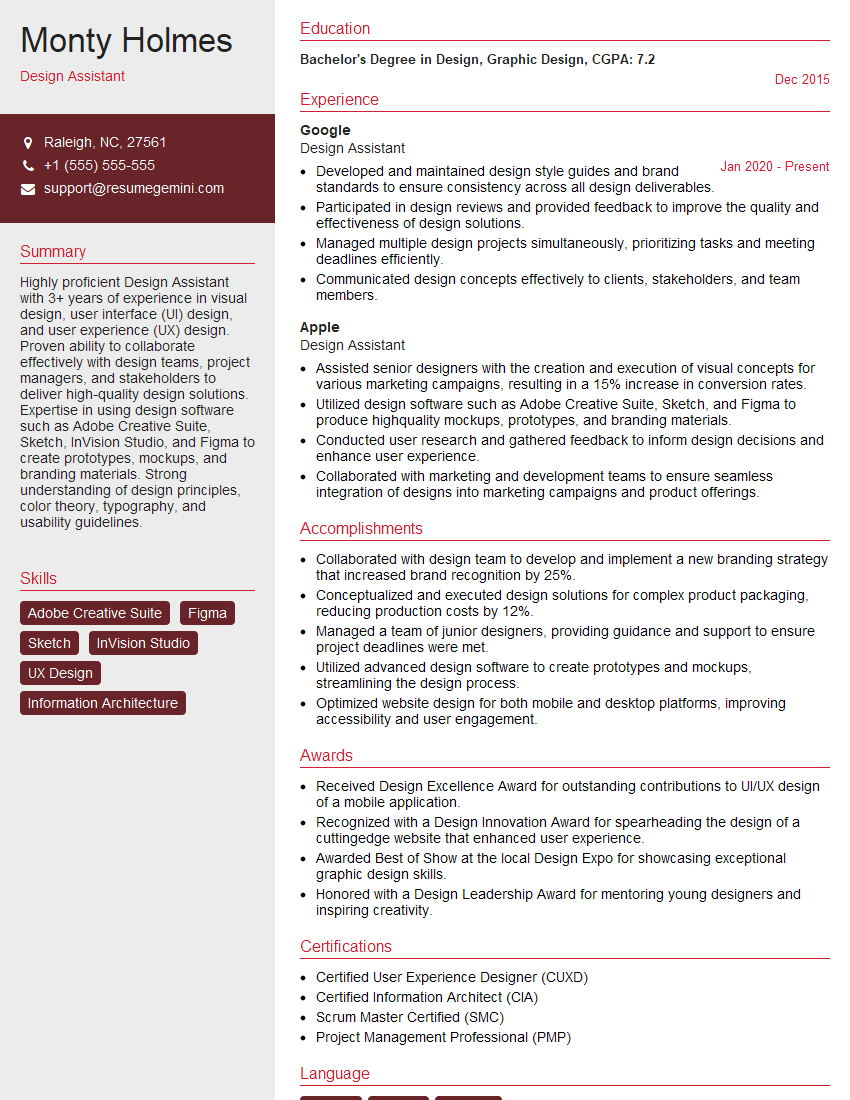
Design Assistant Resume Sample
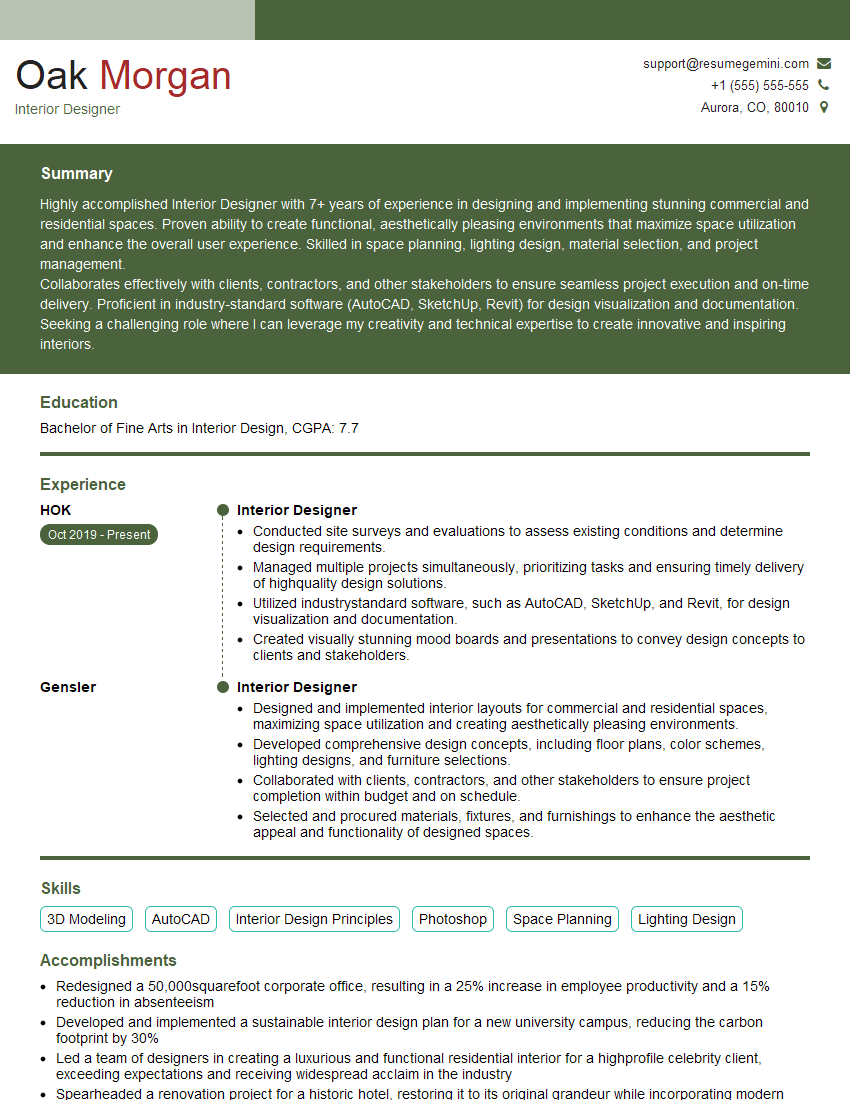
Interior Designer Resume Sample
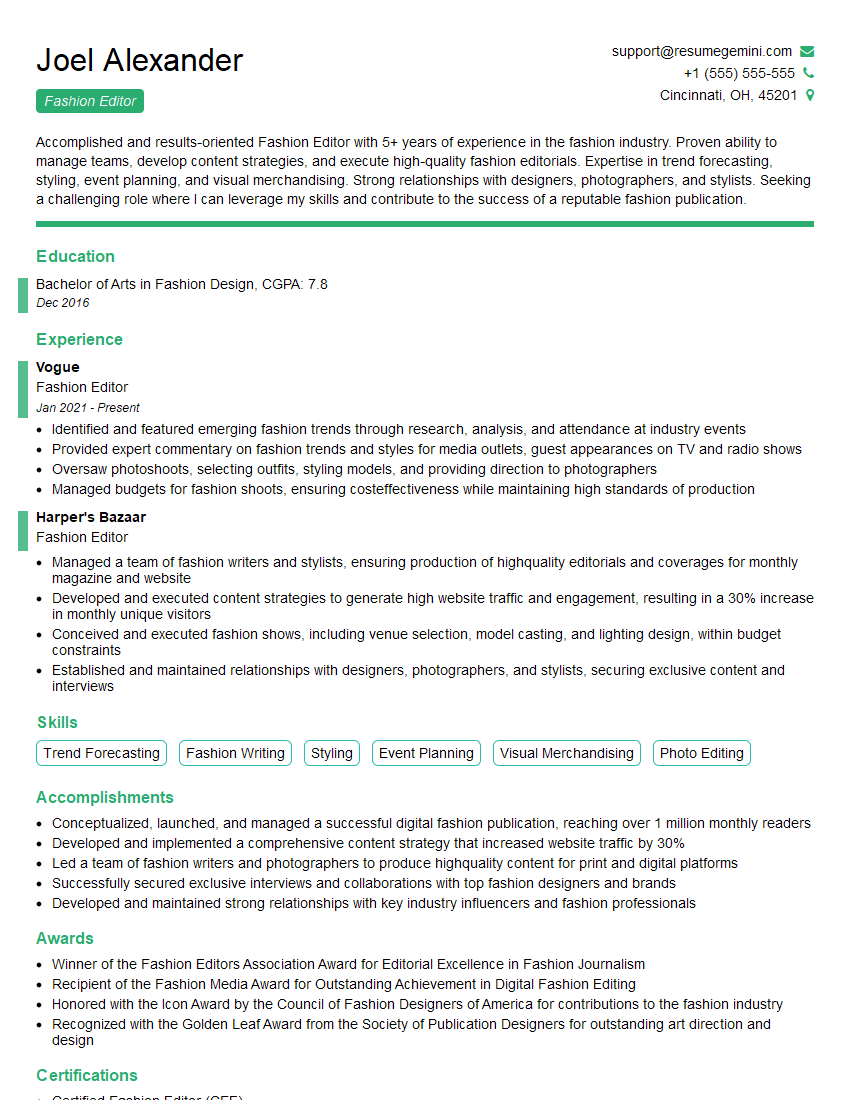
Fashion Editor Resume Sample
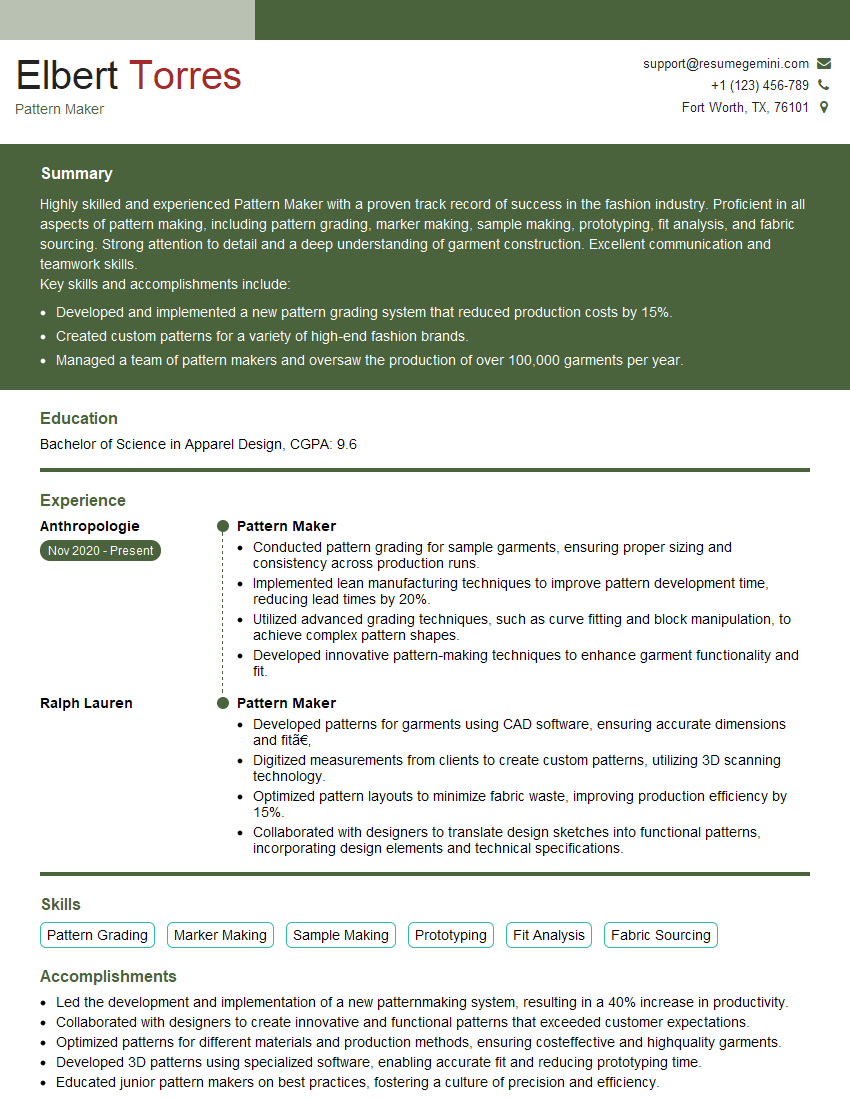
Pattern Maker Resume Sample
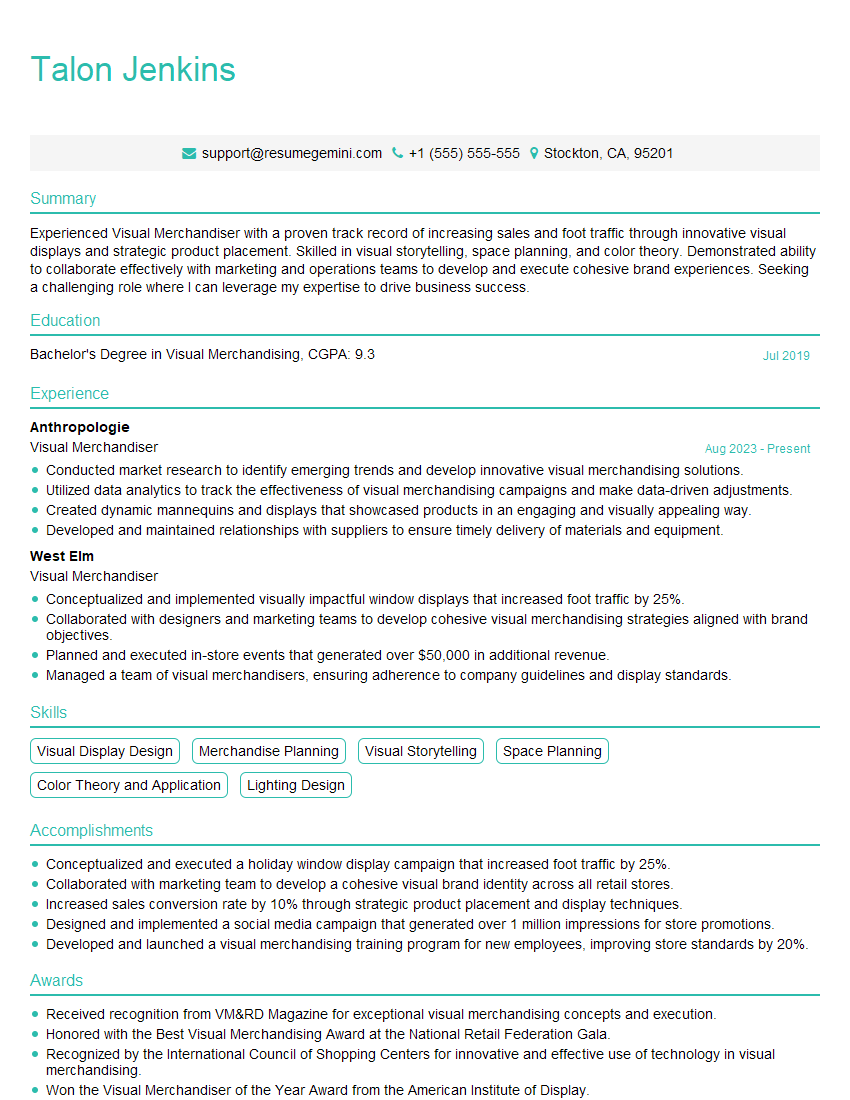
Visual Merchandiser Resume Sample
Explore more articles
Users Rating of Our Blogs
Share Your Experience
We value your feedback! Please rate our content and share your thoughts (optional).
What Readers Say About Our Blog
Very informative content, great job.
good