Feeling uncertain about what to expect in your upcoming interview? We’ve got you covered! This blog highlights the most important Advanced Materials and Manufacturing Processes interview questions and provides actionable advice to help you stand out as the ideal candidate. Let’s pave the way for your success.
Questions Asked in Advanced Materials and Manufacturing Processes Interview
Q 1. Explain the difference between tensile strength and yield strength.
Tensile strength and yield strength are both crucial measures of a material’s ability to withstand tensile forces (pulling forces), but they represent different points on the material’s stress-strain curve. Think of it like stretching a rubber band: tensile strength is how much force you can apply before it *breaks*, while yield strength is the point at which it starts to *permanently* deform.
Tensile Strength: This is the maximum stress a material can withstand before it fractures. It’s determined by the highest point on the stress-strain curve. Imagine pulling on a steel cable until it snaps – the force at which it breaks is related to its tensile strength. It’s typically expressed in units of pressure (e.g., MPa or psi).
Yield Strength: This is the stress at which a material begins to deform plastically (permanently). Before the yield point, the material will deform elastically, meaning it will return to its original shape once the force is removed. Beyond the yield point, the deformation is permanent. Think of bending a paperclip – once you bend it past its yield strength, it remains bent. It’s also expressed in units of pressure.
In essence, yield strength indicates the onset of permanent deformation, while tensile strength indicates the ultimate breaking point. Knowing both values is critical for engineering design, as you need to ensure a material will not permanently deform under operating conditions (yield strength) and will not fracture (tensile strength).
Q 2. Describe the process of injection molding.
Injection molding is a widely used manufacturing process for creating plastic parts. It’s like injecting molten plastic into a mold, letting it cool, and then ejecting the finished part. Imagine a syringe filled with hot, liquid plastic being squeezed into a perfectly shaped cavity.
The process typically involves these steps:
- Melting: Plastic pellets are fed into a heated barrel where they melt into a viscous liquid.
- Injection: A screw or plunger in the barrel forces the molten plastic into a precisely engineered mold cavity under high pressure.
- Cooling: The molten plastic cools and solidifies within the mold, taking the shape of the cavity.
- Ejection: Once the plastic has cooled sufficiently, ejector pins push the solidified part out of the mold.
Injection molding is highly efficient for mass production, allowing for the creation of complex parts with high precision and repeatability. It’s used to produce a vast array of products, from bottle caps to car dashboards.
Q 3. What are the advantages and disadvantages of 3D printing (additive manufacturing)?
3D printing, or additive manufacturing, offers significant advantages and disadvantages compared to traditional subtractive manufacturing (like machining).
Advantages:
- Design Flexibility: 3D printing allows for the creation of complex geometries that are difficult or impossible to produce using traditional methods. Think intricate lattices or internal channels.
- Prototyping Speed: Rapid prototyping is a significant advantage. You can quickly iterate designs and test them physically.
- Customization: Highly customized parts can be produced on demand, perfect for personalized medicine or niche products.
- Material Variety: While still expanding, a growing range of materials can be used in 3D printing, including metals, polymers, and ceramics.
Disadvantages:
- Build Speed: Compared to mass production techniques, 3D printing can be slow, especially for larger parts.
- Cost: The initial investment for 3D printers and materials can be substantial.
- Surface Finish: Surface roughness can be an issue, often requiring post-processing steps.
- Scale-up: Mass production using 3D printing can be challenging and less cost-effective compared to traditional methods for high-volume applications.
The choice of using 3D printing depends heavily on the application. It excels in prototyping, producing customized parts, and creating intricate designs, but is less suitable for mass-producing simple parts where traditional methods are much faster and cheaper.
Q 4. Explain the principles of powder metallurgy.
Powder metallurgy involves creating metallic parts from metal powders. Instead of melting and casting, it utilizes compaction and sintering. Imagine pressing fine metal dust into the desired shape, then baking it to fuse the particles together.
The process typically involves these steps:
- Powder Production: Metal powders are produced through various methods, such as atomization or milling.
- Blending: Powders are blended with additives (e.g., lubricants, binders) to improve the compaction process.
- Compaction: The powder is compressed into a desired shape using high pressure in a die. This creates a ‘green compact’, which is still relatively weak.
- Sintering: The green compact is heated to a high temperature below its melting point. This causes the powder particles to bond together, increasing the part’s strength and density.
- Finishing (Optional): Additional processes, such as machining or infiltration, might be used to achieve final dimensions and properties.
Powder metallurgy offers advantages in producing parts with complex shapes, controlled porosity, and precise composition. It’s often used for creating parts with specific properties, like high strength-to-weight ratios, or for creating porous materials used in filters or bearings.
Q 5. How do you characterize the microstructure of a material?
Material microstructure characterization involves analyzing the internal structure of a material at a microscopic level. This reveals crucial information about its properties and behavior. Imagine zooming in on a material to see its grain size, defects, and phases.
Common techniques include:
- Optical Microscopy: Uses light to examine the material’s surface, revealing features like grain boundaries and phases.
- Scanning Electron Microscopy (SEM): Uses a focused beam of electrons to create high-resolution images, revealing finer details of the microstructure.
- Transmission Electron Microscopy (TEM): Uses a beam of electrons to transmit through a thin sample, allowing for visualization of internal crystal structures and defects.
- X-ray Diffraction (XRD): Determines the crystal structure and phases present in the material.
- Electron Backscatter Diffraction (EBSD): Provides crystallographic information about individual grains in a polycrystalline material.
The choice of technique depends on the material and the information required. For example, SEM might be used to analyze the surface morphology of a polymer, while TEM might be used to study dislocation density in a metal.
Q 6. Describe different types of material failure.
Material failure occurs when a material can no longer withstand applied stresses and loses its functionality. Understanding the different types of failure is crucial for designing reliable and safe structures.
Common types of material failure include:
- Ductile Fracture: Characterized by significant plastic deformation before failure. It involves the gradual formation and propagation of cracks. Think of pulling taffy until it breaks.
- Brittle Fracture: Occurs suddenly with little or no plastic deformation. A crack propagates rapidly, leading to a clean break. Think of a glass shattering.
- Fatigue Failure: Results from repeated cyclic loading. Microscopic cracks initiate and grow until the material eventually fails, even under stresses below its yield strength. Think of a metal component repeatedly bending until it breaks.
- Creep Failure: Occurs under sustained high temperatures and stresses. The material gradually deforms over time, even at stresses below its yield strength. Think of a metal slowly stretching under constant heat and load.
- Corrosion Failure: Degradation of the material due to chemical reactions with the environment. This can weaken the material and lead to failure.
The type of failure a material experiences depends on several factors, including material properties, applied stresses, temperature, and environment. Failure analysis aims to determine the cause of failure to prevent similar incidents in the future.
Q 7. What are the key considerations for selecting a manufacturing process?
Selecting the right manufacturing process is a critical decision in product development. The choice depends on several key considerations:
- Part Geometry: Complex shapes might require processes like 3D printing or investment casting, while simple shapes can be efficiently produced by injection molding or machining.
- Material Properties: The desired material properties (strength, ductility, thermal conductivity, etc.) will dictate the suitable process. For instance, high-strength metals might require forging or machining.
- Production Volume: Mass production often favors high-speed processes like injection molding or stamping, while low-volume production might utilize 3D printing or machining.
- Cost: Each manufacturing process has a different cost structure, involving tooling, materials, labor, and equipment. Cost-effectiveness is crucial for selecting the best process.
- Tolerances and Surface Finish: The required precision and surface finish will influence the choice. Machining offers high precision, while 3D printing might require post-processing for surface finishing.
- Lead Time: The time required to produce a part varies greatly among processes. Quick prototyping might utilize 3D printing or rapid prototyping techniques, while mass production requires longer lead times.
Selecting a manufacturing process requires a careful evaluation of these factors. Often, a trade-off between cost, speed, quality, and design complexity must be made. For example, while 3D printing offers great design flexibility, it might not be cost-effective for mass production of simple parts.
Q 8. Explain the concept of material fatigue.
Material fatigue is the progressive and localized structural damage that occurs when a material is subjected to cyclic loading. Think of it like repeatedly bending a paperclip back and forth – eventually, it will break, even if the force applied in each bending is less than the force required to break it in a single application. This failure occurs at a stress level significantly lower than the material’s ultimate tensile strength.
The process involves three main stages: crack initiation, crack propagation, and final fracture. Crack initiation occurs at stress concentrations, such as surface imperfections or internal flaws. Then, these cracks propagate under cyclic loading, growing slowly until they reach a critical size, leading to final fracture. Factors influencing fatigue life include the material’s properties (like its yield strength and ductility), the magnitude and frequency of the applied load, the environment (corrosion can accelerate fatigue), and the presence of defects.
Example: Airplane wings experience cyclic loading during flight. Rigorous fatigue testing is crucial to ensure that the wing material can withstand millions of cycles without failure. This is done through laboratory tests simulating real-world loading conditions.
Q 9. How does heat treatment affect the properties of metals?
Heat treatment significantly alters the microstructure and, consequently, the mechanical properties of metals. By carefully controlling the heating and cooling rates, we can manipulate the grain size, phase composition, and the distribution of phases within the material. This allows for tailoring specific properties like strength, hardness, ductility, and toughness.
- Annealing: This process involves heating the metal to a specific temperature, holding it there for a period, and then slowly cooling it. This relieves internal stresses, improves ductility, and softens the metal. It’s like letting a stressed person relax.
- Quenching: This involves rapidly cooling the metal, typically in water or oil, after heating it to a high temperature. This process traps high-energy phases, resulting in increased hardness and strength but often reduced ductility. Think of it as a sudden shock.
- Tempering: Following quenching, tempering involves reheating to a lower temperature and then slowly cooling. This reduces brittleness associated with quenching while retaining some of the increased strength. It’s like a controlled release of tension.
Example: Steel used in tools and cutting instruments undergoes a heat treatment process involving quenching and tempering to achieve high hardness and wear resistance while maintaining some toughness to prevent brittleness.
Q 10. What are the different types of polymers and their applications?
Polymers are large molecules composed of repeating structural units called monomers. They are classified into various categories based on their structure and properties.
- Thermoplastics: These polymers soften when heated and can be repeatedly molded and reshaped without chemical change. Examples include polyethylene (used in plastic bags), polypropylene (used in containers), and polyvinyl chloride (PVC, used in pipes). Think of them as easily moldable clay.
- Thermosets: These polymers undergo irreversible chemical changes upon heating, forming a rigid, cross-linked network. They cannot be reshaped once cured. Examples include epoxy resins (used as adhesives and coatings) and polyester resins (used in fiberglass). Think of them as concrete, once set, they are solid.
- Elastomers: These polymers exhibit high elasticity and can be stretched significantly. Examples include natural rubber and synthetic rubbers like styrene-butadiene rubber (SBR, used in tires). Think of a rubber band.
The applications of polymers are vast and span various industries, from packaging and construction to automotive and biomedical engineering.
Q 11. Describe the process of casting.
Casting is a manufacturing process in which a liquid material is poured into a mold, allowed to solidify, and then removed. It’s one of the oldest manufacturing processes, used to create parts of complex shapes.
The process typically involves several steps:
- Mold Making: A mold is created from a material capable of withstanding the casting temperature, such as sand, metal, or ceramic. The mold contains a cavity that defines the shape of the final product.
- Melting: The material to be cast (metal, plastic, etc.) is melted in a furnace or crucible.
- Pouring: The molten material is poured into the mold cavity.
- Solidification: The molten material solidifies within the mold, taking on the shape of the cavity.
- Removal: Once solidified, the casting is removed from the mold.
- Finishing (optional): The casting may undergo additional finishing operations, such as machining or cleaning, to achieve the desired surface finish and dimensions.
Example: Casting is widely used to create engine blocks, turbine blades, and statues. The choice of casting method (sand casting, die casting, investment casting, etc.) depends on the material, desired accuracy, and production volume.
Q 12. Explain the concept of creep in materials.
Creep is the time-dependent deformation of a material under constant stress or load at elevated temperatures. It’s a gradual, permanent deformation that occurs even under stresses significantly below the material’s yield strength. Imagine a heavy object sitting on a plastic surface; over time, the plastic will deform slightly under the weight.
The creep process usually consists of three stages:
- Primary Creep: The creep rate is initially high and gradually decreases. This is because the material is undergoing structural changes and work hardening.
- Secondary Creep: The creep rate is relatively constant. This stage is often the most important for design purposes because it determines the long-term deformation.
- Tertiary Creep: The creep rate accelerates rapidly until fracture. This stage is characterized by void formation and microcrack growth.
Example: Turbine blades in jet engines operate at very high temperatures and stresses; creep is a major concern. Materials selection and design considerations are critical to ensure long-term operational integrity.
Q 13. What are the different types of welding processes?
Welding is a fabrication process that joins materials, usually metals or thermoplastics, by causing coalescence. Different processes utilize various heat sources and methods to achieve this.
- Arc Welding: Uses an electric arc to melt the base materials and filler material, creating a weld pool. Examples include Gas Metal Arc Welding (GMAW), Gas Tungsten Arc Welding (GTAW), and Shielded Metal Arc Welding (SMAW).
- Resistance Welding: Uses electrical resistance to generate heat at the joint, fusing the metals together. Spot welding and seam welding are common examples.
- Gas Welding: Uses a flame generated by burning a fuel gas (acetylene, propane) with oxygen to melt the base metals and filler material.
- Laser Welding: A high-powered laser beam melts the base materials, offering precise control and high-quality welds.
- Friction Welding: Uses friction heat generated by rotating one part against another to create a weld.
The choice of welding process depends on factors such as material type, thickness, required strength, and production volume.
Q 14. How do you measure the hardness of a material?
Hardness is a measure of a material’s resistance to indentation or scratching. Several methods exist for measuring hardness, each utilizing a different indenter and force application.
- Brinell Hardness Test: A steel ball indenter is pressed into the material under a specific load, and the indentation diameter is measured. It is suitable for softer metals.
- Rockwell Hardness Test: Uses a diamond cone or steel ball indenter, applying a pre-load followed by a major load. The difference in depth of penetration is measured, resulting in a Rockwell hardness number. This test is widely used for a range of materials.
- Vickers Hardness Test: A diamond pyramid indenter is pressed into the material, and the diagonal lengths of the indentation are measured to calculate the hardness. This test is suitable for hard materials and thin sections.
- Shore Durometer: Measures the hardness of rubber and plastics using an indenter that penetrates the material. The depth of penetration indicates hardness.
The choice of hardness test depends on the material’s hardness range and the desired accuracy. The results are often presented using the appropriate hardness scale (e.g., Brinell Hardness Number, Rockwell Hardness Scale, Vickers Hardness Number).
Q 15. Explain the principles of finite element analysis (FEA) in manufacturing.
Finite Element Analysis (FEA) is a powerful computational technique used extensively in manufacturing to predict the behavior of materials and structures under various conditions. Imagine trying to understand how a car chassis will withstand a collision – testing every possible scenario physically is impossible. FEA allows us to virtually ‘break’ the chassis in a simulated environment, providing insights into stress, strain, and deformation. It works by dividing the complex structure into smaller, simpler elements (like a jigsaw puzzle). We then apply mathematical equations to each element, considering material properties, loads, and boundary conditions. These individual element behaviors are then assembled to predict the overall system response. The software then generates visual representations of stress distribution, helping engineers identify potential weak points and optimize designs for strength, weight, and functionality before physical prototypes are even built. For instance, in designing a car part, FEA might show us that a specific corner experiences significantly higher stress than expected, allowing for design adjustments to prevent failure.
In manufacturing, FEA helps with:
- Design optimization: Identifying areas for weight reduction without compromising strength.
- Predictive maintenance: Determining the life expectancy of components under operational loads.
- Process simulation: Modeling the impact of manufacturing processes like forging or casting on final product properties.
- Troubleshooting: Analyzing the root cause of failures by simulating the conditions that led to it.
Career Expert Tips:
- Ace those interviews! Prepare effectively by reviewing the Top 50 Most Common Interview Questions on ResumeGemini.
- Navigate your job search with confidence! Explore a wide range of Career Tips on ResumeGemini. Learn about common challenges and recommendations to overcome them.
- Craft the perfect resume! Master the Art of Resume Writing with ResumeGemini’s guide. Showcase your unique qualifications and achievements effectively.
- Don’t miss out on holiday savings! Build your dream resume with ResumeGemini’s ATS optimized templates.
Q 16. What are the challenges in scaling up a manufacturing process?
Scaling up a manufacturing process, moving from small-scale production to mass production, presents several significant challenges. Think of baking a cake: It’s easy to bake one, but baking hundreds identically requires much more planning and precision. The challenges broadly fall under these categories:
- Equipment limitations: Scaling often requires specialized, larger equipment, which can be expensive and difficult to operate. Existing machinery might not be suitable for higher volumes.
- Process consistency: Maintaining the same quality and precision across a larger scale is difficult. Slight variations in temperature, pressure, or material properties can have amplified effects with higher volumes.
- Material sourcing: Securing sufficient quantities of high-quality raw materials at a consistent price can be challenging. Supply chain disruptions can severely impact production.
- Labor and workforce: Training personnel to operate new equipment and maintain quality control at a larger scale requires significant investment in training and management.
- Quality control: Implementing effective quality control measures across a larger production line requires robust systems and automated inspection technologies.
- Cost optimization: Maintaining profitability while scaling up demands careful cost analysis and optimization of production processes.
For instance, a company might struggle to maintain the precise temperature required for a chemical reaction as they scale from a small lab reactor to a much larger industrial one. This difference can lead to yield reduction and product inconsistencies.
Q 17. Describe the different types of composites and their applications.
Composites are materials made from two or more constituent materials with significantly different physical or chemical properties. Think of reinforced concrete: the cement matrix is strengthened by the embedded steel bars. The key is that the combination results in a material with properties superior to the individual components. They are classified in several ways:
- Based on matrix type: Polymer matrix composites (PMCs) use polymers as the binding material (e.g., fiberglass, carbon fiber reinforced polymers – CFRP), metal matrix composites (MMCs) use metals (e.g., aluminum matrix composites), and ceramic matrix composites (CMCs) use ceramics (e.g., silicon carbide matrix composites).
- Based on reinforcement type: Reinforcements can be fibers (continuous or discontinuous), particles, or whiskers, each influencing the composite’s final properties.
Applications are vast:
- Aerospace: CFRP is used in aircraft and spacecraft structures for its high strength-to-weight ratio.
- Automotive: Composites are increasingly used in car bodies to reduce weight and improve fuel efficiency.
- Construction: Fiber-reinforced polymers are used in bridges, buildings, and other infrastructure projects.
- Sports equipment: Composites are used in tennis rackets, golf clubs, and bicycles for their lightweight and high-strength characteristics.
- Medical implants: Biocompatible composites are used in orthopedic implants and other medical devices.
Q 18. How do you ensure quality control in manufacturing?
Ensuring quality control in manufacturing is crucial for producing consistent, high-quality products. It involves a multifaceted approach encompassing several key steps:
- Raw material inspection: Incoming raw materials must be carefully inspected to ensure they meet the required specifications. This might involve chemical analysis, physical testing, or visual inspection.
- In-process control: Regular monitoring of the manufacturing process itself is essential. This includes monitoring parameters like temperature, pressure, and speed. Real-time data acquisition and process control systems can help to identify and correct deviations early on.
- Statistical Process Control (SPC): SPC techniques (control charts, capability analysis) are used to monitor process variations and identify potential problems before they lead to defects.
- Final product inspection: Finished products undergo rigorous testing and inspection to ensure they meet quality standards. This may involve dimensional measurements, performance testing, and visual inspection.
- Non-destructive testing (NDT): NDT methods, such as ultrasonic testing, X-ray inspection, and magnetic particle inspection, are used to detect internal defects without damaging the product.
- Corrective actions: When defects are identified, a thorough root cause analysis is necessary to implement appropriate corrective actions and prevent future occurrences. This often includes documentation and analysis of failure modes.
- Documentation and traceability: Meticulous record-keeping is vital for tracking materials, processes, and product history, allowing for efficient tracing of issues if they arise.
For instance, in the production of microchips, even microscopic flaws can render a chip unusable, making quality control at each stage of fabrication essential.
Q 19. Explain the concept of process capability indices (e.g., Cp, Cpk).
Process capability indices (PCIs) like Cp and Cpk are statistical measures used to assess the ability of a manufacturing process to meet predefined specifications. Imagine you are manufacturing bolts with a specified diameter of 10 mm, and you want to know how capable your process is of consistently producing bolts within the acceptable tolerance range (say, ±0.1 mm). Cp and Cpk help quantify this.
- Cp (Process Capability): This index measures the potential capability of a process, assuming the process is centered on the target value. A Cp value of 1 indicates the process spread is equal to the specification tolerance. A Cp greater than 1 signifies the process is capable; greater than 2 is generally considered excellent.
- Cpk (Process Capability Index): This index considers both the process spread and its centering relative to the target value. It reflects the actual process capability by factoring in the potential for deviation from the target. A Cpk value of 1 or more indicates that the process is capable. A Cpk of 2 is usually considered a very good performance.
The formulas involve the process standard deviation (σ), the upper and lower specification limits (USL and LSL), and the target value (T). Calculating these indices allows manufacturers to quantify the consistency and effectiveness of their processes and identify areas requiring improvement. Low values of Cp and Cpk highlight a need for process optimization.
Q 20. What are the environmental considerations in manufacturing?
Environmental considerations in manufacturing are increasingly critical due to the significant impact manufacturing processes can have on the planet. These considerations encompass several key aspects:
- Energy consumption: Manufacturing processes are often energy-intensive. Reducing energy consumption through energy-efficient equipment, process optimization, and renewable energy sources is crucial for minimizing carbon emissions.
- Waste generation: Manufacturing processes often generate substantial waste, including solid waste, wastewater, and air emissions. Implementing waste reduction strategies, recycling programs, and proper waste disposal methods is essential for environmental protection.
- Resource depletion: Manufacturing relies heavily on raw materials and resources. Sustainable sourcing practices, utilizing recycled materials, and minimizing resource consumption are vital for preserving natural resources.
- Pollution: Manufacturing processes can release pollutants into the air, water, and soil. Implementing pollution control measures and adhering to environmental regulations are crucial for mitigating environmental damage.
- Climate change: The carbon footprint of manufacturing is a major concern. Reducing greenhouse gas emissions through energy efficiency, renewable energy, and sustainable practices is vital for combating climate change.
- Compliance: Adhering to relevant environmental regulations, certifications (e.g., ISO 14001), and reporting requirements is necessary for responsible environmental management.
For example, a textile factory might implement water recycling systems to reduce its water footprint and minimize wastewater discharge.
Q 21. Describe your experience with statistical process control (SPC).
My experience with Statistical Process Control (SPC) is extensive. I’ve used SPC methodologies in various manufacturing contexts, from optimizing injection molding processes to improving the consistency of coating applications. My approach involves a systematic implementation of SPC tools like control charts (X-bar and R charts, p-charts, c-charts) to monitor key process parameters in real-time. I’ve trained production personnel on the interpretation of control charts and the implementation of corrective actions when deviations from process control limits are detected.
For example, in one project involving the manufacture of precision bearings, we used X-bar and R charts to monitor the bearing diameter. By identifying and addressing the root cause of variations exceeding the control limits, we significantly improved the consistency of bearing dimensions and reduced waste due to rejects. I am proficient in using statistical software for data analysis and interpretation, and I’m comfortable developing and implementing process improvement plans based on SPC data analysis. My experience extends to training personnel on SPC principles and empowering them to make data-driven decisions to improve quality and efficiency.
Q 22. How do you troubleshoot manufacturing process issues?
Troubleshooting manufacturing process issues requires a systematic approach. It’s like detective work, where you need to gather clues, analyze them, and formulate a solution. My approach involves a five-step process:
- Identify the problem: Clearly define the issue. Is it a quality defect, a production bottleneck, or a safety hazard? For example, if we’re seeing an increase in rejected parts due to surface imperfections, that’s the problem. Quantify it – what percentage of parts are affected?
- Gather data: Collect relevant data from various sources. This includes production logs, quality control reports, machine parameters (temperature, pressure, speed), and even operator feedback. For our surface imperfection example, I’d analyze images of the defects, check machine settings from the relevant timeframe, and interview operators.
- Analyze the data: Look for patterns and correlations in the data. Statistical process control (SPC) charts and other analytical tools can be invaluable here. In our example, we might find a correlation between increased humidity and the number of surface defects.
- Develop and implement solutions: Based on the analysis, propose solutions. This might involve adjusting machine parameters, modifying the process, improving operator training, or even replacing equipment. For the humidity issue, we might install a dehumidifier in the workspace.
- Verify the solution: After implementing the solution, monitor the process to ensure the problem is resolved and doesn’t recur. We’d continue monitoring surface defects after installing the dehumidifier and adjust parameters further as needed.
This systematic approach ensures a thorough investigation and minimizes the chances of overlooking crucial factors.
Q 23. Explain your understanding of Lean Manufacturing principles.
Lean Manufacturing is a philosophy focused on eliminating waste and maximizing value for the customer. Think of it as streamlining a river – removing obstacles to allow the flow of production to be smooth and efficient. Key principles include:
- Value Stream Mapping: Visualizing the entire production process to identify areas of waste. It’s like drawing a map of your river to pinpoint the rocks and bottlenecks.
- Just-in-Time (JIT) Inventory: Minimizing inventory by receiving materials only when needed. This reduces storage costs and prevents obsolete stock – keeping the river’s flow consistent.
- Kaizen (Continuous Improvement): Constantly striving for small, incremental improvements. This is like continuously removing small pebbles to make the river even smoother.
- 5S Methodology: Organizing the workspace to improve efficiency and safety. This is like dredging and cleaning the riverbed to make the flow more efficient.
- Poka-Yoke (Error-Proofing): Designing processes to prevent errors from occurring. This is like installing floodgates to prevent overflowing the river.
In my experience, implementing Lean principles in a manufacturing setting has resulted in significant reductions in lead times, inventory costs, and defect rates. For example, in a previous role, we implemented JIT inventory management, reducing inventory holding costs by 15%.
Q 24. What are the advantages and disadvantages of different machining processes?
Different machining processes offer unique advantages and disadvantages. The best choice depends on factors like material properties, desired tolerances, production volume, and cost. Here are a few examples:
- Milling:
- Advantages: Versatile, capable of producing complex shapes.
- Disadvantages: Can be slower than turning for some parts, requires more skilled operators.
- Turning:
- Advantages: Fast, efficient for cylindrical parts.
- Disadvantages: Limited in the shapes it can produce.
- Drilling:
- Advantages: Simple, cost-effective for creating holes.
- Disadvantages: Limited in the types of holes it can create.
- EDM (Electrical Discharge Machining):
- Advantages: Can machine very hard materials, complex shapes.
- Disadvantages: Slow, expensive.
For instance, when manufacturing a complex aerospace component from titanium, EDM would be ideal due to its ability to machine hard materials precisely. However, for high-volume production of simple steel shafts, turning would be more cost-effective.
Q 25. Describe your experience with design of experiments (DOE).
Design of Experiments (DOE) is a statistical method used to determine the optimal settings for a process by systematically varying input parameters and observing their effects on the output. It’s like conducting a controlled experiment to find the recipe for the best outcome.
My experience with DOE includes using various experimental designs, such as full factorial, fractional factorial, and Taguchi methods. I am proficient in using statistical software like Minitab to analyze the results and determine significant factors. For example, I used a full factorial DOE to optimize the parameters of a 3D printing process to minimize part warpage. This involved varying factors such as printing speed, layer thickness, and nozzle temperature. The analysis showed that printing speed and layer thickness were the most significant factors, and their optimal combination was determined to minimize warpage.
DOE is crucial for improving process efficiency, reducing variability, and improving product quality. It allows for a more data-driven approach to optimization, avoiding costly trial-and-error methods.
Q 26. How do you ensure safety in a manufacturing environment?
Ensuring safety in a manufacturing environment is paramount. It’s not just about complying with regulations; it’s about creating a culture of safety. My approach focuses on these key areas:
- Risk Assessment: Identifying and evaluating potential hazards through regular workplace inspections and hazard analyses. This includes machinery, chemicals, and ergonomic factors.
- Safety Training: Providing comprehensive training to all employees on safe operating procedures, hazard recognition, and emergency response protocols. Regular refresher training is also essential.
- Personal Protective Equipment (PPE): Ensuring the availability and proper use of appropriate PPE, such as safety glasses, hearing protection, and gloves, based on identified risks.
- Machine Guarding: Implementing and maintaining proper machine guarding to prevent accidental contact with moving parts. Regular inspections are vital.
- Emergency Procedures: Developing and regularly rehearsing emergency procedures for situations like fires, chemical spills, and injuries. Clear communication channels are critical.
- Continuous Improvement: Regularly reviewing safety procedures and identifying areas for improvement. This is an ongoing process and requires active engagement from all employees.
I believe a proactive and participatory safety culture, where everyone feels responsible for their safety and the safety of others, is the most effective way to prevent accidents.
Q 27. What are your skills in CAD/CAM software?
I have extensive experience with various CAD/CAM software packages, including SolidWorks, AutoCAD, and Mastercam. My skills encompass:
- 3D Modeling: Creating detailed 3D models of parts and assemblies.
- 2D Drafting: Producing detailed technical drawings and specifications.
- CAM Programming: Generating CNC machine toolpaths for various machining processes like milling, turning, and drilling.
- Simulation and Analysis: Using simulation tools to verify designs and optimize toolpaths for efficiency and accuracy.
- FEA (Finite Element Analysis): Conducting stress and strain analysis to ensure design robustness.
For example, in a previous project, I used SolidWorks to design a new fixture, then used Mastercam to generate the CNC toolpaths for its manufacture. The simulation tools within Mastercam allowed for optimization of the toolpaths, leading to a significant reduction in machining time.
Q 28. Explain your experience with different types of material testing.
My experience encompasses a wide range of material testing techniques, chosen depending on the material’s properties and the information needed. This includes:
- Tensile Testing: Determining the strength and ductility of materials by applying a tensile load.
- Compression Testing: Evaluating a material’s response to compressive forces.
- Hardness Testing: Measuring the resistance of a material to indentation. Common methods include Rockwell, Brinell, and Vickers.
- Impact Testing: Assessing a material’s resistance to fracture under impact loads (e.g., Charpy test).
- Fatigue Testing: Determining the material’s endurance limit under cyclic loading.
- Fracture Toughness Testing: Measuring the material’s resistance to crack propagation.
- Non-destructive Testing (NDT): Techniques like ultrasonic testing, radiographic testing, and magnetic particle inspection used to evaluate materials without causing damage.
For instance, during quality control of a new alloy, I used tensile testing to verify its yield strength and elongation, hardness testing to assess its surface hardness, and fracture toughness testing to evaluate its resistance to crack propagation, ensuring it met the required specifications.
Key Topics to Learn for Advanced Materials and Manufacturing Processes Interview
- Additive Manufacturing (3D Printing): Understand various techniques like Fused Deposition Modeling (FDM), Stereolithography (SLA), Selective Laser Melting (SLM), and their applications in different industries. Consider the advantages, limitations, and material compatibility of each method.
- Materials Science Fundamentals: Review concepts of material properties (strength, toughness, elasticity, conductivity), microstructure, phase diagrams, and the relationship between processing and properties. Be prepared to discuss case studies where material selection directly impacts manufacturing outcomes.
- Advanced Materials: Familiarize yourself with the properties and applications of composites (e.g., carbon fiber reinforced polymers), ceramics, polymers, and metallic alloys. Be ready to compare and contrast their suitability for specific applications.
- Manufacturing Processes: Gain a comprehensive understanding of traditional manufacturing techniques (machining, casting, forging) alongside advanced methods like hydroforming, roll bonding, and powder metallurgy. Focus on the advantages and disadvantages of each process in terms of cost, precision, and material limitations.
- Process Optimization and Control: Explore techniques for optimizing manufacturing processes, including statistical process control (SPC), design of experiments (DOE), and lean manufacturing principles. Discuss how these methods improve efficiency, quality, and reduce waste.
- Quality Control and Assurance: Understand various quality control methods used in advanced manufacturing, including non-destructive testing (NDT) techniques like ultrasonic testing and X-ray inspection. Be able to discuss the importance of quality assurance in maintaining product reliability and safety.
- Sustainability in Manufacturing: Understand the environmental impact of manufacturing processes and explore sustainable practices, including waste reduction, energy efficiency, and the use of recycled materials.
Next Steps
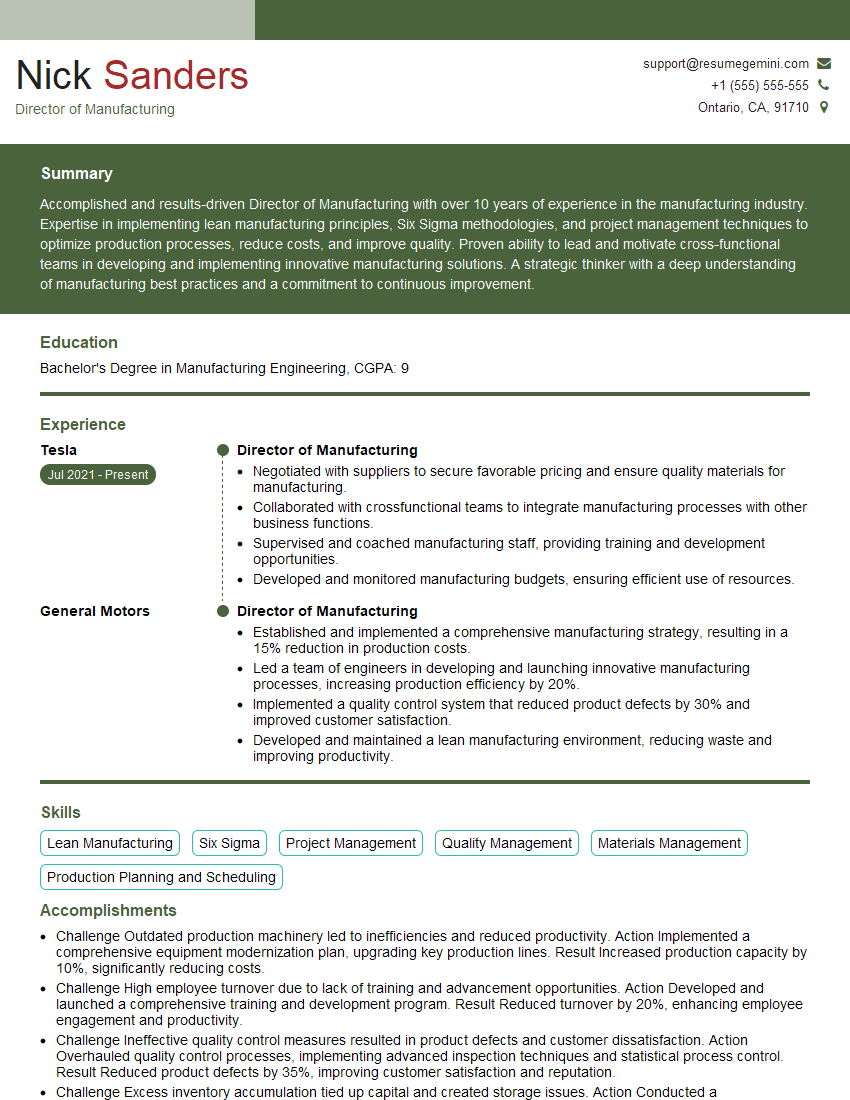
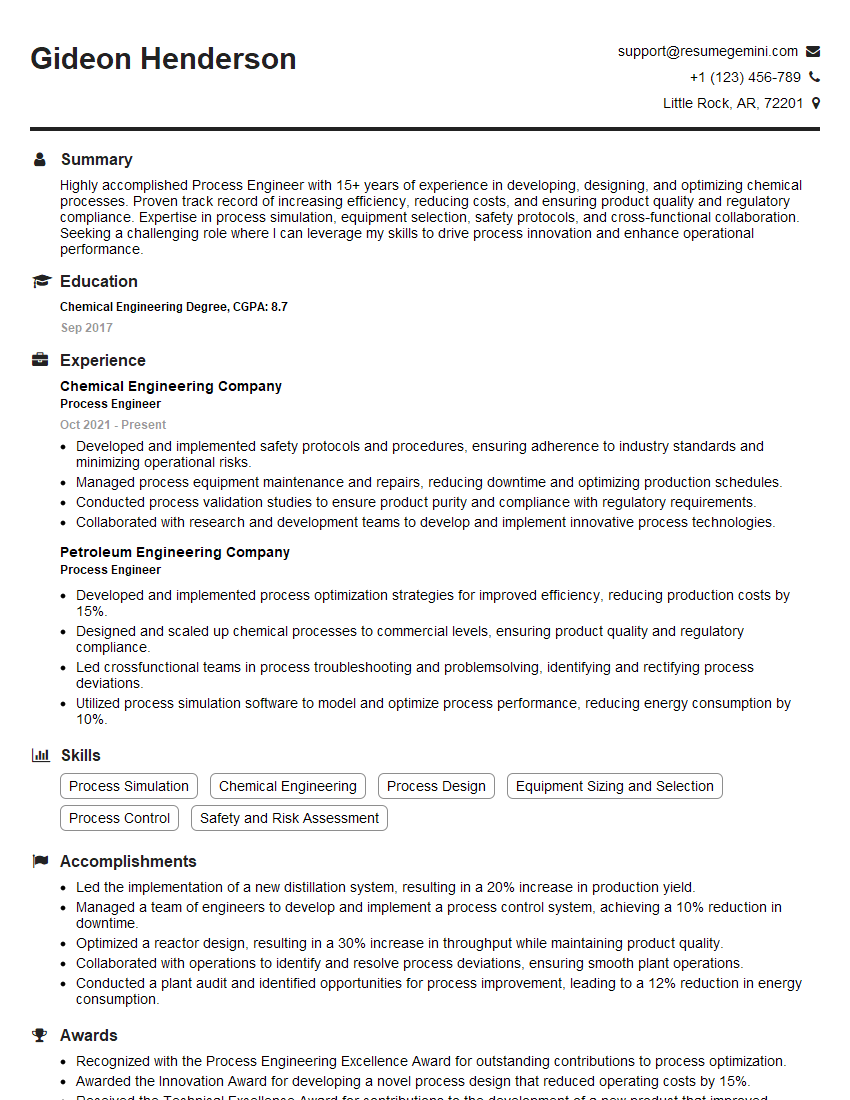
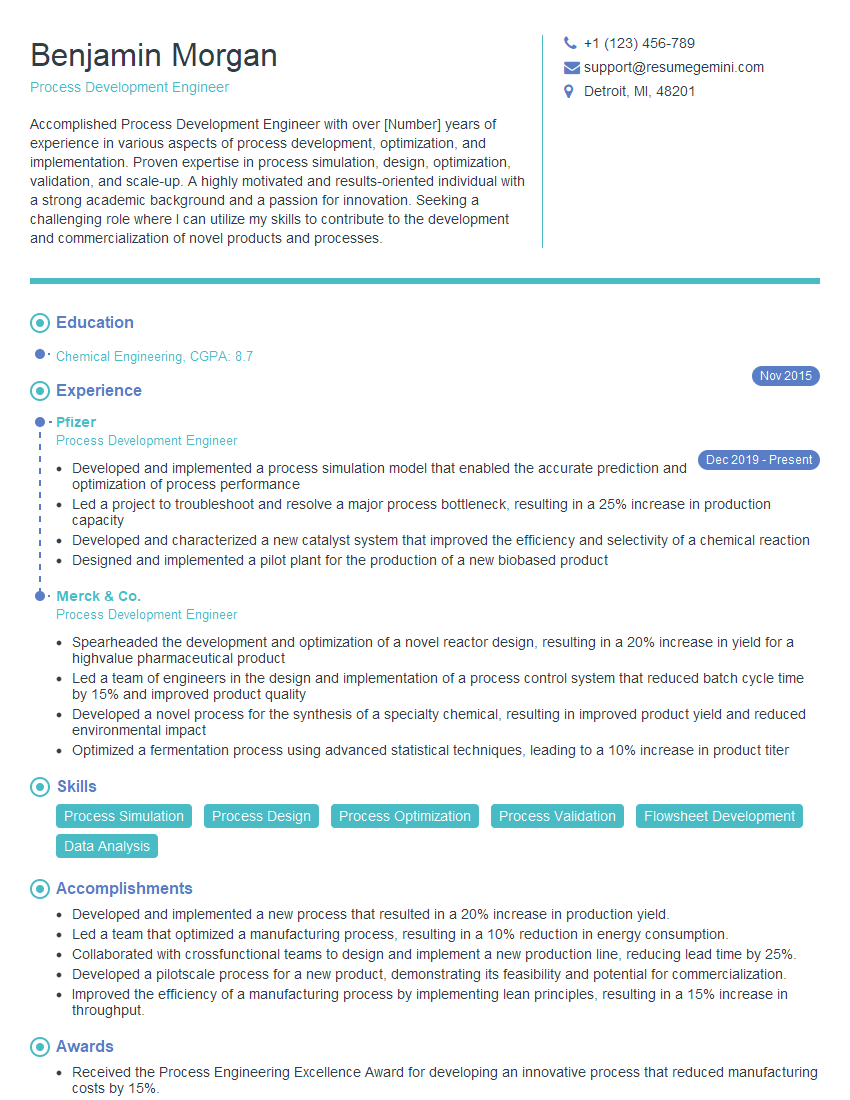
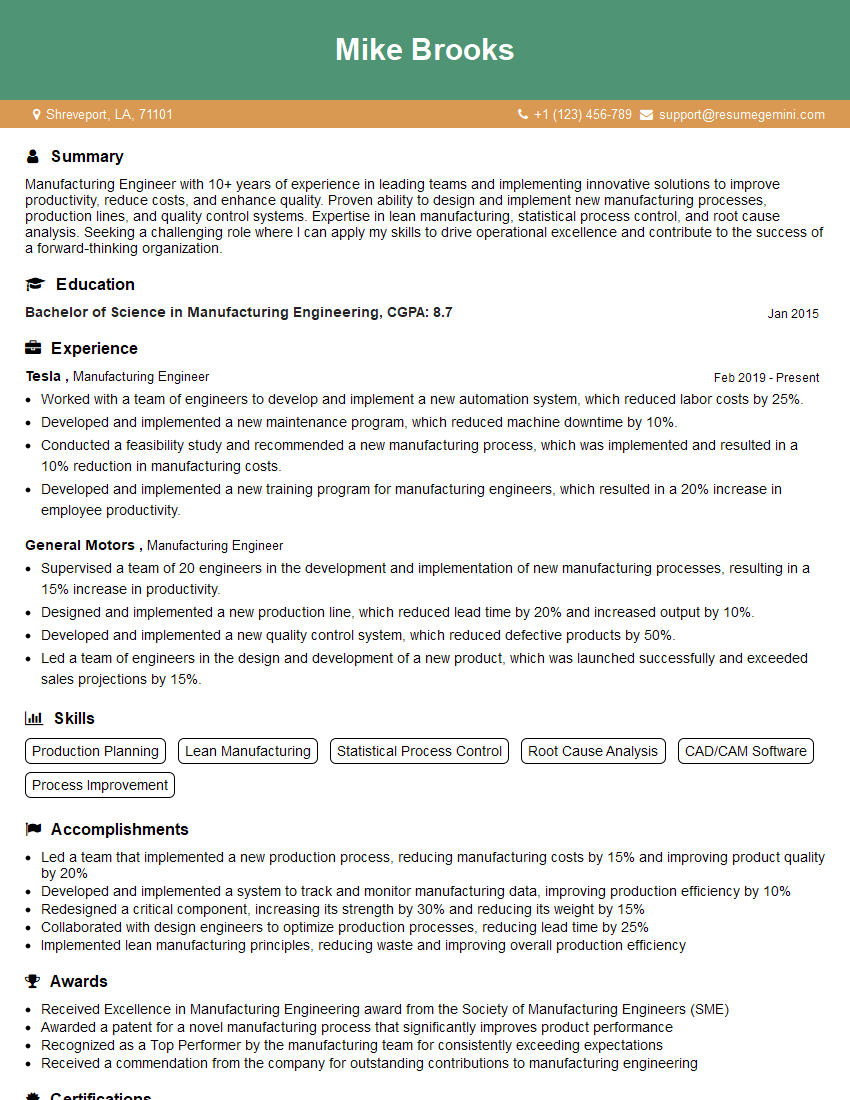
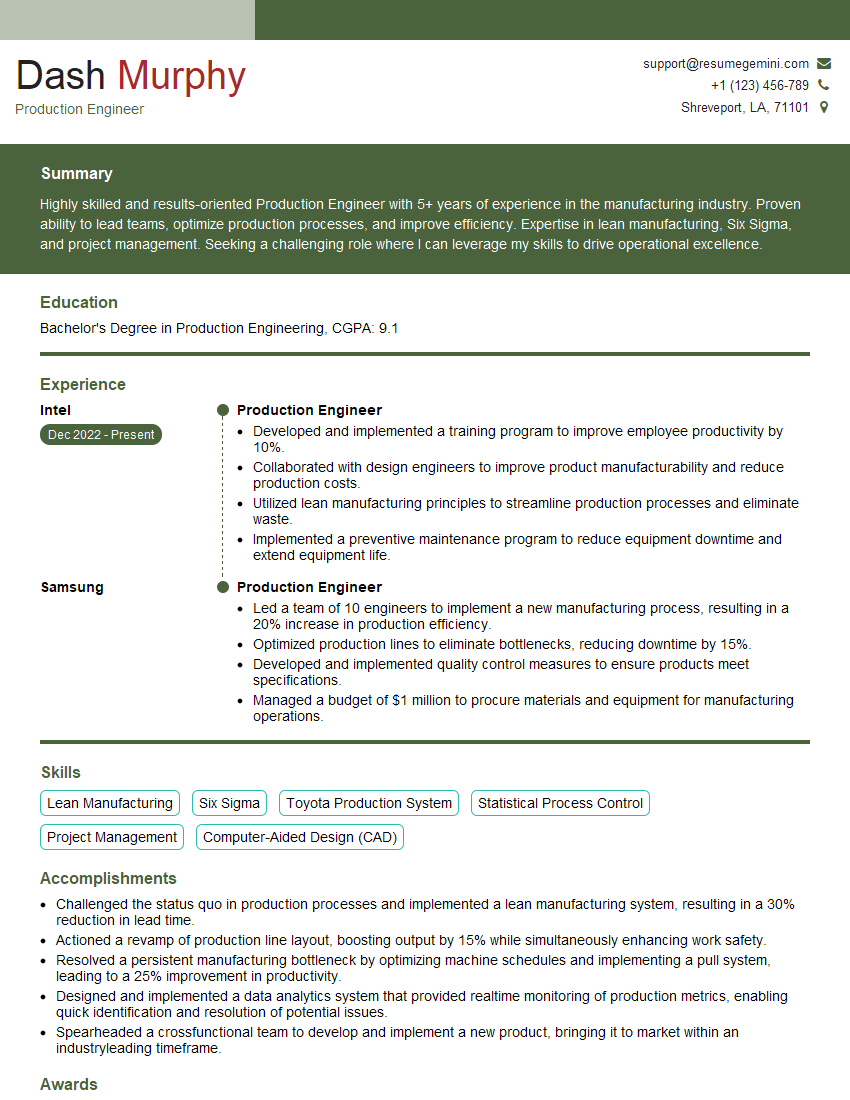
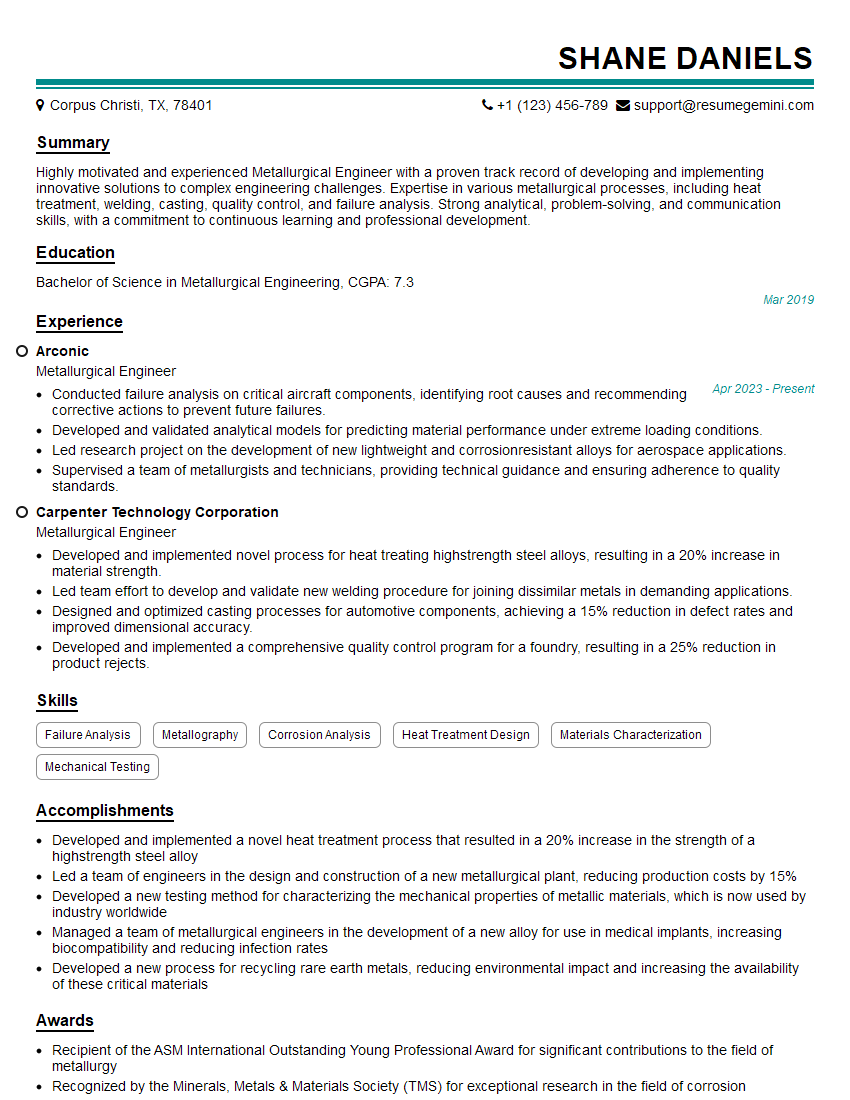
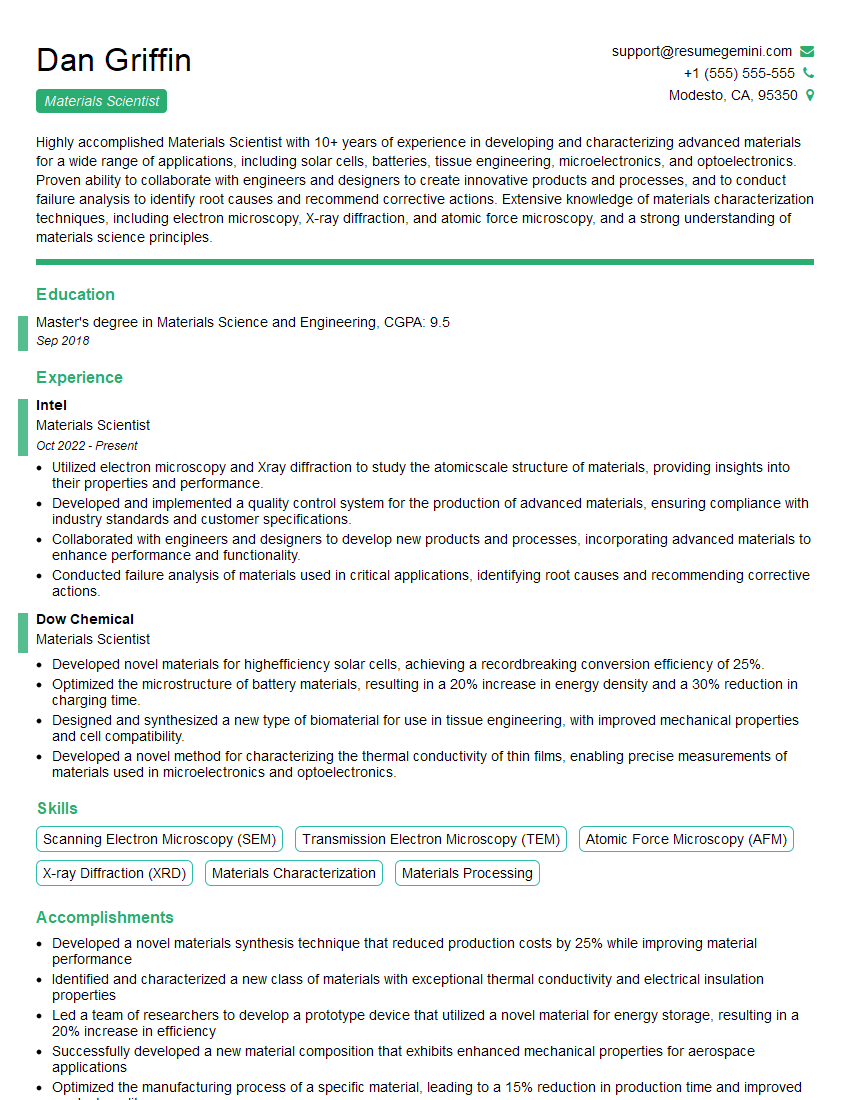
Mastering Advanced Materials and Manufacturing Processes is crucial for a successful and rewarding career. This field offers exciting opportunities for innovation and growth in various industries. To maximize your job prospects, it’s essential to have a strong, ATS-friendly resume that highlights your skills and experience effectively. ResumeGemini is a trusted resource to help you build a professional and impactful resume that showcases your qualifications. Examples of resumes tailored to Advanced Materials and Manufacturing Processes are available to help guide you. Invest the time to craft a compelling resume—it’s your first impression with potential employers.
Explore more articles
Users Rating of Our Blogs
Share Your Experience
We value your feedback! Please rate our content and share your thoughts (optional).
What Readers Say About Our Blog
Very informative content, great job.
good