Every successful interview starts with knowing what to expect. In this blog, we’ll take you through the top Performing Basic Repairs interview questions, breaking them down with expert tips to help you deliver impactful answers. Step into your next interview fully prepared and ready to succeed.
Questions Asked in Performing Basic Repairs Interview
Q 1. Describe your experience diagnosing and repairing common household appliance malfunctions.
Diagnosing and repairing household appliance malfunctions involves a systematic approach. It starts with careful observation of the problem – what isn’t working, what sounds are present, and what error codes (if any) are displayed. For example, a refrigerator that isn’t cooling might have a faulty compressor, a clogged condenser coil, or a problem with the thermostat. A washing machine that won’t drain could have a clogged drain pump, a faulty drain hose, or a malfunctioning water level switch. My experience includes successfully troubleshooting and repairing issues in refrigerators, washing machines, dryers, dishwashers, and ovens, encompassing everything from replacing faulty parts to addressing simple blockages.
I begin by identifying the appliance’s make and model to access relevant service manuals or online troubleshooting resources. Then, I carefully inspect the appliance, often using a multimeter to test voltage and continuity. Once the problem is identified, I replace the faulty component, ensuring the correct part is used and the appliance is reassembled properly. For instance, I once repaired a washing machine that wouldn’t spin by replacing a worn-out belt; another time, I fixed a refrigerator’s ice maker by replacing a faulty ice maker module. Each repair requires a thorough understanding of the appliance’s inner workings and safe handling of its components.
Q 2. Explain your process for troubleshooting electrical issues in a residential setting.
Troubleshooting electrical issues in a residential setting demands a methodical approach, prioritizing safety above all else. My process always starts with turning off the power at the breaker box to the circuit in question. This is crucial to prevent electric shock. Next, I visually inspect the wiring for any obvious damage such as frayed wires, loose connections, or burnt areas. If there are any exposed wires, I ensure they are properly insulated. I use a non-contact voltage tester to confirm power is off at the suspected location before proceeding with further checks.
If the problem is with an outlet, I use a multimeter to check for voltage at the outlet. If no voltage is present, I trace the circuit back to the breaker box to check the breaker. If the breaker is tripped, I reset it and retest. If the problem persists, I might need to check for loose wires within the outlet box itself, or potentially replace the entire outlet. A common example would be troubleshooting a non-functioning light switch; I’d first switch off the breaker, then check the switch wiring for looseness or damage. I once traced a house-wide power outage to a tripped main breaker due to an overloaded circuit, emphasizing the importance of understanding the entire electrical system.
Q 3. How do you identify and resolve plumbing leaks?
Identifying and resolving plumbing leaks requires careful observation and often involves a bit of detective work. The first step is pinpointing the exact source of the leak. This often involves looking for visible signs of water damage, such as damp spots on walls or ceilings, or dripping sounds. I’ll then check fixtures, pipes, and connections for any signs of leakage. For instance, a leaky faucet might require replacing worn-out O-rings or cartridges. A dripping pipe could indicate corrosion or a loose connection.
Once the source is found, I will proceed to the repair, taking the necessary precautions to prevent further damage. For small leaks in pipes, I might use pipe sealant or replace the affected section of pipe. For a leaky faucet, I might repair or replace the internal components, again referring to relevant diagrams if necessary. I’ve successfully repaired numerous leaks, ranging from a simple loose connection on a toilet tank to a more significant leak in a copper pipe that required replacing a short section using compression fittings. The key is thorough inspection and understanding of plumbing systems.
Q 4. What safety precautions do you take when performing electrical repairs?
Safety is paramount when performing electrical repairs. The most important precaution is always to turn off the power at the breaker box before beginning any work. Never rely solely on the light switch or outlet being off; always verify with a non-contact voltage tester. I always work with dry hands and wear appropriate safety equipment, including insulated gloves and safety glasses. I ensure good lighting to improve visibility and reduce the risk of accidents.
When working with wires, I use wire strippers and crimpers to make clean, secure connections. I avoid using damaged or worn-out tools, and I carefully manage cables to prevent them from being damaged or causing short circuits. I always use proper wire nuts to secure connections, and I ensure all wires are neatly tucked away and out of sight, preventing accidental contact. I once avoided a potential shock by carefully checking the breaker before replacing a faulty outlet, underlining the consistent application of safety protocols.
Q 5. Describe your experience with basic carpentry repairs, such as fixing drywall or replacing trim.
My experience with basic carpentry repairs includes patching drywall, replacing trim, and performing minor repairs on doors and cabinets. Repairing drywall typically involves cutting away damaged sections, applying drywall compound, sanding smooth, and painting to match the existing finish. Replacing trim often involves measuring and cutting new trim pieces to fit, using a miter saw for precise angles, and then attaching the new trim using appropriate nails or screws.
I’ve handled a range of scenarios, from filling small holes in drywall caused by picture hanging to replacing damaged baseboards and installing new crown molding. One instance involved repairing a section of drywall damaged by water leakage. I removed the damaged section, applied new drywall, treated the affected area with a mold-killing solution, and finished the repair with joint compound and paint, resulting in a seamless finish. Precise measurement and attention to detail are crucial for quality results in carpentry tasks.
Q 6. How do you determine the root cause of a malfunctioning appliance?
Determining the root cause of a malfunctioning appliance requires a systematic approach, combining observation with testing and analysis. I start by carefully observing the appliance’s behavior – what is not working correctly, are there any unusual noises or smells, and are there any error codes? For example, a refrigerator that’s not cooling properly might have a failing compressor, a clogged condenser coil, or a faulty thermostat.
Next, I consult the appliance’s manual and online resources to familiarize myself with the appliance’s components and common malfunctions. I then systematically test the various components using a multimeter to measure voltage, current, and resistance. This often involves accessing internal components, so I take precautions to avoid damaging the appliance. Once the faulty component is identified, the repair can be carried out. For example, I might replace a faulty capacitor in a washing machine motor, or replace a broken heating element in a dryer. Careful analysis and methodical testing are vital in pinpointing the actual cause, rather than addressing a mere symptom.
Q 7. What tools are essential for performing basic home repairs?
Essential tools for performing basic home repairs vary depending on the specific task, but a well-stocked toolbox should include a versatile selection of hand tools and power tools.
Hand Tools: Screwdrivers (Phillips and flathead, various sizes), pliers (needle-nose and slip-joint), adjustable wrench, hammer, measuring tape, level, utility knife, wire strippers/crimpers, puttty knife, and a selection of sockets and wrenches.
Power Tools (depending on the project): Drill/driver (cordless is recommended), circular saw or jig saw (for carpentry), and a reciprocating saw. Additional tools may include a multimeter for electrical checks, pipe wrenches for plumbing, and safety glasses, work gloves, and a dust mask are essential for personal safety.
Having a well-organized and properly maintained toolbox increases efficiency and minimizes the risk of injury. I always ensure my tools are in good working order, regularly sharpening blades and replacing worn-out parts.
Q 8. Explain your experience with repairing minor plumbing issues, like unclogging drains.
Unclogging drains is a common plumbing issue I’ve addressed numerous times. My approach is systematic and prioritizes safety and effectiveness. I begin by assessing the blockage – is it a slow drain or a complete stoppage? This helps determine the appropriate method. For minor clogs, a plunger is usually sufficient. I use a cup plunger for sink clogs and a flange plunger for toilet clogs, ensuring a proper seal to create the necessary suction. If a plunger fails, I might try a drain snake, carefully feeding it into the drainpipe to break up or retrieve the blockage. For persistent clogs or those deeper in the plumbing system, I’d utilize a more powerful drain auger. For example, I once cleared a stubborn kitchen sink clog caused by a buildup of grease using a combination of boiling water, baking soda and vinegar, followed by a drain snake. After each attempt, I flush the drain with hot water to ensure the clog is completely removed and verify proper drainage.
Q 9. How do you prioritize multiple repair requests?
Prioritizing repair requests involves a multi-step process. First, I assess the urgency of each request. Emergencies like burst pipes or major leaks take precedence, followed by requests impacting essential services (e.g., non-functional toilets). Then, I consider factors like the scope of work and the availability of necessary materials and tools. I create a schedule that considers these factors, aiming for efficiency while ensuring that all requests are addressed systematically. I communicate regularly with the requesters to keep them informed about the progress and estimated completion times. This transparent approach minimizes frustration and enhances overall satisfaction.
Q 10. Describe your experience working with different types of hand tools.
My experience with hand tools is extensive. I’m proficient with a wide range of tools, including screwdrivers (Phillips and flathead), wrenches (adjustable and socket), pliers (needle-nose, slip-joint), hammers, measuring tapes, levels, and various types of saws. I’m also comfortable using specialized plumbing tools like pipe wrenches, basin wrenches, and drain augers. Knowing the correct tool for a specific job is crucial for efficiency and safety. For instance, using the wrong size wrench could damage the fitting. I always ensure my tools are properly maintained – sharpened, lubricated, and stored correctly – to prolong their lifespan and ensure accurate performance.
Q 11. How do you handle unexpected problems during a repair?
Unexpected problems are an inherent part of repairs. My approach is methodical. First, I carefully assess the situation, identifying the nature and extent of the unforeseen complication. Then, I determine if I possess the necessary skills and resources to handle the problem. If so, I proceed with a revised plan, documenting any changes. If the problem falls outside my expertise or requires specialized tools or materials, I don’t hesitate to seek assistance or call for backup. For example, while fixing a leaky faucet, I once discovered severely corroded pipes. I immediately informed the client and suggested professional plumbing services for a full pipe replacement. Open communication is key in such situations to prevent further damage and maintain client trust.
Q 12. What is your experience with preventative maintenance?
Preventative maintenance is key to preventing larger, more expensive repairs down the line. My experience includes tasks such as inspecting plumbing fixtures for leaks, cleaning drain lines regularly to prevent blockages, lubricating moving parts in faucets and other fittings, and checking for signs of wear and tear in appliances. I also advise clients on practices like using drain strainers and avoiding pouring grease down drains. For example, I regularly inspect the water heater for corrosion and sediment buildup, ensuring it functions efficiently and safely. A proactive approach to maintenance reduces the frequency and severity of future repair needs, saving both time and money.
Q 13. How do you ensure the safety of yourself and others while performing repairs?
Safety is paramount. Before starting any repair, I assess the work area for potential hazards such as exposed wires, sharp objects, or unstable surfaces. I always wear appropriate safety gear, including safety glasses, gloves, and closed-toe shoes. When working with electricity or plumbing, I turn off the power or water supply before beginning work and carefully verify that power and water are indeed off before proceeding. I also ensure proper ventilation when working with solvents or other potentially harmful chemicals. I explain potential risks to clients and advise them to stay clear of the work area. Following these safety protocols minimizes the risk of injury to myself and others.
Q 14. Describe a time you had to repair something with limited resources.
During a recent service call, I had to repair a broken door hinge with limited resources. The client didn’t have a replacement hinge, and I only had a basic toolkit. Instead of replacing the hinge, I carefully assessed the damage and, using pliers and a screwdriver, was able to temporarily reinforce the broken parts using sturdy wire and epoxy. This wasn’t a permanent solution, but it provided a functional repair until a proper replacement hinge could be obtained. This experience highlighted the importance of resourcefulness and adaptability in finding creative solutions under challenging circumstances. I always emphasize to my clients that a temporary fix should only be used as a quick solution to address immediate issues, and it should always be followed up with a proper repair as soon as possible.
Q 15. How do you stay updated on the latest repair techniques and technologies?
Staying current in the rapidly evolving field of repair requires a multi-pronged approach. I actively participate in professional development opportunities such as workshops and webinars offered by organizations like [Mention relevant organizations]. These events often feature leading experts demonstrating the latest techniques and technologies. I also subscribe to industry-specific journals and online publications, which provide in-depth articles and case studies on innovative repair methods. Furthermore, I regularly consult online forums and communities where professionals share their experiences, tips, and troubleshooting strategies. Think of it like a mechanic constantly researching new engine designs and repair methodologies – staying ahead of the curve is crucial for providing optimal service.
For example, recently I learned about a new adhesive bonding technique for composite materials through an online webinar, significantly improving the repair time and strength of a broken component in a recent project.
Career Expert Tips:
- Ace those interviews! Prepare effectively by reviewing the Top 50 Most Common Interview Questions on ResumeGemini.
- Navigate your job search with confidence! Explore a wide range of Career Tips on ResumeGemini. Learn about common challenges and recommendations to overcome them.
- Craft the perfect resume! Master the Art of Resume Writing with ResumeGemini’s guide. Showcase your unique qualifications and achievements effectively.
- Don’t miss out on holiday savings! Build your dream resume with ResumeGemini’s ATS optimized templates.
Q 16. What is your experience with reading and interpreting technical manuals?
Interpreting technical manuals is an essential skill for any repair professional. My experience in this area spans numerous types of manuals, from simple appliance guides to complex industrial machinery schematics. I’m proficient in deciphering diagrams, identifying component parts, understanding safety precautions, and following step-by-step instructions. My approach is systematic: I first skim the entire manual to get a general overview, then focus on the relevant sections concerning the specific repair. I pay close attention to any warnings or cautions, as safety is paramount. I often create annotated versions of the manuals, highlighting key information and adding my own notes for future reference, which is incredibly helpful when troubleshooting similar issues later. It’s much like following a recipe – the manual provides the instructions, and my experience provides the intuition to adjust and adapt as needed.
Q 17. Describe your problem-solving approach when faced with a complex repair challenge.
My problem-solving approach follows a structured methodology. When confronted with a complex repair challenge, I begin with a thorough assessment, systematically examining all aspects of the problem. This involves identifying symptoms, conducting visual inspections, and using diagnostic tools where necessary. Next, I formulate hypotheses based on my knowledge and experience, consulting technical manuals and online resources to gather additional information. I then prioritize potential solutions based on feasibility and risk, testing each hypothesis methodically. This process may involve trial and error, but each step is carefully documented to facilitate learning and future troubleshooting. I don’t give up easily; I’ll explore multiple avenues until a solution is found. Consider it like detective work, carefully piecing together clues to uncover the root cause of the problem. For instance, when faced with a malfunctioning industrial pump, I first checked the power supply and fuses, then moved on to examine the impeller and seals, systematically eliminating potential issues before finally isolating a faulty pressure sensor.
Q 18. What is your experience with different types of power tools?
My experience with power tools is extensive and encompasses a wide range of equipment, including drills, saws, grinders, sanders, and impact wrenches. I’m proficient in operating both corded and cordless tools, and I’m familiar with various safety protocols, including proper handling, maintenance, and storage. I understand the different applications of each tool and choose the appropriate one based on the task at hand. For example, I wouldn’t use a high-speed grinder for delicate woodworking. Safety is always my top priority when working with power tools. Regular inspections, proper maintenance, and adherence to safety guidelines are crucial. It’s like knowing the difference between using a butter knife and a chef’s knife – each tool has its purpose and potential dangers if not handled correctly.
Q 19. How do you ensure the quality of your repairs?
Ensuring the quality of my repairs is paramount. I adhere to a rigorous quality control process, starting with a thorough inspection of the repaired item before, during, and after the repair process. I meticulously follow all manufacturer specifications and industry best practices. Testing the repaired item thoroughly under various conditions is critical to ensure functionality and durability. I document every step of the repair process, including parts used, methods employed, and test results. This documentation not only serves as a record of the repair but also helps with troubleshooting future issues. Furthermore, I seek feedback from clients to ensure satisfaction and identify areas for improvement. Quality assurance is not an afterthought; it’s integrated into every stage of the process, much like a chef tasting their food throughout the preparation process to ensure quality and flavor.
Q 20. Describe your experience with HVAC system maintenance and repair.
My experience with HVAC systems encompasses both maintenance and repair. I’m familiar with various types of systems, including split systems, heat pumps, and furnaces. My expertise covers tasks such as inspecting and cleaning components, identifying and replacing faulty parts, and troubleshooting malfunctions. I’m proficient in using diagnostic tools to detect refrigerant leaks, check airflow, and measure system pressures. Safety is paramount when working with HVAC systems, which often involve handling refrigerants and electrical components, adhering to all safety protocols is essential. I’m also experienced in performing routine maintenance tasks, such as filter changes and coil cleaning, to prevent future problems. Understanding the intricacies of an HVAC system is like understanding the circulatory system of a human body – each component plays a vital role in the overall functioning.
Q 21. How do you maintain a clean and organized workspace?
Maintaining a clean and organized workspace is crucial for efficient and safe work. My approach involves a system of organization where tools and materials are stored in designated locations. I utilize storage solutions like tool chests, shelves, and labeled containers. Before starting a repair, I lay out all necessary tools and materials, ensuring everything is within easy reach. After completing a repair, I clean up all debris and tools, returning everything to its proper place. I regularly dispose of hazardous waste according to regulations. A clean workspace minimizes the risk of accidents and makes it easier to locate tools and materials, streamlining the repair process. Think of it like a surgeon’s operating room – cleanliness and order are essential for success and safety.
Q 22. Explain your experience with working at heights or confined spaces.
My experience with working at heights and in confined spaces is extensive and always prioritizes safety. I’ve been trained and certified in proper fall protection techniques, including the use of harnesses, lanyards, and anchor points. This includes regular inspections of equipment before each use, as a faulty piece of equipment can be catastrophic. In confined spaces, I’m proficient in using atmospheric monitoring equipment to ensure a safe working environment before entry and always utilize a buddy system for added security. I’ve worked on numerous projects requiring these skills, ranging from repairing damaged sections of high-rise buildings to inspecting and maintaining underground utility lines. For example, during a recent project involving the repair of a water tower, I was responsible for ascending to the top using a climbing harness and securing myself at each interval. I also consistently followed the protocols for confined space entry when accessing manholes during sewer line maintenance. This training has instilled in me a deep awareness of the inherent dangers and a meticulous approach to safety procedures.
Q 23. What is your experience with working independently or as part of a team?
I’m equally comfortable working independently and as part of a team. When working independently, I’m self-motivated and capable of managing my time efficiently to meet deadlines. I thrive on the autonomy of troubleshooting and solving problems on my own. However, I also recognize the significant advantages of teamwork. I’m a strong communicator who actively participates in collaborative problem-solving sessions, sharing my expertise and readily accepting input from others. For example, during a recent project requiring the repair of a complex piece of machinery, I independently diagnosed the problem, but collaborated with an electrician to safely implement the solution. My experience shows I can adapt my approach based on the project’s needs and the skills of the team.
Q 24. Describe your experience with customer interaction and communication.
Customer interaction is a crucial aspect of my work, and I strive to provide exceptional customer service. I believe in clear, concise communication, explaining complex technical issues in a way that’s easily understood by non-technical customers. Active listening is key; I make sure to understand the customer’s concerns before proposing solutions. I always aim to keep customers informed throughout the repair process, managing their expectations realistically. For example, I once had a frustrated customer whose washing machine was malfunctioning. By patiently listening to their concerns and calmly explaining the diagnostic process, I was able to build trust and eventually repair the machine, leaving them happy with my service and the final result.
Q 25. How do you handle difficult or demanding customers?
Handling difficult or demanding customers requires patience, empathy, and professionalism. I always try to remain calm and listen actively to their complaints. I validate their frustrations and assure them I’m working to resolve the issue. I approach each situation with a problem-solving mindset, clearly outlining the steps I’m taking to address their concerns. If there’s a misunderstanding, I offer clear and concise explanations. In cases where a solution isn’t immediately apparent, I maintain open communication, providing regular updates and setting realistic expectations. For example, if a customer is unhappy with the repair time, I explain any unforeseen complications and offer alternative solutions, always keeping them informed. This approach helps de-escalate tense situations and foster positive relationships, even when dealing with challenging customers.
Q 26. What are your salary expectations for this position?
My salary expectations for this position are in the range of $X to $Y per year, depending on the specific benefits and responsibilities of the role. This range is based on my experience and skills, and comparable compensation for similar roles in this region. I am open to discussing this further based on a comprehensive understanding of the position’s requirements and compensation package.
Q 27. What are your long-term career goals?
My long-term career goals include becoming a lead technician or supervisor, mentoring junior technicians, and contributing to the development of innovative repair techniques. I’m particularly interested in expanding my expertise in [mention specific area, e.g., sustainable repair practices or advanced diagnostic technologies]. This would allow me to not only enhance my skills but also contribute to the overall efficiency and sustainability of the company.
Q 28. Why are you interested in this particular position?
I’m interested in this particular position because of [Company Name]’s reputation for [mention company values, e.g., excellence, innovation, customer focus] and the opportunity to work on challenging projects. The description of the role aligns perfectly with my skills and experience, particularly in [mention specific skills mentioned in the job description]. I’m confident that I can make a significant contribution to your team and am eager to learn from experienced professionals in this field.
Key Topics to Learn for Performing Basic Repairs Interview
- Safety Procedures and Regulations: Understanding and applying relevant safety protocols, including proper use of Personal Protective Equipment (PPE) and hazard identification.
- Diagnostic Techniques: Identifying the root cause of malfunctions through observation, testing, and troubleshooting. Practical application: Explaining how you systematically diagnose a problem, eliminating possibilities until the source is found.
- Basic Hand Tools and Equipment: Demonstrating proficiency in using common hand tools (screwdrivers, wrenches, pliers, etc.) and power tools (drills, saws, etc.) safely and effectively.
- Repair Techniques: Understanding and applying various repair methods, including replacing parts, tightening connections, and making minor adjustments. Practical application: Describing a specific repair you’ve successfully completed, highlighting your problem-solving approach.
- Material Selection and Application: Choosing appropriate materials (fasteners, adhesives, lubricants) based on the specific repair needs and understanding their properties.
- Record Keeping and Documentation: Maintaining accurate and detailed records of repairs performed, including parts used and time spent. This demonstrates accountability and professionalism.
- Common Repair Scenarios: Preparing for questions related to specific types of repairs you might encounter (e.g., appliance repair, automotive repair, etc.) and how you would approach them.
Next Steps
Mastering Performing Basic Repairs significantly enhances your employability across various industries, opening doors to rewarding careers with excellent growth potential. A strong resume is crucial for landing your dream job. To increase your chances of getting noticed by Applicant Tracking Systems (ATS), create an ATS-friendly resume that highlights your skills and experience effectively. ResumeGemini is a trusted resource that can help you build a professional and impactful resume, ensuring your qualifications stand out. We provide examples of resumes tailored to Performing Basic Repairs to guide you in showcasing your expertise.
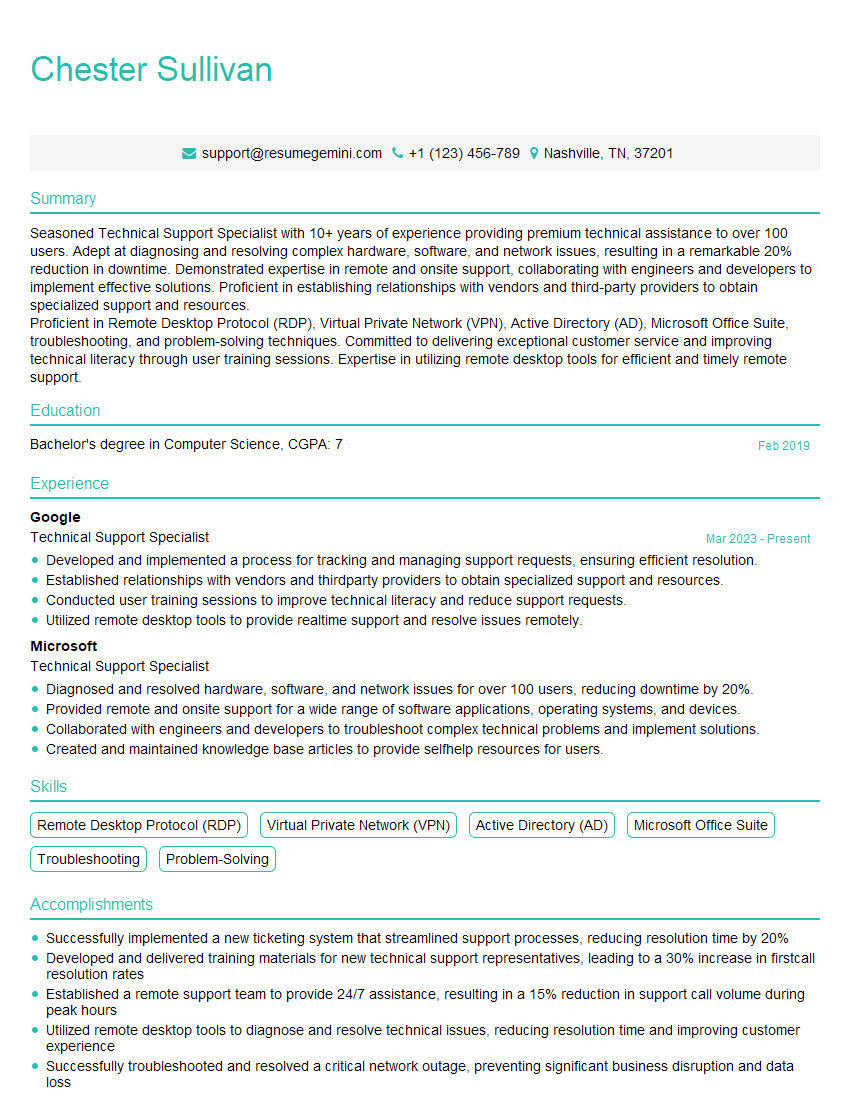
Technical Support Specialist Resume Sample
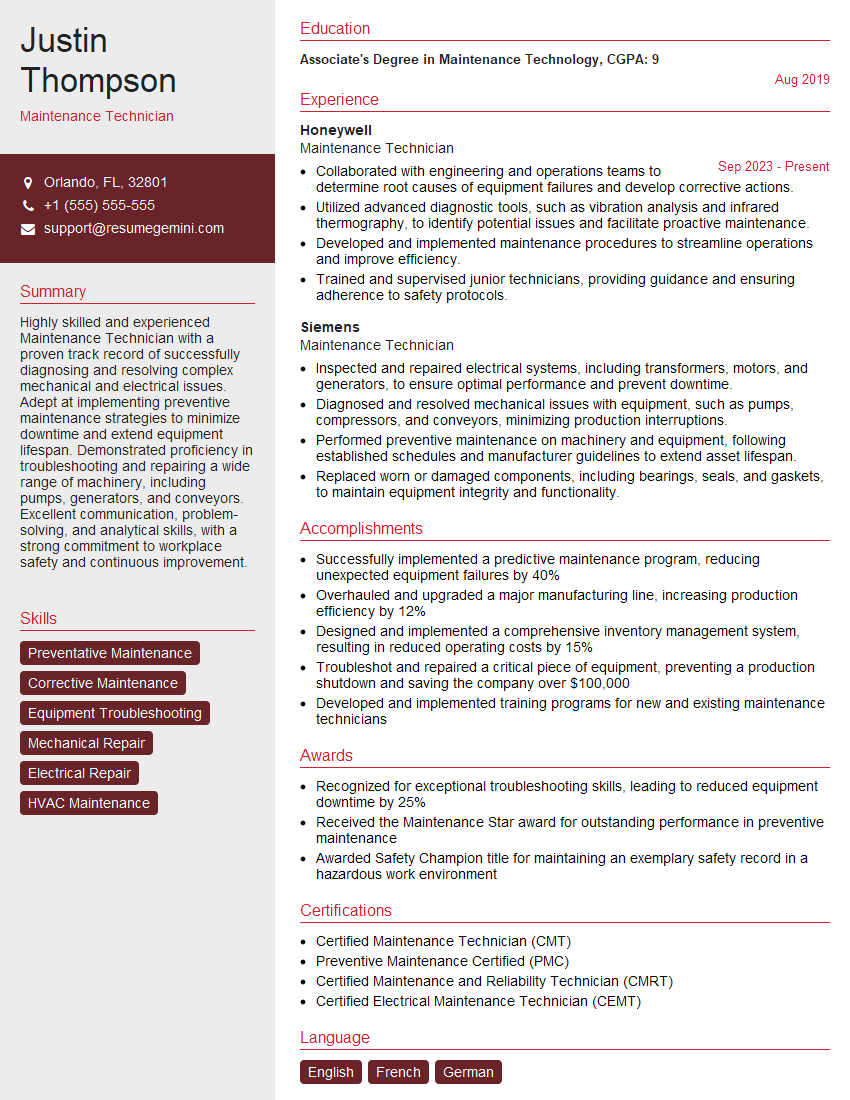
Maintenance Technician Resume Sample
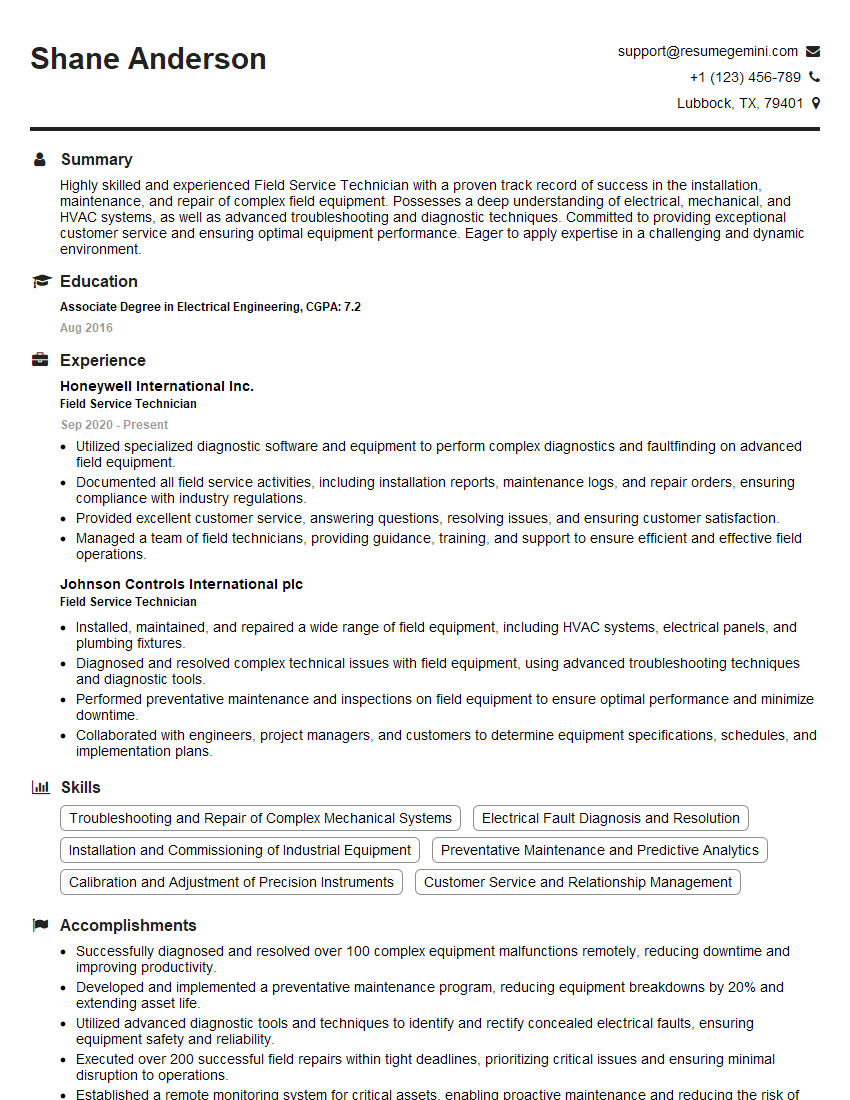
Field Service Technician Resume Sample
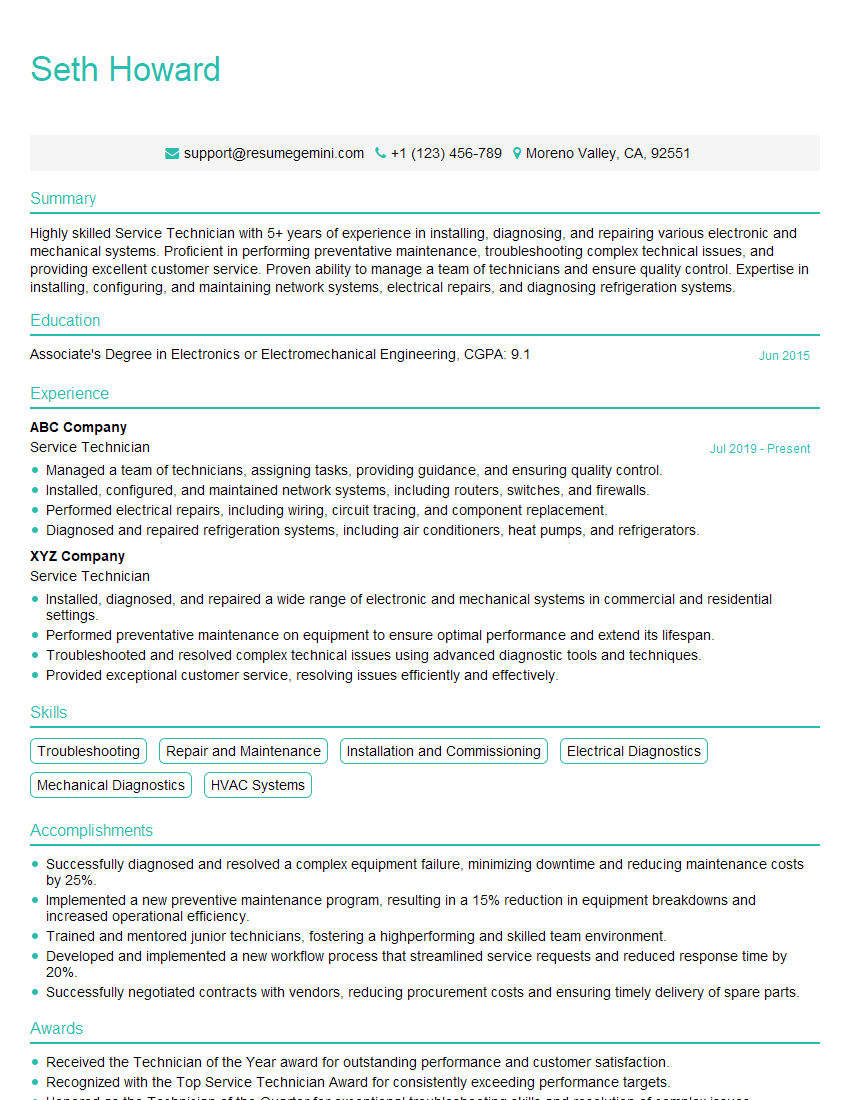
Service Technician Resume Sample
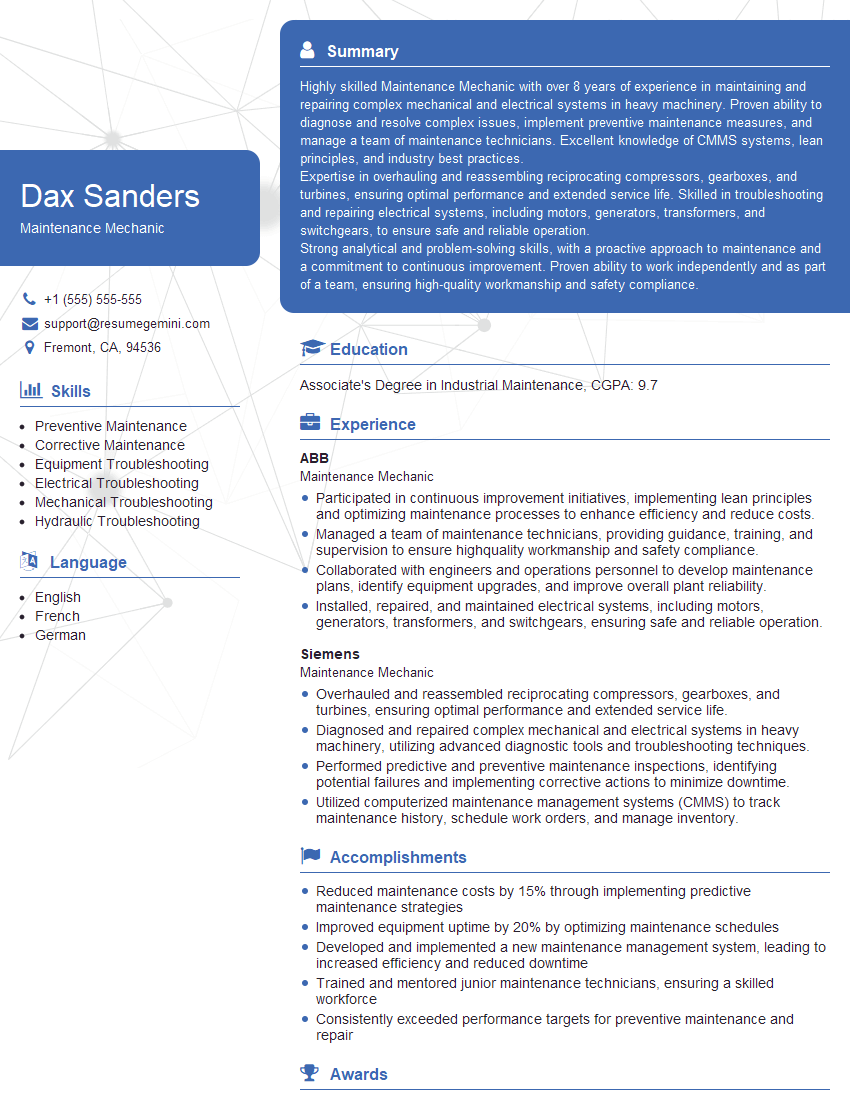
Maintenance Mechanic Resume Sample
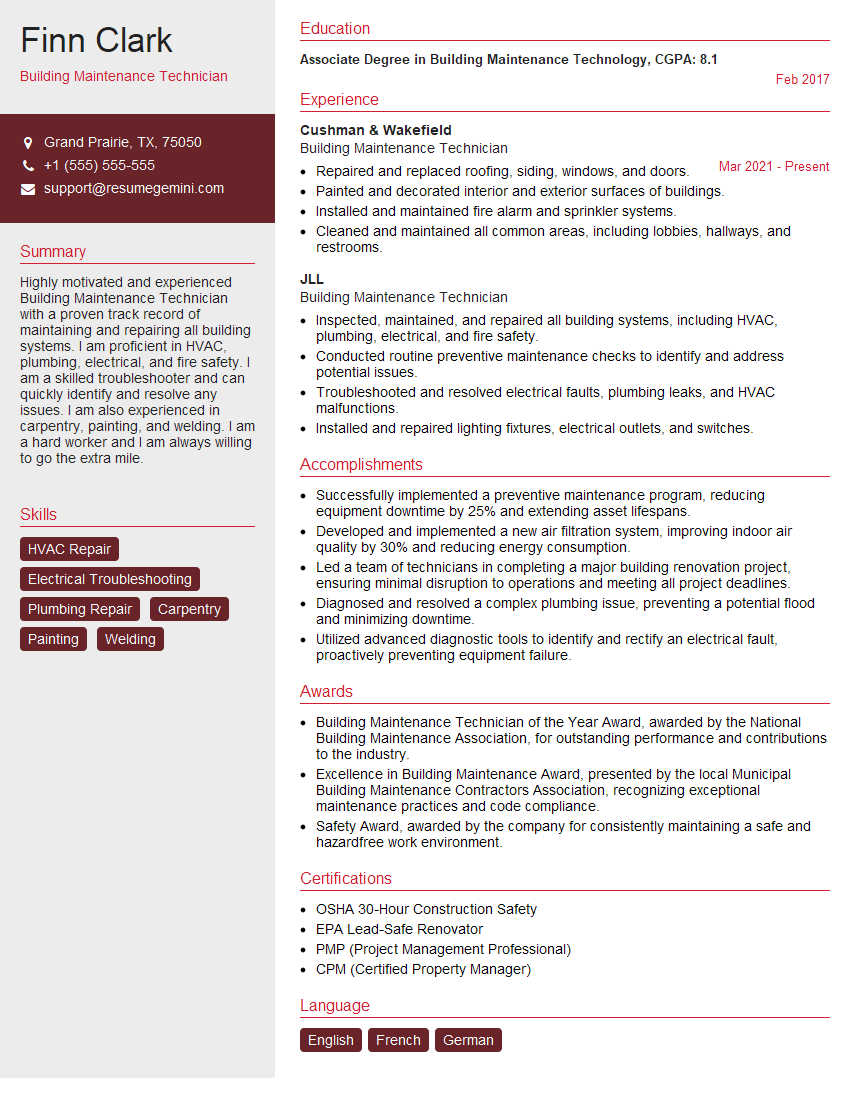
Building Maintenance Technician Resume Sample
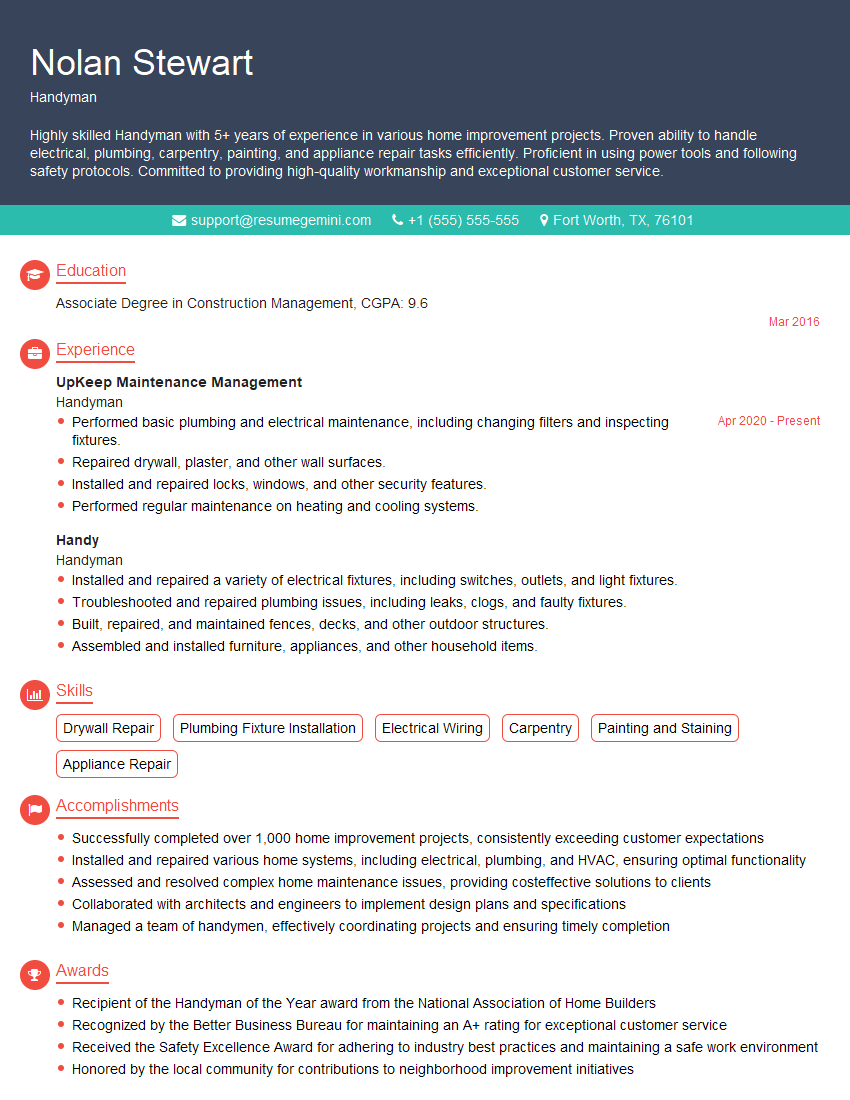
Handyman Resume Sample
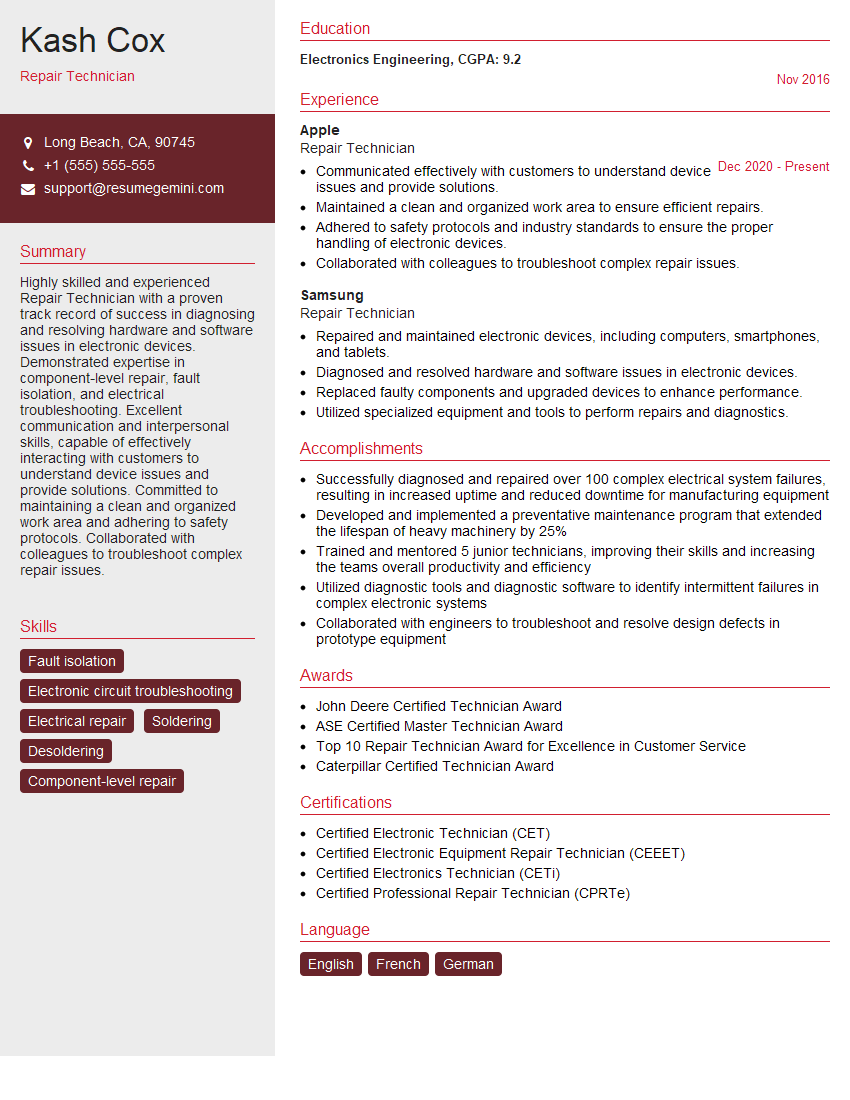
Repair Technician Resume Sample
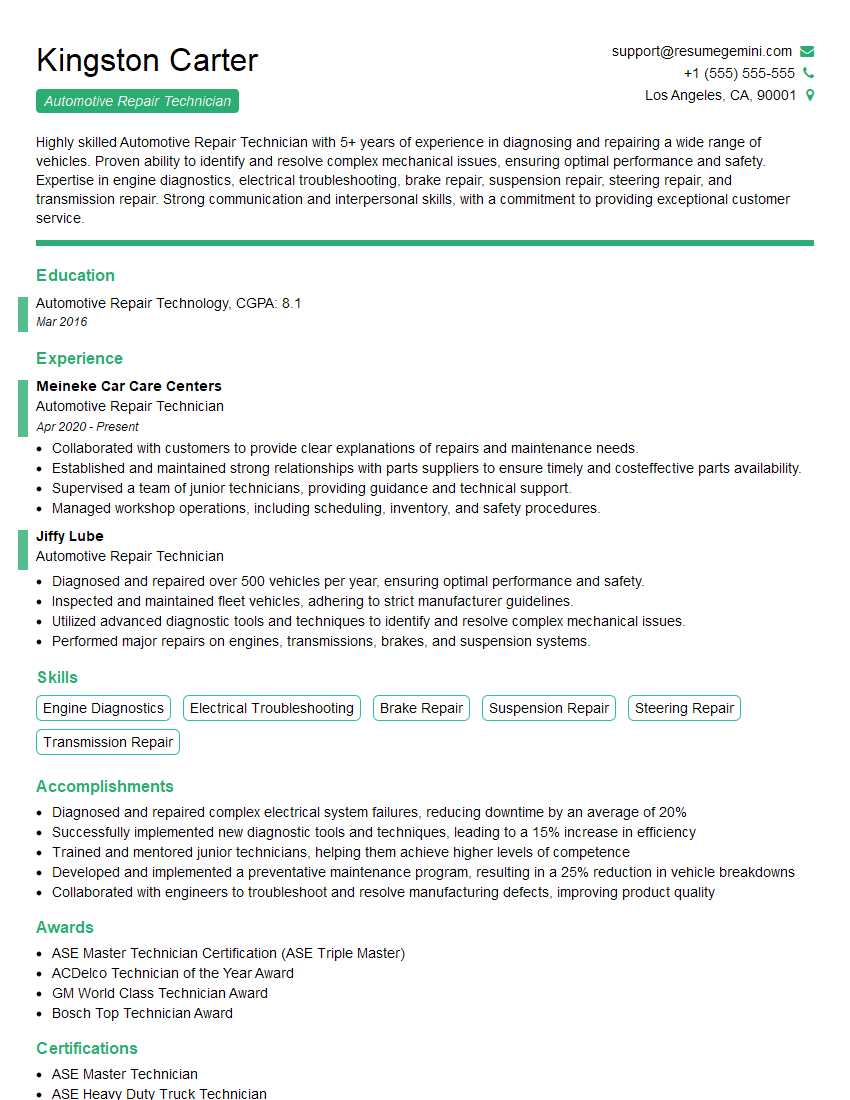
Automotive Repair Technician Resume Sample
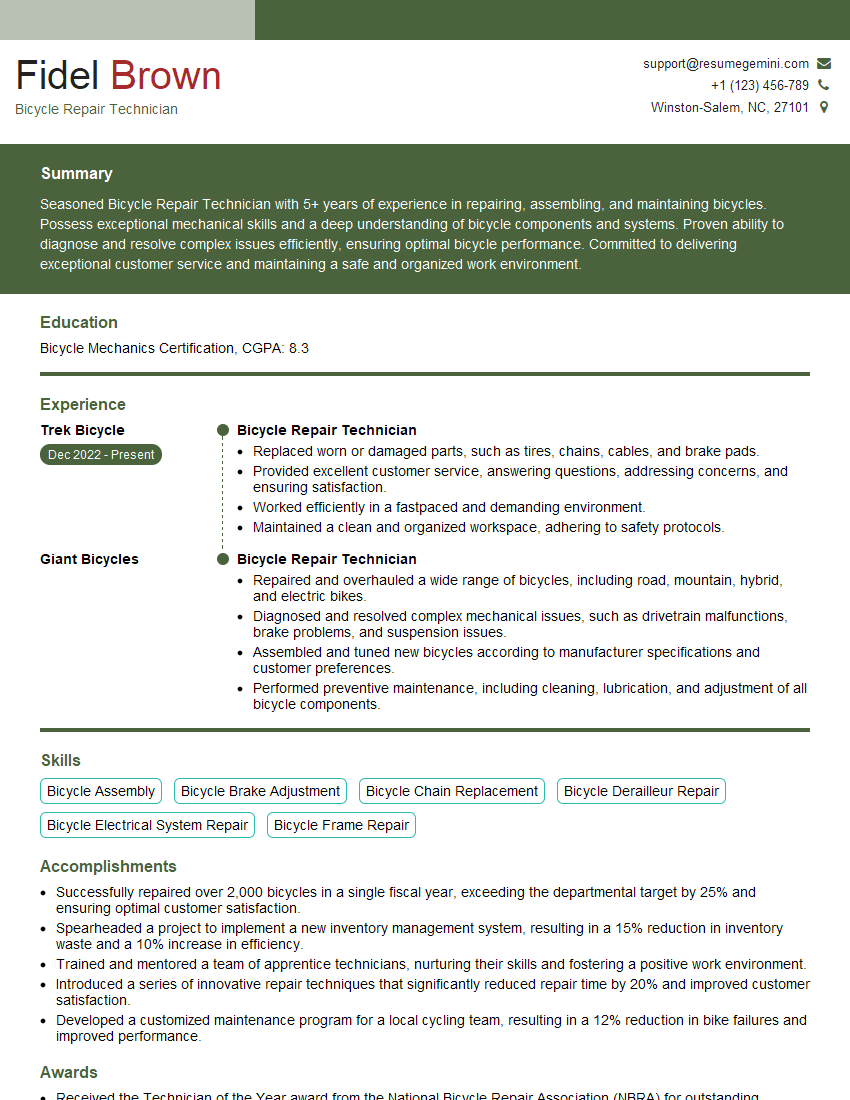
Bicycle Repair Technician Resume Sample
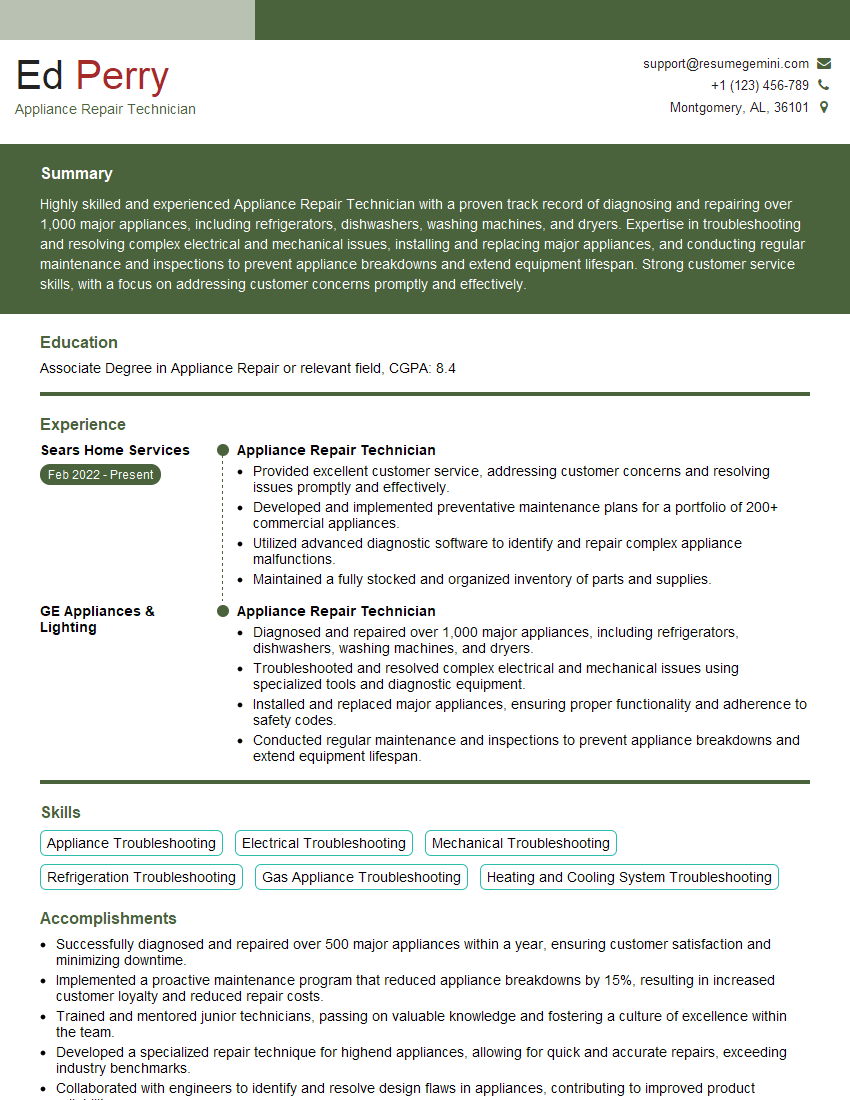
Appliance Repair Technician Resume Sample
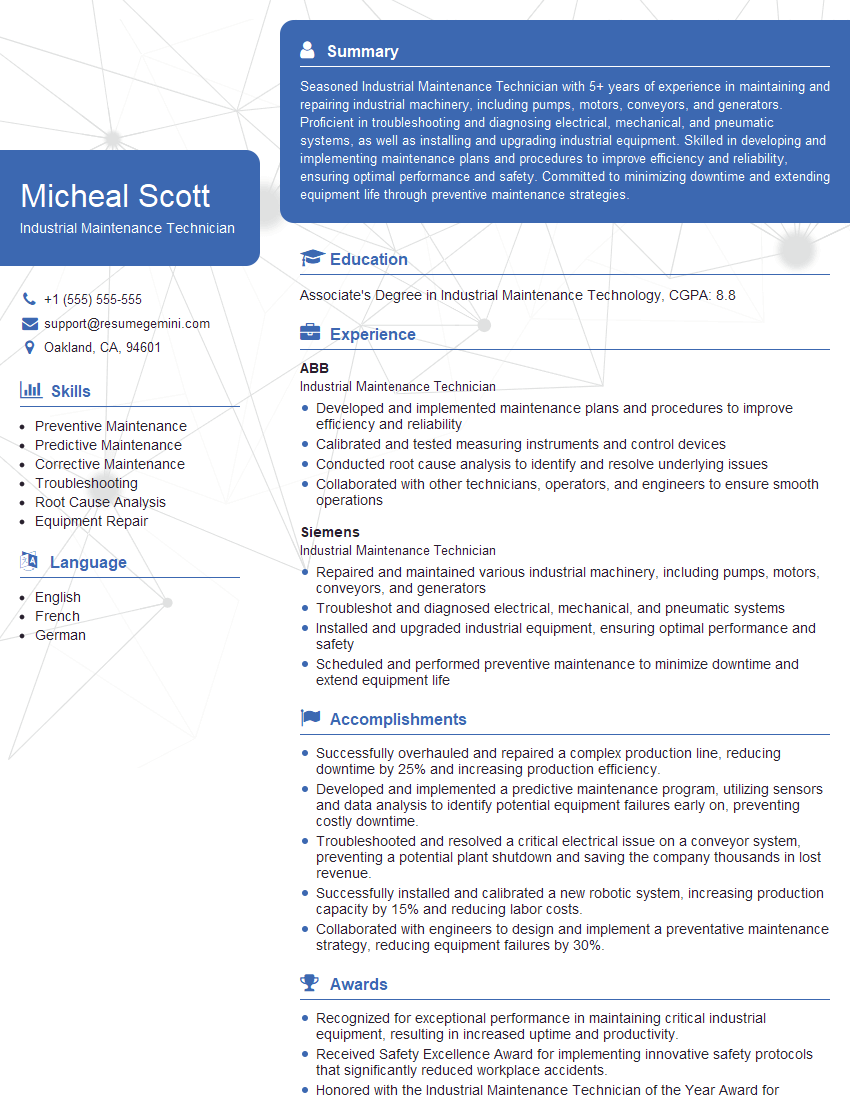
Industrial Maintenance Technician Resume Sample
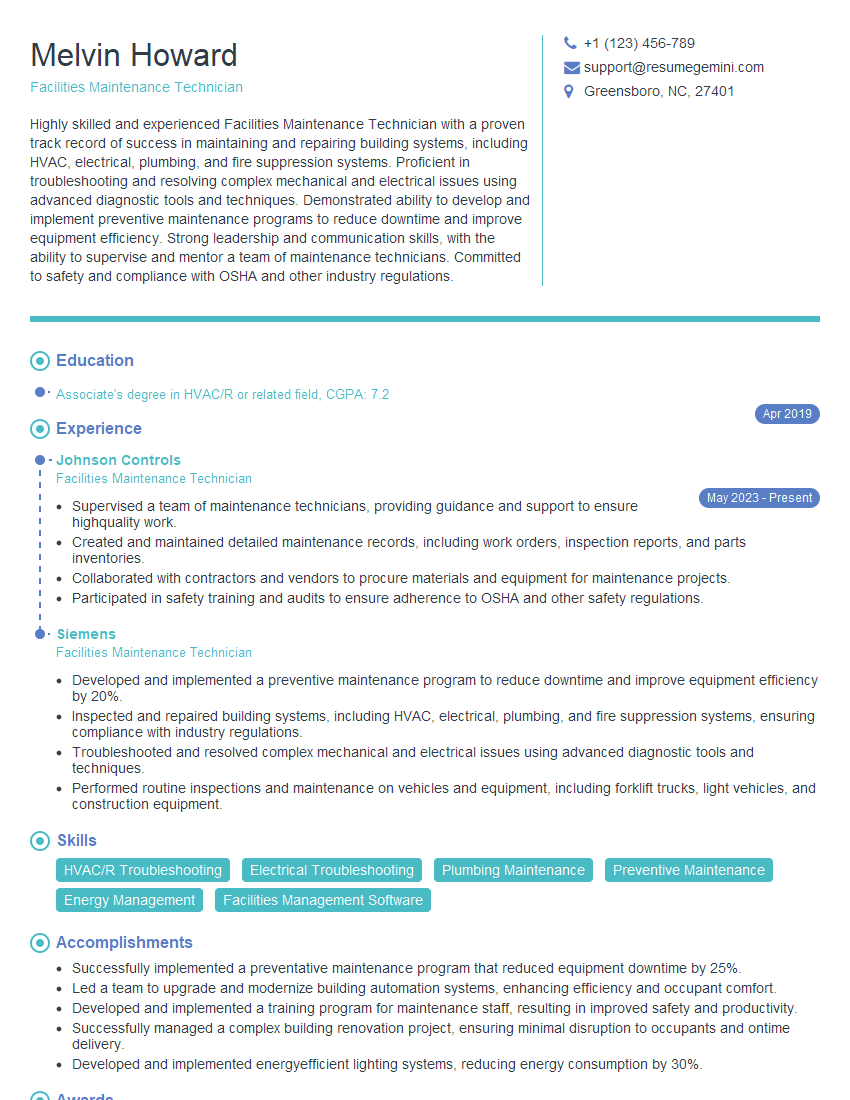
Facilities Maintenance Technician Resume Sample
- Technical Support Specialist
- Maintenance Technician
- Field Service Technician
- Service Technician
- Maintenance Mechanic
- Building Maintenance Technician
- Handyman
- Repair Technician
- Automotive Repair Technician
- Bicycle Repair Technician
- Appliance Repair Technician
- Industrial Maintenance Technician
- Facilities Maintenance Technician
Explore more articles
Users Rating of Our Blogs
Share Your Experience
We value your feedback! Please rate our content and share your thoughts (optional).
What Readers Say About Our Blog
Very informative content, great job.
good