The thought of an interview can be nerve-wracking, but the right preparation can make all the difference. Explore this comprehensive guide to Sourcing and Production interview questions and gain the confidence you need to showcase your abilities and secure the role.
Questions Asked in Sourcing and Production Interview
Q 1. Explain your experience in supplier selection and evaluation.
Supplier selection and evaluation is a critical process that ensures we partner with reliable vendors who meet our quality, cost, and delivery requirements. It’s like choosing the right team for a project – you need to assess their skills, experience, and compatibility before entrusting them with a crucial role.
My process typically involves:
- Identifying Potential Suppliers: This involves market research, online databases, industry directories, and networking. I often look at factors such as geographic location, industry reputation, and certifications.
- Pre-qualification Screening: A questionnaire or initial assessment helps filter out suppliers who don’t meet basic requirements. This could include financial stability checks, capacity assessment, and ethical sourcing policies.
- On-site Audits (if necessary): For critical suppliers, I conduct thorough on-site audits to assess their manufacturing processes, quality control systems, and overall capabilities. This involves checking their facilities, equipment, and documentation.
- Supplier Capability Assessment: This involves reviewing their past performance data, including on-time delivery rates, quality metrics (defect rates, etc.), and financial stability. I use scoring matrices and weighted criteria to compare suppliers objectively.
- Negotiation and Contract Finalization: Once a suitable supplier is identified, I negotiate pricing, payment terms, and contractual obligations to ensure mutual benefit and protect our interests.
For example, when sourcing high-precision components for a medical device, we rigorously vetted suppliers based on ISO 13485 certification, track record of delivering zero-defect products, and adherence to strict regulatory guidelines. This meticulous approach ensured the highest quality and safety standards.
Q 2. Describe your process for negotiating favorable pricing and terms with suppliers.
Negotiating favorable pricing and terms requires a strategic approach, combining preparation, collaboration, and assertive negotiation. It’s like a friendly but firm chess match – you need to anticipate your opponent’s moves and strategically position yourself for success.
My negotiation process typically includes:
- Thorough Market Research: Understanding prevailing market prices for similar goods is crucial. I use industry benchmarks, competitor analysis, and publicly available data to establish a baseline.
- Clearly Defined Specifications: Ambiguous requirements lead to price ambiguity. Precise specifications eliminate room for misinterpretations and prevent disputes later.
- Total Cost of Ownership (TCO) Analysis: Focusing solely on unit price can be misleading. I consider factors such as transportation, customs duties, lead times, and potential quality-related costs.
- Leveraging Supplier Relationships: Building strong relationships can foster trust and collaboration, resulting in mutually beneficial pricing agreements.
- Negotiation Strategy: I employ various negotiation techniques, including value engineering (identifying cost-saving opportunities without compromising quality) and exploring alternative payment terms (e.g., volume discounts, milestone payments).
For instance, in negotiating a contract for raw materials, I leveraged our projected purchase volume to secure significant discounts. By proposing a long-term contract, we locked in stable pricing, mitigating the risk of price fluctuations.
Q 3. How do you manage supplier relationships to ensure timely delivery and quality?
Managing supplier relationships is an ongoing process focused on fostering trust, collaboration, and mutual benefit. It’s like tending to a garden – constant care and attention ensure a healthy, thriving relationship.
My approach focuses on:
- Regular Communication: Maintaining open and frequent communication is key. This involves regular meetings, performance reviews, and proactive issue resolution.
- Performance Monitoring: I regularly track key performance indicators (KPIs) such as on-time delivery, quality metrics, and responsiveness. This ensures early identification and resolution of potential issues.
- Collaborative Problem Solving: When problems arise, I work collaboratively with suppliers to identify root causes and develop solutions. This involves shared responsibility and a commitment to continuous improvement.
- Fair and Transparent Practices: Building trust requires honesty and transparency in our interactions. This includes clear expectations, fair pricing, and timely payment.
- Continuous Improvement Initiatives: Regularly engaging in process improvement initiatives with suppliers fosters a culture of continuous improvement and innovation.
For example, when a supplier experienced unexpected production delays, we worked collaboratively to implement contingency plans, including expedited shipping and alternative sourcing options. Open communication and joint problem-solving prevented significant disruption to our production schedule.
Q 4. What strategies do you employ to mitigate supply chain risks?
Mitigating supply chain risks is crucial for ensuring business continuity and stability. It’s like having a robust backup plan for any unforeseen event – better to be prepared than caught off guard.
My strategies include:
- Supplier Diversification: Reducing reliance on a single supplier minimizes the impact of potential disruptions from that supplier. This spreads risk across multiple sources.
- Risk Assessment and Mapping: Regularly assessing potential risks (e.g., geopolitical instability, natural disasters, supplier financial issues) helps prioritize mitigation efforts.
- Inventory Management: Strategic inventory management (buffer stock, safety stock) provides a cushion against unexpected demand spikes or supply disruptions.
- Contingency Planning: Developing alternative sourcing plans, backup suppliers, and alternative transportation routes allows us to respond effectively to unexpected events.
- Contractual Safeguards: Negotiating robust contracts with clear performance expectations, penalties for non-compliance, and dispute resolution mechanisms protects our interests.
For instance, during the recent global chip shortage, our diversification strategy allowed us to source components from multiple suppliers, minimizing the impact on our production. Our contingency plans, including alternative component specifications, ensured we continued operations with minimal disruption.
Q 5. Explain your experience with different sourcing methodologies (e.g., global sourcing, local sourcing).
Different sourcing methodologies offer unique advantages and disadvantages depending on various factors, including cost, lead times, quality, and risk. Choosing the right strategy is essential for optimizing the supply chain.
My experience includes:
- Global Sourcing: This involves sourcing materials and components from suppliers worldwide to leverage lower costs, access specialized expertise, and expand market reach. It requires careful consideration of logistics, customs regulations, and potential geopolitical risks. I’ve successfully implemented global sourcing strategies for various components, leveraging lower labor costs in certain regions while ensuring high quality through stringent quality control measures.
- Local Sourcing: This involves sourcing materials and components from suppliers within a specific geographic area. It offers advantages such as shorter lead times, reduced transportation costs, stronger supplier relationships, and enhanced responsiveness to changing market conditions. In certain situations, particularly for products requiring quick turnaround times or those sensitive to transportation costs, local sourcing has proven to be a cost-effective and efficient strategy.
The choice between global and local sourcing depends on a careful assessment of the trade-offs involved. For instance, while global sourcing may offer lower unit costs, it might increase lead times and transportation costs, potentially offsetting the initial savings. A thorough cost-benefit analysis is essential before selecting the optimal sourcing strategy.
Q 6. How do you track key performance indicators (KPIs) in sourcing and production?
Tracking key performance indicators (KPIs) in sourcing and production provides valuable insights into supply chain performance and identifies areas for improvement. It’s like a dashboard showing the health of your entire operation.
The KPIs I regularly track include:
- On-Time Delivery Rate (OTDR): Measures the percentage of orders delivered on or before the agreed-upon date.
- Quality Metrics (Defect Rate, PPM): Measures the quality of materials and components received from suppliers.
- Supplier Lead Time: Measures the time it takes for a supplier to fulfill an order.
- Cost per Unit: Tracks the cost of materials and components over time.
- Inventory Turnover Rate: Measures how efficiently inventory is managed.
- Purchase Order Cycle Time: Measures the time elapsed between placing a purchase order and receiving the goods.
I use various tools, including spreadsheets, dedicated supply chain management software, and business intelligence dashboards, to track and analyze these KPIs. Regular reporting and analysis allow for early detection of performance issues and proactive intervention. For example, consistently low OTDR from a specific supplier could indicate a need for intervention, such as collaborative problem-solving or potential supplier change.
Q 7. Describe your experience with demand forecasting and production planning.
Demand forecasting and production planning are intertwined processes aimed at aligning production capacity with anticipated demand. It’s like choreography for a manufacturing orchestra – each instrument (process) must play its part in harmony to create a beautiful outcome.
My experience involves:
- Demand Forecasting: This involves analyzing historical sales data, market trends, seasonality, and other relevant factors to predict future demand. I use various forecasting techniques, including time series analysis, moving averages, and exponential smoothing. Statistical software packages are often used to create detailed forecasts.
- Production Planning: This involves developing a production schedule that aligns with the demand forecast. It takes into account factors such as production capacity, lead times, inventory levels, and resource availability. Production planning often involves the use of Material Requirements Planning (MRP) systems or similar software tools.
- Capacity Planning: Ensuring that the production capacity is sufficient to meet the projected demand is crucial. This may involve investing in new equipment, optimizing existing processes, or adjusting production schedules.
- Inventory Control: Managing inventory levels effectively minimizes storage costs while preventing stockouts. This involves using techniques such as Just-in-Time (JIT) inventory management or other inventory control systems.
For example, during peak season, I used time series analysis to forecast demand and developed a production plan to ensure sufficient capacity. We also implemented a JIT inventory system to minimize storage costs and reduce waste. Careful planning and monitoring ensured we met high demand without excessive inventory or production bottlenecks.
Q 8. How do you manage production schedules to meet deadlines and customer demands?
Managing production schedules effectively requires a proactive approach combining meticulous planning, real-time monitoring, and agile adaptation. I begin by collaborating closely with sales and marketing to accurately forecast demand. This forecast forms the basis of our master production schedule (MPS), which details the quantities of each product to be manufactured within specific timeframes.
This MPS is then broken down into more detailed schedules using techniques like Material Requirements Planning (MRP) to determine the precise quantities of raw materials and components needed and when. We use software like ERP systems to manage this process, ensuring accuracy and visibility across the entire supply chain.
Crucially, we incorporate buffer time into the schedule to account for potential delays. This buffer isn’t arbitrary; it’s calculated based on historical data, considering factors like machine downtime, supplier lead times, and inspection times. Regular monitoring of progress against the schedule is vital, using Kanban boards or similar visual management tools to identify potential deviations early. If delays arise, we initiate a problem-solving process, identifying root causes and implementing corrective actions. This might involve expediting shipments, re-allocating resources, or adjusting priorities. Consistent communication with customers keeps them informed and maintains transparency.
For example, in a previous role, we successfully launched a new product line ahead of schedule by proactively identifying and addressing potential bottlenecks in the assembly process during the planning phase. We employed a ‘just-in-time’ inventory system to minimize storage costs and improve efficiency.
Q 9. Explain your experience with lean manufacturing principles.
Lean manufacturing is a philosophy focused on eliminating waste and maximizing value for the customer. My experience involves implementing various lean tools and principles across different production environments. I’ve successfully utilized techniques such as:
- Value Stream Mapping: This helped to visually identify and analyze all steps in a production process, highlighting areas of waste and inefficiency. We used this to streamline processes and reduce lead times. For instance, we eliminated unnecessary transportation steps in one process by relocating equipment.
- 5S Methodology: Implementing 5S (Sort, Set in Order, Shine, Standardize, Sustain) improved workplace organization, reducing search times and improving safety. This led to a significant reduction in errors and improved efficiency.
- Kaizen Events: Participating in Kaizen events – focused improvement workshops – allowed us to involve teams in identifying and implementing process improvements, fostering a culture of continuous improvement. For example, in one event, we identified a bottleneck in a packaging process and implemented a new workflow that increased throughput by 15%.
- Kanban Systems: Utilizing Kanban boards allowed for visual management of workflow and inventory, improving communication and reducing waste.
The implementation of these lean principles resulted in significant improvements in production efficiency, reduced lead times, and lower operating costs in my previous roles. The key to success is consistent commitment from all team members and a data-driven approach to identify and eliminate waste.
Q 10. How do you handle production bottlenecks and delays?
Handling production bottlenecks and delays requires a systematic approach that combines proactive planning with reactive problem-solving. The first step is to accurately identify the bottleneck – the constraint that limits the overall production rate. This often involves analyzing production data, identifying resource limitations, or reviewing the workflow.
Once the bottleneck is identified, I implement a structured problem-solving process, often using tools like root cause analysis (RCA) to pinpoint the underlying causes of the delay. These causes can range from equipment malfunction to material shortages or process inefficiencies.
Based on the RCA findings, I develop and implement corrective actions. This might involve:
- Re-allocating Resources: Shifting personnel or equipment to the bottleneck area.
- Improving Processes: Streamlining workflows, automating tasks, or improving process efficiency.
- Addressing Material Shortages: Expediting delivery of materials or finding alternative suppliers.
- Scheduling Adjustments: Prioritizing production of critical items or adjusting the production schedule to better utilize resources.
- Preventive Maintenance: Implementing a robust maintenance schedule to minimize equipment downtime.
Throughout this process, open communication with all stakeholders – including suppliers, team members, and customers – is crucial to maintain transparency and manage expectations. Regularly reviewing performance indicators helps to identify potential bottlenecks proactively before they significantly impact production.
Q 11. Describe your experience with quality control processes.
Quality control is paramount to ensuring customer satisfaction and maintaining a strong brand reputation. My experience involves implementing and managing comprehensive quality control processes throughout the entire production cycle, from incoming materials inspection to final product testing. This involves:
- Incoming Material Inspection: Rigorous inspection of raw materials and components to ensure they meet required specifications. This often involves using statistical sampling techniques.
- In-Process Quality Control: Regular checks during the production process to detect and correct defects early, minimizing waste and rework. This might include visual inspections, dimensional checks, or functional tests.
- Final Product Inspection: Thorough testing of finished goods to ensure they meet all quality standards before shipment. This often involves both destructive and non-destructive testing methods.
- Statistical Process Control (SPC): Utilizing SPC charts to monitor process variation and identify potential problems before they escalate.
- Corrective and Preventive Actions (CAPA): Implementing a robust CAPA system to address quality issues, prevent recurrence, and continuously improve the quality system.
I’ve used various quality management systems, including ISO 9001, and have a proven track record of reducing defect rates and improving product quality. For example, in a previous role, we implemented a new inspection procedure that reduced the defect rate by 20%.
Q 12. How do you ensure compliance with industry regulations and standards?
Ensuring compliance with industry regulations and standards is not just a legal requirement; it’s a crucial aspect of maintaining credibility and building trust with customers. My experience spans various regulatory frameworks, including those related to safety, environmental protection, and product standards. I approach compliance proactively, implementing systems and processes that ensure we consistently meet or exceed these requirements.
This involves:
- Staying Updated: Regularly monitoring changes in regulations and standards relevant to our industry.
- Developing and Implementing Policies and Procedures: Creating comprehensive documentation that outlines our compliance procedures and responsibilities.
- Training and Awareness: Providing training to employees on relevant regulations and standards, ensuring they understand their roles and responsibilities.
- Audits and Inspections: Conducting regular internal audits and participating in external audits to identify and address any compliance gaps.
- Record Keeping: Maintaining accurate and up-to-date records of compliance activities.
For example, we successfully navigated a recent change in environmental regulations by proactively implementing new processes and technologies well in advance of the deadline, minimizing disruption to our operations. This demonstrated our commitment to both environmental responsibility and regulatory compliance.
Q 13. What is your experience with inventory management techniques?
Effective inventory management is crucial for maintaining production efficiency, minimizing storage costs, and preventing stockouts or overstocking. My experience involves using a range of techniques to optimize inventory levels, including:
- Just-in-Time (JIT) Inventory: Minimizing inventory by receiving materials only when needed, reducing storage costs and minimizing waste. This requires close collaboration with suppliers and accurate demand forecasting.
- Economic Order Quantity (EOQ): Calculating the optimal order quantity to minimize total inventory costs (ordering costs and holding costs).
- ABC Analysis: Categorizing inventory items based on their value and consumption, allowing us to focus resources on managing high-value items more effectively.
- Inventory Tracking Systems: Utilizing ERP or other inventory management software to monitor inventory levels in real-time, providing accurate data for decision-making.
- Cycle Counting: Regularly counting a small portion of inventory to verify accuracy and identify discrepancies early.
By carefully balancing the need to maintain sufficient inventory levels to meet production demands with the desire to minimize storage costs, I have consistently improved inventory turnover rates and reduced inventory holding costs in previous roles. For example, the implementation of a new inventory management system resulted in a 15% reduction in inventory holding costs.
Q 14. How do you utilize technology to improve sourcing and production efficiency?
Technology plays a crucial role in enhancing sourcing and production efficiency. I leverage various technologies to optimize processes and improve decision-making. This includes:
- ERP Systems: Enterprise Resource Planning (ERP) systems provide a centralized platform for managing various aspects of sourcing and production, including inventory management, supply chain planning, and production scheduling. This improves collaboration and visibility across the entire operation.
- Supply Chain Management (SCM) Software: SCM software helps to optimize the supply chain, improving supplier relationships, managing transportation logistics, and tracking shipments. This improves visibility and responsiveness to supply chain disruptions.
- MES (Manufacturing Execution Systems): MES software monitors and controls real-time production processes, providing valuable data for improving efficiency and reducing downtime. This enhances production tracking and allows for quick identification of bottlenecks.
- Data Analytics and Business Intelligence (BI): Using data analytics to identify trends and patterns in sourcing and production data to make data-driven decisions and improve efficiency. This allows for predictive modeling and proactive identification of potential problems.
- Automation Technologies: Implementing automation technologies, such as robotics and automated guided vehicles (AGVs), improves productivity and reduces labor costs. This reduces manual handling errors and speeds up production processes.
For instance, in a previous role, we implemented an automated warehouse management system that reduced order fulfillment times by 25% and improved inventory accuracy.
Q 15. Describe your experience with implementing new sourcing or production strategies.
Implementing new sourcing or production strategies requires a systematic approach. It starts with a thorough needs assessment, identifying gaps in the existing system and defining clear objectives for the new strategy. This could involve anything from switching to a more sustainable supplier, adopting lean manufacturing principles, or implementing a new technology like automated guided vehicles (AGVs) in the warehouse.
For instance, in my previous role, we transitioned from a solely domestic sourcing model to a global one. This involved extensive market research, identifying potential suppliers in various countries, conducting rigorous due diligence (including on-site audits to assess their capabilities and compliance), and negotiating favorable contracts. We also had to account for logistical challenges such as international shipping, customs regulations, and potential currency fluctuations. The successful implementation required robust communication and collaboration with various teams, including procurement, logistics, and quality control.
Another example involved implementing a just-in-time (JIT) manufacturing system. This required close coordination with our suppliers to ensure timely delivery of materials, precise inventory management, and a significant shift in our production scheduling. The initial challenges included managing potential disruptions to the supply chain, adapting to a more responsive production workflow, and training our employees in the new system. However, the long-term benefits, such as reduced inventory costs and improved production efficiency, significantly outweighed the initial hurdles.
Career Expert Tips:
- Ace those interviews! Prepare effectively by reviewing the Top 50 Most Common Interview Questions on ResumeGemini.
- Navigate your job search with confidence! Explore a wide range of Career Tips on ResumeGemini. Learn about common challenges and recommendations to overcome them.
- Craft the perfect resume! Master the Art of Resume Writing with ResumeGemini’s guide. Showcase your unique qualifications and achievements effectively.
- Don’t miss out on holiday savings! Build your dream resume with ResumeGemini’s ATS optimized templates.
Q 16. How do you manage budgets and costs in sourcing and production?
Managing budgets and costs in sourcing and production demands a proactive and multi-faceted approach. It’s not simply about tracking expenses; it’s about strategic cost management across the entire supply chain. This involves meticulous planning, leveraging data-driven insights, and fostering strong relationships with suppliers.
We use a combination of techniques, including: Cost-benefit analysis: We carefully evaluate the cost implications of various sourcing options, production methods, and technological investments, weighing them against the potential returns. Negotiation: We actively negotiate with suppliers to secure the best possible prices without compromising quality or ethical standards. Value engineering: We continuously evaluate the value proposition of different materials, components, and processes to identify areas for cost optimization without sacrificing performance. Supply chain optimization: We utilize analytics tools to analyze and optimize the flow of materials and information across the entire supply chain to minimize waste and improve efficiency.
For example, by implementing a strategic sourcing program that consolidated our supplier base and leveraged economies of scale, we were able to achieve a 15% reduction in material costs. We also utilized software that enabled better forecasting and inventory management, further reducing holding costs and waste.
Q 17. Explain your experience with different production methods (e.g., mass production, custom production).
My experience encompasses both mass production and custom production methods. Mass production, ideal for high-volume, standardized products, relies on economies of scale and efficient, repetitive processes. Custom production, on the other hand, caters to individual customer needs, requiring flexibility and adaptability.
In a previous project, we manufactured a high-volume consumer electronic product using mass production techniques. This involved optimizing the production line for speed and efficiency, implementing robust quality control measures, and managing a large workforce effectively. The focus was on minimizing unit costs while maintaining consistent quality.
Conversely, I also managed projects involving custom-designed machinery. Here, the emphasis was on collaboration with engineering teams, precise manufacturing processes to meet unique specifications, and the ability to adapt to changing customer requirements. We utilized techniques like prototyping, iterative design, and specialized tooling to deliver bespoke solutions.
Understanding the strengths and limitations of each method is crucial. Mass production excels in cost-effectiveness but lacks flexibility, while custom production offers flexibility but can be more expensive. The choice depends entirely on the product, market demand, and business strategy.
Q 18. How do you collaborate with cross-functional teams to achieve sourcing and production goals?
Collaboration is paramount in achieving sourcing and production goals. Successful projects require seamless communication and coordination across various functions, including design, engineering, procurement, manufacturing, quality control, and logistics.
I employ several strategies to foster effective cross-functional collaboration: Regular meetings: We hold regular meetings involving key stakeholders from different departments to track progress, address challenges, and make timely decisions. Project management tools: We utilize project management software to centralize information, track tasks, and maintain transparency across the team. Open communication channels: We encourage open and transparent communication through various channels, such as email, instant messaging, and regular updates. Shared goals and objectives: We ensure that all team members understand the project goals and their individual roles in achieving them. This shared understanding promotes teamwork and accountability.
For example, when launching a new product, we established a cross-functional team composed of representatives from each department. This team met weekly to discuss progress, address bottlenecks, and make decisions collectively. The shared understanding of goals and effective communication led to the successful launch of the product on time and within budget.
Q 19. Describe your experience with risk assessment and mitigation in a supply chain context.
Risk assessment and mitigation are vital aspects of supply chain management. It involves identifying potential disruptions that could impact sourcing and production, and developing strategies to minimize their impact. This includes geopolitical risks, natural disasters, supplier bankruptcy, quality control issues, and logistical bottlenecks.
We use a structured approach to risk assessment: Identify potential risks: This involves brainstorming potential disruptions and evaluating their likelihood and potential impact. Analyze the likelihood and impact: We use a risk matrix to categorize risks based on their likelihood and potential impact. Develop mitigation strategies: For each identified risk, we develop specific mitigation strategies to reduce its likelihood or impact. Implement and monitor: We implement these strategies and regularly monitor their effectiveness. We also incorporate contingency plans to handle unforeseen events.
For example, to mitigate the risk of supplier bankruptcy, we diversify our sourcing base, ensuring we have multiple reliable suppliers for critical components. To mitigate the risk of geopolitical instability, we strategically locate our manufacturing facilities and suppliers to minimize geographical concentration. This proactive approach helps us maintain business continuity and resilience in the face of unexpected challenges.
Q 20. How do you measure the success of your sourcing and production strategies?
Measuring the success of sourcing and production strategies involves using key performance indicators (KPIs) that reflect both efficiency and effectiveness. We track metrics across various aspects of the process.
Some key KPIs include: Cost per unit: Tracks the efficiency of production and sourcing. On-time delivery: Measures the reliability of the supply chain. Inventory turnover: Indicates how efficiently inventory is managed. Defect rate: Reflects the quality of the production process. Supplier performance: Assesses the reliability and responsiveness of suppliers. Customer satisfaction: Ultimately assesses the value delivered.
Data analysis of these KPIs enables us to identify areas for improvement and refine our strategies over time. For example, if the defect rate is high, we investigate the root cause and implement corrective actions to improve quality control. If on-time delivery is poor, we examine our logistical processes and work with our suppliers to improve their delivery performance. A continuous improvement approach, driven by data-driven insights, is critical to success.
Q 21. What software or tools are you proficient in using for sourcing and production management?
Proficiency in various software and tools is crucial for effective sourcing and production management. My experience includes:
- Enterprise Resource Planning (ERP) systems: such as SAP and Oracle, for integrated management of resources, planning, and execution.
- Supply Chain Management (SCM) software: for optimizing logistics, inventory management, and supplier relationships.
- Project management software: like MS Project or Jira, for planning, tracking, and collaborating on projects.
- Data analytics tools: such as Tableau or Power BI, for analyzing data, identifying trends, and improving decision-making.
- CAD/CAM software: for designing and manufacturing products.
I also have experience with specialized sourcing platforms and procurement software for managing supplier relationships and automating procurement processes. The specific tools used depend on the nature of the project and the organization’s infrastructure but the core functionalities – planning, execution, tracking, and reporting – remain consistent across them all.
Q 22. Describe a time you had to resolve a significant issue in sourcing or production.
One significant sourcing challenge involved a critical component for our flagship product. Our primary supplier experienced an unexpected factory fire, jeopardizing our production schedule and potentially leading to significant financial losses. To resolve this, I immediately activated our contingency plan. This involved:
- Emergency Supplier Sourcing: We initiated a thorough search for alternative suppliers, focusing on those with proven track records and capacity to meet our specifications. This involved contacting pre-qualified suppliers from our database and engaging in expedited negotiations.
- Quality Assurance: Rigorous quality checks were implemented for the new supplier, exceeding our typical standards to ensure the replacement components met our stringent quality requirements. This included on-site audits and sample testing.
- Logistics Optimization: To mitigate delays, we explored expedited shipping options, negotiating with logistics providers for faster delivery times. This also included re-routing existing shipments to minimize disruptions.
- Communication & Transparency: Maintaining transparent communication with our internal teams, customers, and stakeholders was crucial. Regular updates on the situation and the mitigation strategies reassured them and helped manage expectations.
Through this multi-faceted approach, we secured a reliable alternative supplier, minimizing the production downtime to only two weeks, instead of the potentially catastrophic several months.
Q 23. How do you stay current with industry trends and best practices in sourcing and production?
Staying current in sourcing and production requires a multi-pronged approach. I actively engage in the following activities:
- Industry Publications & Conferences: I regularly read industry journals like Supply Chain Management Review and attend conferences like the Institute for Supply Management (ISM) events to learn about emerging trends and best practices.
- Professional Networks: I am an active member of professional organizations like the Association for Supply Chain Management (ASCM), participating in webinars and networking events to exchange insights with peers.
- Online Resources & Data Analysis: I leverage online platforms like Gartner and industry-specific databases to access market research, competitor analysis, and supply chain data. This helps me anticipate potential disruptions and opportunities.
- Benchmarking: Regularly benchmarking our processes against industry leaders identifies areas for improvement and helps us adopt successful strategies.
- Continuous Learning: I pursue continuous professional development through online courses and workshops focusing on areas such as lean manufacturing, digital supply chain technologies, and sustainable sourcing.
This holistic approach allows me to maintain a comprehensive understanding of the constantly evolving landscape of sourcing and production.
Q 24. What is your experience with sustainability initiatives in sourcing and production?
Sustainability is a core element in my approach to sourcing and production. My experience includes:
- Supplier Selection: I prioritize suppliers who demonstrate a commitment to environmental and social responsibility, incorporating sustainability criteria into our supplier selection process. This includes evaluating their carbon footprint, waste management practices, and labor standards.
- Sustainable Materials Sourcing: We actively seek out eco-friendly materials, such as recycled content and sustainably harvested resources, reducing our environmental impact. This sometimes requires a premium, but the long-term benefits outweigh the cost.
- Waste Reduction Initiatives: I’ve implemented programs to minimize waste throughout the production process, from material sourcing to packaging and disposal. This includes lean manufacturing techniques to reduce material waste and explore recycling options.
- Ethical Sourcing: I ensure our supply chains are free from exploitative labor practices by conducting regular audits and partnering with organizations promoting fair labor standards. We prioritize transparency and traceability throughout the supply chain.
- Carbon Footprint Reduction: We are actively working to reduce our carbon footprint through initiatives such as energy efficiency improvements in our manufacturing facilities, exploring renewable energy options, and optimizing transportation routes.
Integrating sustainability isn’t just an ethical imperative; it’s a strategic advantage, enhancing our brand reputation, reducing operational costs, and improving our risk management.
Q 25. How do you handle supplier performance issues?
Addressing supplier performance issues requires a systematic approach, focusing on collaboration and improvement, rather than solely punitive measures. My strategy typically involves:
- Performance Monitoring & Analysis: We establish key performance indicators (KPIs) to track supplier performance consistently. Regular reporting and analysis highlight areas needing attention.
- Root Cause Analysis: When performance issues arise, we conduct a thorough root cause analysis, collaborating with the supplier to identify the underlying problems and their contributing factors.
- Corrective Action Plans (CAPs): Based on the root cause analysis, we work with the supplier to develop and implement CAPs. These plans define specific actions, timelines, and responsibilities for resolving the issues.
- Performance Improvement Initiatives: We may provide support or training to the supplier to improve their processes and capabilities. This proactive approach builds stronger relationships and ensures sustainable improvements.
- Escalation & Contingency Planning: For persistent or critical performance issues, we escalate the matter to senior management and activate our contingency plan, potentially exploring alternative suppliers.
Open communication and a collaborative problem-solving approach are key to resolving supplier performance issues effectively and maintaining positive, long-term relationships.
Q 26. Describe your experience with capacity planning and resource allocation.
Capacity planning and resource allocation are critical for efficient and cost-effective production. My experience involves:
- Demand Forecasting: Accurate demand forecasting is crucial. I utilize various techniques, including statistical models and market analysis, to predict future demand for our products.
- Capacity Analysis: This involves assessing the current production capacity and identifying potential bottlenecks. This might include analyzing machine utilization rates, labor availability, and material handling capabilities.
- Resource Allocation: Based on the demand forecast and capacity analysis, I allocate resources efficiently, ensuring that we have the necessary materials, labor, and equipment to meet production targets without overspending.
- Scenario Planning: I develop contingency plans to address potential disruptions or unexpected surges in demand. This includes strategies for adjusting production schedules, procuring additional resources, or outsourcing certain tasks.
- Technology Utilization: I leverage technology, such as Manufacturing Execution Systems (MES) and Enterprise Resource Planning (ERP) systems, to optimize capacity planning and resource allocation. These systems provide real-time data and insights, enabling more informed decision-making.
Effective capacity planning and resource allocation minimize production costs, improve efficiency, and ensure timely delivery, maintaining a healthy balance between supply and demand.
Q 27. How do you prioritize tasks and manage competing demands in a fast-paced environment?
Prioritizing tasks and managing competing demands in a fast-paced environment requires a structured and organized approach. I employ the following strategies:
- Prioritization Matrix: I use a prioritization matrix (e.g., Eisenhower Matrix) to categorize tasks based on urgency and importance. This helps me focus on the most critical tasks first.
- Project Management Tools: I utilize project management tools (e.g., MS Project, Jira) to track progress, manage deadlines, and allocate resources effectively. These tools provide a clear overview of all tasks and their status.
- Time Blocking: I allocate specific time blocks for specific tasks, reducing distractions and promoting focused work. This technique improves efficiency and productivity.
- Delegation: I effectively delegate tasks to team members based on their skills and expertise, optimizing workload distribution and empowering my team.
- Regular Review & Adjustment: I regularly review my priorities and adjust them as needed, based on changing circumstances or new information. This ensures that I remain flexible and responsive to unexpected events.
By implementing these strategies, I ensure that the most critical tasks are completed on time, while less urgent tasks are still managed efficiently, preventing feeling overwhelmed in a high-pressure environment.
Q 28. Explain your experience with implementing continuous improvement initiatives in sourcing and production.
Implementing continuous improvement initiatives is an ongoing process focused on enhancing efficiency, quality, and overall performance. My experience involves:
- Lean Manufacturing Principles: I’ve implemented lean manufacturing principles like Kaizen (continuous improvement) and 5S (sort, set in order, shine, standardize, sustain) to streamline processes and eliminate waste.
- Six Sigma Methodology: Using Six Sigma methodologies, we identify and eliminate defects, improving product quality and reducing variations. This involves data analysis and process mapping to identify areas for improvement.
- Data-Driven Decision Making: I rely heavily on data analysis to identify areas for improvement, track progress, and measure the effectiveness of implemented changes. Key Performance Indicators (KPIs) are vital here.
- Employee Involvement: I actively involve employees in the continuous improvement process, encouraging them to identify and suggest improvements. This fosters a culture of continuous learning and ownership.
- Regular Process Reviews: I conduct regular process reviews to identify inefficiencies and opportunities for optimization. This iterative approach ensures continuous improvement over time.
By fostering a culture of continuous improvement, we ensure that our sourcing and production processes are constantly evolving, becoming more efficient, more sustainable, and more responsive to market demands.
Key Topics to Learn for Sourcing and Production Interview
- Sourcing Strategies: Understanding different sourcing methods (e.g., direct sourcing, supplier relationship management, market analysis), their application in various contexts, and the ability to evaluate their effectiveness.
- Supplier Selection & Evaluation: Learn the criteria for selecting suppliers (e.g., cost, quality, reliability, capacity), methods for evaluating supplier performance (e.g., KPIs, audits), and strategies for managing supplier relationships.
- Production Planning & Control: Mastering concepts like forecasting demand, production scheduling, inventory management, and capacity planning. Be prepared to discuss practical applications and potential challenges in these areas.
- Quality Control & Assurance: Understand different quality control methodologies (e.g., Six Sigma, Lean Manufacturing), their implementation in a production setting, and the importance of continuous improvement.
- Cost Optimization in Sourcing & Production: Explore strategies for reducing costs across the entire supply chain, including negotiation tactics, waste reduction techniques, and efficient resource allocation.
- Supply Chain Risk Management: Discuss methods for identifying and mitigating risks within the supply chain, such as disruptions, geopolitical instability, and natural disasters. Be prepared to discuss contingency planning and resilience strategies.
- Technology in Sourcing & Production: Familiarize yourself with relevant technologies, such as ERP systems, supply chain management software, and automation tools. Understand their impact on efficiency and decision-making.
- Sustainability and Ethical Sourcing: Demonstrate awareness of the growing importance of sustainable and ethical practices in sourcing and production. Be prepared to discuss relevant certifications and industry best practices.
- Problem-Solving & Analytical Skills: Practice applying analytical skills to solve real-world problems related to sourcing and production challenges. Focus on demonstrating your structured approach to problem-solving.
Next Steps
Mastering Sourcing and Production principles is crucial for a successful and rewarding career, opening doors to diverse roles with significant impact. To maximize your job prospects, it’s vital to create an ATS-friendly resume that showcases your skills and experience effectively. ResumeGemini is a trusted resource to help you build a professional and impactful resume. We provide examples of resumes tailored to Sourcing and Production to guide you in creating a compelling application. Invest time in crafting a strong resume – it’s your first impression with potential employers.
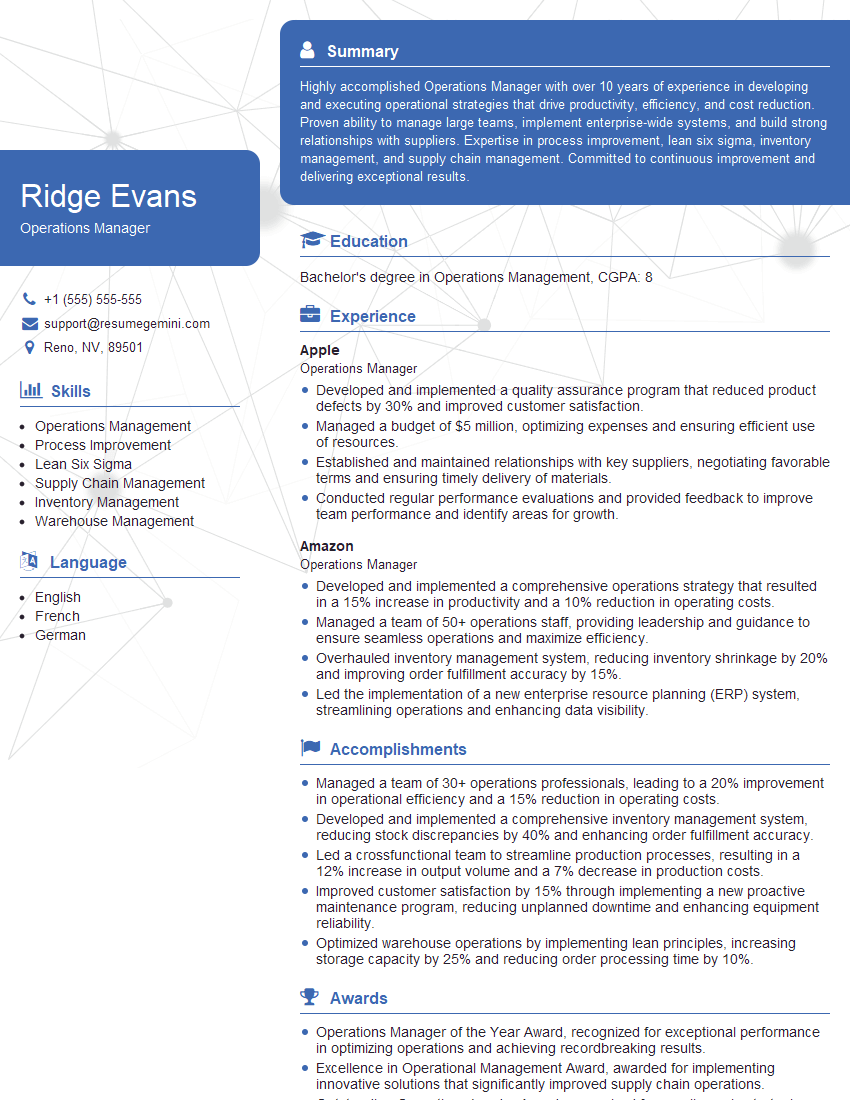
Operations Manager Resume Sample
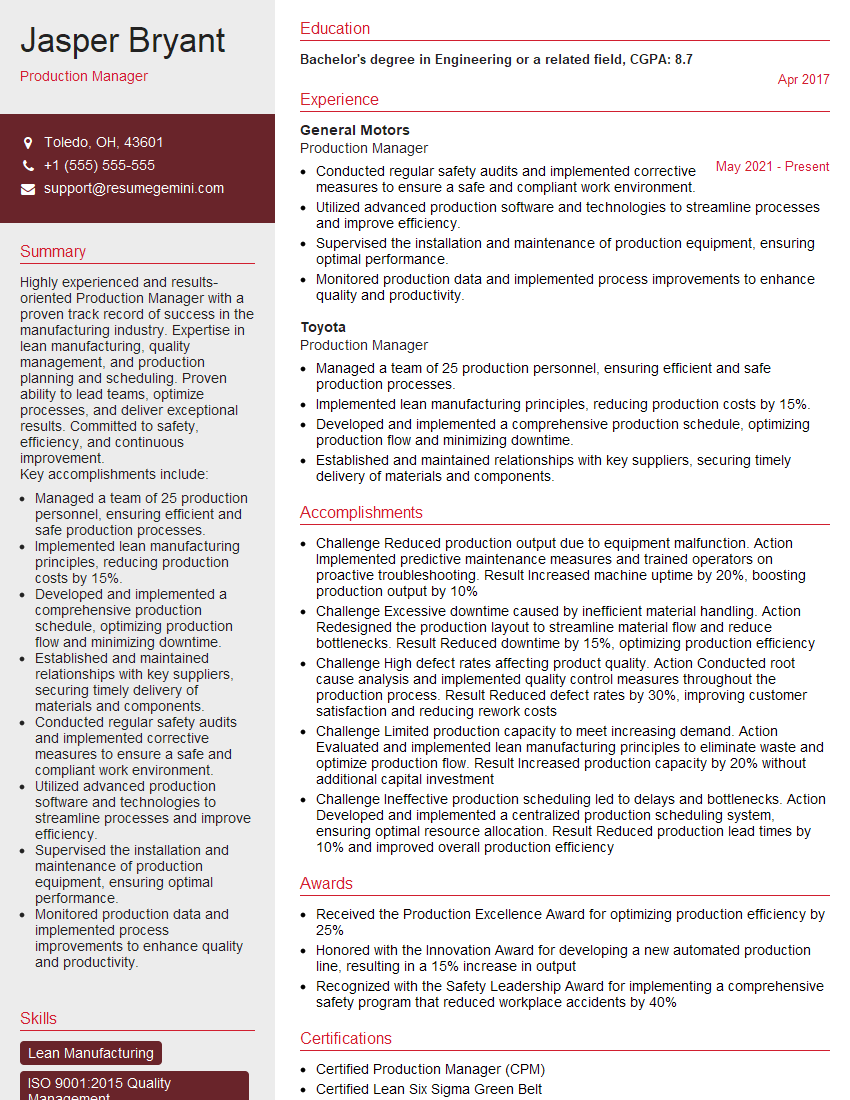
Production Manager Resume Sample
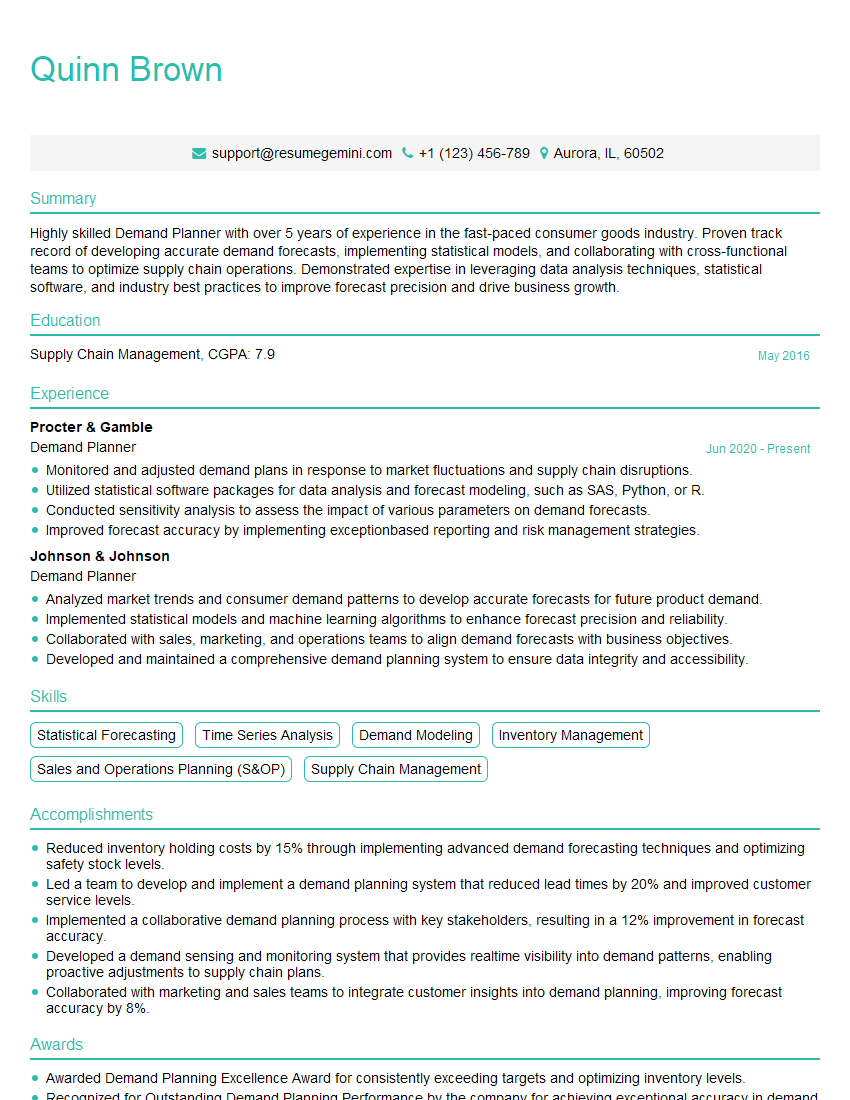
Demand Planner Resume Sample
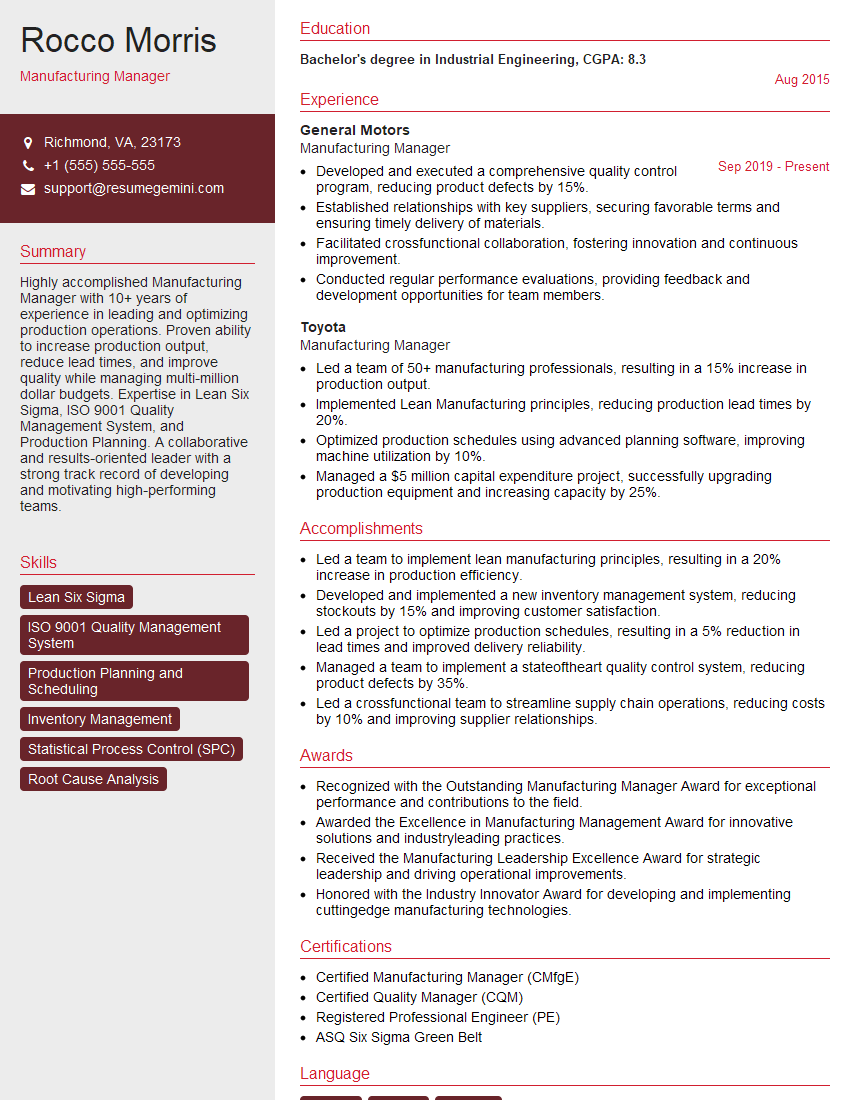
Manufacturing Manager Resume Sample
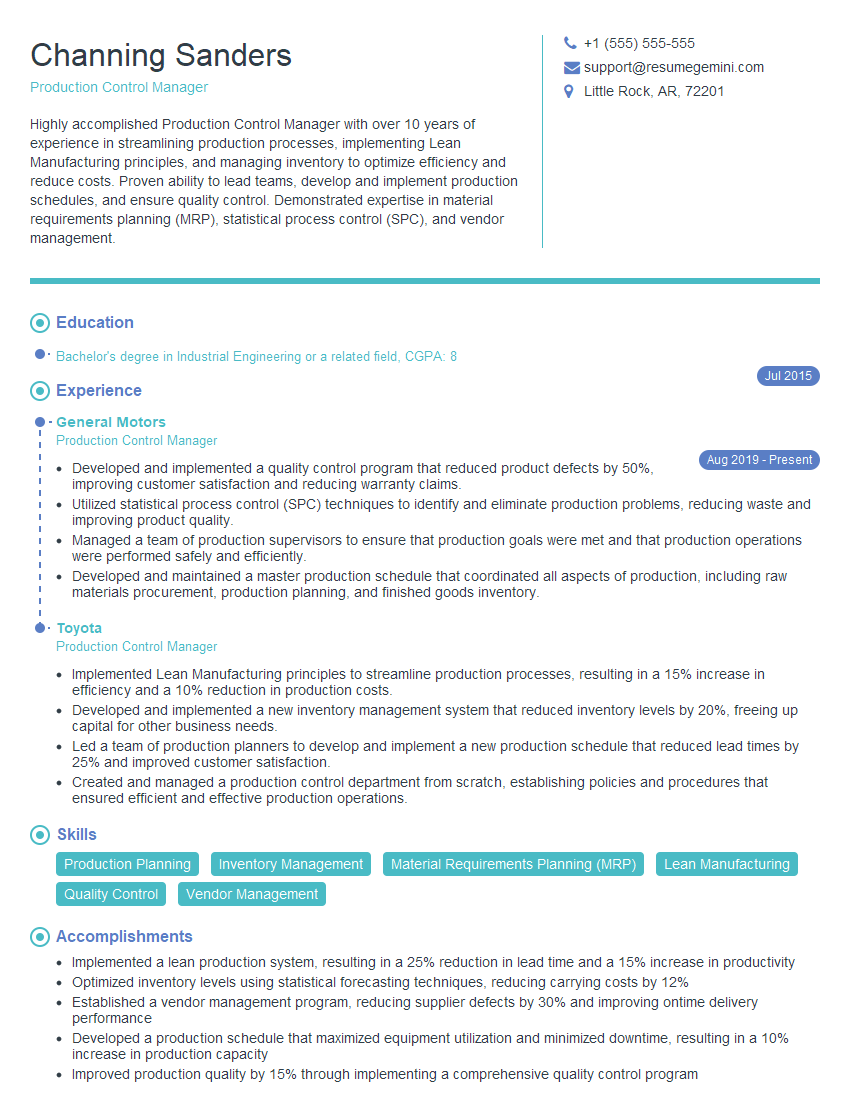
Production Control Manager Resume Sample
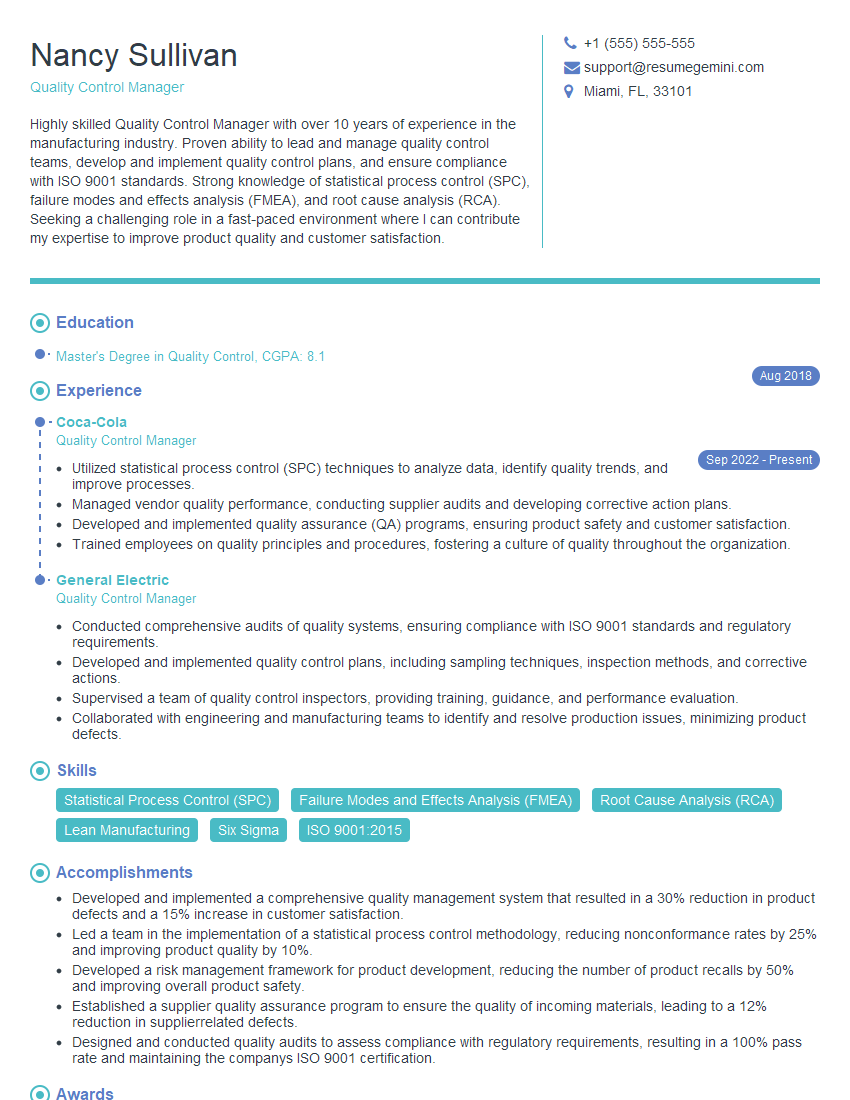
Quality Control Manager Resume Sample
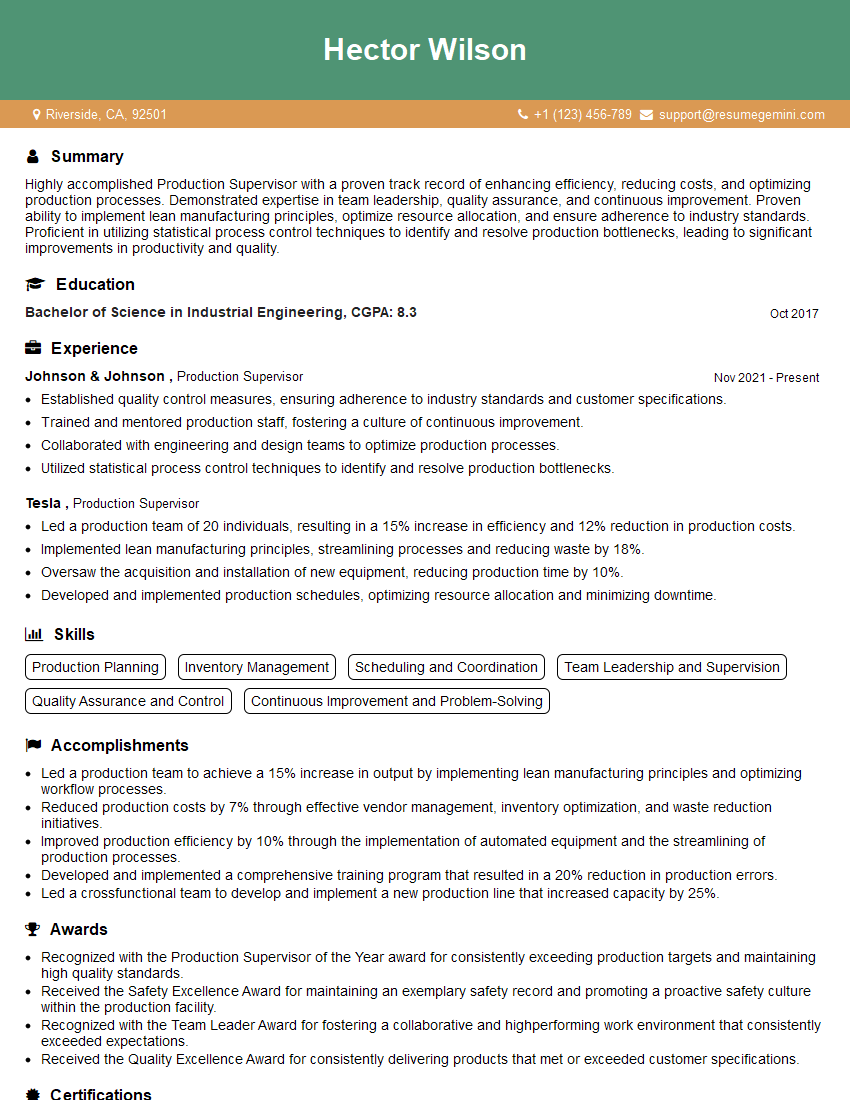
Production Supervisor Resume Sample
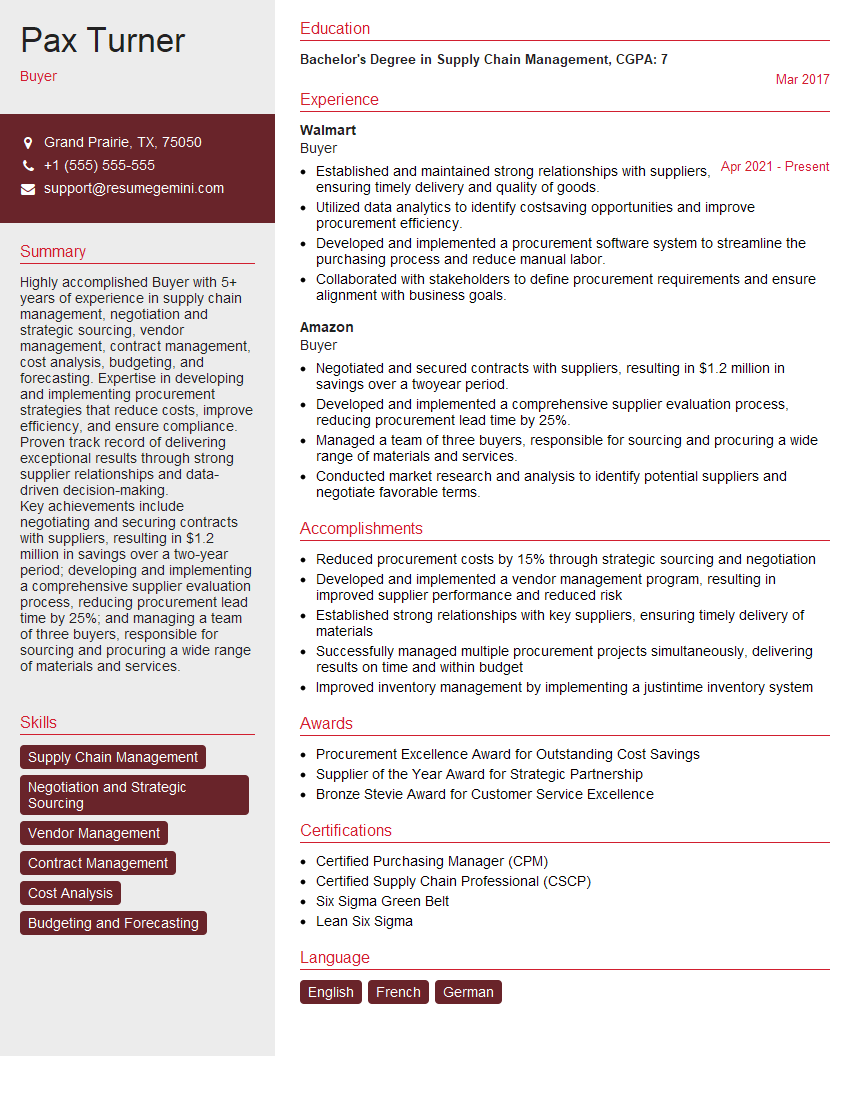
Buyer Resume Sample
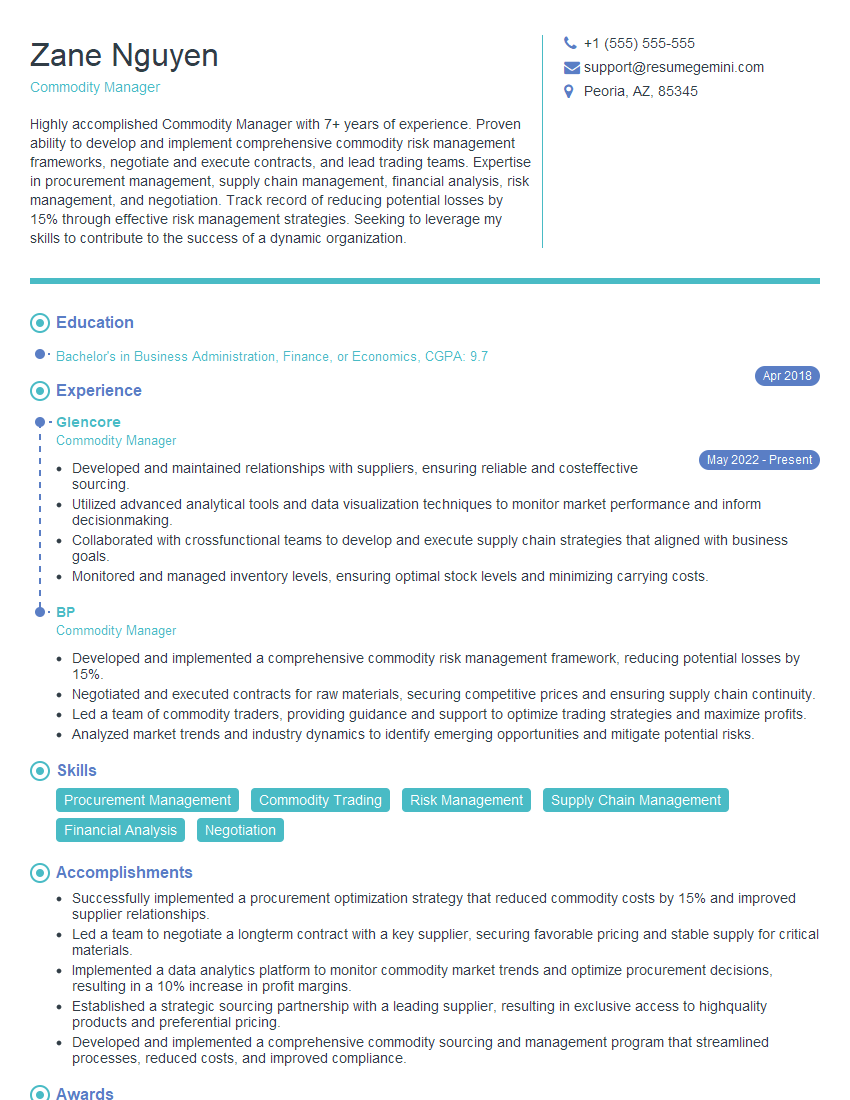
Commodity Manager Resume Sample

Procurement Manager Resume Sample
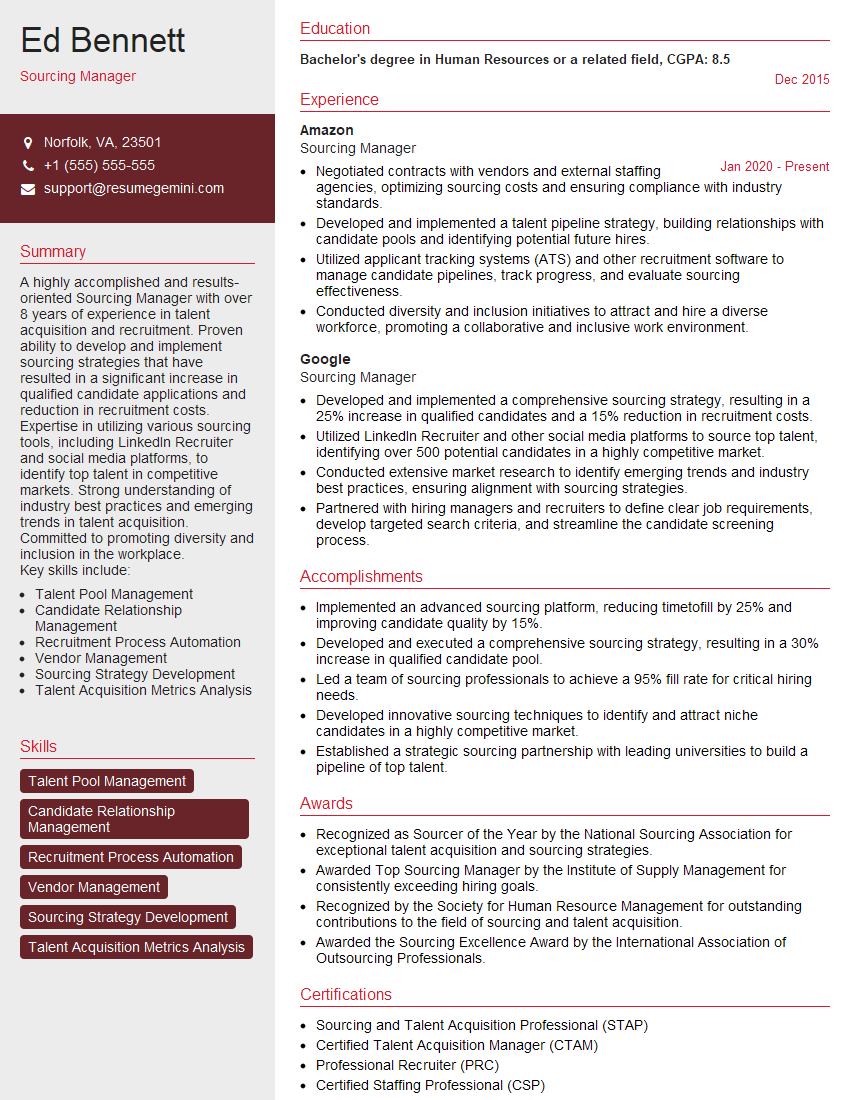
Sourcing Manager Resume Sample

Sourcing Specialist Resume Sample
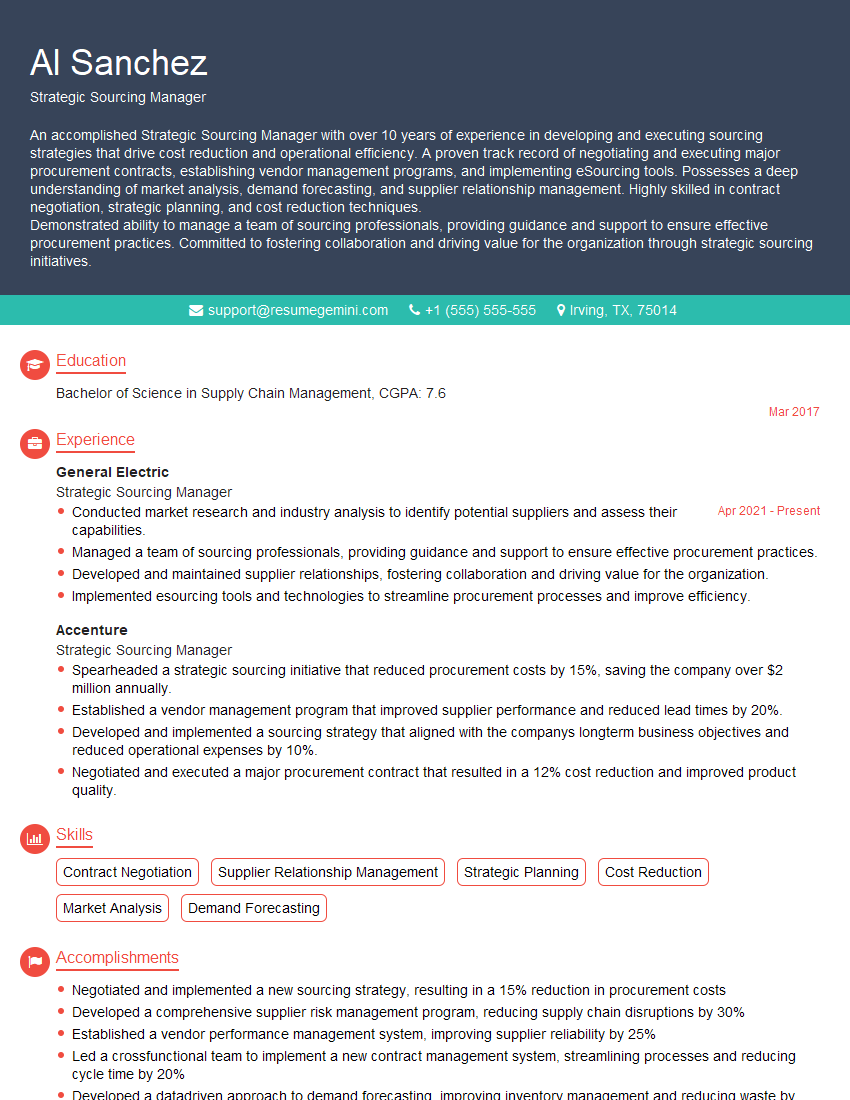
Strategic Sourcing Manager Resume Sample
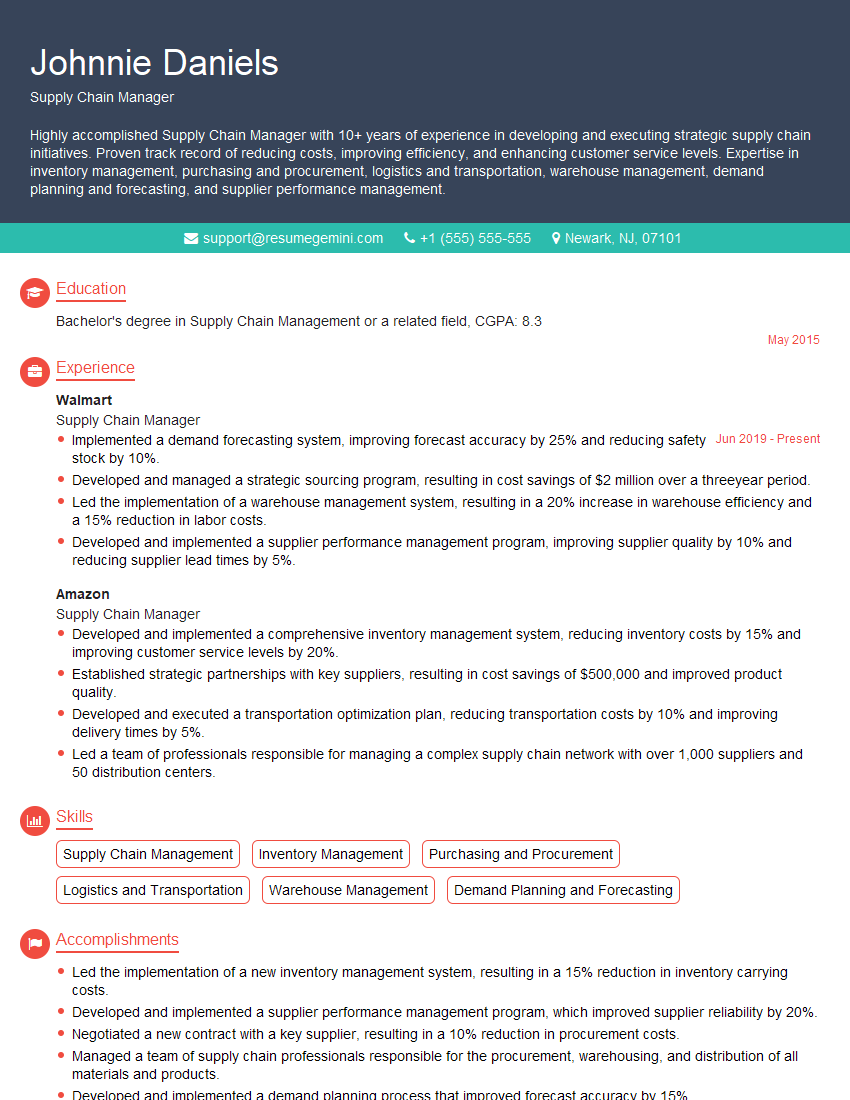
Supply Chain Manager Resume Sample
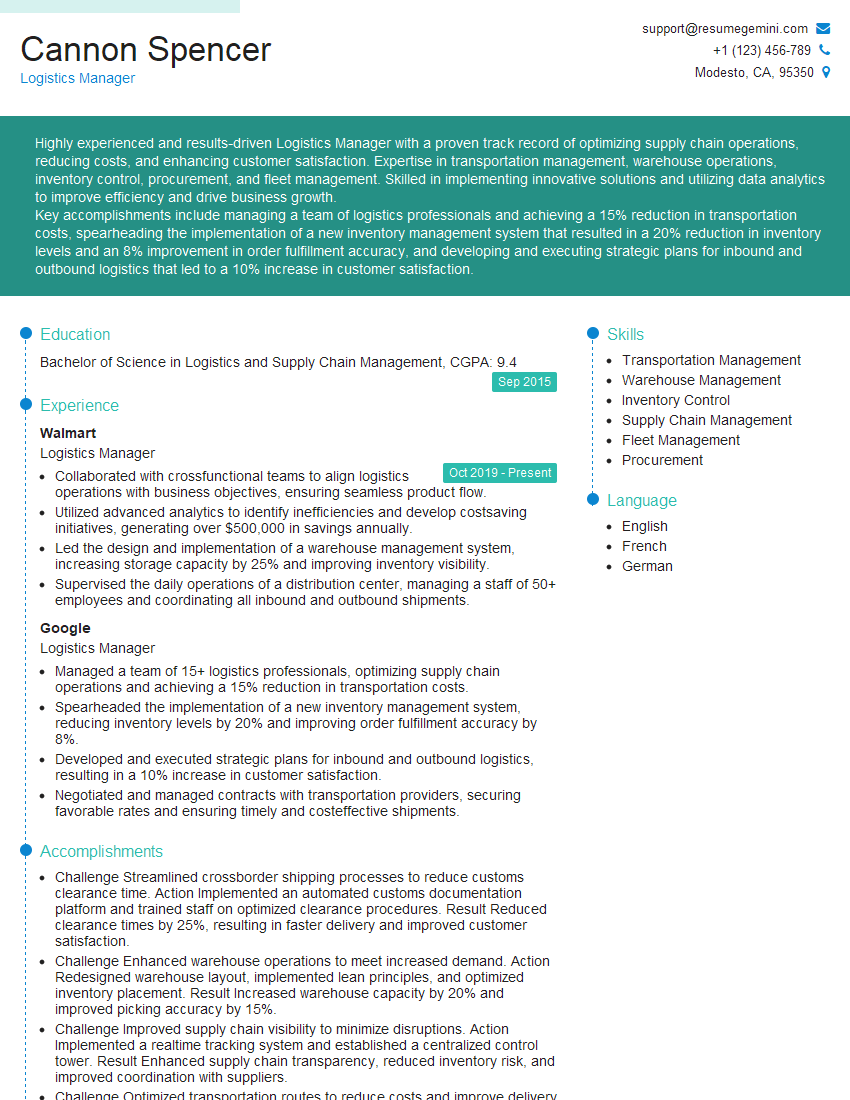
Logistics Manager Resume Sample
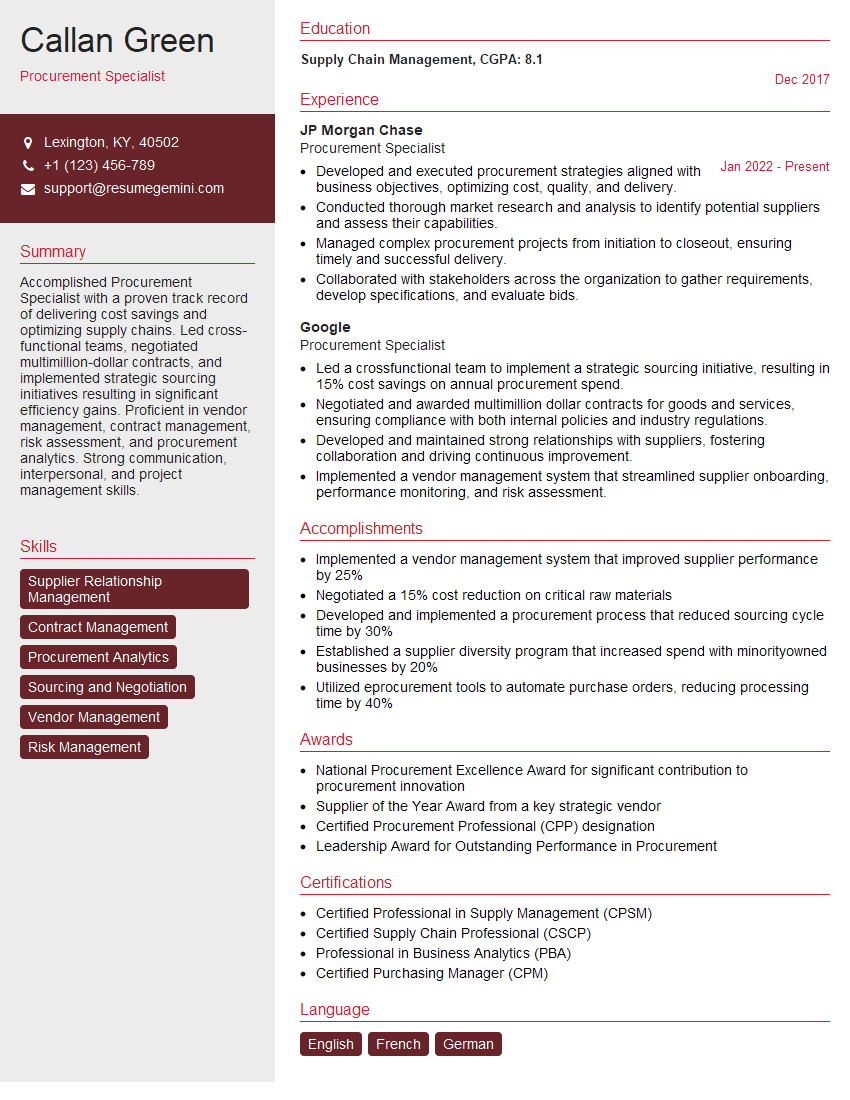
Procurement Specialist Resume Sample
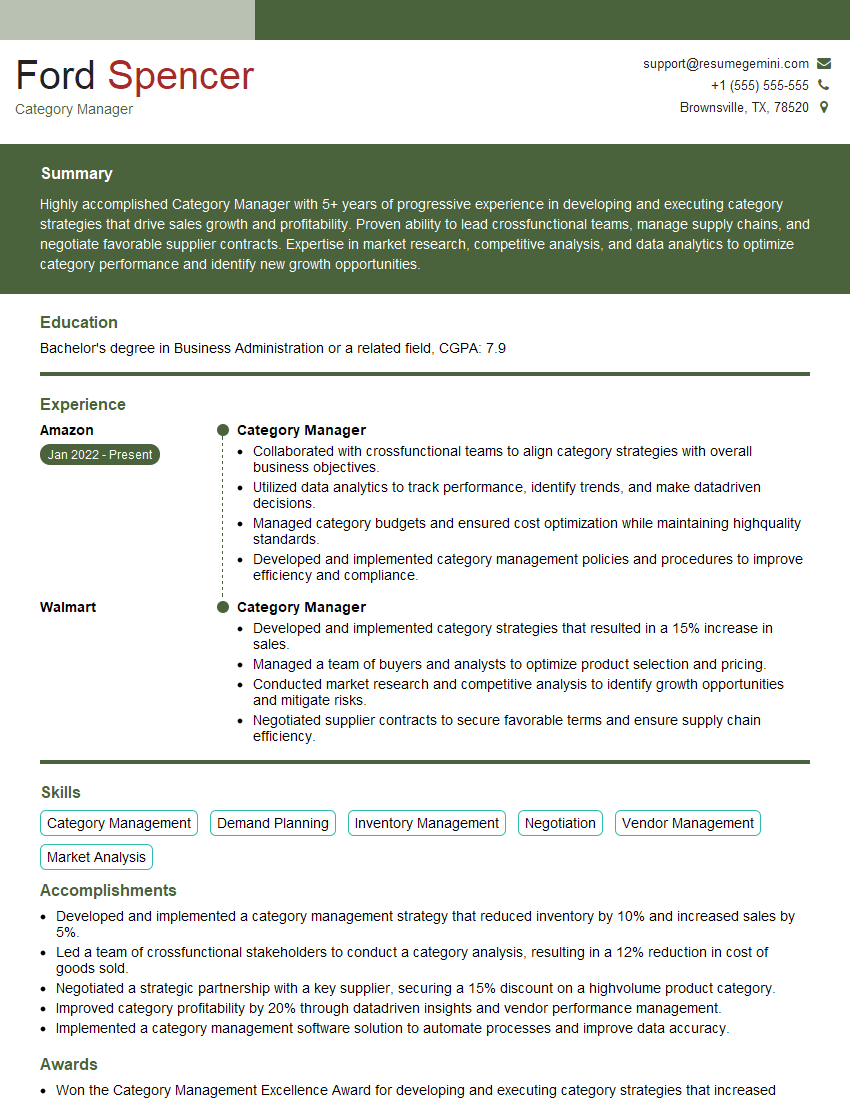
Category Manager Resume Sample
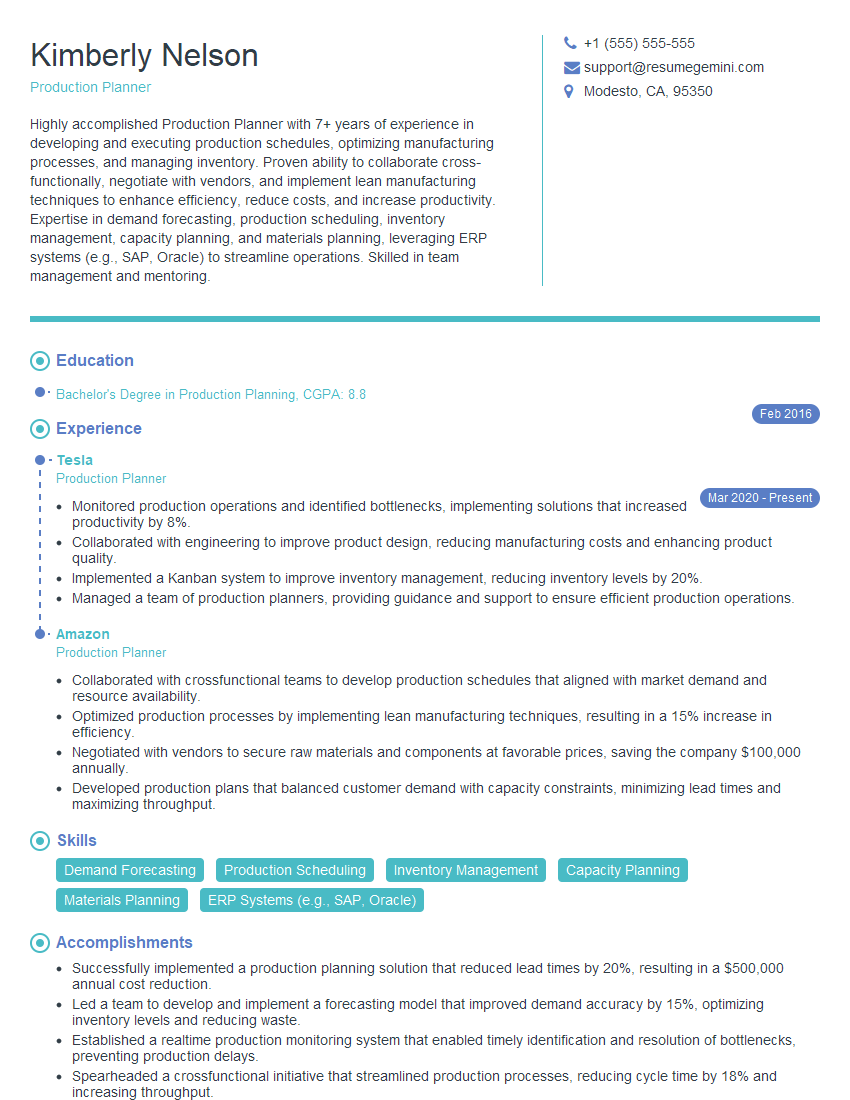
Production Planner Resume Sample
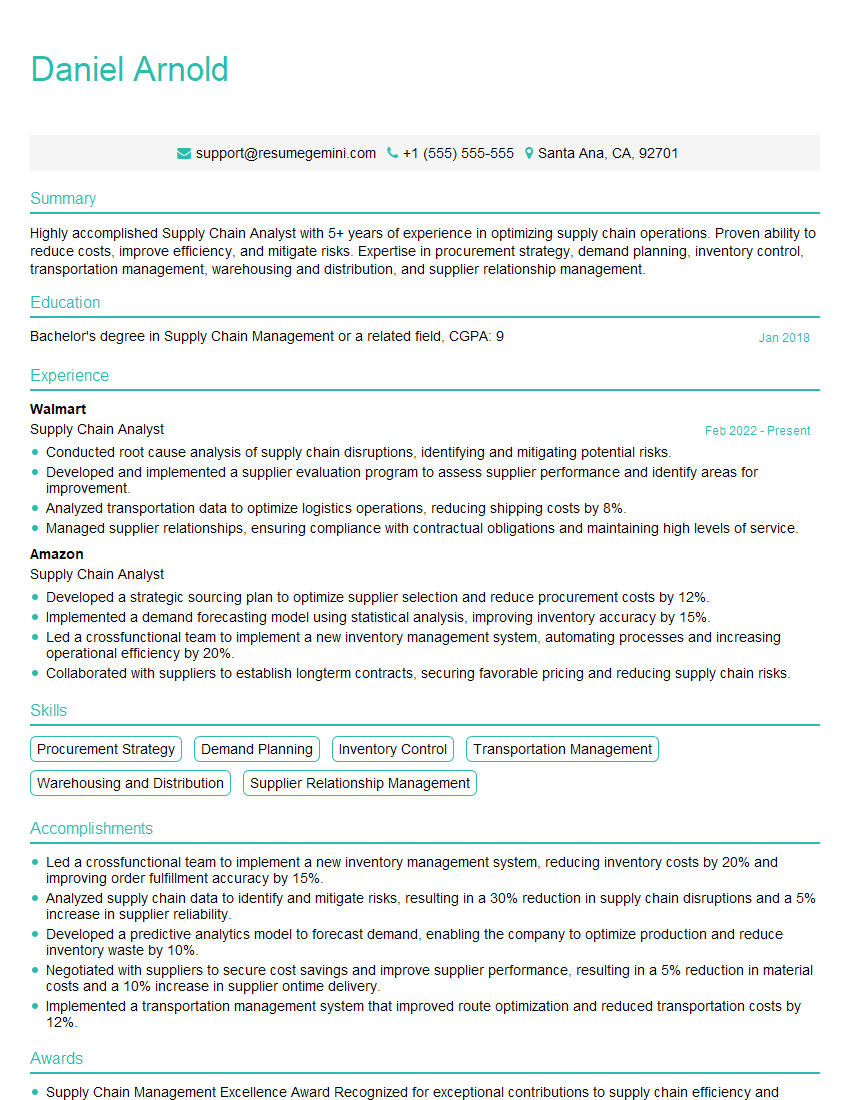
Supply Chain Analyst Resume Sample
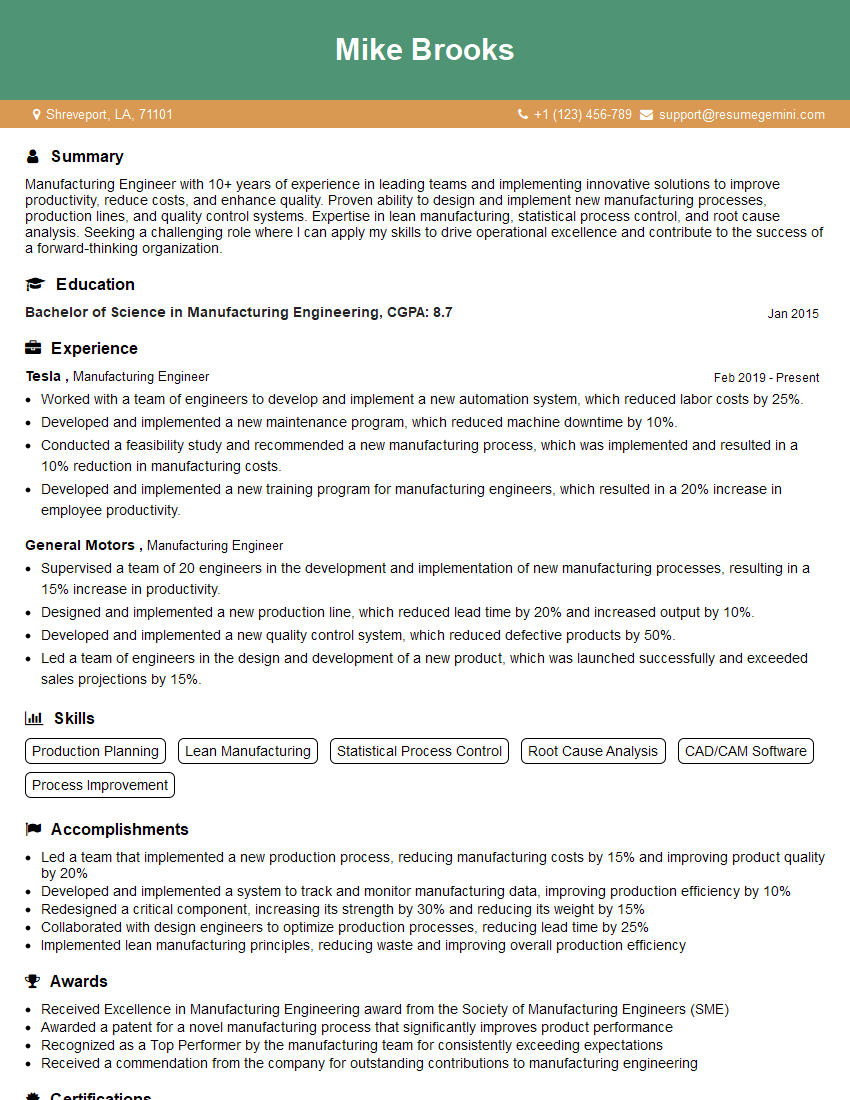
Manufacturing Engineer Resume Sample
- Operations Manager
- Production Manager
- Demand Planner
- Manufacturing Manager
- Production Control Manager
- Quality Control Manager
- Production Supervisor
- Buyer
- Commodity Manager
- Procurement Manager
- Sourcing Manager
- Sourcing Specialist
- Strategic Sourcing Manager
- Supply Chain Manager
- Logistics Manager
- Procurement Specialist
- Category Manager
- Production Planner
- Supply Chain Analyst
- Manufacturing Engineer
Explore more articles
Users Rating of Our Blogs
Share Your Experience
We value your feedback! Please rate our content and share your thoughts (optional).
What Readers Say About Our Blog
Very informative content, great job.
good