The right preparation can turn an interview into an opportunity to showcase your expertise. This guide to Safety Procedures Development and Implementation interview questions is your ultimate resource, providing key insights and tips to help you ace your responses and stand out as a top candidate.
Questions Asked in Safety Procedures Development and Implementation Interview
Q 1. Describe your experience developing safety procedures for a specific hazard.
Developing safety procedures requires a thorough understanding of the specific hazard. For example, during my time at a manufacturing plant, we faced a significant risk of machinery-related injuries. My approach involved a multi-step process. First, we meticulously documented all potential hazards associated with the machinery – pinch points, rotating parts, and potential for ejection of materials. Second, we analyzed accident reports and near-miss incidents to pinpoint specific failure points in existing practices. This analysis identified a lack of adequate machine guarding as a primary contributor to near misses. Third, we designed a new safety procedure that included mandatory use of specific machine guarding, regular machine inspections, and detailed lock-out/tag-out procedures before any maintenance or repair work. This resulted in a 40% reduction in reported near-miss incidents within six months of implementation.
- Hazard Identification: Detailed documentation of all potential hazards.
- Risk Analysis: Assessing the likelihood and severity of each hazard.
- Control Measures: Developing and implementing effective control measures, including engineering controls (machine guarding), administrative controls (training and procedures), and personal protective equipment (PPE).
- Procedure Documentation: Clear, concise, and easily understandable written procedures.
Q 2. How do you conduct a risk assessment?
A risk assessment is a systematic process to identify hazards and evaluate the risks associated with them. I use a five-step approach:
- Hazard Identification: This involves brainstorming sessions with employees who directly interact with the hazards to identify potential dangers. We use checklists, site inspections, and review past incidents to ensure a comprehensive list.
- Risk Analysis: We assess the likelihood (probability) of the hazard occurring and the severity of the potential consequences. A simple matrix helps visualize this – Likelihood (High, Medium, Low) versus Severity (Catastrophic, Serious, Minor).
- Risk Evaluation: Combining likelihood and severity provides a risk level (e.g., High, Medium, Low). This determines the urgency of implementing control measures.
- Risk Control: This is where we develop and implement control measures (Hierarchy of Controls: Elimination, Substitution, Engineering Controls, Administrative Controls, PPE). For example, if a high risk is identified for chemical exposure, elimination might not be feasible. Therefore, we might implement engineering controls (local exhaust ventilation), administrative controls (specific work procedures, training), and PPE (respirators).
- Review and Monitoring: Regularly reviewing and updating the risk assessment is crucial. This ensures procedures remain effective and relevant.
Q 3. Explain your process for implementing new safety procedures.
Implementing new safety procedures is a phased approach to ensure smooth transition and employee buy-in. First, I communicate the rationale behind the new procedures, addressing any concerns and emphasizing the benefits to employee safety and wellbeing. Second, I ensure the procedures are easily accessible, using clear language and visual aids. Third, I conduct thorough training sessions, utilizing various methods such as demonstrations, hands-on practice, and quizzes. Fourth, I provide ongoing support and feedback, addressing any difficulties employees encounter in applying the procedures. Fifth, I regularly monitor compliance and update the procedures as needed, incorporating lessons learned from experience.
- Communication: Clearly explain the ‘why’ behind the new procedures.
- Accessibility: Make procedures easily accessible and understandable.
- Training: Provide comprehensive and engaging training.
- Support: Offer ongoing support and address employee concerns.
- Monitoring and Review: Regularly monitor compliance and revise as needed.
Q 4. How do you ensure employee compliance with safety procedures?
Ensuring employee compliance is crucial for effective safety management. This involves a combination of strategies. Firstly, strong leadership commitment and visible support from management demonstrate the importance of safety. Secondly, regular audits and inspections help to identify areas of non-compliance. Thirdly, regular feedback and reinforcement of positive safety behaviours through rewards and recognition programs are key. Fourthly, a culture of open communication and reporting is essential, allowing employees to voice concerns without fear of retribution. Lastly, disciplinary measures should be used only as a last resort, after all other methods have been attempted. A focus on training and support is significantly more effective than punishment.
Q 5. What methods do you use to train employees on safety procedures?
Employee training should be tailored to the specific safety procedures. I utilize a multi-faceted approach:
- Classroom Training: Lectures, presentations, and discussions are effective for providing the theoretical background.
- Hands-on Training: Practical demonstrations and simulations allow employees to practice the procedures in a safe environment.
- On-the-Job Training: Mentoring and shadowing experienced workers provide real-world application.
- Interactive Training: Games, quizzes, and scenarios engage learners and improve knowledge retention.
- Documentation and Testing: Post-training assessments ensure understanding and competency.
The training needs to be regularly reviewed and updated to reflect changes in procedures and best practices. Utilizing various methods caters to diverse learning styles, ensuring maximum comprehension and retention.
Q 6. How do you identify and address gaps in existing safety procedures?
Identifying gaps in existing safety procedures requires a proactive approach. This starts by analyzing incident reports and near-miss data to identify areas where procedures failed or were inadequate. Regular safety audits and inspections, conducted by both internal and external experts, offer a valuable external perspective. Employee feedback through surveys, suggestion boxes, and safety committees is also essential for gaining insights from those directly involved in the processes. Finally, benchmarking against industry best practices helps to identify areas where improvements can be made.
Q 7. How do you measure the effectiveness of safety procedures?
Measuring the effectiveness of safety procedures is crucial. I use a range of key performance indicators (KPIs):
- Incident Rates: Tracking the number of accidents, injuries, and near misses.
- Compliance Rates: Monitoring adherence to safety procedures through audits and observations.
- Employee Feedback: Gathering feedback through surveys and safety committees.
- Training Effectiveness: Assessing employee knowledge and skills through tests and evaluations.
- Cost Savings: Calculating reductions in medical expenses, lost-time claims, and property damage.
Regularly reviewing these KPIs allows for continuous improvement and ensures the ongoing effectiveness of the safety program.
Q 8. Describe a time you had to revise safety procedures due to an incident or near-miss.
During my time at a manufacturing plant, a near-miss occurred where an employee almost suffered a serious hand injury due to a malfunctioning machine. While existing lockout/tagout procedures were in place, we discovered a gap in the training and reinforcement of the process. The employee hadn’t fully understood the critical steps of verifying the machine’s de-energized state before commencing maintenance. This incident prompted a comprehensive review of our safety procedures.
Our revision involved several key changes: We implemented more detailed, visually engaging training materials, including videos and interactive modules. We introduced a checklist system for the lockout/tagout process, with mandatory confirmation steps at each stage, and a more rigorous inspection and sign-off system. Finally, we implemented a ‘buddy system’ requiring two employees to be present for all maintenance tasks involving lockout/tagout to improve oversight and accountability. Post-revision, we conducted more frequent refresher training sessions and implemented a system for gathering regular feedback to ensure continuous improvement.
Q 9. What are the key elements of a comprehensive safety management system?
A comprehensive safety management system (SMS) is a proactive and systematic approach to identifying, assessing, controlling, and monitoring workplace hazards. It’s not just about reacting to incidents; it’s about preventing them altogether. Think of it as a holistic framework, encompassing multiple crucial elements:
- Hazard Identification & Risk Assessment: This involves systematically identifying potential hazards (e.g., unsafe equipment, hazardous materials, unsafe work practices) and assessing their associated risks (likelihood and severity of harm).
- Control Measures: Implementing control measures to eliminate or mitigate identified hazards. This follows the hierarchy of controls (discussed later).
- Training & Competency Assurance: Equipping employees with the necessary knowledge, skills, and abilities to perform their tasks safely and identifying any gaps in knowledge or skillsets through regular competency assessments.
- Emergency Preparedness & Response: Establishing clear procedures and training for dealing with various emergencies (e.g., fire, chemical spills, medical emergencies). This includes regular drills and simulations.
- Monitoring & Auditing: Regularly monitoring safety performance, conducting audits and inspections, and reviewing the effectiveness of implemented controls. This ensures that procedures are consistently being followed and that any new hazards are promptly identified.
- Incident Investigation & Reporting: Thoroughly investigating incidents, near misses, and accidents to identify root causes and implement corrective actions to prevent recurrence. Open and honest reporting is essential.
- Communication & Consultation: Establishing effective channels for communication and consultation among management, workers, and other stakeholders. This ensures all parties are informed and participate in the process.
Q 10. How familiar are you with OSHA/relevant safety regulations?
I possess a thorough understanding of OSHA (Occupational Safety and Health Administration) regulations and other relevant safety standards applicable to various industries. My knowledge extends to interpreting relevant sections of OSHA’s General Industry Standards, as well as specific standards applicable to the industries I’ve worked with, such as manufacturing and construction. I am familiar with OSHA’s recordkeeping requirements, the requirements of a safety and health program, and procedures for inspections and reporting. Furthermore, my experience allows me to stay abreast of any changes and updates to these regulations. I’m also familiar with other relevant safety standards like ANSI and NFPA, depending on the specific needs of the workplace.
Q 11. Explain the hierarchy of controls in safety management.
The hierarchy of controls is a fundamental principle in safety management. It prioritizes control measures based on their effectiveness in eliminating or reducing hazards. The order of preference, from most to least effective, is as follows:
- Elimination: Completely removing the hazard. For example, replacing a hazardous chemical with a safer alternative.
- Substitution: Replacing the hazard with a less hazardous alternative. For example, replacing a manual lifting task with a mechanical lifting device.
- Engineering Controls: Implementing physical changes to the workplace to reduce exposure to hazards. Examples include machine guarding, ventilation systems, and improved lighting.
- Administrative Controls: Implementing changes to work practices, procedures, or policies. Examples include job rotation, providing training, and establishing safety rules.
- Personal Protective Equipment (PPE): Providing workers with PPE to protect them from hazards. This is the last line of defense and should only be used when other controls are not feasible or sufficient. Examples include safety glasses, hard hats, and respirators.
It’s crucial to note that the hierarchy is not always strictly followed. Sometimes, a combination of controls is necessary to adequately manage a risk. However, always prioritizing the most effective methods from the list will provide the best outcome.
Q 12. How do you communicate safety information effectively to diverse audiences?
Effective communication is crucial for successful safety programs. Communicating to diverse audiences requires tailoring the message to their understanding and preferred methods of receiving information. My approach involves:
- Multilingual Materials: Providing safety information in multiple languages to accommodate workers from various linguistic backgrounds.
- Visual Aids: Using diagrams, pictures, and videos to enhance understanding, especially for those with limited literacy skills. Simple, clear graphics can be extremely effective.
- Different Communication Channels: Utilizing various channels, such as posters, toolbox talks, email updates, intranet portals, and team meetings to reach all employees.
- Interactive Training: Engaging employees actively in training through hands-on exercises, simulations, and group discussions.
- Feedback Mechanisms: Creating avenues for workers to provide feedback on safety procedures and to report concerns without fear of retaliation.
- Considering Cultural Differences: Understanding and respecting cultural nuances and beliefs when designing and delivering safety training and information.
For example, when working with a team of construction workers, I would use a combination of visual aids demonstrating correct lifting techniques, hands-on training sessions using mock-ups of equipment, and regular short toolbox talks to reinforce safety points. For office workers, email updates, posters, and interactive online modules may be more effective.
Q 13. What are your strategies for promoting a safety-conscious culture?
Promoting a safety-conscious culture is an ongoing process that requires leadership commitment and employee engagement. My strategies include:
- Leadership Visibility: Leaders actively participating in safety initiatives, demonstrating commitment through actions, not just words. This sets the tone for the entire organization.
- Employee Empowerment: Encouraging employees to identify and report hazards without fear of retribution. Implementing a system where suggestions are welcomed and actively addressed.
- Recognition & Rewards: Recognizing and rewarding employees for safe behavior and contributions to safety initiatives. This fosters a culture of positive reinforcement.
- Safety Incentives: Offering incentives to improve safety performance such as gift cards or days off for safety achievements.
- Regular Safety Campaigns: Launching campaigns focused on specific hazards or topics (e.g., fire safety, lockout/tagout) to raise awareness and improve understanding. These campaigns could include contests, quizzes, or team challenges.
- Open Communication: Creating a culture where safety concerns can be openly discussed and addressed without blame.
For instance, I’ve successfully implemented a peer-to-peer safety observation program where employees actively look out for each other and provide positive reinforcement for safe work practices. This fostered a strong sense of teamwork and increased accountability.
Q 14. Describe your experience with safety audits and inspections.
I have extensive experience in conducting safety audits and inspections across various industries. My approach involves a systematic and thorough process which includes:
- Planning & Preparation: Defining the scope of the audit, reviewing relevant safety regulations and standards, and developing a checklist tailored to the specific workplace.
- On-site Inspection: Conducting a thorough walk-through of the facility, observing work practices, examining equipment, and verifying compliance with established safety procedures. Documenting findings meticulously using photographs and detailed notes.
- Interviews: Interviewing employees at various levels to assess their understanding of safety procedures and identify potential concerns.
- Data Analysis: Analyzing collected data to identify trends, root causes of potential hazards, and areas needing improvement.
- Reporting & Recommendations: Preparing a comprehensive report summarizing the findings, highlighting areas of compliance and non-compliance, and providing actionable recommendations for improvement.
- Follow-up: Following up on corrective actions to ensure that identified issues are addressed and resolved.
In one instance, I led an audit at a construction site that revealed inadequate fall protection measures. My report detailed the deficiencies, included photographic evidence, and recommended implementing improved fall protection systems and training, which was subsequently implemented leading to a significant improvement in site safety.
Q 15. How do you handle safety concerns raised by employees?
Addressing employee safety concerns is paramount. My approach involves a multi-step process that prioritizes open communication and proactive problem-solving. First, I ensure that employees feel comfortable reporting any safety issue, regardless of how minor it may seem. This often involves creating a safe and blame-free reporting system, possibly utilizing anonymous reporting methods if appropriate. Second, each concern is carefully documented and assessed. This involves identifying the nature of the hazard, its potential severity, and the likelihood of an incident occurring. Third, I collaborate with the relevant personnel – whether it’s the employee themselves, supervisors, engineers, or safety committees – to determine the appropriate corrective action. This might involve immediate remediation of the hazard, development of a new safety procedure, or employee training. Finally, I follow up to ensure that the corrective action was effective and that the employee feels heard and safe. For example, if an employee reported a slippery floor, we wouldn’t just mop it; we would investigate the cause of the slipperiness (e.g., a leak, worn floor), fix the underlying problem, and implement preventative measures like regular inspections and improved drainage.
Career Expert Tips:
- Ace those interviews! Prepare effectively by reviewing the Top 50 Most Common Interview Questions on ResumeGemini.
- Navigate your job search with confidence! Explore a wide range of Career Tips on ResumeGemini. Learn about common challenges and recommendations to overcome them.
- Craft the perfect resume! Master the Art of Resume Writing with ResumeGemini’s guide. Showcase your unique qualifications and achievements effectively.
- Don’t miss out on holiday savings! Build your dream resume with ResumeGemini’s ATS optimized templates.
Q 16. How do you investigate workplace accidents and incidents?
Investigating workplace accidents and incidents is a critical process for preventing future occurrences. My approach follows a systematic methodology often referred to as a ‘root cause analysis’. We begin by securing the scene to prevent further injuries and preserving evidence. Then, we collect data through witness interviews, reviewing incident reports, examining physical evidence, and analyzing safety records. This data allows us to reconstruct the accident timeline and identify contributing factors. We use various analytical tools, such as fault tree analysis or the ‘5 Whys’ technique, to delve beyond the immediate cause and uncover the root causes. For instance, if an employee was injured by falling equipment, we wouldn’t stop at concluding the equipment fell; we’d investigate why it fell (e.g., improper securing, faulty equipment, inadequate training). The findings are then used to develop corrective actions, implement changes to safety procedures, update training programs, and enhance risk assessments, ultimately preventing similar incidents. The whole process is meticulously documented to maintain a comprehensive record.
Q 17. What are some common safety hazards in your industry?
The common safety hazards vary significantly depending on the specific industry. However, some hazards are prevalent across many sectors. For instance, slips, trips, and falls remain a leading cause of workplace injuries. Improper lifting techniques can lead to musculoskeletal disorders. Exposure to hazardous chemicals, radiation, or excessive noise are significant concerns in many industries. Electrical hazards are always a major risk, particularly in manufacturing or construction settings. Finally, insufficient training, inadequate personal protective equipment (PPE), and lack of proper safety procedures can increase the likelihood of accidents. Specific examples could be a poorly lit warehouse causing slips, trips and falls, or improper use of machinery leading to severe injuries, or not implementing adequate safety measures during hazardous material handling.
Q 18. How do you prioritize safety risks?
Prioritizing safety risks involves a structured approach combining qualitative and quantitative assessments. We often use risk matrices that consider the likelihood and severity of each hazard. Likelihood is rated based on the probability of the hazard occurring (e.g., low, medium, high), while severity assesses the potential consequences (e.g., minor injury, major injury, fatality). A risk matrix visually represents this information, allowing us to prioritize hazards based on their overall risk level. For example, a hazard with high likelihood and high severity would be prioritized over one with low likelihood and low severity. Beyond the matrix, we factor in legal requirements, industry best practices, and the specific characteristics of our workplace and workforce. Regular review and updates are essential, as risks can change over time due to new equipment, processes, or regulations.
Q 19. Explain your experience with using safety software or databases.
I have extensive experience using various safety software and databases, including incident reporting systems, risk assessment tools, and training management platforms. For instance, I’ve used software to track near misses, accidents, and corrective actions, allowing us to identify trends and patterns. These systems often provide valuable data for generating comprehensive safety reports and informing management decisions. We also utilize database software for storing safety data, such as employee training records, equipment inspections, and safety procedure documentation. The use of such software ensures efficient data management and provides a centralized repository for all safety-related information. This data driven approach significantly improves our ability to manage and mitigate safety risks. The use of software also increases transparency and accountability within the organisation.
Q 20. Describe your experience with developing and implementing emergency response plans.
Developing and implementing emergency response plans is a crucial aspect of my role. This involves identifying potential emergencies (e.g., fire, chemical spills, natural disasters), outlining evacuation procedures, designating emergency contact personnel, and specifying roles and responsibilities for each team member. These plans must be practical, easily understood, and regularly tested through drills and simulations. For example, we’d develop evacuation routes, establish assembly points, and train personnel on the use of fire extinguishers and emergency communication systems. The plans are tailored to our specific workplace, considering factors such as building layout, potential hazards, and employee demographics. We also integrate these plans into our overall safety management system, ensuring regular review and updates to address any changes in our operations or regulatory requirements.
Q 21. How do you stay current on changes in safety regulations and best practices?
Staying current on safety regulations and best practices requires continuous effort. I regularly monitor changes in relevant legislation, industry standards, and research findings. This involves subscribing to professional journals and newsletters, attending industry conferences and training courses, and participating in professional organizations. We also maintain close communication with regulatory bodies and other experts in the field. Online resources and government websites are crucial for accessing up-to-date information. This ensures that our safety procedures and training programs are compliant with current regulations and reflect the latest safety advancements. Regular internal audits and external reviews help to identify areas for improvement and ensure that our safety management system remains effective and proactive.
Q 22. How do you measure the effectiveness of safety training programs?
Measuring the effectiveness of safety training programs requires a multi-faceted approach that goes beyond simply asking if employees attended. We need to assess whether the training translated into behavioral changes and improved safety performance.
- Pre- and Post-Training Assessments: I use pre- and post-training tests to gauge knowledge retention and improvement in understanding safety procedures. For example, a pre-training test on lockout/tagout procedures followed by a post-training test will demonstrate knowledge gain.
- Observations and Audits: Direct observation of employees in their work environment allows assessment of their adherence to trained safety procedures. Regular safety audits of work areas can identify potential hazards and assess compliance with established protocols.
- Incident Reporting Data: A significant decrease in safety incidents related to the training topic after the program’s implementation provides strong evidence of effectiveness. Analyzing the root causes of incidents that still occur after training helps refine future programs.
- Employee Feedback Surveys: Anonymous surveys gather employees’ feedback on the program’s clarity, relevance, and effectiveness. This qualitative data provides valuable insights into areas for improvement.
- Leading Indicators: Tracking leading indicators like near misses or unsafe acts allows early identification of potential problems before they result in incidents. A reduction in near misses suggests the training is making a positive impact.
By combining these methods, we obtain a comprehensive picture of the training program’s impact and identify areas needing further development or refinement. For instance, if post-training assessments show low knowledge retention, we can revise the training materials or delivery methods.
Q 23. What is your experience with incident reporting and analysis?
Incident reporting and analysis are crucial for continuous improvement in safety. My experience involves establishing a clear, consistent, and non-punitive reporting system to encourage employees to report incidents without fear of reprisal.
- Incident Reporting System: I’ve implemented user-friendly online and offline reporting systems, ensuring all incidents, near misses, and hazards are documented comprehensively. The system captures details like date, time, location, personnel involved, and a detailed description of the event.
- Root Cause Analysis (RCA): I utilize various RCA techniques like the ‘5 Whys’ or Fishbone diagrams to thoroughly investigate incidents and identify the underlying causes. This goes beyond simply identifying the immediate cause to uncover systemic issues that may contribute to recurring incidents.
- Data Analysis and Reporting: I’ve used statistical software to analyze incident data, identifying trends, patterns, and high-risk areas. This data is used to inform safety improvements and prioritize resources. For example, if we find a high incidence of slips and falls in a specific area, we can implement targeted interventions, such as improved lighting or better floor maintenance.
- Corrective Actions: Based on the RCA findings, I help develop and implement corrective actions to prevent recurrence. This might include improved training, changes to work procedures, equipment modifications, or engineering controls.
For example, in a previous role, analysis of incident reports revealed a pattern of hand injuries associated with a particular piece of machinery. Through RCA, we identified a lack of proper safety guards and inadequate training on its use. Corrective action included installing new guards and providing refresher training to employees.
Q 24. Describe your experience with conducting safety meetings and presentations.
Conducting effective safety meetings and presentations requires strong communication skills and the ability to engage the audience.
- Meeting Preparation: I begin by identifying the key safety concerns or topics for the meeting. I create clear and concise agendas and use visual aids like slides or videos to enhance understanding.
- Interactive Sessions: I incorporate interactive elements into the meetings, such as quizzes, discussions, and question-and-answer sessions to keep employees engaged and ensure they understand the material. I avoid lengthy lectures and focus on practical applications.
- Tailored Content: I tailor the content to the specific audience and their job roles. A safety meeting for maintenance personnel will differ significantly from one for office staff.
- Feedback and Follow-up: I gather feedback from attendees to assess the effectiveness of the meeting and identify areas for improvement. I also follow up with employees to ensure they have implemented any changes or actions discussed.
One successful strategy I’ve used is a ‘toolbox talk’ approach for shorter meetings, focusing on a single, critical safety issue. This ensures the information is easily digested and memorable. For example, a toolbox talk on proper lifting techniques can drastically reduce the risk of back injuries.
Q 25. How do you manage conflicting priorities regarding safety and productivity?
Balancing safety and productivity is a continuous challenge. It’s not about choosing one over the other; it’s about integrating safety into every aspect of productivity.
- Risk Assessment: I prioritize tasks based on their inherent risk. High-risk activities require more stringent safety protocols, even if it means slightly lower immediate productivity.
- Proactive Approach: Investing in safety upfront (e.g., training, equipment upgrades, improved processes) is often more cost-effective than dealing with incidents later. It also minimizes production downtime and maintains a positive safety culture.
- Collaboration and Communication: Open communication with management and employees is crucial. I work to ensure everyone understands the importance of safety and how it contributes to long-term productivity.
- Data-Driven Decision Making: Using data on incident rates, near misses, and productivity metrics helps to objectively assess the impact of safety initiatives and demonstrates the return on investment in safety programs.
For example, implementing a new safety protocol might seem to initially slow down production. However, by reducing workplace accidents, it ultimately saves time and resources lost to injury-related downtime. The long-term benefits in productivity far outweigh the initial minor reduction.
Q 26. How do you adapt safety procedures to changing work conditions?
Adapting safety procedures to changing work conditions is essential for maintaining a safe work environment.
- Regular Risk Assessments: I conduct regular risk assessments to identify new or changing hazards as work conditions evolve. This includes evaluating new equipment, processes, or materials.
- Job Hazard Analyses (JHAs): JHAs systematically identify and control hazards associated with specific jobs. They are updated whenever there are significant changes in the job tasks or environment.
- Flexible Procedures: Safety procedures should not be rigid; instead, they should be designed to be adaptable. For example, procedures might include options for different situations or include contingency plans for unexpected events.
- Employee Involvement: Employees on the ground often have valuable insights into potential hazards. Engaging them in the process of adapting safety procedures helps build ownership and ensure practical solutions are adopted.
For instance, if a new piece of equipment is introduced, a JHA is conducted to identify all potential hazards associated with its operation, leading to changes in safety procedures, training, and potentially even workstation design.
Q 27. Describe your experience with developing and implementing safety policies.
Developing and implementing safety policies requires a structured approach to ensure effectiveness and compliance.
- Policy Development: I collaborate with stakeholders to define clear, concise, and comprehensive safety policies. These policies align with relevant legislation, industry best practices, and the organization’s overall goals.
- Communication and Training: Once policies are developed, effective communication is critical. I ensure all employees receive appropriate training on the policies and understand their responsibilities.
- Implementation: I develop implementation plans with timelines, responsibilities, and measurable objectives. This includes providing the necessary resources, support, and ongoing monitoring.
- Monitoring and Review: Regularly review and update policies based on incident reports, audits, and feedback. This ensures the policies remain relevant, effective, and aligned with evolving best practices and legal requirements.
For example, in developing a lockout/tagout policy, I would ensure it meets OSHA standards, includes detailed procedures for different types of equipment, provides training materials, and has a system for auditing compliance.
Q 28. How do you handle resistance to safety procedures?
Resistance to safety procedures is often rooted in misunderstandings, lack of training, or concerns about productivity. Addressing this requires a proactive and empathetic approach.
- Understanding the Resistance: I begin by understanding the reasons behind the resistance. This often involves open dialogue with employees to gather their perspectives and address their concerns.
- Clear Communication: Clearly communicate the benefits of complying with safety procedures, emphasizing how they protect employees and improve overall productivity.
- Addressing Concerns: Actively address concerns about productivity or inconvenience. This may involve finding alternative solutions or demonstrating how improved safety leads to increased efficiency in the long run.
- Training and Education: Ensure adequate training and education are provided, focusing on the ‘why’ behind the procedures, not just the ‘how’.
- Incentivization: Positive reinforcement and recognition for safe work practices can motivate employees and improve compliance.
- Leadership Support: Strong leadership support is critical. Management needs to actively promote and enforce safety procedures, setting a positive example for all employees.
For instance, if employees resist wearing safety glasses, I’d explain the risks of eye injuries and demonstrate how the glasses don’t impede their work. I’d also actively involve them in selecting comfortable and practical glasses.
Key Topics to Learn for Safety Procedures Development and Implementation Interview
- Hazard Identification and Risk Assessment: Understanding methodologies like HAZOP, FMEA, and what-if analysis; practical application in identifying potential hazards within various work environments.
- Procedure Development and Documentation: Creating clear, concise, and easily understood safety procedures; incorporating best practices for visual aids, flowcharts, and language accessibility.
- Implementation and Communication Strategies: Developing effective training programs; techniques for ensuring procedure adherence and continuous improvement through feedback mechanisms.
- Regulatory Compliance: Familiarity with relevant safety regulations and standards (e.g., OSHA, ISO); applying these standards to procedure development and implementation.
- Incident Investigation and Root Cause Analysis: Investigating safety incidents, identifying root causes, and developing corrective actions to prevent recurrence; applying techniques like 5 Whys and fishbone diagrams.
- Safety Auditing and Inspections: Conducting regular safety audits and inspections to ensure compliance and identify areas for improvement; using checklists and reporting procedures effectively.
- Emergency Response Planning: Developing and implementing emergency response plans, including evacuation procedures, first aid protocols, and communication strategies.
- Performance Measurement and Continuous Improvement: Tracking key safety metrics, analyzing performance data, and implementing continuous improvement strategies to enhance safety performance.
- Human Factors in Safety: Understanding human error and its role in accidents; applying human factors principles to procedure design and training to minimize risk.
Next Steps
Mastering Safety Procedures Development and Implementation is crucial for career advancement in various industries, showcasing your commitment to a safe and productive work environment. A strong resume is your first step to securing your dream role. Creating an ATS-friendly resume is vital for maximizing your job prospects. We strongly recommend using ResumeGemini, a trusted resource for building professional and effective resumes. ResumeGemini provides examples of resumes tailored to Safety Procedures Development and Implementation, ensuring your application stands out. Take the next step toward your career goals – craft a compelling resume that highlights your skills and experience.
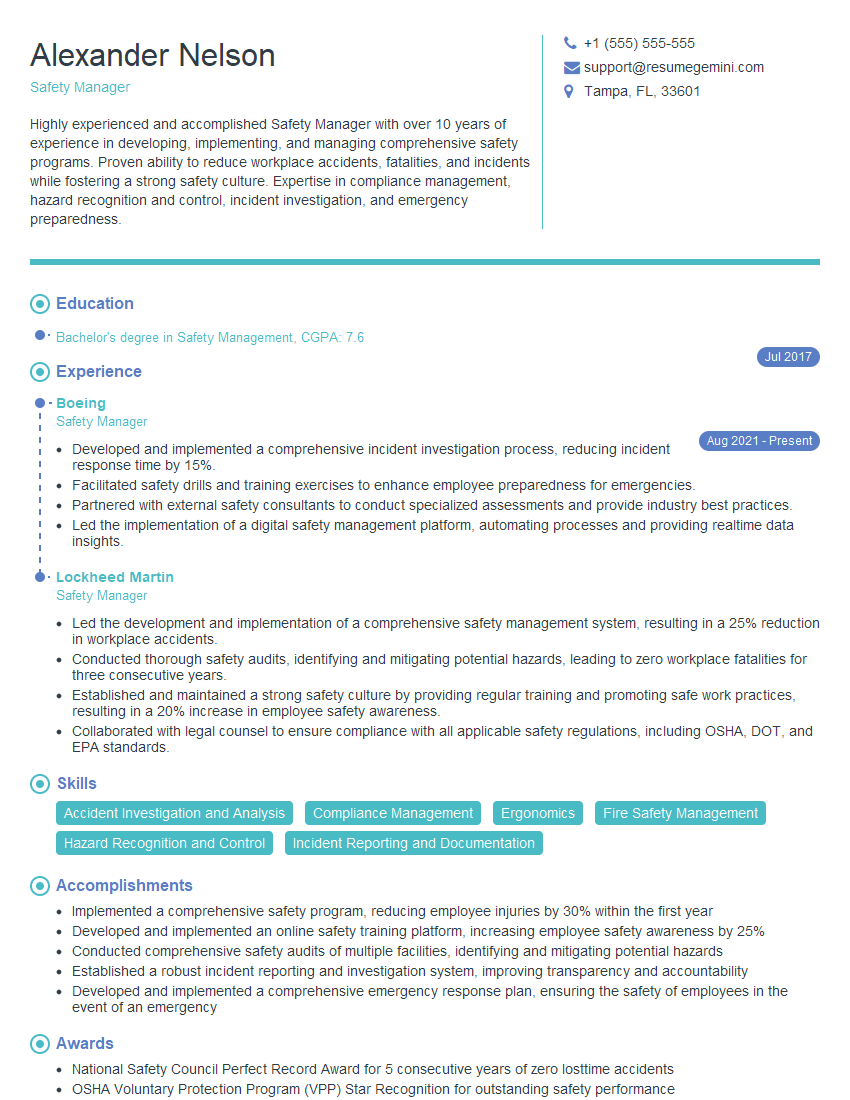
Safety Manager Resume Sample
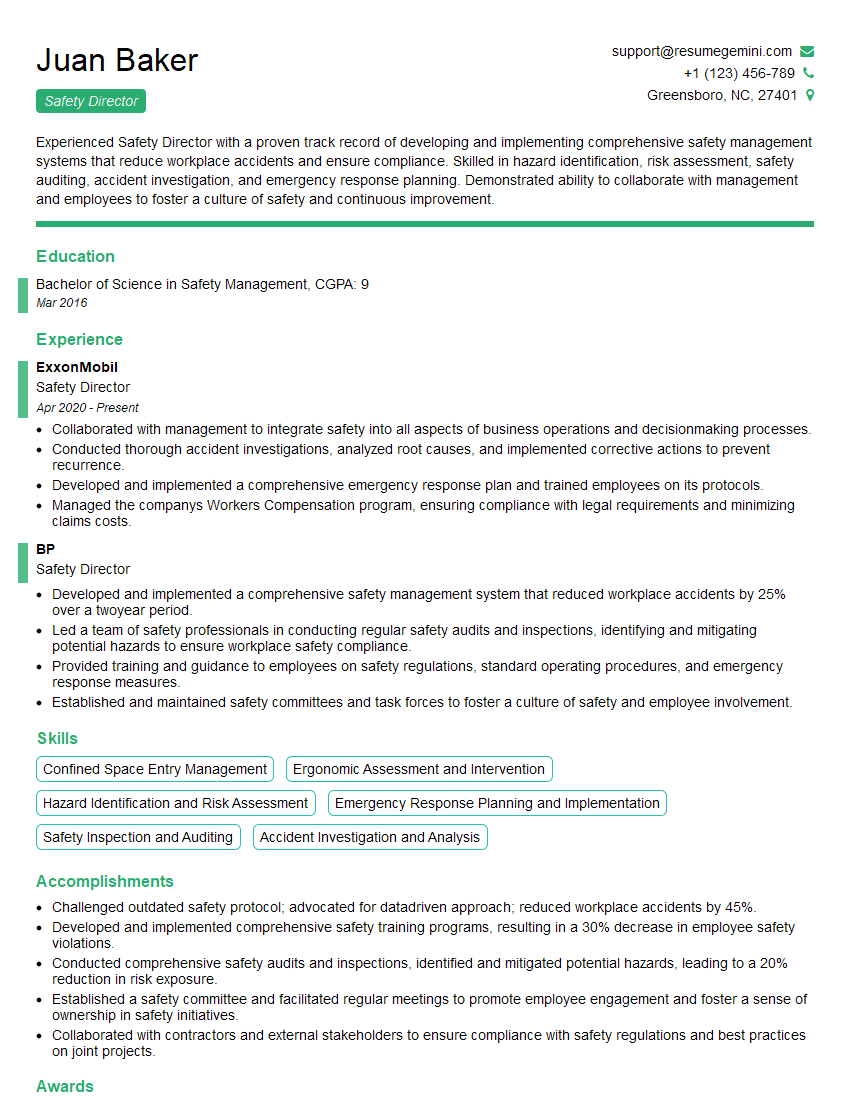
Safety Director Resume Sample
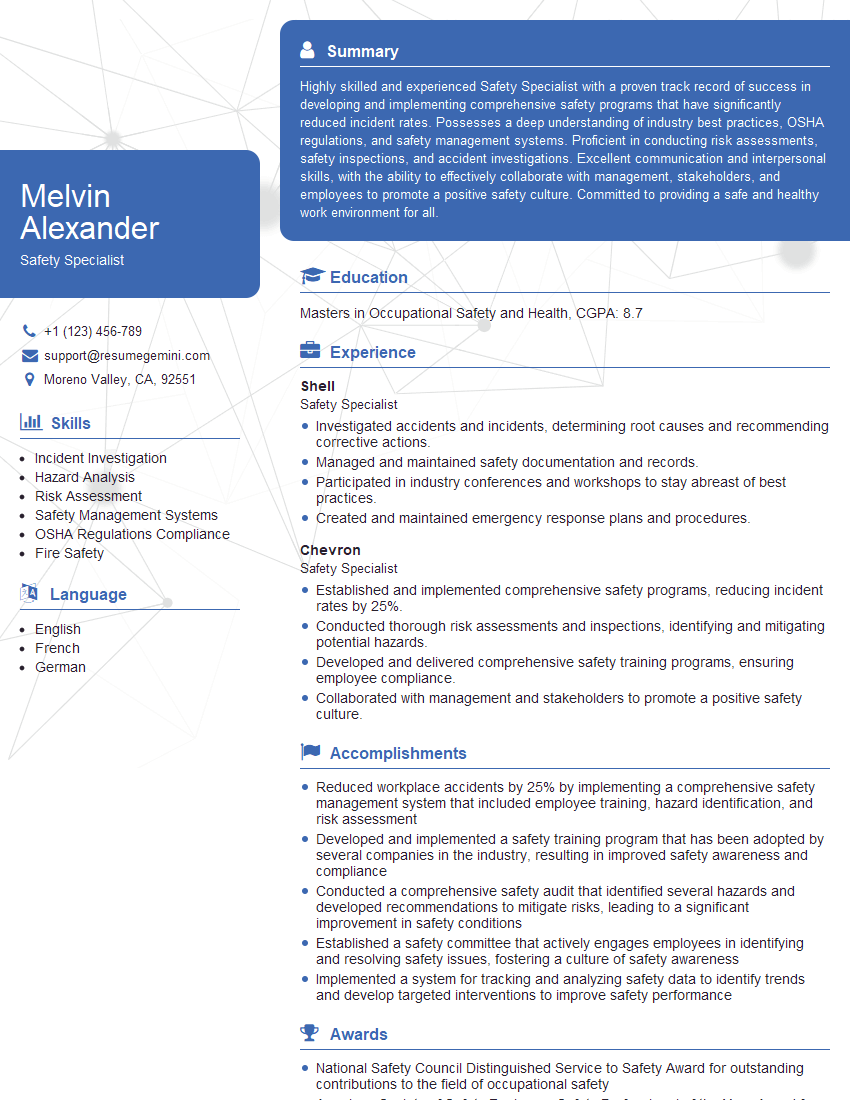
Safety Specialist Resume Sample
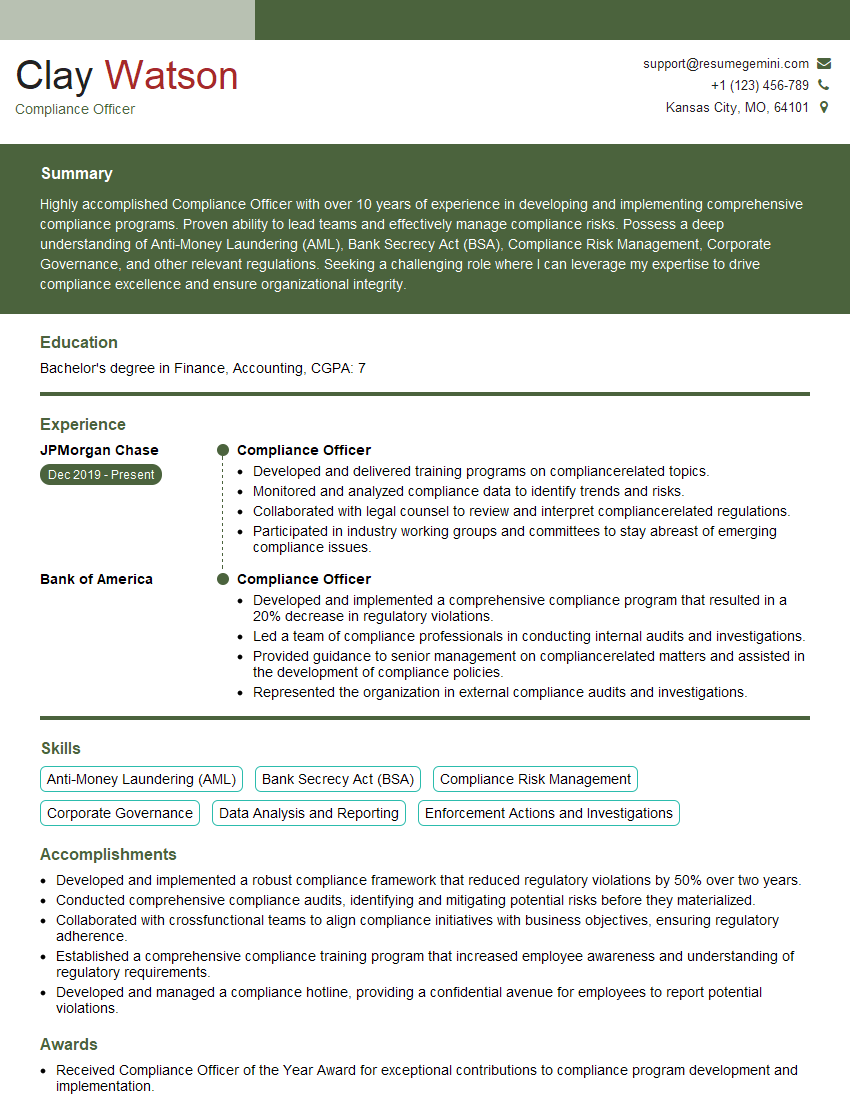
Compliance Officer Resume Sample
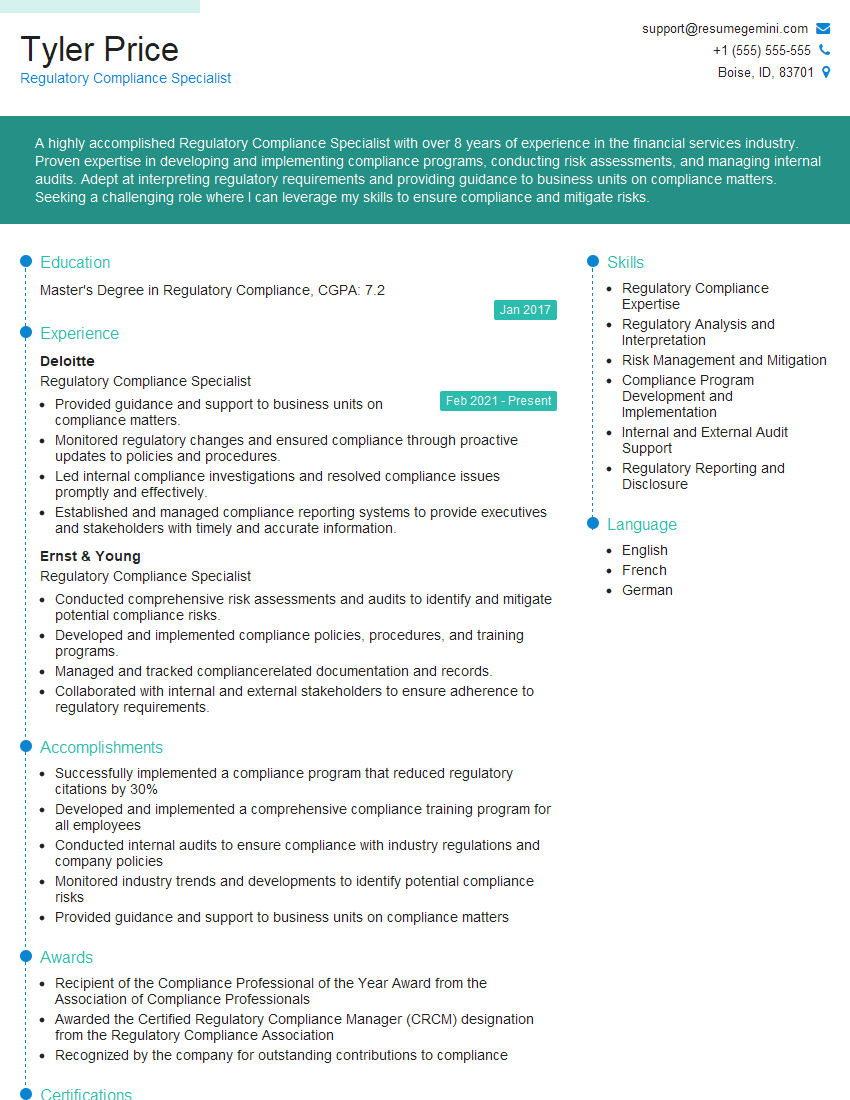
Regulatory Compliance Specialist Resume Sample
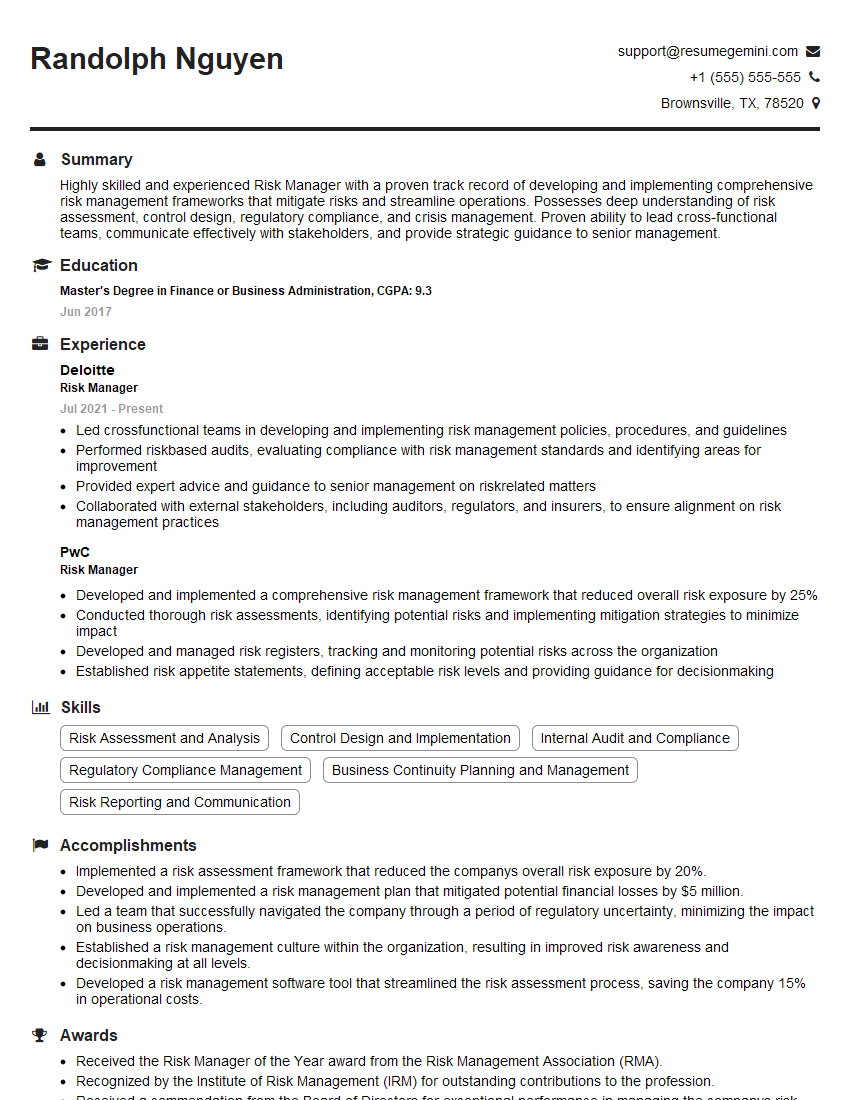
Risk Manager Resume Sample
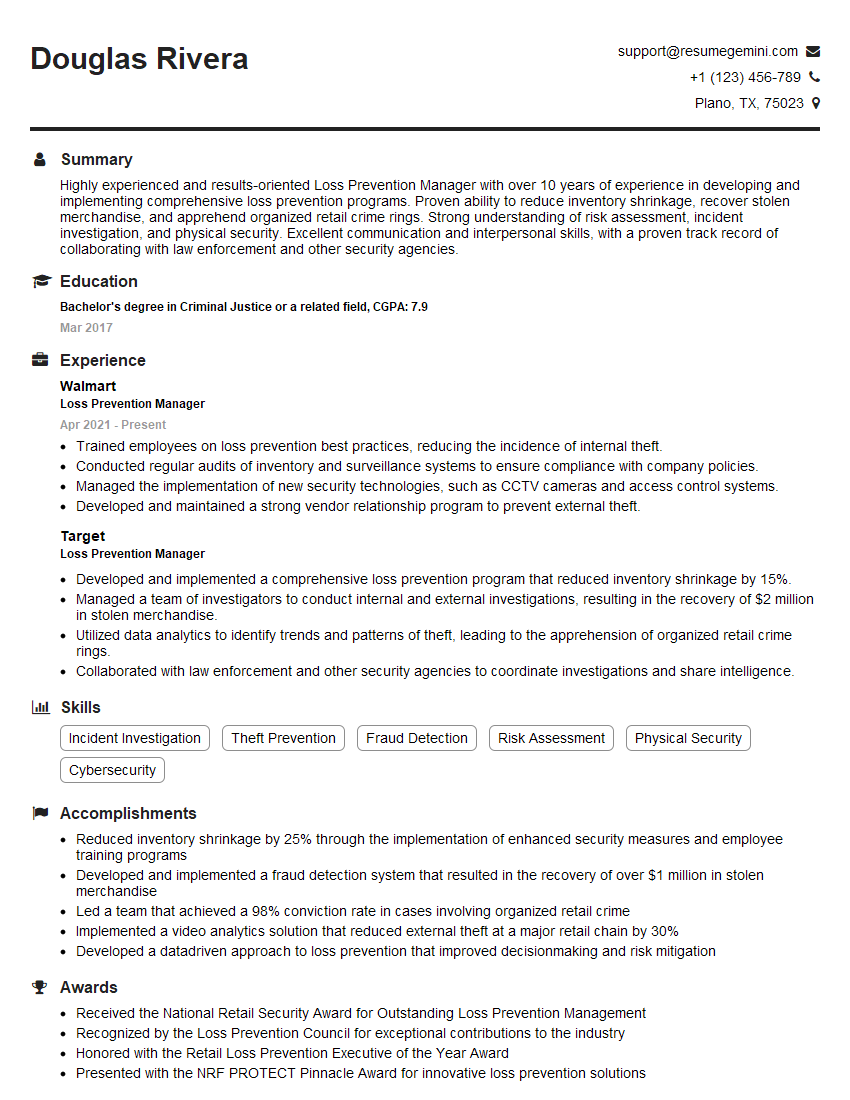
Loss Prevention Manager Resume Sample
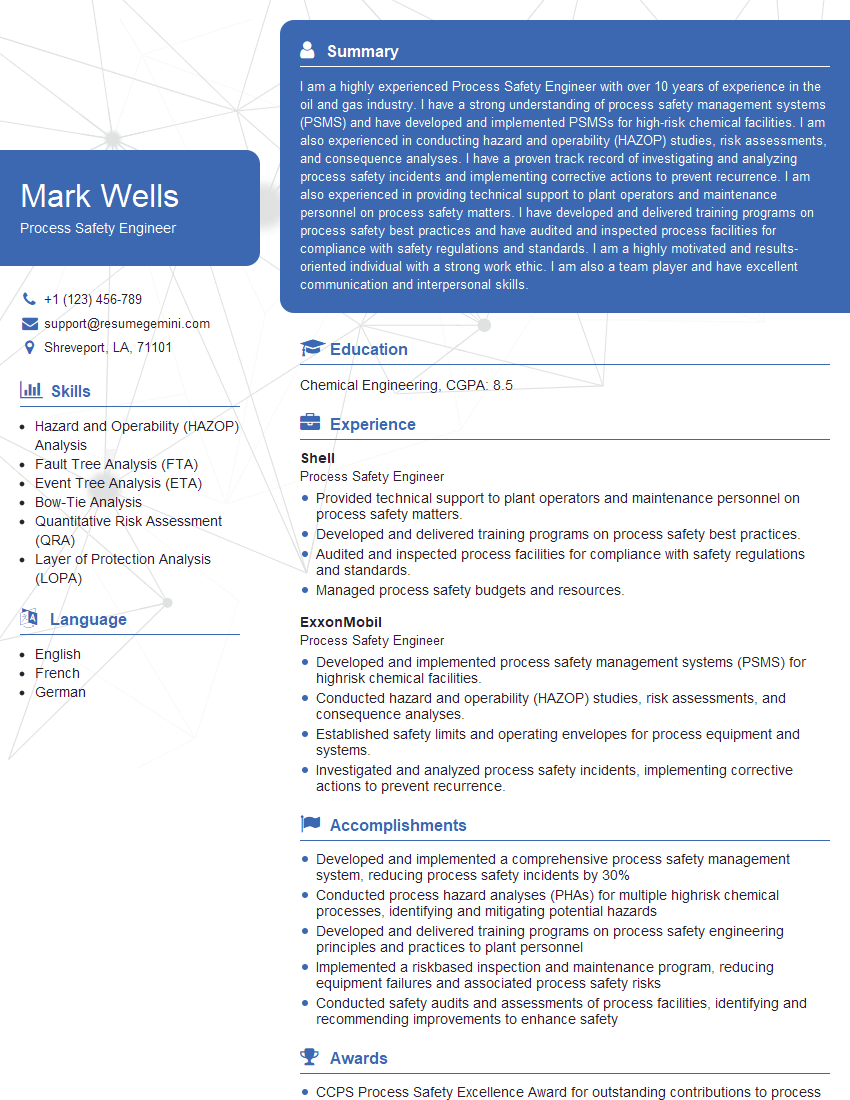
Process Safety Engineer Resume Sample
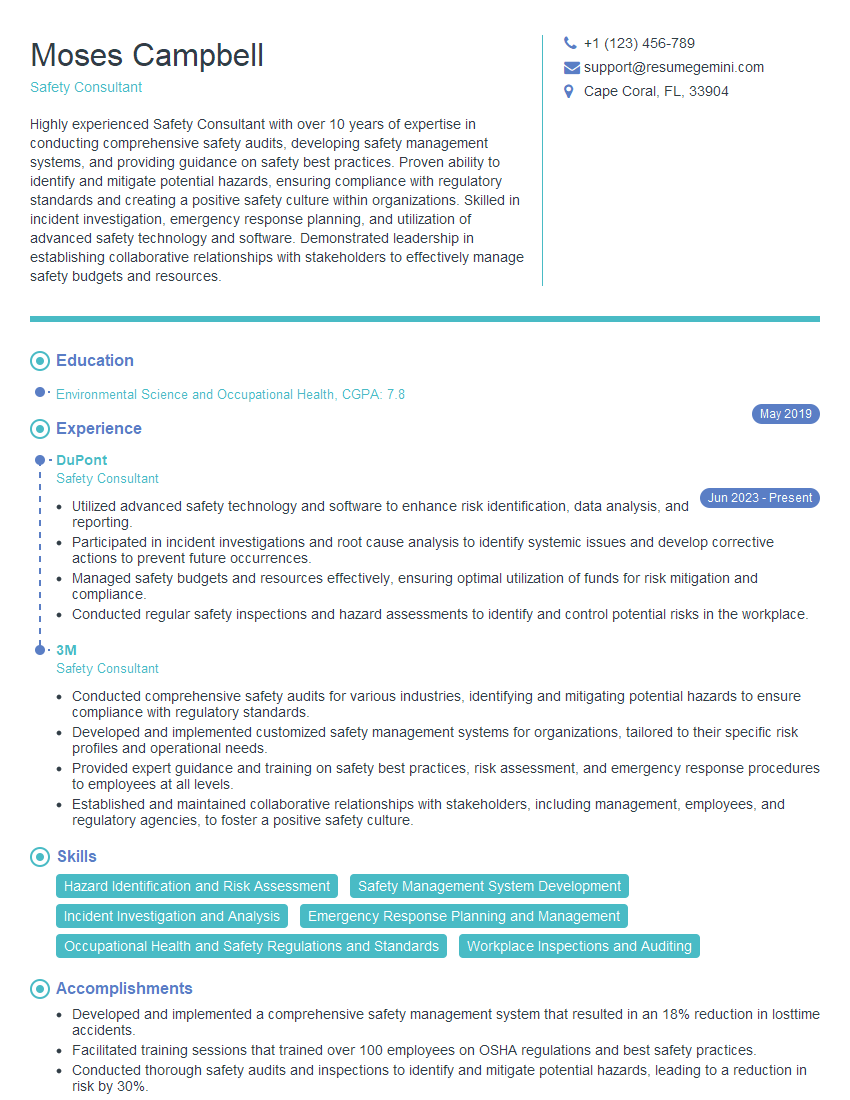
Safety Consultant Resume Sample
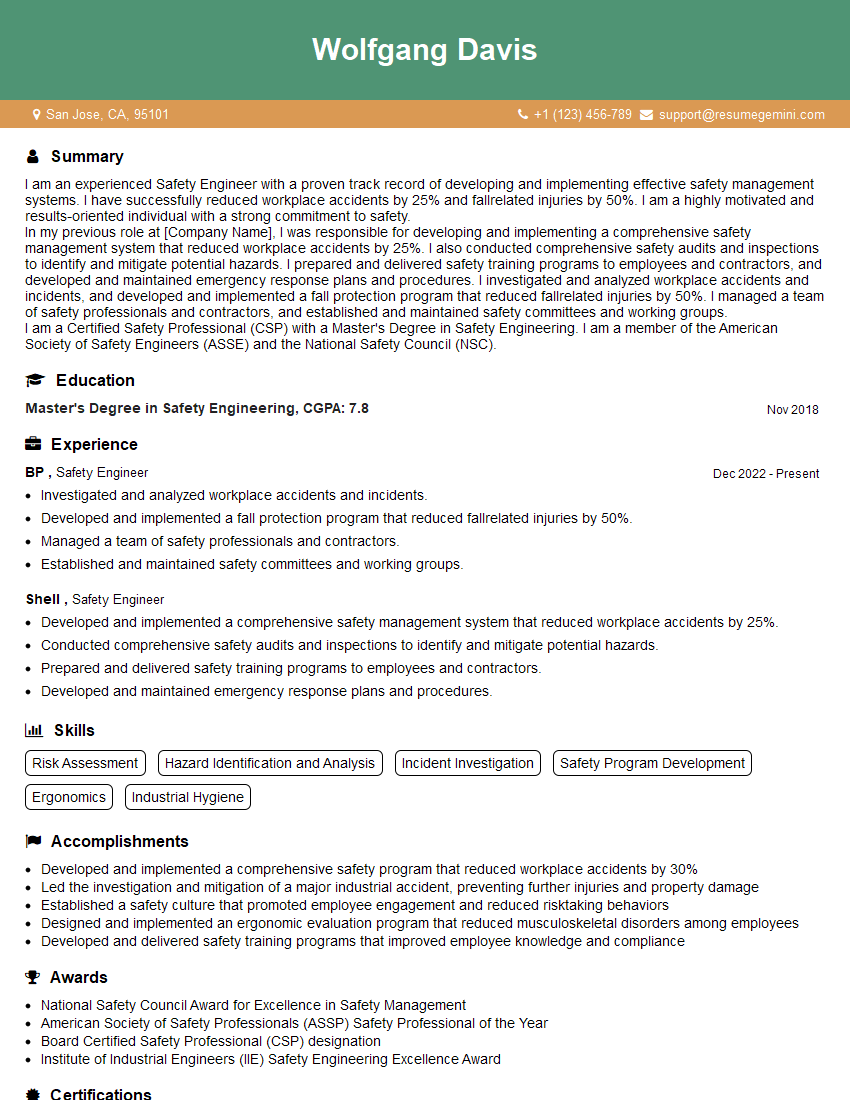
Safety Engineer Resume Sample
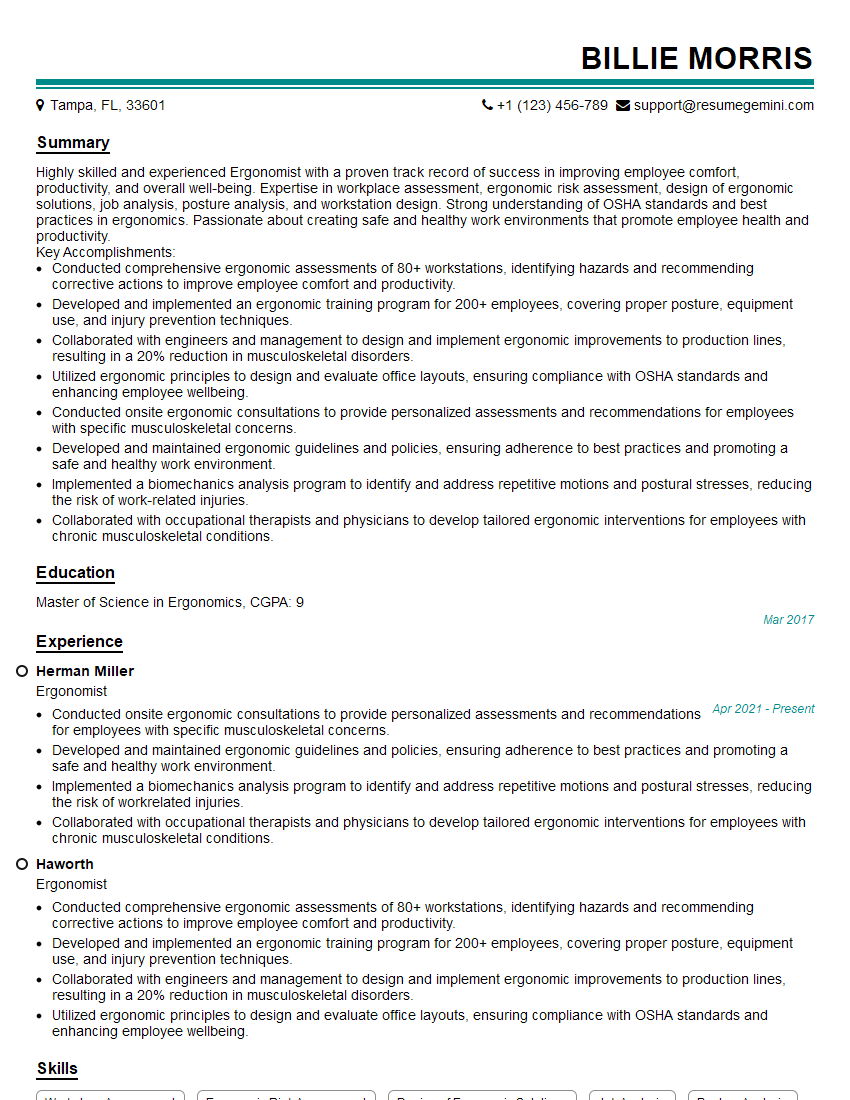
Ergonomist Resume Sample
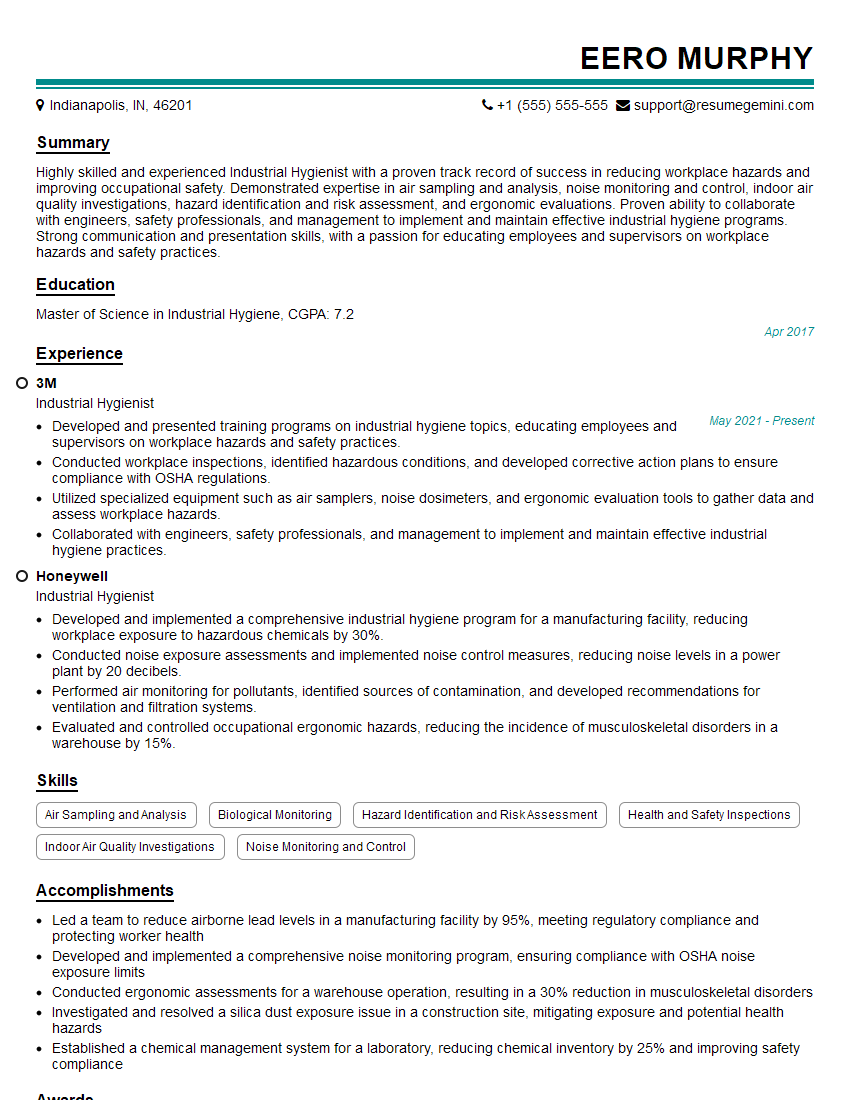
Industrial Hygienist Resume Sample
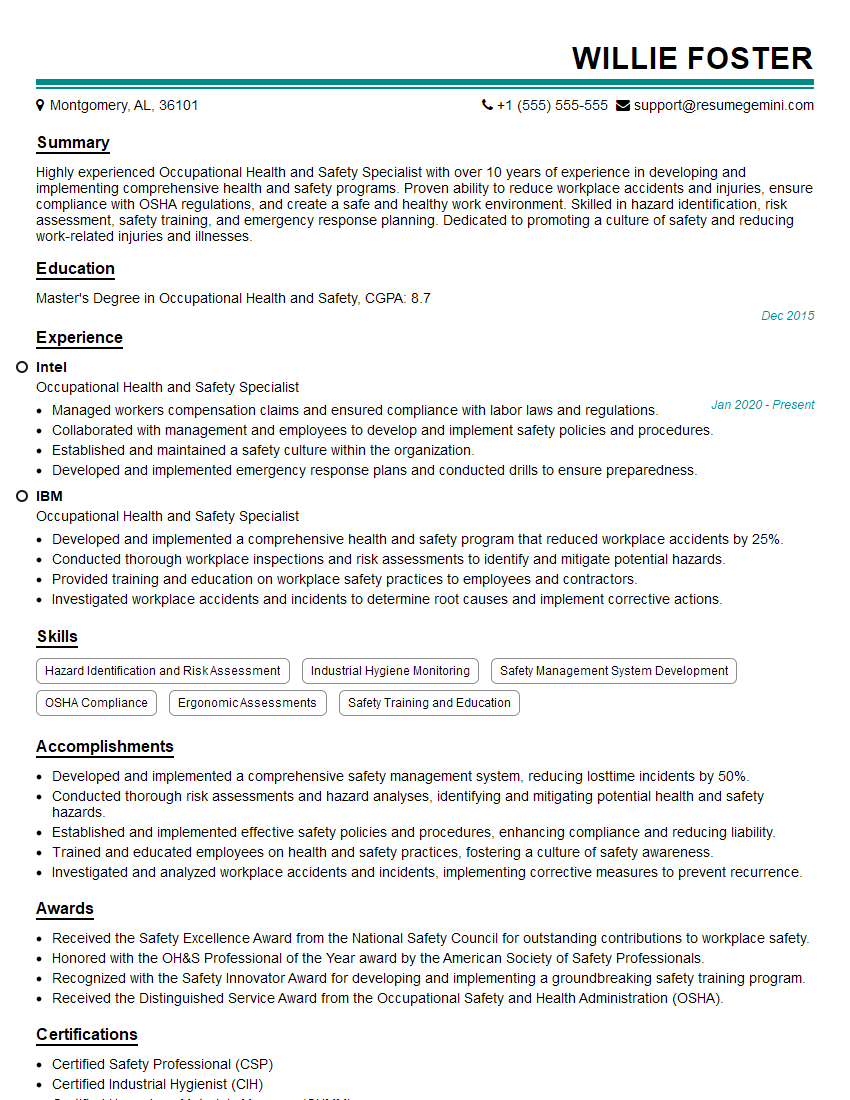
Occupational Health and Safety Specialist Resume Sample
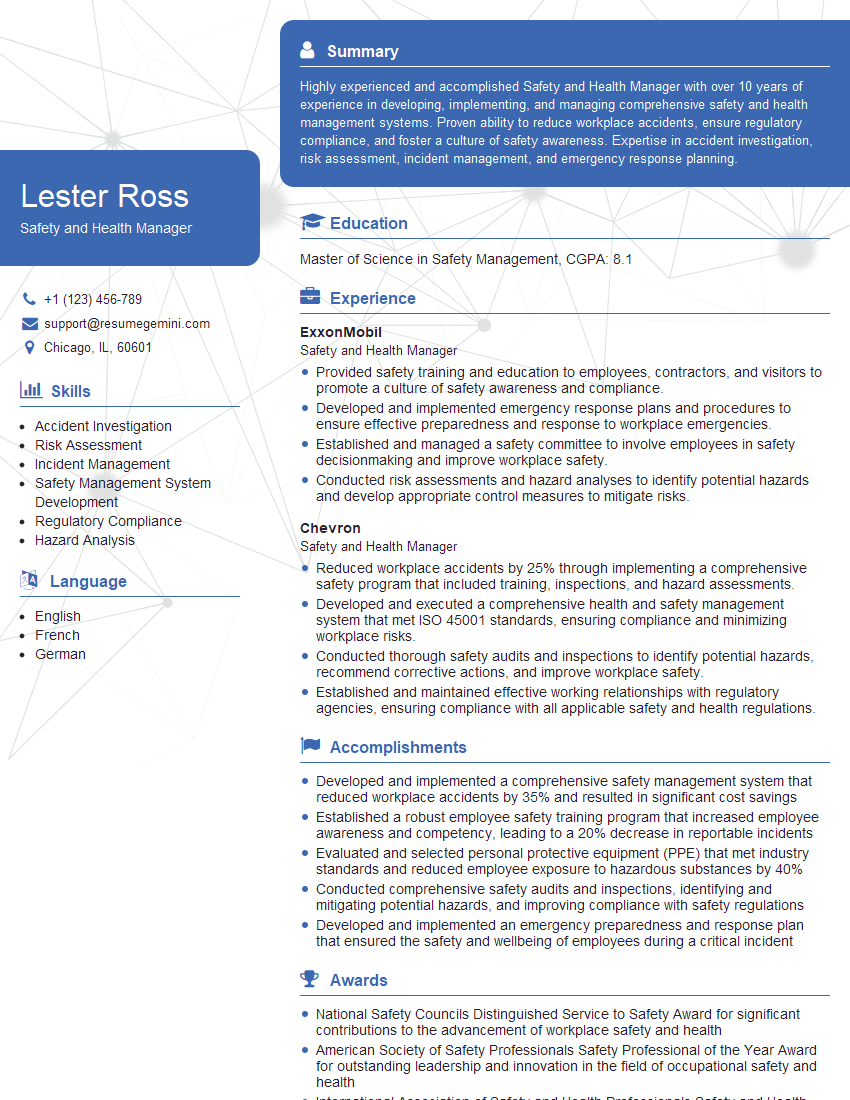
Safety and Health Manager Resume Sample
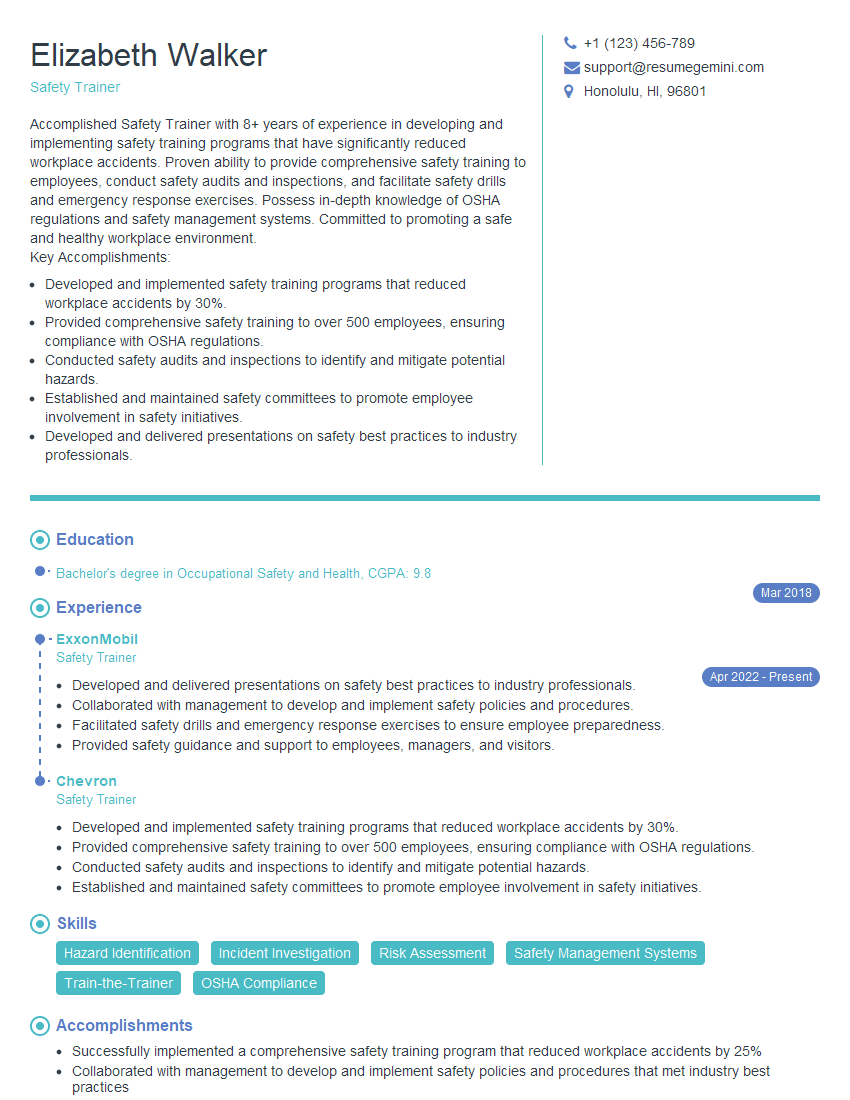
Safety Trainer Resume Sample
- Safety Manager
- Safety Director
- Safety Specialist
- Compliance Officer
- Regulatory Compliance Specialist
- Risk Manager
- Loss Prevention Manager
- Process Safety Engineer
- Safety Consultant
- Safety Engineer
- Ergonomist
- Industrial Hygienist
- Occupational Health and Safety Specialist
- Safety and Health Manager
- Safety Trainer
Explore more articles
Users Rating of Our Blogs
Share Your Experience
We value your feedback! Please rate our content and share your thoughts (optional).
What Readers Say About Our Blog
Very informative content, great job.
good