Feeling uncertain about what to expect in your upcoming interview? We’ve got you covered! This blog highlights the most important Reciprocating Sawing interview questions and provides actionable advice to help you stand out as the ideal candidate. Let’s pave the way for your success.
Questions Asked in Reciprocating Sawing Interview
Q 1. What are the different types of reciprocating saw blades and their applications?
Reciprocating saw blades come in a wide variety of types, each designed for specific materials and cutting applications. Think of it like having the right tool for the right job – a screwdriver for screws, not a hammer!
- Wood Blades: These typically have a coarse tooth pattern for fast cutting in wood. They might have a tooth set (teeth slightly bent to the sides) to prevent binding. Examples include blades for demolition work (rough cuts) and finer blades for more precise carpentry cuts.
- Metal Blades: These feature finer teeth, often with a wave-like pattern, designed to cut through metal without breaking or chipping. Different metals (steel, aluminum, etc.) may require blades with varying tooth configurations.
- Demolition Blades: These are designed for heavy-duty cutting of wood, and sometimes also drywall and other building materials. They usually have very coarse teeth and are built to withstand significant stress.
- Multi-purpose Blades: As the name suggests, these blades offer versatility, capable of cutting through wood, metal, and plastic, though not as efficiently as specialized blades.
- Drywall Blades: These are fine-toothed blades designed to make clean, precise cuts in drywall without causing too much dust or damage to the surface.
- Plastic Blades: These blades usually have very fine teeth and are made of materials that won’t melt or damage the plastic being cut.
Choosing the right blade significantly impacts your cutting speed, precision, and the overall lifespan of the blade itself. Using a wood blade on metal will quickly ruin the blade (and possibly damage your saw!).
Q 2. Explain the safety procedures for operating a reciprocating saw.
Safety is paramount when using a reciprocating saw. Think of it like driving a car – you wouldn’t drive without a seatbelt!
- Always wear appropriate safety gear: This includes safety glasses or a face shield to protect your eyes from flying debris, hearing protection to reduce noise exposure, work gloves to improve grip and protect your hands, and sturdy work boots.
- Secure your workpiece: Never attempt to cut a piece that is not securely clamped or held in place. A moving piece can easily cause an accident.
- Maintain a firm grip: Ensure a secure grip on the saw with both hands, but avoid squeezing too tightly, which can cause fatigue and loss of control.
- Keep your body clear: Maintain a safe distance from the blade at all times, especially when starting and stopping the cut.
- Use the correct blade for the material: Using the wrong blade can lead to kickback, breakage, or other unsafe situations. Make sure you understand the material and how to best handle it.
- Inspect the blade and saw before use: Check for any damage to the blade and ensure that the saw is functioning properly.
- Never force the cut: If the saw binds, stop immediately and adjust your technique or blade. Forcing the cut is a recipe for disaster.
Remember, even a small cut can cause serious injury if you’re not careful. Treat this tool with respect!
Q 3. How do you select the appropriate blade for different materials (wood, metal, plastic)?
Selecting the right blade is crucial for efficient and safe cutting. It’s like choosing the right paintbrush for a painting; the wrong one will ruin the outcome.
- Wood: Use blades with coarse teeth (more teeth per inch means finer cuts) for faster cutting. For finer work, opt for blades with fewer teeth per inch.
- Metal: Employ blades with fine teeth and a special tooth design made for metal cutting. These are usually designed to reduce friction and heat buildup. Different metals might require different blades; aluminum can be cut with slightly coarser blades compared to steel.
- Plastic: Select blades with fine teeth to avoid chipping or melting the plastic. The blade material is also important, it should not be brittle and have a tendency to break.
Always check the blade’s packaging for the recommended materials. If unsure, start with a test cut on a scrap piece of the material.
Q 4. Describe the proper techniques for making straight cuts with a reciprocating saw.
Making straight cuts with a reciprocating saw requires a steady hand and the right technique. Imagine trying to draw a straight line – you need a ruler and a steady hand!
- Secure the workpiece: Use clamps to hold the material firmly in place to avoid any movement during the cut.
- Use a guide: For very precise straight cuts, use a straight edge (like a metal ruler or a piece of wood) as a guide, keeping the saw blade against it during the cut.
- Start the cut slowly: Let the saw reach its full speed before applying full pressure to the cut to avoid any unwanted movement.
- Maintain even pressure: Apply steady, even pressure to the saw throughout the cut to avoid straying from your intended line.
- Keep the saw blade perpendicular: Keeping the saw blade at a 90-degree angle to the workpiece ensures a clean and accurate cut.
- Make a pilot hole: This step can be particularly useful for thicker materials to avoid catching or binding the blade when starting the cut.
Practice makes perfect! Start with some scrap material to get comfortable with the technique before tackling your project.
Q 5. How do you handle curved cuts with a reciprocating saw?
Curved cuts are more challenging but achievable with practice and the right approach. Think of it like sculpting – you need control and precision!
- Use a template: If possible, create a template of your desired curve and follow it with the saw. This provides a clear guide during cutting.
- Use short, controlled strokes: Short and deliberate movements enable more precision and control when following a curved path. Avoid long sweeping motions.
- Follow the curve gradually: Slowly maneuver the saw along the curve, adjusting your grip and posture as needed to maintain control.
- Practice on scrap material: Familiarize yourself with the technique before attempting on valuable material to refine your abilities and develop a sense of confidence.
- Consider the blade: A thinner blade might sometimes help in making tight curves, while thicker blades are better for straighter, more aggressive cuts.
Remember, patience is key to making clean, accurate curved cuts. It may take several practice attempts to get it right.
Q 6. What are the signs of a worn-out reciprocating saw blade?
A worn-out reciprocating saw blade exhibits several telltale signs. It’s like noticing the wear and tear on your favorite pair of shoes; you know it’s time for a replacement!
- Broken or chipped teeth: This is an obvious sign of wear and tear; the blade will likely not cut effectively and may even be dangerous to use.
- Bent or twisted blade: A deformed blade indicates that it has been subjected to too much stress and may not cut straight.
- Excessive vibration: Increased vibration during cutting signifies a worn-out or damaged blade.
- Slow cutting speed: If the blade is significantly duller, you will notice a decrease in the speed of the cutting process.
- Increased heat generation: Excessive heat during cutting might indicate a problem with the blade, which is not effective or sharp enough for the material.
Never use a damaged blade, as it could lead to injury or inaccurate cuts. Replacing the blade is always better than risking damage to the workpiece or injury to yourself.
Q 7. How do you maintain a reciprocating saw to ensure optimal performance?
Proper maintenance ensures your reciprocating saw performs optimally and lasts longer. Think of it like regular car maintenance – it keeps everything running smoothly!
- Clean the saw after each use: Remove any sawdust, metal shavings, or other debris from the saw and blade. This is to maintain its quality and prevent rust.
- Lubricate moving parts: Apply a suitable lubricant to the moving parts of the saw as recommended by the manufacturer. This helps to reduce friction and prolong the life of the parts.
- Inspect the blade: Always check for damage or excessive wear before and after each use. Replace damaged or worn-out blades promptly.
- Check the blade clamp: Make sure the blade clamp is functioning correctly to secure the blade properly.
- Store properly: Keep the saw in a clean, dry place when not in use to prevent damage and corrosion.
Following these simple maintenance steps will prolong the life of your reciprocating saw and ensure accurate cuts for years to come.
Q 8. What are the common causes of kickback with a reciprocating saw and how to prevent it?
Kickback, a sudden, forceful reverse reaction of the reciprocating saw, is a serious hazard. It’s primarily caused by blade binding, pinching, or encountering unforeseen obstructions in the material being cut. Imagine a saw blade getting stuck – the powerful motor forces the saw back towards the user.
- Blade Binding: This occurs when the blade gets pinched between the material and another object (like a wall) or when cutting curves too tightly. The solution? Use the correct blade for the material and cut smoothly, avoiding forcing the saw.
- Pinching: Similar to binding, pinching happens when the blade becomes trapped in a narrow kerf (the slot created by the blade). Selecting the right blade and applying consistent pressure can avoid this.
- Obstructions: Nails, embedded metal, or other hard objects within the material can cause the blade to bind or deflect, leading to kickback. Pre-inspection of the material is crucial to mitigate this risk.
- Incorrect Blade Angle: Applying too much pressure at an incorrect angle increases the chance of binding and kickback. Maintain a firm but controlled grip and allow the saw to do the work.
Prevention involves a multi-pronged approach: using the correct blade for the material, maintaining a firm but not excessive grip, making sure the material is securely clamped, and always wearing appropriate safety gear, including eye protection. Regularly inspecting the blade for damage also reduces the risk.
Q 9. Describe your experience with different reciprocating saw models.
My experience spans several reciprocating saw models, from entry-level to professional-grade tools. I’ve worked extensively with Milwaukee, Makita, and DeWalt models. Each brand offers varying features impacting performance and user experience. For instance, Milwaukee’s M18 Fuel models stand out for their power and battery life, ideal for extended job site use. Makita’s saws are often praised for their ergonomics and comfortable grip, reducing user fatigue during lengthy operations. DeWalt’s line offers a robust balance of power, durability, and features, like variable speed control, which is especially important for precise cuts.
One significant difference I’ve observed is the motor design. Some models utilize brushed motors, which are typically less expensive but require more maintenance, while brushless motors offer superior power, longer lifespan, and less overall maintenance. Differences in blade clamping mechanisms also exist; some are quicker and easier to use than others. Ultimately, the best model depends on the specific task and individual preferences.
Q 10. How do you adjust the speed and stroke length on a reciprocating saw?
Most reciprocating saws offer adjustable speed and stroke length controls. The speed control, often a dial or trigger, adjusts the cutting speed (strokes per minute or SPM). A higher speed is generally needed for faster cuts through softer materials, while lower speeds are better for precise cutting or tougher materials to avoid overheating or damaging the blade.
Stroke length adjustment is typically a setting on the saw which determines the distance the blade travels in each stroke. Longer strokes provide faster cutting, but can be less precise. Shorter strokes offer more control and are better for intricate cuts or delicate materials. Finding the right balance between speed and stroke length comes with experience and depends greatly on the material and desired cut quality.
For example, when cutting thick hardwood, a lower speed and longer stroke might be preferred. In contrast, when making a precise cut in drywall, a slower speed and shorter stroke would give more control.
Q 11. Explain the importance of using proper personal protective equipment (PPE) when using a reciprocating saw.
Using proper PPE (Personal Protective Equipment) with a reciprocating saw is paramount. The saw generates high-speed movement, which creates considerable risk to the user. Think of it like this: a tiny mistake can have severe consequences. Therefore, adequate protection is vital.
- Eye Protection: Safety glasses or a face shield are mandatory to protect against flying debris, chips, and potentially the blade itself.
- Hearing Protection: Earplugs or earmuffs are crucial to minimize the impact of prolonged exposure to the high noise levels.
- Respiratory Protection: A dust mask or respirator is recommended, particularly when working with materials that generate dust or fumes (e.g., asbestos, lead-based paint).
- Gloves: Durable work gloves provide hand protection from cuts and abrasions.
- Work Boots: Steel-toe work boots are crucial to protect your feet from falling debris.
Failure to use appropriate PPE can lead to serious injuries, including eye damage, hearing loss, respiratory problems, cuts, and more. It’s not worth the risk – prioritize safety always.
Q 12. What are the different types of reciprocating saw actions (orbital, pendulum)?
Reciprocating saws offer different blade actions to optimize cutting performance for different materials and applications. These actions involve varying the movement pattern of the saw blade.
- Orbital Action: This action involves a combination of reciprocating (back-and-forth) movement and an orbital (circular) motion. The orbital component helps to prevent blade binding and allows for faster cutting, especially in thicker materials. Think of it like a slight spinning motion superimposed on the back and forth.
- Pendulum Action: This involves purely reciprocating motion with an additional pendulum-like swing added to the blade. This maximizes the cutting action but can lead to more vibration and potential for kickback if not used correctly. This action is often better suited for aggressive cutting of thicker materials.
Many saws allow you to select the action type or to use a combination of both. The choice depends on the material and your specific cutting needs. Softer materials often benefit from orbital action while more aggressive cuts in denser materials might use a pendulum action or a mix of both.
Q 13. How do you assess the structural integrity of a material before cutting with a reciprocating saw?
Assessing the structural integrity of a material before cutting is crucial to ensure safety and prevent unexpected issues. It’s about understanding what’s *behind* the material, and what might be hidden within.
- Visual Inspection: Carefully examine the material for any signs of damage, decay, or embedded objects (nails, wires, pipes).
- Probe the Material: If possible, use a non-metallic probe to check for hidden objects, cavities, or weaknesses in the material. This is particularly relevant when cutting into walls, floors, or other concealed areas.
- Consider the Material Type: Understand the properties of the material you are cutting. Different materials have different strengths and weaknesses, and your cutting approach should reflect this. For example, cutting through reinforced concrete requires more care and may necessitate a different blade than cutting through softwood.
- Check for Support: If the material being cut is not self-supporting, ensure it is adequately secured to prevent it from collapsing or moving during the cut.
A thorough pre-cut inspection is a fundamental safety step and will save you from costly mistakes or injuries.
Q 14. How would you handle a malfunctioning reciprocating saw?
Handling a malfunctioning reciprocating saw requires a systematic approach, prioritizing safety at every step.
- Immediate Shutdown: The first action is always to immediately turn off the saw and disconnect it from the power source. Never attempt to repair or troubleshoot a running saw.
- Assess the Malfunction: Once the saw is safe, inspect it to determine the nature of the malfunction. Is it a blade issue? A motor problem? A broken cord?
If the problem is simple (e.g., a jammed blade), carefully address it after ensuring the saw is unplugged. For more complex issues (e.g., motor failure, electrical fault), do not attempt repairs yourself unless you have the appropriate skills and experience. Contact a qualified repair technician or replace the saw with a functioning unit. Never use a malfunctioning tool as it could cause serious injury or damage.
Regular maintenance, like checking the blade, cleaning the saw, and inspecting for wear and tear, helps prevent malfunctions and keeps the tool in optimal working order.
Q 15. Describe your experience with different blade materials (high-speed steel, bi-metal)?
My experience encompasses extensive use of both high-speed steel (HSS) and bi-metal reciprocating saw blades. HSS blades are generally less expensive and suitable for softer materials like wood and some plastics. They’re known for their durability, but their teeth can be more prone to chipping when cutting harder materials. Think of them as the workhorses, reliable but not the most specialized.
Bi-metal blades, on the other hand, combine a high-speed steel cutting edge welded to a more flexible high-carbon steel body. This combination offers a superior balance of strength, flexibility and durability, making them ideal for cutting tougher materials like metal pipes, conduit, and even some reinforced concrete. The flexibility helps them navigate curves and less straight cuts with less risk of breakage. I often prefer bi-metal blades for their versatility and longevity when tackling a variety of materials on a project.
For instance, while building a deck, I’d use HSS blades for the framing lumber. But when I needed to cut through embedded metal flashing or nails, switching to a bi-metal blade ensured a cleaner cut and minimized blade damage.
Career Expert Tips:
- Ace those interviews! Prepare effectively by reviewing the Top 50 Most Common Interview Questions on ResumeGemini.
- Navigate your job search with confidence! Explore a wide range of Career Tips on ResumeGemini. Learn about common challenges and recommendations to overcome them.
- Craft the perfect resume! Master the Art of Resume Writing with ResumeGemini’s guide. Showcase your unique qualifications and achievements effectively.
- Don’t miss out on holiday savings! Build your dream resume with ResumeGemini’s ATS optimized templates.
Q 16. What is the proper way to dispose of broken reciprocating saw blades?
Proper disposal of broken reciprocating saw blades is crucial for safety and environmental reasons. Never throw them in the regular trash. The sharp, broken pieces pose a significant risk of injury. Instead, I always wrap the broken blade securely in thick cardboard or sturdy packaging, clearly labeling it as ‘Broken Reciprocating Saw Blade – Sharp Material.’ Then, I dispose of it according to my local waste disposal regulations. Many municipalities have designated hazardous waste drop-off centers or recycling programs for sharp objects. Alternatively, some tool rental centers offer blade recycling programs. It’s always best to check your local guidelines.
Q 17. How do you determine the correct cutting depth for various materials?
Determining the correct cutting depth depends heavily on the material you’re cutting and the type of blade being used. Generally, you shouldn’t exceed the blade’s maximum cutting depth, which is usually specified by the manufacturer. For materials like wood, I typically use a depth that’s slightly less than the full blade length to allow for efficient cutting and reduce the strain on the blade and the saw’s motor. For metal, I usually opt for smaller cuts as excessive cutting can lead to blade overheating and damage or potentially bending.
For example, if I’m cutting through a 2×4, I’d adjust the depth to about 3/4 of the blade length. But when working with a thick steel pipe, I’d take multiple passes to avoid putting undue stress on the blade. It’s always a good idea to perform a test cut on a scrap piece of the material to get a sense of the optimal cutting depth.
Q 18. Explain the concept of plunge cuts with a reciprocating saw.
A plunge cut with a reciprocating saw involves starting the cut from the middle of the material, rather than at the edge. You’re essentially ‘plunging’ the blade into the work piece. This technique is extremely useful for creating holes or making cuts in the middle of a sheet of material without having to start from the edge and it’s essential for making certain types of cuts, such as a hole for electrical wiring or plumbing.
The key is to start with the saw at a low speed, slowly begin to cut, allowing the blade to firmly grip the material. Gradually increase the speed as the blade cuts deeper into the material. Always maintain a firm grip on the saw and ensure the blade’s teeth are aligned for a clean cut. Incorrect technique can lead to a kickback, or the saw jumping uncontrollably.
Q 19. Describe your experience using a reciprocating saw in confined spaces.
Working with a reciprocating saw in confined spaces requires extra caution and often necessitates the use of specialized blades. I usually choose shorter blades designed for tighter spaces. The reduced length increases maneuverability and reduces the risk of hitting surrounding objects. I also employ a more controlled and deliberate cutting style, focusing on precise movements and slower speeds to minimize vibration and the risk of injury.
For instance, during a renovation project, I had to cut through framing members in a cramped attic. Using a standard blade would have been impossible. The short, narrow blade allowed me to maneuver efficiently while protecting the surrounding structures.
Q 20. How would you address a situation where a blade breaks during operation?
If a blade breaks during operation, the first step is to immediately turn off the saw and release the trigger. Never attempt to remove a broken blade while the saw is still running. Once the saw is off, I use appropriate safety equipment (gloves, safety glasses) to carefully remove the broken blade. The procedure for removing the blade will vary slightly from one model of saw to another, but the manufacturer’s instructions should always be followed precisely. I then carefully dispose of the broken blade as previously described.
After that, I inspect the saw for any damage, and replace the broken blade with a new one of the correct type for the ongoing project. It’s a good practice to keep spare blades on hand for these situations.
Q 21. What safety measures do you take when working near electrical wiring with a reciprocating saw?
Safety around electrical wiring is paramount. When working near electrical wiring with a reciprocating saw, I always start by de-energizing the circuit if possible. This is the safest option. If de-energizing the circuit isn’t feasible, I maintain a safe working distance – a minimum of several feet – from any live wires. I use a non-conductive ladder and wear appropriate personal protective equipment (PPE) including insulated gloves and safety glasses. I also use a voltage detector to ensure the wiring is indeed de-energized before any work starts and I keep a sharp eye out to avoid any accidental contact with the blades.
It’s important to remember that even seemingly inactive wires can carry a lethal charge. When in doubt, call a qualified electrician to assess and handle the situation.
Q 22. How do you manage debris and dust when using a reciprocating saw?
Managing debris and dust when using a reciprocating saw is crucial for both safety and efficiency. Think of it like this: a messy workspace is a dangerous workspace. My approach involves a multi-pronged strategy.
Dust Collection: I always prioritize using a dust collection system whenever possible. This could range from a shop vacuum positioned strategically to capture falling debris to a more sophisticated dust extraction system integrated directly into the saw (if available). For smaller jobs, a simple dust mask is non-negotiable.
Work Area Preparation: Before I begin, I clear the immediate work area of any obstacles that could create additional dust or debris. This includes covering nearby surfaces with drop cloths to prevent damage and facilitate easier cleanup.
Strategic Cutting: I plan my cuts to minimize dust generation. For example, I might make a series of smaller cuts instead of one long cut, thereby reducing the overall amount of dust created. If I’m working with materials known for excessive dust production, I’ll use a slower cutting speed to improve containment.
Post-Cut Cleanup: Once the cutting is complete, I thoroughly clean the area. This involves using a brush and a vacuum cleaner to remove any remaining dust and debris, ensuring a safe and tidy workspace for subsequent tasks. I also pay close attention to clearing away smaller fragments of material that might get missed during initial cleanup.
Q 23. What is your experience with different types of reciprocating saw attachments?
My experience with reciprocating saw attachments is extensive. They significantly broaden the tool’s capabilities beyond basic cutting. I’ve worked with a variety of attachments, including:
Different Blade Types: Wood-cutting blades, metal-cutting blades, demolition blades – each designed with specific tooth configurations and materials for optimal performance on different materials. I choose the blade based on the material’s hardness and thickness.
Specialty Blades: For example, I’ve used blades specifically designed for plunge cutting (starting the cut in the middle of the material) and blades with a flexible back for intricate cuts. I remember once using a very thin, flexible blade to cut precisely around a pipe embedded in a wall without damaging the surrounding area.
Accessories: I’ve used various accessories, including depth gauges for accurate cuts and auxiliary handles to improve control and reduce vibration, especially during prolonged use.
My experience with these attachments allows me to choose the right combination for any job, maximizing efficiency and safety.
Q 24. Explain the importance of regular blade changes and inspection.
Regular blade changes and inspections are paramount for safety and precision. A dull or damaged blade not only slows down the cutting process but also significantly increases the risk of accidents. Think of it like a dull knife – much more likely to slip and cause injury.
Blade Inspection: Before each use, I visually inspect the blade for any signs of damage such as cracks, chips, or excessive wear. Even minor damage can compromise the cutting performance and increase the risk of breakage.
Blade Replacement: I replace blades regularly, even if they don’t appear visibly damaged. A dull blade will struggle to make clean cuts, leading to more force needed, causing more vibration and potentially resulting in user fatigue and inaccuracy. I also replace blades after working with different types of materials to prevent cross-contamination (e.g., cleaning a blade used for wood before cutting metal).
Proper Technique: I always use the correct blade for the specific material being cut. Using the wrong blade can lead to blade damage, inefficient cutting, and potential injury. It’s crucial to understand the material’s properties and match the blade accordingly.
Q 25. How do you ensure accurate cuts when working on complex shapes?
Achieving accurate cuts on complex shapes with a reciprocating saw requires careful planning and technique. It’s not about brute force, but precision and control.
Planning and Marking: I meticulously plan my cuts using accurate measurements and markings. For intricate shapes, I create a template or use a marking tool to ensure the cuts follow the desired path. Sometimes, I’ll even use a jigsaw for more intricate and detailed cuts before employing the reciprocating saw for more aggressive removal.
Slow and Steady: I use slow, controlled movements to maintain precision. Rushing the process often leads to inaccurate cuts and potential damage to the workpiece. Smooth, deliberate movements are key.
Multiple Passes: For thicker materials or complex shapes, I often make multiple passes, removing small amounts of material with each cut. This helps prevent the blade from getting stuck or binding and ensures a cleaner, more accurate final result.
Blade Selection: I choose blades that are appropriate for the specific material and cut type. For example, a fine-tooth blade is ideal for intricate curves, while a coarser blade is better for faster, more aggressive cuts.
Q 26. How do you handle different types of wood grain when cutting with a reciprocating saw?
Different wood grains present unique challenges when using a reciprocating saw. Understanding the wood grain is crucial for preventing kickback and achieving clean, straight cuts.
Grain Direction: I always cut with the grain whenever possible. This reduces the chance of the blade binding and causing the saw to kick back, which is a major safety concern. Going against the grain can create a rough cut, splintering the material.
Hardwoods vs. Softwoods: I adjust my cutting technique based on the type of wood. Hardwoods often require more power and a slower cutting speed to avoid excessive wear on the blade. Softwoods, on the other hand, can be cut more quickly, but care must still be taken to avoid splintering.
Knots and Imperfections: I’m always vigilant for knots and other imperfections in the wood. These can cause the blade to bind or break, so I usually slow down and make multiple, shallow cuts around them.
By understanding the properties of different wood grains and adjusting my technique accordingly, I ensure safe and efficient cutting.
Q 27. Describe your experience in troubleshooting common reciprocating saw issues.
Troubleshooting reciprocating saws is a regular part of my work. I’ve encountered and resolved various issues, including:
Blade Binding: This usually results from improper blade selection or cutting against the grain. The solution involves choosing the correct blade, cutting with the grain, or using multiple passes to avoid binding.
Saw Stalling: A stalled saw can indicate a dull blade, low battery power (for cordless saws), or a jammed blade. Addressing this requires replacing the blade, charging the battery, or clearing any obstructions.
Excessive Vibration: Excessive vibration points to several possibilities including a worn-out blade, loose parts, or an improper cutting technique. The fix may involve tightening components, using the correct blade, or adjusting the cutting technique.
Kickback: This is a serious issue that often arises from cutting against the grain or using an inappropriate blade. To avoid this, I always plan my cuts carefully and never push the saw harder than necessary.
My approach to troubleshooting is methodical. I start by identifying the symptom, then systematically check for the most likely causes and test solutions until the problem is solved. Safety is always the top priority.
Q 28. Explain your understanding of the various safety regulations concerning reciprocating saws.
Safety regulations concerning reciprocating saws are extremely important and I strictly adhere to them. Negligence can lead to serious injuries.
Eye Protection: Safety glasses or a face shield are essential to protect against flying debris. This is non-negotiable. I always wear them.
Hearing Protection: Reciprocating saws can be quite loud. Hearing protection like earplugs or muffs significantly reduces the risk of hearing damage.
Work Gloves: Gloves provide protection against cuts and abrasions. I use gloves appropriate for the material being cut (e.g., cut-resistant gloves when working with metal).
Proper Clothing: I always wear close-fitting clothing to avoid getting it caught in the blade. Loose clothing can create a serious entanglement hazard.
Secure Grip: I maintain a firm, secure grip on the saw at all times. Loss of control is the cause of many accidents.
Kickback Prevention: Knowing how to avoid kickback is crucial. I always cut with the grain and use appropriate blades. Never put yourself in a position where you’re at risk of being hit by a kicked back blade.
Maintenance: Regular inspection and maintenance of the saw itself are key to safe operation. A well-maintained tool is a safe tool.
Understanding and adhering to these safety regulations is fundamental to safe and efficient reciprocating sawing practices.
Key Topics to Learn for Reciprocating Sawing Interview
- Saw Blade Selection: Understanding different blade types (wood, metal, demolition), tooth configurations (coarse, fine, wave), and their appropriate applications for various materials and cutting tasks. Consider the impact of blade speed and material thickness on cut quality and safety.
- Safe Operating Procedures: Mastering proper grip techniques, maintaining control during cuts, understanding kickback prevention strategies, and adhering to all safety regulations (PPE, work area setup). Discuss practical scenarios involving risk mitigation and emergency procedures.
- Material Knowledge: Identifying different materials (wood types, metal alloys, plastics) and their specific cutting characteristics. This includes understanding how material properties influence blade selection, cutting speed, and the potential for damage to the saw or material.
- Cutting Techniques: Mastering various cutting techniques such as plunge cuts, straight cuts, curves, and bevel cuts. Discuss the precision required for different applications and the importance of maintaining consistent speed and pressure.
- Maintenance and Troubleshooting: Understanding routine maintenance tasks (blade changes, lubrication), identifying common malfunctions (blade binding, motor issues), and performing basic troubleshooting. Discuss the importance of preventative maintenance for optimal tool performance and longevity.
- Project Planning and Execution: Developing a plan for a given cutting task, including material selection, blade choice, safety precautions, and efficient cutting strategies. Discuss how to adapt techniques based on project requirements and environmental factors.
Next Steps
Mastering reciprocating sawing is a valuable skill that opens doors to numerous opportunities in construction, manufacturing, and various other skilled trades. A strong foundation in this technique showcases your practical abilities and commitment to safety, making you a highly desirable candidate. To further enhance your job prospects, focus on creating a professional and ATS-friendly resume that highlights your skills and experience effectively. ResumeGemini is a trusted resource that can help you build a compelling resume tailored to the specific requirements of reciprocating sawing positions. Examples of resumes tailored to this field are available within the ResumeGemini platform.

Construction Foreman Resume Sample
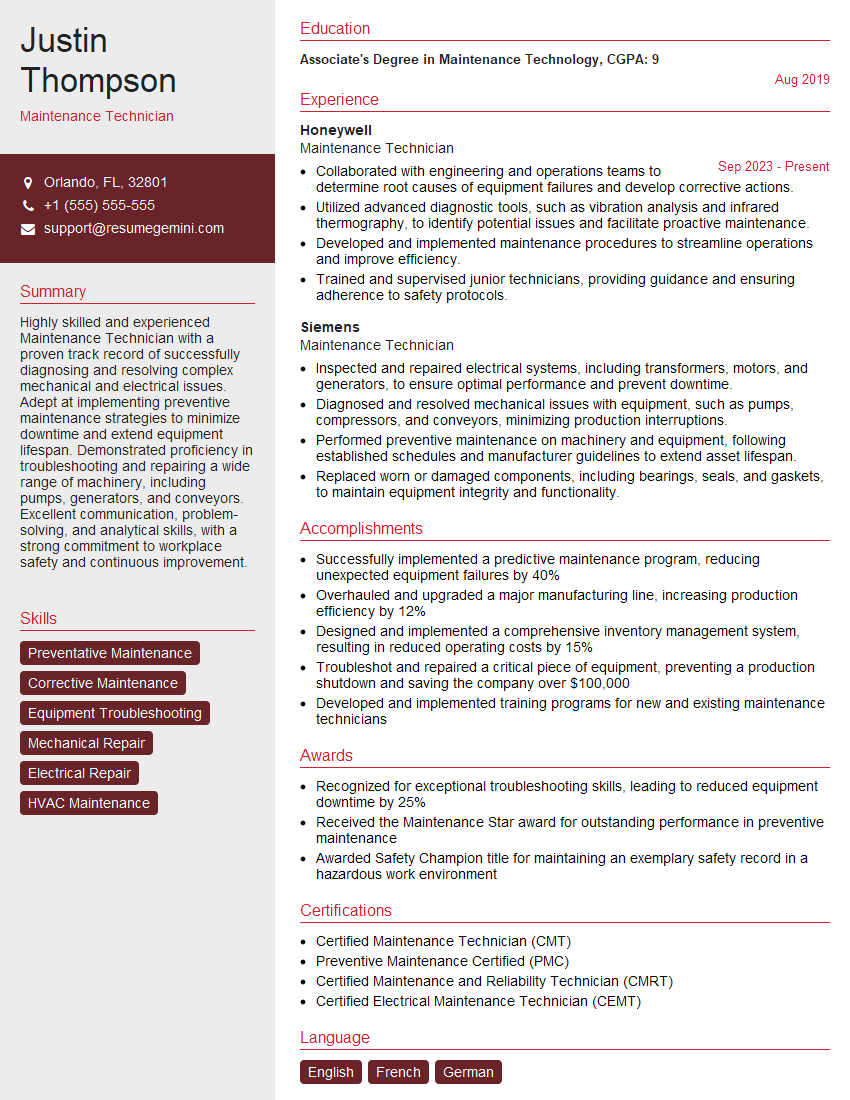
Maintenance Technician Resume Sample

Electrical Technician Resume Sample

Construction Worker Resume Sample

Carpenter Resume Sample
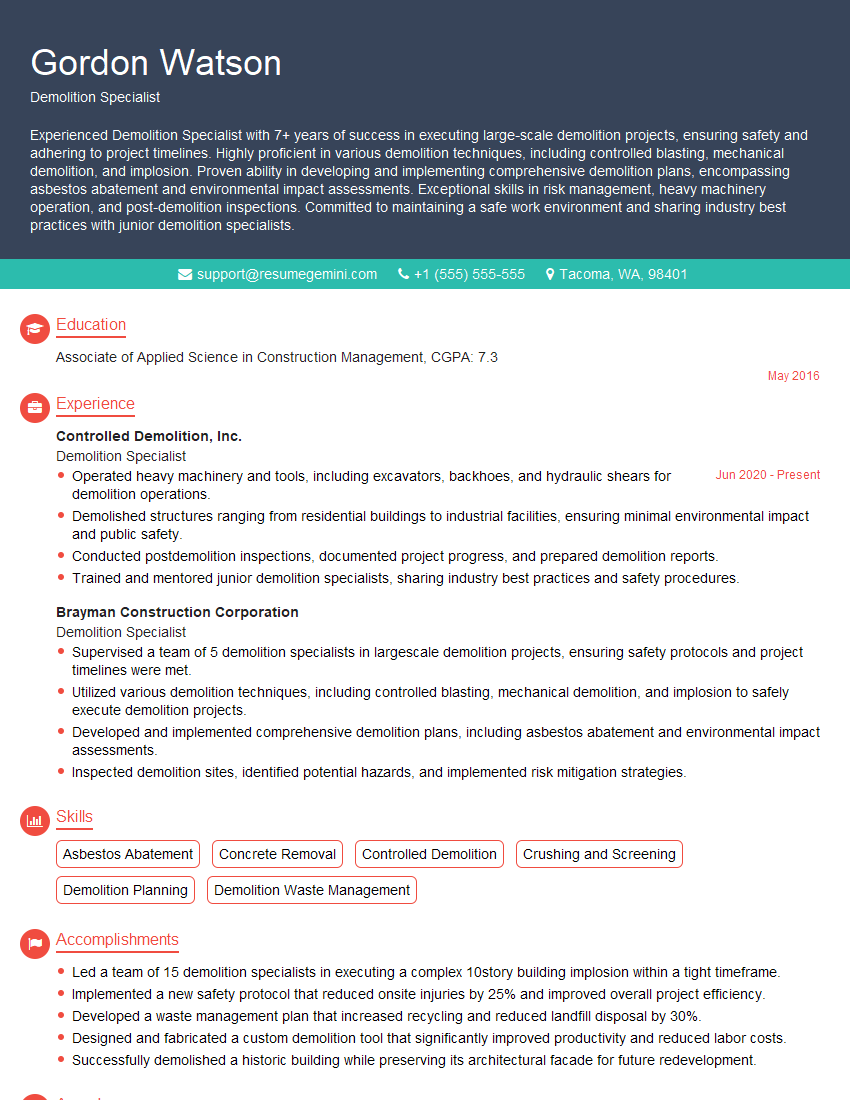
Demolition Specialist Resume Sample

Drywall Installer Resume Sample
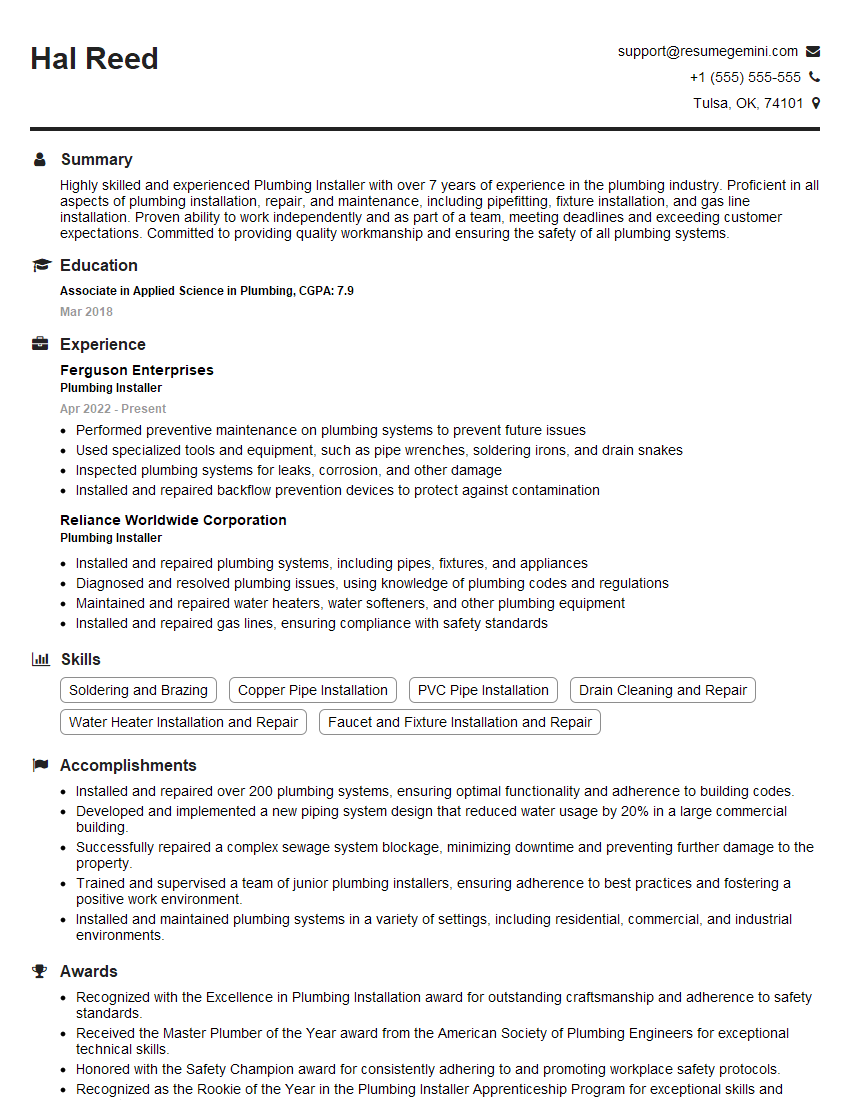
Plumbing Installer Resume Sample
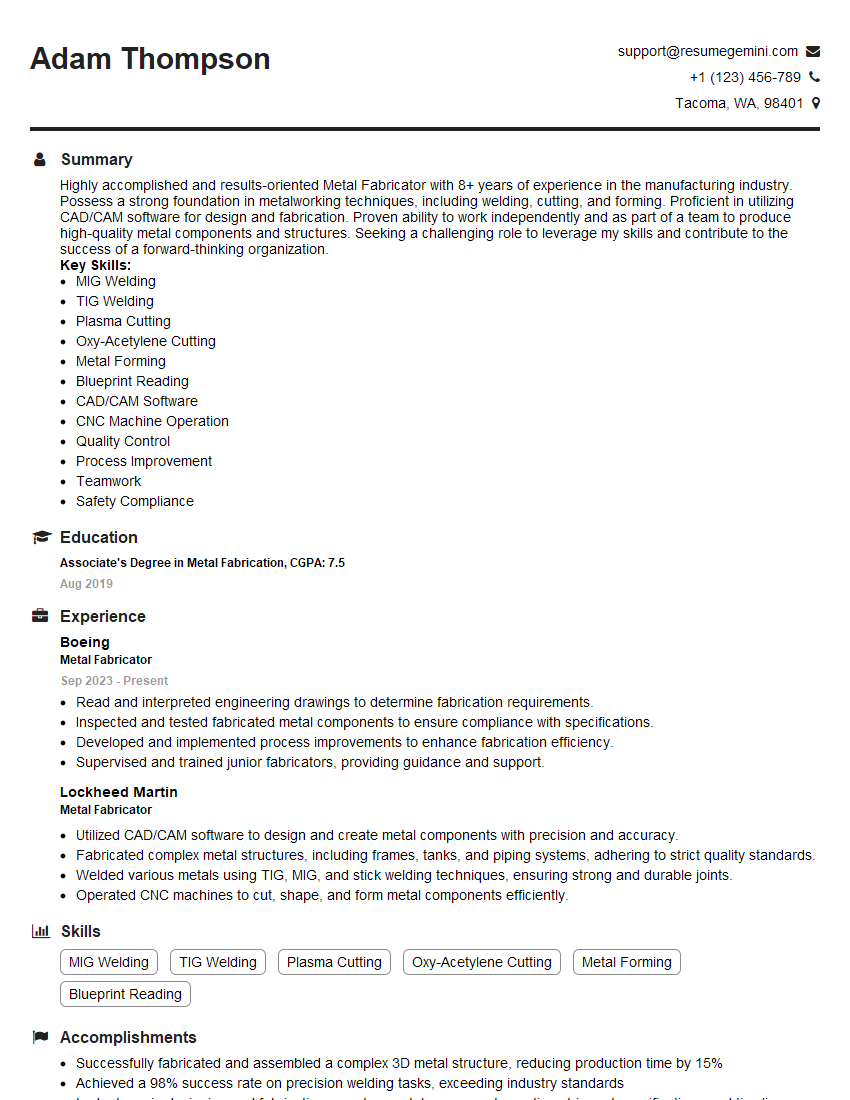
Metal Fabricator Resume Sample
Explore more articles
Users Rating of Our Blogs
Share Your Experience
We value your feedback! Please rate our content and share your thoughts (optional).
What Readers Say About Our Blog
Very informative content, great job.
good