Every successful interview starts with knowing what to expect. In this blog, we’ll take you through the top Preventive Maintenance and Equipment Care interview questions, breaking them down with expert tips to help you deliver impactful answers. Step into your next interview fully prepared and ready to succeed.
Questions Asked in Preventive Maintenance and Equipment Care Interview
Q 1. Explain the difference between preventive and corrective maintenance.
Preventive maintenance (PM) and corrective maintenance (CM) are two fundamentally different approaches to equipment care. Think of it like this: PM is like regular check-ups at the doctor, preventing problems before they arise; CM is like rushing to the emergency room after a heart attack – dealing with a problem after it’s already caused significant damage.
Preventive Maintenance (PM): This involves scheduled inspections, lubrication, cleaning, and minor repairs to prevent equipment failure. It’s proactive and aims to extend the lifespan of equipment, reduce downtime, and improve overall efficiency. Examples include regularly changing oil in a vehicle, lubricating moving parts on machinery, and inspecting electrical connections for wear.
Corrective Maintenance (CM): This is reactive maintenance performed after a breakdown or equipment failure. It addresses immediate problems, restoring the equipment to a functional state. This is usually more costly and time-consuming than PM, as it often involves emergency repairs, parts replacement, and potentially significant production downtime. An example would be repairing a broken motor after it overheats due to lack of lubrication.
In short, PM focuses on preventing problems, while CM focuses on fixing problems after they occur. A well-balanced maintenance program incorporates both strategies, prioritizing PM to minimize the need for CM.
Q 2. Describe your experience with CMMS (Computerized Maintenance Management System) software.
I have extensive experience with several CMMS software packages, including IBM Maximo and SAP PM. My proficiency encompasses all aspects, from data entry and work order management to reporting and analysis. I’m comfortable using these systems to schedule preventive maintenance tasks, track work orders, manage inventory, and generate reports to analyze maintenance performance. For instance, in my previous role, I implemented a new CMMS system, which resulted in a 15% reduction in equipment downtime by optimizing maintenance scheduling and improving communication among maintenance teams.
Specifically, I’m skilled in:
- Creating and managing work orders, including assigning tasks and tracking progress.
- Scheduling and optimizing preventive maintenance tasks based on equipment criticality and manufacturer recommendations.
- Managing inventory of spare parts and consumables, ensuring sufficient stock levels to minimize delays during repairs.
- Generating reports on key performance indicators (KPIs) to track maintenance effectiveness and identify areas for improvement.
- Utilizing the system’s reporting capabilities to identify trends and patterns in equipment failures, informing proactive maintenance strategies.
My experience extends to integrating CMMS with other enterprise systems, like ERP (Enterprise Resource Planning) systems, to create a seamless flow of information across different departments.
Q 3. How do you prioritize maintenance tasks?
Prioritizing maintenance tasks involves a systematic approach that balances urgency, criticality, and cost. I utilize a multi-criteria decision-making framework considering factors such as:
- Criticality: How vital is the equipment to overall production? Equipment critical to production or safety receives higher priority.
- Risk of Failure: What are the potential consequences of failure? Equipment with a high risk of catastrophic failure is prioritized.
- Cost of Repair: Repairing some failures is more costly than others; this influences prioritization.
- Urgency: Is the equipment already showing signs of imminent failure? These situations get immediate attention.
- Manufacturer Recommendations: Following the manufacturer’s suggested maintenance schedule is crucial.
I often employ a matrix or scoring system to objectively rank maintenance tasks. For example, a task with high criticality, high risk of failure, and low repair cost would rank higher than a task with low criticality, low risk, and high repair cost. This ensures resources are allocated effectively to the most critical maintenance needs.
Q 4. What are the key performance indicators (KPIs) you use to measure maintenance effectiveness?
Key Performance Indicators (KPIs) are essential for measuring the effectiveness of a maintenance program. I typically monitor the following:
- Mean Time Between Failures (MTBF): This metric indicates the average time between equipment failures. A higher MTBF signifies improved equipment reliability.
- Mean Time To Repair (MTTR): This measures the average time taken to repair a failed piece of equipment. A lower MTTR indicates efficient repair processes.
- Overall Equipment Effectiveness (OEE): This holistic KPI considers availability, performance, and quality to assess the overall effectiveness of equipment utilization.
- Maintenance Costs: Tracking maintenance spending helps identify areas for cost optimization.
- Downtime Costs: Quantifies the financial impact of equipment downtime, highlighting the importance of preventative maintenance.
- Preventive Maintenance Compliance Rate: Measures the percentage of scheduled PM tasks completed on time.
By regularly analyzing these KPIs, I can identify trends, pinpoint areas for improvement, and demonstrate the return on investment (ROI) of the maintenance program.
Q 5. Explain your understanding of Root Cause Analysis (RCA).
Root Cause Analysis (RCA) is a systematic process used to identify the underlying cause of a problem, rather than simply addressing the symptoms. It’s crucial for preventing recurrence of failures and improving overall equipment reliability. Several methods exist, including the ‘5 Whys,’ Fishbone diagrams (Ishikawa diagrams), and Fault Tree Analysis (FTA).
The ‘5 Whys’ method involves repeatedly asking ‘why’ to progressively uncover the root cause. For example, if a pump fails (Symptom): Why? Because it overheated. Why? Because the cooling system was clogged. Why? Because the filter wasn’t changed regularly. Why? Because there was no scheduled maintenance for the filter. Why? Because maintenance procedures weren’t properly implemented.
Fishbone diagrams visually represent potential causes categorized by factors like people, methods, machines, materials, and environment. This helps brainstorm all possible contributing factors to the problem.
Fault Tree Analysis (FTA) uses a top-down approach to analyze potential failures and identify the underlying causes. This method is particularly useful for complex systems.
By employing RCA, we can move beyond simply fixing a broken piece of equipment to understanding and addressing the fundamental reasons for its failure, thus preventing future issues.
Q 6. Describe a time you identified a potential equipment failure before it occurred.
During a routine inspection of a critical compressor in a manufacturing plant, I noticed a slight vibration and unusual sound. While the compressor was still operational, these indicators suggested potential bearing wear. Based on my experience, these symptoms often precede a catastrophic bearing failure, which could lead to significant downtime and expensive repairs.
I immediately reported my findings, and the maintenance team was able to schedule a planned shutdown to replace the bearings. This proactive approach prevented a major failure, avoided significant production downtime, and saved the company considerable cost and potential safety risks. The planned maintenance saved us an estimated $20,000 in repair costs and avoided three days of production downtime.
Q 7. How do you handle emergency maintenance requests?
Emergency maintenance requests require a rapid and effective response. My approach involves a structured process:
- Immediate Assessment: Quickly gather information about the nature of the problem and its severity. This often involves phone calls and on-site evaluation.
- Prioritization: Determine the urgency of the situation based on safety risks, production impact, and potential damage. Critical failures take precedence.
- Resource Allocation: Assign the appropriate personnel and resources to address the emergency, considering skillset and availability.
- Repair Execution: Perform necessary repairs to restore equipment functionality and safety. This might involve temporary fixes to get equipment running and longer-term solutions later.
- Documentation: Meticulously document the emergency, including the nature of the problem, actions taken, and time taken. This data feeds into RCA to prevent future occurrences.
Effective communication is paramount throughout the process. Keeping stakeholders informed of progress is crucial in managing expectations and minimizing disruption.
Q 8. What are some common causes of equipment failure in your field?
Equipment failure is a multifaceted issue, often stemming from a combination of factors rather than a single cause. In my experience, the most common culprits include:
Lack of proper lubrication: This leads to increased friction, wear, and ultimately, component failure. Think of it like neglecting to oil a bicycle chain – it’ll eventually seize up.
Normal wear and tear: Components have a finite lifespan. Just like a car tire eventually wears out, machinery parts degrade over time, requiring replacement or refurbishment.
Improper operation: Operating equipment outside its designed parameters (overloading, incorrect speeds, etc.) can lead to premature failure. Imagine trying to tow a heavy trailer with a small car – it’ll quickly stress the engine and transmission.
Environmental factors: Extreme temperatures, humidity, dust, and corrosive elements can significantly impact equipment longevity. Think of rust on a metal component exposed to the elements.
Lack of preventive maintenance: This is arguably the most significant factor. Regular inspections, cleaning, and lubrication prevent minor issues from escalating into major failures. It’s like regularly servicing a car – it prevents costly repairs down the line.
Q 9. What safety precautions do you take during maintenance procedures?
Safety is paramount in any maintenance procedure. My approach is based on a layered safety system, encompassing:
Lockout/Tagout (LOTO): This crucial step involves isolating energy sources (electricity, hydraulics, pneumatics) to prevent accidental startup during maintenance. I always follow the specific LOTO procedures for each machine, ensuring all energy sources are fully disconnected and tagged before commencing work.
Personal Protective Equipment (PPE): Appropriate PPE, including safety glasses, gloves, hearing protection, and steel-toe boots, is always worn. The type of PPE varies depending on the specific task. For instance, when handling chemicals, I would wear specialized gloves and eye protection.
Risk assessments: Before starting any maintenance task, I thoroughly assess potential hazards and develop a safe work procedure, considering factors like confined space entry, working at heights, and handling hazardous materials.
Trained personnel: I ensure that all team members involved in maintenance activities are adequately trained and qualified to perform their tasks safely. This includes regular safety refresher courses and training on new equipment or procedures.
Clean and organized workspace: Maintaining a clean and organized work area minimizes trip hazards and improves visibility, making the work environment safer for everyone involved.
Q 10. Explain your experience with different types of lubrication.
My experience with lubrication spans various types, each suited to specific applications:
Grease: Used for applications requiring long-term lubrication and protection against moisture and contaminants. I’ve used various grades of grease, selecting the appropriate type based on operating temperature, load, and speed. For example, high-temperature grease would be used in a bearing operating at elevated temperatures.
Oil: Used for fluid film lubrication in high-speed applications. Different viscosity grades are selected depending on the equipment’s operating conditions. I’ve worked with synthetic oils, offering better performance at extreme temperatures, and mineral oils, which are more cost-effective.
Specialty lubricants: These are designed for specific applications, such as high-pressure systems or food-grade machinery. I’ve used specialized lubricants with additives to reduce friction, prevent corrosion, and extend equipment lifespan. For instance, in food processing equipment, food-grade lubricants are used to avoid contamination.
Proper lubrication selection and application are crucial for equipment longevity and performance. Selecting the wrong type of lubricant can lead to premature wear and equipment failure.
Q 11. How do you ensure proper documentation of maintenance activities?
Meticulous documentation is essential for effective preventive maintenance. I utilize a Computerized Maintenance Management System (CMMS) to record all maintenance activities. This system allows for:
Work order tracking: Each maintenance task is assigned a work order, which tracks its progress, completion date, and associated materials used. This system ensures that all necessary maintenance tasks are executed on schedule.
Parts inventory management: The CMMS tracks parts inventory, ensuring sufficient spare parts are on hand to minimize downtime. This helps to streamline procurement processes and avoid delays caused by missing parts.
Equipment history tracking: A complete history of all maintenance performed on each piece of equipment is recorded, providing valuable data for future maintenance planning and predicting potential failures.
Reporting and analysis: The CMMS generates reports on maintenance costs, downtime, and other key metrics, enabling data-driven decision-making for improving maintenance strategies. This enables us to track trends and make data-backed improvements.
This system ensures complete traceability and accountability for all maintenance activities.
Q 12. Describe your experience with predictive maintenance techniques.
Predictive maintenance is a proactive approach that uses data and technology to anticipate equipment failures before they occur. My experience includes implementing various techniques, such as:
Vibration analysis: Analyzing vibration patterns can help detect imbalances, misalignments, or bearing defects before they lead to catastrophic failure. (See answer to question 6 for more detail).
Oil analysis: Examining oil samples for contaminants, wear particles, and degradation products provides insights into the condition of lubricated components. (See answer to question 7 for more detail).
Thermal imaging: Infrared cameras detect temperature anomalies that can indicate overheating components, potentially preventing fires or failures. Overheating could signal a failing bearing or electrical fault.
Ultrasonic testing: This non-destructive technique detects leaks in pressurized systems, preventing unexpected downtime and potential safety hazards. For example, detecting leaks in hydraulic lines.
By leveraging these techniques, we can optimize maintenance schedules, reduce downtime, and extend the lifespan of our equipment.
Q 13. How familiar are you with vibration analysis?
I’m highly familiar with vibration analysis. It’s a crucial predictive maintenance technique that uses sensors to measure the vibrations produced by rotating machinery. These vibrations contain valuable information about the machine’s internal condition.
Analyzing vibration data, often using specialized software, allows us to identify:
Imbalance: An uneven distribution of mass in rotating components.
Misalignment: Improper alignment of shafts or couplings.
Bearing defects: Damage to rolling element bearings, such as wear or fatigue.
Looseness: Loose bolts or components.
By detecting these issues early, we can schedule timely repairs or replacements, preventing more extensive and costly damage.
For example, a sudden increase in vibration amplitude at a specific frequency might indicate an impending bearing failure. This allows for preemptive maintenance before the bearing completely fails and causes significant damage to the machine.
Q 14. What is your experience with oil analysis and its importance in predictive maintenance?
Oil analysis is an incredibly valuable tool in predictive maintenance. It involves analyzing used oil samples to assess the condition of machinery and identify potential problems.
By examining the oil, we can detect:
Wear particles: The presence of excessive wear metals (iron, copper, aluminum) indicates component wear and potential failure. The type and quantity of wear particles can help pinpoint the specific component causing the issue.
Contaminants: Water, fuel, or other contaminants can negatively affect lubrication and damage machinery. Identifying these contaminants helps address the root cause, such as a leak.
Oil degradation: Changes in oil viscosity, acidity, or other properties indicate degradation, which can impact lubrication effectiveness and component life. For example, an increase in acidity can indicate oxidation and the need for an oil change.
Oil analysis is a cost-effective method for extending equipment lifespan, reducing downtime, and improving overall equipment reliability. It’s akin to a regular health checkup for your machinery – a small investment that prevents major problems later.
Q 15. How do you develop and maintain a preventive maintenance schedule?
Developing and maintaining a preventive maintenance (PM) schedule is crucial for maximizing equipment lifespan and minimizing downtime. It’s like scheduling regular check-ups for your car – preventing small issues from becoming major breakdowns. My approach is multifaceted:
- Equipment Assessment: I begin by thoroughly assessing all equipment, noting its criticality, operational hours, manufacturer recommendations, and historical failure data. For example, a critical piece of production machinery requires a far more rigorous PM schedule than an auxiliary support system.
- Task Definition: Once assessed, I define specific PM tasks for each piece of equipment. These tasks might include lubrication, inspection for wear and tear, cleaning, and functional testing. I use a work order system for tracking these tasks.
- Scheduling: I then schedule these tasks using a computerized maintenance management system (CMMS). This allows for optimal scheduling based on factors such as equipment usage, criticality, and technician availability. Scheduling might involve daily, weekly, monthly, or annual tasks, depending on the equipment.
- Documentation: Meticulous record-keeping is vital. I document all PM activities, including dates, tasks performed, findings, and any necessary parts used. This data helps in optimizing the PM schedule, identifying potential issues, and improving future maintenance efforts. This history is invaluable for trend analysis.
- Review and Adjustment: The PM schedule is not static. I regularly review the schedule, analyzing the effectiveness of PM activities and making adjustments as needed based on equipment performance, changes in operational demands, and new best practices. For example, if a particular component consistently fails before its scheduled replacement, the PM schedule would be adjusted to address this.
Career Expert Tips:
- Ace those interviews! Prepare effectively by reviewing the Top 50 Most Common Interview Questions on ResumeGemini.
- Navigate your job search with confidence! Explore a wide range of Career Tips on ResumeGemini. Learn about common challenges and recommendations to overcome them.
- Craft the perfect resume! Master the Art of Resume Writing with ResumeGemini’s guide. Showcase your unique qualifications and achievements effectively.
- Don’t miss out on holiday savings! Build your dream resume with ResumeGemini’s ATS optimized templates.
Q 16. Explain your approach to troubleshooting equipment malfunctions.
Troubleshooting equipment malfunctions requires a systematic approach, much like solving a detective mystery. My approach involves these key steps:
- Safety First: Always prioritize safety. Before attempting any troubleshooting, I ensure the equipment is safely de-energized and locked out/tagged out (LOTO) to prevent accidents.
- Gather Information: I start by gathering information about the malfunction – what symptoms are present? When did the problem start? Were there any preceding events? Talking to the operators is often crucial for this step.
- Visual Inspection: A thorough visual inspection often reveals obvious problems, such as loose connections, leaks, or damaged parts. This step often saves a lot of time.
- Systematic Testing: If a visual inspection doesn’t pinpoint the problem, I employ systematic testing. This involves checking individual components, circuits, or systems to isolate the faulty part. This might involve using multimeters, pressure gauges, or other diagnostic tools.
- Consult Documentation: Manufacturer manuals, schematics, and historical maintenance records are invaluable resources in troubleshooting. They often provide diagnostic charts or troubleshooting guides.
- Seek Expert Assistance: If necessary, I don’t hesitate to seek expert assistance from other technicians, engineers, or the equipment manufacturer. Sometimes a fresh perspective is all that’s needed.
- Documentation of Resolution: Once the problem is resolved, I meticulously document the issue, the steps taken to resolve it, and any parts replaced. This information is crucial for future troubleshooting and preventive maintenance planning.
Q 17. How do you handle conflicts or disagreements with other maintenance personnel?
Conflicts are inevitable in any team environment. My approach to resolving disagreements among maintenance personnel focuses on open communication and collaboration:
- Active Listening: I believe in actively listening to all parties involved to understand their perspectives and concerns. This helps ensure everyone feels heard and valued.
- Focus on the Problem, Not the Person: I emphasize addressing the issue at hand rather than engaging in personal attacks. Keeping the discussion professional and objective is critical.
- Collaborative Problem-Solving: I encourage collaborative problem-solving, brainstorming solutions together as a team. This often leads to more creative and effective solutions than working in silos.
- Seek Mediation if Necessary: If the conflict persists, I am willing to seek mediation from a supervisor or another neutral party to facilitate a resolution. Sometimes an objective third party can help bridge communication gaps.
- Document Everything: In cases of persistent conflict, maintaining clear and detailed documentation of events and resolution attempts is essential.
Ultimately, a harmonious working relationship is essential for efficient and effective maintenance operations. My focus is always on fostering a respectful and productive team environment.
Q 18. Describe your experience with different types of equipment repair techniques.
My experience encompasses a wide range of equipment repair techniques, including:
- Mechanical Repairs: I’m proficient in diagnosing and repairing mechanical systems, such as pumps, motors, gearboxes, and conveyors. This involves tasks like replacing bearings, seals, belts, and other components.
- Electrical Repairs: I have extensive experience with electrical system troubleshooting and repair, including motor control circuits, instrumentation, and electrical panels. This involves working with wiring diagrams, schematics, and diagnostic tools.
- Hydraulic and Pneumatic Repairs: I’m skilled in working with hydraulic and pneumatic systems, diagnosing leaks, replacing components, and ensuring proper system function. Understanding pressure, flow rates, and system dynamics is critical.
- Welding and Fabrication: I can perform basic welding and fabrication tasks to repair damaged parts or create custom components. This is often necessary when replacement parts are not readily available.
- PLC Programming and Troubleshooting: I am familiar with programmable logic controllers (PLCs) and can troubleshoot and program them as needed. This is increasingly important in modern industrial automation.
I’m also adept at utilizing various diagnostic tools and techniques to identify and address equipment malfunctions quickly and effectively. My experience is built upon hands-on experience and a dedication to continuous learning.
Q 19. How do you manage your workload and prioritize tasks effectively?
Effective workload management is key to maximizing productivity and minimizing stress. I employ several strategies to prioritize tasks efficiently:
- Prioritization Matrix: I use a prioritization matrix (like an Eisenhower Matrix) to categorize tasks based on urgency and importance. This ensures that critical tasks receive immediate attention.
- CMMS Utilization: I rely heavily on the CMMS to schedule and track tasks, providing a clear overview of my workload and deadlines. The CMMS helps manage multiple projects concurrently.
- Time Blocking: I allocate specific time blocks for different tasks to maintain focus and avoid task-switching. This technique helps improve efficiency and reduce distractions.
- Regular Review and Adjustment: I regularly review my schedule and adjust it as needed based on changing priorities and unexpected issues. Flexibility is key.
- Delegation (When Appropriate): Where feasible, I delegate tasks to other technicians to share the workload and utilize team expertise.
By proactively managing my workload and prioritizing tasks effectively, I consistently meet deadlines and ensure optimal equipment performance.
Q 20. What is your experience with inventory management for maintenance parts?
Effective inventory management of maintenance parts is crucial for minimizing downtime and ensuring efficient repairs. My experience includes:
- Inventory Tracking: I utilize a CMMS to track parts inventory levels, ensuring we have adequate stock of frequently used components. This avoids costly delays caused by missing parts.
- Demand Forecasting: I analyze historical data on part usage to forecast future demand, optimizing stock levels and avoiding unnecessary storage costs. This helps in minimizing waste.
- Vendor Management: I maintain strong relationships with vendors to ensure timely delivery of parts and negotiate favorable pricing agreements. This helps in securing the best deals.
- Regular Stock Audits: I conduct regular stock audits to verify inventory levels and identify any discrepancies. This ensures accuracy in the CMMS records.
- Obsolete Part Management: I regularly review the inventory for obsolete parts and implement strategies to dispose of or repurpose them, avoiding unnecessary storage costs.
My goal is to maintain an optimal balance between minimizing downtime and minimizing storage costs. Efficient inventory management allows me to respond to repairs swiftly and effectively.
Q 21. How do you stay up-to-date with the latest maintenance technologies and best practices?
Staying current with the latest maintenance technologies and best practices is essential in this ever-evolving field. My approach involves:
- Professional Development Courses: I regularly participate in professional development courses and workshops offered by industry associations and vendors to stay abreast of new technologies and techniques.
- Industry Publications and Journals: I subscribe to industry publications and journals, keeping up-to-date on the latest research and best practices in preventive maintenance.
- Conferences and Trade Shows: I attend industry conferences and trade shows to network with other professionals and learn about new technologies and solutions.
- Online Resources and Webinars: I actively utilize online resources, such as industry websites and webinars, to access information on the latest advancements in preventive maintenance technologies.
- Manufacturer Training: I actively seek out training opportunities provided by equipment manufacturers to learn about the specific maintenance requirements of their equipment.
Continuous learning ensures that I can leverage the most effective methods and technologies to optimize equipment performance and extend its lifespan. It’s a commitment to professional excellence and a dedication to staying at the forefront of the field.
Q 22. Describe a time you had to work under pressure to resolve a maintenance issue.
One time, a critical piece of equipment in our production line – a high-speed bottling machine – malfunctioned just hours before a major shipment. The pressure was immense as a shutdown meant significant financial losses and potential contractual breaches. Instead of panicking, I immediately activated our emergency maintenance protocol. This involved first assessing the situation – visually inspecting the machine for obvious damage and checking error logs. We quickly identified a faulty sensor causing erratic shutdowns. The challenge was that a replacement sensor wasn’t readily available; our usual supplier was closed for the weekend. Under pressure, I contacted several alternative suppliers, finally locating a suitable part at a different facility. I then coordinated a fast-tracked delivery, which included personally driving to pick up the sensor. Meanwhile, my team worked on temporarily bypassing the faulty sensor to ensure we could resume partial operations. Replacing the sensor, we had the bottling line fully operational within a few hours – just in time for the shipment deadline. This experience underscored the importance of quick thinking, resourcefulness, and effective teamwork under pressure, and ultimately averted a major crisis.
Q 23. How do you ensure compliance with all safety regulations and standards?
Safety is paramount in maintenance. My approach to ensuring compliance involves a multi-pronged strategy. Firstly, I am meticulously familiar with all relevant OSHA (Occupational Safety and Health Administration) regulations and industry-specific safety standards. Regularly, I review and update my knowledge base on these standards, attending safety training courses and workshops to stay current with any changes or new best practices. Secondly, I ensure that all team members receive comprehensive safety training before commencing any task, emphasizing the correct use of personal protective equipment (PPE) such as safety glasses, gloves, and hearing protection. Pre-job safety meetings are mandatory, where potential hazards are identified and mitigation strategies discussed. Thirdly, I implement and actively enforce a rigorous system of inspections. This includes regular checks of equipment to identify and address potential hazards, as well as reviewing work areas for any safety violations. Finally, I maintain detailed documentation of all safety procedures, training records, and inspection reports, ensuring complete transparency and traceability.
Q 24. What is your experience with failure mode and effects analysis (FMEA)?
Failure Mode and Effects Analysis (FMEA) is a crucial preventative maintenance tool. I have extensive experience conducting FMEA studies to identify potential equipment failure modes, assess their severity, and determine appropriate preventative measures. My experience includes leading FMEA workshops for complex equipment like automated production lines. For example, in a recent project involving a large industrial oven, we used FMEA to identify potential failure modes, such as burner malfunction, temperature sensor failure, and control system glitches. For each mode, we evaluated the severity of failure (how bad would the consequences be?), the probability of occurrence (how likely is this to happen?), and the detectability (how easily can we identify the problem before it causes major damage?). This allowed us to prioritize preventive measures, from implementing regular inspections and preventative maintenance schedules to installing backup systems and improving operator training. The result was a significant reduction in the risk of oven failure and associated downtime.
Q 25. How do you contribute to a positive and collaborative team environment?
I believe in fostering a collaborative team environment built on mutual respect and open communication. I actively encourage open dialogue, where team members feel comfortable sharing ideas, concerns, and suggestions. I lead by example, showing a willingness to assist others, offer constructive feedback, and recognize achievements, no matter how small. Regular team meetings are essential for discussing progress on projects, addressing challenges, and sharing best practices. I also promote a culture of continuous learning and improvement, encouraging team members to expand their skills and participate in professional development opportunities. In practice, this means providing support for certifications, attending industry conferences together, and even suggesting interesting articles or online resources related to our work. This holistic approach has always led to a motivated, highly skilled, and supportive team where everyone feels valued and appreciated.
Q 26. Describe your experience with training junior maintenance personnel.
I have a strong record of mentoring and training junior maintenance personnel. My approach involves a blend of hands-on experience and theoretical instruction. I start by providing a solid foundation in safety procedures and basic maintenance practices. Then, I guide them through progressively complex tasks, providing close supervision and guidance at each stage. For instance, when training a new technician on troubleshooting hydraulic systems, I’d start by demonstrating basic safety protocols, then move on to explaining hydraulic principles and common problems. Next, I’d have them assist me in diagnosing a malfunctioning system. After careful observation and feedback, I allow them to perform the repair under my supervision. I use a combination of practical demonstration, role-playing scenarios, and detailed documentation to ensure the trainee fully understands each step. Regular evaluations and feedback sessions are critical to identify any knowledge gaps and to adjust the training accordingly. The goal is to nurture them into competent and confident maintenance professionals.
Q 27. How do you handle situations where maintenance tasks are behind schedule?
When maintenance tasks fall behind schedule, I immediately assess the situation to identify the root cause. This might involve analyzing workload, equipment availability, unforeseen issues, or even team member absences. Once the root cause is identified, I prioritize tasks based on criticality and impact, focusing on the most urgent issues first. Then, I develop a revised schedule, incorporating realistic timelines and adjusting resources where necessary. This may include seeking additional support from other teams, contractors, or requesting overtime. Open communication is crucial at this stage, keeping stakeholders informed about the delays and the revised plan. In some cases, I may need to escalate the issue to management to secure additional resources or adjust project priorities. Post-mortem analysis is also essential, reviewing what caused the delays and what measures can be taken to prevent similar situations in the future. This proactive approach ensures that corrective action is implemented and prevents future delays.
Q 28. What are your salary expectations?
My salary expectations are commensurate with my experience and skillset in preventive maintenance and equipment care, as well as the responsibilities and challenges of the role. I’m confident that my contributions would significantly benefit your organization, and I’m open to discussing a competitive compensation package that reflects this value. I would appreciate the opportunity to learn more about the complete compensation and benefits structure during further discussion.
Key Topics to Learn for Preventive Maintenance and Equipment Care Interview
- Understanding Preventive Maintenance Schedules: Learn to interpret and apply various preventive maintenance schedules (e.g., time-based, condition-based, predictive). This includes understanding the rationale behind different scheduling methods and their impact on equipment lifespan and operational efficiency.
- Equipment Inspection and Diagnosis: Develop proficiency in conducting thorough equipment inspections, identifying potential problems through visual checks, listening for unusual sounds, and using basic diagnostic tools. Be prepared to discuss practical examples of troubleshooting common equipment malfunctions.
- Safety Procedures and Regulations: Demonstrate a strong understanding of relevant safety protocols, including lockout/tagout procedures, proper use of personal protective equipment (PPE), and adherence to industry regulations. This is critical for showcasing your commitment to workplace safety.
- Record Keeping and Documentation: Discuss your experience with maintaining accurate and detailed records of maintenance activities, including inspection reports, repair logs, and parts inventory. Highlight your ability to use these records for optimizing maintenance strategies.
- Root Cause Analysis and Problem Solving: Be prepared to discuss your approach to identifying the root cause of equipment failures, implementing corrective actions, and preventing recurrence. Showcase your analytical skills and ability to think critically to solve complex problems.
- Common Equipment Types and Maintenance Techniques: Demonstrate familiarity with the maintenance requirements of various equipment types relevant to the job description. This could include machinery specific to the industry you are applying to.
- Cost-Benefit Analysis of Maintenance Strategies: Understand how to evaluate the cost-effectiveness of different maintenance approaches, balancing the costs of preventive maintenance with the potential costs of equipment failure.
Next Steps
Mastering Preventive Maintenance and Equipment Care is crucial for career advancement in many industries, leading to increased responsibility, higher earning potential, and greater job security. An ATS-friendly resume is your key to unlocking these opportunities. To significantly enhance your job prospects, invest time in crafting a professional and effective resume. ResumeGemini is a trusted resource that can help you create a compelling resume tailored to highlight your skills and experience. We provide examples of resumes specifically designed for Preventive Maintenance and Equipment Care professionals to help you get started.
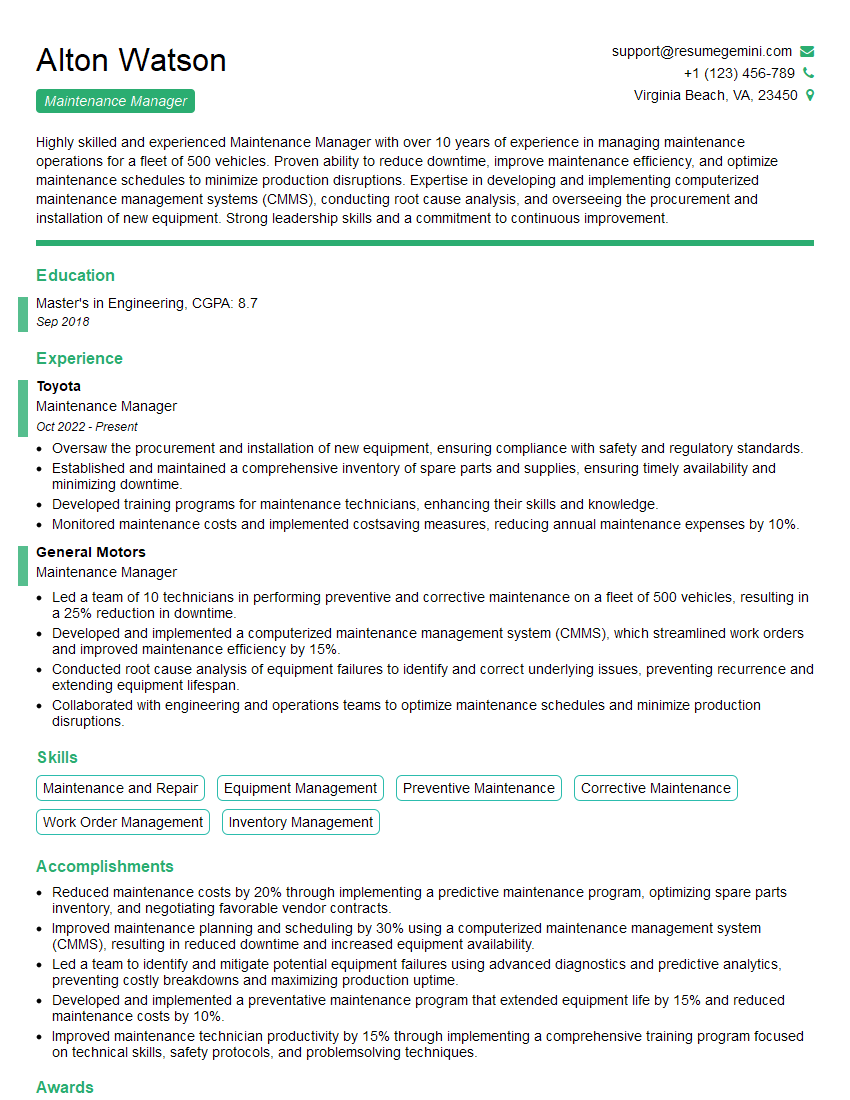
Maintenance Manager Resume Sample
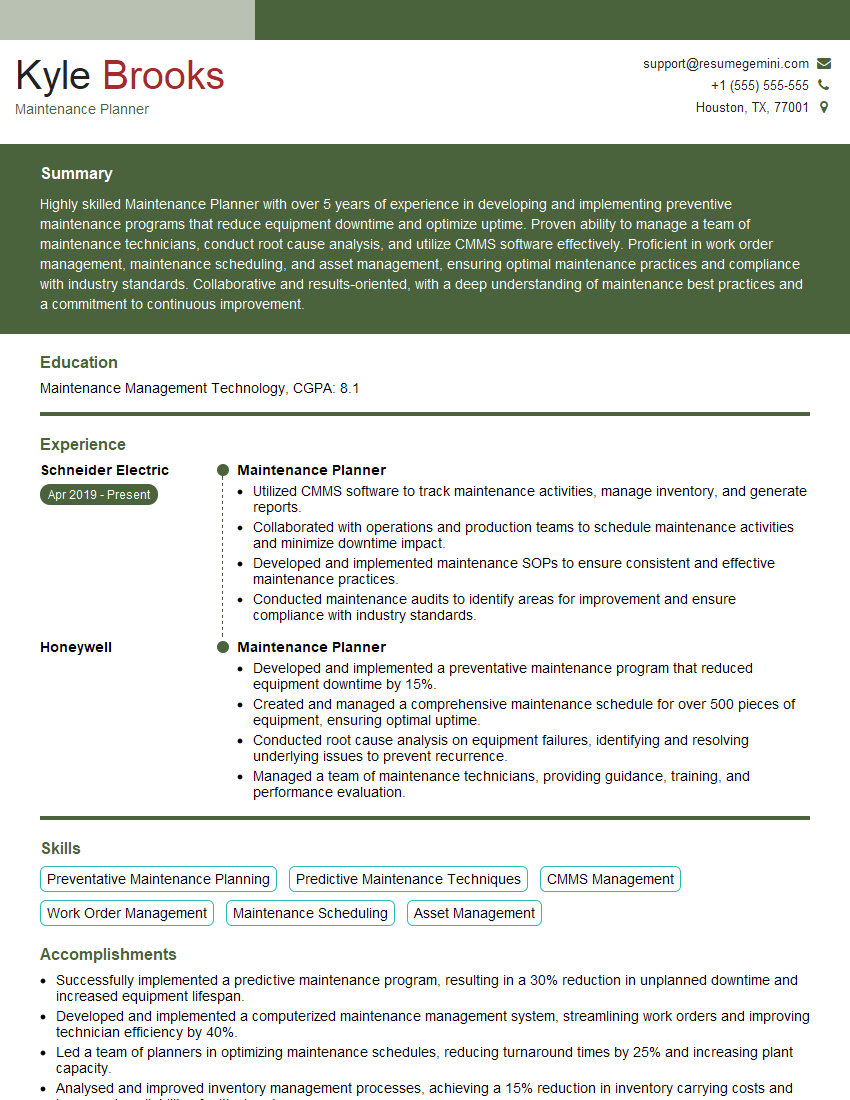
Maintenance Planner Resume Sample
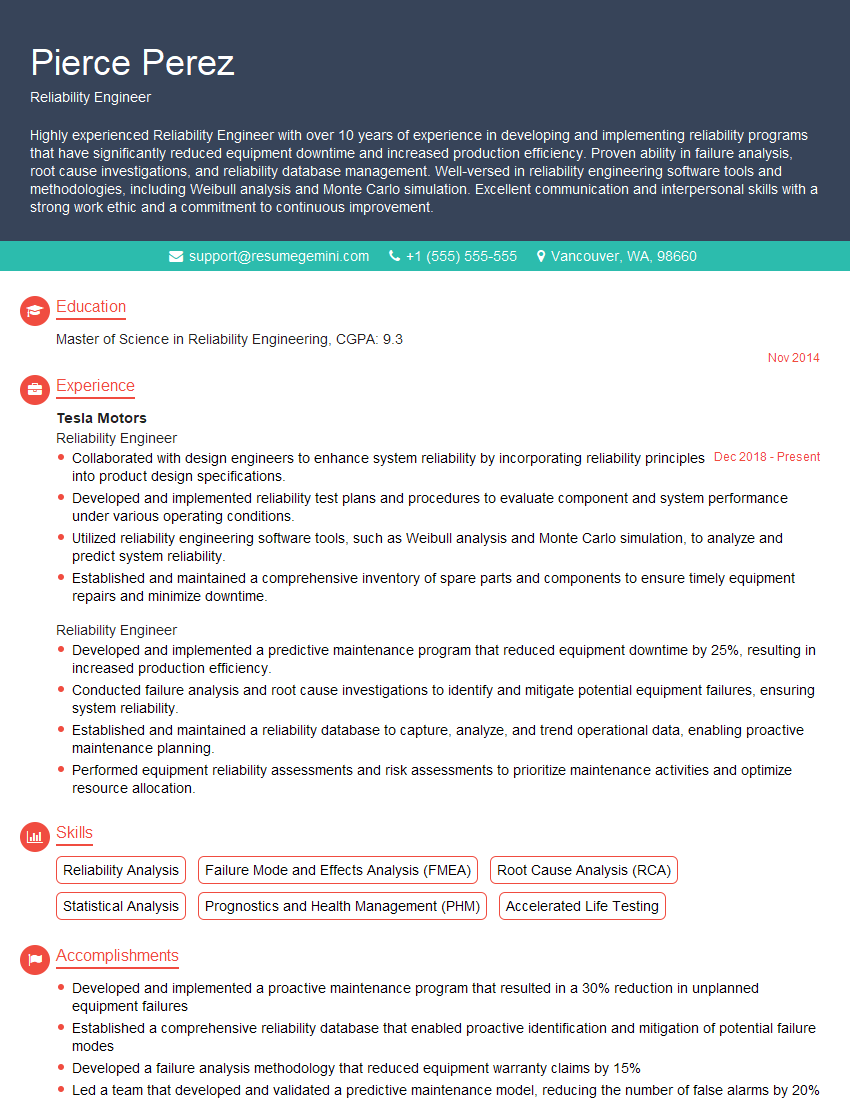
Reliability Engineer Resume Sample
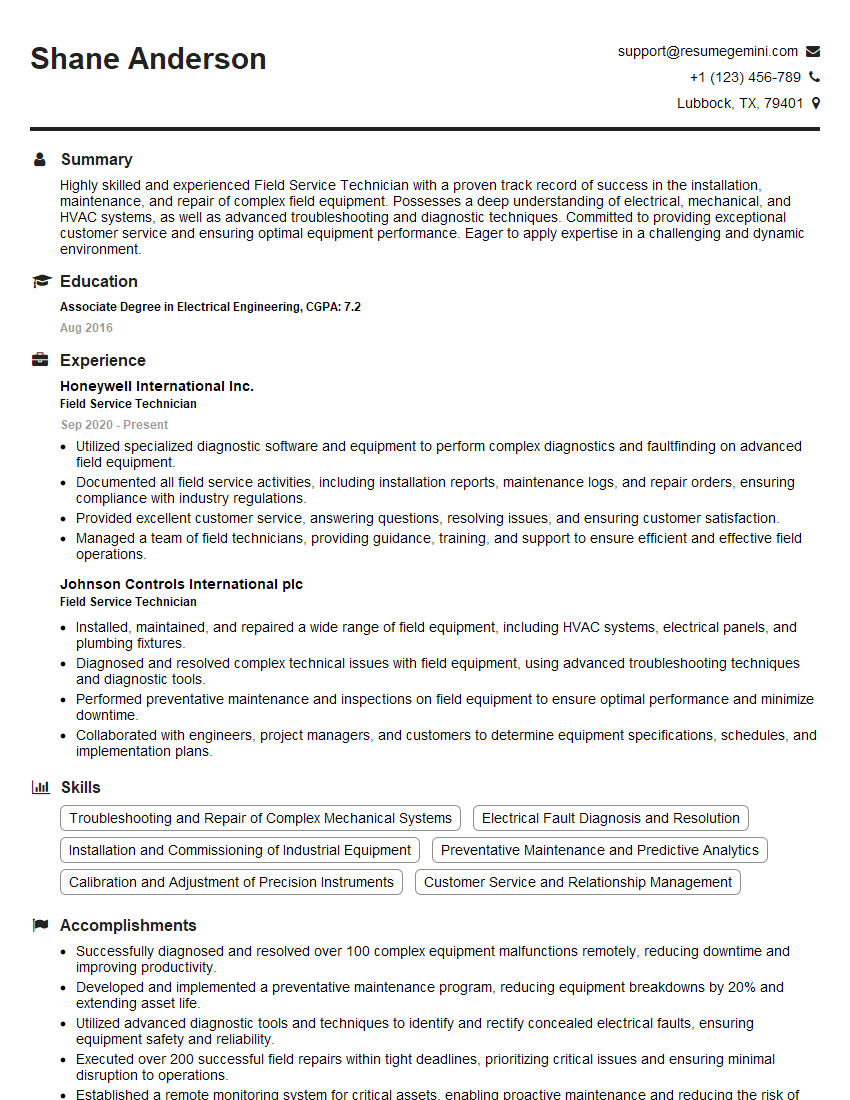
Field Service Technician Resume Sample
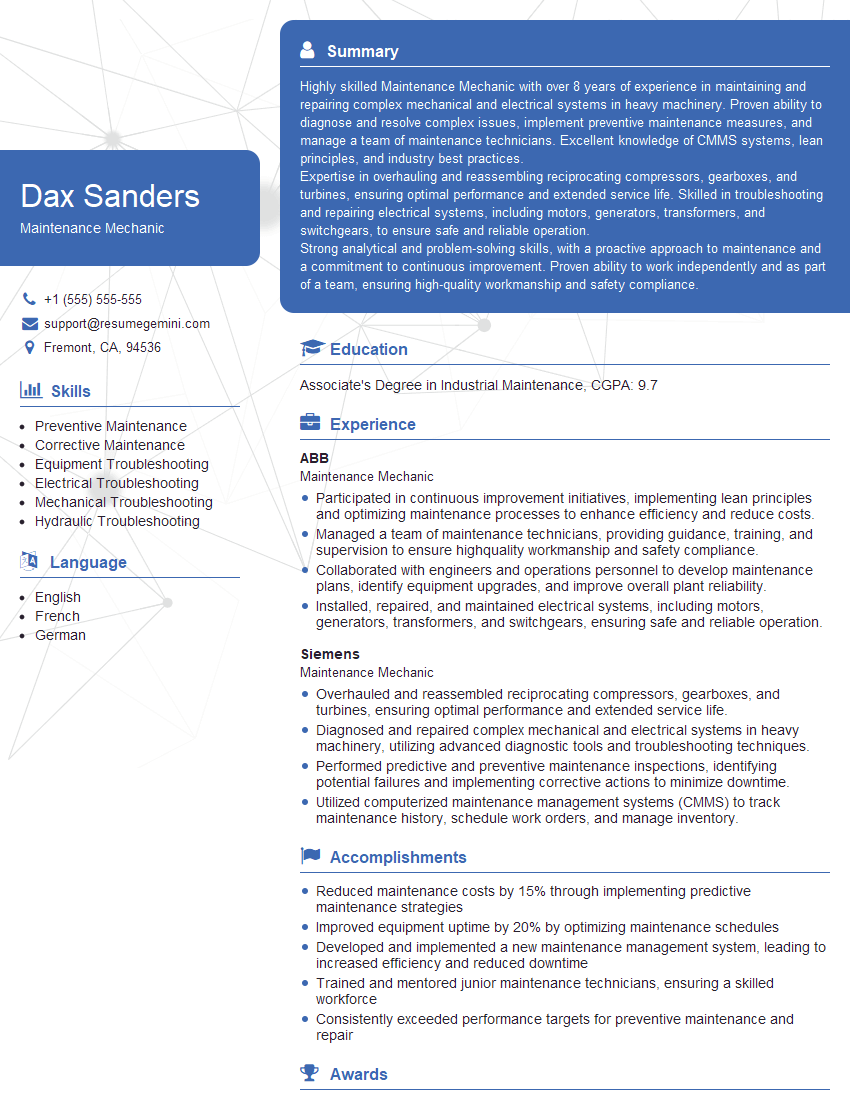
Maintenance Mechanic Resume Sample
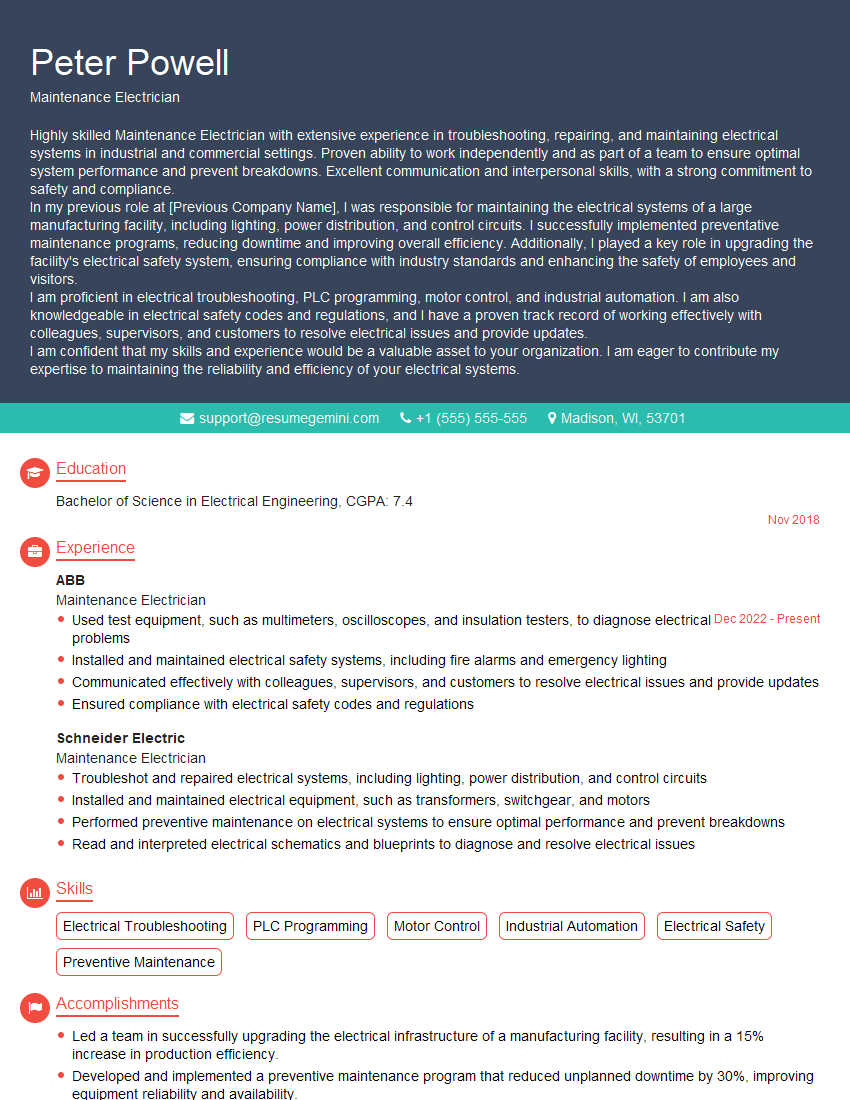
Maintenance Electrician Resume Sample
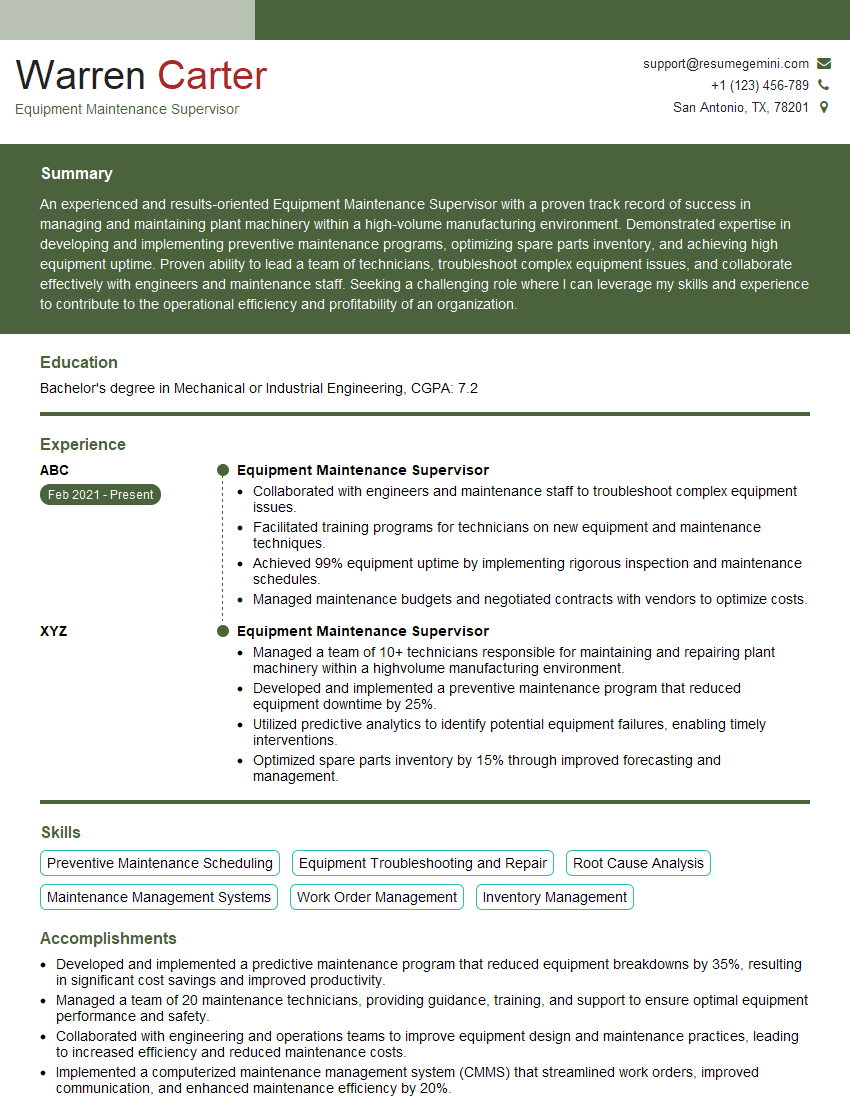
Equipment Maintenance Supervisor Resume Sample
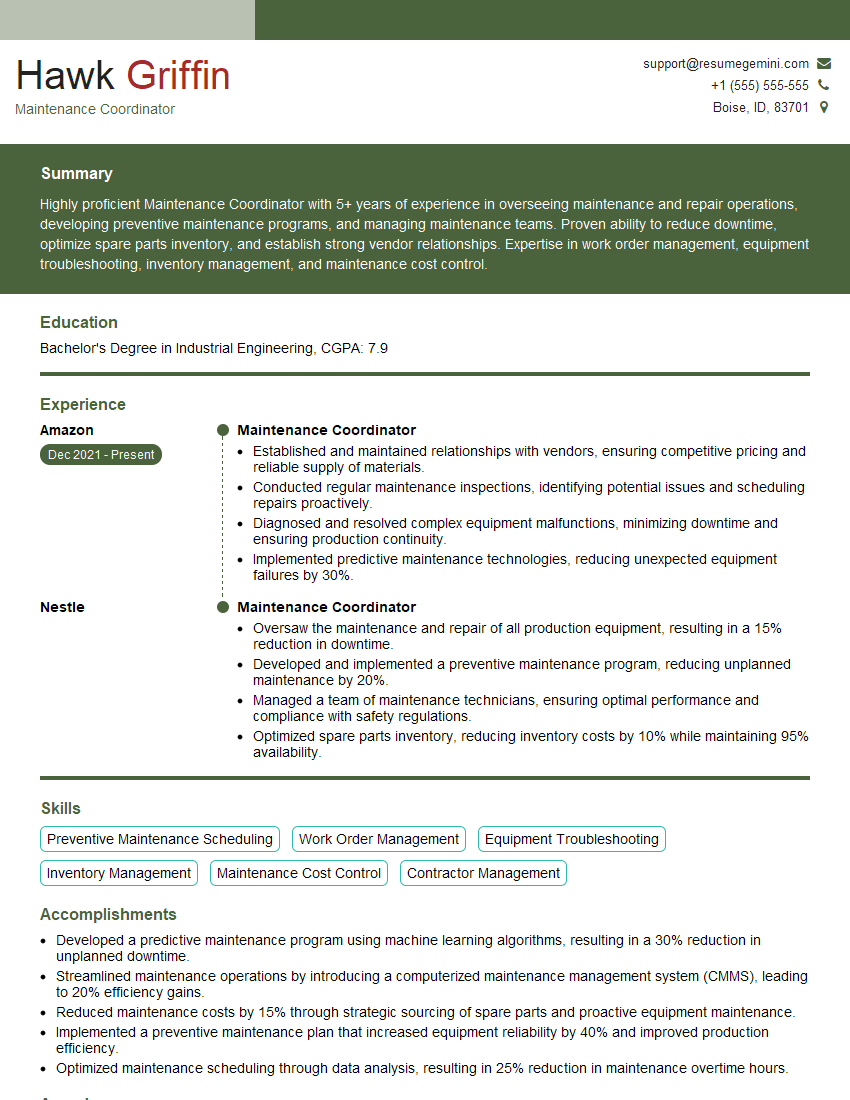
Maintenance Coordinator Resume Sample
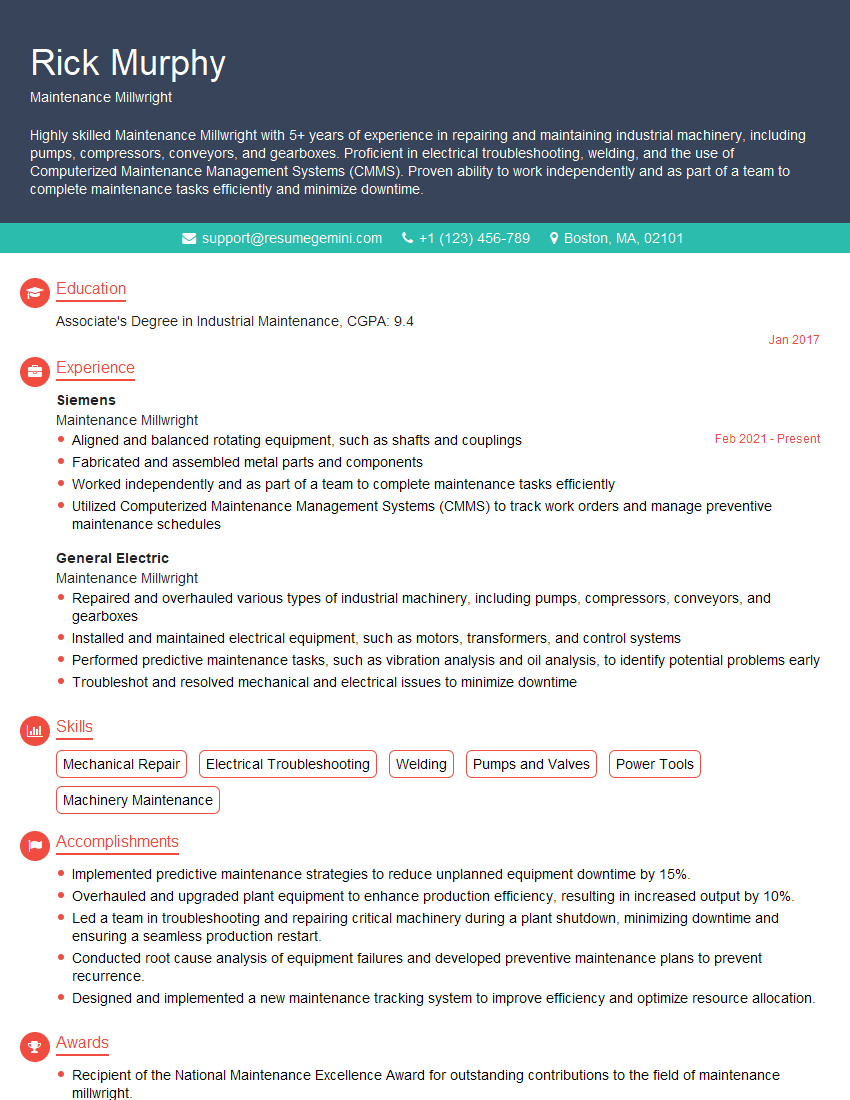
Maintenance Millwright Resume Sample
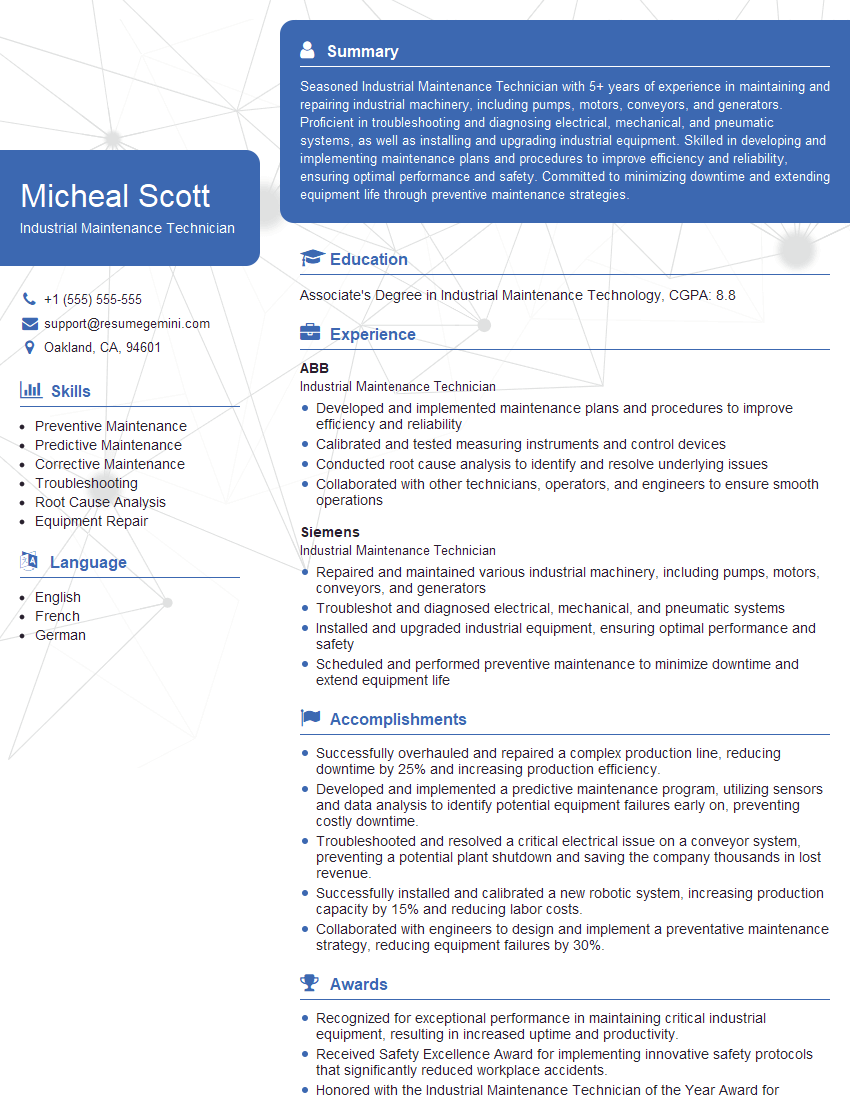
Industrial Maintenance Technician Resume Sample
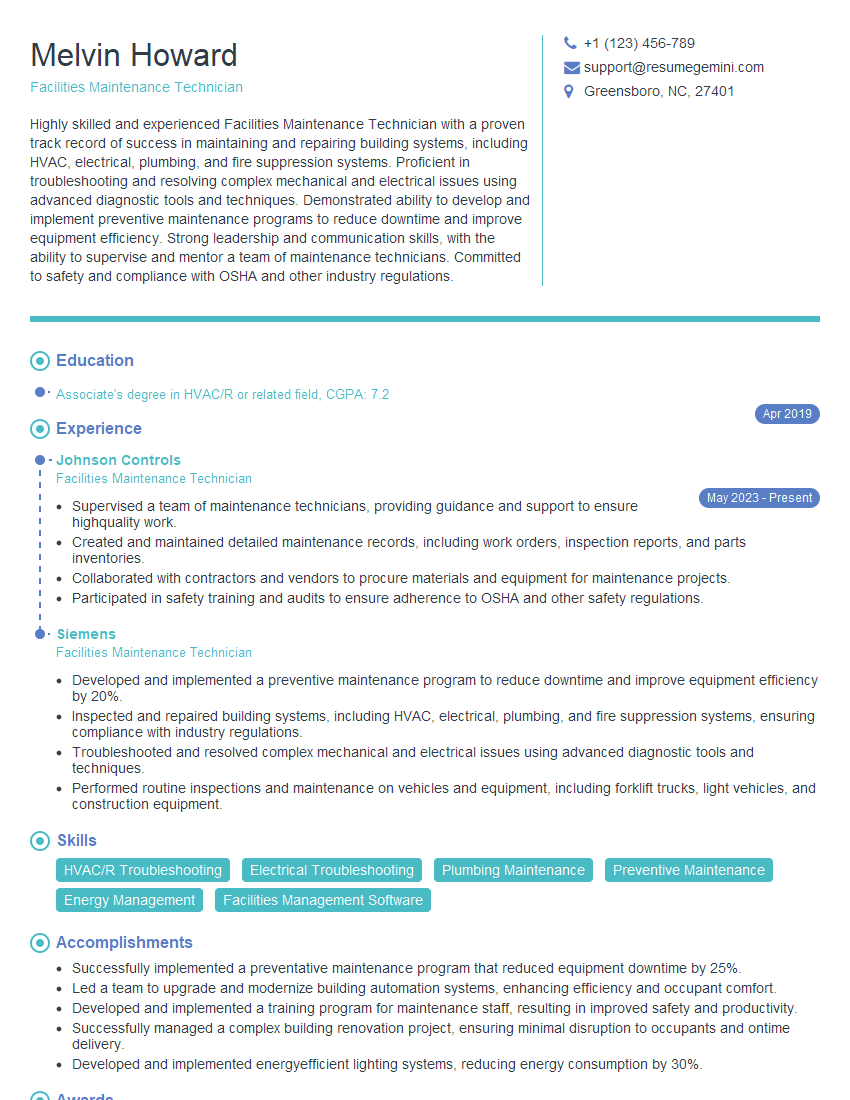
Facilities Maintenance Technician Resume Sample
Explore more articles
Users Rating of Our Blogs
Share Your Experience
We value your feedback! Please rate our content and share your thoughts (optional).
What Readers Say About Our Blog
Very informative content, great job.
good