The right preparation can turn an interview into an opportunity to showcase your expertise. This guide to OSHA, ACGIH, and NIOSH Standards Compliance interview questions is your ultimate resource, providing key insights and tips to help you ace your responses and stand out as a top candidate.
Questions Asked in OSHA, ACGIH, and NIOSH Standards Compliance Interview
Q 1. Explain the difference between OSHA, ACGIH, and NIOSH.
OSHA (Occupational Safety and Health Administration), ACGIH (American Conference of Governmental Industrial Hygienists), and NIOSH (National Institute for Occupational Safety and Health) are all key players in workplace safety, but they have distinct roles. OSHA is a regulatory agency within the U.S. Department of Labor. They set and enforce safety and health standards for most private sector workplaces. Think of them as the rule-makers and enforcers. ACGIH, on the other hand, is a professional organization of industrial hygienists. They develop voluntary recommendations and guidelines, particularly regarding exposure limits for airborne contaminants. These are often used by OSHA and other regulatory bodies to inform their standards. Finally, NIOSH is a research agency within the Centers for Disease Control and Prevention (CDC). Their focus is on conducting research and making recommendations for preventing work-related injuries and illnesses. They don’t directly enforce standards, but their research heavily influences OSHA and ACGIH.
In short: OSHA sets the rules, ACGIH provides guidance, and NIOSH conducts research to inform best practices.
Q 2. Describe your experience with OSHA’s General Duty Clause.
OSHA’s General Duty Clause, Section 5(a)(1) of the Occupational Safety and Health Act, is a crucial catch-all provision. It mandates that employers furnish each employee with a workplace free from recognized hazards that are causing or are likely to cause death or serious physical harm. This is incredibly important because it covers hazards not specifically addressed by other OSHA standards.
In my experience, I’ve used the General Duty Clause in several situations. For example, when a company had a unique process with potential hazards not covered by a specific OSHA standard, we developed a comprehensive control plan addressing the identified hazards. This involved thorough hazard identification, risk assessment, and implementation of control measures like engineering controls, administrative controls, and PPE. We then documented everything thoroughly to demonstrate compliance with the General Duty Clause should an OSHA inspection occur. Another scenario involved a situation where an employee raised a concern about an existing hazard; the clause allowed us to address the hazard even if there wasn’t a specific OSHA standard directly pertaining to it. Proving a hazard is ‘recognized’ requires demonstrating industry knowledge, best practices, and any available research.
Q 3. How do you conduct a hazard identification and risk assessment?
A hazard identification and risk assessment is a systematic process to identify potential hazards and evaluate their risk levels. It’s a cornerstone of any effective safety program. My approach follows a structured methodology:
- Hazard Identification: This involves a thorough walkthrough of the workplace, considering all aspects of the job: machinery, chemicals, ergonomics, work processes, and the environment. We use techniques such as job hazard analyses (JHAs), checklists, and worker interviews to capture potential hazards. For example, a JHA for a machine operation would break down each step, identifying potential hazards (e.g., pinch points, noise, flying debris) and their likelihood.
- Risk Assessment: Once hazards are identified, we assess their risk level. This often involves a qualitative or quantitative approach, considering the likelihood of the hazard occurring and the severity of the potential injury or illness. A simple matrix or a more sophisticated quantitative risk assessment model can be used, depending on the complexity of the hazard. For example, a high likelihood and high severity combination would result in a high-risk level demanding immediate action.
- Control Measures: Based on the risk assessment, we develop control measures to eliminate or mitigate the hazards. The hierarchy of controls is typically followed: elimination, substitution, engineering controls, administrative controls, and finally, personal protective equipment (PPE).
- Documentation: The entire process, including identified hazards, risk assessments, control measures, and any corrective actions taken, must be thoroughly documented.
Q 4. What are the key elements of a comprehensive safety program?
A comprehensive safety program is much more than just complying with regulations. It’s a proactive and integrated system designed to create a safe and healthy work environment. Key elements include:
- Management Commitment and Leadership: Safety must be a top priority, demonstrated through visible leadership and resource allocation.
- Hazard Identification and Risk Assessment (as discussed above): A continuous process to identify and control hazards.
- Training and Education: Workers must be adequately trained on safe work practices and the use of PPE.
- Emergency Preparedness and Response: Developing and regularly practicing emergency procedures.
- Incident Investigation and Reporting: Thorough investigations to identify root causes and prevent recurrence.
- Communication: Open communication channels between management and employees to address safety concerns.
- Recordkeeping: Maintaining accurate records of injuries, illnesses, and safety training.
- Regular Inspections and Audits: Regular safety inspections to identify and correct hazards.
- Compliance with Regulations: Adherence to all applicable OSHA, state, and local regulations.
A successful safety program is iterative; it’s constantly being evaluated and improved based on data and feedback.
Q 5. Explain your experience with implementing and maintaining OSHA 300 logs.
Maintaining OSHA 300 logs accurately and consistently is crucial for demonstrating compliance. My experience includes not only properly recording work-related injuries and illnesses but also ensuring the logs are accessible to employees and OSHA inspectors. This involves:
- Proper Case Recording: Ensuring all recordable injuries and illnesses are documented correctly, including details such as the date, nature of injury, body part affected, and days away from work.
- Data Accuracy: Verifying the accuracy of all recorded information before submitting the logs.
- Log Completion and Posting: Completing the OSHA 300 log by February 1st and posting it in a visible and accessible location for employees to review.
- Record Retention: Maintaining the logs for a minimum of 5 years.
- Annual Summary: Preparing the OSHA 300A summary and posting it during the same time period.
I’ve worked with companies of varying sizes, and the complexities of maintaining the logs increase with size. In larger organizations, electronic recordkeeping systems are often used to improve accuracy and efficiency. Effective recordkeeping not only meets regulatory requirements, but it also provides valuable data for identifying trends and improving safety performance.
Q 6. How do you handle employee safety concerns and complaints?
Addressing employee safety concerns and complaints is vital. My approach emphasizes creating a culture of open communication and trust. This involves:
- Formal Reporting System: Establishing a clear, accessible, and confidential reporting system for safety concerns and complaints, potentially using a dedicated suggestion box, online form, or direct communication with a safety officer.
- Prompt Response and Investigation: Responding promptly to all reported concerns, conducting thorough investigations to determine the validity and severity of the issue.
- Corrective Actions: Implementing appropriate corrective actions based on the findings of the investigation. This may include implementing new safety procedures, providing additional training, or replacing equipment.
- Follow-up: Following up with the employee to ensure the concern is resolved and to communicate the actions taken.
- Retaliation Prevention: Ensuring that employees are protected from retaliation for reporting safety concerns.
It’s important to remember that even seemingly minor complaints should be taken seriously, as they may indicate underlying safety issues. A culture of safety is built on the open communication of safety issues, without fear of reprisal.
Q 7. Describe your experience with incident investigation and reporting.
Incident investigation is crucial for preventing future occurrences. My process follows a structured approach:
- Immediate Response: Securing the scene and providing necessary first aid or medical attention. This involves ensuring the safety of all involved and isolating the accident scene if necessary.
- Fact-Finding: Gathering information from witnesses, reviewing documentation, examining the site, and collecting physical evidence. Photography and detailed notes are essential.
- Root Cause Analysis: Conducting a thorough root cause analysis to determine the underlying causes of the incident, moving beyond immediate observations to identify systemic issues. Tools such as fishbone diagrams or ‘5 Whys’ can be useful.
- Corrective Actions: Developing and implementing corrective actions to prevent similar incidents from occurring in the future. This may involve procedural changes, equipment modifications, or employee training.
- Reporting: Completing all necessary incident reports, documenting the investigation, findings, and corrective actions taken. This also includes reporting to OSHA if required by regulation.
The goal isn’t just to assign blame, but to understand why the incident happened and how to prevent it from happening again. Thorough incident reporting and investigation allows companies to identify and fix systemic problems and improve workplace safety.
Q 8. What are your preferred methods for employee safety training?
Effective employee safety training is paramount to a successful safety program. My approach centers around a multi-faceted strategy that incorporates various methods to cater to different learning styles and ensure knowledge retention. I prioritize interactive training over passive methods like solely reading manuals.
- Hands-on Training: This involves practical demonstrations and exercises allowing employees to apply learned knowledge directly. For example, when training on lockout/tagout procedures, I wouldn’t just explain the steps; we’d practice it on real equipment (after ensuring all safety measures are in place).
- Scenario-Based Training: Presenting realistic work scenarios helps employees anticipate potential hazards and develop problem-solving skills. For example, a simulated emergency evacuation or responding to a chemical spill helps build muscle memory and preparedness.
- Gamification: Incorporating interactive elements like quizzes, simulations, or even friendly competitions can enhance engagement and knowledge retention. This makes learning more enjoyable and less daunting.
- Regular Refresher Training: Safety regulations and best practices evolve. Regular refresher training ensures employees remain up-to-date and keeps safety top-of-mind.
- Documentation and Assessment: Comprehensive training records are crucial, including attendance, competency assessments, and documented feedback. This provides evidence of training compliance.
Finally, I ensure open communication. Employees should feel comfortable asking questions and reporting safety concerns without fear of retribution. A collaborative approach fosters a safer work environment.
Q 9. Explain your understanding of Personal Protective Equipment (PPE) selection and use.
Selecting and using appropriate Personal Protective Equipment (PPE) is crucial for preventing workplace injuries. My approach begins with a thorough hazard assessment to identify the specific risks. This involves evaluating the nature and severity of potential hazards (chemical exposure, noise, impact, etc.).
Once the hazards are identified, we select the appropriate PPE. This often requires consulting safety data sheets (SDS), OSHA standards, and ANSI guidelines. For instance, if workers face chemical splashes, we might need chemical-resistant gloves, aprons, and eye protection. For hearing protection, decibel measurements are critical to determine the appropriate Noise Reduction Rating (NRR) of hearing protectors.
Proper training on the correct use, fit, and limitations of each type of PPE is mandatory. This includes training on donning and doffing (putting on and taking off), inspection of the equipment for damage, proper storage, and cleaning. Regular inspection, maintenance, and replacement of damaged or worn-out PPE is also critical. Fit testing is essential for respiratory protection to ensure a proper seal, preventing leakage.
Ultimately, effective PPE selection and usage is a continuous process – involving ongoing monitoring, hazard reassessment and adaptation of PPE selections as needed. It’s not a one-time event, but a crucial commitment to employee well-being.
Q 10. How do you ensure compliance with OSHA’s lockout/tagout procedures?
Lockout/Tagout (LOTO) procedures are critical for preventing accidental energization or startup of equipment during maintenance or servicing, preventing injuries. My approach to ensuring compliance involves a multi-step process that adheres strictly to OSHA 29 CFR 1910.147.
- Energy Isolation: First, the equipment needs to be completely de-energized. This may involve turning off breakers, closing valves, or disconnecting energy sources.
- Lockout and Tagout: Each authorized employee applies their own uniquely identifiable lock and tag to the energy isolation device. This prevents accidental re-energization.
- Verification of Isolation: The employee verifies that the equipment is truly de-energized before starting any maintenance or repair.
- Periodic Inspections: Regular inspections of LOTO devices and procedures are vital to ensure their effectiveness. I conduct routine audits to verify compliance and identify any areas for improvement.
- Training: Thorough training on LOTO procedures is non-negotiable. Employees must understand their roles and responsibilities, and the consequences of non-compliance.
- Documentation: Maintain comprehensive records of LOTO procedures, training, and inspections. This documentation is essential for audits and demonstrating compliance.
In essence, my LOTO program centers around a culture of safety where everyone understands their responsibility in preventing accidents.
Q 11. What are your experiences with respiratory protection programs?
Respiratory protection programs are vital where workers may be exposed to airborne hazards. My experience in developing and managing these programs emphasizes comprehensive implementation that meets or exceeds OSHA 29 CFR 1910.134 requirements.
- Hazard Assessment and Exposure Monitoring: Accurate identification and quantification of respiratory hazards is the cornerstone. This includes conducting air monitoring to determine the types and concentrations of airborne contaminants.
- Respiratory Protection Selection: Choosing the right respirator depends on the specific hazard identified during monitoring and evaluation. The selection must be appropriate for the hazard’s characteristics and duration of exposure.
- Medical Evaluation: Employees must undergo medical evaluations to determine their suitability to wear respirators. This ensures that they can tolerate the physical demands of respirator use.
- Fit Testing: Qualitative and quantitative fit tests are crucial to ensure a proper seal between the respirator and the wearer’s face, preventing leakage. This is especially critical for tight-fitting respirators.
- Training: Comprehensive training on respirator selection, use, cleaning, storage, limitations, and maintenance is essential. Employees must be competent to perform fit checks independently.
- Program Evaluation: Regular audits and monitoring are essential to ensure program effectiveness and to identify areas for improvement. This includes review of training records, medical evaluations, and fit testing results.
For example, in a project involving asbestos abatement, we would utilize appropriate respirators (e.g., supplied-air respirators), implement stringent air monitoring, and ensure comprehensive training and medical evaluations for all workers involved.
Q 12. How familiar are you with the ACGIH TLVs and BEIs?
The American Conference of Governmental Industrial Hygienists (ACGIH) publishes Threshold Limit Values (TLVs) and Biological Exposure Indices (BEIs) which provide guidance on occupational exposure limits for various chemical substances and physical agents. I have extensive experience in interpreting and applying these values in workplace hazard assessments and control strategies.
TLVs represent conditions under which it is believed that nearly all workers may be repeatedly exposed day after day without adverse health effects. They include TLV-TWA (Time Weighted Average), TLV-STEL (Short Term Exposure Limit), and TLV-C (Ceiling Limit).
BEIs are biological equivalent of exposure limit. They’re indicators of the body’s absorption of a chemical or physical agent which can better reflect the actual health impact of workplace exposure compared to solely relying on air monitoring data. For example, blood or urine samples can be tested for the presence of specific chemicals or their metabolites.
Understanding ACGIH TLVs and BEIs allows me to determine the potential health risks associated with particular workplace exposures and inform the selection of appropriate control measures, such as engineering controls, administrative controls and PPE.
Q 13. Describe your experience with air monitoring and sampling.
Air monitoring and sampling is a crucial component of any effective occupational safety and health program. My experience includes various sampling methods for different types of contaminants such as particulates, gases, and vapors.
I’m proficient in using various sampling equipment and techniques, including personal sampling pumps, direct-reading instruments, and integrating samplers. For example, for particulate matter, I might use a filter cassette connected to a personal sampling pump, while for gas analysis, I may use a detector tube or a more sophisticated instrument like a gas chromatograph.
Proper sampling techniques are critical to obtaining reliable results. This includes careful selection of sampling locations, duration, and flow rates. The collected samples are then analyzed in a certified laboratory following appropriate quality control procedures. The results are then evaluated against relevant standards (such as OSHA PELs, ACGIH TLVs) to determine if exposures exceed permissible limits. I also have experience in interpreting the analytical results and using them to develop effective control measures.
For instance, in a workplace suspected of having high levels of silica dust, I’d perform air monitoring using a suitable method and compare results to the permissible exposure limits to assess the risk and the need for control measures.
Q 14. Explain your understanding of hazard communication and SDS management.
Hazard communication and SDS (Safety Data Sheet) management are fundamental to protecting worker health and safety. Compliance with OSHA’s Hazard Communication Standard (HCS) is a priority.
My approach to hazard communication includes:
- Hazard Identification and Classification: Accurate identification of all hazardous chemicals in the workplace is the first step. This involves classifying chemicals according to their hazards (flammability, toxicity, reactivity, etc.) based on the information provided in SDSs.
- Labeling and SDS Access: Containers of hazardous chemicals must be properly labeled with hazard pictograms, signal words, hazard statements, and precautionary statements. Employees must have readily accessible SDSs for all hazardous chemicals they handle.
- Employee Training: All employees who handle hazardous chemicals must receive comprehensive training on hazard communication, including how to interpret labels and SDSs, understand the hazards associated with the chemicals, and implement appropriate safety measures.
- SDS Management System: A well-organized system for receiving, storing, updating, and readily accessing SDSs is critical. This system might involve a physical binder or an electronic database. Regular audits of this system ensure completeness and accuracy.
- Emergency Preparedness: Hazard communication should also include an emergency response plan that outlines the procedures to follow in the event of a spill, leak, or other emergency involving hazardous chemicals.
In essence, a robust hazard communication program fosters an environment where employees are informed, empowered, and safe.
Q 15. How do you ensure compliance with HAZWOPER regulations?
Ensuring HAZWOPER (Hazardous Waste Operations and Emergency Response) compliance involves a multi-faceted approach focusing on employee training, site-specific safety plans, and rigorous adherence to regulatory guidelines. It’s not just about ticking boxes; it’s about fostering a safety culture where hazardous waste handling is treated with the utmost respect.
Comprehensive Training: Employees must receive site-specific training tailored to the particular hazards present. This includes theoretical knowledge of hazardous materials, proper handling procedures, emergency response protocols, and the use of personal protective equipment (PPE).
Site-Specific Safety Plans: These plans are crucial and must detail the procedures for handling, storing, and disposing of hazardous waste. They should include contingency plans for spills, leaks, and other emergencies. Regular reviews and updates are essential to reflect changes in operations or regulations.
Medical Surveillance: Depending on the hazards involved, medical surveillance may be required to monitor employee health. This could include regular physical examinations and blood tests to detect early signs of exposure-related illnesses.
Emergency Response: A robust emergency response plan is paramount. This involves training employees in emergency procedures, providing appropriate equipment, and establishing communication protocols with emergency services.
Record Keeping: Meticulous record-keeping is essential for demonstrating compliance. This includes documentation of training, safety plans, inspections, and any incidents or near misses. These records help track performance, identify areas for improvement, and serve as evidence of compliance during audits.
For instance, in a project involving asbestos abatement, HAZWOPER compliance would necessitate detailed air monitoring, stringent decontamination procedures, and specialized PPE like respirators and protective suits. Failure to comply could result in serious health consequences for workers and significant penalties for the company.
Career Expert Tips:
- Ace those interviews! Prepare effectively by reviewing the Top 50 Most Common Interview Questions on ResumeGemini.
- Navigate your job search with confidence! Explore a wide range of Career Tips on ResumeGemini. Learn about common challenges and recommendations to overcome them.
- Craft the perfect resume! Master the Art of Resume Writing with ResumeGemini’s guide. Showcase your unique qualifications and achievements effectively.
- Don’t miss out on holiday savings! Build your dream resume with ResumeGemini’s ATS optimized templates.
Q 16. Describe your experience with ergonomic assessments and control measures.
Ergonomic assessments are crucial for preventing musculoskeletal disorders (MSDs) which can lead to lost productivity, worker compensation claims, and decreased employee morale. My experience involves conducting thorough assessments using observation, interviews, and measurements to identify risk factors, then designing and implementing control measures to mitigate those risks.
Assessment Methods: I utilize various tools and techniques such as Rapid Upper Limb Assessment (RULA), Rapid Entire Body Assessment (REBA), and the NIOSH Lifting Equation to quantify risk levels associated with specific tasks and work postures.
Control Measures: Implementing control measures varies depending on the identified risks. These may include engineering controls like workstation redesign, adjusting equipment heights, providing ergonomic chairs and keyboard trays, or implementing automation. Administrative controls may include job rotation, providing rest breaks, and training on proper lifting techniques.
Example: In a manufacturing setting, I conducted an ergonomic assessment of an assembly line where workers experienced repetitive strain injuries. By modifying workstations to incorporate adjustable height benches, implementing tools to reduce awkward postures, and providing training on proper lifting techniques, we significantly reduced MSD incidence.
The key is not simply identifying problems but proposing practical, cost-effective solutions that integrate seamlessly into the workflow without compromising productivity. It’s about a proactive approach, preventing problems before they arise.
Q 17. How do you investigate and address near misses?
Near misses, or incidents that could have resulted in injury or damage, provide invaluable insights into potential hazards. Investigating them allows for proactive hazard mitigation. My approach focuses on a thorough investigation, root cause analysis, and effective corrective actions.
Investigation Process: I start by gathering information from involved personnel, reviewing documentation, and physically examining the site. The goal is to reconstruct the sequence of events leading to the near miss.
Root Cause Analysis: This involves identifying the underlying factors that contributed to the near miss. Techniques like the “5 Whys” method or fault tree analysis can be helpful in pinpointing the root causes.
Corrective Actions: Based on the root cause analysis, appropriate corrective actions are implemented. This may involve engineering controls, administrative controls, or retraining employees. The effectiveness of these actions should be monitored and documented.
Example: A near miss involving a forklift nearly striking a pedestrian highlighted a lack of clear pedestrian walkways and inadequate training on safe forklift operation. Corrective actions included establishing designated walkways, installing signage, and providing additional forklift operator training.
Treating near misses seriously allows us to prevent future accidents, reducing risk and fostering a proactive safety culture. Ignoring near misses is a recipe for disaster.
Q 18. What are the key components of an effective emergency response plan?
An effective emergency response plan is the cornerstone of workplace safety. It needs to be comprehensive, clearly communicated, and regularly practiced. Key components include:
Hazard Identification and Risk Assessment: This step identifies potential emergencies (fires, chemical spills, natural disasters) and assesses their likelihood and severity.
Emergency Procedures: Detailed procedures for each type of emergency must be developed, including evacuation routes, shutdown procedures, and emergency contact information.
Emergency Response Team: A designated team should be trained in emergency response procedures, including first aid and CPR. Regular drills help ensure the team’s preparedness.
Communication Plan: Effective communication is vital. The plan should outline procedures for notifying employees, emergency services, and relevant authorities.
Post-Incident Response: Procedures for investigating, documenting, and analyzing incidents should be established to improve future responses and prevent recurrence.
Personal Protective Equipment (PPE): Appropriate PPE should be readily available and employees trained in its proper use.
Regular drills and simulations are crucial to ensure the plan’s effectiveness and to identify areas for improvement. A well-rehearsed plan significantly enhances the workplace’s ability to respond to emergencies efficiently and safely.
Q 19. How do you stay current with changes in OSHA, ACGIH, and NIOSH regulations?
Staying current with changes in OSHA, ACGIH, and NIOSH regulations is critical for maintaining compliance and ensuring workplace safety. I utilize a multi-pronged approach:
Subscription to Regulatory Updates: I subscribe to official publications and newsletters from OSHA, ACGIH, and NIOSH to receive timely notifications of updates and revisions.
Professional Development: Attending conferences, webinars, and training sessions allows me to stay informed about the latest research and best practices in workplace safety.
Networking with Professionals: Engaging with colleagues and other safety professionals through industry organizations helps share knowledge and receive updates on emerging issues.
Review of Industry Publications: Reading industry journals and publications keeps me abreast of relevant developments and advancements.
Online Resources: Utilizing online resources such as OSHA’s website, ACGIH’s publications, and NIOSH’s research databases, providing a wealth of information.
Continuous learning ensures that my knowledge base remains up-to-date, allowing me to make informed decisions and provide effective guidance.
Q 20. Explain your experience with conducting safety audits and inspections.
Conducting safety audits and inspections is a systematic process aimed at identifying hazards, assessing risks, and verifying compliance. My approach is thorough, objective, and focuses on both compliance and continuous improvement.
Planning and Preparation: Before conducting an audit, I thoroughly review relevant regulations, safety procedures, and historical data. I develop a checklist to guide the inspection process.
On-Site Inspection: The inspection involves systematically checking for compliance with regulations, observing work practices, and identifying potential hazards. I document all findings with photographs and detailed descriptions.
Reporting and Follow-up: After the inspection, I prepare a detailed report that summarizes findings, including identified hazards, non-compliances, and recommendations for corrective actions. I follow up to ensure that corrective actions are implemented and effective.
Example: During a safety audit of a construction site, I identified several hazards, including inadequate fall protection, improper storage of materials, and a lack of lockout/tagout procedures. The report outlined these deficiencies, detailed the potential consequences, and provided specific recommendations for corrective actions.
Safety audits are not merely about finding fault, but about identifying opportunities for improvement. A proactive approach improves workplace safety and minimizes risks.
Q 21. Describe your experience with developing and implementing safety procedures.
Developing and implementing safety procedures requires a systematic approach to ensure that they are effective, practical, and readily understood by employees. My process involves:
Hazard Identification and Risk Assessment: Identifying hazards and assessing the associated risks forms the basis for developing procedures. This requires thorough understanding of the work processes and potential hazards.
Procedure Development: Procedures should be clear, concise, and easy to understand. They should specify step-by-step instructions, including any necessary PPE, safety precautions, and emergency procedures.
Employee Training: Training is essential to ensure that employees understand and follow the procedures. This often includes hands-on training and practical demonstrations.
Procedure Review and Updates: Procedures should be regularly reviewed and updated to reflect changes in operations, technology, or regulations. Feedback from employees can help improve the effectiveness of the procedures.
Documentation: Maintaining up-to-date records of all safety procedures and training records is crucial for demonstrating compliance.
Example: I developed a detailed safety procedure for operating a specific piece of machinery which included pre-operational checks, lock-out/tag-out procedures, emergency shut-off protocols and appropriate PPE. This was followed by comprehensive training, ensuring all staff understood and could safely operate the machinery.
Well-developed and implemented safety procedures are fundamental for creating a safe and productive work environment.
Q 22. How do you measure the effectiveness of your safety programs?
Measuring the effectiveness of a safety program isn’t just about the number of accidents; it’s about a holistic assessment of the entire system. We use a multi-faceted approach that incorporates leading and lagging indicators.
Lagging Indicators: These measure the results of our safety efforts – things that have already happened. Examples include the total recordable incident rate (TRIR), lost time injury rate (LTIR), and the number of near misses reported. Analyzing trends in these metrics reveals areas needing improvement.
Leading Indicators: These predict future performance by measuring the strength of our safety systems. We track things like the completion rate of safety training, the number of safety observations conducted, the effectiveness of our hazard identification processes, and employee engagement scores in safety surveys. A high rate of safety observations and robust training programs, for example, suggest a safer work environment even before a reduction in incidents is seen.
Data Analysis: We leverage data analysis tools to identify patterns and correlations. For instance, a spike in near misses involving a specific piece of equipment might signal the need for additional training or equipment upgrades. We also compare our performance against industry benchmarks and best practices.
Audits and Inspections: Regular safety audits and inspections, conducted both internally and, if applicable, by external regulatory bodies, provide crucial feedback on our program’s effectiveness and highlight areas for improvement. These may include walkthroughs, document reviews, and interviews with employees.
By combining lagging and leading indicators with robust data analysis and regular audits, we build a comprehensive picture of our safety program’s effectiveness, allowing for proactive adjustments and continuous improvement.
Q 23. Explain your experience with conducting root cause analysis of safety incidents.
Root cause analysis (RCA) is crucial for preventing future incidents. My experience involves employing various methods, most commonly the ‘5 Whys’ technique and fault tree analysis (FTA). I’ve found that a multi-disciplinary approach, involving employees from different departments and levels, yields the best results.
Example: In one instance, we had a fall from height incident. Using the ‘5 Whys’ technique, we uncovered the root cause wasn’t simply a lack of fall protection but inadequate training on its proper use and an insufficient number of properly inspected harnesses available. FTA would further visually map these factors and their relationships. This led to revised training protocols, improved equipment management, and a much stronger emphasis on compliance.
Beyond the investigation itself, I emphasize implementing corrective actions, monitoring their effectiveness, and ensuring that lessons learned are shared across the organization to prevent similar incidents in the future. Documentation is key, ensuring a clear record of the incident, the investigation process, and the implemented corrective actions.
Q 24. Describe your understanding of confined space entry procedures.
Confined space entry is inherently dangerous, requiring strict adherence to OSHA regulations (e.g., 1910.146) and a detailed, written permit-required confined space program. This program must address atmospheric hazards, potential engulfment, and other risks.
Atmospheric Monitoring: Before entry, the atmosphere must be tested for oxygen deficiency, flammable gases, and toxic substances. Continuous monitoring is often required while workers are inside.
Ventilation: Adequate ventilation is essential to remove hazardous substances and ensure a breathable atmosphere.
Entry Procedures: A qualified attendant must be present outside the confined space at all times. Entry must be performed using appropriate equipment, such as harnesses, lifelines, and rescue systems.
Emergency Response Plan: A comprehensive rescue plan, including access and egress procedures, must be in place and regularly practiced.
Training: All personnel involved in confined space entry must receive thorough training on the hazards, procedures, and emergency response.
My experience involves overseeing the implementation and enforcement of such programs, ensuring that every step – from pre-entry planning to post-entry procedures – is strictly followed. Non-compliance can lead to serious injury or fatality, hence the detailed protocols are paramount.
Q 25. How do you address workplace violence prevention?
Workplace violence prevention requires a multi-pronged approach focusing on proactive measures, training, and incident response.
Hazard Identification: Identifying potential hazards, such as high-stress environments or interactions with the public, is the first step. This could involve employee surveys, incident reviews, and security assessments.
Engineering Controls: Implementing physical security measures like security cameras, improved lighting, and alarm systems can deter violence. Access controls and clear signage can also play a role.
Administrative Controls: Establishing clear policies on workplace violence, providing training on de-escalation techniques, and creating a culture of respect and reporting are crucial. This includes a zero-tolerance policy and clear reporting procedures.
Training: Employees need training on recognizing warning signs, de-escalation techniques, and reporting procedures. This should be regularly updated and tailored to specific workplace risks.
Incident Response: Having a clear plan for responding to incidents, including procedures for contacting emergency services and providing immediate support to victims, is vital.
I have been involved in developing and implementing such comprehensive programs, including conducting workplace violence risk assessments and providing training to employees at all levels. A successful program necessitates ongoing monitoring, review, and adaptation based on the ever-changing dynamics of a workplace.
Q 26. Explain your experience working with OSHA inspectors.
My experience with OSHA inspectors has always been one of open communication and collaboration. I view them as partners in ensuring workplace safety, not adversaries.
Preparation is key: Maintaining thorough documentation of our safety programs, including training records, incident reports, and inspection results, is crucial. This ensures we can promptly respond to any questions and demonstrate our commitment to compliance.
Proactive approach: I’ve found it beneficial to conduct internal audits using OSHA standards as a benchmark. This allows us to identify and rectify potential violations before an inspection takes place.
During an inspection: I’ve always been transparent and cooperative, providing access to all required documentation and facilitating communication between the inspectors and employees. It’s important to treat inspectors respectfully and to answer questions accurately and thoroughly.
Follow-up: After an inspection, we thoroughly review any identified violations, implement corrective actions, and document all improvements. Maintaining open lines of communication with OSHA helps to resolve any outstanding issues effectively.
Q 27. How do you utilize data analysis to improve safety performance?
Data analysis is the cornerstone of continuous safety improvement. We collect data from various sources, including incident reports, near-miss reports, safety observations, and training records.
Trend Analysis: Identifying trends in injury types, locations, and times helps pinpoint high-risk areas and develop targeted interventions. For example, if we see an increase in slips and falls during winter months, we can enhance our winter weather safety protocols.
Root Cause Analysis: Data can be used to supplement RCA techniques, providing quantitative evidence to support qualitative findings. For example, data on the frequency of equipment malfunctions can inform decisions on maintenance schedules.
Benchmarking: Comparing our safety performance to industry benchmarks allows us to identify areas where we excel and areas where we need improvement. This gives us actionable insights into where to focus our efforts.
Predictive Modeling: In some cases, advanced analytical techniques like predictive modeling can be used to forecast future incidents and proactively mitigate risks.
We use various software and tools to analyze this data, providing visual representations of safety trends and insights to inform decision-making and resource allocation. Data-driven decision-making ensures that our safety efforts are both effective and efficient.
Q 28. Describe your experience with developing safety training materials.
Developing effective safety training materials involves a careful consideration of the target audience, the learning objectives, and the best methods for conveying information.
Needs Assessment: Before developing any materials, I conduct a needs assessment to determine the specific knowledge and skills gaps among employees. This might involve surveys, interviews, or focus groups.
Learning Objectives: Clear and measurable learning objectives are crucial to ensure that the training is effective. These objectives should state what employees will be able to do after completing the training.
Content Development: The content should be engaging, relevant, and easy to understand. I use a variety of methods, including presentations, videos, interactive exercises, and case studies, to make the training more effective.
Delivery Methods: The choice of delivery method – online, in-person, or a blended approach – depends on the content, the audience, and the resources available.
Assessment: Post-training assessments, such as quizzes or practical demonstrations, are necessary to evaluate employee understanding and retention.
Updating and Revising: Safety training materials need to be regularly reviewed and updated to reflect changes in regulations, technology, and best practices.
I’ve developed various training materials covering topics ranging from lockout/tagout procedures to hazard communication and confined space entry, consistently employing these principles. Engaging and relevant training is critical to creating a safety-conscious workforce.
Key Topics to Learn for OSHA, ACGIH, and NIOSH Standards Compliance Interview
- OSHA Standards: Understanding key regulations like hazard communication, personal protective equipment (PPE), and emergency action plans. Focus on practical application – how to implement these standards in a real-world workplace setting.
- ACGIH Threshold Limit Values (TLVs): Learn how TLVs are established and their importance in evaluating workplace air contaminants. Practice interpreting TLV data and applying it to exposure assessments.
- NIOSH Recommendations: Familiarize yourself with NIOSH’s research and recommendations on various occupational hazards. Understand how these recommendations inform best practices and contribute to a safer work environment.
- Hazard Identification and Risk Assessment: Master the process of identifying hazards, assessing risks, and implementing control measures. Be prepared to discuss different control hierarchies (elimination, substitution, engineering controls, administrative controls, PPE).
- Exposure Monitoring and Industrial Hygiene: Understand the methods used to monitor worker exposure to hazards, including air sampling and biological monitoring. Know how to interpret the results and take appropriate action.
- Recordkeeping and Reporting: Familiarize yourself with OSHA’s recordkeeping requirements and the process for reporting workplace injuries and illnesses. Understand the importance of accurate and timely reporting.
- Compliance Auditing and Inspections: Understand how to conduct compliance audits and prepare for OSHA inspections. Know what to expect during an inspection and how to effectively communicate with inspectors.
- Permissible Exposure Limits (PELs): Understand the differences between PELs, TLVs, and RELs (Recommended Exposure Limits) and their respective roles in workplace safety.
- Respiratory Protection Programs: Develop a strong understanding of respirator selection, fit testing, training, and maintenance, in accordance with OSHA regulations.
- Incident Investigation and Prevention: Be prepared to discuss methodologies for investigating workplace incidents, identifying root causes, and implementing corrective actions to prevent future occurrences.
Next Steps
Mastering OSHA, ACGIH, and NIOSH Standards Compliance is crucial for career advancement in occupational safety and health. It demonstrates your commitment to worker well-being and your ability to contribute to a safer work environment. To significantly increase your job prospects, it’s vital to create an ATS-friendly resume that highlights your skills and experience effectively. ResumeGemini is a trusted resource that can help you build a professional and impactful resume. Examples of resumes tailored to OSHA, ACGIH, and NIOSH Standards Compliance are available to guide you, helping you present your qualifications in the best possible light.
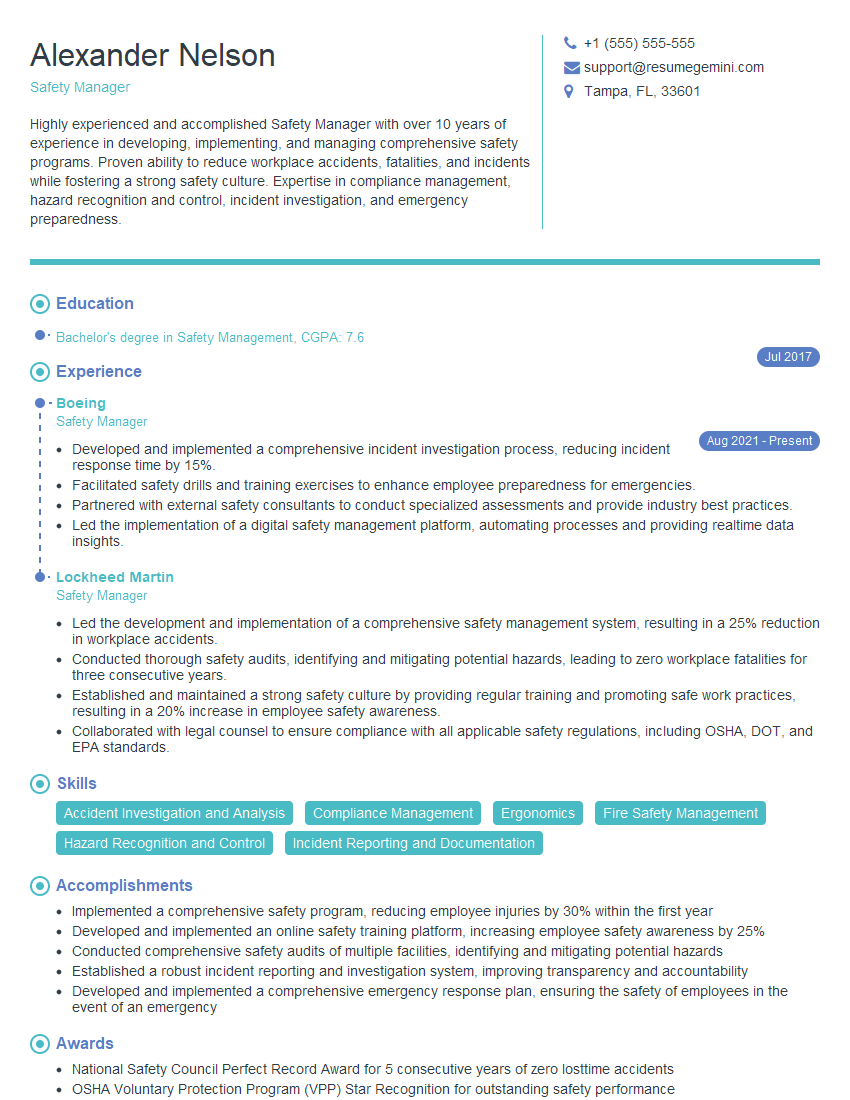
Safety Manager Resume Sample
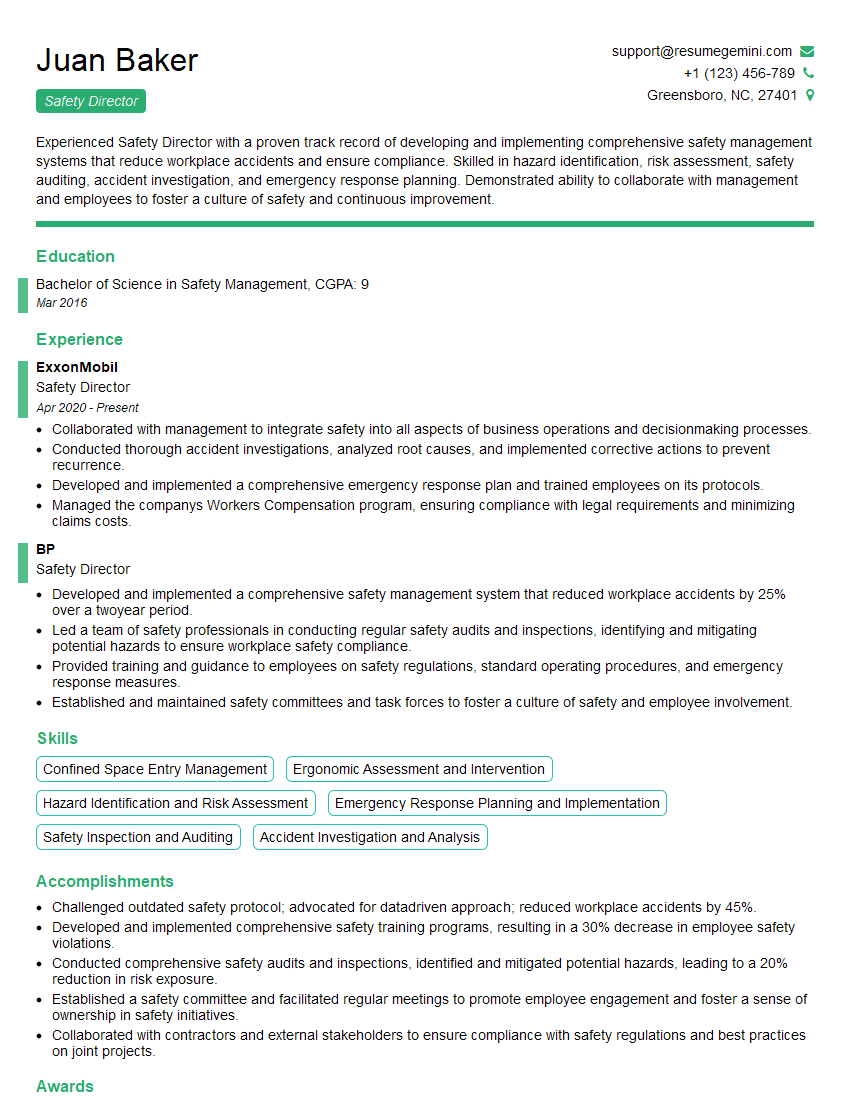
Safety Director Resume Sample
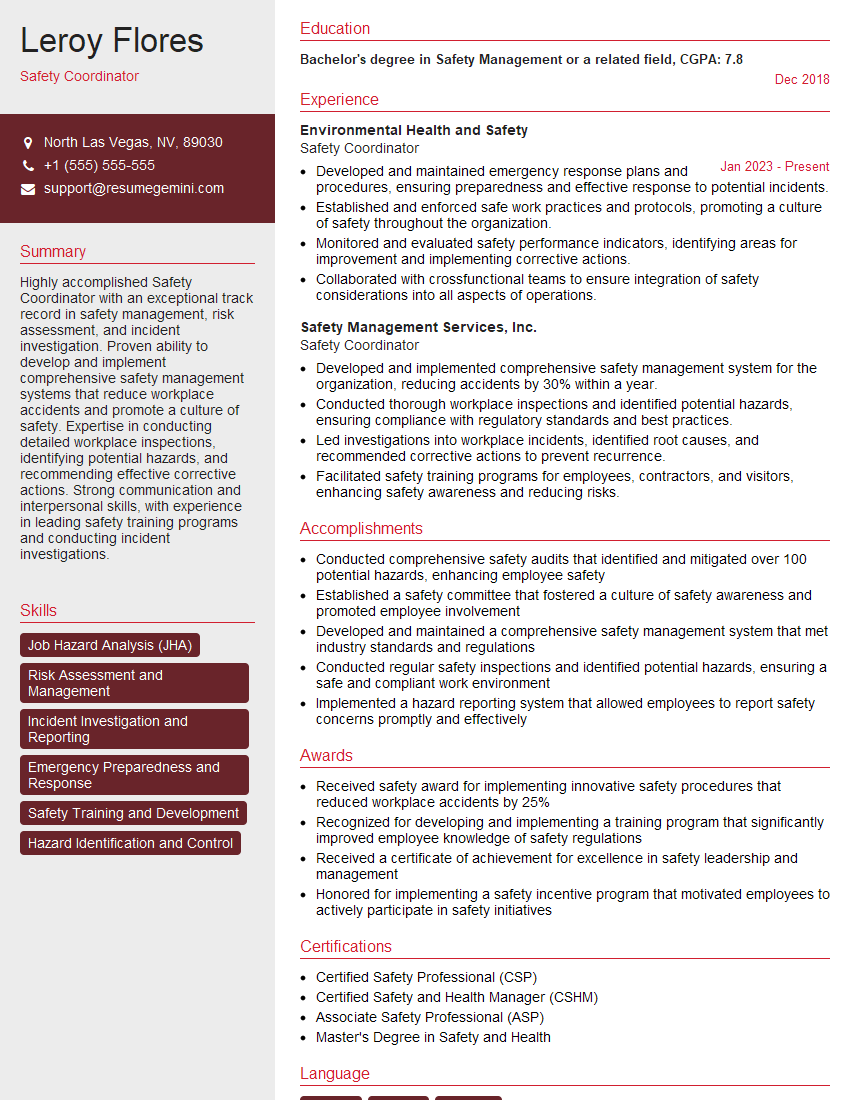
Safety Coordinator Resume Sample
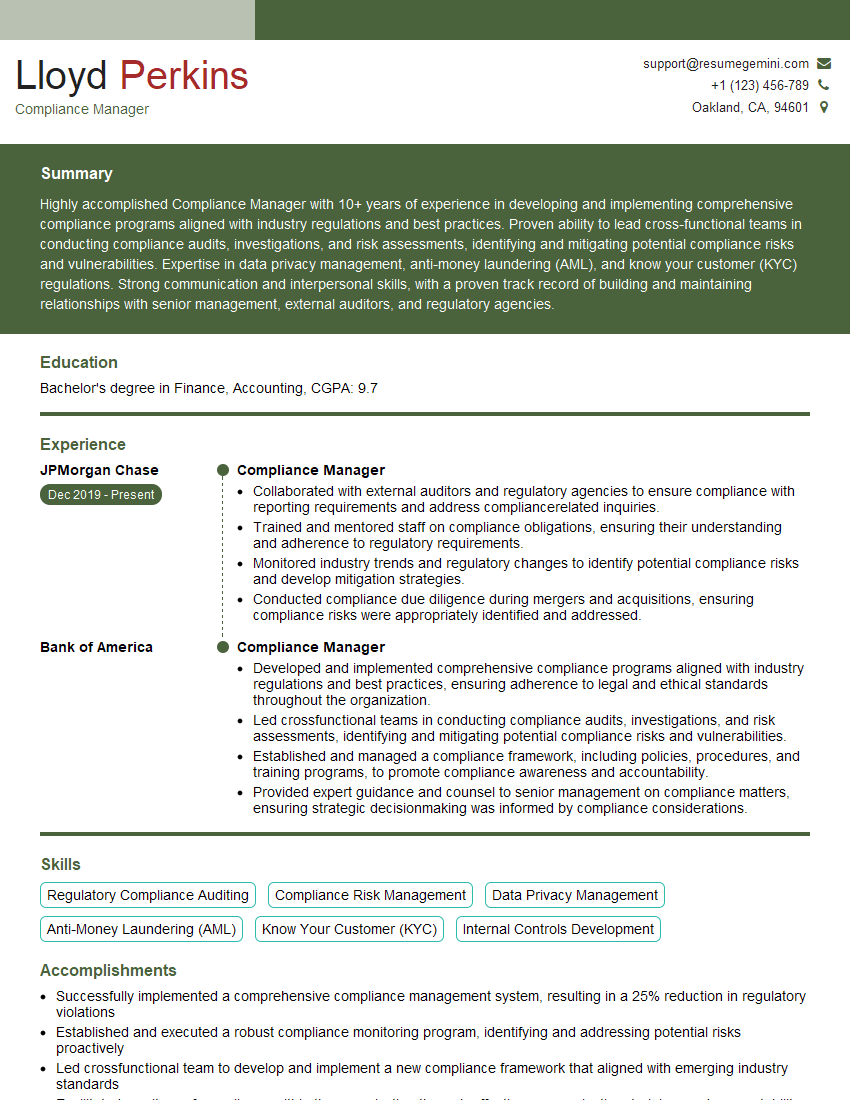
Compliance Manager Resume Sample
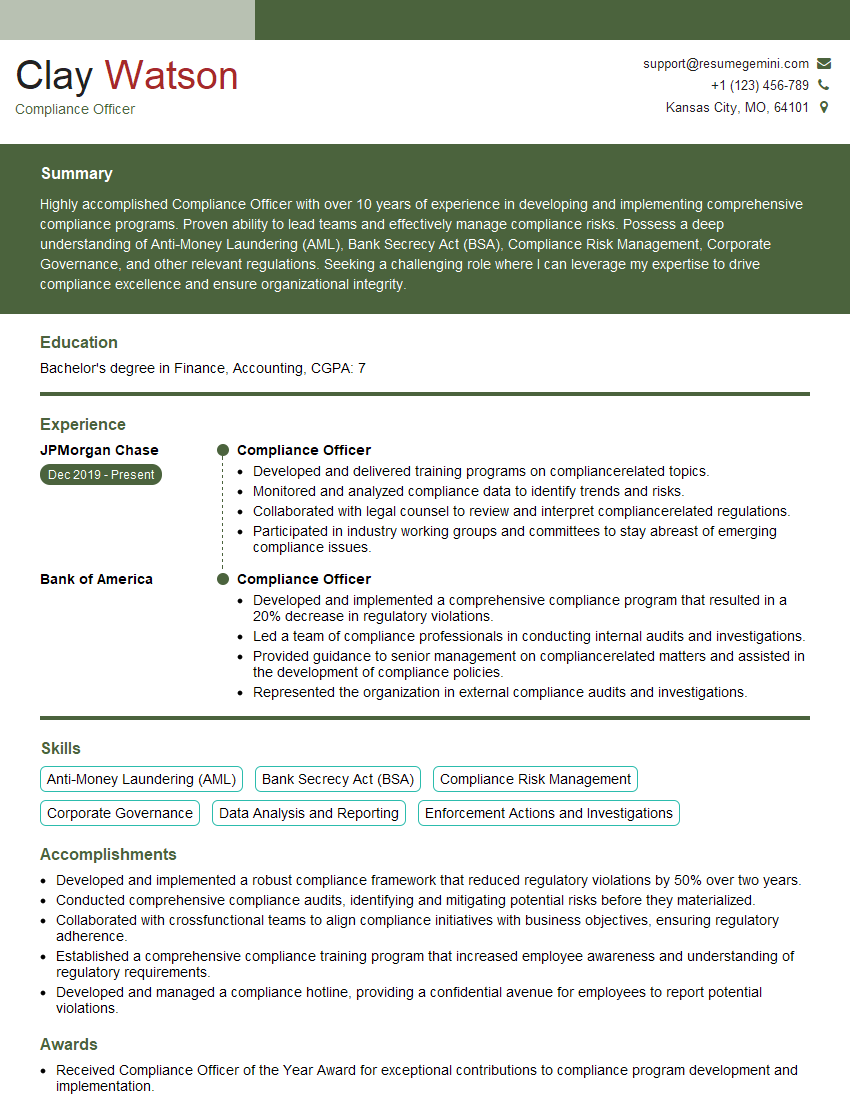
Compliance Officer Resume Sample
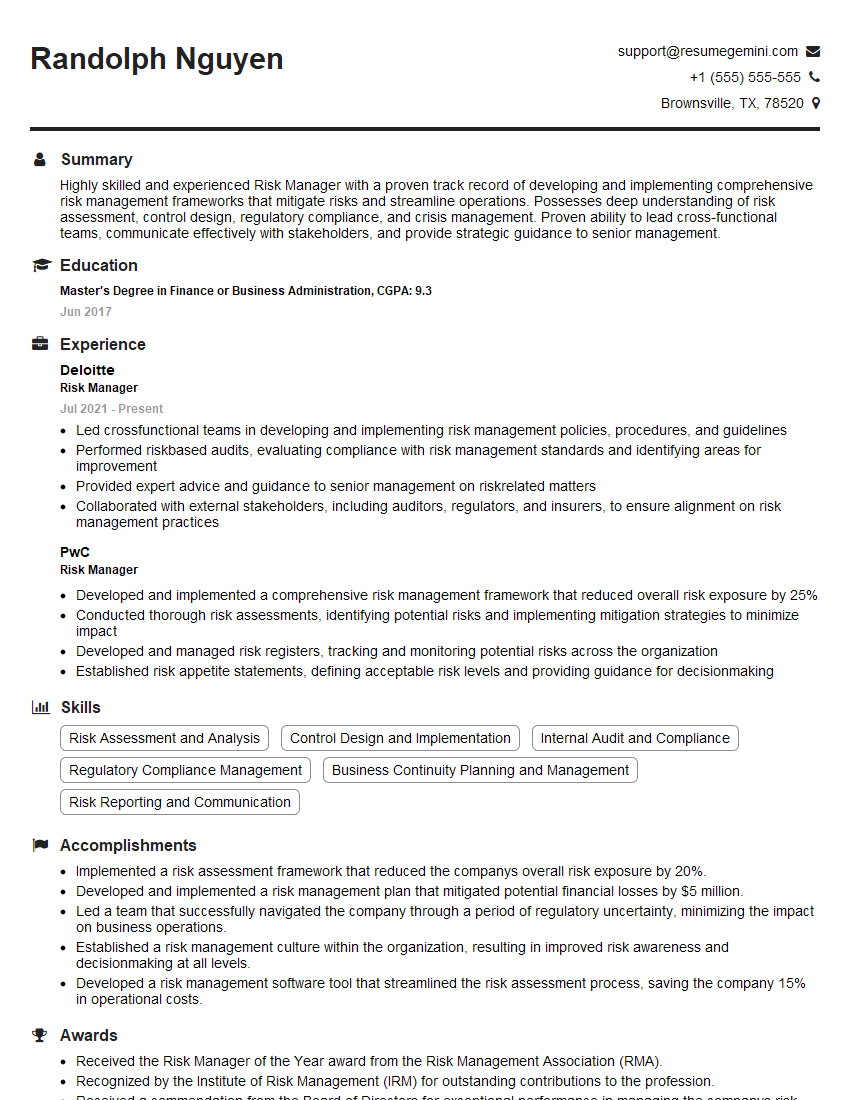
Risk Manager Resume Sample
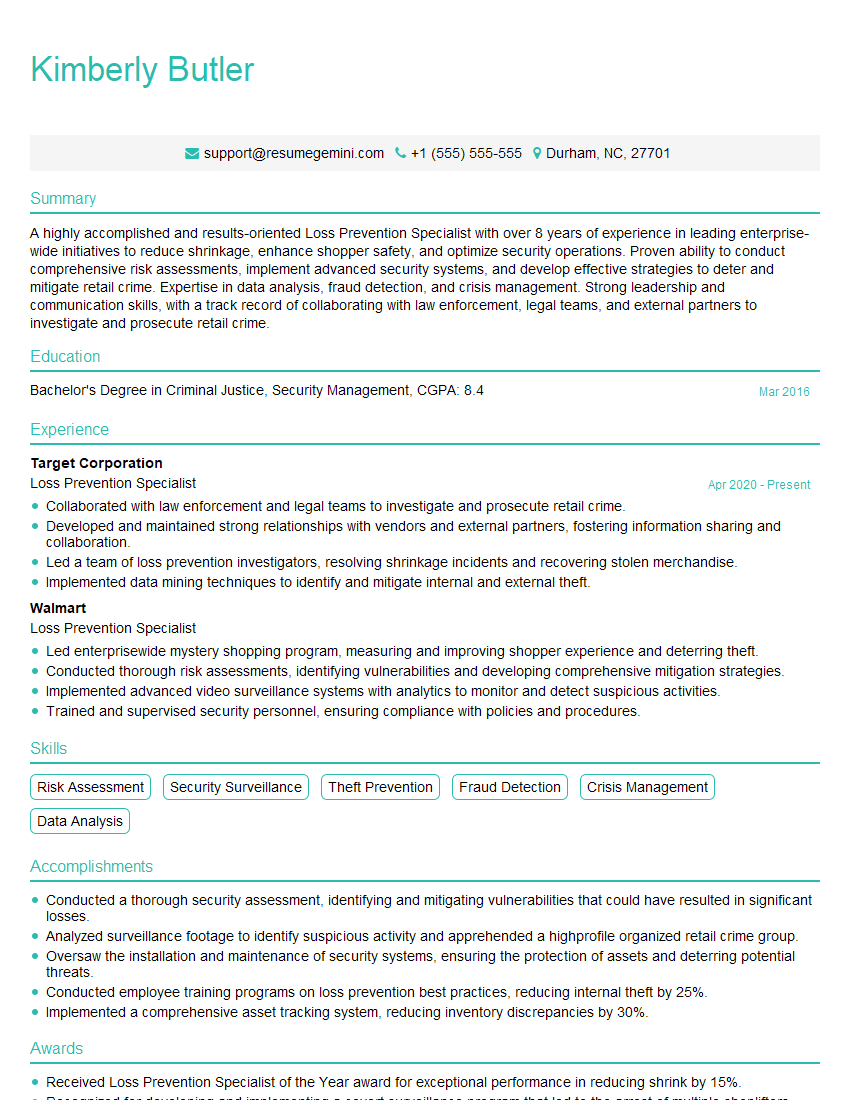
Loss Prevention Specialist Resume Sample
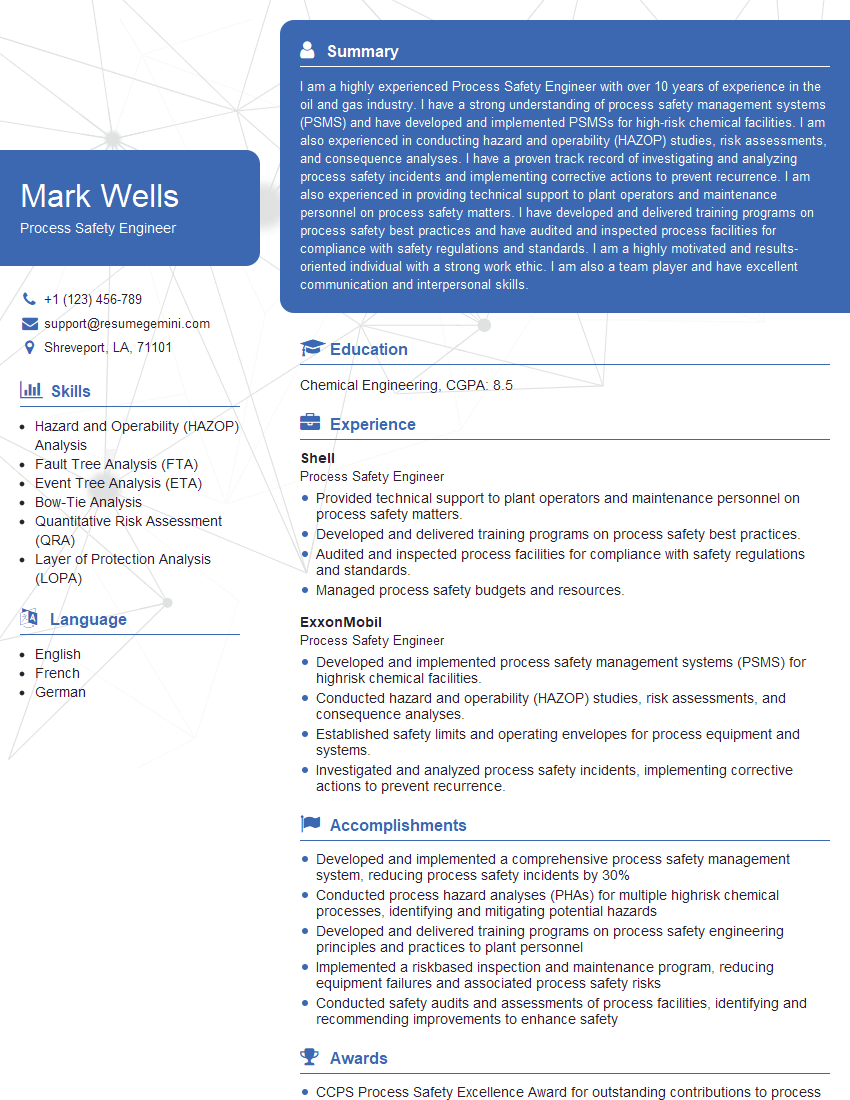
Process Safety Engineer Resume Sample
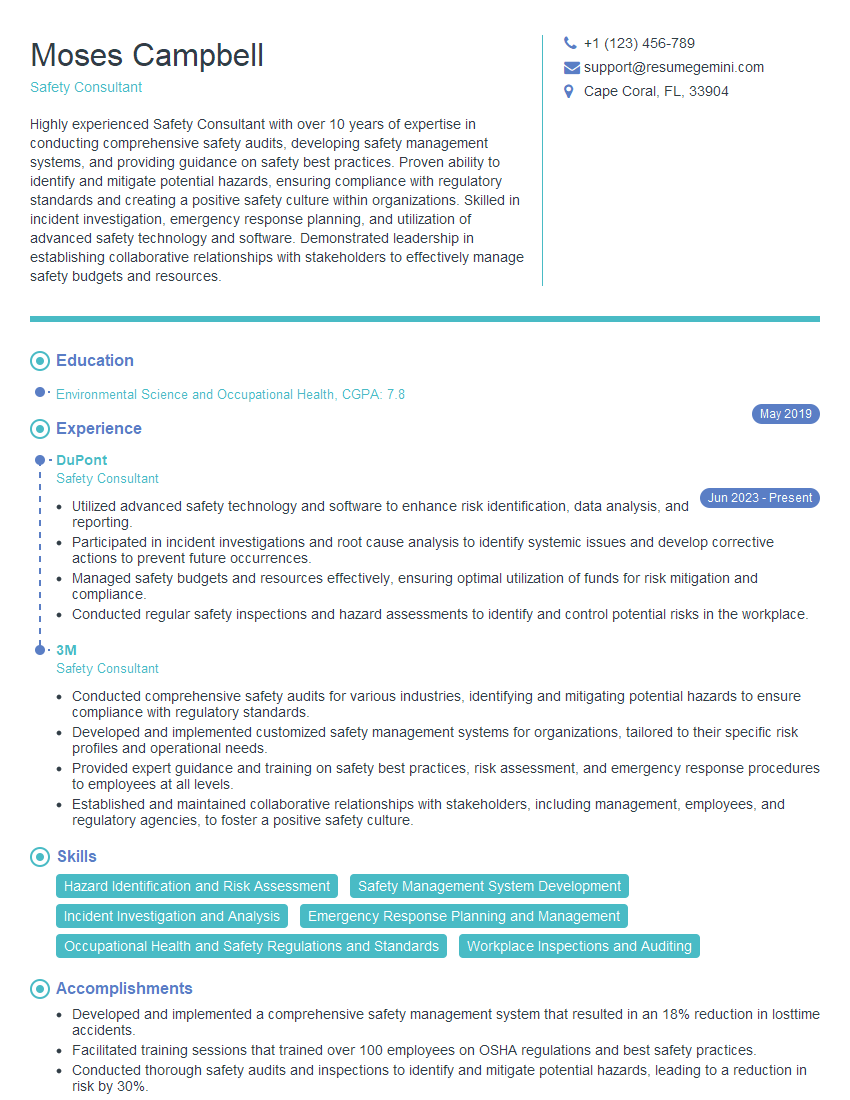
Safety Consultant Resume Sample

Safety Engineer Resume Sample
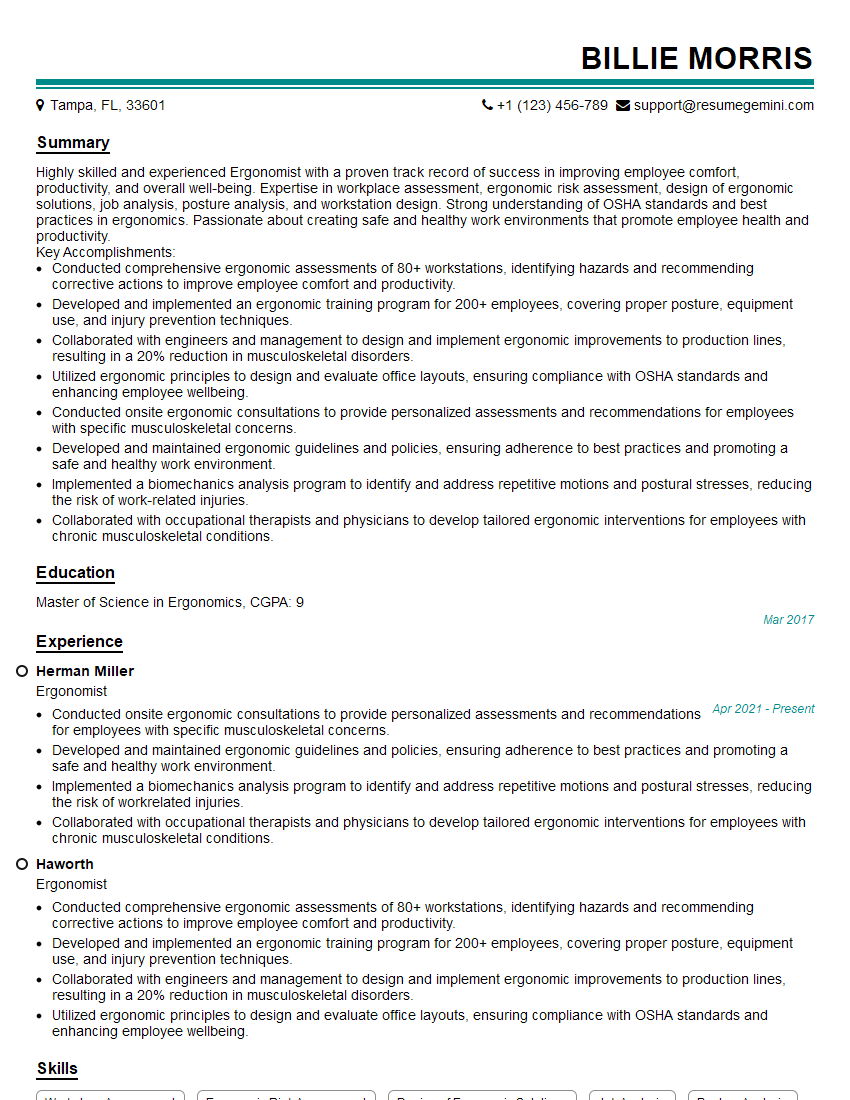
Ergonomist Resume Sample
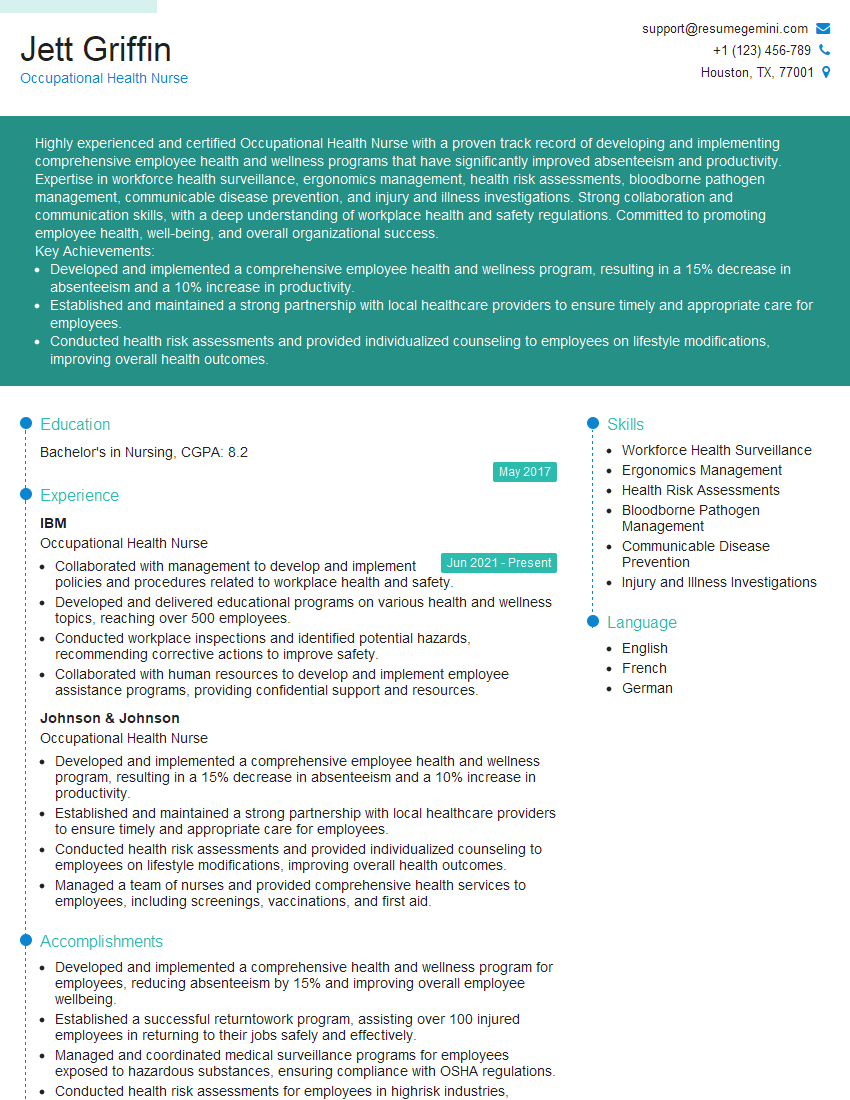
Occupational Health Nurse Resume Sample
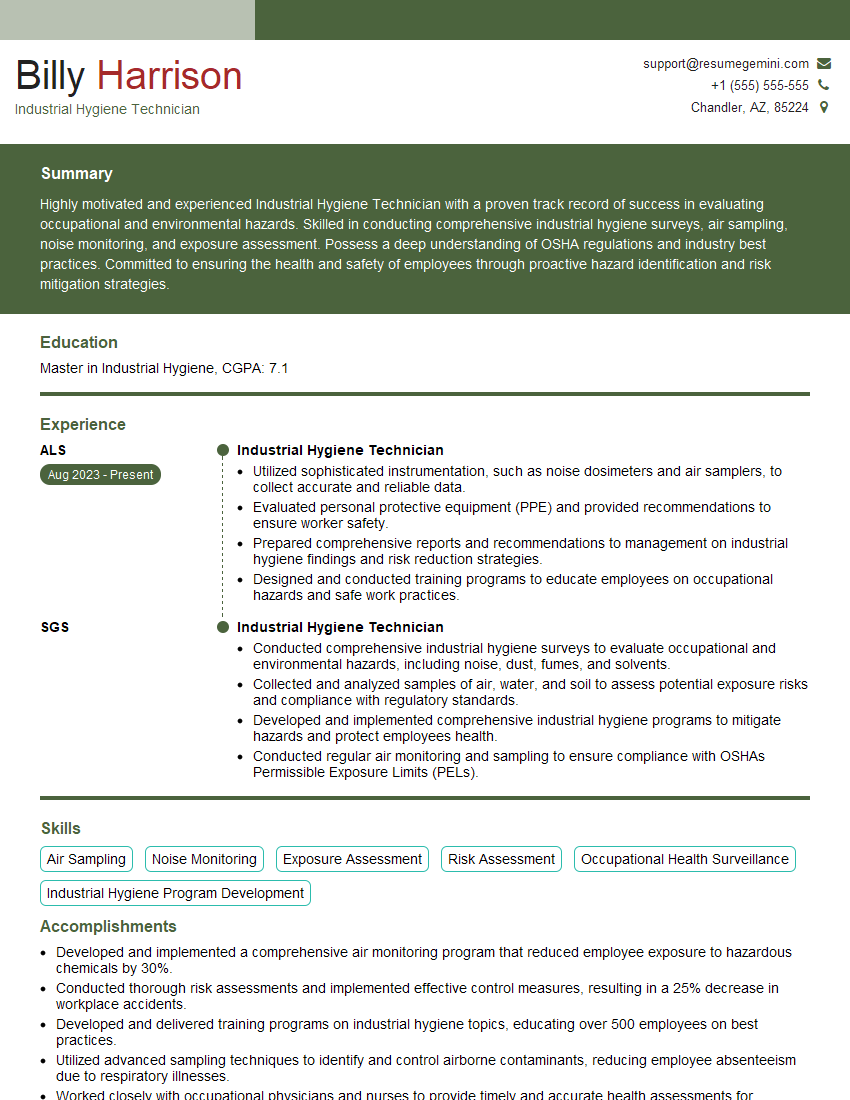
Industrial Hygiene Technician Resume Sample

Industrial Hygienist Resume Sample
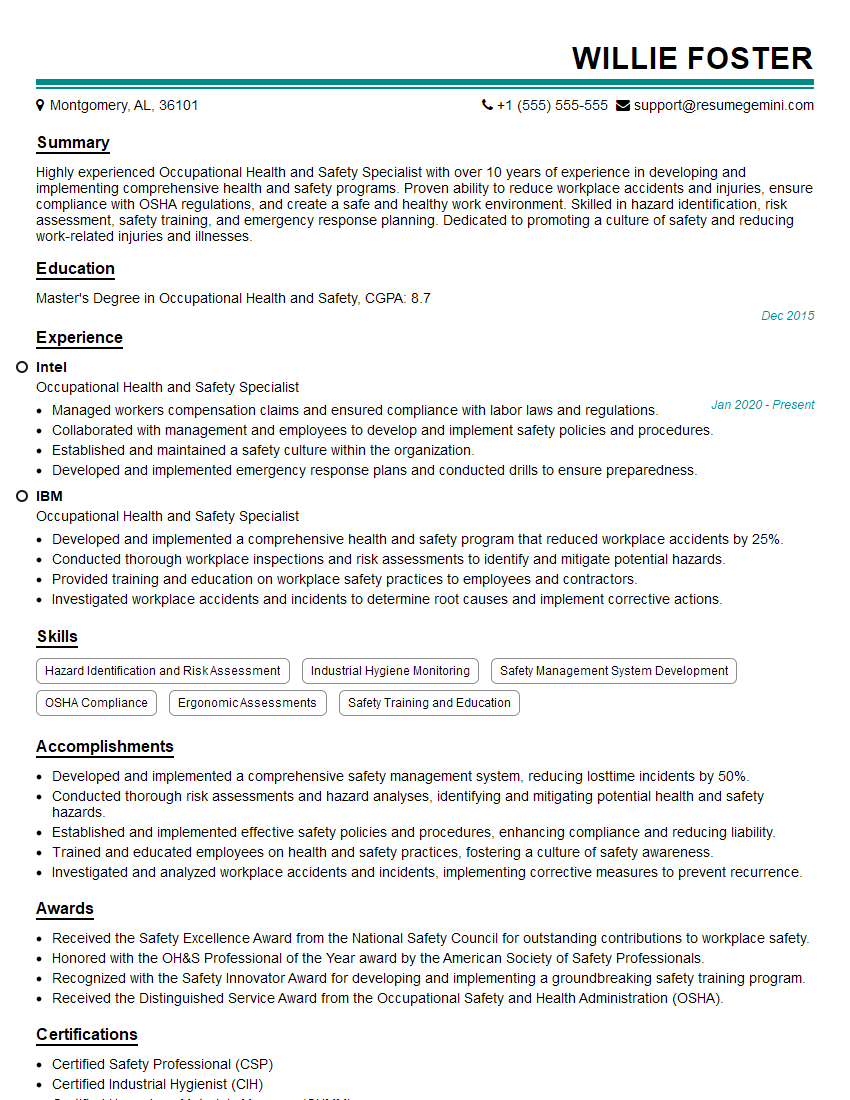
Occupational Health and Safety Specialist Resume Sample
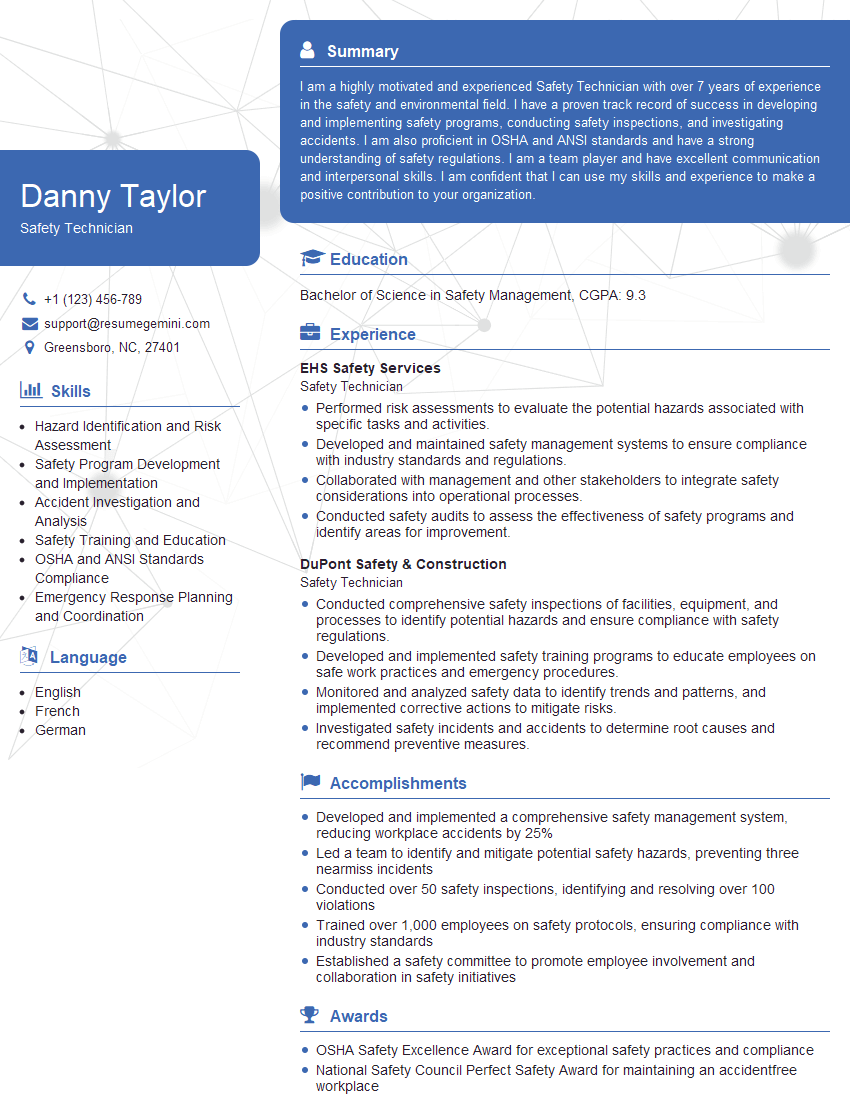
Safety Technician Resume Sample
- Safety Manager
- Safety Director
- Safety Coordinator
- Compliance Manager
- Compliance Officer
- Risk Manager
- Loss Prevention Specialist
- Process Safety Engineer
- Safety Consultant
- Safety Engineer
- Ergonomist
- Occupational Health Nurse
- Industrial Hygiene Technician
- Industrial Hygienist
- Occupational Health and Safety Specialist
- Safety Technician
Explore more articles
Users Rating of Our Blogs
Share Your Experience
We value your feedback! Please rate our content and share your thoughts (optional).
What Readers Say About Our Blog
Very informative content, great job.
good