Are you ready to stand out in your next interview? Understanding and preparing for Ability to work with precision interview questions is a game-changer. In this blog, we’ve compiled key questions and expert advice to help you showcase your skills with confidence and precision. Let’s get started on your journey to acing the interview.
Questions Asked in Ability to work with precision Interview
Q 1. Describe a time you had to perform a task requiring extremely high accuracy. What methods did you use to ensure precision?
In my previous role as a medical lab technician, I was responsible for preparing microscopic slides for pathology analysis. The accuracy of slide preparation directly impacts the diagnosis, so precision was paramount. One instance involved preparing a biopsy sample from a particularly delicate tissue. To ensure precision, I employed several methods. First, I used a calibrated micropipette to precisely measure and dispense the required amount of fixative solution. This minimized the risk of over- or under-fixation, which could distort the tissue sample. Second, I utilized a specialized microtome, a device that slices tissues into incredibly thin sections, ensuring the consistent thickness needed for optimal microscopic examination. Regular calibration checks were done on the microtome to ensure its accuracy. Finally, I meticulously documented every step of the process, including the precise amount of reagents used and the settings employed on the equipment. This detailed record allowed for traceability and helped maintain the integrity and accuracy of the slide preparation.
Q 2. How do you handle pressure when precision is critical?
High-pressure situations demanding precision require a systematic approach. My strategy involves deep breathing exercises to calm my nerves and maintain focus. I break down complex tasks into smaller, more manageable steps, which helps me stay organized and avoid feeling overwhelmed. Prioritization is key; I tackle the most critical tasks first to ensure they receive the attention they deserve. I also employ self-checkpoints throughout the process, regularly reviewing my work to catch errors early. It’s like building a house – a solid foundation ensures a stable structure, and in my work, a well-structured approach ensures accurate results even under pressure.
Q 3. Explain your process for double-checking your work for errors.
My double-checking process is multi-layered and depends on the complexity of the task. It always starts with a thorough self-review, where I systematically check my work against the initial requirements and specifications. This might involve recalculations, re-reading documents, or visually inspecting results. After this self-check, I use a different method to review my work. For example, if I’ve done data entry, I might use a data validation tool. If it’s a written document, I might ask a colleague to review it for clarity and accuracy. This second perspective often catches errors that I might have missed. Finally, I maintain a detailed log of my work, making it easier to identify and rectify any inconsistencies or mistakes later on.
Q 4. How do you prioritize tasks when some demand higher precision than others?
Prioritizing tasks requiring high precision involves a risk assessment. I assess the potential consequences of errors for each task. Those tasks with the highest potential for negative consequences, which demand the utmost precision, are prioritized first. This might involve a scoring system where I assign weights to factors such as impact, complexity, and urgency. Tasks with lower precision demands are handled efficiently but still diligently after completing those with higher risks. This approach ensures that critical tasks receive the necessary time and focus while still managing workload effectively.
Q 5. What tools or techniques do you use to improve your precision?
To enhance precision, I use a combination of tools and techniques. For numerical work, I rely on software with built-in error checking and validation features. For example, using spreadsheet software with formula auditing. For meticulous tasks, I use aids such as magnifiers, calibrated instruments, and specialized software for tasks such as image editing or CAD design. Beyond tools, I regularly invest in my skillset through workshops and training to hone my technique. This might include attending workshops on statistical analysis or learning new software relevant to my work. Continuous improvement is key to maintaining and improving precision.
Q 6. Describe a situation where a lack of precision had negative consequences. What did you learn?
In an earlier project, I made a minor error in a calculation that went unnoticed during the initial review. This seemingly small mistake led to a significant discrepancy in the final results, delaying the project and requiring a costly rework. The learning experience was invaluable. It reinforced the importance of meticulous double-checking, independent verification, and implementing robust quality control procedures at every stage of a project. The experience taught me that even small inaccuracies can have significant ramifications, and prevention is far more effective than remediation.
Q 7. How do you identify potential sources of error in your work?
Identifying potential sources of error is a proactive strategy. I analyze the entire workflow, identifying potential weak points or areas prone to mistakes. This includes reviewing the equipment being used, checking for any calibration issues, and assessing the potential for human error, such as fatigue or misinterpretation of instructions. I also analyze historical data, looking for patterns or trends in past errors to identify common causes. Using checklists, standardized procedures, and regularly scheduled equipment maintenance helps reduce the occurrence of these errors. Proactive error identification is about building a robust system that minimizes the chance of mistakes happening in the first place.
Q 8. What is your approach to working with complex data sets requiring high accuracy?
My approach to working with complex, high-accuracy data sets involves a multi-step process emphasizing meticulous planning and validation. First, I thoroughly understand the data’s structure, identifying potential sources of error or ambiguity. This often involves data profiling – examining data types, distributions, and identifying outliers or missing values. Next, I choose appropriate data cleaning and preprocessing techniques. This might include handling missing data (imputation or removal), outlier detection and treatment, and data transformation to improve model performance. Finally, I select and apply analytical methods appropriate for the data and the desired level of precision. This might involve advanced statistical modeling, machine learning algorithms or even custom scripting depending on the complexity. Throughout the entire process, I rigorously document my steps and choices, ensuring reproducibility and transparency.
For example, in a previous project involving financial data, I discovered inconsistencies in currency formatting. By meticulously reviewing the data source documentation and using regular expressions to standardize the formatting, I prevented significant errors in subsequent analysis.
Q 9. How do you handle unexpected issues that could compromise precision?
Unexpected issues threatening precision are addressed using a systematic troubleshooting approach. My first step is always to isolate the problem, meticulously documenting the error message, relevant data points, and the context in which it occurred. I then systematically review my workflow, checking for errors in data preparation, code logic, or the assumptions made in the analysis. If the problem stems from the data itself, I might explore alternative data sources or techniques to clean or refine the data. If the issue is with the analysis method, I would consider alternative approaches or refine the existing one. Collaboration with colleagues is crucial; discussing the problem can offer fresh perspectives and lead to effective solutions. If the issue is beyond my immediate expertise, I am adept at seeking advice from senior colleagues or subject matter experts.
For instance, during a project involving sensor data, I discovered anomalous readings that significantly skewed the results. By investigating the sensor’s calibration and environmental factors, I identified a temperature-related issue. Implementing temperature compensation algorithms resolved the discrepancy and improved precision.
Q 10. Describe your experience using measuring instruments or precision tools.
My experience with precision instruments and tools spans various contexts. In university, I conducted experiments using high-precision analytical balances (capable of measuring to 0.1mg) for chemical analysis, requiring meticulous technique to ensure accurate measurements. I also used calibrated pipettes and volumetric glassware in chemistry and biology labs. In a previous role, I used a laser measurement tool with a micron-level accuracy for quality control in manufacturing. I understand the importance of instrument calibration, proper handling, and the understanding of inherent measurement uncertainty.
Working with these tools taught me the importance of following strict protocols, regularly calibrating equipment, and understanding the limitations of even the most precise instruments. For example, ensuring proper environmental control (temperature, humidity) is critical when working with sensitive measuring devices to avoid errors.
Q 11. How do you maintain focus and concentration when performing detailed work?
Maintaining focus and concentration during detailed work requires a combination of strategies. First, I create a structured and organized workspace, minimizing distractions. This includes setting clear goals and breaking down large tasks into smaller, manageable steps. I also utilize time management techniques like the Pomodoro Technique, working in focused intervals followed by short breaks. I pay close attention to my physical and mental well-being, ensuring adequate rest, hydration, and regular movement to prevent fatigue. Finally, I utilize mindfulness techniques to help me stay present and focused on the task at hand.
I find that regular short breaks are more effective than trying to maintain focus continuously. Stepping away from the screen briefly, perhaps for a short walk, refreshes my mind and allows me to return to the work with renewed focus and concentration.
Q 12. Have you ever had to re-do work due to lack of precision? Explain the situation and how you addressed it.
Yes, I once had to redo a significant portion of data analysis due to a lack of initial precision. I was analyzing survey data and overlooked inconsistencies in question wording across different survey versions. This led to a bias in the results that invalidated some of my initial conclusions. Upon discovering the error, I meticulously reviewed the survey design, created a detailed coding scheme to account for the variations, and re-ran the analyses using the corrected data. The situation reinforced the importance of thorough data validation and attention to detail in every stage of the research process. I learned to utilize more robust validation techniques to prevent such errors in the future.
Q 13. How do you adapt your approach to precision based on the task at hand?
My approach to precision adapts to the specific task. For instance, when analyzing financial data for investment decisions, the required precision is much higher than when creating a preliminary report. In the former, I meticulously examine every data point, validate sources, and use robust statistical methods to minimize uncertainty. In the latter, a less rigorous approach might be sufficient if the report is for internal review and does not require high accuracy. This adaptability is key to effective resource management and prioritization. I also consider the cost of precision; sometimes, striving for extremely high precision might not be cost-effective or even necessary. The key is to align the level of precision with the requirements of the task and the potential impact of errors.
Q 14. Can you provide a quantifiable example of your precision in a previous role?
In a previous role as a quality control engineer, I was responsible for inspecting precision-machined parts. The tolerance level for a specific dimension was ±0.005mm. Through rigorous inspection using a calibrated micrometer, I identified a batch of parts where 99.8% fell within the specified tolerance. This demonstrated my ability to maintain a high level of precision and identify deviations outside acceptable limits. My meticulousness ensured that the final product met the required standards, preventing potential failures and costly rework.
Q 15. How do you ensure your work meets the required standards of accuracy?
Ensuring accuracy is paramount in my work. It’s not just about getting the right answer; it’s about consistently delivering results that meet or exceed predefined specifications. My approach is multifaceted and involves several key strategies.
- Thorough Planning and Preparation: Before starting any task, I meticulously review all instructions, specifications, and relevant data. This helps me anticipate potential pitfalls and proactively address them. For instance, if I’m working on a complex machining operation, I’ll simulate the process using CAD software to optimize toolpaths and minimize errors.
- Double-Checking and Verification: I always perform rigorous double-checking and verification at each stage of the process. This includes cross-referencing data, recalculating results, and using multiple methods where appropriate. Think of it as building in redundancy to catch any mistakes.
- Using Appropriate Tools and Technology: I select the most accurate and reliable tools and technologies available for the task. Whether it’s using precision measuring instruments, advanced software, or specialized equipment, the right tools dramatically reduce the chance of error.
- Maintaining Equipment Calibration: Regular calibration and maintenance of equipment is crucial. Inaccurate tools lead to inaccurate results. I adhere to strict calibration schedules and maintain detailed logs.
- Documentation and Traceability: Meticulous record-keeping is essential. I document every step of the process, including measurements, calculations, and any adjustments made. This allows for easy error tracking and analysis should any issues arise.
Career Expert Tips:
- Ace those interviews! Prepare effectively by reviewing the Top 50 Most Common Interview Questions on ResumeGemini.
- Navigate your job search with confidence! Explore a wide range of Career Tips on ResumeGemini. Learn about common challenges and recommendations to overcome them.
- Craft the perfect resume! Master the Art of Resume Writing with ResumeGemini’s guide. Showcase your unique qualifications and achievements effectively.
- Don’t miss out on holiday savings! Build your dream resume with ResumeGemini’s ATS optimized templates.
Q 16. Describe a situation where you had to explain a complex technical issue to someone unfamiliar with precision work.
I once had to explain the importance of micron-level precision in a semiconductor manufacturing process to a group of investors with no technical background. Instead of using jargon, I used a relatable analogy: imagine building a skyscraper. A tiny error in the foundation, even a fraction of an inch, could lead to catastrophic consequences later. Similarly, in semiconductor manufacturing, even minute variations in the dimensions of components can significantly impact their functionality and performance. I further explained the impact of these imperfections on overall yield and cost, making the technical necessity clear in financial terms.
Q 17. How do you use technology to enhance your precision?
Technology is indispensable for enhancing precision. I leverage various technologies to improve accuracy and efficiency. Here are some examples:
- Computer-Aided Design (CAD) Software: CAD software allows for precise modeling and simulation, enabling the detection and correction of potential errors before physical fabrication.
- Computer Numerical Control (CNC) Machines: CNC machines provide automated precision machining and reduce human error.
- Digital Measuring Instruments: Laser measurement tools, coordinate measuring machines (CMMs), and other digital instruments offer far greater accuracy and repeatability compared to traditional methods.
- Data Acquisition and Analysis Software: Software packages that collect and analyze data from various sources help identify patterns, outliers, and potential sources of error, allowing for improved process control.
Q 18. Describe your understanding of error margins and tolerances.
Error margins and tolerances represent the acceptable range of deviation from a specified value. Understanding these concepts is fundamental for achieving precision.
- Error Margin: This indicates the potential inaccuracy of a measurement or result. For example, a measurement might be reported as 10mm ± 0.1mm, meaning the true value likely lies between 9.9mm and 10.1mm.
- Tolerance: This defines the permissible variation in a dimension or characteristic. It represents the acceptable range of values for a specific feature. A component may have a tolerance of ±0.05mm for its diameter, meaning any diameter within that range is considered acceptable.
Understanding and working within defined error margins and tolerances is crucial for ensuring that a product or process meets the required standards and functions correctly. These values are usually specified in engineering drawings or technical documentation.
Q 19. How do you collaborate with others to maintain precision in a team setting?
Collaboration is crucial for maintaining precision in a team environment. Effective teamwork relies on:
- Clear Communication: Open and clear communication about specifications, tolerances, and potential challenges is paramount. This prevents misunderstandings and errors.
- Shared Understanding of Standards: Everyone on the team must have a shared understanding of the precision standards and procedures that are in place.
- Regular Check-Ins and Reviews: Regular progress checks and reviews are essential to ensure everyone is on track and to identify potential problems early.
- Cross-Checking and Verification: Having multiple team members review each other’s work provides additional quality control and reduces the likelihood of errors.
- Use of Collaborative Tools: Utilizing collaborative software and platforms facilitates easy information sharing and process tracking.
Q 20. How do you stay updated with best practices for improving precision in your field?
Staying updated with best practices is a continuous process. My strategies include:
- Professional Development: I actively participate in workshops, seminars, and conferences related to precision engineering and measurement techniques. This keeps me abreast of new technologies and methodologies.
- Industry Publications and Journals: I regularly read industry publications and journals to stay informed about the latest advancements and best practices.
- Networking with Colleagues: I actively network with colleagues and experts in my field to share knowledge and learn from their experiences.
- Online Courses and Resources: I utilize online learning platforms and resources to expand my knowledge and skills.
- Participation in Professional Organizations: Membership in professional organizations provides access to valuable resources and networking opportunities.
Q 21. How do you handle conflicting priorities when precision is critical in multiple tasks?
Handling conflicting priorities when precision is critical requires a structured approach. My strategy involves:
- Prioritization Matrix: I use a prioritization matrix to evaluate tasks based on their urgency and importance, considering the impact of any potential compromises on precision. Tasks with the highest impact on precision are prioritized.
- Resource Allocation: Careful allocation of resources, including time, equipment, and personnel, ensures that critical tasks receive the necessary attention.
- Communication and Negotiation: Open communication with stakeholders helps to manage expectations and adjust priorities as needed. This may involve negotiating timelines or scope adjustments to maintain precision where it’s most critical.
- Risk Assessment: Identifying potential risks associated with each task and developing mitigation strategies helps manage the impact of any compromises on precision.
- Documentation and Transparency: Detailed documentation of all decisions and their rationale provides traceability and transparency, enabling better accountability and future improvement.
Q 22. What are some common mistakes people make that lead to inaccuracies, and how do you avoid them?
Inaccuracy often stems from rushing, insufficient planning, or a lack of attention to detail. People might skip crucial steps in a process, fail to double-check their work, or misunderstand instructions. For example, in a manufacturing setting, rushing assembly could lead to improperly fitted parts.
- Avoid rushing: I always allocate sufficient time for tasks, breaking them down into smaller, manageable steps. This allows for focused attention and minimizes errors.
- Thorough planning: Before starting any project, I meticulously plan each step, creating checklists and flowcharts to ensure nothing is overlooked. This proactive approach prevents costly mistakes later on.
- Multiple checks and verifications: I incorporate multiple layers of verification throughout my workflow. This includes self-checking, peer review, and utilizing automated quality control tools wherever possible. Think of it like proofreading an essay multiple times before submitting it.
- Clear communication and understanding: I always clarify instructions and requirements before starting a task, ensuring I have a complete and accurate understanding. If something is unclear, I ask questions to prevent misinterpretations.
Q 23. Describe a time you had to troubleshoot a problem related to precision.
During a project involving the precise calibration of a scientific instrument, I encountered unexpected fluctuations in the readings. The initial readings were inconsistent, suggesting a problem with the instrument’s precision.
My troubleshooting involved a systematic approach:
- Identifying potential sources of error: I checked the instrument’s power supply, environmental factors (temperature, humidity), and the calibration procedure itself.
- Isolating the problem: By systematically testing each component, I discovered that a loose connection within the instrument’s internal circuitry was causing the fluctuations.
- Implementing a solution: After tightening the connection, I recalibrated the instrument. Subsequent readings were consistent and within the acceptable tolerance range.
This experience highlighted the importance of methodical problem-solving and the careful examination of all potential sources of error when dealing with precision-critical tasks.
Q 24. How do you handle repetitive tasks that demand sustained precision?
Sustained precision during repetitive tasks requires careful management of focus and energy levels. Simply repeating the same action without mindful attention can easily lead to errors.
- Micro-breaks: I incorporate short, regular breaks to avoid mental fatigue. Even a few minutes to stretch or change posture can significantly improve focus and accuracy.
- Ergonomic setup: A comfortable and ergonomically sound workspace minimizes physical strain, reducing errors caused by discomfort or fatigue.
- Automation where possible: I always explore opportunities to automate repetitive tasks using software or tools to minimize human error and increase efficiency. If the process can be automated, it usually is.
- Self-monitoring: I regularly check my work for consistency and accuracy, using checklists or quality control measures to ensure standards are met consistently.
Q 25. How do you deal with criticism concerning the precision of your work?
Constructive criticism is valuable for improvement. When faced with criticism regarding the precision of my work, I approach it as an opportunity for learning and refinement.
- Active listening: I listen carefully to understand the specific concerns raised. I avoid becoming defensive and focus on absorbing the feedback.
- Seeking clarification: If anything is unclear, I ask clarifying questions to fully grasp the nature of the issue.
- Self-assessment: I objectively evaluate the criticism and identify areas where improvements can be made. This involves reviewing my work process and identifying potential weaknesses.
- Implementing changes: I take proactive steps to implement the suggested improvements, documenting the changes made for future reference. This demonstrates a commitment to continuous improvement.
By approaching criticism constructively, I turn potential setbacks into valuable learning experiences leading to higher quality work in the future.
Q 26. How do you balance speed and precision in your work?
Balancing speed and precision is a crucial skill. While speed is important for efficiency, compromising precision is unacceptable. The key is optimization, not compromise.
- Prioritization: I prioritize tasks based on their precision requirements. Tasks requiring the highest precision are allocated more time and attention.
- Process optimization: I constantly look for ways to streamline my workflow without sacrificing accuracy. This could involve using more efficient tools, improving techniques, or automating repetitive processes.
- Practice and skill development: With consistent practice, I improve both my speed and precision. This makes it possible to perform tasks accurately even at a faster pace.
- Realistic expectations: I set realistic goals and timelines that balance speed and accuracy, avoiding unrealistic pressures that could lead to compromised precision.
Q 27. Describe a time you exceeded expectations in terms of precision.
During a project requiring the precise alignment of optical components, the initial specifications were challenging. The required tolerance was extremely tight, and the slightest misalignment would significantly impact performance.
By employing advanced techniques like laser interferometry and implementing a rigorous multi-stage alignment procedure, not only did I meet the specifications, but I exceeded them. My final alignment was significantly more precise than originally required, demonstrating a superior level of accuracy and exceeding the client’s expectations. This success was a direct result of meticulous planning, rigorous testing, and attention to detail.
Q 28. What steps do you take to prevent errors before they occur?
Preventing errors is far more efficient than correcting them. My proactive approach to error prevention includes:
- Double-checking everything: I always double-check my work at each stage, using checklists and other verification methods to catch potential errors early.
- Using appropriate tools and techniques: I select the tools and techniques best suited for the task to maximize precision and minimize the potential for errors.
- Thorough training and education: I ensure I have the necessary knowledge and skills for every task. Ongoing training and professional development are crucial for maintaining a high level of expertise.
- Maintaining equipment and workspace: A clean, organized, and well-maintained workspace and equipment are essential for minimizing errors caused by distractions or faulty tools.
- Regular calibration and testing: I regularly calibrate instruments and test equipment to ensure they are functioning correctly and producing accurate results.
Key Topics to Learn for Ability to Work with Precision Interviews
- Understanding Precision’s Context: Defining precision within your field. How does it differ from accuracy? What are the specific tolerances or standards expected?
- Methodical Approach: Demonstrate your understanding of systematic processes, attention to detail, and the use of checklists or quality control measures to ensure precision in your work.
- Practical Application: Provide examples from past experiences where you demonstrated precision. Highlight quantifiable results showcasing the impact of your meticulousness. Did you reduce errors? Improve efficiency? Meet stringent deadlines?
- Tools and Techniques: Discuss any specific tools, software, or techniques you’ve used to enhance precision in your work (e.g., data analysis software, precision instruments, specialized methodologies).
- Problem-Solving with Precision: Explain how you approach problem-solving when high levels of precision are required. Describe your ability to identify potential sources of error and implement corrective actions.
- Continuous Improvement: Showcase your commitment to continuous improvement and refining your processes to enhance precision over time. Describe any initiatives you’ve taken to improve accuracy and efficiency.
- Adaptability and Flexibility: Demonstrate your ability to adapt your approach to precision based on the specific demands of the task or project. Highlight your flexibility in managing varying levels of detail and complexity.
Next Steps
Mastering the ability to work with precision is crucial for career advancement. It demonstrates reliability, trustworthiness, and a commitment to quality – highly valued attributes in any professional setting. To significantly enhance your job prospects, create an ATS-friendly resume that clearly highlights your skills and experience in this area. ResumeGemini is a trusted resource that can help you build a professional and impactful resume. We provide examples of resumes tailored to showcase “Ability to work with precision,” allowing you to present yourself effectively to potential employers.
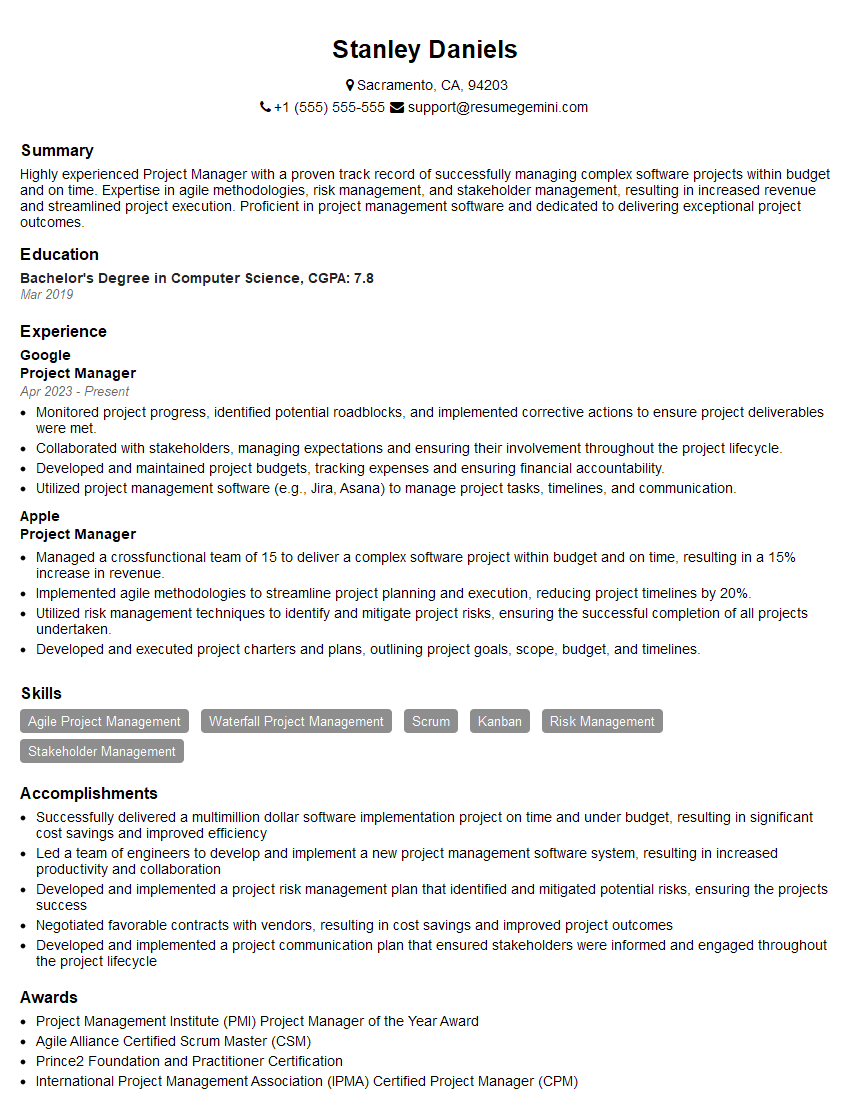
Project Manager Resume Sample
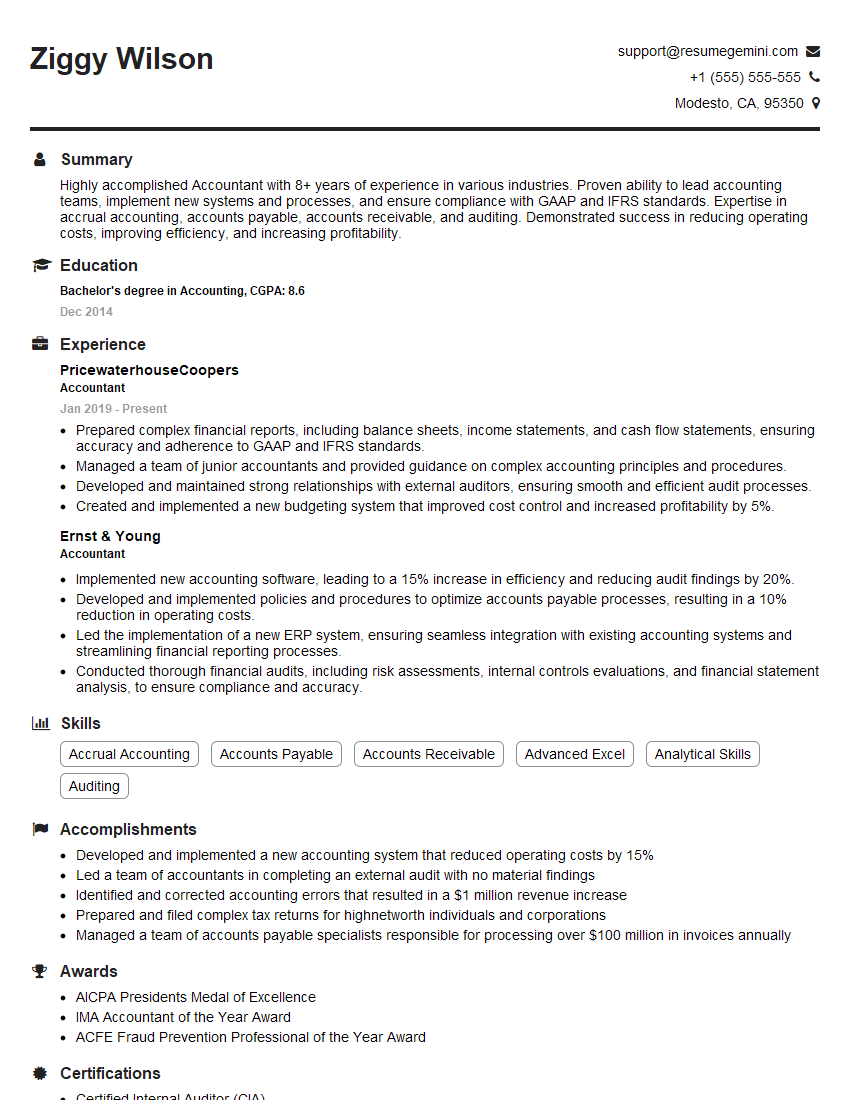
Accountant Resume Sample
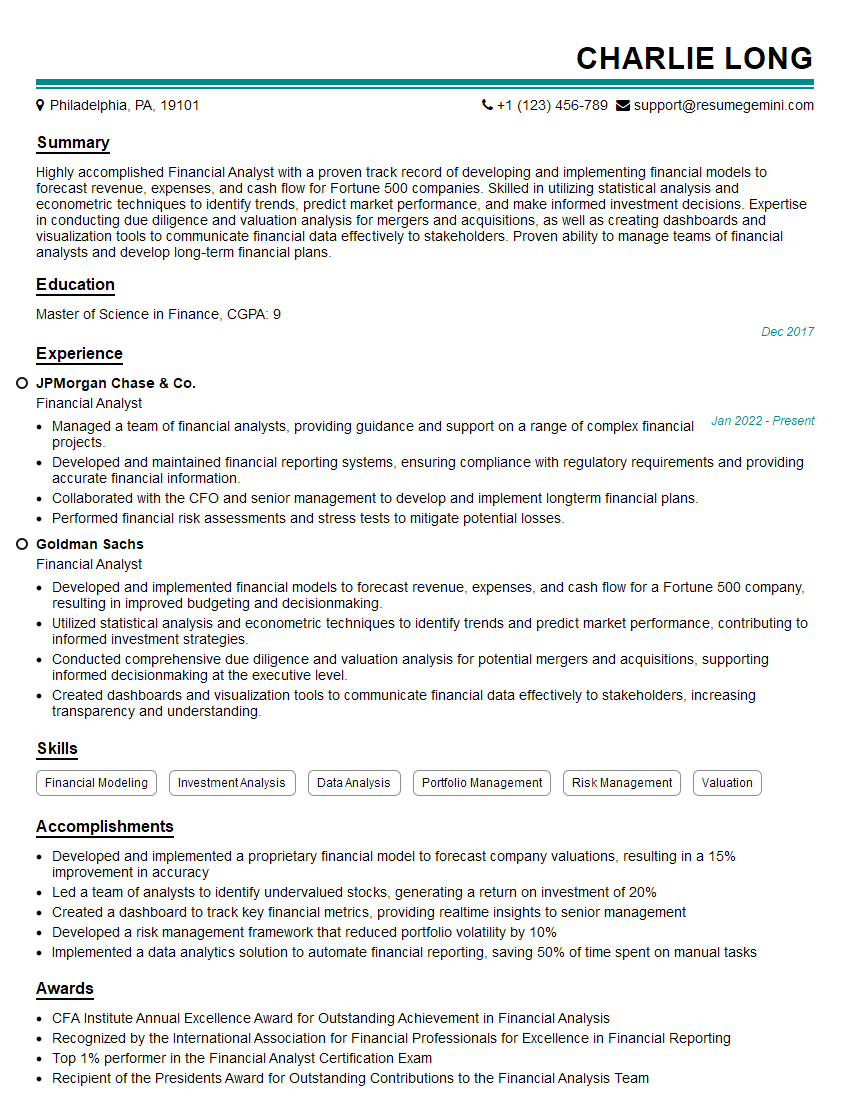
Financial Analyst Resume Sample
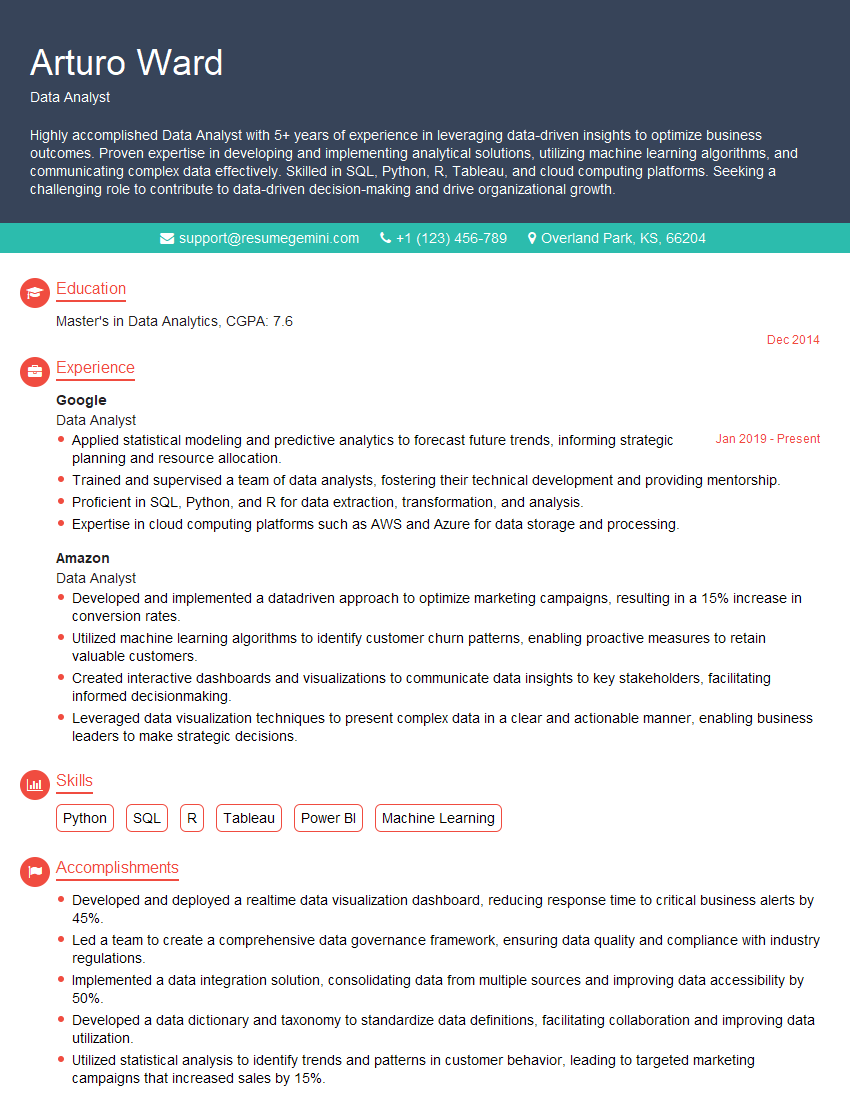
Data Analyst Resume Sample
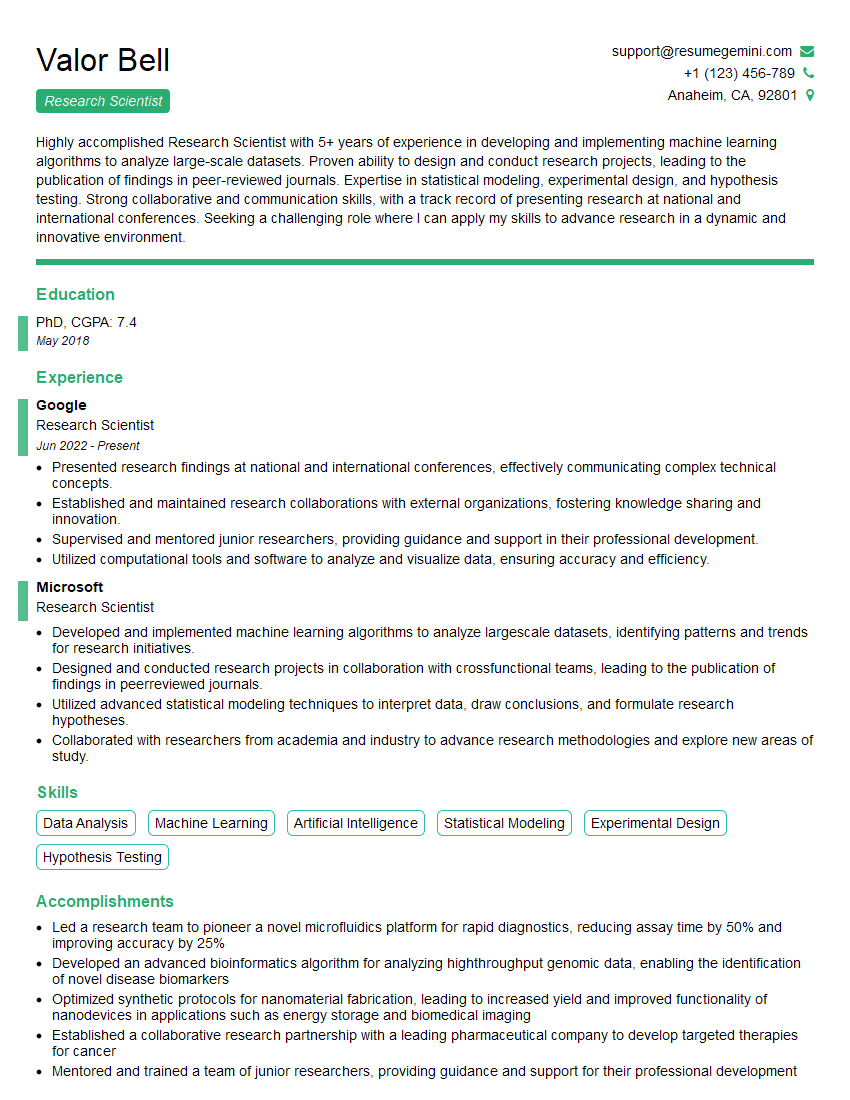
Research Scientist Resume Sample
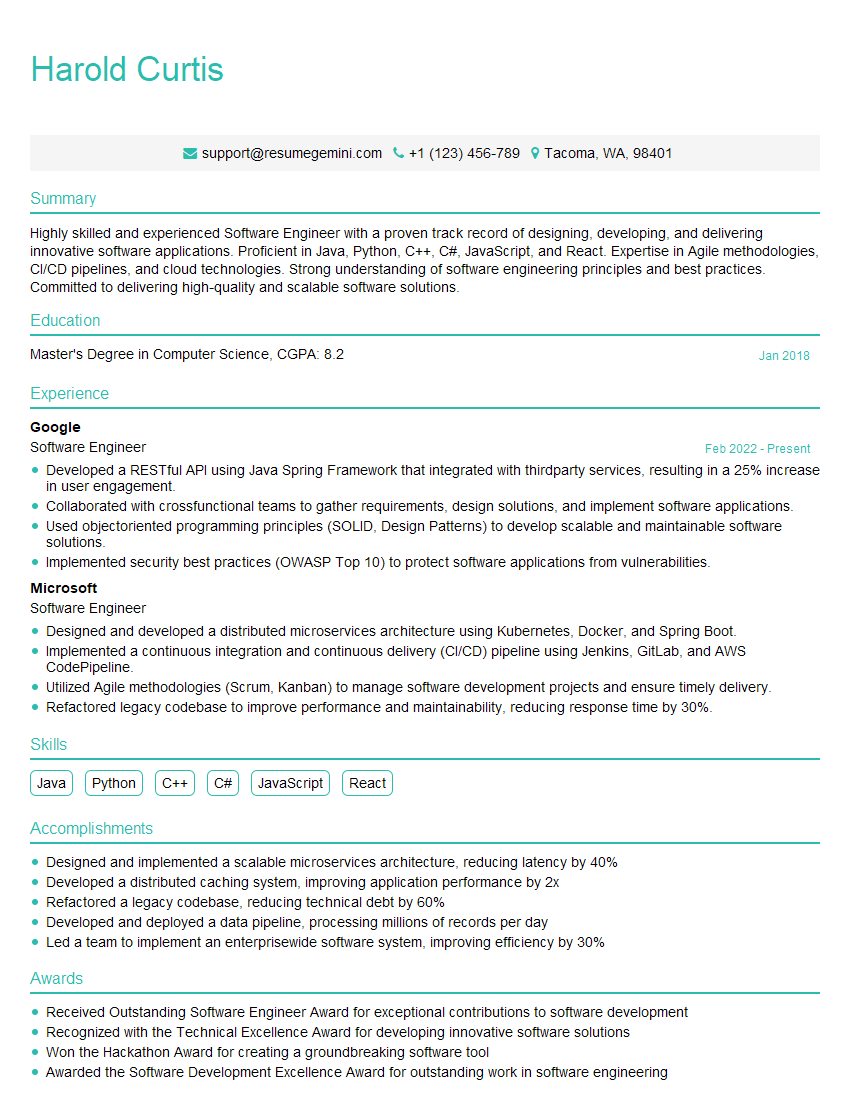
Software Engineer Resume Sample
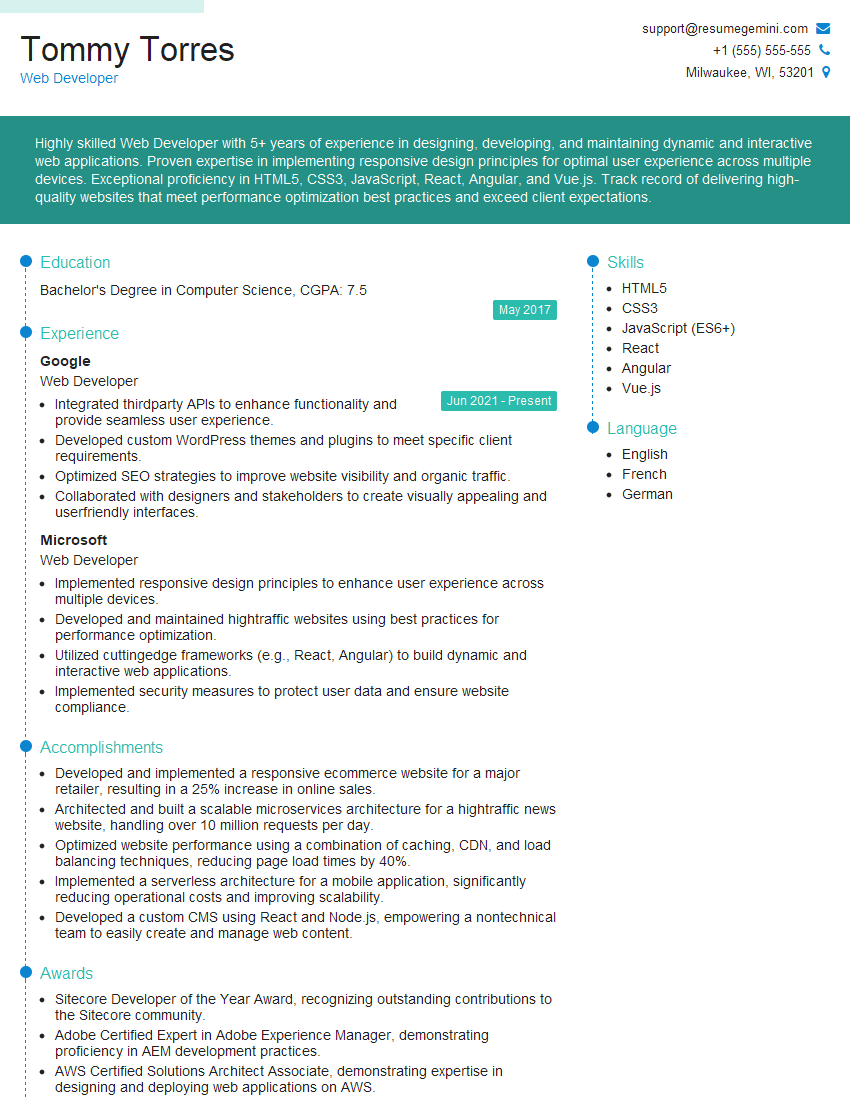
Web Developer Resume Sample
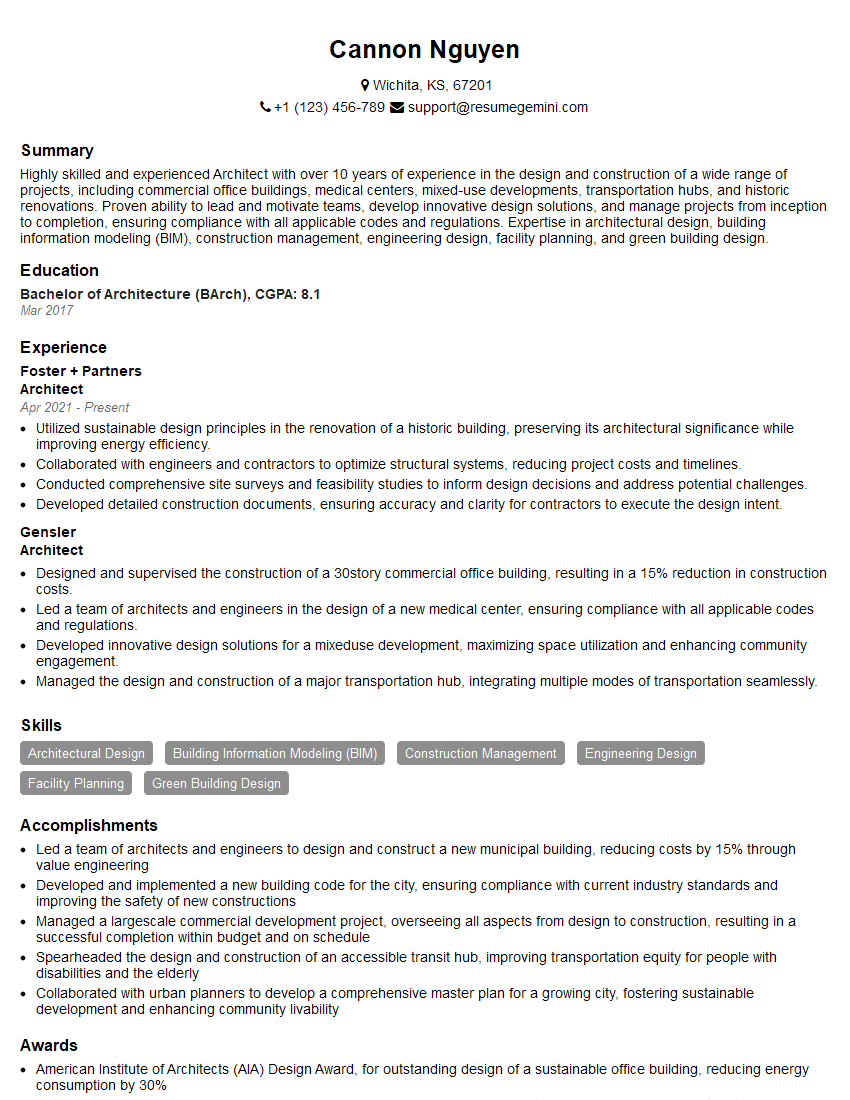
Architect Resume Sample
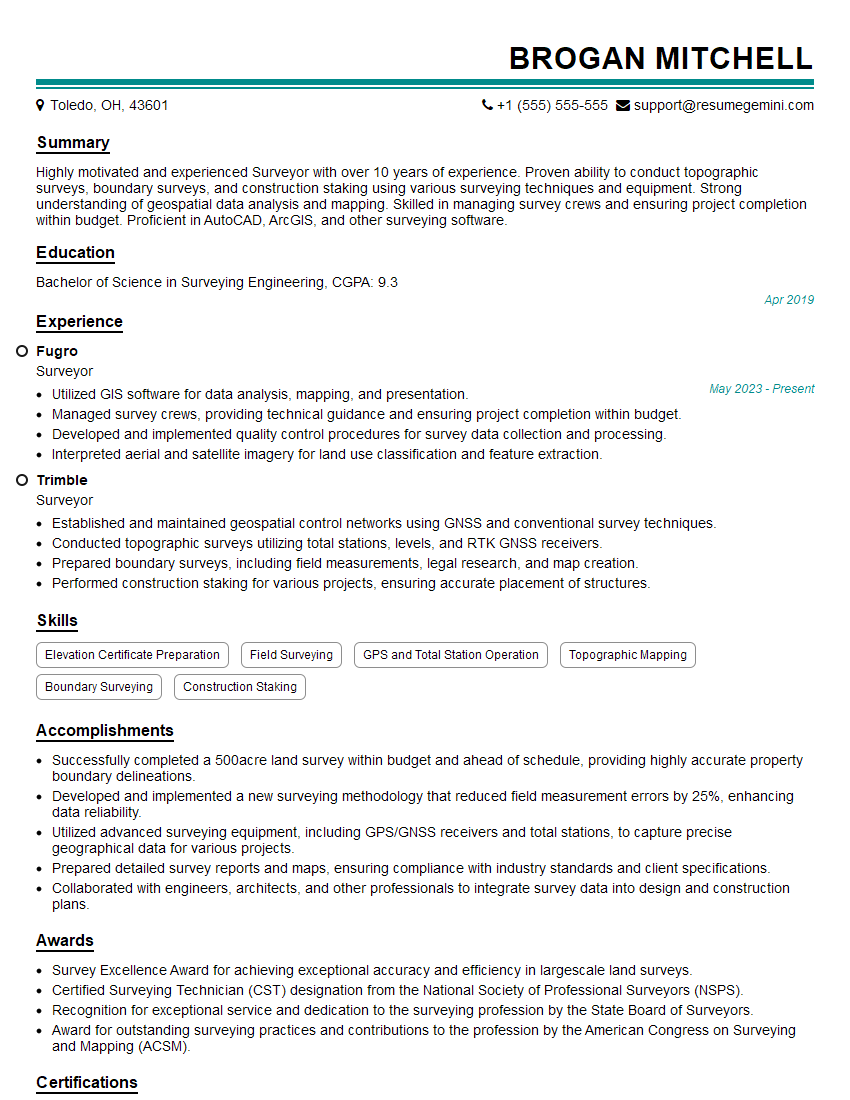
Surveyor Resume Sample
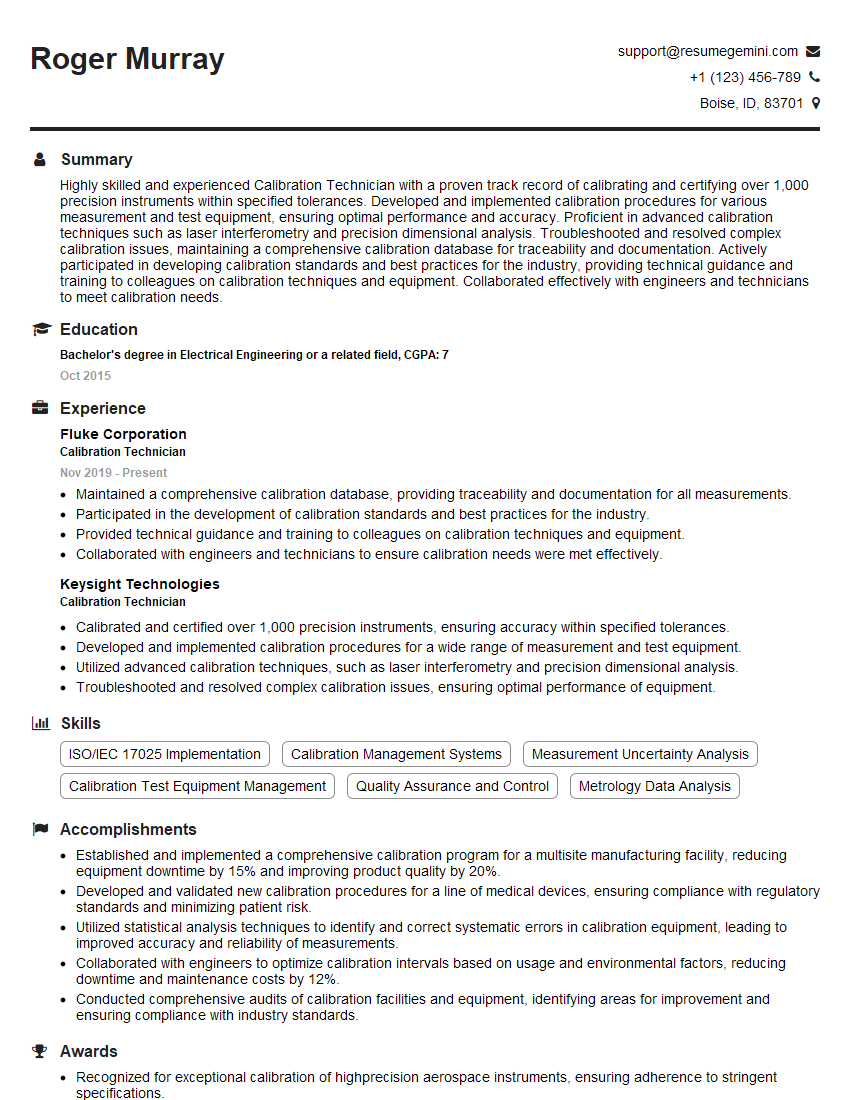
Calibration Technician Resume Sample
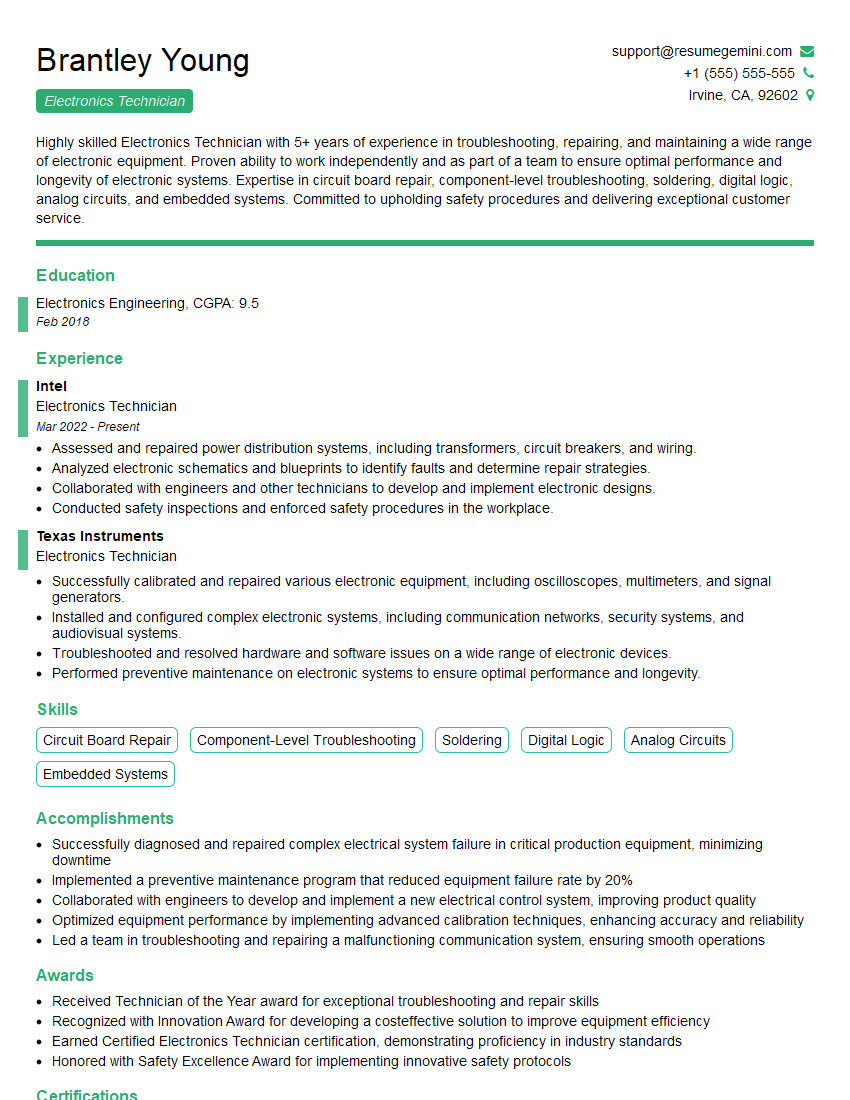
Electronics Technician Resume Sample
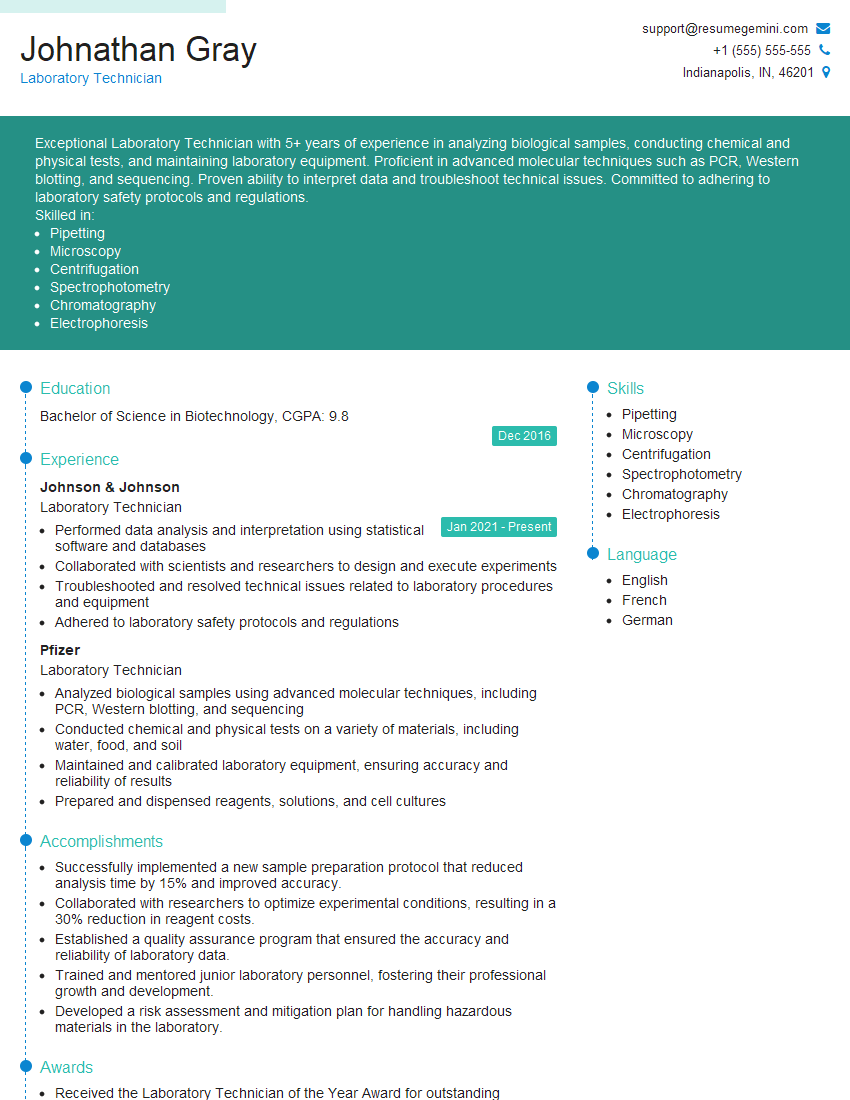
Laboratory Technician Resume Sample
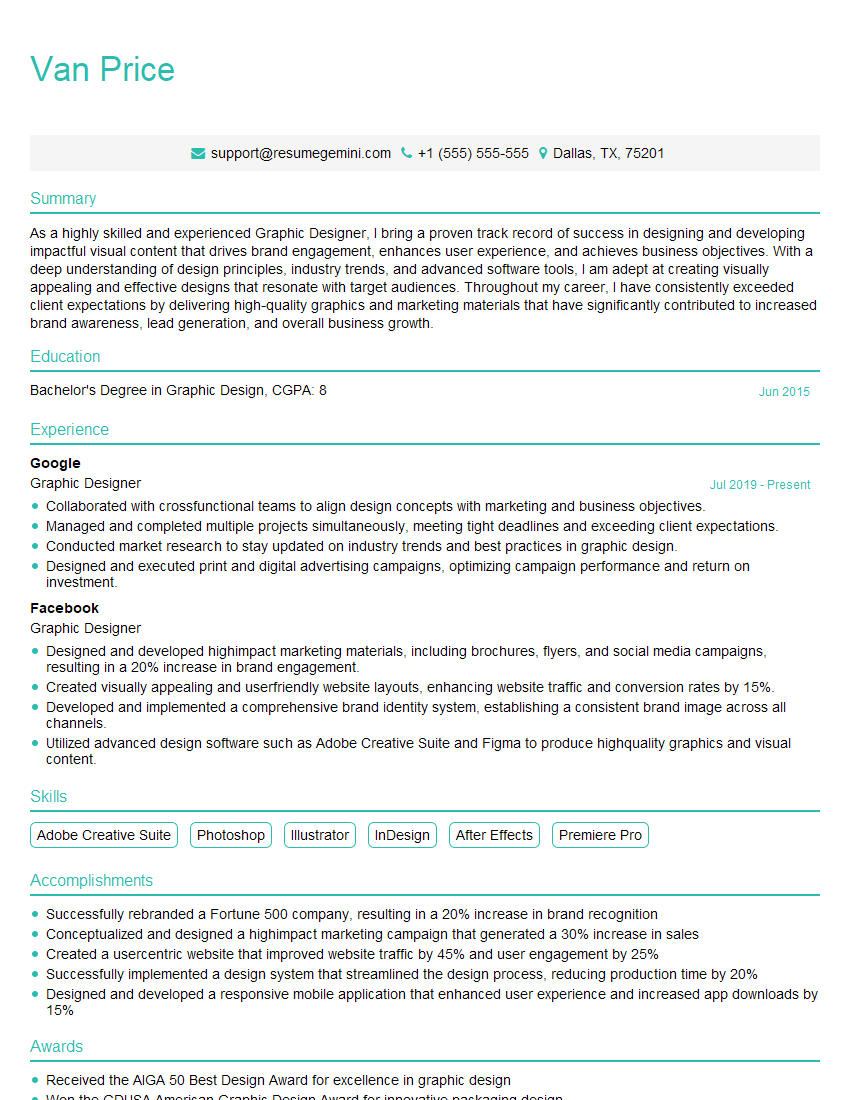
Graphic Designer Resume Sample

Technical Writer Resume Sample
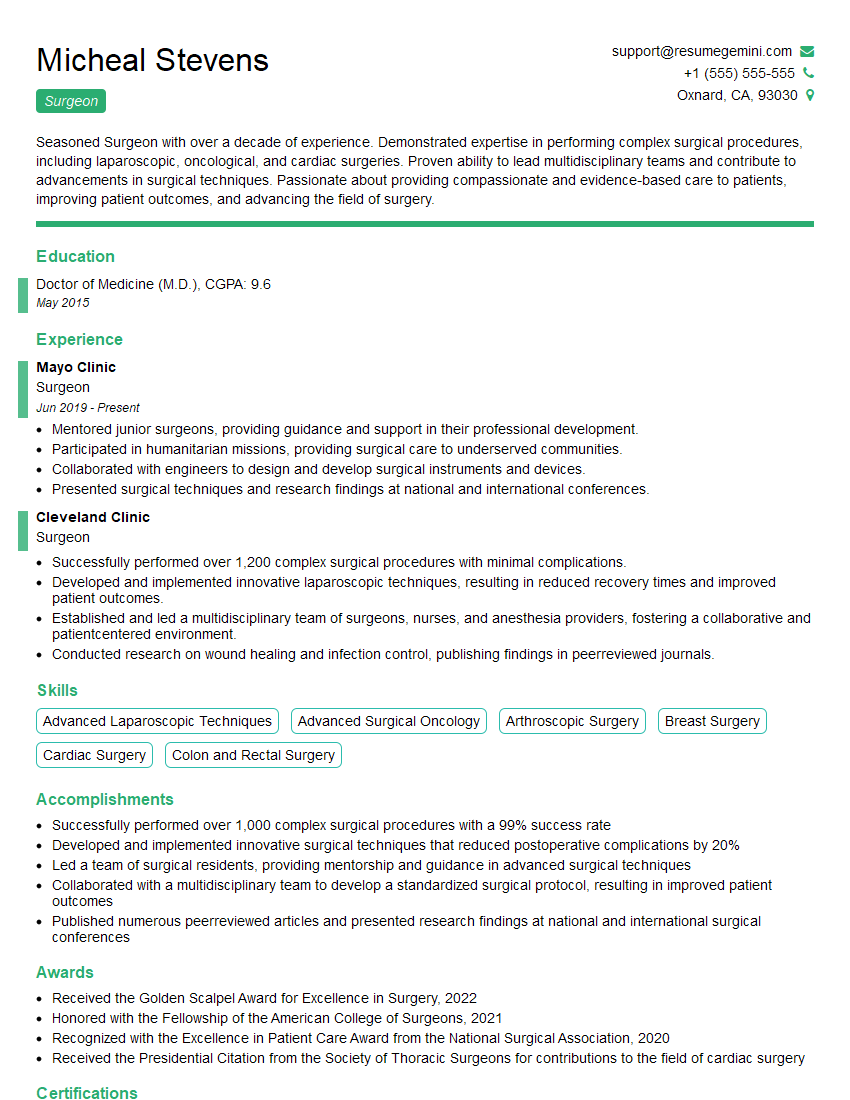
Surgeon Resume Sample
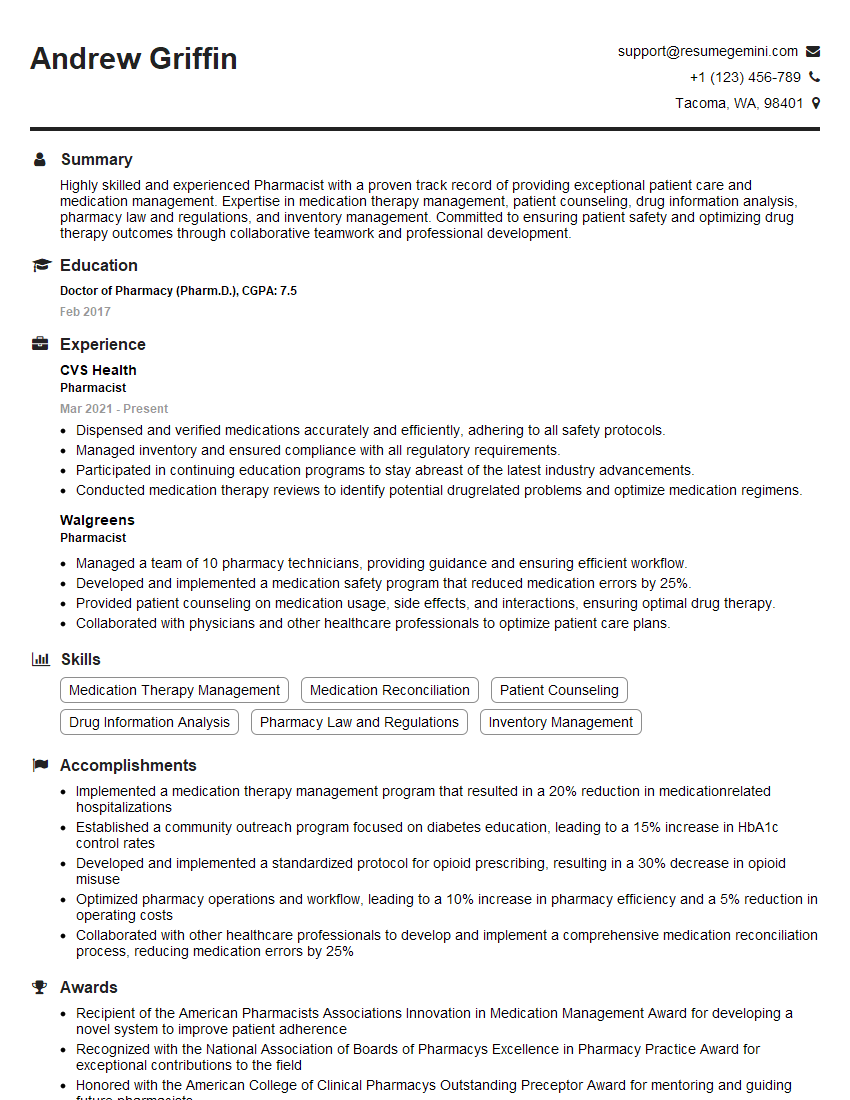
Pharmacist Resume Sample
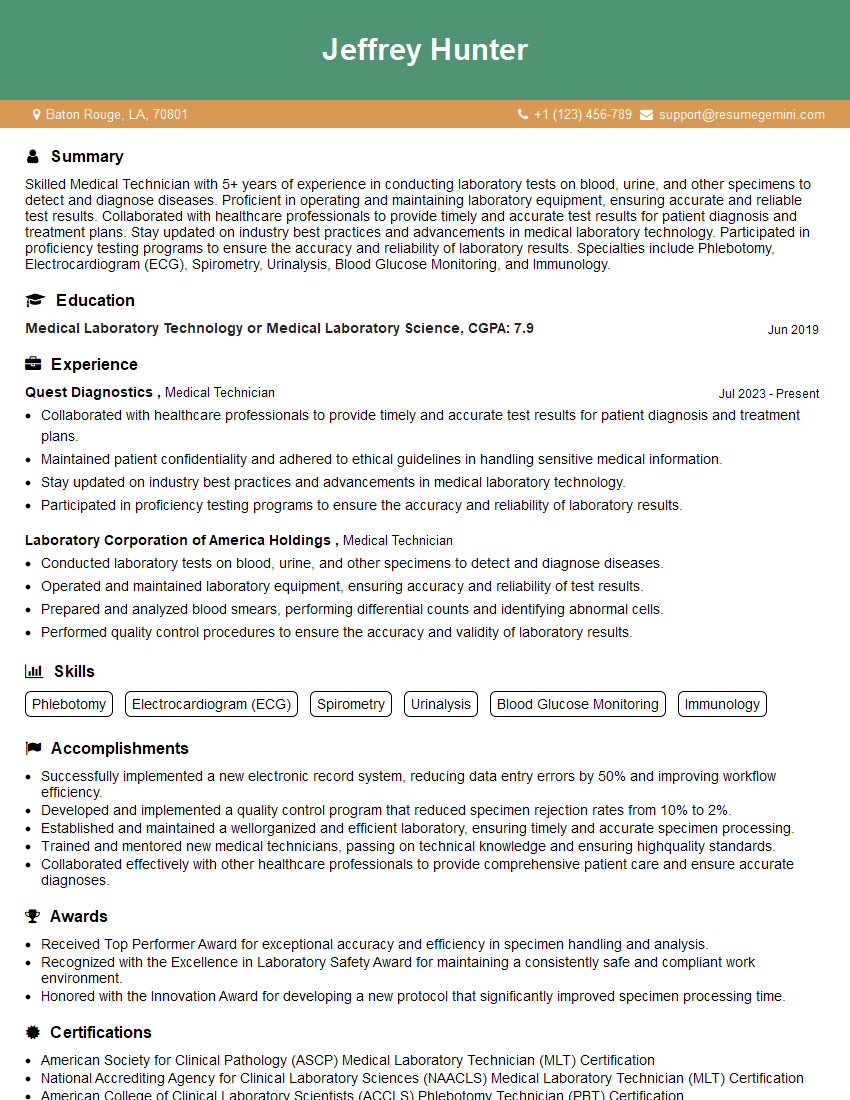
Medical Technician Resume Sample
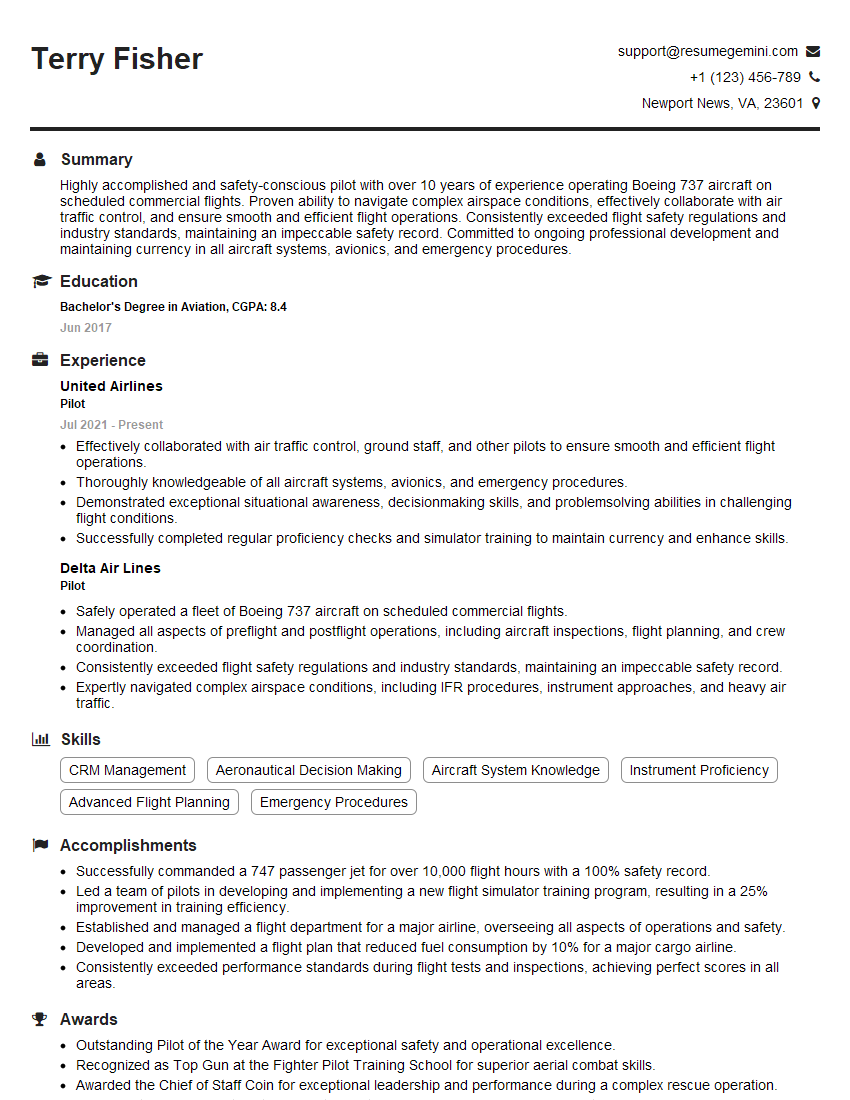
Pilot Resume Sample
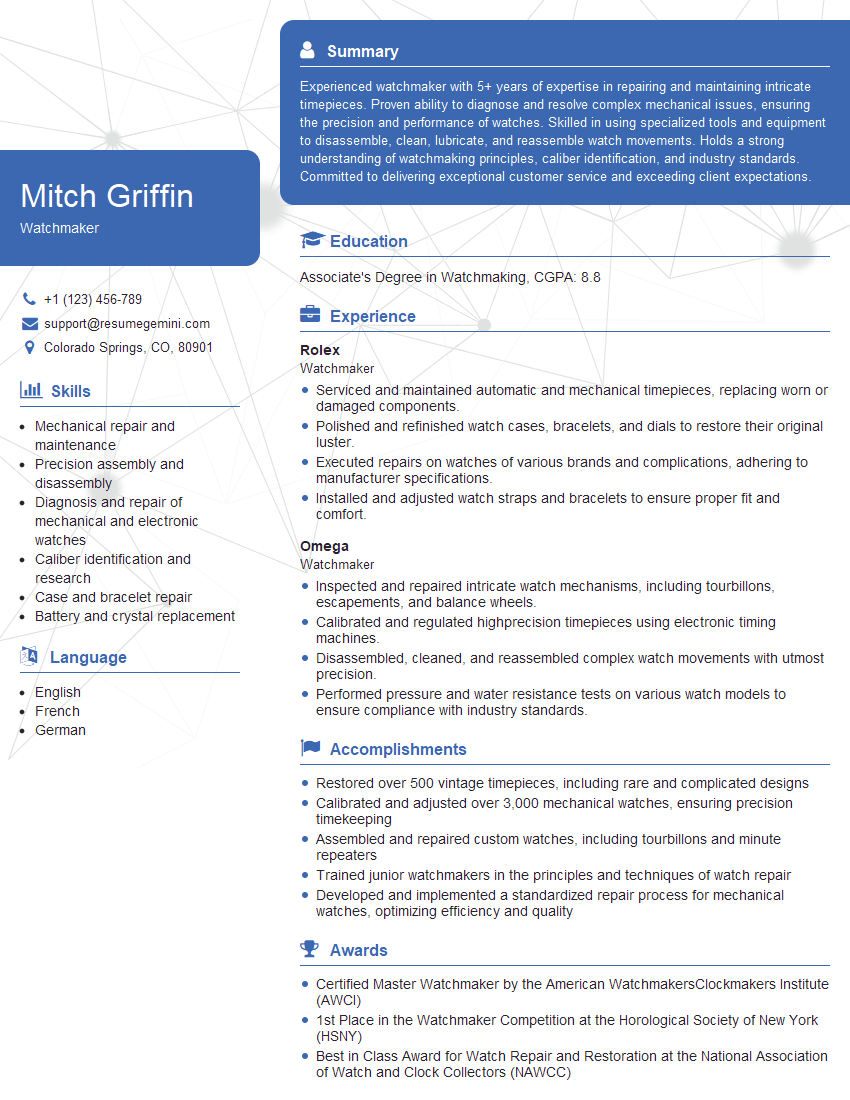
Watchmaker Resume Sample
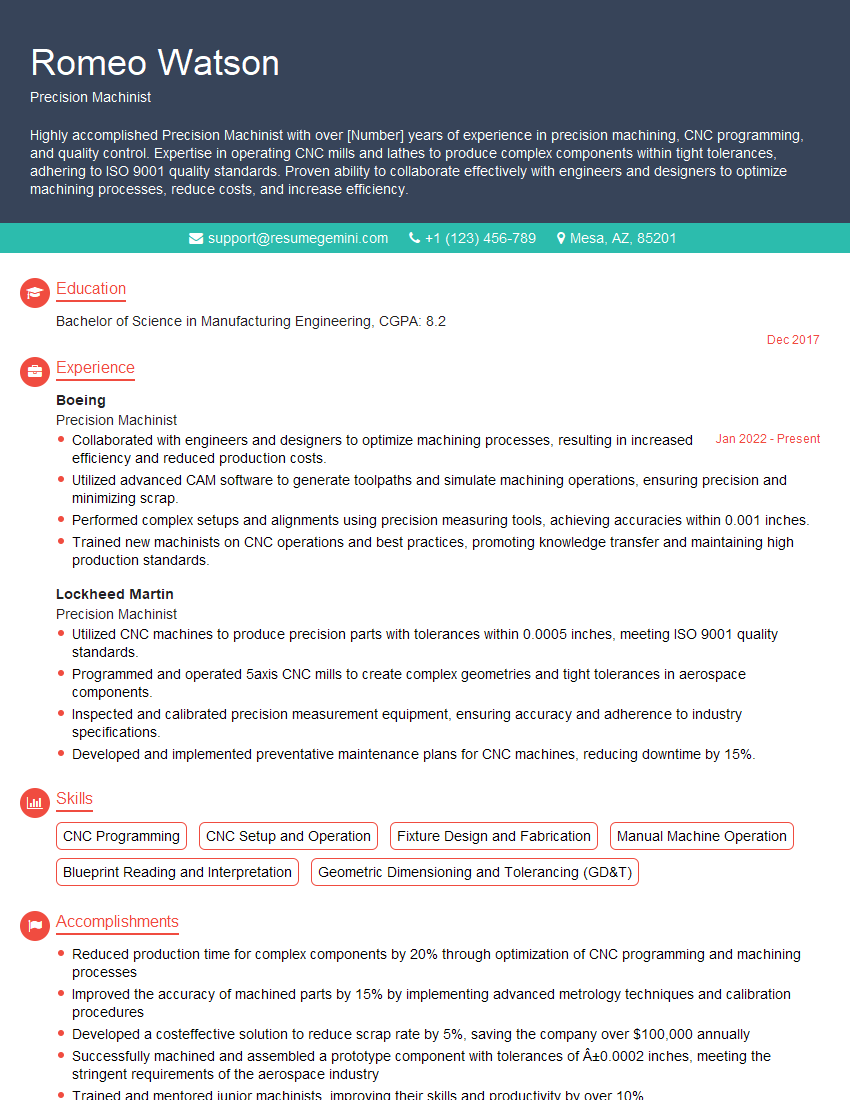
Precision Machinist Resume Sample
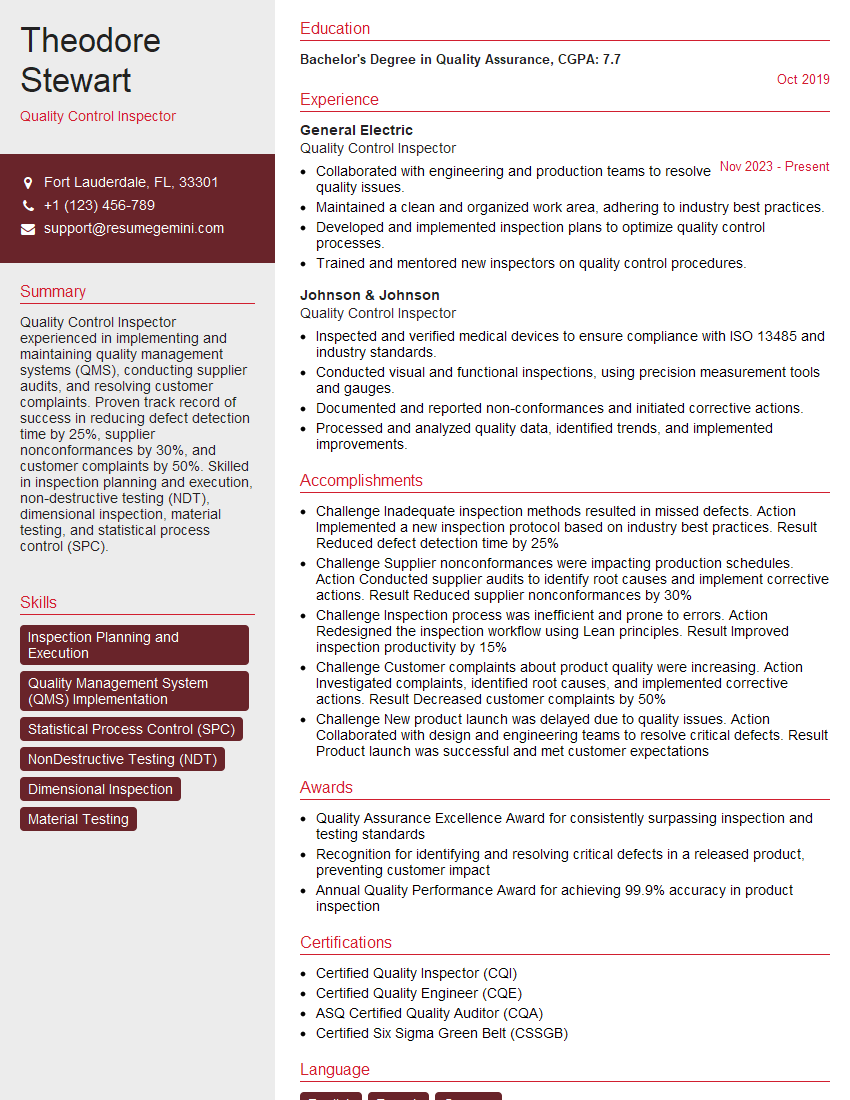
Quality Control Inspector Resume Sample
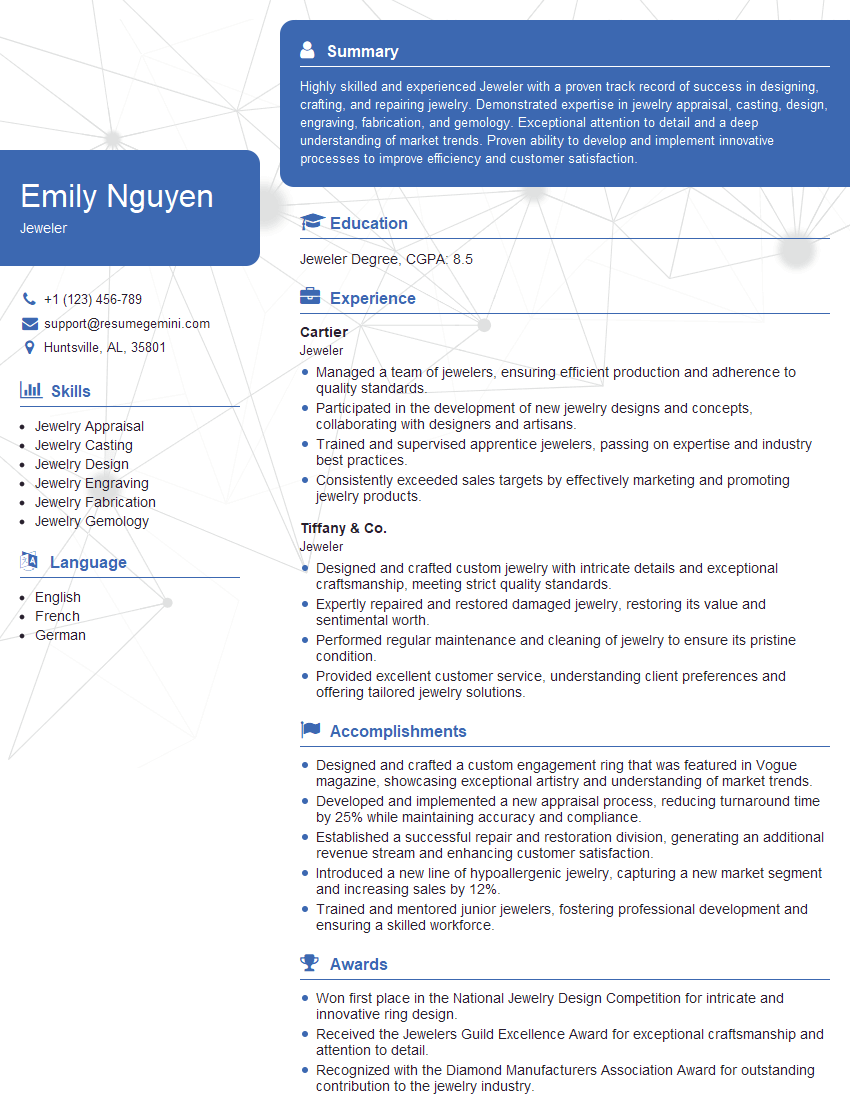
Jeweler Resume Sample
- Project Manager
- Accountant
- Financial Analyst
- Data Analyst
- Research Scientist
- Software Engineer
- Web Developer
- Architect
- Surveyor
- Calibration Technician
- Electronics Technician
- Laboratory Technician
- Graphic Designer
- Technical Writer
- Surgeon
- Pharmacist
- Medical Technician
- Pilot
- Watchmaker
- Precision Machinist
- Quality Control Inspector
- Jeweler
Explore more articles
Users Rating of Our Blogs
Share Your Experience
We value your feedback! Please rate our content and share your thoughts (optional).
What Readers Say About Our Blog
Very informative content, great job.
good