The thought of an interview can be nerve-wracking, but the right preparation can make all the difference. Explore this comprehensive guide to Heavy Load Transportation interview questions and gain the confidence you need to showcase your abilities and secure the role.
Questions Asked in Heavy Load Transportation Interview
Q 1. Explain the process of securing an oversized load for transport.
Securing an oversized load is paramount to safe and legal transportation. It’s a meticulous process involving careful planning and execution. Think of it like building a strong, immovable fortress around your cargo.
The process typically begins with a thorough assessment of the load’s dimensions, weight, and center of gravity. This determines the appropriate type and quantity of securing equipment. Next, we select the right trailer and ensure proper weight distribution. For example, a long, heavy beam might require multiple support points and robust tie-downs. We use a variety of methods including:
- Tie-downs: These strong straps or chains are strategically placed to prevent shifting. The tension needs to be just right – too loose, and the load could move; too tight, and it could damage the load or the securing equipment.
- Blocking and bracing: Wood or other strong materials are used to create a rigid structure around the load, preventing it from swaying or sliding. Think of this as creating walls within the fortress.
- Wheel chocks: These wedge-shaped blocks prevent the wheels from rolling, particularly important on inclines.
Finally, a thorough inspection is conducted to ensure everything is secure before the journey begins. Any loose components or potential hazards are addressed immediately. Documentation is essential, recording the methods used and the condition of the load before departure.
Q 2. Describe your experience with obtaining necessary permits for heavy haul operations.
Obtaining permits for heavy haul operations is a crucial aspect of the job, involving navigating complex regulations and bureaucratic processes. It’s like obtaining a special passport for your oversized cargo. My experience spans several jurisdictions and involves:
- Identifying the relevant authorities: This often involves contacting state Departments of Transportation, local municipalities, and potentially even federal agencies depending on the route and load size.
- Submitting applications: This usually involves detailed documentation of the load’s dimensions, weight, route, and proposed schedule. High-quality schematics and engineering plans are often required.
- Obtaining approvals: This may involve several rounds of review and revisions, and sometimes necessitates adjustments to the proposed route or schedule. The process can take weeks or even months.
- Managing permit conditions: Permits usually come with specific conditions, such as speed limits, route restrictions, and escort vehicle requirements. We must meticulously adhere to these conditions.
I’ve successfully managed permit applications for various projects, ranging from transporting massive transformers to relocating industrial machinery. Each situation presented unique challenges, but careful preparation and clear communication were key to timely approvals.
Q 3. How do you plan a route for an oversized or overweight load?
Route planning for oversized loads is a critical safety issue; a wrong turn could cause significant delays or even accidents. Imagine planning a journey for a giant, awkward object – it requires careful consideration.
My approach involves using specialized software and tools to:
- Identify the shortest and safest route: This includes assessing bridge clearances, road widths, overhead obstructions, and weight limits along various potential routes.
- Consider traffic patterns and congestion: We try to avoid peak hours and areas known for significant congestion to minimize delays and potential incidents.
- Coordinate with authorities: This often involves notifying relevant agencies about our planned route and schedule, ensuring we have necessary approvals and escorts.
- Assess potential risks: We assess the route for low-hanging wires, sharp turns, narrow lanes, steep inclines, and other risks that might threaten the load or the public.
I’ve encountered situations where the optimal route requires multiple permits and escort vehicles, involving considerable coordination. In those cases, thorough pre-planning and detailed contingency plans are crucial. I always ensure that the chosen route minimizes risk and maximizes safety for all.
Q 4. What are the critical safety considerations when transporting heavy equipment?
Safety is paramount in heavy equipment transportation. It’s about protecting the load, the crew, the public, and the environment. Think of it as a multi-layered safety net.
Critical considerations include:
- Proper securing of the load: As discussed earlier, this involves using appropriate methods to prevent load shifting or damage.
- Pre-trip inspections: Thorough checks of the vehicle, trailer, and load before departure are essential to identify and address any potential problems.
- Driver training and qualifications: Experienced, well-trained drivers with specific endorsements for heavy haul operations are critical. They must be familiar with all relevant safety regulations and procedures.
- Escort vehicles: These are often required for oversized loads to provide visibility, warning, and traffic control.
- Communication: Clear and consistent communication among the driver, escort vehicles, and any other involved parties is essential to ensure smooth and safe operations.
- Weather conditions: Adjusting routes and schedules based on weather conditions, especially strong winds or heavy rain, is important.
A comprehensive safety plan, incorporating all these aspects, is essential for every heavy haul operation. I always prioritize safety, viewing it not as a cost but as an integral part of successful operations.
Q 5. Explain your understanding of load shifting and how to prevent it.
Load shifting is a dangerous phenomenon where the cargo moves during transport, potentially causing accidents or damage. Think of it as a landslide within your trailer.
Preventing load shifting involves:
- Proper weight distribution: Ensuring the load is evenly distributed across the trailer’s axles helps maintain stability.
- Secure fastening: Using appropriate tie-downs, chains, and other securing equipment to firmly hold the load in place is crucial. Regular checks during the journey are essential.
- Blocking and bracing: This creates a rigid structure around the load, preventing movement and providing additional support.
- Regular inspections: Checking the load’s position and security at regular intervals during the journey is vital to identify any issues early on.
I’ve dealt with instances where load shifting was prevented by promptly addressing a minor loosening of the tie-downs. Early detection and correction are key to preventing serious incidents. Regular driver training emphasizes the importance of load securing and regular checks.
Q 6. Describe your experience with different types of heavy haul trailers.
My experience encompasses a wide range of heavy haul trailers, each suited to different types of loads and transport requirements. Think of it as having a specialized toolset for every job.
Some common types I’ve utilized include:
- Lowboy trailers: These have a low deck height, ideal for transporting tall equipment that needs to maintain a low profile.
- Extendable trailers: These can expand in length, accommodating longer loads that might not fit on standard trailers.
- Double-drop trailers: These have two levels, allowing for even lower deck heights, suitable for very tall or heavy cargo.
- Specialized trailers: These are designed for specific types of equipment, such as transformers or wind turbine blades.
The selection of the appropriate trailer depends on factors such as the load’s dimensions, weight, center of gravity, and the route’s characteristics. Proper selection is vital for safe and efficient transportation. For instance, a long, heavy beam might require an extendable lowboy, while a tall piece of machinery might need a double-drop.
Q 7. How do you handle unexpected delays or road closures during a heavy haul operation?
Unexpected delays and road closures are common challenges in heavy haul operations. It requires quick thinking and adaptability, like navigating an unplanned detour during a journey.
My approach involves:
- Immediate assessment: Quickly determining the nature and extent of the delay or closure.
- Communication: Contacting relevant authorities, clients, and escort vehicles to update them and coordinate alternative arrangements.
- Exploration of alternative routes: Utilizing mapping software and my knowledge of local routes to find a suitable alternative route, considering weight limits, clearances, and other restrictions.
- Contingency planning: Having pre-planned alternative routes and communication strategies can drastically reduce reaction time and minimize disruption.
- Documentation: Keeping detailed records of delays, alternative routes, and any communication with relevant parties.
I’ve managed situations where unexpected road closures required significant rerouting and increased travel time, but with careful planning and communication, we successfully completed the transport without incident. Adaptability and proactive problem-solving are key to successfully navigating these unexpected challenges.
Q 8. What are the legal regulations surrounding heavy load transportation in your region?
Legal regulations surrounding heavy load transportation vary significantly by region, but generally involve permits, route planning, and adherence to weight and dimension limits. In my region, for example, we must obtain oversized load permits well in advance of transport, detailing the route, dimensions, and weight of the load. These permits often stipulate specific travel times, approved routes, and may require pilot vehicles and police escorts for safety. Failure to comply results in hefty fines and potential legal action. Further regulations usually cover aspects like driver qualifications (specialized licenses and endorsements), equipment maintenance (rigorous inspection schedules), and insurance requirements (higher liability coverage). We also need to adhere to bridge weight limits and other infrastructure restrictions, often requiring detailed route surveys and potentially even temporary road closures or structural reinforcements in some cases. The specific regulations are meticulously documented and regularly updated by the relevant transportation authorities, so staying current on these changes is critical.
Q 9. How do you ensure compliance with DOT regulations?
Ensuring compliance with DOT (Department of Transportation) regulations is paramount. Our procedures start with pre-trip inspections, meticulously documented and signed off by the driver and supervisor. These inspections cover every aspect of the vehicle and load, including brakes, tires, lights, securement devices, and the condition of the cargo itself. We utilize electronic logging devices (ELDs) to accurately record driver hours of service, ensuring strict adherence to mandated rest periods. Furthermore, we maintain detailed records of all maintenance and repairs, ensuring all vehicles are properly serviced according to manufacturer’s recommendations. We also conduct regular training sessions to keep drivers updated on current DOT regulations and safe operating practices. This includes refresher courses on load securement, hazardous materials handling (if applicable), and defensive driving techniques. Finally, we conduct internal audits and regularly review our compliance records to identify any potential weaknesses and address them proactively.
Q 10. Describe your experience with using load securement devices.
My experience with load securement devices is extensive. I’ve worked with a variety of methods, from basic straps and chains to more sophisticated systems like air ride suspensions and specialized load-bearing platforms. The selection of the appropriate devices is crucial and depends on several factors: the weight and dimensions of the cargo, its center of gravity, the type of transport vehicle, and the conditions of the route. For instance, transporting a large transformer requires a completely different approach than moving a prefabricated building section. Securement involves calculating proper tension, ensuring even distribution of forces, and utilizing appropriate blocking and bracing. We use a combination of winches, chains, straps, and specialized load binders to secure the load, ensuring it is adequately restrained against both vertical and lateral movement. Regular inspection and maintenance of these devices are vital, checking for wear and tear, ensuring proper functionality, and replacing components when necessary to prevent accidents and maintain load integrity. I also have experience working with load monitoring systems that provide real-time data on the secured load’s position and stress levels during transit.
Q 11. Explain your understanding of the different types of heavy lift equipment.
Heavy lift equipment encompasses a wide range of specialized machinery. This includes:
- Cranes: From mobile cranes (rough terrain, all-terrain) to crawler cranes, each suited for different lifting capacities and terrain conditions. The selection is often determined by the weight and dimensions of the load and the accessibility of the site.
- Specialized Trailers: These include lowboy trailers (used for low-slung loads), extendable trailers, and heavy-duty modular trailers capable of transporting exceptionally large and heavy items.
- Jacking Systems: Hydraulic and mechanical jacking systems are essential for lifting and positioning heavy loads precisely, especially during loading and unloading procedures.
- Heavy-duty Forklifts: Used to maneuver heavy components within confined spaces, especially in manufacturing settings.
- Winches and Hoists: Provide controlled movement and lifting capabilities for securing and manipulating loads.
Understanding the capabilities and limitations of each piece of equipment is crucial for planning safe and efficient heavy lift operations. Misjudging a crane’s capacity, for example, can lead to catastrophic failures.
Q 12. How do you manage communication with stakeholders during a heavy haul operation?
Effective communication is vital during heavy haul operations. We utilize a multi-pronged approach. First, pre-operation meetings with all stakeholders – including clients, engineers, law enforcement (when necessary), and utility companies – are held to align on the plan and address potential conflicts or challenges. During transportation, we use two-way radios for constant communication between the driver, pilot vehicles, and the dispatch team. Regular updates on the location, speed, and any unforeseen issues are relayed to all concerned parties. In the case of complex operations, we may even employ GPS tracking systems with real-time data sharing to enhance visibility and collaboration. After the operation, a comprehensive post-operation report is generated, documenting any issues encountered, corrective actions taken, and lessons learned, which is shared with all stakeholders.
Q 13. Describe a time you had to troubleshoot a problem during heavy haul transport.
During the transport of a large industrial boiler, we encountered a sudden and unexpected road closure due to an emergency repair. Our initial route was blocked, forcing a rapid re-route assessment. We immediately contacted the relevant authorities and stakeholders to inform them of the situation. Utilizing our GPS tracking system, we identified a suitable alternative route that accommodated the oversized load and communicated it to the driver and pilot vehicles. This involved coordination with local law enforcement to manage traffic flow along the new route. The issue was resolved quickly and efficiently due to the effective communication and our team’s adaptability in recalculating the route and obtaining the necessary clearances. The situation highlighted the importance of having contingency plans and robust communication protocols.
Q 14. How do you assess the risks associated with a specific heavy haul project?
Risk assessment for a heavy haul project is a meticulous process. We begin with a thorough review of the load’s characteristics – weight, dimensions, center of gravity, fragility – and the proposed route. This involves analyzing potential hazards, including road conditions (sharp turns, bridges with low clearances), weather forecasts (high winds, potential for rain or snow), and potential obstacles (power lines, underground utilities). We also consider the experience and qualifications of the driver and the condition of the equipment. A formal risk assessment matrix is developed, identifying the likelihood and potential consequences of each identified hazard. Mitigation strategies are then formulated to reduce these risks, potentially involving route adjustments, specialized equipment, additional safety measures (like pilot cars or police escort), and worker training. The assessment document is reviewed and approved by senior management before the transport commences, ensuring that all potential risks have been adequately addressed.
Q 15. What is your experience with using GPS tracking and other technology for heavy haul?
GPS tracking is indispensable in heavy haul. It’s not just about knowing where your load is; it’s about optimizing routes, monitoring driver behavior, and ensuring the safety of the cargo and the public. My experience includes utilizing various GPS tracking systems, from basic location tracking to advanced systems that integrate with telematics and provide real-time data on speed, engine diagnostics, and even cargo temperature (crucial for sensitive goods).
For example, on a recent transport of a large transformer, our GPS system alerted us to an unexpected road closure. This allowed us to reroute immediately, avoiding significant delays and potential damage. We also use this data for post-trip analysis, identifying areas for improvement in efficiency and safety.
Beyond GPS, we utilize other technologies like electronic logging devices (ELDs) to comply with regulations and monitor hours of service. We also employ load securement monitoring systems that provide alerts if the load shifts during transit, preventing accidents.
Career Expert Tips:
- Ace those interviews! Prepare effectively by reviewing the Top 50 Most Common Interview Questions on ResumeGemini.
- Navigate your job search with confidence! Explore a wide range of Career Tips on ResumeGemini. Learn about common challenges and recommendations to overcome them.
- Craft the perfect resume! Master the Art of Resume Writing with ResumeGemini’s guide. Showcase your unique qualifications and achievements effectively.
- Don’t miss out on holiday savings! Build your dream resume with ResumeGemini’s ATS optimized templates.
Q 16. Explain your understanding of weight distribution and its importance in heavy haul.
Weight distribution in heavy haul is paramount; it’s the difference between a safe, efficient transport and a disaster. Improper weight distribution can lead to axle overloading, tire blowouts, structural damage to the trailer, and even accidents. It’s about ensuring the weight is evenly balanced across all axles, staying within legal limits and optimizing the center of gravity.
Imagine trying to balance a heavy object on a seesaw. If the weight isn’t evenly distributed, one side will tilt, potentially tipping over. Similarly, in heavy haul, we need to meticulously calculate and distribute the load’s weight to maintain stability and safety throughout the journey. This involves careful placement of the load on the trailer, potentially using specialized techniques like load shifting or the use of additional support structures. We use specialized software to simulate weight distribution before transportation to mitigate any risks.
Q 17. How do you calculate the total weight and dimensions of a heavy haul load?
Calculating the total weight and dimensions of a heavy haul load requires a systematic approach. It starts with detailed specifications of the cargo itself, which typically include weight and dimensions from the manufacturer. We then add the weight of any necessary rigging equipment, such as straps, chains, and blocking. The trailer’s weight must also be factored in.
For dimensions, we measure the length, width, and height of the cargo and add the dimensions of any necessary over-dimension equipment. This ensures compliance with permit requirements and allows us to determine the optimal route and necessary escorts.
We often utilize 3D modeling software to visualize the load and check for potential clearances or other issues. For example, a large piece of industrial equipment might require us to consider its overall weight and the precise dimensions to navigate underpasses or through tight turns. We always double-check our calculations before transport, working closely with engineers and local authorities.
Q 18. What is your experience with working with pilot cars and escorts?
Pilot cars and escorts are essential for many heavy haul operations, particularly when transporting oversized or overweight loads. They provide crucial safety measures by guiding the heavy haul vehicle along the chosen route, ensuring the safety of the drivers, the public, and the cargo itself. My experience involves coordinating with pilot car companies, briefing them on the specifics of the load, route, and potential challenges.
I’ve worked on projects requiring multiple pilot cars and even police escorts, especially when navigating complex urban areas or high-traffic zones. Effective communication with the pilot car drivers is vital, using two-way radios or other communication systems to maintain constant contact and respond quickly to unexpected circumstances like traffic jams or road hazards.
Proper briefing is key—it covers potential obstacles, route details, and emergency procedures. Effective collaboration with pilot car operators minimizes risks and makes the transport process smooth and efficient.
Q 19. Describe your knowledge of different types of heavy equipment and their applications.
My experience encompasses a wide range of heavy equipment, each with its own specific application. This includes:
- Heavy-duty tractors: These are the workhorses of heavy haul, chosen based on the load’s weight, dimensions, and route specifics.
- Specialized trailers: Different types of trailers are necessary for different cargos, including lowboy trailers for low-profile loads, extendable trailers for longer items, and specialized trailers for transporting oversized or unusual shapes.
- Crane trucks: Used for lifting and loading heavy equipment, particularly crucial for placing cargo onto trailers and at delivery points.
- Heavy-lift equipment: For exceptionally heavy loads, specialized equipment like crawler cranes or heavy-lift helicopters may be required.
Selecting the right equipment is critical for efficiency and safety. For instance, transporting a large wind turbine blade requires a different trailer and possibly specialized rigging than transporting a piece of construction equipment. I always consider the specific needs of each job to ensure we have the appropriate equipment and expertise.
Q 20. How do you maintain accurate records and documentation for heavy haul operations?
Accurate record-keeping is crucial for heavy haul operations, ensuring compliance, facilitating billing, and aiding in future planning. We maintain detailed records using a combination of electronic and paper-based systems. This includes:
- Pre-trip inspections: Thorough checklists documenting the condition of the equipment before each trip.
- Route plans: Detailed maps outlining the planned route, including potential challenges and alternative routes.
- Weight and dimension documentation: Accurate records of the load’s weight, dimensions, and center of gravity.
- Permits and licenses: Copies of all necessary permits and licenses, ensuring compliance with all regulations.
- GPS tracking data: Raw data and analyzed reports from GPS tracking systems.
- Post-trip reports: Summarizing the journey, any incidents, and highlighting areas for improvement.
All records are kept securely and are easily accessible for audits and analysis. We use specialized software to manage and store this data, ensuring the information is consistently accurate and reliable.
Q 21. Describe your experience with managing heavy haul budgets and schedules.
Managing heavy haul budgets and schedules requires careful planning and meticulous execution. We begin by developing a detailed budget, factoring in all anticipated costs—from equipment rental and fuel to permits, driver wages, and potential unforeseen expenses. We then create a realistic schedule, taking into account the transportation distance, permit acquisition times, potential delays, and load preparation requirements.
We utilize project management software to track progress, monitor expenses, and identify potential problems early on. For example, a recent project involved transporting several large transformers across states. Careful budget planning allowed us to secure competitive rates for equipment and logistics, while the detailed schedule ensured the transformers arrived on time, avoiding costly project delays.
Regular monitoring and adjustments are crucial. We use this data to optimize routes, negotiate better rates, and allocate resources effectively, ensuring that the project stays within budget and on schedule. Transparency and proactive communication with clients are key to successful budget and schedule management.
Q 22. What is your approach to ensuring the safety of your crew during heavy haul operations?
Safety is paramount in heavy haul. My approach is multifaceted and begins long before the wheels even turn. It involves meticulous planning, rigorous training, and constant vigilance throughout the operation.
- Pre-Trip Inspections: Every piece of equipment, from the prime mover to the trailers and specialized rigging, undergoes a thorough inspection. This isn’t just a checklist; it’s a deep dive, looking for anything that could compromise safety. We use standardized checklists and digital reporting to ensure consistency and traceability.
- Crew Training: My crews receive comprehensive training in safe operating procedures, including load securement, emergency response, and defensive driving techniques. We conduct regular refresher courses and simulations to maintain proficiency. For instance, we recently used VR simulations to practice responding to tire blowouts on steep inclines.
- Risk Assessment and Mitigation: Before every haul, we conduct a detailed risk assessment, identifying potential hazards like route challenges, weather conditions, and potential interactions with other traffic. We develop mitigation strategies for each identified risk, which may include adjusting routes, using escort vehicles, or employing specialized equipment.
- Communication Protocols: Clear and constant communication is crucial. We use two-way radios, GPS tracking, and regular check-ins to maintain awareness of the haul’s progress and any emerging issues. This includes real-time communication between the driver, spotter, and any support personnel.
- Personal Protective Equipment (PPE): The right PPE is essential. All crew members are equipped with high-visibility clothing, safety helmets, steel-toed boots, and other necessary gear, depending on the specific task.
This layered approach ensures that safety isn’t just a consideration, but an integral part of every aspect of the operation.
Q 23. How do you handle conflicts or disagreements with other parties involved in heavy haul?
Conflicts in heavy haul are inevitable, given the complex logistics and multiple stakeholders involved. My approach is collaborative and focused on finding mutually beneficial solutions.
- Open Communication: I always prioritize open and respectful communication. I make sure everyone involved understands the situation, their roles, and the potential impacts of their actions. This includes actively listening to the concerns of others.
- Professionalism: I maintain a professional demeanor at all times, even under pressure. This helps de-escalate tensions and fosters a more productive environment for problem-solving.
- Mediation: If necessary, I facilitate mediation between conflicting parties. I encourage them to identify common ground and explore creative solutions.
- Documentation: I ensure that all agreements and decisions are properly documented. This helps prevent future misunderstandings and provides a clear record of the events.
- Escalation Protocol: In rare cases, if the conflict cannot be resolved amicably, I have a clear escalation protocol, involving project managers and legal counsel as needed.
For example, I once had a disagreement with a local council regarding a permit for a particularly challenging route. Through open communication and providing them with a detailed risk mitigation plan, we successfully negotiated a solution that satisfied both parties.
Q 24. Describe your experience with emergency procedures during heavy haul transport.
Emergency procedures are a critical component of heavy haul. My experience spans a range of scenarios, from equipment malfunctions to accidents and severe weather events.
- Emergency Response Plan: Every operation has a detailed emergency response plan. This plan outlines procedures for various scenarios, including accidents, equipment failures, medical emergencies, and hazardous material spills. We conduct regular drills to ensure the team is familiar with these procedures.
- Communication and Coordination: Effective communication is crucial during emergencies. This includes notifying relevant authorities, coordinating with emergency services, and maintaining communication within the team. We utilize dedicated emergency communication channels and pre-arranged contact lists.
- First Aid and Medical Assistance: All my team members are trained in basic first aid and CPR. We carry well-stocked first-aid kits and have established protocols for contacting emergency medical services.
- Incident Reporting and Investigation: After an incident, we conduct a thorough investigation to determine the cause and identify any areas for improvement in our safety procedures. This includes detailed documentation and reporting to regulatory bodies.
- Equipment Maintenance and Redundancy: Preventive maintenance is essential in minimizing emergencies. We also implement redundancy where possible, for example, having backup equipment or support vehicles on standby.
In one instance, we experienced a sudden and severe thunderstorm during a mountain haul. By following our emergency protocol, we managed to secure the load, safely evacuate the crew, and minimize damage to the equipment and the environment.
Q 25. How do you stay up-to-date with changes in regulations and best practices for heavy haul?
Staying current with regulations and best practices is vital in heavy haul. The industry is constantly evolving, with new technologies and safety standards emerging frequently.
- Professional Organizations: I actively participate in professional organizations like the [mention relevant professional organization, e.g., Heavy Specialized Transportation Association], attending conferences and workshops.
- Industry Publications: I regularly read industry publications, journals, and online resources to keep abreast of the latest trends and innovations.
- Regulatory Websites: I monitor the websites of relevant regulatory bodies such as the Department of Transportation, to stay informed about changes in regulations and compliance requirements.
- Networking: I maintain a network of contacts within the industry, exchanging information and best practices.
- Training and Certifications: I pursue ongoing professional development through specialized training courses and certifications to enhance my knowledge and skills.
For instance, I recently completed a training course on the use of new load securement techniques that enhance safety and efficiency.
Q 26. What are your salary expectations for this role?
My salary expectations are commensurate with my experience and the responsibilities of this role. Given my extensive background in heavy haul and my proven track record of successful project delivery and safety leadership, I am seeking a compensation package in the range of [Insert Salary Range]. I am, of course, open to discussing this further based on the specific details of the position and the overall compensation package.
Q 27. What are your strengths and weaknesses as they relate to heavy haul transportation?
My strengths lie in my meticulous planning skills, my proactive approach to safety, and my ability to lead and motivate teams in challenging situations. I have a proven track record of successfully completing complex heavy haul projects, often under tight deadlines and challenging conditions. My ability to anticipate potential problems and develop effective mitigation strategies is a key asset.
One area I am always looking to improve is delegation. While I take pride in my ability to handle many tasks simultaneously, I recognize that effectively delegating tasks can free up my time for strategic planning and problem-solving. I am currently implementing strategies to better delegate responsibilities and empower team members to take ownership of their work.
Q 28. Why are you interested in this specific heavy haul position?
I am particularly drawn to this position because of [Company Name]’s reputation for safety, its commitment to innovative solutions, and its focus on complex, challenging projects. The opportunity to work on [mention specific project or aspect of the role that interests you] is especially appealing. I believe my skills and experience align perfectly with your requirements, and I am confident I can make a significant contribution to your team.
Key Topics to Learn for Heavy Load Transportation Interview
- Logistics and Route Planning: Understanding efficient route optimization, considering factors like weight limits, bridge clearances, and weather conditions. Practical application: Explain how you would plan a route for oversized cargo across multiple states.
- Regulations and Compliance: Knowledge of DOT regulations, permits, and licensing requirements for heavy load transportation. Practical application: Describe your experience ensuring compliance with all relevant regulations during transport.
- Load Securement and Safety: Mastering techniques for secure load fastening and understanding the risks associated with improper securing. Practical application: Explain different load securing methods and when you would choose one over another.
- Vehicle Maintenance and Operation: Familiarity with heavy-duty vehicle systems, preventative maintenance schedules, and troubleshooting common mechanical issues. Practical application: Describe your experience with diagnosing and resolving mechanical problems on the road.
- Risk Management and Accident Prevention: Proactive identification and mitigation of potential hazards during transportation. Practical application: Detail your approach to risk assessment and how you’ve prevented accidents in the past.
- Communication and Teamwork: Effective communication with dispatchers, clients, and other drivers. Practical application: Describe a situation where effective communication was crucial to a successful delivery.
- Technology in Heavy Load Transportation: Familiarity with GPS tracking systems, load monitoring technologies, and other relevant software. Practical application: Explain how you utilize technology to improve efficiency and safety.
- Specialized Equipment and Handling: Understanding the operation and limitations of various heavy-duty equipment such as cranes, lowboy trailers, and specialized lifting systems. Practical application: Describe your experience operating specific types of heavy equipment.
Next Steps
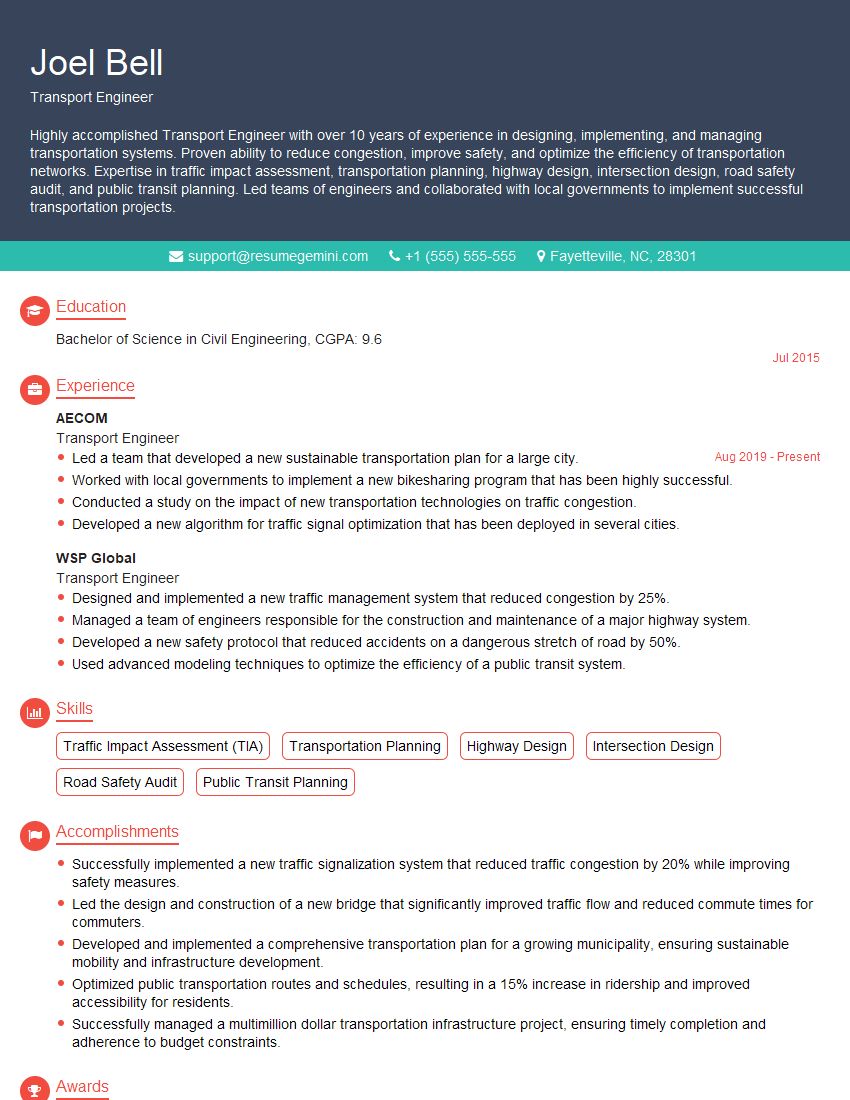
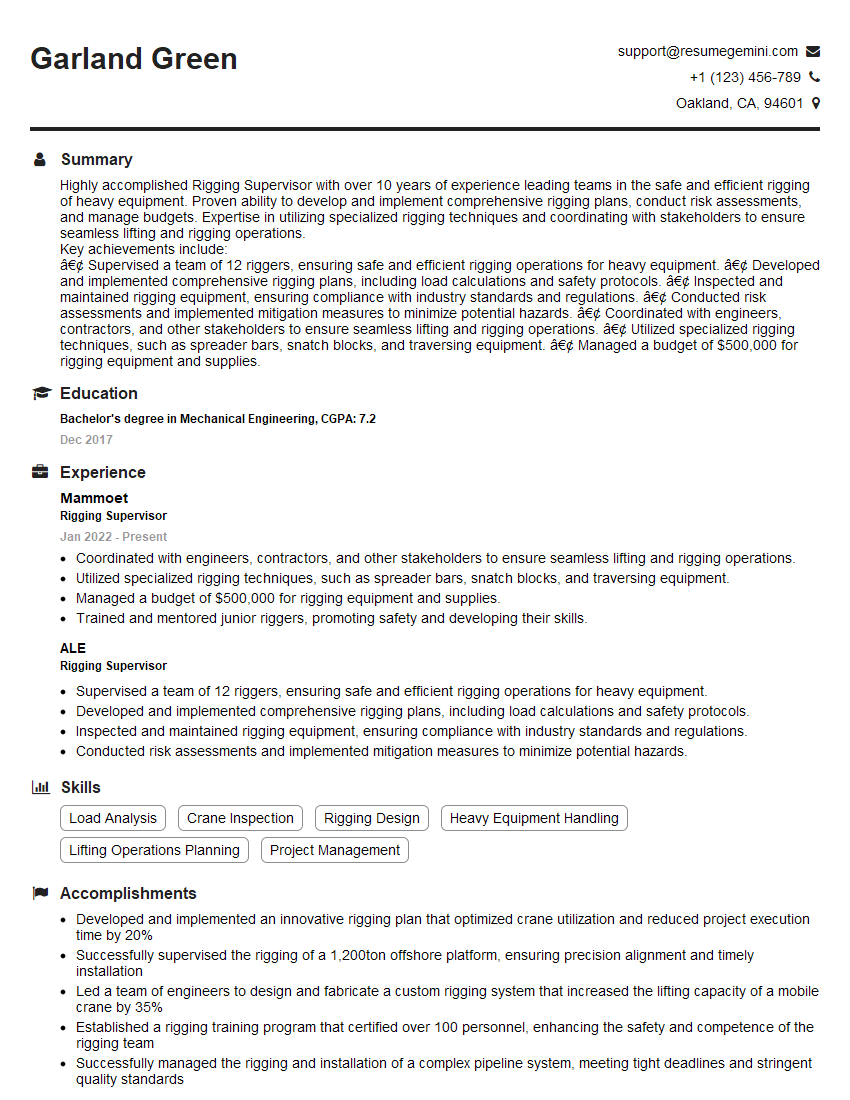
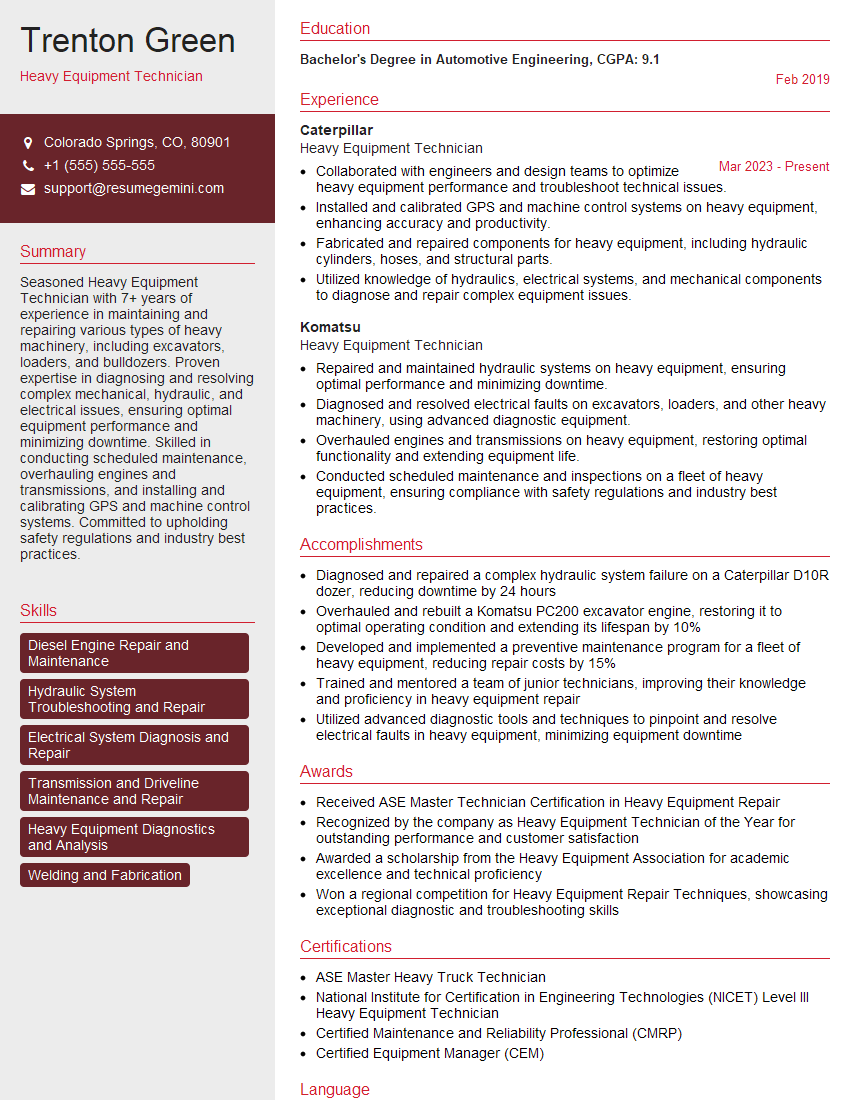
Mastering Heavy Load Transportation opens doors to rewarding careers with excellent growth potential. To maximize your job prospects, create a strong, ATS-friendly resume that highlights your skills and experience. ResumeGemini is a trusted resource to help you build a professional and impactful resume. We provide examples of resumes tailored to the Heavy Load Transportation industry to guide you. Invest time in crafting a compelling resume – it’s your first impression on potential employers.

Explore more articles
Users Rating of Our Blogs
Share Your Experience
We value your feedback! Please rate our content and share your thoughts (optional).
What Readers Say About Our Blog
Very informative content, great job.
good