Unlock your full potential by mastering the most common Willingness to learn new techniques and technologies interview questions. This blog offers a deep dive into the critical topics, ensuring you’re not only prepared to answer but to excel. With these insights, you’ll approach your interview with clarity and confidence.
Questions Asked in Willingness to learn new techniques and technologies Interview
Q 1. Describe a time you had to learn a new technology quickly. What was your approach?
One time, I needed to quickly learn Kubernetes to deploy a critical application for a client facing deadline. My approach was multi-pronged, focusing on speed and efficiency. First, I identified the core functionalities I needed – deploying, scaling, and monitoring. I didn’t try to master every Kubernetes concept immediately; that would’ve been a waste of time. Then, I used a combination of resources: I started with a concise, practical online course that focused on deployment, followed by the official Kubernetes documentation for specific commands and troubleshooting. I also leveraged community resources like Stack Overflow to solve immediate roadblocks. Finally, I built a small test deployment environment to practice, iteratively refining my understanding through hands-on experience. This approach prioritized practical application over comprehensive theoretical knowledge, allowing me to meet the deadline effectively.
Q 2. What methods do you use to stay current with the latest technological advancements?
Staying current is crucial in this rapidly evolving field. I utilize several methods, creating a layered approach. Firstly, I subscribe to relevant newsletters and podcasts, such as those from InfoQ and TechCrunch, which provide summaries and overviews of emerging technologies. Secondly, I actively participate in online communities (like Reddit’s r/programming) and follow thought leaders on platforms like Twitter and LinkedIn. This allows me to hear about new developments organically. Thirdly, I allocate specific time each week to explore articles and tutorials on emerging technologies that align with my current projects or career goals. Finally, I attend industry conferences and webinars whenever possible for in-depth learning and networking opportunities.
Q 3. How do you handle situations where you encounter unfamiliar technologies or processes?
Encountering unfamiliar technologies is a normal part of the job. My approach is systematic and involves breaking down the problem. First, I try to understand the overall architecture and purpose of the technology or process. What problem does it solve? How does it fit into the larger system? Then, I search for relevant documentation, tutorials, or examples. I find that searching for specific error messages or behaviors is often very helpful. I also don’t hesitate to reach out to colleagues or online communities for assistance. The key is to not feel overwhelmed; instead, tackle the problem in smaller, manageable chunks, gradually building my understanding.
Q 4. What resources do you utilize to learn new technologies (e.g., online courses, documentation, colleagues)?
I leverage a diverse range of resources for learning. Online courses on platforms like Coursera, edX, and Udemy provide structured learning paths. Official documentation is invaluable for in-depth understanding of specific technologies. I actively participate in online forums and communities like Stack Overflow, gaining insights from experienced professionals and troubleshooting issues collaboratively. Finally, my colleagues are a fantastic resource; peer learning and knowledge sharing are essential. I often pair-program or engage in knowledge transfer sessions with my team members.
Q 5. Describe your experience with a specific new technology you recently learned. What were the challenges and how did you overcome them?
Recently, I learned to use TensorFlow for a machine learning project. The initial challenge was understanding the vast ecosystem of TensorFlow and its different APIs. The sheer volume of information and the abstract nature of some concepts were initially daunting. I overcame this by focusing on a specific task (building a simple image classifier), which helped me focus my learning. I started with simpler tutorials and gradually worked my way up to more complex applications. I also found that working on a small, manageable project helped solidify my understanding much more effectively than simply reading documentation. Debugging was also challenging, but utilizing TensorFlow’s debugging tools and online resources proved invaluable.
Q 6. How do you prioritize learning new technologies when faced with competing demands?
Prioritizing learning with competing demands requires a strategic approach. I use a system that blends short-term and long-term goals. First, I assess the urgency and importance of each task. If a new technology is directly related to a critical project, I prioritize learning it. For less urgent but still important technologies, I allocate dedicated time each week (even if it’s just 30 minutes) to explore them. I also look for opportunities to integrate learning into my existing tasks. For example, if I need to update a system component, I might explore a newer, more efficient library as part of the update process. This helps manage competing demands efficiently.
Q 7. Are you comfortable learning independently or do you prefer structured learning environments?
I’m comfortable with both independent and structured learning environments. Structured learning, like online courses, provides a clear path and helps me build a strong foundation. However, independent learning is equally vital for tackling specific problems or delving deeper into areas of interest. I often combine both approaches; I might start with a structured course to grasp the fundamentals and then explore more advanced concepts independently through documentation and experimentation. The best learning approach depends on the context and the specific technology.
Q 8. How do you assess the value and relevance of a new technology to your work?
Assessing the value and relevance of a new technology begins with understanding its potential impact on my work. I use a structured approach, considering factors like:
- Business Need: Does this technology directly address a current challenge or improve an existing process? For example, implementing a CRM system could streamline client management and boost sales.
- Cost-Benefit Analysis: What are the initial investment costs (software, training, hardware) versus the long-term benefits (increased efficiency, reduced errors, revenue generation)? A thorough ROI (Return on Investment) calculation is crucial.
- Integration Capabilities: How easily will the new technology integrate with existing systems and workflows? Seamless integration minimizes disruption and maximizes productivity. A poorly integrated system can be more of a hindrance than a help.
- Scalability and Future-Proofing: Can the technology adapt to future growth and evolving business needs? Choosing a solution that’s scalable ensures it won’t become a bottleneck down the line.
- Risk Assessment: What are the potential downsides or risks associated with adopting this technology? This might involve security vulnerabilities, compatibility issues, or the need for extensive retraining.
By systematically evaluating these factors, I can make an informed decision about whether a technology is a worthwhile investment of time and resources.
Q 9. Have you ever had to unlearn a skill or process to adopt a better approach? Describe the experience.
Yes, I’ve had to unlearn a skill – using a specific proprietary data analysis software. Our company transitioned to a cloud-based platform with more powerful analytical capabilities and collaborative features. Initially, I felt resistant; I’d mastered the old system and was comfortable with it. The unlearning process involved acknowledging my initial discomfort and actively embracing the learning curve. I focused on understanding the new platform’s logic and functionalities. I utilized online tutorials, practiced frequently, and engaged with colleagues who had already transitioned. It was challenging but rewarding. The new platform ultimately provided significantly enhanced analysis capabilities, faster processing speeds, and improved teamwork, making the effort worthwhile. The experience reinforced the importance of adaptability and the long-term benefits of embracing superior technologies, even if it means stepping outside of a comfort zone.
Q 10. What steps do you take to ensure you retain what you have learned about new technologies?
Retention of new technological knowledge is a multi-faceted process. I employ several strategies:
- Active Application: The most effective way to learn is by doing. I actively incorporate new technologies into projects, even if it means starting with smaller, less critical tasks.
- Structured Notes and Documentation: I create detailed notes, code snippets, and diagrams to document key concepts, commands, and workflows. This creates a readily accessible reference point.
- Regular Review and Practice: Consistent review of my notes and practice exercises helps solidify my understanding and identify areas where I need further clarification.
- Community Engagement: Participating in online forums, attending webinars, and networking with other professionals provides exposure to new insights and best practices.
- Personal Projects: I sometimes undertake personal projects to experiment with new technologies in a low-pressure environment, allowing me to explore features and functionalities more creatively.
This combination of active application and structured reinforcement ensures that the knowledge remains accessible and readily applicable.
Q 11. How do you measure your success in learning a new technology?
Measuring success in learning a new technology is not solely about mastering the technical aspects. I assess success through a combination of:
- Functional Proficiency: Can I effectively utilize the technology to solve problems and accomplish tasks efficiently? Can I perform tasks accurately and independently?
- Problem-Solving Ability: Can I troubleshoot issues and find solutions independently? This demonstrates a deeper understanding.
- Efficiency Gains: Have I improved my productivity or reduced the time required for specific tasks? Quantifiable results are a great indicator of success.
- Integration with Workflow: Has the new technology seamlessly integrated into my existing workflow, improving overall efficiency?
- Positive Feedback: Do colleagues or clients appreciate the results I’ve achieved using the new technology? This provides external validation of the skills learned.
A holistic assessment considering both technical mastery and practical application is crucial for accurate evaluation of my learning progress.
Q 12. Describe a time you failed to learn a new technology. What did you learn from that experience?
I once attempted to learn a complex, niche software for 3D modeling without a structured approach. I jumped in without sufficient preparation or a clear learning plan. I became overwhelmed by the sheer number of features and functionalities. My initial attempts resulted in frustration and little progress. The failure highlighted the importance of a strategic approach to learning new technologies. I learned that:
- Structured Learning is Key: Following a well-defined curriculum or tutorial series is essential for effective learning.
- Start Small and Build: Focusing on fundamental concepts first before moving to more advanced features is crucial.
- Seek Support: Don’t be afraid to ask for help from colleagues, online communities, or mentors.
- Celebrate Small Wins: Acknowledging and celebrating small successes boosts motivation and maintains momentum.
This experience taught me to approach new technologies with patience, planning, and a willingness to seek support when needed.
Q 13. How do you incorporate new technologies into your existing workflow?
Incorporating new technologies into my existing workflow requires careful planning and execution. My approach involves:
- Pilot Testing: Implementing the technology on a small scale first allows me to identify any potential issues or compatibility problems before a full-scale rollout.
- Phased Integration: Integrating the technology gradually, starting with tasks that are less critical, reduces disruption and allows for adjustments as needed.
- Training and Support: Providing sufficient training and ongoing support to colleagues ensures a smooth transition and minimizes disruption.
- Process Optimization: Analyzing existing workflows and adapting them to leverage the capabilities of the new technology maximizes efficiency.
- Feedback and Iteration: Collecting feedback from colleagues and users helps to identify areas for improvement and to refine the integration process over time.
This phased approach minimizes disruption and maximizes the benefits of the new technology.
Q 14. How do you stay motivated to continuously learn new technologies?
Maintaining motivation for continuous learning requires a proactive approach. I stay motivated by:
- Setting Clear Goals: Defining specific learning objectives helps to maintain focus and track progress.
- Identifying Challenges and Opportunities: Focusing on how new technologies can solve problems or create new opportunities keeps me engaged.
- Seeking Mentorship: Connecting with experienced professionals provides guidance and inspiration.
- Celebrating Successes: Recognizing and rewarding my learning accomplishments helps to maintain momentum.
- Continuous Exploration: Actively seeking out new technologies and trends keeps me curious and engaged.
By actively seeking out new challenges and rewarding my progress, I sustain a long-term commitment to continuous learning and professional development.
Q 15. What are your preferred methods for troubleshooting technical problems involving unfamiliar technologies?
Troubleshooting unfamiliar technologies requires a systematic approach. My preferred method involves a multi-step process: First, I meticulously document the error messages and relevant system logs. This provides crucial clues about the nature of the problem. Second, I leverage online resources like documentation, forums (Stack Overflow is invaluable!), and the technology’s community pages. Searching for specific error codes or symptoms often yields solutions or workarounds shared by others. Third, I break down the problem into smaller, more manageable components, testing each part individually to isolate the source. For example, if a web application isn’t working, I would check the network connection, the server-side code, the database, and the front-end code sequentially. Finally, I meticulously document my troubleshooting steps, including the solutions implemented and any lessons learned. This ensures I can replicate the fixes or quickly recall them in the future. This structured approach, coupled with persistent research and testing, has proven highly effective in resolving complex issues.
Career Expert Tips:
- Ace those interviews! Prepare effectively by reviewing the Top 50 Most Common Interview Questions on ResumeGemini.
- Navigate your job search with confidence! Explore a wide range of Career Tips on ResumeGemini. Learn about common challenges and recommendations to overcome them.
- Craft the perfect resume! Master the Art of Resume Writing with ResumeGemini’s guide. Showcase your unique qualifications and achievements effectively.
- Don’t miss out on holiday savings! Build your dream resume with ResumeGemini’s ATS optimized templates.
Q 16. How do you determine the best way to learn a new technology (e.g., hands-on practice, online courses, tutorials)?
Determining the optimal learning method depends heavily on my learning style and the technology itself. For instance, if I need to learn a new programming language, I would begin with a structured online course (like Coursera or Udemy) offering a foundational understanding. These courses provide a clear path through the material. Following this initial phase, hands-on practice is critical. I’d build small projects, applying the concepts I’ve learned. Tutorials (official documentation or YouTube channels focused on practical application) are invaluable during this hands-on phase, helping me overcome specific challenges. Finally, I engage with online communities and forums to ask questions and learn from experienced users. The ideal approach is a blend; I rarely rely solely on one method. The combination of structured learning, hands-on practice, and community engagement fosters effective and sustainable knowledge acquisition.
Q 17. Describe your experience with a specific programming language or software you learned outside of formal training.
Outside of formal training, I independently learned Python. Initially, I was motivated by a personal project – building a script to automate some repetitive tasks. I started with online tutorials, focusing on the basics of syntax and data structures. Then, I progressively tackled more complex concepts like object-oriented programming and working with external libraries like requests for web scraping or pandas for data analysis. To solidify my understanding, I contributed to open-source projects on GitHub, focusing on smaller, well-defined tasks. This hands-on experience helped me grasp practical applications and problem-solving techniques in a real-world setting. The experience significantly boosted my confidence and deepened my understanding far beyond what I achieved through structured learning alone. For example, I encountered challenges in handling exceptions, which led to in-depth research and improved error-handling skills in my code. try...except blocks became a regular part of my programming toolkit.
Q 18. How do you integrate feedback into your learning process for new technologies?
Integrating feedback is essential for refining my approach to learning new technologies. I actively seek feedback from multiple sources. Firstly, I solicit input from peers or mentors through code reviews, asking for constructive criticism on my projects. This helps me identify blind spots or areas needing improvement. Secondly, I use online platforms to share my work and receive feedback from the broader community. This broadens the perspective and often reveals alternative approaches or best practices I might have missed. Finally, I critically analyze my own work, reflecting on what went well, where I struggled, and how I could improve my efficiency and the quality of my output. This self-assessment, combined with external feedback, forms a powerful loop for continuous learning and improvement.
Q 19. Can you give an example of a time you successfully adapted to a significant change in technology or methodology?
A significant technology shift I successfully adapted to involved the transition from a traditional waterfall software development methodology to an agile scrum approach. Initially, I found the iterative nature and emphasis on rapid prototyping challenging, contrasting sharply with my prior experience. However, by actively participating in sprint planning sessions, daily stand-ups, and retrospectives, I quickly grasped the agile principles. I embraced the iterative approach, learning to adapt to changing requirements and deliver incremental value. The focus on collaboration and regular feedback loops fostered improved communication and reduced the risk of significant setbacks. This adaptation not only enhanced my project management skills but also significantly improved the quality and efficiency of my work. The transition honed my adaptability and demonstrated my ability to thrive in rapidly evolving environments.
Q 20. What are some of the emerging technologies that you are most excited to learn about?
Several emerging technologies excite me. Large Language Models (LLMs) and their potential applications in various fields, including natural language processing and code generation, intrigue me. I’m also fascinated by advancements in quantum computing and its implications for solving currently intractable problems. Furthermore, the development and application of sustainable technologies, such as advancements in renewable energy and environmentally friendly materials science, are areas I’m eager to explore. These fields present complex challenges and significant opportunities, aligning perfectly with my desire to continually learn and contribute to innovative solutions.
Q 21. How do you balance learning new technologies with your current responsibilities?
Balancing learning new technologies with current responsibilities requires careful time management and prioritization. I allocate specific time slots each week dedicated to learning, even if it’s just 30 minutes a day. I use techniques like time blocking and Pomodoro to maximize focus during these learning sessions. Furthermore, I integrate new skills into my current projects when appropriate. This ‘just-in-time’ learning approach allows for immediate application, improving knowledge retention and enhancing productivity. Finally, I actively seek opportunities for professional development, such as attending workshops or conferences, to stay up-to-date with industry trends and acquire new skills in a structured setting. This integrated approach ensures that learning remains relevant and complements my daily work effectively.
Q 22. Describe your approach to evaluating the credibility and reliability of information sources when learning new technologies.
Evaluating the credibility of information sources is paramount when learning new technologies. My approach involves a multi-step process focusing on source authority, evidence, and corroboration. I start by examining the author’s credentials and expertise. Is this a recognized expert in the field? Does their background support their claims? For example, a blog post on advanced Kubernetes configuration from a Google Cloud Platform engineer holds significantly more weight than a similar post from an anonymous user on a less reputable forum.
Next, I scrutinize the evidence presented. Does the source provide concrete examples, data, or references to support its claims? I look for citations, links to relevant research, or demonstrable results. Vague statements or unsubstantiated assertions are red flags. Finally, I cross-reference the information from multiple, independent sources. If several reliable sources corroborate a particular technique or concept, my confidence in its validity increases significantly. This triangulation helps to filter out inaccurate or misleading information.
In essence, I treat information acquisition as a form of due diligence, applying critical thinking at every stage. Think of it like this: you wouldn’t build a house based on a single, unverified blueprint; you’d compare several reputable plans, review building codes, and consult with professionals. Learning new technologies requires the same rigorous approach to ensure I’m building a solid foundation of knowledge.
Q 23. How do you identify skill gaps in your technological knowledge and address them?
Identifying skill gaps is an ongoing process. I actively seek feedback, both self-assessment and external reviews. I regularly reflect on my performance on projects, noting areas where I struggled or required additional support. For example, if I find myself repeatedly resorting to online searches for solutions to a specific type of problem, that signals a potential knowledge gap.
Peer reviews and performance evaluations provide valuable external perspectives. Constructive criticism from colleagues can highlight blind spots in my skillset that I might not have noticed. I also actively solicit feedback from supervisors and mentors, asking for their honest assessment of my strengths and weaknesses.
Once a gap is identified, I address it strategically. This might involve targeted online courses, reading technical documentation, attending workshops, or working on specific projects that require me to apply the missing skills. For instance, if I identify a gap in my understanding of cloud-based data warehousing, I might enroll in an AWS or Azure data warehousing course, followed by a hands-on project to solidify my understanding.
Q 24. What strategies do you employ to overcome the challenges of learning complex technological concepts?
Learning complex technologies can be daunting, but I’ve developed strategies to make the process more manageable. My approach focuses on breaking down complex concepts into smaller, more digestible chunks. Instead of trying to absorb everything at once, I focus on mastering one component at a time, building a solid foundation before moving on to the next. Think of it like learning to play a musical instrument: you don’t learn to play a concerto on day one. You start with scales and chords, gradually building up your skills.
- Active Recall: I regularly test my understanding through active recall techniques, such as summarizing concepts in my own words or teaching them to someone else. This strengthens memory and helps to identify areas where my understanding is weak.
- Hands-on Practice: I believe strongly in the power of hands-on practice. I build small projects, experiment with code, and actively apply what I’ve learned. This helps solidify my understanding and reinforces my memory.
- Visual Aids and Diagrams: Visual learners like myself benefit significantly from visual aids, such as diagrams, flowcharts, and mind maps. These tools help to illustrate complex relationships and processes, making them easier to comprehend.
Finally, I don’t shy away from seeking help. Engaging with online communities, asking for assistance from colleagues, and utilizing mentorship opportunities allows me to overcome obstacles efficiently.
Q 25. How do you contribute to a team’s learning and development efforts regarding new technologies?
Contributing to a team’s learning and development is a priority for me. I actively share my knowledge and experience with colleagues. This might involve leading workshops, giving presentations, or creating internal documentation. For example, I recently developed a short tutorial on using a new DevOps tool which has helped streamline our team’s workflow.
I also facilitate knowledge-sharing within the team through regular discussions, code reviews, and pair programming sessions. These interactions provide opportunities to share best practices, troubleshoot problems collaboratively, and mentor junior team members. Moreover, I actively identify training opportunities for the team and advocate for access to relevant resources and professional development programs. By creating a culture of continuous learning, we improve our collective expertise and increase our team’s overall efficiency and effectiveness.
Q 26. How do you deal with the frustration that can sometimes accompany learning new technologies?
Frustration is a normal part of the learning process. When I encounter difficulties, I try to approach them with a problem-solving mindset. I start by identifying the specific source of my frustration. Is it a lack of understanding, a technical error, or something else? Once identified, I break the problem down into smaller, manageable steps. This approach helps me to focus on one challenge at a time and makes the overall task less overwhelming.
If I am stuck, I seek help from colleagues, mentors, or online communities. Explaining my problem often helps me to clarify my thinking and discover the solution myself. Additionally, taking regular breaks, changing my environment, or engaging in a different task can help to refresh my perspective. I avoid getting discouraged and maintain a positive attitude; persistence is key to overcoming challenges.
Q 27. What is your learning style when acquiring new technical skills?
My learning style is a blend of visual, kinesthetic, and auditory learning. I find that visual aids, such as diagrams and charts, help me to grasp complex concepts. I also learn best by doing, which is why hands-on practice and experimentation are crucial for me. Finally, I find that explaining concepts aloud or discussing them with others helps to solidify my understanding. This combination ensures I get a well-rounded understanding, encompassing different learning modalities.
For example, when learning a new programming language, I might start by watching a video tutorial (auditory and visual), then follow along by writing code (kinesthetic), and finally, explain the code to a colleague or write a blog post about it (auditory and kinesthetic again). This multi-faceted approach ensures effective learning and retention.
Key Topics to Learn for Willingness to Learn New Techniques and Technologies Interview
- Growth Mindset: Demonstrate an understanding of continuous learning and a proactive approach to skill development. Highlight your belief in lifelong learning and adaptability.
- Learning Strategies: Articulate your preferred methods for acquiring new skills (e.g., online courses, self-teaching, mentorship, workshops). Provide specific examples of how you’ve successfully learned new technologies in the past.
- Transferable Skills: Emphasize skills easily transferable to new technologies. This could include problem-solving, critical thinking, logical reasoning, and quick adaptation to new systems.
- Practical Application: Prepare examples showcasing how you’ve applied new skills or technologies to solve problems or improve processes. Quantify your achievements whenever possible.
- Technology Exploration: Discuss your proactive approach to staying updated on industry trends and emerging technologies. Mention specific technologies or methodologies you’ve explored recently and your reasons for doing so.
- Overcoming Challenges: Share experiences where you faced difficulties learning a new technology and how you overcame them. This showcases resilience and problem-solving abilities.
- Asking for Help and Collaboration: Explain how you seek assistance when needed and highlight your ability to collaborate effectively with others to learn and implement new technologies.
Next Steps
Mastering the ability to learn new techniques and technologies is crucial for long-term career success in today’s rapidly evolving tech landscape. It signals adaptability, a key trait employers highly value. To enhance your job prospects, creating a strong, ATS-friendly resume is essential. ResumeGemini can help you build a professional resume that highlights your willingness and capacity for learning new skills. Examples of resumes tailored to showcase your willingness to learn new techniques and technologies are available to guide you. Use ResumeGemini to craft a compelling narrative that showcases your commitment to continuous growth and positions you as a valuable asset to any team.
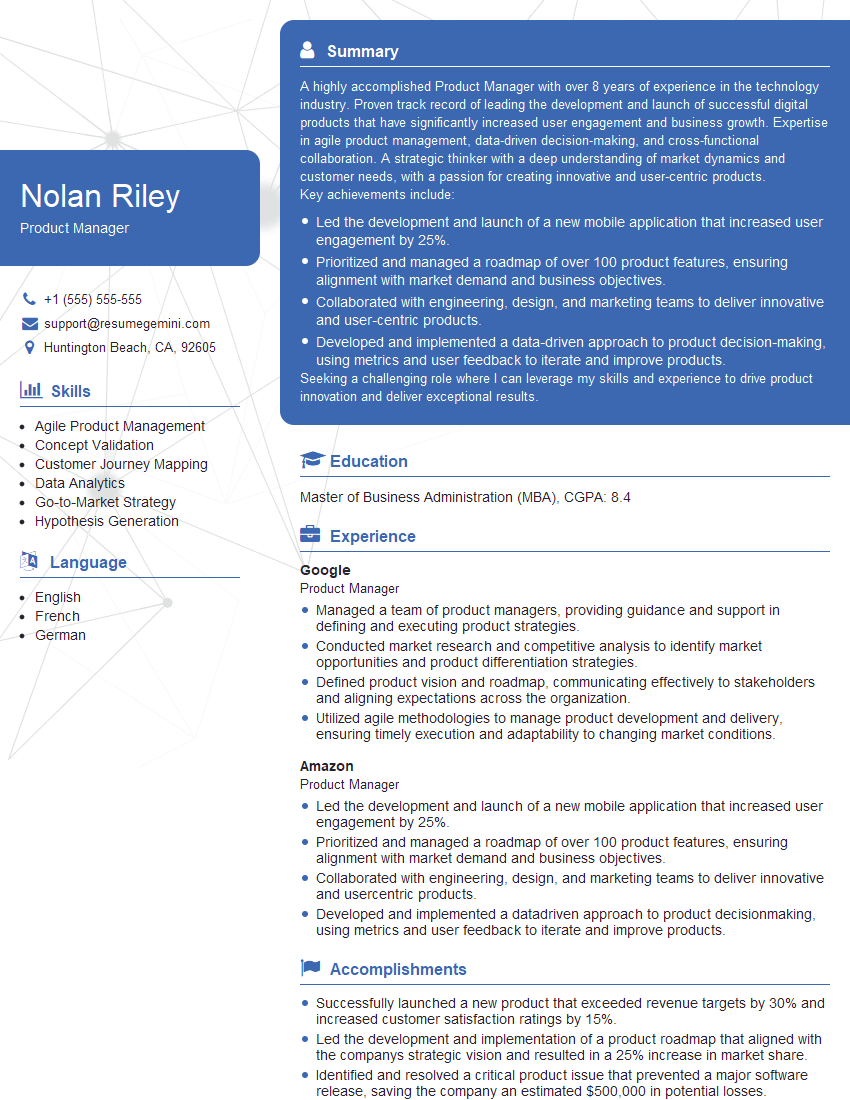
Product Manager Resume Sample
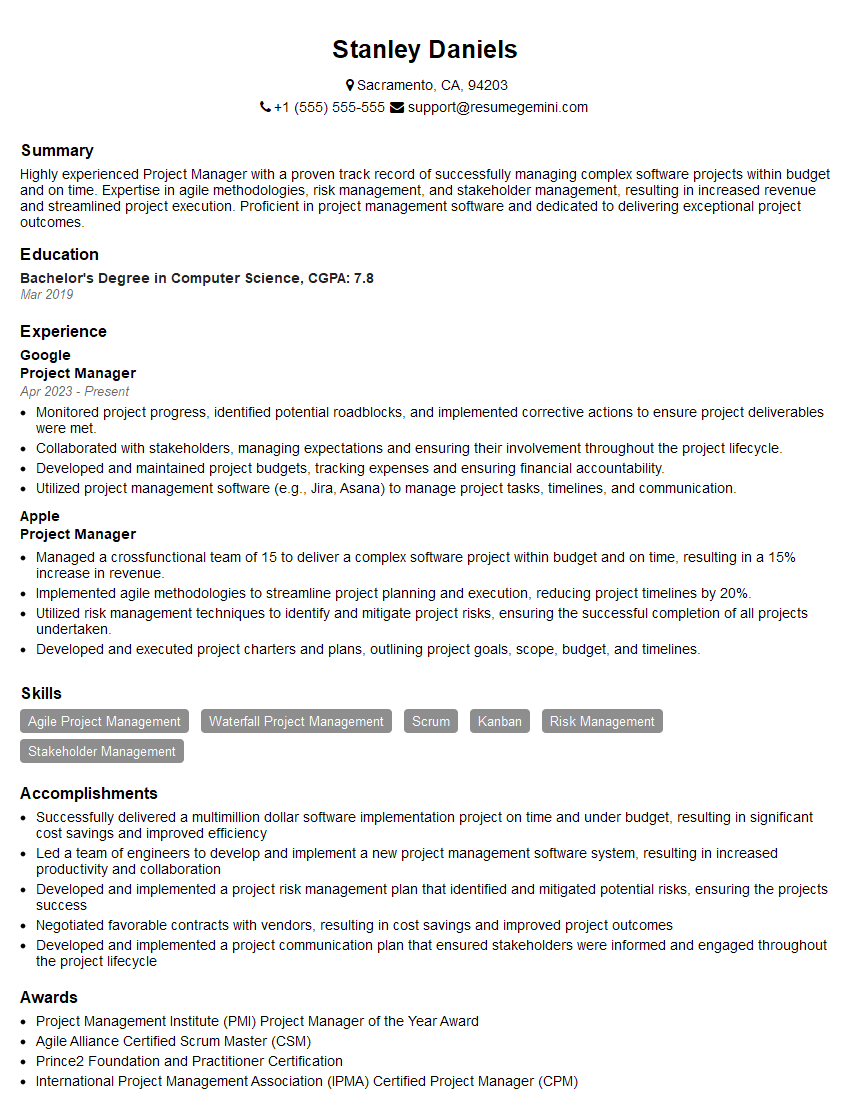
Project Manager Resume Sample
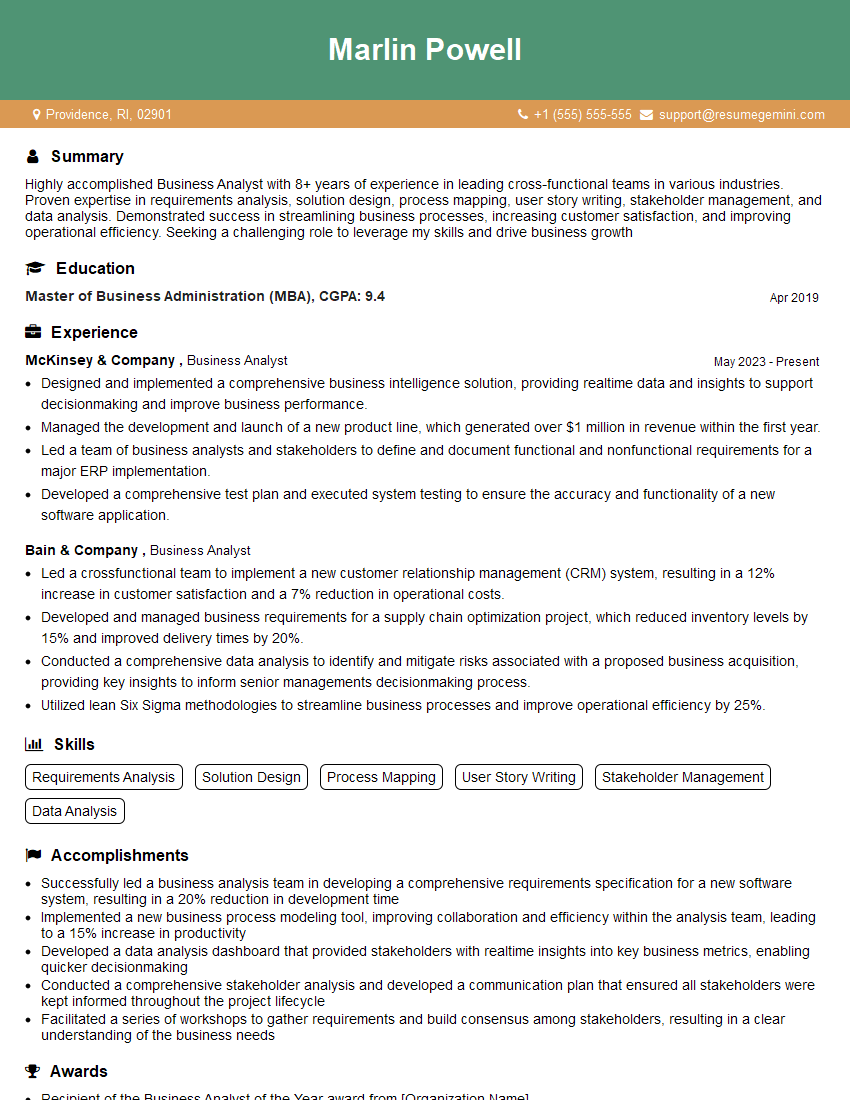
Business Analyst Resume Sample
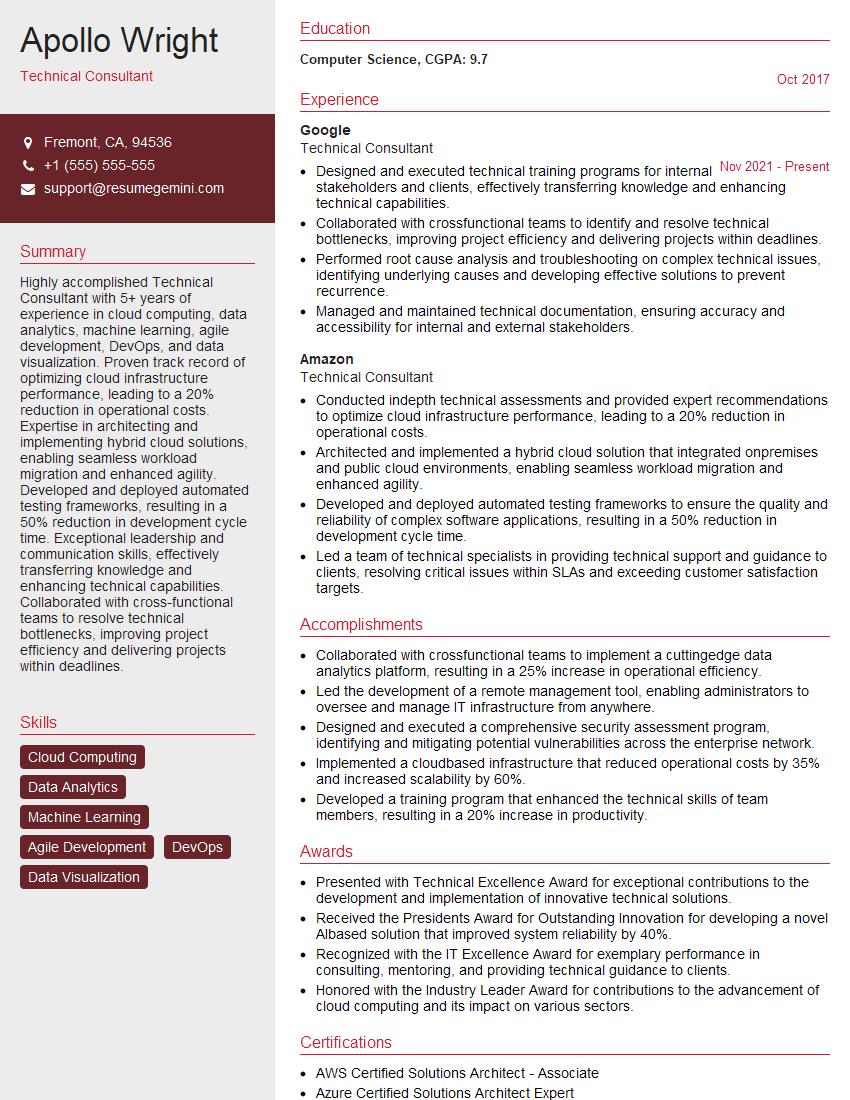
Technical Consultant Resume Sample
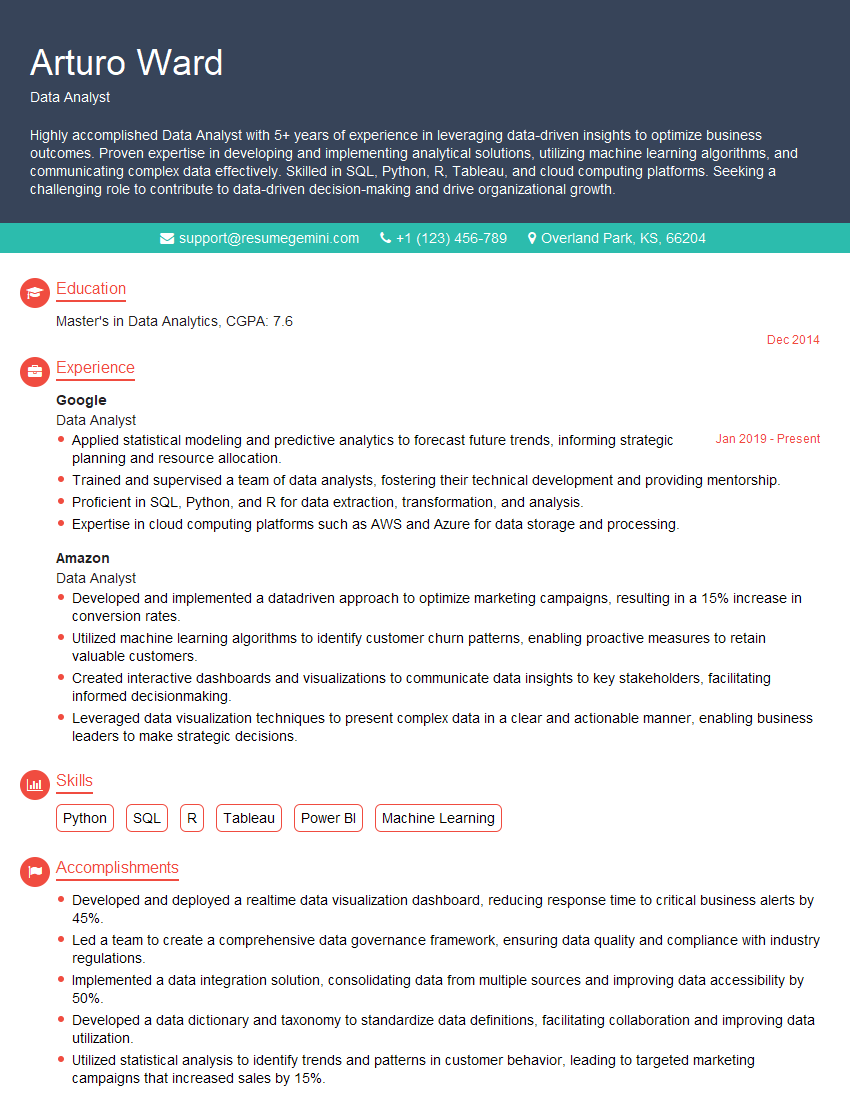
Data Analyst Resume Sample
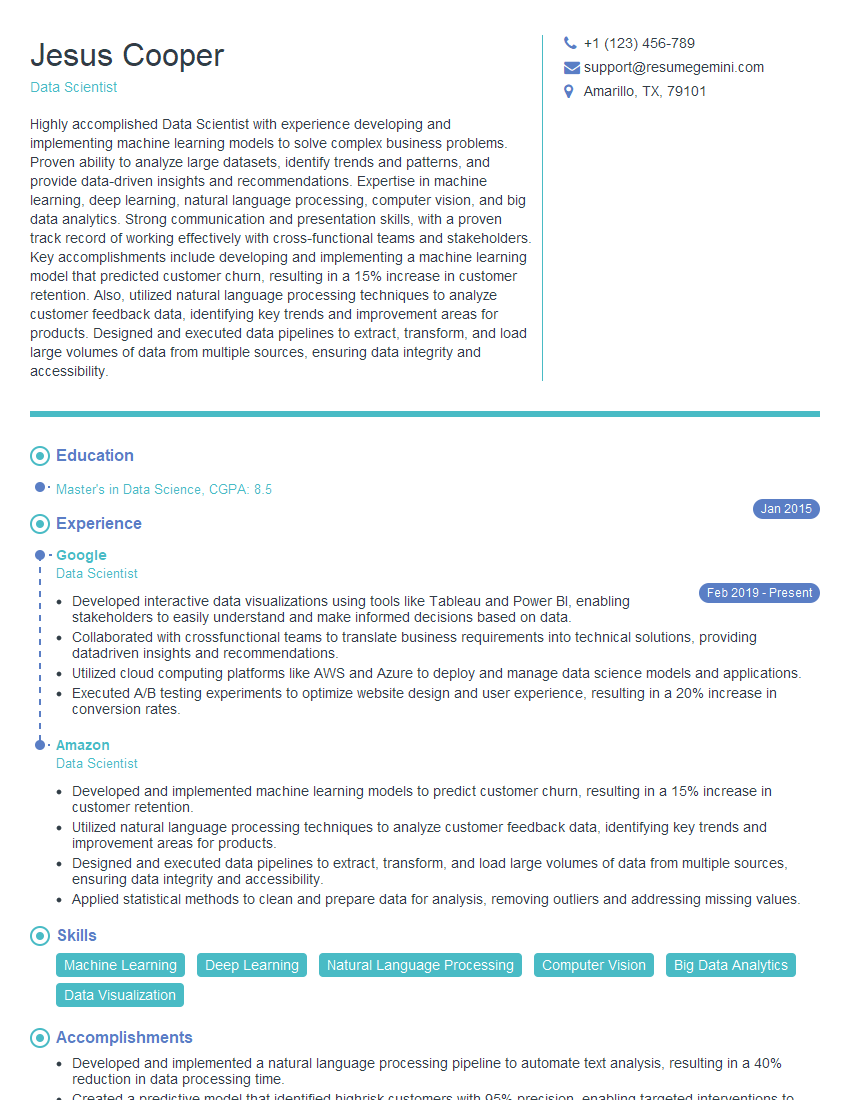
Data Scientist Resume Sample
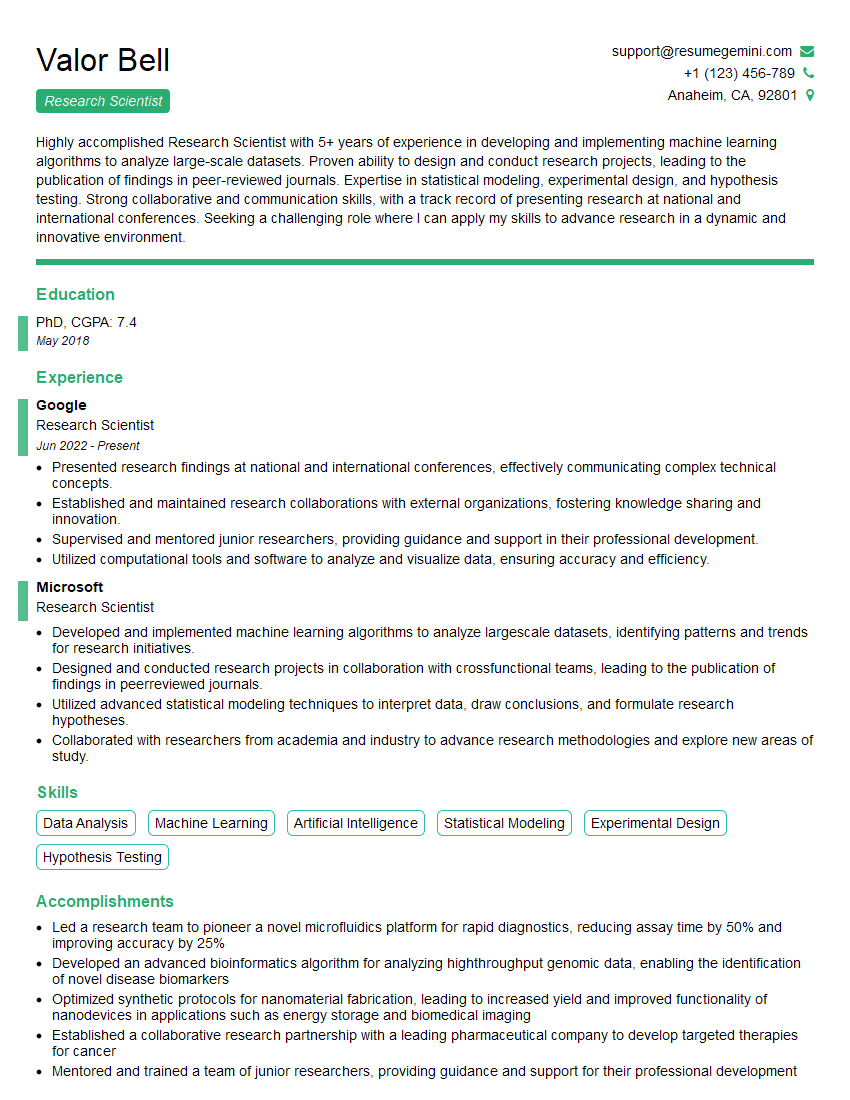
Research Scientist Resume Sample
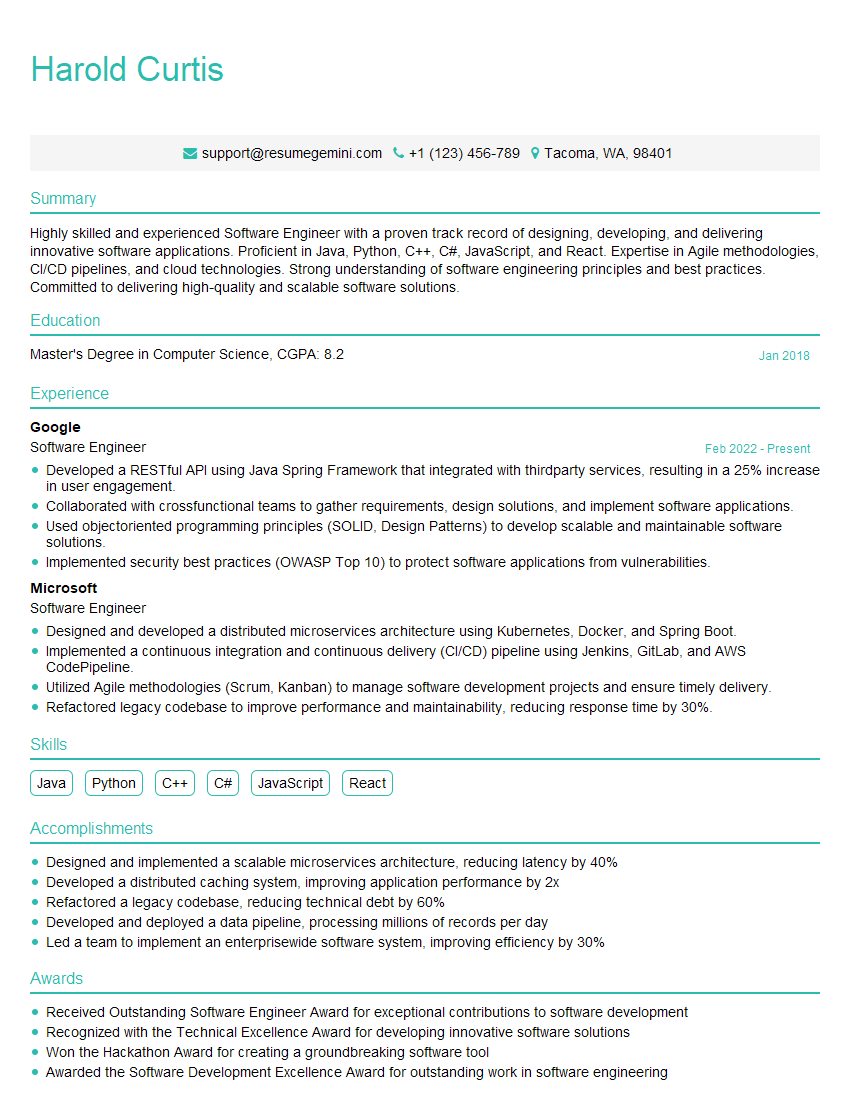
Software Engineer Resume Sample
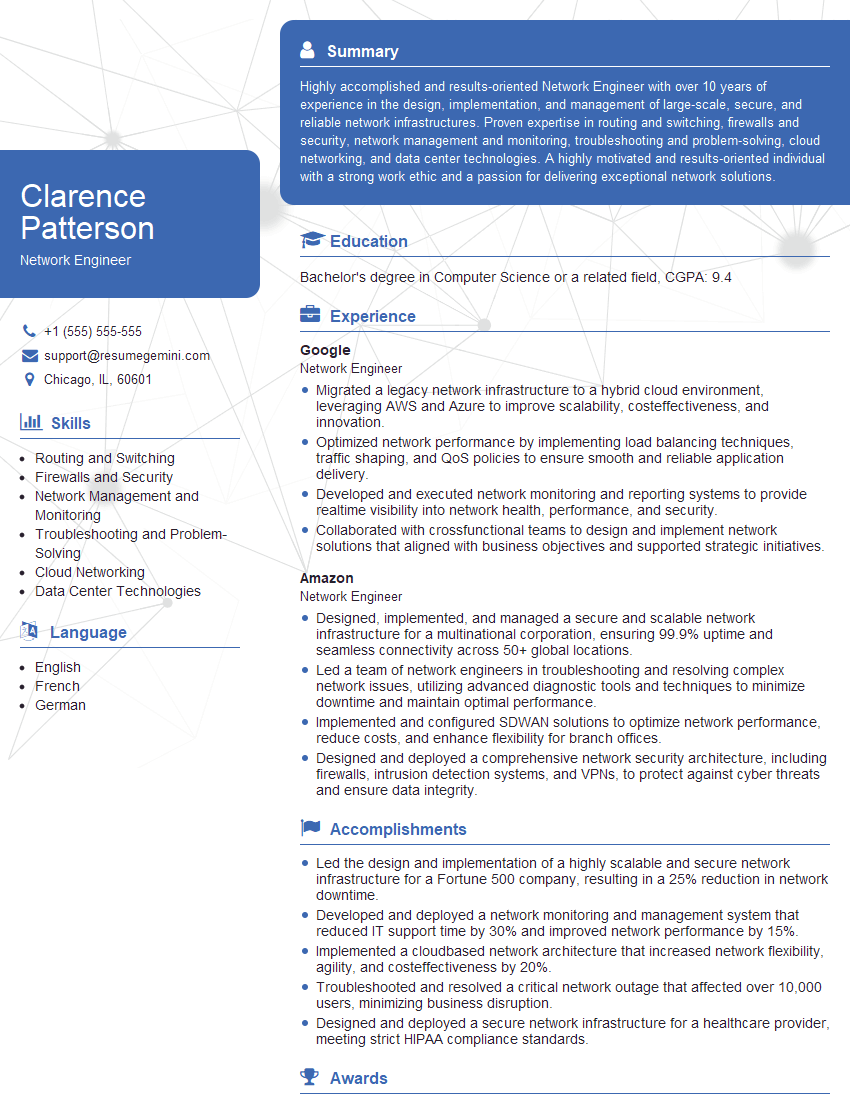
Network Engineer Resume Sample
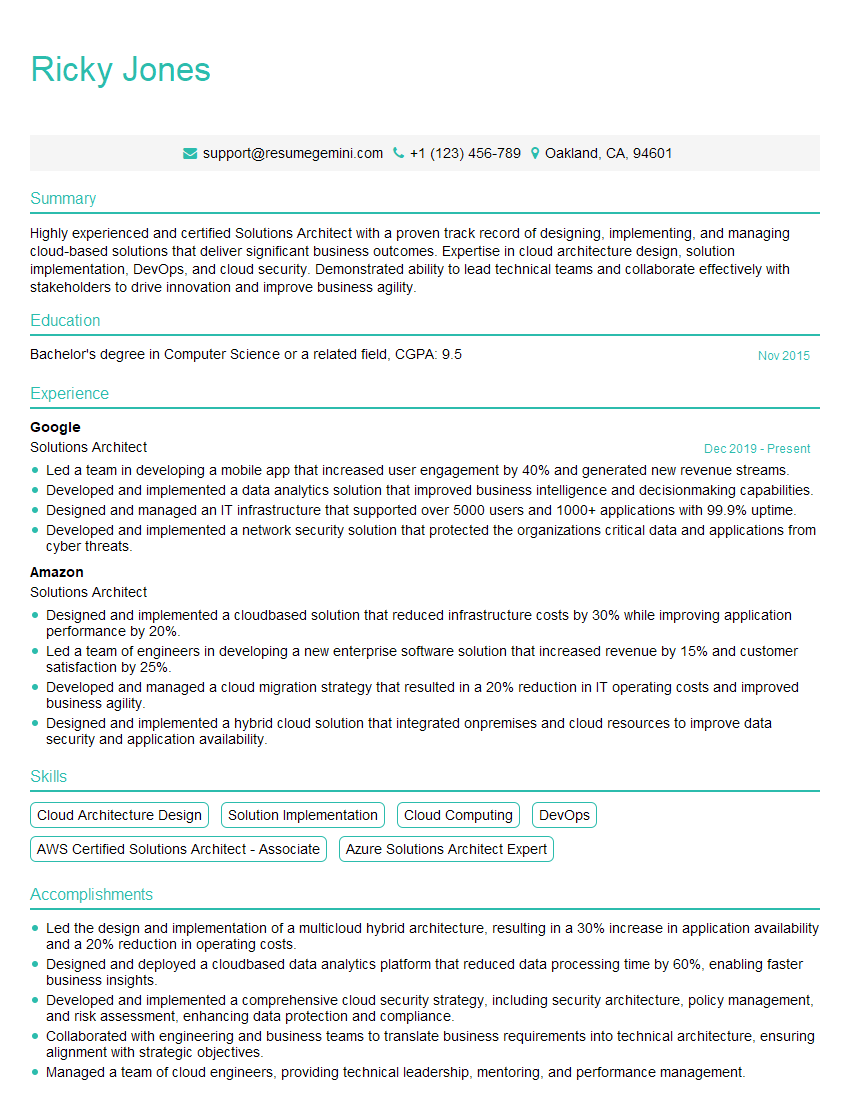
Solutions Architect Resume Sample
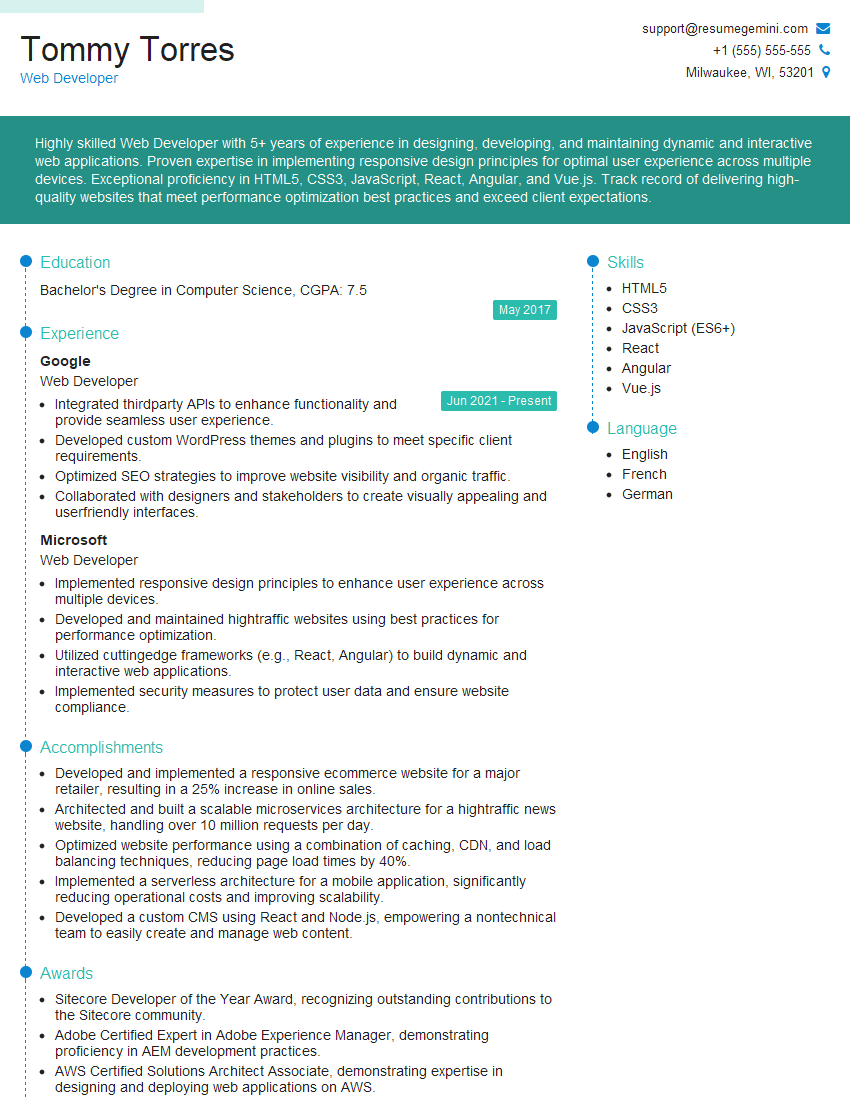
Web Developer Resume Sample
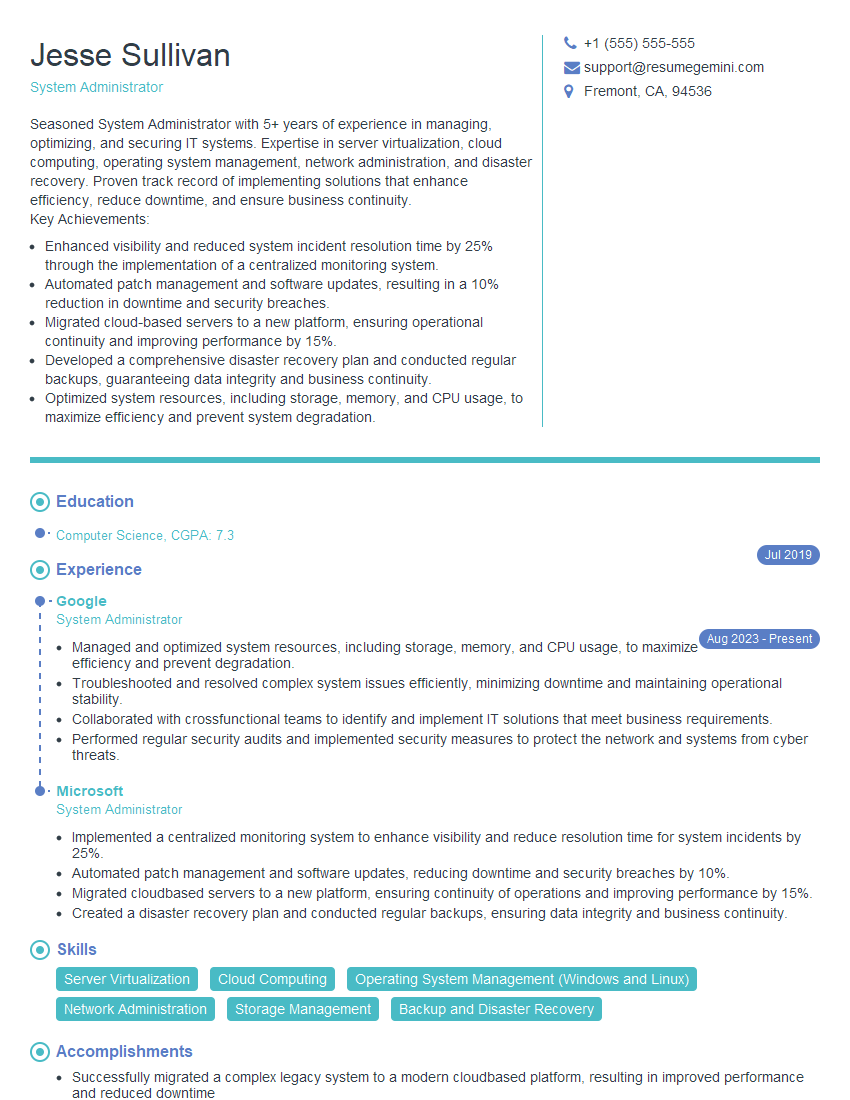
System Administrator Resume Sample
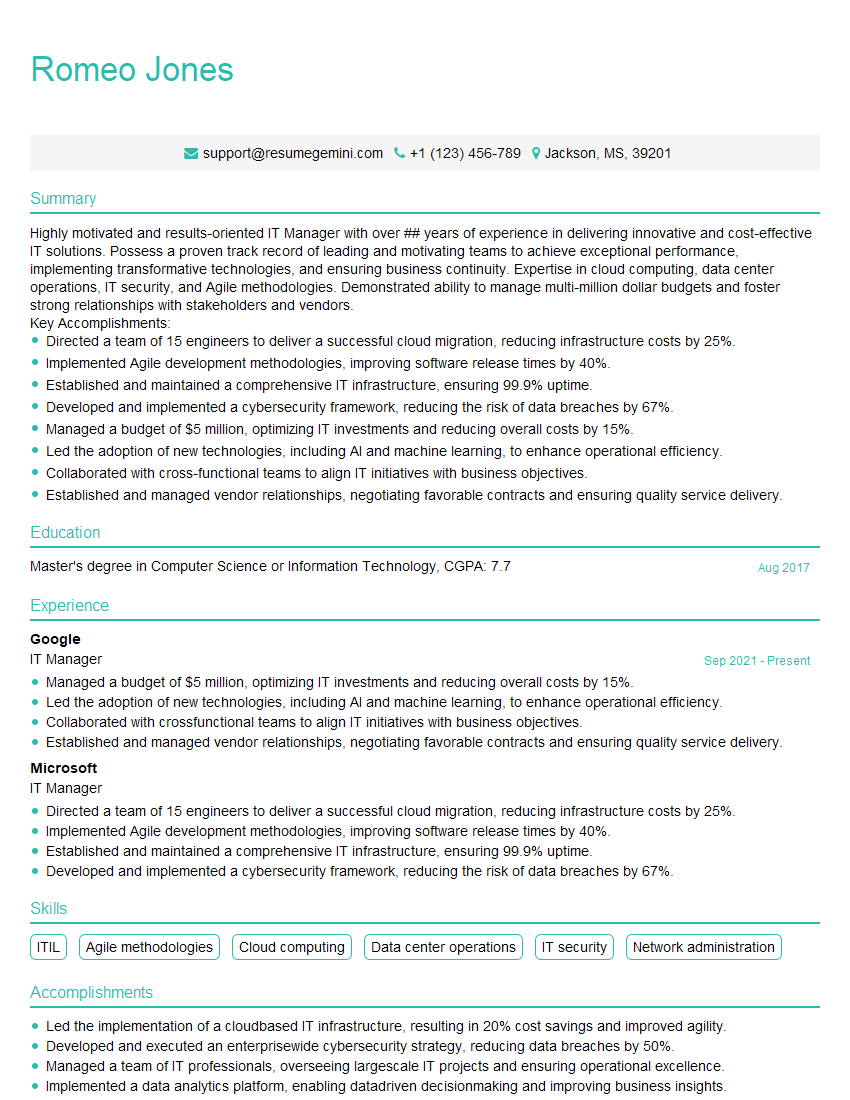
IT Manager Resume Sample

Technical Writer Resume Sample
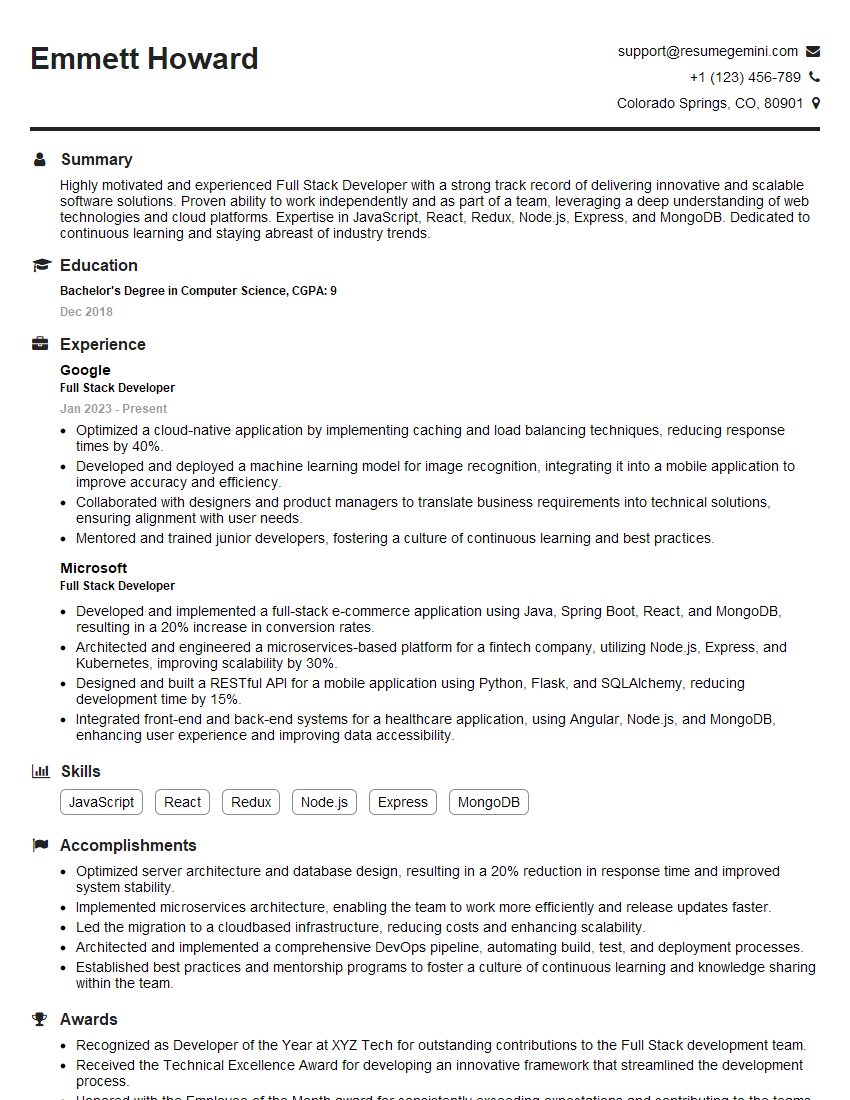
Full Stack Developer Resume Sample
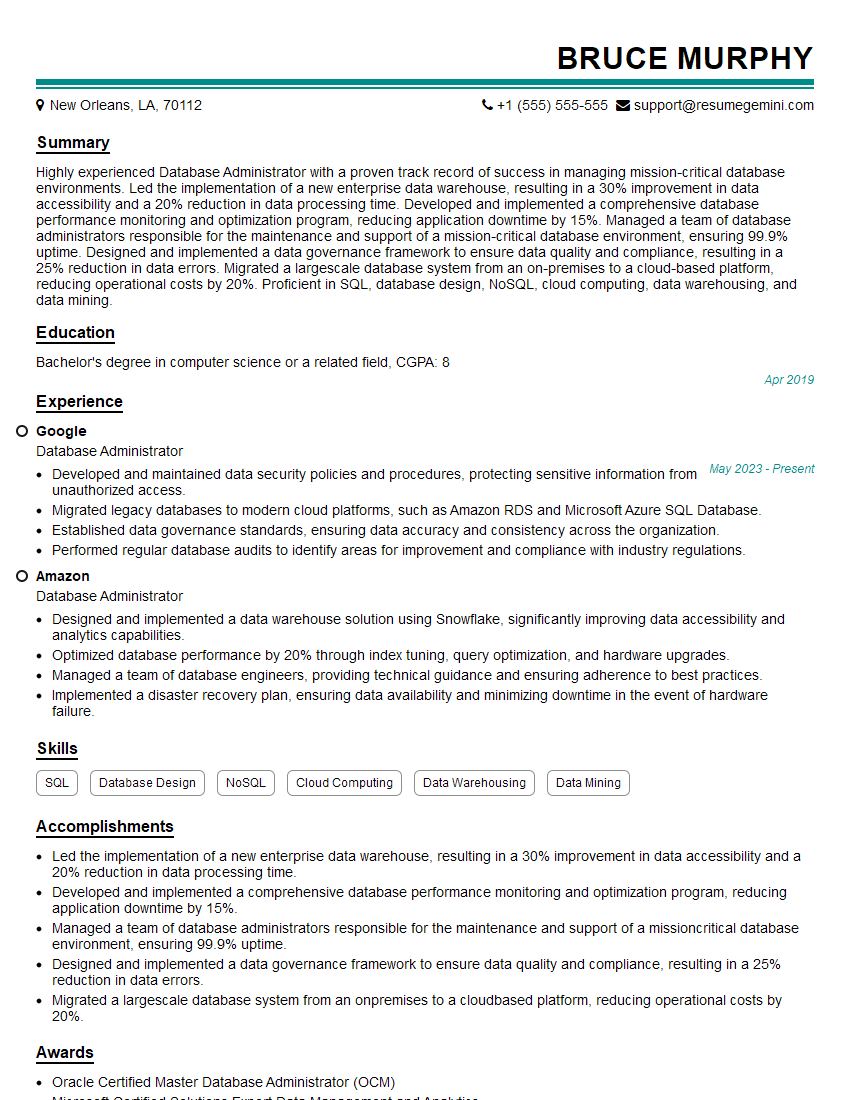
Database Administrator Resume Sample
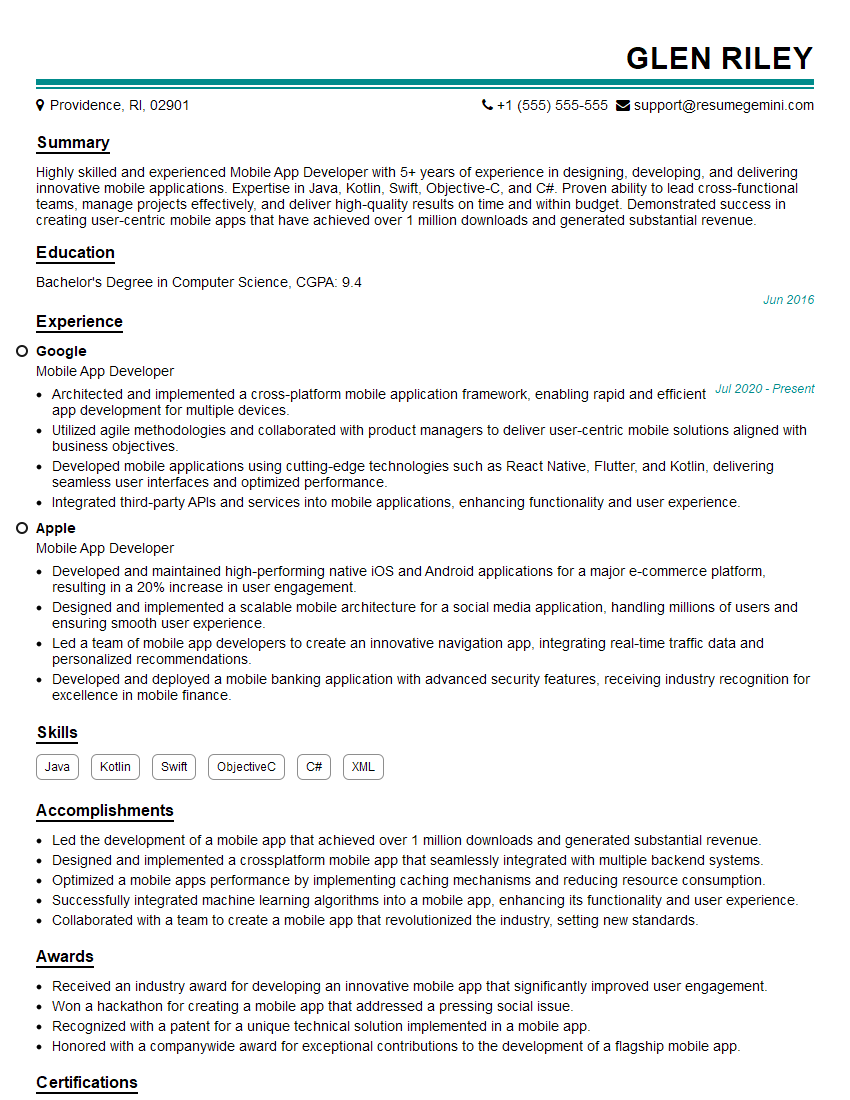
Mobile App Developer Resume Sample
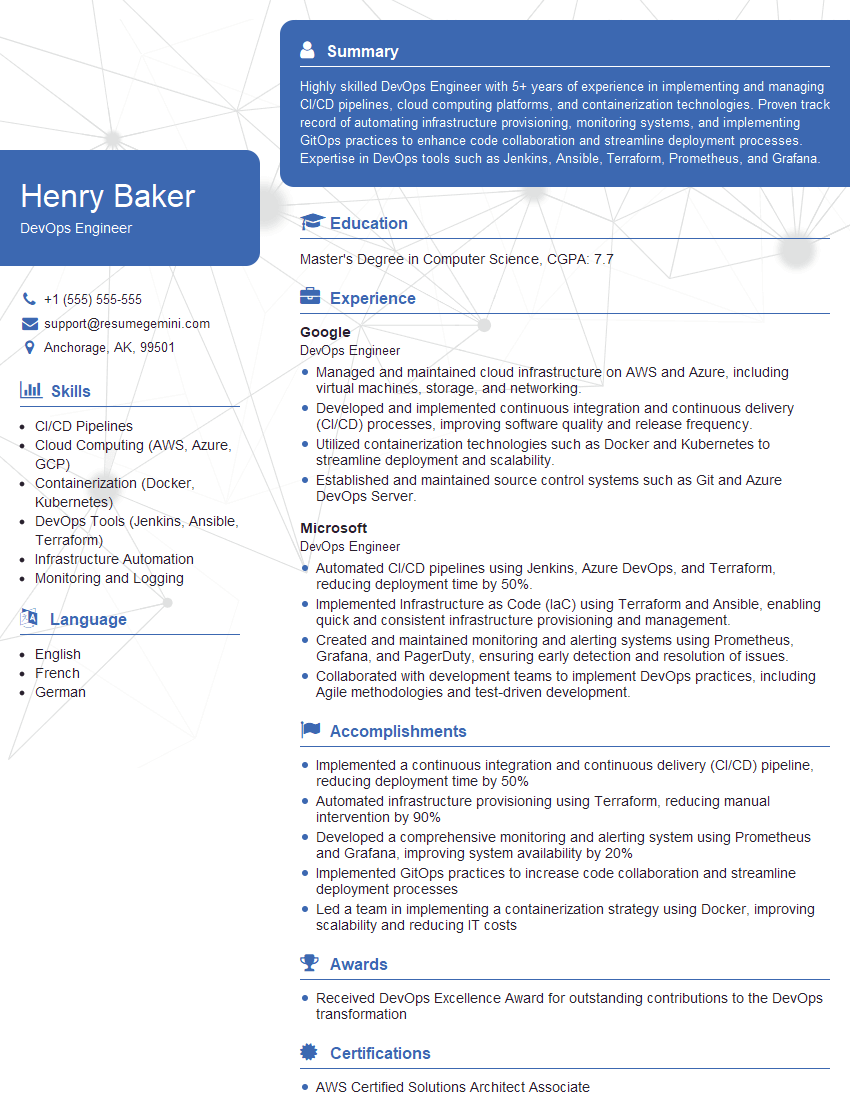
DevOps Engineer Resume Sample
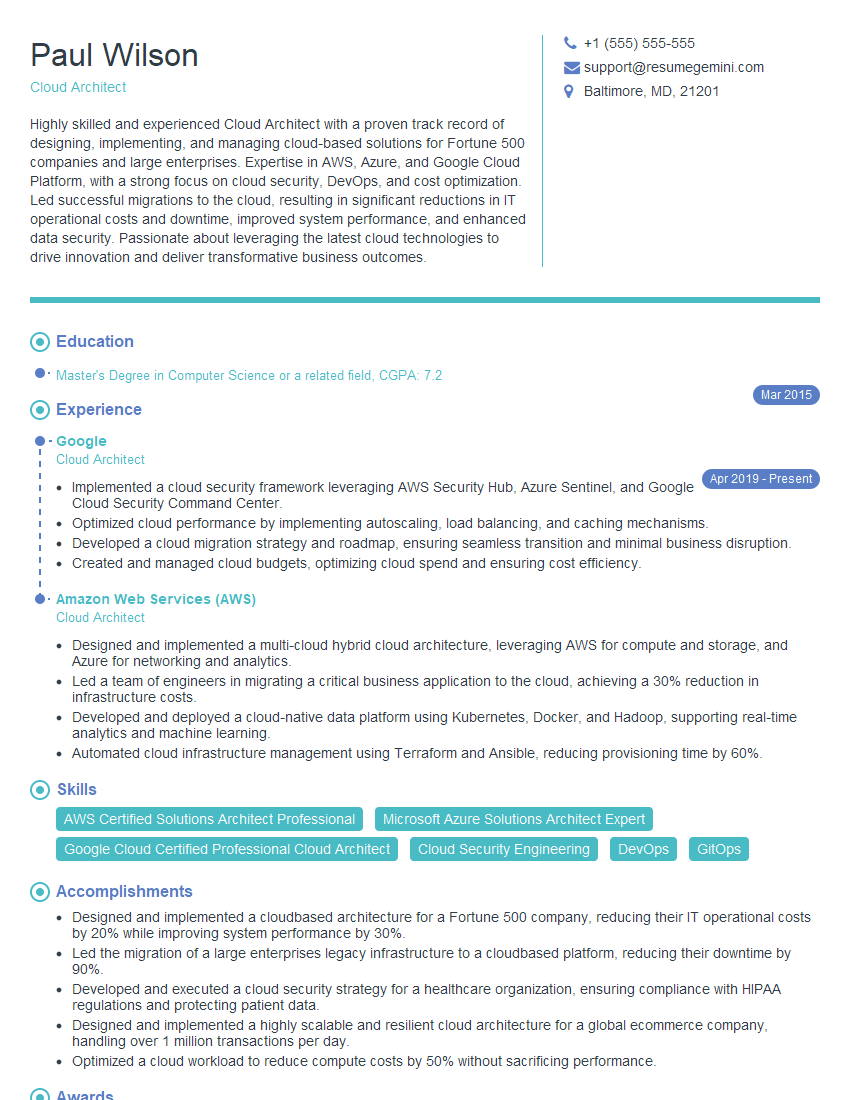
Cloud Architect Resume Sample
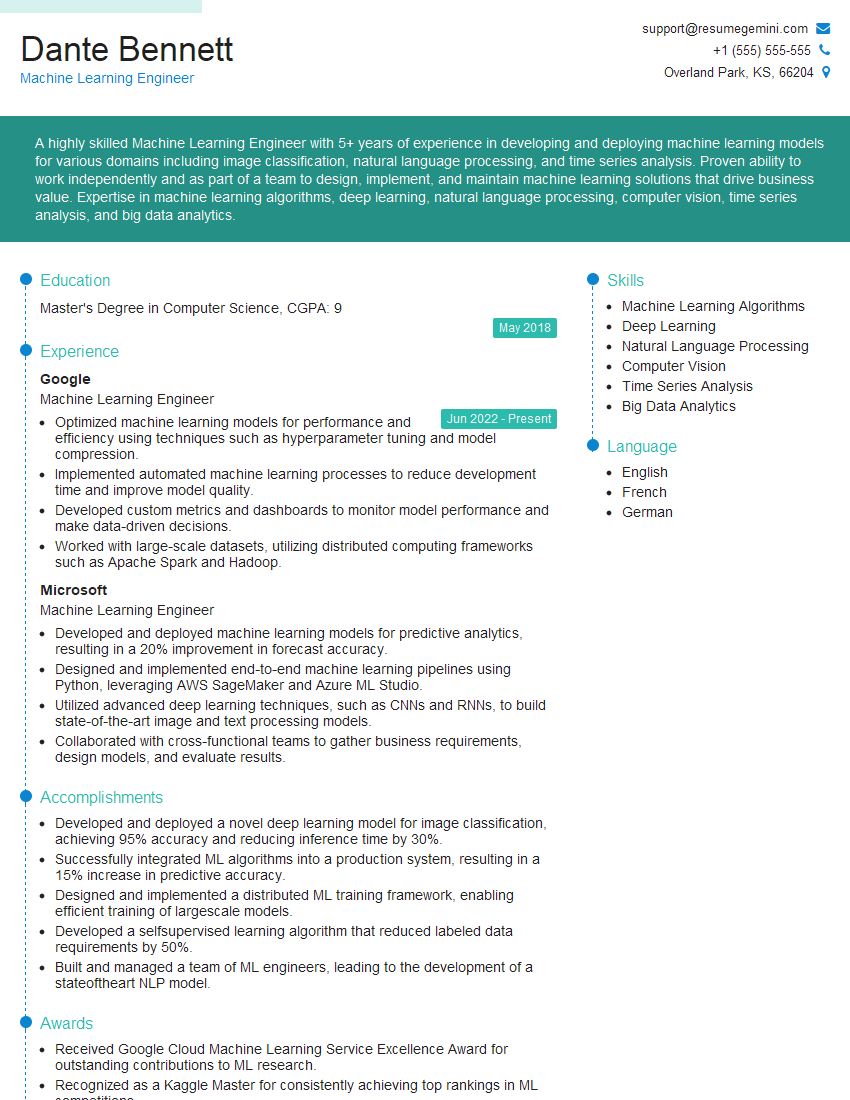
Machine Learning Engineer Resume Sample
- Product Manager
- Project Manager
- Business Analyst
- Technical Consultant
- Data Analyst
- Data Scientist
- Research Scientist
- Software Engineer
- Network Engineer
- Solutions Architect
- Web Developer
- System Administrator
- IT Manager
- Technical Writer
- Full Stack Developer
- Database Administrator
- Mobile App Developer
- DevOps Engineer
- Cloud Architect
- Machine Learning Engineer
Explore more articles
Users Rating of Our Blogs
Share Your Experience
We value your feedback! Please rate our content and share your thoughts (optional).
What Readers Say About Our Blog
Very informative content, great job.
good