Interviews are more than just a Q&A session—they’re a chance to prove your worth. This blog dives into essential Public Health Emergency Response interview questions and expert tips to help you align your answers with what hiring managers are looking for. Start preparing to shine!
Questions Asked in Public Health Emergency Response Interview
Q 1. Describe your experience in developing and implementing public health emergency response plans.
Developing and implementing public health emergency response plans involves a multi-stage process that requires collaboration across various sectors. It begins with a thorough risk assessment identifying potential threats, vulnerabilities, and their potential impact. This informs the development of a comprehensive plan outlining strategies for prevention, preparedness, response, and recovery.
For example, during my time at the [Organization Name], we developed a plan for a potential influenza pandemic. This involved detailed scenarios outlining different pandemic severities, outlining communication strategies, resource allocation protocols (including personnel, equipment, and supplies), and establishing clear lines of authority and communication. The plan also incorporated robust mechanisms for monitoring and evaluating the effectiveness of our response, allowing for continuous improvement. Implementing the plan involved regular drills and training exercises simulating various scenarios, ensuring all personnel are prepared and capable of executing their assigned roles. This iterative process of planning, testing, and refinement is crucial to ensuring a robust and effective emergency response.
- Risk Assessment: Identifying potential threats (e.g., pandemics, natural disasters).
- Plan Development: Defining strategies for prevention, preparedness, response, and recovery.
- Implementation: Conducting drills and training exercises to test the plan’s effectiveness.
- Evaluation & Improvement: Continuously monitoring and improving the plan based on feedback and lessons learned.
Q 2. Explain your understanding of the Incident Command System (ICS).
The Incident Command System (ICS) is a standardized, on-scene, all-hazards incident management system. It provides a common framework for coordinating emergency responses, ensuring efficient and effective resource utilization. ICS operates on five key management functions: Command, Operations, Planning, Logistics, and Finance/Administration. Each function has a designated leader responsible for their respective area. The system emphasizes clear roles and responsibilities, promoting communication and coordination amongst various agencies and organizations involved in the response.
Think of it like a well-oiled machine; each part has a specific role and works together to achieve a common goal. For instance, during a hurricane, the Operations section would manage the rescue and evacuation efforts, while the Logistics section would procure and distribute necessary resources like food, water, and medical supplies. The clear chain of command and unified communication ensure that efforts are not duplicated and that resources are allocated effectively to address the most urgent needs. The flexibility of ICS makes it adaptable to any type of emergency, from a small-scale incident to a large-scale disaster.
Q 3. How would you assess the public health impact of a novel infectious disease outbreak?
Assessing the public health impact of a novel infectious disease outbreak requires a multi-faceted approach, combining epidemiological surveillance data with clinical information and social determinants of health. It involves several key steps:
- Surveillance: Monitoring disease incidence, prevalence, and geographical distribution through case reporting and laboratory testing.
- Epidemiology: Investigating transmission patterns, identifying risk factors, and estimating the reproductive number (R0) to understand the disease’s spread.
- Clinical Characterization: Understanding the disease’s severity, case fatality rate, and potential complications.
- Social Impact Assessment: Evaluating the effects on healthcare systems, the economy, and the overall well-being of the community. This includes understanding factors like access to healthcare, social disparities, and the psychological impact.
For example, during the early stages of the COVID-19 pandemic, assessing the impact involved tracking daily case counts, hospitalizations, and deaths, alongside understanding the virus’s transmissibility and the strain on healthcare facilities. The analysis of social factors, such as disparities in infection rates among different populations, helped to inform targeted interventions. This comprehensive approach informs the development of effective control measures and resource allocation to mitigate the public health impact.
Q 4. What are the key components of a successful mass vaccination campaign?
A successful mass vaccination campaign requires careful planning and execution across multiple stages. Key components include:
- Vaccine Availability and Safety: Ensuring sufficient vaccine supply, effective cold chain management, and addressing any safety concerns through transparent communication.
- Targeting and Prioritization: Identifying high-risk populations and prioritizing vaccination based on epidemiological data and risk assessment.
- Logistics and Infrastructure: Establishing vaccination sites, training vaccinators, and organizing transportation and communication systems.
- Communication and Outreach: Engaging the public through evidence-based information campaigns, addressing vaccine hesitancy, and ensuring equitable access to information.
- Monitoring and Evaluation: Tracking vaccination coverage, adverse events, and the effectiveness of the campaign in reducing disease transmission.
For instance, a successful campaign would involve establishing easily accessible vaccination sites, utilizing diverse communication channels (including social media, community events, and trusted local leaders) to reach different populations. Constant monitoring and data analysis helps identify and address challenges, optimizing the campaign’s efficiency.
Q 5. Describe your experience with risk communication and community engagement during a public health crisis.
Risk communication and community engagement are paramount during a public health crisis. It involves building trust, fostering transparency, and empowering communities to participate in the response. My experience includes developing and delivering clear, consistent, and culturally appropriate messages tailored to specific audiences. I’ve utilized various channels including town hall meetings, social media, and collaborations with community leaders to ensure information reaches all segments of the population.
During a measles outbreak, for example, we utilized community health workers to build trust with hesitant communities. These trusted voices played a pivotal role in disseminating accurate information and addressing concerns. Active listening and incorporating community feedback into our communication strategies ensured the messages were relevant and effective. Building relationships with local leaders and organizations is critical for ensuring community engagement and buy-in, vital for effective crisis response.
Q 6. How would you prioritize resource allocation during a large-scale emergency?
Prioritizing resource allocation during a large-scale emergency requires a systematic approach that balances urgency, impact, and equity. A framework using established criteria, such as the Strategic National Stockpile (SNS) allocation guidelines, can be applied. This involves:
- Needs Assessment: Identifying the most critical needs based on the severity of the event and the vulnerability of the affected population.
- Resource Inventory: Determining the available resources, including personnel, supplies, and equipment.
- Prioritization Matrix: Establishing a framework for ranking resource needs based on factors like life-saving potential, impact on public health, and equity considerations.
- Transparency and Accountability: Ensuring transparency in decision-making and accountability for resource allocation.
Imagine a scenario with limited ventilators during a surge of respiratory illnesses. Prioritization might focus on patients with the highest likelihood of survival and the greatest need, according to established clinical criteria. This process requires ethical considerations, balancing competing needs and maximizing the benefits to the greatest number of people. Transparency is key to maintaining public trust and legitimacy during such difficult times.
Q 7. What is your understanding of surge capacity and how it applies to public health emergencies?
Surge capacity refers to the ability of a healthcare system or public health infrastructure to rapidly expand its capacity to meet increased demand during a public health emergency. This includes increasing staffing levels, expanding hospital bed capacity, procuring additional equipment, and establishing alternative care sites. It’s essentially the ability to ‘scale up’ quickly in response to a crisis.
Think of it like a flexible pipe; during normal times, it operates at a certain capacity. During a surge, the pipe expands to handle a much greater volume of water (patients, in this case). Developing surge capacity involves comprehensive planning, including agreements with local hospitals, alternate care sites, and robust staffing plans. This requires regular drills and training to test preparedness, and collaboration with various stakeholders ensures efficient resource allocation and coordination in a crisis. Without sufficient surge capacity, a system can easily become overwhelmed, leading to compromised care and negative public health outcomes.
Q 8. Describe your experience with data analysis and interpretation in a public health context.
Data analysis is the cornerstone of effective public health emergency response. My experience involves leveraging various statistical methods and software (like R, Python, and SAS) to analyze epidemiological data, surveillance reports, and healthcare utilization patterns. For instance, during the recent influenza outbreak in my previous role, I analyzed daily case counts, age demographics, and geographical distribution to identify hotspots and predict the trajectory of the outbreak. This involved using time-series analysis, spatial mapping, and regression modeling to understand the spread and inform resource allocation. I then presented these findings clearly and concisely using visualizations like charts and maps, ensuring decision-makers understood the implications for public health interventions.
Interpretation is equally crucial. It’s not just about crunching numbers; it’s about contextualizing the data within the broader public health landscape, considering factors like socioeconomic disparities, access to healthcare, and existing vulnerabilities. For example, noticing a disproportionate number of cases in a low-income neighborhood might suggest the need for targeted interventions to address health inequities alongside broader public health measures.
Q 9. Explain your familiarity with relevant public health legislation and regulations.
My familiarity with public health legislation and regulations is extensive. I have a deep understanding of federal laws like the Public Health Service Act and state-level regulations governing disease surveillance, emergency preparedness, and data privacy (HIPAA). I’m also well-versed in international health regulations set by the World Health Organization (WHO), including the International Health Regulations (IHR). For example, during the Zika virus outbreak, I ensured all our data collection and response strategies were compliant with both national and international regulations, including ethical considerations surrounding data sharing and informed consent. Understanding these legal frameworks is crucial to navigate the complex ethical and operational considerations during a public health emergency, ensuring that our actions are both effective and legally sound.
Q 10. How would you manage ethical dilemmas arising from a public health crisis?
Ethical dilemmas are inevitable in public health crises. My approach involves a structured framework: first, identifying the ethical conflict; second, gathering all relevant facts and perspectives; third, consulting relevant ethical guidelines and legal frameworks; fourth, weighing competing values and potential consequences; and finally, documenting the decision-making process and its rationale. For example, during a resource scarcity situation, we may face the dilemma of prioritizing certain groups over others. This requires careful consideration of ethical principles like fairness, justice, and beneficence, potentially using frameworks like utilitarianism or deontology to guide the decision. Transparency and open communication with all stakeholders are paramount in navigating such complexities.
Q 11. What are your strategies for managing stress and burnout during a prolonged emergency response?
Managing stress and burnout during a prolonged emergency response is crucial for both individual well-being and effective performance. My strategies include prioritizing self-care, such as maintaining a healthy diet, regular exercise, and sufficient sleep. Building strong support networks with colleagues and family is vital. I also utilize stress-management techniques such as mindfulness and meditation. Furthermore, recognizing the importance of debriefing sessions and taking breaks is essential. It’s crucial to remember that effective response requires a sustainable approach, not just short bursts of intense effort, and that taking care of oneself is an act of responsibility, not indulgence.
Q 12. How do you ensure effective communication and collaboration among multiple agencies during a response?
Effective communication and collaboration are absolutely essential during a public health emergency. My approach focuses on establishing clear communication channels and protocols from the outset, leveraging tools like incident command systems and regular multi-agency meetings. I advocate for establishing a shared communication platform where all relevant agencies can access real-time updates and relevant information. This needs to be complemented by clear roles and responsibilities to prevent duplication of effort and ensure coordination. Transparency and trust are paramount. Regular feedback mechanisms allow for the identification and resolution of communication gaps and encourage collaborative problem-solving. For example, during a pandemic, this might involve daily conference calls with representatives from the CDC, local health departments, and hospitals.
Q 13. Describe your experience with the development and implementation of health education campaigns.
Developing and implementing health education campaigns is a significant part of my experience. My approach involves a thorough understanding of the target audience, their health literacy levels, and their cultural contexts. This understanding helps tailor messages and delivery channels to be effective. For example, during a campaign promoting vaccination, I wouldn’t use the same strategies for communicating with young adults as with older adults. We use various channels such as social media, community outreach programs, print materials, and public service announcements. Evaluative methods, including pre- and post-campaign surveys, help assess the effectiveness and make necessary adjustments. We also use storytelling and real-life examples to make the message relatable and impactful, enhancing knowledge and influencing positive behavior change.
Q 14. How would you conduct a needs assessment in the aftermath of a disaster?
A needs assessment after a disaster is a systematic process to identify the immediate and long-term health needs of the affected population. This involves data collection through various methods, including surveys, interviews, focus groups, and existing data sources. I would first assess the extent of the damage, prioritize urgent needs like access to clean water, food, shelter, and medical care. Next, I would assess the impact on essential health services like hospitals, clinics, and pharmacies. The next step would involve engaging with community leaders and healthcare providers to gain insights into the specific needs of the vulnerable populations, such as older adults, children, and individuals with disabilities. The findings would then be used to guide the allocation of resources and development of tailored interventions, ensuring that support is responsive and effective.
Q 15. Describe your familiarity with different types of infectious disease outbreaks.
Infectious disease outbreaks vary widely in their characteristics, impacting response strategies. We categorize them based on several factors, including the causative agent (virus, bacteria, parasite, etc.), mode of transmission (airborne, contact, vector-borne), incubation period, severity of illness, and geographic spread.
- Pandemic Influenza: Like the 2009 H1N1 pandemic, these outbreaks spread globally, causing significant morbidity and mortality. Response requires international collaboration and widespread vaccination campaigns.
- Emerging Infectious Diseases: These are newly identified or rapidly spreading diseases like Ebola or Zika virus. Their novelty requires rapid diagnostic development, infection control protocols, and public health communication to manage fear and uncertainty.
- Foodborne Outbreaks: Caused by contaminated food, these can range from localized incidents to widespread illness. Tracing the source of contamination and implementing food safety measures are crucial.
- Waterborne Outbreaks: Similar to foodborne outbreaks, these often involve contaminated water supplies and require rapid identification of the source and implementation of water purification and treatment.
- Vector-borne Diseases: Spread through vectors like mosquitoes (malaria, dengue) or ticks (Lyme disease), these require vector control measures, along with personal protective measures.
My experience encompasses all these types, demanding adaptability and a strong understanding of epidemiology and public health interventions.
Career Expert Tips:
- Ace those interviews! Prepare effectively by reviewing the Top 50 Most Common Interview Questions on ResumeGemini.
- Navigate your job search with confidence! Explore a wide range of Career Tips on ResumeGemini. Learn about common challenges and recommendations to overcome them.
- Craft the perfect resume! Master the Art of Resume Writing with ResumeGemini’s guide. Showcase your unique qualifications and achievements effectively.
- Don’t miss out on holiday savings! Build your dream resume with ResumeGemini’s ATS optimized templates.
Q 16. Explain your understanding of epidemiological surveillance methods.
Epidemiological surveillance is the ongoing systematic collection, analysis, interpretation, and dissemination of data regarding the health of a population. It’s the cornerstone of preventing and controlling outbreaks. It involves several key methods:
- Passive Surveillance: Routine reporting of cases by healthcare providers to public health agencies. Think of it as a regular check-up on the health of a community. It’s relatively inexpensive but might miss less-obvious cases.
- Active Surveillance: Proactive search for cases, often during an outbreak. This involves contacting healthcare providers, conducting surveys, and reviewing hospital records. It’s more resource-intensive but crucial during outbreaks.
- Syndromic Surveillance: Monitoring non-specific indicators like emergency room visits for fever or influenza-like illness. This allows for early detection of potential outbreaks even before specific diagnoses are confirmed.
- Laboratory Surveillance: Testing specimens for specific pathogens. This provides confirmation of diagnoses and allows tracking of antibiotic resistance or viral mutations.
Effective surveillance requires robust data systems, collaboration between healthcare providers and public health agencies, and data analysis expertise to identify trends and patterns.
Q 17. How would you identify and address health disparities during an emergency response?
Health disparities – inequities in health outcomes based on factors like race, ethnicity, socioeconomic status, geography, and disability – are exacerbated during emergencies. Ignoring these leads to poorer outcomes for vulnerable populations.
Addressing these requires:
- Needs Assessment: Understanding the specific needs and vulnerabilities of different communities through surveys, focus groups, and key informant interviews.
- Targeted Interventions: Developing culturally appropriate and accessible interventions tailored to the specific needs of each community. This might involve language translation services, culturally sensitive communication strategies, or accessible healthcare facilities.
- Equitable Resource Allocation: Ensuring equitable distribution of resources (medical supplies, personnel, information) to all communities based on their needs, not just their ability to access resources.
- Community Engagement: Active partnership with community leaders and organizations to design and implement interventions that meet community needs and build trust.
For example, during a hurricane, ensuring sufficient transportation and shelters for elderly individuals or those with disabilities is paramount. Language barriers can also prevent vulnerable populations from receiving critical information.
Q 18. What is your experience with contact tracing and its importance in containing outbreaks?
Contact tracing is the process of identifying, assessing, and managing people who have been in close contact with someone infected with a contagious illness. It’s vital in controlling outbreaks by breaking the chain of transmission.
My experience includes:
- Identifying contacts: Through interviews with the infected individual, reviewing their social interactions, and leveraging digital tools (if available).
- Contact assessment: Determining the risk level of each contact based on the nature and duration of the exposure. High-risk contacts require closer monitoring and quarantine.
- Managing contacts: Providing guidance on isolation, quarantine, monitoring for symptoms, and testing. This often involves daily check-ins and close follow-up. Providing supportive care, particularly for vulnerable populations, is critical here.
During the COVID-19 pandemic, contact tracing played a significant role in reducing transmission rates, particularly in localized outbreaks.
Q 19. How do you evaluate the effectiveness of a public health intervention?
Evaluating the effectiveness of a public health intervention requires a multi-faceted approach using quantitative and qualitative methods. We need to compare what happened with the intervention against a counterfactual – what would have happened without the intervention.
This involves:
- Defining clear objectives and measurable indicators: Before implementing any intervention, we define what we intend to achieve and how we will measure success (e.g., reduction in incidence, mortality rates, hospitalization rates).
- Data collection and analysis: Collecting relevant data, both before and after the intervention, to measure the impact. This often involves statistical analysis to assess significance.
- Qualitative data gathering: Collecting feedback from the communities through surveys, interviews or focus groups to understand the intervention’s effects on people’s lives.
- Comparison with comparable populations or previous periods: Using appropriate comparison groups to assess the effects of the intervention, isolating its contribution to any observed changes.
- Cost-effectiveness analysis: Assessing the resources used versus the health gains achieved.
For example, evaluating a vaccination campaign would involve comparing vaccination rates, disease incidence rates, and hospitalization rates in vaccinated and unvaccinated populations.
Q 20. Describe your experience with coordinating logistical support during an emergency response.
Coordinating logistical support during emergencies is critical for successful response. It involves managing resources effectively, ensuring their timely delivery to those who need them.
My experience includes:
- Resource allocation: Determining the needs for medical supplies, equipment, personnel, and communication systems, based on the situation and needs assessment.
- Procurement and distribution: Procuring necessary resources through various channels (national stockpile, international partners, commercial vendors) and ensuring their timely and efficient distribution to affected areas.
- Transportation and warehousing: Managing transportation logistics, warehousing of supplies, and maintaining inventory records.
- Collaboration with partners: Working effectively with various stakeholders such as government agencies, NGOs, military, and private sector to ensure efficient supply chain management.
During a large-scale disaster, coordinating efficient transportation and storage of medical supplies and ensuring access to communication infrastructure becomes paramount to avoid delays.
Q 21. How would you communicate risk effectively to the public during a crisis?
Effective risk communication during a crisis is vital for public trust and cooperation. It requires clear, consistent, and timely information that is tailored to the specific audience.
My approach involves:
- Understanding the audience: Tailoring communication to the specific needs and understanding of different demographics (age, education, language).
- Transparency and honesty: Providing clear and accurate information, acknowledging uncertainties, and addressing public concerns openly.
- Consistent messaging: Ensuring consistent messages across different platforms and channels to avoid confusion.
- Multi-channel approach: Using various communication channels (social media, traditional media, community outreach) to reach the widest audience.
- Active listening: Engaging with the community to understand their concerns and tailor communications accordingly.
- Providing actionable advice: Giving practical steps people can take to protect themselves and others.
During a pandemic, for example, communicating the risks of the virus, the effectiveness of preventive measures (like mask-wearing and vaccination), and the importance of testing and contact tracing are crucial for fostering public trust and compliance.
Q 22. What are your strategies for ensuring the security and integrity of health data?
Ensuring the security and integrity of health data during a public health emergency is paramount. It requires a multi-layered approach encompassing technical, administrative, and physical safeguards. Think of it like protecting a highly valuable asset – you need robust locks (technical), clear procedures (administrative), and a secure vault (physical).
Technical Safeguards: This involves employing robust encryption methods for data at rest and in transit, implementing strong access control measures (role-based access control or RBAC is crucial), utilizing intrusion detection and prevention systems, and regularly updating software to patch vulnerabilities. For example, using AES-256 encryption for sensitive data ensures that even if data is breached, it remains unreadable without the decryption key.
Administrative Safeguards: This focuses on policies and procedures. A comprehensive data security policy outlining data access protocols, incident response plans, and employee training is essential. Regular audits and risk assessments should be conducted to identify and mitigate potential weaknesses. For instance, conducting regular phishing simulations helps educate staff on recognizing and avoiding malicious emails that could compromise data.
Physical Safeguards: This covers the physical environment where data is stored. This includes secure servers housed in controlled-access facilities, regular backups stored off-site in a secure location, and strict access control to physical equipment. Think of it as having a secure server room with biometric access and 24/7 surveillance.
Ultimately, a robust data security strategy requires a commitment to continuous improvement, adapting to evolving threats and best practices. Compliance with regulations like HIPAA (in the US) or GDPR (in Europe) is also critical.
Q 23. Describe your experience with working in a crisis environment.
My experience in crisis environments has been extensive, encompassing roles in both response and recovery phases of multiple public health emergencies, including outbreaks of infectious diseases and natural disasters. I’ve worked under immense pressure, coordinating teams, managing resources, and making rapid decisions in situations with limited information.
For example, during a large-scale influenza pandemic simulation, I was responsible for resource allocation – prioritizing vaccine distribution based on vulnerability and projected impact. This required real-time data analysis and constant communication with various stakeholders, including healthcare providers, government agencies, and community leaders. The experience highlighted the importance of clear communication, adaptable strategies, and the ability to remain calm and focused under stress.
In another instance, during a significant earthquake, I was involved in establishing temporary healthcare facilities, ensuring the continuity of essential health services in the affected region. This involved coordinating logistical support, managing medical supplies, and addressing psychological needs of the displaced population.
These experiences have equipped me with a deep understanding of the complexities of crisis management, including the human element involved. It’s not just about numbers and logistics; it’s about supporting people through their most challenging times.
Q 24. How do you maintain your professional competence in the field of public health emergency response?
Maintaining professional competence in this dynamic field is crucial. I achieve this through a multi-pronged approach:
Continuing Education: I actively participate in professional development opportunities, including attending conferences, webinars, and workshops focused on the latest advancements in public health emergency response. This allows me to stay updated on emerging infectious diseases, crisis management strategies, and technological innovations.
Networking: I engage with colleagues and experts through professional organizations, such as the CDC or WHO, to share best practices and learn from their experiences. This fosters collaboration and facilitates the exchange of valuable knowledge.
Independent Study: I regularly review peer-reviewed journals and research articles to stay abreast of new research findings and evidence-based practices. This ensures my interventions are grounded in the latest scientific knowledge.
Simulation Exercises: Participation in simulations allows me to test my skills and knowledge in a controlled environment. This provides invaluable hands-on experience and allows for continuous improvement.
This ongoing commitment to learning and development ensures I can effectively address the evolving challenges in public health emergency response.
Q 25. What are your strengths and weaknesses in relation to this role?
My strengths lie in my strategic thinking, problem-solving abilities, and leadership skills. I’m adept at quickly analyzing complex situations, formulating effective plans, and motivating teams to achieve common goals even under pressure. My experience managing large-scale projects and coordinating diverse stakeholders has honed these skills.
One area I’m continually working to improve is my delegation skills. While I’m comfortable taking on a significant workload, I recognize the importance of effectively delegating tasks to empower others and maximize team efficiency. I actively seek opportunities to refine this skill through mentoring and feedback.
Q 26. Describe a time you had to make a difficult decision during a crisis.
During a severe outbreak of a novel virus, I faced the difficult decision of implementing a mandatory quarantine for a large population. This was a challenging choice because it involved significant limitations on personal freedoms and potential economic consequences. However, I assessed the epidemiological data and potential public health implications, concluding that containing the outbreak outweighed other considerations.
My decision-making process involved:
Data Analysis: Carefully reviewing epidemiological data, infection rates, and projected mortality rates.
Risk Assessment: Weighing the risks of implementing the quarantine against the risks of inaction.
Stakeholder Consultation: Engaging with public health officials, community leaders, and legal experts to assess the feasibility and ethical implications.
Transparency and Communication: Ensuring clear and consistent communication with the affected population to explain the rationale behind the decision and address their concerns.
While the decision was met with some resistance, ultimately, it contributed significantly to controlling the outbreak and saving lives. The experience reinforced the importance of evidence-based decision-making, transparency, and empathy in navigating difficult ethical dilemmas during a crisis.
Q 27. How would you handle conflicting priorities during a public health emergency?
Handling conflicting priorities during a public health emergency requires a structured and prioritized approach. Imagine it like triage in a hospital – you need to focus on the most critical cases first. I would use a framework that combines urgency, impact, and feasibility:
Prioritization Matrix: I would use a matrix to rank competing priorities based on their urgency (immediate vs. long-term) and impact (lives saved, widespread infection prevention, etc.).
Resource Allocation: Allocate resources (personnel, equipment, funding) based on the prioritized tasks. This might involve reallocating resources from less critical activities to more urgent ones.
Clear Communication: Transparency is crucial. I would communicate the rationale for decisions to all stakeholders, ensuring everyone understands the prioritization process and the reasons behind resource allocation.
Flexibility and Adaptability: Priorities can change rapidly. The framework must be adaptable to accommodate unexpected challenges and new information.
Ultimately, effective communication and a clear, well-defined decision-making process are crucial to navigate conflicting priorities effectively and ensure the most impactful interventions are implemented first.
Q 28. Describe your understanding of the role of technology in public health emergency response.
Technology plays a transformative role in public health emergency response. It enhances our ability to prevent, detect, respond to, and recover from crises. Consider it a critical toolset for effective and efficient public health action.
Surveillance and Early Warning Systems: Real-time data collection and analysis through digital surveillance systems are crucial for early detection of outbreaks. For example, using social media monitoring to identify emerging health concerns or employing syndromic surveillance systems to detect unusual patterns of illness.
Communication and Information Dissemination: Technology facilitates rapid communication with the public and healthcare providers. This includes using mobile apps for disseminating public health alerts, SMS notifications for providing critical information, and social media for promoting health awareness.
Resource Management: Technology optimizes resource allocation, allowing for real-time tracking of supplies, personnel, and equipment. This enhances efficiency and reduces waste during a crisis.
Telemedicine and Remote Healthcare: Telemedicine enables remote patient monitoring, consultation, and care, expanding access to healthcare services during emergencies, particularly in remote or affected areas.
Data Analytics and Modeling: Advanced analytics techniques can predict outbreak patterns, model the spread of infectious diseases, and evaluate the effectiveness of interventions.
However, it’s essential to consider the ethical and practical implications of technology use. Data privacy, cybersecurity, and digital equity are crucial aspects to consider when implementing technology solutions in public health emergency response.
Key Topics to Learn for Public Health Emergency Response Interview
- Incident Command System (ICS): Understanding ICS principles, roles, and responsibilities is fundamental. Consider practical applications like resource allocation during a pandemic or natural disaster.
- Public Health Surveillance and Epidemiology: Learn about disease outbreak investigation, data analysis, and the use of epidemiological models to inform response strategies. Practice applying these concepts to hypothetical scenarios.
- Risk Communication and Community Engagement: Mastering effective communication strategies during a crisis is crucial. Explore techniques for building trust, disseminating accurate information, and addressing community concerns.
- Emergency Preparedness Planning: Familiarize yourself with developing and implementing emergency preparedness plans, including risk assessment, resource allocation, and continuity of operations.
- Bioterrorism and CBRNE Events: Understand the unique challenges posed by biological, chemical, radiological, nuclear, and explosive events. Explore response protocols and mitigation strategies.
- Logistics and Supply Chain Management: Learn about the importance of efficient resource management during emergencies, including procurement, distribution, and inventory control.
- Ethical Considerations in Public Health Emergency Response: Explore the ethical dilemmas that may arise during a public health crisis, such as resource allocation, informed consent, and privacy concerns.
- Data Analytics and Technology in Emergency Response: Understand the role of data analysis and technology in improving response efficiency and effectiveness, including predictive modeling and real-time information sharing.
Next Steps
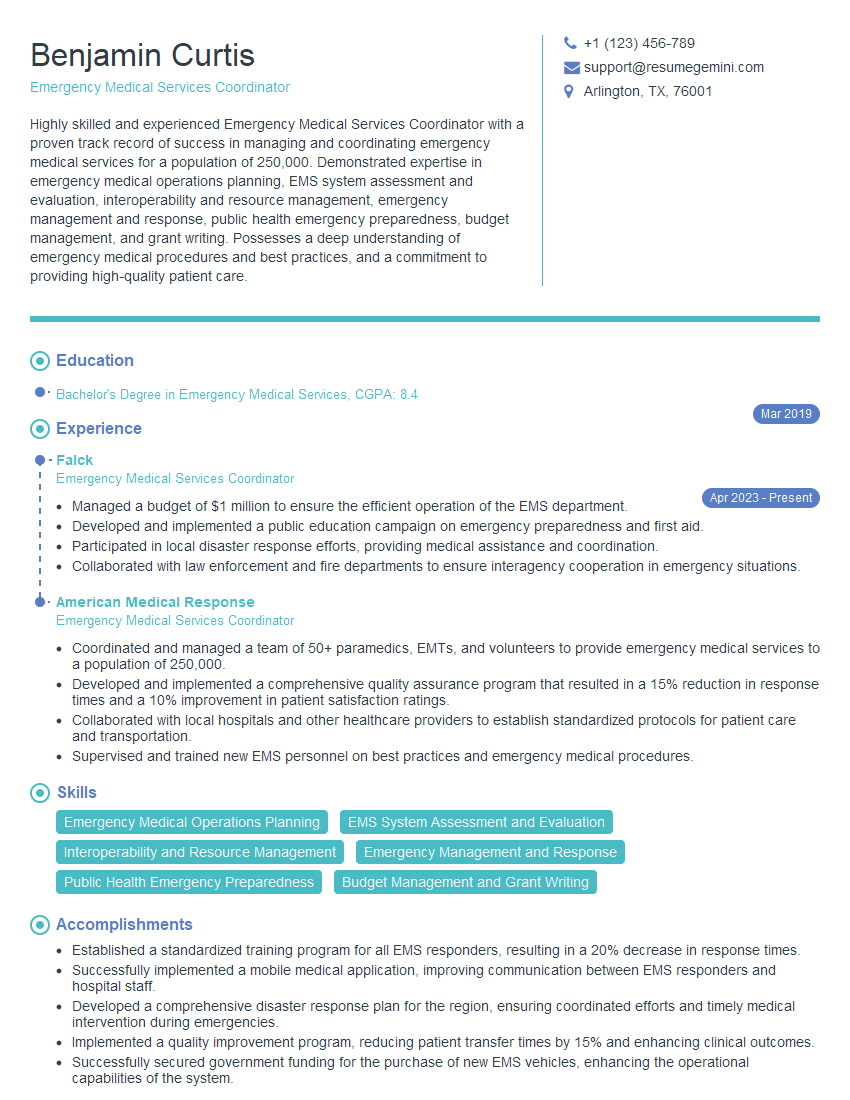
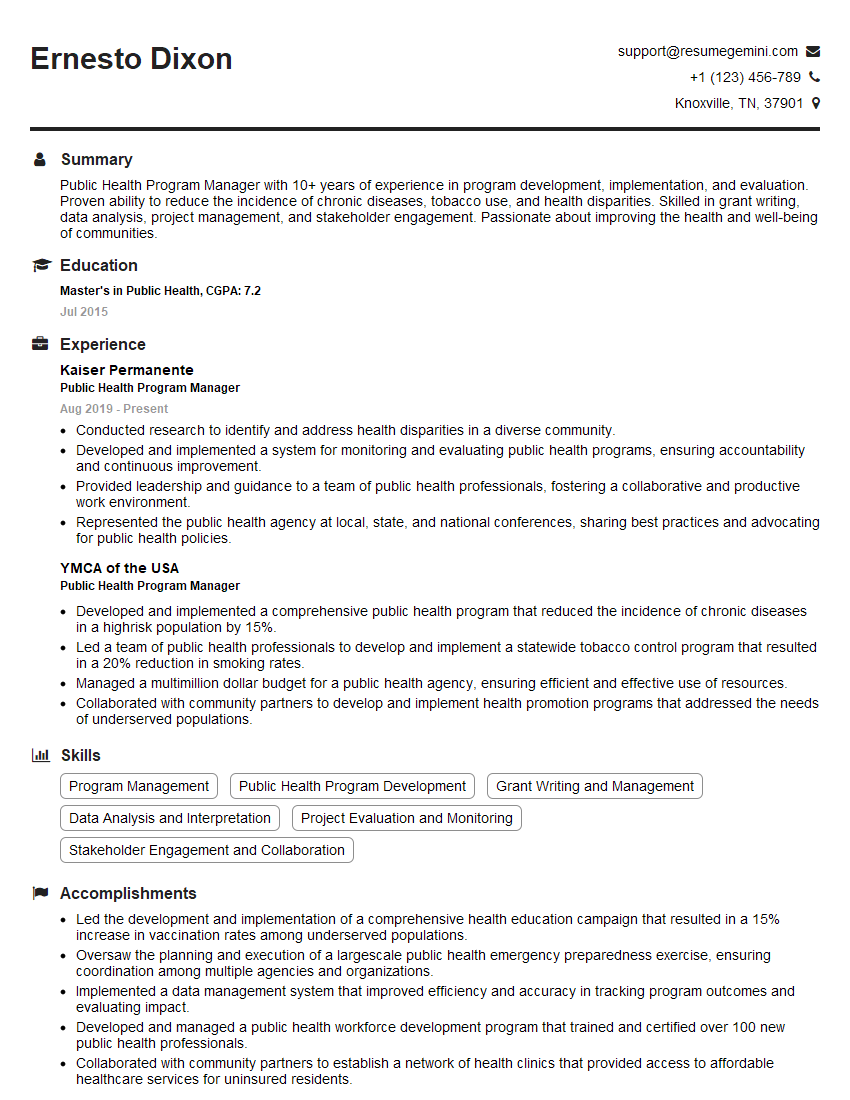
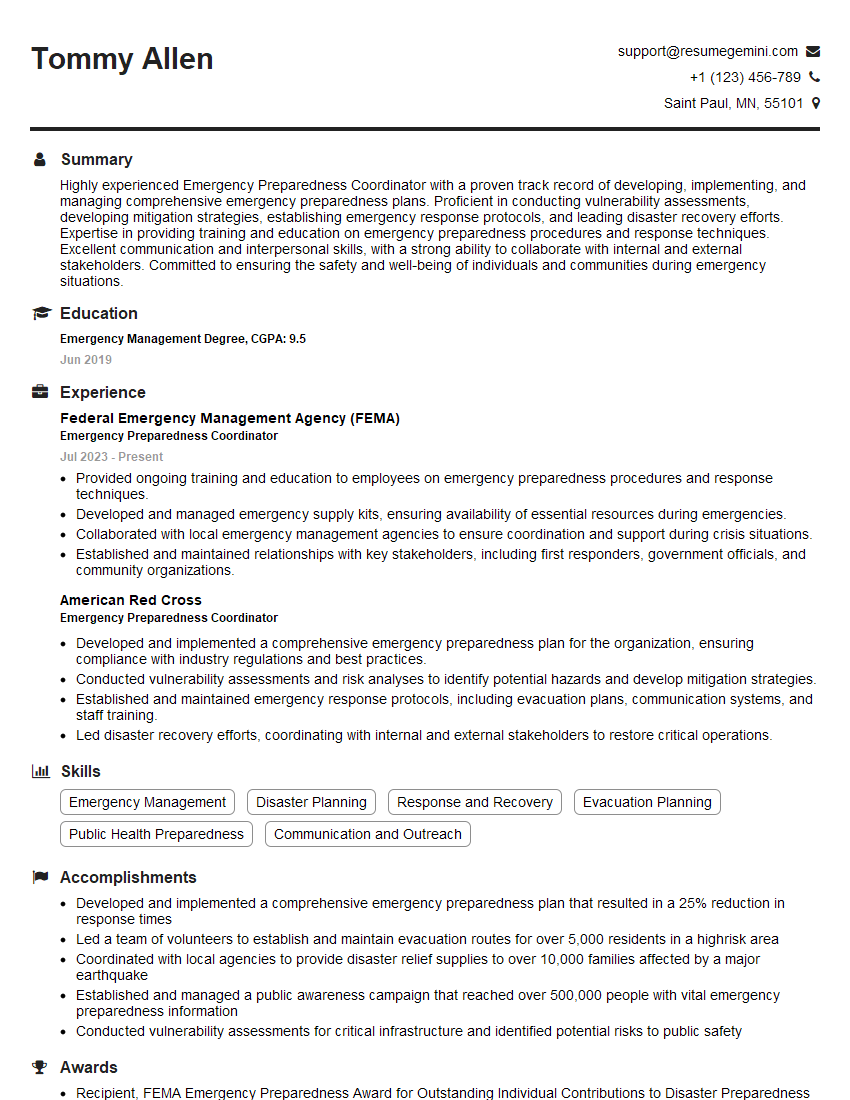
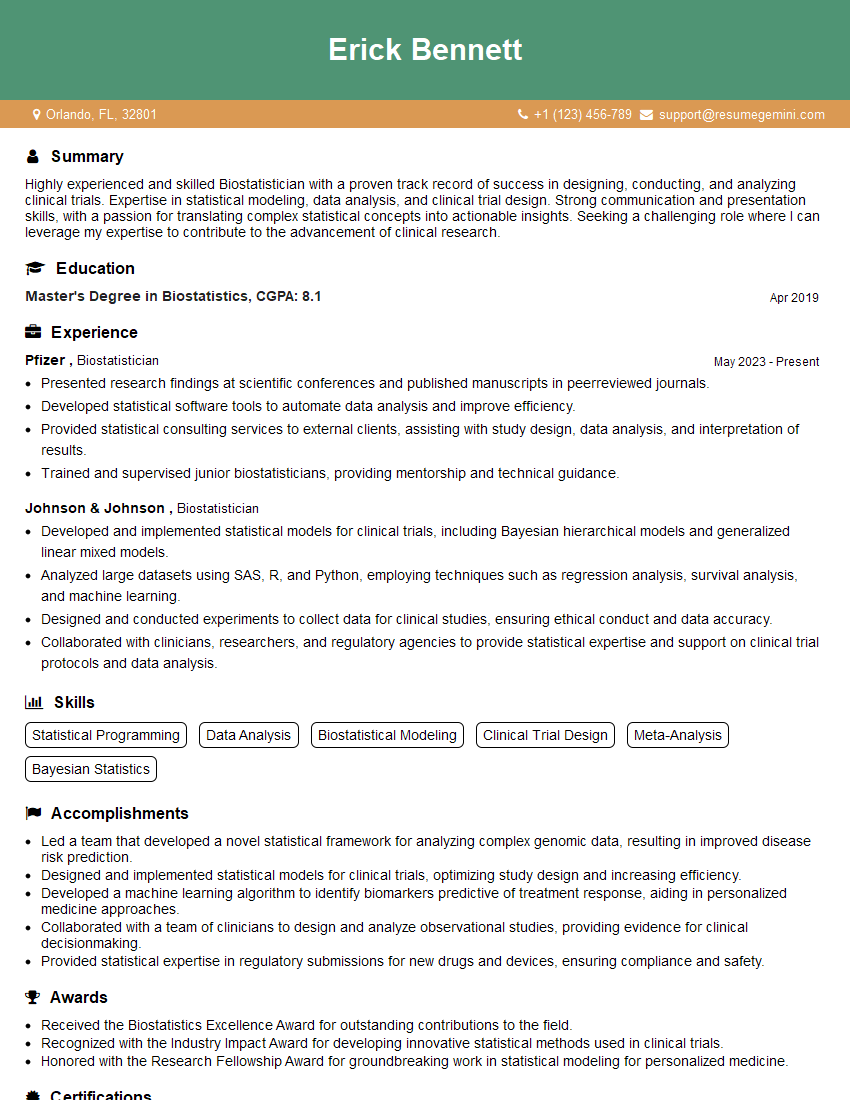
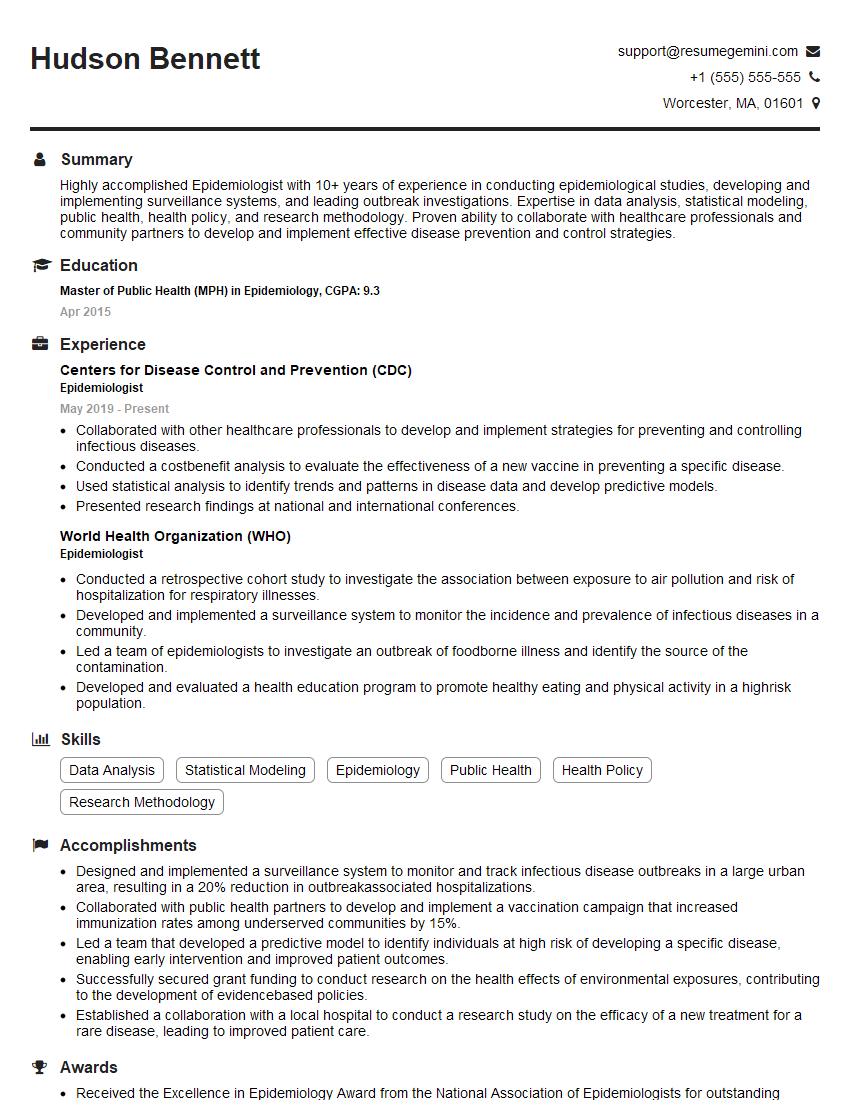
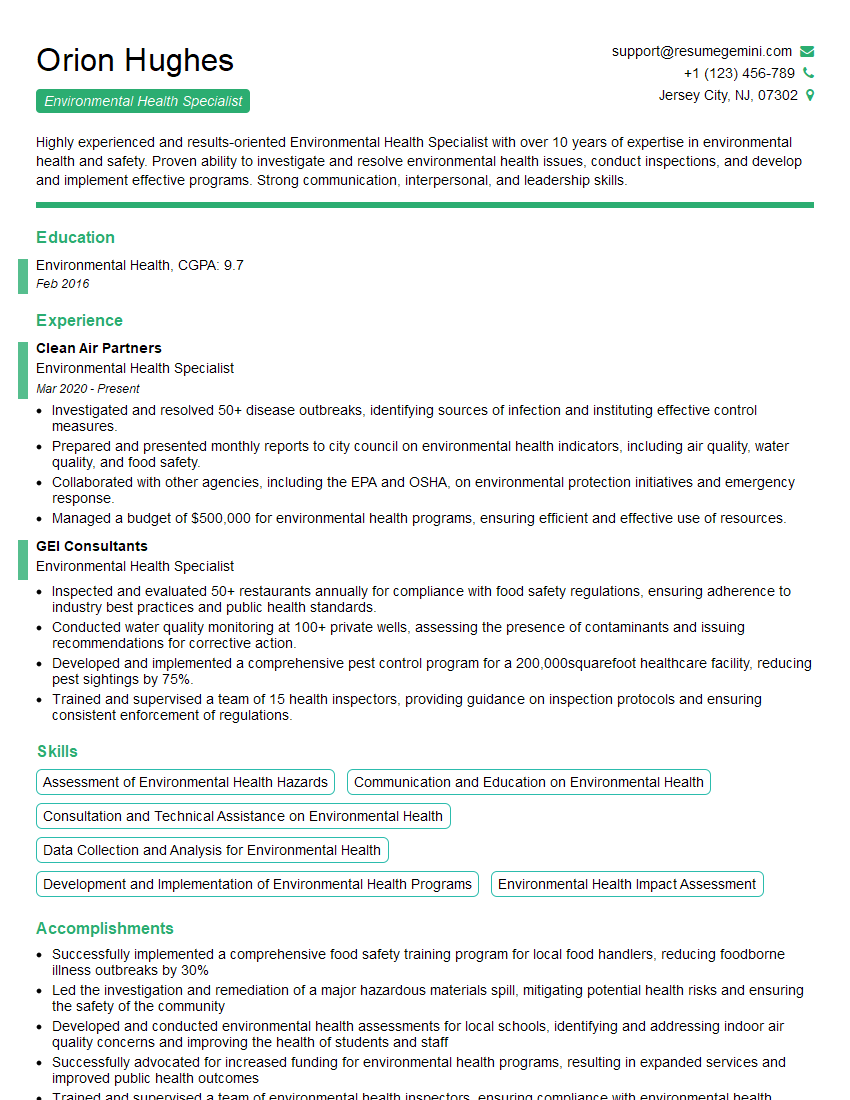
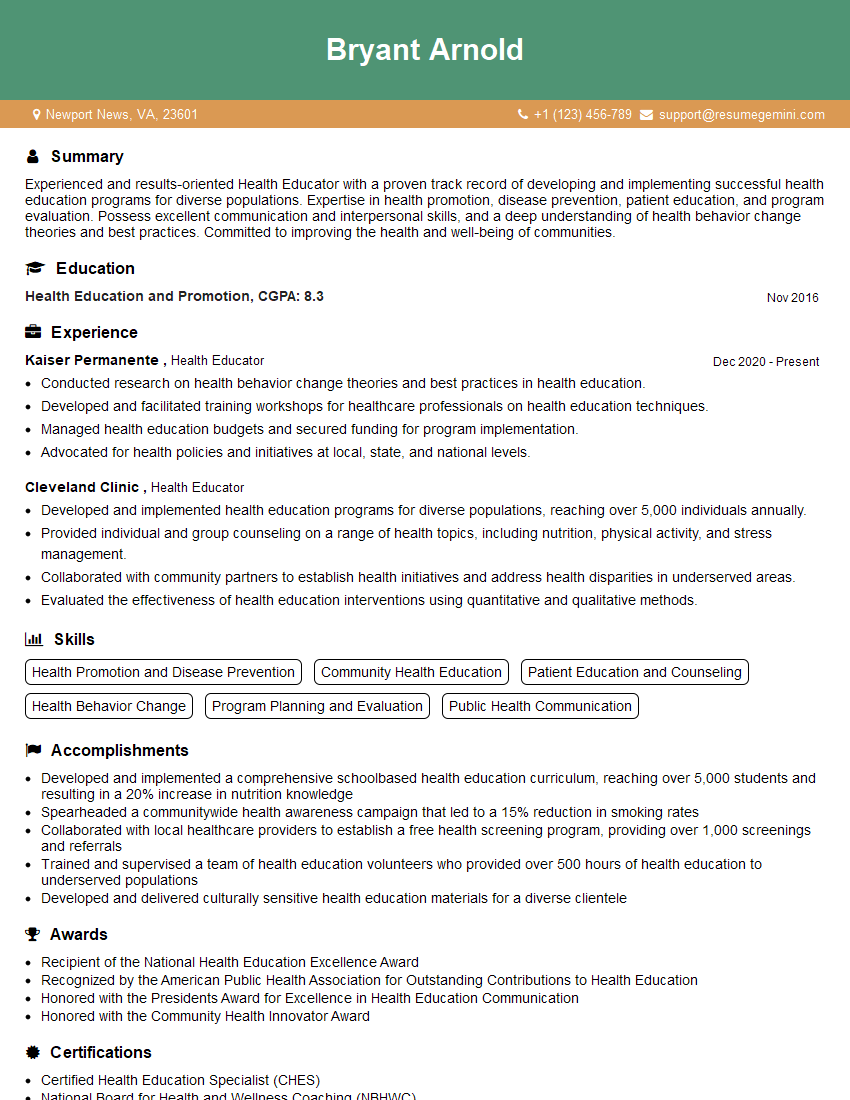
Mastering Public Health Emergency Response positions you at the forefront of crucial, life-saving work, opening doors to rewarding and impactful careers. A strong resume is your key to unlocking these opportunities. To ensure your qualifications shine, create an ATS-friendly resume that highlights your skills and experience effectively. ResumeGemini is a trusted resource to help you build a professional and impactful resume tailored to the specific demands of Public Health Emergency Response roles. We provide examples of resumes tailored to this field to help you get started. Invest time in crafting a compelling resume – it’s your first impression and a critical step in advancing your career.
Explore more articles
Users Rating of Our Blogs
Share Your Experience
We value your feedback! Please rate our content and share your thoughts (optional).
What Readers Say About Our Blog
Very informative content, great job.
good