Every successful interview starts with knowing what to expect. In this blog, we’ll take you through the top Radiation Emergency Management interview questions, breaking them down with expert tips to help you deliver impactful answers. Step into your next interview fully prepared and ready to succeed.
Questions Asked in Radiation Emergency Management Interview
Q 1. What are the three cardinal principles of radiation protection?
The three cardinal principles of radiation protection – Time, Distance, and Shielding – are fundamental to minimizing radiation exposure. They represent a tiered approach to risk reduction, offering simple yet powerful strategies.
- Time: Reducing the duration of exposure directly minimizes the absorbed dose. Imagine standing near an X-ray machine; the shorter you’re there, the less radiation you receive. This principle emphasizes the importance of speed and efficiency in emergency situations.
- Distance: Increasing the distance from the radiation source significantly reduces the dose. Radiation intensity follows an inverse square law – doubling the distance reduces the intensity to one-fourth. In a spill, establishing a safe perimeter is crucial, maximizing distance from the source.
- Shielding: Interposing a shielding material, such as lead, concrete, or water, between the source and the individual attenuates (reduces) the radiation. The type and thickness of shielding depend on the type and energy of the radiation. In a nuclear emergency, this could involve seeking shelter behind thick walls or utilizing specialized shielding equipment.
Q 2. Explain the ALARA principle and its application in emergency response.
ALARA, which stands for As Low As Reasonably Achievable, is a fundamental principle of radiation protection. It emphasizes that all radiation exposures should be kept as far below regulatory limits as is practically possible, taking into account social and economic factors. It’s not just about meeting the legal minimum but striving for optimal safety.
In emergency response, ALARA guides decisions on protective actions. For example, choosing the fastest route to evacuate people from a contaminated area might expose them to slightly higher radiation levels, but this might be acceptable if it significantly reduces the overall time spent in the high-radiation zone. The balance is between minimizing risk and completing critical tasks. Thorough risk assessments using sophisticated modeling tools play a key role in optimizing this trade-off.
Q 3. Describe the different types of radiation detectors and their applications.
Various radiation detectors are used based on the type of radiation and the specific application. Some examples include:
- Geiger-Müller counters: These are widely used for detecting beta and gamma radiation. They are relatively inexpensive, portable, and provide a quick indication of radiation levels. They are commonly used in initial assessments of radiation spills.
- Scintillation detectors: These are highly sensitive detectors used to measure various types of radiation, including alpha, beta, and gamma. They are often used in laboratory settings for precise measurements and in emergency response for more detailed analysis.
- Ionization chambers: These detectors measure the ionization caused by radiation and are used for high-dose rate measurements. They are often used for area monitoring around radiation sources and in radiation therapy.
- NaI(Tl) detectors: Sodium iodide detectors with thallium activation are highly efficient for gamma radiation detection, providing spectral information which helps to identify the specific radioactive isotopes present. They are frequently used in environmental monitoring and emergency response scenarios.
The choice of detector depends on the type of radiation, the expected dose rate, the required accuracy, and the portability needs.
Q 4. How do you calculate effective dose from various radiation sources?
Calculating effective dose requires considering several factors. The effective dose (E) takes into account the type of radiation and the sensitivity of different organs and tissues. It’s calculated using the formula:
E = Σ wT ⋅ DTWhere:
Eis the effective dose (in Sieverts, Sv)wTis the tissue weighting factor for tissue or organ T (dimensionless)DTis the average absorbed dose in tissue or organ T (in Gray, Gy)
The weighting factors reflect the relative radiosensitivity of different organs. For example, the weighting factor for the bone marrow is higher than that for the skin. Determining DT involves detailed dosimetry calculations using radiation transport codes or specialized software, considering the radiation source’s energy, geometry, and the shielding involved. Furthermore, individual dosimeters worn by workers provide personal dose measurements, aiding in this calculation.
Q 5. What are the immediate actions to take in a radiation spill incident?
Immediate actions in a radiation spill incident prioritize safety and minimizing exposure. The initial steps include:
- Evacuate the area immediately: Move to a safe distance from the spill, following established evacuation routes and instructions.
- Notify emergency response personnel: Alert the appropriate authorities, providing details about the incident location and the suspected radioactive material.
- Control access to the spill area: Prevent unauthorized entry to the contaminated area to prevent further exposure.
- Assess the situation: Use radiation detectors to determine the extent and severity of the contamination.
- Provide immediate medical attention to potentially exposed individuals: Implement decontamination procedures according to established protocols.
Remember, prompt and coordinated actions are crucial in minimizing the impact of a radiation spill. Training and drills are essential to preparing for such events.
Q 6. Outline the steps involved in a radiological emergency response plan.
A comprehensive radiological emergency response plan typically includes:
- Preparedness: Identifying potential hazards, establishing communication protocols, and training personnel. This involves developing detailed hazard maps and defining roles and responsibilities for each member of the response team.
- Prevention: Implementing procedures to prevent accidents and minimize the risk of radiation releases. This includes regular equipment inspections and safety audits.
- Mitigation: Actions taken to reduce the severity of a radiation release, such as controlling the source or limiting exposure. This may involve techniques to contain the source or to quickly decontaminate affected areas.
- Response: Actions taken during a radiation emergency, including evacuation, decontamination, medical treatment, and public information dissemination. This includes establishing emergency command centers and deploying response teams with specific tasks.
- Recovery: Actions taken after a radiation release to restore the environment and public confidence, including decontamination and rehabilitation efforts. This also involves implementing measures to prevent future releases.
Regular drills and exercises are crucial for refining the plan and ensuring preparedness.
Q 7. Explain the role of internal and external dosimetry in radiation emergency management.
Both internal and external dosimetry play crucial roles in radiation emergency management.
- External dosimetry measures radiation exposure from sources outside the body. This is typically done using personal dosimeters (e.g., thermoluminescent dosimeters, TLDs, or optically stimulated luminescence dosimeters, OSLDs), which are worn by personnel who may be exposed to radiation. These devices record the accumulated radiation dose over time, providing a measure of external exposure. In emergency situations, area monitoring using survey meters is also part of external dosimetry, providing data on environmental radiation levels.
- Internal dosimetry assesses radiation exposure from radioactive materials that have entered the body through inhalation, ingestion, or wounds. This is a more complex process that may involve bioassay techniques (measuring radioactive materials in body fluids like urine) and modeling techniques to estimate the internal dose. Bioassay data is crucial to determine the amount of radioactive material that has entered the body and to estimate the resulting radiation dose to specific organs. This is particularly important for assessing the potential long-term health consequences from internal contamination.
Together, external and internal dosimetry provide a complete picture of radiation exposure, facilitating informed medical management and health surveillance following a radiological emergency.
Q 8. Describe different types of radiation injuries and their treatment.
Radiation injuries are categorized by the type of radiation (alpha, beta, gamma, neutron), the dose received, and the route of exposure (external or internal). Symptoms vary greatly depending on these factors.
- Acute Radiation Syndrome (ARS): High doses of radiation delivered quickly can cause ARS, characterized by nausea, vomiting, diarrhea, fatigue, and potentially death. Severity depends on the dose. Treatment focuses on supportive care: managing symptoms, preventing infection, and providing fluids. Bone marrow transplantation might be considered in severe cases.
- Chronic Radiation Effects: Lower doses over longer periods can lead to increased cancer risk, cataracts, and other health issues. Treatment is preventative, focusing on minimizing future exposure and monitoring for health problems.
- Localized Radiation Injury: This refers to damage to a specific area of the body, such as skin burns from exposure to beta or gamma radiation. Treatment involves wound care, pain management, and potentially surgery.
- Internal Contamination: Ingestion or inhalation of radioactive materials leads to internal irradiation. Treatment might involve chelation therapy (using substances to bind to the radioactive material and aid its removal from the body), or other methods aimed at reducing the body’s burden of radioactive material.
It’s crucial to remember that treatment for radiation injuries is highly individualized and depends on the specific circumstances of the exposure.
Q 9. How would you assess the radiation levels in a contaminated area?
Assessing radiation levels in a contaminated area requires a multi-pronged approach using various instruments. It’s vital to remember safety precautions like using appropriate personal protective equipment (PPE).
- Survey Meters: These instruments, such as Geiger counters and ionization chambers, measure ambient radiation levels in real-time. They provide a quick overview of the radiation field.
- Dosimeters: Individual dosimeters (e.g., thermoluminescent dosimeters or TLDs) measure the radiation dose received by a person over a period of time. These are crucial for personnel monitoring.
- Sampling and Laboratory Analysis: Soil, water, air, and other samples are collected from the area and sent to a laboratory for analysis to determine the specific radioactive isotopes present and their concentrations. This offers a more detailed picture of contamination.
- Mapping Contamination: This involves systematically surveying the area using survey meters to create a map of the radiation levels. This allows for better decision-making regarding cleanup and access control.
Data from all these methods is combined to create a comprehensive understanding of the radiation environment and guide subsequent actions.
Q 10. What are the legal and regulatory requirements for handling radioactive materials?
Legal and regulatory requirements for handling radioactive materials are stringent and vary by country. These regulations are designed to protect workers, the public, and the environment.
- Licensing and Permits: Organizations and individuals working with radioactive materials require licenses and permits from relevant regulatory bodies (e.g., the Nuclear Regulatory Commission in the US). These permits specify the allowed quantities and types of materials, along with the required safety procedures.
- Safety Training and Certification: Personnel working with radioactive materials must receive comprehensive training and certification to ensure competency in handling these materials safely.
- Transportation Regulations: Strict regulations govern the transportation of radioactive materials, covering packaging, labeling, and routing. This prevents accidents and ensures public safety during transit.
- Waste Management: Radioactive waste must be handled and disposed of according to strict regulations. This ensures long-term safety and prevents environmental contamination.
- Record Keeping: Detailed records of all activities involving radioactive materials must be maintained, including inventory, usage, and disposal. These records are crucial for auditing and safety evaluations.
Violation of these regulations can result in significant penalties, including fines and legal action.
Q 11. Explain the concept of contamination control and decontamination procedures.
Contamination control and decontamination procedures are essential in minimizing the spread of radioactive materials and protecting personnel.
- Contamination Control: This involves measures to prevent the spread of radioactive materials. Examples include using PPE (gloves, respirators, protective clothing), establishing controlled areas, and implementing strict hygiene practices.
- Decontamination Procedures: These involve removing radioactive materials from surfaces, equipment, or personnel. Methods range from simple washing with soap and water to more specialized techniques, such as using chemical decontaminants or mechanical removal. The choice of method depends on the type of contamination and the surface involved. Decontamination effectiveness is verified using radiation survey meters.
Proper decontamination is a crucial step after a radiation event, minimizing the long-term health risks associated with exposure.
For example, in a scenario where radioactive material spills onto the floor, immediate steps include cordoning off the area, wearing appropriate PPE, and then utilizing appropriate cleaning agents to remove the radioactive contaminants. Post-decontamination surveys must be conducted to verify the effectiveness of the procedure.
Q 12. How do you manage personnel exposure during a radiation emergency?
Managing personnel exposure during a radiation emergency requires a layered approach to protection.
- Time, Distance, Shielding (TDS): This fundamental principle minimizes exposure by reducing the time spent in a radiation field, increasing the distance from the source, and using shielding materials (e.g., lead, concrete) to absorb radiation.
- Personal Protective Equipment (PPE): Appropriate PPE, including respirators, gloves, protective clothing, and eye protection, is crucial to prevent contamination and external exposure.
- Dosimetry: Monitoring personnel exposure using dosimeters is essential to track radiation doses and ensure that exposure limits are not exceeded. This helps to identify individuals who might require further medical evaluation.
- Emergency Response Procedures: Well-defined emergency response procedures, including evacuation plans and communication protocols, ensure swift and coordinated action to protect personnel.
- Post-Incident Medical Monitoring: Following a radiation event, regular medical monitoring of affected personnel is vital to detect any potential health effects and provide necessary medical care.
Effective management of personnel exposure requires careful planning, training, and the use of appropriate equipment and procedures.
Q 13. Describe the communication protocols during a radiological event.
Communication protocols during a radiological event are critical for coordinating response efforts and keeping stakeholders informed.
- Designated Communication Channels: Establishing clear communication channels, such as dedicated radio frequencies or emergency communication systems, ensures that information flows efficiently among responders, medical personnel, and government agencies.
- Chain of Command: A well-defined chain of command ensures that information is passed accurately and efficiently to the appropriate authorities.
- Information Sharing: Regular updates and information sharing among various stakeholders are crucial for coordinating response efforts and keeping the public informed.
- Public Information Releases: Providing accurate and timely information to the public through official channels (e.g., press releases, social media, and websites) is essential to allay fears and prevent the spread of misinformation.
- Incident Reporting: Detailed incident reports must be prepared to document the event, the response efforts, and any lessons learned. This aids in improving future preparedness and response.
Effective communication helps ensure a coordinated and efficient response, minimizing the impact of a radiological event.
Q 14. What is the importance of pre-event planning in a radiation emergency?
Pre-event planning is paramount in effective radiation emergency management. A well-developed plan is essential for minimizing the impact of a radiological event.
- Risk Assessment: Identifying potential radiological hazards and assessing their likelihood and potential impact is the first step. This includes considering sources of radiation within the community or workplace.
- Emergency Response Plan: Developing a comprehensive emergency response plan outlines the procedures to follow during a radiological event, including procedures for evacuation, decontamination, medical treatment, and communication. This should involve drills and exercises to ensure familiarity and effectiveness.
- Resource Inventory: Identifying and inventorying available resources (personnel, equipment, and supplies) that might be required during a response is critical. This allows for a realistic and efficient response.
- Training and Exercises: Regular training and exercises are vital for preparing personnel to respond effectively during a radiological event. This includes familiarization with equipment, procedures, and communication protocols.
- Public Education: Educating the public about radiological hazards and the appropriate actions to take during an emergency helps to improve community resilience.
Proactive planning ensures that a coordinated and efficient response is possible, reducing the potential for severe consequences. Without it, a radiation emergency can quickly escalate into a major disaster. Think of it like a fire drill—you hope you never need it, but being prepared saves lives and reduces lasting damage.
Q 15. Explain the role of protective clothing and equipment in minimizing radiation exposure.
Protective clothing and equipment are crucial in minimizing radiation exposure by creating a barrier between the individual and the radioactive source. Think of it like wearing a suit of armor against radiation. The effectiveness depends on the type and energy of the radiation, as well as the quality of the protective gear.
- Lead aprons and thyroid shields: These are commonly used in medical settings to protect against X-rays and gamma rays. The lead absorbs the radiation, preventing it from reaching the body. A thyroid shield provides extra protection for this particularly sensitive organ.
- Radiation suits: These are specialized garments, often made of lead-lined material or other radiation-shielding fabrics, designed to protect the entire body from radiation. They are typically used in higher-risk scenarios, such as nuclear power plant emergencies or handling high-level radioactive materials.
- Respirators: These are crucial for preventing the inhalation of radioactive particles or gases. The type of respirator needed will depend on the specific contaminant involved. A simple dust mask won’t be sufficient for all situations.
- Gloves and footwear: These protect hands and feet from contamination, which is especially important when handling radioactive materials.
The effectiveness of this protective gear is regularly checked and maintained to ensure ongoing protection. For example, lead aprons undergo regular inspection for cracks or damage that could compromise their shielding properties. Proper training on how to don and doff (put on and take off) protective gear is also essential to maintain effectiveness and prevent accidental contamination.
Career Expert Tips:
- Ace those interviews! Prepare effectively by reviewing the Top 50 Most Common Interview Questions on ResumeGemini.
- Navigate your job search with confidence! Explore a wide range of Career Tips on ResumeGemini. Learn about common challenges and recommendations to overcome them.
- Craft the perfect resume! Master the Art of Resume Writing with ResumeGemini’s guide. Showcase your unique qualifications and achievements effectively.
- Don’t miss out on holiday savings! Build your dream resume with ResumeGemini’s ATS optimized templates.
Q 16. How do you conduct a post-incident assessment of a radiation emergency?
A post-incident assessment in a radiation emergency is a systematic process aimed at understanding the event, determining the extent of contamination, and planning the appropriate response. It’s like investigating a crime scene, but instead of evidence, we’re looking for radiation levels and affected areas.
- Initial Assessment: Immediately following the incident, the priority is to establish the safety of personnel and the public. This involves performing rapid radiation surveys to identify ‘hot spots’ – areas with elevated radiation levels. Emergency responders will use portable survey meters to quickly assess the situation. Initial actions focus on evacuation, sheltering, and providing immediate medical attention.
- Detailed Survey: Once the immediate danger has passed, a detailed survey is conducted to map the extent of contamination in the environment and on individuals. This may involve using more sophisticated radiation detection equipment and specialized sampling techniques to precisely determine the levels and types of radiation present.
- Environmental Sampling: Soil, water, and air samples are collected and analyzed to determine the extent of environmental contamination. This data informs the cleanup and remediation strategies.
- Personnel Monitoring: Individuals who may have been exposed are monitored using dosimeters (devices that measure radiation exposure) and bioassays (tests to determine internal contamination). This allows healthcare professionals to assess the risk and provide the appropriate medical care.
- Data Analysis and Reporting: All collected data is analyzed to create a comprehensive report that outlines the incident, its impact, and recommendations for future prevention and response.
This systematic approach ensures a thorough understanding of the incident’s consequences and guides the development of effective remediation and recovery strategies. Post-incident reports are crucial for improving future emergency response planning and training.
Q 17. What are the different types of radiation monitoring instruments?
Radiation monitoring instruments are vital for detecting and measuring ionizing radiation. There’s a wide range, from simple handheld devices to sophisticated laboratory equipment. Think of them as specialized thermometers, but instead of temperature, they measure radiation levels.
- Geiger-Müller (GM) counters: These are portable instruments that detect beta and gamma radiation. They are widely used for rapid surveys and contamination monitoring. They produce audible clicks or a visual display to indicate radiation levels. Think of it as a simple, easily portable radiation ‘alert’ system.
- Scintillation detectors: These are more sensitive and can detect various types of radiation, including alpha particles. They are often used in laboratories and for more precise measurements. They utilize a crystal that emits light when struck by radiation; this light is then measured to determine the radiation level.
- Ionization chambers: These instruments are used for measuring higher radiation levels and provide accurate dose rate measurements. They are often used in calibration laboratories and nuclear facilities.
- Dosimeters: These are personal radiation monitoring devices that measure the cumulative radiation dose received by an individual over a period. They come in various forms, including film badges, thermoluminescent dosimeters (TLDs), and electronic personal dosimeters (EPDs).
- Survey meters: This is a broad term encompassing a range of instruments, including GM counters and others, that are used to measure radiation levels in an environment.
The choice of instrument depends on the specific needs of the situation. A simple GM counter might suffice for a routine survey, while a scintillation detector is necessary for a more precise analysis. Proper calibration and maintenance of these instruments are paramount for reliable measurements.
Q 18. Describe the various methods used for decontamination of personnel and equipment.
Decontamination is a critical step in radiation emergency response, aimed at removing radioactive contaminants from personnel and equipment. It’s like carefully cleaning up after a spill, but with a far higher level of caution and precision.
- Personnel Decontamination: This involves removing contaminated clothing, washing the skin with soap and water, and possibly using chelating agents (substances that bind to radioactive materials) to aid in removal. Hair washing and showering may also be necessary. The process is carefully monitored using radiation survey meters to ensure effective removal of contamination.
- Equipment Decontamination: The methods for decontaminating equipment depend on the type of equipment and the nature of the contamination. Methods include washing with detergents, using specialized cleaning solutions, and employing techniques like sandblasting or chemical etching for more resistant contamination. The effectiveness of the decontamination process is verified using radiation monitoring instruments.
- Disposal of Contaminated Materials: Contaminated materials such as clothing and equipment may need to be disposed of as radioactive waste, following strict regulations to ensure environmental safety.
The choice of decontamination methods is guided by the type and level of contamination, the material to be decontaminated, and the availability of resources. Decontamination procedures are rigorously documented to track the process and its effectiveness.
Q 19. What are the criteria for initiating an evacuation in a radiological emergency?
The decision to initiate an evacuation in a radiological emergency is based on several critical factors, balancing the risks of exposure with the potential dangers of the evacuation itself. It’s a complex decision that requires careful consideration and coordination.
- Predicted Radiation Dose: The most crucial factor is the projected radiation dose to the population. If the predicted dose exceeds acceptable safety limits, evacuation may be necessary to prevent harmful health effects.
- Type and Extent of Contamination: The type of radioactive material released, the extent of the contamination, and the potential for further spread all influence the decision. A highly volatile material poses a greater risk and may necessitate a more rapid evacuation.
- Meteorological Conditions: Wind direction and speed, precipitation, and atmospheric stability influence the dispersion of radioactive material. Unfavorable conditions could increase exposure levels, making evacuation more likely.
- Population Density and Vulnerability: The number of people at risk and their vulnerability (e.g., elderly, children) are considered. Areas with higher population densities or vulnerable populations may require prioritization for evacuation.
- Availability of Resources: An effective evacuation requires sufficient transportation, shelter, and logistical support. Resource availability can influence the timing and scale of the evacuation.
Evacuation decisions are typically made by a multidisciplinary team, involving emergency management officials, radiation experts, and public health professionals. Clear communication and coordination are essential to ensure the safety and well-being of the population.
Q 20. How do you use a radiation survey meter effectively?
Effective use of a radiation survey meter requires understanding its capabilities and limitations. It’s crucial to operate the meter correctly and interpret the readings accurately. Think of it like using a sophisticated measuring tool – proper technique is essential for accurate results.
- Calibration: Before each use, the meter should be calibrated to ensure accurate readings. This usually involves exposing the meter to a known radiation source.
- Proper Technique: The meter should be held at a consistent distance from the surface being measured, and the scan should be systematic to ensure thorough coverage of the area. The correct scan pattern depends on the type of survey being conducted.
- Reading Interpretation: Readings should be carefully interpreted in the context of the situation, considering the type of radiation, energy levels, and environmental factors. Background radiation levels should be accounted for.
- Safety Precautions: Personal protective equipment (PPE), such as dosimeters, gloves, and protective clothing, should be worn when using radiation survey meters, particularly in high-radiation areas.
- Recording Readings: All readings should be meticulously recorded, along with location, date, and time. This data is crucial for documenting contamination levels and guiding remediation efforts.
Understanding the instrument’s limitations, such as its sensitivity to different types of radiation and its range of measurement, is critical for proper interpretation of results. Regular training and refresher courses are vital for ensuring the safe and effective use of these instruments.
Q 21. Explain the differences between internal and external radiation exposure.
The key difference between internal and external radiation exposure lies in how the radiation interacts with the body. External exposure involves radiation sources outside the body, while internal exposure occurs when radioactive material enters the body.
- External Exposure: This occurs when radiation from an external source, such as X-rays, gamma rays, or beta particles, interacts with the body. The degree of exposure depends on factors like the distance from the source, shielding, and the duration of exposure. The primary concern is the damage inflicted by the ionizing radiation to the body’s tissues and organs.
- Internal Exposure: This occurs when radioactive materials are inhaled, ingested, or absorbed through the skin, entering the bloodstream and becoming distributed throughout the body. This can lead to prolonged exposure and damage to internal organs, depending on the type of radioactive material, its half-life, and how it’s metabolized by the body. Internal exposure is often more dangerous because the radiation source is in close proximity to sensitive tissues for extended periods.
Both types of exposure can lead to serious health consequences, ranging from skin burns and radiation sickness to cancer and other long-term effects. The type of radiation, the energy level, the duration of exposure, and the route of entry (in the case of internal exposure) all influence the severity of the health effects. Appropriate protective measures and prompt medical attention are crucial in both cases.
Q 22. How do you determine the source and extent of a radiation release?
Determining the source and extent of a radiation release involves a multi-faceted approach combining immediate on-site assessment with off-site monitoring and analysis. First responders will use radiation detection instruments like Geiger counters and dosimeters to identify the location and intensity of radiation. This initial assessment helps determine the immediate threat and informs evacuation plans. Simultaneously, environmental samples (air, water, soil) are collected and sent to specialized laboratories for analysis. This analysis identifies the specific radionuclides released, their concentration, and the potential pathways of exposure (e.g., inhalation, ingestion, external exposure). Atmospheric dispersion modeling, coupled with meteorological data, aids in predicting the plume’s movement and reach. For example, during the Fukushima Daiichi accident, a combination of on-site readings, aerial surveys, and environmental sampling was used to ascertain the extent of the radioactive plume and to guide evacuation efforts. This information, pieced together, helps determine the affected area and inform public health strategies.
Q 23. What are the symptoms of acute radiation syndrome (ARS)?
Acute Radiation Syndrome (ARS) is a collection of symptoms that arise from exposure to high doses of ionizing radiation within a short period. The severity of ARS depends on the dose received. Symptoms vary depending on the dose and can manifest in stages. The prodromal stage, occurring within hours to days, includes nausea, vomiting, diarrhea, and fatigue. This is followed by a latent period, where individuals may feel relatively well, before the manifest illness stage. This stage involves symptoms specific to the affected organ systems. Hematopoietic syndrome (bone marrow damage) at moderate doses presents with bleeding, infections, and anemia. Gastrointestinal syndrome (damage to the digestive system), at high doses, causes severe vomiting, bloody diarrhea, dehydration, and potential death. Neurovascular syndrome, from extremely high doses, results in rapid onset of severe neurological symptoms, often leading to coma and death within days. It’s crucial to understand that not all individuals exposed to radiation will develop ARS; the severity and symptoms depend on many factors, including the dose rate, type of radiation, and individual susceptibility.
Q 24. Describe the emergency medical treatment for ARS.
Emergency medical treatment for ARS is supportive and focuses on managing the symptoms and preventing complications. There is no specific antidote for radiation exposure. Treatment aims to maintain organ function. For example, in hematopoietic syndrome, blood transfusions, antibiotics to combat infections, and growth factors to stimulate blood cell production are crucial. In gastrointestinal syndrome, managing dehydration, addressing electrolyte imbalances, and providing pain relief are primary concerns. Supportive care also involves wound management, nutritional support, and monitoring for secondary infections. Specific treatments like hematopoietic stem cell transplantation may be considered in cases of severe hematopoietic syndrome. The effectiveness of treatment largely depends on the severity of the radiation exposure and the promptness of medical intervention. Early detection and appropriate medical care improve the chances of survival and minimize long-term complications.
Q 25. What is the role of the NRC or equivalent regulatory agency in radiation emergencies?
The Nuclear Regulatory Commission (NRC) in the United States, or its equivalent regulatory agency in other countries, plays a crucial role in radiation emergencies. Their responsibilities include overseeing the licensing and regulation of nuclear facilities, providing technical assistance during emergencies, and conducting investigations to determine the cause and extent of events. The NRC works in coordination with other agencies, such as the Federal Emergency Management Agency (FEMA) and the Department of Health and Human Services (HHS), to coordinate the overall emergency response. Their role involves establishing emergency plans, enforcing safety regulations, and providing guidance on protective actions (e.g., sheltering, evacuation). After an incident, the NRC conducts thorough investigations, determining root causes and recommending improvements in safety regulations and emergency preparedness. Their oversight ensures the safety of the public and the environment and helps prevent future radiation incidents.
Q 26. How do you manage public communication and information dissemination during a radiation event?
Managing public communication during a radiation event is paramount to ensuring public safety and preventing panic. It requires a coordinated and consistent approach. A dedicated communication team should be established, using multiple channels (e.g., radio, television, social media, websites, and public announcements) to disseminate timely, accurate, and consistent information. Messages should be clear, concise, and tailored to the audience. Transparency is key; withholding information fuels speculation and anxiety. Public health officials should provide information on potential risks, protective actions, and available resources (e.g., potassium iodide tablets). It’s crucial to establish a communication chain to ensure information reaches everyone affected. Regular updates should be provided to address concerns and clarify misconceptions. During the Chernobyl accident, the initial lack of transparency led to increased fear and mistrust. Effective communication is an integral part of mitigating the impact of a radiation emergency.
Q 27. Explain your experience with emergency response training and drills.
Throughout my career, I have participated in numerous emergency response training programs and drills, encompassing various scenarios, from radiological dispersal devices (RDD) to nuclear power plant accidents. This training has included classroom instruction, simulations, and field exercises, focusing on hazard recognition, risk assessment, protective actions, and communication protocols. I’ve completed training accredited by organizations like the Federal Emergency Management Agency (FEMA) and the National Nuclear Security Administration (NNSA). Drills involve practicing emergency response procedures with inter-agency coordination, including local, state, and federal partners. This hands-on experience has honed my skills in decision-making under pressure, resource allocation, and leading teams in high-stress situations. These drills are invaluable for identifying weaknesses in our preparedness and improving our response capabilities. For example, a recent drill involved a simulated release from a medical isotope facility, which allowed us to test our communication protocols and assess the effectiveness of our decontamination procedures.
Q 28. Describe a scenario where you had to make a critical decision regarding radiation safety.
During a security exercise simulating a radiological dispersal device incident at a large public event, we faced a critical decision regarding the prioritization of evacuation routes. Initial assessments indicated elevated radiation levels near the main exit, threatening a large crowd. I had to rapidly evaluate the available data, considering the radiation levels, the crowd size, and the potential for injuries during a mass evacuation. We opted for a multi-phased evacuation, using alternative routes with lower radiation exposure, while deploying teams to manage crowd control and administer first aid. This decision, made under significant time pressure, involved collaboration with police, fire, and emergency medical services, balancing the risk of immediate exposure against the risk of mass panic and potential injuries. The outcome was a successful evacuation with minimal casualties, demonstrating the effectiveness of well-rehearsed plans and collaborative decision-making in a crisis.
Key Topics to Learn for Radiation Emergency Management Interview
- Radiation Detection and Measurement: Understanding various detection instruments, their limitations, and data interpretation techniques. Practical application includes calibrating dosimeters and interpreting readings in simulated emergency scenarios.
- Internal and External Dosimetry: Differentiating between internal and external radiation exposure, calculating dose estimates, and understanding the implications for medical intervention. Practical application involves utilizing dosimetry data to assess the severity of exposure and guide treatment decisions.
- Emergency Response Planning and Procedures: Familiarity with emergency response protocols, including evacuation procedures, decontamination strategies, and communication systems. Practical application includes participating in drills and exercises to refine response skills and teamwork.
- Health Physics Principles: A strong understanding of ALARA (As Low As Reasonably Achievable) principles, radiation protection measures, and risk assessment methodologies. Practical application includes applying these principles to minimize exposure during emergency response operations.
- Contamination Control and Decontamination Techniques: Mastering procedures for controlling the spread of radioactive contamination and effectively decontaminating personnel and equipment. Practical application involves hands-on experience with decontamination methods and the use of protective gear.
- Regulatory Compliance and Reporting: Knowledge of relevant regulations and reporting requirements for radiation incidents. Practical application includes accurately documenting exposure events and submitting reports to regulatory agencies.
- Crisis Communication and Public Information: Effective strategies for communicating with the public during a radiation emergency, addressing concerns, and providing accurate information. Practical application includes role-playing scenarios involving public communication.
- Incident Investigation and Analysis: Methods for investigating radiation incidents, determining the cause, and implementing corrective actions to prevent future occurrences. Practical application includes case studies and simulations of incident investigation.
Next Steps
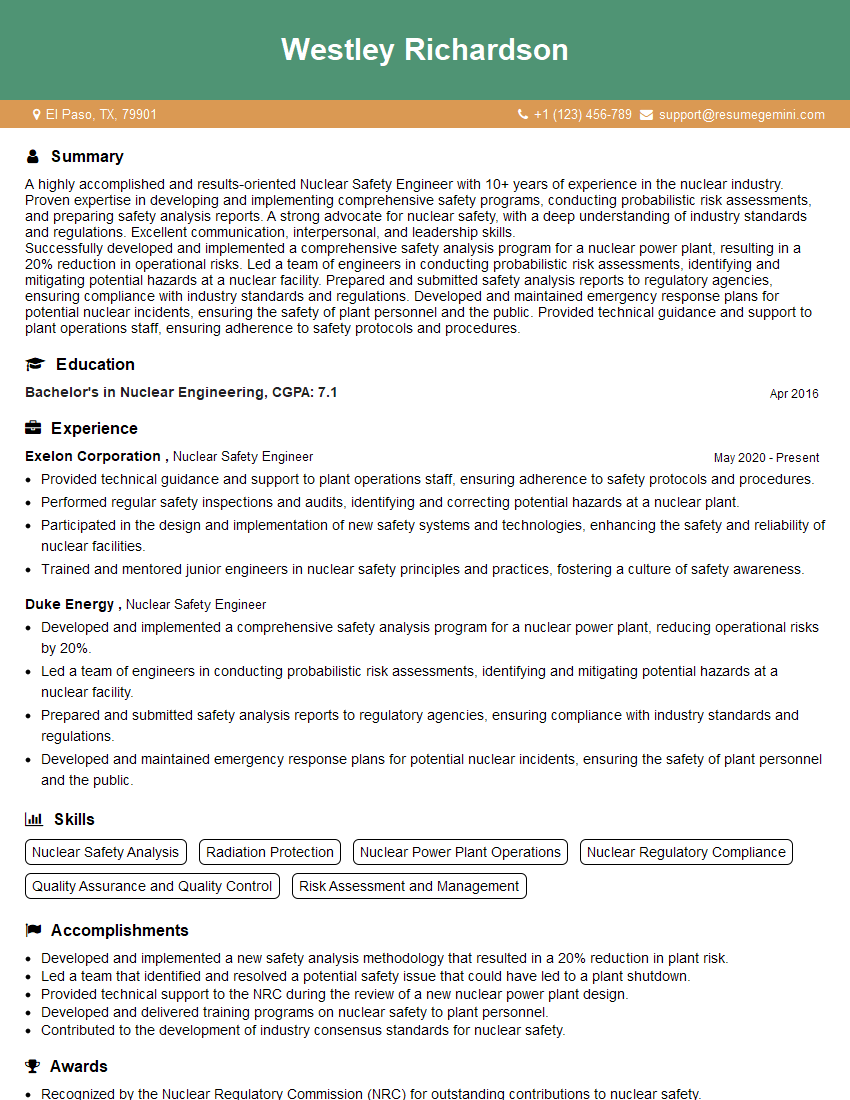
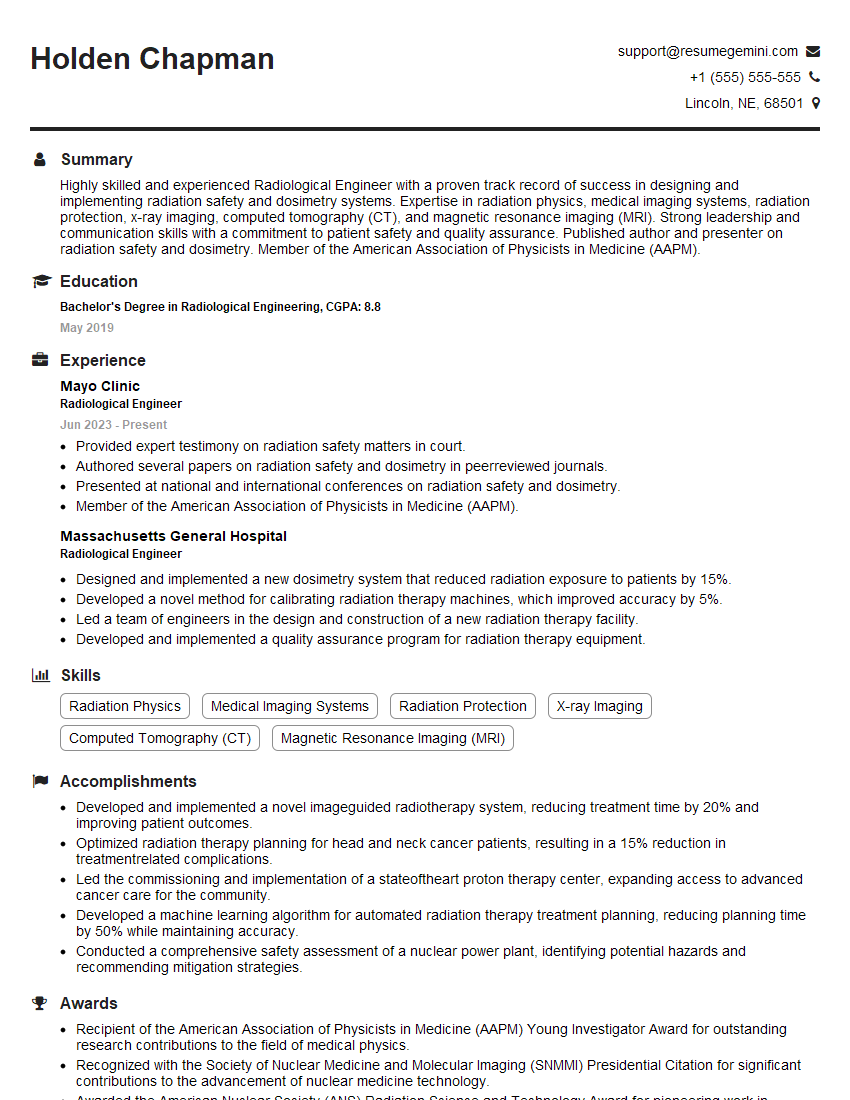
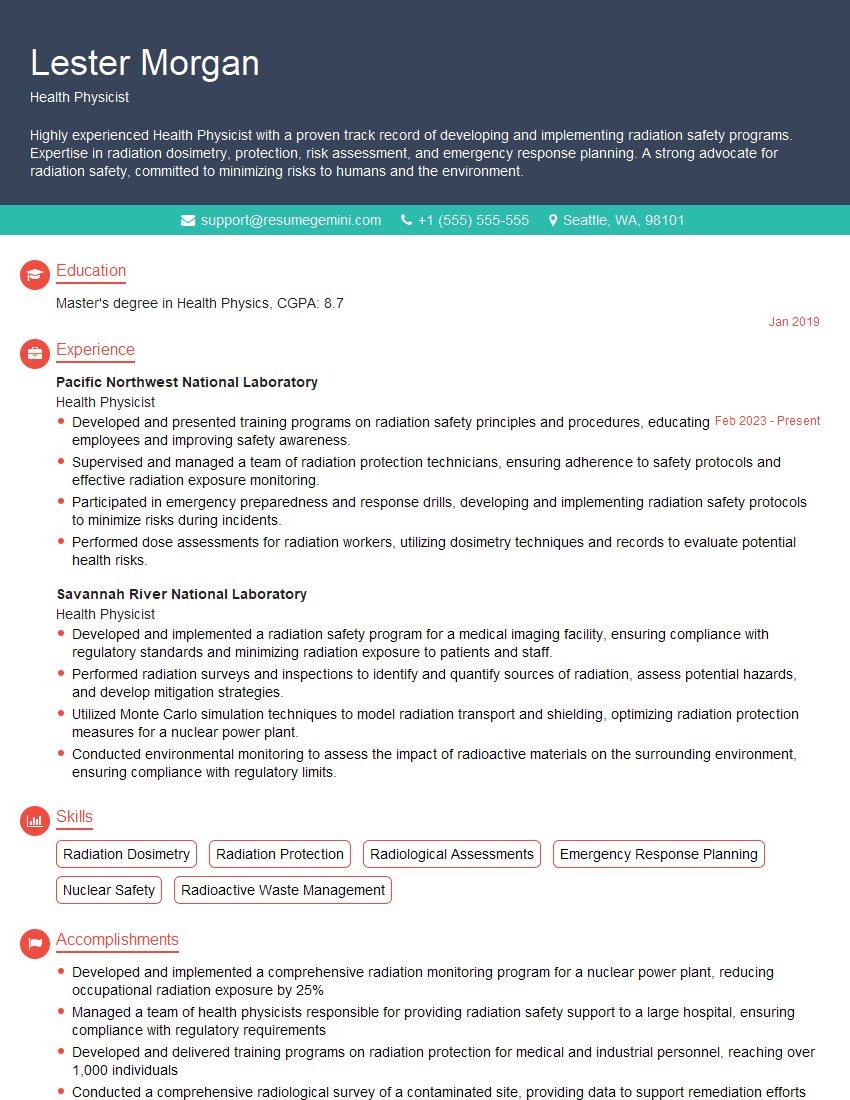
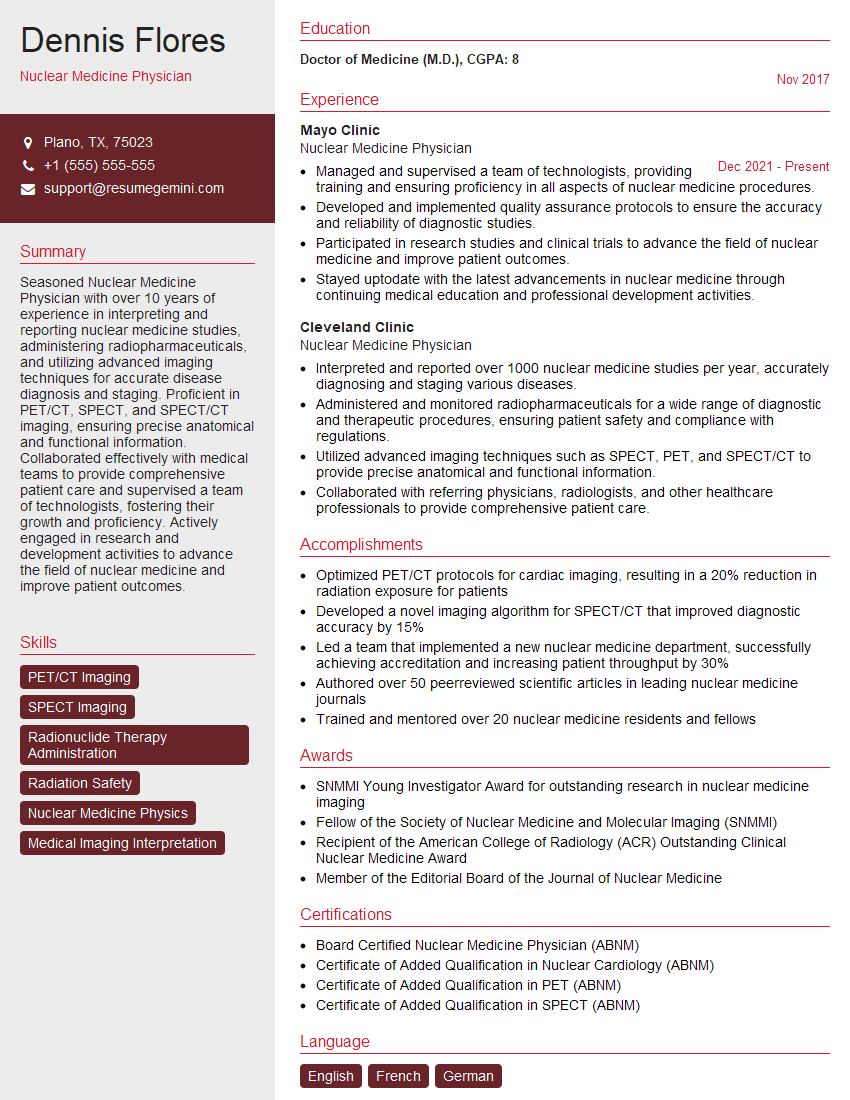
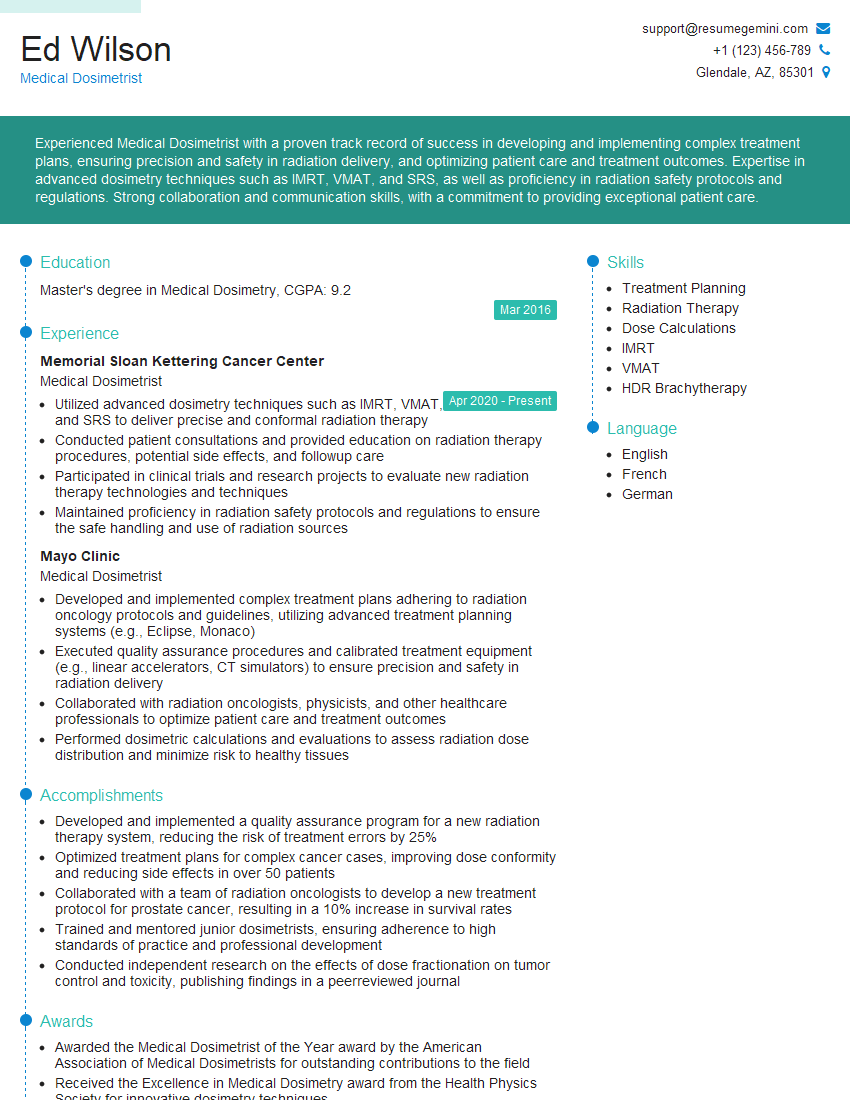
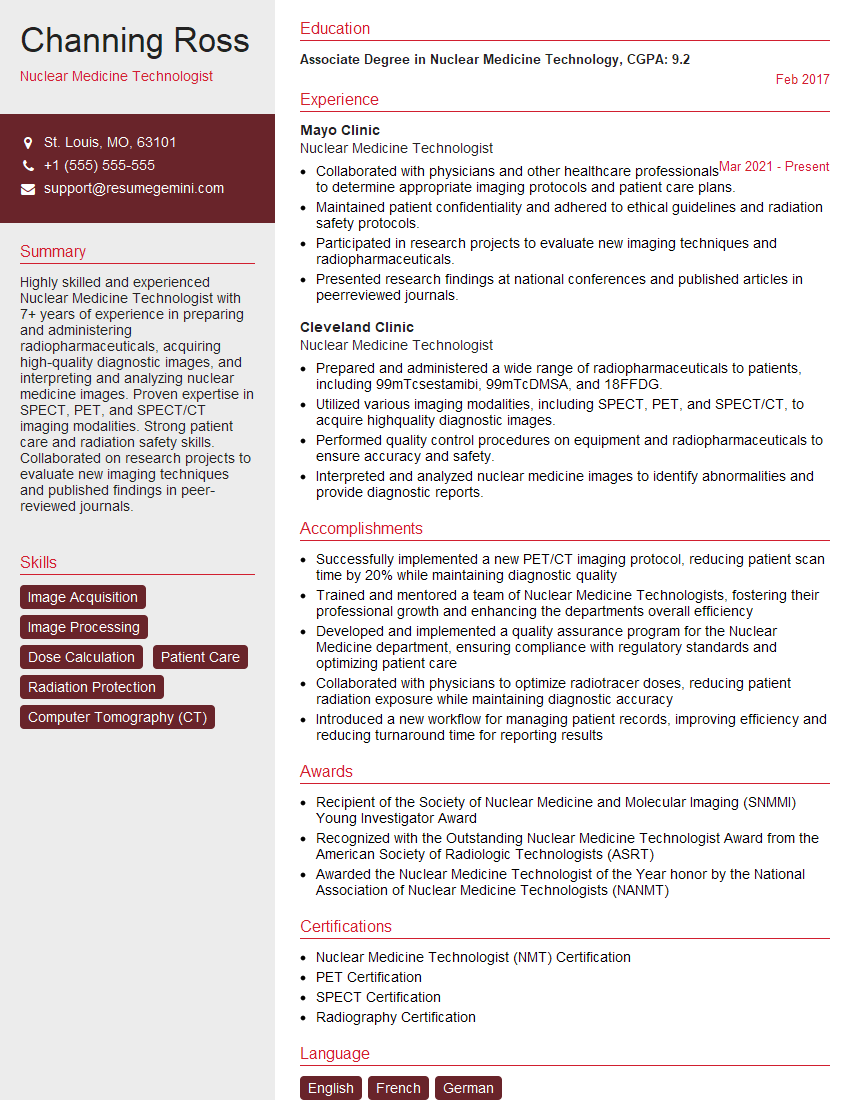
Mastering Radiation Emergency Management opens doors to a fulfilling and impactful career, offering opportunities for leadership, problem-solving, and contributing to public safety. To maximize your job prospects, creating a strong, ATS-friendly resume is crucial. ResumeGemini is a trusted resource to help you build a professional and impactful resume that highlights your skills and experience effectively. Examples of resumes tailored specifically to Radiation Emergency Management are available to guide your process. Invest time in crafting a compelling resume – it’s your first impression with potential employers.

Explore more articles
Users Rating of Our Blogs
Share Your Experience
We value your feedback! Please rate our content and share your thoughts (optional).
What Readers Say About Our Blog
Very informative content, great job.
good