Preparation is the key to success in any interview. In this post, we’ll explore crucial Biosolids Management and Reuse interview questions and equip you with strategies to craft impactful answers. Whether you’re a beginner or a pro, these tips will elevate your preparation.
Questions Asked in Biosolids Management and Reuse Interview
Q 1. Explain the different methods for biosolids stabilization.
Biosolids stabilization is a crucial process aimed at reducing pathogens, eliminating odors, and improving the overall handling and management of biosolids. It’s essentially making the sludge safer and more manageable. Several methods exist, each with its own strengths and weaknesses:
- Aerobic Digestion: This method uses oxygen to break down organic matter. Think of it like composting on a large scale. Microorganisms consume the organic material, resulting in a reduced volume and stabilized product. This process is relatively efficient in pathogen reduction and odor control.
- Anaerobic Digestion: Unlike aerobic digestion, this process occurs in the absence of oxygen. The microorganisms involved produce biogas, a mixture of methane and carbon dioxide, which can be harnessed as a renewable energy source. Anaerobic digestion is effective at reducing volume but may require additional treatment to fully meet pathogen reduction requirements.
- Lime Stabilization: This method uses lime (calcium hydroxide) to raise the pH of the biosolids, killing many pathogens. It’s a relatively simple and quick process, but it doesn’t significantly reduce the volume and can result in a high-pH product that may need further treatment before reuse.
- Heat Treatment: This involves exposing biosolids to high temperatures, effectively killing pathogens and reducing odors. It’s a highly effective method, but it is energy-intensive and costly.
The choice of method depends on factors such as available resources, budget, desired end product, and local regulations.
Q 2. Describe the process of biosolids dewatering.
Biosolids dewatering is the process of removing excess water from the biosolids to reduce volume and improve handleability. Think of it as squeezing out the water from a wet sponge. This significantly reduces transportation and disposal costs. Common methods include:
- Belt filter presses: These use belts and pressure to squeeze water out of the biosolids, resulting in a cake-like product.
- Centrifuges: These machines use centrifugal force to separate the solids from the water. They’re efficient but can be expensive.
- Vacuum filters: These employ vacuum pressure to draw water through a filter medium, leaving behind the dewatered biosolids.
- Lagooning/Drying Beds: A more natural method involving spreading biosolids thinly to allow for sun and wind evaporation. This method is cost-effective but slow and relies on favorable weather conditions.
The selection of the appropriate dewatering method hinges on factors like the type of biosolids, the desired solids content, and the overall budget. A facility might even employ a combination of methods to optimize the process.
Q 3. What are the key regulatory requirements for biosolids management?
Regulatory requirements for biosolids management vary by location but generally focus on protecting public health and the environment. Key aspects often include:
- Pathogen reduction: Regulations specify acceptable levels of pathogens (bacteria, viruses, parasites) in biosolids, often requiring specific treatment methods to achieve these levels.
- Pollutant limits: Limits are set for various pollutants, including heavy metals, such as arsenic and lead, and other chemicals. These limits ensure that biosolids do not contaminate soil or water resources.
- Vector attraction reduction: Regulations may address the need to minimize the attraction of disease vectors like rodents and flies. This often involves management practices that prevent accumulation of odorous or easily accessible material.
- Record keeping and reporting: Detailed records of biosolids generation, treatment, and disposal must be maintained and submitted to regulatory agencies.
- Site-specific permits: Land application or other disposal methods often require specific permits, outlining permitted application rates and monitoring requirements.
It’s crucial to stay updated on the specific regulations in your area to ensure compliance. Regulatory agencies provide guidance documents and resources to assist in meeting these requirements.
Q 4. How do you ensure compliance with environmental regulations regarding biosolids disposal?
Ensuring compliance involves a multi-faceted approach:
- Regular Monitoring: Conduct routine testing of biosolids to check for pathogens, pollutants, and other parameters according to regulatory requirements. Results must be documented and reported.
- Process Control: Implement a robust quality control system to monitor and manage the biosolids treatment process. This includes regular maintenance of equipment, operator training, and adherence to established operating procedures.
- Record Keeping: Meticulous record keeping of all aspects of biosolids management, from generation to disposal, is essential for demonstrating compliance. This includes treatment parameters, testing results, and application records.
- Compliance Audits: Undergo regular compliance audits by internal or external auditors to assess the effectiveness of your biosolids management program and identify areas for improvement.
- Regulatory Communication: Maintain open communication with regulatory agencies, providing timely reports and addressing any concerns proactively.
Proactive compliance not only prevents penalties but also safeguards public health and the environment, fostering a responsible and sustainable approach to biosolids management.
Q 5. Discuss the advantages and disadvantages of land application of biosolids.
Land application of biosolids, while a sustainable practice, presents both advantages and disadvantages:
- Advantages:
- Nutrient cycling: Biosolids provide valuable nutrients (nitrogen, phosphorus, potassium) to the soil, reducing the need for synthetic fertilizers.
- Soil improvement: They can improve soil structure, water retention, and aeration.
- Cost-effective: Compared to other disposal methods, land application can be a cost-effective way to manage biosolids.
- Disadvantages:
- Potential for contamination: Improper application can lead to contamination of surface and groundwater with pathogens, nutrients, or heavy metals.
- Odor issues: Land application can produce odors, particularly if not managed correctly.
- Regulatory constraints: Strict regulations govern land application, including application rates and monitoring requirements.
- Public perception: Negative public perception of biosolids can hinder land application projects, even if properly managed.
Careful site selection, adherence to regulatory guidelines, and appropriate application methods are crucial to mitigate the risks and maximize the benefits of land application.
Q 6. What are the different methods for biosolids beneficial reuse?
Beneficial reuse of biosolids goes beyond land application and includes a variety of innovative approaches:
- Composting: Biosolids can be composted with other organic materials, producing a valuable soil amendment.
- Bioenergy production: Anaerobic digestion of biosolids produces biogas, which can be used for energy generation.
- Construction materials: Biosolids are increasingly being incorporated into construction materials, such as bricks and paving materials.
- Soil amendment for mine reclamation: Biosolids can help in the restoration of degraded mine lands by improving soil quality and promoting vegetation growth.
- Agricultural applications beyond land application: For example, some biosolids are processed and used as feed supplements for certain livestock.
The choice of beneficial reuse method depends on the quality of the biosolids, local regulations, and the specific application.
Q 7. Explain the concept of biosolids pathogen reduction.
Biosolids pathogen reduction aims to significantly decrease the number of harmful microorganisms, such as bacteria, viruses, and parasites, to levels safe for handling, transport, and reuse. This is crucial for protecting public health and the environment. Methods to achieve this include:
- Heat treatment: High temperatures effectively kill pathogens.
- Lime stabilization: Raising the pH to highly alkaline levels eliminates many pathogens.
- Aerobic digestion: The process utilizes microorganisms that consume organic matter and reduce pathogen populations.
- Anaerobic digestion: Although less effective than aerobic digestion on its own, it can be combined with other treatments.
Effective pathogen reduction is not only a matter of selecting the right method but also of ensuring that the process is properly managed and monitored. Regular testing is essential to verify the effectiveness of the treatment and confirm that pathogen levels meet regulatory requirements. This is critical to ensure the safe handling and ultimate beneficial reuse of the biosolids.
Q 8. How do you monitor the quality of biosolids throughout the treatment process?
Monitoring biosolids quality is crucial throughout the treatment process to ensure they meet regulatory requirements and are suitable for beneficial reuse. This involves a multi-stage approach, incorporating both physical and chemical analyses.
- Receiving and Pretreatment: We begin by assessing the influent wastewater characteristics to predict the quality of the resulting biosolids. This includes parameters like total suspended solids (TSS), volatile solids (VS), pH, and the presence of heavy metals.
- During Treatment: Regular monitoring during treatment (e.g., aerobic digestion, anaerobic digestion) focuses on tracking key indicators such as volatile solids reduction, pathogen reduction, and nutrient levels (nitrogen and phosphorus). We use online sensors for continuous monitoring of critical parameters like pH and temperature, providing immediate alerts for any deviations.
- Digested Biosolids: After treatment, comprehensive analyses are performed on the digested biosolids. This includes tests for pathogens (bacteria, viruses, and parasites), heavy metals, and other pollutants like pharmaceuticals and personal care products. Specific tests depend on the intended use of the biosolids. For example, if the biosolids will be used in agriculture, we’ll pay close attention to nutrient content and potentially phytotoxic compounds.
- Before Application: Before land application, a final quality check is essential. This involves verifying that the biosolids meet regulatory limits for pollutants and pathogens as defined by the relevant environmental agency.
Think of it like baking a cake – you monitor the ingredients, the mixing process, and the baking time to ensure a delicious outcome. Similarly, continuous monitoring of biosolids ensures a safe and effective end product.
Q 9. Describe your experience with different biosolids handling and storage methods.
My experience encompasses various biosolids handling and storage methods, each with its own advantages and disadvantages. The choice depends on factors like biosolids characteristics, available space, budget, and environmental regulations.
- Thickening: This initial step reduces the volume of biosolids, often using gravity or centrifugation. It improves handling and reduces storage space.
- Anaerobic Digestion: I have extensive experience in this process, which stabilizes biosolids and reduces odors while producing biogas, a renewable energy source. Different digester types (e.g., covered lagoons, CSTRs) require different management strategies.
- Aerobic Digestion: This method also stabilizes biosolids but requires more energy than anaerobic digestion. It’s generally used for smaller treatment plants or when odor control is paramount.
- Storage: Storage methods include lagoons, covered storage facilities, and holding tanks. Lagoons are cost-effective but require large land areas. Covered storage minimizes odor and reduces the risk of vector attraction. The type of storage depends on the climate, local regulations, and the intended reuse pathway.
- Dewatering: Reducing the water content through mechanical dewatering (belt filter presses, centrifuges) or thermal dewatering reduces transportation and handling costs and makes land application more efficient.
In one project, we successfully transitioned a plant from lagoon storage to a covered storage facility, significantly improving odor control and worker safety.
Q 10. What are the potential environmental impacts of improper biosolids management?
Improper biosolids management can have significant negative environmental impacts, affecting air, water, and soil quality. These consequences can be far-reaching and costly.
- Water Pollution: Discharge of untreated or inadequately treated biosolids into water bodies can lead to eutrophication (excessive nutrient enrichment), causing algal blooms, oxygen depletion, and harm to aquatic life. Heavy metals and other pollutants can bioaccumulate in the food chain.
- Air Pollution: Improper storage and handling can release foul odors and potentially harmful gases (e.g., methane, ammonia) into the atmosphere. These odors can impact nearby communities, and greenhouse gas emissions contribute to climate change.
- Soil Contamination: Land application of biosolids containing excessive heavy metals or pathogens can contaminate soil and groundwater, potentially harming plant life, wildlife, and human health. This can lead to restrictions on land use for agriculture or other purposes.
- Vector Attraction: Poorly managed biosolids can attract disease vectors such as flies and rodents, which can spread disease.
Imagine a scenario where untreated biosolids contaminate a local water source – it could lead to health issues, damage to the ecosystem, and significant economic losses for the community.
Q 11. How do you assess the suitability of land for biosolids application?
Assessing land suitability for biosolids application is a critical step in ensuring environmental protection and effective nutrient management. It involves a thorough evaluation of several factors.
- Soil Type and Properties: We assess soil texture, drainage, organic matter content, and pH to determine the biosolids’ ability to infiltrate and prevent runoff. Well-drained soils with good water-holding capacity are ideal.
- Hydrology: We evaluate the potential for groundwater contamination by examining water table depth, soil permeability, and surface water proximity. Land with a deep water table and low permeability is preferred.
- Topography: Steep slopes increase the risk of runoff and erosion, so gently sloping land is more suitable. Erosion control measures might be needed for sloped areas.
- Nutrient Levels: Pre-application soil testing is essential to determine existing nutrient levels (nitrogen, phosphorus, potassium) to avoid over-application. The goal is to optimize nutrient use and prevent potential pollution.
- Environmental Regulations: Compliance with local and state regulations regarding biosolids application rates, set-back distances from water bodies, and monitoring requirements is crucial.
- Crop Type: The choice of crops greatly influences biosolids application. Certain crops have a higher demand for specific nutrients and can benefit greatly from biosolids application. Certain crops are sensitive to salinity from biosolids.
This comprehensive assessment helps us select suitable land that minimizes environmental risks and maximizes the beneficial use of biosolids.
Q 12. What are the key factors influencing the choice of biosolids treatment technology?
The choice of biosolids treatment technology depends on a number of interacting factors, including the characteristics of the incoming wastewater, the desired end product, regulatory requirements, and cost considerations.
- Biosolids Characteristics: The concentration of solids, the presence of pathogens, and the nutrient content influence the technology selection. High solids content might favor mechanical dewatering, while high pathogen loads might necessitate more intensive treatment.
- Regulatory Requirements: Regulations regarding pathogen reduction, heavy metal limits, and other pollutants significantly constrain the available options. Meeting these standards is paramount.
- Land Availability and Cost: Technologies requiring extensive land (e.g., lagoons) might not be feasible in densely populated areas or if land costs are high. The operating and capital costs also play a crucial role.
- Energy Recovery: Anaerobic digestion is often preferred for its potential to produce biogas, a renewable energy source that can offset operational costs and reduce carbon footprint.
- End-Use: The intended use of the biosolids (e.g., land application, incineration) influences the treatment approach. For land application, pathogen reduction and nutrient management are key, while incineration focuses on volume reduction and pathogen destruction.
For example, a small treatment plant with limited space might choose aerobic digestion, while a large facility aiming for energy recovery might opt for anaerobic digestion coupled with mechanical dewatering.
Q 13. Describe your experience with anaerobic digestion of biosolids.
Anaerobic digestion is a cornerstone of modern biosolids management. It’s a biological process where microorganisms break down organic matter in the absence of oxygen, producing biogas and stabilized biosolids. My experience spans various digester types and operational strategies.
- Process Optimization: I’ve worked on optimizing digester performance through careful control of parameters like temperature, pH, and mixing. Efficient mixing ensures uniform substrate distribution and enhances microbial activity. Temperature control is crucial as different microbial communities thrive at different temperature ranges (mesophilic, thermophilic).
- Biogas Management: I’ve been involved in designing and implementing systems for biogas capture, treatment, and utilization. Biogas can be used to generate electricity, heat, or compressed natural gas (CNG), making anaerobic digestion an environmentally and economically sustainable solution.
- Digester Troubleshooting: I’ve dealt with various operational challenges, including foaming, acidification, and process upsets. Understanding the microbial ecology of the digester is crucial for effective troubleshooting and maintaining optimal performance. Effective monitoring and analysis allows us to promptly address operational challenges before significant impact occurs.
- Digester Design and Upgrades: I have experience in evaluating and upgrading existing digesters to enhance efficiency and biogas production. This could involve installing new mixing systems, optimizing temperature control, or implementing process control strategies.
In one instance, we implemented a new process control system for a struggling anaerobic digester, resulting in a significant increase in biogas production and improved digester stability. The experience highlighted how effective process control is critical for a smooth, efficient operation.
Q 14. Explain the role of nutrient management in biosolids land application.
Nutrient management is integral to responsible biosolids land application. It aims to optimize nutrient use by crops while minimizing environmental risks such as water pollution.
- Soil Testing: Regular soil testing before and after biosolids application determines the existing nutrient levels and helps optimize application rates to meet crop needs. This prevents nutrient over-application which would lead to potential runoff and eutrophication.
- Nutrient Balance: We strive to match the nutrient content of the biosolids with crop requirements. This involves analyzing the biosolids for nitrogen, phosphorus, and potassium to determine the appropriate application rates.
- Application Methods: Different application methods (e.g., surface spreading, injection) can impact nutrient availability and the potential for runoff and leaching. We choose the method that best suits the soil type, climate, and crop being grown.
- Manure Management: Biosolids are often used in conjunction with other organic amendments, such as manure. Careful planning is necessary to avoid nutrient imbalances and potential environmental problems. Proper planning and oversight help maintain optimal nutrient balances for healthy plant growth.
- Monitoring: Post-application monitoring of soil and water quality helps evaluate the effectiveness of the nutrient management strategy and identify any potential issues. This ensures that we maintain ecological balance and prevent negative impacts.
Consider a farmer who applies biosolids to their fields without adequate nutrient testing – they might over-fertilize, leading to nutrient runoff that pollutes nearby waterways. Proper nutrient management prevents this and ensures sustainable agriculture.
Q 15. How do you manage the risks associated with odor control in biosolids management?
Odor control is paramount in biosolids management, as unpleasant smells can lead to public complaints and regulatory issues. Effective odor management involves a multi-pronged approach focusing on prevention and mitigation.
- Source Control: This involves minimizing odor-producing substances at the source. Techniques include optimizing the wastewater treatment process to reduce volatile organic compounds (VOCs) and using appropriate aeration strategies in digesters to minimize anaerobic decomposition. For example, ensuring proper mixing in anaerobic digesters prevents the formation of stagnant zones where odor-causing compounds can accumulate.
- Process Control: Careful control of the biosolids treatment process is crucial. This includes maintaining optimal pH levels and temperature in digesters to inhibit odor-generating bacteria. Regular monitoring of volatile organic acids (VOAs) and other odor precursors helps proactively identify potential issues.
- Odor Treatment Technologies: If odors persist, various technologies can be used for treatment. These include biofilters (using microorganisms to break down odorous compounds), activated carbon adsorption (adsorbing odors onto activated carbon), and chemical scrubbing (using chemical solutions to neutralize odors). I’ve successfully implemented biofiltration systems in several projects, achieving significant odor reduction with minimal environmental impact. The choice of technology depends on factors like odor composition, volume of air to be treated, and budget.
- Proper Enclosure and Containment: Enclosing biosolids storage and processing areas reduces the release of odors into the surrounding environment. This is often coupled with negative pressure systems to draw air away from potential odor sources.
- Community Engagement: Open communication with the local community is key. This includes proactive monitoring of odor complaints, informing residents about operations, and providing mechanisms for reporting any issues. For instance, in one project, we established a dedicated hotline and regular community meetings to address odor concerns promptly and transparently.
Career Expert Tips:
- Ace those interviews! Prepare effectively by reviewing the Top 50 Most Common Interview Questions on ResumeGemini.
- Navigate your job search with confidence! Explore a wide range of Career Tips on ResumeGemini. Learn about common challenges and recommendations to overcome them.
- Craft the perfect resume! Master the Art of Resume Writing with ResumeGemini’s guide. Showcase your unique qualifications and achievements effectively.
- Don’t miss out on holiday savings! Build your dream resume with ResumeGemini’s ATS optimized templates.
Q 16. What are the common challenges in biosolids management and how would you overcome them?
Biosolids management presents several challenges, including regulatory compliance, public perception, cost-effectiveness, and resource limitations. Overcoming these requires a strategic, multi-faceted approach.
- Regulatory Compliance: Staying updated with ever-evolving regulations concerning biosolids handling, treatment, and disposal is critical. This requires robust record-keeping, regular testing, and ensuring adherence to all applicable permits. We employ specialized software to track all aspects of biosolids management, ensuring seamless compliance.
- Public Perception: Negative perceptions about biosolids can hinder their beneficial reuse. Effective communication strategies, including educational campaigns and community outreach programs, can change attitudes and build trust. I personally believe in transparency and always strive to engage the community to dispel any misconceptions.
- Cost-Effectiveness: Biosolids management can be expensive. Optimizing treatment processes, exploring cost-effective technologies, and maximizing resource recovery, such as generating biogas from anaerobic digestion, can significantly reduce costs.
- Resource Limitations: Land availability for biosolids application is often a constraint. Exploring alternative beneficial reuse options, such as co-composting with yard waste or using biosolids as soil amendment in constructed wetlands, helps overcome this limitation.
- Technological Advancements: Staying abreast of technological advancements in biosolids treatment and beneficial reuse is essential to improve efficiency and minimize environmental impact. I actively participate in industry conferences and workshops to gain knowledge about new innovations.
Q 17. Describe your experience with biosolids composting.
My experience with biosolids composting spans over 10 years, encompassing various composting methods and operational scales. I have been involved in the design, construction, and operation of both in-vessel and open-windrow composting systems. In-vessel systems offer better control over parameters like temperature and moisture content, leading to a more consistent product. Open-windrow systems, on the other hand, are often more cost-effective, though they require more careful management of aeration and turning.
One project I led involved designing an in-vessel composting system for a large municipal wastewater treatment plant. We carefully selected a system that met the plant’s capacity needs while ensuring compliance with environmental regulations. The system successfully reduced the volume of biosolids significantly, producing a high-quality compost suitable for agricultural use. A key aspect of success was meticulous monitoring of temperature, moisture, and oxygen levels, which we achieved by implementing a sophisticated control system. This allowed us to optimize the composting process and produce a safe and stable end product within a tight timeframe.
Q 18. Explain the role of quality control in ensuring the safe reuse of biosolids.
Quality control is essential to ensure the safe reuse of biosolids. A rigorous quality control program helps prevent environmental contamination and protects public health. It’s not simply about testing; it’s about a systematic approach encompassing every stage of the biosolids management process.
- Raw Material Monitoring: This begins with the wastewater treatment process itself, monitoring the quality of the raw biosolids before any treatment commences. This includes parameters such as solids content, pH, and potential pathogens.
- Treatment Process Monitoring: Throughout the treatment process (e.g., digestion, dewatering, composting), regular monitoring is critical. Parameters like temperature, moisture content, and volatile solids are carefully tracked to optimize the process and ensure effective pathogen reduction.
- End-Product Testing: Before biosolids are reused, comprehensive testing is conducted to determine their quality and suitability for intended use. This includes tests for pathogens, heavy metals, and other contaminants. Testing must follow established guidelines, often set by regulatory bodies.
- Record Keeping and Documentation: Meticulous record-keeping of all processes and test results is crucial for demonstrating compliance with regulations and ensuring traceability. We utilize sophisticated software to maintain comprehensive records.
- Internal Audits: Regular internal audits ensure that all aspects of the quality control system are functioning correctly and that any gaps are addressed promptly.
For example, if heavy metal levels exceed regulatory limits, corrective measures, such as implementing stricter pretreatment strategies, are implemented immediately. A robust quality control program builds public confidence and safeguards against potential risks associated with biosolids reuse.
Q 19. What are the key parameters used to monitor biosolids quality?
Several key parameters are used to monitor biosolids quality, ensuring they meet regulatory requirements and are suitable for reuse. These can be broadly categorized into:
- Physical Parameters: These include total solids (TS), volatile solids (VS), moisture content, and particle size distribution. These parameters affect the handling, storage, and application of biosolids.
- Chemical Parameters: These include pH, nutrient content (nitrogen, phosphorus, potassium), heavy metals (e.g., lead, cadmium, mercury), and organic matter content. These parameters are vital for assessing the suitability of biosolids for agricultural applications.
- Biological Parameters: These focus on pathogens, including fecal coliforms, Salmonella, and E. coli. Pathogen reduction is critical for protecting public health and the environment. Testing methods often include plate counts and molecular techniques.
The specific parameters monitored will depend on the intended use of the biosolids and relevant regulatory requirements. For example, biosolids intended for land application in agricultural fields will have stricter limits on pathogen levels compared to those used in less sensitive applications. Regular monitoring of these parameters ensures compliance with regulations and promotes safe and beneficial reuse.
Q 20. How do you determine the appropriate dose rate of biosolids for land application?
Determining the appropriate dose rate of biosolids for land application is critical for maximizing beneficial effects while minimizing potential risks. This involves a multifaceted approach that considers several factors.
- Soil Properties: The type of soil greatly influences the amount of biosolids that can be applied without adverse effects. Sandy soils can absorb higher rates than clay soils, which have a lower permeability and can experience nutrient runoff.
- Crop Needs: The nutrient requirements of the intended crop need to be considered. Applying excessive biosolids could lead to nutrient imbalances, while insufficient application might limit crop yields. Soil testing is essential to establish baseline nutrient levels.
- Regulatory Limits: Regulatory agencies typically set limits on the amount of biosolids that can be applied per unit area, based on factors like heavy metal content and pathogen levels. Compliance with these limits is mandatory.
- Environmental Concerns: Factors like potential for groundwater contamination, surface runoff, and air quality impacts need to be assessed. This may involve using models to predict the fate and transport of pollutants.
- Previous Application History: Historical data on biosolids application rates, soil tests, and crop yields can provide valuable insights for determining suitable application rates in the future.
In practice, determining the appropriate dose rate often involves a combination of soil tests, crop nutrient requirements, regulatory guidelines, and modeling. For instance, in one case, we used a nutrient management model to simulate various application rates and predict nutrient uptake by the crop, ensuring optimal fertilization while preventing nutrient runoff and maintaining soil quality.
Q 21. Explain the process of developing a biosolids management plan.
Developing a comprehensive biosolids management plan is a crucial step for ensuring responsible and sustainable management of biosolids. This plan is a roadmap that outlines all aspects of the process, from biosolids generation to final disposal or beneficial reuse.
- Characterization of Biosolids: The plan begins with characterizing the biosolids produced, including their quantity, quality, and characteristics. This involves analyzing various parameters as previously described.
- Treatment and Processing: The plan should define the methods for processing biosolids, including thickening, digestion, dewatering, and stabilization. Cost-effectiveness and environmental impact should be considered.
- Beneficial Reuse Options: The plan should explore and evaluate various beneficial reuse options for the biosolids, considering factors like feasibility, regulatory requirements, and market availability. Options range from land application to composting to energy recovery.
- Disposal Options: In cases where beneficial reuse is not feasible, the plan should outline suitable disposal options, including landfill disposal or incineration, while minimizing environmental impacts.
- Monitoring and Evaluation: A comprehensive monitoring program is essential to track the effectiveness of the plan, ensuring compliance with regulations, and making adjustments as needed. Regular audits and reviews are part of this process.
- Emergency Response Plan: The plan should include procedures for handling unforeseen events, such as spills or equipment failures. This involves establishing clear communication protocols and outlining steps for remediation.
- Community Engagement: A successful biosolids management plan involves community stakeholders, addressing their concerns, and fostering transparency.
The development of a biosolids management plan requires a collaborative effort involving engineers, scientists, regulators, and community representatives. The plan should be reviewed and updated regularly to reflect changes in technology, regulations, and community needs. This iterative approach ensures the long-term sustainability and environmental responsibility of biosolids management.
Q 22. What are the economic considerations in biosolids management?
Economic considerations in biosolids management are multifaceted and crucial for sustainable operations. They encompass the entire lifecycle, from initial treatment and processing to final disposal or beneficial reuse. Key factors include:
- Capital Costs: This includes the initial investment in infrastructure such as digesters, dewatering equipment, and storage facilities. The choice of technology significantly impacts this cost; for example, advanced anaerobic digestion systems have higher upfront costs but potentially lower operational expenses.
- Operational Costs: These are ongoing expenses related to energy consumption (for processes like aeration and pumping), chemicals (for conditioning and pH adjustment), labor, maintenance, and transportation. Optimizing processes and employing energy-efficient technologies can significantly reduce operational costs.
- Disposal Costs: Landfilling biosolids is expensive, with fees varying depending on location and regulatory requirements. Exploring beneficial reuse options, such as land application or composting, can dramatically reduce these costs while offering environmental benefits.
- Revenue Generation: Beneficial reuse can generate revenue through the sale of compost or biosolids as soil amendments. This revenue stream can offset operational costs and improve the overall financial viability of the management program.
- Regulatory Compliance: Meeting regulatory requirements related to biosolids quality, disposal, and reporting involves costs for testing, permits, and reporting. A well-planned program can minimize these costs by prioritizing compliance from the outset.
For example, a municipality might compare the costs of landfilling versus composting biosolids, considering capital investment in composting facilities, operational costs (labor, energy), potential revenue from compost sales, and the long-term environmental and financial implications of each option. A thorough lifecycle cost analysis is crucial for making informed decisions.
Q 23. Describe your experience with different types of biosolids processing equipment.
My experience encompasses a wide range of biosolids processing equipment, from conventional to advanced technologies. I’ve worked with:
- Belt Filter Presses: These are widely used for dewatering, effectively removing excess water from digested sludge. I’ve overseen the operation and maintenance of several belt filter presses, including troubleshooting issues like belt slippage and cake thickness variations.
- Centrifuges: These offer another effective dewatering method, separating solids from liquids through centrifugal force. My experience includes optimizing centrifuge operation parameters (speed, polymer dosage) to achieve optimal dewatering efficiency.
- Anaerobic Digesters: I have extensive experience in operating and maintaining both high-rate and low-rate anaerobic digesters, focusing on process optimization to maximize biogas production and stabilize biosolids. This includes managing the influent characteristics and monitoring key parameters like pH, temperature, and volatile fatty acids (VFAs).
- Thermal Drying Systems: I’ve worked with both indirect and direct thermal dryers for producing Class A biosolids. This involves managing energy efficiency and ensuring compliance with air emission standards.
My experience extends beyond just operation and maintenance. I’ve also been involved in the selection, procurement, and commissioning of new equipment, ensuring that the chosen technology best meets the specific needs and constraints of the facility. I always prioritize safety and efficiency in equipment selection and operation.
Q 24. How do you maintain accurate records and documentation related to biosolids management?
Maintaining accurate records and documentation in biosolids management is paramount for regulatory compliance, operational efficiency, and effective decision-making. Our system utilizes a combination of:
- Electronic Data Management Systems (EDMS): We use a dedicated software system to track all aspects of biosolids management, from influent characteristics and processing parameters to ultimate disposal or reuse records. This ensures data integrity and simplifies data retrieval for reporting and analysis.
- Laboratory Data Management: All laboratory results, including analyses of biosolids characteristics (metals, pathogens, etc.), are recorded digitally, linked to the EDMS, and stored securely.
- Chain of Custody Documentation: We maintain meticulous chain-of-custody documentation for all biosolids movements, from the treatment plant to the final destination (land application site, composting facility, etc.). This ensures traceability and accountability.
- Regulatory Reporting: We use the EDMS to compile data for regulatory reporting, ensuring compliance with all applicable local, state, and federal regulations. This includes reports on biosolids generation, processing, disposal, and beneficial reuse.
Regular audits and internal reviews ensure data accuracy and identify areas for improvement. Data security measures are in place to protect sensitive information. This comprehensive approach guarantees transparency and provides a reliable audit trail for all biosolids management activities.
Q 25. Discuss your experience in using different technologies for biosolids treatment.
My experience with biosolids treatment technologies is extensive, ranging from conventional to advanced methods. I’ve worked with:
- Aerobic Digestion: This process uses oxygen to break down organic matter, resulting in a stabilized and reduced-volume biosolids product. I have experience optimizing aeration rates and managing oxygen transfer efficiency.
- Anaerobic Digestion: This process uses microorganisms in the absence of oxygen to break down organic matter, producing biogas as a byproduct. My expertise includes optimizing digester performance to maximize biogas yield and minimize volatile fatty acid (VFA) accumulation.
- Lime Stabilization: This chemical stabilization method effectively reduces pathogens and odors, but it produces a higher volume of sludge. I’ve managed the chemical addition process and optimized lime dosage to achieve target stabilization levels.
- Composting: I’ve been involved in both in-vessel and windrow composting operations, managing the composting process parameters (temperature, aeration, moisture) to produce a high-quality compost product suitable for soil amendment.
Technology selection depends on numerous factors, including the characteristics of the influent biosolids, available resources (land, energy, capital), regulatory requirements, and desired end product. My approach is to evaluate each technology holistically, considering its technical feasibility, environmental impact, and economic viability before making recommendations.
Q 26. What are the emerging trends in biosolids management and reuse?
Emerging trends in biosolids management and reuse are driven by sustainability concerns and technological advancements. Key trends include:
- Enhanced Biogas Production and Utilization: Research focuses on optimizing anaerobic digestion to maximize biogas production, followed by upgrading the biogas to renewable natural gas (RNG) for energy purposes or injection into natural gas pipelines.
- Resource Recovery: Efforts are underway to recover valuable resources from biosolids, such as phosphorus, nitrogen, and other nutrients, for use in agriculture or industrial applications. This moves away from simple disposal towards a circular economy model.
- Advanced Treatment Technologies: New technologies are being developed for more efficient and sustainable biosolids treatment, including advanced oxidation processes and membrane filtration for enhanced pathogen reduction and resource recovery.
- Data-Driven Optimization: Sensor technology and process modeling are being integrated into biosolids treatment facilities for real-time monitoring and predictive control, optimizing energy consumption and operational efficiency.
- Increased Public Acceptance: Effective communication and education initiatives are crucial for increasing public understanding and acceptance of beneficial biosolids reuse practices, demonstrating the environmental and economic benefits.
These trends reflect a shift from a waste disposal mentality to a resource recovery approach, maximizing the value of biosolids while minimizing their environmental footprint.
Q 27. How do you ensure the safety of workers involved in biosolids handling and processing?
Worker safety is an absolute priority in biosolids handling and processing. Our safety program integrates several key elements:
- Comprehensive Training: All personnel receive comprehensive training on safe handling procedures, personal protective equipment (PPE) use, emergency response protocols, and hazard recognition.
- PPE Provision and Use: Appropriate PPE, including respirators, gloves, eye protection, and protective clothing, is provided and strictly enforced. Regular inspections ensure the proper condition and fit of PPE.
- Engineering Controls: Engineering controls, such as enclosed systems, automated handling equipment, and ventilation systems, minimize worker exposure to hazardous materials. Regular maintenance and inspection of these systems are crucial.
- Monitoring and Health Surveillance: We implement a robust health monitoring program, including regular medical checkups and testing for potential exposure-related health effects.
- Emergency Response Plan: A well-defined emergency response plan is in place to address potential accidents and spills, ensuring rapid and effective response to minimize risks to workers and the environment.
Regular safety meetings, audits, and near-miss reporting contribute to a culture of safety, promoting continuous improvement and minimizing risks. Safety is not just a policy; it’s a core value integrated into all aspects of our operations.
Q 28. Describe your experience with public outreach and education related to biosolids management.
Public outreach and education are vital for ensuring the successful implementation of biosolids management programs and fostering public trust. My experience includes:
- Educational Workshops and Presentations: I’ve conducted workshops and presentations for local communities, stakeholders, and regulatory agencies, providing information about biosolids treatment, beneficial reuse practices, and the environmental benefits of responsible management.
- Community Forums and Public Meetings: I’ve participated in community forums and public meetings to answer questions, address concerns, and build trust through open communication and transparency. This often involves proactively addressing potential misconceptions about biosolids.
- Develop Informative Materials: I’ve been involved in developing educational materials, such as brochures, website content, and fact sheets, explaining complex biosolids management concepts in clear and accessible language for the general public. These materials provide accurate information and dispel myths.
- Collaborations with Stakeholders: Building strong partnerships with local farmers, environmental groups, and other stakeholders is essential. This collaborative approach fosters mutual understanding and facilitates the successful implementation of beneficial reuse projects.
Our outreach strategy focuses on providing accurate, accessible, and engaging information to build public trust and ensure community support for sustainable biosolids management practices. Transparency and proactive communication are central to this effort.
Key Topics to Learn for Biosolids Management and Reuse Interview
- Biosolids Characteristics and Properties: Understanding the physical, chemical, and biological properties of biosolids, including their composition and variability.
- Biosolids Treatment Technologies: Familiarize yourself with various treatment methods such as anaerobic digestion, aerobic digestion, thickening, dewatering, and stabilization. Be prepared to discuss the advantages and disadvantages of each.
- Biosolids Beneficial Reuse Options: Explore different applications of biosolids, including land application for agriculture, composting, and other beneficial reuse pathways. Understand relevant regulations and environmental considerations.
- Regulatory Compliance and Permitting: Grasp the legal framework surrounding biosolids management and reuse. This includes understanding relevant environmental regulations and permitting processes.
- Environmental Impact Assessment: Be prepared to discuss the potential environmental impacts of biosolids management and reuse, both positive and negative. This includes considerations of nutrient cycling, pathogen reduction, and potential soil contamination.
- Process Optimization and Control: Understand the principles of process optimization and control within biosolids treatment plants, including strategies for improving efficiency and minimizing environmental impact.
- Health and Safety: Demonstrate knowledge of relevant health and safety procedures and regulations concerning biosolids handling and treatment.
- Economic Considerations: Discuss the economic aspects of biosolids management, including cost-benefit analyses of different treatment and reuse options.
- Emerging Technologies: Stay updated on the latest advancements and research in biosolids management and reuse.
- Problem-Solving and Decision-Making: Be ready to discuss scenarios requiring troubleshooting and decision-making within a biosolids management context. Consider examples demonstrating your analytical and problem-solving skills.
Next Steps
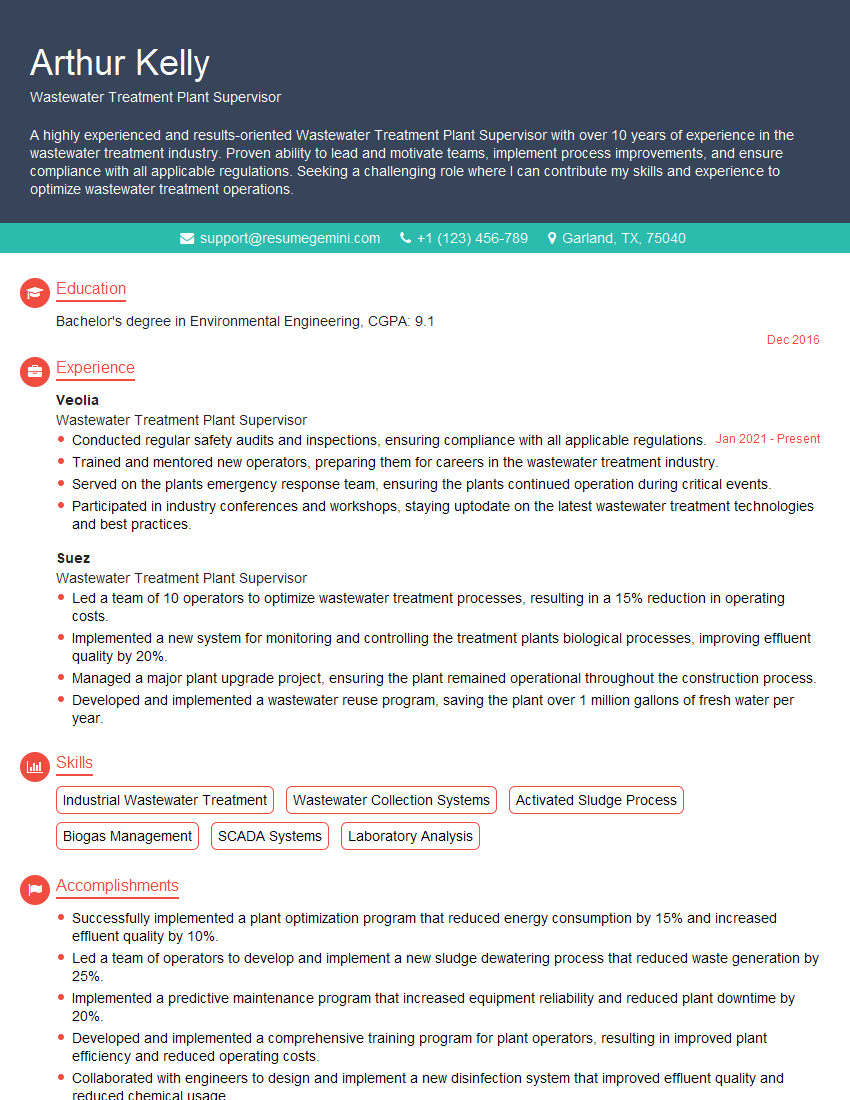
Mastering Biosolids Management and Reuse opens doors to a rewarding career with significant impact on environmental sustainability. To maximize your job prospects, creating a strong, ATS-friendly resume is crucial. ResumeGemini can help you build a professional resume that highlights your skills and experience effectively. We provide examples of resumes tailored to the Biosolids Management and Reuse field, to help you create a compelling application that stands out. Take the next step towards your dream career – invest in your resume today with ResumeGemini.
Explore more articles
Users Rating of Our Blogs
Share Your Experience
We value your feedback! Please rate our content and share your thoughts (optional).
What Readers Say About Our Blog
Very informative content, great job.
good