Every successful interview starts with knowing what to expect. In this blog, we’ll take you through the top Prop Layout interview questions, breaking them down with expert tips to help you deliver impactful answers. Step into your next interview fully prepared and ready to succeed.
Questions Asked in Prop Layout Interview
Q 1. Describe your experience in creating prop layouts for various film/TV projects.
My experience in prop layout spans over ten years, encompassing a wide range of film and television projects, from independent features to large-scale network productions. I’ve worked on everything from period dramas requiring meticulously researched historical props to futuristic sci-fi films needing custom-built, high-tech gadgets. I approach each project by first collaborating closely with the production designer and art director to understand the overall vision and aesthetic. This involves reviewing the script, storyboards, and any pre-existing concept art. Then, I develop detailed prop lists, specifying every item, its function, and its visual characteristics. This ensures a cohesive and consistent look across all sets and scenes. For example, on a recent period piece, I meticulously sourced and placed antique furniture, tableware, and clothing to accurately reflect the time period, while on a modern-day crime thriller, I focused on creating realistic and believable props that would support the narrative without being distracting.
Beyond the initial design phase, I oversee the construction, acquisition, and placement of props on set. This includes working with prop masters, builders, and rental houses to procure or create the required items. I also ensure that all props are properly labeled, stored, and maintained throughout the production process. This meticulous attention to detail ensures that the props not only look the part but also function as intended, enhancing the overall production quality. I pride myself on delivering consistent, high-quality results, ensuring props perfectly complement the narrative and visual style of each production.
Q 2. How do you manage a large number of props on set?
Managing a large number of props requires a highly organized and systematic approach. Think of it like running a mini-warehouse operation. I typically employ a three-pronged strategy: meticulous cataloging, strategic storage, and efficient tracking. Firstly, every prop receives a unique identification number and detailed description, including material, condition, and location. This information is meticulously documented in a digital database—often using dedicated prop management software. Secondly, I work closely with the production’s art department to establish designated storage areas, clearly labelled and organized by scene, prop type, or actor. This may involve creating a detailed floor plan of the prop storage to optimize space and accessibility. Finally, I utilize a robust tracking system, often a combination of software and physical checklists. This allows me to know exactly where every prop is at any given time, ensuring quick access and preventing loss or damage. For larger productions, RFID tags or barcode scanners can greatly enhance the efficiency of this process.
Regular inventory checks are crucial. I schedule these at regular intervals—often daily—to verify the accuracy of the database and address any discrepancies immediately. This proactive approach significantly reduces the chance of prop-related delays or mishaps during filming. In essence, effective prop management on large-scale productions is about organization, technology, and constant vigilance.
Q 3. Explain your process for creating a prop budget.
Creating a prop budget involves a detailed breakdown of costs associated with each prop. This begins with the initial prop list, which is then used to estimate the costs associated with acquisition, construction, rental, or modification. I consider factors such as material costs, labor hours, shipping, and potential insurance fees. It is important to research different vendors and suppliers to find the most cost-effective options, while maintaining quality. Often, I will utilize a spreadsheet or dedicated budgeting software. The spreadsheet is broken down into categories, for example: purchased props, rental props, custom-built props, and prop maintenance. Each category includes a detailed breakdown of individual costs. This allows for transparency and facilitates easy tracking of spending throughout the production.
For custom-built props, I’ll work closely with prop makers to get detailed quotes and incorporate those into the budget. Contingency funds are also factored in to account for unexpected costs or last-minute changes. This meticulous process results in a detailed budget that is easily understood by the production team and allows for financial accountability.
Q 4. How do you ensure the safety of props on set?
Ensuring prop safety is paramount. Safety protocols are integrated into every aspect of prop handling, from acquisition to disposal. For example, all props are inspected upon arrival, particularly those that might pose a risk—like weapons, explosives, or sharp objects. Strict safety regulations are adhered to; for instance, any replica weapons are carefully checked and rendered safe for filming by qualified armorers. All potentially hazardous materials are labelled, stored in secure locations, and handled only by authorized personnel. I create and maintain detailed safety guidelines for handling and storing different types of props. These guidelines are distributed to the entire prop crew and regularly reviewed.
Regular safety inspections and crew training sessions are vital. I also ensure that adequate safety equipment is available and readily accessible – including gloves, eye protection and any specialist equipment relevant to the props in use. This proactive approach minimizes risk and fosters a safe working environment for everyone on set.
Q 5. Describe your experience with prop sourcing and acquisition.
My experience in prop sourcing and acquisition is extensive. I have built strong relationships with various vendors, prop houses, antique dealers, and craftsmen over the years. This network allows me to access a wide range of items, from readily available stock items to unique, custom-made props. The sourcing process begins with detailed research. Once the initial prop list is finalized, I begin the search, often employing multiple strategies simultaneously. This might involve online searches, contacting specialized vendors, visiting antique shops, or commissioning bespoke pieces from skilled craftspeople.
For example, sourcing props for a period drama requires meticulous research to ensure historical accuracy. This often involves reviewing historical records, photographs, and museum collections. Conversely, for a science fiction film, I may collaborate with designers and fabricators to create futuristic items. Negotiating prices, managing deliveries, and ensuring that acquired items meet the required specifications are all critical aspects of this process. I maintain detailed records of all sourcing and acquisition activities, including vendor information, purchase orders, and delivery details.
Q 6. How do you handle last-minute prop changes or requests?
Handling last-minute prop changes or requests requires adaptability and resourcefulness. My approach is to remain calm, assess the situation quickly, and prioritize. The first step is to thoroughly understand the nature of the change and its impact on the existing prop plan. Then, I evaluate the feasibility of the request, considering factors such as availability, cost, and timeline. If the change is feasible, I immediately begin sourcing or constructing the new prop, working closely with the relevant teams to expedite the process.
Communication is key; I keep the production team informed of the progress and any potential challenges. Sometimes, creative solutions are needed. For instance, if a prop is unavailable, I may explore alternatives, such as modifying an existing prop or using a stand-in. Flexibility and problem-solving skills are essential in managing unforeseen changes, and I focus on finding efficient and cost-effective solutions while maintaining the overall production schedule.
Q 7. What software or tools are you proficient in for prop management?
I’m proficient in several software and tools for prop management. Spreadsheet software like Microsoft Excel and Google Sheets are fundamental for creating and managing detailed prop lists, budgets, and inventory. Database programs help track items, their locations, and associated metadata. I frequently use dedicated prop management software such as PropMaster or similar programs, which offer more advanced features like asset tracking, inventory control, and reporting capabilities. These tools allow for streamlined workflows and improve collaboration among team members. 3D modeling software like Blender or Cinema 4D is useful for visualizing and designing custom props, especially for complex projects. Finally, project management software like Asana or Trello can aid in coordinating tasks, tracking deadlines, and ensuring that prop-related activities stay on schedule.
Proficiency in these tools allows me to efficiently manage large and complex projects, ensuring that the prop department operates smoothly and effectively.
Q 8. How do you communicate effectively with the art department and other crew members regarding props?
Effective communication with the art department and crew is paramount in prop layout. I prioritize clear, concise, and proactive communication. This involves regular meetings, detailed prop lists with images and specifications, and readily available communication channels (e.g., shared online documents, messaging apps). For example, before a shoot, I’d share a comprehensive prop list highlighting specific requirements, such as material, color, and condition. If the art department needs a specific antique chair with a particular style of carving, I ensure the request is documented clearly, including images for reference if possible. Post-production, I’ll provide a detailed inventory report on any prop damage or losses to facilitate accurate budgeting and future planning.
I also actively listen to feedback from the art department and other crew members. They may have valuable insights that could improve prop placement, aesthetics, or functionality. For instance, a cinematographer might suggest repositioning a prop to optimize lighting or camera angles. I value this collaborative approach as it leads to better on-set decision-making and overall production quality.
Q 9. Explain your experience with prop maintenance and repair.
Prop maintenance and repair are critical aspects of my role. My experience encompasses a wide range of techniques, from simple cleaning and minor repairs to more complex restoration work. I’m proficient in using various tools and materials to address damage, such as wood glue for broken furniture, fabric patches for torn costumes, and specialized cleaners for delicate artifacts. For instance, on a recent period drama, a valuable antique clock malfunctioned. I worked closely with a specialist clockmaker to ensure its proper repair and functionality without compromising its historical integrity.
I maintain a detailed log of all repairs, noting the date, the prop, the nature of the damage, and the steps taken to repair it. This ensures accountability and provides a history for future reference. Preventive maintenance, such as regular cleaning and appropriate storage, is also a key part of my process. This minimizes the need for major repairs and extends the lifespan of the props significantly.
Q 10. Describe your experience with creating custom-made props.
Creating custom-made props requires a blend of artistic skill, technical proficiency, and attention to detail. I have extensive experience in crafting custom props, drawing upon my knowledge of various materials (wood, metal, plastics, fabrics) and construction techniques. For example, on a fantasy film, I was tasked with designing and creating a unique ceremonial sword. This involved researching historical sword designs, selecting appropriate materials (metal, wood for the hilt), and utilizing blacksmithing and woodworking skills to bring the design to life.
The process usually starts with a detailed design concept, often involving sketches and digital models. Once the design is approved, I source the necessary materials and tools, carefully construct the prop, and apply finishing touches like painting, weathering, or distressing, depending on the project’s requirements. I maintain meticulous records of the process, including materials lists, construction methods, and any modifications made during the creation process.
Q 11. How do you prioritize prop placement to enhance visual storytelling?
Prioritizing prop placement is crucial for effective visual storytelling. It’s about more than just placing items – it’s about guiding the audience’s eye and reinforcing the narrative. I consider several factors: the story’s context, character development, emotional tone, and overall aesthetic. A prop’s position can subtly communicate character traits or advance the plot.
For instance, a cluttered desk might suggest a busy, disorganized character, while a pristine, minimalist space could imply order and control. I often use the ‘rule of thirds’ and leading lines to create visually appealing arrangements. Moreover, I work closely with the director and cinematographer to ensure prop placement complements the camera angles and lighting, enhancing the overall visual impact. A prop strategically placed in the foreground can draw the viewer’s attention to a key detail, while props in the background can create atmosphere and context.
Q 12. How do you manage the storage and organization of props?
Efficient storage and organization are vital for maintaining prop integrity and ensuring accessibility. I utilize a categorized storage system, often incorporating a combination of labeled boxes, shelves, and racks, tailored to the specific needs of the props. Fragile or valuable items are stored separately, using protective packaging and climate-controlled conditions if necessary.
A detailed inventory system, often using a database or spreadsheet, is essential for tracking each prop’s location, condition, and usage history. This helps prevent losses and ensures items are readily available when needed. Regular inventory checks and audits are crucial to ensure the system’s accuracy and identify potential issues like damage or missing items. The system also allows for easy tracking and retrieval, saving time during busy shoots.
Q 13. How do you ensure props are historically accurate or consistent with the project’s vision?
Ensuring historical accuracy or consistency with a project’s vision requires extensive research and attention to detail. I begin by thoroughly researching the period, location, or style relevant to the project. This research may involve consulting historical records, books, museum archives, and experts in the field. For example, for a film set in Victorian England, I would research the common furniture styles, clothing, and household items of the time.
I then use this research to source appropriate props or create custom-made pieces that accurately reflect the desired aesthetic. I also work closely with the art department and production designers to ensure the props align with the overall vision and artistic style of the project. This collaborative approach guarantees consistency and helps prevent any inconsistencies that might disrupt the audience’s immersion in the story.
Q 14. How do you handle damaged or missing props?
Handling damaged or missing props requires a systematic approach. The first step is to document the damage or loss, noting the date, time, location, and extent of the problem. This documentation is vital for insurance claims or for informing future prop acquisition strategies. I then assess the severity of the damage. Minor damages can often be repaired in-house, while significant damage may require professional restoration or replacement.
For missing props, I initiate a search, checking storage areas and contacting crew members. If the prop cannot be located, I work with the production team to determine whether a replacement can be sourced or a substitute found. Depending on the production timeline and budget, a decision is made on either repairing the item, sourcing a replacement from a prop house, creating a replica, or potentially removing the prop from the scene entirely, adjusting the script accordingly if required.
Q 15. What is your process for creating a detailed prop list?
Creating a detailed prop list is crucial for a successful production. My process is methodical and ensures nothing is overlooked. It starts with a thorough understanding of the script or project brief, identifying all scenes and the specific objects needed. I then break down each scene, creating a detailed list including:
- Prop Name: A clear and concise description of each prop (e.g., ‘Antique grandfather clock,’ ‘Leather-bound journal’).
- Scene: The scene(s) where the prop is used.
- Quantity: The number of each prop required.
- Specifications: Detailed description of the prop’s appearance, size, material, condition (e.g., ‘worn,’ ‘new,’ ‘specific color’). I might even include reference images.
- Source: Where I plan to acquire the prop (rental, purchase, build, etc.).
- Notes: Any special handling requirements, potential challenges, or alternatives.
For larger projects, I utilize spreadsheets or dedicated prop management software to organize this information, allowing for easy tracking, modification, and collaboration. For example, I once managed a period piece film with over 500 props, and my spreadsheet was invaluable in keeping everything organized and accounted for.
Career Expert Tips:
- Ace those interviews! Prepare effectively by reviewing the Top 50 Most Common Interview Questions on ResumeGemini.
- Navigate your job search with confidence! Explore a wide range of Career Tips on ResumeGemini. Learn about common challenges and recommendations to overcome them.
- Craft the perfect resume! Master the Art of Resume Writing with ResumeGemini’s guide. Showcase your unique qualifications and achievements effectively.
- Don’t miss out on holiday savings! Build your dream resume with ResumeGemini’s ATS optimized templates.
Q 16. Explain your experience with prop rentals and returns.
My experience with prop rentals and returns is extensive. I understand the importance of careful handling, accurate inventory management, and adherence to rental agreements. Before renting, I meticulously inspect each prop, documenting its condition with photos. This protects both the renter and the owner from disputes. During the production, I implement a strict system for prop tracking and handling, ensuring they remain protected and available when needed. Upon return, I conduct another thorough inspection, comparing the prop’s condition against the initial documentation. Any damage is documented, and I communicate this promptly to the rental company. This transparent process has built strong relationships with rental houses and ensured smooth collaborations.
I’ve even negotiated favorable terms with rental companies on multiple occasions by showcasing my track record of meticulous care and timely returns.
Q 17. How do you deal with copyright or intellectual property concerns related to props?
Copyright and intellectual property are paramount. My process starts by clearly identifying any props that might be subject to copyright or trademark. This includes branded products, copyrighted designs, or recognizable artworks. If a prop requires reproduction or adaptation, I always seek permission from the rights holder. This might involve securing licensing agreements or creating original designs inspired by, but not directly copying, the original work. I ensure all documentation related to permission or licensing is meticulously filed and easily accessible. For example, replicating a famous painting even for a museum exhibit would require prior approval and crediting of the artist.
I am very cautious in seeking and obtaining proper permissions, and prioritize ethical considerations throughout my process.
Q 18. Describe a situation where you had to problem-solve a prop-related issue.
During a stage production of ‘Hamlet,’ the crucial prop – the poisoned chalice – was accidentally broken a day before the opening night. The replica was irreplaceable, and panic ensued. My solution was immediate. I first assessed the damage, then gathered the team. We discussed potential solutions, including altering the scene to remove the chalice. However, removing the chalice would have altered the director’s vision significantly. Instead, I contacted a local prop maker, explaining the urgency. They agreed to work late into the night, and we used a combination of existing materials and fast-drying resin to create a near-perfect replacement. We successfully replaced the broken prop, maintaining the director’s vision and preventing a disastrous opening night.
Q 19. How do you integrate digital props into your layout plans?
Integrating digital props into layout plans requires a multi-faceted approach. First, I understand the specifications of the digital props, including their file formats (e.g., FBX, OBJ) and dimensions. Then I use 3D modeling software (such as Blender or Cinema 4D) or dedicated layout software (like CAD programs) to import and position the digital assets within the physical set design. This allows for virtual pre-visualization, ensuring the digital prop integrates seamlessly with the physical environment. I account for lighting, shadows, and perspective to ensure the digital prop looks realistic within the scene. Finally, I create detailed instructions for the production team on how to integrate the digital props and where they’ll be projected or augmented within the set.
Q 20. How familiar are you with various prop materials and their properties?
My familiarity with prop materials is extensive. I understand the properties of various materials – their durability, cost-effectiveness, aesthetic qualities, and suitability for different environments. This ranges from traditional materials like wood, metal, and fabric to more modern materials like plastics, resins, and 3D-printed materials. I consider factors such as weight, fragility, flammability, and ease of cleaning when selecting materials. For example, I would avoid using highly flammable materials near lighting equipment. Understanding these properties ensures the safety and longevity of the props and avoids potential mishaps during production.
Q 21. Explain your experience with prop scaling and miniature prop creation.
Prop scaling and miniature prop creation require precision and attention to detail. I have experience scaling down existing prop designs, ensuring accurate proportions and maintaining the original design’s integrity. This often involves using digital tools to create accurate scaled models before physical construction. For miniature prop creation, I use a variety of techniques depending on the required level of detail and the material. This can include sculpting, molding, 3D printing, and even repurposing existing items. Accurate scaling is crucial to maintaining realism. For example, creating a miniature model of a Victorian mansion required meticulous research of architecture to ensure it was proportionally accurate and visually consistent with the scale of the other props. For very detailed miniature props, I might use specialist modelling techniques like scratch building or resin casting to achieve the desired level of realism.
Q 22. How do you ensure props are functional and safe for actors to use?
Ensuring prop safety is paramount. My approach is multifaceted, starting long before the actors even touch them. It involves a rigorous three-stage process: Acquisition, Inspection, and Preparation.
Acquisition: I source props from reputable suppliers, prioritizing quality and durability. For potentially hazardous items (e.g., firearms, sharp objects), I ensure they come with appropriate safety certifications and documentation. For example, I might specifically request antique firearms that are deactivated and certified as such by a qualified authority.
Inspection: Each prop undergoes a thorough inspection upon arrival. This involves checking for any defects, loose parts, or sharp edges. For example, if a prop sword is being used, I’ll make sure the edges are properly dulled and the blade securely fastened to the hilt. I document everything, with photos and a detailed log for traceability.
Preparation: This stage focuses on making props safe for use. This might include padding sharp edges, securing loose parts, or implementing safety mechanisms. If a prop is made of a breakable material, I will explore alternatives or reinforce it to reduce the risk of shattering. For example, if we need a glass bottle that needs to break in a scene, I might opt for a safety glass alternative to minimize the risk to actors and crew.
Finally, I conduct safety briefings with the actors to cover proper handling and usage, emphasizing potential risks and emergency procedures. This collaboration helps prevent accidents and ensures a smooth and safe production.
Q 23. Describe your experience with working with different budgets and time constraints.
My experience spans a wide range of budgets and timelines. On a high-budget historical drama, I had the resources to source authentic props and engage specialized artisans for recreations. Time wasn’t as constricting, allowing for meticulous detail and extensive safety checks. On a low-budget indie film, I employed resourceful techniques such as repurposing existing items, negotiating with thrift stores, and using creative workarounds to achieve the desired look with limited resources. Prioritizing safety remained constant, but the solutions often required more ingenuity and adaptability.
In both cases, careful planning is key. I meticulously create a prop budget and schedule, breaking down tasks into manageable units. On a short timeline, this requires prioritizing essential props, utilizing readily available materials, and establishing clear communication with the director and art department. Flexibility is key to adapting to unexpected issues or changes in the production plan, which often arise, regardless of budget.
Q 24. How do you stay organized and manage your time efficiently during a shoot?
Organization is crucial in prop layout. My approach relies on detailed spreadsheets and digital asset management. I maintain an inventory list of all props, including their condition, location, and assigned actor (if applicable). I use a color-coded system to track items that are ready for use, in need of repair, or awaiting approval. Digital organization helps in locating props instantly, while physical storage is planned for easy accessibility.
Time management is achieved through careful scheduling. I break down large tasks into smaller, manageable steps, prioritizing items based on their urgency and impact on the shoot. I consistently update the schedule based on production progress and address potential delays proactively. Regular communication with the art department, director, and set crew helps in resolving any scheduling conflicts and optimizing workflow.
Q 25. What are some common challenges in prop layout and how do you overcome them?
Common challenges include: unexpected damage, prop malfunctions, and time pressure.
Unexpected Damage: A prop might get damaged during transport or handling. My solution is to always have backup props, especially for crucial items. I also implement careful handling procedures and packaging to minimize damage during transit.
Prop Malfunctions: A prop might malfunction during shooting (e.g., a light flickering, a mechanism failing). I carry a comprehensive toolkit with replacement parts and tools for minor repairs, alongside a contact list for specialists should more complex repairs be required. Preparation and pre-shoot testing minimize this issue.
Time Pressure: Often there’s a limited time to prep and set props. This requires meticulous planning and efficient workflow. I prioritize props according to their scene usage, ensuring the most essential items are ready first. I also delegate tasks where appropriate, maximizing efficiency.
Ultimately, proactive planning, meticulous preparation, and adaptability are crucial in overcoming these hurdles.
Q 26. Describe your knowledge of safety regulations regarding props on set.
Safety regulations concerning props vary depending on location (country, state) and production type. However, common regulations focus on: safe handling, storage, and usage of potentially hazardous props.
Firearms: These necessitate a licensed armorer, specific storage, and adherence to strict safety protocols during handling and usage. Blanks must be used with extreme caution, with safety measures in place to minimize injury risk.
Sharp Objects: Knives, swords, and other sharp props must be dulled and properly secured to prevent accidental injury. I typically use safety versions of sharp objects, or if authenticity is necessary, ensure actors are properly trained and supervised during usage.
Flammable Materials: The use of flammable materials necessitates strict fire safety precautions, including designated fire safety officers and fire extinguishers available on-set. Working with pyrotechnics requires additional permits and specialized personnel.
I stay abreast of all relevant regulations by consulting with safety officers and reviewing industry best practices. I ensure all safety procedures are properly documented and followed by the entire team.
Q 27. How do you collaborate with other departments (e.g., set design, wardrobe) to ensure cohesive set design?
Collaboration is essential. I maintain open communication with set design, wardrobe, and other departments from the pre-production stage. This collaborative process ensures a cohesive look and minimizes conflicts. I actively participate in design meetings, reviewing set designs and wardrobe choices, proposing ways to integrate props seamlessly. For example, I would work closely with wardrobe to ensure that a prop weapon fits comfortably and safely in a character’s holster.
I provide clear specifications for props, including size, color, material, and style, to maintain consistency with the overall visual aesthetic. Digital mockups and detailed sketches help to visualize how props interact with set design and costumes. This minimizes time and cost issues later during production, allowing for changes to be addressed collaboratively and efficiently.
Q 28. Explain your understanding of the legal aspects of using props in film and television productions.
Understanding the legal aspects of prop usage is crucial. It involves acquiring necessary permissions and licenses, particularly for copyrighted materials (e.g., branded products) or items that might require specific permits (e.g., firearms, certain historical artifacts). Using props that depict real-world brands often necessitates obtaining permissions from those brands. I ensure all legal requirements are meticulously addressed before using any prop. This includes securing any necessary licenses and obtaining written permissions for the reproduction or use of copyrighted materials, historical artifacts, or branded products.
Furthermore, liability is a concern. Contracts should define responsibilities regarding prop damage or injury during production. Proper insurance coverage is essential to mitigate potential financial risks.
Key Topics to Learn for Prop Layout Interview
- Understanding Prop Layout Fundamentals: Grasp the core concepts of prop drilling, prop lifting, and context APIs. Understand the differences and when to use each approach.
- Practical Application of Prop Types: Demonstrate proficiency in using various prop types (string, number, boolean, array, object, etc.) and validating prop types for robust component design.
- Managing Complex Prop Structures: Learn strategies for handling deeply nested prop structures and utilizing techniques for efficient data management and transfer.
- State Management Integration with Prop Layout: Understand how prop layout interacts with state management libraries like Redux, Context API, or Zustand. Be able to explain how to effectively manage data flow between components.
- Performance Optimization in Prop Layout: Discuss techniques for optimizing component rendering and data transfer to improve overall application performance. This includes strategies for preventing unnecessary re-renders.
- Testing Strategies for Prop Layout: Demonstrate knowledge of unit testing and integration testing methodologies to ensure the reliability and correctness of components using props.
- Troubleshooting Common Prop Layout Issues: Be prepared to discuss common problems encountered when working with props, such as unexpected behavior, type errors, or inefficient data flow, and how to effectively debug and resolve them.
Next Steps
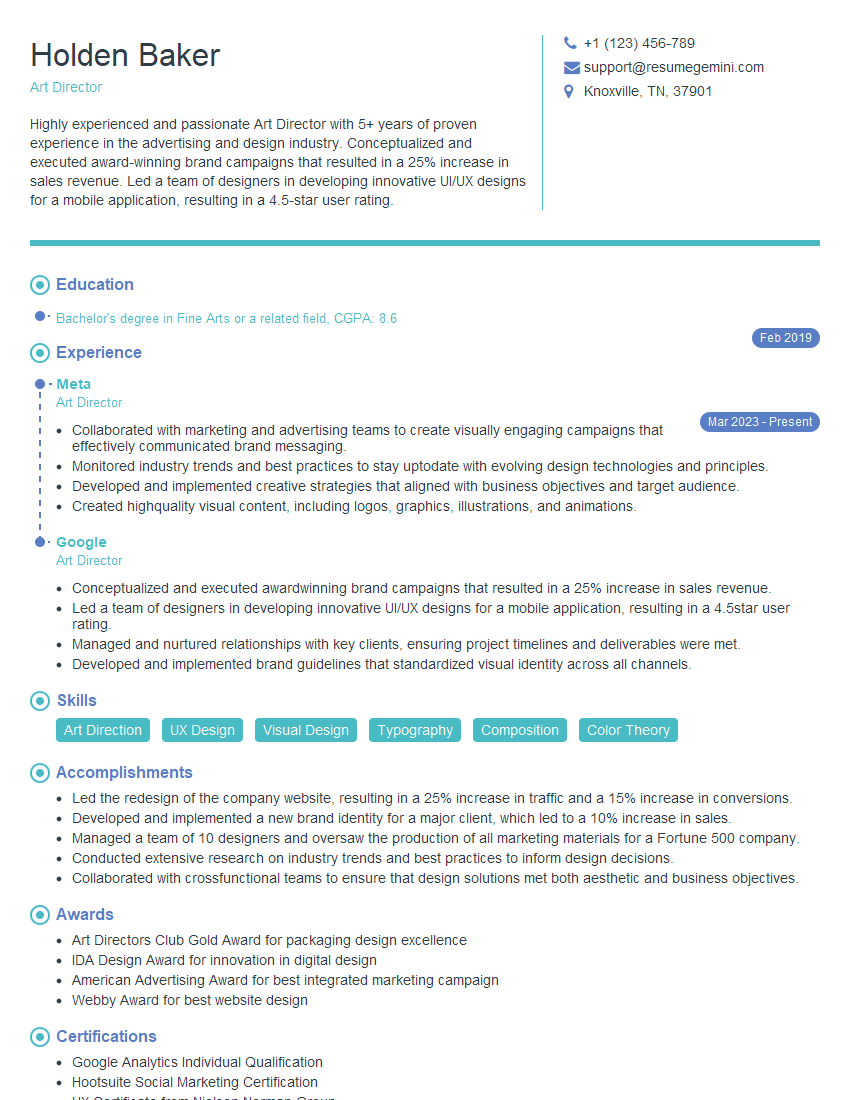
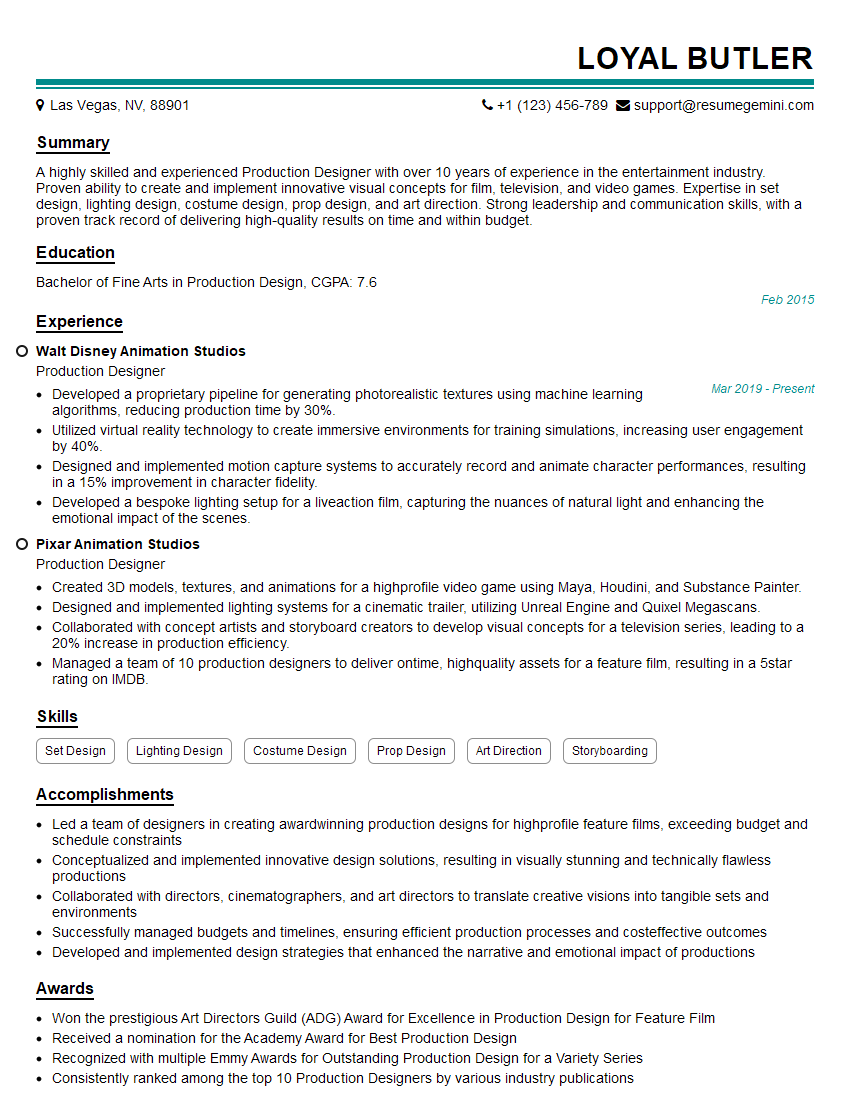
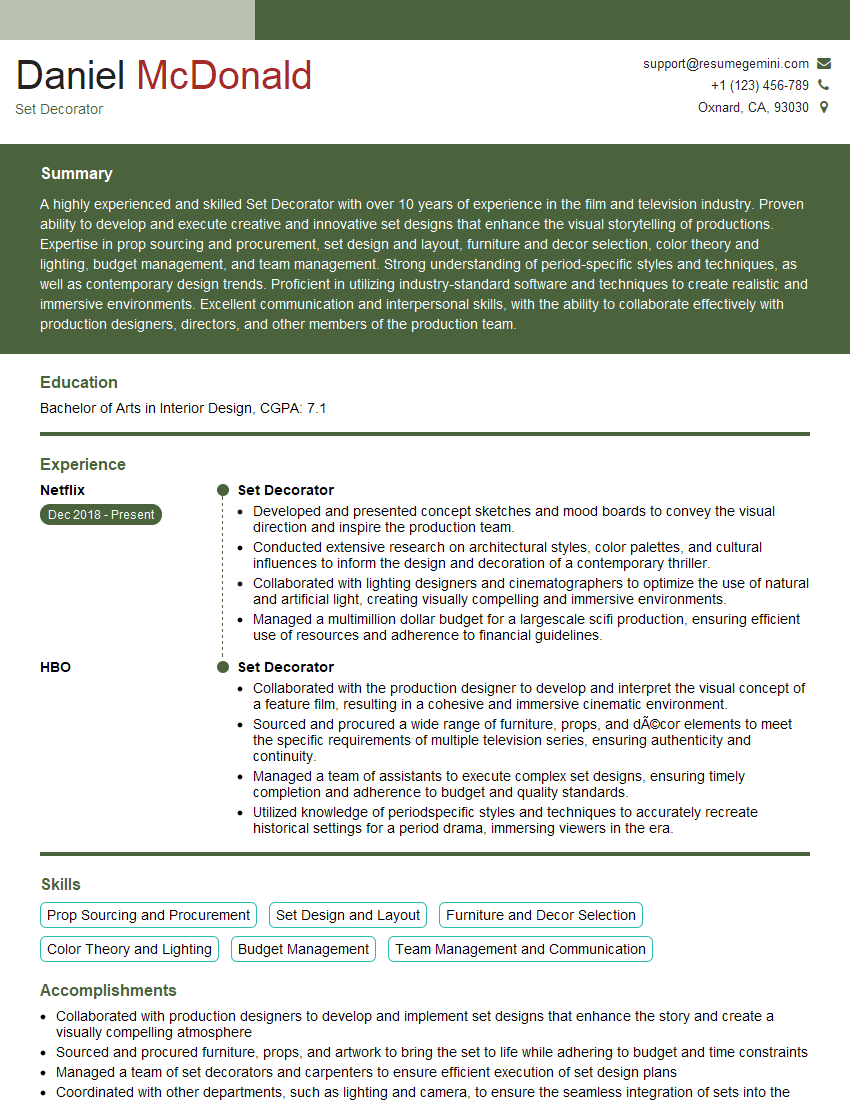
Mastering prop layout is crucial for building robust, scalable, and maintainable React applications, significantly enhancing your value to potential employers. A strong understanding of prop management demonstrates your proficiency in component architecture and data flow. To maximize your job prospects, create an ATS-friendly resume that highlights your skills and experience effectively. ResumeGemini is a trusted resource to help you build a professional and impactful resume that showcases your expertise in Prop Layout. Examples of resumes tailored to Prop Layout are provided to help guide you.
Explore more articles
Users Rating of Our Blogs
Share Your Experience
We value your feedback! Please rate our content and share your thoughts (optional).
What Readers Say About Our Blog
Very informative content, great job.
good