Are you ready to stand out in your next interview? Understanding and preparing for Sorting and categorizing laundry interview questions is a game-changer. In this blog, we’ve compiled key questions and expert advice to help you showcase your skills with confidence and precision. Let’s get started on your journey to acing the interview.
Questions Asked in Sorting and categorizing laundry Interview
Q 1. Explain your process for sorting laundry by color.
Sorting laundry by color is crucial for preventing color bleeding and maintaining the vibrancy of your clothes. My process involves a three-way system: whites, lights, and darks.
- Whites: This includes items that are predominantly white or off-white, such as t-shirts, towels, and sheets. I inspect these carefully for any stubborn stains before washing.
- Lights: This category encompasses pastel shades, light blues, pinks, and yellows. Items in this group should be relatively colorfast, but I still exercise caution by pre-treating any questionable stains.
- Darks: This group includes darker colors like black, navy, deep reds, and purples. I separate these to avoid any potential dye transfer to lighter garments.
Think of it like painting – you wouldn’t mix your white paint with your dark blues, right? The same principle applies to laundry!
Q 2. How do you handle delicate items during sorting?
Handling delicate items requires extra care. I always separate them from the main laundry load. I look for items with delicate fabric labels that instruct to hand wash or use the delicate cycle. For these, I often use mesh laundry bags to protect them during the machine wash. This prevents snagging and damage from the agitation of the washer. For truly delicate items such as lingerie or hand-knitted sweaters, hand-washing is the preferred method, using gentle detergents and cool water.
Imagine handling a fine silk scarf – you wouldn’t just throw it in with your jeans! Delicates need the same gentle approach.
Q 3. Describe your method for identifying and separating stained garments.
Identifying and separating stained garments is essential to prevent the stain from setting and spreading. My method involves a thorough visual inspection of each item. I make a note of the type of stain (e.g., grass, blood, wine) as different stains require different pre-treatment methods. Items with visible stains are pre-treated with a stain remover appropriate for the stain type before sorting them into their respective color groups.
I always treat stains as soon as possible; the longer a stain sits, the harder it is to remove.
- Example: A grass stain on a white shirt would be pre-treated with a stain remover, then added to the whites load.
Q 4. What are the safety precautions you take when handling laundry?
Safety is paramount when handling laundry. I always follow these precautions:
- Proper handling of detergents and bleaches: I always read and follow the instructions on the labels. I ensure proper ventilation while handling such chemicals and never mix bleach with other cleaning products, as this can create dangerous fumes.
- Caution with hot surfaces: I allow the dryer to cool down before unloading it to prevent burns. I am also cautious when handling hot irons during ironing.
- Careful handling of sharp items: I check pockets thoroughly before washing to prevent damage to the machine and other clothing from sharp objects like pins or scissors.
Think of safety protocols as your laundry’s bodyguard – it ensures a safe and efficient process.
Q 5. How do you efficiently sort large volumes of laundry?
Sorting large volumes of laundry efficiently involves using a systematic approach and possibly employing additional resources. I start by creating designated sorting areas for whites, lights, darks, and delicates. I would likely employ multiple hampers or laundry baskets to pre-sort the clothing as it’s collected. Teamwork can also be a huge asset in a large-scale laundry operation; multiple people can work simultaneously to accelerate the sorting process.
Imagine a restaurant kitchen – they have a system for food preparation; large-scale laundry requires a similar efficient system.
Q 6. How do you prioritize different laundry items based on urgency or fabric type?
Prioritization is key, especially in professional settings or households with busy schedules. My approach involves:
- Urgency: Items needed urgently, like a work uniform, are prioritized and dealt with separately, often hand-washed if necessary.
- Fabric type: Delicates, requiring hand-washing or a gentle cycle, are usually processed separately to avoid damage.
- Soiling: Heavily soiled items are addressed first to prevent stain setting.
Think of it like task management – prioritizing tasks based on their deadline and importance makes the whole laundry process more manageable.
Q 7. Explain your experience with different laundry symbols and their meanings.
Understanding laundry symbols is crucial for proper garment care. I have extensive experience interpreting these symbols, which are usually found on clothing labels.
⚡(Washing tub with a number): Indicates the maximum washing temperature (e.g., 30°C).⚠(Iron): Specifies the maximum ironing temperature.⚢(Triangle): Represents bleaching instructions.⚣(Square): Provides guidelines for drying methods (e.g., tumble drying, air drying).
These symbols act as a universal language ensuring we treat each garment appropriately, prolonging its life and appearance.
Q 8. How do you handle damaged or ripped clothing during the sorting process?
Handling damaged clothing requires a careful approach to prevent further damage and ensure appropriate cleaning. I begin by visually inspecting each item and separating those with damage from undamaged garments. Ripped or torn clothing is categorized based on the severity of the damage.
- Minor Damage: Small tears or loose seams are typically repaired before washing. I might use a needle and thread for simple repairs or, if necessary, use fabric glue for delicate materials.
- Significant Damage: Larger rips or extensive damage may require more substantial mending, possibly by a professional tailor. These items are kept separate to avoid further damage to themselves or other laundry during the wash cycle.
- Beyond Repair: Sometimes, damage is too severe to mend. These items are placed in a designated bag for disposal or recycling, depending on material and condition. I always maintain thorough records in case of insurance claims or similar.
Think of it like a triage system in a hospital – the most critical cases get immediate attention, while less urgent ones are handled systematically.
Q 9. Describe your strategy for organizing and storing sorted laundry.
Organizing and storing sorted laundry involves a system designed for efficiency and ease of access. My approach is based on a combination of categorization and storage solutions. I typically use labeled containers or baskets.
- Categorization: I sort laundry by color (whites, lights, darks), fabric type (delicates, towels, etc.), and intended use (work clothes, casual wear, etc.).
- Storage: Sorted laundry is stored in designated containers which are, in turn, organized either on shelves or in closets, keeping similar items together for easy retrieval.
- Cleanliness: Containers and storage areas are kept clean and regularly aired out to prevent mustiness or mildew.
For example, a neatly organized shelf might contain clearly labelled bins for ‘White Towels’, ‘Dark Jeans’, and ‘Delicate Blouses’. This makes finding specific items quick and prevents accidental mixing.
Q 10. What methods do you use to ensure accurate laundry categorization?
Accurate laundry categorization is crucial for avoiding color bleeding and fabric damage. My methods involve careful visual inspection and knowledge of fabric types.
- Visual Inspection: Each garment is carefully examined for color and fabric content. This helps in identifying potential issues like colorfastness, which is the ability of a fabric to retain its color during washing.
- Fabric Knowledge: Understanding different fabric types – cotton, linen, silk, wool – and their washing requirements is vital for preventing shrinkage or damage. Care labels are always checked.
- Pre-Sorting: I often pre-sort laundry into smaller piles based on color, material, and care instructions, then combine these piles into the final categories.
This layered approach, akin to refining ore to get pure gold, ensures that even potentially problematic items are accurately categorized.
Q 11. How do you maintain cleanliness and hygiene in a laundry environment?
Maintaining cleanliness and hygiene in a laundry environment is paramount to prevent the spread of bacteria and odors. My approach is multifaceted.
- Regular Cleaning: Laundry machines are cleaned regularly, both inside and out, with appropriate cleaning agents, adhering to manufacturer’s instructions.
- Disinfection: I utilize disinfectants to clean surfaces frequently touched, such as door handles, washing machine controls, and sorting surfaces.
- Ventilation: Proper ventilation is crucial to reduce moisture and prevent mold growth.
- Waste Management: Lint traps are cleaned after each load, and waste is disposed of properly.
Think of it as creating a sterile environment; similar to a hospital operating room, where meticulous cleanliness is essential.
Q 12. How do you identify and address potential laundry-related issues?
Identifying and addressing laundry-related issues requires vigilance and problem-solving skills. Typical issues include color bleeding, shrinkage, and damage from improper handling.
- Color Bleeding: This is usually caught during the pre-sorting phase. If an item bleeds, it is washed separately.
- Shrinkage: Incorrect washing temperatures or improper drying methods are common causes. Following care instructions helps prevent this.
- Damage: Tears or stains require immediate attention. Minor repairs are done before further processing, and significant damage leads to separate handling or disposal.
A proactive approach—like a detective examining a crime scene—helps identify and mitigate issues before they become larger problems.
Q 13. What is your experience with different washing machine types?
I have experience with various washing machine types, including top-loading, front-loading, and high-efficiency (HE) machines. Each type has its own set of features and considerations.
- Top-Loading Machines: These are generally simpler to use but can be less efficient with water and energy.
- Front-Loading Machines: Known for their efficiency and gentler washing action, but require more careful loading to avoid imbalance.
- HE Machines: Designed for energy efficiency, these machines require specific detergents and often have unique cleaning cycles.
Understanding the nuances of each type ensures optimal performance and laundry care, just like a skilled chef adapting to different cooking tools.
Q 14. How do you manage discrepancies in laundry counts?
Discrepancies in laundry counts are addressed systematically, involving careful record-keeping and verification.
- Pre-Count: A count of laundry items is taken before the sorting process begins.
- Post-Count: After sorting and washing, another count is taken to verify against the initial count.
- Discrepancy Investigation: If a discrepancy is found, a thorough search of the laundry area and surrounding spaces is conducted.
This methodical process, similar to an inventory audit in a warehouse, helps to identify missing items and avoid future discrepancies.
Q 15. How do you handle customer complaints regarding their laundry?
Handling customer complaints is crucial for maintaining positive client relationships. My approach involves active listening, empathy, and a focus on finding a resolution. I begin by acknowledging the customer’s concerns and validating their feelings. Then, I carefully investigate the situation, examining the laundry in question and reviewing any relevant notes or processing information. If there’s a genuine issue, such as damage or unsatisfactory cleaning, I offer a sincere apology and explore options for compensation, which might include re-washing, re-cleaning, or a discount on future services. Throughout the process, I maintain professional courtesy and ensure the customer feels heard and understood. For instance, if a customer complains about a shirt that shrunk, I’d first check the care label to determine the fabric and washing instructions. If our process deviated from the label, I’d take responsibility and offer a solution. If the shrinkage was unavoidable due to the fabric’s nature, I’d explain this clearly and perhaps offer a small discount as a gesture of goodwill.
Career Expert Tips:
- Ace those interviews! Prepare effectively by reviewing the Top 50 Most Common Interview Questions on ResumeGemini.
- Navigate your job search with confidence! Explore a wide range of Career Tips on ResumeGemini. Learn about common challenges and recommendations to overcome them.
- Craft the perfect resume! Master the Art of Resume Writing with ResumeGemini’s guide. Showcase your unique qualifications and achievements effectively.
- Don’t miss out on holiday savings! Build your dream resume with ResumeGemini’s ATS optimized templates.
Q 16. What is your process for dealing with lost or mismatched items?
Losing or mismatching items is a serious issue, and preventing it is my top priority. My process begins with meticulous attention to detail during the sorting and washing stages. We use color-coded tags or unique identifiers to track each item belonging to a specific client order. If a lost or mismatched item is discovered, I immediately launch an internal search, checking all washing machines, dryers, sorting areas, and even lost-and-found bins. I also review security camera footage if applicable. I then contact the customer to inform them of the situation and explain the steps being taken. Depending on the item’s value and the nature of the error, I might offer compensation such as a replacement item or a credit for future services. Open communication with the customer is paramount throughout this process. For example, if a pair of socks goes missing, I thoroughly search our facility and then contact the customer to apologize, offering a partial refund or a free service with their next order.
Q 17. How do you adapt to changing laundry demands?
Adapting to changing laundry demands involves flexibility and a willingness to learn. This might include adjusting our workflow to accommodate seasonal changes (e.g., increased demand for winter coats in the fall) or incorporating new technologies and cleaning methods. We regularly analyze our client data to understand usage patterns and identify trends. This allows us to optimize our staffing, equipment usage, and inventory management to meet fluctuating demands effectively. For example, if we notice a sudden increase in delicate garments, we may invest in specialized washing machines or train staff on handling these items more effectively. Continuous professional development is also vital, keeping abreast of advancements in cleaning agents and technologies ensures we offer the best possible service.
Q 18. Describe your understanding of different fabric types and their care requirements.
Understanding fabric types and their care requirements is fundamental. I possess extensive knowledge of various materials, including cotton, linen, wool, silk, polyester, nylon, and blends. Each fabric requires a different approach to washing, drying, and ironing to prevent damage or shrinkage. For example, cotton is generally durable and can withstand machine washing, while silk is delicate and requires hand-washing or a gentle cycle. Wool is prone to shrinking and should be treated with care. Understanding fiber content, as stated on garment labels (e.g., 100% cotton, 50% cotton/50% polyester), is crucial. The care instructions printed on the labels are my primary guide for each item’s specific treatment. I’m also knowledgeable about different fabric finishes, such as pre-shrunk or water-resistant treatments, which further influence care requirements.
Q 19. Explain your process for sorting laundry items based on their care instructions.
Sorting laundry is a systematic process. I begin by carefully examining each item’s care label for washing instructions (temperature, cycle type, and drying method). I then separate items into categories based on color (whites, lights, darks), fabric type (delicates, towels, linens), and soil level (heavily soiled items are washed separately). Items requiring special handling, such as dry cleaning, are clearly identified and set aside. This step-by-step approach minimizes the risk of color bleeding, fabric damage, and ensures optimal cleaning results for each garment. For example, I would never mix a white cotton shirt with a red wool sweater, as the red could bleed onto the white fabric. The process is repeated meticulously for each load of laundry, ensuring each piece receives appropriate treatment.
Q 20. How do you handle items requiring special handling, such as dry-cleaning only?
Items requiring special handling, such as those labeled ‘dry clean only,’ are treated with utmost care. These items are immediately separated and clearly marked to prevent accidental machine washing. I maintain a close relationship with a reputable dry cleaner and ensure timely delivery and pickup. Accurate record-keeping is vital to track these items throughout the process, ensuring proper identification and handling. The customer is always informed about the dry cleaning process and estimated cost. I take extra precautions to protect items from damage during transport. This includes using protective bags or garment covers. The aim is to provide a seamless experience for the customer, ensuring their dry-clean-only items are handled by professionals with expertise in this specialized area.
Q 21. What are the most common mistakes you see people make when sorting laundry?
One of the most common mistakes people make when sorting laundry is ignoring care labels. Many people simply wash everything together, regardless of fabric type or color, leading to shrinkage, color bleeding, and damage. Another common mistake is overloading washing machines and dryers. This reduces cleaning effectiveness, increases the risk of fabric damage, and can even damage the appliances themselves. Finally, people often use the wrong detergent or water temperature for different fabrics. Using harsh detergents on delicate fabrics can cause damage. Incorrect water temperature can also lead to shrinkage or color bleeding. Educating customers on proper sorting techniques and the importance of following care instructions is a key part of our service. We offer informational brochures and tips to help improve customers’ laundry practices.
Q 22. How do you maintain a consistent and efficient workflow in laundry sorting?
Maintaining a consistent and efficient laundry sorting workflow relies on a structured approach. Think of it like an assembly line, each step contributing to the final product – clean, folded laundry.
- Pre-sorting: Before anything hits the main sorting area, I do a quick pre-sort. This involves separating heavily soiled items (like work clothes or muddy sports gear) from lightly soiled items. This prevents cross-contamination and allows for better management of washing cycles.
- Categorization: I then categorize items by color (whites, lights, darks), fabric type (delicates, towels, linens), and temperature (cold, warm, hot). This is crucial for preventing color bleeding and fabric damage.
- Treatment: Some items may require pre-treatment, such as stain removal. This step is done before washing and should be prioritized for heavily soiled garments.
- Consistent Order: I always follow the same order of sorting to avoid confusion and ensure consistency. This leads to less decision-making during the process and increased speed.
- Regular Review: I periodically review my workflow, looking for areas of improvement. Small changes can make a big difference in overall efficiency. For example, I may adjust my sorting categories based on the volume of certain items.
Q 23. What are the key performance indicators you monitor in your laundry process?
Key Performance Indicators (KPIs) for my laundry process focus on speed, accuracy, and resource utilization. I track:
- Sorting Time: How long it takes to sort a given volume of laundry. This helps identify bottlenecks.
- Error Rate: The number of items incorrectly sorted (e.g., a dark garment mixed with lights). A low error rate shows accuracy and efficiency.
- Resource Consumption: This includes water, detergent, and energy used per load. Optimizing resource use is environmentally responsible and cost-effective.
- Throughput: The total volume of laundry sorted and washed per hour or day. This reflects the overall efficiency of the entire process.
- Waste Reduction: Tracking the amount of laundry that needs to be re-washed due to sorting errors is vital for minimizing waste and improving overall efficiency.
Q 24. How do you handle large loads of laundry efficiently while minimizing errors?
Handling large laundry loads efficiently requires a systematic approach. Think of it like managing a large project; breaking it down into smaller, manageable tasks is key.
- Batching: Dividing the laundry into smaller, manageable batches based on my sorting categories. This prevents overwhelming the washing machines and reduces the risk of errors.
- Teamwork (If Applicable): If working with others, clear roles and responsibilities are crucial. Assigning specific tasks ensures that the sorting is done quicker and more accurately. A system for tracking progress is essential.
- Prioritization: Items that require specific treatment (pre-soaking, stain removal) are addressed first. This improves efficiency by addressing the most time-consuming tasks initially.
- Double-checking: After sorting each batch, a quick double-check minimizes errors before the laundry is washed. This prevents costly re-washes and ensures accurate sorting.
- Technology: Utilizing laundry aids like hampers with separate compartments simplifies initial sorting and improves efficiency.
Q 25. How do you ensure the safety of both the laundry and personnel during sorting?
Safety is paramount. My approach involves a multi-faceted strategy to ensure both the laundry and personnel are safe.
- Personal Protective Equipment (PPE): Gloves are used when handling potentially hazardous items (e.g., heavily soiled garments). This protects the handler from germs and irritants.
- Ergonomics: I maintain good posture and use lifting techniques to avoid strain and injury while handling heavy laundry baskets.
- Hazard Awareness: I am aware of potential hazards such as sharp objects (buttons, zippers) and chemical irritants in detergents. Caution and appropriate handling procedures are followed to prevent injuries.
- Chemical Safety: Proper storage and handling of detergents and other cleaning solutions are followed, preventing spills and accidental exposure. This includes understanding safety data sheets (SDS) for each cleaning agent.
- Cleanliness: Maintaining a clean work area prevents slips, trips, and falls. Regular cleaning of the sorting area minimizes the risk of accidental injuries.
Q 26. How do you organize your work area to optimize your efficiency in laundry sorting?
A well-organized work area is crucial for efficient laundry sorting. It’s all about maximizing space and minimizing movement.
- Designated Zones: I have separate areas for pre-sorting, color sorting, delicate handling, and staging for washing. This reduces clutter and unnecessary movement.
- Easy Access: Frequently used items (hampers, laundry bags, stain removers) are within easy reach. This minimizes wasted time searching for tools and supplies.
- Storage Solutions: Proper storage solutions, such as shelves, bins, and labeled containers, keep the area organized and prevent items from getting lost or damaged.
- Clear Pathways: Maintaining clear pathways minimizes the risk of trips and falls. This is particularly important when dealing with large volumes of laundry.
- Vertical Space: Utilizing vertical space with shelving units maximizes storage capacity and helps keep the floor clear for easier movement.
Q 27. What are your strategies for maintaining a clean and organized laundry work space?
Maintaining a clean and organized laundry workspace is essential for safety and efficiency. It’s about creating a consistently hygienic and productive environment.
- Regular Cleaning: I clean the work area at the end of each sorting session. This involves sweeping or vacuuming the floor, wiping down surfaces, and emptying trash containers.
- Disinfection: Regular disinfection of surfaces, especially after handling soiled items, prevents the spread of germs and bacteria.
- Waste Management: Proper waste disposal is vital to avoid clutter and maintain hygiene. Different waste containers for different types of waste (e.g., paper towels, plastic wrappers) help streamline the process.
- Inventory Management: Keeping track of supplies (detergents, stain removers, etc.) ensures that enough stock is available and minimizes the need for interruptions.
- Preventive Maintenance: Regularly checking and maintaining equipment (washing machines, dryers, hampers) keeps the workspace in good order and minimizes downtime.
Q 28. Describe a time when you had to resolve a complex laundry-related problem.
One time, I received a large, urgent laundry order containing a significant number of delicate garments, including several antique lace tablecloths. The initial sorting showed that several items were heavily stained. Standard methods weren’t effective, and using harsh chemicals risked damage.
My solution involved a multi-step approach:
- Careful Assessment: I meticulously assessed each stained item, noting the type of stain and fabric. This allowed me to choose the appropriate treatment method for each item.
- Gentle Pre-Treatment: I used gentle, specialized stain removers for delicate fabrics on each stain, followed by careful hand-washing using cool water.
- Controlled Drying: Instead of machine drying, I opted for air-drying all items to prevent shrinkage or damage. Each tablecloth was carefully laid flat to dry.
- Professional Consultation: For some particularly stubborn stains and delicate items, I consulted with a textile restoration specialist. This ensured the best possible outcome without causing any irreversible damage.
Successfully cleaning these items without damaging them showed not just my laundry sorting skills but my adaptability and problem-solving abilities. I was able to leverage my experience to successfully deal with a difficult and high-value order, resulting in a happy client.
Key Topics to Learn for Sorting and Categorizing Laundry Interviews
- Understanding Fabric Types and Care Instructions: Learn to identify different fabrics (cotton, linen, silk, wool, synthetics) and understand their specific care requirements (e.g., wash temperature, drying methods).
- Sorting by Color and Fabric: Master the art of separating whites, lights, and darks to prevent color bleeding. Practice sorting items based on fabric type to optimize cleaning and prevent damage.
- Handling Delicate Items: Learn proper techniques for handling delicate garments, such as hand-washing or using mesh laundry bags. Understand the differences in care between various delicate fabrics.
- Stain Pre-Treatment and Removal: Develop knowledge of common stain types and effective pre-treatment methods. Understand the importance of acting quickly to remove stains.
- Efficient Laundry Workflow: Explore strategies for optimizing the laundry process, from sorting and washing to drying and folding. This includes techniques for maximizing efficiency and minimizing time spent.
- Troubleshooting Common Laundry Issues: Learn to identify and resolve common problems, such as shrinking, fading, or damage to garments. This demonstrates problem-solving skills and attention to detail.
- Understanding Laundry Equipment and Settings: Become familiar with different types of washing machines and dryers, and their various settings. Knowing how to adjust settings based on fabric type is crucial.
- Safety and Hygiene Practices: Demonstrate knowledge of safe handling of laundry detergents and other cleaning products, as well as proper hygiene practices to prevent contamination.
Next Steps
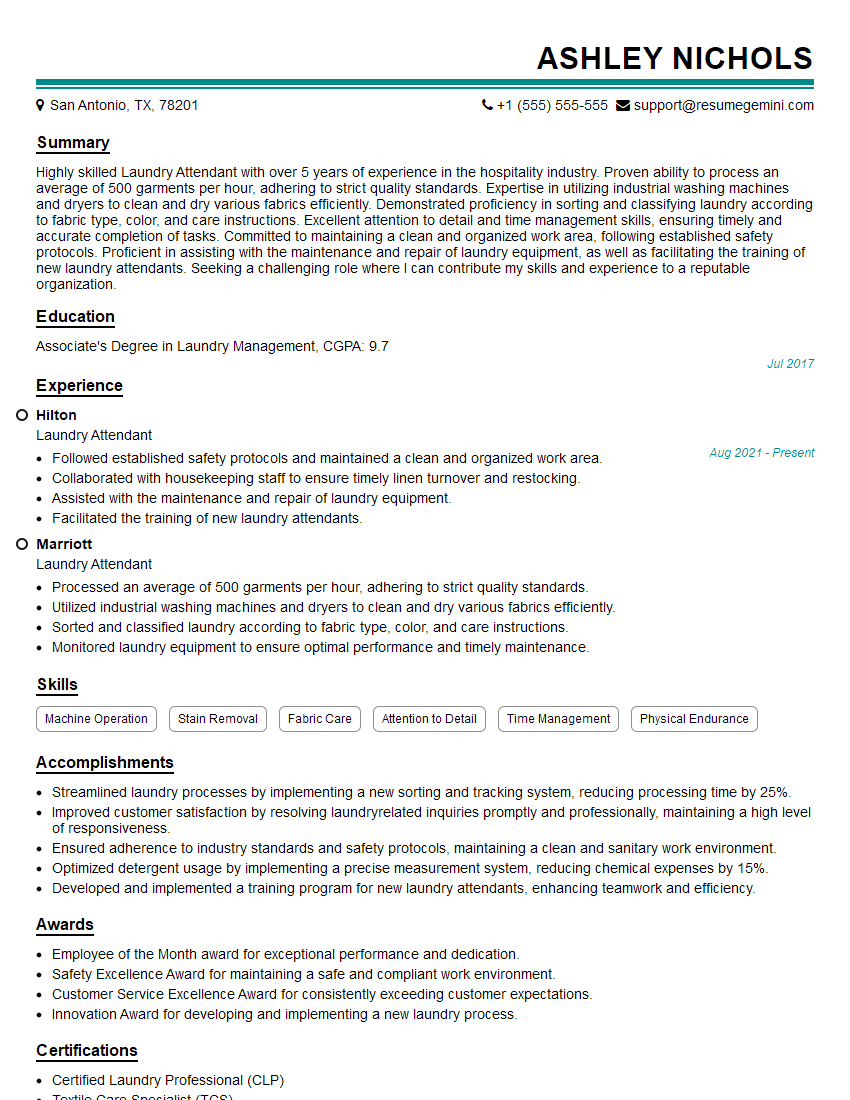
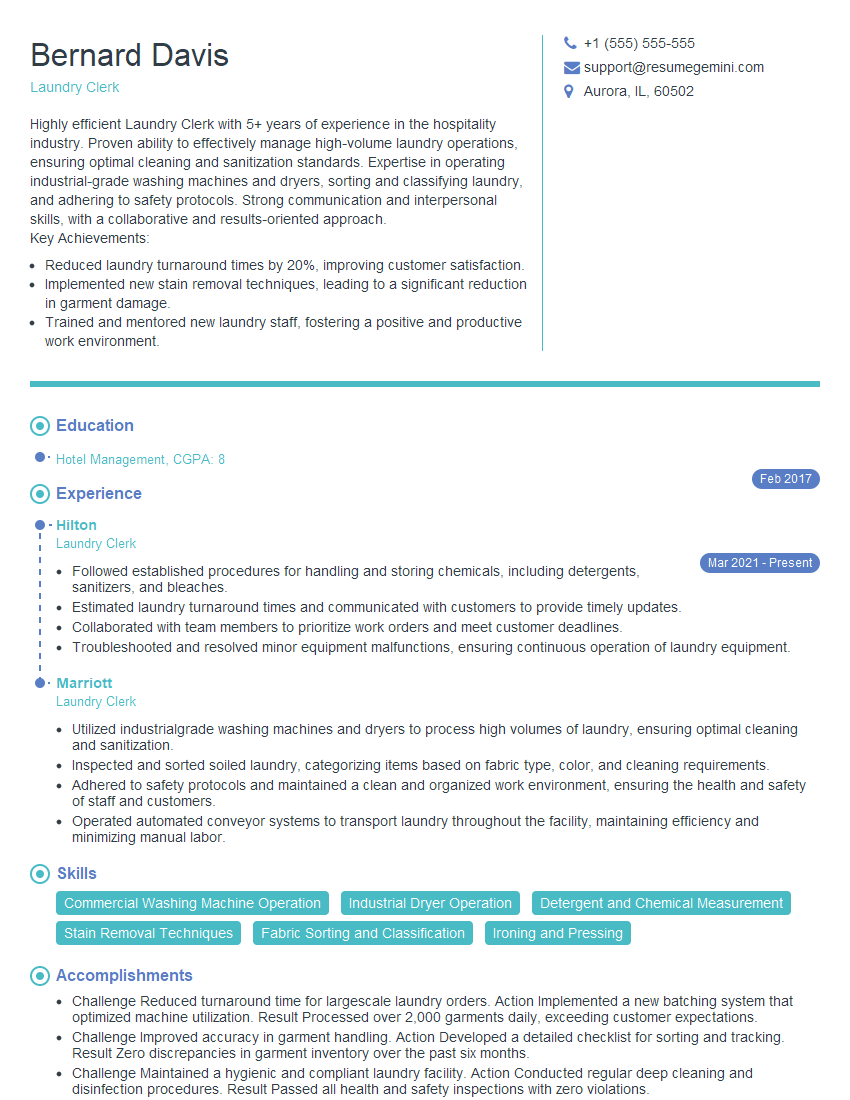
Mastering the art of sorting and categorizing laundry demonstrates valuable organizational skills, attention to detail, and a practical understanding of fabric care – all highly transferable skills sought after in many professions. To maximize your job prospects, crafting an ATS-friendly resume is essential. ResumeGemini is a trusted resource that can help you build a professional and effective resume, highlighting your abilities in this area. Examples of resumes tailored to laundry sorting and categorization roles are available within ResumeGemini to guide you.

Explore more articles
Users Rating of Our Blogs
Share Your Experience
We value your feedback! Please rate our content and share your thoughts (optional).
What Readers Say About Our Blog
Attention music lovers!
Wow, All the best Sax Summer music !!!
Spotify: https://open.spotify.com/artist/6ShcdIT7rPVVaFEpgZQbUk
Apple Music: https://music.apple.com/fr/artist/jimmy-sax-black/1530501936
YouTube: https://music.youtube.com/browse/VLOLAK5uy_noClmC7abM6YpZsnySxRqt3LoalPf88No
Other Platforms and Free Downloads : https://fanlink.tv/jimmysaxblack
on google : https://www.google.com/search?q=22+AND+22+AND+22
on ChatGPT : https://chat.openai.com?q=who20jlJimmy20Black20Sax20Producer
Get back into the groove with Jimmy sax Black
Best regards,
Jimmy sax Black
www.jimmysaxblack.com
Hi I am a troller at The aquatic interview center and I suddenly went so fast in Roblox and it was gone when I reset.
Hi,
Business owners spend hours every week worrying about their website—or avoiding it because it feels overwhelming.
We’d like to take that off your plate:
$69/month. Everything handled.
Our team will:
Design a custom website—or completely overhaul your current one
Take care of hosting as an option
Handle edits and improvements—up to 60 minutes of work included every month
No setup fees, no annual commitments. Just a site that makes a strong first impression.
Find out if it’s right for you:
https://websolutionsgenius.com/awardwinningwebsites
Hello,
we currently offer a complimentary backlink and URL indexing test for search engine optimization professionals.
You can get complimentary indexing credits to test how link discovery works in practice.
No credit card is required and there is no recurring fee.
You can find details here:
https://wikipedia-backlinks.com/indexing/
Regards
NICE RESPONSE TO Q & A
hi
The aim of this message is regarding an unclaimed deposit of a deceased nationale that bears the same name as you. You are not relate to him as there are millions of people answering the names across around the world. But i will use my position to influence the release of the deposit to you for our mutual benefit.
Respond for full details and how to claim the deposit. This is 100% risk free. Send hello to my email id: lukachachibaialuka@gmail.com
Luka Chachibaialuka
Hey interviewgemini.com, just wanted to follow up on my last email.
We just launched Call the Monster, an parenting app that lets you summon friendly ‘monsters’ kids actually listen to.
We’re also running a giveaway for everyone who downloads the app. Since it’s brand new, there aren’t many users yet, which means you’ve got a much better chance of winning some great prizes.
You can check it out here: https://bit.ly/callamonsterapp
Or follow us on Instagram: https://www.instagram.com/callamonsterapp
Thanks,
Ryan
CEO – Call the Monster App
Hey interviewgemini.com, I saw your website and love your approach.
I just want this to look like spam email, but want to share something important to you. We just launched Call the Monster, a parenting app that lets you summon friendly ‘monsters’ kids actually listen to.
Parents are loving it for calming chaos before bedtime. Thought you might want to try it: https://bit.ly/callamonsterapp or just follow our fun monster lore on Instagram: https://www.instagram.com/callamonsterapp
Thanks,
Ryan
CEO – Call A Monster APP
To the interviewgemini.com Owner.
Dear interviewgemini.com Webmaster!
Hi interviewgemini.com Webmaster!
Dear interviewgemini.com Webmaster!
excellent
Hello,
We found issues with your domain’s email setup that may be sending your messages to spam or blocking them completely. InboxShield Mini shows you how to fix it in minutes — no tech skills required.
Scan your domain now for details: https://inboxshield-mini.com/
— Adam @ InboxShield Mini
support@inboxshield-mini.com
Reply STOP to unsubscribe
Hi, are you owner of interviewgemini.com? What if I told you I could help you find extra time in your schedule, reconnect with leads you didn’t even realize you missed, and bring in more “I want to work with you” conversations, without increasing your ad spend or hiring a full-time employee?
All with a flexible, budget-friendly service that could easily pay for itself. Sounds good?
Would it be nice to jump on a quick 10-minute call so I can show you exactly how we make this work?
Best,
Hapei
Marketing Director
Hey, I know you’re the owner of interviewgemini.com. I’ll be quick.
Fundraising for your business is tough and time-consuming. We make it easier by guaranteeing two private investor meetings each month, for six months. No demos, no pitch events – just direct introductions to active investors matched to your startup.
If youR17;re raising, this could help you build real momentum. Want me to send more info?
Hi, I represent an SEO company that specialises in getting you AI citations and higher rankings on Google. I’d like to offer you a 100% free SEO audit for your website. Would you be interested?
Hi, I represent an SEO company that specialises in getting you AI citations and higher rankings on Google. I’d like to offer you a 100% free SEO audit for your website. Would you be interested?