Feeling uncertain about what to expect in your upcoming interview? We’ve got you covered! This blog highlights the most important Horticulture Techniques interview questions and provides actionable advice to help you stand out as the ideal candidate. Let’s pave the way for your success.
Questions Asked in Horticulture Techniques Interview
Q 1. Explain the difference between annuals, biennials, and perennials.
The lifespan of a plant dictates its classification as an annual, biennial, or perennial. Think of it like this: annuals are the sprinters, biennials are the middle-distance runners, and perennials are the marathoners.
- Annuals: Complete their entire life cycle – from germination to seed production – within a single growing season. Examples include zinnias, sunflowers, and marigolds. They die after producing seeds. Planting them every year guarantees a vibrant display.
- Biennials: Take two years to complete their life cycle. In the first year, they focus on vegetative growth (leaves, stems, roots). In the second year, they flower, produce seeds, and then die. Examples include carrots, parsley, and foxgloves. You’ll need to plan their succession if you want continuous crops or blooms.
- Perennials: Live for three or more years. They often die back to the ground in winter but regrow from their roots in the spring. Examples include roses, lavender, and hostas. These are the backbone of a long-lasting garden, requiring less frequent replanting.
Q 2. Describe various soil types and their suitability for different plants.
Soil is the foundation of plant health, and its composition significantly impacts plant growth. Different soil types possess varying textures and nutrient contents. Understanding this is crucial for selecting the right plants.
- Sandy Soil: Well-drained, but nutrient-poor and dries quickly. Plants that tolerate drought, like succulents and certain grasses, thrive here. Amendments like compost improve water retention and fertility.
- Clay Soil: Heavy, retains water, and can become compacted, hindering root growth. Plants that tolerate moist conditions, like ferns and hostas, might adapt, but improving drainage with organic matter is often necessary.
- Silty Soil: Retains moisture well and is rich in nutrients, making it ideal for many plants. However, it can become compacted, so good soil aeration is important.
- Loamy Soil: A mix of sand, silt, and clay, this is considered the ideal soil type. It offers good drainage, moisture retention, and nutrient content, suitable for a wide range of plants.
Knowing your soil type allows you to select plants that naturally suit its conditions or to amend the soil to accommodate your preferred plant choices.
Q 3. What are the key factors to consider when selecting appropriate plant materials for a specific landscape?
Choosing the right plants for a landscape is a crucial step in creating a successful and aesthetically pleasing design. Consider these key factors:
- Climate: Hardiness zones dictate which plants can survive the local winters and summers. Choose plants appropriate for your region’s temperature ranges, rainfall, and sunlight exposure.
- Sunlight: Different plants need varying amounts of sunlight – full sun, partial shade, or full shade. Accurately assessing sunlight exposure in your landscape is essential.
- Soil conditions: As discussed earlier, soil type, drainage, and pH significantly affect plant growth. Choose plants compatible with the existing soil or amend it to suit your plant selections.
- Mature size: Consider the ultimate size of the plant at maturity to ensure it won’t outgrow its space or overshadow other plants.
- Aesthetic considerations: Think about the overall design, color palette, texture, and style you want to create. Plants contribute greatly to visual appeal.
- Maintenance requirements: Consider how much time and effort you are willing to dedicate to plant care – some plants require minimal maintenance, while others need more attention.
By carefully considering these factors, you can select plants that will flourish in your landscape and create a harmonious and visually appealing environment.
Q 4. Explain the process of plant propagation through cuttings.
Propagation through cuttings is a common method of asexual plant reproduction, creating genetically identical copies of the parent plant. It’s like cloning your favorite plant!
- Select a cutting: Choose a healthy, non-flowering stem cutting, typically 4-6 inches long, from the current season’s growth. Remove lower leaves to prevent rot.
- Prepare the cutting: Dip the cut end in rooting hormone to stimulate root development. This is optional but helpful.
- Plant the cutting: Plant the cutting in a suitable rooting medium, such as a mix of perlite and vermiculite or a specialized seed-starting mix. Ensure good drainage.
- Maintain humidity: Cover the cutting with a plastic bag or dome to maintain high humidity, mimicking greenhouse conditions, and place in indirect light.
- Monitor and water: Keep the medium consistently moist but not waterlogged. Rooting typically takes several weeks to months, depending on the plant.
- Transplant: Once roots have developed, transplant the rooted cutting into individual pots or into the desired location in the garden.
Different plants have varying success rates with cuttings. Some, like coleus, root easily, while others require more specialized techniques.
Q 5. How do you identify and manage common plant pests and diseases?
Identifying and managing plant pests and diseases requires keen observation and timely intervention. Early detection is key to minimizing damage.
- Identification: Observe plants regularly for signs of pests (insects, mites, etc.) or diseases (fungal, bacterial, viral). Consult resources like gardening books, online databases, or local agricultural extension offices for identification. Knowing what you’re dealing with is half the battle!
- Management: Start with integrated pest management (IPM) strategies, prioritizing cultural control (proper planting, watering, and fertilization), biological control (introducing beneficial insects), and only resorting to chemical control as a last resort. Chemical controls should be used cautiously and according to label instructions.
- Examples: Aphids can be controlled by spraying with insecticidal soap; fungal diseases like powdery mildew might require fungicide application, but improving air circulation can prevent their spread.
Prevention is often better than cure. Maintaining plant health through proper cultural practices strengthens their resistance to pests and diseases. Remember to clean tools to prevent spreading diseases.
Q 6. Describe different irrigation systems and their advantages/disadvantages.
Irrigation systems provide efficient and controlled watering for plants. Different systems suit various landscape sizes and needs.
- Drip Irrigation: Water is delivered slowly and directly to the plant roots through a network of tubes and emitters. Advantages: Efficient water use, minimizes evaporation, reduces weed growth. Disadvantages: Can be costly to install, requires regular maintenance to prevent clogging.
- Sprinkler Irrigation: Water is sprayed over a larger area through sprinklers. Advantages: Easy to install, covers a larger area. Disadvantages: Higher water consumption due to evaporation, can over-water some areas, may not be suitable for all plants.
- Soaker Hoses: Long, porous hoses deliver water slowly along their length. Advantages: Simple, cost-effective, minimizes evaporation. Disadvantages: Less precise watering than drip irrigation, can be cumbersome to install.
- Overhead Irrigation: Uses fixed or moveable sprinklers to deliver water from above. Advantages: Simple and covers large areas. Disadvantages: High water loss through evaporation, may cause fungal diseases.
The choice of irrigation system depends on budget, landscape size, plant needs, and water availability. Consider factors like water pressure and terrain when making a decision.
Q 7. What are the best practices for pruning different types of plants?
Pruning is essential for maintaining plant health and shape. The approach varies significantly depending on the plant type.
- Trees and Shrubs: Pruning should focus on removing dead, damaged, or diseased branches. Shape and size can be adjusted by selectively removing branches. Different pruning techniques exist (thinning, heading) to achieve specific results.
- Flowering Plants: Pruning encourages more blooms in many species. Deadheading (removing spent flowers) promotes continuous flowering. Specific pruning techniques vary depending on the plant (e.g., light pruning for roses, more aggressive pruning for hydrangeas).
- Herbaceous Plants: Cutting back herbaceous perennials in late autumn or winter encourages healthy new growth in the spring.
- Fruit Trees and Vines: Pruning is crucial for fruit production, shaping the tree, and maintaining good air circulation. Specific techniques vary depending on the type of fruit tree.
Always use sharp, clean tools to prevent disease transmission. The timing of pruning is crucial – avoid pruning during periods of extreme cold or heat. Understanding the plant’s growth habit is crucial for proper pruning.
Q 8. Explain the importance of soil testing and how results are interpreted.
Soil testing is crucial for successful horticulture because it provides a snapshot of the soil’s health and nutrient content. This information allows us to tailor our cultivation practices, ensuring plants receive the optimal conditions for growth. We analyze several key parameters:
- pH: This measures the soil’s acidity or alkalinity. A balanced pH (generally between 6.0 and 7.0 for most plants) is essential for nutrient availability. A soil that’s too acidic or alkaline can lock up essential nutrients, making them inaccessible to the plant, even if they are present.
- Nutrient Levels: Testing reveals the concentrations of macronutrients (nitrogen, phosphorus, potassium) and micronutrients (iron, zinc, manganese, etc.). Deficiencies or excesses in these nutrients directly impact plant health and yield. For example, nitrogen deficiency leads to stunted growth and pale leaves, while an excess can cause lush vegetative growth at the expense of flowering and fruiting.
- Organic Matter: The amount of organic matter indicates the soil’s structure, water retention capacity, and nutrient-holding ability. High organic matter content generally promotes healthy soil.
- Salinity: High salt levels can be detrimental to plant growth, so salinity testing is crucial, particularly in arid and semi-arid regions.
Interpreting the results involves comparing the measured values to optimal ranges for the specific plants being cultivated. A soil test report will typically provide recommendations for amendments, such as fertilizers or organic matter, to correct any imbalances. For example, if the test reveals low phosphorus, we can apply a phosphorus-rich fertilizer to address this deficiency.
Q 9. How do you manage nutrient deficiencies in plants?
Nutrient deficiencies are managed through a combination of soil testing (as discussed above), careful observation of plant symptoms, and appropriate corrective actions. Identifying the deficiency is the first step; this involves recognizing the characteristic visual symptoms exhibited by the plant.
- Visual Diagnosis: For instance, nitrogen deficiency manifests as yellowing of older leaves, while phosphorus deficiency often shows as stunted growth and dark green or purplish leaves.
- Foliar Feeding: For quick correction of minor deficiencies, foliar feeding – spraying nutrient solutions directly onto the leaves – is effective, allowing for rapid uptake. This is particularly useful for micronutrients.
- Soil Amendments: For more significant or persistent deficiencies, soil amendments are necessary. This could involve applying fertilizers (organic or inorganic) specific to the deficient nutrient. Organic amendments, like compost, provide slow-release nutrients and improve soil structure.
- Root Zone Management: Ensuring proper soil aeration and drainage is vital as poorly aerated soils can restrict nutrient uptake.
It’s important to remember that over-fertilization can also be harmful, potentially leading to salt buildup and environmental damage. Therefore, a balanced approach, guided by soil test results, is crucial.
Q 10. Describe your experience with greenhouse management techniques.
My greenhouse management experience encompasses all aspects of operation, from environmental control to crop production. I’ve worked with various greenhouse structures and systems, including those using hydroponics and soil-based cultivation.
- Environmental Control: Maintaining optimal temperature, humidity, light intensity, and CO2 levels is critical. This involves using climate control systems, including heating, cooling, ventilation, and supplemental lighting, adjusted according to the needs of the specific crop.
- Irrigation: Implementing efficient irrigation systems, such as drip irrigation or fertigation (fertilizer application through irrigation), ensures optimal water and nutrient delivery to plants.
- Pest and Disease Management: Maintaining a clean and sanitary environment, employing IPM strategies, and monitoring for pests and diseases are essential.
- Crop Management: This includes tasks like sowing/planting, pruning, training (e.g., trellising), and harvesting.
For example, in one project, I oversaw the establishment of a commercial greenhouse operation, where I implemented a comprehensive environmental monitoring system, optimized irrigation scheduling, and developed a tailored IPM program that resulted in a significant increase in yield and reduced pest and disease pressure.
Q 11. Explain the principles of sustainable horticulture.
Sustainable horticulture prioritizes environmentally friendly practices that minimize negative impacts while maximizing long-term productivity and profitability. Key principles include:
- Soil Health: Maintaining and improving soil health through practices like cover cropping, crop rotation, and the use of organic amendments.
- Water Conservation: Employing efficient irrigation techniques (e.g., drip irrigation, rainwater harvesting) and drought-tolerant crops.
- Integrated Pest Management (IPM): Utilizing a combination of biological, cultural, and chemical controls to manage pests, minimizing the use of synthetic pesticides.
- Reduced Chemical Inputs: Minimizing the use of synthetic fertilizers and pesticides and instead using organic alternatives whenever possible.
- Biodiversity: Promoting biodiversity through the use of diverse plant species and the creation of habitats for beneficial insects and pollinators.
- Renewable Energy: Utilizing renewable energy sources, such as solar power, to reduce reliance on fossil fuels.
Sustainable horticulture isn’t just environmentally responsible; it also often leads to improved yields, enhanced soil fertility, and increased resilience to pests and diseases in the long run.
Q 12. How do you maintain the health and vigor of plants in various environmental conditions?
Maintaining plant health and vigor in diverse environmental conditions requires a multifaceted approach focusing on adaptation and management.
- Site Selection and Adaptation: Choosing appropriate plant species suited to the specific climatic conditions and soil type is paramount. For example, selecting drought-tolerant plants for arid regions.
- Environmental Control: In controlled environments (greenhouses), precise control of temperature, humidity, and light is key. In field settings, techniques like shade netting, windbreaks, and mulching can modify the microclimate.
- Water Management: Implementing efficient irrigation practices appropriate for the climate, including drip irrigation, soaker hoses, or mulching to conserve water.
- Nutrient Management: Providing balanced nutrition tailored to the specific environmental conditions and plant needs, with adjustments based on soil testing.
- Stress Management: Implementing strategies to mitigate the effects of environmental stresses like heat, cold, drought, or salinity. This might involve hardening off plants before transplanting, providing shade during heat waves, or using protective coverings during frost.
For instance, I successfully cultivated a particular heat-sensitive crop in a hot, arid climate by implementing a combination of shade netting, drip irrigation, and strategic fertilization, resulting in a healthy and productive harvest.
Q 13. What are your experiences with integrated pest management (IPM)?
Integrated Pest Management (IPM) is a cornerstone of my horticultural practice. It emphasizes a holistic approach to pest control, prioritizing prevention and minimizing reliance on synthetic pesticides.
- Monitoring and Identification: Regularly monitoring crops for pest and disease presence and accurately identifying the pests or diseases are crucial first steps. This allows for timely intervention.
- Cultural Controls: These are preventative measures that modify the environment to make it less hospitable to pests. Examples include crop rotation, proper sanitation, and maintaining optimal plant health.
- Biological Controls: Using natural enemies of pests, such as beneficial insects or nematodes, to suppress pest populations. For example, introducing ladybugs to control aphids.
- Physical Controls: Employing physical barriers or methods to exclude or remove pests, like using netting to prevent insect infestations or hand-picking pests.
- Chemical Controls: Using synthetic pesticides only as a last resort, when other methods are insufficient and only employing the least-toxic products necessary.
In a previous role, I implemented an IPM program in an orchard that significantly reduced pesticide use while maintaining high fruit quality and yield. The program relied heavily on monitoring, biological controls, and targeted application of pesticides only when absolutely necessary.
Q 14. Describe your knowledge of plant physiology and its role in horticulture.
Plant physiology is the foundation of successful horticulture. Understanding plant processes like photosynthesis, respiration, nutrient uptake, and hormone regulation is essential for optimizing crop production and managing challenges.
- Photosynthesis: Knowledge of photosynthesis allows us to optimize light conditions, CO2 levels, and nutrient availability to maximize plant growth.
- Nutrient Uptake: Understanding nutrient transport and utilization enables us to effectively manage fertilization, addressing deficiencies and avoiding excesses.
- Hormonal Regulation: Knowledge of plant hormones (auxins, gibberellins, cytokinins, etc.) helps in managing plant growth, flowering, and fruiting. For example, using plant growth regulators to improve fruit set or size.
- Stress Response: Plant physiology helps us understand how plants respond to various stresses (drought, salinity, temperature extremes) and develop strategies to mitigate these impacts.
For instance, my understanding of plant physiology helped me troubleshoot a yield reduction issue in a field crop by recognizing the symptoms as indicative of water stress and adjusting irrigation practices accordingly, improving yields and plant health.
Q 15. What are the different types of grafting and budding techniques?
Grafting and budding are horticultural techniques used to join parts of plants together, so that they grow as one. This allows for combining desirable traits from different varieties. There are numerous types, categorized broadly by the method used and the type of plant material involved.
- Grafting: This involves joining a scion (the desired upper part of the plant) onto a rootstock (the lower part providing the root system). Common methods include:
- Whip and Tongue Grafting: Matching angled cuts on both scion and rootstock are interlocked, creating a strong union. Think of it like a jigsaw puzzle piece.
- Cleft Grafting: A split is made in the rootstock and the scion is inserted. This is often used for larger rootstocks.
- Bark Grafting: The scion is inserted under the bark of the rootstock, typically done in spring when the bark is easily separated.
- Approach Grafting: Two plants are grown separately and their stems are joined, allowing the cambium layers to merge. Once union is established, one plant is severed.
- Budding: This is a form of grafting where a single bud is used as the scion instead of a stem cutting. Common types include:
- T-budding: A T-shaped cut is made in the rootstock’s bark, and the bud is inserted.
- Chip budding: A small chip of bark with the bud is inserted into a matching chip in the rootstock.
The choice of technique depends on the species, the time of year, and the size of the plants involved. For instance, whip and tongue grafting is well-suited for fruit trees, while budding is often preferred for roses.
Career Expert Tips:
- Ace those interviews! Prepare effectively by reviewing the Top 50 Most Common Interview Questions on ResumeGemini.
- Navigate your job search with confidence! Explore a wide range of Career Tips on ResumeGemini. Learn about common challenges and recommendations to overcome them.
- Craft the perfect resume! Master the Art of Resume Writing with ResumeGemini’s guide. Showcase your unique qualifications and achievements effectively.
- Don’t miss out on holiday savings! Build your dream resume with ResumeGemini’s ATS optimized templates.
Q 16. How do you select appropriate fertilizers for different plant needs?
Selecting the right fertilizer is crucial for plant health and yield. It’s not a one-size-fits-all approach; different plants have varying nutritional requirements that depend on factors like growth stage, soil type, and the plant’s specific needs.
The first step involves understanding the NPK ratio (Nitrogen, Phosphorus, Potassium). Nitrogen promotes vegetative growth (leaves and stems), phosphorus encourages root development and flowering, and potassium improves overall plant health and disease resistance.
For example, young seedlings often benefit from a higher nitrogen fertilizer to promote rapid growth, while flowering plants may require a higher phosphorus content to support abundant blooms. Acid-loving plants like azaleas might benefit from fertilizers formulated for acidic soil conditions. Analyzing a soil sample can provide valuable insights into the existing nutrient levels, allowing for more precise fertilizer application.
Commercial fertilizers are often labeled with their NPK ratio (e.g., 10-10-10, signifying 10% Nitrogen, 10% Phosphorus, and 10% Potassium). Organic fertilizers, like compost and manure, offer a slower release of nutrients, improving soil structure and microbial activity, while synthetic fertilizers provide a more immediate boost of nutrients but can require more careful management to avoid nutrient burn.
Always follow the fertilizer application instructions carefully and avoid over-fertilizing, which can harm plants.
Q 17. How do you design and maintain a successful hydroponic system?
Designing and maintaining a successful hydroponic system requires attention to several key factors. Hydroponics is a method of growing plants without soil, using nutrient-rich water solutions.
Design:
- System Selection: Choose a system based on your space, budget, and experience. Options include deep water culture (DWC), nutrient film technique (NFT), ebb and flow (flood and drain), and aeroponics.
- Nutrient Solution: A precisely balanced nutrient solution is essential. The solution must contain all the essential macronutrients (nitrogen, phosphorus, potassium) and micronutrients in correct proportions.
- Lighting: Plants need appropriate light intensity and duration for optimal growth. Grow lights are crucial for indoor hydroponic systems.
- Support Structures: Plants might need support structures like nets or stakes to prevent them from toppling over.
- Oxygenation: Oxygen is crucial for root health; air pumps and air stones are often necessary.
Maintenance:
- Regular Monitoring: Monitor the pH and nutrient levels of the solution regularly and adjust as needed. An ideal pH range is typically between 5.5 and 6.5.
- Water Quality: Use clean water to prevent the buildup of salts and other contaminants.
- Cleaning: Clean the system regularly to prevent algae growth and other problems.
- Troubleshooting: Be prepared to address issues like nutrient deficiencies, root rot, or pest infestations.
For example, in a DWC system, a lack of oxygenation leads to root rot. Regular monitoring of pH and nutrient levels prevents nutrient deficiencies or toxicity. A well-maintained hydroponic system can provide a consistently high yield compared to traditional soil-based cultivation, but requires diligent attention to detail.
Q 18. Explain your experience with plant tissue culture techniques.
Plant tissue culture, or micropropagation, involves growing plants from small pieces of plant tissue in a sterile environment. My experience includes establishing sterile cultures, subculturing, and propagating a variety of plant species, including orchids, medicinal herbs, and fruit trees.
The process typically begins with surface sterilization of the plant material followed by its placement on a nutrient-rich agar medium. This medium provides the necessary hormones and nutrients for cell division and growth. Sterility is crucial to prevent contamination by fungi or bacteria. The process also includes carefully monitoring the culture’s growth and transferring it to fresh medium at regular intervals. Once enough plantlets have developed, they are transferred to a greenhouse for acclimatization and eventual planting in soil or other growing media.
I’ve successfully utilized tissue culture to rapidly multiply rare or endangered plant species, produce disease-free plants, and obtain uniform plants with consistent genetic characteristics. For instance, I micropropagated a rare orchid variety, multiplying its numbers from a single plant to several hundred within a year. This process is essential for conservation efforts, and also allows for efficient multiplication of high-value crops.
Q 19. Describe your knowledge of plant pathology and disease diagnostics.
My knowledge of plant pathology encompasses understanding plant diseases, their causes (fungi, bacteria, viruses, nematodes, and environmental factors), symptoms, and control. Disease diagnostics involve systematically identifying the causal agent and determining the best course of action.
The diagnostic process usually starts with visual inspection of the plant for symptoms such as wilting, discoloration, lesions, or unusual growth. Laboratory techniques such as microscopic examination, isolation and culturing of pathogens, and molecular diagnostics (PCR) can confirm the diagnosis. I have experience using these techniques to identify diseases in various plant species.
For example, I was able to identify a fungal infection causing leaf spots on a batch of tomato plants using microscopic examination of infected leaves and culturing the fungal pathogen. This helped in choosing a specific fungicide for effective control, preventing significant crop losses.
Understanding disease cycles, host-pathogen interactions, and integrated pest management strategies is critical for preventing and managing plant diseases. Preventive measures like sanitation, proper irrigation, and choosing disease-resistant cultivars are often more effective than curative treatments.
Q 20. What are your skills in using horticultural tools and equipment?
I am proficient in using a wide range of horticultural tools and equipment, including hand tools (pruning shears, loppers, spades, hoes), power tools (chainsaws, hedge trimmers, tillers), and specialized equipment for tasks like grafting, irrigation, and soil testing.
My skills extend to the safe and efficient use of these tools, following all safety guidelines. I also have experience maintaining and repairing equipment, understanding when it needs sharpening, lubrication or professional service. Furthermore, I’m familiar with using GPS and GIS mapping technologies for managing large landscapes or orchards.
For example, I regularly use pruning shears and loppers for shaping trees and removing dead or diseased branches, and I am able to maintain precision in pruning using different techniques to encourage specific growth patterns. This requires understanding the growth habit of different plants and having the necessary skills and experience to correctly prune different plant types.
Q 21. How do you manage weed control in a landscape setting?
Weed control in a landscape setting requires an integrated approach that balances effectiveness with environmental responsibility. A purely chemical approach can be harmful to the environment, so an integrated weed management (IWM) strategy is preferred.
IWM involves combining various methods:
- Cultural Practices: This includes proper mulching to suppress weed growth, adjusting mowing height to compete with weeds, and using appropriate planting densities to minimize bare soil. Healthy plants can often outcompete weeds for resources.
- Mechanical Control: Hand weeding, hoeing, and cultivating remove weeds physically. This is particularly effective for smaller areas or specific weed infestations.
- Biological Control: Introducing natural enemies like beneficial insects or fungi that prey on or parasitize certain weeds can be an environmentally friendly method.
- Chemical Control: Herbicides can be used selectively or as a last resort. Understanding herbicide types (pre-emergent, post-emergent, selective, non-selective) is critical for proper application and minimizing environmental impact.
The best approach will depend on factors like the type of weeds, the landscape size, and the overall environmental goals. For example, in a large park setting, a combination of mowing, mulching, and spot-treatment with herbicides might be the most practical solution, while a small residential garden might benefit from mostly hand weeding and mulching. Timing is critical, applying pre-emergent herbicides before weeds germinate, or post-emergents during active weed growth.
Q 22. Explain your understanding of plant growth regulators and their applications.
Plant growth regulators (PGRs) are naturally occurring or synthetic substances that influence plant growth and development. They’re essentially hormones that, in carefully controlled amounts, can manipulate various aspects of a plant’s life cycle. These applications span across several areas, offering significant benefits to horticulture.
- Auxins: These promote cell elongation, root development, and apical dominance (the growth of the main stem). For example, auxins are used in rooting hormones to encourage cuttings to develop roots faster and more effectively, crucial in propagation.
- Gibberellins: These stimulate stem elongation, fruit set, and seed germination. A common application is in increasing the size of seedless grapes, leading to larger, more marketable fruit. They can also break dormancy in some plant species.
- Cytokinins: These influence cell division, delay senescence (aging), and promote lateral bud growth. They’re often used in tissue culture to encourage the proliferation of plant cells.
- Abscisic acid (ABA): This acts as a stress hormone, promoting dormancy and inhibiting growth under adverse conditions like drought or cold temperatures. It plays a key role in seed development and prevents premature germination.
- Ethylene: This gas accelerates ripening in fruits and promotes leaf abscission (shedding). It is commercially used to ripen fruits uniformly before market sale.
Understanding the specific effects of different PGRs and their concentrations is essential for achieving desired results and avoiding phytotoxicity (damage to plants due to chemical exposure). Careful application and monitoring are always necessary.
Q 23. How do you assess the health and maturity of plants?
Assessing plant health and maturity involves a multi-faceted approach, combining visual observation with some simple tests. I typically look for several key indicators:
- Visual Inspection: This includes checking for signs of disease (spots, wilting, discoloration), pest infestations (insect damage, webbing), nutrient deficiencies (chlorosis, stunted growth), and overall vigor (strong stems, healthy leaves).
- Stem and Leaf Examination: A healthy plant will typically have firm, erect stems and vibrant green leaves. Wilting, yellowing, or discoloration can indicate problems with watering, nutrient levels, or disease.
- Root System Assessment: Carefully examining the root system (often during transplanting) can reveal root rot, nutrient uptake issues, or compaction problems. Healthy roots are typically white and firm.
- Maturity Assessment: This depends heavily on the plant species. For fruiting plants, indicators of maturity might include changes in color, size, and firmness of the fruit, as well as seed development. For flowering plants, this would involve observing the bloom and overall plant structure.
In addition to visual observation, sometimes simple tests, such as soil testing to determine nutrient content, can help with a more accurate diagnosis. Understanding the growth stages of a particular plant is crucial for determining appropriate action, whether it’s fertilization, pest control, or harvesting.
Q 24. Describe your experience in designing and implementing landscape plans.
I have extensive experience in designing and implementing landscape plans, from small residential gardens to larger commercial projects. My approach involves a collaborative process, starting with an in-depth consultation to understand the client’s needs and preferences. Key aspects of my design process include:
- Site Analysis: This includes evaluating the soil type, sunlight exposure, existing vegetation, and microclimate to identify suitable plant species.
- Client Consultation: This is crucial for understanding their aesthetic preferences, functional requirements (e.g., play areas, seating), and budget constraints.
- Plant Selection: Choosing plants that are well-suited to the site conditions, as well as the overall design theme, is critical to the long-term success of the landscape. This includes selecting for variety, color, texture, and overall aesthetic impact.
- Implementation: This involves coordinating with contractors for site preparation, planting, and installation of hardscaping features (e.g., patios, walkways). This also involves project management and ongoing communication with the client.
- Maintenance Planning: This is critical for ensuring the long-term health and beauty of the landscape. Providing clients with a maintenance plan that outlines tasks such as watering, fertilizing, pruning, and pest control ensures that the aesthetic design is preserved.
For example, I recently designed a drought-tolerant garden for a client in a particularly arid region, focusing on native plants that required minimal watering and maintenance.
Q 25. What are your knowledge and experience with organic horticulture practices?
I’m highly proficient in organic horticulture practices, prioritizing environmentally friendly and sustainable methods. This includes:
- Soil Health: Building healthy soil through composting, cover cropping, and the avoidance of synthetic fertilizers is fundamental to organic gardening. Healthy soil fosters strong plant growth and reduces reliance on external inputs. For example, I frequently use compost tea to enhance microbial activity in the soil.
- Pest and Disease Management: I utilize integrated pest management (IPM) strategies, employing beneficial insects, companion planting, and organic pesticides as a last resort. I focus on identifying the root cause of pest and disease problems and use biological controls as much as possible.
- Weed Control: Mulching, hand weeding, and cover cropping are my preferred methods, avoiding the use of synthetic herbicides. This keeps the environment clean, protects the soil, and minimizes harm to beneficial insects and pollinators.
- Nutrient Management: I rely on natural fertilizers like compost, manure, and bone meal to provide essential nutrients to plants. I also frequently utilize cover crops which provide natural fertilization and prevent soil erosion.
My experience includes working on several organic farms and advising clients on transitioning to organic practices. I believe that organic gardening is not only more sustainable but also produces healthier, tastier food.
Q 26. How do you handle plant stress and environmental challenges?
Handling plant stress and environmental challenges requires careful observation, prompt action, and a thorough understanding of the plant’s specific needs. My approach involves:
- Identifying the Stress Factor: Is the problem due to drought, excessive watering, nutrient deficiency, pest infestation, disease, or extreme temperatures? Accurate diagnosis is crucial.
- Implementing Corrective Measures: This could involve adjusting watering schedules, applying appropriate fertilizers or soil amendments, treating pest or disease infestations, or providing shade or wind protection.
- Improving Cultural Practices: This may involve improving soil drainage, increasing air circulation around plants, or using appropriate mulching techniques. Good cultural practices are preventative measures against environmental stresses.
- Monitoring Plant Response: Regularly observing the plants to assess the effectiveness of the implemented measures is essential. Adjustments may be necessary based on the plant’s response.
For instance, if a plant is showing signs of drought stress (wilting, leaf scorch), I’d adjust the watering schedule, providing deep and infrequent watering to encourage deep root growth. If it’s a nutrient deficiency, I’d conduct a soil test and then apply the appropriate organic fertilizer.
Q 27. What safety precautions do you implement when working with pesticides and herbicides?
Safety is paramount when working with pesticides and herbicides. My practices always prioritize minimizing risk to myself, others, and the environment. These include:
- Following Label Instructions: Always carefully read and follow the manufacturer’s instructions on the pesticide or herbicide label, paying close attention to application rates, safety precautions, and personal protective equipment (PPE) requirements.
- Using Appropriate PPE: This includes wearing gloves, eye protection, respirators, and protective clothing, as specified on the label. The type and level of protection varies depending on the chemical used.
- Proper Storage: Pesticides and herbicides must be stored securely in their original containers, in a locked, child-proof area, away from food and water sources. Appropriate storage protects people and the environment.
- Disposal: Dispose of empty containers and leftover chemicals according to local regulations. Do not pour pesticides or herbicides down the drain or into the trash. Safe disposal protects water supplies and ecosystems.
- Emergency Preparedness: Have a plan in place for handling spills or accidental exposures. Know the location of the nearest emergency services and what to do in case of an accident.
I always strive to minimize pesticide use through integrated pest management (IPM) techniques, using chemical controls only when absolutely necessary and selecting the least toxic option available. Prevention is always better than cure.
Q 28. Describe your experience with plant breeding and genetic improvement techniques.
My experience with plant breeding and genetic improvement techniques is limited to practical applications within horticultural settings rather than in a laboratory setting. My focus is on selecting and propagating superior plant varieties through traditional methods. My work encompasses:
- Seed Selection: Selecting seeds from plants with desirable traits, such as disease resistance, higher yield, or improved flavor.
- Clonal Propagation: Producing genetically identical copies of superior plants through methods such as cuttings, grafting, or tissue culture.
- Hybridization: Creating new plant varieties by crossing plants with desirable traits. This is often used to improve vigor or combine beneficial characteristics of different plants.
- Evaluation and Selection: Testing and evaluating the performance of new plant varieties under various conditions. This involves assessing factors like yield, disease resistance, and adaptability.
While I don’t conduct advanced genetic engineering, I utilize the principles of plant breeding to improve the quality and productivity of plants within my horticultural projects. I’m always keen to learn about and implement the latest advancements in sustainable plant breeding techniques.
Key Topics to Learn for Horticulture Techniques Interview
- Plant Propagation: Understanding various methods like seed starting, cuttings, grafting, and layering. Consider the practical applications of each method for different plant species and the environmental factors influencing success.
- Soil Science and Fertility: Knowledge of soil composition, pH levels, nutrient requirements of different plants, and sustainable soil management practices. Be prepared to discuss practical application, such as diagnosing nutrient deficiencies and amending soil to improve plant health.
- Plant Pathology and Pest Management: Identifying common plant diseases and pests, understanding their life cycles, and implementing integrated pest management (IPM) strategies. Discuss practical examples of IPM techniques and environmentally friendly pest control methods.
- Irrigation and Water Management: Understanding different irrigation systems (drip, sprinkler, etc.), water conservation techniques, and the impact of water quality on plant growth. Be ready to discuss the practical application and selection of appropriate irrigation methods for various plant types and climates.
- Greenhouse Management: Knowledge of greenhouse structures, environmental control (temperature, humidity, light), and crop production techniques within a controlled environment. Discuss practical applications such as climate control strategies and optimizing growing conditions for specific crops.
- Sustainable Horticulture Practices: Understanding organic gardening, permaculture, and other environmentally friendly approaches to horticulture. Be prepared to discuss practical applications of sustainable methods and their benefits to the environment and plant health.
- Plant Physiology and Growth: Understanding plant growth stages, photosynthesis, respiration, and the impact of environmental factors on plant development. This should include practical application, like diagnosing problems based on growth patterns and environmental conditions.
Next Steps
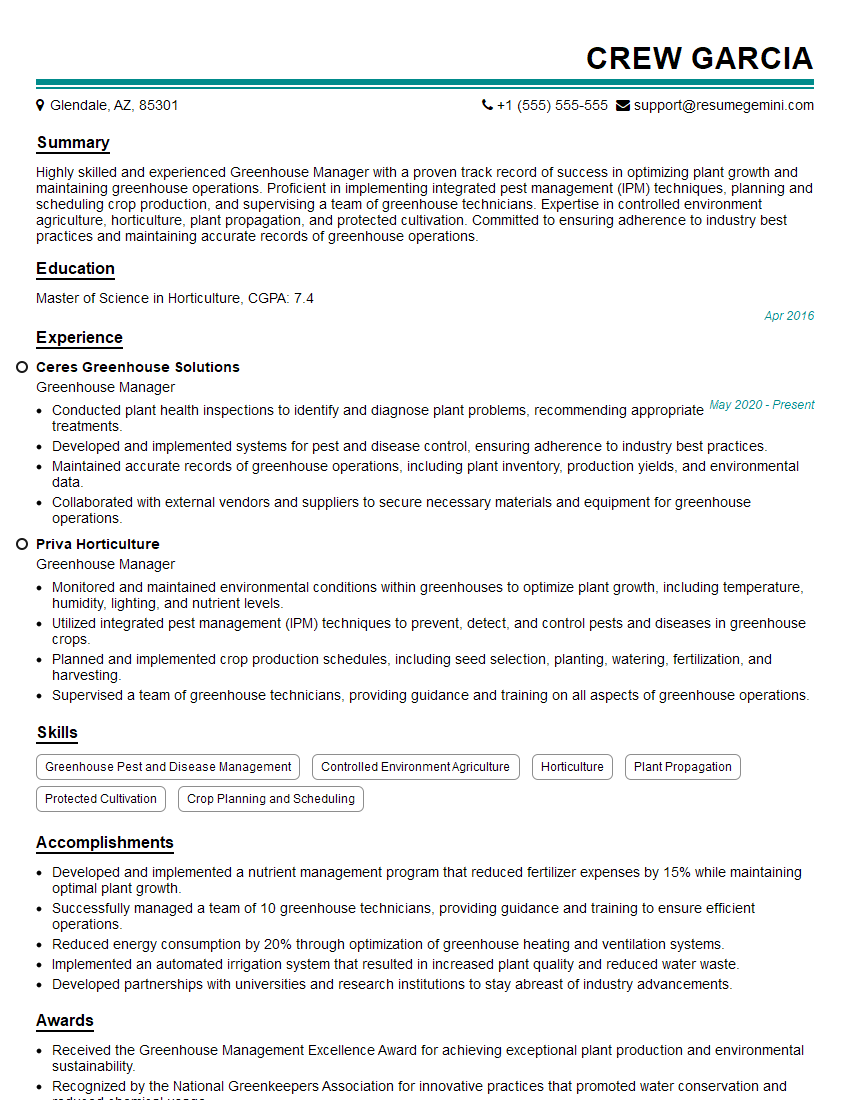
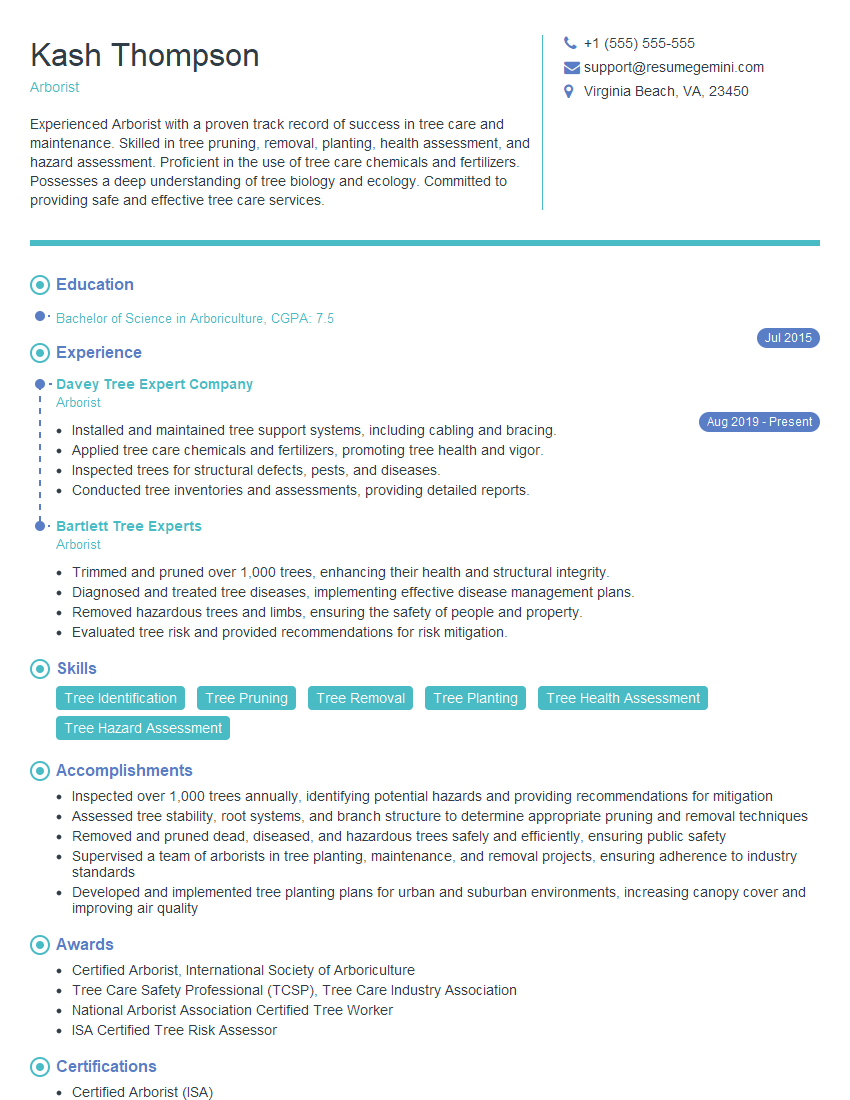
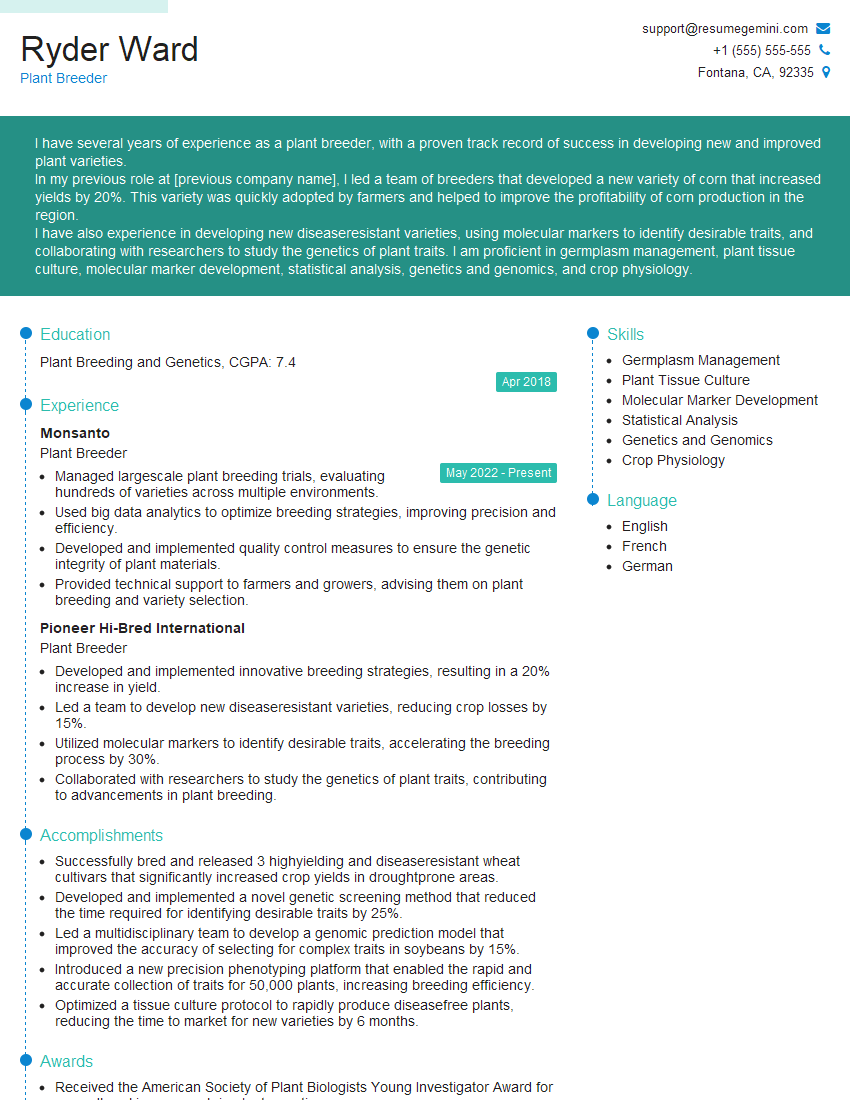
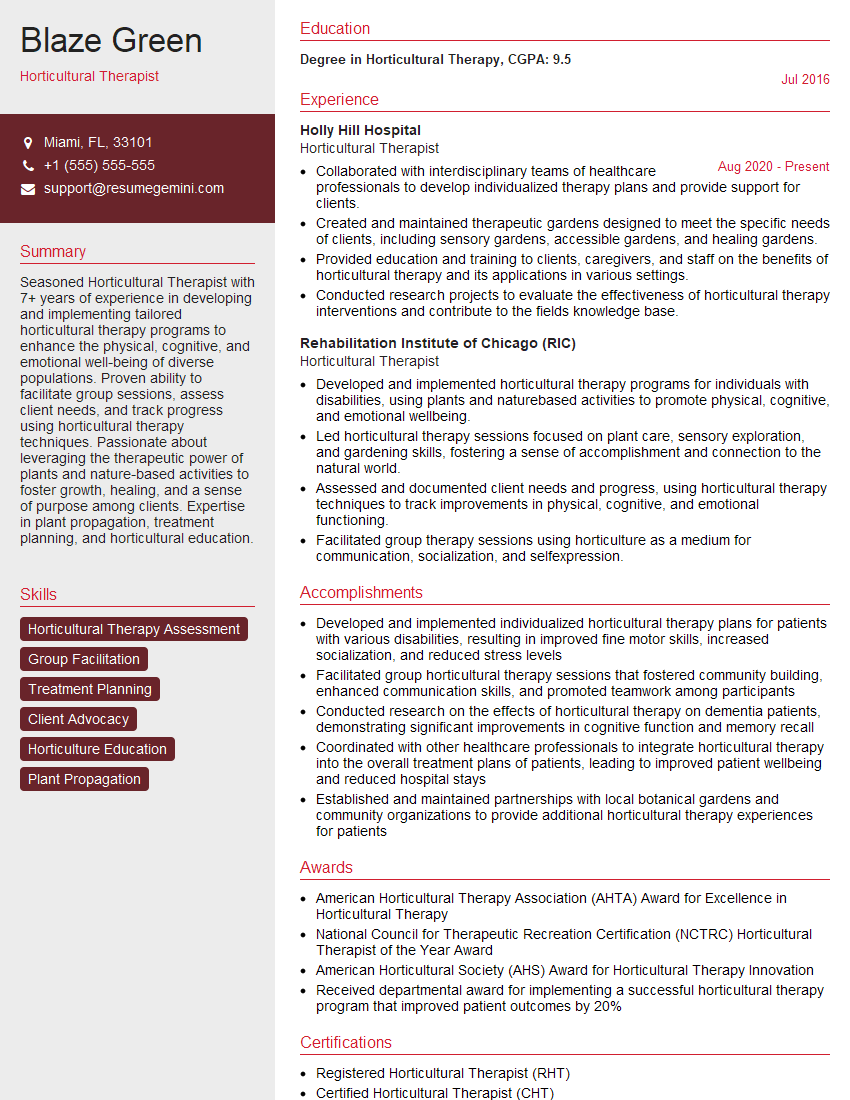
Mastering Horticulture Techniques is crucial for career advancement in this dynamic field. A strong understanding of these principles opens doors to exciting opportunities and allows you to contribute meaningfully to sustainable and efficient horticultural practices. To maximize your job prospects, creating an ATS-friendly resume is essential. ResumeGemini is a trusted resource that can significantly enhance your resume-building experience, helping you present your skills and experience effectively. Examples of resumes tailored to Horticulture Techniques are available through ResumeGemini to help guide you.

Explore more articles
Users Rating of Our Blogs
Share Your Experience
We value your feedback! Please rate our content and share your thoughts (optional).
What Readers Say About Our Blog
Attention music lovers!
Wow, All the best Sax Summer music !!!
Spotify: https://open.spotify.com/artist/6ShcdIT7rPVVaFEpgZQbUk
Apple Music: https://music.apple.com/fr/artist/jimmy-sax-black/1530501936
YouTube: https://music.youtube.com/browse/VLOLAK5uy_noClmC7abM6YpZsnySxRqt3LoalPf88No
Other Platforms and Free Downloads : https://fanlink.tv/jimmysaxblack
on google : https://www.google.com/search?q=22+AND+22+AND+22
on ChatGPT : https://chat.openai.com?q=who20jlJimmy20Black20Sax20Producer
Get back into the groove with Jimmy sax Black
Best regards,
Jimmy sax Black
www.jimmysaxblack.com
Hi I am a troller at The aquatic interview center and I suddenly went so fast in Roblox and it was gone when I reset.
Hi,
Business owners spend hours every week worrying about their website—or avoiding it because it feels overwhelming.
We’d like to take that off your plate:
$69/month. Everything handled.
Our team will:
Design a custom website—or completely overhaul your current one
Take care of hosting as an option
Handle edits and improvements—up to 60 minutes of work included every month
No setup fees, no annual commitments. Just a site that makes a strong first impression.
Find out if it’s right for you:
https://websolutionsgenius.com/awardwinningwebsites
Hello,
we currently offer a complimentary backlink and URL indexing test for search engine optimization professionals.
You can get complimentary indexing credits to test how link discovery works in practice.
No credit card is required and there is no recurring fee.
You can find details here:
https://wikipedia-backlinks.com/indexing/
Regards
NICE RESPONSE TO Q & A
hi
The aim of this message is regarding an unclaimed deposit of a deceased nationale that bears the same name as you. You are not relate to him as there are millions of people answering the names across around the world. But i will use my position to influence the release of the deposit to you for our mutual benefit.
Respond for full details and how to claim the deposit. This is 100% risk free. Send hello to my email id: lukachachibaialuka@gmail.com
Luka Chachibaialuka
Hey interviewgemini.com, just wanted to follow up on my last email.
We just launched Call the Monster, an parenting app that lets you summon friendly ‘monsters’ kids actually listen to.
We’re also running a giveaway for everyone who downloads the app. Since it’s brand new, there aren’t many users yet, which means you’ve got a much better chance of winning some great prizes.
You can check it out here: https://bit.ly/callamonsterapp
Or follow us on Instagram: https://www.instagram.com/callamonsterapp
Thanks,
Ryan
CEO – Call the Monster App
Hey interviewgemini.com, I saw your website and love your approach.
I just want this to look like spam email, but want to share something important to you. We just launched Call the Monster, a parenting app that lets you summon friendly ‘monsters’ kids actually listen to.
Parents are loving it for calming chaos before bedtime. Thought you might want to try it: https://bit.ly/callamonsterapp or just follow our fun monster lore on Instagram: https://www.instagram.com/callamonsterapp
Thanks,
Ryan
CEO – Call A Monster APP
To the interviewgemini.com Owner.
Dear interviewgemini.com Webmaster!
Hi interviewgemini.com Webmaster!
Dear interviewgemini.com Webmaster!
excellent
Hello,
We found issues with your domain’s email setup that may be sending your messages to spam or blocking them completely. InboxShield Mini shows you how to fix it in minutes — no tech skills required.
Scan your domain now for details: https://inboxshield-mini.com/
— Adam @ InboxShield Mini
support@inboxshield-mini.com
Reply STOP to unsubscribe
Hi, are you owner of interviewgemini.com? What if I told you I could help you find extra time in your schedule, reconnect with leads you didn’t even realize you missed, and bring in more “I want to work with you” conversations, without increasing your ad spend or hiring a full-time employee?
All with a flexible, budget-friendly service that could easily pay for itself. Sounds good?
Would it be nice to jump on a quick 10-minute call so I can show you exactly how we make this work?
Best,
Hapei
Marketing Director
Hey, I know you’re the owner of interviewgemini.com. I’ll be quick.
Fundraising for your business is tough and time-consuming. We make it easier by guaranteeing two private investor meetings each month, for six months. No demos, no pitch events – just direct introductions to active investors matched to your startup.
If youR17;re raising, this could help you build real momentum. Want me to send more info?
Hi, I represent an SEO company that specialises in getting you AI citations and higher rankings on Google. I’d like to offer you a 100% free SEO audit for your website. Would you be interested?
Hi, I represent an SEO company that specialises in getting you AI citations and higher rankings on Google. I’d like to offer you a 100% free SEO audit for your website. Would you be interested?