Interviews are opportunities to demonstrate your expertise, and this guide is here to help you shine. Explore the essential Safety Data Sheets (SDSs) interview questions that employers frequently ask, paired with strategies for crafting responses that set you apart from the competition.
Questions Asked in Safety Data Sheets (SDSs) Interview
Q 1. What are the key sections of a Safety Data Sheet (SDS)?
A Safety Data Sheet (SDS) is a comprehensive document providing information on the hazards of a chemical and how to work safely with it. Think of it as the chemical’s resume, detailing everything you need to know for safe handling. While formats may vary slightly, most SDSs adhere to a standardized 16-section format. Key sections include:
- Section 1: Identification: Provides the product name, manufacturer’s information, and emergency contact details.
- Section 2: Hazard Identification: Details the hazards associated with the chemical, including hazard statements, pictograms, and signal words.
- Section 3: Composition/Information on Ingredients: Lists the chemical components and their concentrations.
- Section 4: First-aid measures: Outlines the steps to take in case of accidental exposure.
- Section 8: Exposure Controls/Personal Protection: Specifies the necessary personal protective equipment (PPE) and engineering controls to minimize exposure.
- Section 9: Physical and Chemical Properties: Describes the physical characteristics of the chemical, such as its boiling point and flammability.
- Section 10: Stability and Reactivity: Details the chemical’s stability and potential hazards from reactions.
- Section 11: Toxicological Information: Provides information on the health effects of exposure.
- Section 16: Other Information: Includes additional information, such as revision dates and references.
Understanding these sections allows for safe handling and proper response to incidents.
Q 2. Explain the Globally Harmonized System of Classification and Labelling of Chemicals (GHS).
The Globally Harmonized System of Classification and Labelling of Chemicals (GHS) is an internationally agreed-upon system for classifying chemicals according to their hazards and communicating these hazards on labels and SDSs. Imagine it as a global language for chemical safety. It ensures that hazard information is consistent worldwide, regardless of the country of origin or use. This standardization improves safety and reduces confusion. Key elements include:
- Classification: Chemicals are categorized based on their physical, health, and environmental hazards (e.g., flammability, toxicity, corrosiveness).
- Labelling: Labels clearly display hazard pictograms, signal words (e.g., ‘Danger,’ ‘Warning’), hazard statements, and precautionary statements.
- Safety Data Sheets (SDSs): SDSs provide detailed hazard information and guidance on safe handling, storage, and emergency response.
The GHS is vital for protecting workers, consumers, and the environment by ensuring that everyone has access to the same clear and consistent hazard information.
Q 3. How do you identify and interpret hazard pictograms on an SDS?
Hazard pictograms are graphical symbols on labels and SDSs that represent specific hazards. They’re like visual warning signs. For example, a flame represents flammability, a skull and crossbones signifies acute toxicity, and an exclamation mark indicates less serious hazards. To interpret them:
- Identify the Pictogram: Look for the standardized symbols (e.g., flame, skull, exclamation mark).
- Refer to the SDS: The SDS will provide detailed descriptions of the specific hazards each pictogram represents. This explains the level of risk involved.
- Consider the Signal Word: The signal word (‘Danger’ or ‘Warning’) indicates the severity of the hazard. ‘Danger’ indicates a more serious hazard than ‘Warning’.
For instance, seeing a flame pictogram and the word ‘Danger’ indicates a highly flammable substance requiring extra caution.
Q 4. Describe the difference between acute and chronic health effects as detailed in an SDS.
SDSs distinguish between acute and chronic health effects to describe the nature and timing of potential health problems.
- Acute effects are immediate or rapid adverse health effects occurring soon after exposure to a substance. Think of it as an immediate reaction, such as skin irritation after touching a chemical. Examples include eye irritation, skin burns, or respiratory problems.
- Chronic effects are adverse health effects that occur after prolonged or repeated exposure to a substance. These develop gradually over time. Examples include cancer, liver damage, or reproductive toxicity. They might not be apparent immediately, making them particularly dangerous.
Understanding this distinction is crucial because acute effects require immediate first aid, while chronic effects necessitate preventive measures and long-term monitoring.
Q 5. What are the different hazard classes identified in SDSs?
SDSs identify various hazard classes, categorized based on the type of hazard presented by a chemical. These classes help determine appropriate safety precautions. Examples include:
- Physical Hazards: Explosives, flammables, oxidizers, corrosives.
- Health Hazards: Acute toxicity (harmful, fatal), skin corrosion/irritation, serious eye damage/irritation, respiratory sensitization, germ cell mutagenicity, carcinogenicity, reproductive toxicity, specific target organ toxicity (single or repeated exposure), aspiration hazard.
- Environmental Hazards: Aquatic toxicity (hazardous to the environment).
Each hazard class has specific criteria and associated hazards, allowing for targeted risk management strategies.
Q 6. How do you determine the appropriate personal protective equipment (PPE) based on an SDS?
Determining the appropriate PPE from an SDS involves a systematic approach. Section 8 of the SDS, ‘Exposure Controls/Personal Protection,’ is your primary resource.
- Identify the Hazards: First, determine the specific hazards associated with the chemical (e.g., flammability, toxicity, corrosiveness).
- Consult Section 8: Review this section for recommended PPE, including eye protection (goggles, face shields), respiratory protection (respirators), hand protection (gloves), and skin protection (aprons, coveralls).
- Select Appropriate PPE: Choose PPE that provides adequate protection against the identified hazards. The selection depends on the severity of the hazard and the potential exposure route.
- Consider Work Practices: PPE should be used in conjunction with good work practices, such as proper ventilation and containment.
For example, if working with a corrosive chemical, you might need chemical-resistant gloves, eye protection, and a lab coat. Never rely solely on the SDS; training and risk assessment should complement SDS information.
Q 7. Explain the importance of proper SDS storage and retrieval.
Proper SDS storage and retrieval is critical for ensuring worker safety and compliance. Think of SDSs as your vital safety manuals – easily accessible and up-to-date.
- Organized Storage: SDSs should be stored in a readily accessible, designated area, away from hazards and protected from damage. A centralized, easily searchable system is ideal. A well-organized binder system, or a dedicated software database is excellent.
- Easy Retrieval: A system should be in place that allows quick access to any SDS for any chemical on site. This often entails a comprehensive chemical inventory linked to SDS documentation.
- Regular Updates: SDSs should be regularly updated to reflect any changes in product formulations or safety information. Manufacturers often provide updates; staying current is vital for continued safety.
- Version Control: Maintain the most recent version of the SDS for every chemical used, and clearly label outdated versions appropriately.
Poor SDS management can lead to accidents, injuries, and non-compliance with regulations, emphasizing the importance of a robust system.
Q 8. How do SDS requirements differ across various regions/countries?
SDS requirements vary significantly across different regions and countries, primarily due to differences in legislation and regulatory bodies. For example, the Globally Harmonized System of Classification and Labelling of Chemicals (GHS) provides a framework for harmonizing SDS content worldwide, but individual countries often have their own specific regulations and interpretations.
The United States uses the OSHA Hazard Communication Standard (HazCom), which is based on GHS but has its own specific requirements. The European Union follows the CLP Regulation (Classification, Labelling and Packaging), another GHS-based regulation with unique aspects. Canada, Australia, and many other countries also have their own unique regulations, even if they largely align with GHS principles. These differences can affect aspects like required sections, specific data elements, language requirements, and the format of the SDS itself. For instance, the order of sections might vary, or specific hazard statements might be mandated in one region but not another.
- Example: A chemical’s classification as a carcinogen might require specific phrases or warnings in the EU’s CLP Regulation that differ slightly from those required by OSHA in the US, even though both regulations aim to convey the same fundamental risk.
- Example: Some countries might mandate specific information on environmental impacts not required in others.
Therefore, it’s crucial to understand and adhere to the specific SDS requirements of each country where the chemical is imported, exported, or used.
Q 9. Describe your experience updating and maintaining SDSs.
My experience with SDS updates and maintenance involves a multi-step process ensuring accuracy and compliance. It begins with proactive monitoring of changes in chemical composition, regulations, and hazard classification. This includes regularly reviewing relevant legislation and updates from organizations like OSHA and ECHA.
Once a change is identified, I thoroughly review the existing SDS to pinpoint the impacted sections. This might involve updating the chemical identity, hazard classification, handling procedures, or first aid measures. I use a version control system, like SharePoint or a dedicated SDS management software, to track all changes and revisions, documenting the reasons for each alteration. This allows for complete traceability and ensures that all stakeholders are aware of updates. The updated SDS is then reviewed by a team of specialists, including chemists, safety professionals, and legal experts, before final approval and dissemination.
I’ve also been involved in developing standardized templates and workflows to streamline SDS updates. For example, by automating certain aspects of the update process, such as generating section updates based on changed composition, we’ve reduced the manual workload and decreased the likelihood of error.
In my previous role, we had a specific procedure to deal with supplier changes. Whenever our supplier changed their formulation, they were required to provide us with an updated SDS, which we would then review, and compare against our records, and update our internal documentation accordingly. Then it would follow our established updating process.
Q 10. How do you handle discrepancies or missing information in an SDS?
Handling discrepancies or missing information in an SDS requires a careful and methodical approach. My first step is to identify the source of the SDS. If it’s from a supplier, I directly contact them to request clarification or the missing information. I maintain clear records of all communication and follow up diligently. If the supplier is unable to provide the necessary data, I consult relevant literature, including scientific publications and databases, to gather the required information. If still no information is available, I would either list this as unknown and justify it accordingly or employ a professional toxicologist and chemical assessor to help complete the SDS.
If discrepancies exist between different versions of an SDS or between the SDS and other data, a thorough investigation is required to resolve the conflict. This might involve verifying the chemical composition, comparing the classifications, and reviewing analytical testing results. It’s crucial to document the process for resolving the discrepancies and to justify any changes made to ensure compliance and transparency.
As an example, if an SDS is missing information on acute toxicity, I would first try contacting the supplier. If that fails, I might consult the chemical’s structure and available literature to estimate the potential toxicity. This estimate is documented with references supporting my assessment.
Q 11. How do you ensure compliance with SDS regulations?
Ensuring compliance with SDS regulations involves a multifaceted strategy. First and foremost, I maintain a deep understanding of all relevant laws and regulations in the regions where the chemicals are handled. I achieve this through ongoing monitoring of regulatory updates, participation in industry conferences, and consultation with legal experts. I also leverage reputable databases and software tools to stay informed of any changes.
Secondly, I establish a robust system for SDS management that includes regular audits and review cycles to check for any deficiencies. This involves verifying the accuracy of hazard classifications, ensuring the SDSs are properly formatted, and ensuring that they conform to all necessary legal requirements.
Thirdly, I ensure our SDSs are readily accessible to all employees and contractors who may handle or come into contact with the chemicals. Training programs are also critical, educating employees on the importance of SDSs and how to use them effectively.
For instance, I would establish a system of regular reviews of our SDS collection, at least annually, to check for any updated regulations that need to be implemented, and ensure that all our SDSs are up to date with the current requirements, using a standardized process. This would include assigning responsibility for the SDS updates to specific individuals.
Q 12. What is your process for reviewing and approving SDSs?
My process for reviewing and approving SDSs is a rigorous one, prioritizing accuracy, consistency, and regulatory compliance. It begins with a thorough initial review by a designated safety professional to ensure accuracy against our internal data, and checks for compliance with our organization’s standards and all applicable regulations. This is followed by a second review by another member of our safety team, providing an extra layer of quality control. This second review will focus on whether the first reviewer did a thorough job, and if any information was overlooked.
Any discrepancies or questionable information are investigated and resolved before proceeding. If necessary, experts like toxicologists or regulatory specialists are consulted to resolve complex issues. This process is documented, and any revisions are tracked using version control software. Finally, the SDS is approved by a designated manager or regulatory compliance officer, confirming that it meets all requirements for accuracy, compliance, and company standards. The final approval signals that the SDS is ready for distribution and use.
For example, our internal SDS approval workflow uses a digital system that ensures every version is tracked and reviewed according to our documented procedure.
Q 13. How do you communicate SDS information to workers?
Communicating SDS information to workers is crucial for their safety and well-being. We utilize a multi-pronged approach. First, we provide easily accessible SDSs, either in physical form or through a searchable online database. The database is often accessible via desktop and mobile devices. We also ensure that physical copies of SDSs are readily available in areas where hazardous chemicals are handled. Training is crucial – we conduct regular training sessions to educate employees on how to locate, interpret, and use SDS information. This training includes hands-on exercises and scenarios.
To reinforce learning and keep SDS information top-of-mind, we also integrate SDS training into new employee onboarding programs and include it as part of our regular safety meetings and refreshers. Visual aids, including posters and diagrams, simplify complex information. Finally, we encourage workers to ask questions and seek clarification when needed, fostering a culture of safety and open communication.
We also make sure that all safety training includes a component on interpreting the SDSs relevant to the job and what specific actions need to be taken in case of a spill, exposure or other incident.
Q 14. Explain the role of SDSs in emergency response planning.
SDSs play a vital role in emergency response planning by providing critical information about hazardous chemicals. In an emergency, such as a spill or release, first responders need quick access to key data to make informed decisions and take appropriate actions. The SDS provides this information, including the chemical’s identity, hazards, and recommended first aid measures.
The SDS also outlines appropriate handling and containment procedures in case of an emergency. Emergency response plans often directly reference the SDS, integrating its data into the plan’s procedures and protocols. Furthermore, the SDS can provide crucial information about the chemical’s reactivity, incompatibility with other substances, and appropriate personal protective equipment (PPE) necessary for safe handling during an emergency situation.
For example, an SDS will clearly specify the hazards associated with a particular chemical, such as flammability or toxicity, which would help firefighters choose the correct firefighting techniques and PPE. It also highlights the appropriate methods for cleanup and disposal, helping prevent further risks during emergency response.
Q 15. Describe your experience with SDS software or management systems.
My experience with SDS software and management systems spans over ten years, encompassing various roles from safety officer to consultant. I’ve worked with both standalone SDS databases and integrated systems linked to inventory management and chemical tracking software. I’m proficient in using software to manage SDS updates, revisions, translations, and accessibility, ensuring compliance with all relevant regulations. For example, I’ve extensively utilized software like CHEMTREC’s SDS management system, which provides functionalities including automated updates from suppliers, version control, and employee access portals. I also have experience with implementing and customizing smaller, industry-specific SDS management solutions tailored to the unique needs of various clients.
Beyond software, I’m adept at building and maintaining efficient manual SDS management systems where necessary, ensuring robust organization and easy retrieval of critical safety information. This includes developing well-defined filing systems, utilizing both physical and electronic archives, and implementing rigorous checking processes to prevent outdated or missing information.
Career Expert Tips:
- Ace those interviews! Prepare effectively by reviewing the Top 50 Most Common Interview Questions on ResumeGemini.
- Navigate your job search with confidence! Explore a wide range of Career Tips on ResumeGemini. Learn about common challenges and recommendations to overcome them.
- Craft the perfect resume! Master the Art of Resume Writing with ResumeGemini’s guide. Showcase your unique qualifications and achievements effectively.
- Don’t miss out on holiday savings! Build your dream resume with ResumeGemini’s ATS optimized templates.
Q 16. How do you handle changes to SDS information from suppliers?
Handling changes to SDS information from suppliers is a crucial aspect of maintaining a compliant and safe workplace. My process involves a multi-step approach to ensure accuracy and timely updates. First, upon receiving a notification of a change, I verify the authenticity of the update, comparing it to previous versions and cross-referencing with supplier communication. Then, I meticulously review the updated SDS, focusing on changes to hazard classifications, precautionary measures, and emergency procedures. This often involves comparing the changes to previous versions using a side-by-side comparison tool.
Next, I archive the old version of the SDS and implement the new version in our SDS management system, ensuring that all relevant stakeholders receive the updated information. This usually involves distributing the updated SDS through our internal communication channels, such as email alerts or updating our central SDS database which employees can access. Finally, I update any internal documents, such as risk assessments and standard operating procedures (SOPs) that might be affected by the changes in the SDS.
Q 17. What is your understanding of the legal implications of SDS non-compliance?
Non-compliance with SDS regulations carries significant legal implications, including hefty fines, legal action, and reputational damage. The severity of penalties varies depending on the jurisdiction and the nature of the non-compliance. For example, failing to provide readily accessible SDSs to employees, using outdated SDSs, or failing to properly handle hazardous chemicals can lead to serious consequences. Occupational Safety and Health Administration (OSHA) in the US, for instance, has strict regulations regarding SDS management and can impose severe penalties on companies found in violation.
Beyond financial penalties, non-compliance can result in workplace accidents, injuries, or even fatalities, leading to further legal actions from injured parties or their families. This can encompass both civil lawsuits and criminal charges, depending on the severity of the incident and the evidence of negligence. Maintaining accurate and up-to-date SDSs is not just a matter of regulatory compliance; it’s a crucial aspect of protecting employee well-being and the company’s legal standing.
Q 18. How would you train employees on the proper use and interpretation of SDSs?
Training employees on the proper use and interpretation of SDSs is essential for creating a safe working environment. My approach to training utilizes a multi-faceted strategy combining interactive sessions, practical demonstrations, and readily accessible reference materials. I begin by explaining the structure and key sections of an SDS in simple, non-technical language, using real-world examples relevant to the employees’ specific tasks.
The training includes hands-on exercises where employees practice locating specific information within an SDS and interpreting hazard statements and precautionary measures. This interactive approach improves their understanding and ability to respond correctly to various situations. Following the training, readily accessible resources such as quick reference guides, frequently asked questions (FAQs) documents, and online modules are provided for ongoing support and reinforcement. Furthermore, regular refresher training is scheduled to ensure that employees remain updated on new regulations and any changes to the SDSs of chemicals they routinely handle.
Q 19. How do you ensure that all SDSs are readily accessible to employees?
Ensuring all SDSs are readily accessible to employees requires a robust and multi-platform strategy. This includes both physical and digital accessibility. Physically, we maintain a centralized SDS library in a readily accessible location, clearly labeled and organized alphabetically or by chemical family. This library is kept updated regularly, reflecting all changes to existing SDSs and the addition of any new chemicals.
Digitally, we utilize a secure, centralized online database accessible to all employees through their company network or a secure, password-protected portal. This database is updated automatically whenever new or revised SDSs are received from suppliers. In addition to the central database, I ensure that SDSs are also readily available at the point of use, such as near the storage location of the chemicals themselves. We strive for redundancy, ensuring employees can access the information through multiple channels to avoid any disruptions to safety procedures.
Q 20. Explain the importance of SDSs in risk assessments.
SDSs are fundamental to conducting thorough risk assessments. They provide the critical information needed to identify hazards associated with specific chemicals, understand the potential risks to employees, and determine the appropriate control measures. The SDS details the physical and health hazards, including acute and chronic effects, flammability, reactivity, and toxicity. This information directly informs the risk assessment by defining the inherent dangers and potential consequences of exposure.
For example, an SDS might indicate that a particular chemical is highly flammable and toxic by inhalation. This information allows the risk assessor to determine the probability and severity of potential incidents, such as fires or respiratory problems, leading to the development of control measures such as ventilation systems, fire suppression equipment, personal protective equipment (PPE), and safety training. Without the comprehensive data provided by an SDS, a comprehensive and accurate risk assessment is simply not possible.
Q 21. Describe a situation where an SDS was critical in preventing an accident.
In a previous role, we had an incident where a technician was accidentally exposed to a small amount of a corrosive chemical. While the exposure was minor, the technician immediately consulted the SDS, noticing a section on first-aid measures that specified immediate rinsing with copious amounts of water for at least 15 minutes. This prompt and accurate response, guided by the SDS, prevented a more serious chemical burn. The technician followed the procedures outlined, resulting in only mild irritation. Without the readily available and easily interpreted SDS, the situation could have escalated, possibly leading to a more severe injury or requiring more extensive medical attention.
This incident highlighted the critical role of readily accessible and understandable SDSs. It reinforced the importance of regular SDS training for employees and the need for a robust SDS management system. Following this incident, we further improved our training program emphasizing the importance of consulting the SDS in any event of chemical exposure.
Q 22. How do you stay updated on changes to SDS regulations?
Staying current with SDS regulations requires a multi-pronged approach. It’s not a one-time task, but an ongoing commitment. I primarily rely on official government sources like OSHA (Occupational Safety and Health Administration) in the US, or equivalent agencies in other countries. These agencies regularly update their guidelines and publish changes to SDS requirements. I subscribe to their newsletters and actively monitor their websites for updates. Additionally, I participate in professional development opportunities, such as webinars and conferences, presented by safety organizations and chemical manufacturers. These events often cover regulatory changes and best practices for SDS management. Finally, I leverage industry-specific publications and journals; these resources often provide insightful analysis and commentary on evolving regulatory landscapes. Think of it like being a doctor – constantly updating your knowledge of medical breakthroughs and best practices is essential for good patient care; similarly, staying abreast of SDS regulations is vital for employee safety and regulatory compliance.
Q 23. What is your experience with different SDS formats?
My experience encompasses a wide range of SDS formats, from the traditional paper copies to the increasingly prevalent electronic versions. I’m proficient in interpreting SDSs following the Globally Harmonized System of Classification and Labelling of Chemicals (GHS) guidelines, the international standard adopted by many countries. This includes understanding the 16 sections mandated by GHS and their specific content. I’ve also worked with SDSs created before the GHS adoption, which often had inconsistent formatting and terminology, requiring careful interpretation. Furthermore, my experience includes managing SDSs in various software systems designed for chemical inventory and SDS management, allowing for efficient electronic storage, retrieval, and distribution. I’m comfortable working with both structured (database-based) and unstructured (PDF) formats, employing appropriate techniques to ensure accessibility and usability. For example, I’ve used specialized software to convert older, less-structured MSDS to the current SDS format in compliance with GHS standards. This involved meticulous data extraction, validation, and reformatting to ensure compliance and data integrity.
Q 24. Explain the concept of ‘signal words’ on an SDS.
Signal words on an SDS are crucial for quickly conveying the severity of a hazard. They act as immediate warning flags. There are two main signal words: ‘Danger’ and ‘Warning’. ‘Danger’ indicates the most serious hazards – materials that can cause death or serious injury. Think of it like a flashing red light signaling immediate danger. ‘Warning’ indicates hazards that could cause less serious injury or illness, but still require caution. This is more like a yellow caution light – proceed with care. For example, an SDS for a highly corrosive acid would likely use ‘Danger’, while an SDS for a moderately irritating solvent might use ‘Warning’. The signal word, coupled with the hazard statements and precautionary statements within the SDS, provides a clear and concise indication of the potential risks associated with handling the chemical.
Q 25. How do you assess the reliability and validity of an SDS?
Assessing the reliability and validity of an SDS is critical for ensuring employee safety. My approach involves several steps. First, I verify the source. Is it from a reputable manufacturer or supplier? Second, I check the date of issuance and revision. An outdated SDS is unreliable. Third, I carefully review the content to ensure it’s consistent with the GHS standards, complete, and logically organized. Inconsistencies, missing sections, or vague descriptions raise red flags. Fourth, I cross-reference the information with other sources, if necessary, especially if the SDS has unusual or contradictory information. This could involve contacting the supplier directly for clarification. Finally, if I have any lingering doubts after this process, I wouldn’t hesitate to contact the manufacturer or supplier for verification and clarification. Remember, it’s better to be cautious than sorry when dealing with potentially hazardous materials.
Q 26. How would you address concerns or questions from employees regarding an SDS?
Addressing employee concerns and questions regarding an SDS requires patience, clarity, and a commitment to safety. My approach is to listen attentively to their concerns, then explain the information on the SDS in a clear and understandable way. I avoid technical jargon whenever possible and use simple, straightforward language. If I’m unable to answer their question, I consult the SDS and relevant literature to find the answer. If the question is beyond my expertise, I’ll consult with a safety professional or the chemical supplier. Visual aids, such as handouts summarizing key hazard information, can be very helpful. Moreover, it’s important to document all questions and answers and any corrective actions to improve SDS comprehension and employee engagement. Remember, fostering open communication is key to a safe work environment. Addressing questions promptly and thoroughly is not just about safety; it builds trust and demonstrates a commitment to employee well-being.
Q 27. What are the key differences between an SDS and a Material Safety Data Sheet (MSDS)?
The terms SDS and MSDS are often used interchangeably, but there’s a key distinction. MSDS (Material Safety Data Sheet) was the older format for communicating chemical hazard information. SDS (Safety Data Sheet) is the internationally harmonized replacement, based on the GHS standards. The primary difference lies in the format, content, and structure. SDSs have a standardized 16-section format, designed for consistency and clarity across all chemicals and countries. MSDSs, on the other hand, had varied formats, making it difficult to compare hazard information for different chemicals. Essentially, SDSs provide a more comprehensive, consistent, and internationally recognized format for conveying chemical hazard information, while MSDSs are the outdated predecessor. Think of it like the evolution from floppy disks to USB drives – both store data, but the newer format is much more efficient and standardized.
Q 28. How do you manage SDSs for multiple chemicals and locations?
Managing SDSs for multiple chemicals and locations requires a robust system. A crucial element is a centralized SDS management software. This software allows for efficient storage, retrieval, and distribution of SDSs for all chemicals used across different locations. The software should allow for version control to ensure all employees have access to the most up-to-date SDSs. A well-defined process for updating and distributing SDSs to all relevant locations is also essential. This process should include regular checks for updated SDSs from manufacturers and a system to promptly distribute these updates to all locations. Additionally, a system for tracking the SDSs’ locations and versions helps ensure compliance and accountability. Regular training for employees on using the SDS management system and interpreting SDS information is vital for effective management and optimal safety practices. For large organizations, having dedicated safety personnel managing this process is indispensable. This approach ensures efficient SDS handling and promotes a safe working environment across multiple sites.
Key Topics to Learn for Safety Data Sheets (SDSs) Interview
- Understanding the SDS Structure and Sections: Learn the organization of a typical SDS, including identification, hazards, composition, first aid measures, and more. Practice navigating different formats and identifying key information quickly.
- Interpreting Hazard Statements and Precautionary Measures: Focus on understanding pictograms, signal words (danger, warning), and hazard statements. Practice applying this knowledge to real-world scenarios and determining appropriate safety procedures.
- Chemical Compatibility and Reactivity: Explore the implications of mixing chemicals and the importance of understanding potential hazards arising from incompatible substances. Consider how this relates to safe storage and handling practices.
- Exposure Limits and Personal Protective Equipment (PPE): Learn how to interpret exposure limits (e.g., PELs, TLVs) and select appropriate PPE based on the identified hazards. Be prepared to discuss the rationale behind your PPE choices.
- Emergency Response Procedures: Understand the information provided in the SDS regarding first aid, spill cleanup, and emergency contact information. Practice applying this information to hypothetical emergency situations.
- Legal and Regulatory Compliance: Familiarize yourself with relevant regulations and standards related to SDSs and their use within your industry. Understand the legal responsibilities associated with handling and managing SDS information.
- SDS Management Systems: Discuss different methods for organizing and managing SDSs in a workplace setting, including digital databases and physical filing systems. Consider the advantages and disadvantages of each approach.
- Communicating SDS Information Effectively: Practice explaining complex SDS information to individuals with varying levels of technical understanding. This includes both written and verbal communication skills.
Next Steps
Mastering Safety Data Sheets is crucial for career advancement in many safety-sensitive industries. A strong understanding demonstrates your commitment to safety and your ability to handle critical information effectively. To further boost your job prospects, invest time in creating an ATS-friendly resume that highlights your SDS expertise. ResumeGemini is a trusted resource to help you build a professional and impactful resume that gets noticed. They provide examples of resumes tailored to Safety Data Sheets professionals, giving you a head start in showcasing your skills and experience.
Compliance Manager Resume Sample
Regulatory Compliance Officer Resume Sample
Environmental Specialist Resume Sample
Regulatory Affairs Specialist Resume Sample
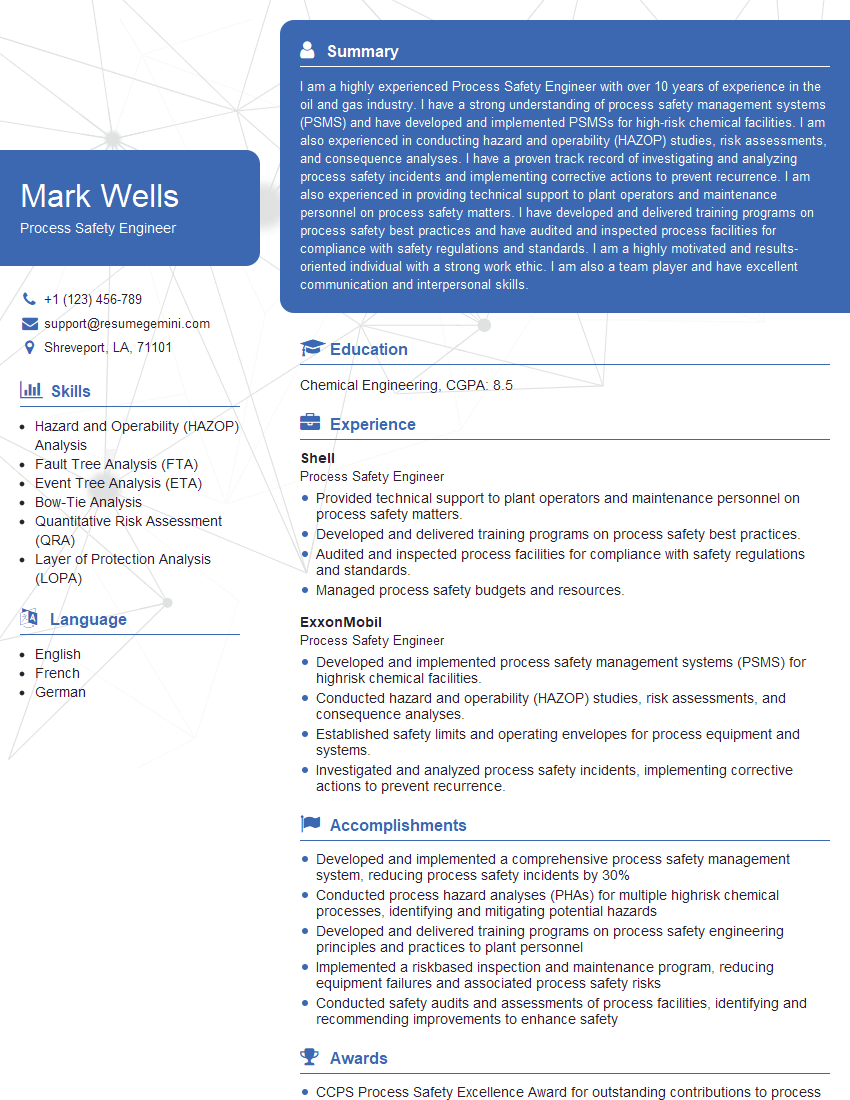
Process Safety Engineer Resume Sample
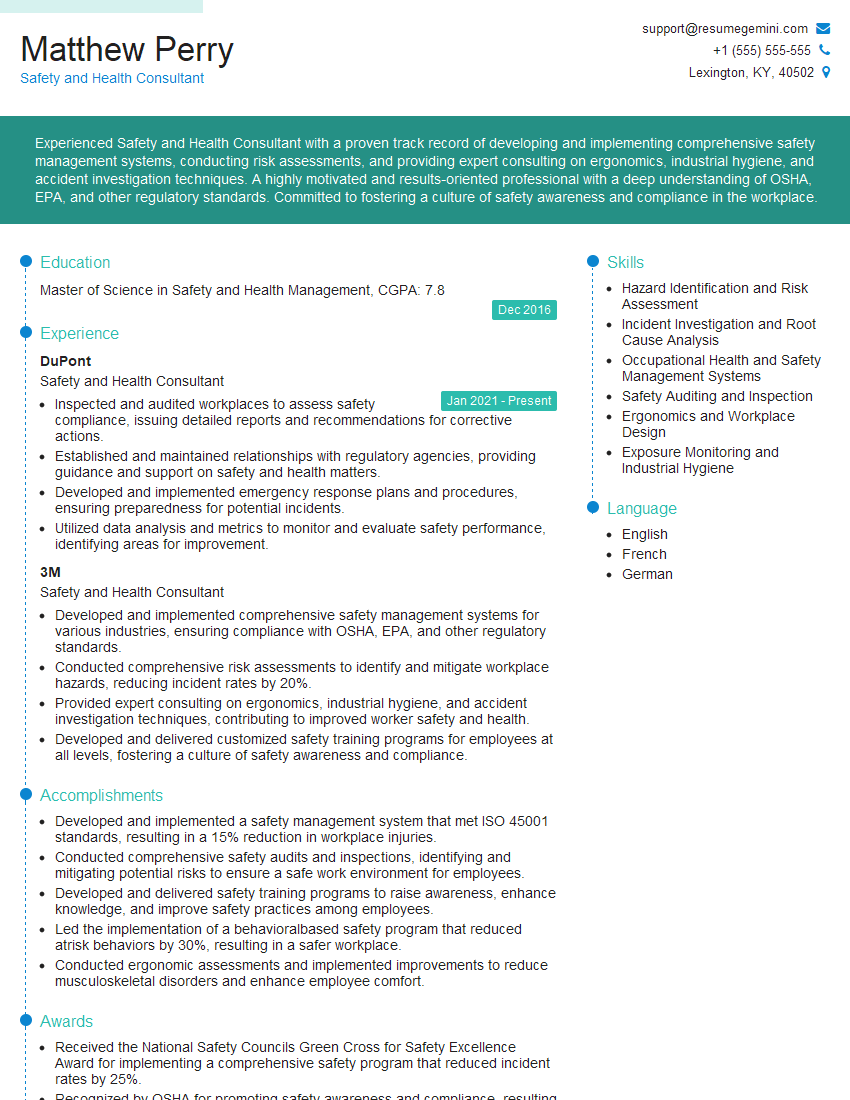
Safety and Health Consultant Resume Sample
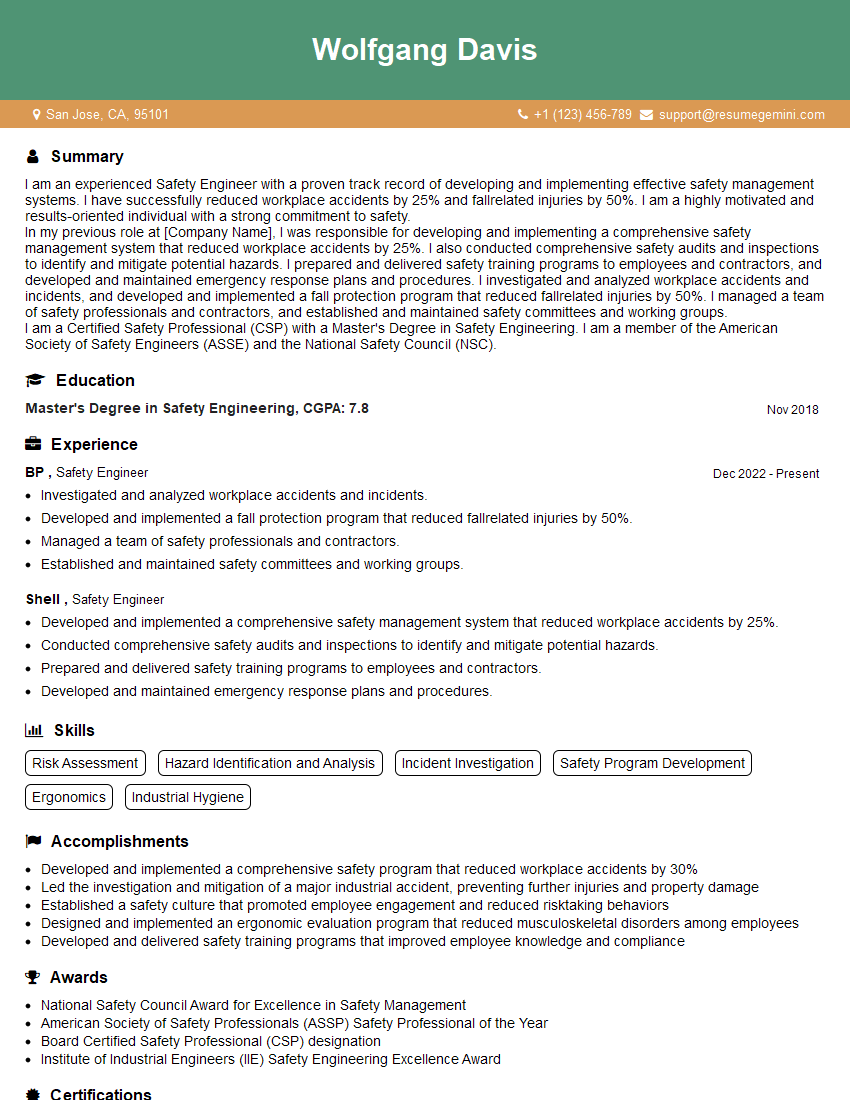
Safety Engineer Resume Sample
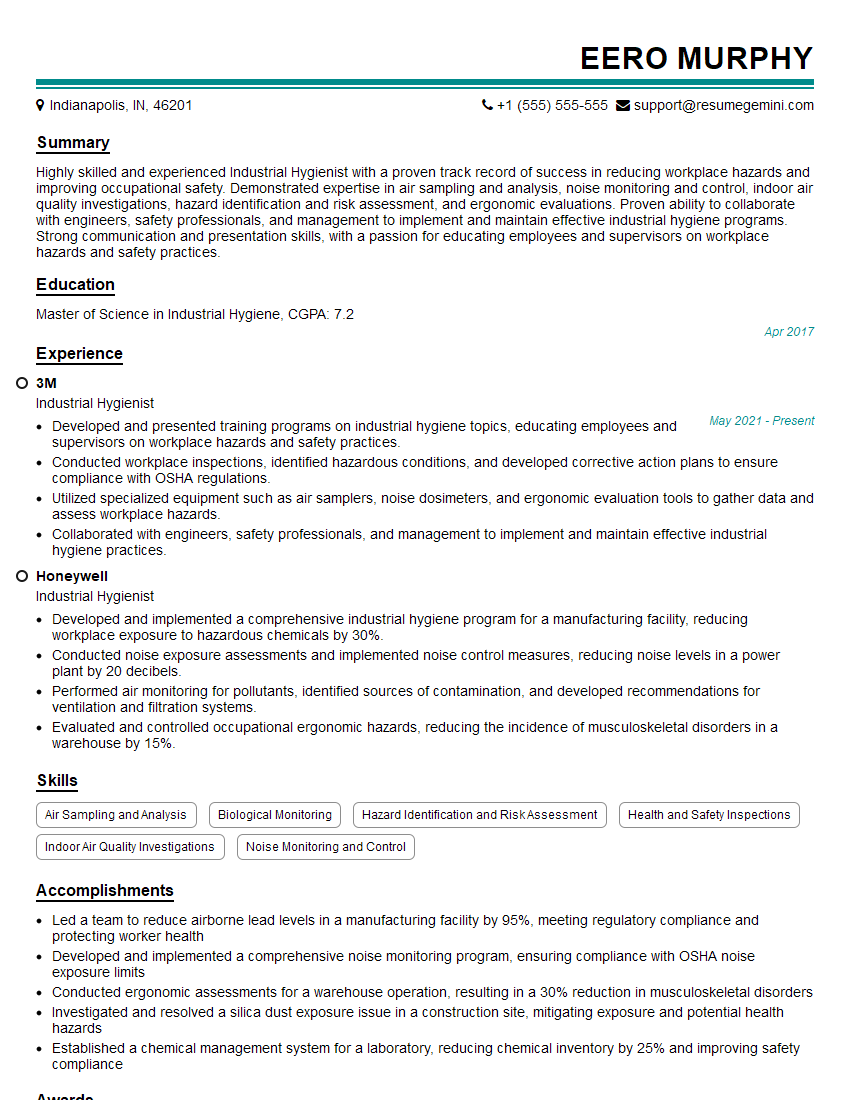
Industrial Hygienist Resume Sample
Explore more articles
Users Rating of Our Blogs
Share Your Experience
We value your feedback! Please rate our content and share your thoughts (optional).
What Readers Say About Our Blog
Attention music lovers!
Wow, All the best Sax Summer music !!!
Spotify: https://open.spotify.com/artist/6ShcdIT7rPVVaFEpgZQbUk
Apple Music: https://music.apple.com/fr/artist/jimmy-sax-black/1530501936
YouTube: https://music.youtube.com/browse/VLOLAK5uy_noClmC7abM6YpZsnySxRqt3LoalPf88No
Other Platforms and Free Downloads : https://fanlink.tv/jimmysaxblack
on google : https://www.google.com/search?q=22+AND+22+AND+22
on ChatGPT : https://chat.openai.com?q=who20jlJimmy20Black20Sax20Producer
Get back into the groove with Jimmy sax Black
Best regards,
Jimmy sax Black
www.jimmysaxblack.com
Hi I am a troller at The aquatic interview center and I suddenly went so fast in Roblox and it was gone when I reset.
Hi,
Business owners spend hours every week worrying about their website—or avoiding it because it feels overwhelming.
We’d like to take that off your plate:
$69/month. Everything handled.
Our team will:
Design a custom website—or completely overhaul your current one
Take care of hosting as an option
Handle edits and improvements—up to 60 minutes of work included every month
No setup fees, no annual commitments. Just a site that makes a strong first impression.
Find out if it’s right for you:
https://websolutionsgenius.com/awardwinningwebsites
Hello,
we currently offer a complimentary backlink and URL indexing test for search engine optimization professionals.
You can get complimentary indexing credits to test how link discovery works in practice.
No credit card is required and there is no recurring fee.
You can find details here:
https://wikipedia-backlinks.com/indexing/
Regards
NICE RESPONSE TO Q & A
hi
The aim of this message is regarding an unclaimed deposit of a deceased nationale that bears the same name as you. You are not relate to him as there are millions of people answering the names across around the world. But i will use my position to influence the release of the deposit to you for our mutual benefit.
Respond for full details and how to claim the deposit. This is 100% risk free. Send hello to my email id: lukachachibaialuka@gmail.com
Luka Chachibaialuka
Hey interviewgemini.com, just wanted to follow up on my last email.
We just launched Call the Monster, an parenting app that lets you summon friendly ‘monsters’ kids actually listen to.
We’re also running a giveaway for everyone who downloads the app. Since it’s brand new, there aren’t many users yet, which means you’ve got a much better chance of winning some great prizes.
You can check it out here: https://bit.ly/callamonsterapp
Or follow us on Instagram: https://www.instagram.com/callamonsterapp
Thanks,
Ryan
CEO – Call the Monster App
Hey interviewgemini.com, I saw your website and love your approach.
I just want this to look like spam email, but want to share something important to you. We just launched Call the Monster, a parenting app that lets you summon friendly ‘monsters’ kids actually listen to.
Parents are loving it for calming chaos before bedtime. Thought you might want to try it: https://bit.ly/callamonsterapp or just follow our fun monster lore on Instagram: https://www.instagram.com/callamonsterapp
Thanks,
Ryan
CEO – Call A Monster APP
To the interviewgemini.com Owner.
Dear interviewgemini.com Webmaster!
Hi interviewgemini.com Webmaster!
Dear interviewgemini.com Webmaster!
excellent
Hello,
We found issues with your domain’s email setup that may be sending your messages to spam or blocking them completely. InboxShield Mini shows you how to fix it in minutes — no tech skills required.
Scan your domain now for details: https://inboxshield-mini.com/
— Adam @ InboxShield Mini
support@inboxshield-mini.com
Reply STOP to unsubscribe
Hi, are you owner of interviewgemini.com? What if I told you I could help you find extra time in your schedule, reconnect with leads you didn’t even realize you missed, and bring in more “I want to work with you” conversations, without increasing your ad spend or hiring a full-time employee?
All with a flexible, budget-friendly service that could easily pay for itself. Sounds good?
Would it be nice to jump on a quick 10-minute call so I can show you exactly how we make this work?
Best,
Hapei
Marketing Director
Hey, I know you’re the owner of interviewgemini.com. I’ll be quick.
Fundraising for your business is tough and time-consuming. We make it easier by guaranteeing two private investor meetings each month, for six months. No demos, no pitch events – just direct introductions to active investors matched to your startup.
If youR17;re raising, this could help you build real momentum. Want me to send more info?
Hi, I represent an SEO company that specialises in getting you AI citations and higher rankings on Google. I’d like to offer you a 100% free SEO audit for your website. Would you be interested?
Hi, I represent an SEO company that specialises in getting you AI citations and higher rankings on Google. I’d like to offer you a 100% free SEO audit for your website. Would you be interested?