Cracking a skill-specific interview, like one for Power Distribution Equipment Installation, requires understanding the nuances of the role. In this blog, we present the questions you’re most likely to encounter, along with insights into how to answer them effectively. Let’s ensure you’re ready to make a strong impression.
Questions Asked in Power Distribution Equipment Installation Interview
Q 1. Explain the difference between a fuse and a circuit breaker.
Both fuses and circuit breakers are safety devices designed to protect electrical circuits from overcurrent, but they operate differently. A fuse is a one-time use device. Inside is a thin wire that melts and breaks the circuit when excessive current flows, permanently interrupting the power. Think of it like a sacrificial lamb – it protects the rest of the system by sacrificing itself. A circuit breaker, on the other hand, is a reusable device. It contains an electromagnet or bimetallic strip that trips a switch when an overload occurs, interrupting the current. After the fault is cleared, the circuit breaker can be manually reset, restoring power. Imagine it as a smart switch that can automatically turn itself off and then be turned back on.
In essence, fuses are simpler, cheaper, and offer permanent protection, while circuit breakers are more complex, reusable, and offer more sophisticated protection, sometimes including features like arc fault detection.
Q 2. Describe the process of grounding a power distribution system.
Grounding a power distribution system is crucial for safety. It provides a low-resistance path for fault currents to flow to the earth, preventing dangerous voltage buildup and protecting people and equipment. The process typically involves connecting the neutral point of the system to a grounding electrode, which is usually a metallic rod driven deep into the earth. This electrode provides a connection to the earth’s vast electrical capacity. The grounding wire is usually bare copper, chosen for its excellent conductivity and corrosion resistance. All metal enclosures of equipment, such as switchboards and transformers, are also bonded to this grounding system. This ensures that in the event of a fault, the current will take the path of least resistance – to the ground – rather than through a person or equipment.
Proper grounding is vital for preventing electrical shocks, fires, and equipment damage. Regular inspections and testing are essential to ensure the grounding system remains effective.
Q 3. What safety precautions are necessary when working with high-voltage equipment?
Working with high-voltage equipment is extremely dangerous and requires rigorous safety precautions. Never work on live equipment unless absolutely necessary and you are specifically trained and authorized. Before starting any work, always ensure the power is completely de-energized and locked out/tagged out. This involves physically disconnecting the power source and using a lockout/tagout device to prevent accidental re-energization. Use appropriate personal protective equipment (PPE), including insulated gloves, safety glasses, and arc flash protective clothing. Never work alone; always have a qualified spotter present. Follow all relevant safety procedures and regulations. Understand the potential hazards associated with the specific equipment and the voltage levels involved. Regular safety training and competency assessments are paramount.
Remember, a momentary lapse in safety protocol can have devastating consequences when working with high-voltage equipment.
Q 4. How do you test for continuity in a power distribution system?
Continuity testing verifies the presence of a continuous, unbroken electrical path. In a power distribution system, this is essential for ensuring the integrity of wiring and connections. A multimeter is typically used; set it to the continuity test mode (often symbolized by a diode icon). One probe is connected to one end of the conductor being tested, and the other probe to the other end. A continuous tone or indication on the meter shows a complete circuit – a continuous path exists. If there’s a break in the circuit, such as a broken wire or a loose connection, the meter will show an open circuit.
Before testing, always ensure the circuit is de-energized to prevent electric shock. Continuity tests are essential for troubleshooting faults, verifying installations, and ensuring safety.
Q 5. What are the common causes of power outages?
Power outages can stem from various causes, ranging from localized issues to large-scale events. Equipment failures are frequent culprits; these include problems with transformers, circuit breakers, or other components within the distribution network. Severe weather such as storms, hurricanes, and ice storms can cause significant damage to power lines and infrastructure. Overloads on the system, due to high demand or equipment malfunctions, can trip protective devices and cause outages. Animal interference (such as squirrels chewing on wires) can create short circuits. Human error, whether during maintenance or construction, can inadvertently interrupt service. Finally, planned outages often occur for scheduled maintenance or upgrades.
Understanding the potential causes of outages is vital for effective preventative maintenance and rapid restoration of power.
Q 6. Explain the concept of voltage drop and how it’s calculated.
Voltage drop refers to the decrease in voltage across a conductor due to its resistance. As current flows through a wire, some energy is lost as heat, resulting in a lower voltage at the end of the conductor compared to the source. This can lead to reduced performance of equipment and even malfunctions. Voltage drop is calculated using Ohm’s Law (V = IR) and is usually expressed as a percentage of the source voltage.
Voltage Drop = I * R where ‘I’ is the current in amps and ‘R’ is the resistance of the conductor in ohms. The resistance of the conductor is often found using the conductor’s length, cross-sectional area, and resistivity.
For example, a longer wire or one with a smaller cross-sectional area will have a higher resistance and, therefore, a greater voltage drop.
Q 7. What are the different types of transformers used in power distribution?
Several transformer types are used in power distribution networks, each with its characteristics and applications:
- Power Transformers: These are large transformers used for stepping voltage up or down in substations. They handle high power levels and are crucial for long-distance transmission.
- Distribution Transformers: These are smaller transformers found on power poles or underground vaults, stepping down voltage to levels suitable for residential and commercial use.
- Instrument Transformers: These transformers are used for measuring purposes, such as monitoring current and voltage. They provide a scaled-down representation of the actual values for safer and more convenient measurement.
- Isolation Transformers: These transformers isolate circuits to prevent electrical shocks or ground faults. They provide electrical isolation between the input and output, enhancing safety.
The choice of transformer depends on the specific application, voltage levels, and power requirements.
Q 8. Describe the function of a surge arrester.
A surge arrester, also known as a surge protector, is a safety device designed to protect electrical equipment from voltage surges or transients. Think of it as a lightning rod for your electrical system. These surges, which can be caused by lightning strikes, switching operations, or faults on the power line, can be far greater than the normal operating voltage and can damage sensitive electronic components or even cause fires. The surge arrester diverts this excess voltage to ground, thereby limiting the voltage that reaches the protected equipment.
How it works: Most surge arresters utilize metal-oxide varistors (MOVs). These are semiconductor devices that exhibit a very high resistance at normal voltage levels. However, when a surge occurs and the voltage exceeds a certain threshold, the MOV’s resistance dramatically drops, allowing the surge current to flow to ground. Once the surge passes, the MOV returns to its high-resistance state.
Example: Imagine a lightning strike near a power line. This can induce a massive voltage spike. The surge arrester will conduct the excessive current to ground, protecting the downstream electrical equipment, like computers or sensitive industrial controls, from damage. Without it, those devices could be fried.
Q 9. How do you interpret electrical schematics and blueprints?
Interpreting electrical schematics and blueprints requires a strong understanding of electrical symbols and conventions. It’s like reading a map for the electrical system. Schematics provide a simplified, symbolic representation of the electrical connections, showing the components and their relationships. Blueprints, on the other hand, show the physical layout of the equipment and wiring within a building or facility.
I start by examining the legend or key, which defines the symbols used in the drawing. Then, I trace the flow of electricity through the system, identifying the different components (transformers, circuit breakers, motors, etc.) and their connections. I pay close attention to wire sizes, voltage ratings, and protective devices. Blueprints aid in understanding the physical location of equipment, conduits, and raceways, ensuring that the installation aligns with the schematic.
For example, I’d look for symbols representing circuit breakers, their amperage ratings, and which circuits they protect. This helps in understanding the system’s protection strategy. I would also carefully examine the wiring diagrams to understand the routing of cables, locations of junction boxes, and grounding arrangements. The ability to effectively interpret these documents is crucial for safe and efficient installation.
Q 10. What are the NEC (National Electrical Code) requirements for power distribution systems?
The NEC (National Electrical Code) is a comprehensive set of regulations for electrical installations in the United States. It outlines safety standards to minimize fire and electrical shock hazards. Compliance is mandatory for most installations, and inspections are routinely conducted to ensure adherence.
Key NEC requirements for power distribution systems include:
- Wiring methods and materials: Specific requirements for conductor types (copper, aluminum), insulation, and conduit sizing based on the current carrying capacity and environmental factors.
- Overcurrent protection: Proper sizing and placement of circuit breakers and fuses to protect circuits from overload and short circuits. This ensures safety and prevents fires.
- Grounding and bonding: Robust grounding systems to protect against electrical shocks and equipotential bonding to eliminate dangerous voltage differences.
- Arc flash mitigation: Measures to reduce the risk of arc flash incidents, which can cause severe burns and other injuries to personnel working on energized equipment. This includes proper labeling and personal protective equipment (PPE).
- Working clearances and safety distances: Sufficient spacing around energized equipment and conductors to prevent accidental contact.
Failure to meet these requirements can result in significant penalties, project delays, and potentially life-threatening situations.
Q 11. Explain the difference between single-phase and three-phase power.
The difference between single-phase and three-phase power lies in the number of alternating current (AC) waveforms used to supply electricity. Think of it like this: single-phase is like a single lane highway, while three-phase is a three-lane highway, allowing for much greater capacity.
Single-phase power: Uses a single alternating current waveform. It’s typically used for residential and small commercial applications. The voltage is relatively lower. Common voltage in homes is 120/240V.
Three-phase power: Uses three separate alternating current waveforms, each 120 degrees out of phase with each other. This provides a more constant power supply and is far more efficient for high-power applications. It’s commonly used in industrial settings, large commercial buildings, and heavy-duty machinery. Common voltages are 208V, 240V, 480V.
Three-phase systems provide higher power capacity with smaller conductors, are more efficient for motors, and have better power factor, reducing energy costs. The choice between single-phase and three-phase depends on the power requirements of the load and the overall system design.
Q 12. Describe your experience with various types of conduit and wiring methods.
My experience encompasses a wide range of conduit and wiring methods. Selecting the appropriate method is crucial for ensuring safety, code compliance, and longevity of the electrical system. The choice depends on the environment, application, and load requirements.
Conduit types: I’ve worked extensively with various conduits, including:
- Rigid metal conduit (RMC): Offers excellent protection against physical damage and is suitable for hazardous locations.
- Intermediate metal conduit (IMC): Lighter and easier to work with than RMC, but still provides good protection.
- Electrical metallic tubing (EMT): A flexible and cost-effective option, commonly used in less demanding environments.
- Flexible metal conduit (FMC): Used for connecting equipment or in areas where flexibility is required.
- PVC conduit: A non-metallic option, suitable for non-hazardous locations where protection against physical damage is less critical.
Wiring methods: My experience includes different wiring methods such as:
- Open wiring on insulators: Suitable for specific applications with appropriate supports and protection.
- Concealed wiring in walls and ceilings: Requires careful planning and execution to meet code requirements.
- Cable tray systems: Used for organizing and routing large numbers of cables.
Each project requires careful consideration of the best combination of conduit and wiring method to ensure a safe and efficient installation that meets all applicable codes and standards.
Q 13. How do you troubleshoot a faulty power distribution system?
Troubleshooting a faulty power distribution system is a systematic process that involves a combination of observation, testing, and analysis. Safety is paramount, and I always prioritize de-energizing circuits before working on them whenever possible.
My approach typically involves:
- Visual inspection: Carefully examining all components, looking for obvious signs of damage such as loose connections, burnt wires, or tripped circuit breakers.
- Testing with appropriate instruments: Using multimeters, clamp meters, and other test equipment to measure voltage, current, and resistance. This helps pinpoint the location of the fault.
- Tracing the circuit: Following the circuit path from the source to the load to identify the point of failure. Schematics and blueprints are invaluable tools at this stage.
- Checking protective devices: Inspecting circuit breakers, fuses, and other protective devices to determine if they’ve tripped or failed. This can indicate an overload or short circuit.
- Analyzing system logs and alarms: If the system has monitoring capabilities, checking system logs for error messages or alarms related to the fault. This can provide valuable clues about the nature and timing of the issue.
- Load testing: Gradually increasing the load on the system to identify any weaknesses or points of failure.
Throughout the troubleshooting process, I meticulously document all findings and repairs. The goal is to accurately identify the root cause of the problem and implement a safe and effective solution.
Q 14. What are the different types of protective relays used in power systems?
Protective relays are essential components in power systems, providing rapid detection and isolation of faults to minimize damage and maintain system stability. Different types of relays are used depending on the specific protection needs.
Some common types include:
- Overcurrent relays: These are the most basic type of relay, detecting excessive current flow due to short circuits or overloads.
- Differential relays: Used to protect transformers and generators by comparing the current entering and leaving the protected equipment. Any difference indicates an internal fault.
- Distance relays: Measure the impedance between the relay location and the fault, allowing for rapid fault location on transmission lines.
- Ground fault relays: Detect ground faults, which can be especially dangerous. They provide protection against ground faults to earth.
- Busbar protection relays: Protect the main busbars in substations from faults, which can cause widespread outages.
The selection of protective relays depends on factors such as the type of equipment being protected, the system voltage, and the fault conditions that need to be addressed. A comprehensive protection scheme often includes multiple relay types working together to ensure reliable and safe operation of the power system.
Q 15. Explain your experience with lockout/tagout procedures.
Lockout/Tagout (LOTO) procedures are critical for ensuring worker safety during electrical work. They’re a systematic process to prevent the unexpected energization or startup of equipment during maintenance or repairs. My experience encompasses a thorough understanding of OSHA and industry-specific LOTO standards. I’ve consistently led my teams in implementing LOTO procedures across various projects, from small-scale substation upgrades to large-scale industrial plant installations.
This involves five key steps: identifying the energy source, isolating the energy source, verifying the isolation, applying the lockout and tagout devices, and finally, verifying the lockout and tagout devices before any work commences. For example, during a transformer maintenance, we’d isolate it from the main power bus using circuit breakers, apply LOTO devices individually to each breaker, and then verify the absence of voltage using appropriate testing equipment before anyone could start working on the transformer. I have also conducted regular LOTO training for my crew emphasizing the importance of compliance and proper documentation, as failure to follow procedures can lead to serious injury or death.
Career Expert Tips:
- Ace those interviews! Prepare effectively by reviewing the Top 50 Most Common Interview Questions on ResumeGemini.
- Navigate your job search with confidence! Explore a wide range of Career Tips on ResumeGemini. Learn about common challenges and recommendations to overcome them.
- Craft the perfect resume! Master the Art of Resume Writing with ResumeGemini’s guide. Showcase your unique qualifications and achievements effectively.
- Don’t miss out on holiday savings! Build your dream resume with ResumeGemini’s ATS optimized templates.
Q 16. Describe your experience with different types of cable terminations.
My experience spans various cable termination methods, tailored to different voltage levels and cable types. This includes working with compression connectors, crimped connectors, heat-shrink terminations, and bolted terminations. I’m proficient with both low-voltage and high-voltage applications, understanding the nuances of each method.
For example, I’ve used compression connectors extensively for low-voltage control circuits. Their ease of installation and reliability makes them ideal for many applications. Conversely, for high-voltage power cables, I’ve used heat-shrink terminations, which provide superior insulation and environmental protection. For very high voltage applications, we utilize bolted terminations to ensure reliable and safe connections. Each termination type requires specific tools and procedures; for example, heat-shrink terminations require careful heat application to ensure proper sealing and insulation. I’ve consistently followed the manufacturer’s instructions and relevant standards for each application to ensure the integrity and safety of the terminations.
Q 17. What is your experience with SCADA systems and their role in power distribution?
Supervisory Control and Data Acquisition (SCADA) systems are essential in modern power distribution networks. They provide real-time monitoring and control of various parameters, such as voltage, current, power factor, and equipment status. My experience includes working with various SCADA systems, from configuring communication protocols (like Modbus and DNP3) to integrating new equipment into existing systems.
On one project, I worked on integrating a new substation into a larger SCADA network. This involved configuring the remote terminal units (RTUs) within the substation, establishing communication links with the master SCADA system, and performing rigorous testing to ensure seamless data acquisition and remote control. SCADA systems are vital for proactive management, allowing us to identify potential problems before they lead to outages. For instance, a sudden increase in temperature in a transformer detected by SCADA might trigger an alarm and prompt timely maintenance, preventing potential fire hazards.
Q 18. How do you ensure the safety of yourself and your crew during installation?
Safety is paramount in power distribution installations. My approach to ensuring crew safety involves a multi-layered strategy. This starts with thorough pre-job planning which involves a detailed risk assessment, outlining potential hazards and specifying the necessary safety precautions. I always ensure my team has the right personal protective equipment (PPE) like safety glasses, insulated gloves, arc flash suits, and safety footwear.
Beyond PPE, we adhere strictly to LOTO procedures, maintaining a culture of safety awareness through regular toolbox talks and training sessions. Before commencing any work near energized equipment, we verify the absence of voltage using approved testing equipment. I consistently use and regularly inspect safety equipment, and I never compromise on safety procedures, no matter the time constraint. For example, on a recent project involving working at height, we used fall-arrest systems and ensured thorough training on their proper use. A safe workplace is a productive workplace.
Q 19. What are the common causes of electrical fires in power distribution systems?
Electrical fires in power distribution systems can have several causes, most stemming from poor installation or maintenance practices. Common culprits include loose connections that generate heat due to high resistance, damaged insulation leading to short circuits, overheating equipment due to overloading or insufficient cooling, and arc flash events.
Other significant factors are environmental conditions like moisture ingress and rodent infestation that can damage insulation and create short circuits. Regular inspections, preventative maintenance, and the use of high-quality components are crucial in mitigating these risks. In a specific instance, a fire we investigated was traced to a loose connection in a busbar system. The high resistance at the loose connection generated substantial heat, igniting nearby combustible material. This highlighted the importance of tight and properly torqued connections.
Q 20. Describe your experience working with different types of metering equipment.
My experience encompasses working with a variety of metering equipment, from traditional electromechanical meters to advanced digital smart meters. I understand the functionalities of single-phase and three-phase meters, including their connection types, calibration procedures, and data logging capabilities. I’ve also worked with power quality meters capable of analyzing parameters such as harmonics, voltage sags and swells, and power factor.
For instance, on a recent project, we installed smart meters with advanced communication capabilities, enabling remote monitoring and data analysis. This allowed for better load management and improved efficiency. The data provided by these smart meters is crucial for optimizing the power distribution system and identifying potential issues. My knowledge of metering extends to the various communication protocols used such as Modbus and other protocols employed by different manufacturers. Correct installation and configuration of these meters are crucial for accurate measurement and billing.
Q 21. Explain your understanding of harmonic distortion and its impact on power systems.
Harmonic distortion refers to the presence of non-linear loads in a power system that generate harmonic currents. These currents are multiples of the fundamental frequency (typically 50Hz or 60Hz) and can cause significant problems. These problems can include increased heat generation in equipment, premature equipment failure, inaccurate metering readings, and increased power losses.
For example, the use of large numbers of power electronic devices like variable speed drives and rectifiers can produce significant harmonic distortion. I’ve worked on projects where harmonic distortion was identified and mitigated through the implementation of power factor correction (PFC) capacitors, harmonic filters, or using specially designed equipment with inherent harmonic mitigation capabilities. A thorough understanding of harmonic distortion is essential for designing and maintaining robust and efficient power systems. Neglecting harmonic issues can lead to considerable financial and operational consequences.
Q 22. What is your experience with power factor correction?
Power factor correction (PFC) is crucial for optimizing the efficiency of electrical systems. A low power factor means that a significant portion of the current drawn by equipment is not used for actual work, resulting in higher energy bills and increased stress on the system. My experience involves assessing power factor values using measurement equipment, determining the required PFC capacitor bank size based on load analysis and system voltage, and specifying appropriate capacitor banks and associated control equipment. This includes selecting the correct capacitor type (e.g., dry-type, oil-filled), voltage rating, and tolerance. I’ve worked on projects ranging from small commercial installations requiring a few hundred kVAR of correction to larger industrial facilities requiring several MVAR. For instance, I recently worked on a project where a low power factor was causing excessive heating in the electrical distribution panel of a manufacturing plant. By implementing a properly sized capacitor bank, we significantly improved the power factor, reducing energy costs and preventing potential equipment failures.
The process usually involves:
- Load analysis to determine the existing power factor and reactive power demand.
- Calculation of required capacitor bank size using appropriate formulas.
- Selection and specification of suitable capacitors and control gear (e.g., contactors, relays).
- Installation and commissioning of the capacitor bank, including verification of proper operation and power factor improvement.
Q 23. Describe your experience with various types of protective devices (e.g., fuses, breakers, etc.)
Protective devices are the first line of defense in power distribution systems, safeguarding equipment and personnel. My experience encompasses a wide range of devices, including fuses, circuit breakers (molded case, air circuit breakers, vacuum circuit breakers), and surge arresters. I’m proficient in selecting the appropriate device based on factors like fault current capacity, voltage rating, interrupting rating, and coordination with upstream and downstream protection. For example, fuses are generally cost-effective for smaller loads and provide fast fault clearing, whereas circuit breakers offer better flexibility and arc flash protection. I have worked extensively with arc flash hazard analysis and mitigation, ensuring that the right protective devices and personal protective equipment (PPE) are utilized to safeguard personnel working on the system.
Understanding coordination is vital: This ensures that the correct protective device trips first in the event of a fault, minimizing damage and isolating the affected area. I frequently use software tools to perform coordination studies, ensuring that the protective devices operate in a coordinated manner. This includes understanding the time-current characteristics of various protective devices and ensuring proper selectivity.
Q 24. Explain the importance of proper cable sizing and selection.
Proper cable sizing and selection are paramount to ensuring the safe and reliable operation of a power distribution system. Undersized cables can lead to excessive voltage drop, overheating, and potential fire hazards, whereas oversized cables are unnecessarily expensive. My approach involves calculating the required cable ampacity using industry standards and considering factors such as ambient temperature, cable installation method (e.g., buried, trayed), and derating factors. I utilize specialized software to aid in cable sizing and ensure compliance with relevant codes like NEC.
For instance, I recently faced a situation where an existing cable was causing excessive voltage drop in a long run. By carefully analyzing the load characteristics, ambient temperature, and cable installation method, I selected a larger conductor size, solving the voltage drop issue and preventing potential overheating. The key factors I consider are:
- Load current calculation.
- Voltage drop calculation.
- Ampacity determination based on NEC or IEC standards.
- Cable type selection (e.g., copper, aluminum, XLPE).
- Appropriate cable insulation and sheath material selection.
- Derating factors for ambient temperature, installation method, etc.
Q 25. How do you ensure compliance with relevant safety standards and regulations?
Compliance with safety standards and regulations is non-negotiable in power distribution installations. I ensure adherence to codes like the National Electrical Code (NEC) in the US or IEC standards internationally. This involves careful documentation, thorough inspections, and testing at each stage of the project. I’m familiar with OSHA regulations pertaining to electrical safety and ensure all work is performed in accordance with these requirements. This includes proper lockout/tagout procedures, use of personal protective equipment (PPE), and adherence to safe work practices. We maintain detailed records of all inspections and tests, ensuring traceability and accountability.
Examples of this include maintaining up-to-date training certificates, ensuring all equipment used on-site is tested and tagged, and performing regular site inspections to check for compliance with safety regulations. I often employ third-party inspections to ensure objective verification of compliance.
Q 26. Describe your experience with commissioning and testing of power distribution systems.
Commissioning and testing of power distribution systems are critical steps to ensure the system’s proper functionality and safety. My experience includes performing various tests, such as insulation resistance tests (megger testing), continuity tests, and high-pot tests to verify the integrity of the cabling and equipment. I also conduct operational tests to ensure the proper functioning of protective devices and control systems. This often involves using specialized test equipment such as meggers, clamp meters, and digital multimeters. Documentation of all testing procedures and results is crucial for demonstrating compliance and for future maintenance purposes. I’ve successfully commissioned several large-scale power distribution systems, ensuring the timely and efficient delivery of reliable power to the end users.
The process typically involves the following steps:
- Visual inspection of all equipment and cabling.
- Insulation resistance testing.
- Continuity testing.
- High-pot testing (where applicable).
- Operational testing of protective devices and control systems.
- Grounding resistance testing.
- Final inspection and sign-off.
Q 27. What is your experience with the use of specialized tools and equipment for power distribution installation?
Power distribution installations require specialized tools and equipment for safe and efficient work. My experience includes the use of various tools such as cable pullers, cable cutters, crimpers, cable lugging tools, multimeters, meggers, thermal imagers, and various testing equipment. I’m also familiar with using specialized lifting equipment for safely handling heavy components. I’m proficient in using computer-aided design (CAD) software for planning and designing layouts, and specialized software for cable sizing and protective device coordination. Safety is paramount, so familiarity with the proper use and maintenance of these tools is essential to prevent accidents. Regular calibration and maintenance of test equipment is also crucial to ensuring accurate measurements.
Q 28. Describe a challenging situation you encountered during a power distribution installation and how you resolved it.
During the installation of a large industrial power distribution system, we encountered an unexpected issue with the existing grounding system. Initial resistance tests showed significantly higher-than-acceptable values, indicating a potential safety hazard. The initial plan was to simply add additional grounding rods. However, after a thorough investigation, we discovered that the problem stemmed from poor contact between the existing grounding grid and the building’s steel structure. Simply adding more rods wouldn’t effectively address the root cause.
To resolve this, we implemented a multi-pronged approach:
- Thorough cleaning and preparation of the contact points between the existing grounding grid and the steel structure.
- Use of specialized exothermic welding to create a robust and permanent connection between the grid and the steel structure.
- Supplemental grounding rods strategically placed to ensure redundancy.
- Verification testing to confirm that the grounding resistance was within acceptable limits.
This solution was more time-consuming and complex than simply adding more rods, but it provided a permanent fix, ensuring the long-term safety and reliability of the power distribution system. It highlighted the importance of thorough investigation and addressing root causes rather than just treating symptoms.
Key Topics to Learn for Power Distribution Equipment Installation Interview
- Safety Regulations and Procedures: Understanding and adhering to OSHA and NEC regulations, including lockout/tagout procedures, arc flash safety, and personal protective equipment (PPE) requirements. Practical application: Describe your experience implementing safety protocols on a past project.
- Equipment Knowledge: Familiarity with various types of power distribution equipment, including transformers, switchgear, circuit breakers, and protective relays. Practical application: Explain the function and application of different types of circuit breakers in a power distribution system.
- Installation Techniques: Mastering proper installation methods for various equipment, including grounding, bonding, wiring, and testing procedures. Practical application: Detail your experience with installing and terminating high-voltage cables.
- Troubleshooting and Diagnostics: Ability to identify and resolve common issues during installation and operation, using diagnostic tools and techniques. Practical application: Describe a situation where you successfully troubleshooted a faulty component during installation.
- Blueprint Reading and Interpretation: Understanding and interpreting electrical schematics, one-line diagrams, and other technical drawings to guide installation. Practical application: Explain your process for interpreting blueprints and translating them into a practical installation plan.
- Testing and Commissioning: Performing various tests to ensure the installed equipment meets safety and performance standards. Practical application: Outline your experience with commissioning procedures for power distribution systems.
- Documentation and Reporting: Maintaining accurate and complete records of the installation process, including as-built drawings and test results. Practical application: Describe your experience maintaining detailed installation records and reports.
Next Steps
Mastering Power Distribution Equipment Installation opens doors to rewarding and challenging careers in the energy sector, offering excellent growth opportunities and competitive salaries. To maximize your job prospects, create an ATS-friendly resume that highlights your skills and experience effectively. ResumeGemini is a trusted resource that can help you build a professional and impactful resume, ensuring your qualifications stand out to potential employers. Examples of resumes tailored to Power Distribution Equipment Installation are available to guide you.
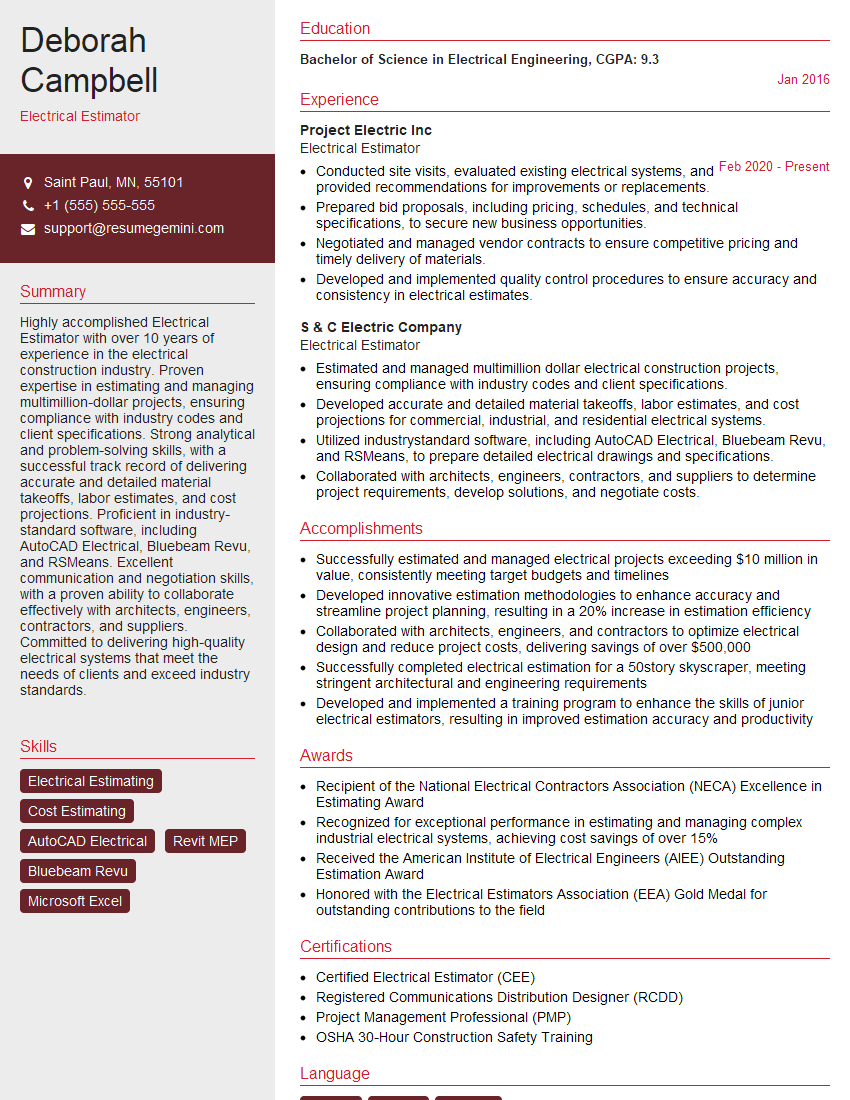
Electrical Estimator Resume Sample
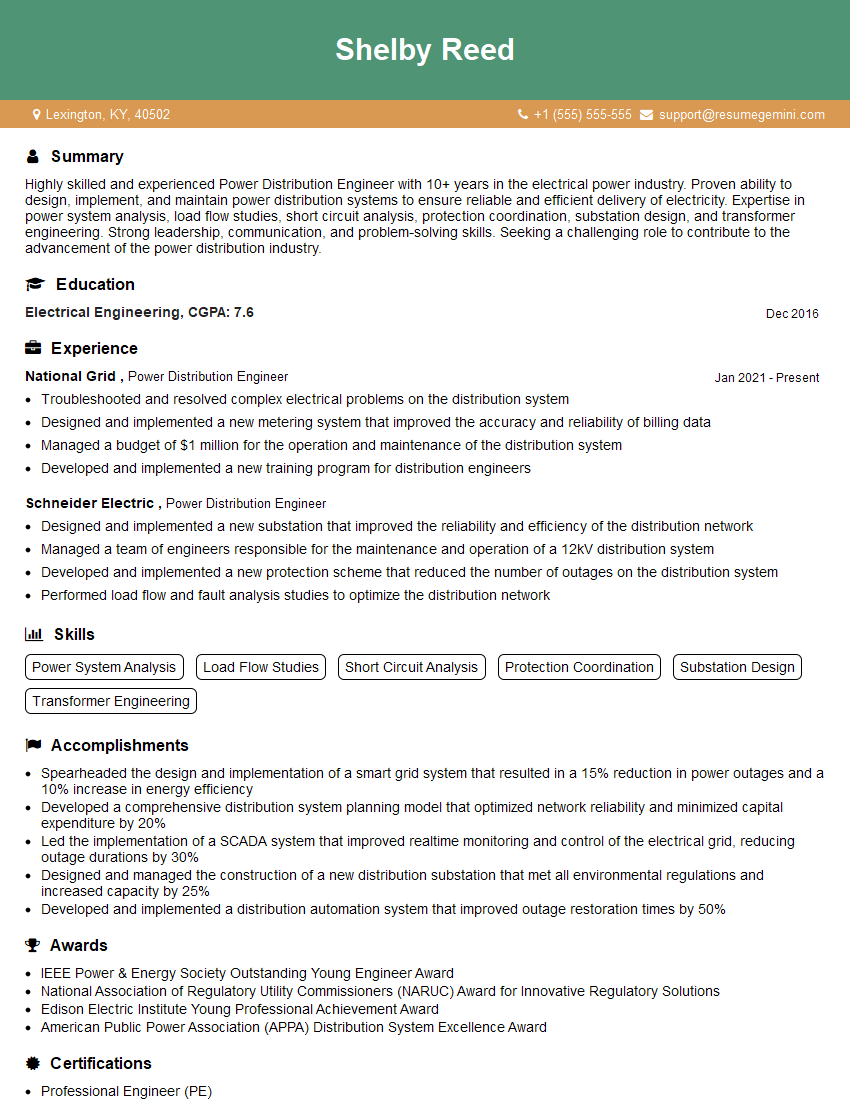
Power Distribution Engineer Resume Sample
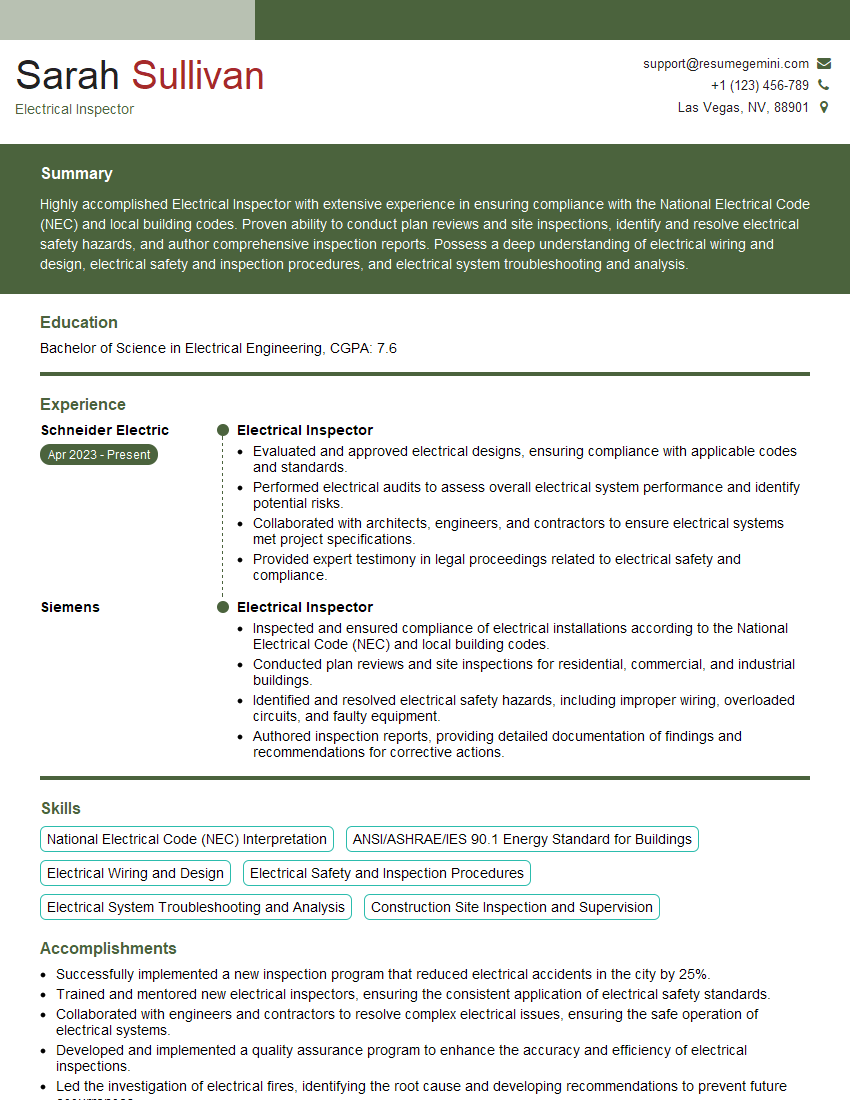
Electrical Inspector Resume Sample
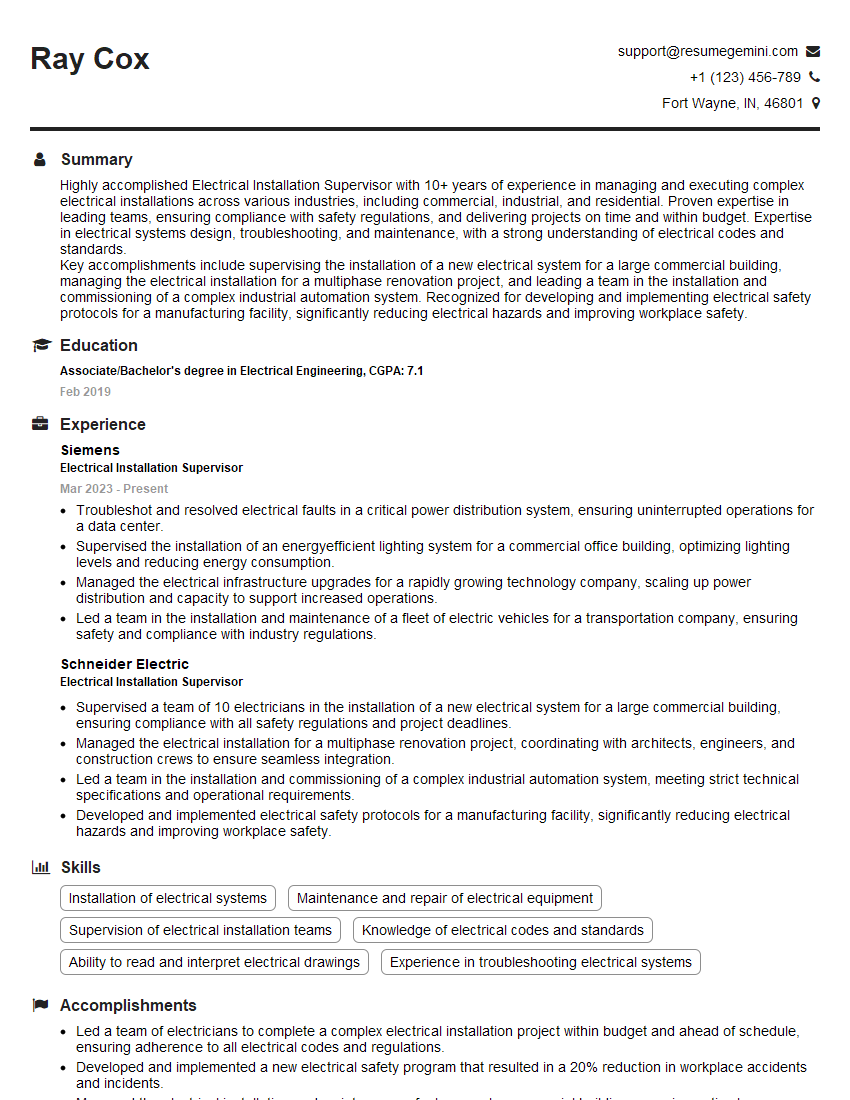
Electrical Installation Supervisor Resume Sample
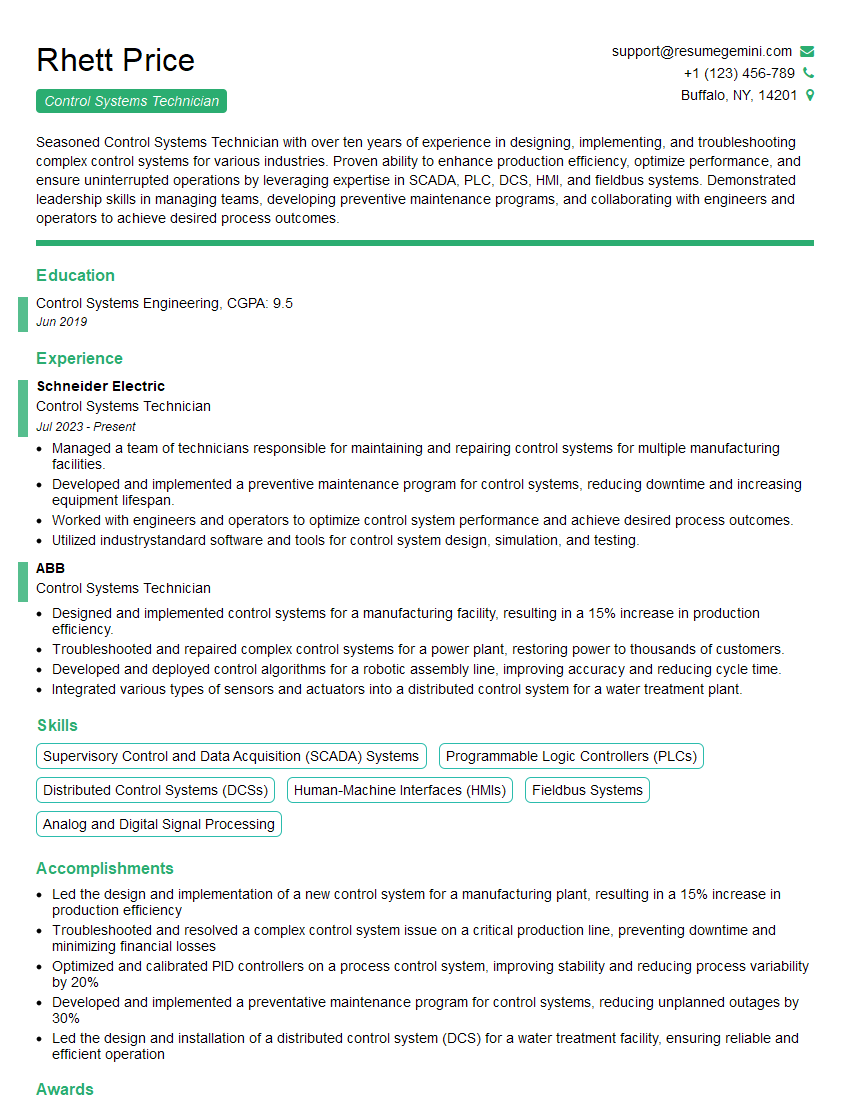
Control Systems Technician Resume Sample

Electrical Maintenance Technician Resume Sample
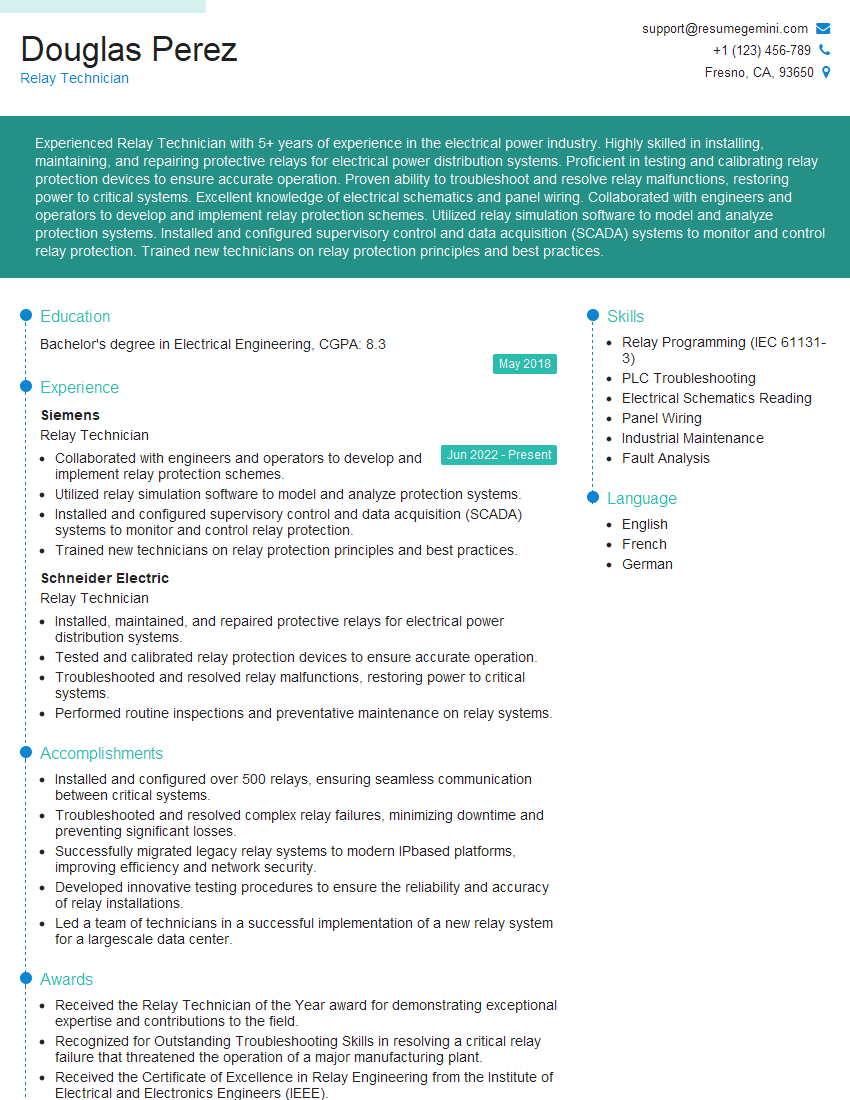
Relay Technician Resume Sample
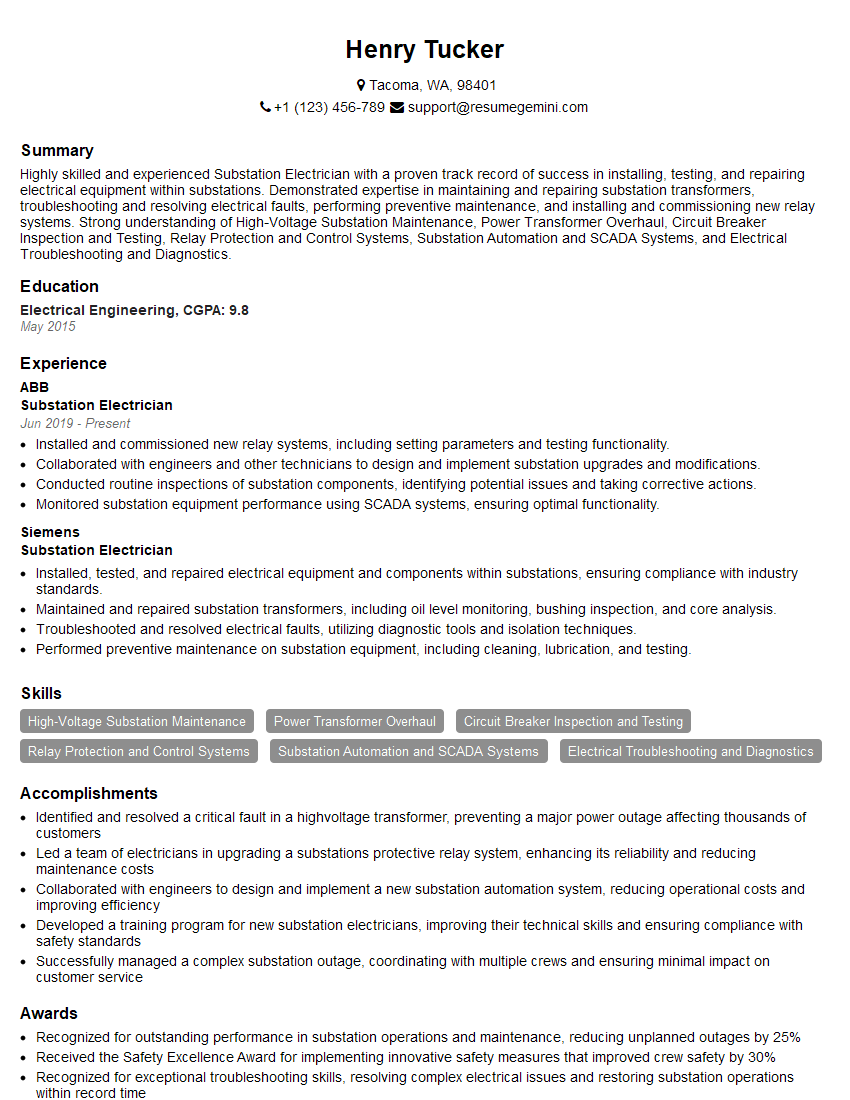
Substation Electrician Resume Sample
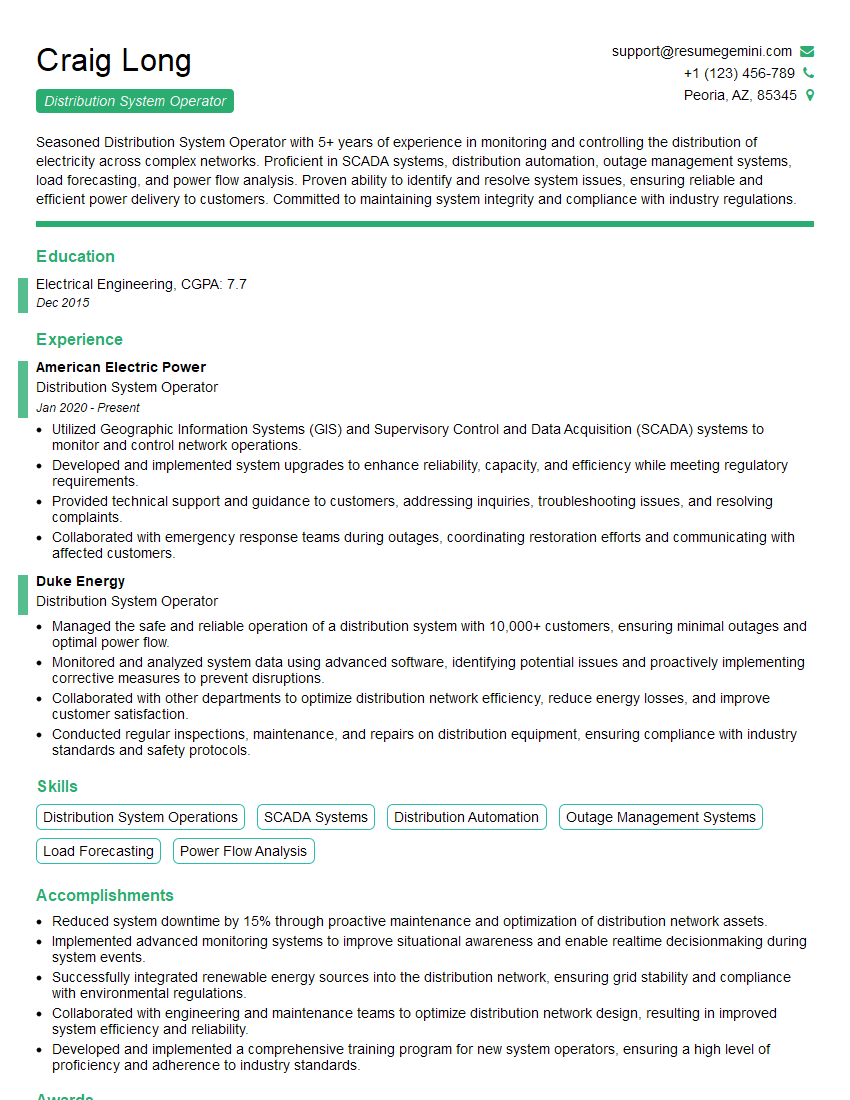
Distribution System Operator Resume Sample
Explore more articles
Users Rating of Our Blogs
Share Your Experience
We value your feedback! Please rate our content and share your thoughts (optional).
What Readers Say About Our Blog
Attention music lovers!
Wow, All the best Sax Summer music !!!
Spotify: https://open.spotify.com/artist/6ShcdIT7rPVVaFEpgZQbUk
Apple Music: https://music.apple.com/fr/artist/jimmy-sax-black/1530501936
YouTube: https://music.youtube.com/browse/VLOLAK5uy_noClmC7abM6YpZsnySxRqt3LoalPf88No
Other Platforms and Free Downloads : https://fanlink.tv/jimmysaxblack
on google : https://www.google.com/search?q=22+AND+22+AND+22
on ChatGPT : https://chat.openai.com?q=who20jlJimmy20Black20Sax20Producer
Get back into the groove with Jimmy sax Black
Best regards,
Jimmy sax Black
www.jimmysaxblack.com
Hi I am a troller at The aquatic interview center and I suddenly went so fast in Roblox and it was gone when I reset.
Hi,
Business owners spend hours every week worrying about their website—or avoiding it because it feels overwhelming.
We’d like to take that off your plate:
$69/month. Everything handled.
Our team will:
Design a custom website—or completely overhaul your current one
Take care of hosting as an option
Handle edits and improvements—up to 60 minutes of work included every month
No setup fees, no annual commitments. Just a site that makes a strong first impression.
Find out if it’s right for you:
https://websolutionsgenius.com/awardwinningwebsites
Hello,
we currently offer a complimentary backlink and URL indexing test for search engine optimization professionals.
You can get complimentary indexing credits to test how link discovery works in practice.
No credit card is required and there is no recurring fee.
You can find details here:
https://wikipedia-backlinks.com/indexing/
Regards
NICE RESPONSE TO Q & A
hi
The aim of this message is regarding an unclaimed deposit of a deceased nationale that bears the same name as you. You are not relate to him as there are millions of people answering the names across around the world. But i will use my position to influence the release of the deposit to you for our mutual benefit.
Respond for full details and how to claim the deposit. This is 100% risk free. Send hello to my email id: lukachachibaialuka@gmail.com
Luka Chachibaialuka
Hey interviewgemini.com, just wanted to follow up on my last email.
We just launched Call the Monster, an parenting app that lets you summon friendly ‘monsters’ kids actually listen to.
We’re also running a giveaway for everyone who downloads the app. Since it’s brand new, there aren’t many users yet, which means you’ve got a much better chance of winning some great prizes.
You can check it out here: https://bit.ly/callamonsterapp
Or follow us on Instagram: https://www.instagram.com/callamonsterapp
Thanks,
Ryan
CEO – Call the Monster App
Hey interviewgemini.com, I saw your website and love your approach.
I just want this to look like spam email, but want to share something important to you. We just launched Call the Monster, a parenting app that lets you summon friendly ‘monsters’ kids actually listen to.
Parents are loving it for calming chaos before bedtime. Thought you might want to try it: https://bit.ly/callamonsterapp or just follow our fun monster lore on Instagram: https://www.instagram.com/callamonsterapp
Thanks,
Ryan
CEO – Call A Monster APP
To the interviewgemini.com Owner.
Dear interviewgemini.com Webmaster!
Hi interviewgemini.com Webmaster!
Dear interviewgemini.com Webmaster!
excellent
Hello,
We found issues with your domain’s email setup that may be sending your messages to spam or blocking them completely. InboxShield Mini shows you how to fix it in minutes — no tech skills required.
Scan your domain now for details: https://inboxshield-mini.com/
— Adam @ InboxShield Mini
support@inboxshield-mini.com
Reply STOP to unsubscribe
Hi, are you owner of interviewgemini.com? What if I told you I could help you find extra time in your schedule, reconnect with leads you didn’t even realize you missed, and bring in more “I want to work with you” conversations, without increasing your ad spend or hiring a full-time employee?
All with a flexible, budget-friendly service that could easily pay for itself. Sounds good?
Would it be nice to jump on a quick 10-minute call so I can show you exactly how we make this work?
Best,
Hapei
Marketing Director
Hey, I know you’re the owner of interviewgemini.com. I’ll be quick.
Fundraising for your business is tough and time-consuming. We make it easier by guaranteeing two private investor meetings each month, for six months. No demos, no pitch events – just direct introductions to active investors matched to your startup.
If youR17;re raising, this could help you build real momentum. Want me to send more info?
Hi, I represent an SEO company that specialises in getting you AI citations and higher rankings on Google. I’d like to offer you a 100% free SEO audit for your website. Would you be interested?
Hi, I represent an SEO company that specialises in getting you AI citations and higher rankings on Google. I’d like to offer you a 100% free SEO audit for your website. Would you be interested?