The right preparation can turn an interview into an opportunity to showcase your expertise. This guide to Child and Adolescent Mental Health interview questions is your ultimate resource, providing key insights and tips to help you ace your responses and stand out as a top candidate.
Questions Asked in Child and Adolescent Mental Health Interview
Q 1. Explain the diagnostic criteria for Attention-Deficit/Hyperactivity Disorder (ADHD).
Attention-Deficit/Hyperactivity Disorder (ADHD) is a neurodevelopmental disorder characterized by inattention, hyperactivity, and impulsivity. Diagnosis requires a persistent pattern of these symptoms that significantly impair functioning in at least two settings (e.g., school and home), and must be present before age 12. The DSM-5 outlines specific diagnostic criteria, requiring symptoms to be present for at least six months, and to a degree that is inconsistent with developmental level and negatively impacts social, academic, or occupational functioning.
- Inattention: Six or more symptoms of inattention, such as difficulty sustaining attention, easily distracted, forgetful in daily activities. Examples include a child frequently losing things, having difficulty organizing tasks, or seeming not to listen when spoken to directly.
- Hyperactivity: Six or more symptoms of hyperactivity, such as fidgeting, leaving seat in situations where remaining seated is expected, excessive talking. Examples include a child constantly moving around in class, interrupting conversations frequently, or having difficulty engaging in quiet activities.
- Impulsivity: Six or more symptoms of impulsivity, such as blurting out answers, difficulty waiting their turn, interrupting others. Examples include a child making hasty decisions without considering consequences, or struggling to follow instructions.
It’s crucial to rule out other conditions that may mimic ADHD symptoms, like anxiety, sleep disorders, or learning disabilities. A comprehensive assessment, including interviews with parents, teachers, and the child, along with behavioral observations, is essential for accurate diagnosis.
Q 2. Describe the difference between Oppositional Defiant Disorder (ODD) and Conduct Disorder (CD).
Oppositional Defiant Disorder (ODD) and Conduct Disorder (CD) are both disruptive behavior disorders, but differ in severity and the nature of the problematic behaviors. ODD is characterized by a persistent pattern of angry/irritable mood, argumentative/defiant behavior, or vindictiveness, typically directed towards authority figures. The behaviors are less severe than those seen in CD.
Conduct Disorder (CD) involves a more serious pattern of violating the basic rights of others or age-appropriate societal norms. Behaviors may include aggression towards people or animals, destruction of property, theft, or serious violations of rules. CD represents a more significant escalation of disruptive behavior compared to ODD. Think of ODD as a precursor, or milder form, of CD; many children with ODD may not progress to CD, but a significant number do.
- ODD: Arguing, defying, losing temper, annoying others deliberately, blaming others for their mistakes.
- CD: Physical aggression, bullying, theft, vandalism, serious rule violations, lying, truancy.
A child with ODD might constantly argue with parents but not engage in serious antisocial acts. A child with CD might engage in theft, assault, or other acts that inflict harm on others or violate societal laws. The distinction is crucial for guiding appropriate interventions.
Q 3. What are the common symptoms of anxiety disorders in children and adolescents?
Anxiety disorders in children and adolescents manifest in various ways, often differing from adult presentations. Common symptoms can include:
- Excessive worry: Persistent and excessive worry about various things, often exceeding developmental norms.
- Physical symptoms: Stomach aches, headaches, sleep disturbances, fatigue, and difficulty concentrating.
- Separation anxiety: Excessive distress when separated from primary caregivers or attachment figures.
- Social anxiety: Intense fear of social situations, leading to avoidance of school or social events.
- Panic attacks: Sudden episodes of intense fear accompanied by physical symptoms like rapid heartbeat, shortness of breath, and dizziness.
- Obsessive-compulsive symptoms: Recurring thoughts (obsessions) that cause distress, relieved by repetitive behaviors (compulsions).
- Avoidance behaviors: Avoiding situations or activities that trigger anxiety.
The presentation of anxiety can vary widely depending on age and developmental stage. Younger children may express anxiety through somatic complaints, while adolescents may exhibit more overt worry or social withdrawal. A thorough assessment is needed to accurately diagnose the specific type of anxiety disorder.
Q 4. How would you approach the assessment of a child presenting with depression?
Assessing a child presenting with depression requires a multi-faceted approach that considers their developmental stage, cultural background, and presenting symptoms. It’s crucial to rule out other conditions that can mimic depression, like anxiety or medical illnesses.
The assessment involves:
- Clinical interview: A detailed conversation with the child and their parents/caregivers to gather information about their mood, behavior, sleep, appetite, energy levels, and thoughts. This should use developmentally appropriate language and techniques.
- Behavioral observation: Observing the child’s behavior during the session, noting their interaction style, mood, and engagement.
- Standardized assessments: Using validated questionnaires or rating scales, such as the Children’s Depression Rating Scale (CDRS) or the Beck Depression Inventory for Youth (BDI-II), to quantify the severity of depressive symptoms.
- Collateral information: Gathering information from teachers, school counselors, or other relevant individuals who interact with the child to obtain a holistic view of their functioning.
- Medical evaluation: Ruling out any underlying medical conditions that could be contributing to the symptoms.
The assessment process helps determine the severity of the depression and guides treatment planning. It’s important to consider the child’s strengths and coping mechanisms, as well as the impact of the depression on their family and social functioning.
Q 5. Discuss various therapeutic interventions for treating childhood trauma.
Treating childhood trauma requires a sensitive and trauma-informed approach. Interventions are tailored to the child’s specific needs and experiences, recognizing the impact of trauma on their emotional, behavioral, and relational functioning. Effective interventions include:
- Trauma-focused Cognitive Behavioral Therapy (TF-CBT): This evidence-based approach helps children process their traumatic experiences, develop coping skills, and challenge negative thoughts and beliefs related to the trauma.
- Play therapy: Utilizing play as a medium for children to express their emotions and experiences, particularly useful with younger children who may struggle to verbalize their feelings.
- Eye Movement Desensitization and Reprocessing (EMDR): A specific therapy type that assists in processing traumatic memories and reducing the associated distress. It’s not appropriate for all children, and age appropriateness should be considered.
- Attachment-based therapy: Focusing on strengthening the child’s secure attachment relationships with caregivers, providing a sense of safety and stability.
- Art therapy and other creative therapies: Providing alternative outlets for emotional expression and processing traumatic experiences.
- Family therapy: Addressing the impact of trauma on the family system and improving communication and support within the family.
It’s crucial to work collaboratively with the child, their parents/caregivers, and other relevant professionals to create a comprehensive treatment plan that addresses the unique aspects of the trauma and its impact on the child’s life.
Q 6. What are the ethical considerations when working with minors and their families?
Ethical considerations when working with minors and their families are paramount. Key ethical principles include:
- Informed consent: Obtaining informed consent from parents/guardians for treatment, while also involving the child in the decision-making process to an age-appropriate degree.
- Confidentiality: Maintaining the confidentiality of information shared by the child, with exceptions such as mandated reporting of abuse or neglect.
- Beneficence and non-maleficence: Acting in the best interests of the child and avoiding harm.
- Justice: Ensuring equitable access to mental health services for all children, regardless of background or socioeconomic status.
- Boundaries: Establishing and maintaining clear professional boundaries to ensure appropriate therapeutic relationships.
- Competence: Practicing within one’s area of expertise and seeking supervision or consultation when necessary.
Navigating the balance between parental rights and the child’s right to self-determination is a critical ethical challenge. Open communication and collaborative decision-making are essential to ensure ethical practice.
Q 7. How do you maintain confidentiality in your work with children and adolescents?
Maintaining confidentiality is crucial in working with children and adolescents, building trust and fostering open communication. However, there are legal and ethical limits to confidentiality. While the specific details of a child’s session are typically confidential, exceptions exist:
- Mandated reporting: Professionals are legally required to report suspected child abuse or neglect to the appropriate authorities.
- Risk of harm to self or others: If a child expresses serious thoughts of self-harm or harm to others, it’s ethically and legally necessary to take appropriate steps to ensure safety.
- Court orders: If a court orders the release of information, it must be followed.
Before initiating services, it’s vital to clearly communicate the limits of confidentiality to both the child and their parents/guardians. Documents should be stored securely, and electronic records must be protected according to HIPAA and other relevant regulations. Openly discussing these limits helps establish trust and ensures ethical practice.
Q 8. Describe your experience with evidence-based practices in CAMH.
My experience in Child and Adolescent Mental Health (CAMH) is deeply rooted in evidence-based practices. I consistently utilize interventions supported by robust research, ensuring the most effective and ethical care for my young clients. This includes a range of therapeutic modalities such as Cognitive Behavioral Therapy (CBT), Dialectical Behavior Therapy (DBT), and Trauma-Focused Cognitive Behavioral Therapy (TF-CBT), tailored to the specific needs and developmental stage of each child. For example, with a child struggling with anxiety, I would employ CBT techniques like cognitive restructuring and exposure therapy, adapting the approach to their understanding and ability to engage. In cases of trauma, TF-CBT would be implemented, focusing on processing the trauma in a safe and developmentally appropriate manner. Regular evaluation and progress monitoring are crucial to determine treatment efficacy and adjust interventions as needed.
Furthermore, I stay updated on the latest research through professional development, conferences, and peer-reviewed journals, ensuring my practice remains aligned with the most current and effective approaches in CAMH.
Q 9. Explain your understanding of developmental milestones and their relevance to assessment.
Developmental milestones are crucial benchmarks that indicate a child’s progress across various domains – physical, cognitive, social-emotional, and language. Understanding these milestones is foundational to accurate assessment in CAMH. For instance, a 3-year-old’s inability to speak in simple sentences might indicate a potential language delay requiring further investigation. Similarly, a teenager exhibiting significant social withdrawal and isolation could signify a potential depressive episode or social anxiety.
During assessment, I use standardized developmental screening tools and compare a child’s performance against established age-appropriate norms. Any significant deviations from these norms, coupled with the child’s history and presenting symptoms, help me form a comprehensive understanding and guide the diagnostic process. This approach ensures we address not only the presenting problem but also any underlying developmental factors contributing to the child’s struggles. For example, a child struggling with school performance might benefit from an assessment that identifies if any underlying learning disabilities or emotional difficulties are hindering their academic progress.
Q 10. How would you manage a situation where a child is exhibiting self-harm behaviors?
Self-harm is a serious issue requiring immediate and careful attention. My first priority is ensuring the child’s safety. This involves a thorough risk assessment to determine the severity and frequency of self-harm behaviors, identifying potential triggers, and assessing the level of suicidal ideation. Immediate hospitalization might be necessary in cases of high risk.
Following stabilization, I would collaborate with the child, family, and potentially other professionals (psychiatrists, school counselors) to develop a comprehensive safety plan. This plan would involve identifying coping mechanisms, managing triggers, and establishing communication strategies. Therapy, often utilizing DBT or CBT, would focus on teaching emotional regulation skills, identifying underlying emotional distress driving the self-harm, and building healthier coping strategies. Open communication and a non-judgmental approach are essential for fostering trust and encouraging the child to engage in the treatment process. Regular follow-ups and adjustments to the safety plan are crucial to ensure its effectiveness.
Q 11. Describe your approach to working with families involved in child mental health treatment.
Family involvement is critical in CAMH treatment. I believe in a collaborative, family-centered approach. I view the family as a system, understanding that the child’s mental health is intertwined with the dynamics and functioning of their family unit.
My approach involves actively engaging family members in the assessment process, helping them understand the child’s diagnosis and treatment plan. I conduct regular family sessions, focusing on improving communication, resolving conflicts, and fostering a supportive environment. I also educate families about the child’s condition, providing resources and empowering them to actively participate in their child’s care. Parent training programs may be used to equip parents with skills to manage challenging behaviors and promote positive parenting practices. Open communication, empathy, and a respectful approach are essential to building a strong therapeutic alliance with the family.
Q 12. What is your experience with medication management in CAMH?
While I am not a prescribing physician, I work closely with psychiatrists and other medical professionals in cases where medication is considered necessary. My role involves providing detailed information about the child’s clinical presentation, behavior, and response to therapy, which informs the psychiatrist’s medication decisions.
I closely monitor the child’s response to medication, observing for both positive and negative side effects. I collaborate with the psychiatrist to adjust medication dosages or consider alternative options if needed. Open communication with the family about medication options, potential side effects, and the rationale behind its use is vital. I emphasize that medication is often used as an adjunct to therapy, not as a stand-alone treatment.
Q 13. How do you handle crisis situations involving children and adolescents?
Crisis situations demand immediate action. My response prioritizes the child’s safety and well-being. This involves assessing the immediate risk, which might include suicidal ideation, self-harm, or aggression. If immediate danger is present, I would take steps to ensure the child’s safety, possibly involving emergency services or hospitalization.
Once the immediate crisis is stabilized, I would work with the child and their support system to understand the triggers and underlying issues that contributed to the crisis. This could involve crisis intervention strategies, such as grounding techniques and emotional regulation exercises. Developing a post-crisis plan is crucial to prevent future occurrences. This plan would involve identifying warning signs, strategies to manage triggers, and establishing clear communication pathways for support.
Q 14. How do you work with children with autism spectrum disorder?
Working with children with Autism Spectrum Disorder (ASD) requires a specialized approach. It’s crucial to understand the individual’s specific strengths and challenges, recognizing the diversity within the ASD spectrum. I utilize evidence-based interventions tailored to the child’s unique needs, including Applied Behavior Analysis (ABA), which focuses on modifying behaviors through positive reinforcement and structured learning environments.
In addition to ABA, I incorporate other strategies like social skills training, sensory integration therapies, and communication techniques (e.g., Picture Exchange Communication System – PECS). Collaboration with other professionals, such as occupational therapists, speech-language pathologists, and educators, is crucial to create a cohesive and supportive treatment plan. I focus on building rapport and trust with the child, using visual supports and clear communication to facilitate understanding and engagement in therapy.
Q 15. Explain your understanding of trauma-informed care.
Trauma-informed care is a framework that recognizes the pervasive impact of trauma on individuals and incorporates this understanding into all aspects of service delivery. It’s not just about treating the symptoms of trauma but understanding the root causes and helping individuals heal from its effects. It shifts from a deficit-based approach (what’s wrong with the child) to a strength-based approach (what are the child’s strengths and resilience factors).
- Safety: Creating a physically and emotionally safe environment is paramount. This includes predictable routines, clear boundaries, and a sense of control for the child.
- Trustworthiness and Transparency: Open communication, honest interactions, and clear expectations build trust and reduce fear.
- Peer Support: Encouraging connection and collaboration among peers experiencing similar traumas.
- Empowerment: Giving the child a sense of control over their life and treatment choices. This might involve allowing them to choose activities or participate in decision-making processes.
- Collaboration: Working in collaboration with the child, family, and other professionals to develop a holistic care plan.
For example, a child who has experienced neglect might benefit from a trauma-informed approach that prioritizes building a secure attachment relationship with the therapist, establishing consistent routines, and providing opportunities for self-regulation. We might use techniques like mindfulness and breathing exercises to help the child manage overwhelming emotions.
Career Expert Tips:
- Ace those interviews! Prepare effectively by reviewing the Top 50 Most Common Interview Questions on ResumeGemini.
- Navigate your job search with confidence! Explore a wide range of Career Tips on ResumeGemini. Learn about common challenges and recommendations to overcome them.
- Craft the perfect resume! Master the Art of Resume Writing with ResumeGemini’s guide. Showcase your unique qualifications and achievements effectively.
- Don’t miss out on holiday savings! Build your dream resume with ResumeGemini’s ATS optimized templates.
Q 16. How do you adapt your therapeutic approach to different cultural backgrounds?
Adapting my therapeutic approach to different cultural backgrounds requires cultural humility and a commitment to ongoing learning. This involves understanding the unique values, beliefs, and practices of various cultures and how they influence mental health experiences. It’s crucial to avoid imposing my own cultural worldview on clients.
- Cultural Self-Reflection: I regularly engage in self-reflection to identify my own biases and assumptions.
- Seeking Cultural Consultation: When working with clients from unfamiliar cultural backgrounds, I seek guidance from cultural consultants or community leaders.
- Culturally Adapted Interventions: I adapt my therapeutic techniques and interventions to be culturally sensitive and relevant. For example, I might use storytelling or family-based interventions, which are commonly valued in many cultures.
- Language Access: I ensure access to interpreters and culturally appropriate materials.
- Understanding Family Structures: Recognizing the diverse forms that families take across cultures is essential for effective therapeutic work.
For instance, when working with a family from a collectivist culture, I would prioritize family involvement in the therapeutic process, understanding that family support is highly valued in their culture. Conversely, working with a family that values individual autonomy requires a different approach, respecting the individual’s need for privacy and self-determination.
Q 17. Describe your experience with working in diverse school settings.
My experience working in diverse school settings has highlighted the importance of understanding the interplay between academic, social, and emotional well-being. I’ve worked in schools with diverse student populations, ranging from affluent suburban schools to under-resourced urban schools, each presenting unique challenges and opportunities.
- Collaboration with Educators: Building strong relationships with teachers, counselors, and administrators is essential for providing comprehensive support to students.
- Addressing Systemic Issues: Recognizing how systemic issues such as poverty, discrimination, and lack of access to resources affect student mental health is vital.
- Developing Culturally Responsive Interventions: Adapting interventions to the specific cultural contexts of the school and student population is critical for their effectiveness.
- Crisis Intervention: Being prepared to respond to mental health crises in the school setting.
- Promoting Mental Health Literacy: Educating students, staff, and parents about mental health is essential for reducing stigma and promoting help-seeking behaviors.
In one school, I collaborated with teachers to develop classroom-based interventions to improve social-emotional learning for students struggling with anxiety. In another, I worked with administrators to develop school-wide policies to address bullying and promote inclusivity.
Q 18. What is your approach to collaborating with other professionals in a multidisciplinary team?
Collaboration within a multidisciplinary team is fundamental to effective child and adolescent mental health care. I believe in a collaborative model where everyone’s expertise is valued and contributes to a comprehensive treatment plan.
- Regular Communication: Frequent and open communication with other professionals, such as psychiatrists, pediatricians, school counselors, and social workers, is crucial.
- Shared Decision-Making: Jointly developing treatment plans and strategies ensures a holistic and integrated approach.
- Case Conferences: Participating in regular case conferences allows for the sharing of information, perspectives, and progress updates.
- Clear Roles and Responsibilities: Establishing clear roles and responsibilities helps avoid confusion and duplication of efforts.
- Respectful Communication: Maintaining open and respectful communication is essential for building trust and a strong collaborative relationship.
For example, in a case involving a child with ADHD, I would collaborate closely with the child’s psychiatrist to monitor medication effectiveness, with the school counselor to manage classroom behavior, and with the parents to implement consistent strategies at home.
Q 19. How do you incorporate play therapy into your practice?
Play therapy is a powerful therapeutic approach for children and adolescents, especially those who may find it difficult to express themselves verbally. It provides a safe and non-threatening way for them to process emotions and experiences.
- Observational Skills: Play therapy relies heavily on my observational skills to understand the child’s symbolic communication through their play.
- Therapeutic Relationship: Building a strong therapeutic relationship based on trust and acceptance is essential.
- Child-Led Play: The child leads the play, allowing them to express themselves authentically.
- Interpretation of Play: I interpret the child’s play to gain insights into their inner world, thoughts, and feelings.
- Use of Play Materials: I utilize a variety of play materials such as toys, art supplies, and puppets to facilitate the therapeutic process.
For instance, a child who is experiencing anxiety might use play to express their fears through building a castle to protect themselves from imaginary monsters, offering a safe space to work through their anxieties through symbolic representation.
Q 20. Describe your experience using different assessment tools for children and adolescents.
I utilize a range of assessment tools, selecting those most appropriate for the child’s age, developmental level, and presenting concerns. It’s vital to consider the child’s cultural background and communication style.
- Clinical Interviews: Structured and unstructured interviews with the child and their parents or caregivers.
- Behavioral Observations: Observing the child’s behavior in different settings, such as school or home.
- Standardized Tests: Using standardized measures to assess various aspects of functioning, including cognitive abilities, academic achievement, and adaptive behavior (e.g., Wechsler Intelligence Scale for Children, Conner’s Rating Scales).
- Projective Measures: Employing projective techniques (with caution and ethical considerations) such as drawings or storytelling to assess unconscious thoughts and feelings.
- Parent/Teacher Ratings: Gathering information from significant others who interact regularly with the child.
The selection of assessment tools depends greatly on the presenting problem. For a child presenting with suspected ADHD, I might use a combination of behavioral rating scales, clinical interviews, and observations in different settings to determine a diagnosis and guide treatment recommendations. For a child with social anxiety, I might use self-report measures in conjunction with observational data.
Q 21. How do you address parental concerns and anxieties regarding their child’s mental health?
Addressing parental concerns and anxieties is a crucial aspect of my work. Parents often experience a range of emotions, from fear and guilt to confusion and anger, when their child is struggling with mental health issues.
- Empathy and Validation: Acknowledging and validating their feelings is the first step. It’s important to create a safe space for parents to share their concerns without judgment.
- Education and Psychoeducation: Providing parents with accurate information about their child’s diagnosis, treatment options, and prognosis can reduce anxiety and increase their sense of control.
- Collaboration and Shared Decision-Making: Involving parents in the development and implementation of treatment plans promotes a sense of partnership and collaboration.
- Support and Resources: Connecting parents with support groups, educational materials, and community resources.
- Ongoing Communication: Maintaining open and consistent communication with parents throughout the therapeutic process is vital.
I often use clear and simple language to explain complex mental health concepts to parents. I might use analogies or real-life examples to help them understand the challenges their child is facing. Creating a shared understanding helps to build a collaborative therapeutic alliance that is crucial for positive outcomes.
Q 22. What are some common challenges encountered when working with adolescents?
Working with adolescents presents unique challenges stemming from their developmental stage. Their brains are still developing, leading to impulsive behavior and difficulty with emotional regulation. They are navigating identity formation, peer pressure, and increasing independence, all of which can impact their mental health.
- Identity Crisis: Adolescents grapple with questions of self, leading to experimentation and sometimes risky behaviors. For example, a teenager might engage in self-harm as a way to cope with feelings of inadequacy.
- Communication Difficulties: Open and honest communication is crucial, but adolescents can be guarded, leading to challenges in building rapport and understanding their experiences. A common example is reluctance to discuss sensitive topics with parents or authority figures.
- Risk-Taking Behaviors: The adolescent brain prioritizes rewards, leading to increased risk-taking. Substance use, unprotected sex, and reckless driving are all examples of behaviors that clinicians must address.
- Confidentiality Concerns: Balancing the need for confidentiality with parental rights and safety concerns requires careful navigation. This is particularly important when dealing with issues like substance abuse or self-harm.
Addressing these challenges requires a therapeutic approach that is empathetic, patient, and developmentally sensitive. Techniques like motivational interviewing and collaborative goal setting can be highly effective.
Q 23. Explain your understanding of the role of resilience in child and adolescent development.
Resilience is the ability to bounce back from adversity, trauma, and significant life stressors. In child and adolescent development, it’s a crucial protective factor, mitigating the negative impacts of risk factors and promoting positive mental health outcomes. It’s not about avoiding hardship, but about developing the skills and resources to cope effectively.
Resilience is fostered by a combination of individual characteristics (e.g., optimism, self-efficacy, problem-solving skills) and environmental factors (e.g., supportive relationships, access to resources, positive community involvement). For instance, a child who experiences parental divorce may demonstrate resilience by maintaining strong relationships with both parents, developing coping mechanisms like journaling, and actively seeking support from friends and school counselors. Conversely, a child lacking a supportive network or coping skills may struggle more significantly.
Clinically, fostering resilience involves empowering youth to identify their strengths, develop coping strategies (such as mindfulness or relaxation techniques), build strong relationships, and access necessary resources. It’s about helping them build their internal ‘toolbox’ to face challenges.
Q 24. How do you differentiate between normal developmental challenges and clinical disorders?
Differentiating between normal developmental challenges and clinical disorders requires a nuanced understanding of developmental milestones and the severity, persistence, and impact of symptoms. Normal developmental challenges are transient, age-appropriate struggles that resolve with time and support. Clinical disorders, however, are persistent patterns of maladaptive behaviors, thoughts, or feelings that significantly impair functioning.
- Normal Developmental Challenges: Examples include toddler tantrums, school refusal due to separation anxiety (of short duration), or occasional difficulties with peer relationships. These are typically self-limiting and respond to supportive parenting and age-appropriate guidance.
- Clinical Disorders: Examples include major depressive disorder, anxiety disorders, attention-deficit/hyperactivity disorder (ADHD), and oppositional defiant disorder. These conditions involve persistent symptoms that significantly interfere with a child’s social, academic, or emotional well-being, requiring professional intervention.
Assessment involves considering the duration, intensity, frequency, and impact of symptoms, alongside developmental history and family context. Diagnostic criteria from the DSM-5 (Diagnostic and Statistical Manual of Mental Disorders, 5th Edition) or ICD-11 are used to guide this process. A comprehensive evaluation, considering multiple data sources, is essential for accurate diagnosis.
Q 25. Describe your experience with providing psychoeducation to families.
Psychoeducation plays a vital role in working with families of children with mental health concerns. It involves providing accurate information about the child’s diagnosis, treatment plan, and coping strategies. My approach focuses on collaboration, empowering families to understand and actively participate in their child’s care.
I use a variety of methods, including handouts, interactive sessions, and videos, tailoring the information to the family’s understanding and learning style. For example, if a child is diagnosed with ADHD, I would explain the neurobiological basis of the disorder, strategies for classroom management, and the effectiveness of medication (if prescribed). Crucially, I address parental anxieties and feelings of guilt, creating a safe space for questions and concerns. I emphasize the importance of family support and positive communication as key components of successful treatment.
Following psychoeducation sessions, I usually provide families with resources and materials to reinforce the information discussed. Regular follow-up allows for clarification, addressing evolving needs, and ensuring the information remains relevant and helpful to the family as the child progresses through treatment.
Q 26. What is your approach to managing a child’s anger outbursts?
Managing a child’s anger outbursts requires a multifaceted approach that considers the underlying causes and aims to teach adaptive coping skills. It’s crucial to avoid punishment-based approaches, which can escalate the situation and damage the parent-child relationship.
- Understanding the Triggers: Identify situations, feelings, or thoughts that precede anger outbursts. Keeping a journal or engaging in collaborative problem-solving with the child can be helpful.
- Teaching Self-Regulation Skills: Teach the child techniques for managing intense emotions, such as deep breathing exercises, mindfulness practices, or progressive muscle relaxation. Role-playing can help them practice these skills in simulated scenarios.
- Setting Clear Expectations and Limits: Establish consistent and age-appropriate rules and consequences. Consequences should be focused on repairing harm and teaching responsibility, rather than punishment.
- Providing Support and Empathy: Creating a safe and supportive environment where the child feels understood is critical. Validate their feelings without condoning aggressive behavior. Phrases like, “I understand you’re feeling angry, but hitting is not okay,” can be effective.
- Seeking Professional Help: If anger outbursts are frequent, severe, or indicate an underlying disorder, seek professional help from a therapist or psychiatrist.
For example, if a child frequently throws tantrums at bedtime, strategies might involve establishing a consistent bedtime routine, creating a calming bedtime environment, and teaching the child relaxation techniques to manage frustration before bed.
Q 27. How do you ensure the safety of a child at risk of harm?
Ensuring the safety of a child at risk of harm requires a comprehensive approach, prioritizing immediate safety and developing long-term protective strategies. This involves careful assessment, collaboration with relevant agencies, and adherence to legal and ethical guidelines.
- Risk Assessment: Conduct a thorough assessment to determine the nature and severity of the risk, considering factors such as the type of harm, the child’s vulnerability, and the perpetrator’s history. This might involve interviews with the child, parents, and other relevant individuals, reviewing records, and employing standardized risk assessment tools.
- Collaboration: Work closely with child protective services, law enforcement, and other relevant agencies to ensure appropriate interventions are implemented. This might involve reporting suspected abuse or neglect to the authorities.
- Safety Planning: Develop a comprehensive safety plan, identifying potential risks and strategies to mitigate them. This could involve removing the child from the harmful environment, providing temporary shelter, or implementing strategies to protect the child within their current environment.
- Therapeutic Intervention: Provide trauma-informed therapy to address the child’s emotional and psychological needs, helping them process their experiences and develop coping mechanisms. This may involve individual, family, or group therapy.
- Legal and Ethical Considerations: Adhere strictly to legal and ethical requirements, including mandatory reporting laws, confidentiality protocols, and the child’s rights.
The specific actions taken will depend on the unique circumstances of each case. The goal is always to prioritize the child’s safety while respecting their rights and dignity.
Q 28. Discuss your experience working with children who have experienced grief and loss.
Working with children who have experienced grief and loss requires a deep understanding of the developmental stages of grief and the unique impact of loss on children and adolescents. Their responses vary widely depending on their age, developmental stage, relationship with the deceased, and the nature of the loss.
My approach involves creating a safe and empathetic space for the child to express their feelings without pressure or judgment. I use age-appropriate language and activities to help them understand and process their emotions. For younger children, this may involve play therapy or storytelling; for adolescents, it could involve journaling, art therapy, or cognitive behavioral therapy (CBT) to address maladaptive coping mechanisms.
It’s important to normalize grief reactions and assure children that their feelings are valid and understandable. I work with families to build a supportive environment that encourages open communication and healthy grieving. I might utilize techniques such as creating memory boxes or writing letters to the deceased to help the child commemorate their loved one. Long-term support might involve monitoring for potential complications of grief, such as depression or PTSD, and providing appropriate interventions as needed. The focus is on helping the child adjust to their new reality while honoring their loss and developing healthy coping mechanisms for future challenges.
Key Topics to Learn for Child and Adolescent Mental Health Interview
- Developmental Psychopathology: Understanding typical and atypical development across childhood and adolescence. Consider the interplay of biological, psychological, and social factors.
- Diagnostic Assessment: Mastering the application of DSM-5 criteria for childhood and adolescent disorders, including ADHD, anxiety disorders, depression, and conduct disorders. Practice conducting thorough assessments, considering ethical implications.
- Therapeutic Interventions: Familiarize yourself with evidence-based treatments such as Cognitive Behavioral Therapy (CBT), Dialectical Behavior Therapy (DBT), and play therapy. Be prepared to discuss their application in diverse settings.
- Family Systems Theory: Understand the impact of family dynamics on child and adolescent mental health. Be ready to discuss practical applications like family therapy techniques.
- Trauma-Informed Care: Demonstrate knowledge of trauma’s impact and the principles of trauma-informed care. Consider how to integrate this approach into therapeutic interventions.
- Ethical and Legal Considerations: Understand confidentiality, mandated reporting, and informed consent within the context of child and adolescent mental health. Be prepared to discuss ethical dilemmas.
- Cultural Competence: Highlight your awareness of cultural diversity and its influence on mental health presentation and treatment. Demonstrate an understanding of culturally sensitive approaches.
- Crisis Intervention and Risk Assessment: Discuss your skills in identifying and managing risk, including suicide risk assessment and crisis intervention strategies.
- Collaboration and Teamwork: Emphasize your ability to effectively collaborate with parents, educators, and other professionals involved in a child’s care.
Next Steps
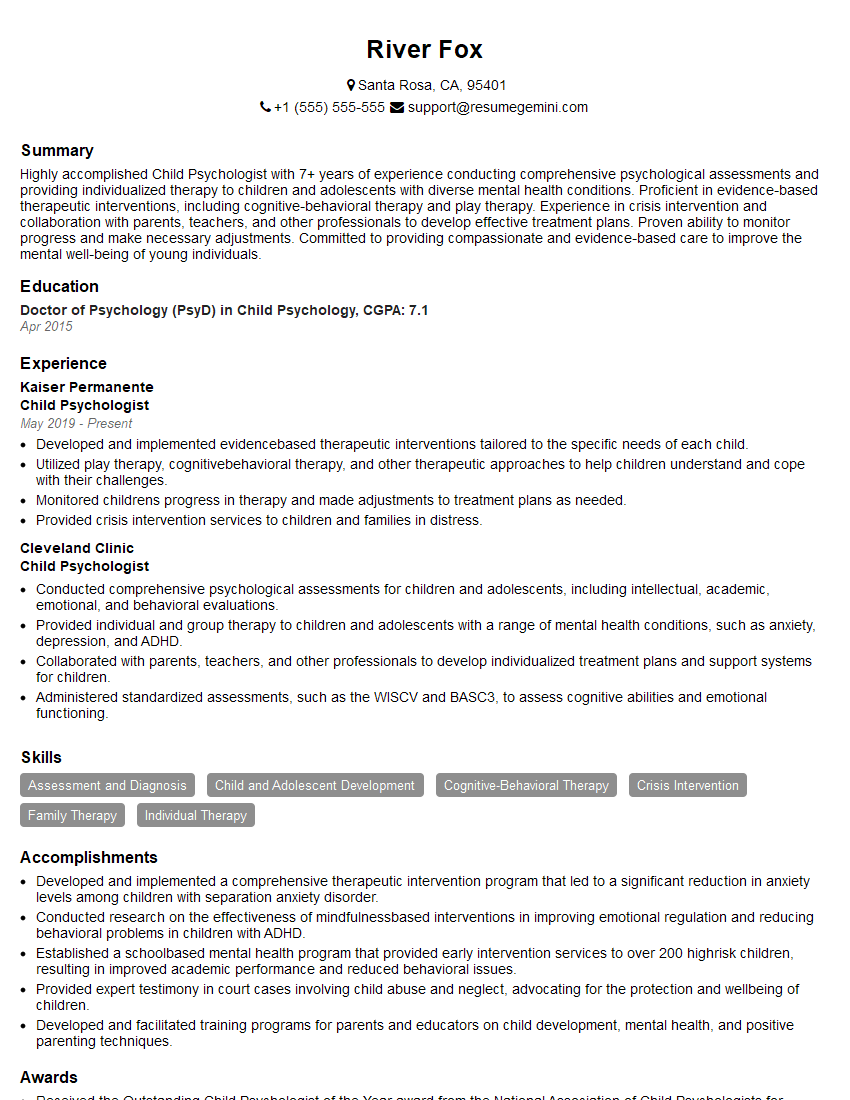
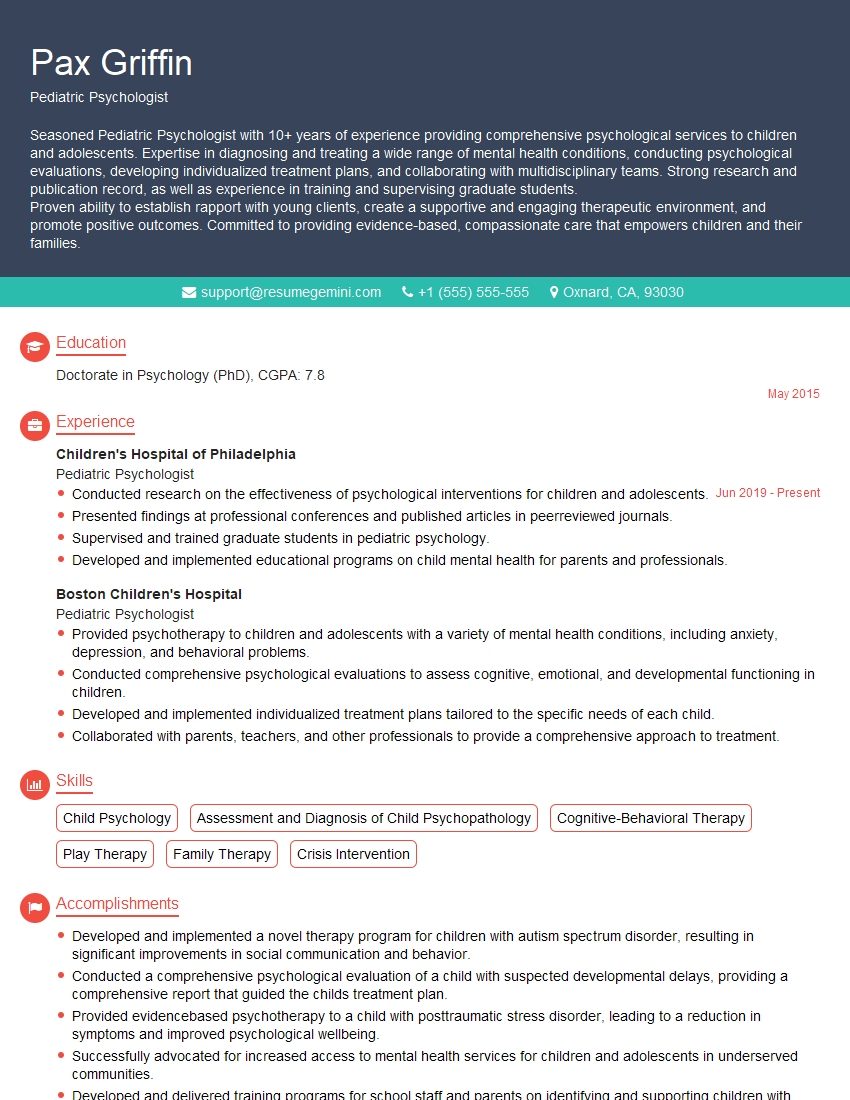
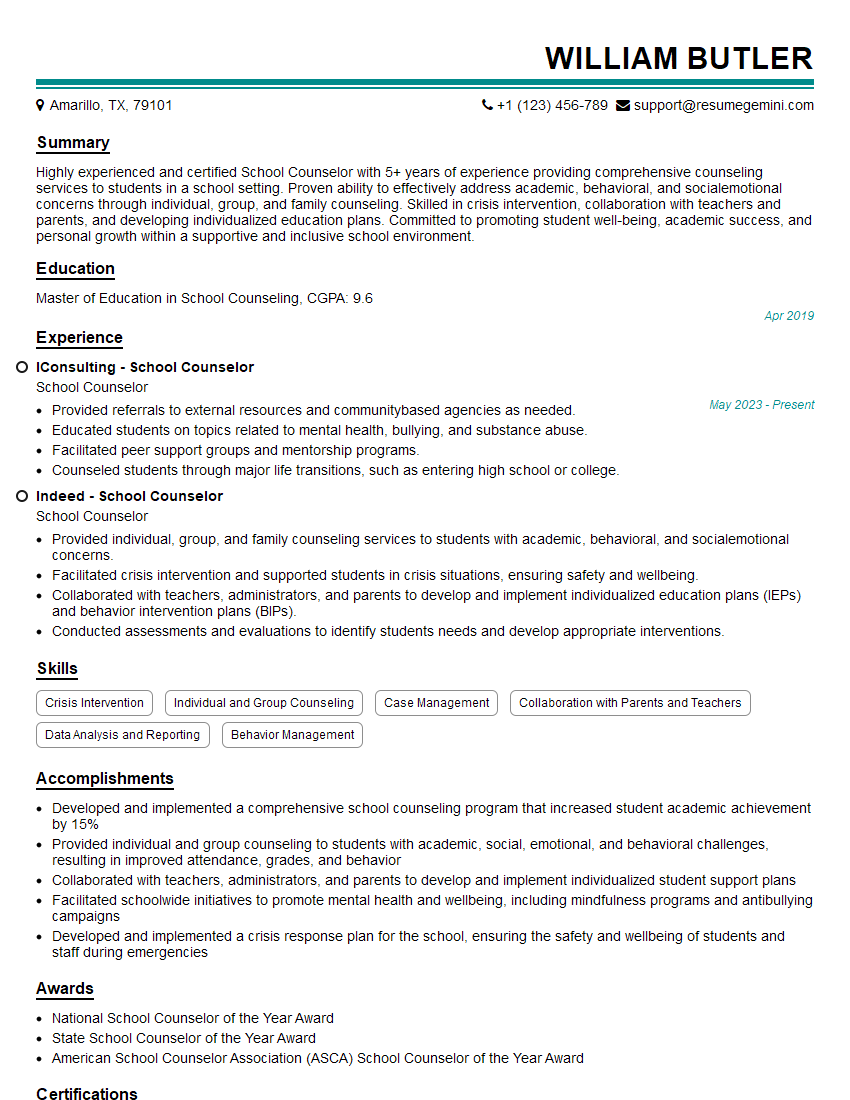
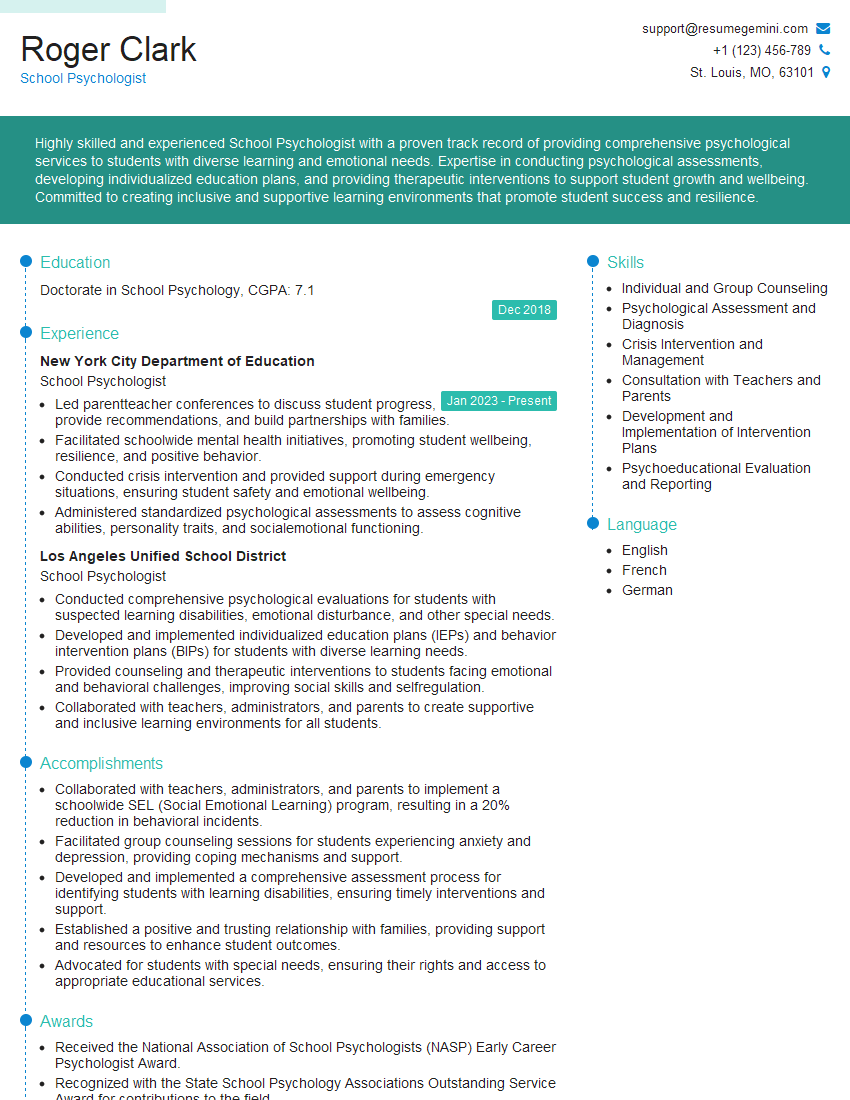
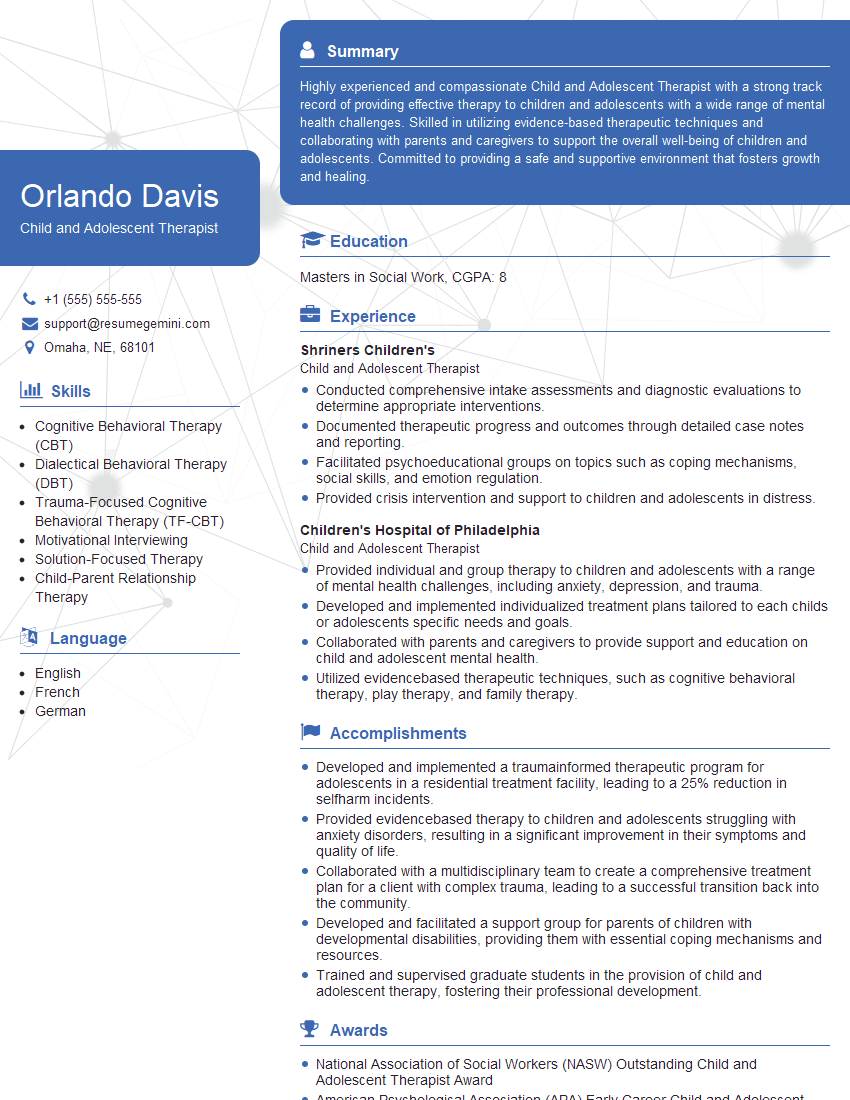
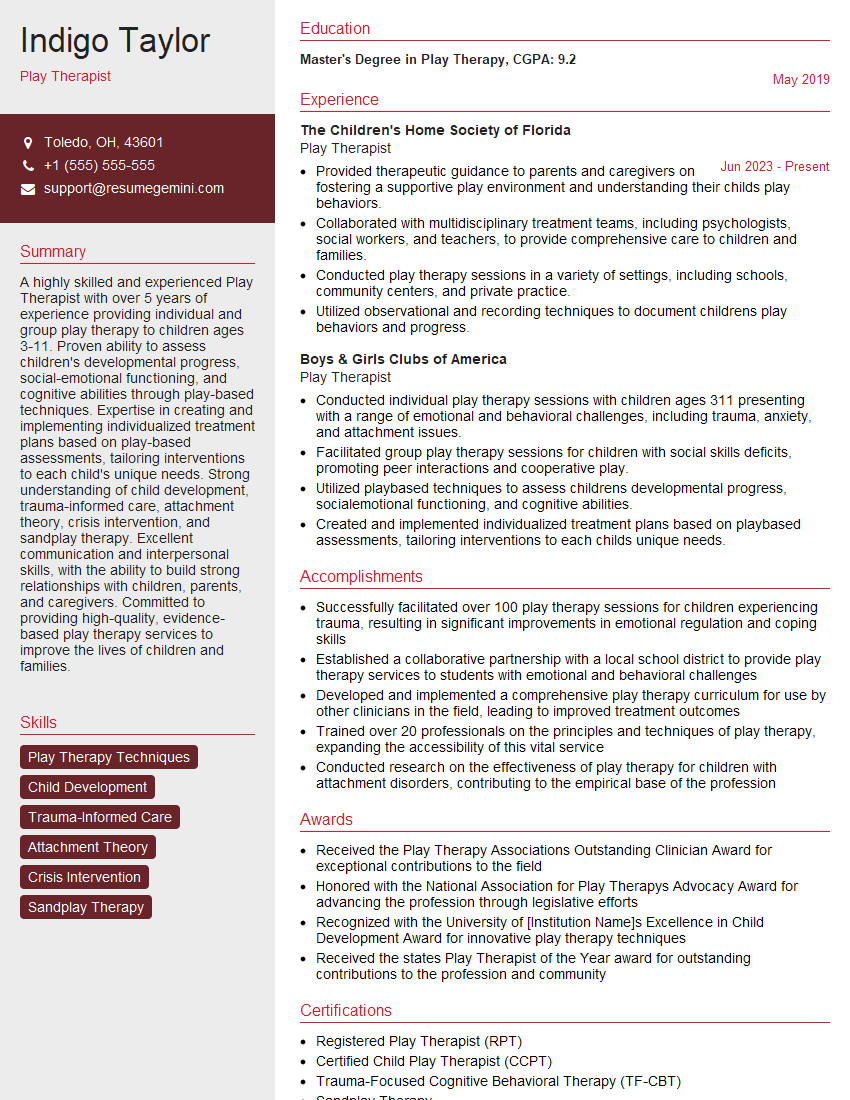
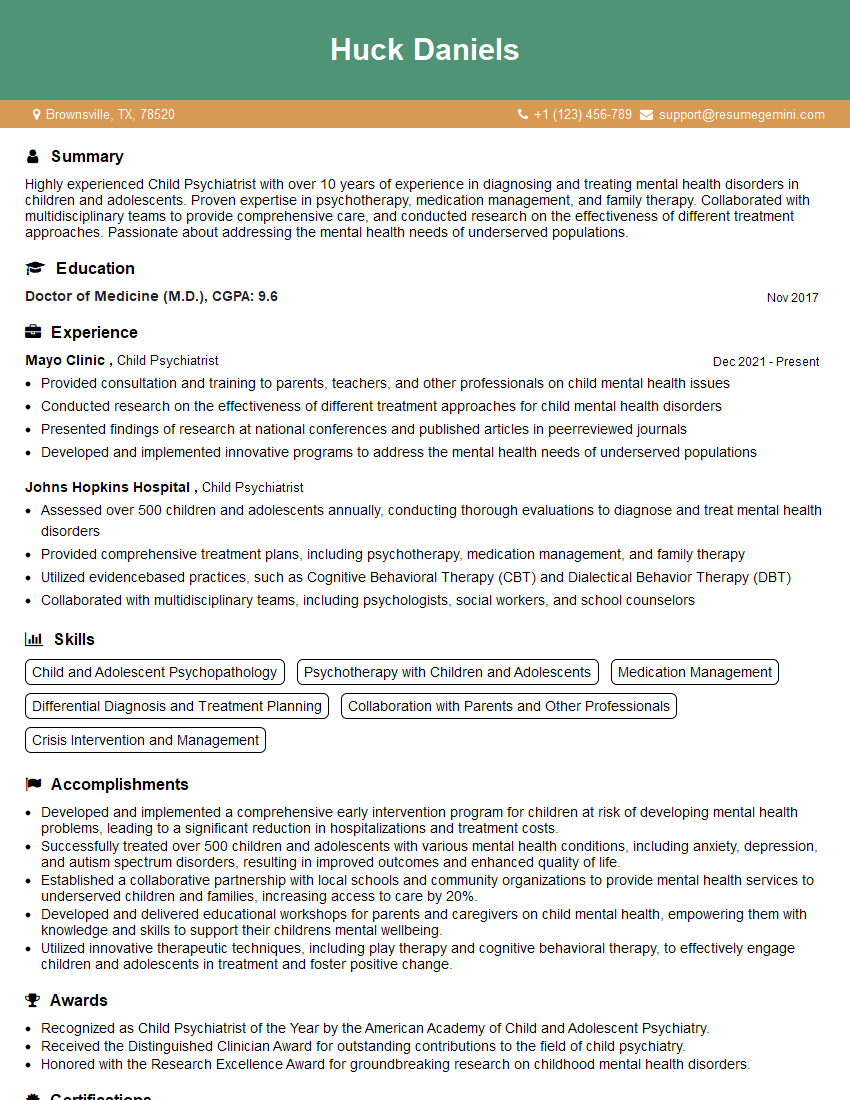
Mastering Child and Adolescent Mental Health is crucial for a rewarding and impactful career. This specialized field offers significant opportunities for growth and allows you to make a real difference in the lives of young people. To maximize your job prospects, it’s essential to create a compelling and ATS-friendly resume that highlights your skills and experience. ResumeGemini is a trusted resource that can help you build a professional resume that stands out. They provide examples of resumes tailored specifically to Child and Adolescent Mental Health, giving you a head start in showcasing your qualifications effectively.
Explore more articles
Users Rating of Our Blogs
Share Your Experience
We value your feedback! Please rate our content and share your thoughts (optional).
What Readers Say About Our Blog
Attention music lovers!
Wow, All the best Sax Summer music !!!
Spotify: https://open.spotify.com/artist/6ShcdIT7rPVVaFEpgZQbUk
Apple Music: https://music.apple.com/fr/artist/jimmy-sax-black/1530501936
YouTube: https://music.youtube.com/browse/VLOLAK5uy_noClmC7abM6YpZsnySxRqt3LoalPf88No
Other Platforms and Free Downloads : https://fanlink.tv/jimmysaxblack
on google : https://www.google.com/search?q=22+AND+22+AND+22
on ChatGPT : https://chat.openai.com?q=who20jlJimmy20Black20Sax20Producer
Get back into the groove with Jimmy sax Black
Best regards,
Jimmy sax Black
www.jimmysaxblack.com
Hi I am a troller at The aquatic interview center and I suddenly went so fast in Roblox and it was gone when I reset.
Hi,
Business owners spend hours every week worrying about their website—or avoiding it because it feels overwhelming.
We’d like to take that off your plate:
$69/month. Everything handled.
Our team will:
Design a custom website—or completely overhaul your current one
Take care of hosting as an option
Handle edits and improvements—up to 60 minutes of work included every month
No setup fees, no annual commitments. Just a site that makes a strong first impression.
Find out if it’s right for you:
https://websolutionsgenius.com/awardwinningwebsites
Hello,
we currently offer a complimentary backlink and URL indexing test for search engine optimization professionals.
You can get complimentary indexing credits to test how link discovery works in practice.
No credit card is required and there is no recurring fee.
You can find details here:
https://wikipedia-backlinks.com/indexing/
Regards
NICE RESPONSE TO Q & A
hi
The aim of this message is regarding an unclaimed deposit of a deceased nationale that bears the same name as you. You are not relate to him as there are millions of people answering the names across around the world. But i will use my position to influence the release of the deposit to you for our mutual benefit.
Respond for full details and how to claim the deposit. This is 100% risk free. Send hello to my email id: lukachachibaialuka@gmail.com
Luka Chachibaialuka
Hey interviewgemini.com, just wanted to follow up on my last email.
We just launched Call the Monster, an parenting app that lets you summon friendly ‘monsters’ kids actually listen to.
We’re also running a giveaway for everyone who downloads the app. Since it’s brand new, there aren’t many users yet, which means you’ve got a much better chance of winning some great prizes.
You can check it out here: https://bit.ly/callamonsterapp
Or follow us on Instagram: https://www.instagram.com/callamonsterapp
Thanks,
Ryan
CEO – Call the Monster App
Hey interviewgemini.com, I saw your website and love your approach.
I just want this to look like spam email, but want to share something important to you. We just launched Call the Monster, a parenting app that lets you summon friendly ‘monsters’ kids actually listen to.
Parents are loving it for calming chaos before bedtime. Thought you might want to try it: https://bit.ly/callamonsterapp or just follow our fun monster lore on Instagram: https://www.instagram.com/callamonsterapp
Thanks,
Ryan
CEO – Call A Monster APP
To the interviewgemini.com Owner.
Dear interviewgemini.com Webmaster!
Hi interviewgemini.com Webmaster!
Dear interviewgemini.com Webmaster!
excellent
Hello,
We found issues with your domain’s email setup that may be sending your messages to spam or blocking them completely. InboxShield Mini shows you how to fix it in minutes — no tech skills required.
Scan your domain now for details: https://inboxshield-mini.com/
— Adam @ InboxShield Mini
support@inboxshield-mini.com
Reply STOP to unsubscribe
Hi, are you owner of interviewgemini.com? What if I told you I could help you find extra time in your schedule, reconnect with leads you didn’t even realize you missed, and bring in more “I want to work with you” conversations, without increasing your ad spend or hiring a full-time employee?
All with a flexible, budget-friendly service that could easily pay for itself. Sounds good?
Would it be nice to jump on a quick 10-minute call so I can show you exactly how we make this work?
Best,
Hapei
Marketing Director
Hey, I know you’re the owner of interviewgemini.com. I’ll be quick.
Fundraising for your business is tough and time-consuming. We make it easier by guaranteeing two private investor meetings each month, for six months. No demos, no pitch events – just direct introductions to active investors matched to your startup.
If youR17;re raising, this could help you build real momentum. Want me to send more info?
Hi, I represent an SEO company that specialises in getting you AI citations and higher rankings on Google. I’d like to offer you a 100% free SEO audit for your website. Would you be interested?
Hi, I represent an SEO company that specialises in getting you AI citations and higher rankings on Google. I’d like to offer you a 100% free SEO audit for your website. Would you be interested?