Interviews are opportunities to demonstrate your expertise, and this guide is here to help you shine. Explore the essential Cleaning and sanitizing surfaces interview questions that employers frequently ask, paired with strategies for crafting responses that set you apart from the competition.
Questions Asked in Cleaning and sanitizing surfaces Interview
Q 1. What are the different types of disinfectants and their appropriate uses?
Disinfectants are crucial for eliminating harmful microorganisms from surfaces. Different disinfectants target different types of germs and have varying strengths. Choosing the right one depends on the specific application and the level of disinfection needed.
- Bleach Solutions (Sodium Hypochlorite): A cost-effective and widely used disinfectant, effective against a broad spectrum of bacteria and viruses. Always dilute according to manufacturer instructions; typically a 1:10 dilution with water is used for general disinfection. Example: Effective for cleaning kitchen counters and bathroom surfaces.
- Quaternary Ammonium Compounds (Quats): These are less corrosive than bleach and effective against many bacteria and viruses, but less so against spores. Often found in ready-to-use sprays and wipes. Example: Suitable for disinfecting food preparation areas and some medical equipment.
- Hydrogen Peroxide: A powerful oxidizing agent effective against a wide range of microorganisms. It’s relatively environmentally friendly and breaks down into water and oxygen. Various concentrations are available, with higher concentrations requiring more caution. Example: Useful for disinfecting smaller areas, or surfaces sensitive to bleach.
- Alcohol-based disinfectants (Isopropyl Alcohol or Ethyl Alcohol): Effective against bacteria and some viruses, but less so against spores and non-enveloped viruses. Typically require a concentration of at least 60% to be effective. Example: Commonly used for hand sanitization and disinfecting small medical instruments.
It’s vital to always read and follow the manufacturer’s instructions for dilution, contact time, and safety precautions for any disinfectant.
Q 2. Explain the proper procedure for cleaning and sanitizing a restroom.
Cleaning and sanitizing a restroom involves a systematic approach to ensure hygiene and safety. Think of it as a multi-step process, focusing on different areas.
- Preparation: Put on appropriate personal protective equipment (PPE) including gloves, eye protection, and possibly a mask, depending on the cleaning solution used. Ensure adequate ventilation.
- Pre-cleaning: Remove all trash and visible debris from trash cans and floors. Use a dustpan and brush or a wet-vac for larger debris.
- Cleaning: Clean all surfaces, starting from the highest point (ceilings, then walls) and working your way down to the floor. Use an appropriate all-purpose cleaner and a clean microfiber cloth or mop. Rinse and dry surfaces thoroughly. Pay close attention to frequently touched areas like door handles, faucets, and toilet flushes.
- Disinfection: Once surfaces are clean and dry, apply a suitable disinfectant. Allow the disinfectant to remain on the surface for the contact time specified by the manufacturer. This usually involves a few minutes. This step kills harmful germs.
- Final Rinse (if needed): Some disinfectants require rinsing after the contact time. Check the manufacturer’s instructions.
- Floor Cleaning: Clean and disinfect the floor. For tile floors, you might use a floor scrubber. For carpeted areas, you’ll need a carpet cleaner or vacuum.
- Disposal and Waste Management: Dispose of all cleaning materials and waste properly according to local regulations and safety guidelines.
- Post-Cleaning: Remove all PPE and wash your hands thoroughly.
Remember, regular restroom cleaning and sanitization is essential for preventing the spread of illness and maintaining a healthy environment.
Q 3. How do you handle spills of hazardous materials?
Handling hazardous material spills requires immediate action and adherence to safety protocols. The first step is always safety!
- Safety First: Evacuate the area immediately and prevent others from entering the spill zone. Don appropriate PPE, such as gloves, eye protection, and a respirator, depending on the hazardous material.
- Containment: Contain the spill using absorbent materials like spill pads or kitty litter, preventing it from spreading further. Create a perimeter to prevent accidental contact.
- Neutralization (if applicable): Some hazardous materials require neutralization before cleanup. Consult the Safety Data Sheet (SDS) for specific instructions. Never attempt neutralization without proper training and the correct neutralizing agents.
- Cleanup: Carefully collect the absorbent material and the spilled substance using appropriate tools. Dispose of them according to the SDS instructions and local regulations.
- Decontamination: Thoroughly clean and disinfect the affected area to remove any remaining traces of the hazardous material.
- Documentation: Document the incident, including the type of material spilled, the amount spilled, the cleanup procedures followed, and any injuries or damages.
Always refer to the SDS for detailed instructions on handling specific hazardous materials. If you are unsure about any aspect of the cleanup, contact a qualified hazardous waste removal company.
Q 4. Describe your experience with various cleaning equipment (e.g., floor buffers, auto scrubbers).
My experience with cleaning equipment is extensive. I’m proficient in operating and maintaining various machines, ensuring optimal performance and safety.
- Floor Buffers: I have experience using both high-speed and low-speed floor buffers for polishing, waxing, and stripping floors. I understand the importance of selecting the right pad for the task and maintaining consistent pressure to avoid damaging the floor.
- Auto Scrubbers: I am skilled in operating auto scrubbers for efficient cleaning of large floor areas. I’m familiar with different models, including those with various brush types and solution dispensing systems. I know how to maintain the machine properly to avoid costly repairs and ensure efficient operation.
- Other Equipment: My experience extends to other cleaning equipment like vacuum cleaners (upright, canister, and backpack), carpet extractors, and pressure washers. I am adept at choosing the right equipment for a specific cleaning task.
Regular maintenance and safe operation of all equipment are paramount to ensure efficient cleaning and prevent accidents. I always follow manufacturer instructions and conduct regular safety checks before using any equipment.
Q 5. What safety precautions do you take when handling cleaning chemicals?
Safety is my top priority when handling cleaning chemicals. I strictly adhere to these precautions:
- Personal Protective Equipment (PPE): Always wear appropriate PPE, including gloves, eye protection, and a respirator, depending on the chemical being used. The type of PPE needed will be specified on the Safety Data Sheet (SDS).
- SDS Review: Before using any cleaning chemical, I carefully review the SDS to understand its hazards, safe handling procedures, and emergency response information.
- Proper Dilution: I always follow the manufacturer’s instructions for diluting chemicals. Incorrect dilution can reduce efficacy or create hazardous conditions.
- Ventilation: I ensure adequate ventilation in the work area to minimize exposure to fumes.
- Safe Storage: I store cleaning chemicals properly, following all regulations and keeping them away from incompatible materials or food and beverages.
- Emergency Preparedness: I am familiar with the location of safety showers and eyewash stations and know how to respond in case of an accident or spill.
- Proper Disposal: I dispose of cleaning chemicals and their containers according to local regulations.
Prioritizing safety ensures both my well-being and the safety of others.
Q 6. How do you determine the appropriate cleaning solutions for different surfaces (e.g., wood, metal, glass)?
Selecting the appropriate cleaning solution depends on the surface material and the type of soil or stain. Different materials react differently to various cleaning agents.
- Wood: Use a mild cleaner specifically designed for wood to avoid damaging the finish. Harsh chemicals can strip the finish or cause discoloration. Example: A solution of mild dish soap and water works well for many wood surfaces.
- Metal: Stainless steel is relatively durable and can withstand harsher cleaners. Other metals may require gentler solutions. Avoid abrasive cleaners that can scratch the surface. Example: For stainless steel, a mild detergent and water is usually sufficient.
- Glass: Glass is generally easy to clean. Use a glass cleaner for streak-free results. Example: A commercial glass cleaner or a solution of vinegar and water.
- Tile: Tile is usually durable and can handle a wider range of cleaners. However, avoid abrasive cleaners that can scratch the grout. Example: A solution of bleach and water is often used to disinfect tile, but ensure it is safe for your specific tile.
When in doubt, always test a small inconspicuous area with the chosen cleaner before applying it to the entire surface. This will help prevent accidental damage.
Q 7. What is the difference between cleaning, sanitizing, and disinfecting?
While often used interchangeably, cleaning, sanitizing, and disinfecting are distinct processes, each with a specific goal.
- Cleaning: This is the physical removal of visible dirt, debris, and grime from a surface. It involves the use of soap, water, and sometimes detergents. Cleaning prepares a surface for sanitizing or disinfecting.
- Sanitizing: This reduces the number of microorganisms on a surface to a safe level, as judged by public health standards. It typically involves the use of sanitizing agents, often heat or chemicals, that lower the microbial count but doesn’t necessarily kill all germs.
- Disinfecting: This process kills or inactivates most microorganisms, significantly reducing the risk of infection. It generally involves the use of disinfectants, chemical agents that eliminate harmful germs.
Imagine cleaning your kitchen counter. First, you clean it with soap and water to remove food scraps (cleaning). Then, you might use a sanitizing solution to reduce the number of bacteria (sanitizing). Finally, to ensure complete elimination of harmful pathogens, you might use a disinfectant (disinfecting).
Q 8. How do you ensure the efficacy of your cleaning and sanitation procedures?
Ensuring the efficacy of cleaning and sanitation procedures relies on a multi-pronged approach. It’s not just about using the right products, but also about using them correctly and consistently. We begin with selecting EPA-registered disinfectants proven effective against the target pathogens – this information is usually found on the product label. The efficacy is then validated through several key steps:
- Proper Dilution: Following the manufacturer’s instructions for dilution is crucial. Using too little disinfectant won’t kill all the germs, and using too much can be wasteful and potentially harmful. For example, a disinfectant might require a 1:10 dilution (one part disinfectant to nine parts water). I always double-check the label before mixing.
- Contact Time: Disinfectants need sufficient time to work. The label specifies the required contact time; it could be 30 seconds, 1 minute, or longer. We always ensure we allow that full contact time before wiping the surface.
- Surface Preparation: Thorough pre-cleaning is essential to remove visible soil and organic matter, which can interfere with the disinfectant’s action. Think of it like this: you can’t disinfect a surface covered in dirt; you need to clean it first.
- Regular Monitoring and Testing: We periodically test our procedures, such as using ATP bioluminescence testing to measure the level of cleanliness and using swab testing for verification that the disinfection process is effective in removing specific bacteria or viruses. This allows us to make adjustments as needed.
- Staff Training: All staff receive comprehensive training on proper cleaning and sanitation procedures, including the use of personal protective equipment (PPE).
By adhering to these steps, we can confidently ensure the effectiveness of our cleaning and sanitation procedures, maintaining a high standard of hygiene.
Q 9. What are your methods for preventing cross-contamination?
Preventing cross-contamination is paramount in any cleaning operation. Our methods focus on a methodical approach to avoid transferring microorganisms from one area to another. This involves:
- Designated Cleaning Supplies: We use color-coded cleaning tools and buckets – for example, red for restrooms, blue for food preparation areas, green for general purpose – to avoid accidental cross-contamination. This prevents the spread of bacteria from one area to another.
- One-Way Cleaning Pattern: We follow a systematic cleaning pattern, starting from the cleanest areas and moving towards the dirtiest. This minimizes the chance of recontaminating already cleaned surfaces.
- Regular Disinfection of Equipment: All cleaning equipment, including mops, buckets, and spray bottles, are thoroughly disinfected after each use to prevent the buildup of microorganisms. We might use a designated disinfectant solution for our equipment after cleaning a high-risk area.
- Proper Waste Disposal: Contaminated waste is handled and disposed of according to guidelines to prevent the spread of pathogens.
- Hand Hygiene: Frequent handwashing with soap and water, or the use of hand sanitizer, is crucial for staff to minimize the spread of germs from their hands to surfaces or between different areas.
By implementing these strategies, we create a barrier to cross-contamination, contributing to a healthier and safer environment.
Q 10. Explain your understanding of OSHA regulations related to cleaning and sanitation.
My understanding of OSHA regulations related to cleaning and sanitation centers on the protection of workers from workplace hazards. OSHA standards relevant to cleaning include, but aren’t limited to, those concerning:
- Hazard Communication: Employers must provide training and access to safety data sheets (SDS) for all cleaning chemicals. This ensures that employees understand the hazards associated with the chemicals and how to handle them safely.
- Personal Protective Equipment (PPE): Appropriate PPE, such as gloves, eye protection, and respirators, must be provided and used when necessary. This depends on the task and the chemicals being used; for example, when dealing with strong disinfectants, respirators might be needed.
- Bloodborne Pathogens: OSHA’s Bloodborne Pathogens Standard applies when cleaning up blood or other potentially infectious materials. Specific procedures must be followed to minimize risk, including the use of appropriate PPE and specialized cleaning solutions.
- Ergonomics: OSHA also addresses ergonomic concerns, emphasizing proper lifting techniques and minimizing strain to prevent musculoskeletal injuries. This is important because cleaning often involves repetitive movements and lifting heavy equipment.
- Proper Ventilation: Adequate ventilation is crucial to reduce exposure to cleaning chemicals. This is especially critical when using strong or volatile disinfectants.
Staying updated on OSHA standards is essential to ensure compliance and the safety of our cleaning staff. We regularly review and update our safety protocols to reflect current regulations.
Q 11. How do you maintain inventory of cleaning supplies and equipment?
Maintaining an accurate inventory of cleaning supplies and equipment is essential for efficient operations and cost control. We utilize a combination of methods:
- Regular Stock Checks: We conduct regular visual checks of our storage areas to assess supply levels. This gives us a quick overview of what we’re running low on.
- Automated Inventory System: We use a computerized inventory management system to track stock levels, reorder points, and usage trends. This system generates alerts when supplies are low, helping us to avoid shortages.
- Par Stock Levels: For frequently used items, we establish par stock levels – the minimum quantity needed to keep on hand. This ensures we always have enough supplies on hand.
- Regular Ordering: We place orders based on the inventory data, ensuring that we have enough supplies on hand to meet anticipated needs without overstocking.
- Equipment Maintenance Log: We maintain a detailed log for all our equipment, including cleaning schedules and repair history. This ensures that equipment is in good working order and that repairs are scheduled promptly.
This integrated approach helps us manage our inventory effectively, avoiding costly stockouts while optimizing storage space.
Q 12. Describe a time you had to solve a cleaning-related problem.
In one instance, we experienced a significant spill of a highly corrosive chemical in a critical area of a hospital. The immediate priority was to contain the spill and prevent further contamination. We followed these steps:
- Emergency Response: We immediately activated our emergency spill response plan, which involved isolating the area and notifying relevant personnel.
- Personal Protective Equipment (PPE): All staff involved wore appropriate PPE, including specialized suits, gloves, and respirators.
- Spill Containment: We used absorbent materials to contain the spill, preventing it from spreading. The type of absorbent material used depended on the type of chemical spilled.
- Neutralization (if applicable): Depending on the chemical, we might have neutralized the spill with a specific counteragent. This is crucial for certain chemicals to reduce their corrosive nature.
- Cleanup and Disposal: Once the spill was contained and neutralized, we carefully cleaned the affected area using appropriate cleaning agents. All contaminated materials were disposed of according to regulations.
- Post-Spill Monitoring: After the cleanup, we monitored the area for any residual effects of the spill.
This situation underscored the importance of having a well-defined emergency response plan and trained personnel to handle unexpected incidents safely and efficiently.
Q 13. How do you handle difficult or challenging cleaning situations?
Difficult cleaning situations often require a tailored approach. The key is to assess the situation carefully, identify the challenge, and select the appropriate tools and techniques. Examples of challenges include:
- Heavy Biofilm Buildup: This might require the use of enzymatic cleaners to break down the biofilm before disinfection.
- Stubborn Stains: For stubborn stains, specific stain removers are used, followed by thorough cleaning and disinfection.
- Difficult-to-Reach Areas: Specialized tools, such as long-handled brushes or steam cleaners, may be needed to clean hard-to-reach areas effectively.
- Large-Scale Cleaning: A large-scale cleaning job necessitates proper planning, including scheduling, staffing, and equipment allocation to complete the task efficiently.
In such situations, I utilize a systematic approach: assess, plan, act, and verify. I always start by carefully assessing the situation, developing a detailed plan, executing the plan safely and effectively, and finally verifying that the cleaning has been successful. Documentation of the process is also crucial.
Q 14. How do you ensure the safety of others while cleaning?
Ensuring the safety of others during cleaning is a top priority. Our procedures include:
- Wet Floor Signage: We prominently place wet floor signs whenever there’s a wet surface to prevent slips and falls.
- Clear Communication: We communicate effectively with others in the area about our cleaning activities to avoid accidents or interruptions.
- Proper PPE Use: All staff use appropriate PPE to protect themselves and others from exposure to cleaning chemicals or biological hazards.
- Safe Chemical Handling: We adhere to strict guidelines for handling chemicals, ensuring that they are stored correctly, used safely, and disposed of according to regulations.
- Emergency Procedures: We have clear emergency procedures in place to handle spills, accidents, or other unexpected events.
- Security Measures: When cleaning in high-security areas, additional precautions are taken to ensure that no unauthorized persons gain access.
Safety is an ongoing effort. Regular training, clear communication, and a proactive approach to hazard identification and mitigation are key to creating a safe environment for everyone.
Q 15. What are the different methods for removing various types of stains?
Removing stains effectively depends heavily on the type of stain and the surface it’s on. Think of it like a detective solving a crime – you need to identify the culprit (the stain) before you can choose the right weapon (cleaning method).
- Water-based stains (e.g., juice, coffee): These are often the easiest to remove. Blot (don’t rub!) the stain with a clean cloth and cold water. For tougher stains, a mild detergent solution might be necessary. Always test any cleaning solution on an inconspicuous area first.
- Oil-based stains (e.g., grease, oil): These require a different approach. Absorbent materials like cornstarch or baking soda can help soak up the oil. Then, use a degreasing cleaner followed by thorough rinsing.
- Protein-based stains (e.g., blood, wine): Cold water is key here. Hot water can set these stains. Blot gently with cold water, then apply a stain remover specifically designed for protein-based stains.
- Ink stains: Isopropyl alcohol (rubbing alcohol) is often effective, but again, test it in an inconspicuous area first. For stubborn ink stains on fabrics, you might need a specialized ink stain remover.
Remember, speed is crucial. The sooner you address a stain, the easier it is to remove. Always follow the manufacturer’s instructions for any cleaning products you use.
Career Expert Tips:
- Ace those interviews! Prepare effectively by reviewing the Top 50 Most Common Interview Questions on ResumeGemini.
- Navigate your job search with confidence! Explore a wide range of Career Tips on ResumeGemini. Learn about common challenges and recommendations to overcome them.
- Craft the perfect resume! Master the Art of Resume Writing with ResumeGemini’s guide. Showcase your unique qualifications and achievements effectively.
- Don’t miss out on holiday savings! Build your dream resume with ResumeGemini’s ATS optimized templates.
Q 16. How do you prioritize cleaning tasks in a busy environment?
Prioritizing cleaning tasks in a busy environment requires a strategic approach. I typically employ a combination of urgency and importance. Think of it like a triage system in a hospital – the most critical areas get attention first.
- High-traffic areas: These areas (entrances, hallways, restrooms) need frequent cleaning to maintain hygiene and prevent the spread of germs. These are my top priority.
- High-risk areas: Areas with potential for contamination (kitchens, medical facilities) demand meticulous cleaning and sanitization.
- Scheduled tasks: Regular cleaning tasks (e.g., vacuuming, dusting) are scheduled to maintain overall cleanliness.
I use checklists and scheduling software to manage tasks effectively. I also regularly assess and adjust priorities based on changing circumstances, such as unexpected spills or high foot traffic.
Q 17. Explain your experience with specialized cleaning techniques (e.g., carpet cleaning, upholstery cleaning).
I have extensive experience with specialized cleaning techniques, including carpet and upholstery cleaning. For carpets, I’m proficient in using both hot water extraction (steam cleaning) and dry cleaning methods. The choice depends on the carpet type and the level of soiling. Hot water extraction is very effective but requires adequate drying time, while dry cleaning methods are faster but may not remove deep-seated dirt.
Upholstery cleaning requires a more delicate touch. I’m skilled in using specialized upholstery cleaning solutions and equipment, always adhering to manufacturer’s recommendations to avoid damage. Pre-testing cleaning solutions in an inconspicuous area is critical to avoid discoloration or damage.
In one instance, I successfully restored a heavily soiled antique Persian rug using a combination of gentle dry cleaning techniques and spot treatment for specific stains. The client was thrilled with the results, demonstrating my attention to detail and expertise.
Q 18. How do you adapt your cleaning methods to different types of facilities?
Adaptability is key in cleaning. Different facilities have unique needs and challenges. For example, a hospital requires stringent infection control protocols, while an office building focuses more on general cleanliness and aesthetics.
- Hospitals: Strict adherence to infection control guidelines, use of hospital-grade disinfectants, and meticulous attention to detail are paramount.
- Office buildings: Regular vacuuming, dusting, and floor cleaning are crucial. Emphasis is placed on maintaining a clean and presentable environment.
- Food service establishments: Thorough cleaning and sanitization of food preparation areas, equipment, and surfaces are crucial to meet health regulations.
I assess each facility’s specific requirements and tailor my cleaning methods and product selection accordingly. I always ensure compliance with all relevant regulations and safety guidelines.
Q 19. What is your understanding of infection control protocols?
My understanding of infection control protocols is comprehensive. It’s not just about cleaning; it’s about preventing the spread of infectious agents. This involves a multi-step process:
- Proper Personal Protective Equipment (PPE): Always wearing appropriate PPE, including gloves, masks, and eye protection, is crucial.
- Cleaning: Removing visible dirt and debris from surfaces.
- Disinfection: Killing or inactivating most microorganisms on surfaces using EPA-registered disinfectants. This is crucial in healthcare and food service settings.
- Sterilization: Complete elimination of all microorganisms, including spores, typically done through autoclaving. This is often necessary in medical settings.
I’m familiar with various disinfectants and their appropriate uses, and I always follow the manufacturer’s instructions and safety guidelines. Proper hand hygiene is also a critical component of infection control.
Q 20. Describe your experience working with different cleaning schedules.
I have experience working with various cleaning schedules, from daily cleaning to weekly, monthly, and even quarterly deep cleaning. The schedule is always determined by the facility’s specific needs and the level of traffic and usage.
For example, a high-traffic office building might require daily cleaning of common areas and restrooms, with weekly deep cleaning of offices. A less-frequented building might only require weekly or bi-weekly cleaning. I adapt to different schedules effortlessly and ensure that all tasks are completed efficiently and thoroughly. Flexibility is crucial in this role.
Q 21. How do you document your cleaning and sanitation activities?
Accurate documentation is crucial for accountability and quality control. I typically use a combination of methods for documenting cleaning and sanitation activities:
- Checklists: These ensure that all tasks are completed consistently and provide a record of completion.
- Digital logs: Using software or apps to track cleaning tasks, schedules, and any issues encountered. This allows for easy reporting and analysis.
- Written reports: For special projects or deep cleaning, written reports detailing work performed, products used, and any observations are prepared. These may include photographs of before and after cleaning.
My documentation is always clear, concise, and accurate, providing a comprehensive record of cleaning and sanitation activities. This is important for auditing purposes and to demonstrate compliance with regulations.
Q 22. How do you ensure the efficient use of cleaning supplies?
Efficient cleaning supply use is about maximizing cleaning power while minimizing waste and cost. This involves careful planning, proper training, and adherence to established protocols.
- Precise Measurement: I always follow the manufacturer’s instructions for dilution ratios. Using too much cleaning solution is wasteful and may not improve results, while too little is ineffective. For example, if a product recommends a 1:10 dilution (1 part cleaner to 10 parts water), I meticulously measure both components to ensure accuracy.
- Appropriate Selection: Choosing the right product for the job is crucial. I assess the surface type and level of soiling to select the most effective cleaning agent, avoiding the use of harsh chemicals when milder options suffice. For instance, a simple all-purpose cleaner is suitable for most non-porous surfaces, while a specialized disinfectant might be needed for high-touch areas in healthcare settings.
- Inventory Management: Regular inventory checks prevent unnecessary purchases and ensure we have adequate supplies. Tracking consumption patterns helps in forecasting future needs and avoiding waste due to expiry.
- Proper Storage: Correct storage prevents spills and degradation of cleaning solutions, extending their lifespan and reducing waste. This includes storing chemicals in designated areas, away from heat and direct sunlight.
By implementing these strategies, I can ensure that cleaning tasks are completed effectively and cost-efficiently, minimizing environmental impact and maximizing the value of cleaning supplies.
Q 23. How do you communicate effectively with your supervisor and colleagues about cleaning issues?
Effective communication is paramount in a cleaning environment. I believe in open, proactive communication with both supervisors and colleagues, ensuring clarity and efficiency.
- Proactive Reporting: I immediately report any cleaning-related issues, such as damaged equipment or unusually difficult stains, to my supervisor, suggesting solutions where possible. For example, if I encounter a persistent stain that resists standard cleaning methods, I document it, including photos if necessary, and discuss effective strategies with my supervisor.
- Teamwork and Collaboration: I actively collaborate with colleagues, sharing knowledge and experiences to improve cleaning procedures. For example, we might brainstorm new strategies for cleaning a difficult-to-reach area or share tips on handling different types of stains.
- Clear and Concise Language: I always use clear, concise language, ensuring everyone understands the message. Avoid jargon and technical terms unless all parties are familiar with them.
- Active Listening: I listen attentively to instructions and feedback, ensuring I fully understand expectations before beginning a task. This helps avoid misunderstandings and ensures tasks are completed to the required standard.
This approach fosters a supportive team environment and helps ensure a consistently high standard of cleaning.
Q 24. What are your preferred methods for maintaining a clean and organized workspace?
Maintaining a clean and organized workspace is not just about aesthetics; it’s about safety and efficiency. I use a multi-faceted approach.
- 5S Methodology: I apply the 5S methodology (Sort, Set in Order, Shine, Standardize, Sustain) to organize my workspace. This involves regularly sorting through supplies, discarding unwanted items, and storing the rest in a logical, easily accessible manner. Regular shining (cleaning) ensures that surfaces are always spotless.
- Color-Coded System: I use a color-coded system for organizing cleaning supplies, making it easy to locate specific items quickly. For instance, all disinfectants might be stored in blue containers, and all-purpose cleaners in green containers.
- Regular Cleaning: I clean my equipment and workspace after each task and at the end of the day, removing debris and spills immediately. This helps prevent the build-up of dirt and grime, making subsequent cleaning easier.
- Preventative Measures: I take proactive steps to prevent clutter, like utilizing labeled storage bins and implementing a first-in, first-out system for supplies.
A well-organized space reduces the risk of accidents and allows me to work more efficiently, ensuring a smooth and productive workflow.
Q 25. What training certifications or qualifications do you have in cleaning and sanitation?
Throughout my career, I have consistently sought professional development to enhance my skills and knowledge in cleaning and sanitation. I hold the following certifications:
- [Insert Certification 1, e.g., Certified Professional Cleaning Technician] – This certification demonstrates my proficiency in various cleaning techniques and sanitation protocols.
- [Insert Certification 2, e.g., Bloodborne Pathogen Training] – This ensures I’m aware of and can mitigate risks associated with exposure to infectious agents in various settings.
- [Insert Certification 3, e.g., OSHA HAZWOPER training]– This training provides me with expertise in handling hazardous waste and chemicals, ensuring safe handling and disposal procedures.
These certifications reflect my commitment to maintaining the highest standards of professionalism and expertise in my field.
Q 26. How do you stay up-to-date on the latest cleaning and sanitation techniques and best practices?
Staying updated in the dynamic field of cleaning and sanitation is crucial. I utilize several methods:
- Professional Associations: I am an active member of [Insert Professional Association, e.g., ISSA], benefiting from their educational resources, industry publications, and networking opportunities. This keeps me informed about the latest trends and advancements in cleaning technology.
- Industry Publications and Websites: I regularly read reputable industry publications and websites like [Insert Example Websites/Publications] to remain current on the best practices and new cleaning technologies.
- Workshops and Conferences: I attend relevant workshops and conferences to receive hands-on training and network with industry professionals. This provides practical insight and encourages collaborative learning.
- Manufacturer Training: I actively participate in manufacturer training programs to gain deeper understanding of specific cleaning products and their optimal application methods.
Through this continuous learning, I ensure my skills and knowledge always meet the latest industry standards.
Q 27. Describe your experience with using personal protective equipment (PPE).
Safe handling of chemicals and minimizing exposure to potentially harmful substances requires rigorous adherence to PPE protocols. My experience encompasses the proper use and maintenance of various PPE items.
- Gloves: I always wear appropriate gloves, selecting the type based on the cleaning agent used. For example, nitrile gloves are ideal for most cleaning solutions, while more specialized gloves are used when handling specific chemicals.
- Eye Protection: I utilize safety glasses or goggles when handling chemicals or operating machinery to prevent eye injuries from splashes or airborne particles.
- Respiratory Protection: When working with strong cleaning agents or in poorly ventilated areas, I use respirators to prevent inhalation of harmful fumes. I ensure proper fit-testing and maintenance of respirators.
- Protective Clothing: Depending on the task, I might wear aprons, lab coats, or coveralls to protect my clothing and skin from spills and splashes.
- Proper Disposal: I follow all safety procedures for the proper disposal of used PPE, minimizing risk of contamination or injury.
My commitment to safety starts with consistently wearing and maintaining appropriate PPE. It’s not just a regulation; it’s a cornerstone of my approach to workplace safety.
Q 28. How do you handle customer complaints related to cleaning services?
Handling customer complaints requires a calm, professional, and solution-oriented approach. My approach focuses on empathy, effective communication, and prompt resolution.
- Active Listening: I carefully listen to the customer’s complaint, showing empathy and understanding. I let them fully express their concerns without interruption, ensuring they feel heard.
- Clear Communication: I use clear, concise language to explain the cleaning process and address the customer’s concerns. I avoid technical jargon and use language they can easily understand.
- Apologize and Take Ownership: I apologize for any inconvenience caused, regardless of the cause of the complaint. Taking ownership of the situation, even if the issue wasn’t directly my fault, demonstrates professionalism and a commitment to customer satisfaction.
- Prompt Resolution: I work quickly to address the complaint, whether it involves re-cleaning an area, providing additional services, or offering a suitable compensation.
- Documentation: I meticulously document all aspects of the complaint, including the customer’s comments, the actions taken, and the outcome. This helps prevent future issues and provides a record for reference.
My goal is to turn a negative experience into a positive one, strengthening the customer relationship and demonstrating my commitment to quality service.
Key Topics to Learn for Cleaning and Sanitizing Surfaces Interview
- Understanding Different Cleaning Agents: Learn the properties and applications of various cleaning solutions (e.g., disinfectants, all-purpose cleaners, specialized solutions for different surfaces). Consider the differences between cleaning, disinfecting, and sterilizing.
- Safe and Effective Cleaning Techniques: Master proper techniques for cleaning various surfaces (e.g., glass, countertops, floors, restrooms). This includes understanding dilution ratios, proper application methods, and contact times for disinfectants.
- Identifying and Handling Contaminated Surfaces: Learn to recognize potential biohazards and follow proper protocols for handling and cleaning contaminated areas, ensuring personal safety and compliance with regulations.
- Equipment and Technology: Familiarize yourself with common cleaning equipment (e.g., mops, vacuums, auto-scrubbers) and any specialized technology used in cleaning and sanitizing (e.g., UV-C disinfection). Understand their proper operation and maintenance.
- Health and Safety Regulations: Understand relevant health and safety regulations, including OSHA guidelines and proper use of personal protective equipment (PPE).
- Quality Control and Inspection: Learn how to effectively inspect cleaned areas to ensure they meet established cleanliness standards. Understand the importance of documentation and record-keeping.
- Problem-Solving and Troubleshooting: Be prepared to discuss your approach to solving common cleaning challenges (e.g., stubborn stains, equipment malfunctions). Highlight your ability to adapt to changing situations and maintain efficiency.
Next Steps
Mastering cleaning and sanitizing techniques is crucial for career advancement in this field. A strong understanding of these topics demonstrates your professionalism, commitment to safety, and ability to contribute effectively to a team. To maximize your job prospects, create an ATS-friendly resume that highlights your skills and experience. ResumeGemini is a trusted resource that can help you build a professional and impactful resume tailored to the specific requirements of cleaning and sanitizing roles. Examples of resumes tailored to this field are available within ResumeGemini to guide you.
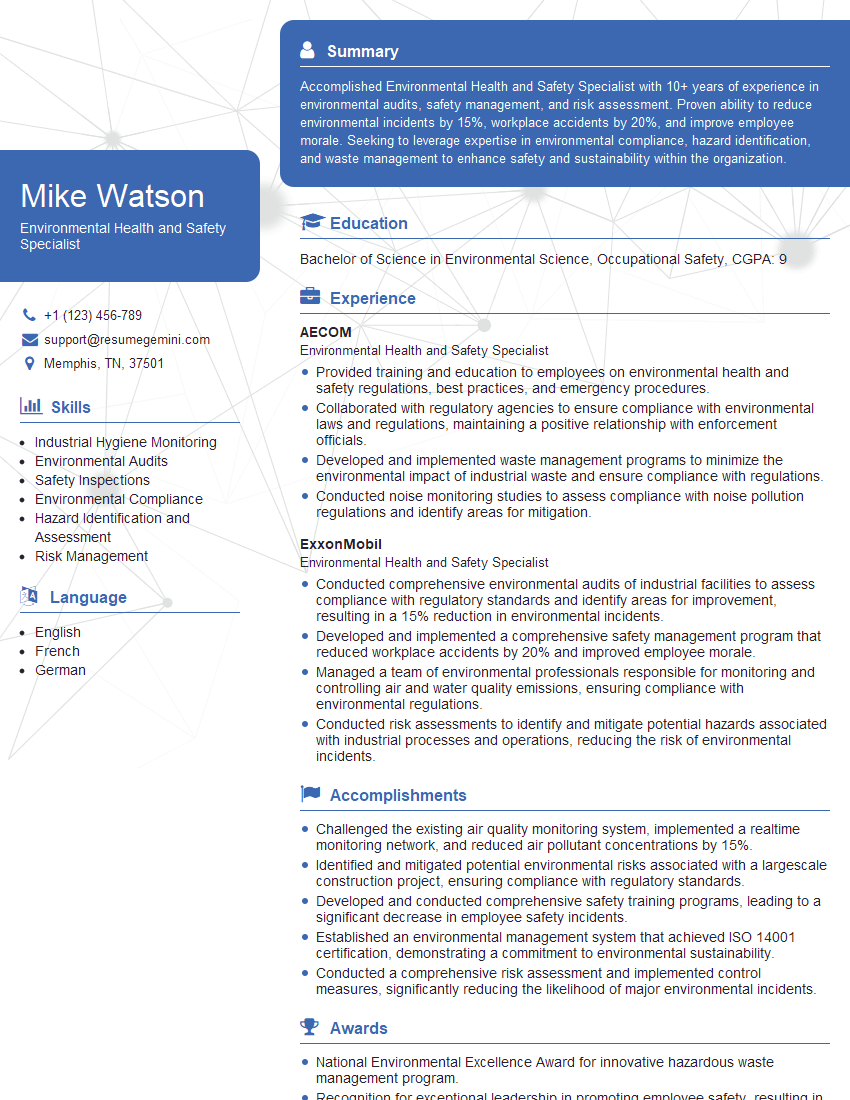
Environmental Health and Safety Specialist Resume Sample
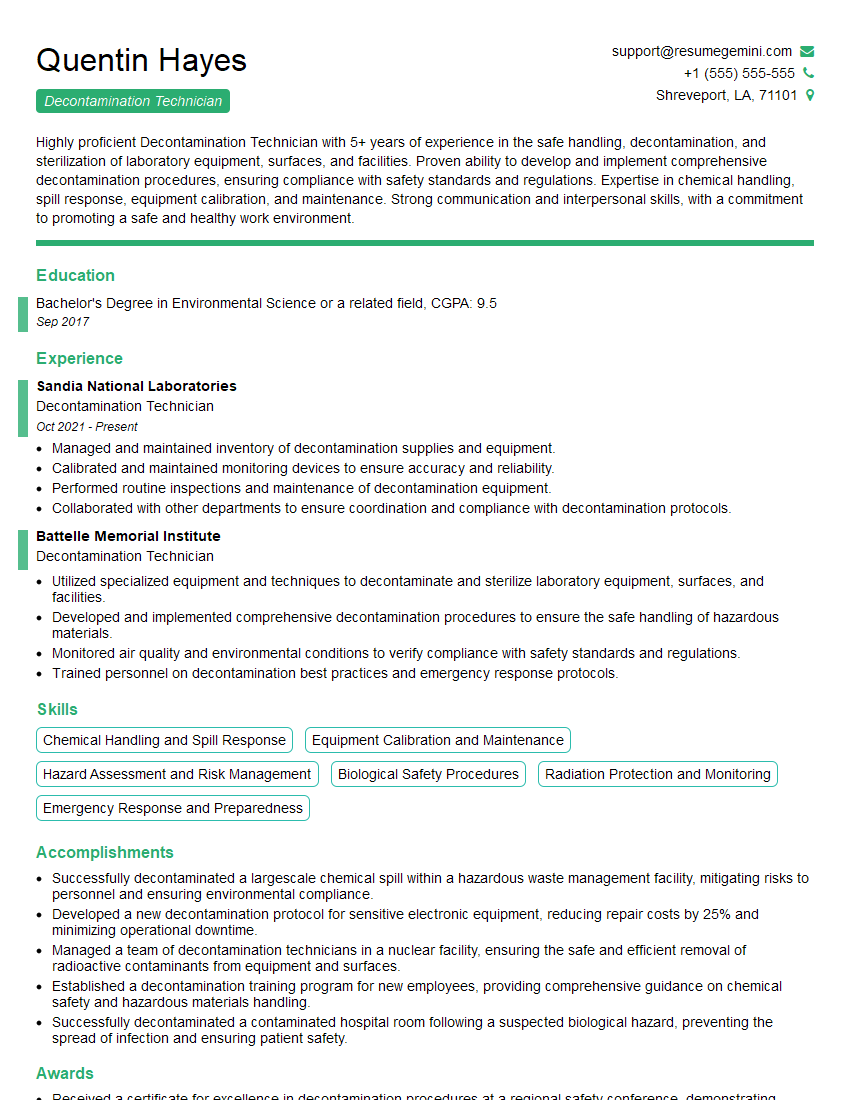
Decontamination Technician Resume Sample
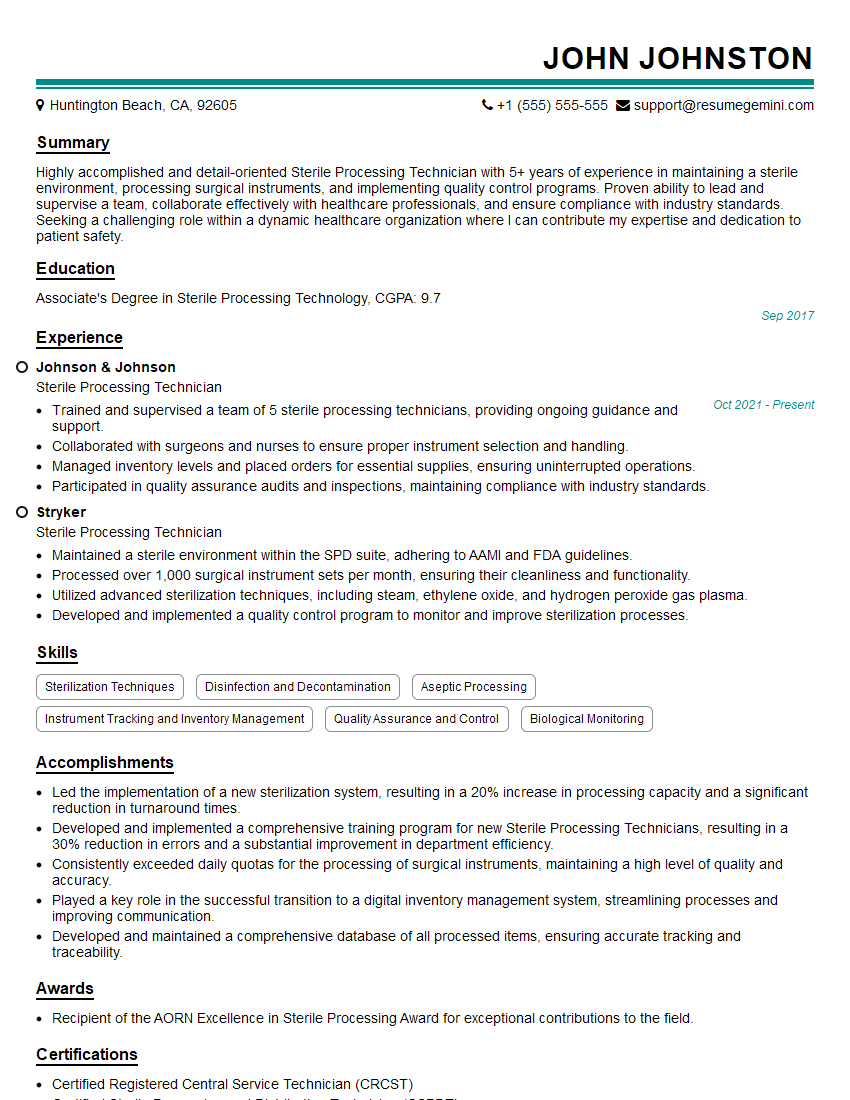
Sterile Processing Technician Resume Sample
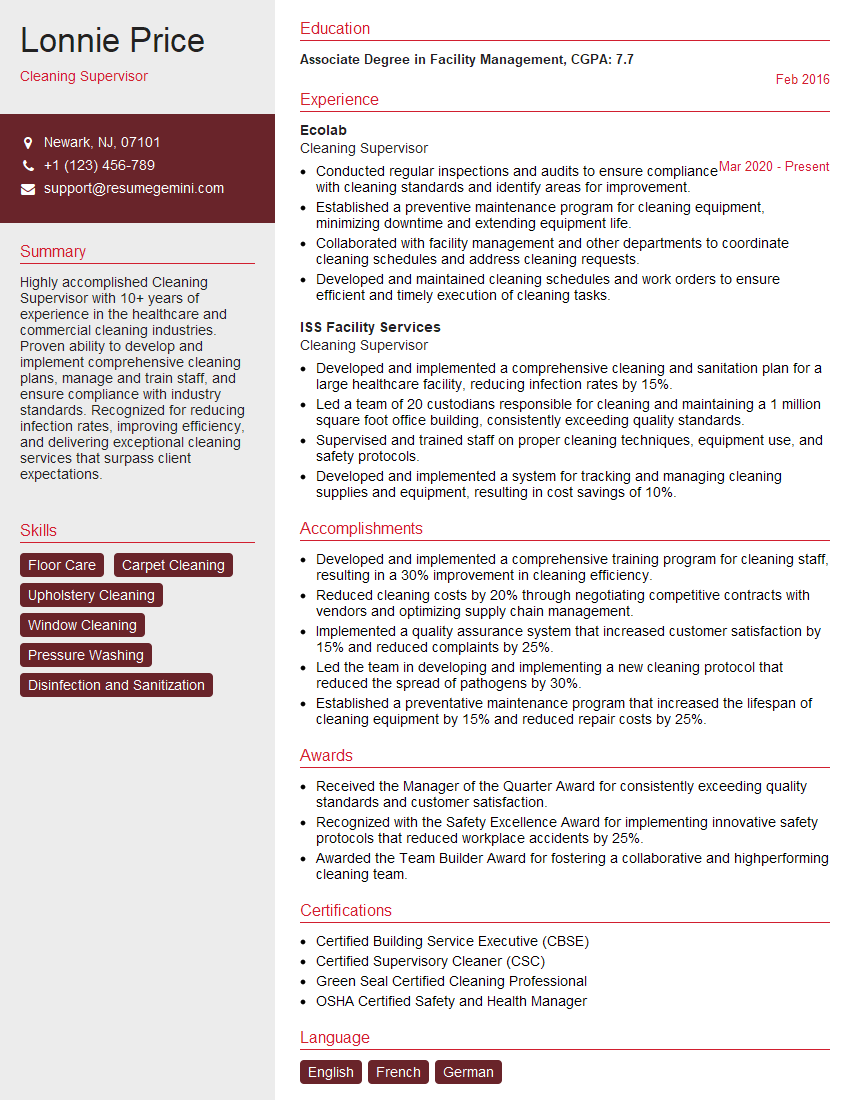
Cleaning Supervisor Resume Sample
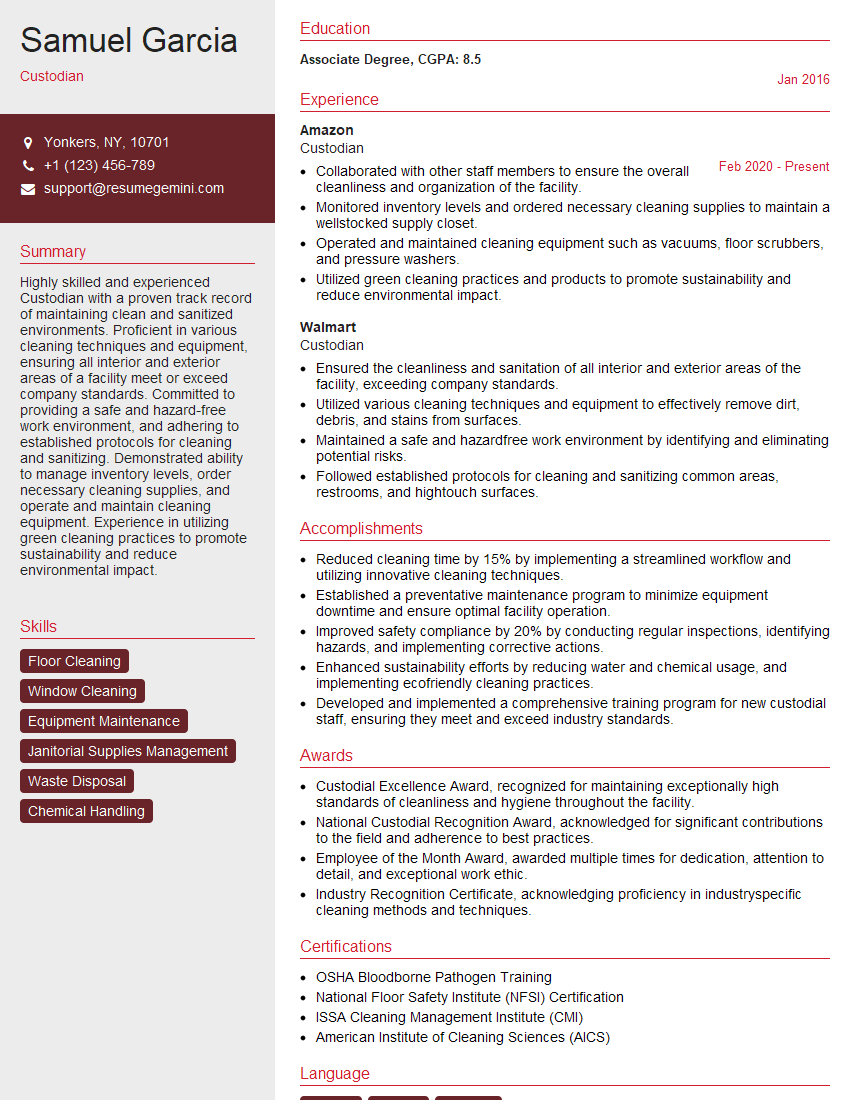
Custodian Resume Sample
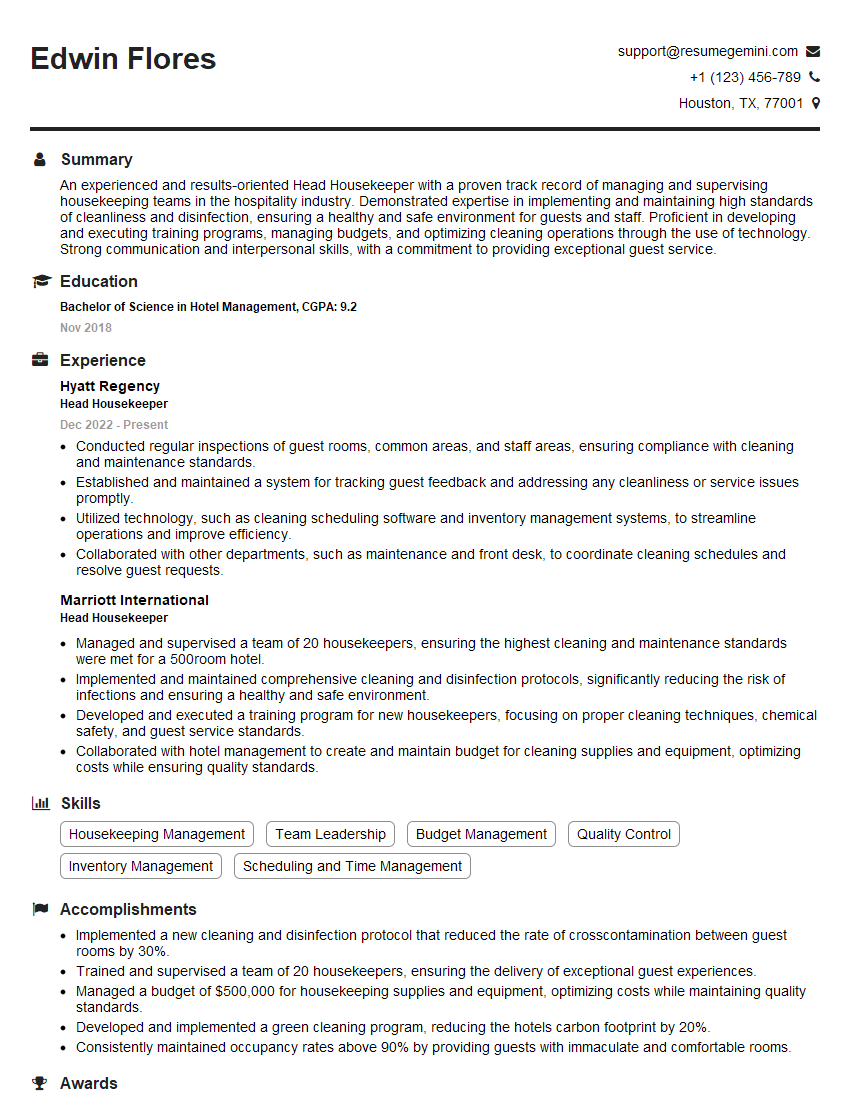
Head Housekeeper Resume Sample
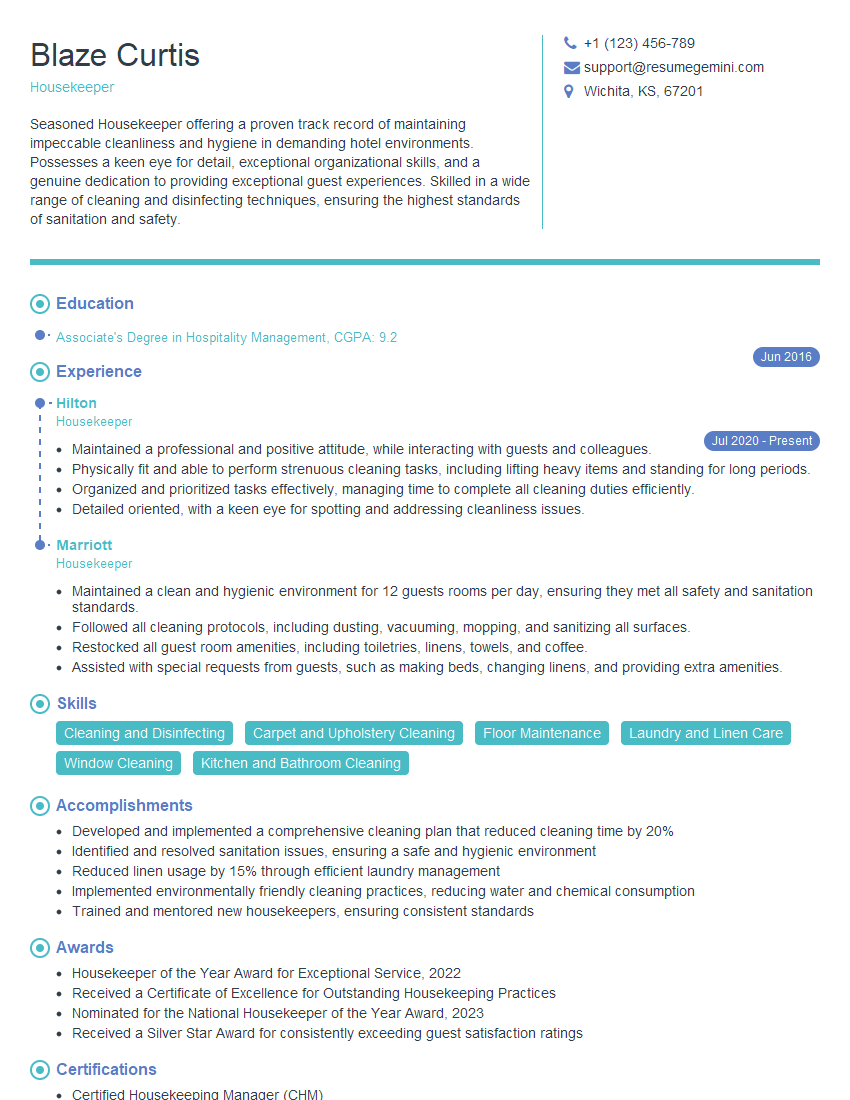
Housekeeper Resume Sample
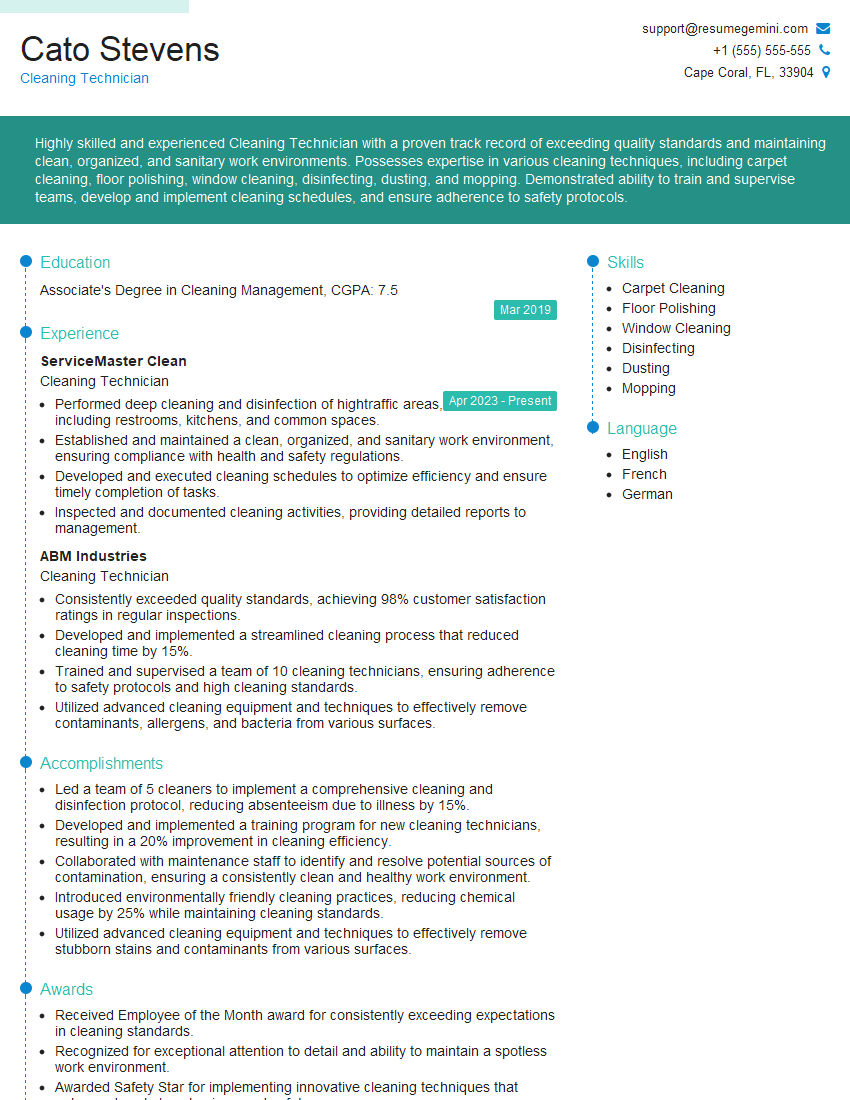
Cleaning Technician Resume Sample
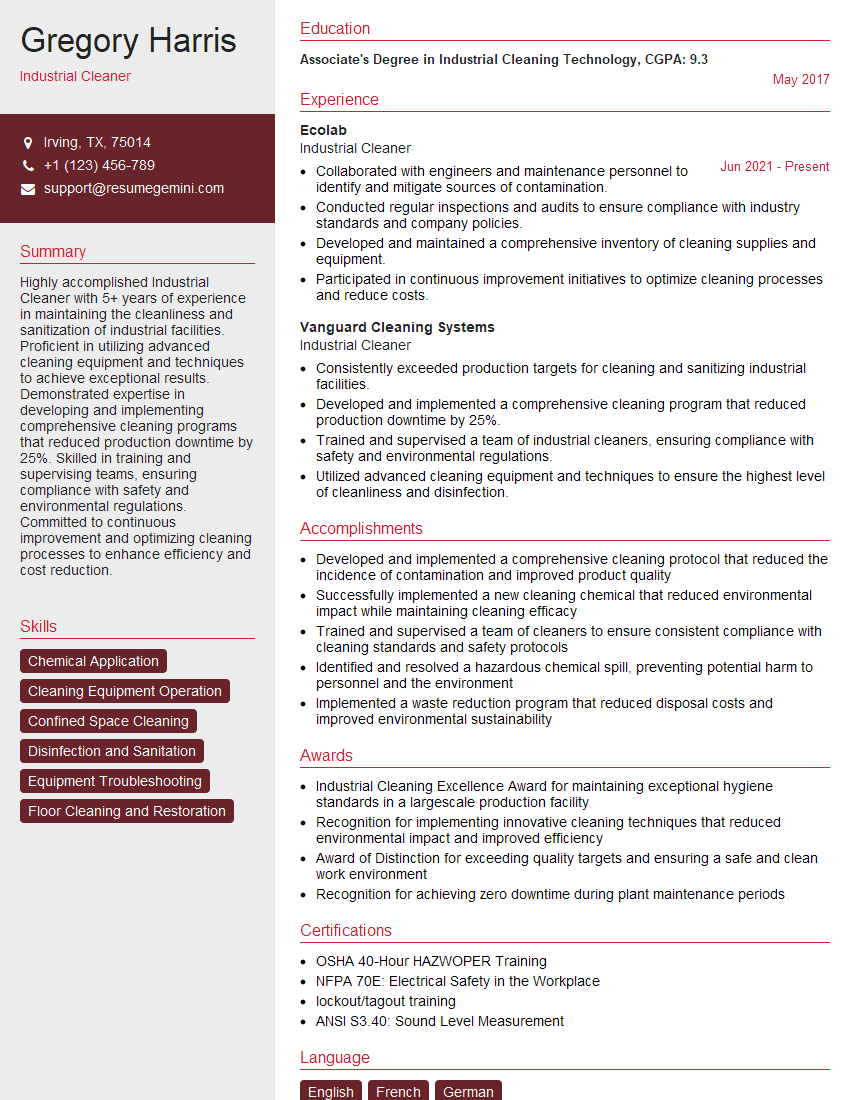
Industrial Cleaner Resume Sample
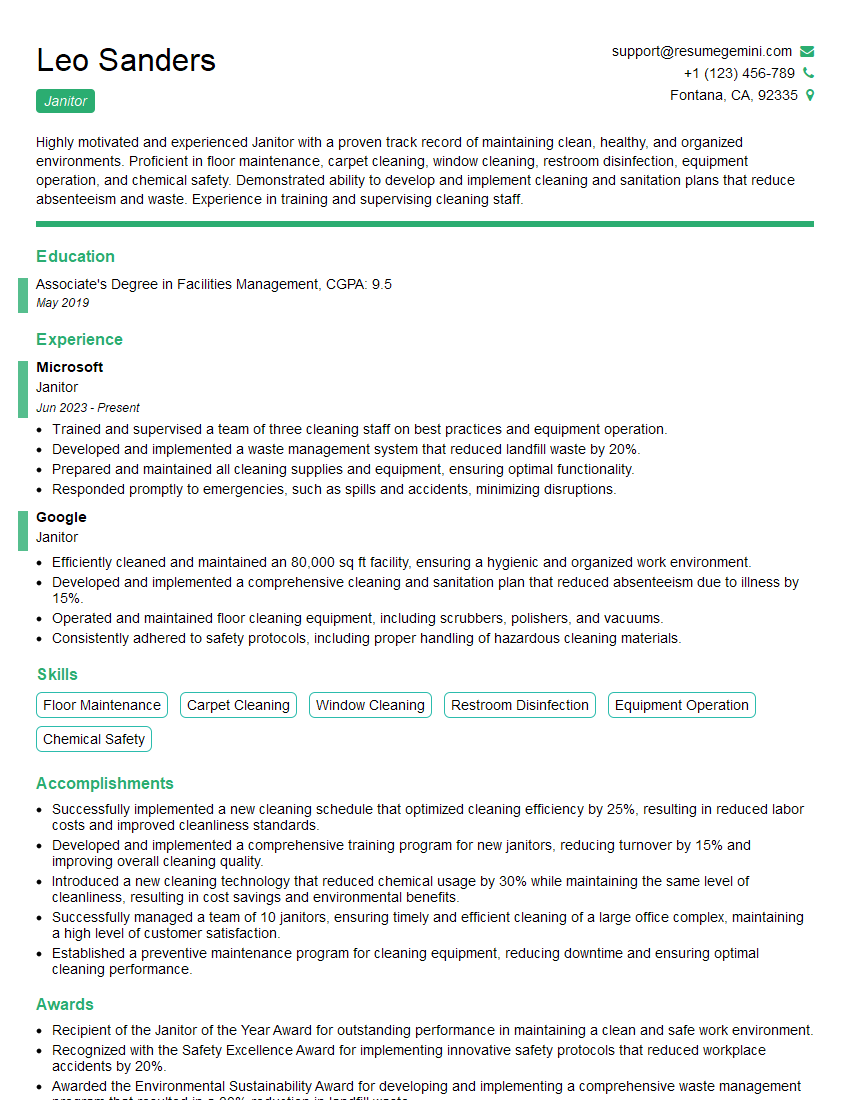
Janitor Resume Sample
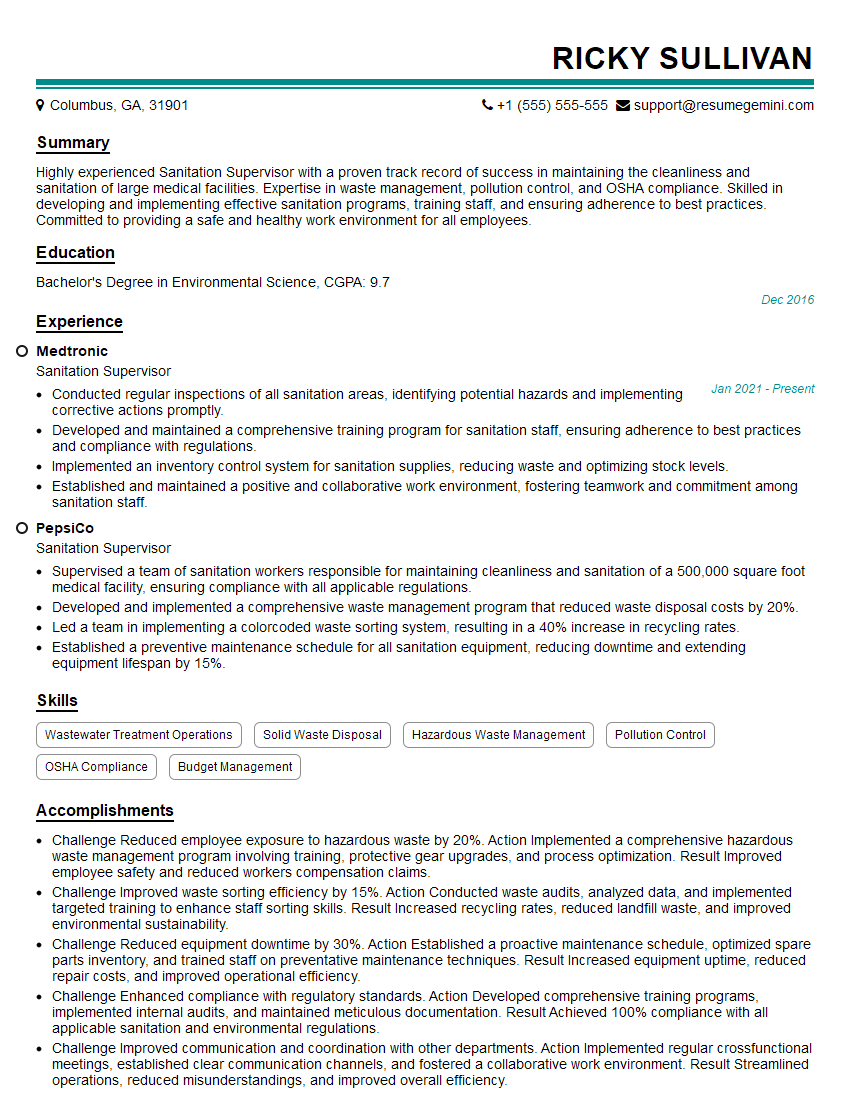
Sanitation Supervisor Resume Sample
Explore more articles
Users Rating of Our Blogs
Share Your Experience
We value your feedback! Please rate our content and share your thoughts (optional).
What Readers Say About Our Blog
Attention music lovers!
Wow, All the best Sax Summer music !!!
Spotify: https://open.spotify.com/artist/6ShcdIT7rPVVaFEpgZQbUk
Apple Music: https://music.apple.com/fr/artist/jimmy-sax-black/1530501936
YouTube: https://music.youtube.com/browse/VLOLAK5uy_noClmC7abM6YpZsnySxRqt3LoalPf88No
Other Platforms and Free Downloads : https://fanlink.tv/jimmysaxblack
on google : https://www.google.com/search?q=22+AND+22+AND+22
on ChatGPT : https://chat.openai.com?q=who20jlJimmy20Black20Sax20Producer
Get back into the groove with Jimmy sax Black
Best regards,
Jimmy sax Black
www.jimmysaxblack.com
Hi I am a troller at The aquatic interview center and I suddenly went so fast in Roblox and it was gone when I reset.
Hi,
Business owners spend hours every week worrying about their website—or avoiding it because it feels overwhelming.
We’d like to take that off your plate:
$69/month. Everything handled.
Our team will:
Design a custom website—or completely overhaul your current one
Take care of hosting as an option
Handle edits and improvements—up to 60 minutes of work included every month
No setup fees, no annual commitments. Just a site that makes a strong first impression.
Find out if it’s right for you:
https://websolutionsgenius.com/awardwinningwebsites
Hello,
we currently offer a complimentary backlink and URL indexing test for search engine optimization professionals.
You can get complimentary indexing credits to test how link discovery works in practice.
No credit card is required and there is no recurring fee.
You can find details here:
https://wikipedia-backlinks.com/indexing/
Regards
NICE RESPONSE TO Q & A
hi
The aim of this message is regarding an unclaimed deposit of a deceased nationale that bears the same name as you. You are not relate to him as there are millions of people answering the names across around the world. But i will use my position to influence the release of the deposit to you for our mutual benefit.
Respond for full details and how to claim the deposit. This is 100% risk free. Send hello to my email id: lukachachibaialuka@gmail.com
Luka Chachibaialuka
Hey interviewgemini.com, just wanted to follow up on my last email.
We just launched Call the Monster, an parenting app that lets you summon friendly ‘monsters’ kids actually listen to.
We’re also running a giveaway for everyone who downloads the app. Since it’s brand new, there aren’t many users yet, which means you’ve got a much better chance of winning some great prizes.
You can check it out here: https://bit.ly/callamonsterapp
Or follow us on Instagram: https://www.instagram.com/callamonsterapp
Thanks,
Ryan
CEO – Call the Monster App
Hey interviewgemini.com, I saw your website and love your approach.
I just want this to look like spam email, but want to share something important to you. We just launched Call the Monster, a parenting app that lets you summon friendly ‘monsters’ kids actually listen to.
Parents are loving it for calming chaos before bedtime. Thought you might want to try it: https://bit.ly/callamonsterapp or just follow our fun monster lore on Instagram: https://www.instagram.com/callamonsterapp
Thanks,
Ryan
CEO – Call A Monster APP
To the interviewgemini.com Owner.
Dear interviewgemini.com Webmaster!
Hi interviewgemini.com Webmaster!
Dear interviewgemini.com Webmaster!
excellent
Hello,
We found issues with your domain’s email setup that may be sending your messages to spam or blocking them completely. InboxShield Mini shows you how to fix it in minutes — no tech skills required.
Scan your domain now for details: https://inboxshield-mini.com/
— Adam @ InboxShield Mini
support@inboxshield-mini.com
Reply STOP to unsubscribe
Hi, are you owner of interviewgemini.com? What if I told you I could help you find extra time in your schedule, reconnect with leads you didn’t even realize you missed, and bring in more “I want to work with you” conversations, without increasing your ad spend or hiring a full-time employee?
All with a flexible, budget-friendly service that could easily pay for itself. Sounds good?
Would it be nice to jump on a quick 10-minute call so I can show you exactly how we make this work?
Best,
Hapei
Marketing Director
Hey, I know you’re the owner of interviewgemini.com. I’ll be quick.
Fundraising for your business is tough and time-consuming. We make it easier by guaranteeing two private investor meetings each month, for six months. No demos, no pitch events – just direct introductions to active investors matched to your startup.
If youR17;re raising, this could help you build real momentum. Want me to send more info?
Hi, I represent an SEO company that specialises in getting you AI citations and higher rankings on Google. I’d like to offer you a 100% free SEO audit for your website. Would you be interested?
Hi, I represent an SEO company that specialises in getting you AI citations and higher rankings on Google. I’d like to offer you a 100% free SEO audit for your website. Would you be interested?