Feeling uncertain about what to expect in your upcoming interview? We’ve got you covered! This blog highlights the most important NESHAP Compliance interview questions and provides actionable advice to help you stand out as the ideal candidate. Let’s pave the way for your success.
Questions Asked in NESHAP Compliance Interview
Q 1. What are the key differences between NESHAP Subpart DDDDD and Subpart HHHHH?
NESHAP Subparts DDDDD and HHHHH are hypothetical examples, as there aren’t actually subparts with those designations in the actual NESHAP regulations. To illustrate the potential differences, let’s imagine Subpart DDDDD regulates emissions from a specific type of industrial process, say, the manufacture of a particular chemical, while Subpart HHHHH regulates emissions from a different industrial sector, like power generation. Key differences would likely arise in:
- Specific Pollutants Regulated: Subpart DDDDD might focus on controlling emissions of VOCs (Volatile Organic Compounds) and HAPs (Hazardous Air Pollutants) specific to the chemical manufacturing process, while Subpart HHHHH might primarily target SO2 (Sulfur Dioxide), NOx (Nitrogen Oxides), and particulate matter from power plants.
- Emission Limits: Each subpart would have its own set of emission limits, tailored to the specific technologies and processes involved. The limits in Subpart DDDDD would likely be stricter if the chemical produced is particularly hazardous, whereas those in Subpart HHHHH would reflect the technology commonly used in power generation.
- Compliance Monitoring Requirements: The methods for monitoring compliance would vary. Subpart DDDDD might require continuous emissions monitoring (CEM) of specific pollutants, while Subpart HHHHH might rely on periodic testing using EPA-approved methods. The frequency of testing and reporting would also differ.
- Technology-Based Standards: Each subpart might specify required or recommended control technologies. Subpart DDDDD might mandate the use of specific scrubbers or advanced oxidation processes, while Subpart HHHHH could specify the use of specific emission control devices for power plant stacks.
In reality, the differences between actual NESHAP subparts are significant and depend heavily on the specific industry and pollutants in question. Always consult the latest version of the Code of Federal Regulations (40 CFR Part 60, 61, and 63) for accurate and up-to-date information.
Q 2. Explain the process for obtaining a Title V operating permit under NESHAP.
Obtaining a Title V operating permit under NESHAP involves several steps, and it’s crucial to understand that the process can be complex and vary slightly from state to state. Here’s a general overview:
- Determine Applicability: The first step is to determine if your facility is subject to Title V permitting requirements and which NESHAP subparts apply. This involves carefully reviewing the facility’s processes and comparing them to the specific requirements listed in the regulations. A thorough understanding of the Standard Industrial Classification (SIC) codes and the North American Industrial Classification System (NAICS) codes is important.
- Prepare the Application: The permit application requires detailed information about the facility’s operations, emissions, and control technologies. This includes emission inventories, process descriptions, and proposed control measures. Accurate and complete documentation is essential. The application needs to demonstrate compliance with all applicable NESHAP standards and other environmental regulations.
- Submit the Application: The completed application is submitted to the appropriate state or local air permitting authority. Many states have delegated the authority to administer NESHAP from the EPA.
- Review and Permitting: The permitting authority reviews the application for completeness and accuracy, may require additional information or clarification, and conducts a thorough evaluation of whether the facility meets all applicable requirements. There is usually a public comment period during which stakeholders can weigh in.
- Permit Issuance or Denial: After the review, the permitting authority will issue the Title V operating permit if the facility meets all applicable requirements or deny the permit if deficiencies are not addressed. The permit outlines specific conditions and compliance requirements that the facility must adhere to.
- Compliance Monitoring and Reporting: Once the permit is issued, the facility is obligated to comply with all the permit’s conditions, including continuous monitoring, record-keeping, and reporting requirements. Regular inspections and audits are typically conducted by the permitting authority to ensure ongoing compliance.
The process can be lengthy, often taking several months or even longer, depending on the complexity of the facility’s operations and the permit application review.
Q 3. Describe your experience with conducting NESHAP compliance audits.
I have extensive experience conducting NESHAP compliance audits across diverse industrial sectors, including chemical manufacturing, power generation, and metal finishing. My audits typically follow a structured approach:
- Planning and Pre-audit Review: This stage involves reviewing the facility’s Title V permit, operating records, and other relevant documentation to identify key areas of focus for the audit. I develop a checklist of specific compliance requirements and prepare a detailed audit plan.
- On-site Audit: During the on-site audit, I conduct visual inspections of emission control equipment, review operational records, collect samples (if needed), and interview facility personnel. I verify the accuracy of emission calculations and assess the effectiveness of control technologies.
- Data Analysis and Reporting: Following the on-site audit, I analyze the collected data to identify any compliance gaps or potential violations. I prepare a comprehensive audit report that summarizes my findings, including any discrepancies observed, and recommend corrective actions. The report also includes an assessment of the facility’s overall compliance status.
- Follow-up and Corrective Actions: I usually follow up with the facility to ensure that appropriate corrective actions are implemented to address any deficiencies identified during the audit. I might provide technical assistance to help the facility achieve compliance.
One memorable audit involved a chemical manufacturing facility where we discovered inconsistencies in their emission calculations. Through careful investigation and data analysis, we identified a data entry error that had resulted in underreporting of emissions. The facility promptly corrected the error and implemented stricter data validation procedures. This example showcases the importance of thoroughness in NESHAP compliance audits.
Q 4. How do you determine the applicability of NESHAP to a specific facility?
Determining the applicability of NESHAP to a specific facility requires a systematic approach. It’s not a simple yes or no answer. The process involves several key steps:
- Identify the Standard Industrial Classification (SIC) or North American Industry Classification System (NAICS) code: This code classifies the facility’s primary industrial activity. This is the first step in narrowing down the relevant NESHAP subparts.
- Review the NESHAP regulations (40 CFR Parts 60, 61, and 63): Once you know the SIC/NAICS code, consult the relevant NESHAP subparts to see if your facility’s processes are listed. Pay close attention to the definitions and specific emission sources listed in each subpart.
- Consider the types and quantities of pollutants emitted: Even if the facility’s SIC/NAICS code doesn’t directly match a specific subpart, the facility could still be subject to NESHAP if it emits certain quantities of regulated pollutants (HAPs, etc.). Emission calculations and inventories are critical here.
- Assess the emission points: NESHAP regulations often specify emission points (e.g., stacks, vents) that are subject to different requirements. You need to identify all relevant emission points at the facility.
- Check for exemptions or exclusions: Some facilities or emission sources may be exempt from certain NESHAP requirements based on specific criteria outlined in the regulations.
It’s often beneficial to use a combination of software and expert knowledge to conduct this assessment effectively. Using only one method might lead to inaccuracies. It is crucial to consult the latest version of 40 CFR Parts 60, 61, and 63 for the most accurate information.
Q 5. What are the potential penalties for non-compliance with NESHAP regulations?
Non-compliance with NESHAP regulations can result in serious penalties. These penalties can vary widely depending on factors such as the severity of the violation, the duration of non-compliance, the history of the facility, and whether the violations were intentional or unintentional.
- Civil Penalties: These are monetary penalties imposed by the EPA or state environmental agencies. The amount of the penalty can range from several thousand dollars to millions of dollars depending on the severity and duration of the violation.
- Criminal Penalties: In cases of willful or knowing violations, the facility and its responsible personnel can face criminal charges, leading to significant fines and even imprisonment. This is more likely in cases of blatant disregard for environmental regulations or attempts to conceal violations.
- Administrative Orders: The EPA or state agencies can issue administrative orders requiring the facility to take corrective actions, such as installing new control technologies or modifying operating procedures. Failure to comply with such orders can lead to further penalties.
- Citizen Suits: Environmental groups or individuals can file citizen suits against non-compliant facilities, seeking injunctive relief (court orders to cease operations or take corrective actions) and monetary damages.
- Loss of Operating Permits: Severe or repeated violations can result in the revocation or suspension of the facility’s operating permits, effectively shutting down operations until compliance is achieved.
Avoiding non-compliance is paramount. Proactive compliance efforts, including regular monitoring, thorough record-keeping, and timely reporting, are crucial to minimize the risk of penalties.
Q 6. Explain the role of Method 29 in determining compliance with NESHAP standards.
Method 29 is an EPA-approved test method used to determine the concentration of volatile organic compounds (VOCs) in a gas stream. Its relevance to NESHAP compliance stems from the fact that many NESHAP subparts regulate VOC emissions. Method 29 uses a gas chromatography technique to analyze samples collected from the emission source. It’s specifically designed for the measurement of VOCs that are not easily measured using other methods.
The results from Method 29 are directly compared to the emission limits specified in the relevant NESHAP subpart. If the measured VOC concentration exceeds the limit, the facility is considered to be out of compliance. It’s important to note that Method 29 is not universally applicable across all NESHAP subparts. Some subparts might use other test methods depending on the specific pollutants being regulated.
For instance, a facility regulated under a NESHAP subpart that specifies VOC emission limits might use Method 29 to determine its compliance. If the measured VOC concentration exceeds the established limit, corrective actions will be required.
Q 7. How do you handle discrepancies between reported emissions and actual emissions during a compliance audit?
Discrepancies between reported emissions and actual emissions during a compliance audit require a thorough investigation. The approach is methodical and focuses on identifying the root cause:
- Verify Data Accuracy: First, independently verify the accuracy of both the reported emissions data and the actual emissions data collected during the audit. This might involve reviewing the facility’s emission calculations, checking the calibration and maintenance records of monitoring equipment, and re-analyzing samples if necessary.
- Identify Potential Sources of Error: Once the data accuracy is confirmed, look for potential sources of error. This might include:
- Measurement Errors: Problems with monitoring equipment, incorrect calibration, or improper sampling techniques.
- Record-keeping Errors: Inaccuracies in data entry, incomplete records, or missing data.
- Operational Changes: Changes in production processes, operating parameters, or control equipment effectiveness that were not properly accounted for in the emission reports.
- Control Equipment Malfunction: Temporary or sustained failure of emission control equipment.
- Document Findings: Thoroughly document all findings, including the methods used to verify the data, the identified sources of error, and any corrective actions taken or recommended.
- Determine Severity: Assess the significance of the discrepancy. Was it a minor error with minimal environmental impact, or was it a significant deviation indicating a potential major compliance issue? This assessment dictates the response.
- Corrective Actions: Work with the facility to implement corrective actions to address the root cause of the discrepancy. This could involve recalculating emissions, upgrading monitoring equipment, improving record-keeping practices, or repairing or replacing faulty control equipment.
The goal is not to simply find fault, but to help the facility understand and address the issues, improving their compliance posture and environmental performance.
Q 8. What is your understanding of the importance of record-keeping in NESHAP compliance?
Record-keeping is the backbone of NESHAP compliance. Think of it as the detailed diary of your facility’s environmental performance. It’s not just about meeting legal obligations; it’s about demonstrating that you’ve taken proactive steps to minimize emissions and protect the environment. Thorough record-keeping provides irrefutable evidence of your compliance efforts should an inspection occur. Missing or incomplete records can lead to significant penalties.
- Types of Records: This includes emission monitoring data, maintenance logs for control equipment, training records for personnel, and any documentation related to permit applications, modifications, and compliance certifications.
- Importance in Audits: During an audit, regulators will meticulously examine your records. Well-maintained records streamline the process and demonstrate your commitment to compliance. Conversely, incomplete or disorganized records raise red flags and can trigger more extensive investigation.
- Data Integrity:Maintaining data integrity is crucial. Data should be accurate, reliable, and traceable back to its source. This ensures the data reflects reality and strengthens your compliance posture.
For example, meticulously documenting the calibration of your continuous emissions monitoring system (CEMS) is not just a compliance requirement, but also safeguards you against potential data inaccuracies that could lead to false reporting.
Q 9. Describe your experience with developing and implementing a NESHAP compliance plan.
In my previous role at a chemical manufacturing plant, I led the development and implementation of a comprehensive NESHAP compliance plan. The process involved several key steps:
- Gap Analysis: We started by thoroughly assessing our existing operations against the relevant NESHAP standards to identify areas of non-compliance or potential vulnerabilities.
- Control Strategy Development: This involved identifying and evaluating various control technologies—for instance, implementing additional scrubbers to reduce emissions or upgrading our existing equipment to meet stricter standards— and determining the most cost-effective and environmentally sound approach.
- Permitting and Approvals: We worked closely with the EPA to obtain all necessary permits and approvals for the changes implemented under the plan. This included detailed submissions documenting our compliance strategy, proposed technologies and their expected performance.
- Implementation and Monitoring: We oversaw the implementation of the plan, which included installing new equipment, training personnel on new procedures, and establishing a robust monitoring and reporting system. This also included establishing a robust system for tracking CEMS data and ensuring that our reporting aligned with regulatory requirements.
- Auditing and Continuous Improvement: Regular audits and performance reviews were conducted to ensure the plan remained effective and aligned with evolving regulatory requirements. This includes proactively looking for areas where improvements can be made.
This systematic approach not only ensured our compliance but also improved operational efficiency and reduced environmental impact. We also implemented a strong training program for our team so everyone understood their responsibility in the compliance plan.
Q 10. How do you stay current with changes and updates to NESHAP regulations?
Staying up-to-date with NESHAP regulations is paramount. I utilize a multi-pronged approach:
- EPA Website Monitoring: I regularly check the EPA website for updates, rule changes, guidance documents, and announcements of new regulations. This includes subscribing to email alerts for relevant NESHAP updates.
- Industry Publications and Conferences: I actively follow industry publications, journals, and participate in conferences related to environmental compliance. This ensures I’m aware of emerging trends and best practices in the field.
- Professional Networks: Networking with other professionals in the field allows for knowledge sharing and insights into emerging challenges and solutions.
- Consultants and Legal Counsel: For complex issues or changes, I consult with specialized environmental consultants and legal counsel to obtain expert advice and ensure we maintain compliance.
This comprehensive strategy allows me to proactively adapt our compliance program to evolving regulatory landscapes.
Q 11. Explain the concept of Maximum Achievable Control Technology (MACT) under NESHAP.
Maximum Achievable Control Technology (MACT) standards under NESHAP represent the best available technology for reducing hazardous air pollutant (HAP) emissions. It’s not a one-size-fits-all solution; MACT standards are tailored to specific source categories, considering factors like the type of industry, available technologies, and cost-effectiveness. The EPA sets these standards based on a thorough evaluation of existing control technologies.
Think of it like this: imagine several different ways to clean up a spill. MACT would be the most effective and efficient way, considering the factors involved.
Determining MACT: The EPA considers a range of factors when setting MACT standards, including:
- Performance of existing control technologies: The EPA reviews data on the emissions reduction capabilities of different technologies.
- Costs of implementation: Cost-effectiveness is a key consideration. The EPA aims to find the most effective control technologies that are also economically feasible for industry to adopt.
- Technical feasibility: The EPA also considers the technical feasibility of implementing these technologies in various settings.
Non-compliance with MACT standards can result in significant penalties.
Q 12. What are the key elements of a successful NESHAP compliance program?
A successful NESHAP compliance program is built on several key pillars:
- Strong Leadership and Commitment: A clear commitment from top management is crucial for establishing a culture of environmental responsibility throughout the organization.
- Comprehensive Documentation: Maintain detailed records of all aspects of your compliance program, including permits, monitoring data, maintenance logs, and training records.
- Employee Training and Awareness: Adequate training of all personnel involved in operations that may generate regulated emissions ensures a shared understanding of compliance procedures and responsibilities.
- Regular Monitoring and Reporting: Continuous monitoring of emissions is vital to identifying potential problems early on. Accurate and timely reporting to the EPA is a non-negotiable requirement.
- Proactive Risk Management: Identify potential compliance risks and develop strategies to mitigate them. This includes addressing potential equipment failures or process changes that could impact emissions.
- Regular Audits and Self-Assessments: Regular internal audits and self-assessments help identify weaknesses and areas for improvement in the compliance program.
Ultimately, a successful NESHAP program is a combination of stringent compliance measures, efficient operations, and a proactive approach to environmental management.
Q 13. How do you address potential conflicts between NESHAP and other environmental regulations?
Conflicts between NESHAP and other environmental regulations, such as state or local regulations, are not uncommon. The general rule is that the most stringent regulation prevails. This means that if a state regulation is stricter than the corresponding NESHAP requirement, the facility must adhere to the stricter state standard.
Addressing these conflicts requires careful review of all applicable regulations and a thorough understanding of the specific requirements of each. This often involves consulting with legal counsel and environmental experts to develop a strategy that ensures full compliance with all relevant regulations. For instance, some states have more rigorous permitting or monitoring requirements than the federal government.
Documentation of the analysis and the chosen course of action is critical, demonstrating your careful consideration and proactive approach towards compliance.
Q 14. Explain your experience with emissions monitoring and reporting under NESHAP.
My experience with emissions monitoring and reporting under NESHAP involves both continuous and periodic monitoring. For example, in a previous project involving a large power plant, we utilized continuous emissions monitoring systems (CEMS) for key pollutants like SO2 and NOx. This involved daily calibration checks, regular maintenance, and ensuring data accuracy through quality assurance procedures. Data from the CEMS was then compiled, analyzed, and reported to the EPA according to their specified formats and deadlines.
For other pollutants or processes requiring less frequent monitoring, we conducted periodic testing using various methods including manual stack tests. These tests required meticulous planning, sampling procedures, and laboratory analysis to ensure the results were accurate and reliable. All test data, including sampling procedures, calibration checks, and lab analysis reports, were meticulously documented to support our compliance reporting.
The accuracy and reliability of our emissions data are paramount. Any deviation from established protocols must be immediately addressed and documented. This detailed approach protects our company from penalties, demonstrates environmental responsibility, and fosters trust with regulatory agencies.
Q 15. Describe your understanding of the different types of emission control technologies.
Emission control technologies are crucial for achieving NESHAP (National Emission Standards for Hazardous Air Pollutants) compliance. These technologies aim to reduce or eliminate hazardous air pollutant emissions from various sources. They can be broadly categorized into several types:
- Absorption: This method uses a liquid solvent to capture pollutants from a gas stream. Think of it like a sponge soaking up spilled liquid. Common examples include scrubbers used in power plants to remove SO2 and other pollutants.
- Adsorption: Here, pollutants are trapped on a solid surface, like a magnet attracting metal. Activated carbon is a common adsorbent used to remove volatile organic compounds (VOCs).
- Combustion: This involves burning pollutants at high temperatures to destroy them, essentially turning them into less harmful substances like CO2 and water. Incinerators are an example of combustion technology.
- Condensation: This method utilizes cooling to convert gaseous pollutants into liquids, making them easier to collect and dispose of. It’s often used to capture VOCs.
- Incineration: This is a high-temperature combustion process specifically designed to destroy hazardous waste and reduce air emissions.
- Membrane Separation: This technology employs semi-permeable membranes to separate pollutants from the gas stream, similar to how a coffee filter separates grounds from coffee.
- Other Technologies: Other methods include biofiltration (using microorganisms to break down pollutants), thermal oxidation, and catalytic oxidation, all tailored to specific pollutant types and source characteristics.
The choice of technology depends on factors such as the type and concentration of pollutants, the gas flow rate, and cost-effectiveness. A well-designed system often incorporates multiple technologies for optimal performance.
Career Expert Tips:
- Ace those interviews! Prepare effectively by reviewing the Top 50 Most Common Interview Questions on ResumeGemini.
- Navigate your job search with confidence! Explore a wide range of Career Tips on ResumeGemini. Learn about common challenges and recommendations to overcome them.
- Craft the perfect resume! Master the Art of Resume Writing with ResumeGemini’s guide. Showcase your unique qualifications and achievements effectively.
- Don’t miss out on holiday savings! Build your dream resume with ResumeGemini’s ATS optimized templates.
Q 16. What is your experience with conducting emission testing and data analysis?
My experience in emission testing and data analysis is extensive. I’ve overseen numerous tests for various industries, including chemical manufacturing, pharmaceuticals, and metal finishing, ensuring compliance with relevant NESHAP standards. This involves a methodical approach beginning with:
- Test Plan Development: This includes selecting appropriate test methods (e.g., EPA Method 25 for VOCs), specifying sampling locations, and determining the testing duration. I ensure the plan aligns perfectly with the applicable NESHAP regulations and considers the specific process being tested.
- Field Testing Execution: This stage involves on-site sampling, proper calibration of equipment, and meticulous documentation of all procedures. I emphasize rigorous quality control to minimize potential errors.
- Data Analysis & Reporting: Once the testing is complete, I rigorously analyze the data using appropriate statistical methods to calculate emission rates, determine compliance, and identify potential areas for improvement. I prepare comprehensive reports detailing the methodology, results, and conclusions, ensuring they meet EPA’s reporting requirements. I am also proficient in using specialized software to facilitate these processes.
For example, in one project involving a chemical plant, we used Method 25A for VOC testing and then analyzed the data using EPA’s Emission Factor & Inventory Group (EF&I) software. This allowed us to effectively determine compliance, identify emission hotspots, and propose effective control measures.
Q 17. How do you calculate emission factors for different pollutants under NESHAP?
Calculating emission factors under NESHAP involves determining the amount of a specific pollutant released per unit of activity (e.g., pounds per ton of product). This is a crucial step in assessing compliance and involves several steps:
- Data Acquisition: Gather data on the pollutant emissions from source testing or using EPA-approved emission factors (found in various databases like AP-42).
- Activity Data: Collect information about the production rate or operation level (e.g., tons of product produced, hours of operation). This is critical for normalizing the emission data.
- Calculation: Divide the total pollutant emissions (in pounds, kilograms, or other appropriate units) by the total activity (e.g., tons produced, operating hours).
Emission Factor = (Total Pollutant Emissions) / (Total Activity)
For instance, if a facility emitted 1000 pounds of VOCs while producing 100 tons of a product, the emission factor would be 10 pounds of VOCs per ton of product. Note that using a specific EPA-approved emission factor sometimes bypasses the detailed calculations if the testing is not feasible.
It’s vital to ensure accuracy in data collection and calculations. This is where rigorous quality control and proper data management practices come in. Inaccurate emission factor calculations can directly influence compliance determinations, leading to potential penalties or remedial actions.
Q 18. How familiar are you with EPA’s compliance assistance resources related to NESHAP?
I am very familiar with EPA’s compliance assistance resources related to NESHAP. These resources are invaluable for staying updated on regulations, understanding compliance requirements, and accessing technical guidance. I regularly utilize resources such as:
- EPA’s website: This is the primary source of information, containing the latest NESHAP regulations, guidance documents, and compliance assistance materials.
- Technical Fact Sheets: These documents provide concise and understandable information on specific NESHAP standards and technologies.
- Compliance Manuals and Handbooks: EPA publishes comprehensive manuals that explain the requirements and offer practical guidance for various industries.
- Training Workshops and Webinars: EPA regularly conducts training sessions to educate stakeholders on NESHAP compliance. Participation helps ensure an accurate understanding of ongoing and future regulatory requirements.
Using these resources is fundamental to effective NESHAP compliance and ensuring the accuracy of my work. Keeping abreast of updates is crucial because regulations can change, and new technologies and techniques become available, impacting compliance strategies.
Q 19. Explain your approach to troubleshooting NESHAP compliance issues.
My approach to troubleshooting NESHAP compliance issues is systematic and data-driven. It begins with a thorough understanding of the source, the emissions in question, and the applicable regulations. My steps include:
- Identify the Problem: Carefully review emission data, operational records, and maintenance logs to pinpoint potential sources of non-compliance.
- Gather Data: Conduct further emission testing or collect additional data to understand the extent of the issue and potential causes.
- Analyze Data: Use statistical methods to identify trends and patterns in emission data to isolate the root cause of non-compliance.
- Develop Solutions: Based on the analysis, develop potential solutions to address the non-compliance issues. This may involve modifying operational procedures, implementing new emission control technologies, or performing equipment maintenance.
- Implement Solutions: Put the chosen solutions into practice and monitor their effectiveness.
- Verify Compliance: Conduct follow-up emission testing to verify that the implemented solutions have brought the facility into compliance.
For example, if a facility exceeds its VOC emission limit, we may investigate factors like leaks in equipment, inadequate emission control system performance, or changes in production processes. A systematic analysis can quickly pinpoint the root cause, guiding the selection of the most effective solution.
Q 20. What is your experience with developing and implementing corrective actions for NESHAP violations?
Developing and implementing corrective actions for NESHAP violations requires a detailed understanding of the regulatory requirements, a thorough investigation of the root cause, and a commitment to long-term compliance. My approach involves:
- Detailed Investigation: Conduct a thorough investigation to determine the root cause of the violation. This often includes reviewing operational records, maintenance logs, and emission testing data.
- Corrective Action Plan: Develop a comprehensive corrective action plan outlining specific steps to address the violation and prevent its recurrence. This plan is typically submitted to the regulatory agency.
- Implementation: Implement the corrective actions, which may involve upgrading emission control equipment, modifying operational procedures, or implementing a preventative maintenance program.
- Verification: After implementing the corrective actions, conduct follow-up emission testing to verify compliance. This demonstrates to the regulatory agency that the issues have been resolved.
- Documentation: Maintain meticulous records of all actions taken, including investigation findings, corrective actions implemented, and verification results.
In a case where a facility was exceeding the allowable particulate matter limit, we developed a corrective action plan that included upgrading their baghouse filter system and implementing a stricter preventative maintenance schedule. This resulted in reduced emissions and subsequent compliance.
Q 21. How do you ensure accurate and timely reporting of emissions data to regulatory agencies?
Accurate and timely reporting of emissions data to regulatory agencies is critical for maintaining NESHAP compliance. This process requires meticulous attention to detail and adherence to established reporting guidelines. My approach involves:
- Data Management System: Implement a robust data management system to ensure accurate recording and tracking of emission data. This might involve utilizing specialized software or spreadsheets with clear audit trails.
- Data Validation: Before submitting the reports, rigorously validate the emission data to ensure accuracy and completeness. This involves checking for inconsistencies, errors, or missing information.
- Report Preparation: Prepare the emission reports in accordance with EPA’s specified reporting formats and deadlines. This ensures the reports are easily understood and meet all regulatory requirements.
- Submission: Submit the reports electronically or via mail, as directed by the regulatory agency, maintaining records of submission confirmation.
- Record Keeping: Maintain a comprehensive archive of all emission data, reports, and supporting documentation to facilitate future audits or inquiries.
Consistency is key here. By following these steps, we ensure all reports are accurate, complete, and submitted on time, minimizing the risk of penalties or compliance issues.
Q 22. Describe your familiarity with the various forms and reports required under NESHAP.
My familiarity with NESHAP forms and reports is extensive. NESHAP, or National Emission Standards for Hazardous Air Pollutants, requires various submissions depending on the specific source category and emission points. These documents are crucial for demonstrating compliance. Common examples include:
Notification of Compliance Status (NOC): This annual report certifies compliance with the applicable NESHAP standards. It’s like a yearly health check for your facility’s air emissions.
Compliance Certification Reports: These reports verify that specific emission limits have been met, often following a specific testing protocol. Imagine these as detailed lab reports showing your emissions are within acceptable bounds.
Deviation Reports: These are crucial when unexpected issues occur, reporting any deviations from the established standards. Think of them as incident reports, meticulously documenting what went wrong and how it’s being addressed.
Test Reports and Data: These provide the supporting evidence for compliance claims. These include emission testing data and other relevant analyses, serving as your lab results.
Permit Applications and Amendments: These are submitted to the EPA (Environmental Protection Agency) and state agencies to obtain and maintain operating permits. This is like applying for a license to operate your emission-generating equipment.
The specific forms and reporting frequencies vary significantly based on the industry, the types of pollutants emitted, and the size of the facility. My experience encompasses working with numerous facilities across diverse sectors, requiring a deep understanding of the nuances of each specific NESHAP standard.
Q 23. How do you communicate complex technical information related to NESHAP compliance to non-technical audiences?
Communicating complex technical information about NESHAP to non-technical audiences requires a strategic approach. I avoid jargon and use clear, concise language, drawing analogies to everyday experiences. For example, instead of discussing ‘fugitive emissions,’ I might describe them as ‘unintentional leaks’ from equipment. Visual aids like charts, graphs, and diagrams greatly enhance understanding. I also tailor my communication to the audience’s background and knowledge level, ensuring the message is easily absorbed. For instance, when explaining to a board of directors, I’d focus on the financial implications of non-compliance, while explaining to maintenance personnel I would focus on the practical aspects of maintaining equipment to prevent violations. Finally, I always make sure to leave room for questions and address any concerns thoroughly.
Q 24. Describe your experience with working with regulatory agencies on NESHAP compliance matters.
I have extensive experience collaborating with regulatory agencies, primarily the EPA and state environmental agencies. This involves submitting compliance reports, responding to information requests, attending inspections, and participating in compliance audits. One specific instance involved a situation where a facility experienced a temporary equipment malfunction resulting in a minor exceedance. We immediately notified the agency, implemented corrective actions, conducted thorough investigations, and submitted a comprehensive deviation report detailing the incident, corrective measures, and preventative actions to prevent future occurrences. Open and transparent communication with the agencies is key to navigating any potential issues.
Q 25. What is your experience with using emissions modeling software?
My experience with emissions modeling software is substantial. I’m proficient in using AERMOD, CALPUFF, and other widely used modeling packages. These tools are essential for evaluating potential impacts of emissions and demonstrating compliance with air quality standards. I’ve used modeling to assess the impact of proposed modifications to existing facilities, predict emissions under various operating conditions, and design emission control strategies. For example, I used AERMOD to model the dispersion of emissions from a new industrial facility to ensure that predicted concentrations would remain below regulatory limits. Understanding the limitations of these models and properly interpreting the results is as crucial as the modeling itself.
Q 26. How do you ensure the integrity and confidentiality of NESHAP-related data?
Data integrity and confidentiality are paramount in NESHAP compliance. We utilize robust data management systems with access controls and version control to maintain data integrity. All NESHAP-related data is stored securely, following industry best practices and adhering to all relevant regulations. Access is restricted to authorized personnel only. We employ data encryption techniques during storage and transmission to protect confidential information. Regular audits and data validation processes are integral to our quality control procedures to confirm accuracy and reliability. Furthermore, we maintain detailed audit trails to track all data modifications and access.
Q 27. Describe your experience with implementing and maintaining an environmental management system (EMS) related to NESHAP compliance.
I have significant experience in implementing and maintaining environmental management systems (EMS) aligned with NESHAP requirements. Typically, we follow the ISO 14001 framework, integrating NESHAP compliance into the broader EMS structure. This involves developing comprehensive procedures for all aspects of emission control, monitoring, and reporting. Regular internal audits and management reviews are conducted to evaluate the effectiveness of the EMS and identify areas for improvement. The goal is to build a proactive system that prevents non-compliance incidents and ensures continuous improvement in environmental performance. One success I can highlight is the implementation of an EMS at a chemical manufacturing plant that resulted in a 20% reduction in hazardous air pollutants emissions within two years.
Q 28. What are your strategies for proactive NESHAP compliance and preventing violations?
Proactive NESHAP compliance is based on a multi-pronged approach. First, thorough understanding of all applicable regulations is essential. We conduct regular regulatory updates and training to keep abreast of any changes. Second, comprehensive monitoring and record keeping is crucial. This includes regular inspections of equipment, performance testing, and meticulous documentation. Third, preventative maintenance programs for emission control equipment are critical in preventing malfunctions and unexpected emissions. Fourth, employee training is vital. Well-trained personnel are more likely to follow proper operating procedures and promptly report any deviations. Finally, a robust system for continuous improvement and internal auditing will help identify and address any potential problems before they escalate into violations.
Key Topics to Learn for NESHAP Compliance Interview
- NESHAP Regulations Overview: Understanding the core regulations, their purpose, and the industries they affect. Focus on the structure and key definitions within the regulations.
- Emission Standards and Monitoring: Learn about specific emission limits for various pollutants and the methods used for monitoring compliance (e.g., continuous emission monitoring systems (CEMS), performance tests).
- Compliance Strategies and Best Practices: Explore practical approaches to achieving and maintaining compliance, including preventative maintenance, record-keeping, and reporting procedures.
- Permitting and Reporting Requirements: Understand the process of obtaining and maintaining operating permits, as well as the specifics of required reporting to regulatory agencies.
- Data Analysis and Interpretation: Develop skills in analyzing emission data to identify trends, potential non-compliance issues, and areas for improvement.
- Enforcement and Penalties: Familiarize yourself with potential consequences of non-compliance, including fines, penalties, and potential legal ramifications.
- Technological Solutions for Compliance: Explore different technologies and equipment used to reduce emissions and meet NESHAP standards.
- Case Studies and Real-World Applications: Review examples of successful and unsuccessful compliance strategies to gain a deeper understanding of practical challenges and solutions.
Next Steps
Mastering NESHAP Compliance opens doors to exciting career opportunities in environmental management and regulatory affairs. A strong understanding of these regulations is highly sought after by employers. To maximize your job prospects, invest time in crafting an ATS-friendly resume that effectively showcases your skills and experience. ResumeGemini is a trusted resource to help you build a professional and impactful resume that will get noticed. We provide examples of resumes tailored to NESHAP Compliance to help guide you. Take the next step in your career journey – create a resume that stands out!
Sustainability Manager Resume Sample
Environmental Health and Safety Manager Resume Sample
Regulatory Affairs Manager Resume Sample
Compliance Coordinator Resume Sample
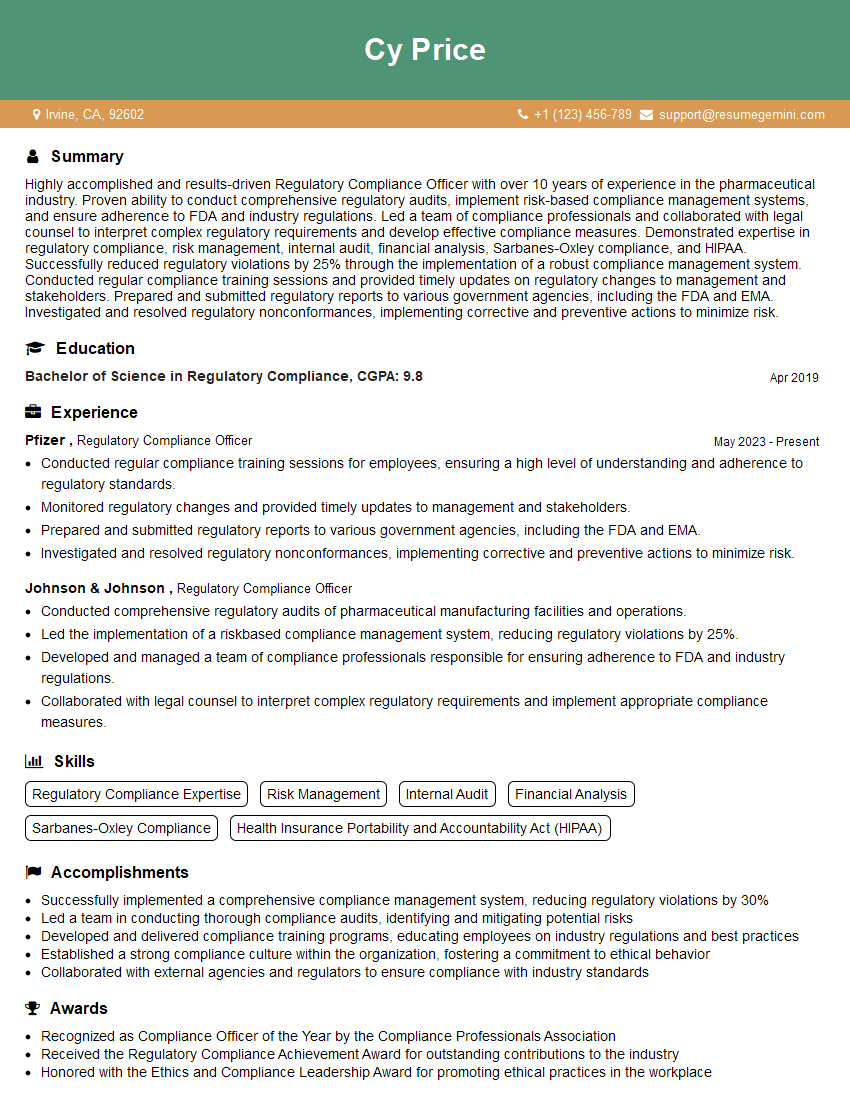
Regulatory Compliance Officer Resume Sample
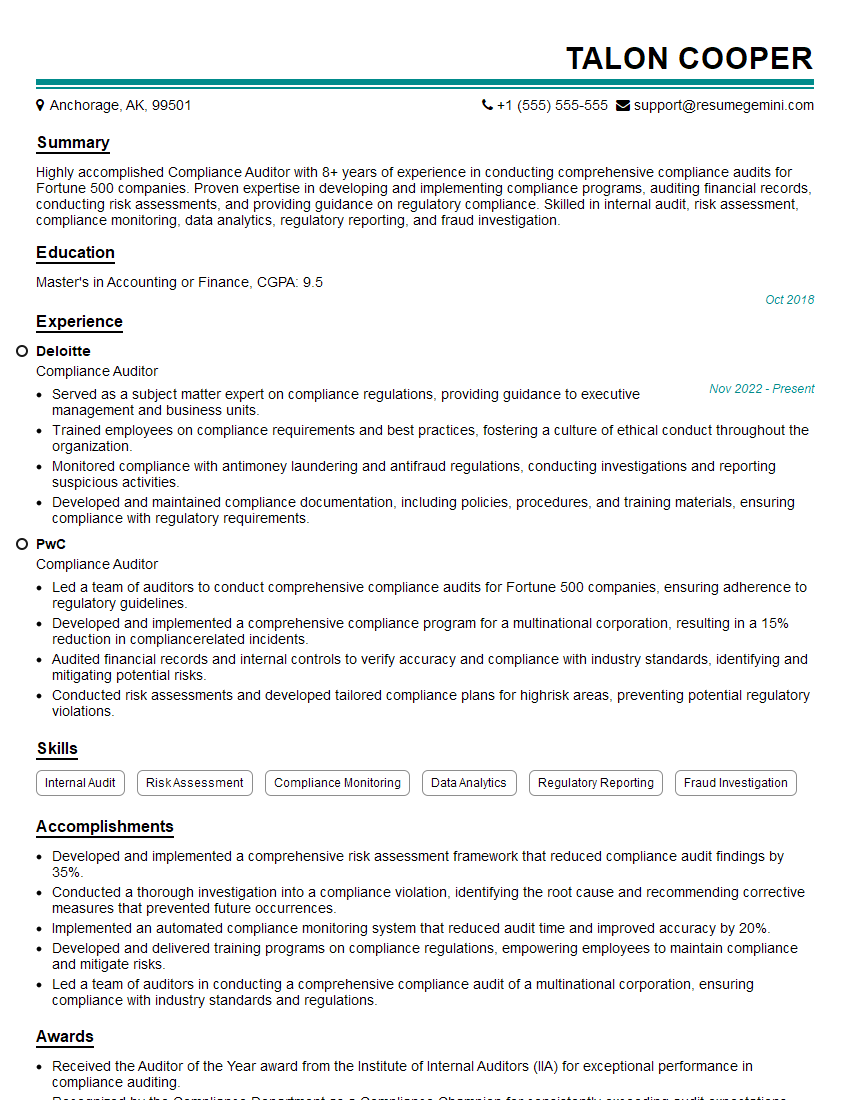
Compliance Auditor Resume Sample
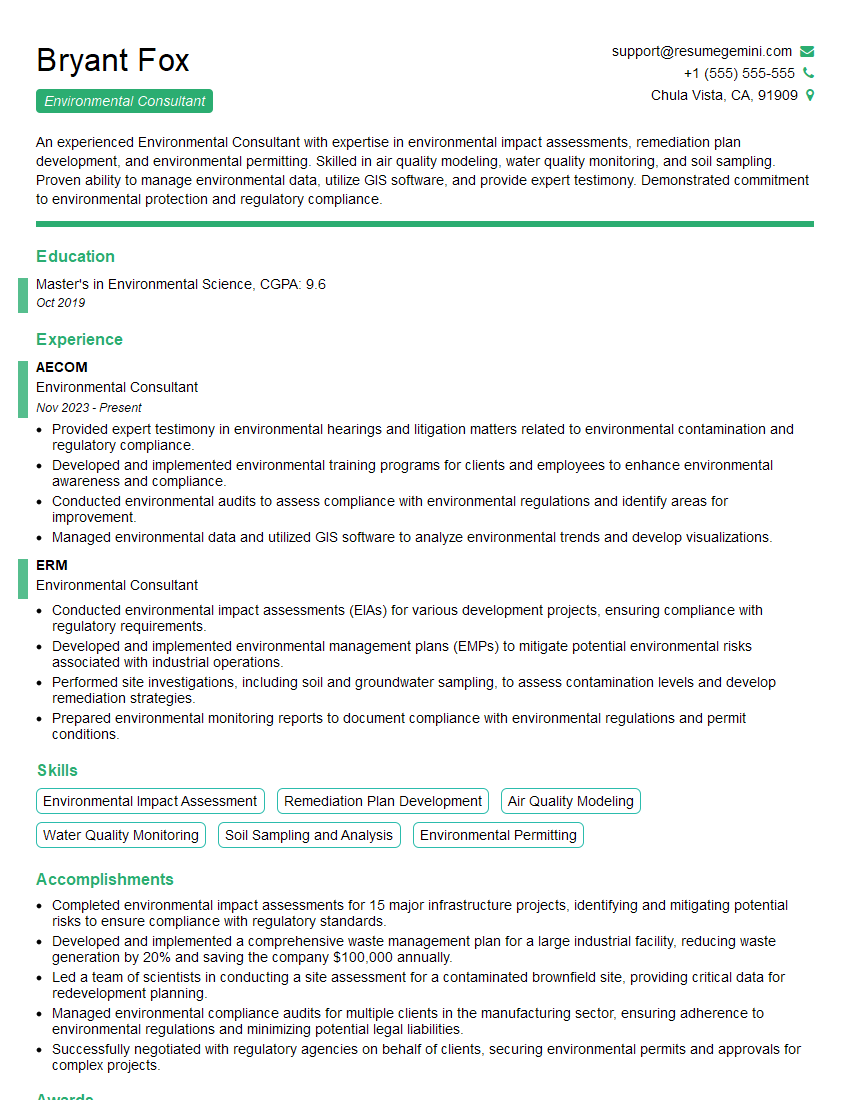
Environmental Consultant Resume Sample

Environmental Project Manager Resume Sample
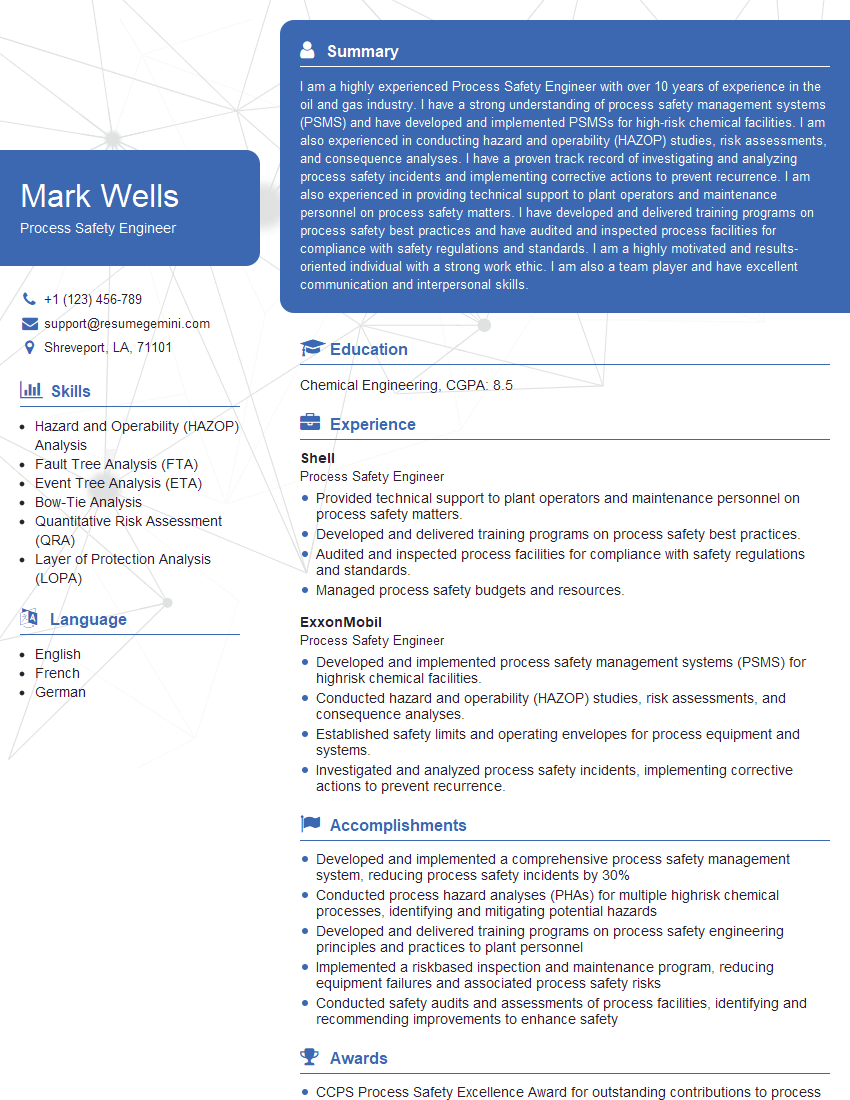
Process Safety Engineer Resume Sample
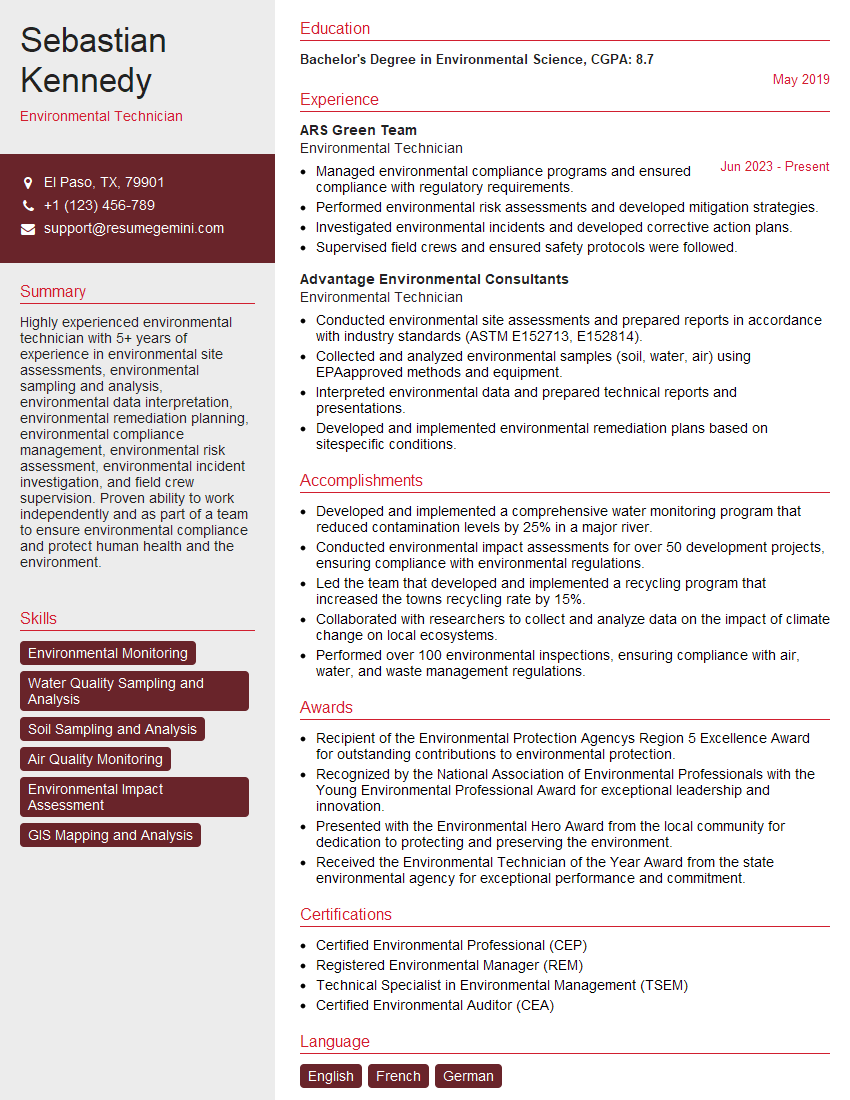
Environmental Technician Resume Sample
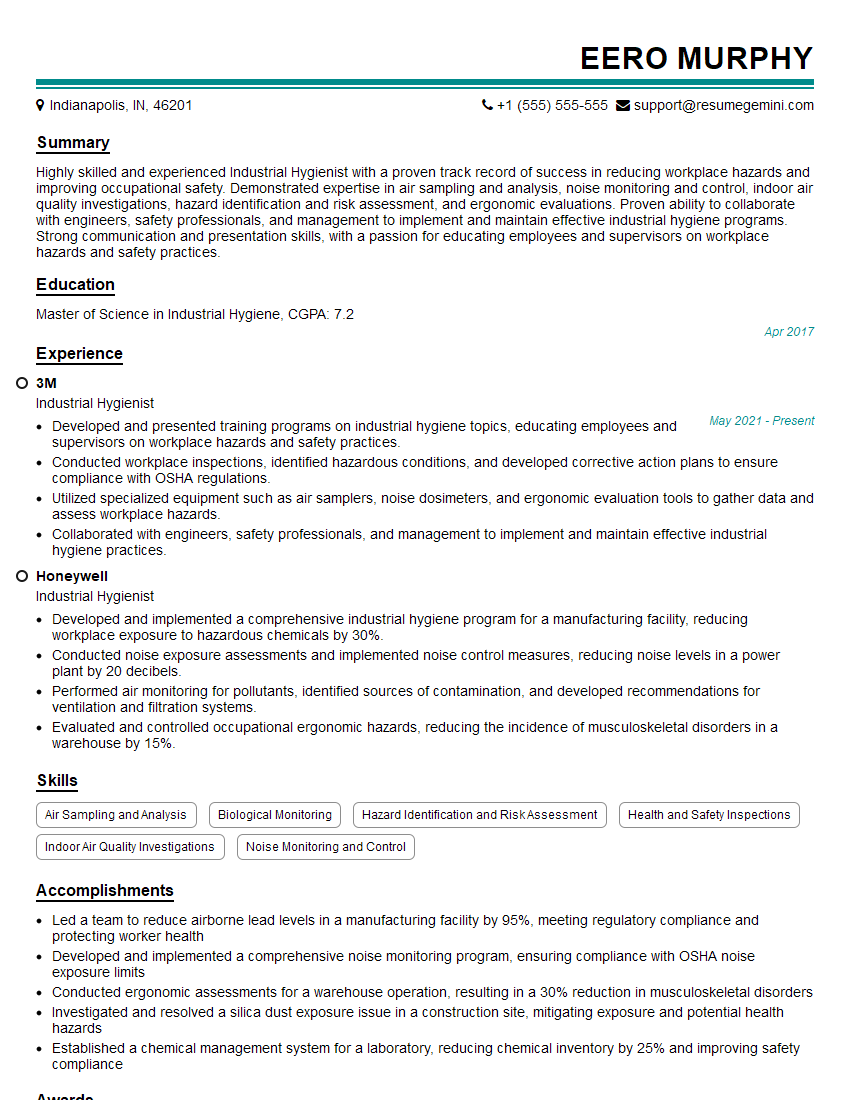
Industrial Hygienist Resume Sample
Explore more articles
Users Rating of Our Blogs
Share Your Experience
We value your feedback! Please rate our content and share your thoughts (optional).
What Readers Say About Our Blog
Attention music lovers!
Wow, All the best Sax Summer music !!!
Spotify: https://open.spotify.com/artist/6ShcdIT7rPVVaFEpgZQbUk
Apple Music: https://music.apple.com/fr/artist/jimmy-sax-black/1530501936
YouTube: https://music.youtube.com/browse/VLOLAK5uy_noClmC7abM6YpZsnySxRqt3LoalPf88No
Other Platforms and Free Downloads : https://fanlink.tv/jimmysaxblack
on google : https://www.google.com/search?q=22+AND+22+AND+22
on ChatGPT : https://chat.openai.com?q=who20jlJimmy20Black20Sax20Producer
Get back into the groove with Jimmy sax Black
Best regards,
Jimmy sax Black
www.jimmysaxblack.com
Hi I am a troller at The aquatic interview center and I suddenly went so fast in Roblox and it was gone when I reset.
Hi,
Business owners spend hours every week worrying about their website—or avoiding it because it feels overwhelming.
We’d like to take that off your plate:
$69/month. Everything handled.
Our team will:
Design a custom website—or completely overhaul your current one
Take care of hosting as an option
Handle edits and improvements—up to 60 minutes of work included every month
No setup fees, no annual commitments. Just a site that makes a strong first impression.
Find out if it’s right for you:
https://websolutionsgenius.com/awardwinningwebsites
Hello,
we currently offer a complimentary backlink and URL indexing test for search engine optimization professionals.
You can get complimentary indexing credits to test how link discovery works in practice.
No credit card is required and there is no recurring fee.
You can find details here:
https://wikipedia-backlinks.com/indexing/
Regards
NICE RESPONSE TO Q & A
hi
The aim of this message is regarding an unclaimed deposit of a deceased nationale that bears the same name as you. You are not relate to him as there are millions of people answering the names across around the world. But i will use my position to influence the release of the deposit to you for our mutual benefit.
Respond for full details and how to claim the deposit. This is 100% risk free. Send hello to my email id: lukachachibaialuka@gmail.com
Luka Chachibaialuka
Hey interviewgemini.com, just wanted to follow up on my last email.
We just launched Call the Monster, an parenting app that lets you summon friendly ‘monsters’ kids actually listen to.
We’re also running a giveaway for everyone who downloads the app. Since it’s brand new, there aren’t many users yet, which means you’ve got a much better chance of winning some great prizes.
You can check it out here: https://bit.ly/callamonsterapp
Or follow us on Instagram: https://www.instagram.com/callamonsterapp
Thanks,
Ryan
CEO – Call the Monster App
Hey interviewgemini.com, I saw your website and love your approach.
I just want this to look like spam email, but want to share something important to you. We just launched Call the Monster, a parenting app that lets you summon friendly ‘monsters’ kids actually listen to.
Parents are loving it for calming chaos before bedtime. Thought you might want to try it: https://bit.ly/callamonsterapp or just follow our fun monster lore on Instagram: https://www.instagram.com/callamonsterapp
Thanks,
Ryan
CEO – Call A Monster APP
To the interviewgemini.com Owner.
Dear interviewgemini.com Webmaster!
Hi interviewgemini.com Webmaster!
Dear interviewgemini.com Webmaster!
excellent
Hello,
We found issues with your domain’s email setup that may be sending your messages to spam or blocking them completely. InboxShield Mini shows you how to fix it in minutes — no tech skills required.
Scan your domain now for details: https://inboxshield-mini.com/
— Adam @ InboxShield Mini
support@inboxshield-mini.com
Reply STOP to unsubscribe
Hi, are you owner of interviewgemini.com? What if I told you I could help you find extra time in your schedule, reconnect with leads you didn’t even realize you missed, and bring in more “I want to work with you” conversations, without increasing your ad spend or hiring a full-time employee?
All with a flexible, budget-friendly service that could easily pay for itself. Sounds good?
Would it be nice to jump on a quick 10-minute call so I can show you exactly how we make this work?
Best,
Hapei
Marketing Director
Hey, I know you’re the owner of interviewgemini.com. I’ll be quick.
Fundraising for your business is tough and time-consuming. We make it easier by guaranteeing two private investor meetings each month, for six months. No demos, no pitch events – just direct introductions to active investors matched to your startup.
If youR17;re raising, this could help you build real momentum. Want me to send more info?
Hi, I represent an SEO company that specialises in getting you AI citations and higher rankings on Google. I’d like to offer you a 100% free SEO audit for your website. Would you be interested?
Hi, I represent an SEO company that specialises in getting you AI citations and higher rankings on Google. I’d like to offer you a 100% free SEO audit for your website. Would you be interested?