Feeling uncertain about what to expect in your upcoming interview? We’ve got you covered! This blog highlights the most important Diaper Changing interview questions and provides actionable advice to help you stand out as the ideal candidate. Let’s pave the way for your success.
Questions Asked in Diaper Changing Interview
Q 1. What are the different types of diapers available?
Diapers come in various types, each catering to different needs and preferences. The primary categories are disposable and reusable (cloth) diapers.
- Disposable Diapers: These are the most common type, offering convenience and ease of use. Subcategories include:
- Standard Disposable Diapers: These are the everyday diapers found in most stores, varying in size, absorbency, and features.
- Ultra-Absorbent Disposable Diapers: Designed for overnight use or heavy wetters, they contain more absorbent material for longer periods of dryness.
- Swim Diapers: Made from a less absorbent material to prevent swelling, these are primarily for water activities.
- Reusable (Cloth) Diapers: These are a more eco-friendly and cost-effective option in the long run, requiring washing and reusing. Types include:
- Prefolds: Rectangular cloths that need folding and securing with a separate cover.
- All-in-Ones (AIO): A complete diaper with absorbent lining and waterproof outer layer, very similar to disposables in their ease of use.
- All-in-Twos (AI2): Have a waterproof outer cover and separate absorbent inserts, allowing for a more customized absorbency level.
- Pocket Diapers: Have a pocket where absorbent inserts are placed, offering flexibility in absorbency.
Choosing the right diaper depends on factors like baby’s age, skin sensitivity, parental preferences, and environmental considerations.
Q 2. Explain the steps involved in changing a diaper.
Diaper changing is a crucial hygiene practice. Follow these steps for a smooth and efficient change:
- Gather Supplies: Have fresh diaper, wipes, diaper rash cream (if needed), trash bag, and hand sanitizer readily available. Prepare a clean surface.
- Lay the Baby: Gently lay the baby on its back on a clean, flat surface. Ensure their safety.
- Unfasten the Diaper: Carefully loosen the tabs or fasteners of the soiled diaper.
- Lift and Clean: Gently lift the baby’s legs and remove the soiled diaper. Wipe clean from front to back, using fresh wipes for each swipe, paying special attention to creases and folds.
- Apply Diaper Rash Cream: If necessary, apply a thin layer of diaper rash cream to protect the skin.
- Fasten the New Diaper: Secure the fresh diaper around the baby, ensuring a snug but not too tight fit.
- Dispose of Soiled Diaper: Securely wrap the soiled diaper in a trash bag and dispose of it properly.
- Wash Hands: Thoroughly wash your hands with soap and water, or use hand sanitizer.
Remember to be gentle, patient, and supportive throughout the process.
Q 3. How do you handle diaper rash?
Diaper rash is a common skin irritation that affects most babies. Treatment typically involves:
- Frequent Diaper Changes: Reduce the contact time of urine and stool with the baby’s skin.
- Gentle Cleaning: Use warm water or a mild, fragrance-free cleanser instead of harsh wipes.
- Air Drying: Allow the baby’s bottom to air dry for a short period after cleaning.
- Barrier Creams: Apply a zinc oxide-based diaper rash cream to create a protective barrier against further irritation.
- Avoid Irritants: Use fragrance-free detergents and avoid harsh chemicals when washing diapers and clothing.
If the rash worsens, persists for more than a few days, or shows signs of infection (e.g., pus, fever), consult a pediatrician immediately.
Q 4. What are the signs of diaper dermatitis?
Diaper dermatitis, also known as diaper rash, is characterized by:
- Redness: The skin appears red and inflamed, often in the diaper area.
- Irritation: The skin may be sensitive to the touch, and the baby may be fussy during diaper changes.
- Rash: The rash can be mild, with slight redness and dryness, or severe, with blisters, cracking, and bleeding.
- Possible secondary infection: In some cases, diaper dermatitis can lead to secondary bacterial or fungal infections.
Early detection and appropriate treatment are crucial to prevent complications.
Q 5. How do you dispose of soiled diapers hygienically?
Hygienic disposal of soiled diapers is essential for preventing the spread of germs. Always follow these steps:
- Securely Wrap: Wrap the soiled diaper tightly in a plastic bag or diaper pail liner.
- Proper Disposal: Dispose of the wrapped diaper in a designated trash receptacle. Never flush diapers down the toilet.
- Hand Hygiene: Wash your hands thoroughly after handling soiled diapers.
- Regular Cleaning: Keep diaper pails and disposal areas clean and free of spills.
Following these steps helps minimize the risk of infection and maintains a hygienic environment.
Q 6. How do you ensure proper hand hygiene during diaper changes?
Maintaining proper hand hygiene during diaper changes is paramount to prevent the spread of infection. Always:
- Wash Hands Before: Wash your hands thoroughly with soap and water before you begin the diaper change.
- Wash Hands After: Wash your hands thoroughly with soap and water after completing the diaper change.
- Use Hand Sanitizer: If soap and water are unavailable, use an alcohol-based hand sanitizer with at least 60% alcohol.
- Nail Hygiene: Keep your nails short and clean to prevent bacteria accumulation.
This seemingly small practice is crucial in safeguarding the baby’s health and preventing the spread of germs.
Q 7. What is your method for preventing diaper leaks?
Preventing diaper leaks requires careful attention to detail and choosing the right diaper. Here are some key strategies:
- Proper Sizing: Use a diaper that fits your baby snugly but comfortably. A diaper that’s too small is likely to leak, while one that’s too large will sag and may not absorb effectively.
- Check for Leaks: Regularly check for leaks, especially overnight or after extended periods.
- Adjusting the Fit: Ensure the leg cuffs are properly positioned to create a good seal against the baby’s legs.
- Consider Absorbency: Choose a diaper with adequate absorbency for your baby’s needs, particularly for overnight use or heavy wetters.
- Use a Barrier Cream: A thin layer of diaper rash cream may help prevent leaks by creating a barrier against moisture.
By employing these preventative measures, you can dramatically reduce the chances of diaper leaks and keep your baby clean and dry.
Q 8. How do you handle a baby who resists diaper changes?
Handling a resistant baby during diaper changes requires patience and a gentle approach. Think of it like a negotiation, not a battle. Distraction is key!
- Offer a favorite toy or book: Engage their attention with something captivating while you quickly and efficiently change the diaper.
- Sing a song or make silly faces: Positive reinforcement and a playful atmosphere can ease tension and reduce resistance.
- Change the environment: Sometimes, a different location, like a changing mat on the floor rather than a table, can make a difference.
- Talk calmly and reassuringly: A soothing voice can help calm a fussy baby. Explain what you’re doing in simple terms.
- Involve the baby: If age-appropriate, let the baby touch the wipes or a clean diaper, giving them a sense of control.
If these methods fail, try changing the diaper more quickly and efficiently. Some babies are simply more sensitive to touch, so minimizing the time spent is important. Remember, a swift and calm approach is more effective than a forceful one.
Q 9. How do you deal with explosive diaper situations?
Explosive diaper situations require swift action and thorough cleaning. Think of it like a mini-disaster cleanup!
- Protect yourself: Wear gloves to protect yourself from bacteria and irritants.
- Rapid removal: Carefully remove the soiled diaper as quickly as possible to minimize mess.
- Thorough cleaning: Use plenty of warm water and a gentle cleanser to clean the baby’s skin thoroughly. Remember, a gentle touch is crucial to prevent skin irritation.
- Barrier cream: Apply a diaper rash cream like zinc oxide to protect the skin from further irritation and moisture.
- Air drying: Allow the area to air dry completely before putting on a fresh diaper. This is crucial to prevent further irritation and diaper rash.
- Clothing change: Change the baby’s clothing to prevent further contamination and maintain cleanliness.
In the case of particularly frequent or severe explosive diapers, consult a pediatrician to rule out any underlying medical issues.
Q 10. What are the signs of a urinary tract infection in infants?
A urinary tract infection (UTI) in infants can be tricky to spot, as they can’t verbally express discomfort. Look for subtle signs that might indicate a problem.
- Irritability and fussiness: Babies with UTIs are often more irritable and fussy than usual, especially during urination.
- Fever: A high temperature is a common sign of infection.
- Vomiting and diarrhea: Sometimes, UTIs can present with gastrointestinal symptoms.
- Changes in urination: This might include a stronger smell to the urine, frequent urination, or difficulty urinating.
- Poor feeding: Infants with UTIs might feed poorly due to discomfort.
- Rash or skin changes around the diaper area: This could be caused by the infection itself or due to the increased frequency of urination.
Important Note: If you suspect a UTI, it’s crucial to seek immediate medical attention. UTIs can be serious if left untreated.
Q 11. What are the signs of a yeast infection in the diaper area?
Yeast infections in the diaper area, also known as diaper candidiasis, present with distinctive symptoms. Think bright red, irritated skin.
- Bright red rash: The rash is typically bright red and often has a satellite lesion appearance (small spots surrounding the main rash).
- Satellite lesions: Small, red spots surrounding the main rash.
- Creamy white or yellowish discharge: The affected area may have a creamy, white, or yellowish discharge.
- Scaly skin: The skin may appear scaly or crusted.
- Possible pain or discomfort: Babies may show signs of pain or discomfort when the diaper area is touched.
If you notice these symptoms, consult a pediatrician for diagnosis and treatment. Yeast infections require specific antifungal medications.
Q 12. How often should a baby’s diaper be changed?
The frequency of diaper changes depends on the baby’s age and the type of diaper used. As a general rule, changing a diaper every 2-3 hours is ideal. However, this is just a guide.
- Newborns: Newborns often need more frequent changes, sometimes even every hour, because they have sensitive skin and more frequent bowel movements.
- Older babies: As babies get older and their bowel movements become less frequent, diaper changes can be spaced out somewhat, but should still be done often enough to prevent irritation.
- Diaper type: Cloth diapers may need changing more frequently than disposable diapers due to faster absorption. Always check your diaper for wetness or soiling regardless of the type.
Always prioritize preventing diaper rash, skin irritation and infections by changing often even if the diaper seems minimally soiled.
Q 13. How do you determine if a diaper needs changing?
Determining if a diaper needs changing is straightforward. The main indicators are wetness and soiling. Think about it like this: Would you want to stay in a wet or soiled diaper for hours? Neither would your baby!
- Wetness: The diaper will feel heavy and wet.
- Soiling: The diaper will contain stool. The consistency of stool varies with age and diet.
- Odor: A strong ammonia odor indicates a soiled diaper.
- Discomfort: Babies often show signs of discomfort, like fussiness or crying, when their diaper is soiled or wet.
Always check the diaper regularly, particularly if the baby has just fed or slept. If any of these signs are present, it’s time for a fresh diaper.
Q 14. What are the appropriate techniques for cleaning a baby’s genital area?
Cleaning a baby’s genital area requires a gentle touch and proper technique. Imagine cleaning delicate jewellery; this area requires similar care.
- Wash hands thoroughly: Always start with clean hands. This helps prevent the spread of bacteria and infection.
- Use lukewarm water: Never use hot water, which can damage delicate skin. Lukewarm water is sufficient for most cleaning.
- Gentle cleanser: Use a mild, fragrance-free baby cleanser if needed. Many babies can be cleaned effectively with just water.
- Wipe from front to back: This is crucial to prevent the spread of fecal matter to the genital and urinary tract areas.
- Gentle wiping: Avoid harsh scrubbing, which can cause irritation.
- Pat dry gently: Do not rub, as this can irritate the skin. Patting gently with a soft cloth will suffice.
- Boys: Gently retract the foreskin only if it retracts easily. Do not force it.
- Girls: Wipe gently from front to back, paying attention to the folds of the skin.
Remember that cleanliness and gentleness are paramount when cleaning this sensitive area.
Q 15. How do you apply diaper cream effectively?
Applying diaper cream effectively involves a few key steps to ensure maximum benefit and minimize irritation. First, thoroughly clean the diaper area with warm water and a gentle cleanser or wipes. Pat the skin dry, avoiding harsh rubbing. Then, apply a thin layer of diaper cream to the affected area, focusing on any redness or chafing. A pea-sized amount is usually sufficient for most babies. Less is more, as excessive cream can trap moisture and worsen the problem. Finally, allow the cream to absorb before putting on a fresh diaper. This is where consistency matters – applying cream regularly at each diaper change helps prevent diaper rash before it starts.
For example, if a baby has a mild rash, a zinc oxide-based cream provides a protective barrier. If the rash is more severe, consult a pediatrician for guidance on which cream to use. It’s crucial to choose a cream free of harsh chemicals or fragrances.
Career Expert Tips:
- Ace those interviews! Prepare effectively by reviewing the Top 50 Most Common Interview Questions on ResumeGemini.
- Navigate your job search with confidence! Explore a wide range of Career Tips on ResumeGemini. Learn about common challenges and recommendations to overcome them.
- Craft the perfect resume! Master the Art of Resume Writing with ResumeGemini’s guide. Showcase your unique qualifications and achievements effectively.
- Don’t miss out on holiday savings! Build your dream resume with ResumeGemini’s ATS optimized templates.
Q 16. What are the safety precautions to take during diaper changes?
Safety during diaper changes is paramount. Always ensure a clean and flat surface for the change; a changing table or a clean, padded surface on the floor works well. Never leave a baby unattended, even for a second. Have all necessary supplies – wipes, diaper, cream, etc. – within easy reach before you begin. Wash your hands thoroughly before and after each diaper change to prevent the spread of germs. This is especially important for those who have had contact with someone ill. Practice good hygiene by disposing of soiled diapers immediately in a sealed diaper pail.
Additionally, always support the baby’s head and neck to prevent injury. Be gentle when cleaning the diaper area, and be mindful of the baby’s reactions. If the baby is fussy or distressed, take a break and try again later or seek assistance if needed. This ensures a safe and comfortable experience for both you and the baby.
Q 17. How do you prevent cross-contamination during diaper changes?
Preventing cross-contamination is critical in maintaining hygiene. Always wash your hands thoroughly before and after each diaper change. Use separate wipes for cleaning the baby’s genital area and the surrounding skin. Avoid touching your face or other parts of your body during the diaper change. Use a clean diaper and make sure the soiled diaper is immediately disposed of in a sealed bag or pail. It’s best practice to have dedicated diaper changing areas so there’s minimal contact with other surfaces that might become contaminated.
For instance, if you’re changing diapers in a public restroom, using disposable changing mats can further reduce the risk. These disposable mats also offer an extra layer of protection against contamination from the changing surface itself. Remember, consistency in your hygiene practices is key.
Q 18. How do you handle a baby with sensitive skin?
Babies with sensitive skin require extra care during diaper changes. Opt for fragrance-free, hypoallergenic wipes and diapers made from soft, breathable materials. Avoid harsh soaps or cleansers; warm water is usually sufficient to clean the diaper area. If you must use a cleanser, choose a gentle, pH-balanced formulation. Apply a thin layer of a gentle, hypoallergenic diaper cream at each change, even if there’s no rash, as a preventative measure. Monitor the baby’s skin closely for any signs of irritation, redness, or rash. Consider limiting the use of wipes and using only warm water instead. Air drying the diaper area can also greatly benefit babies with sensitive skin.
For example, a baby with eczema might benefit from a cream containing ceramides or colloidal oatmeal to help soothe and hydrate the skin. Always consult a pediatrician or dermatologist for recommendations on specific products for your baby’s particular skin condition.
Q 19. What are the different types of wipes available and their suitability?
There’s a wide variety of baby wipes available, each with varying levels of suitability depending on the baby’s needs. Common types include:
- Water-based wipes: These are the gentlest option, often containing only purified water and sometimes a small amount of a natural emollient. Ideal for sensitive skin.
- Alcohol-free wipes: These avoid the harshness of alcohol, better for delicate skin and prevent dryness.
- Thick, cloth-like wipes: Often more durable for a thorough clean, but could cause friction for sensitive skin.
- Wipes with added lotions or cleansers: May be helpful for dry skin, but could cause irritation for some babies.
Choosing the right wipe depends largely on the baby’s skin type and sensitivity. Always test a small area before using a new type of wipe to check for any adverse reactions. Water-based or alcohol-free wipes are usually the safest bets.
Q 20. How do you adapt your diaper-changing technique for babies of different ages and sizes?
Diaper-changing techniques need adaptation based on the baby’s age and size. Newborns are more vulnerable and require extra support for their head and neck. As babies grow, they become more mobile, demanding more attention and vigilance. With larger babies, more strength might be needed to lift and reposition them safely for a change. Older babies may be able to participate more actively in the process, although they’re still at risk for injury. Always use age-appropriate techniques and modify your actions as the baby grows. Smaller babies need a more gentle approach, while larger, more mobile babies require more stability and control.
For example, a newborn needs their head and neck carefully supported throughout the change. A toddler, on the other hand, needs to be firmly held to prevent them from moving unexpectedly. Always prioritize the baby’s safety and comfort as their size and development change.
Q 21. Describe your experience working with children with special needs who require diaper assistance.
My experience with children with special needs who require diaper assistance varies greatly. I’ve worked with children with mobility impairments, requiring careful positioning and support. Others have sensory sensitivities, demanding a calm and patient approach, where minimizing sudden movements is crucial. Some require specialized medical equipment during diaper changes to manage specific conditions. Each child is unique, and adaptation is essential. It requires a deep understanding of their specific needs, medical conditions, and communication styles. Creating a routine and maintaining consistency helps both the caregiver and the child to feel comfortable and safe.
For example, a child with cerebral palsy might need specialized positioning aids during the diaper change. A child with autism spectrum disorder might benefit from a predictable routine with minimal sensory stimulation. In all cases, communication with the child’s parents, therapists, and medical professionals is absolutely crucial. Understanding the child’s individual needs enables me to effectively provide safe and respectful diaper care.
Q 22. What is your approach to dealing with parental preferences or concerns regarding diaper changing?
Respecting parental preferences is paramount in diaper changing. I believe in open communication. Before starting, I always ask parents about their preferred methods, products (e.g., brand of diaper, type of wipes), and any routines they follow. This includes questions about sensitivities, allergies, or specific concerns they might have about the baby’s skin. For example, some parents might prefer a certain type of wipe or a particular application method for diaper cream. I document these preferences and meticulously follow them. If there’s a discrepancy between parent preference and best practice, I explain the rationale for my suggestion, offering alternatives that still respect their wishes. Ultimately, the goal is a collaborative approach that prioritizes both the baby’s well-being and the parents’ comfort level.
Q 23. Explain your understanding of proper diaper disposal methods and regulations.
Proper diaper disposal is crucial for hygiene and safety. In most settings, this involves using appropriate receptacles – usually specialized diaper pails with tightly sealing lids to contain odor and prevent the spread of bacteria. These pails often utilize disposable bags or refills. Regulations vary slightly depending on the location (e.g., daycare, hospital, home), but the core principles remain consistent: always double-bag soiled diapers before disposal, especially those containing infectious materials. In some facilities, there may be specific protocols for handling biohazardous waste if the child has a particular medical condition. For example, hospitals often have specific procedures for disposing of diapers contaminated with blood or other bodily fluids. The key is to follow established protocols diligently to minimize the risk of contamination and adhere to all local health and safety regulations.
Q 24. How do you manage your time effectively when handling multiple children needing diaper changes simultaneously?
Managing multiple diaper changes efficiently requires a systematic approach. I prioritize by urgency – a baby needing a change immediately takes precedence. I utilize a triage system, mentally assessing each child’s needs (how full the diaper is, the child’s distress level). Then, I create a small workflow, focusing on tasks that can be done simultaneously, such as prepping supplies (wipes, diapers, cream) while interacting with the first child. Multitasking is key but not at the expense of safety. While changing one child, I keep the other(s) within my line of sight, engaging them in simple activities to keep them occupied and minimize disruptions. Once one is changed, I move on to the next in the established priority sequence. Preparation and a calm, efficient approach are essential to success.
Q 25. How do you maintain a calm and reassuring demeanor during diaper changes, especially with fussy babies?
Maintaining a calm demeanor is crucial, especially with fussy babies. I find that a gentle, soft voice and slow, deliberate movements help soothe even the most upset infants. I use positive reinforcement – talking to the baby in a reassuring tone, making eye contact, and offering soft touches (while avoiding sensitive areas). Sometimes, a simple distraction technique like singing a lullaby or showing them a colorful toy can work wonders. The key is to avoid rushing, staying calm and patient, even if it takes a little longer. Remember, a relaxed caregiver helps create a relaxed environment for the baby.
Q 26. Describe a challenging diaper-changing situation and how you resolved it.
One challenging situation involved a baby with severe diaper rash. The skin was extremely irritated, and the baby cried intensely with every touch. My approach was multifaceted: first, I carefully cleaned the area with lukewarm water and a soft cloth instead of wipes to avoid further irritation. Then, I applied a prescribed diaper rash cream thinly and gently. I changed the diaper to a size slightly larger than usual to reduce friction. To address the baby’s distress, I used distraction techniques – singing softly and focusing on gentle, slow movements. Finally, I communicated my observations and actions to the parents, recommending they continue the same care routine and schedule a check-up with the pediatrician if there wasn’t significant improvement within 24 hours. The focus was on meticulous care, empathy, and open communication.
Q 27. What are your strategies for promoting proper hygiene amongst children related to diaper changing?
Promoting hygiene starts with education and routine. Children, depending on their age and developmental stage, should be taught the importance of handwashing before and after diaper changes. For older children, I explain the steps clearly: soap, water, and thorough scrubbing. Younger children might need more visual demonstrations, making handwashing a fun game. Cleanliness also extends to the changing area itself – keeping the area clean and organized reduces the risk of infection. The emphasis should always be on making hygiene a habit, not a chore. Positive reinforcement is critical, praising their efforts and highlighting the importance of hygiene in protecting their health.
Q 28. How do you ensure the safety of the baby and yourself during a diaper change?
Safety is the top priority. Before starting, I always ensure the baby is placed on a clean, stable surface. I never leave a baby unattended, even for a moment. I keep all necessary supplies within easy reach to minimize movement and potential accidents. I follow proper disposal procedures immediately, keeping sharp objects out of the baby’s reach. While changing the diaper, I maintain a firm grip on the baby, ensuring they’re secure and comfortable. Being mindful and proactive minimizes risk, creating a safe and efficient diaper change.
Key Topics to Learn for Diaper Changing Interview
- Hygiene and Sanitation: Understanding proper handwashing techniques, the importance of clean surfaces, and the disposal of soiled materials. Practical application includes demonstrating knowledge of infection control protocols.
- Diaper Types and Selection: Familiarity with different diaper types (cloth vs. disposable, size variations), their features, and appropriate selection based on infant needs and facility guidelines. Practical application includes explaining the pros and cons of different diaper options.
- Diaper Changing Techniques: Mastering efficient and safe diaper changing procedures, including proper positioning of the infant, minimizing skin irritation, and preventing accidents. Practical application includes demonstrating a step-by-step process and addressing potential challenges (e.g., squirmy babies).
- Skin Care and Rash Prevention: Identifying and addressing diaper rash, understanding the importance of barrier creams, and knowing when to seek additional medical advice. Practical application includes explaining different approaches to managing diaper rash and identifying signs of potential complications.
- Safety and Risk Management: Prioritizing infant safety during the changing process, anticipating potential hazards (e.g., falls), and understanding appropriate responses to emergencies. Practical application includes describing safety measures to prevent falls or choking hazards.
- Record Keeping and Documentation: Understanding the importance of accurate and timely documentation related to diaper changes, including any observations about the infant’s health or condition. Practical application includes explaining how to accurately record relevant information in a professional manner.
Next Steps
Mastering diaper changing is a crucial skill demonstrating your attention to detail, hygiene practices, and ability to handle sensitive situations – all highly valued in many caregiving roles. An ATS-friendly resume is key to showcasing these skills effectively to potential employers. ResumeGemini can help you create a compelling resume that highlights your abilities and gets noticed by recruiters. Examples of resumes tailored specifically to the Diaper Changing field are available through ResumeGemini, helping you present yourself as the ideal candidate.
Childcare Center Director Resume Sample
Family Support Worker Resume Sample
Lactation Consultant Resume Sample
Youth Worker Resume Sample
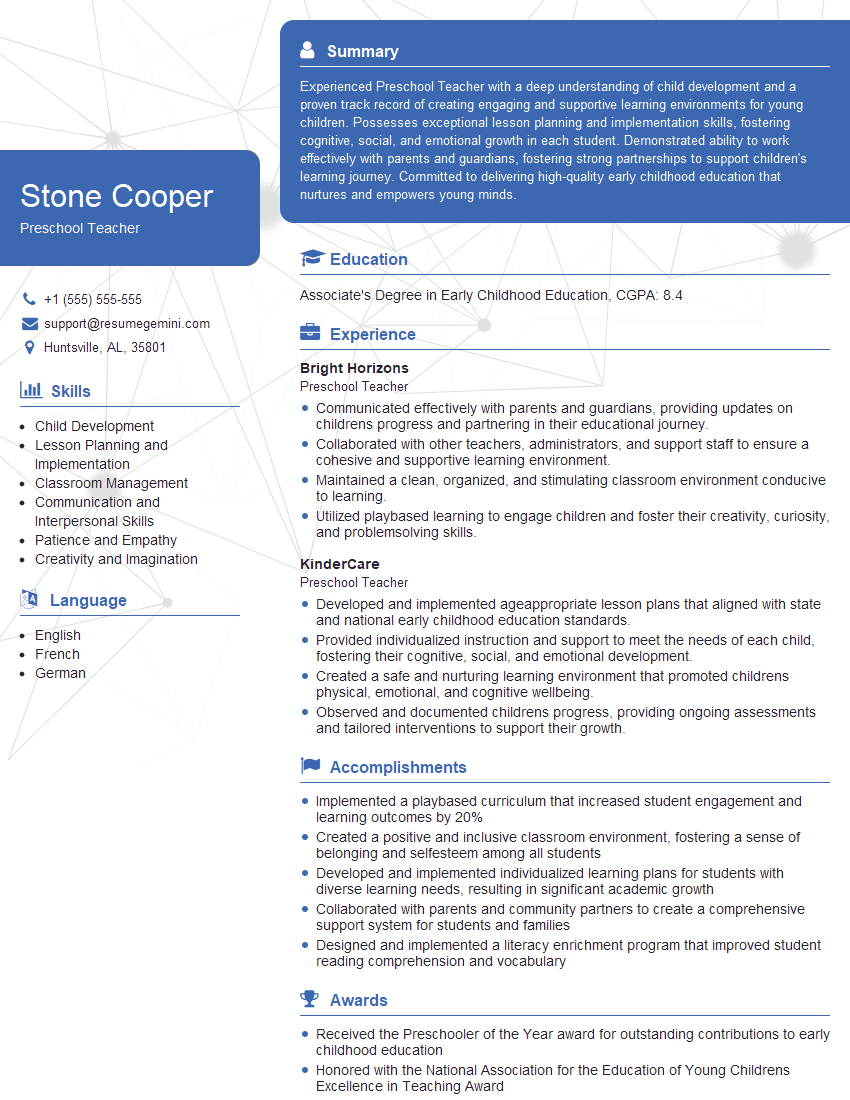
Preschool Teacher Resume Sample

Parent Educator Resume Sample
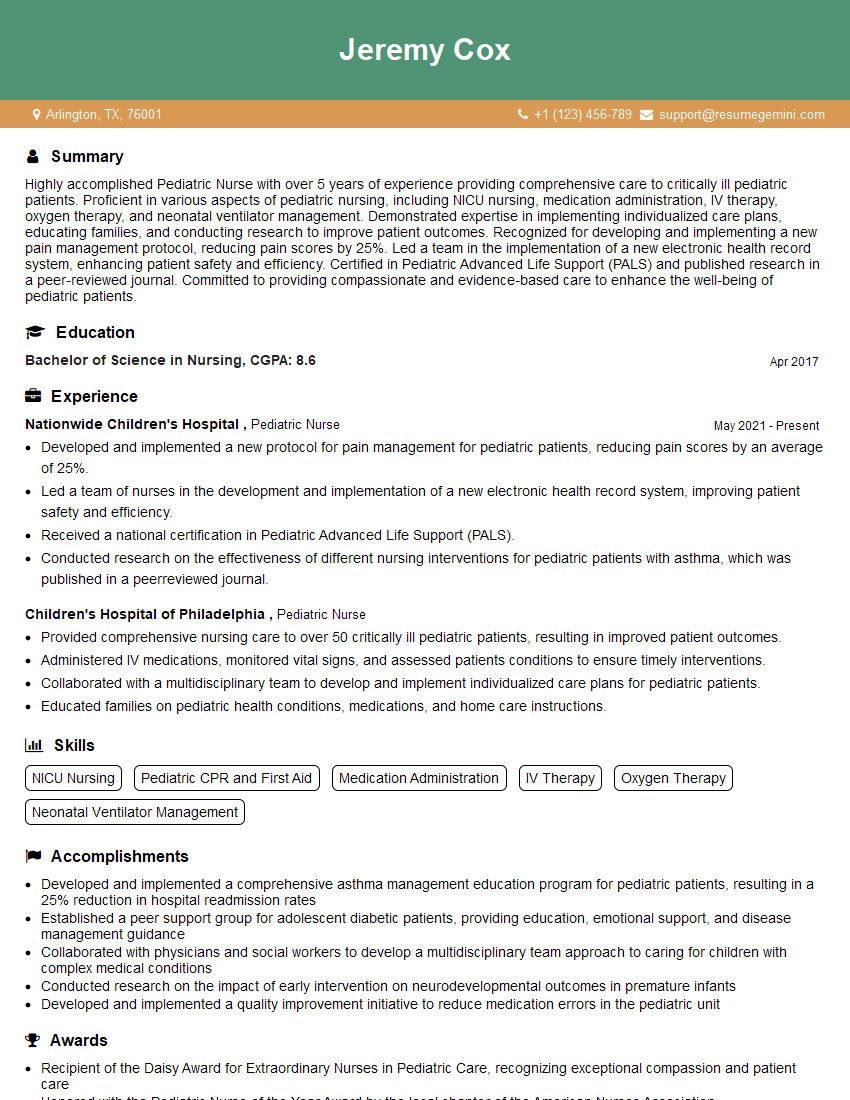
Pediatric Nurse Resume Sample
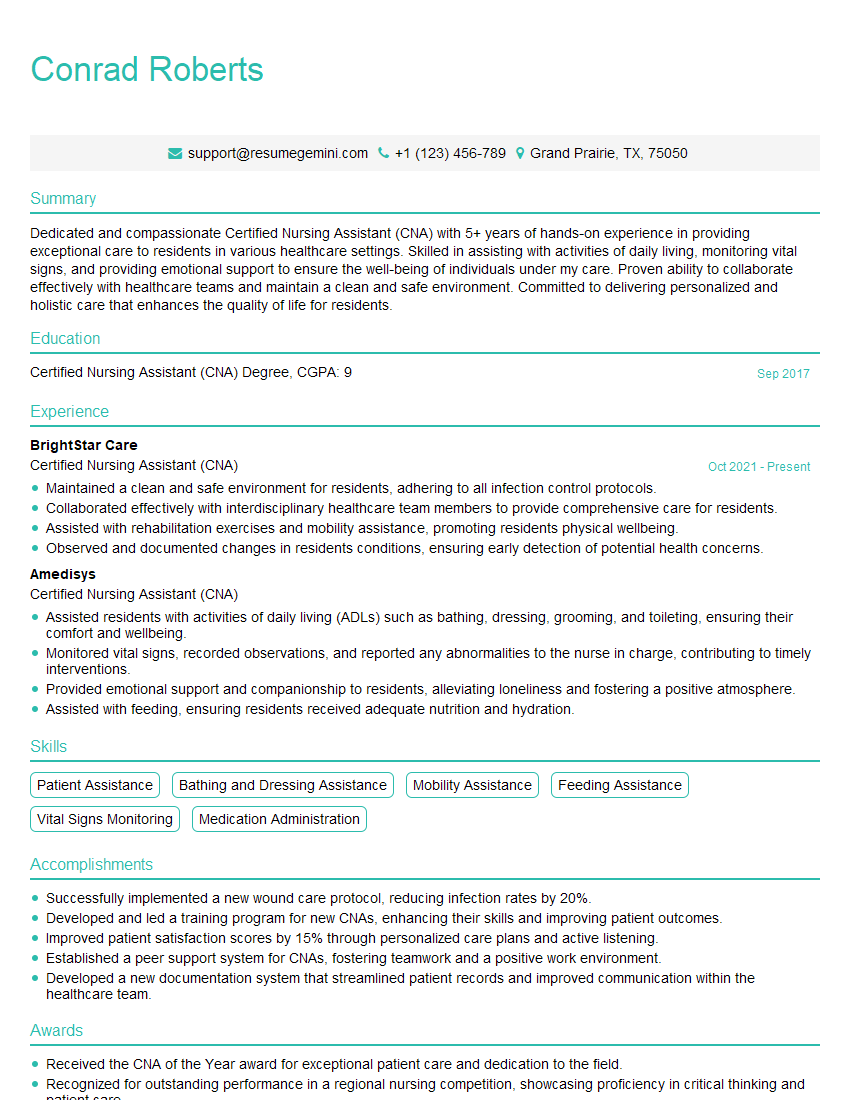
Certified Nursing Assistant (CNA) Resume Sample
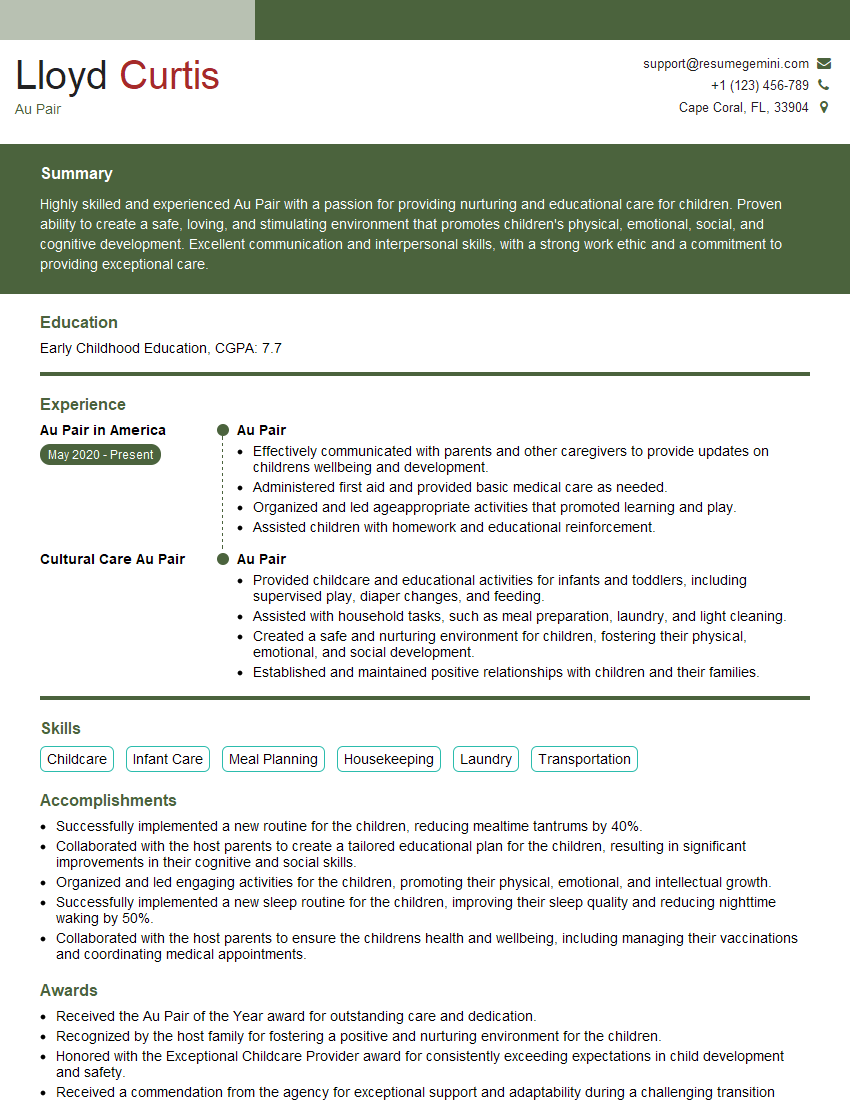
Au Pair Resume Sample
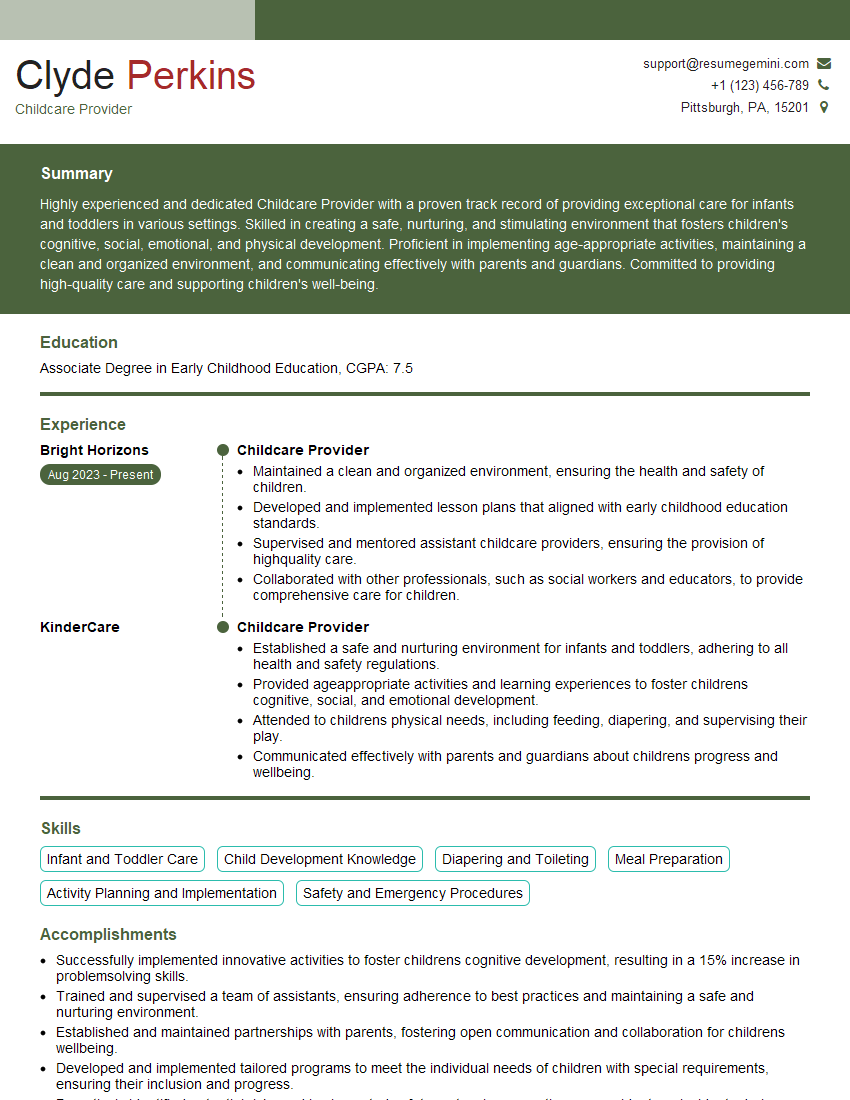
Childcare Provider Resume Sample

Nanny Resume Sample

Camp Counselor Resume Sample
Explore more articles
Users Rating of Our Blogs
Share Your Experience
We value your feedback! Please rate our content and share your thoughts (optional).
What Readers Say About Our Blog
Attention music lovers!
Wow, All the best Sax Summer music !!!
Spotify: https://open.spotify.com/artist/6ShcdIT7rPVVaFEpgZQbUk
Apple Music: https://music.apple.com/fr/artist/jimmy-sax-black/1530501936
YouTube: https://music.youtube.com/browse/VLOLAK5uy_noClmC7abM6YpZsnySxRqt3LoalPf88No
Other Platforms and Free Downloads : https://fanlink.tv/jimmysaxblack
on google : https://www.google.com/search?q=22+AND+22+AND+22
on ChatGPT : https://chat.openai.com?q=who20jlJimmy20Black20Sax20Producer
Get back into the groove with Jimmy sax Black
Best regards,
Jimmy sax Black
www.jimmysaxblack.com
Hi I am a troller at The aquatic interview center and I suddenly went so fast in Roblox and it was gone when I reset.
Hi,
Business owners spend hours every week worrying about their website—or avoiding it because it feels overwhelming.
We’d like to take that off your plate:
$69/month. Everything handled.
Our team will:
Design a custom website—or completely overhaul your current one
Take care of hosting as an option
Handle edits and improvements—up to 60 minutes of work included every month
No setup fees, no annual commitments. Just a site that makes a strong first impression.
Find out if it’s right for you:
https://websolutionsgenius.com/awardwinningwebsites
Hello,
we currently offer a complimentary backlink and URL indexing test for search engine optimization professionals.
You can get complimentary indexing credits to test how link discovery works in practice.
No credit card is required and there is no recurring fee.
You can find details here:
https://wikipedia-backlinks.com/indexing/
Regards
NICE RESPONSE TO Q & A
hi
The aim of this message is regarding an unclaimed deposit of a deceased nationale that bears the same name as you. You are not relate to him as there are millions of people answering the names across around the world. But i will use my position to influence the release of the deposit to you for our mutual benefit.
Respond for full details and how to claim the deposit. This is 100% risk free. Send hello to my email id: lukachachibaialuka@gmail.com
Luka Chachibaialuka
Hey interviewgemini.com, just wanted to follow up on my last email.
We just launched Call the Monster, an parenting app that lets you summon friendly ‘monsters’ kids actually listen to.
We’re also running a giveaway for everyone who downloads the app. Since it’s brand new, there aren’t many users yet, which means you’ve got a much better chance of winning some great prizes.
You can check it out here: https://bit.ly/callamonsterapp
Or follow us on Instagram: https://www.instagram.com/callamonsterapp
Thanks,
Ryan
CEO – Call the Monster App
Hey interviewgemini.com, I saw your website and love your approach.
I just want this to look like spam email, but want to share something important to you. We just launched Call the Monster, a parenting app that lets you summon friendly ‘monsters’ kids actually listen to.
Parents are loving it for calming chaos before bedtime. Thought you might want to try it: https://bit.ly/callamonsterapp or just follow our fun monster lore on Instagram: https://www.instagram.com/callamonsterapp
Thanks,
Ryan
CEO – Call A Monster APP
To the interviewgemini.com Owner.
Dear interviewgemini.com Webmaster!
Hi interviewgemini.com Webmaster!
Dear interviewgemini.com Webmaster!
excellent
Hello,
We found issues with your domain’s email setup that may be sending your messages to spam or blocking them completely. InboxShield Mini shows you how to fix it in minutes — no tech skills required.
Scan your domain now for details: https://inboxshield-mini.com/
— Adam @ InboxShield Mini
support@inboxshield-mini.com
Reply STOP to unsubscribe
Hi, are you owner of interviewgemini.com? What if I told you I could help you find extra time in your schedule, reconnect with leads you didn’t even realize you missed, and bring in more “I want to work with you” conversations, without increasing your ad spend or hiring a full-time employee?
All with a flexible, budget-friendly service that could easily pay for itself. Sounds good?
Would it be nice to jump on a quick 10-minute call so I can show you exactly how we make this work?
Best,
Hapei
Marketing Director
Hey, I know you’re the owner of interviewgemini.com. I’ll be quick.
Fundraising for your business is tough and time-consuming. We make it easier by guaranteeing two private investor meetings each month, for six months. No demos, no pitch events – just direct introductions to active investors matched to your startup.
If youR17;re raising, this could help you build real momentum. Want me to send more info?
Hi, I represent an SEO company that specialises in getting you AI citations and higher rankings on Google. I’d like to offer you a 100% free SEO audit for your website. Would you be interested?
Hi, I represent an SEO company that specialises in getting you AI citations and higher rankings on Google. I’d like to offer you a 100% free SEO audit for your website. Would you be interested?