Interviews are more than just a Q&A session—they’re a chance to prove your worth. This blog dives into essential Soil Preparation and Fertilization interview questions and expert tips to help you align your answers with what hiring managers are looking for. Start preparing to shine!
Questions Asked in Soil Preparation and Fertilization Interview
Q 1. Explain the importance of soil testing before fertilization.
Soil testing before fertilization is paramount because it provides a precise understanding of your soil’s composition. Think of it like getting a blood test before prescribing medication – you wouldn’t want to guess! A soil test reveals the levels of essential nutrients (nitrogen, phosphorus, potassium – often abbreviated as NPK), pH, and organic matter content. This information is crucial for tailoring a fertilization plan that is both effective and avoids unnecessary nutrient application, preventing environmental damage and saving you money.
For instance, if a soil test reveals high phosphorus levels, applying more phosphorus-based fertilizer would be wasteful and potentially harmful. Conversely, if potassium is deficient, the crop might show stunted growth and lower yields. The test guides you towards a targeted approach rather than a ‘one-size-fits-all’ strategy.
Q 2. Describe different soil types and their suitability for various crops.
Soils are classified into various types based on their texture, structure, and composition. These characteristics significantly impact their suitability for different crops. Sandy soils, for example, are well-drained but often lack water-holding capacity and nutrients. They’re suitable for crops with low water requirements like melons or certain vegetables. Clay soils, on the other hand, retain water and nutrients well but can become compacted, hindering root penetration. They are better suited for crops that tolerate waterlogging and benefit from high nutrient availability, like rice or some types of clay loving plants. Loamy soils, a blend of sand, silt, and clay, are considered ideal because they offer good drainage, water retention, and nutrient availability, making them suitable for a wide range of crops.
Beyond texture, soil pH significantly affects nutrient availability and crop growth. Acidic soils (low pH) might limit nutrient uptake, while alkaline soils (high pH) might cause deficiencies in certain nutrients. Understanding your soil type allows you to select crops that thrive in specific conditions and optimize your farming practices accordingly.
Q 3. What are the key factors to consider when selecting fertilizers?
Selecting the right fertilizer involves careful consideration of several factors. First, the soil test results are paramount – they dictate the nutrient deficiencies that need addressing. Second, the type of crop being grown dictates the nutrient requirements; different plants have different nutritional needs. For example, nitrogen is vital for leafy green vegetables, while phosphorus is crucial for root development and fruit production. Third, the fertilizer’s formulation (e.g., NPK ratio) needs to match the specific deficiencies identified in the soil test. A 10-10-10 fertilizer provides equal amounts of NPK, while a 20-10-5 fertilizer is higher in nitrogen.
Finally, consider the fertilizer’s form (solid, liquid, granular), application method (broadcast, banding), and cost-effectiveness. Choosing a fertilizer that is easily applied, compatible with your farming practices, and fits within your budget is just as important as its nutritional composition.
Q 4. How do you determine the appropriate amount of fertilizer to apply?
Determining the appropriate fertilizer amount relies heavily on the soil test recommendations. The test usually provides specific amounts of N, P, and K needed per unit area (e.g., kg/ha or lb/acre). These recommendations are based on the crop’s requirements and the soil’s existing nutrient levels. It’s crucial to follow these recommendations closely; over-fertilizing can lead to nutrient runoff, harming the environment, while under-fertilizing can result in poor crop yields.
For example, if the soil test suggests adding 50 kg/ha of nitrogen, you should adhere to this recommendation. You might need to calculate the amount needed based on your field’s size, using a fertilizer that contains the appropriate amount of nitrogen.
Always refer to the fertilizer’s label for accurate calculations. Remember that factors like soil type, rainfall, and crop variety can influence the actual nutrient uptake, so regular soil testing and monitoring of plant health are important.
Q 5. Explain the concept of nutrient management.
Nutrient management is a holistic approach to optimizing nutrient use in agriculture. It’s about supplying the right amount of the right nutrients at the right time and in the right place to maximize crop yields while minimizing environmental impacts. This involves integrating various practices: Soil testing to assess nutrient levels, selecting appropriate fertilizers based on crop needs and soil analysis, applying fertilizers efficiently (e.g., using precision agriculture techniques), monitoring crop health for nutrient deficiencies, and implementing soil conservation practices to prevent nutrient losses.
An effective nutrient management plan considers both the economic aspects (cost-effectiveness) and environmental aspects (reducing pollution from nutrient runoff). It’s about optimizing crop production sustainably and responsibly.
Q 6. Describe different methods of soil preparation, including tillage and no-till.
Soil preparation techniques aim to create an environment conducive to seed germination, root development, and plant growth. Tillage involves mechanical manipulation of the soil, typically using tools like plows, disks, or harrows. This can improve soil aeration and drainage, but it also has drawbacks. It can damage soil structure, increase erosion, and lead to higher fuel consumption and greenhouse gas emissions.
No-till farming, on the other hand, minimizes or eliminates tillage. Seeds are planted directly into the soil without prior plowing. This helps maintain soil structure, reduce erosion, improve water infiltration, and enhance biodiversity. While no-till can initially present challenges in weed management and nutrient management, these can be addressed with appropriate techniques such as cover cropping and mulch application.
The choice between tillage and no-till depends on factors like soil type, climate, crop type, and farmer’s resources. Many farmers adopt a combination of techniques – for example, minimal tillage where a reduced level of tillage is used.
Q 7. What are the benefits and drawbacks of organic and inorganic fertilizers?
Organic and inorganic fertilizers differ significantly in their composition and origin. Inorganic fertilizers are synthetically produced, containing specific ratios of NPK and other nutrients. They are readily available, easy to apply, and provide immediate nutrient release. However, they can contribute to water pollution through runoff, have environmental and health consequences, and may deplete soil organic matter over time.
Organic fertilizers, such as compost, manure, or biosolids, are derived from natural sources. They improve soil structure, water retention, and nutrient availability gradually. They provide a broader range of nutrients and enhance soil microbial activity, contributing to long-term soil health. However, they are often less concentrated in nutrients than inorganic fertilizers, requiring larger amounts to meet crop needs, and can be less precisely controlled in terms of nutrient supply, making organic fertilization more challenging.
The best choice depends on the farm’s specific goals and context. Some farmers use a blend of both organic and inorganic fertilizers, adopting an integrated nutrient management approach, creating a synergy that benefits both the soil and the plants.
Q 8. How do you address soil erosion and compaction issues?
Addressing soil erosion and compaction requires a multi-pronged approach focusing on prevention and remediation. Erosion, the loss of topsoil, is primarily tackled by techniques that minimize water runoff and wind exposure. Compaction, the reduction of pore space in the soil, hinders root growth and water infiltration. Let’s look at both:
Erosion Control:
- Cover Cropping: Planting crops like rye or clover between cash crops protects the soil from the elements. Think of it as a natural mulch, holding the soil in place.
- Contour Farming: Plowing and planting along the contours of the land slows down water flow, reducing its erosive power. Imagine drawing lines along the slopes of a hill – that’s contour farming.
- Terracing: Creating level platforms on slopes dramatically reduces the gradient of the land, minimizing erosion. It’s like creating a series of small, flat fields on a hillside.
- Windbreaks: Planting trees or shrubs in rows perpendicular to prevailing winds reduces wind speed and protects soil from wind erosion. These act like natural barriers.
Compaction Remediation:
- No-Till Farming: Avoiding plowing significantly reduces compaction. Leaving crop residue on the soil surface also improves soil structure and reduces compaction. Think of it like providing a protective layer.
- Subsoiling: Deep tillage with specialized equipment breaks up compacted layers below the surface, allowing for better root penetration and water infiltration. It’s like giving the soil a deep massage.
- Cover Cropping (again!): Cover crops help improve soil structure by adding organic matter, which improves soil aggregation and reduces compaction. Their roots physically break up compacted layers.
- Adding Organic Matter: Incorporating compost, manure, or other organic materials improves soil structure, reduces compaction, and increases water retention. This is like adding air and fluffiness to a dense cake.
The best approach often involves a combination of these methods, tailored to the specific soil type, climate, and cropping system. Regular soil testing helps monitor the effectiveness of these practices.
Q 9. What are the common soil-borne diseases and how to manage them?
Soil-borne diseases are a significant challenge for agriculture, affecting crop yield and quality. These diseases are caused by various pathogens, including fungi, bacteria, nematodes, and viruses, that reside in the soil. Management strategies focus on prevention and control:
- Crop Rotation: Rotating crops disrupts the life cycle of many soilborne pathogens, reducing their populations. For example, alternating between a legume and a non-legume crop can break disease cycles.
- Soil Solarization: Covering soil with clear plastic during the hottest part of the year heats the soil, killing many soilborne pathogens. This is like baking the soil to kill off harmful organisms.
- Biological Control: Introducing beneficial microorganisms that compete with or antagonize pathogens can reduce disease incidence. Think of this as introducing ‘good’ bacteria to fight the ‘bad’ bacteria.
- Chemical Control: Soil fumigation, using chemicals to sterilize the soil, is a last resort due to environmental concerns. This is like using strong chemicals to eliminate the pests but it needs careful use to prevent harm to the environment.
- Resistant Cultivars: Planting crop varieties resistant to specific soilborne diseases minimizes disease losses. This is a similar approach to using pest resistant plants.
- Sanitation: Removing crop residues and weeds from the field helps prevent the buildup of pathogens. This is about maintaining a clean and disease-free environment.
Specific disease management depends on the identified pathogen. A proper diagnosis is crucial, often requiring laboratory testing. Integrated Pest Management (IPM) approaches combining several of these strategies are generally preferred over relying on single methods.
Q 10. Explain the role of soil microorganisms in nutrient cycling.
Soil microorganisms play a vital role in nutrient cycling, essentially acting as the recycling system of the soil. They break down organic matter, releasing essential nutrients for plant uptake. This is a complex process involving many different types of organisms:
- Decomposition: Bacteria and fungi are the primary decomposers, breaking down organic matter (dead plants, animals, and microbes) into simpler compounds.
- Mineralization: Microbes convert organic forms of nutrients (like nitrogen in proteins) into inorganic forms (like ammonium and nitrate) that plants can readily absorb. Think of it as converting food into nutrients plants can use.
- Nitrogen Fixation: Some bacteria, especially those associated with legume roots (e.g., Rhizobium), convert atmospheric nitrogen gas into usable ammonia. This is a crucial process because atmospheric nitrogen is unusable by plants.
- Nutrient Immobilization: Microbes also temporarily ‘lock up’ nutrients in their own biomass, making these nutrients unavailable to plants until the microbes die and decompose. This is a natural storage system.
- Symbiotic Relationships: Many microbes form beneficial relationships with plants, improving nutrient uptake and overall plant health. Mycorrhizae, a type of fungi, is a prime example of this beneficial relationship, which expands root systems.
A healthy soil ecosystem with diverse microbial populations is essential for efficient nutrient cycling and sustainable agriculture. Practices that promote soil health, such as adding organic matter and avoiding harmful chemicals, encourage this microbial activity.
Q 11. Describe the process of soil amendment application.
Soil amendment application involves adding materials to the soil to improve its physical, chemical, and biological properties. The process varies depending on the amendment and the desired outcome. Here’s a breakdown:
- Selecting the Amendment: Choosing the right amendment depends on the soil’s specific needs, identified through soil testing. Common amendments include compost, manure, biochar, gypsum, and lime.
- Preparation: Amendments are often pre-treated before application. Compost may need to be screened to remove large debris, while manure might be composted to reduce odor and pathogen load.
- Application Method: Methods vary, including spreading with a spreader, incorporating with tillage equipment, or injecting amendments into the soil. The choice depends on the amendment type, soil conditions, and equipment availability.
- Incorporation: Most amendments benefit from incorporation into the soil, whether by tillage or by allowing the amendment to decompose naturally. Incorporation ensures the amendment is evenly distributed and readily available to plants and microbes.
- Timing: The timing of application is crucial. Some amendments are best applied before planting, while others may be incorporated into the soil later during the growing season.
- Rate: Applying the appropriate amount of amendment is essential. Over-application can be harmful, while under-application may not produce the desired results. Soil testing data guides the application rate.
Proper amendment application requires planning and expertise to maximize benefits and avoid negative impacts. It’s like preparing a perfect recipe: The right ingredients, in the right amounts, at the right time, result in a successful outcome.
Q 12. How do you interpret soil test results?
Interpreting soil test results is crucial for making informed decisions about soil management. A typical soil test report provides information on several key parameters:
- pH: Indicates the soil’s acidity or alkalinity. Optimal pH ranges vary depending on the crop.
pH < 7is acidic,pH = 7is neutral,pH > 7is alkaline. - Nutrient Levels: Shows the concentrations of essential plant nutrients like nitrogen (N), phosphorus (P), and potassium (K). Low levels indicate a need for fertilization.
- Organic Matter Content: Indicates the amount of organic matter present in the soil. High organic matter improves soil structure, water retention, and nutrient availability.
- Texture: Describes the proportion of sand, silt, and clay particles in the soil, influencing its drainage and water-holding capacity.
- Cation Exchange Capacity (CEC): Indicates the soil's ability to hold and release nutrients. Higher CEC generally means better nutrient retention.
The interpretation involves comparing the obtained values with optimal ranges for the intended crop. This information, along with factors like crop needs and budget constraints, guides fertilizer recommendations and other soil management strategies. For instance, low phosphorus might suggest the need for phosphorus-rich fertilizers.
Q 13. What are the environmental impacts of fertilizer overuse?
Overuse of fertilizers has significant environmental consequences:
- Water Pollution: Excess fertilizer runoff contaminates surface and groundwater, causing eutrophication (algal blooms) in lakes and rivers. These blooms deplete oxygen, harming aquatic life. Think of it as suffocating the water.
- Air Pollution: Certain fertilizers release nitrous oxide (N2O), a potent greenhouse gas contributing to climate change. It's like adding to the blanket trapping heat around the Earth.
- Soil Degradation: Excessive fertilizer use can disrupt soil microbial communities, decrease organic matter, and acidify the soil. This can lead to soil erosion and reduced fertility.
- Human Health Impacts: Nitrate contamination in drinking water poses health risks, particularly to infants. High nitrate levels can lead to serious health problems.
- Biodiversity Loss: Changes in soil chemistry and water quality due to fertilizer overuse can negatively impact plant and animal biodiversity.
Sustainable fertilization practices focus on applying the right amount of nutrients at the right time and place, minimizing environmental impacts. Precision agriculture techniques, such as variable rate fertilization, help optimize nutrient use and reduce waste.
Q 14. Explain the principles of sustainable soil management.
Sustainable soil management prioritizes maintaining and enhancing soil health for long-term productivity and environmental protection. Key principles include:
- Minimizing Soil Disturbance: No-till farming, reduced tillage, and cover cropping reduce soil erosion and compaction, protecting soil structure and biodiversity.
- Diversifying Cropping Systems: Crop rotation, intercropping, and agroforestry improve soil health, reduce pest and disease pressure, and enhance nutrient cycling.
- Optimizing Nutrient Management: Using precision agriculture techniques to apply fertilizers efficiently, along with incorporating organic amendments like compost and manure.
- Improving Water Management: Employing techniques such as water harvesting, irrigation scheduling, and drought-resistant crops to reduce water waste and protect soil from erosion.
- Promoting Soil Biodiversity: Practices that maintain diverse microbial communities in the soil are essential for nutrient cycling, disease suppression, and soil health.
- Monitoring and Adapting: Regular soil testing and monitoring soil conditions are critical for adapting management practices to the specific needs of the soil and the cropping system.
Sustainable soil management is not just about maximizing yields; it is about maintaining a healthy and productive soil ecosystem for future generations. It requires careful planning and adaptation to specific soil and climate conditions and a long-term perspective.
Q 15. Describe various irrigation techniques and their suitability.
Irrigation is the artificial application of water to the soil to assist in the growth of agricultural crops, landscaping, and other plants. Choosing the right technique depends heavily on factors like water availability, soil type, crop needs, and topography.
- Flood Irrigation: Water is flooded across the entire field. Simple and inexpensive but inefficient, leading to high water waste and potential runoff. Best suited for flat, level land with low water costs.
- Furrow Irrigation: Water flows in furrows or channels between crop rows. More efficient than flooding, but still susceptible to runoff and evaporation. Suitable for various crops and slopes, especially those with deep root systems.
- Drip Irrigation (Micro-irrigation): Water is applied directly to the plant roots through a network of tubes and emitters. Highly efficient, minimizing water waste and evaporation. Ideal for all types of soil and slopes and particularly good for water-scarce regions and high-value crops.
- Sprinkler Irrigation: Water is sprayed over the field through sprinklers. Offers more flexibility than furrow or flood irrigation, suitable for various terrains, but can suffer from water loss due to evaporation and wind drift. Often used for larger areas and crops with less precise water needs.
- Center Pivot Irrigation: A mechanical system with sprinklers mounted on a rotating boom, irrigating a circular area. Efficient for large, flat fields, but requires significant initial investment.
For instance, drip irrigation might be perfect for a high-value vineyard in a dry climate, while furrow irrigation might be suitable for a large-scale rice paddy.
Career Expert Tips:
- Ace those interviews! Prepare effectively by reviewing the Top 50 Most Common Interview Questions on ResumeGemini.
- Navigate your job search with confidence! Explore a wide range of Career Tips on ResumeGemini. Learn about common challenges and recommendations to overcome them.
- Craft the perfect resume! Master the Art of Resume Writing with ResumeGemini's guide. Showcase your unique qualifications and achievements effectively.
- Don't miss out on holiday savings! Build your dream resume with ResumeGemini's ATS optimized templates.
Q 16. How do you manage salinity and alkalinity in soil?
Salinity and alkalinity are major soil constraints that hinder plant growth. Salinity refers to high salt concentrations, while alkalinity relates to high pH levels, often associated with the presence of sodium. Managing them involves a multi-pronged approach.
- Improved Drainage: Installing subsurface drains can help leach excess salts from the soil profile. This is crucial in areas with poor drainage.
- Amendment Application: Gypsum (calcium sulfate) is commonly used to improve soil structure and displace sodium ions, reducing alkalinity. Organic matter additions can enhance soil structure and water infiltration, indirectly aiding in salt leaching.
- Water Management: Using efficient irrigation techniques like drip irrigation minimizes waterlogging, a key factor contributing to salinity buildup. Careful water management also helps control the amount of salt that accumulates in the soil.
- Crop Selection: Choosing salt-tolerant or alkali-tolerant varieties is essential. These plants have developed mechanisms to cope with stressful conditions, leading to better yields.
- Regular Soil Testing: Monitoring soil salinity and pH levels is vital to assess the effectiveness of management practices. Frequent testing allows for timely adjustments to the management plan.
For example, in a saline-affected area, planting salt-tolerant crops like barley along with the use of gypsum and improved drainage can significantly improve crop yields.
Q 17. What are the best practices for managing soil pH?
Soil pH refers to its acidity or alkalinity and significantly influences nutrient availability and microbial activity. Optimal pH typically ranges from 6.0 to 7.0 for most crops, though this varies depending on the specific plant.
- Soil Testing: The first and most important step is determining the current pH through a soil test. This provides a baseline for corrective measures.
- Liming (for acidic soils): Applying agricultural lime (calcium carbonate) raises the pH. The amount needed depends on the current pH and soil type. Lime is usually applied to the soil surface and then incorporated into the top few inches.
- Acidification (for alkaline soils): Elemental sulfur or acidifying fertilizers like ammonium sulfate can lower the pH. These materials react with the soil over time to decrease alkalinity.
- Organic Matter Amendment: Adding organic matter, such as compost or manure, can improve soil buffering capacity and gradually adjust pH over time. It also enhances soil health and structure.
- Crop Rotation: Certain crops can have a positive impact on soil pH. For instance, leguminous crops can improve soil structure and indirectly influence pH balance.
Imagine a gardener facing a problem with hydrangeas, which prefer acidic soil. By carefully testing the soil and adding elemental sulfur, they can adjust the pH to the preferred level and cultivate vibrant blooms.
Q 18. Explain the concept of nutrient deficiency and its symptoms in plants.
Nutrient deficiency arises when plants lack essential nutrients required for healthy growth and development. This lack leads to various visual symptoms and reduced yields.
- Nitrogen (N): Deficiency causes stunted growth, pale green or yellowing leaves (chlorosis), particularly older leaves first. Plants may appear weak and spindly.
- Phosphorus (P): Symptoms include stunted growth, dark green or purplish leaves, and delayed maturity. Roots may be poorly developed.
- Potassium (K): Deficiency shows up as yellowing or browning of leaf margins and tips, often starting with older leaves. Plants become susceptible to diseases and may have weak stems.
- Other Micronutrients: Deficiencies in micronutrients like iron, zinc, manganese, and boron lead to chlorosis, necrosis (tissue death), and other specific symptoms depending on the deficient nutrient and plant species.
For example, a corn plant showing interveinal chlorosis (yellowing between leaf veins) could be suffering from a nitrogen or magnesium deficiency. A leaf tissue analysis can then confirm the specific deficiency and inform appropriate fertilization strategies.
Q 19. How do you monitor the effectiveness of fertilizer applications?
Monitoring fertilizer effectiveness involves a combination of techniques to gauge nutrient uptake and plant response.
- Visual Assessment: Regularly examine the plants for signs of healthy growth, including color, size, and overall vigor. Compare them to a control group with no fertilizer to spot differences.
- Tissue Analysis: Sampling plant leaves at specific growth stages and testing them for nutrient content directly measures nutrient uptake and highlights deficiencies. This provides a quantitative assessment of the fertilizer's impact.
- Soil Testing: After fertilization, periodic soil testing helps evaluate residual nutrient levels, improving the efficacy of future applications and avoiding over-fertilization.
- Yield Monitoring: Ultimately, the success of fertilizer application is measured by crop yields. Comparing yields from treated and untreated areas provides a conclusive assessment of effectiveness.
- Growth Monitoring: Regular measurements of plant height, stem diameter, and other growth parameters provide valuable data on the fertilizer's impact on plant growth.
Imagine a farmer applying nitrogen fertilizer to wheat. By analyzing leaf samples, they can determine if the wheat plants are efficiently absorbing the nitrogen. Simultaneously, yield monitoring at harvest reveals the fertilizer’s effect on grain production.
Q 20. What are the different types of soil sampling techniques?
Soil sampling techniques are vital for obtaining representative samples to accurately assess soil properties. The method depends on the objective and the area's size and variability.
- Grid Sampling: A systematic approach where samples are collected at regular intervals across the field. Provides a comprehensive overview of soil variability across the entire area. Suitable for larger fields and detailed analysis.
- Composite Sampling: Multiple samples are collected from a specific area and mixed to form a single composite sample. More cost-effective than grid sampling, but reduces the detail regarding spatial variability. Suitable for areas with relatively uniform soil characteristics.
- Zone Sampling: Sampling based on visually distinct areas within a field, considering factors like topography, soil type, or cropping history. Useful for fields with visible variations in soil characteristics. Helps identify management zones for site-specific nutrient management.
- Random Sampling: Samples are collected randomly across the area. Used in situations with limited prior knowledge about soil variability. Provides a general overview, but it is less precise than other techniques.
For example, a large farm might use grid sampling to analyze nutrient levels across its field. A home gardener, needing a general overview of soil health, might use composite sampling.
Q 21. Describe the role of cover crops in improving soil health.
Cover crops are plants intentionally grown to improve soil health and protect it from erosion. They are not harvested for direct economic benefit but offer numerous advantages.
- Erosion Control: Cover crops protect soil from wind and water erosion by establishing a vegetative cover. Their roots hold the soil together, reducing runoff and sediment loss.
- Nutrient Cycling: They extract nutrients from deeper soil layers and transfer them to the surface when they decompose, improving nutrient availability for subsequent crops. Some cover crops fix nitrogen from the atmosphere, adding it to the soil.
- Improved Soil Structure: Cover crop roots help improve soil structure by creating channels, increasing water infiltration, and reducing compaction. The decomposition of their biomass increases soil organic matter content.
- Weed Suppression: Cover crops can effectively suppress weeds by competing for resources like water, sunlight, and nutrients. This can reduce the need for herbicides.
- Pest and Disease Management: Certain cover crops can help control pests and diseases by disrupting pest life cycles or promoting beneficial soil organisms.
For instance, planting rye as a winter cover crop can prevent erosion, add organic matter, and improve soil structure before planting a cash crop in the spring. Leguminous cover crops like clover fix nitrogen and reduce the need for nitrogen fertilizers in subsequent crops.
Q 22. How do you prevent nutrient runoff and leaching?
Preventing nutrient runoff and leaching is crucial for environmental protection and efficient fertilizer use. Runoff occurs when excess water, carrying dissolved nutrients, flows across the soil surface into waterways, polluting them. Leaching is the downward movement of nutrients beyond the root zone, making them unavailable to plants. We can minimize both through a multi-pronged approach:
- Conservation tillage: Minimizing soil disturbance reduces erosion, keeping nutrients in place. Think no-till farming or reduced tillage practices.
- Cover cropping: Planting cover crops between cash crops prevents soil erosion, absorbs excess nutrients, and improves soil structure.
- Crop rotation: Rotating different crops helps balance nutrient uptake and reduces the risk of nutrient depletion in the soil.
- Buffer strips: Planting vegetation along waterways acts as a filter, trapping sediment and nutrients before they reach water bodies.
- Nutrient management planning: Soil testing to determine nutrient needs and applying fertilizer according to the test results prevents over-fertilization, a major cause of runoff and leaching. This is crucial for precision agriculture.
- Controlled-release fertilizers: These fertilizers release nutrients gradually, reducing the risk of nutrient loss through runoff or leaching. Think of it as a time-release capsule for nutrients.
For example, a farmer in a hilly region prone to runoff might implement contour farming (planting along the contour lines of the slope) in addition to cover cropping to effectively prevent nutrient loss. Proper drainage systems can also help divert excess water away from fields.
Q 23. Explain the importance of water retention in soil.
Water retention in soil is paramount for plant growth. Soil acts as a reservoir, storing water that plants can access through their roots. Good water retention ensures that plants have a consistent supply of water, even during periods of drought. This leads to improved crop yields and healthier plants. Several factors influence water retention:
- Soil texture: Soils with higher clay content generally retain more water than sandy soils. Clay particles are smaller and have a greater surface area, allowing for more water adsorption.
- Soil organic matter: Organic matter acts like a sponge, absorbing and holding water. Healthy soil rich in organic matter exhibits better water retention.
- Soil structure: A well-structured soil with good aggregation (formation of soil clumps) creates pore spaces that hold water. Compacted soils have poor water retention.
Imagine a sponge: a new, fluffy sponge absorbs and holds more water than an old, compressed one. Similarly, a well-structured soil with ample organic matter acts as a highly efficient water reservoir for plant use. Poor water retention leads to water stress in plants, resulting in stunted growth and reduced yields.
Q 24. Describe the process of composting and its benefits for soil health.
Composting is a natural process of decomposing organic matter, such as leaves, food scraps, and yard waste, into a nutrient-rich humus. This humus improves soil health significantly.
The Process: Composting involves creating a moist environment with a mix of 'brown' materials (carbon-rich, like dried leaves) and 'green' materials (nitrogen-rich, like grass clippings). Microorganisms break down the organic matter through aerobic (oxygen-rich) decomposition. Turning the compost pile regularly ensures adequate aeration and speeds up the process.
Benefits for Soil Health:
- Improved soil structure: Compost improves soil aggregation, creating better aeration and water infiltration.
- Increased water retention: Compost increases the soil's water-holding capacity.
- Enhanced nutrient availability: Compost provides essential macronutrients (nitrogen, phosphorus, potassium) and micronutrients to plants.
- Suppressed soilborne diseases: Compost can help suppress plant diseases and harmful pests.
- Reduced need for chemical fertilizers: Compost reduces the dependence on synthetic fertilizers, promoting sustainable agriculture.
For instance, a community garden might collect green waste from local households and create a shared composting system, reducing landfill waste and producing valuable soil amendment for their crops.
Q 25. What are the challenges of precision agriculture related to fertilization?
Precision agriculture aims to optimize resource use, including fertilization, through technology. However, challenges remain:
- High initial investment costs: Precision agriculture technologies, such as GPS-guided machinery, sensors, and data management systems, require substantial upfront investments.
- Data management and analysis: Handling and interpreting the large datasets generated by precision agriculture requires specialized skills and software. Analyzing soil samples and sensor data to optimize fertilizer application is complex.
- Variable soil conditions: Even within a small field, soil properties can vary significantly, making it challenging to apply fertilizer uniformly and precisely.
- Sensor accuracy and reliability: The accuracy of sensors used to monitor soil conditions and plant health can affect the effectiveness of precision fertilization.
- Integration with existing farming practices: Integrating precision agriculture technologies into existing farm operations can be challenging, requiring changes in management practices and workflow.
For example, a farmer using variable rate fertilization might encounter inconsistencies in sensor readings due to variations in soil moisture or sensor calibration, leading to suboptimal fertilizer application.
Q 26. How do you handle unexpected problems during soil preparation?
Unexpected problems during soil preparation are inevitable. A systematic approach is crucial:
- Assess the problem: Carefully examine the issue. Is it compacted soil, unexpected rocks, excessive weed growth, or something else?
- Gather information: Collect relevant data. This could involve soil testing, consulting with local agricultural experts, or reviewing historical data on the field.
- Develop a solution: Based on the assessment and gathered information, develop a targeted solution. This may involve using different tillage equipment, adjusting planting methods, applying specific soil amendments, or employing integrated pest management strategies.
- Implement the solution: Carefully implement the chosen solution, paying attention to detail and safety precautions.
- Monitor the results: Closely monitor the effects of the implemented solution. This allows for adjustments or further interventions if needed.
For example, if encountering unexpectedly high levels of rocks during plowing, the solution might involve adjusting the plowing depth or using a rock picker to remove the rocks before proceeding with further preparation.
Q 27. Explain the difference between macronutrients and micronutrients.
Macronutrients and micronutrients are both essential plant nutrients, but they differ in the quantities needed by plants:
- Macronutrients: These are required in relatively large amounts by plants. They are nitrogen (N), phosphorus (P), and potassium (K), often referred to as NPK. They are crucial for various plant processes such as growth, photosynthesis, and reproduction.
- Micronutrients: These are needed in smaller quantities but are equally important for plant health. They include iron (Fe), manganese (Mn), zinc (Zn), copper (Cu), boron (B), molybdenum (Mo), and chlorine (Cl). These nutrients play vital roles in enzyme activity and various metabolic processes.
Think of it like building a house: macronutrients are the bricks and lumber—the major structural components. Micronutrients are like the nails, screws, and electrical wiring—essential for functionality, although needed in smaller amounts. A deficiency in either macronutrients or micronutrients can severely impact plant growth and yield.
Q 28. What are the safety precautions associated with handling fertilizers?
Handling fertilizers requires strict adherence to safety precautions:
- Read and follow label instructions: Always carefully read and follow the instructions on fertilizer labels. This includes application rates, safety precautions, and storage guidelines.
- Wear appropriate personal protective equipment (PPE): Use gloves, eye protection, and a dust mask when handling fertilizers, especially dry granular fertilizers, to prevent skin and eye irritation or respiratory problems.
- Proper storage: Store fertilizers in a dry, well-ventilated area, away from children and pets. Keep them in their original containers and clearly labeled.
- Avoid spills and contamination: Be careful to prevent spills and contamination of water sources. Clean up spills immediately with appropriate measures, as outlined in the product's safety data sheet (SDS).
- First aid awareness: Be aware of first aid procedures in case of accidental exposure. Know the symptoms of fertilizer poisoning and have appropriate first-aid kits readily available.
- Disposal: Dispose of empty fertilizer containers properly according to local regulations. Never reuse containers for food or other purposes.
For example, when applying liquid fertilizers, always wear protective eyewear to prevent accidental splashes into the eyes. Storing fertilizers in a locked shed prevents accidental ingestion by children or pets.
Key Topics to Learn for Soil Preparation and Fertilization Interview
- Soil Testing and Analysis: Understanding soil composition, pH levels, nutrient deficiencies, and selecting appropriate tests for accurate assessment.
- Soil Structure Improvement: Practical application of techniques like tillage, cover cropping, and the use of organic matter to enhance soil structure and water retention.
- Nutrient Management: Choosing the right fertilizers (organic and inorganic) based on soil test results and crop requirements, including calculations for application rates.
- Fertilizer Application Methods: Understanding various application techniques (broadcasting, banding, fertigation) and their impact on nutrient uptake and environmental impact.
- Irrigation and Water Management: The role of irrigation in nutrient delivery and its impact on soil health, including efficient irrigation techniques and water conservation strategies.
- Sustainable Soil Management Practices: Implementing environmentally friendly techniques like no-till farming, crop rotation, and integrated pest management to promote long-term soil health.
- Troubleshooting Soil and Fertilizer Issues: Diagnosing problems like nutrient deficiencies, soil compaction, and salinity, and proposing effective solutions.
- Understanding Soil Biology: The role of microorganisms in nutrient cycling and soil health, and the impact of soil management practices on microbial communities.
- Economic Considerations: Evaluating the cost-effectiveness of different soil preparation and fertilization strategies.
Next Steps
Mastering Soil Preparation and Fertilization is crucial for a successful career in agriculture, horticulture, and environmental science. A strong understanding of these principles demonstrates your commitment to sustainable practices and efficient resource management, making you a highly valuable asset to any employer. To maximize your job prospects, create an ATS-friendly resume that highlights your skills and experience effectively. ResumeGemini is a trusted resource that can help you build a professional resume tailored to the specific requirements of the jobs you are targeting. Examples of resumes tailored to Soil Preparation and Fertilization are available through ResumeGemini, allowing you to showcase your qualifications in the best possible light. Invest time in building a compelling resume – it's your first impression!
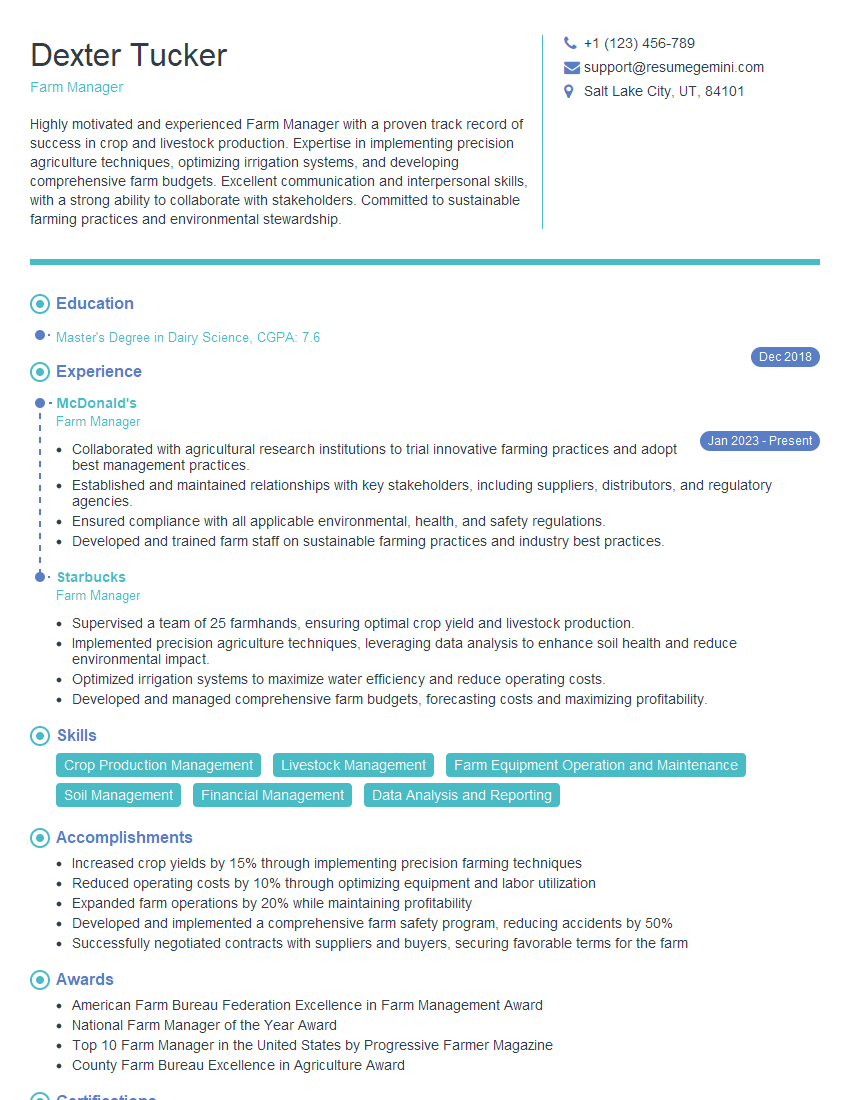
Farm Manager Resume Sample
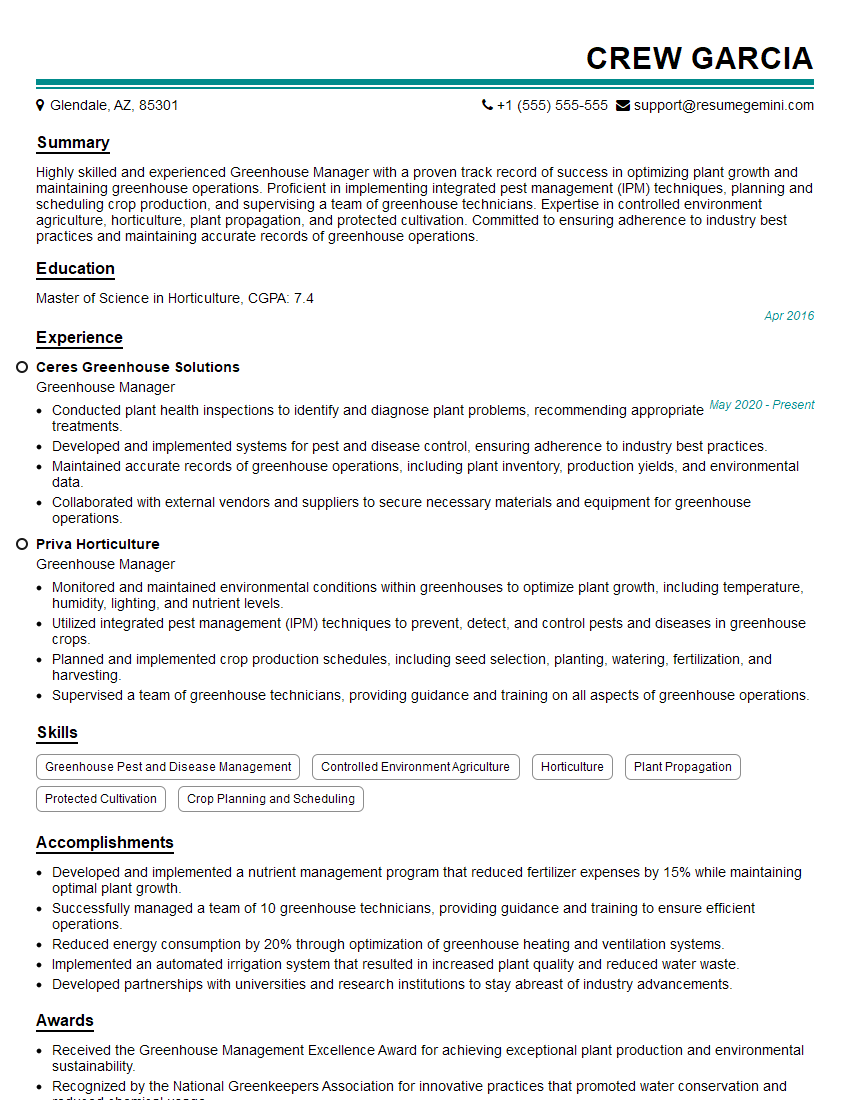
Greenhouse Manager Resume Sample
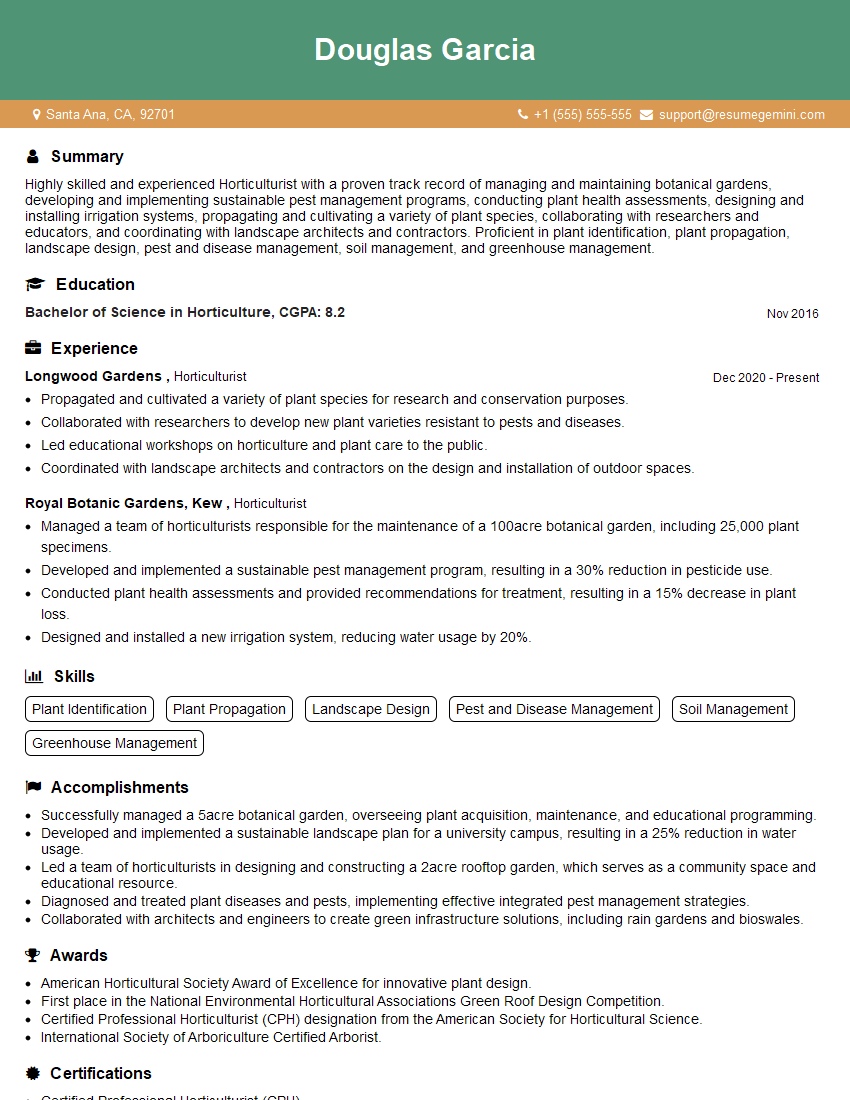
Horticulturist Resume Sample

Nursery Manager Resume Sample

Landscape Architect Resume Sample
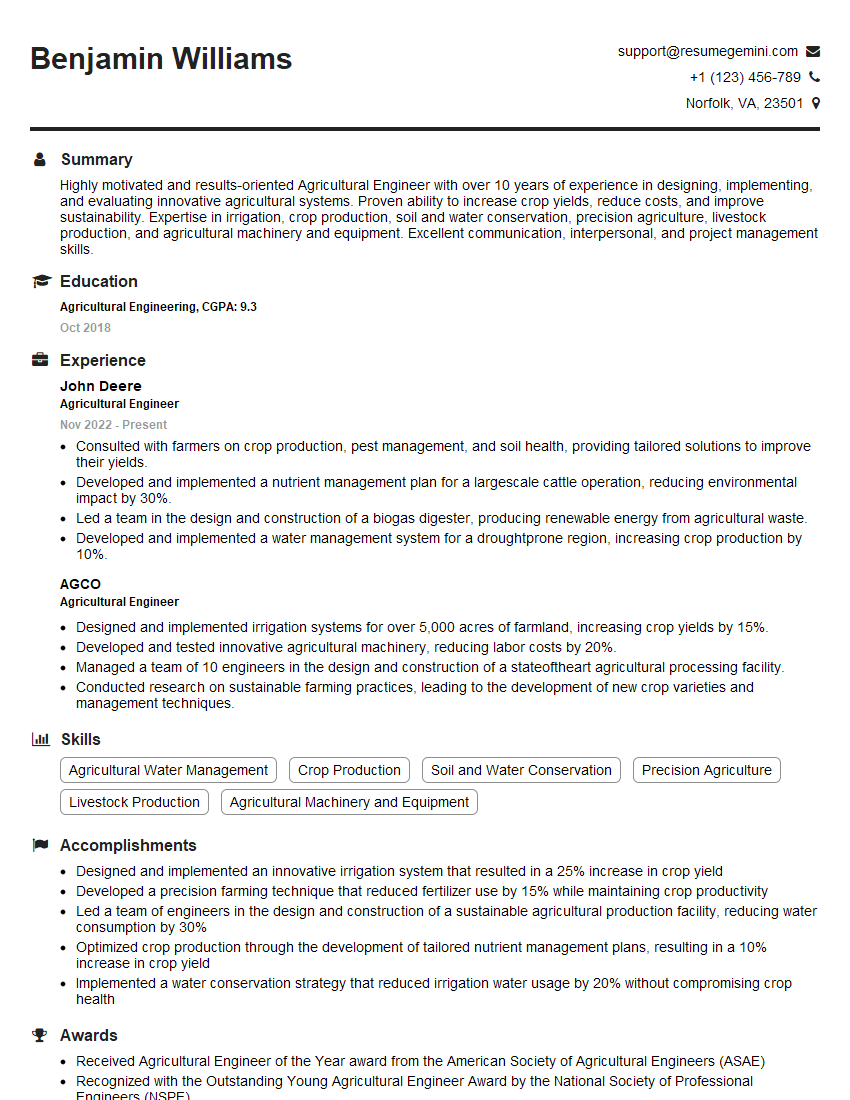
Agricultural Engineer Resume Sample

Environmental Consultant Resume Sample
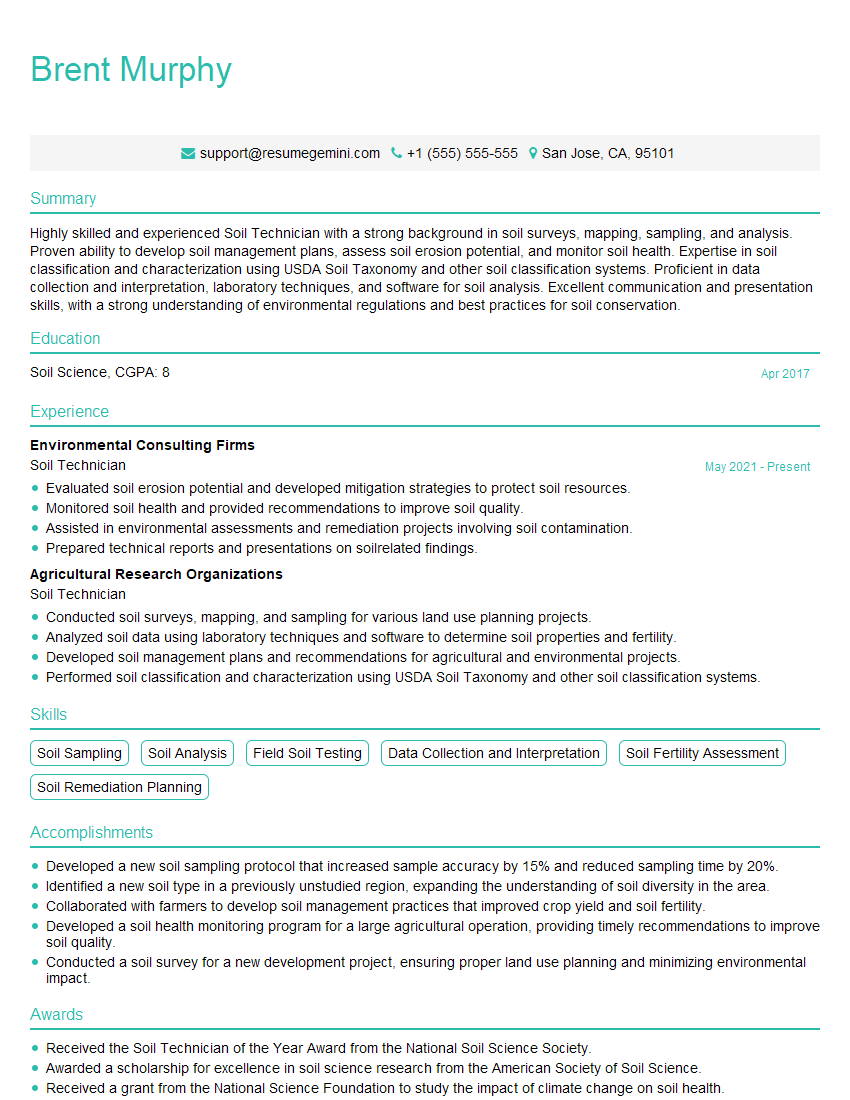
Soil Technician Resume Sample
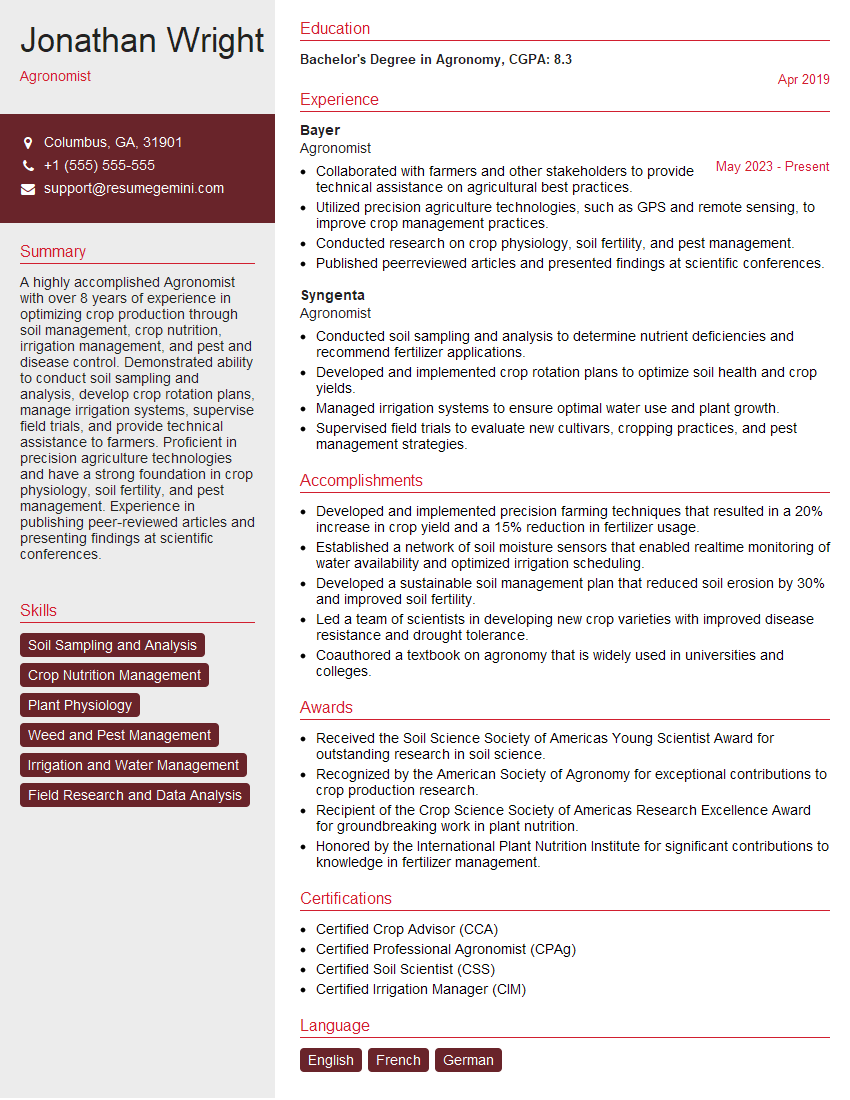
Agronomist Resume Sample

Soil Scientist Resume Sample

Soil Conservationist Resume Sample
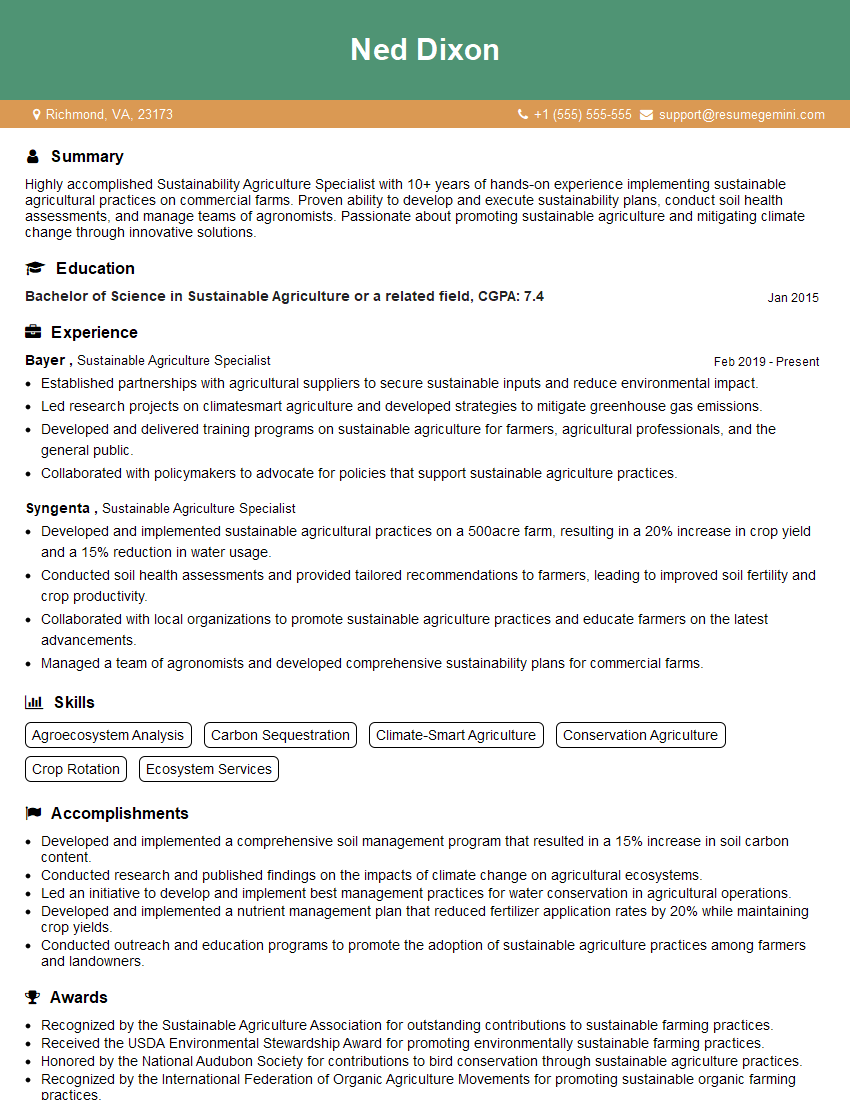
Sustainable Agriculture Specialist Resume Sample
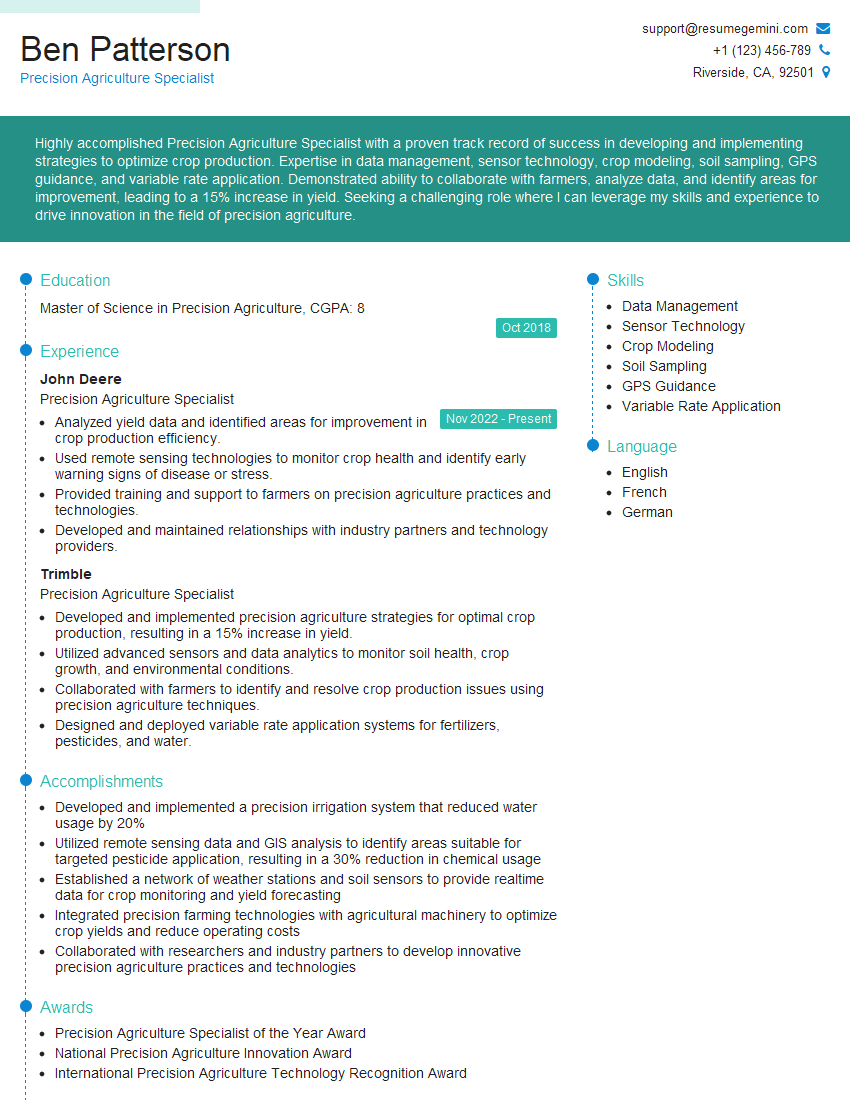
Precision Agriculture Specialist Resume Sample
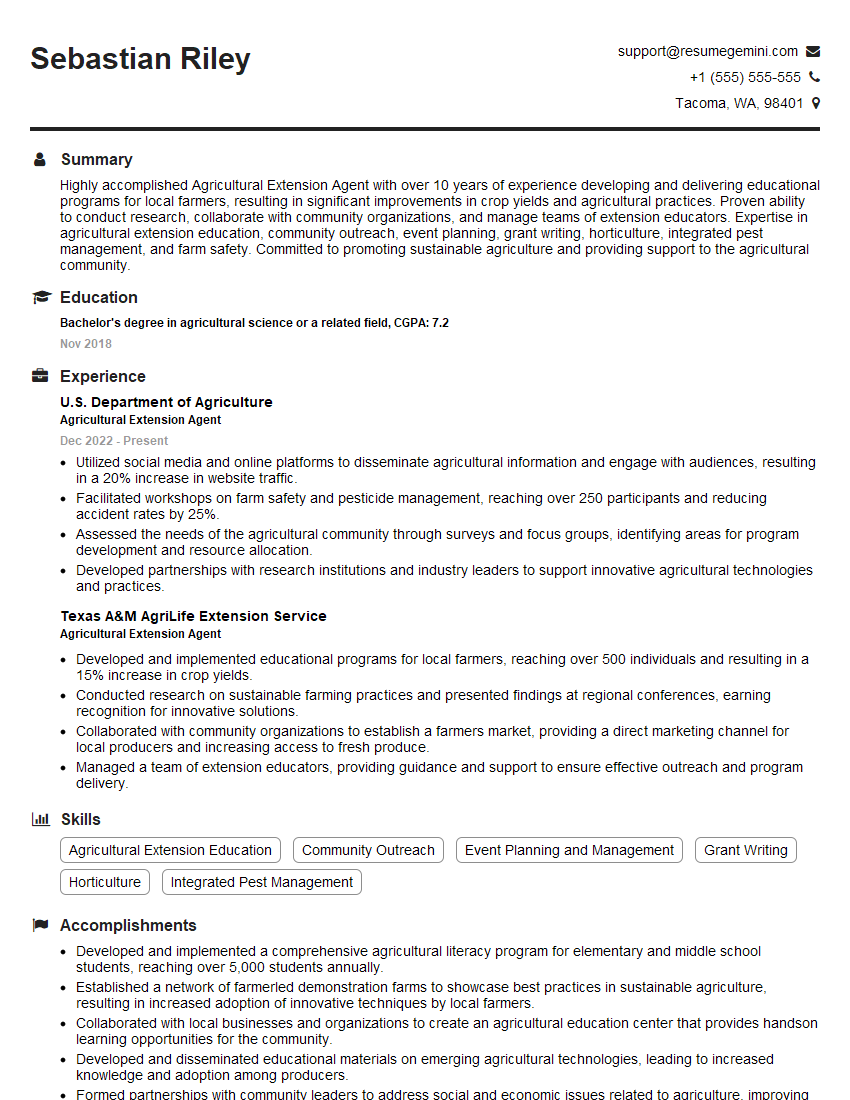
Agricultural Extension Agent Resume Sample
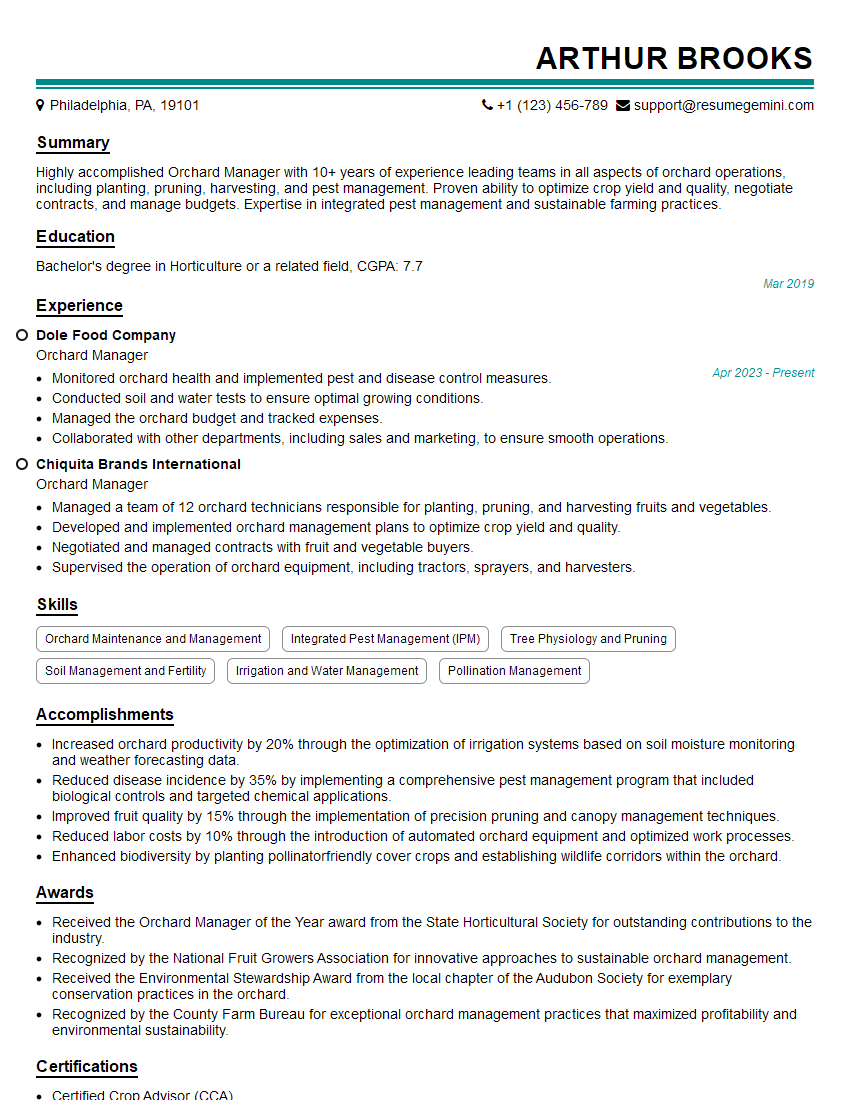
Orchard Manager Resume Sample
- Farm Manager
- Greenhouse Manager
- Horticulturist
- Nursery Manager
- Landscape Architect
- Agricultural Engineer
- Environmental Consultant
- Soil Technician
- Agronomist
- Soil Scientist
- Soil Conservationist
- Sustainable Agriculture Specialist
- Precision Agriculture Specialist
- Agricultural Extension Agent
- Orchard Manager
Explore more articles
Users Rating of Our Blogs
Share Your Experience
We value your feedback! Please rate our content and share your thoughts (optional).
What Readers Say About Our Blog
Attention music lovers!
Wow, All the best Sax Summer music !!!
Spotify: https://open.spotify.com/artist/6ShcdIT7rPVVaFEpgZQbUk
Apple Music: https://music.apple.com/fr/artist/jimmy-sax-black/1530501936
YouTube: https://music.youtube.com/browse/VLOLAK5uy_noClmC7abM6YpZsnySxRqt3LoalPf88No
Other Platforms and Free Downloads : https://fanlink.tv/jimmysaxblack
on google : https://www.google.com/search?q=22+AND+22+AND+22
on ChatGPT : https://chat.openai.com?q=who20jlJimmy20Black20Sax20Producer
Get back into the groove with Jimmy sax Black
Best regards,
Jimmy sax Black
www.jimmysaxblack.com
Hi I am a troller at The aquatic interview center and I suddenly went so fast in Roblox and it was gone when I reset.
Hi,
Business owners spend hours every week worrying about their website—or avoiding it because it feels overwhelming.
We’d like to take that off your plate:
$69/month. Everything handled.
Our team will:
Design a custom website—or completely overhaul your current one
Take care of hosting as an option
Handle edits and improvements—up to 60 minutes of work included every month
No setup fees, no annual commitments. Just a site that makes a strong first impression.
Find out if it’s right for you:
https://websolutionsgenius.com/awardwinningwebsites
Hello,
we currently offer a complimentary backlink and URL indexing test for search engine optimization professionals.
You can get complimentary indexing credits to test how link discovery works in practice.
No credit card is required and there is no recurring fee.
You can find details here:
https://wikipedia-backlinks.com/indexing/
Regards
NICE RESPONSE TO Q & A
hi
The aim of this message is regarding an unclaimed deposit of a deceased nationale that bears the same name as you. You are not relate to him as there are millions of people answering the names across around the world. But i will use my position to influence the release of the deposit to you for our mutual benefit.
Respond for full details and how to claim the deposit. This is 100% risk free. Send hello to my email id: lukachachibaialuka@gmail.com
Luka Chachibaialuka
Hey interviewgemini.com, just wanted to follow up on my last email.
We just launched Call the Monster, an parenting app that lets you summon friendly ‘monsters’ kids actually listen to.
We’re also running a giveaway for everyone who downloads the app. Since it’s brand new, there aren’t many users yet, which means you’ve got a much better chance of winning some great prizes.
You can check it out here: https://bit.ly/callamonsterapp
Or follow us on Instagram: https://www.instagram.com/callamonsterapp
Thanks,
Ryan
CEO – Call the Monster App
Hey interviewgemini.com, I saw your website and love your approach.
I just want this to look like spam email, but want to share something important to you. We just launched Call the Monster, a parenting app that lets you summon friendly ‘monsters’ kids actually listen to.
Parents are loving it for calming chaos before bedtime. Thought you might want to try it: https://bit.ly/callamonsterapp or just follow our fun monster lore on Instagram: https://www.instagram.com/callamonsterapp
Thanks,
Ryan
CEO – Call A Monster APP
To the interviewgemini.com Owner.
Dear interviewgemini.com Webmaster!
Hi interviewgemini.com Webmaster!
Dear interviewgemini.com Webmaster!
excellent
Hello,
We found issues with your domain’s email setup that may be sending your messages to spam or blocking them completely. InboxShield Mini shows you how to fix it in minutes — no tech skills required.
Scan your domain now for details: https://inboxshield-mini.com/
— Adam @ InboxShield Mini
support@inboxshield-mini.com
Reply STOP to unsubscribe
Hi, are you owner of interviewgemini.com? What if I told you I could help you find extra time in your schedule, reconnect with leads you didn’t even realize you missed, and bring in more “I want to work with you” conversations, without increasing your ad spend or hiring a full-time employee?
All with a flexible, budget-friendly service that could easily pay for itself. Sounds good?
Would it be nice to jump on a quick 10-minute call so I can show you exactly how we make this work?
Best,
Hapei
Marketing Director
Hey, I know you’re the owner of interviewgemini.com. I’ll be quick.
Fundraising for your business is tough and time-consuming. We make it easier by guaranteeing two private investor meetings each month, for six months. No demos, no pitch events – just direct introductions to active investors matched to your startup.
If youR17;re raising, this could help you build real momentum. Want me to send more info?
Hi, I represent an SEO company that specialises in getting you AI citations and higher rankings on Google. I’d like to offer you a 100% free SEO audit for your website. Would you be interested?
Hi, I represent an SEO company that specialises in getting you AI citations and higher rankings on Google. I’d like to offer you a 100% free SEO audit for your website. Would you be interested?